For businesses in Dominica looking to upgrade their production capabilities, finding a reliable packaging machine manufacturer is a critical step. The right equipment can significantly boost efficiency, ensure product consistency, and enhance competitiveness in both local and export markets. Given Dominica’s focus on agriculture, agro-processing, and a growing wellness and pharmaceutical sector, selecting machinery suited to handle products like spices, coffee, herbal teas, medicinal powders, and health supplements is paramount. This guide provides a practical, step-by-step approach to identifying trustworthy manufacturers, with a focus on key considerations for Dominican businesses.
Understanding Your Specific Packaging Needs in Dominica
Before beginning your search, clearly define your requirements. The diverse product landscape in Dominica means a one-size-fits-all approach rarely works. Consider the following:
Product Type: Are you packaging fine powders (like cocoa or nutraceuticals), granules (coffee beans, dried herbs), liquids (hot sauces, oils), or pastes? The machine’s filling and sealing technology must be compatible.
Output & Speed: Estimate your required production speed (packs per minute). Are you a small-batch artisanal producer or scaling up for larger export volumes?
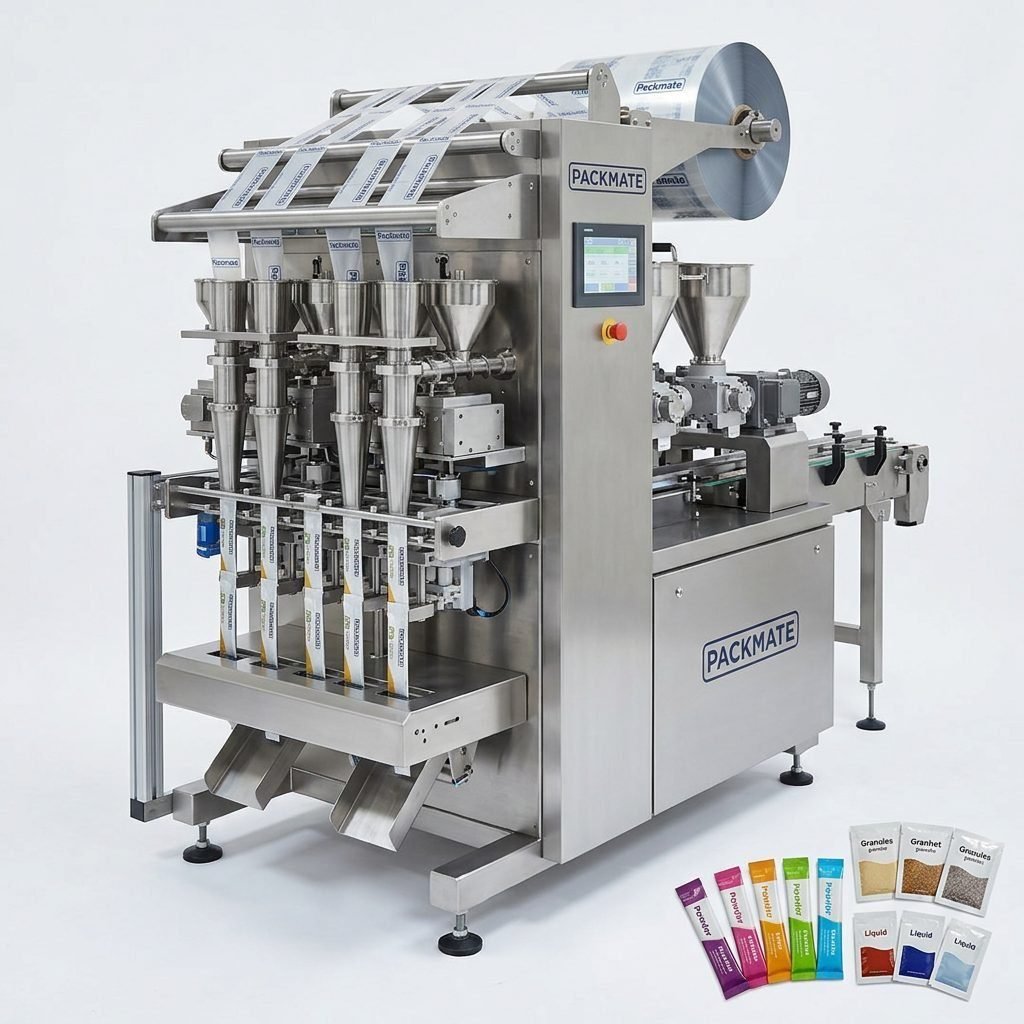
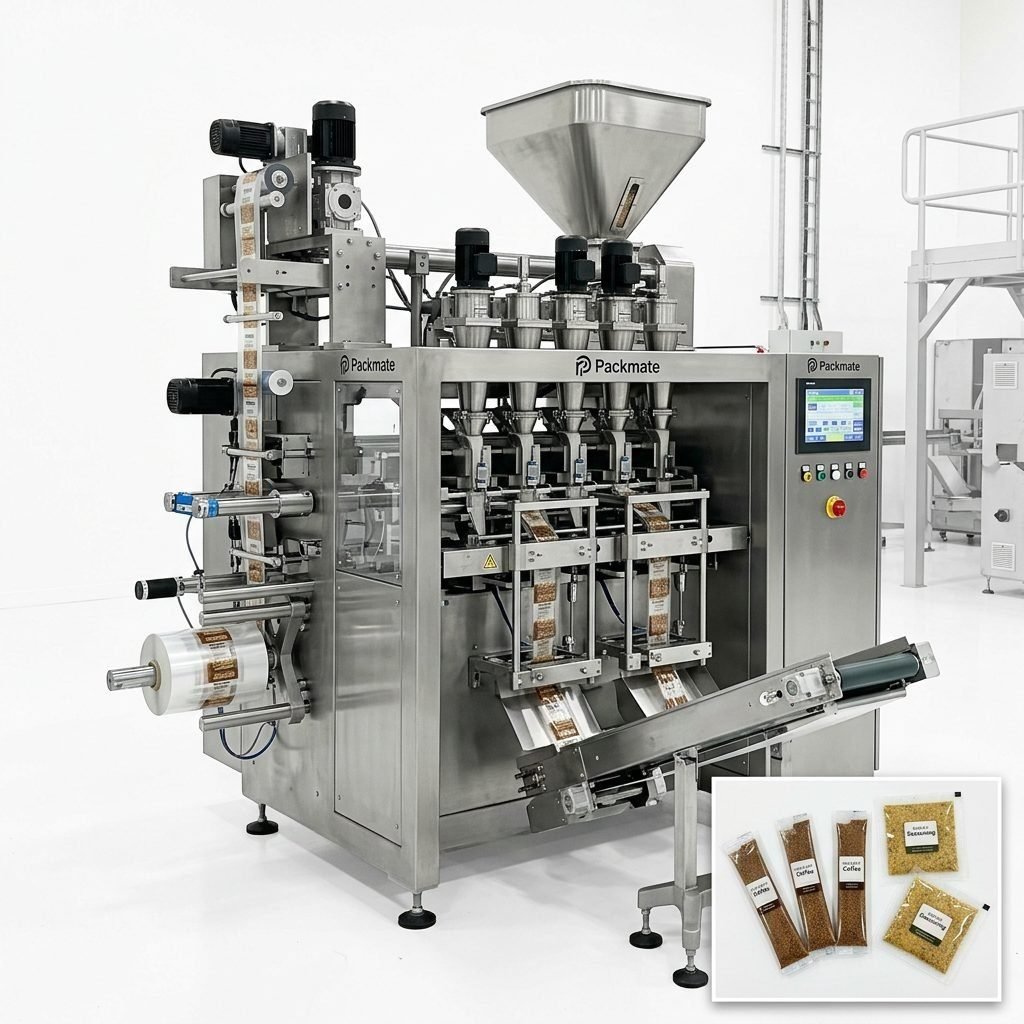
Packaging Format: Do you need stick packs, sachets, pouches, or bottles? The choice impacts the type of machine (e.g., vertical form-fill-seal, sachet packer).
Local Support: Given Dominica’s location, consider the manufacturer’s ability to provide remote support, timely spare parts delivery, and clear technical documentation.
Step 1: Research and Shortlist Potential Manufacturers
Start with thorough online research. Look for manufacturers with a strong international presence and proven experience in your specific product category. Industry-specific trade publications, B2B platforms like Alibaba or industry directories are good starting points. Pay close attention to companies that list experience with food-grade, pharmaceutical, or hygroscopic materials, as these are common in Dominica. Create a shortlist of 5-10 companies that seem to align with your needs.
Step 2: Evaluate Technical Capability and Product Range
Dive deeper into the technical specifications of the manufacturers on your list. A reliable manufacturer should offer a range of machines and be able to explain why a particular model suits your product. Look for:
- Machine Versatility: Can the machine handle multiple bag sizes or formats with quick changeovers? This is valuable for businesses producing different product lines.
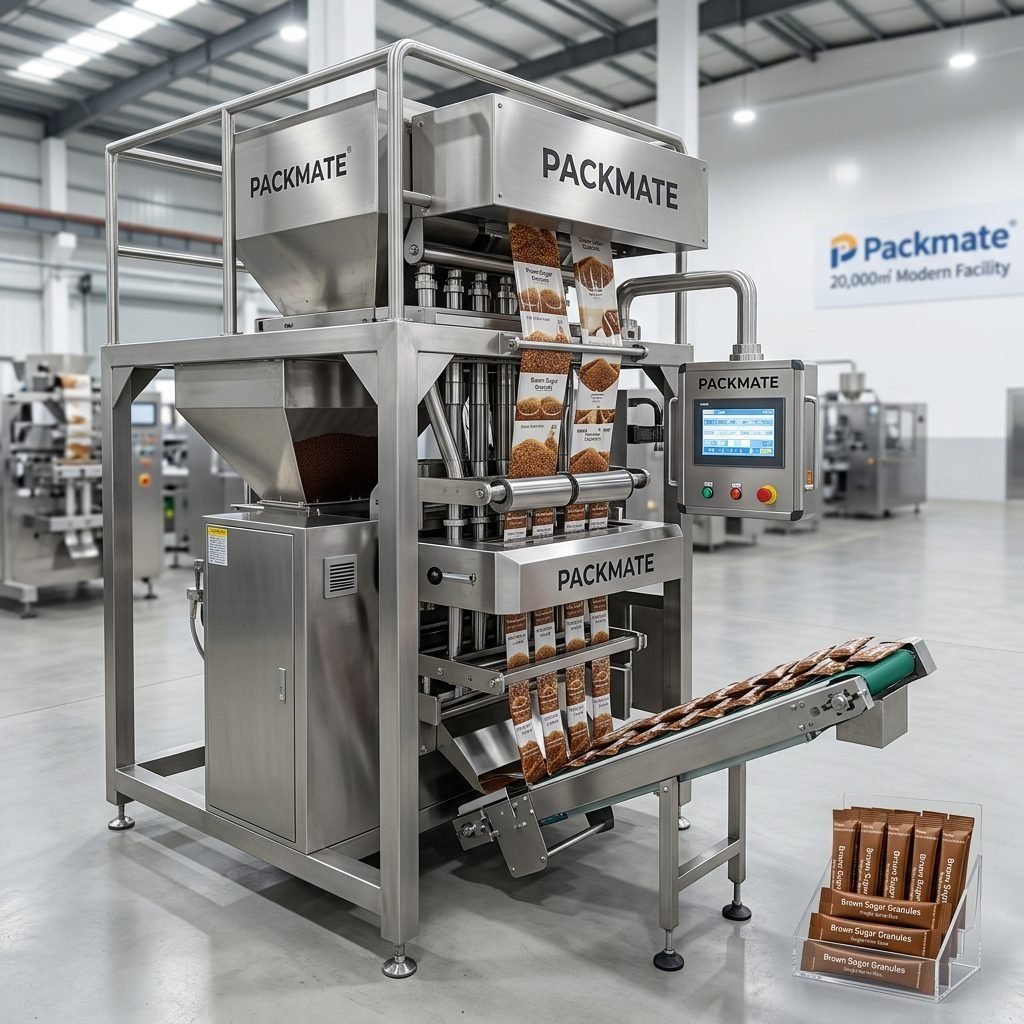
- Construction Quality: Machines built with stainless steel (especially food-contact parts) and robust components offer better longevity and hygiene.
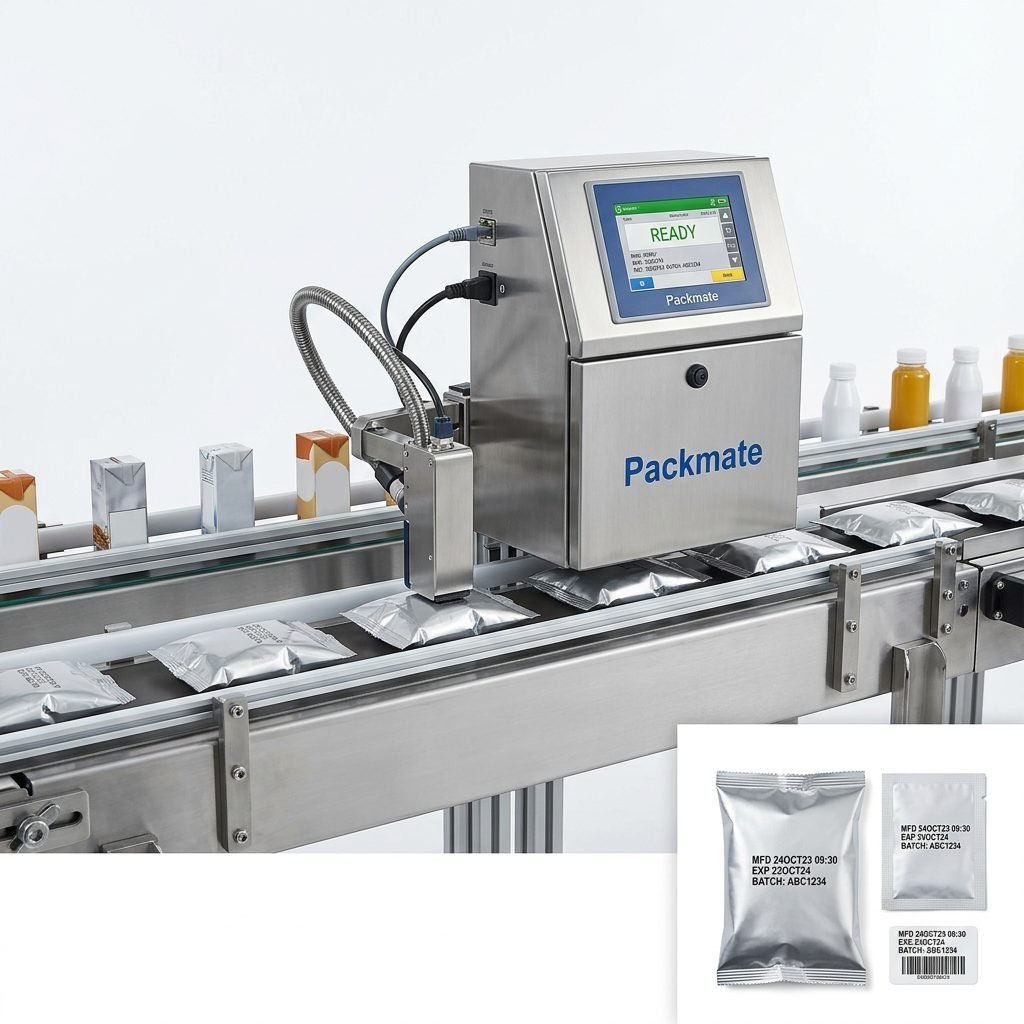
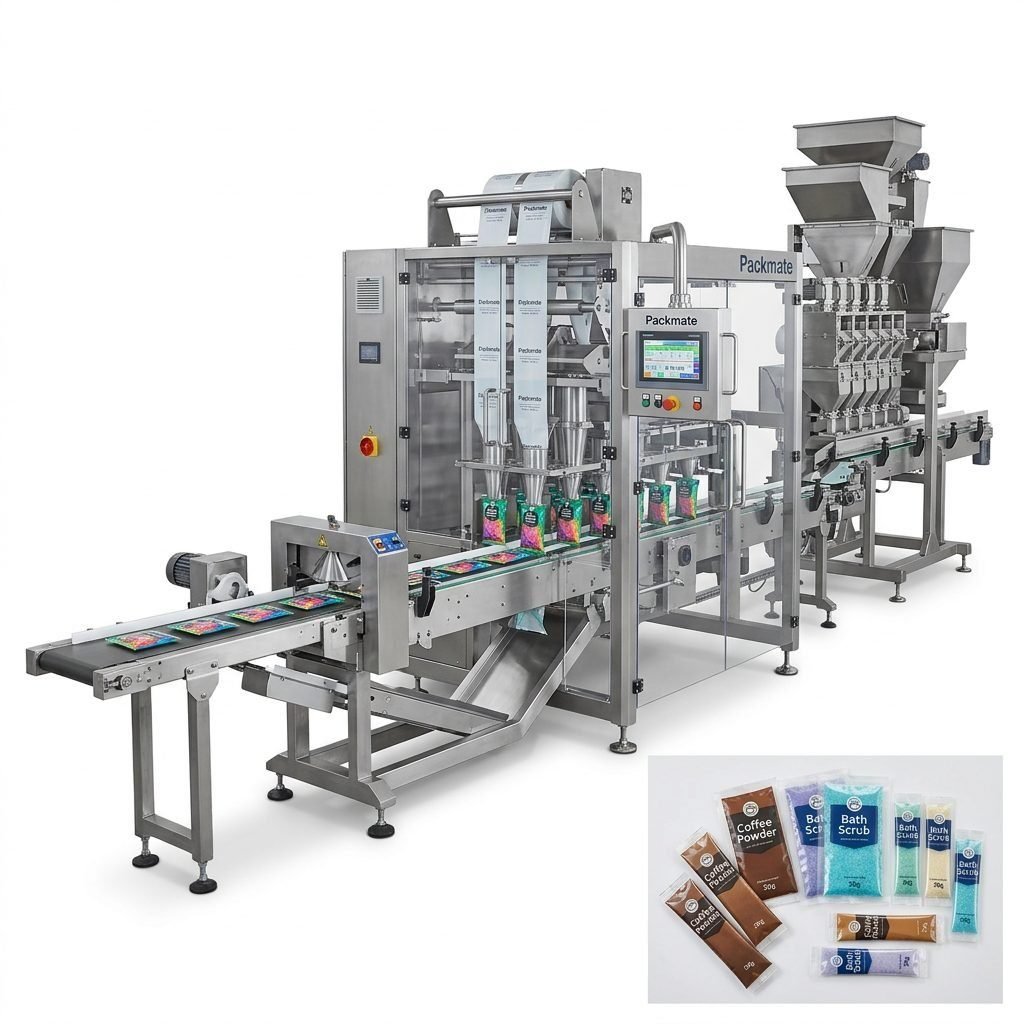
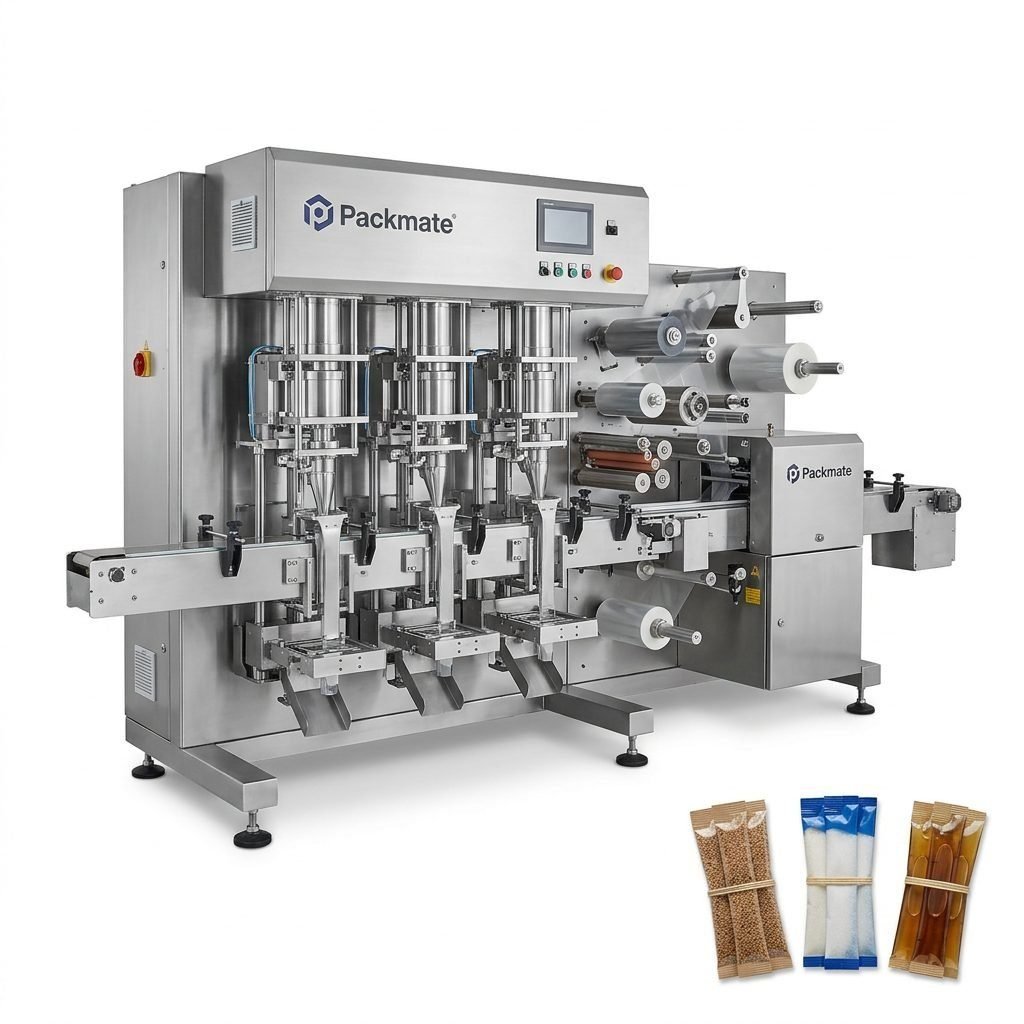
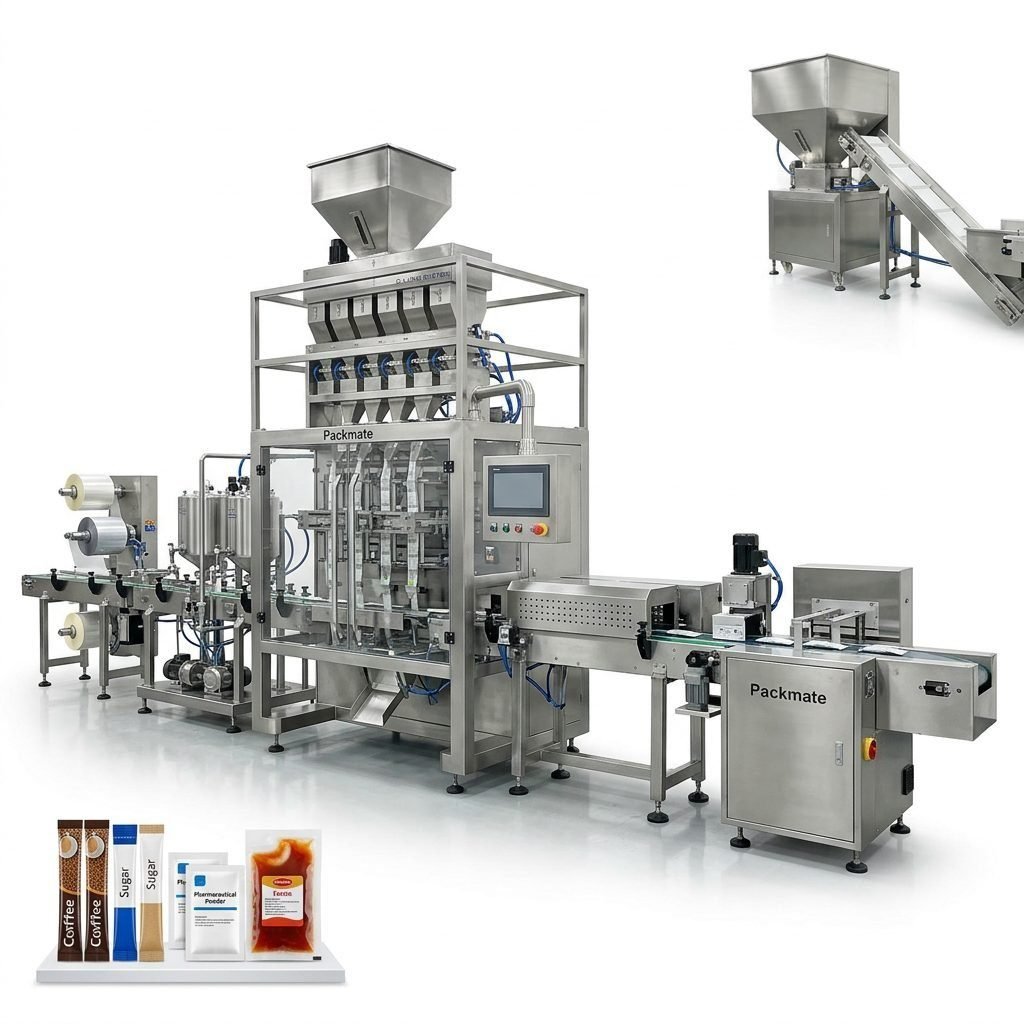
- Automation Level: From semi-automatic to fully integrated lines with weighing, filling, sealing, and coding. Determine what level of automation fits your budget and labor skills.
Step 3: Assess Manufacturing Experience and Company Stability
A manufacturer’s history and stability are strong indicators of reliability. Look for companies with a track record of 10+ years, preferably more. This suggests they have refined their designs and processes over time. Review their “About Us” and company history pages. For instance, manufacturers like Ludyway, with over 30 years of experience since 1993, demonstrate a long-term commitment to the industry. Check their factory size and export history; a company with a large manufacturing footprint and exports to regions with strict standards (like Europe or North America) often adheres to higher quality controls.
Step 4: Verify Quality Control and Certifications
Quality is non-negotiable. Reliable manufacturers will have structured quality control processes throughout production. Inquire about:
International Certifications: Look for CE, ISO 9001, or other relevant machinery safety and quality management certifications. These are indicators of standardized processes.
Testing and Inspection: Do they conduct factory acceptance tests (FAT)? Can you or a third party inspect the machine before shipment? This is crucial for a significant investment.
Material Certifications: For food or pharmaceutical packaging, ensure the machine uses food-grade lubricants and compliant materials.
Step 5: Scrutinize After-Sales Support and Service
This is arguably the most critical factor for a business in Dominica. The geographic distance makes strong after-sales support essential. Ask detailed questions:
- Warranty: What is covered and for how long?
- Technical Support: Is support available in English? What are the communication channels (email, phone, video call)? Is there a local agent or service partner in the Caribbean region?
- Spare Parts: What is the availability and delivery time for critical spare parts? Do they provide a recommended spare parts list?
- Training: Do they provide comprehensive installation, operation, and maintenance manuals? Do they offer on-site or virtual training for your operators?
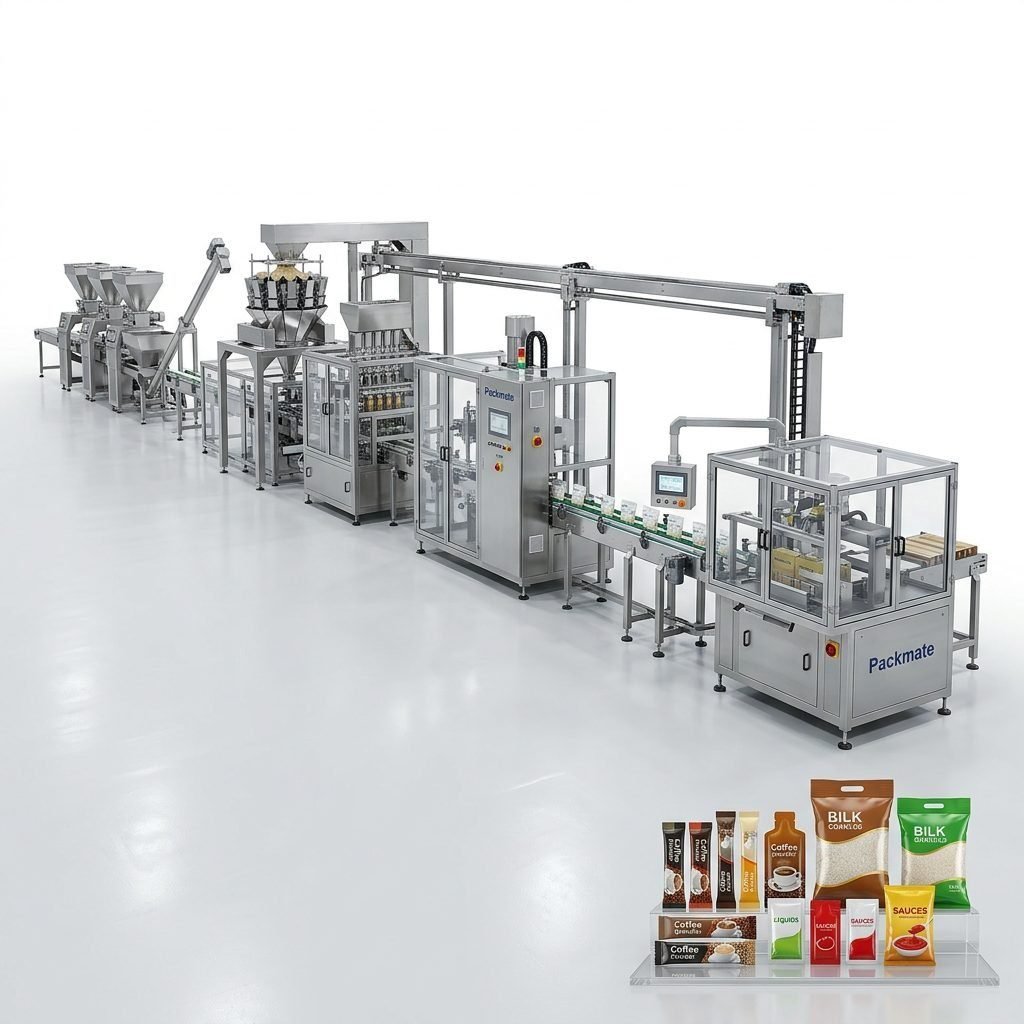
Companies like Packmate Machinery and PacklineOEM, which emphasize export-oriented support and complete line solutions, often have more developed international service protocols.
Step 6: Request and Compare Quotations
Contact your shortlisted manufacturers with a detailed request for quotation (RFQ). Your RFQ should include your product details, required output, packaging material specifications, and any special requirements. When comparing quotes:
| Factor | What to Compare |
|---|---|
| Machine Price | Total cost, including standard accessories. |
| Shipping & Logistics | Incoterms (FOB, CIF, etc.), estimated cost to port in Dominica. |
| Payment Terms | Deposit percentage, milestone payments, balance before shipment. |
| Delivery Lead Time | From order confirmation to shipment readiness. |
| Technical Specifications | Ensure you are comparing machines of similar capability and build quality. |
Step 7: Check References and View Case Studies
Ask potential suppliers for client references, particularly those with similar products or in similar geographic regions. If possible, contact these references to ask about machine performance, reliability, and the quality of after-sales service. Also, review case studies or project galleries on the manufacturer’s website. For specialized needs, such as nicotine pouch packaging, a manufacturer like SnusMachinery would have relevant case studies demonstrating niche expertise.
Step 8: Consider Customization and Future-Proofing
Your business in Dominica may grow or diversify. Discuss with the manufacturer their ability to provide customized solutions or upgrade paths. Can the machine be modified for a different product in the future? Companies that specialize in non-standard solutions, such as PackingMachineOEM, can be valuable partners for unique or evolving requirements. Future-proofing your investment can save significant costs down the line.
Key Questions to Ask Potential Suppliers
1. Can you provide a video of a similar machine running a product like mine (e.g., cocoa powder, dried herbs)?
2. What is your standard warranty, and what specific parts and labor does it cover?
3. What is your typical response time for technical support inquiries from the Caribbean region?
4. Can you supply a list of recommended spare parts for the first two years of operation?
5. Do you offer any training materials or sessions for our operators, and in what format?
Common Questions (FAQs) for Dominican Importers
What are the main challenges of importing machinery to Dominica?
The primary challenges include navigating shipping logistics to a Caribbean island, managing import duties and taxes (which should be researched with a local customs broker), and ensuring the electrical specifications (voltage, frequency, plug type) of the machine are compatible with Dominica’s power grid (230V/50Hz). A reliable supplier should help guide you on shipping and documentation.
How important is it to visit the factory in person?
While highly recommended, a factory visit may not always be feasible due to distance and cost. A strong alternative is to request a live video tour of the factory floor and a video conference demonstration of the exact machine model you are considering. This allows you to assess build quality and ask real-time questions.
Should I choose a standard machine or a customized solution?
For most common applications (packaging powders, granules, simple liquids), a well-configured standard machine is more cost-effective and has faster delivery. Choose customization if your product has unique characteristics (highly viscous, abrasive, requires special gas flushing) or if you have specific space or integration constraints in your facility.
What ongoing costs should I budget for?
Beyond the machine purchase, budget for shipping and insurance, import duties, installation (possible local technician costs), routine maintenance spare parts (sealing jaws, belts, sensors), packaging materials compatible with the machine, and potential future service contracts.
How can I verify a manufacturer’s claims about their export experience?
Ask for specific examples of machines exported to the Caribbean, South America, or similar markets. Request copies of shipping documents or certificates of origin for reference. Check if they have multilingual staff and English-language manuals, which are good indicators of an export-focused business.