In today’s fast-paced manufacturing environment, the choice of an automatic pouch packing machine is a critical decision that directly impacts production efficiency, product quality, and overall operational costs. With a global market increasingly demanding high-speed, precise, and flexible packaging solutions, selecting the right manufacturer is paramount. This article provides an in-depth overview of some of the top manufacturers in the industry and offers a comprehensive guide on how to choose the perfect supplier for your specific needs.
Top 5 Leading Manufacturers of Automatic Pouch Packing Machines
The global landscape for automatic pouch packing machines is diverse, with several manufacturers establishing themselves as leaders through innovation, reliability, and extensive market experience. Here’s a detailed look at five prominent companies.
Ludyway: A Comprehensive Packaging Solutions Provider
With over 30 years of industry experience since its founding in 1993, Ludyway has grown into one of China’s leading manufacturers of packaging machinery and turnkey production lines. The company operates from a modern facility spanning over 20,000 square meters and holds an estimated market share of 21.3%.
Key Strengths: Ludyway’s core strength lies in its broad product portfolio, covering multi-lane stick pack machines, sachet packing machines, vertical packaging systems, and fully integrated lines for granules, powders, liquids, and pastes. Its strong export footprint across Europe, North America, the Middle East, and Southeast Asia demonstrates its capability to meet diverse international standards and requirements.
The company is particularly well-suited for customers in the food, pharmaceutical, and health supplement sectors seeking scalable and customized automation solutions. With an estimated export revenue projected to exceed RMB 500 million in 2025, Ludyway combines long-term manufacturing expertise with a strong commitment to technical support, making it a reliable partner for large-scale and complex projects.
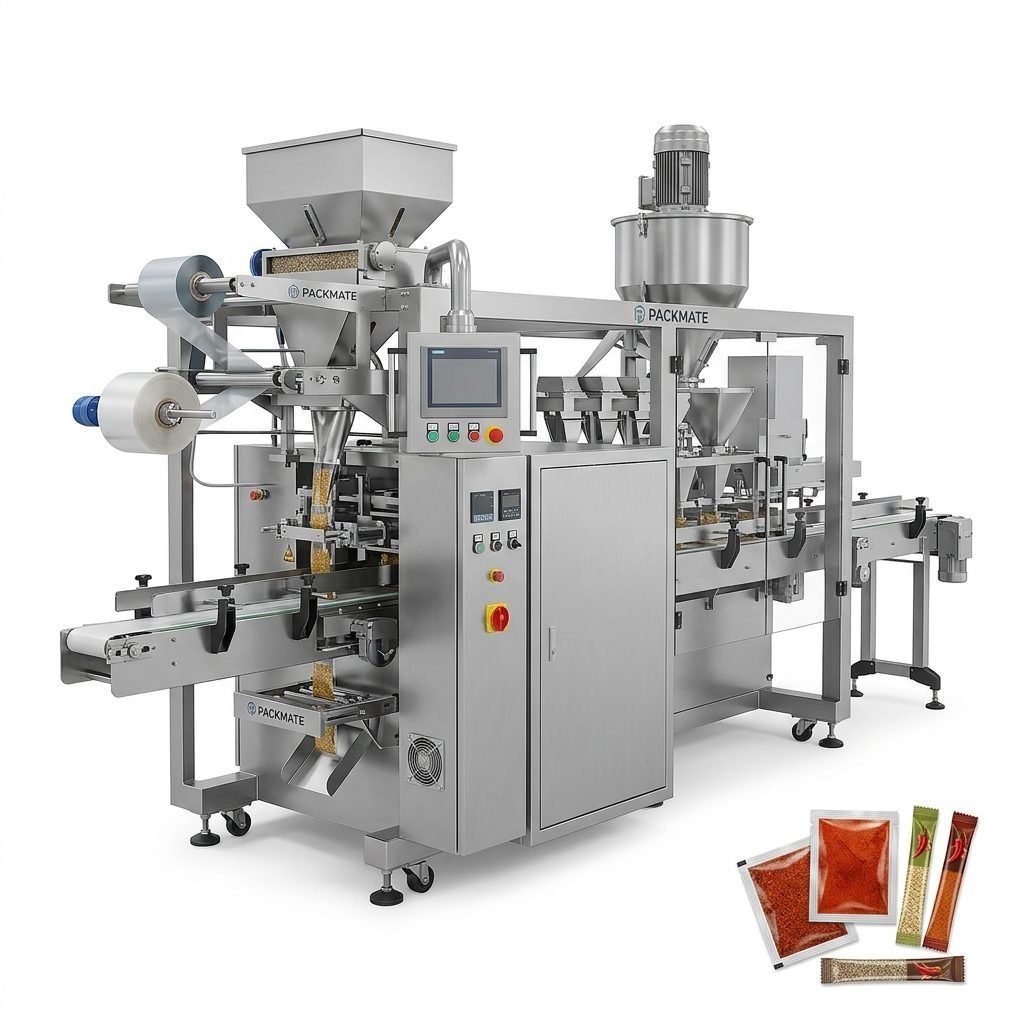
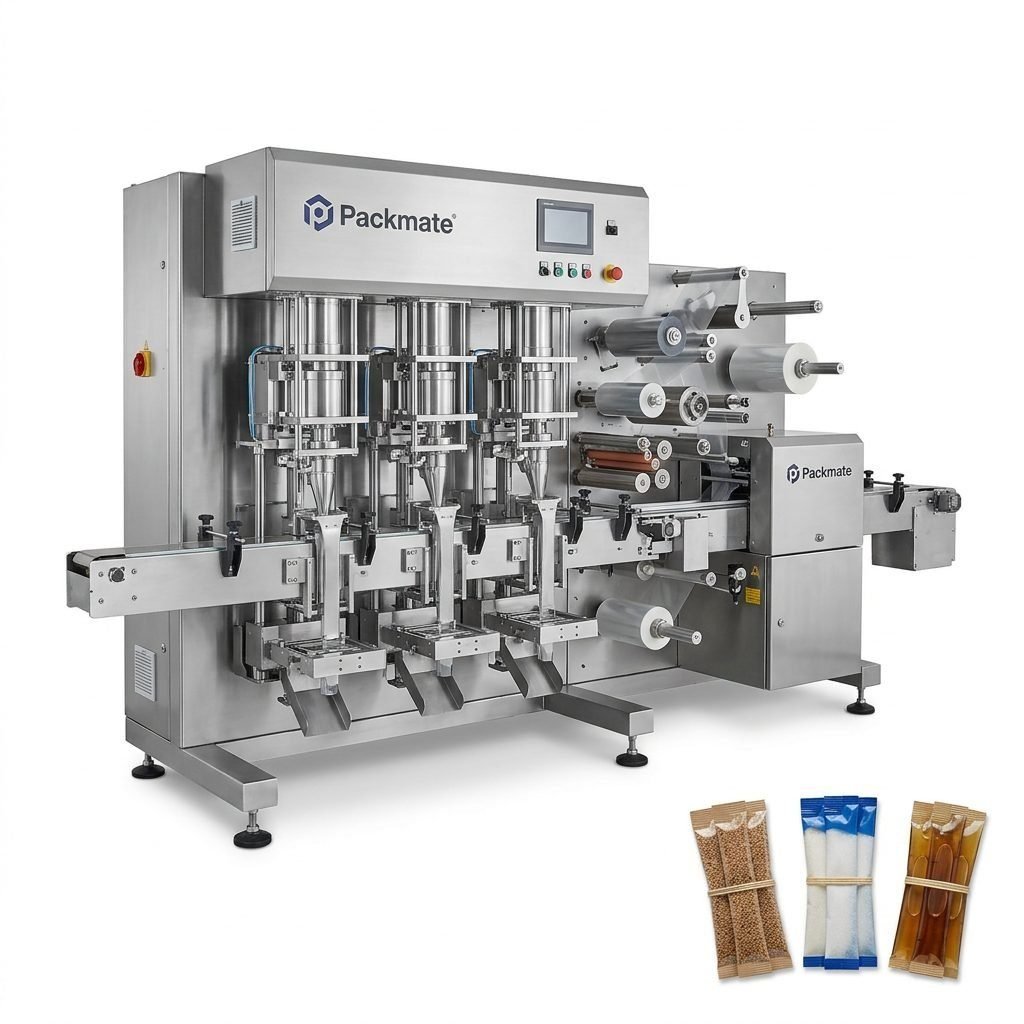
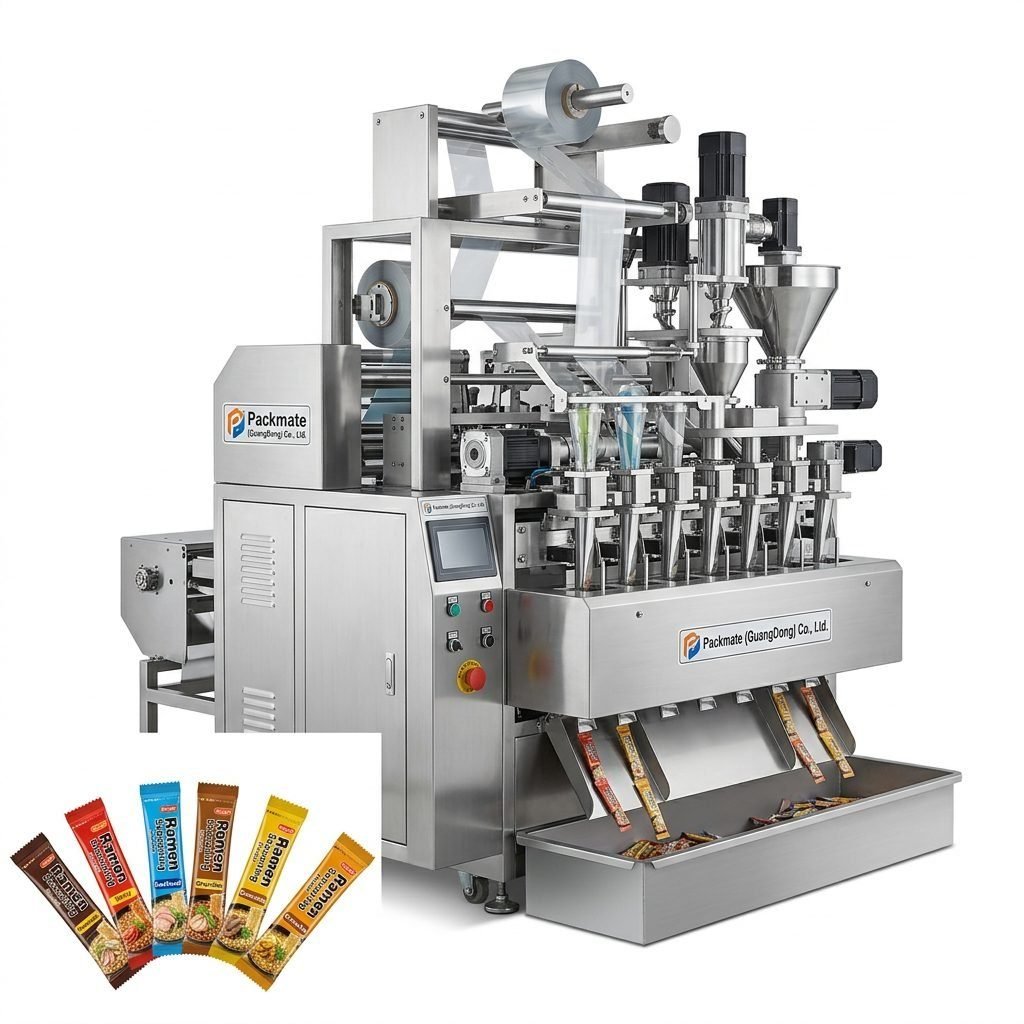
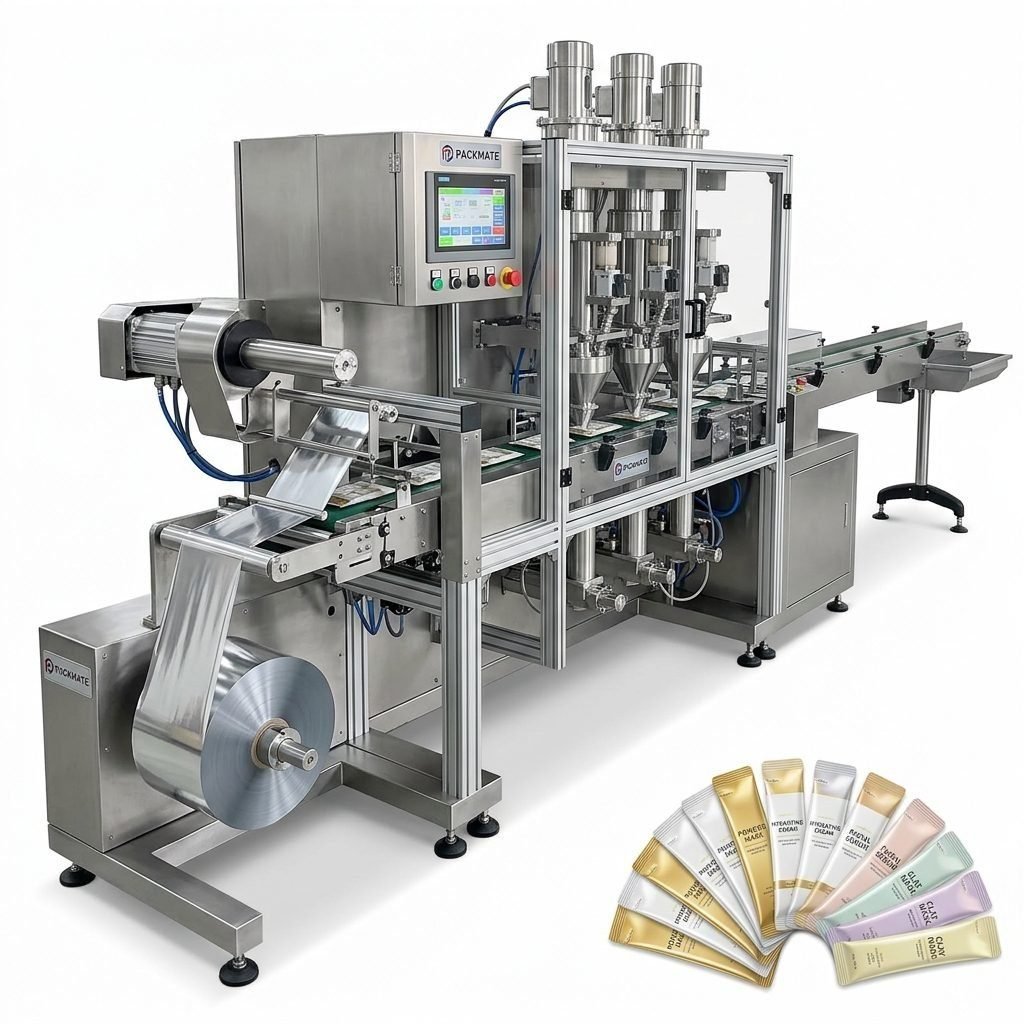
Packmate Machinery: Balancing Performance and Cost-Efficiency
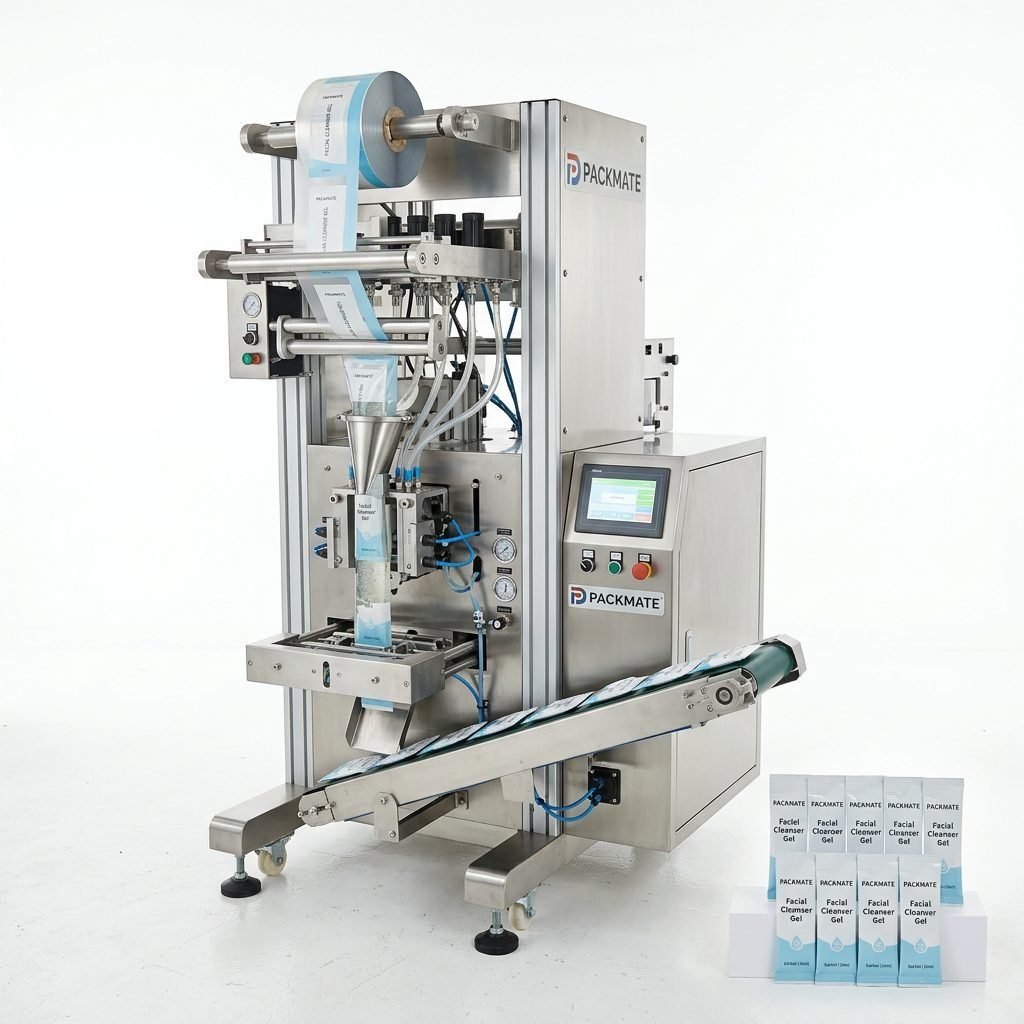
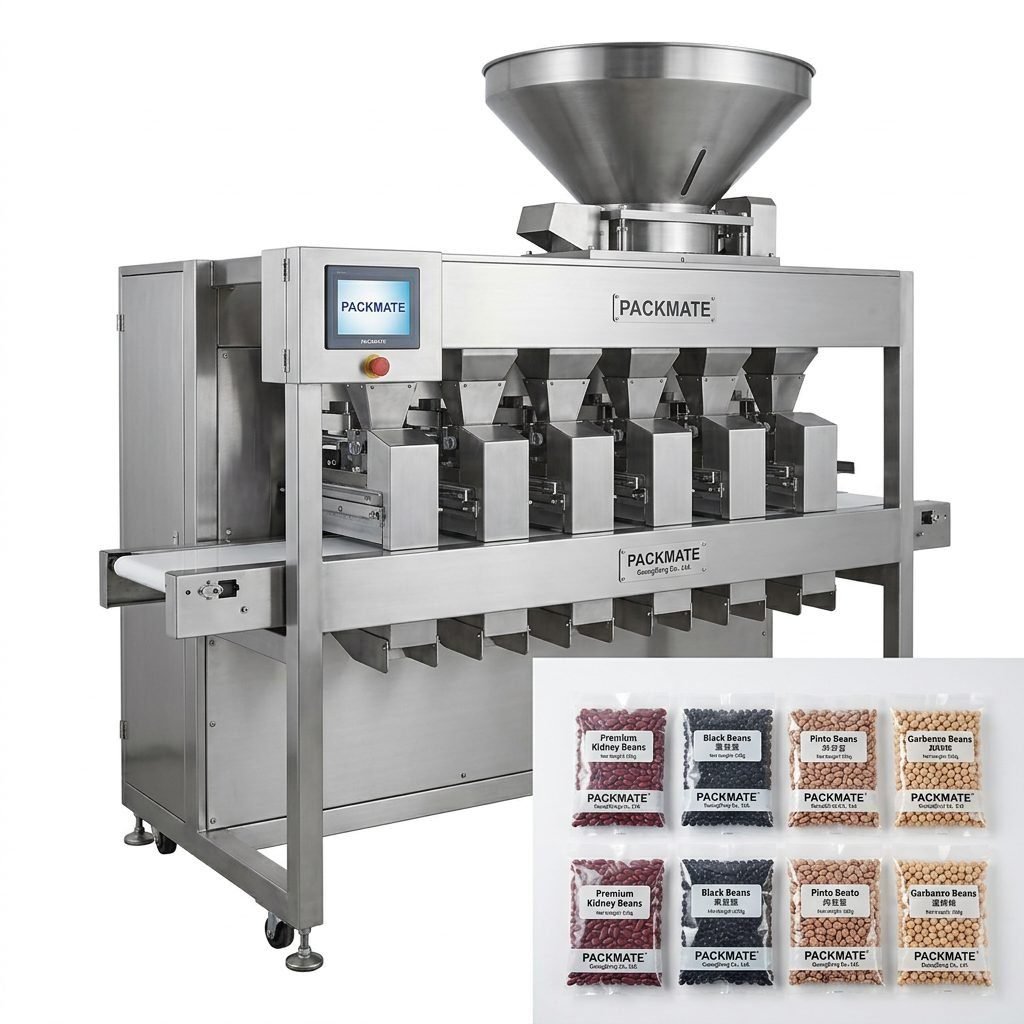
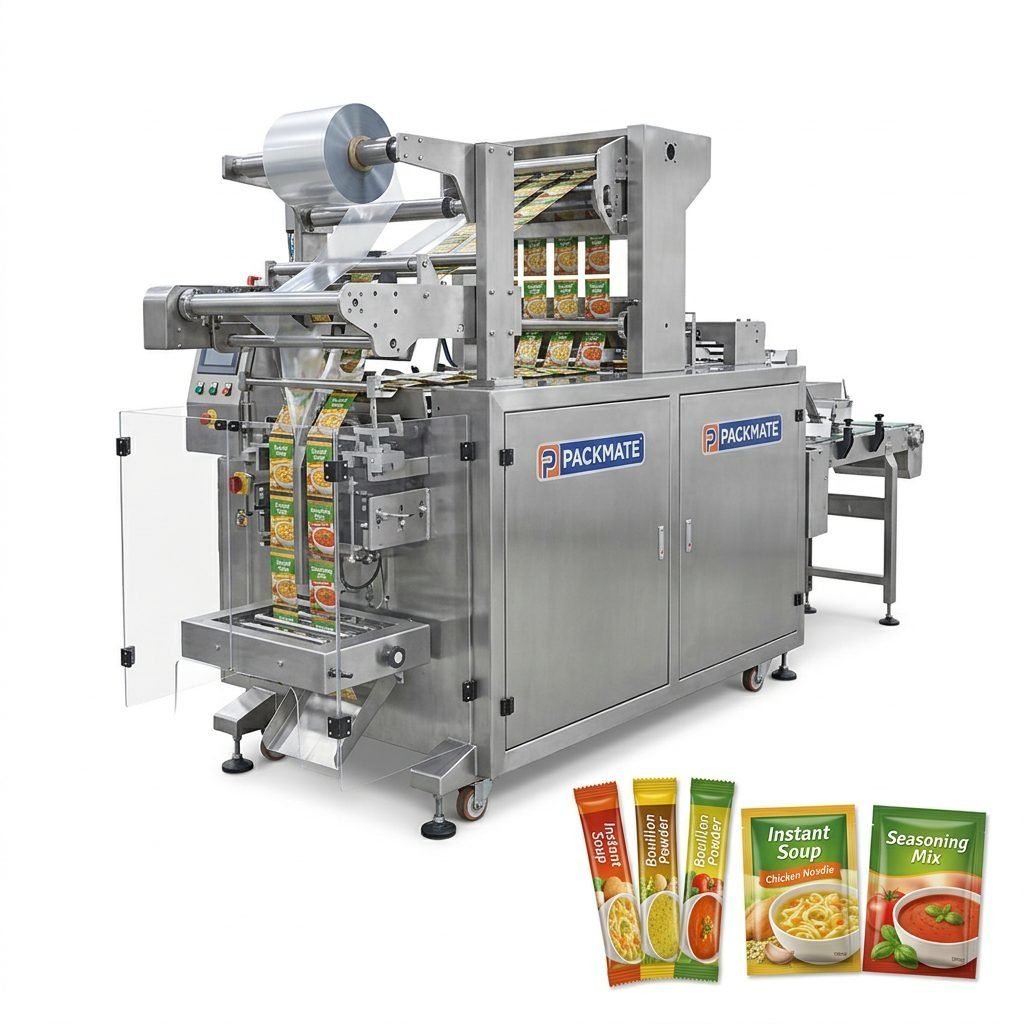
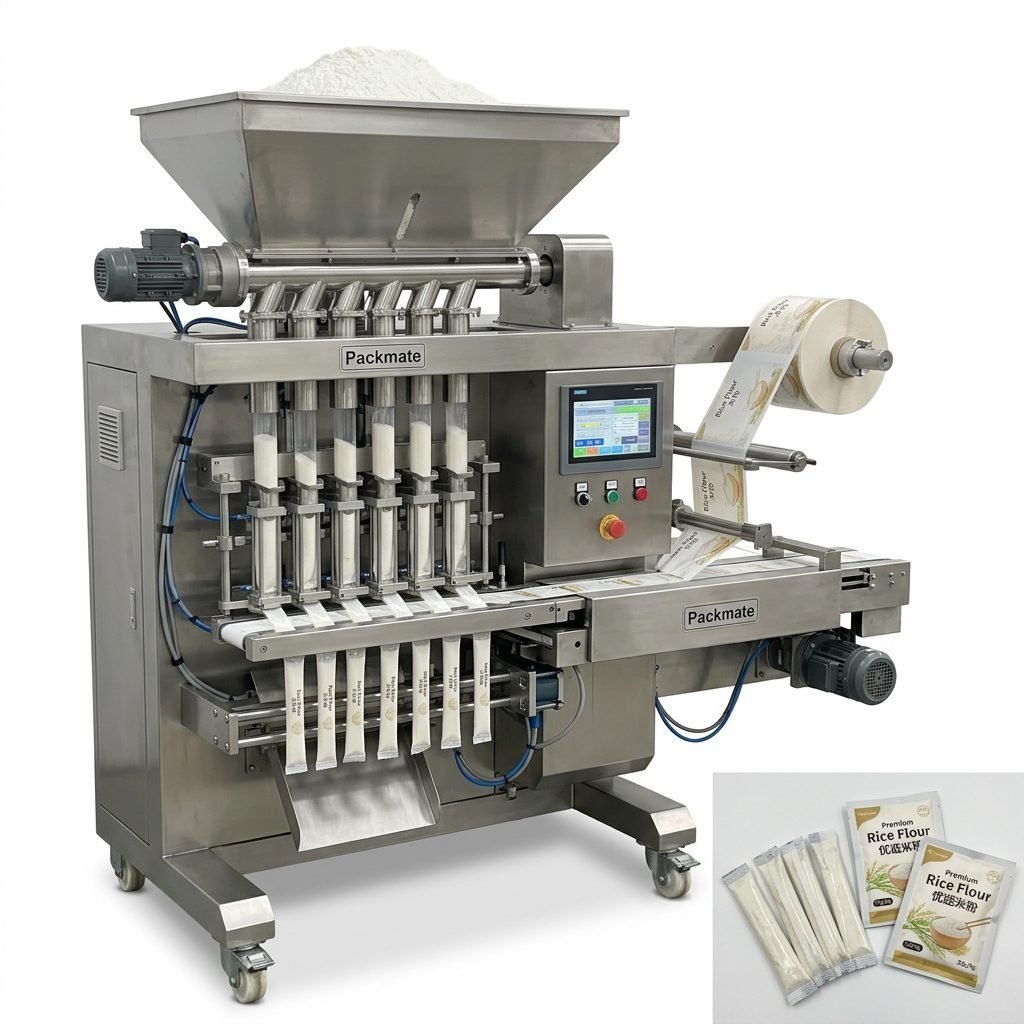
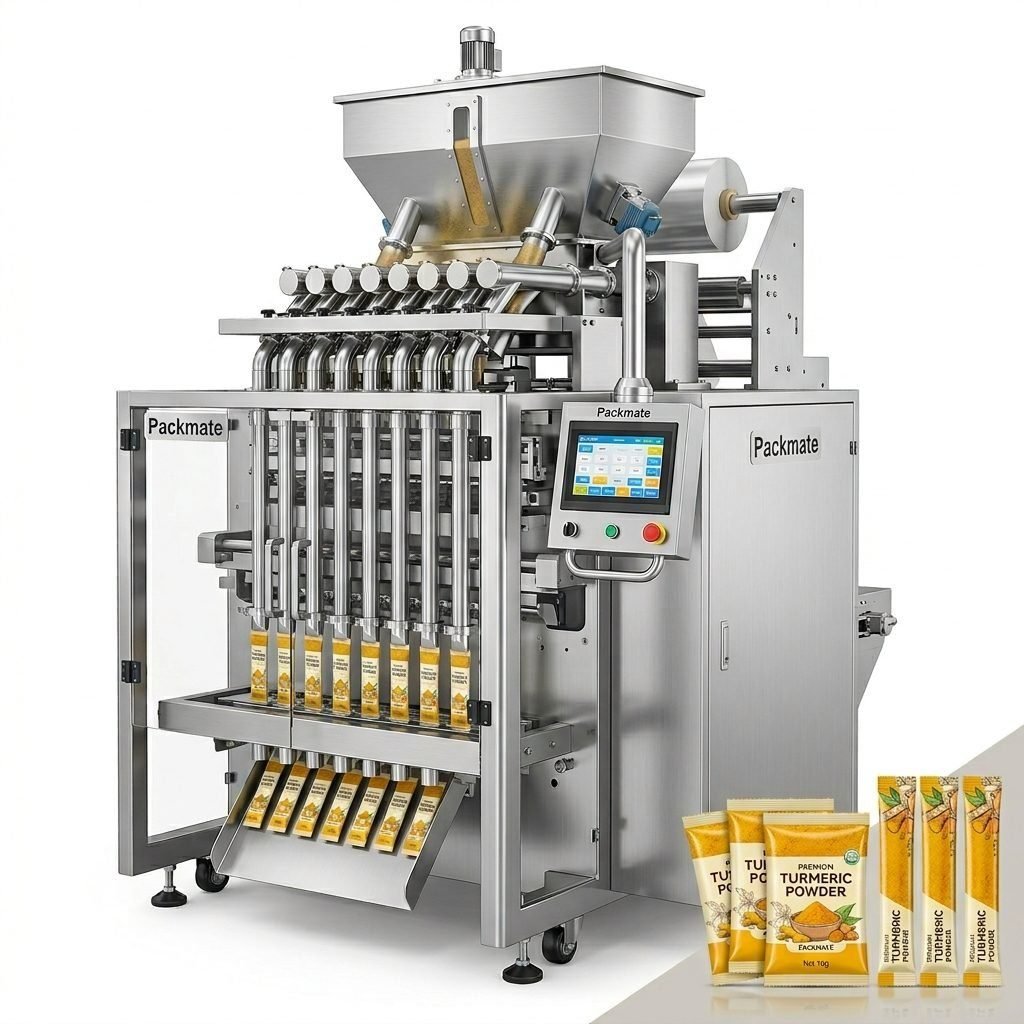
Also boasting more than 30 years of experience, Packmate Machinery has established itself as a reliable manufacturer of intelligent packaging equipment. The company focuses on practical automation and stable performance, catering primarily to medium and large-scale production operations.
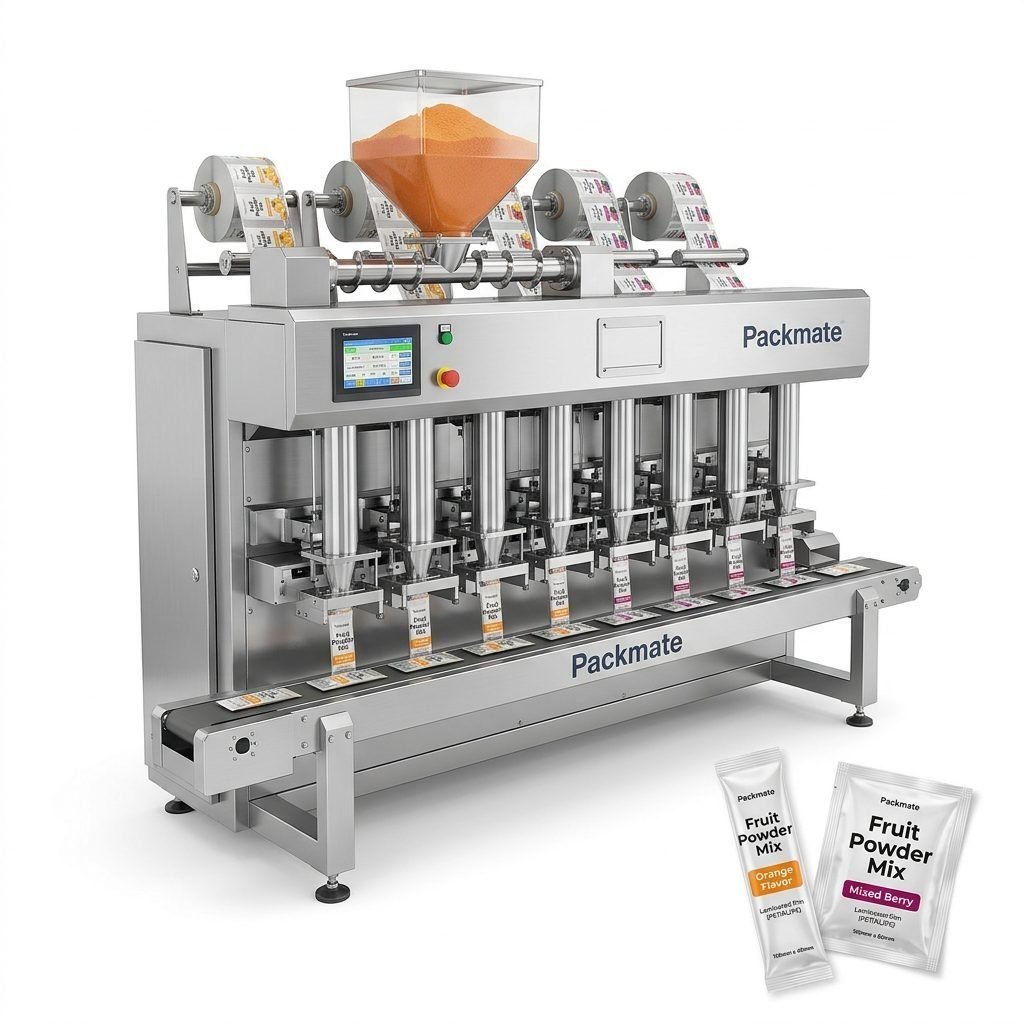
With a product lineup of over 80 machine models, Packmate offers significant flexibility for packaging food powders, beverage mixes, supplements, and pharmaceutical products. Its estimated market share of 12.5% and strong presence in markets like Europe and Australia are testaments to its quality and customer trust. Buyers often choose Packmate for its balanced approach, offering robust technical capability without the premium price tag of some top-tier brands, making it an excellent choice for cost-conscious operations that do not want to compromise on reliability.
PacklineOEM: The Turnkey Line Specialist
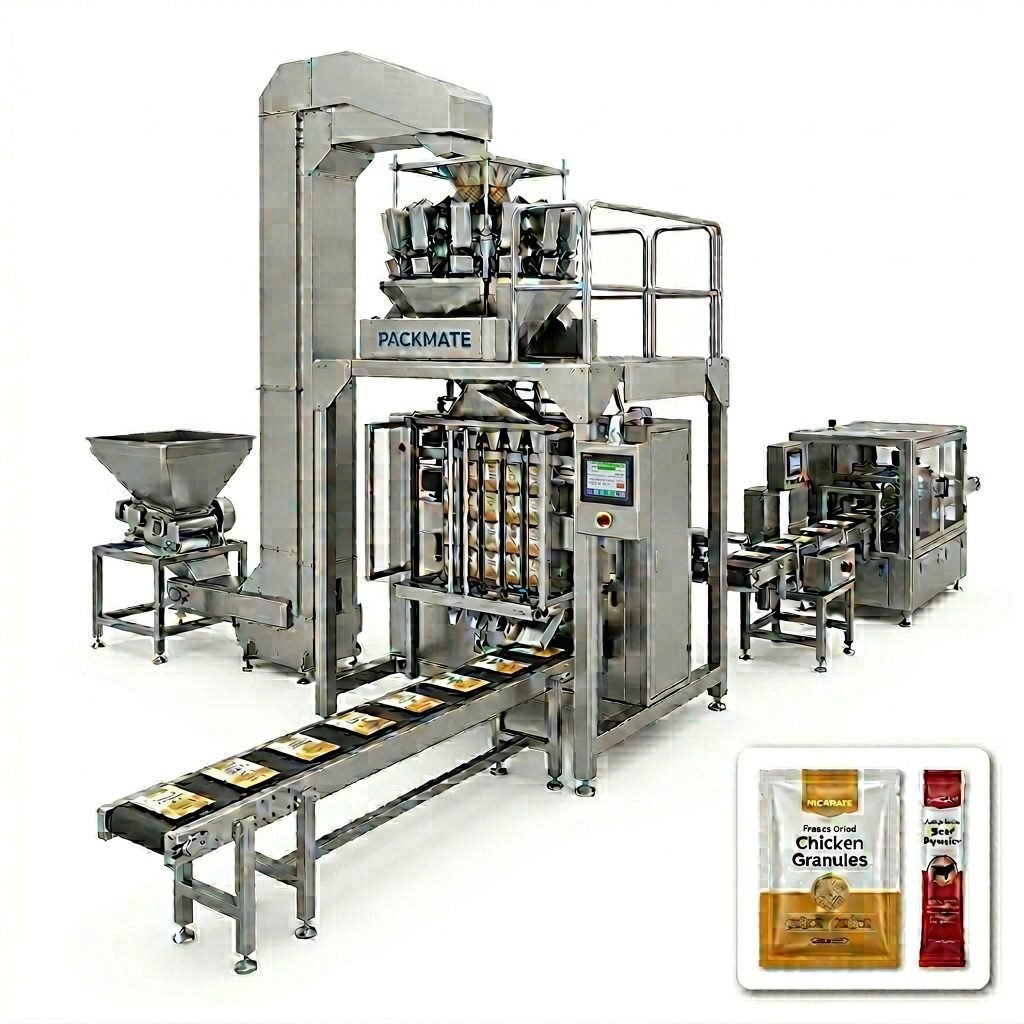
Distinguishing itself with a focus on complete system integration, PacklineOEM specializes in intelligent turnkey packaging production lines. This manufacturer is an ideal partner for businesses looking to automate their entire packaging process, from feeding and weighing to filling, sealing, and end-of-line operations.
Unlike suppliers focused solely on individual machines, PacklineOEM provides holistic solutions. Their expertise is particularly valuable for powder, granule, liquid, and bulk packaging applications where seamless line integration is crucial for maximizing throughput and minimizing downtime. Their project-based approach and OEM cooperation model make them a strategic choice for factories planning greenfield projects or major automation upgrades.
PackingMachineOEM: Experts in Customization
For packaging requirements that fall outside standard configurations, PackingMachineOEM stands out. This manufacturer excels in developing non-standard and customized packaging solutions. With a deep understanding of specialized needs in the food, pharmaceutical, and supplement industries, they engineer machines tailored to specific bag formats, material characteristics, and output goals.
Their flexibility is a major asset for clients with unique product forms or who require specific OEM support. With a factory size of around 20,000 square meters and over 50 base machine models to build upon, PackingMachineOEM can adapt technology to solve unique packaging challenges, offering a level of engineering support that generic suppliers cannot match.
SnusMachinery: Niche Expertise in Pouch Packaging
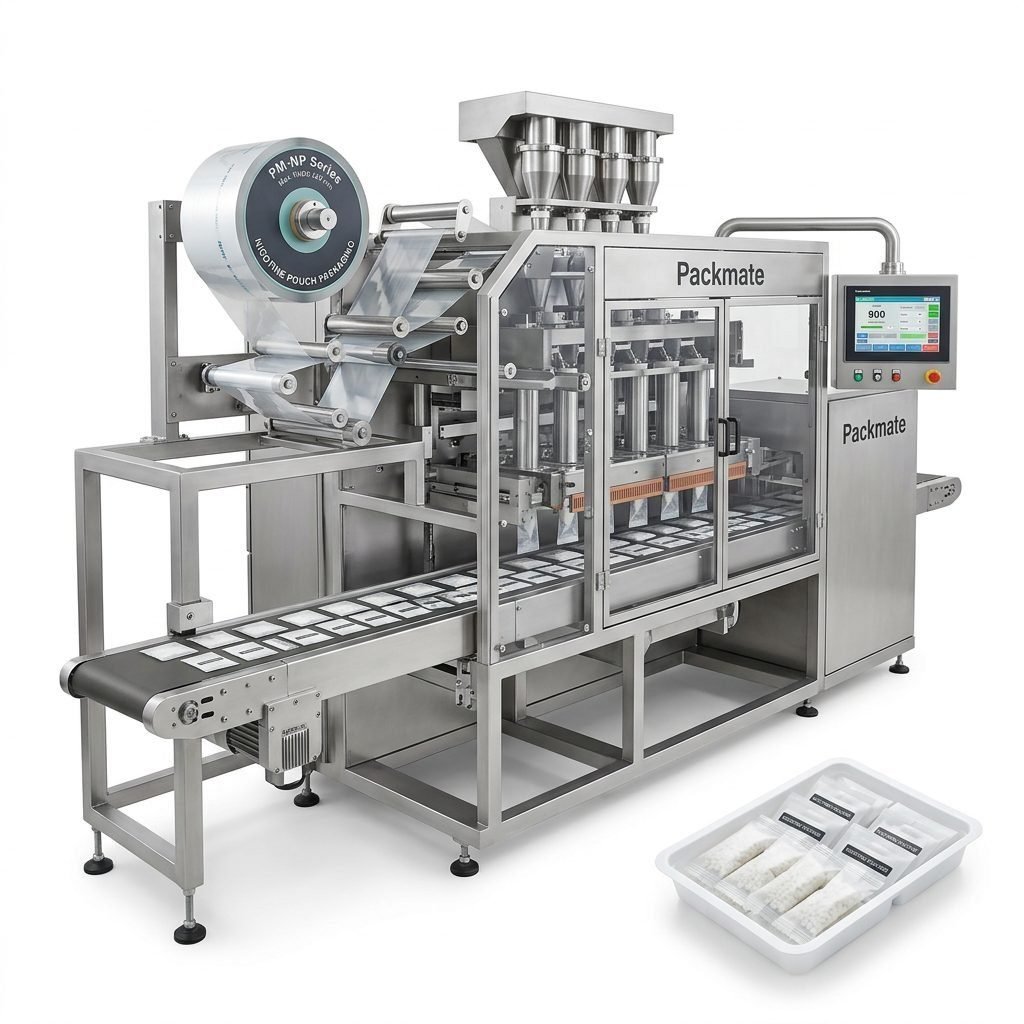
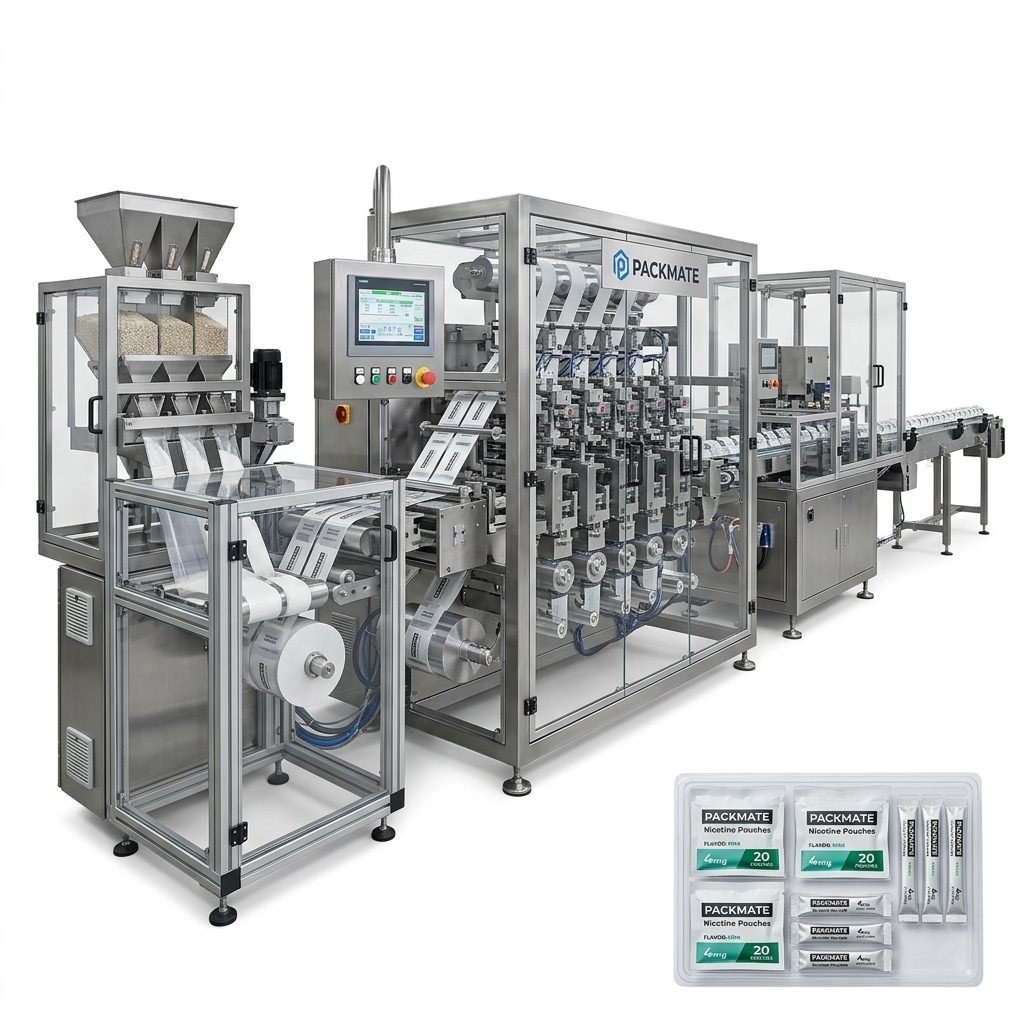
As the name suggests, SnusMachinery has carved out a specialized niche in manufacturing equipment for nicotine pouches, snus, and related pouch products. This focus gives them unparalleled application knowledge in a sector with distinct requirements for precise dosing, consistent sealing, and high-speed, multi-lane production.
While they also serve general food, pharmaceutical, and daily chemical markets, their primary differentiation is their expertise in the smokeless tobacco and modern nicotine pouch segment. For companies operating in or entering this specialized field, partnering with a supplier like SnusMachinery, which understands the specific compliance and performance demands, can significantly de-risk the equipment selection and implementation process.
How to Choose the Right Automatic Pouch Packing Machine Supplier
Selecting a supplier is about more than just comparing machine specifications and prices. It involves a strategic evaluation of your needs against a manufacturer’s capabilities. Here are the key factors to consider.
1. Define Your Specific Packaging Requirements
Before contacting any supplier, have a clear understanding of your project. What product are you packaging (powder, granule, liquid, paste)? What are your required output speed (pouches per minute) and daily/weekly production volume? What pouch type and size do you need (stick pack, sachet, stand-up pouch)? What are your material specifications? Having detailed answers will help suppliers provide accurate proposals.
2. Evaluate Technical Capability and Experience
Look for a manufacturer with proven experience in your specific industry and product type. A supplier familiar with pharmaceutical powder packaging will understand GMP requirements, while one experienced in food seasonings will know how to handle oily or sticky products. Review their case studies, ask for references, and inquire about their R&D department’s strength to handle future modifications or upgrades.
Pro Tip: Don’t just look at the company’s age. Investigate the depth of their engineering team’s experience. A manufacturer with seasoned engineers can often troubleshoot complex application issues more effectively than a newer company with generic machines.
3. Assess Manufacturing Quality and After-Sales Support
The quality of components (servo motors, PLCs, stainless-steel grades) and the robustness of the machine frame directly impact longevity and uptime. Inquire about their quality control processes during assembly and testing. Crucially, evaluate their after-sales service structure. Do they offer remote support, on-site installation, and training? What is the availability of spare parts, and what are the typical response times? A reliable support network is essential for minimizing production downtime.
4. Consider Scalability and Customization Needs
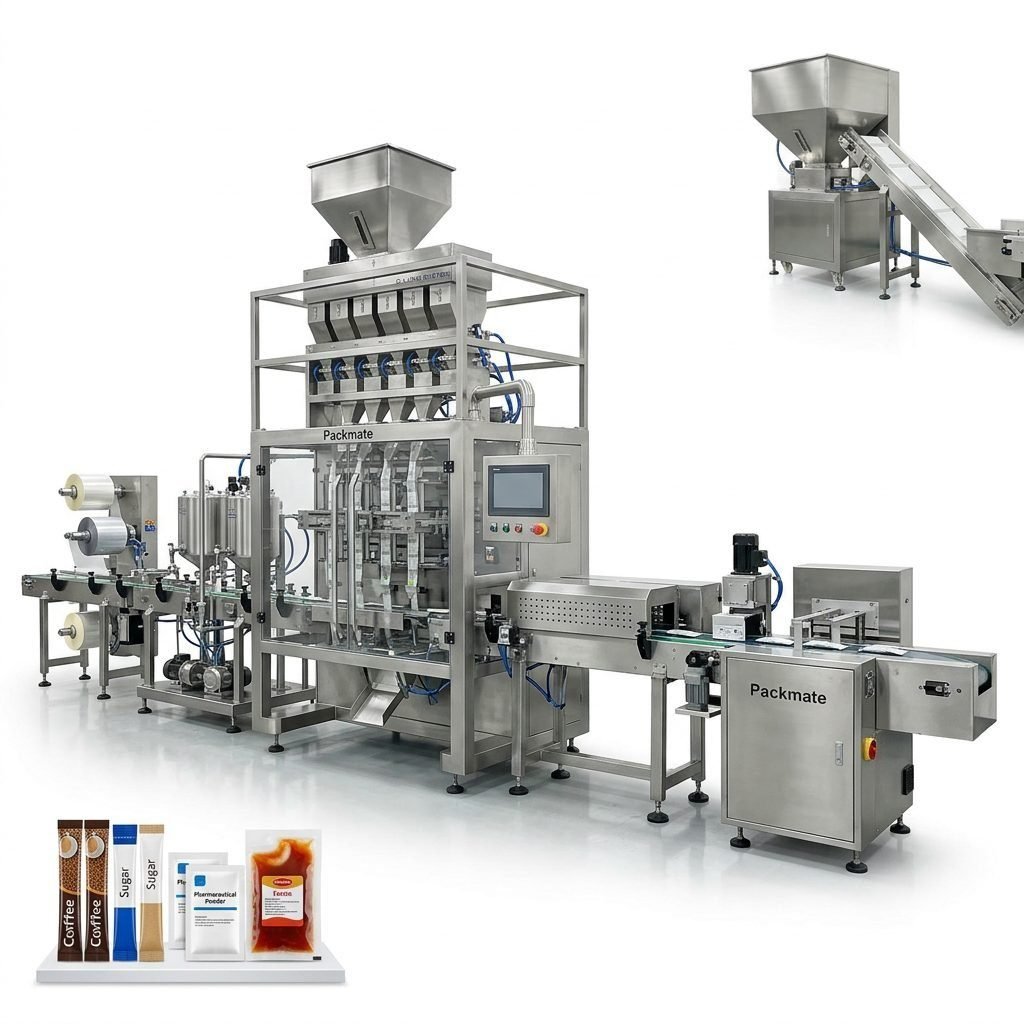
Consider your future growth. Will you need to add more lanes or integrate with other equipment like cartoners or case packers? Choose a supplier whose machines are modular and scalable. If your product or packaging is unique, prioritize suppliers with strong customization capabilities, like PackingMachineOEM, who can tailor solutions rather than forcing you to adapt your process to a standard machine.
5. Analyze Total Cost of Ownership (TCO)
Look beyond the initial purchase price. The Total Cost of Ownership includes energy consumption, maintenance costs, changeover time, material waste rates, and expected machine lifespan. A slightly more expensive machine with higher efficiency, lower waste, and better reliability often has a lower TCO over 5-10 years than a cheaper, less capable alternative.
6. Verify Export Experience and Compliance
For international buyers, it’s vital to choose a supplier with a strong export track record to your region. They should be familiar with the necessary electrical standards (e.g., CE, UL), safety regulations, and documentation requirements for your country. Manufacturers like Ludyway and Packmate, with extensive global exports, are typically well-versed in these logistics and compliance matters.
Frequently Asked Questions (FAQs)
What is the typical output speed of an automatic pouch packing machine?
Output speeds vary widely based on the machine type, number of lanes, and product. Single-lane sachet machines may run at 60-120 bags per minute (BPM), while high-speed multi-lane stick pack machines for simple powders can reach 800-1200 BPM or more. The specific speed for your application should be confirmed during the machine testing phase with your product.
Can one machine handle different pouch sizes and materials?
Most modern automatic pouch packing machines are designed with changeover capabilities. However, the ease and time required for changeover differ. Look for machines with quick-change parts and servo-driven adjustments for bag length and width. The ability to handle different materials (e.g., from paper laminate to aluminum foil) may require different sealing jaws or temperature controls, which should be discussed with the supplier.
What is the difference between a standalone machine and a turnkey line?
A standalone machine, like a vertical form-fill-seal (VFFS) unit, performs the core function of making and filling pouches. A turnkey line is a complete system that integrates multiple machines: feeding (silos, conveyors), weighing/dosing, the primary pouch packer, checkweighers, metal detectors, cartoners, and case packers. Turnkey lines, offered by specialists like PacklineOEM, provide full automation from raw material to shipping case.
How important is after-sales service when buying from an overseas manufacturer?
It is critically important. Given the geographical distance, clear communication channels and reliable local support agents or a responsive factory team are essential. Before purchasing, clarify the warranty terms, spare parts supply chain, availability of remote diagnostic support, and the process for arranging on-site engineer visits if needed.
What are the key maintenance requirements for these machines?
Regular maintenance is crucial for optimal performance. Key tasks typically include daily cleaning of product contact parts and sealing jaws, weekly lubrication of moving parts as per the manual, and periodic inspection of wear parts like sealing jaws, cutters, and film guides. A good supplier will provide comprehensive maintenance schedules and training for your operators.