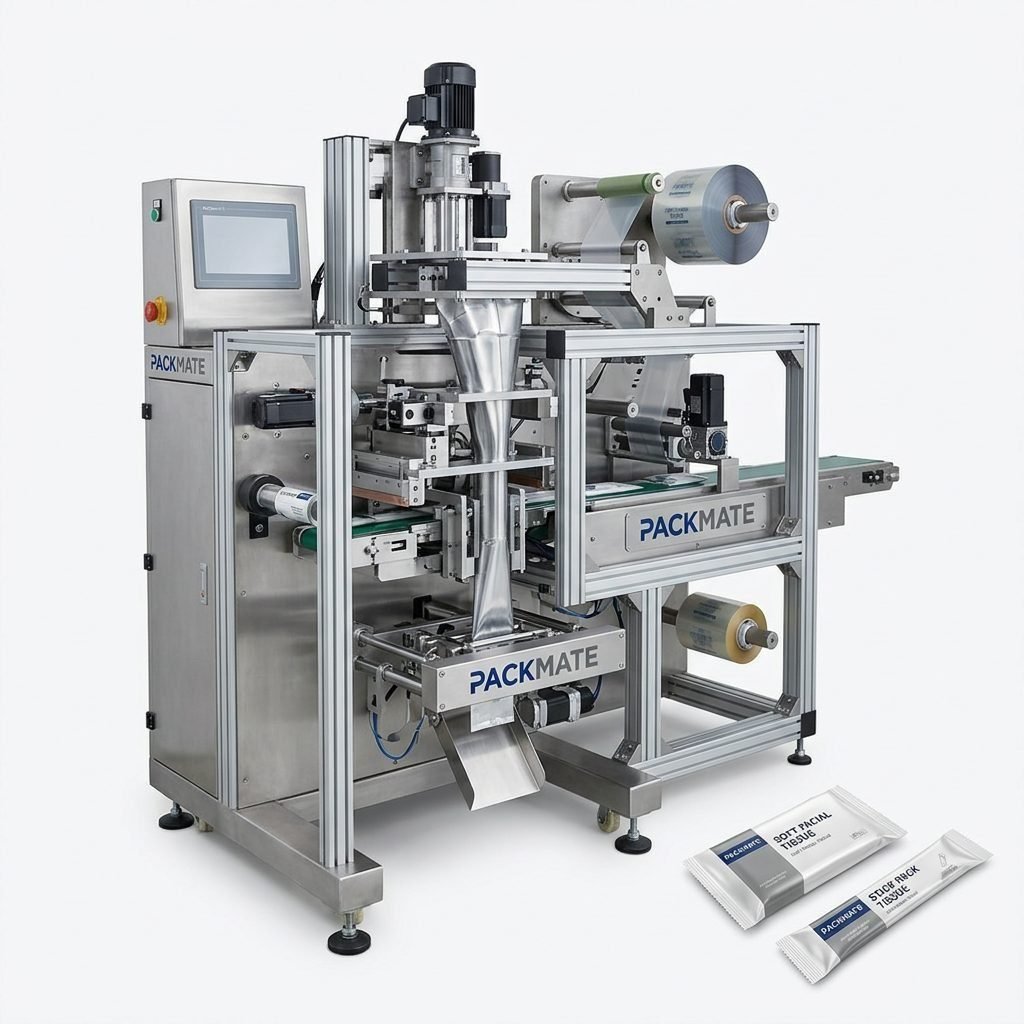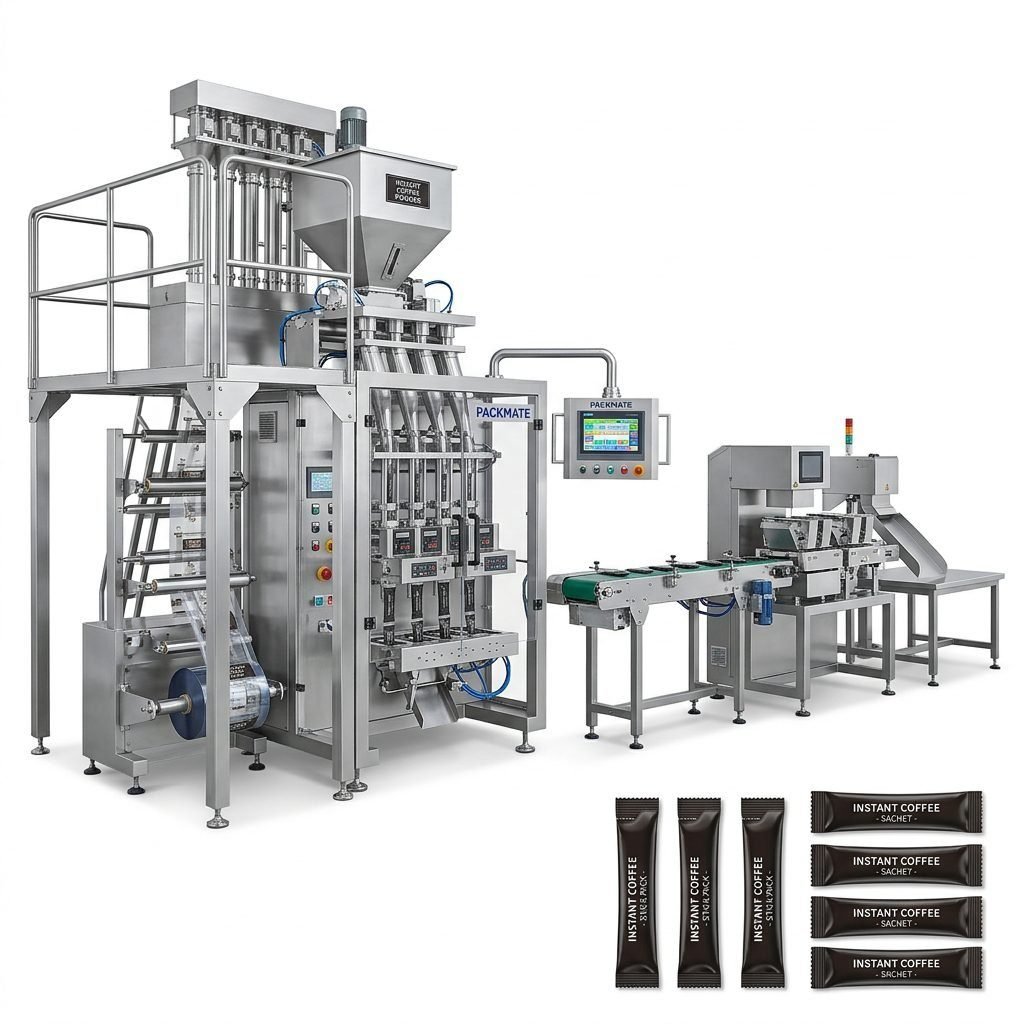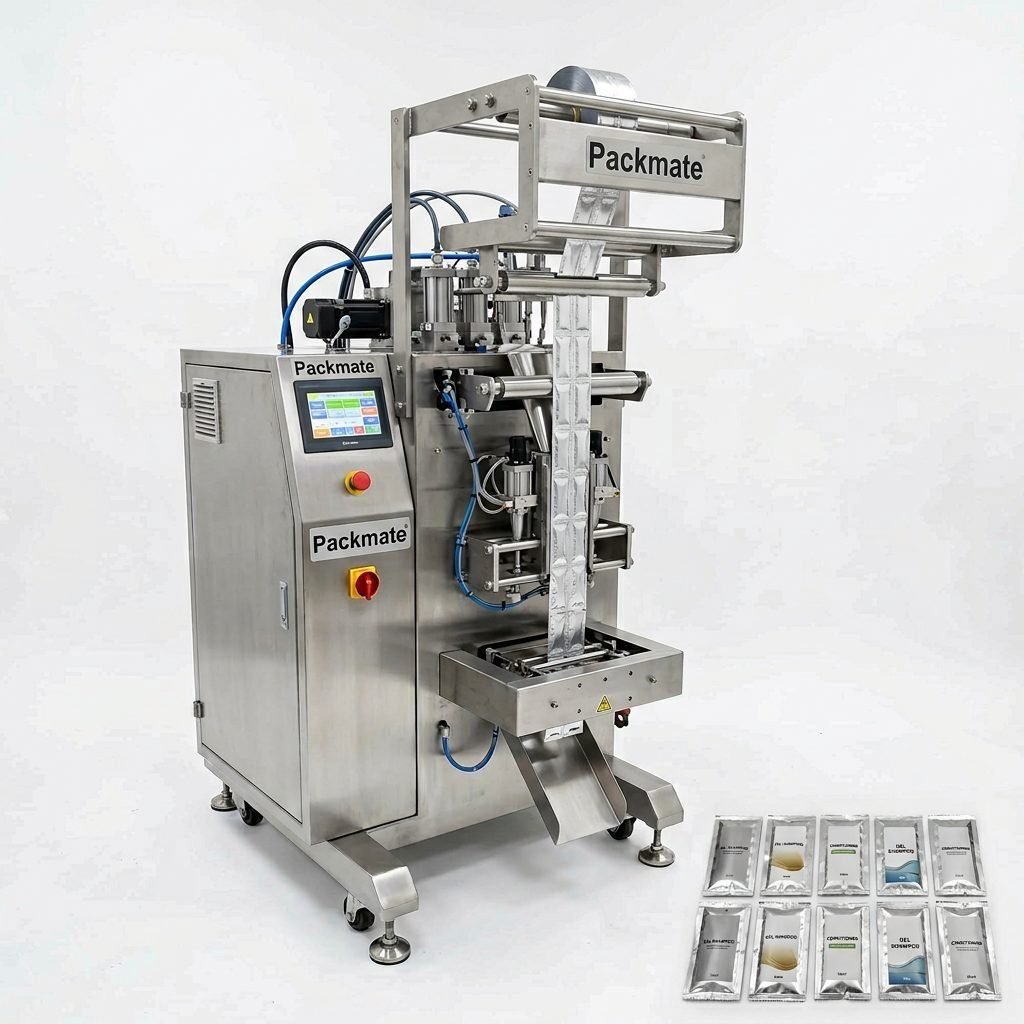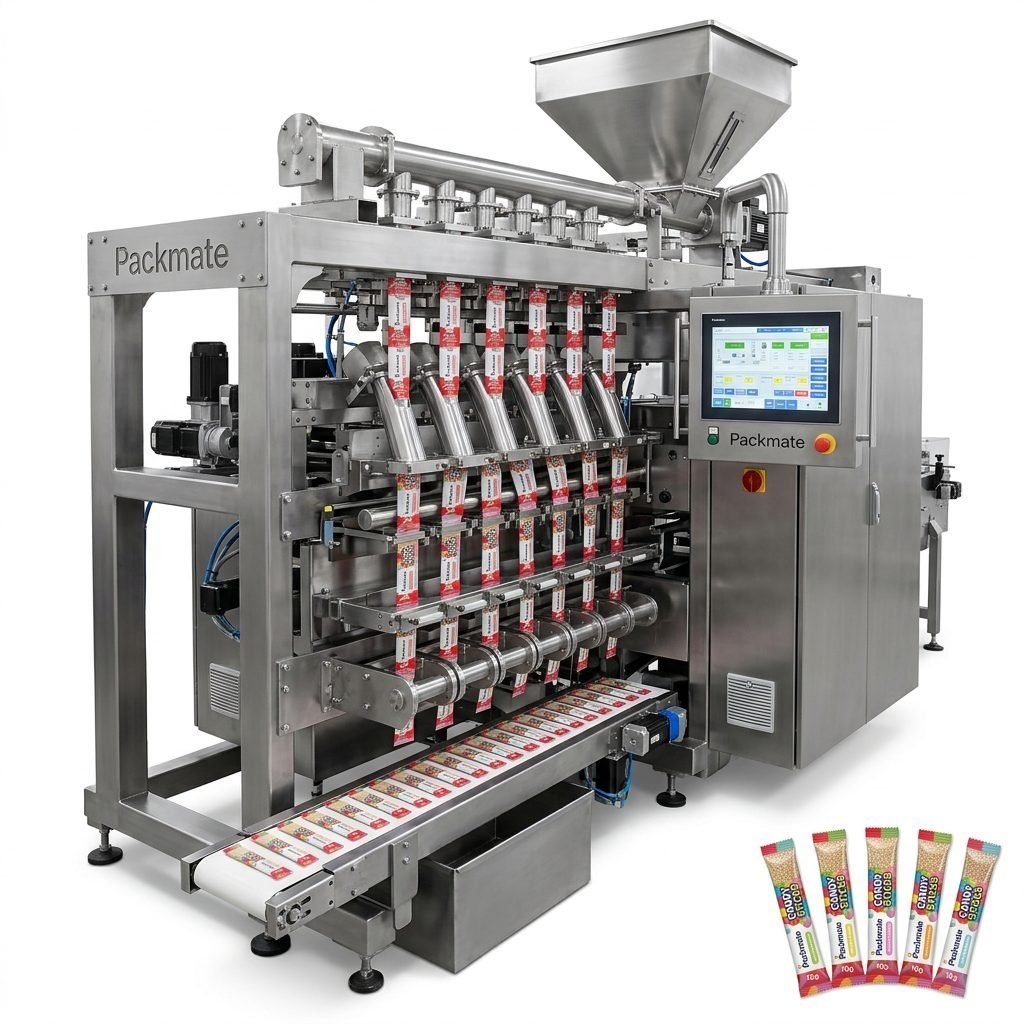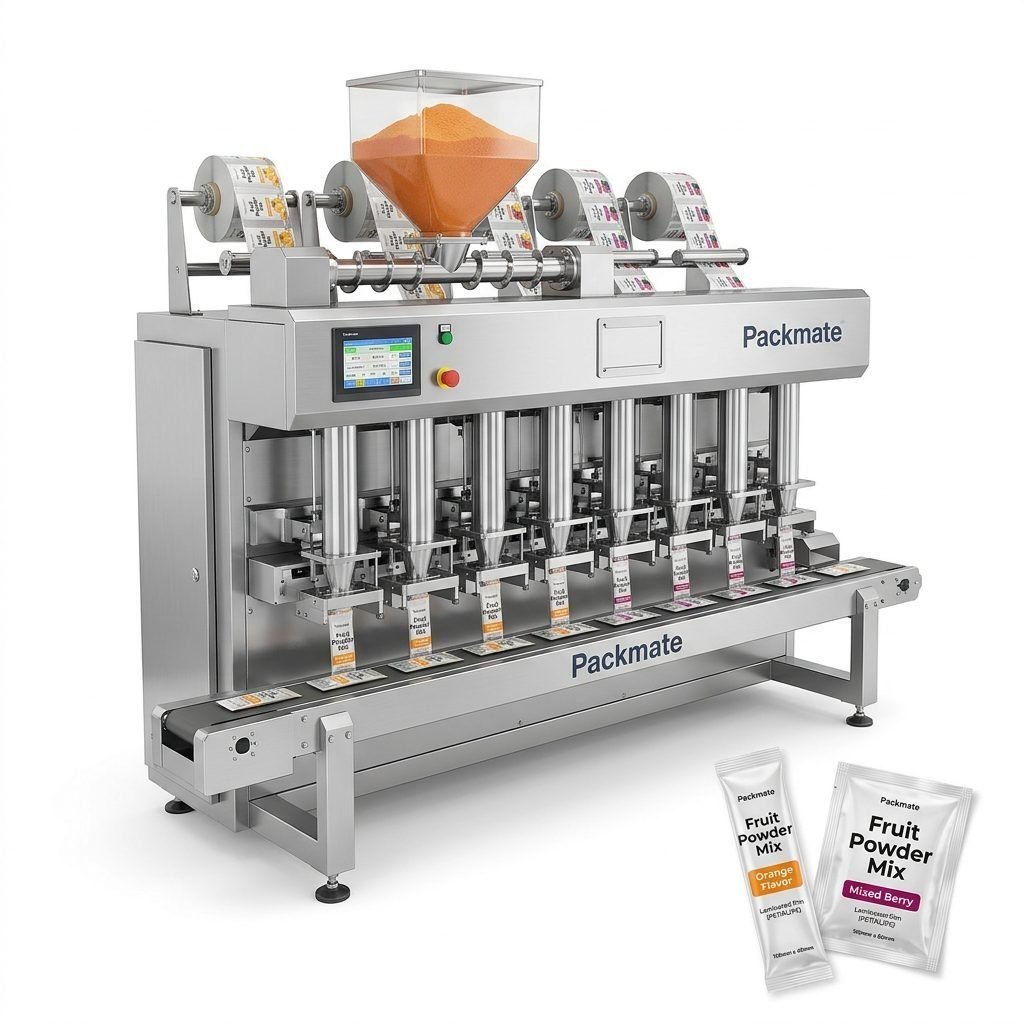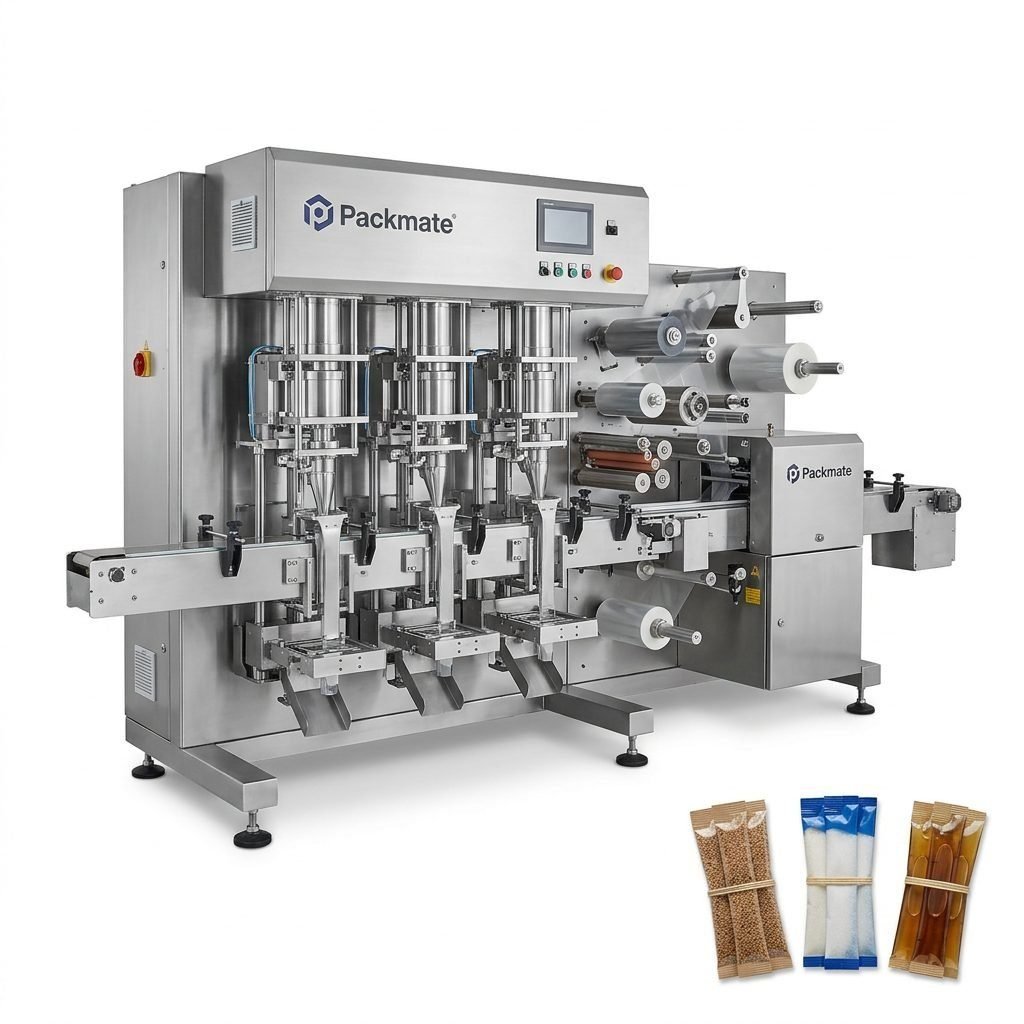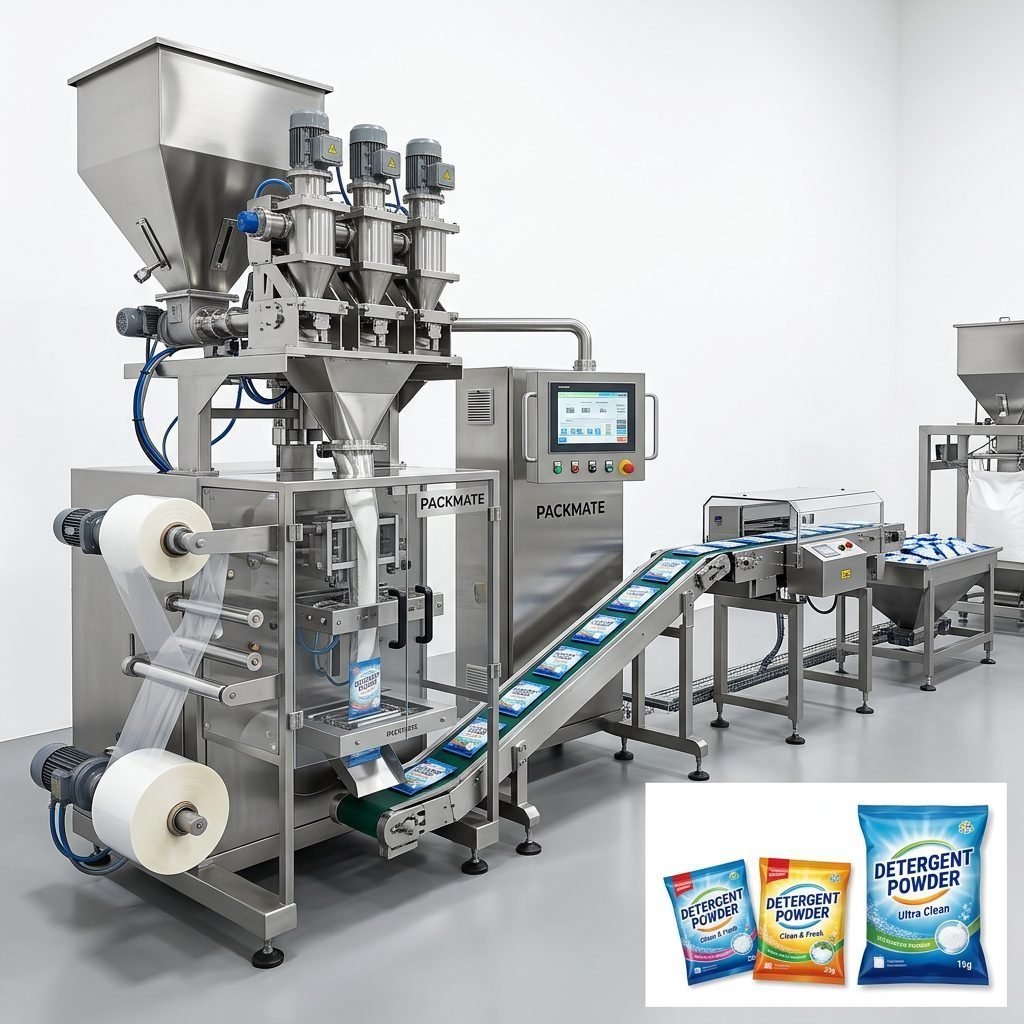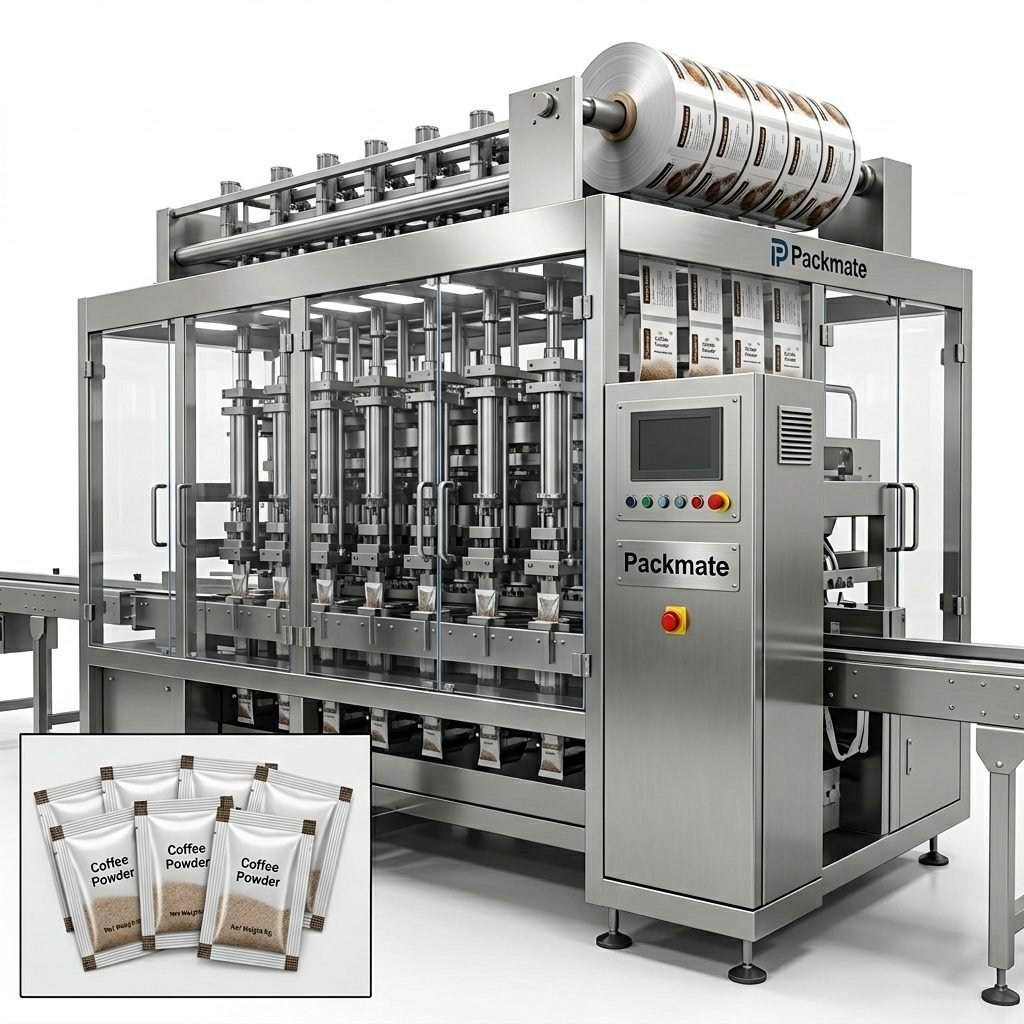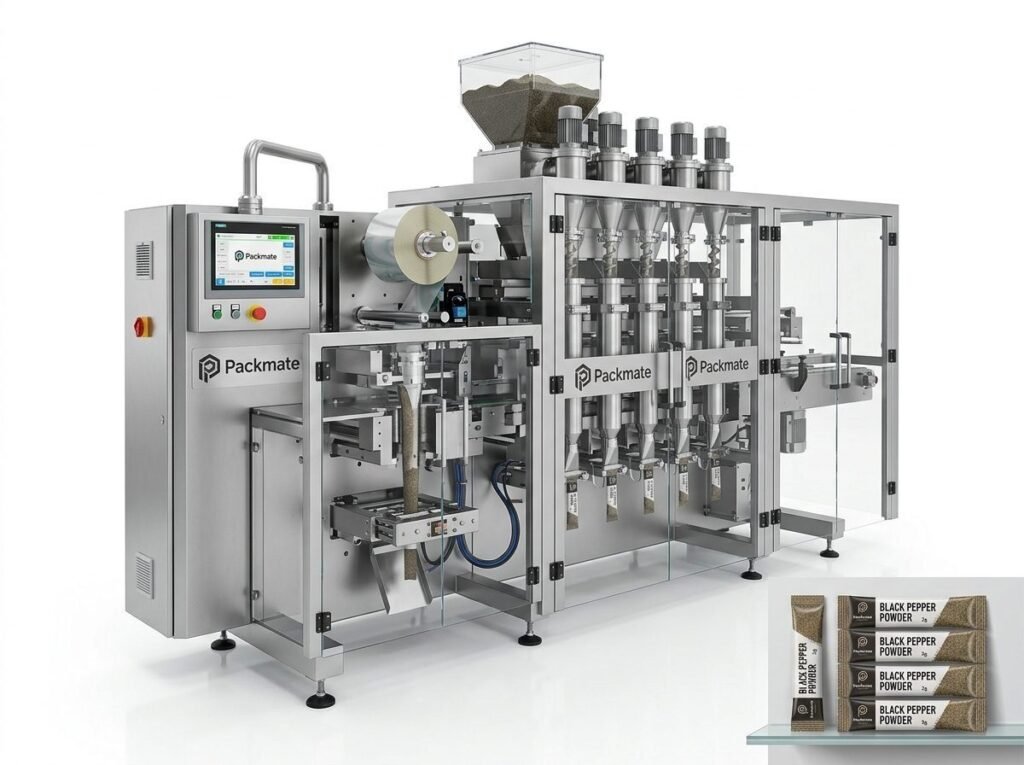
Small sachet packaging has become a cornerstone of modern product distribution across countless industries. Offering a unique combination of portability, precise dosing, and extended shelf life, sachets provide a versatile and cost-effective solution for both producers and consumers. This format is especially popular for single-use or small-portion products, from instant coffee and condiments to skincare samples and pharmaceutical powders. As global demand for convenience and hygiene continues to rise, particularly in export markets like Europe, North America, and Southeast Asia, the need for efficient, reliable sachet packaging machinery has never been greater.
Key Benefits of Small Sachet Packaging
The widespread adoption of sachet packaging is driven by several compelling advantages that benefit manufacturers, retailers, and end-users alike.
Enhanced Product Protection & Shelf Life: Sachets provide an excellent barrier against moisture, oxygen, light, and contaminants. This is crucial for preserving the potency of pharmaceuticals, the freshness of food products, and the efficacy of sensitive chemicals.
Superior Portability and Convenience: Their small, lightweight nature makes sachets perfect for on-the-go consumption, travel-sized products, or as samples. This convenience factor is a major driver in consumer markets, from busy professionals in Europe seeking single-serve coffee to tourists in Southeast Asia looking for portable hygiene products.
Precise and Controlled Dosing: Each sachet contains an exact amount of product, eliminating waste and ensuring consistent application or consumption. This is vital in industries like pharmaceuticals, nutraceuticals, and high-value food ingredients where dosage accuracy is paramount.
Cost-Effectiveness and Reduced Waste: For manufacturers, sachets often use less packaging material per unit compared to rigid containers. For consumers, they reduce product waste, as the entire contents are typically used at once.
These benefits translate directly into market advantages, helping brands stand out on crowded retail shelves and meet the evolving demands of a global, convenience-driven consumer base.
Popular Applications and Market Trends
The versatility of sachet packaging makes it suitable for a vast array of products. Different regions exhibit distinct preferences based on local consumer habits and market maturity.
In Europe and North America, there is a strong demand for sachets in the health and wellness sector. Protein powders, electrolyte mixes, vitamin supplements, and single-dose pharmaceutical powders are extremely popular. The market also sees high volumes for premium coffee sticks, gourmet condiment samples, and high-end skincare or cosmetic serums.
Across the Middle East, Africa, and South America</strong, single-serve formats are dominant in the fast-moving consumer goods (FMCG) sector. This includes instant beverage mixes (tea, coffee, chocolate), shampoo and conditioner sachets, and small-portion food items like ketchup, mayonnaise, and spices. The affordability and accessibility of sachets make products available to a wider economic demographic.
In Southeast Asia, the sachet economy is massive. From daily-use items like laundry detergent and dish soap to food seasonings, instant noodles, and skincare products, sachets are the primary packaging format for millions of consumers. This drives a need for extremely high-speed, reliable packaging machinery capable of producing millions of units per day.
| Industry | Common Sachet Products | Key Regional Demand |
|---|---|---|
| Food & Beverage | Coffee, sugar, creamer, sauces, spices, drink mixes | Global, especially strong in Southeast Asia, Middle East |
| Pharmaceutical & Nutraceutical | Oral rehydration salts, powder supplements, single-dose medicines | Global, with strict regulatory requirements in Europe & North America |
| Personal Care & Cosmetics | Shampoo, conditioner, face cream, serum samples, wet wipes | Global, high growth in e-commerce samples |
| Industrial & Chemicals | Lubricants, adhesives, water treatment chemicals, detergents | Global industrial sectors |
How to Choose the Right Sachet Packaging Solution
Selecting the appropriate sachet packaging machinery is a critical decision that impacts production efficiency, product quality, and long-term operational costs. The choice depends on several key factors.
1. Assess Your Product Characteristics
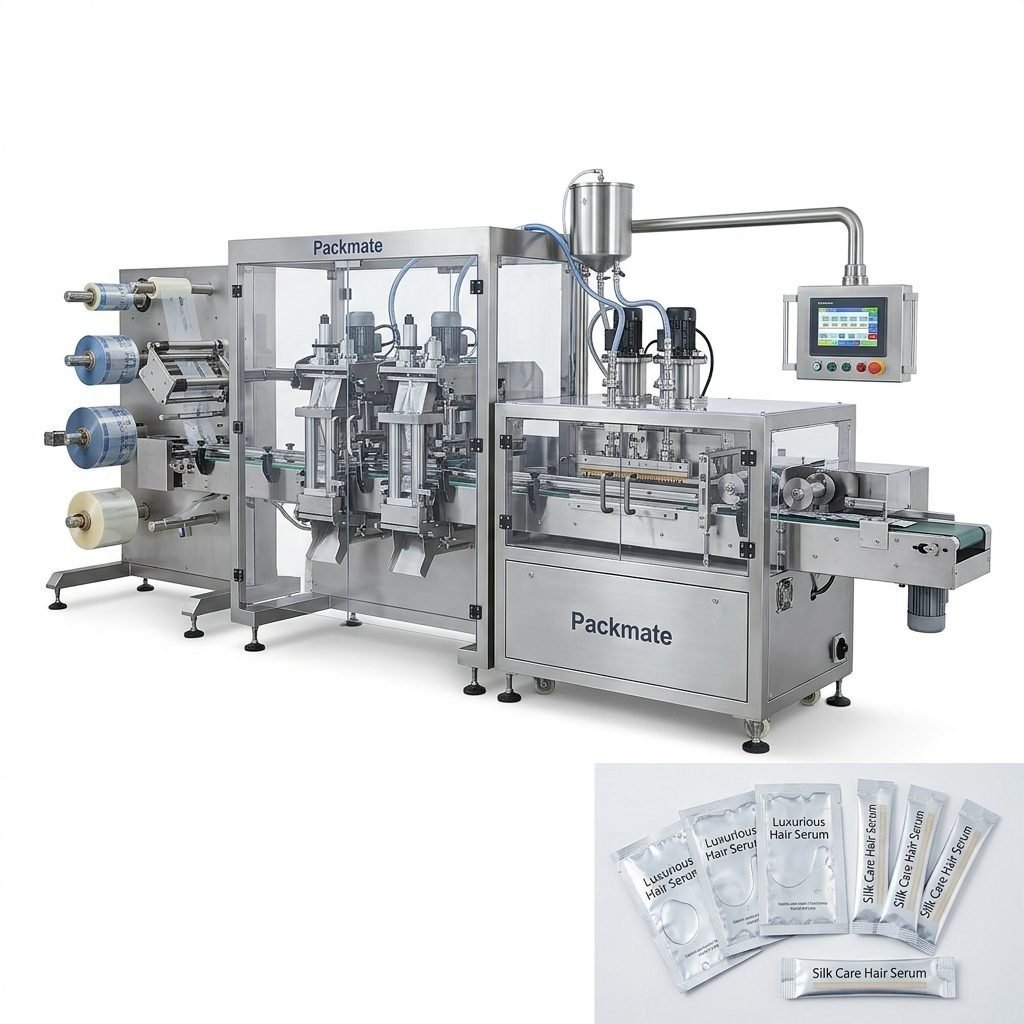
The physical properties of your product are the primary deciding factor. Is it a free-flowing powder (like protein or milk powder), a granular material (like sugar or instant coffee), a viscous paste (like ointment or sauce), or a liquid (like serum or oil)? Each type requires different filling technology—auger fillers for powders, volumetric cup fillers for granules, piston pumps for pastes, and liquid pumps for fluids. The machine must handle your product without clogging, degradation, or spillage.
2. Determine Your Production Requirements
You must define your required output (sachets per minute/hour), the sachet size range, and the packaging material (laminate type, foil, paper). For high-volume markets like Southeast Asia, a multi-lane, high-speed machine is essential. For smaller batches or frequent product changeovers, a flexible, easy-to-clean single-lane machine might be more suitable. Consider future growth and whether the machine can be integrated into a larger turnkey packaging line later.
3. Evaluate Machine Features and Build Quality
Look for durability and precision. Machines should be constructed from food-grade or pharmaceutical-grade stainless steel for hygiene and longevity. Key features to consider include:
- Precision Dosing System: Ensures consistent fill weight, critical for compliance and cost control.
- Sealing Integrity: Robust heat sealing jaws or ultrasonic sealers that create strong, leak-proof seals.
- User-Friendly HMI: An intuitive touchscreen interface for easy operation, recipe storage, and changeovers.
- Ease of Maintenance & Cleaning: Quick-release parts and CIP (Clean-in-Place) systems reduce downtime.
Leading manufacturers like Ludyway offer machines with these advanced features, designed for 24/7 operation in demanding environments.
4. Consider Automation and Integration
Standalone sachet machines are effective, but integrating them into a complete line can dramatically boost efficiency. This might include upstream equipment like bulk product feeders and customized dosing systems, and downstream systems like cartoners, case packers, and palletizers. For businesses looking to fully automate their packaging process, partnering with a specialist in turnkey packaging lines is highly advisable.
5. Prioritize Supplier Support and Experience
Your machinery supplier is a long-term partner. Choose a manufacturer with proven experience in your specific product category and target export regions. They should offer comprehensive support, including installation, operator training, readily available spare parts, and reliable after-sales service. Companies with decades of experience, like Packmate Machinery, understand the nuances of international markets and can provide valuable guidance on machine configuration and compliance.
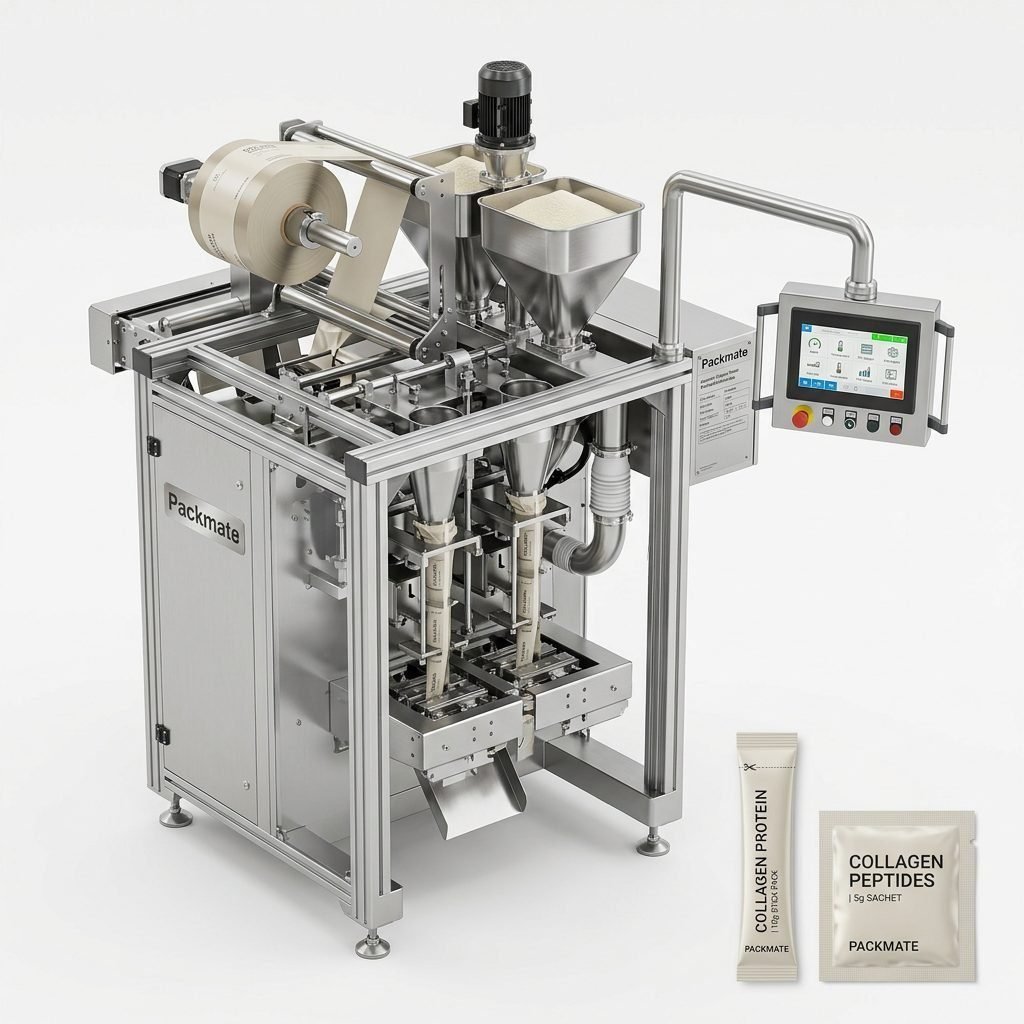
Partnering with the Right Manufacturer
For businesses exporting to diverse global markets, the choice of machinery manufacturer is crucial. A supplier with a strong international footprint can provide machines that meet various regional safety and quality standards. Look for manufacturers that offer:
- Application Expertise: Experience with your specific product type (e.g., hygroscopic powders, abrasive granules, sterile liquids).
- Customization Capability: The ability to modify machines for unique sachet shapes, special sealing requirements, or integration with existing line equipment.
- Regulatory Knowledge: Understanding of packaging regulations in your target markets (e.g., FDA, EU, MOH).
- Service Network: Access to technical support and service engineers in or near your export regions.
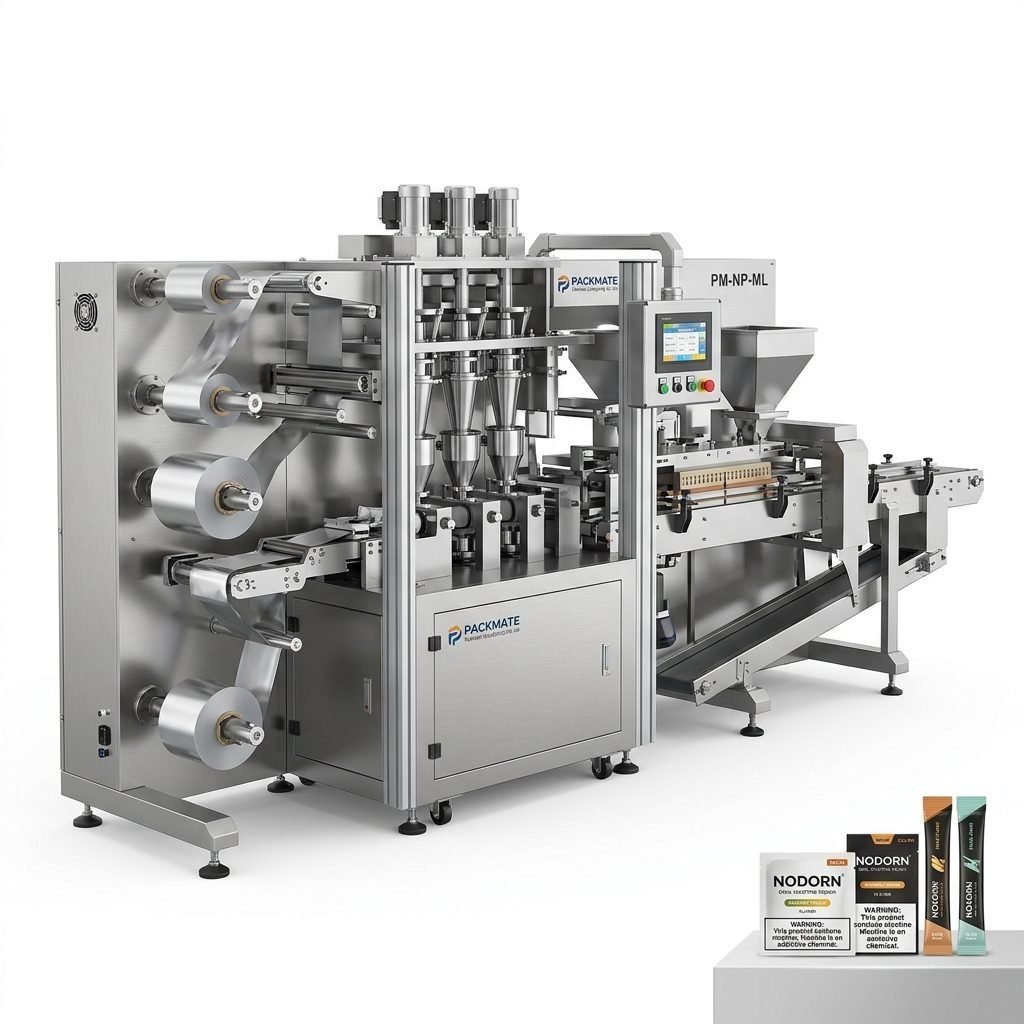
For niche applications like nicotine pouches, working with a specialized manufacturer such as SnusMachinery can provide critical advantages in machine design and product handling expertise.

Frequently Asked Questions (FAQs)
What is the typical output speed of a sachet packaging machine?
Output speeds vary widely based on the machine type and configuration. Single-lane machines may produce 40-120 sachets per minute, while high-speed multi-lane machines can achieve 200-800+ sachets per minute. The exact speed depends on product characteristics, sachet size, and filling technology.
Can one machine handle different sachet sizes and products?
Yes, most modern sachet machines are designed for quick changeover. By changing the forming collar, filling nozzles, and sealing jaws, and loading a new roll of packaging film, operators can switch between different sachet sizes and products. The changeover time can range from 15 minutes to an hour.
What packaging materials are used for sachets?
Sachets are typically made from laminated films that provide the necessary barrier properties. Common structures include PET/AL/PE (for excellent moisture and oxygen barrier), PET/MPET/PE (for metallized barrier), and NY/PE (for strength and puncture resistance). The material is chosen based on the product’s sensitivity and required shelf life.
How do I ensure the sealing is strong and leak-proof?
A strong seal depends on the correct combination of temperature, pressure, and dwell time on the sealing jaws. The packaging film must also have a compatible sealing layer (like PE or CPP). Reputable machine manufacturers perform extensive testing with your specific film and product to determine the optimal sealing parameters before delivery.
Is it better to buy a standalone machine or a complete packaging line?
This depends on your current and future production scale. A standalone sachet machine is a great starting point for new lines or low-to-medium volume production. A complete, integrated turnkey packaging line—which can include feeding, weighing, filling, sealing, cartoning, and case packing—maximizes efficiency, reduces labor, and minimizes handling for high-volume operations. It offers a higher initial investment but lower long-term cost per unit.