Selecting the best packaging machine for chips and other snack products is a critical decision for any food manufacturer. The right equipment directly impacts production efficiency, product quality, packaging appeal, and overall profitability. With a vast array of options available, from single machines to complete turnkey lines, navigating this choice requires a clear understanding of your specific needs and the capabilities of different suppliers.
Key Factors in Choosing a Chip Packaging Machine
Before evaluating specific machines or manufacturers, it’s essential to define your project’s core requirements. This foundational step ensures you invest in a solution that aligns with your business goals.
Production Capacity & Speed: This is often the starting point. Determine your required output in bags or pouches per minute (BPM). Are you a small-scale artisanal producer or a large-scale manufacturer supplying national retailers? High-speed, multi-lane machines from suppliers like Ludyway can dramatically increase throughput for large volumes.
Packaging Format & Material: What type of package do you need? Common formats for chips include stand-up pouches, pillow bags, flat-bottom bags, or stick packs for seasonings. The machine must be compatible with your chosen film material (e.g., laminated films for barrier properties) and handle the required sealing method (e.g., heat sealing).
Product Characteristics: The nature of your snack is crucial. Are you packaging light, delicate potato chips, dense tortilla chips, or a mix with nuts and pretzels? The machine’s feeding, weighing, and filling systems must be gentle enough to prevent product breakage yet accurate for consistent weight.
Types of Packaging Machines for Snacks
Understanding the primary machine categories will help narrow your search.
| Machine Type | Best For | Key Features |
|---|---|---|
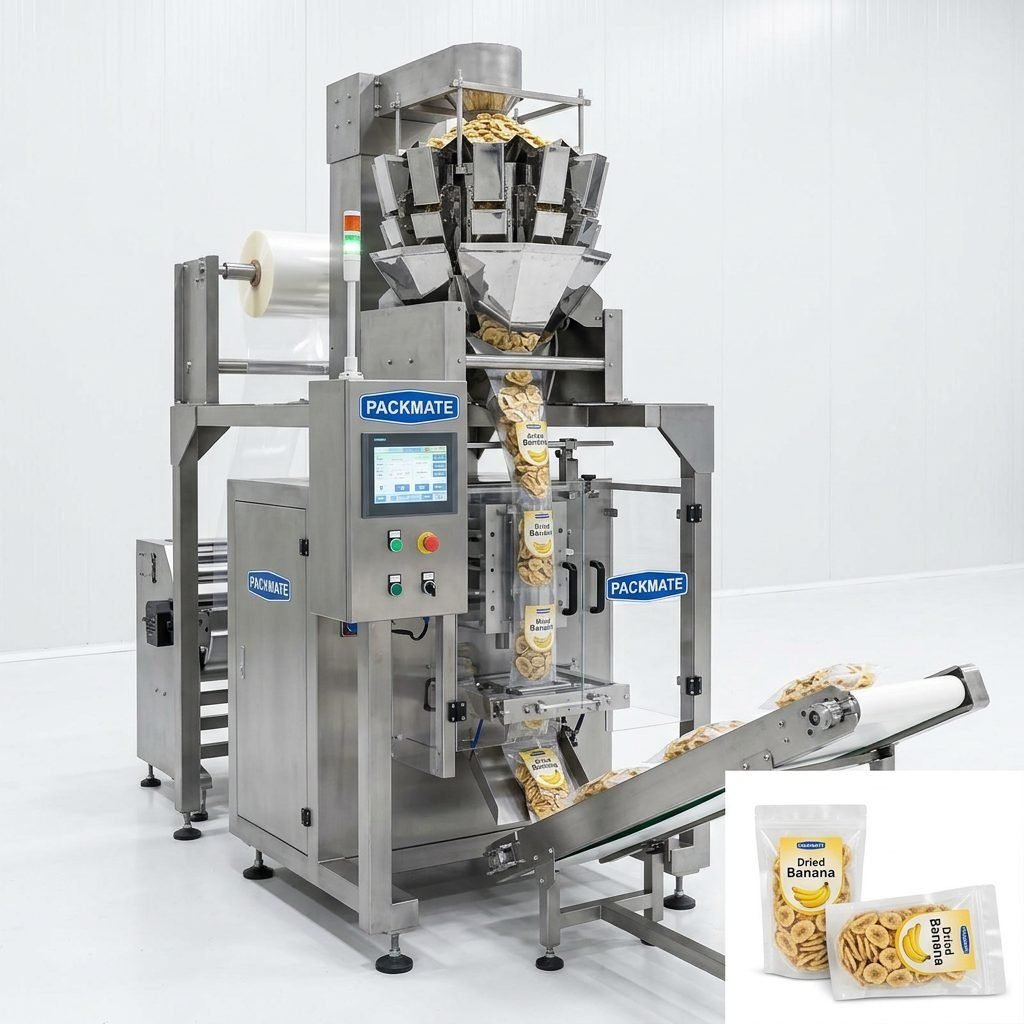
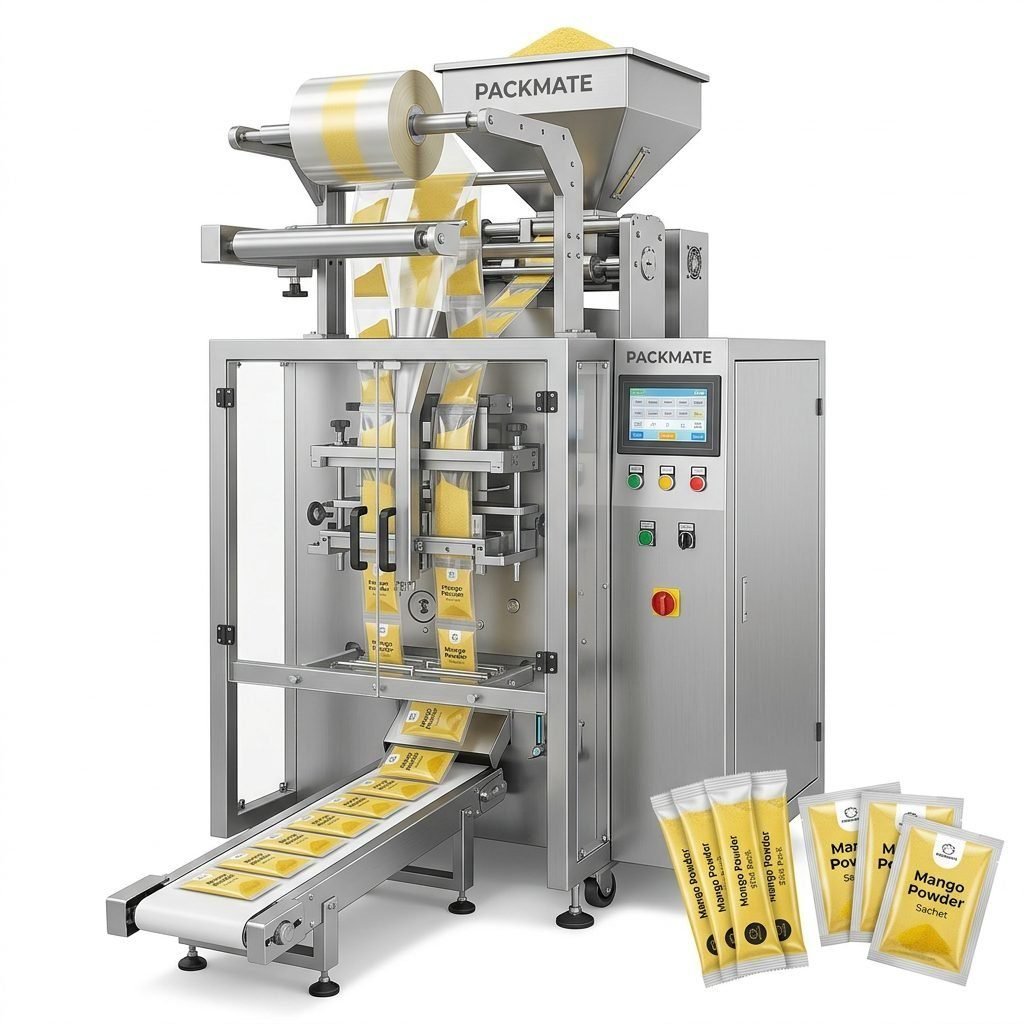
| Vertical Form-Fill-Seal (VFFS) | High-volume production of pillow bags, stand-up pouches. Ideal for loose-flowing snacks like chips. | Forms bag from roll stock, fills, and seals in one continuous process. Highly efficient and versatile. |
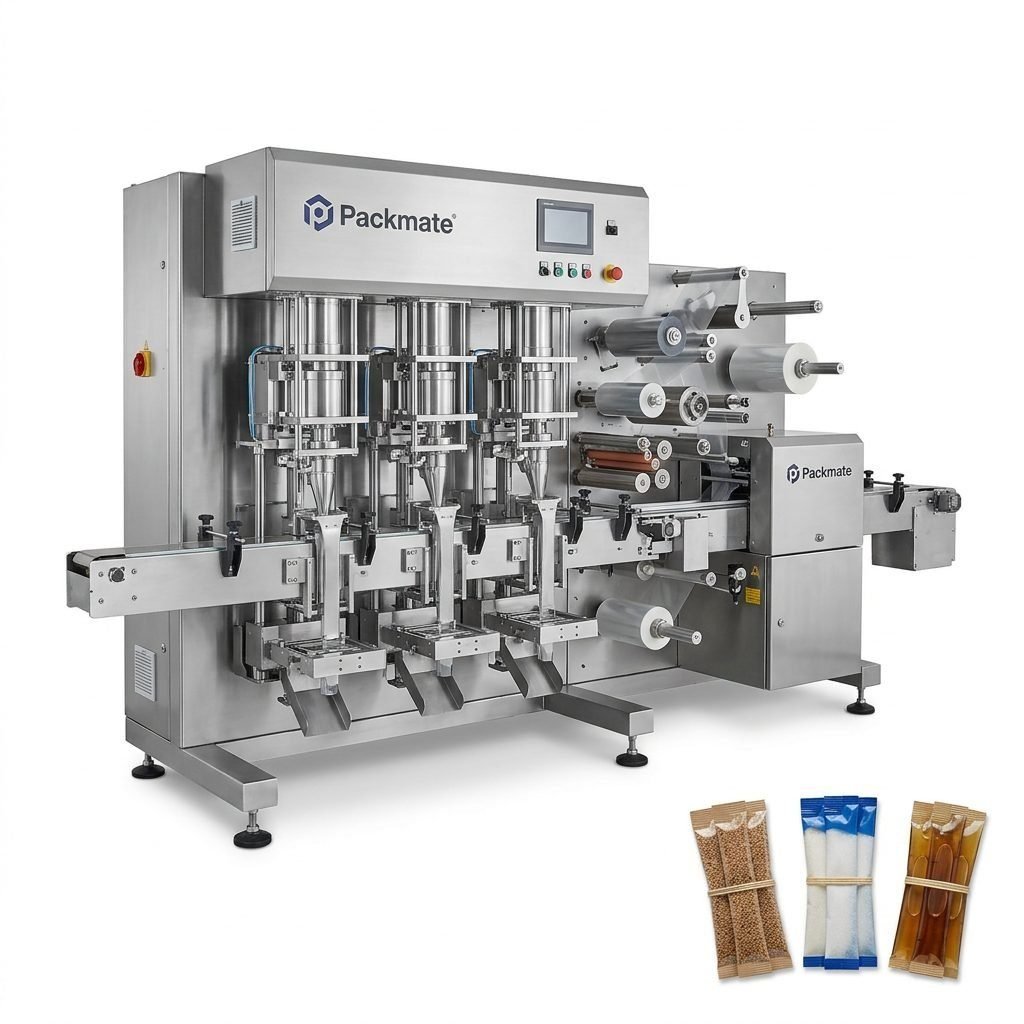
| Horizontal Form-Fill-Seal (HFFS) | More complex bag shapes, trays, or multi-pack configurations. | Excellent for presentation packaging, often used for premium or gift-style snack packs. |
| Pre-Made Bag Packers | Operations using custom-printed, pre-made pouches. | Gentler on product, allows for intricate bag designs. Can be slightly slower than VFFS. |
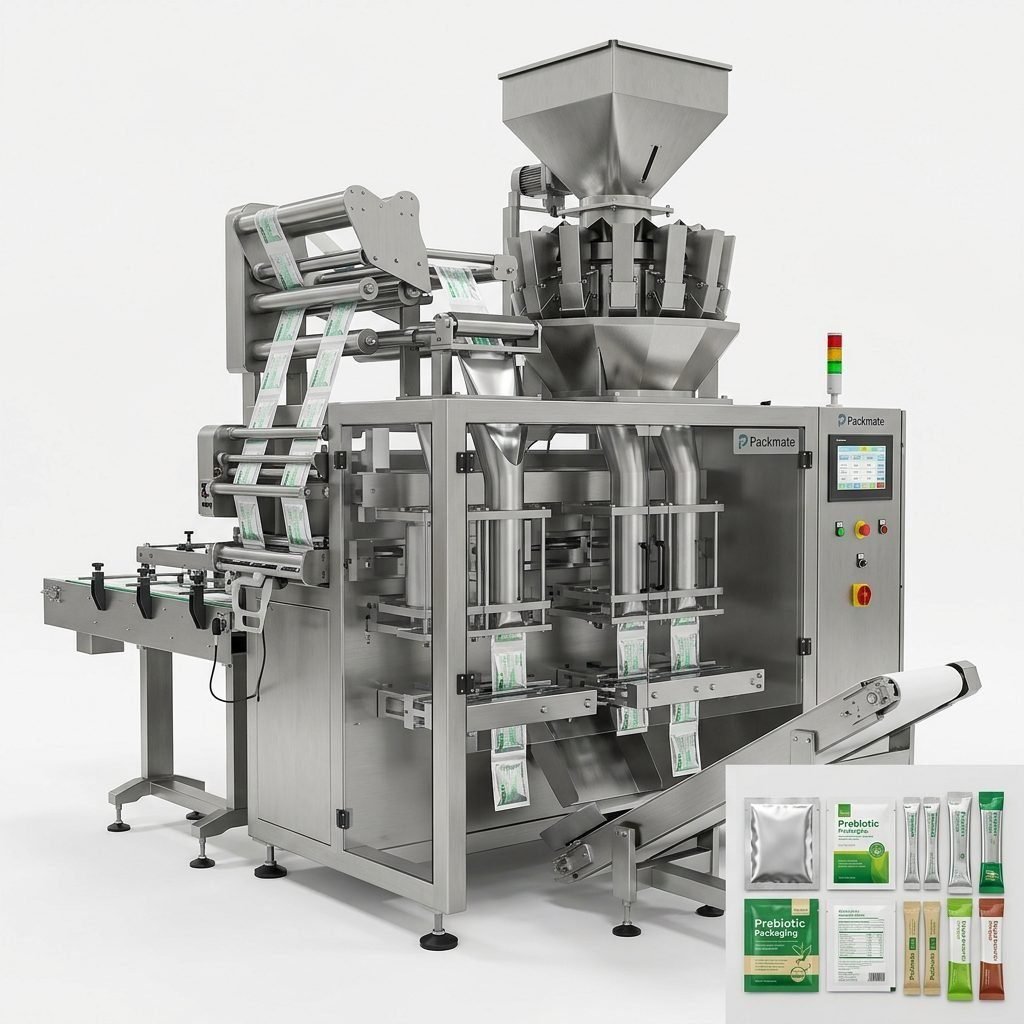
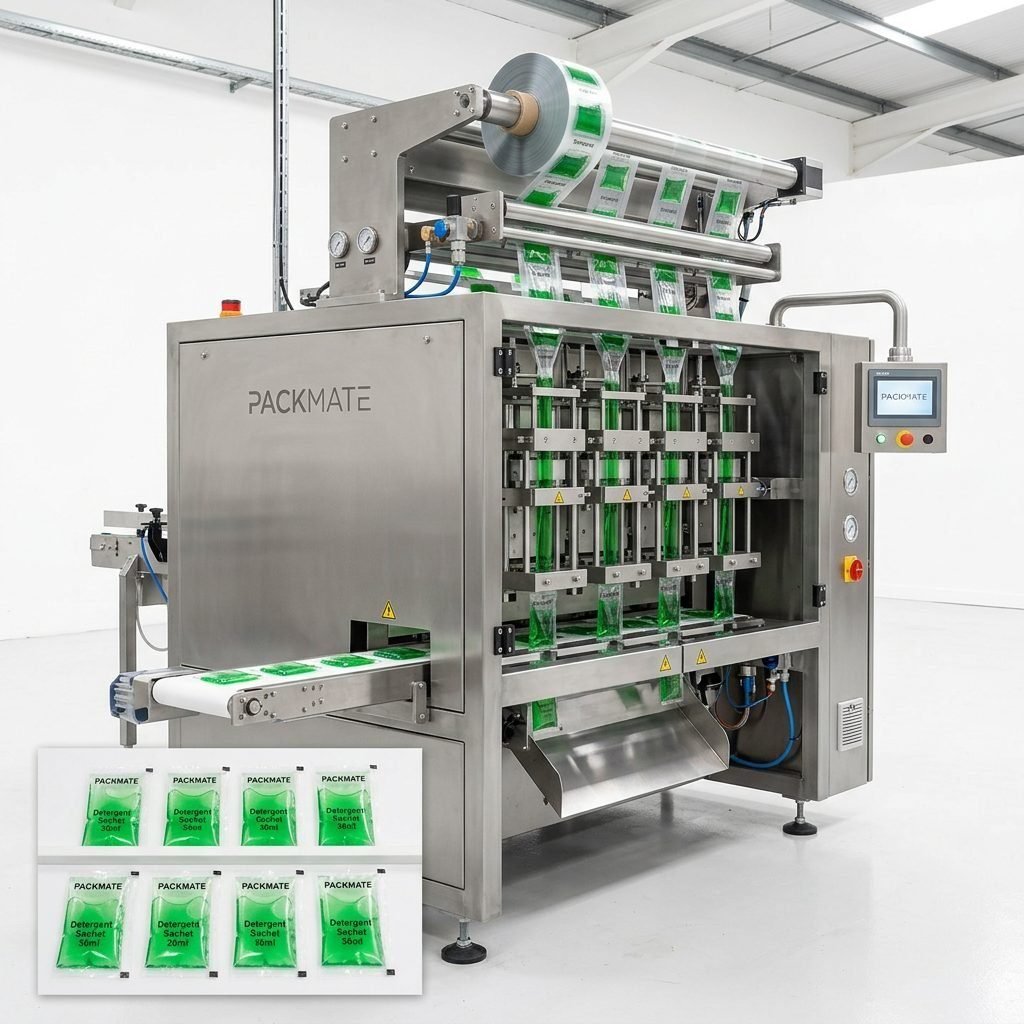
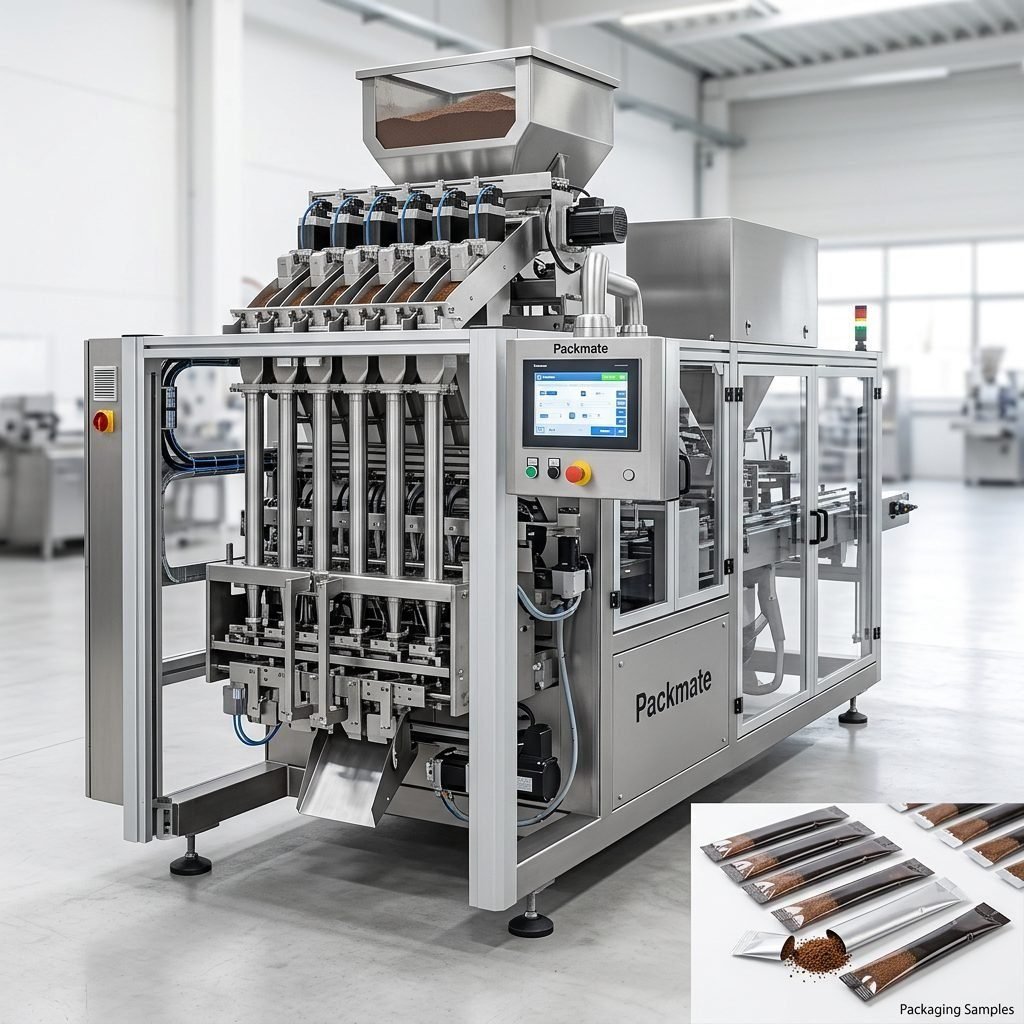
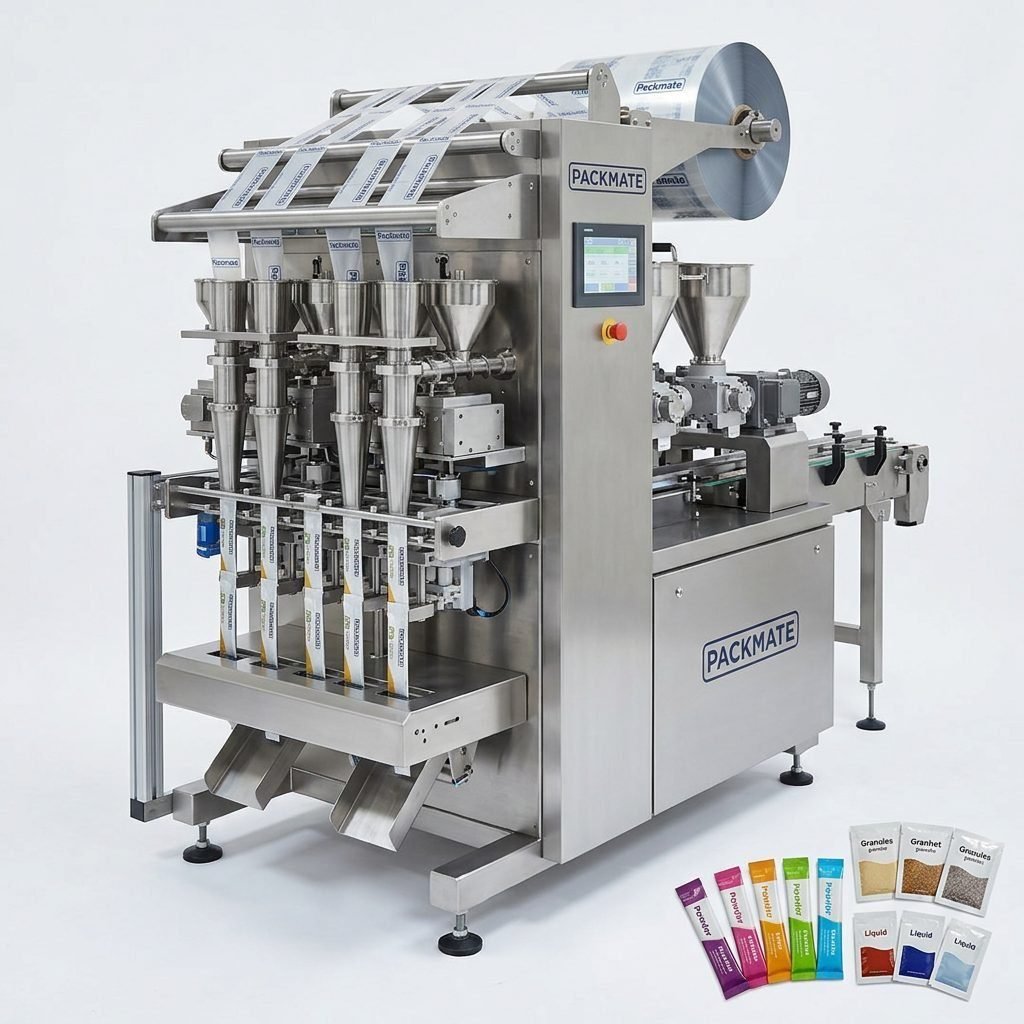
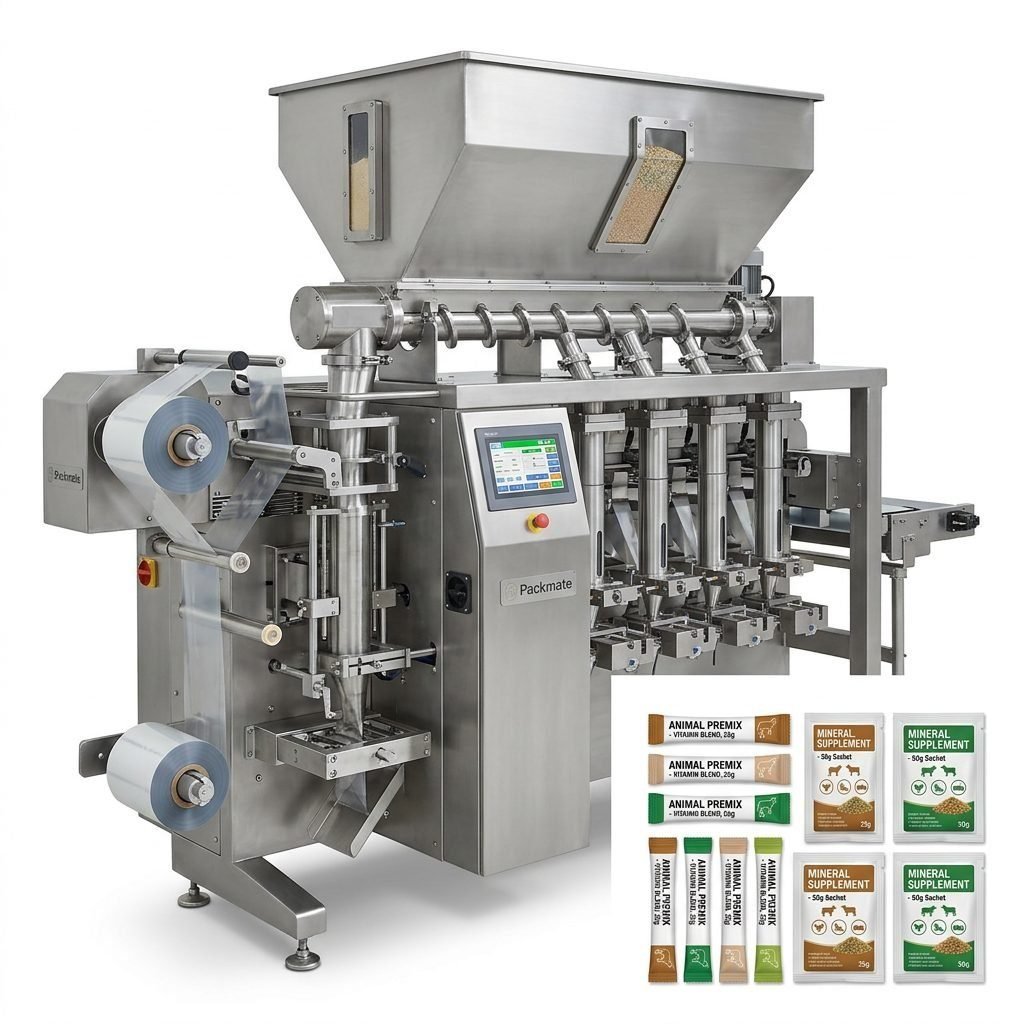
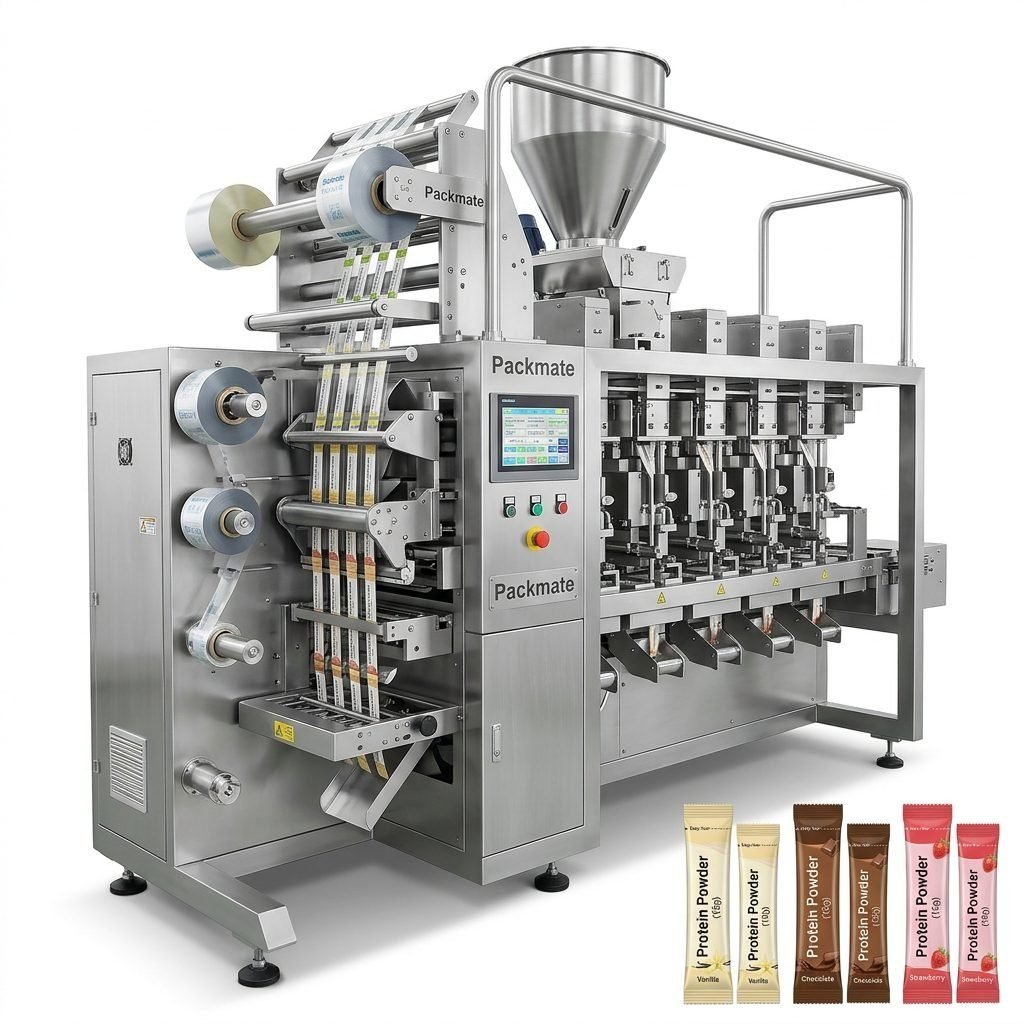
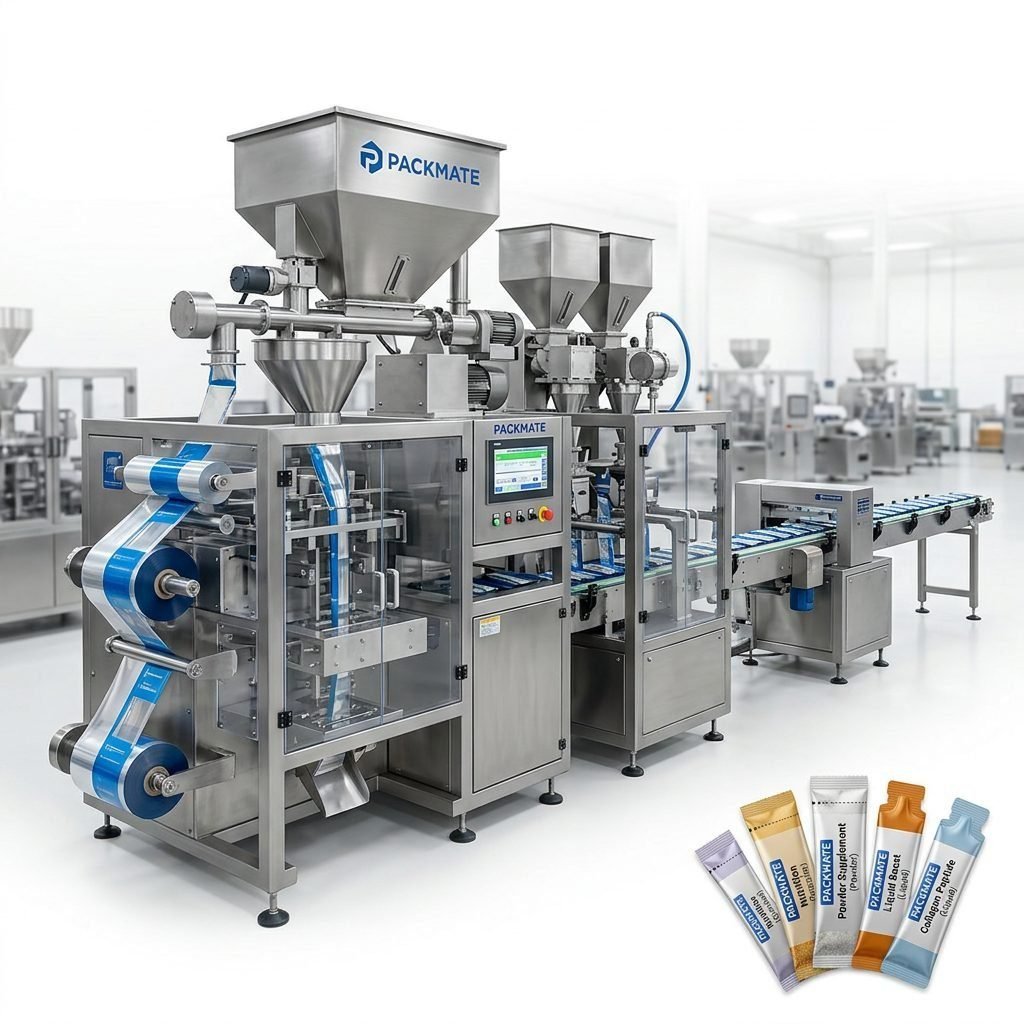
| Multi-Lane Stick Pack Machines | Portion-controlled seasoning, powder, or small snack items often paired with chips. | Extremely high-speed for small sachets. Companies like SnusMachinery specialize in high-precision pouch packaging. |

Beyond the Machine: The Importance of System Integration
For many growing manufacturers, the focus shifts from a single machine to a cohesive production line. This is where the expertise of a turnkey solution provider becomes invaluable.
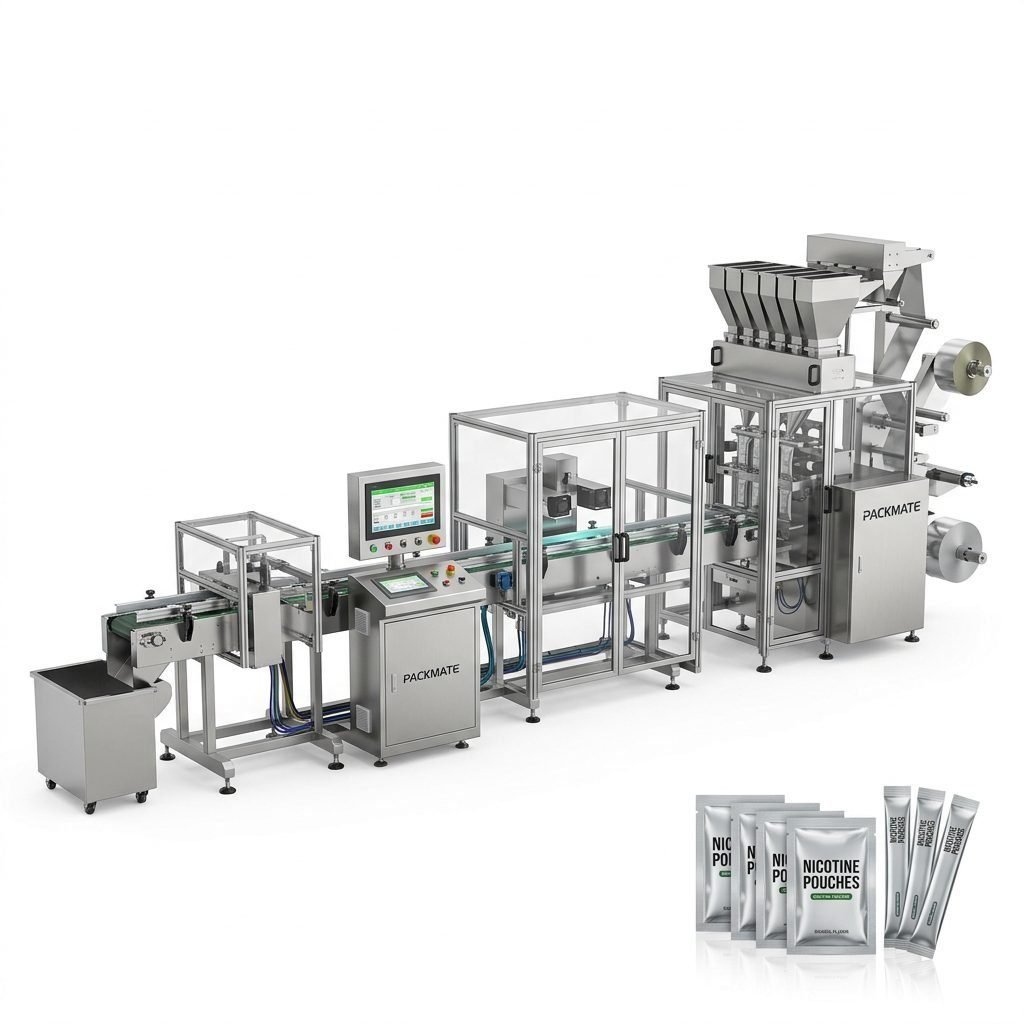
A standalone packaging machine is just one component. A fully automated packaging line might include:
- Product Feeding & Conveying: Gently transporting chips from fryers/cookers to the packaging area.
- Weighing & Dosing Systems: Multi-head weighers or volumetric fillers for precise, high-speed portioning.
- Metal Detectors & Checkweighers: Ensuring product safety and weight compliance.
- Bagging Machine (VFFS/HFFS): The core packaging unit.
- Secondary Packaging: Cartoning, case packing, and palletizing for distribution.
Suppliers like PacklineOEM specialize in integrating these components into a seamless, efficient system, minimizing manual handling and maximizing output.
Customization and OEM Support
Off-the-shelf machines may not suit every product. If your snack has unique shapes, is particularly fragile, or requires a special gas flush (like nitrogen for freshness), you may need a customized solution.
This is a key strength of manufacturers like PackingMachineOEM and Packmate Machinery. They offer OEM and non-standard customization, adapting machine components—such as bucket elevators, funnel designs, or sealing jaws—to handle your specific product gently and efficiently without compromising speed.
Evaluating a Packaging Machine Supplier
Choosing the right partner is as important as choosing the right machine. Consider these aspects:
Experience & Reputation: Look for a supplier with a proven track record in the food and snack industry. Companies with 30+ years of experience, like those profiled, have likely encountered and solved challenges similar to yours.
Technical Support & Service: Ensure they offer comprehensive after-sales support, including installation, training, spare parts availability, and remote troubleshooting. A global service network is crucial for export-oriented manufacturers.
Testing Capabilities: Can you send product samples for a live test run? A factory test is the best way to verify machine performance with your actual chips and packaging material.
Scalability: Will the supplier be able to support your future growth? Can a single machine line be expanded, or can they supply complete factories as you scale?
Cost Considerations: Total Cost of Ownership
The machine’s purchase price is just the initial investment. Consider the Total Cost of Ownership (TCO):
- Energy Efficiency: Modern servo-driven machines consume less power.
- Material Waste: High-precision machines minimize film and product giveaway.
- Maintenance & Downtime: Robustly built machines with accessible components reduce maintenance time and costs.
- Labor Requirements: A highly automated line reduces reliance on manual labor, saving long-term costs.
Frequently Asked Questions (FAQs)
1. What is the typical speed range for a chip packaging machine?
Speeds vary widely. A standard single-tube VFFS machine might run at 40-80 bags per minute. High-speed, multi-lane systems (e.g., 4-8 lanes) from leading manufacturers can achieve speeds of 200-400+ stick packs or small pouches per minute, while large bag packers for bulk snacks may operate at 20-40 bags per minute.
2. Can one machine handle different bag sizes and snack types?
Many modern machines are designed with quick-change features for bag size and format. However, significant changes in product characteristics (e.g., from light chips to dense nuts) may require adjustments to feeding systems, weighing parameters, and sometimes hardware components. Discuss flexibility needs with your supplier.
3. How important is nitrogen flushing for chip packaging?
Nitrogen flushing (or modified atmosphere packaging) is highly recommended for preserving crispness and extending shelf life by displacing oxygen inside the bag. Most modern snack packaging machines can be integrated with a nitrogen flushing system.
4. What are the key maintenance requirements?
Regular daily cleaning to remove oil and debris, periodic lubrication of moving parts, inspection and replacement of wear items like sealing jaws, cutter blades, and filter screens are essential. A good supplier will provide a detailed maintenance schedule.
5. Should I choose a standalone machine or a full turnkey line?
This depends on your scale and automation goals. A standalone machine is suitable for lower output or manual upstream/downstream processes. A turnkey line is ideal for high-volume, fully automated production with minimal manual intervention, offering better long-term efficiency and consistency. Companies like Ludyway and PacklineOEM excel in providing these integrated solutions.