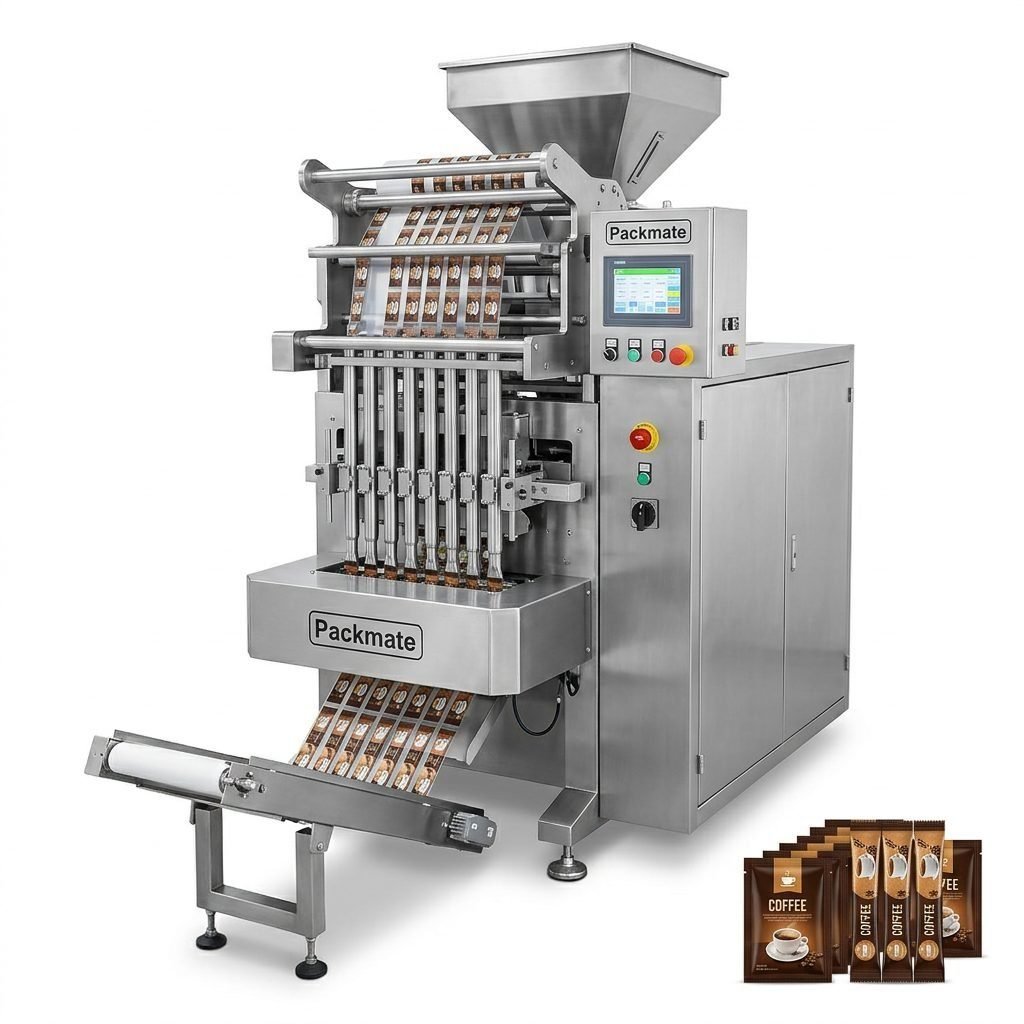
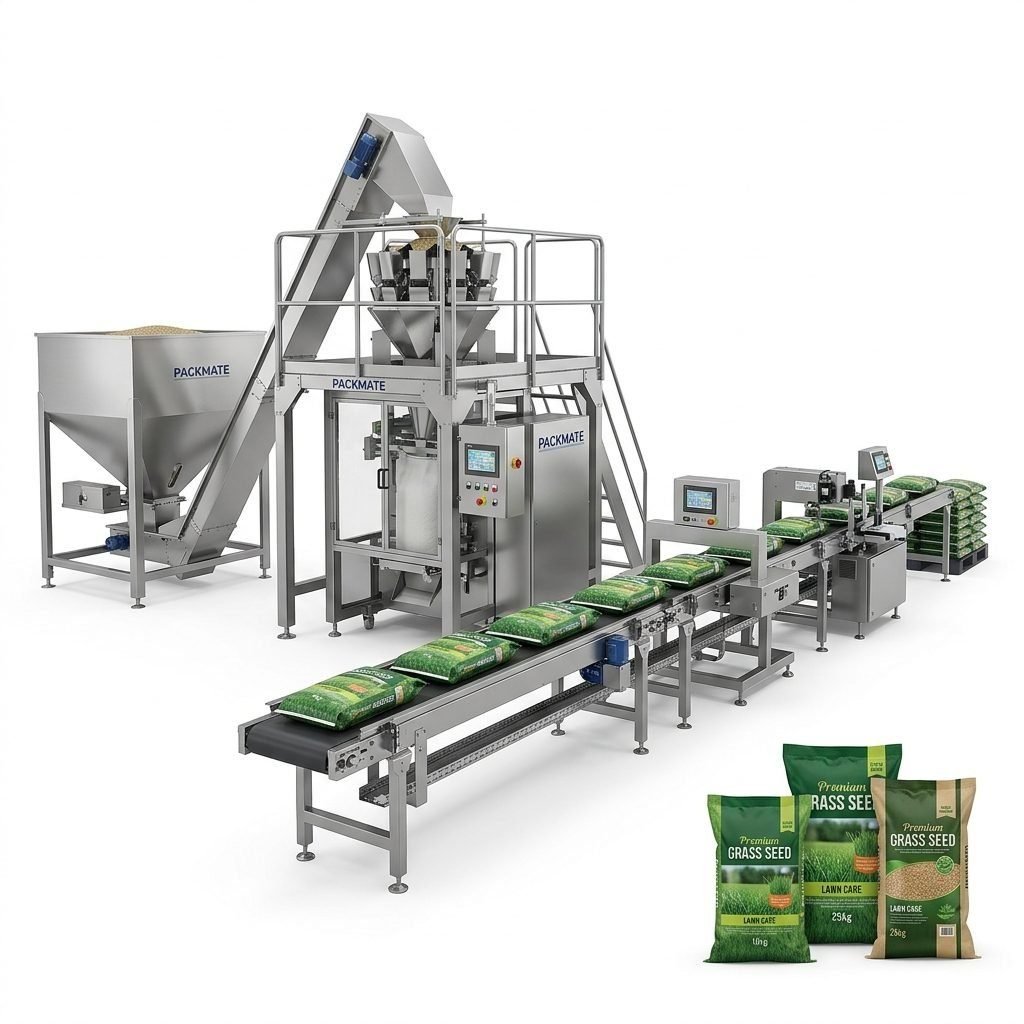
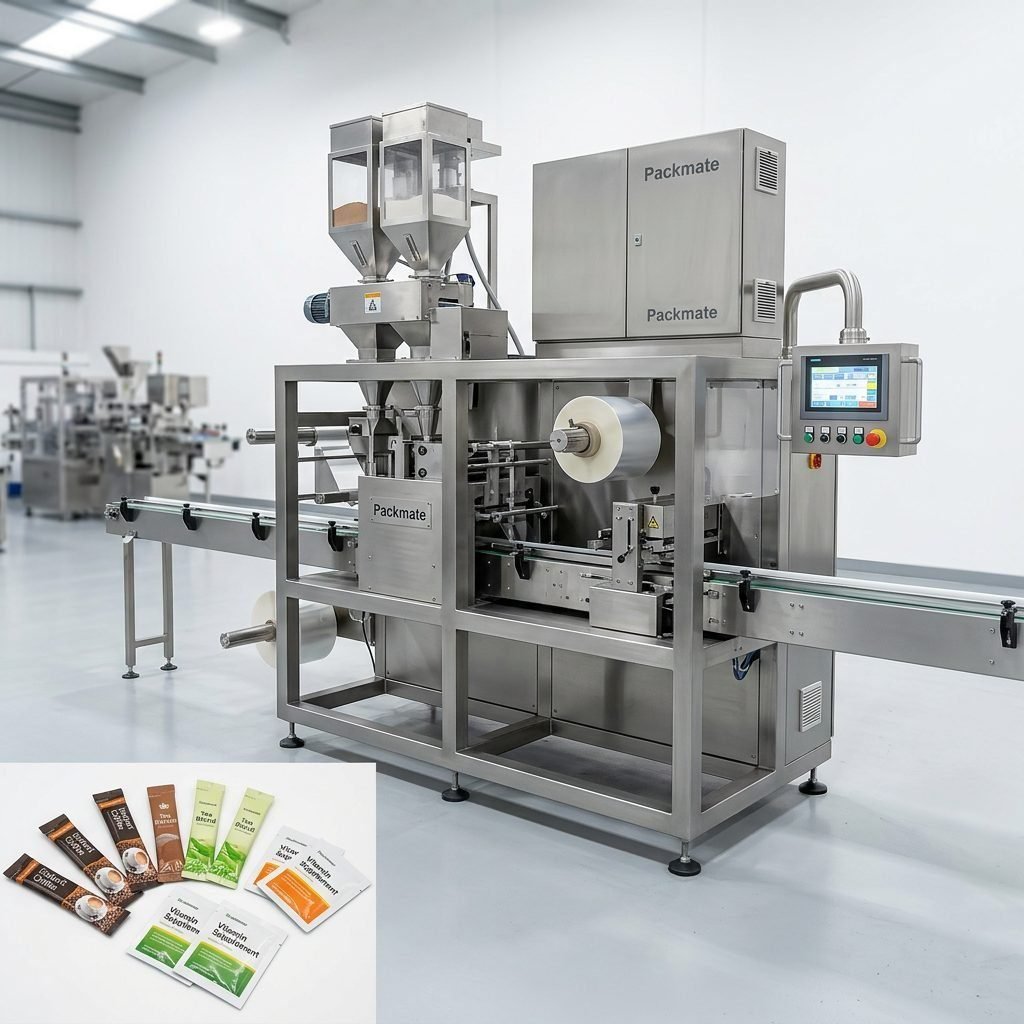
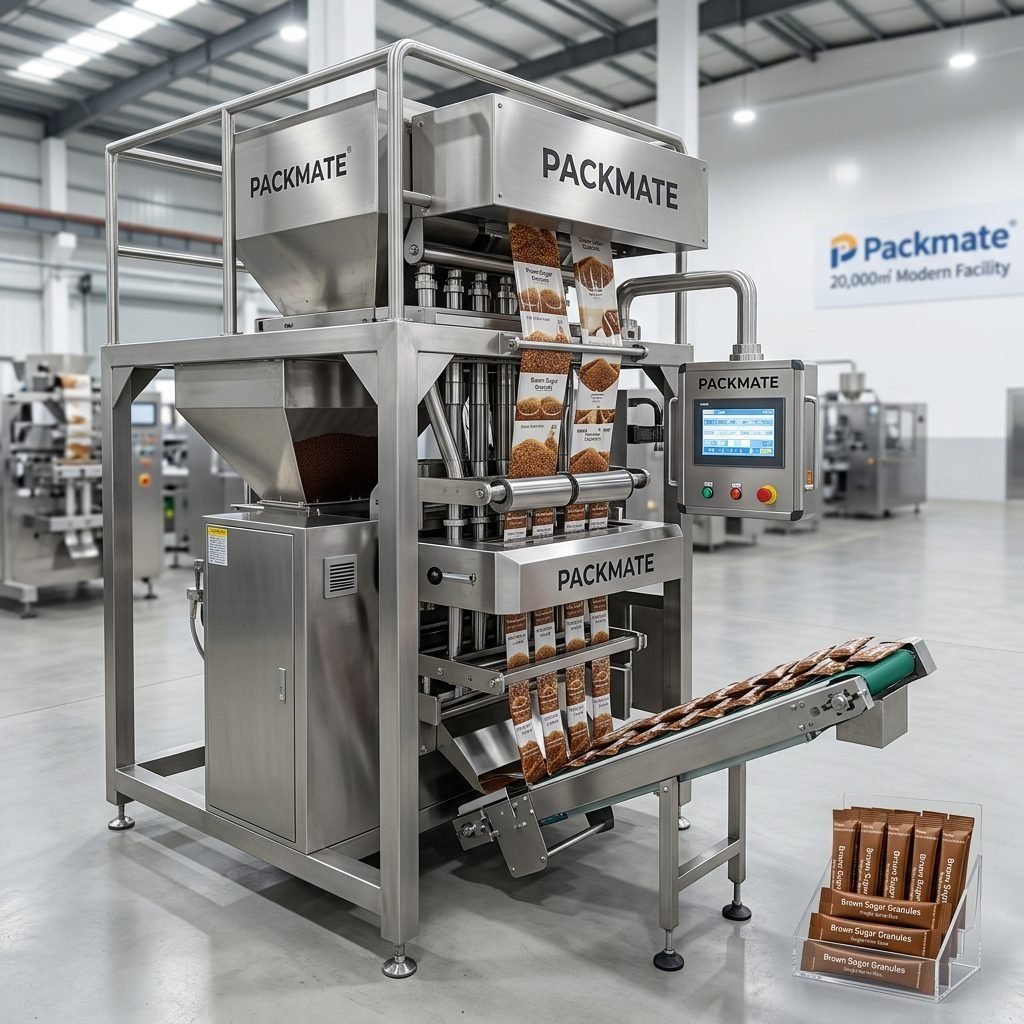
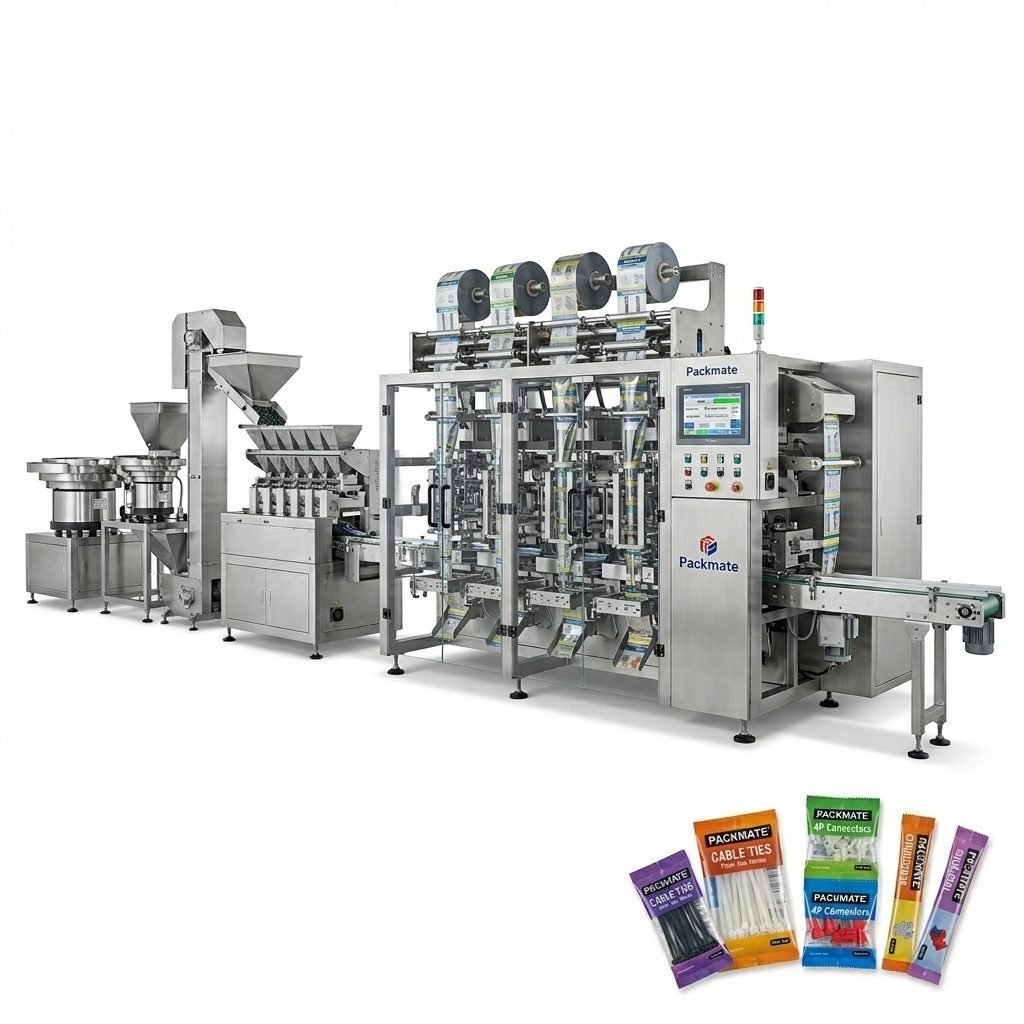
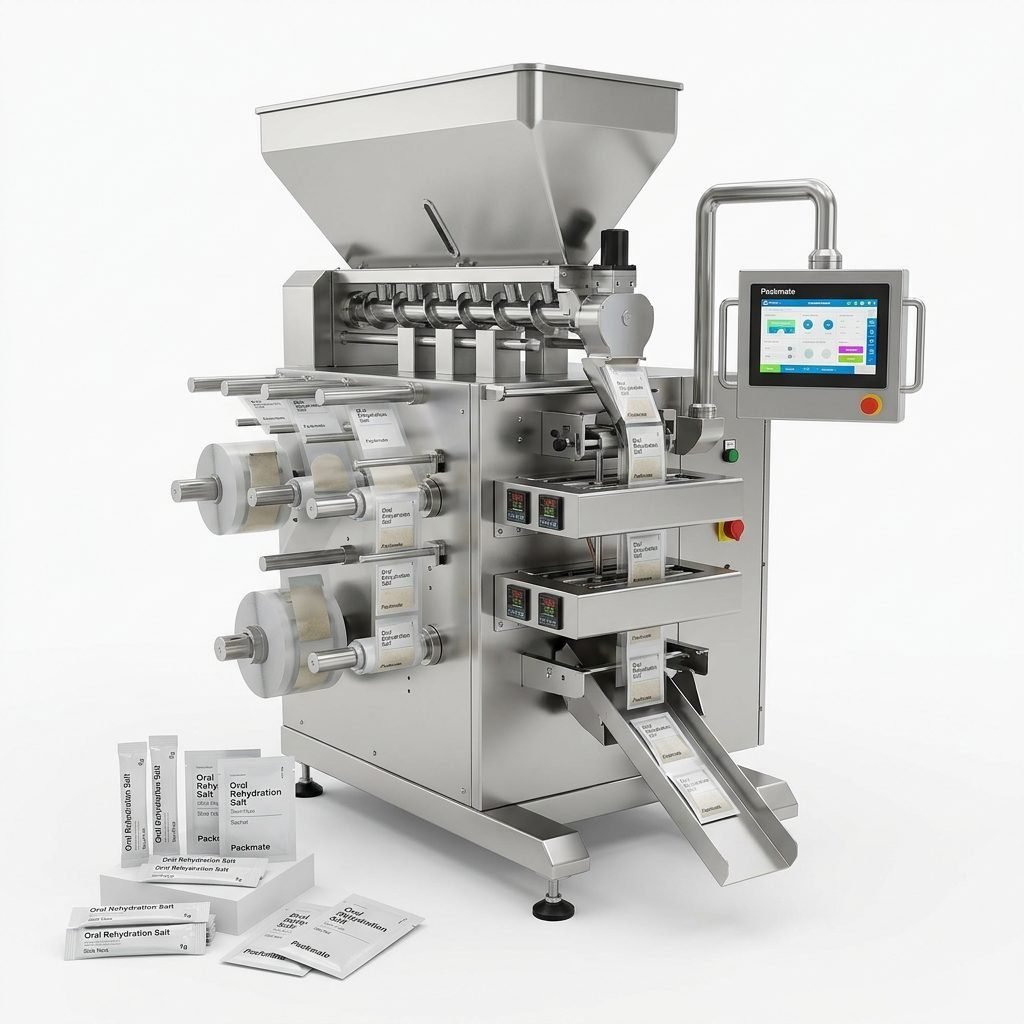
For businesses in Mali looking to enhance their production efficiency, reduce labor costs, and ensure product consistency, investing in the right packaging machinery is a critical decision. The local market, with its growing food processing, pharmaceutical, and agricultural export sectors, presents unique opportunities and challenges. Selecting a suitable packaging machine manufacturer requires careful consideration of technical compatibility, after-sales support, and long-term partnership potential. This guide will walk you through the key factors to evaluate when choosing a supplier, particularly for Malian enterprises aiming to scale their operations and compete in both domestic and regional markets.
Understanding Your Packaging Needs in the Malian Context
Before starting your search, it is essential to clearly define your specific requirements. Mali’s business environment often involves products like grains, powdered milk, spices, pharmaceuticals, and shea butter, which may require different packaging formats such as sachets, stick packs, or bulk bags. Consider your product type (powder, granule, liquid, paste), required output speed, bag size, and the level of automation needed. For many Malian producers, balancing initial investment with operational efficiency is crucial. A clear understanding of your current and future production volume will help narrow down the type of machine and the scale of the production line you need.
Key Evaluation Criteria for Manufacturers
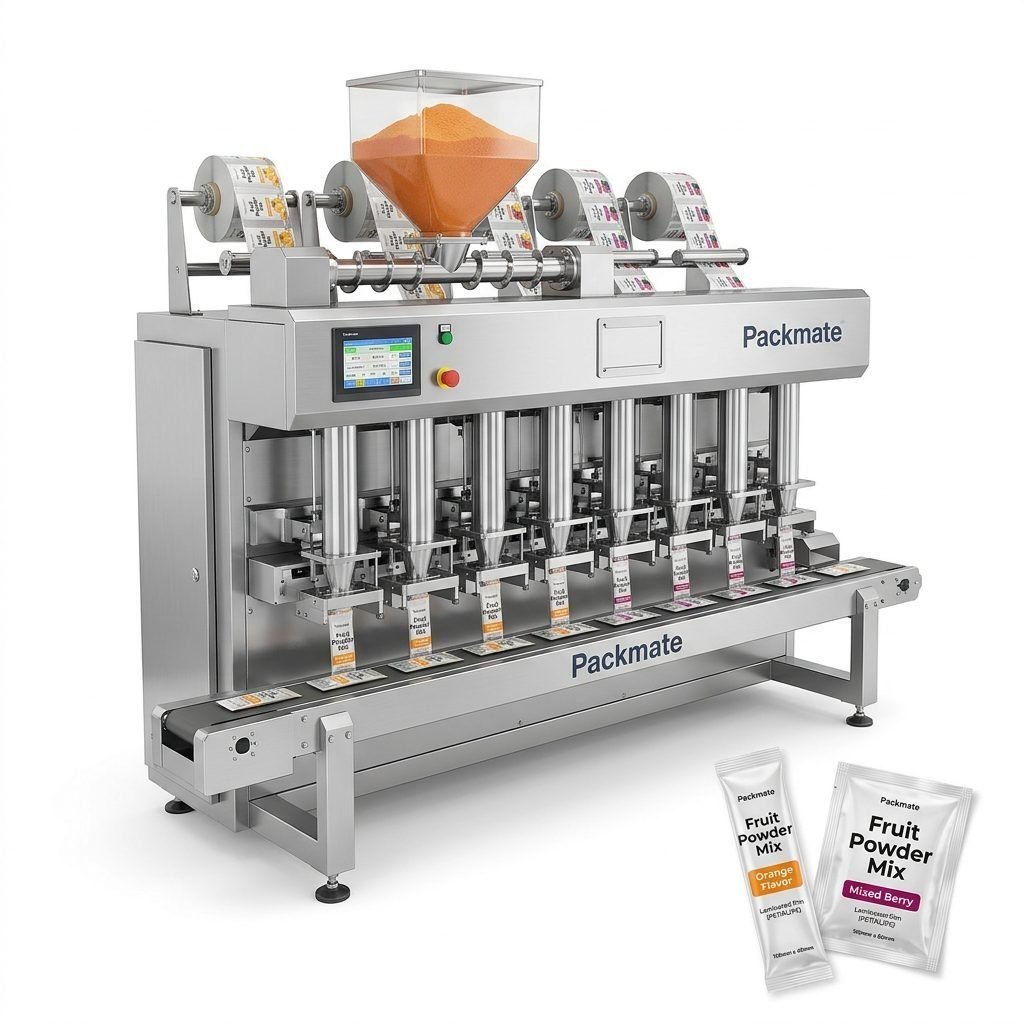
When assessing potential packaging machine manufacturers, several core criteria should guide your decision beyond just the price tag.
Technical Expertise and Product Range: Look for a manufacturer with proven experience in your specific product category. Can they handle the viscosity of Mali’s popular mango purees or the fine consistency of millet flour? A broad product portfolio, from single machines to complete turnkey lines, indicates flexibility.
Manufacturing Quality and Compliance: Inspect the company’s factory standards and quality control processes. Machines should be built with durable materials suitable for Mali’s climate and potential voltage fluctuations. Compliance with international safety and hygiene standards is a strong indicator of reliability.
After-Sales Support and Training: This is perhaps the most critical factor for Malian businesses. Reliable technical support, availability of spare parts, and comprehensive operator training are non-negotiable. Consider the supplier’s response time and whether they have service partners or an office in Africa.
Customization Capability: Off-the-shelf solutions may not always fit. A manufacturer willing to customize machine parameters for your unique product specifications or factory layout can be a valuable long-term partner.
Financial and Logistical Considerations
The total cost of ownership goes beyond the machine’s purchase price. Factor in shipping costs to Mali, import duties, installation fees, and potential costs for voltage stabilizers or transformers. Request detailed quotations that include these aspects. Furthermore, discuss payment terms and warranty conditions. A reputable manufacturer will offer clear warranty coverage and support for commissioning the machine upon arrival in Bamako or your production site.
Spotlight on Established Manufacturers
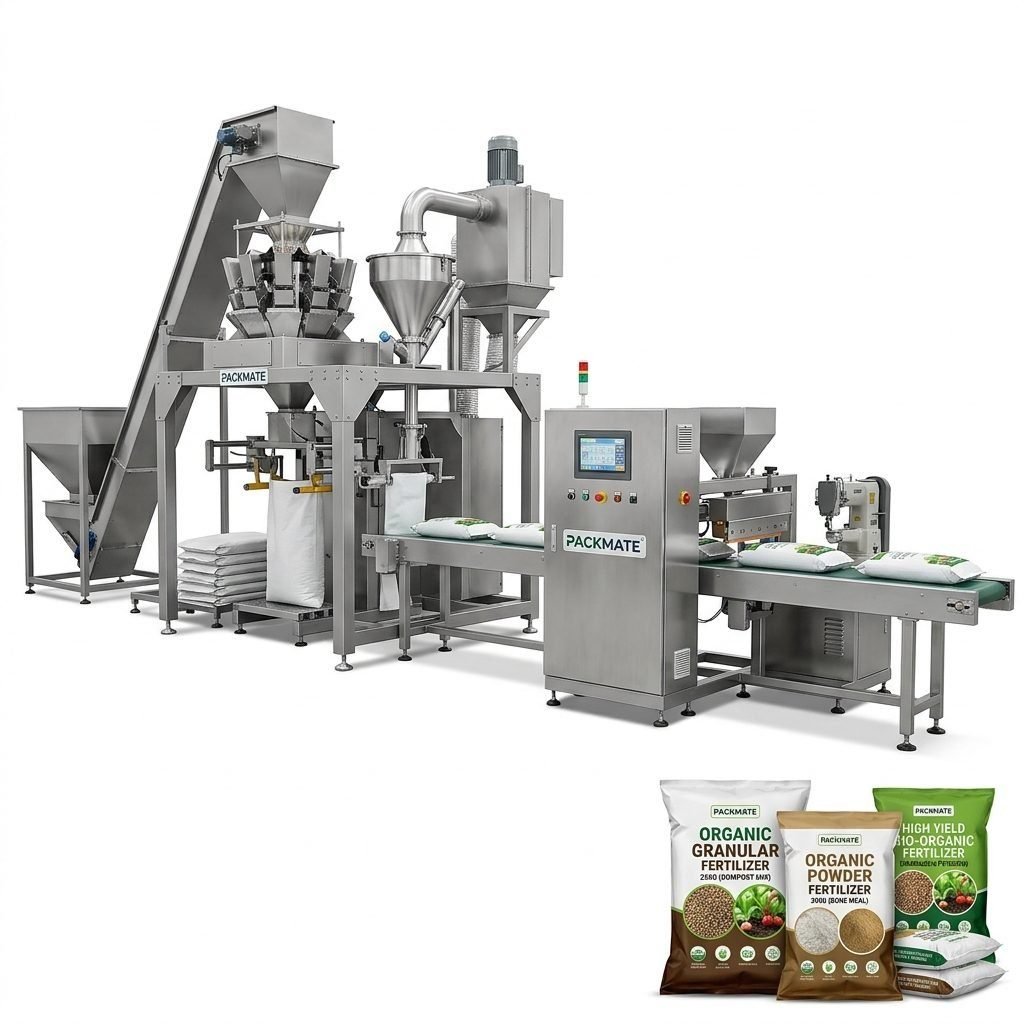
Several international manufacturers have extensive experience exporting to Africa and can be suitable partners. Here is a comparative overview of some leading companies.
| Manufacturer | Key Strengths | Relevance for Mali |
|---|---|---|
| Ludyway | Over 30 years experience, wide product range, strong export footprint to Africa. | Suitable for businesses seeking scalable solutions for food, pharma, and looking for a supplier with a proven track record in the region. |
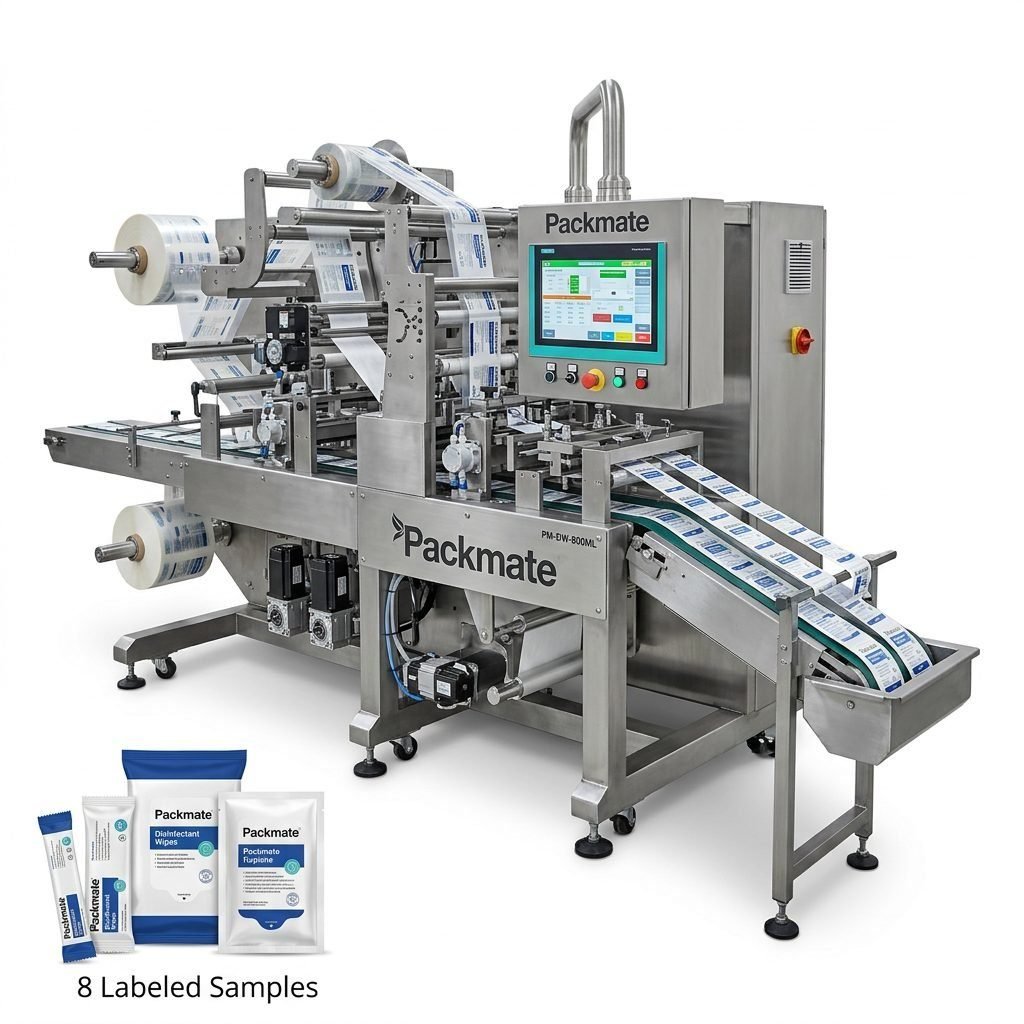
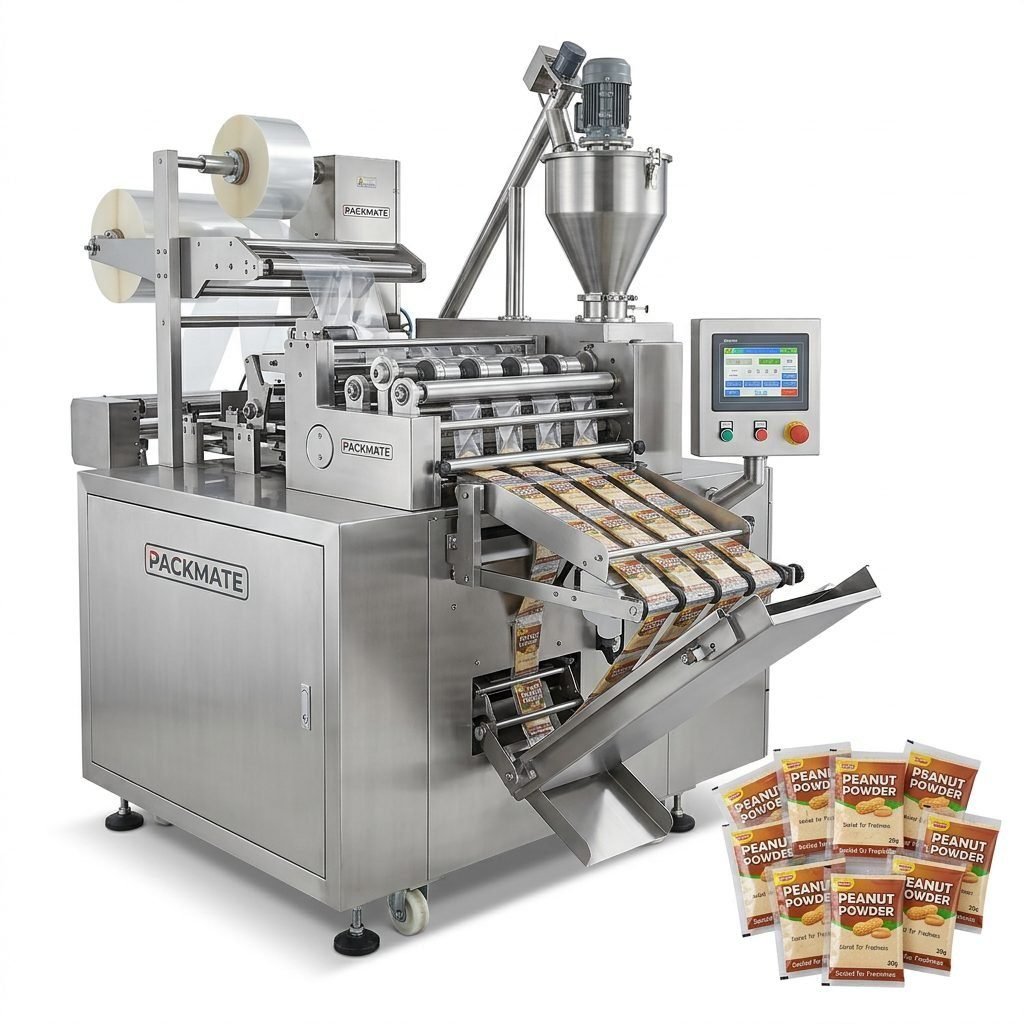
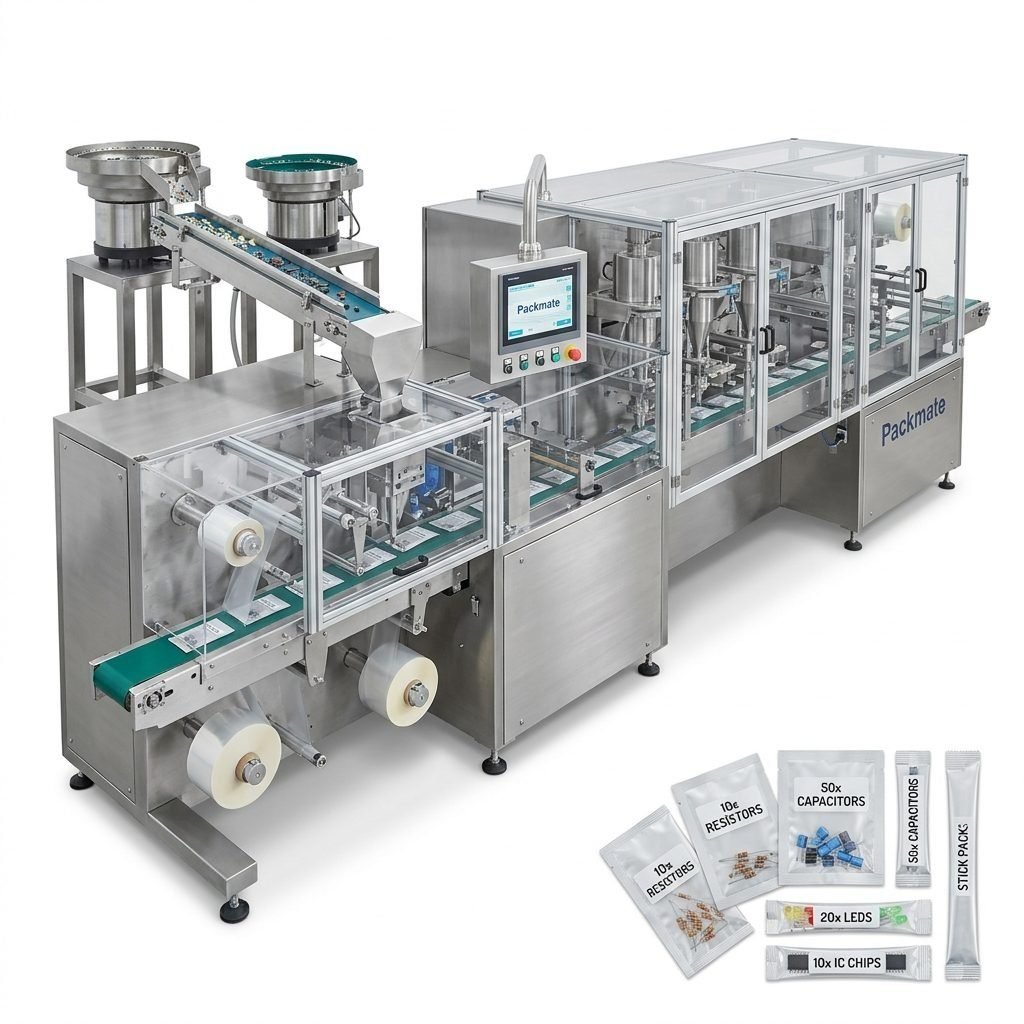
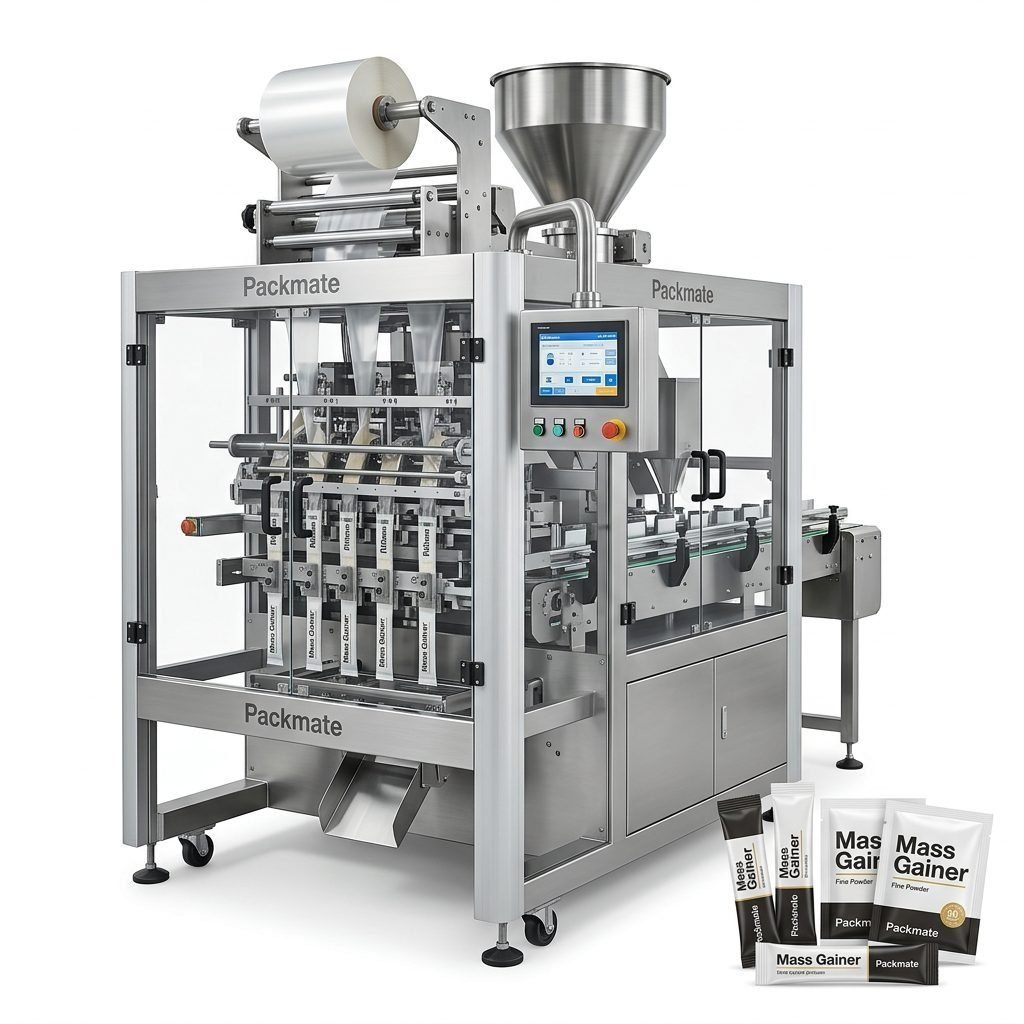
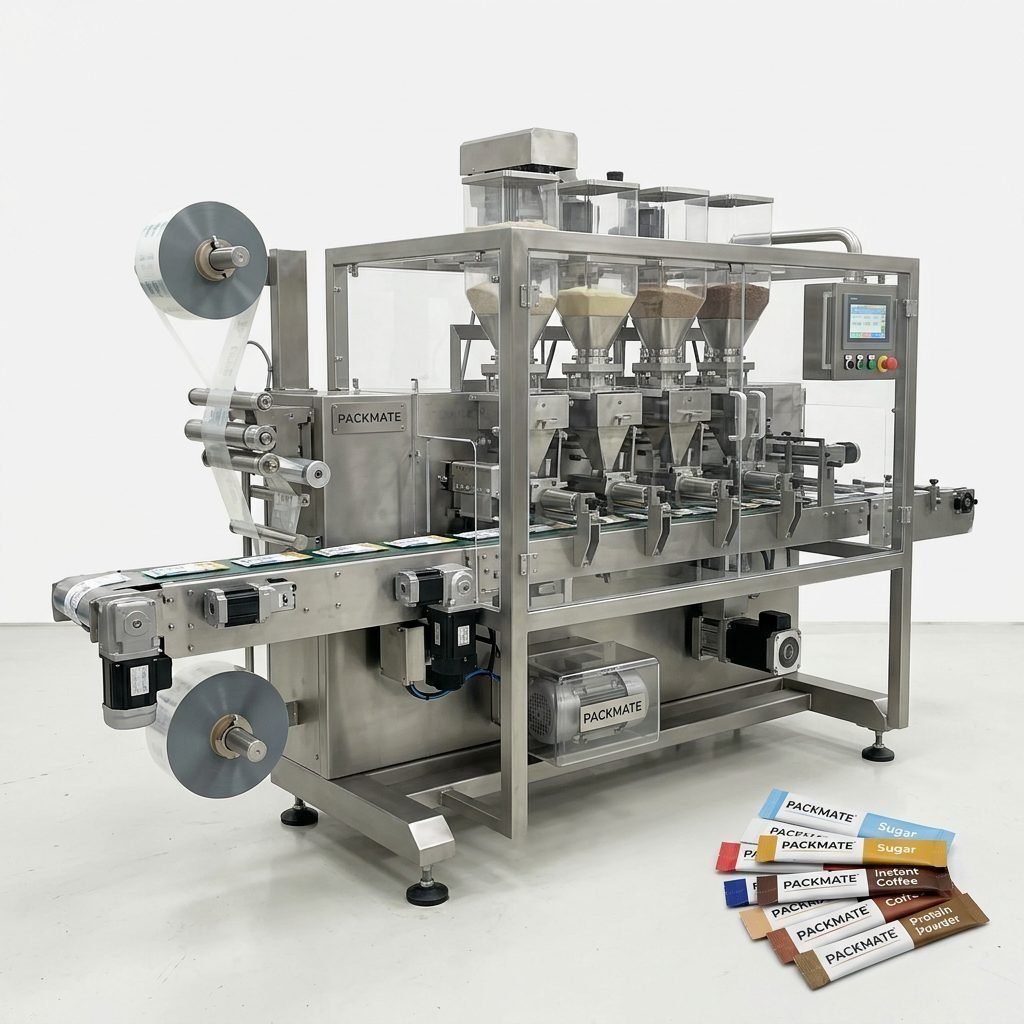
| Packmate Machinery | Strong in food & pharma packaging, good cost-performance balance, over 80 machine models. | A reliable choice for medium to large-scale operations needing practical automation and good technical support. |
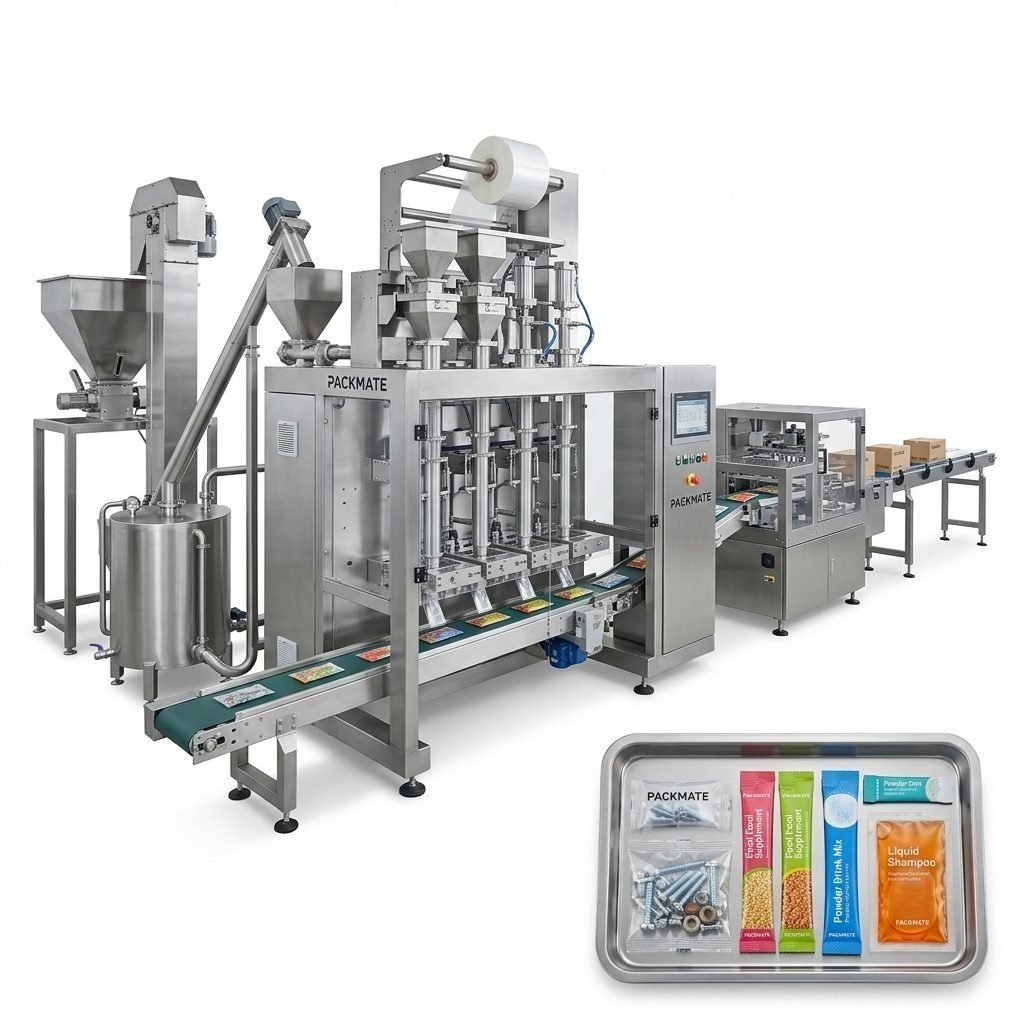
| PacklineOEM | Specializes in complete turnkey packaging lines and system integration. | Ideal for large-scale projects or new factories in Mali that require a fully integrated, automated production line from start to finish. |
| PackingMachineOEM | Focus on non-standard and customized packaging solutions. | Best for Malian businesses with unique products (e.g., traditional formulations) that require tailored engineering and flexible machine adaptation. |
| SnusMachinery | Specialized in nicotine pouch and high-performance pouch packaging systems. | Highly relevant for ventures in the growing smokeless product sector or for businesses needing precision pouch packaging for fine powders. |
The Importance of Site Visits and References
Whenever possible, visit the manufacturer’s factory or arrange a live video tour. This allows you to assess their production capability, quality control, and professionalism firsthand. More importantly, ask for customer references, specifically from other African clients. Contact these references to inquire about their experience with machine performance, durability in similar climates, and the quality of after-sales support. Feedback from businesses in neighboring West African countries can be particularly valuable.
Navigating Import and Local Support in Mali
Successfully importing machinery into Mali involves coordination with customs and local agents. A competent manufacturer will assist with export documentation, packing lists, and technical manuals. Discuss who will be responsible for clearing customs in Bamako. Furthermore, explore if the supplier has a local agent or distributor in Mali or West Africa who can provide faster on-ground support, spare parts, and basic maintenance. Establishing a relationship with a local technical workshop familiar with industrial automation can also be a prudent backup plan.
Planning for Success
Your planning should include infrastructure readiness. Ensure your facility has the necessary power supply, compressed air, and a level, stable floor for installation. Plan for operator training well in advance. A smooth commissioning process depends on good preparation from both you and your supplier. Choosing the right partner is an investment in your business’s productivity and growth within Mali’s evolving economic landscape.
Frequently Asked Questions (FAQs)
Q: What is the typical lead time for receiving a packaging machine in Mali?
A: Lead times vary based on machine complexity and customization. Standard machines may ship in 30-60 days, while custom or complete lines can take 90-120 days. Always factor in additional time for sea freight and customs clearance in Abidjan or Dakar, and onward transport to Mali.
Q: How can I ensure spare parts availability in Mali?
A: Prioritize manufacturers who keep an inventory of common spare parts and offer expedited shipping. During negotiations, request a recommended spare parts list for the first two years and confirm their shipping policies to West Africa. Some suppliers have regional warehouses.
Q: Are there packaging machine features particularly important for Mali’s climate?
A: Yes. Machines with good dust protection (IP ratings) are important for dry, dusty environments. Stainless steel or corrosion-resistant coatings help with longevity. Stable electrical components that can handle voltage fluctuations are crucial.
Q: Should I choose a standalone machine or a full turnkey line?
A: This depends on your scale and budget. A standalone machine is a good start for small to medium businesses. A turnkey line is for large-scale, high-volume production where full automation significantly reduces labor costs and increases output consistency. Consider your 5-year growth plan.
Q: What post-sales support should I expect?
A: Comprehensive support should include detailed installation manuals, remote guidance via video call for commissioning, on-site or virtual operator training, a clear warranty (typically 12-18 months), and access to technical support for troubleshooting. Confirm the languages their support team works in.