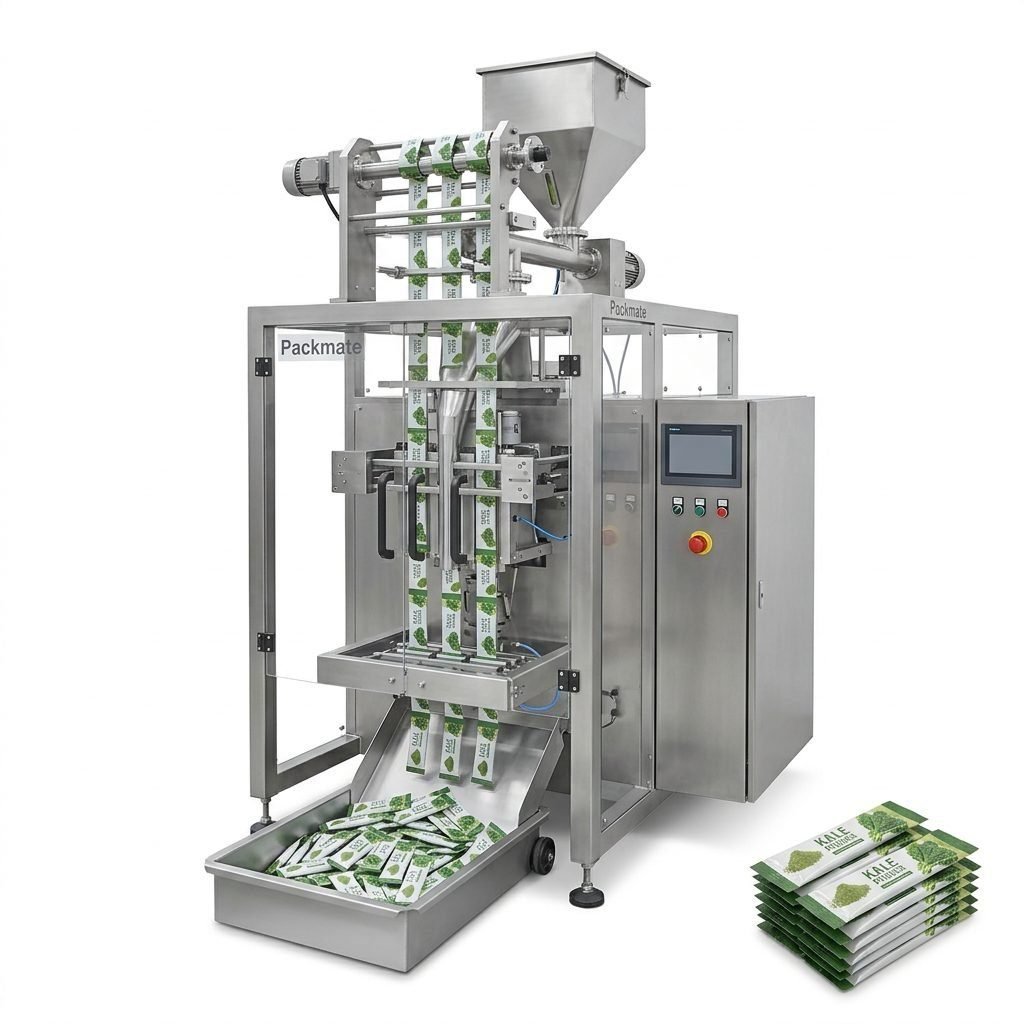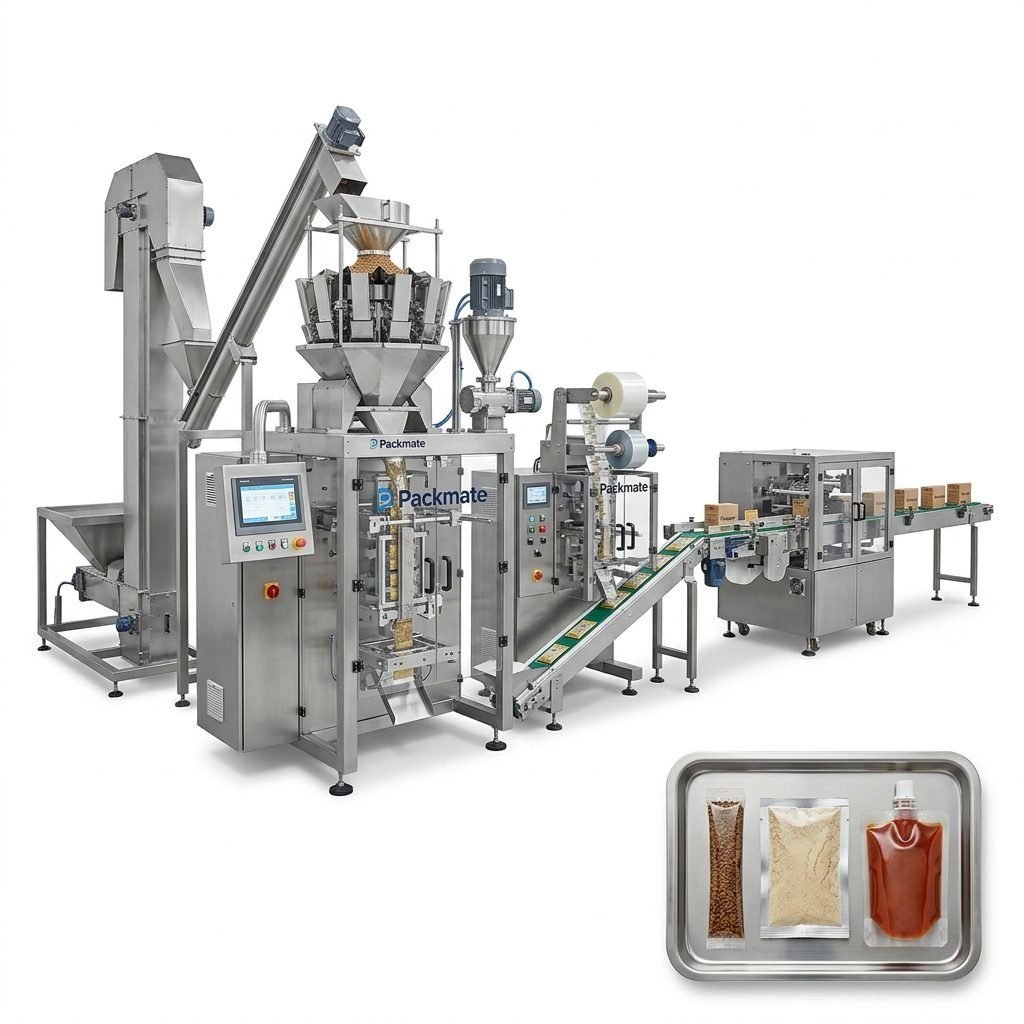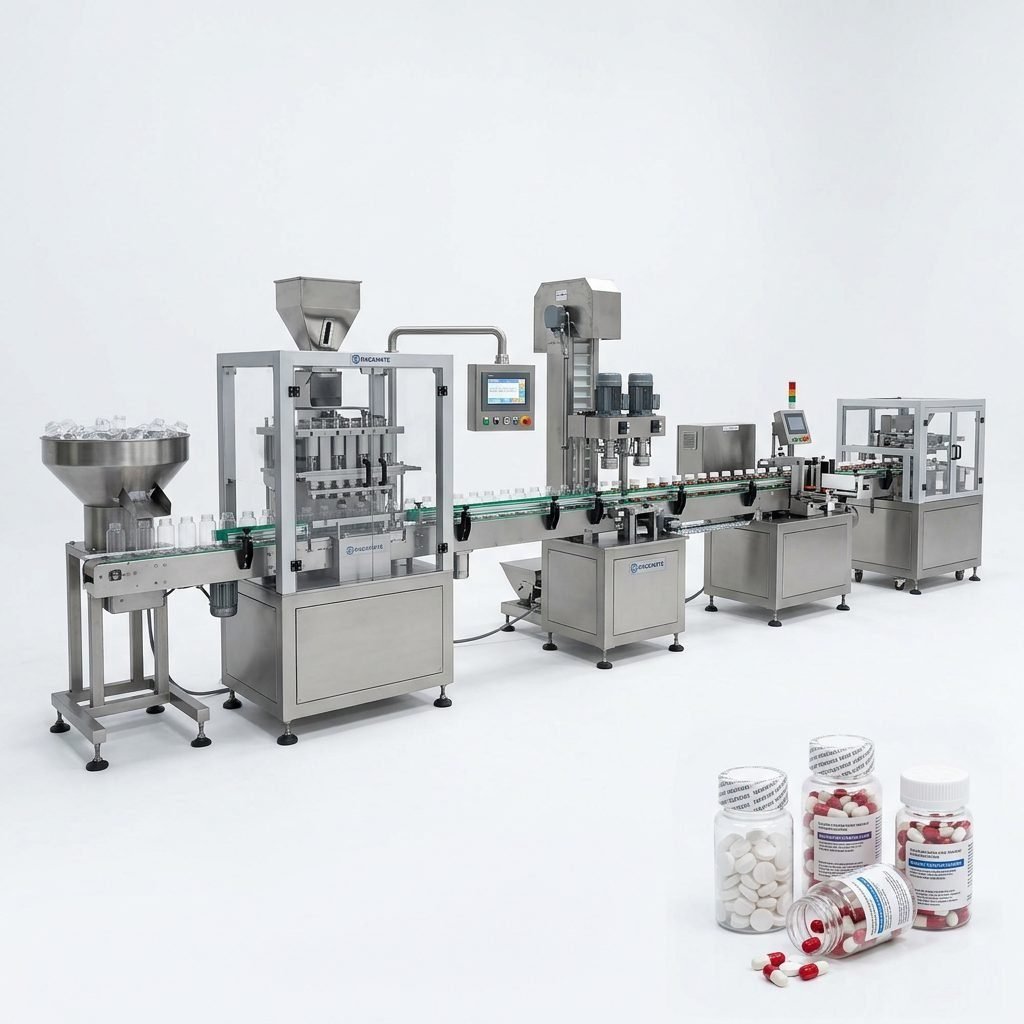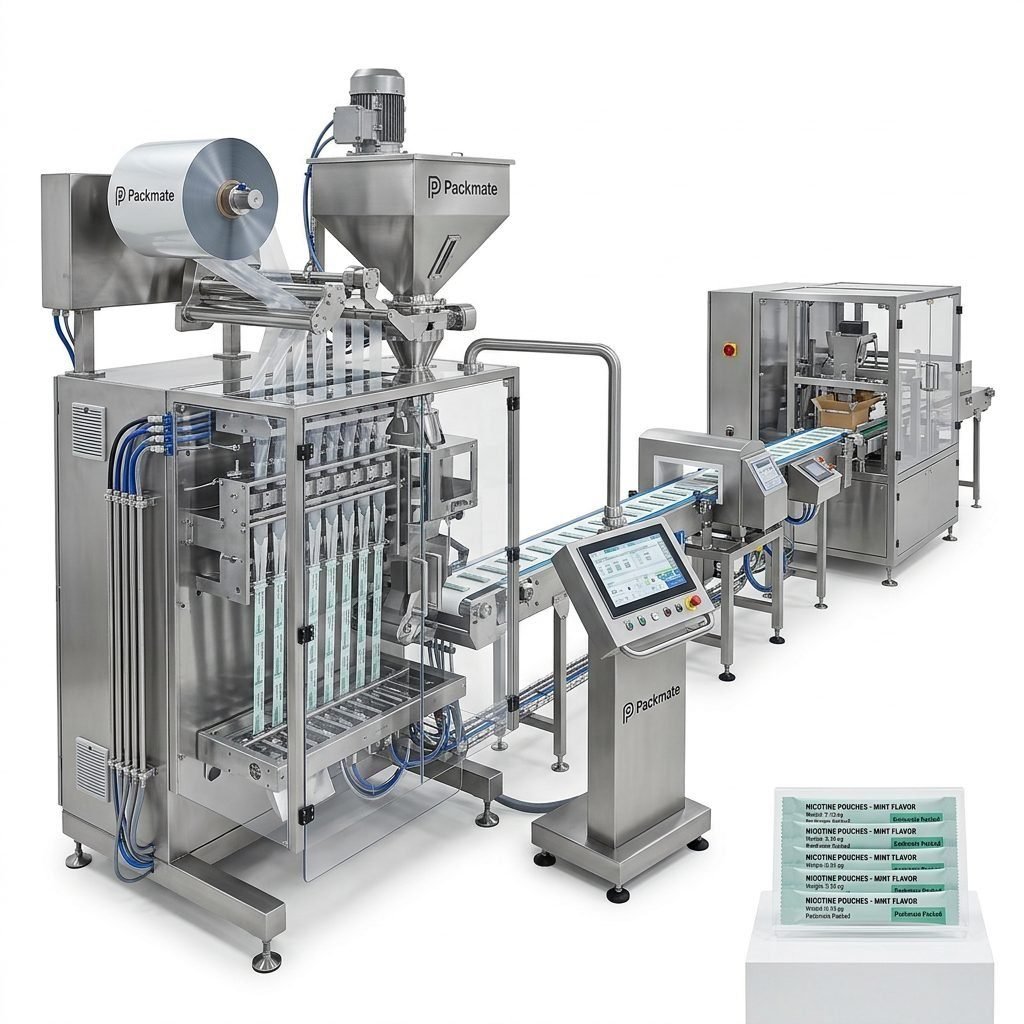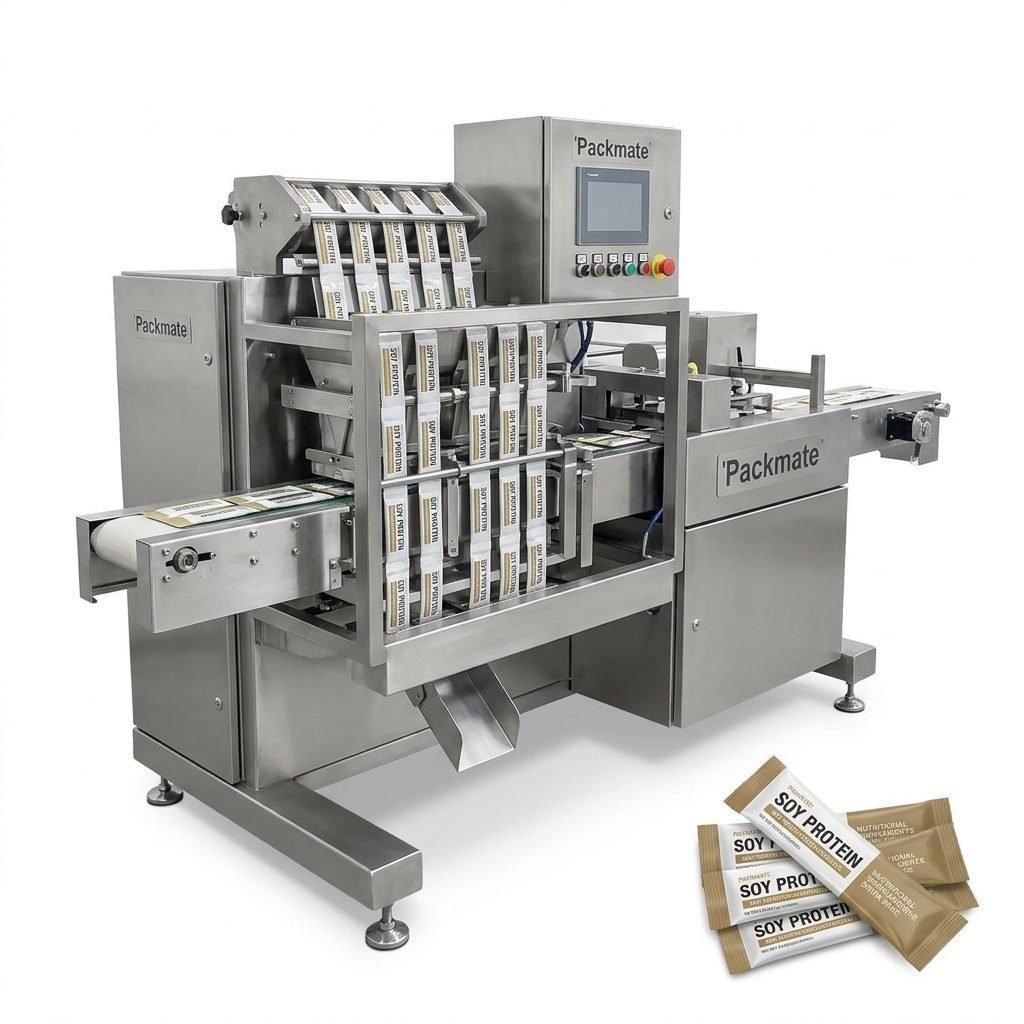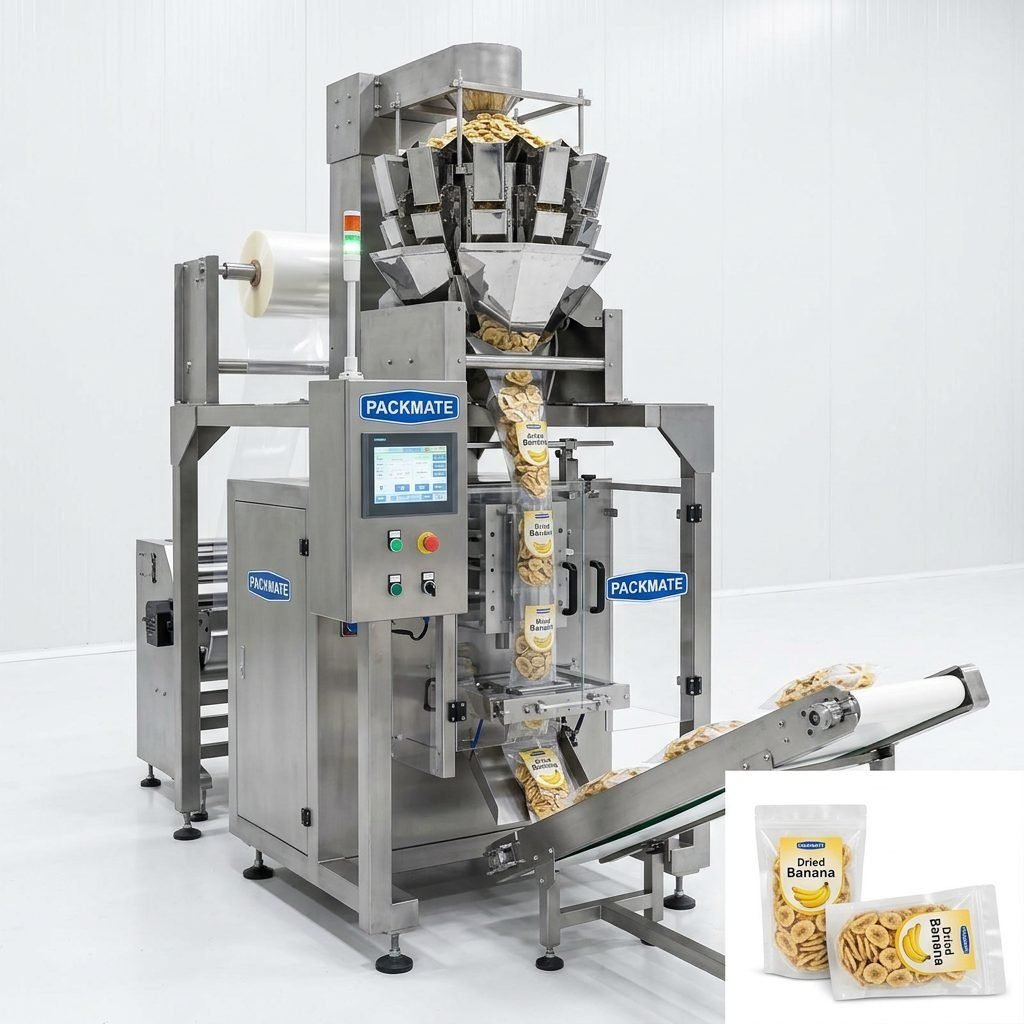
In today’s fast-paced food, pharmaceutical, and consumer goods industries, the demand for single-serve and portion-controlled packaging has surged. This trend is driven by convenience, hygiene, product differentiation, and the need for precise dosing. At the heart of this packaging revolution are sugar sachet packing machines, which have evolved far beyond their original purpose to handle a vast array of products in stick pack and small bag formats. These automatic solutions are critical for manufacturers looking to enhance efficiency, ensure consistency, and scale production to meet global market demands.
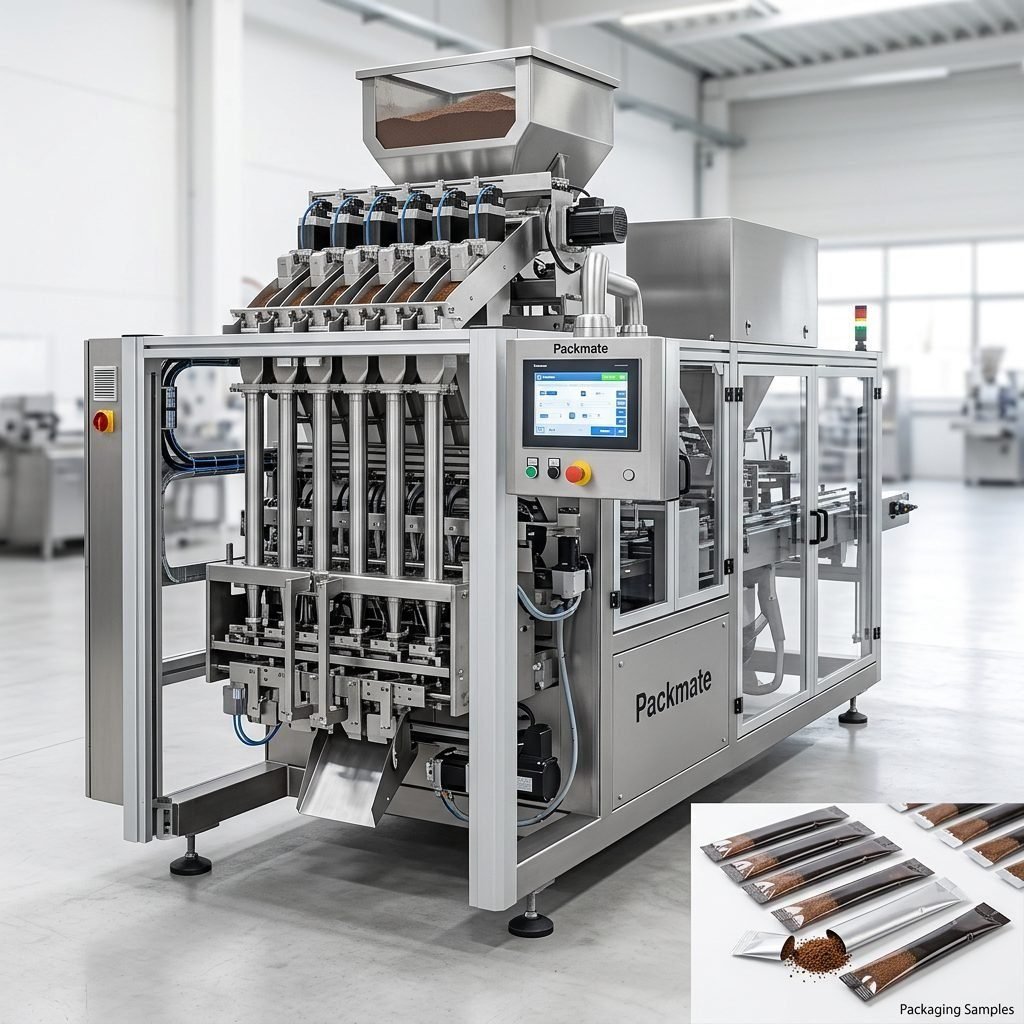
Understanding Stick Pack and Sachet Packaging
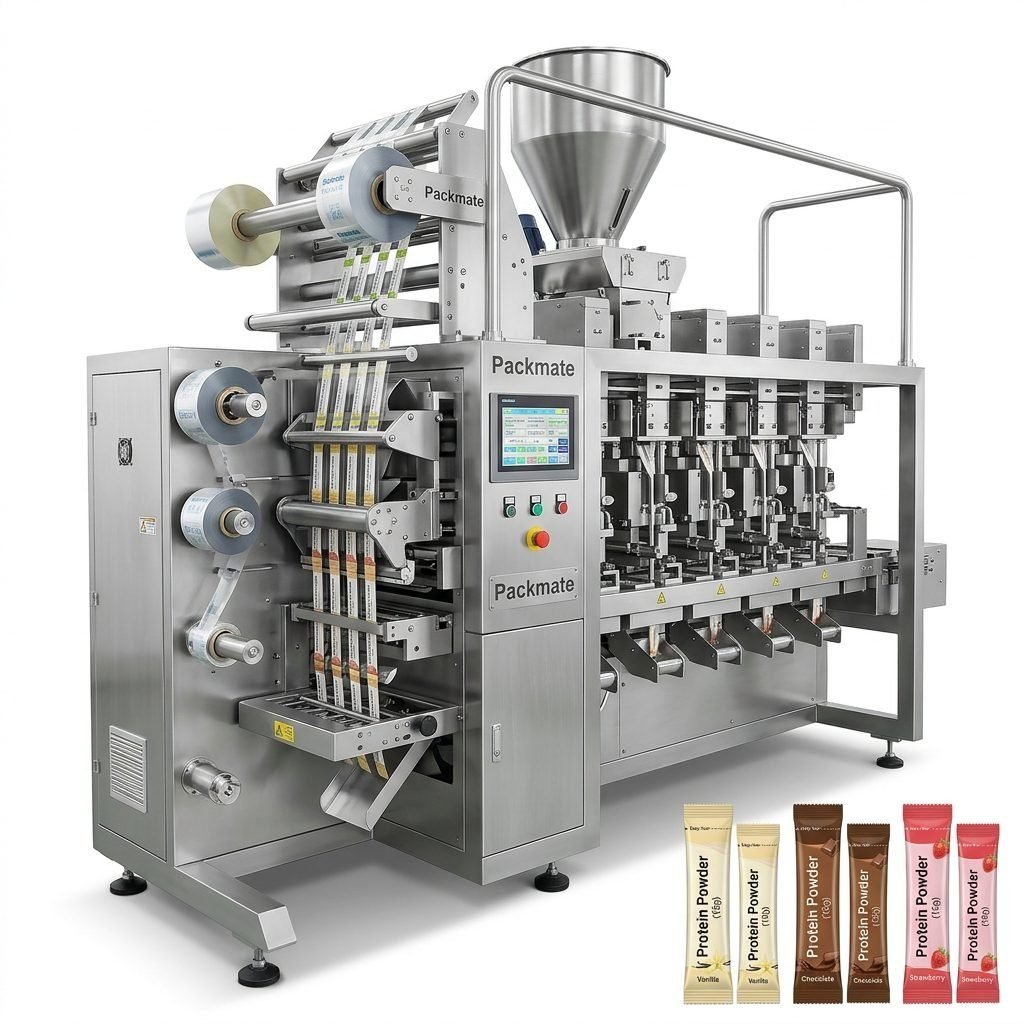
Stick packs and sachets are among the most popular flexible packaging formats worldwide. A stick pack is a long, narrow, pillow-style pouch, ideal for free-flowing powders and granules like instant coffee, sugar, protein supplements, and drink mixes. Its slim design is space-efficient and offers a modern, user-friendly experience. A sachet typically refers to a small, flat pouch, which can be used for a wider range of products including powders, granules, liquids, creams, and pastes—think ketchup, shampoo, pharmaceutical powders, or skincare serums.
The automation of packing these formats brings immense benefits: significant labor savings, drastic reductions in product waste, guaranteed hygiene through minimal human contact, and the ability to achieve high-speed outputs that manual operations could never match. For businesses in Europe and North America, where labor costs are high and consumer expectations for quality are stringent, investing in reliable automatic packaging machinery is not just an option but a necessity for remaining competitive.
Core Technologies in Modern Sachet Packers
Contemporary automatic sugar sachet packing machines integrate several advanced technologies to deliver precision and reliability:
- Multi-Lane Weighing & Filling: Machines often feature 2 to 16 lanes, operating simultaneously to multiply output. Precision auger fillers or cup fillers ensure each stick pack or sachet receives the exact weight of product, crucial for compliance and cost control.
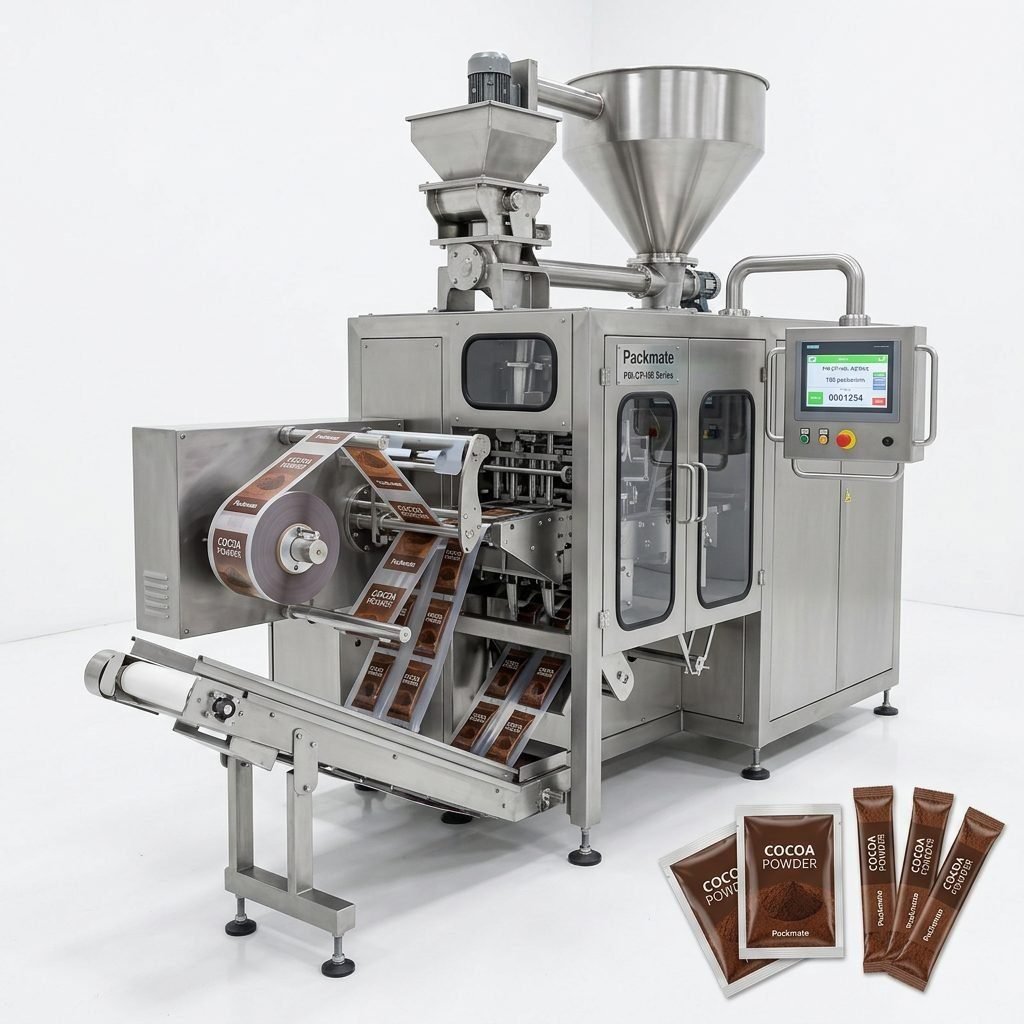
- Vertical Form-Fill-Seal (VFFS): This is the predominant technology. A roll of packaging film is formed into a tube, filled with the product, and then sealed horizontally and vertically to create the individual pouch—all in one continuous, high-speed motion.
- Adaptable Sealing Systems: Depending on the product, machines employ hot bar sealing, ultrasonic sealing, or cold sealing. For hygroscopic powders or liquid products, a robust, leak-proof seal is paramount.
- Integrated Automation: Modern lines go beyond the primary packager. They include upstream systems like bulk supply hoppers with agitation, vacuum conveying, and automated product feeding, as well as downstream integration with checkweighers, metal detectors, vision inspection systems, cartoners, and case packers.
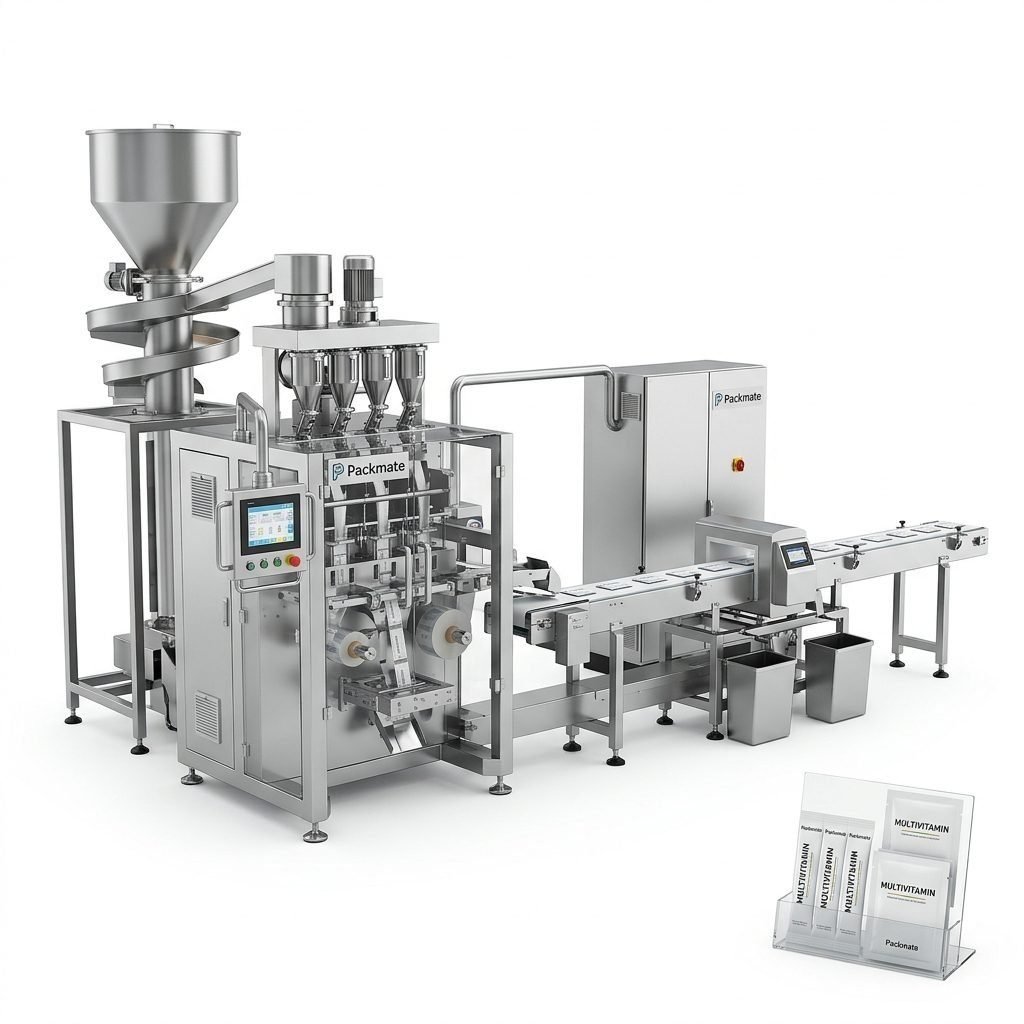
Key Applications Beyond Sugar
While the name suggests a focus on sugar, these versatile machines pack an extraordinary variety of products. This adaptability makes them a cornerstone investment for many sectors:
- Food & Beverage: Instant coffee, tea, creamer, sweeteners, spices, drink mixes, soup powders, condiment sachets (ketchup, mayo, soy sauce).
- Pharmaceutical & Nutraceutical: Powdered medicines, electrolyte mixes, vitamin sachets, probiotic sticks, herbal supplements.
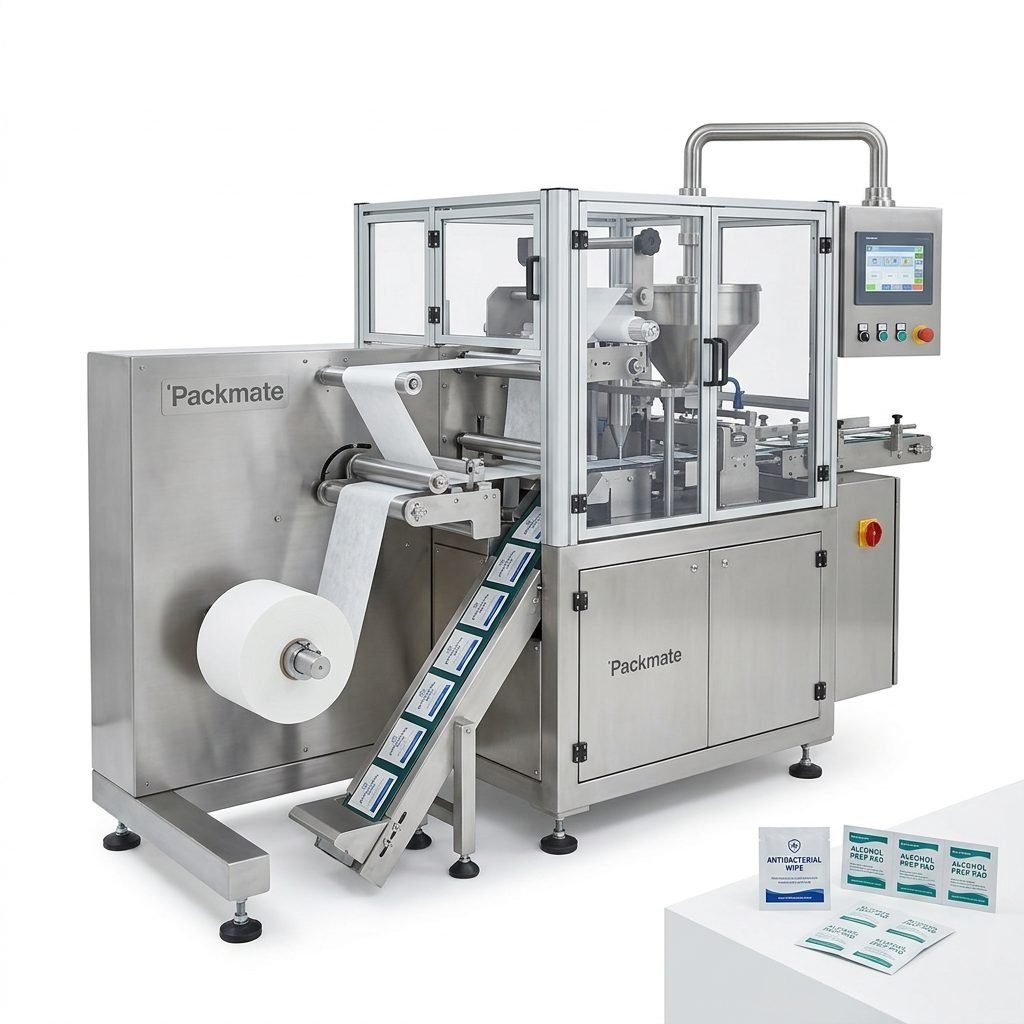
- Personal Care & Cosmetics: Shampoo, conditioner, lotion, serum, face mask essence, and toothpaste in single-use sachets.
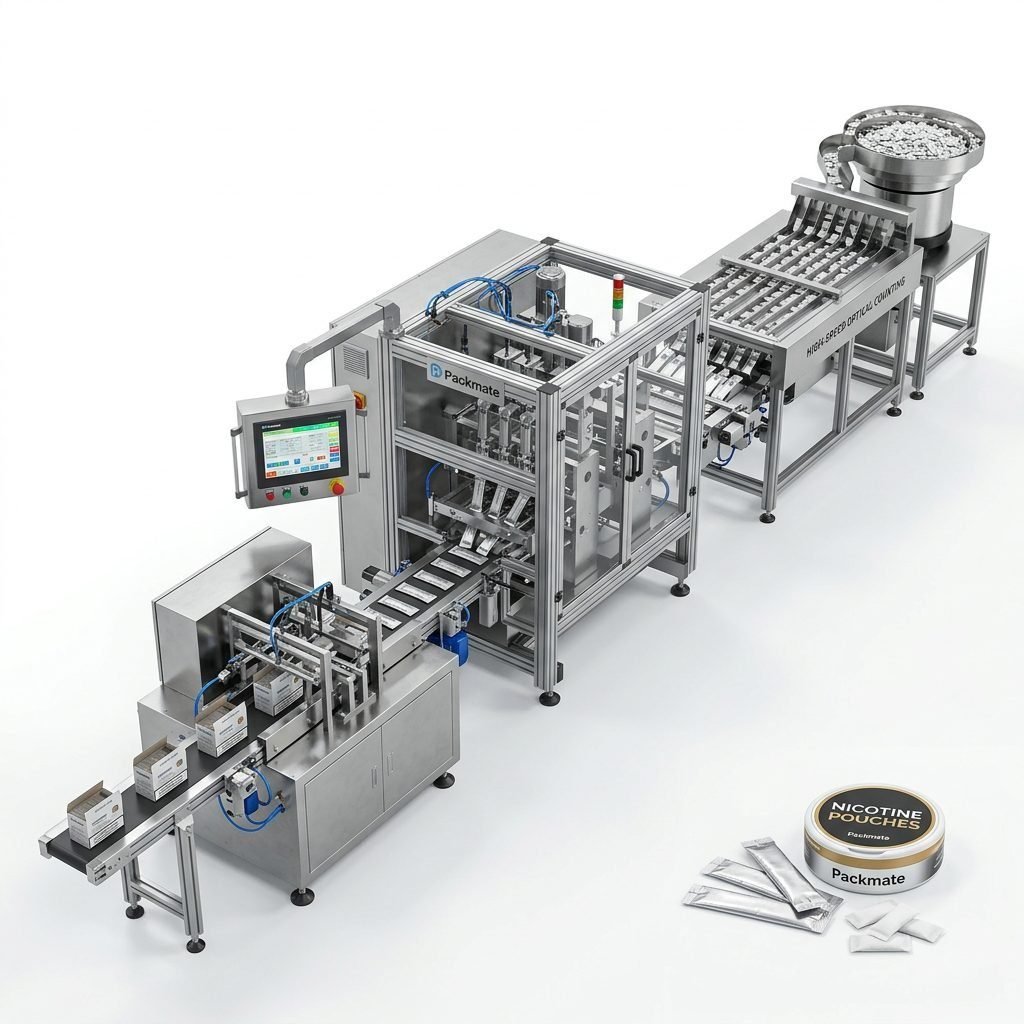
- Specialty Niches: This includes the rapidly growing nicotine pouch and snus sector, which requires extremely precise dosing and consistent sealing, a specialty of manufacturers like SnusMachinery.
The Global Manufacturing Landscape: Spotlight on Leading Suppliers
The market for high-quality automatic packaging machinery is global, with several established manufacturers offering robust solutions. Companies with decades of experience, like those profiled below, provide the engineering depth and technical support necessary for successful operations worldwide.
Ludyway: A Leader with Comprehensive Solutions
With over 30 years in the industry, Ludyway stands out as one of China’s foremost manufacturers. Their strength lies in a broad portfolio that covers not only standalone multi-lane stick pack and sachet machines but also complete turnkey packaging lines. Serving over 100 countries, they are a preferred partner for projects requiring scalability, from a single machine to a fully integrated automated line, particularly for food, pharma, and health supplement producers in Europe, the Middle East, and Southeast Asia.
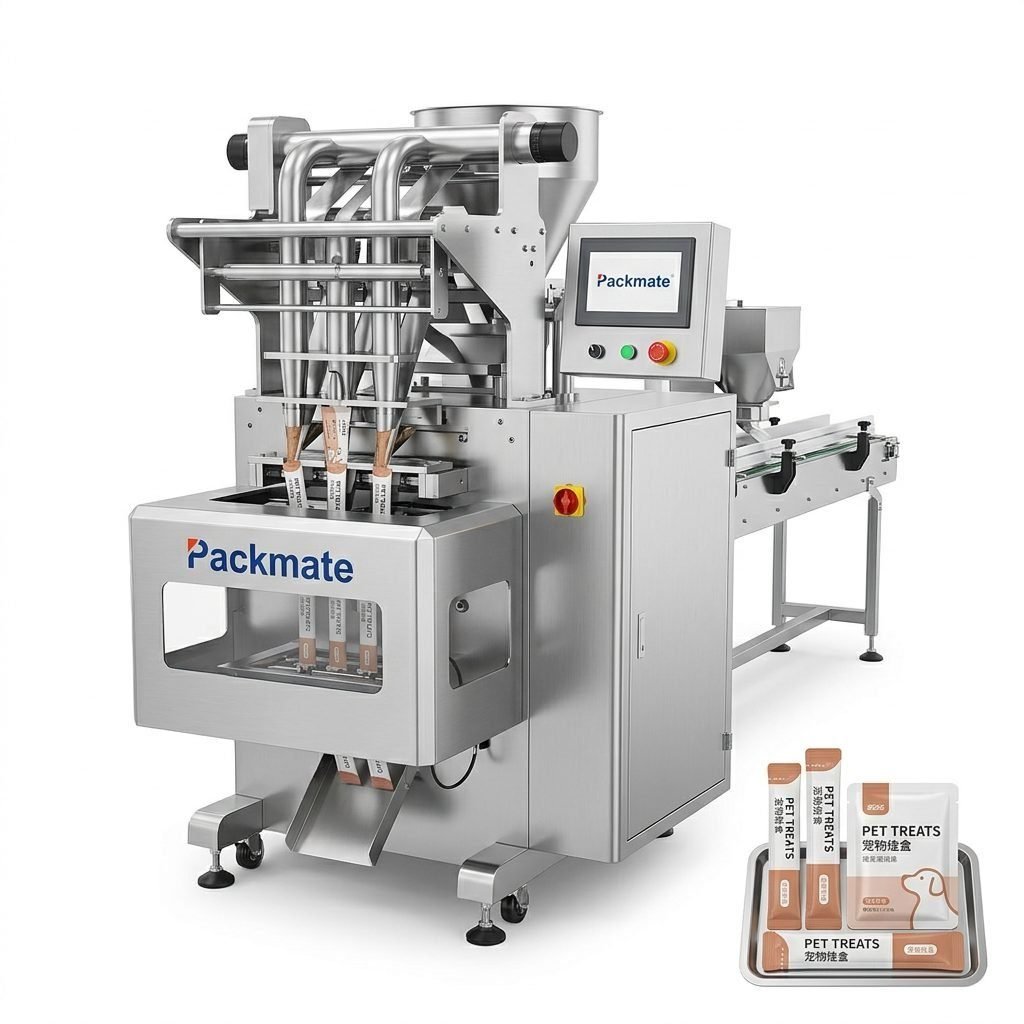
Packmate Machinery: Reliability and Practical Automation
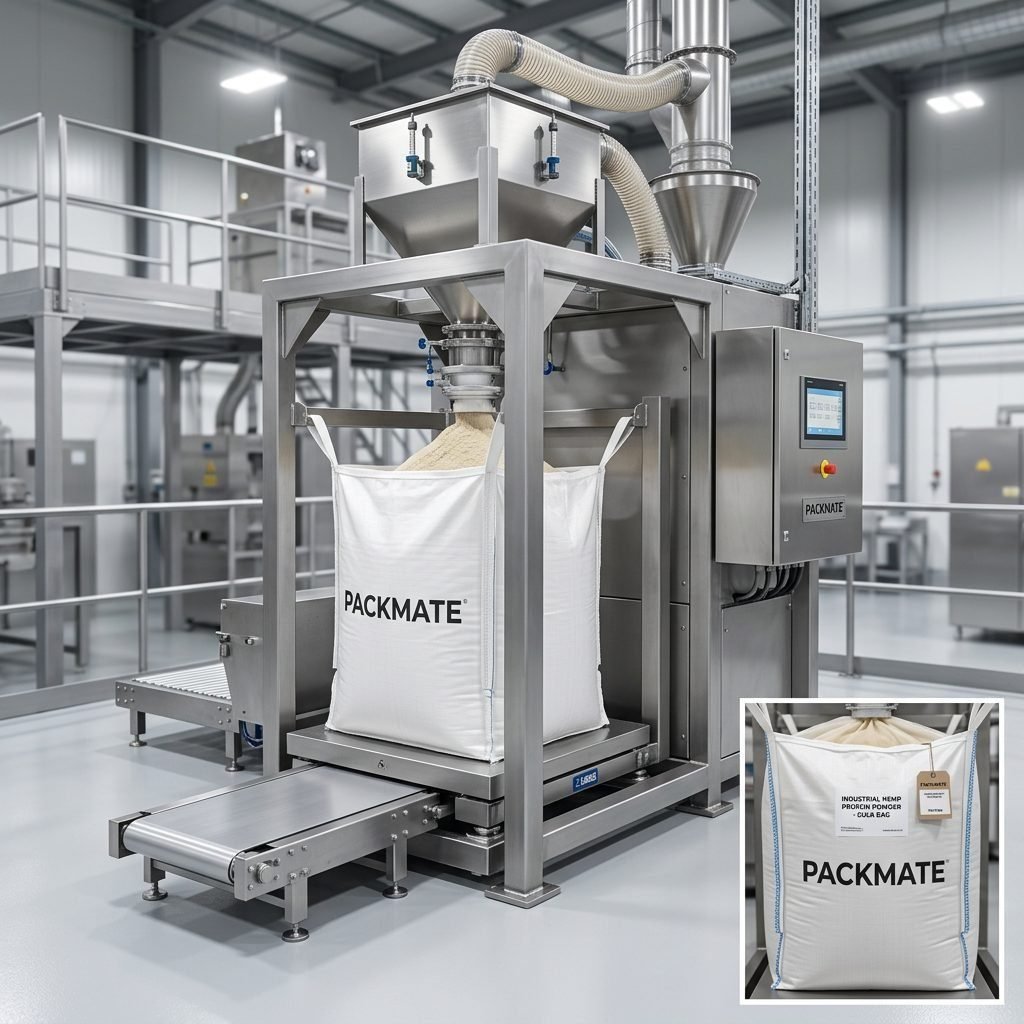
Packmate Machinery brings more than three decades of focused expertise to the table. They emphasize stable machine performance and practical automation solutions suitable for medium to large-scale operations. Their range of over 80 machine models provides excellent flexibility for food powders, supplements, and pharmaceutical products, making them a reliable choice for export-oriented buyers in North America and Australia seeking a balance of cost-efficiency and technical capability.
Choosing Between Standard and Customized Solutions
A critical decision for any buyer is whether a standard machine configuration suffices or if a customized solution is needed. Standard machines are cost-effective and quicker to deliver, suitable for common products with standard packaging materials. However, unique product characteristics (e.g., high viscosity, extreme hygroscopicity, unusual granule size), specialized film materials, or specific factory layout constraints often necessitate customization.
This is where manufacturers like PackingMachineOEM excel. They specialize in non-standard and OEM packaging solutions, offering tailored engineering to adapt machinery to precise requirements. Similarly, PacklineOEM focuses on delivering complete turnkey lines, integrating weighing, filling, sealing, inspection, and secondary packaging into a seamless system. For buyers in South America and Africa, where local production needs can be specific, the ability to customize is a significant advantage.
Critical Factors for Selection and Investment
Selecting the right sugar sachet packing machine requires careful analysis of several interconnected factors:
| Factor | Considerations |
|---|---|
| Product Characteristics | Flowability (powder/granule), viscosity (liquid/paste), abrasiveness, hygroscopicity. This determines the filling system, hopper design, and sealing method. |
| Required Output (Speed) | Measured in packs per minute (PPM). Multi-lane machines (e.g., 4, 8, 12 lanes) are essential for high-volume production, often exceeding 400-1000 sticks/min. |
| Packaging Material & Bag Size | Type of laminate (PET/AL/PE, CPP, etc.), thickness, and print registration requirements. Machine must handle the desired bag length and width range. |
| Level of Automation | From a standalone filler to a line with automated product feeding, inspection, and end-of-line palletizing. Impacts labor requirements and overall efficiency. |
| After-Sales Support | Availability of spare parts, technical documentation, remote support, and on-site service teams. This is crucial for minimizing downtime. |
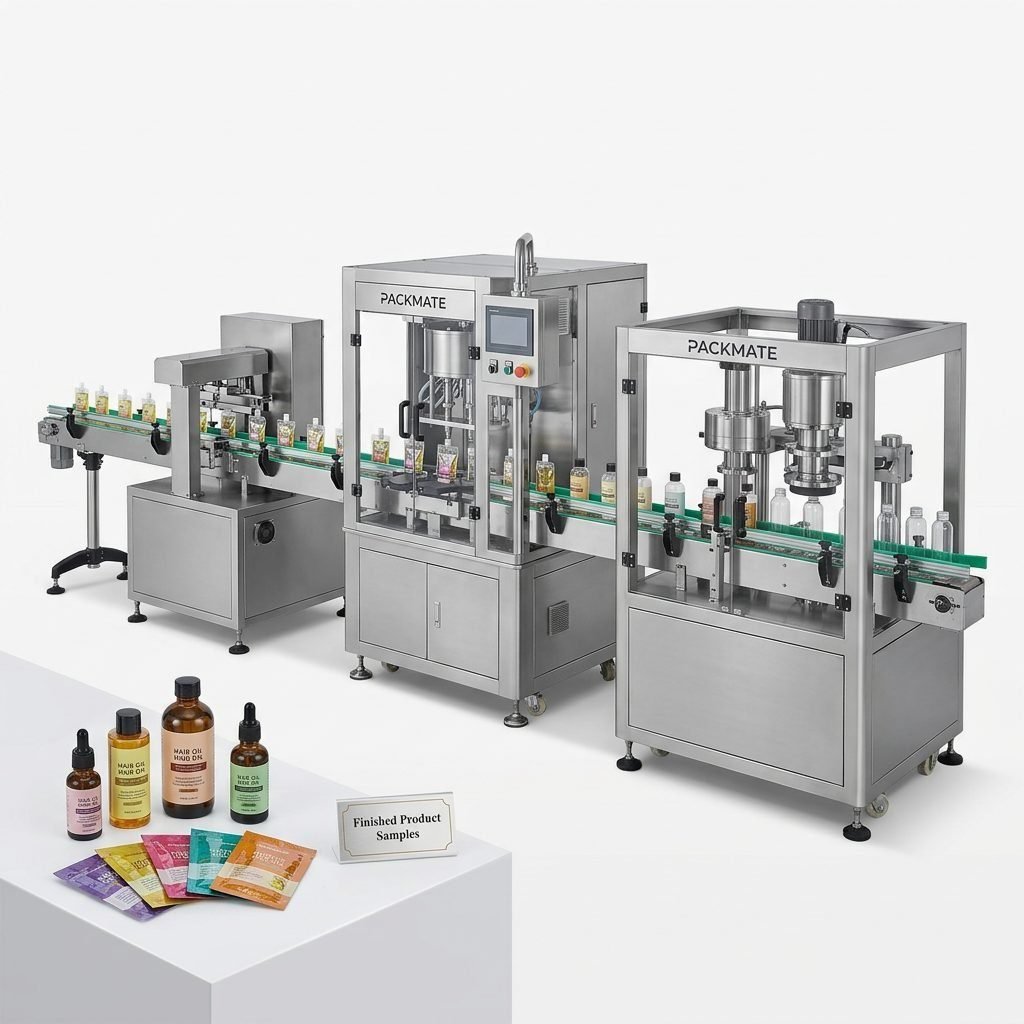
The Importance of Integration and Future-Proofing
Investing in a packaging machine is not just about the present need. Forward-thinking manufacturers should consider how the equipment will integrate into their existing or future factory layout. Modular designs are increasingly popular, allowing for the addition of lanes or downstream equipment as business grows. Furthermore, compatibility with Industry 4.0 principles—such as data collection for OEE (Overall Equipment Effectiveness), predictive maintenance alerts, and seamless connectivity with factory MES (Manufacturing Execution Systems)—is becoming a key differentiator for modern machinery from leading suppliers.
Frequently Asked Questions (FAQ)
What is the typical output speed of a multi-lane stick pack machine?
Speeds vary based on the number of lanes, product type, and bag size. A standard 4-lane machine for free-flowing powder can produce 200-400 stick packs per minute. High-end 12 or 16-lane systems for products like sugar or instant coffee can exceed 1000 sticks per minute.
Can one machine handle both stick packs and flat sachets?
Many machines are versatile and can produce both formats by changing the forming collar and adjusting the sealing jaw configuration. However, it’s essential to confirm this flexibility with the manufacturer, as some machines are optimized for one specific format.
How do I ensure leak-proof seals for liquid sachets?
Leak-proof sealing requires a combination of the correct packaging material (often a multi-layer laminate with a strong sealant layer), precise temperature and pressure control on the sealing jaws, and potentially a specialized sealing technology like ultrasonic or cold seal for sensitive products. Reputable manufacturers will conduct product tests with your specific film and product to guarantee seal integrity.
What is the lead time for a custom packaging line?
Lead times vary significantly. A standard machine may ship in 8-12 weeks. A fully customized turnkey line involving design, fabrication, assembly, factory testing, and commissioning can take 5 to 8 months or more. Clear communication of timelines and milestones with your supplier is vital.
What kind of after-sales support should I expect from an international supplier?
You should expect comprehensive installation and commissioning documentation (often with video), detailed operation and maintenance manuals, availability of critical spare parts, access to remote diagnostic support, and the option for on-site technician visits for installation and major servicing. Established exporters have structured service networks to support their international clients.