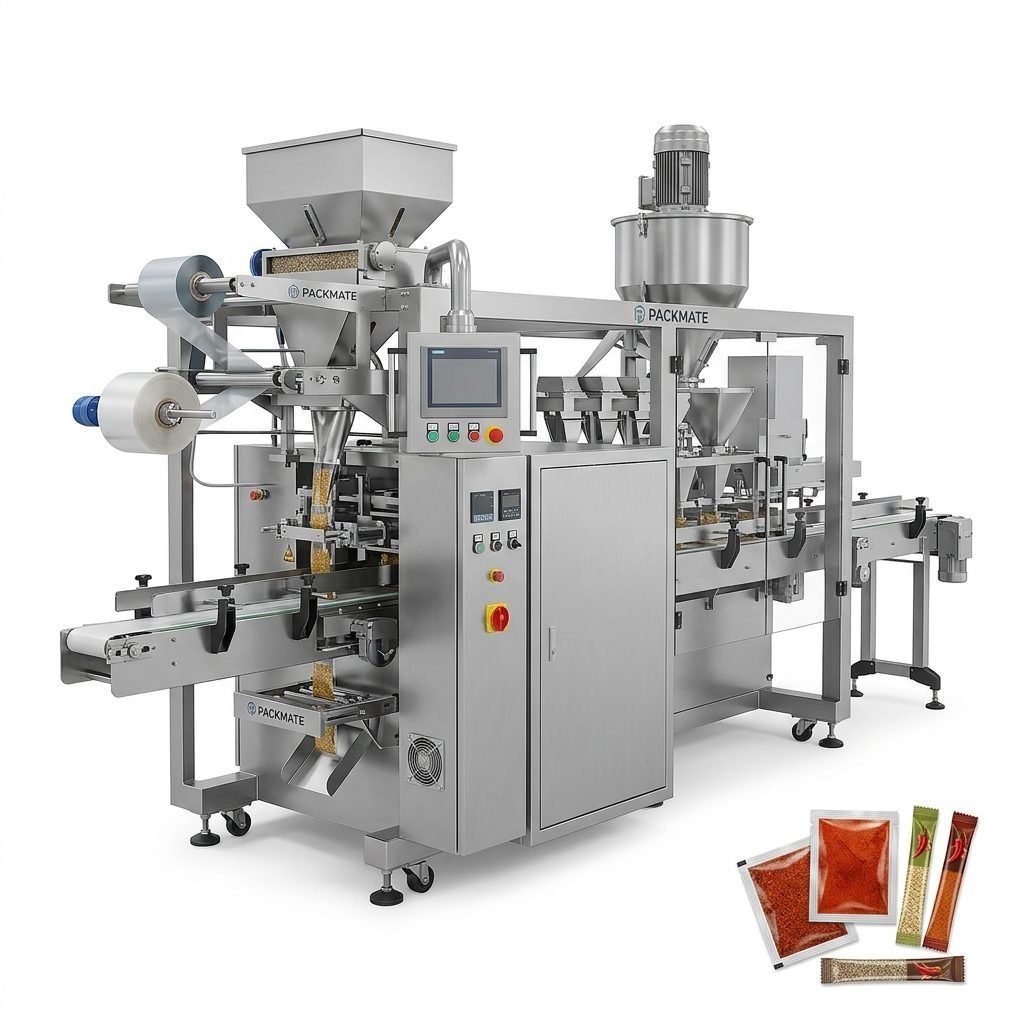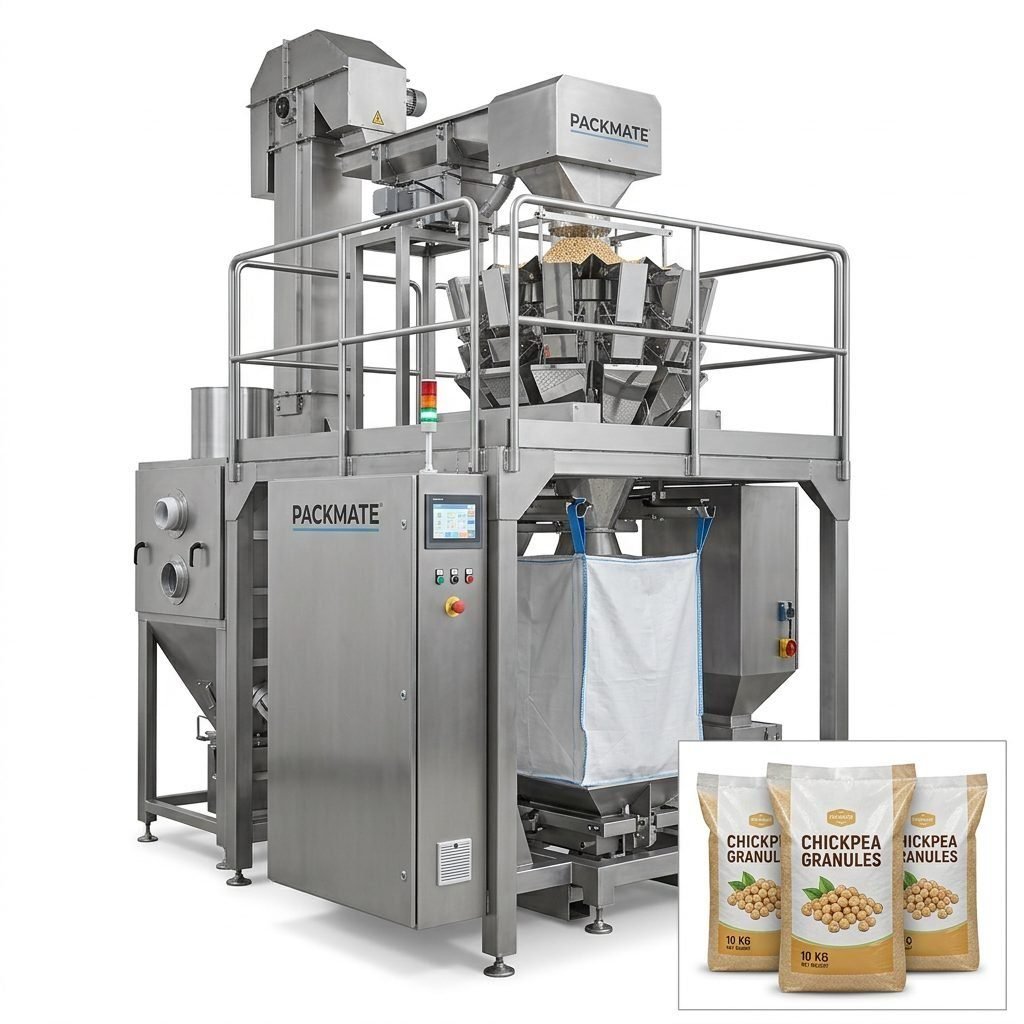
Fully automatic packaging machines have revolutionized manufacturing across the globe. These systems handle the entire packaging process—from product feeding and measuring to filling, sealing, and final output—with minimal human intervention. For businesses in Europe, North America, the Middle East, and other key export markets, investing in the right automated solution is a strategic move to enhance efficiency, ensure product consistency, and maintain a competitive edge.
Main Types of Fully Automatic Packaging Machines
The landscape of automatic packaging is diverse, with machines tailored to different product forms and production scales. Understanding the primary types is the first step in selecting the right equipment.
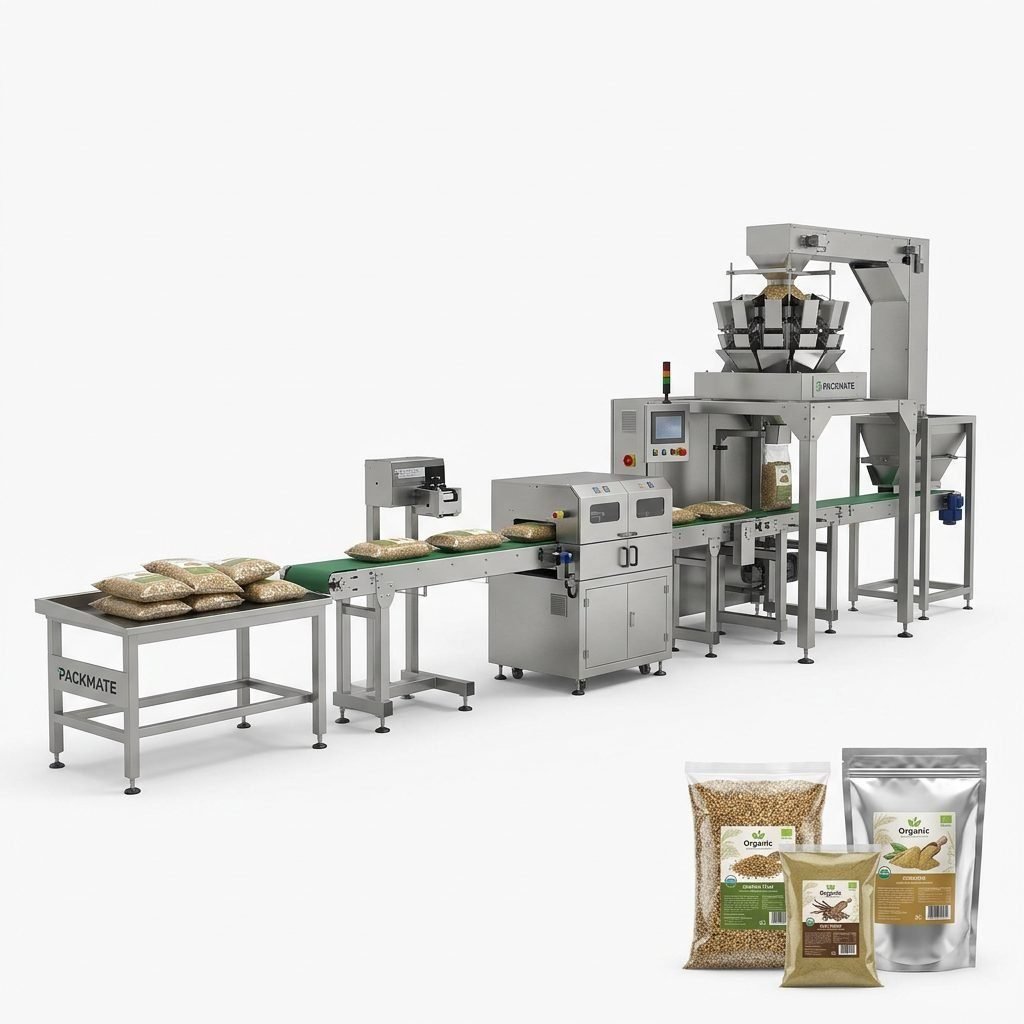
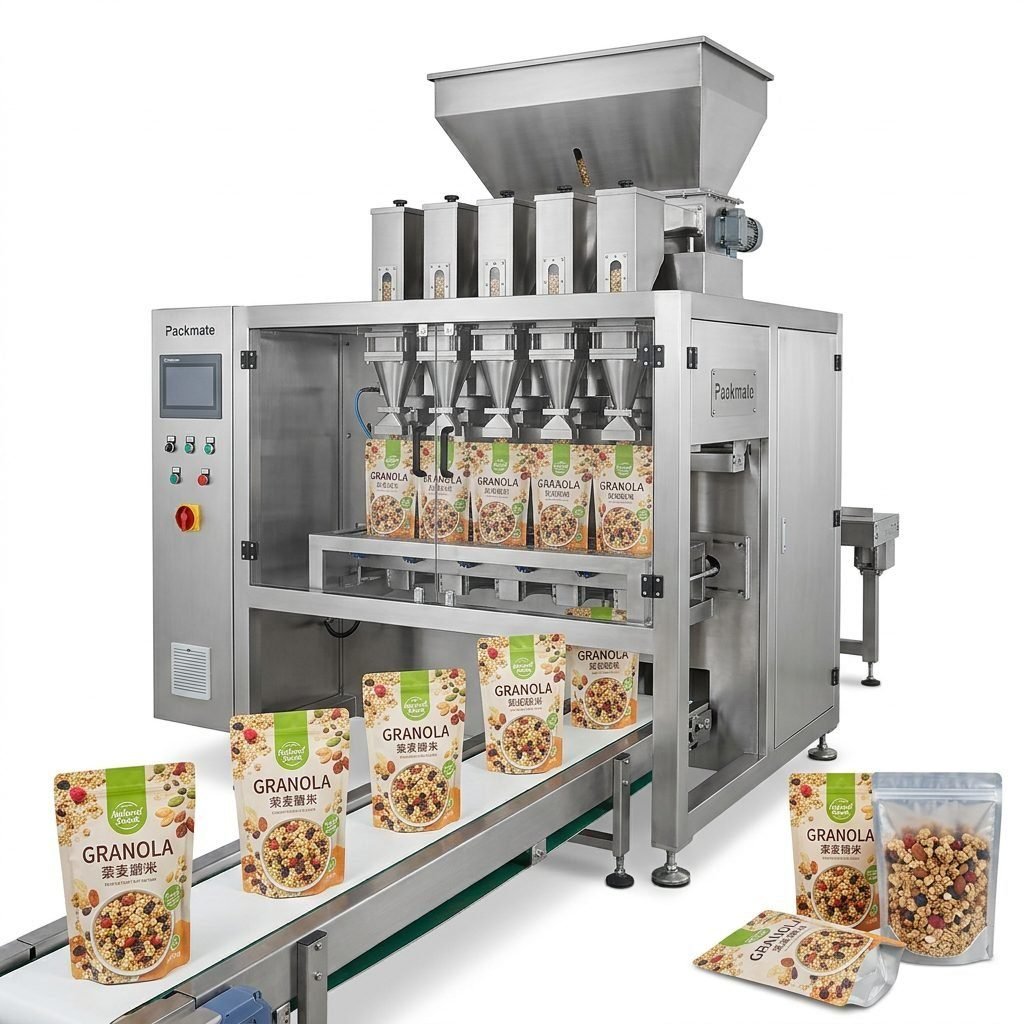
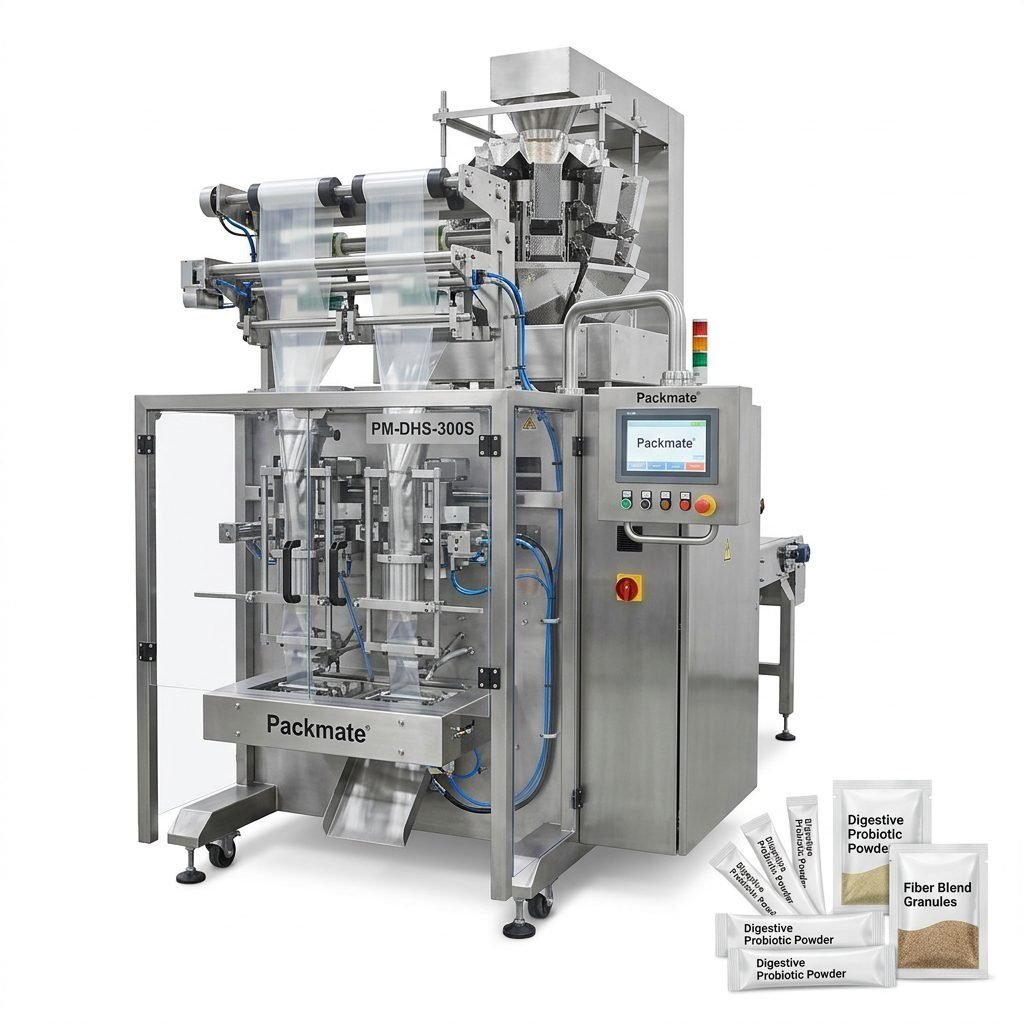
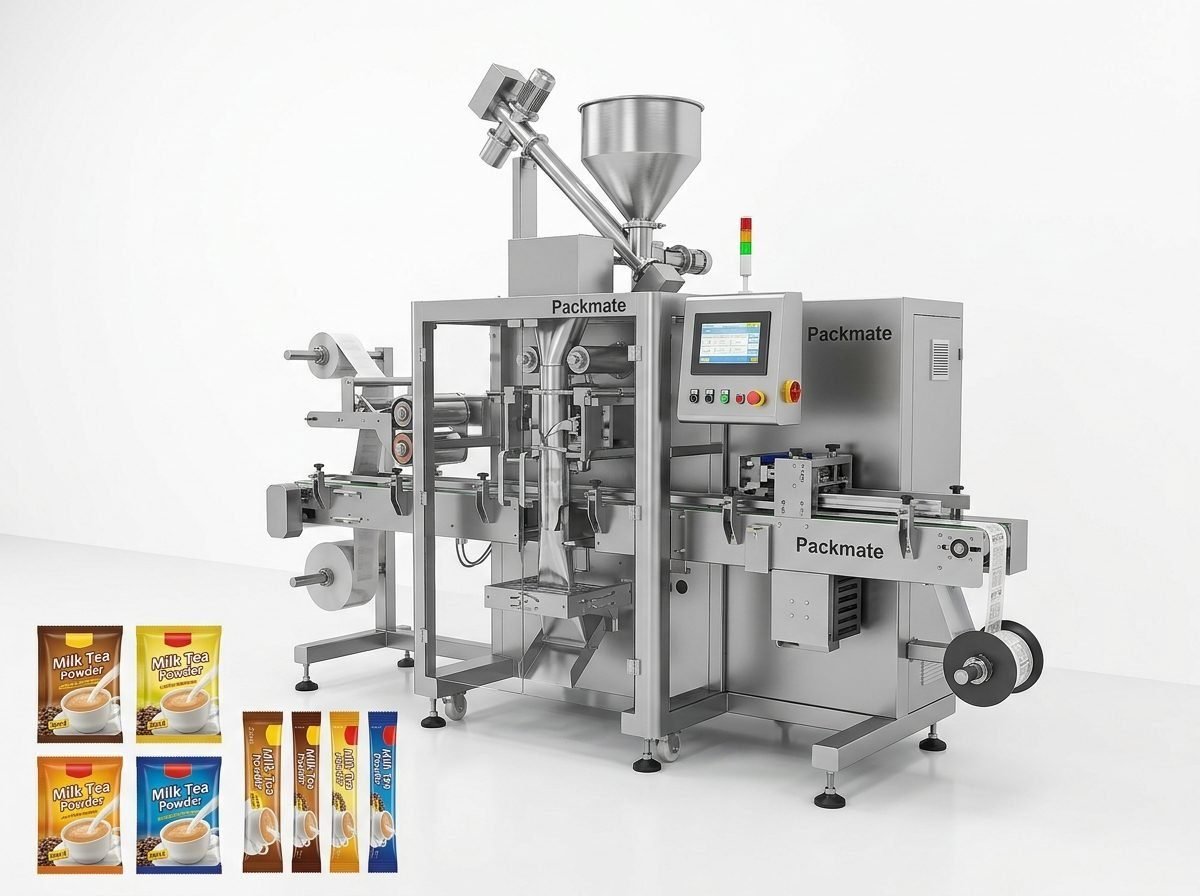
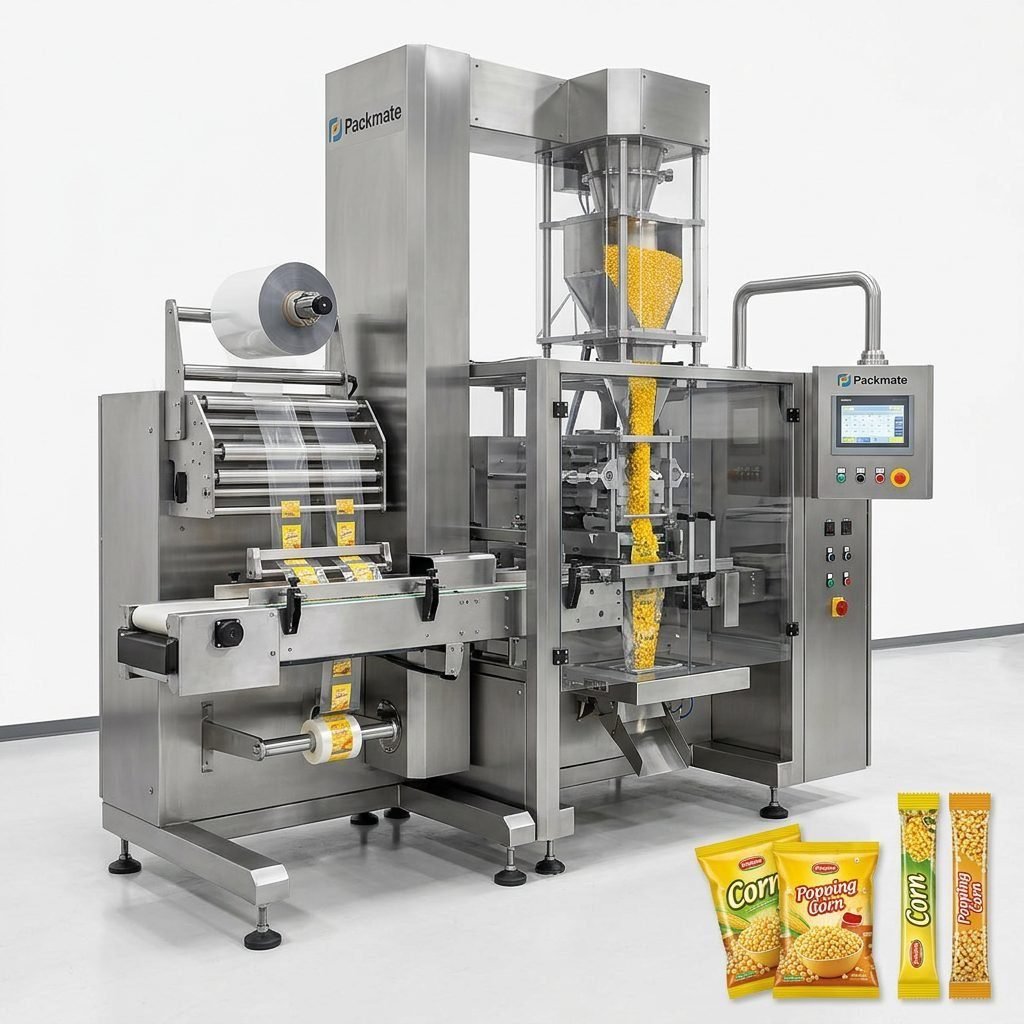
Vertical Form-Fill-Seal (VFFS) Machines
These are among the most common machines. They form a bag from a roll of film, fill it with a precise amount of product, and then seal it. They are incredibly versatile and ideal for packaging powders, granules, liquids, and small solids like snacks or hardware components.
Horizontal Form-Fill-Seal (HFFS) Machines
HFFS machines are typically used for more rigid or pre-formed items. The film is formed horizontally around the product. This type is perfect for biscuits, candy bars, medical devices, and blister packs.
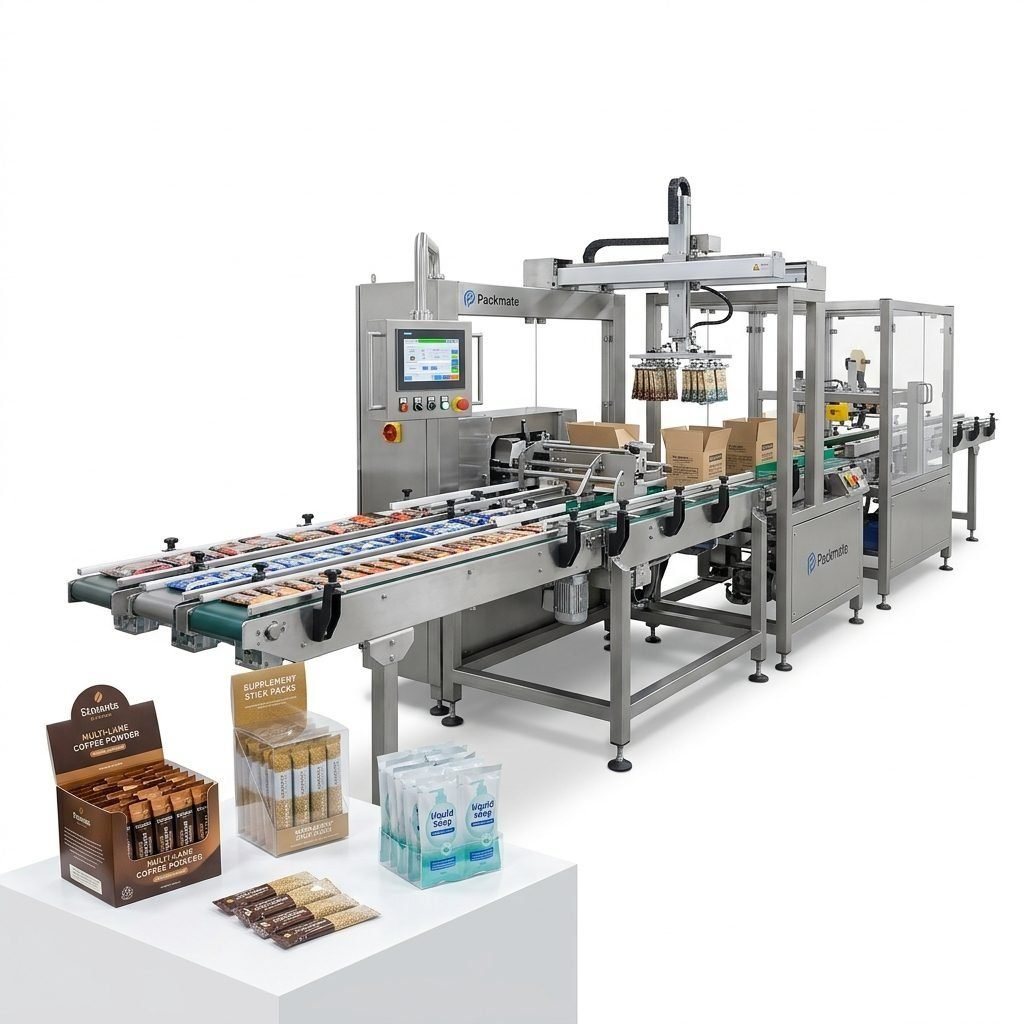
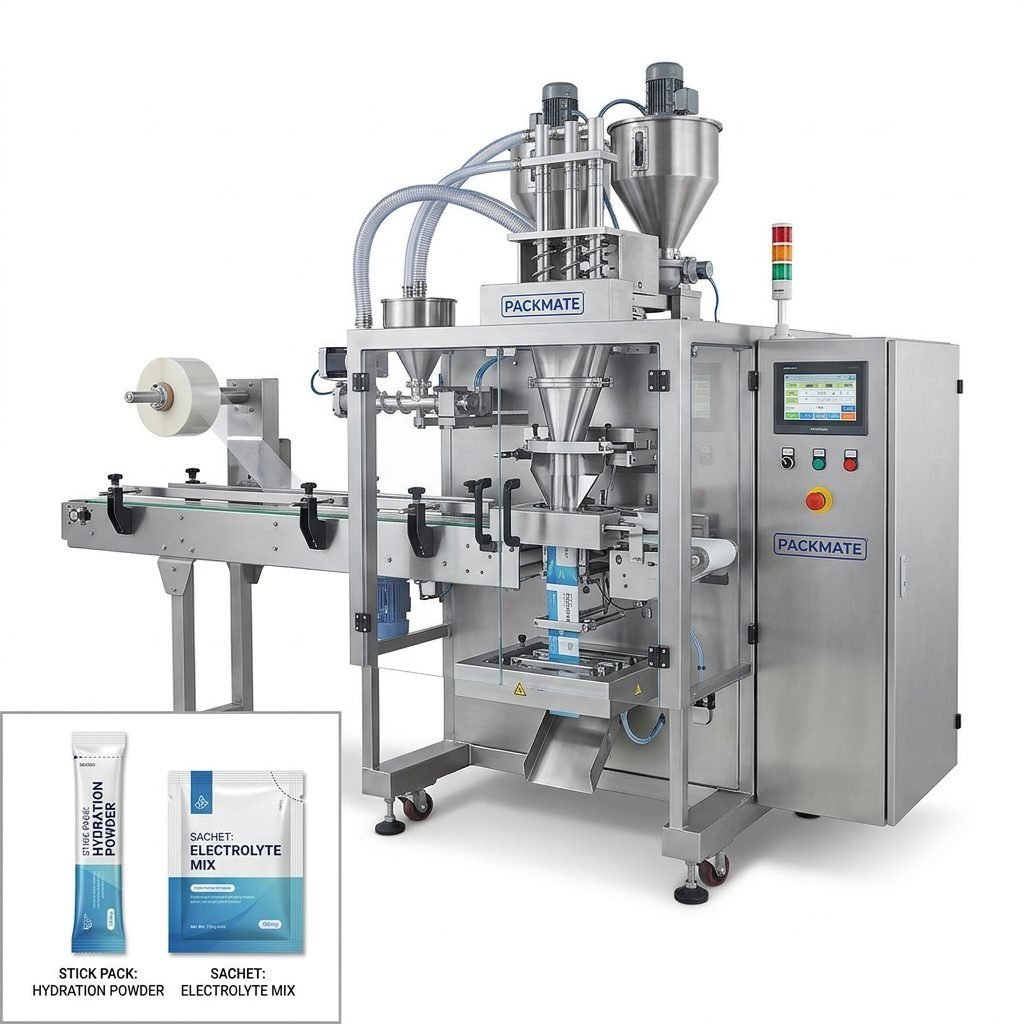
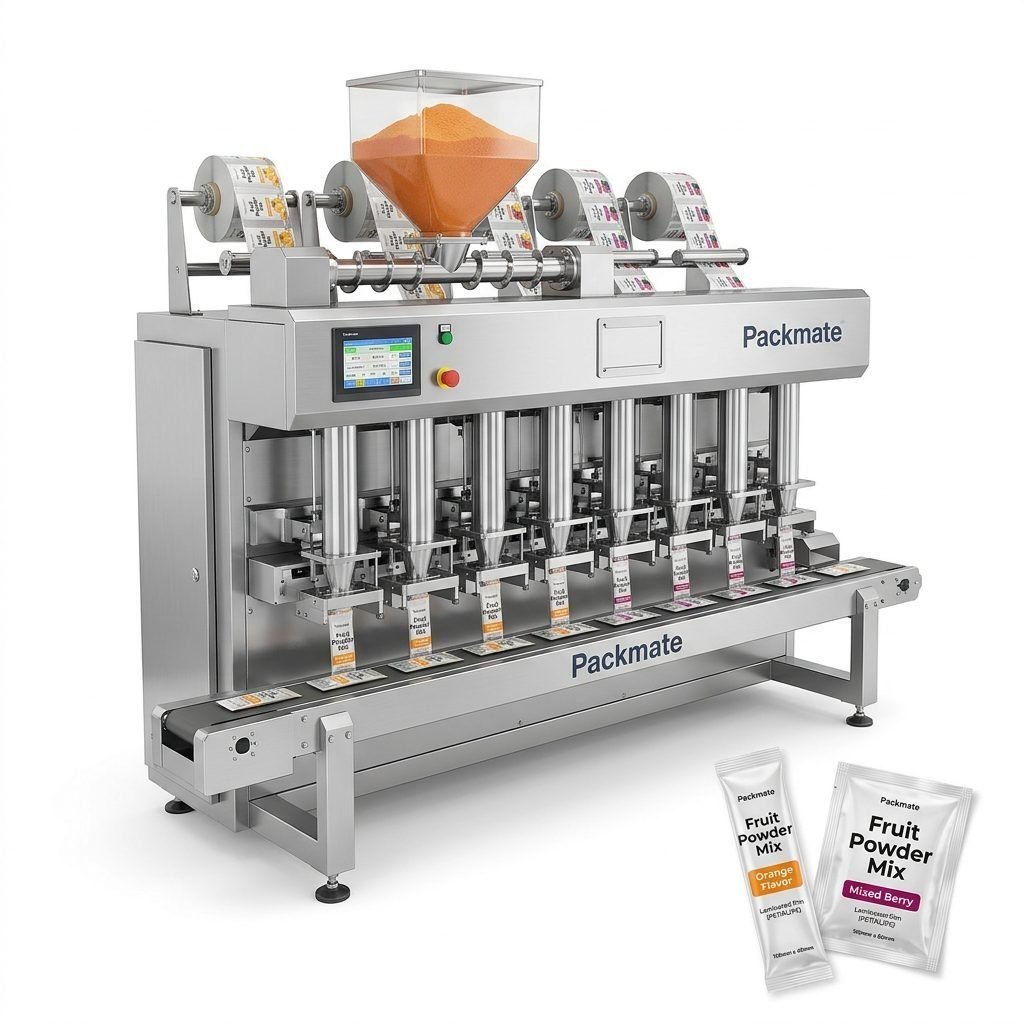
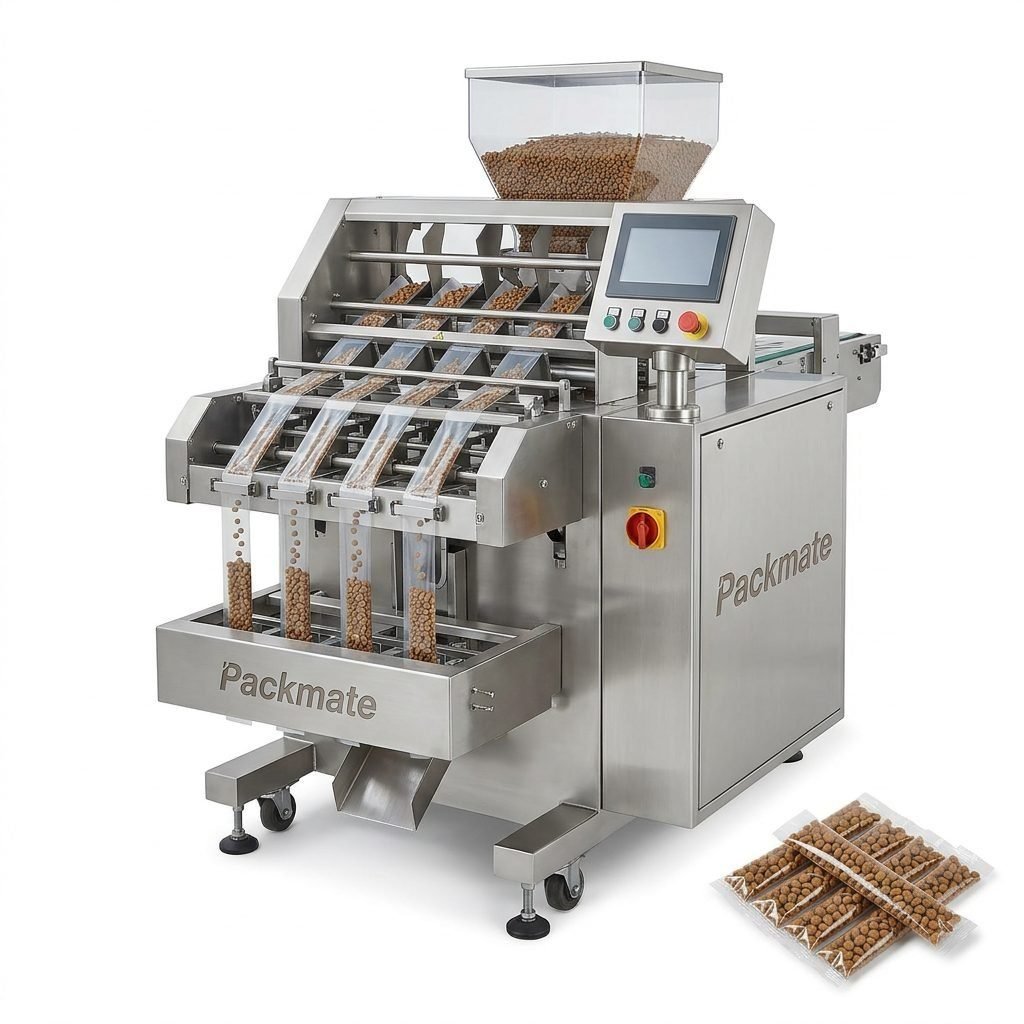
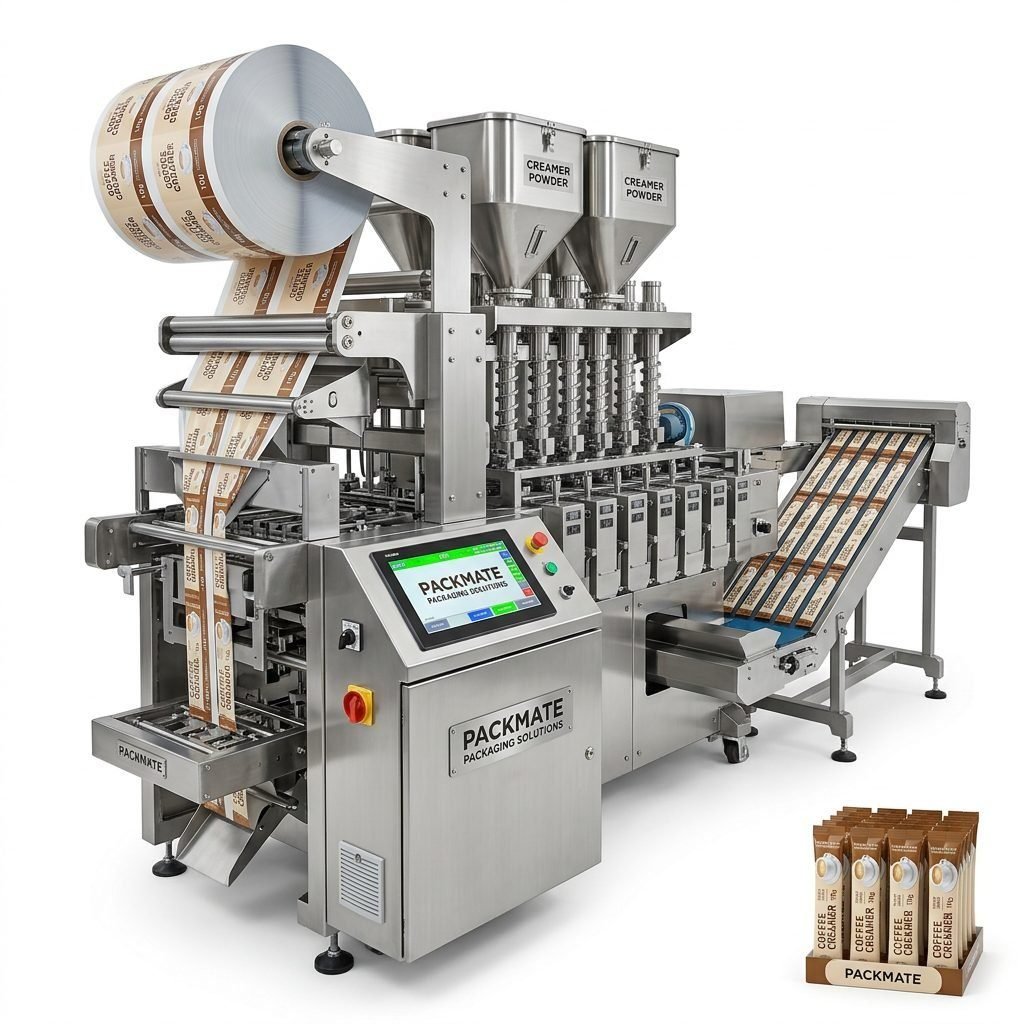
Multi-Lane Stick Pack & Sachet Machines
Designed for high-speed production of small, single-serve pouches. These machines operate multiple lanes simultaneously, making them extremely efficient for products like instant coffee, sugar, sauce portions, pharmaceutical powders, and supplements.
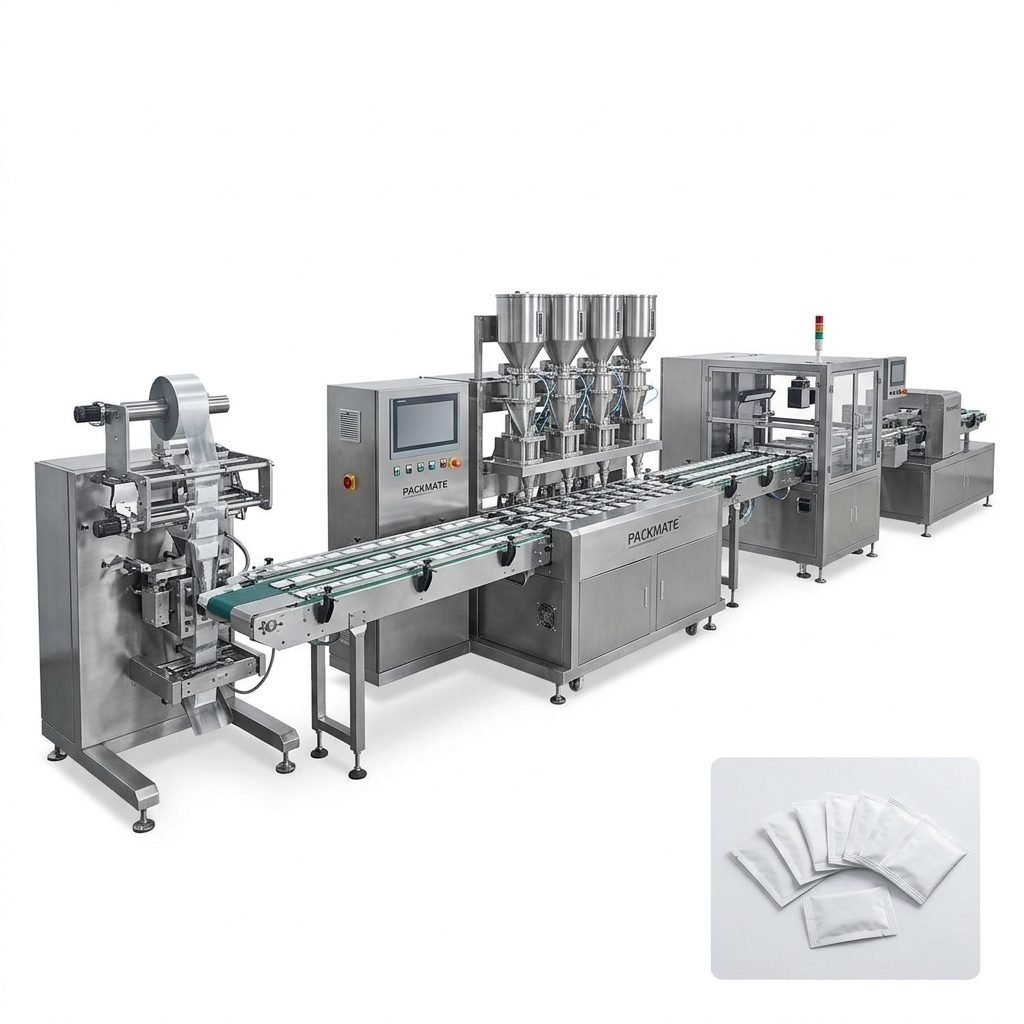
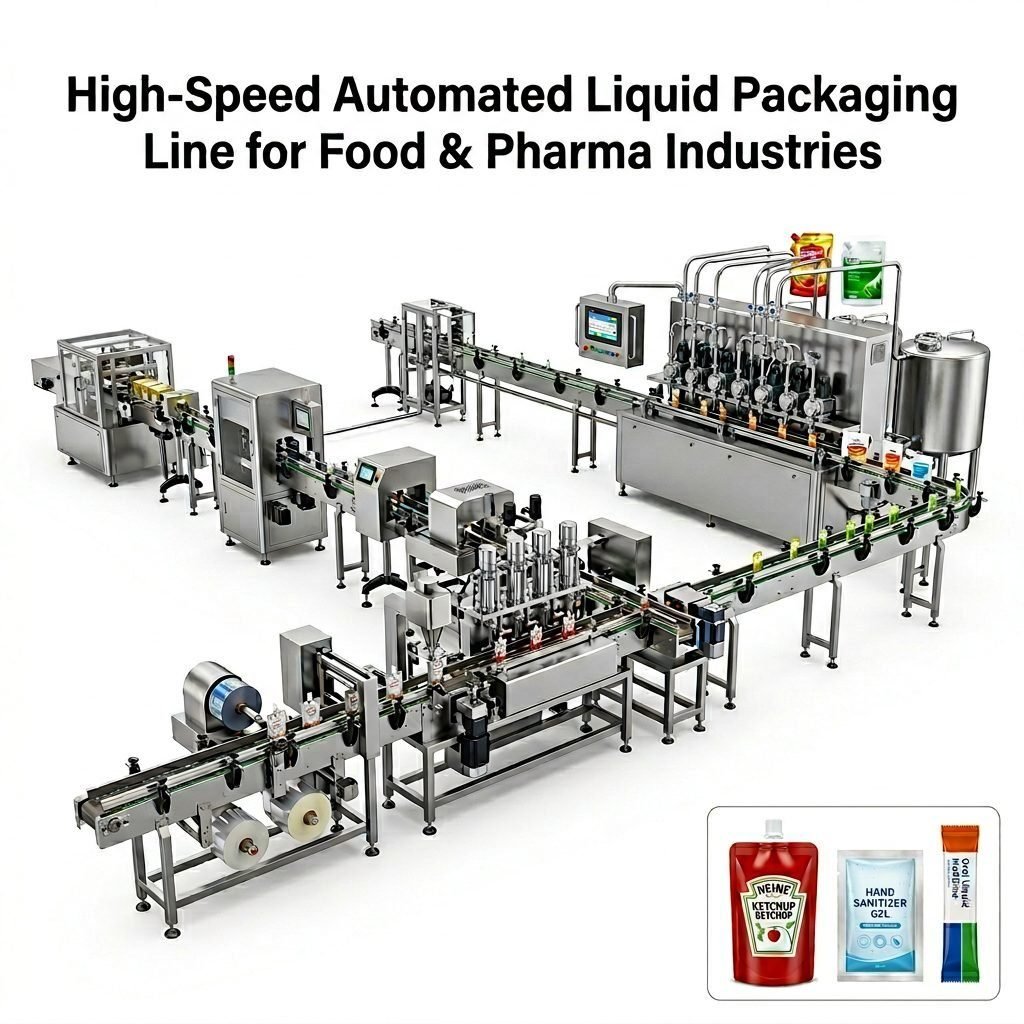
Liquid & Paste Filling Machines
Specialized for handling viscous products. They use piston, gravity, or pump filling systems to accurately dose liquids, creams, gels, or pastes into bottles, tubes, sachets, or other containers. Common in the food, cosmetic, and pharmaceutical industries.
How Does a Fully Automatic Packaging Machine Work?
The operation of a fully automatic packaging line is a synchronized sequence of events. While specific steps vary by machine type, the core principle involves integration and precision.
| Stage | Process | Key Function |
|---|---|---|
| 1. Product Feeding | Bulk product is transferred from a hopper or conveyor. | Ensures a consistent and controlled supply to the dosing system. |
| 2. Dosing & Weighing | Precise portion of product is measured by weight, volume, or count. | Guarantees accurate fill weight, critical for cost control and compliance. |
| 3. Bag/Pouch Formation | Packaging film is shaped, cut, and sealed to create the container (for FFS machines). | Creates the package from roll stock, reducing material handling. |
| 4. Filling | The measured product is transferred into the waiting package. | Must be fast and spill-free to maintain hygiene and efficiency. |
| 5. Sealing | The package is hermetically sealed via heat, pressure, or ultrasonic welding. | Ensures product freshness, prevents contamination, and extends shelf life. |
| 6. Discharge & Secondary Packaging | Finished packages are ejected, often onto a conveyor for cartoning, case packing, or palletizing. | Prepares products for distribution and retail. |
This entire process is managed by a Programmable Logic Controller (PLC) and a human-machine interface (HMI), allowing operators to set parameters, monitor performance, and troubleshoot issues easily.
Key Benefits of Adopting Full Automation
Transitioning to fully automatic packaging offers a compelling return on investment through multiple channels.
1. Dramatically Increased Production Efficiency
Automatic machines operate continuously at high speeds, far surpassing manual or semi-automatic methods. This leads to a significant boost in output and allows you to meet large order volumes and tight deadlines consistently.
2. Unmatched Consistency and Quality Control
Human error in weighing, filling, and sealing is eliminated. Every package has identical weight, appearance, and seal integrity. This uniformity enhances brand reputation, reduces product giveaway, and ensures compliance with stringent industry regulations, especially in pharmaceuticals and food.
3. Substantial Labor and Operational Cost Savings
While the initial investment is higher, automation drastically reduces the number of operators required per line. This translates to lower long-term labor costs and frees up skilled workers for supervision, quality checks, and maintenance roles.
4. Enhanced Hygiene and Safety
Closed systems minimize product exposure to the environment and human contact. This is critical for food, pharmaceutical, and sterile product packaging. It also improves workplace safety by reducing repetitive strain injuries and interactions with moving parts.
5. Flexibility and Scalability
Modern machines are designed for quick changeovers. With adjustable settings and modular tooling, you can switch between different product types, weights, and package sizes with minimal downtime. This agility is key for manufacturers with diverse product lines.
Choosing the Right Supplier: A Strategic Guide
Selecting a reliable packaging machine manufacturer is as important as choosing the machine type. Here are critical factors to consider.
1. Assess Your Specific Needs
Clearly define your product characteristics (powder, granule, liquid, viscosity), required output speed (bags/minute), bag/pouch dimensions, and the level of integration needed (standalone machine vs. full turnkey line).
2. Evaluate Manufacturer Expertise and Experience
Look for suppliers with a proven track record in your specific industry. Companies like Ludyway, with over 30 years in food and pharma packaging, or SnusMachinery, a specialist in nicotine pouch equipment, bring invaluable application knowledge. Check their project portfolio and client testimonials.
3. Consider Technical Support and After-Sales Service
Ensure the supplier offers comprehensive support: installation, operator training, readily available spare parts, and responsive technical service. A strong global service network, as maintained by exporters like Packmate Machinery, is crucial for minimizing downtime.
4. Focus on Customization and Integration Capability
If your product or process is unique, partner with a manufacturer skilled in customization. Suppliers such as PackingMachineOEM specialize in non-standard solutions. For a complete production line, choose a turnkey specialist like PacklineOEM who can handle integration from feeding to palletizing.
5. Analyze Total Cost of Ownership (TCO)
Look beyond the initial purchase price. Factor in energy consumption, maintenance costs, expected lifespan, and potential for future upgrades. A slightly higher initial investment in a robust, efficient machine from a reputable supplier often yields a lower TCO.
Frequently Asked Questions (FAQs)
What is the typical payback period for a fully automatic packaging machine?
The payback period varies based on machine cost, labor savings, and production increase. For many medium to high-volume operations, it typically ranges from 1 to 3 years. The reduction in labor, material waste, and increase in output quickly offset the capital investment.
Can one machine handle different types of products?
Yes, many machines are designed for flexibility. With quick-change parts (like different size forming tubes, augers, or sealing jaws) and programmable recipes, a single machine can often package a range of similar-format products (e.g., different powder flavors or granule sizes). Discuss your product mix with the supplier during the planning stage.
How important is after-sales service and spare parts availability?
Extremely important. Machine downtime is costly. Choose a supplier with a strong global service network and a reliable spare parts inventory. Ensure they provide clear manuals, training, and remote support options. A supplier’s commitment to after-sales service is a key indicator of their reliability.
What are the key maintenance requirements?
Regular maintenance is essential for longevity and consistent performance. This includes daily cleaning to prevent product buildup, weekly lubrication of moving parts, and periodic inspection of critical components like sealing jaws, sensors, and drives. Following the manufacturer’s maintenance schedule is crucial.
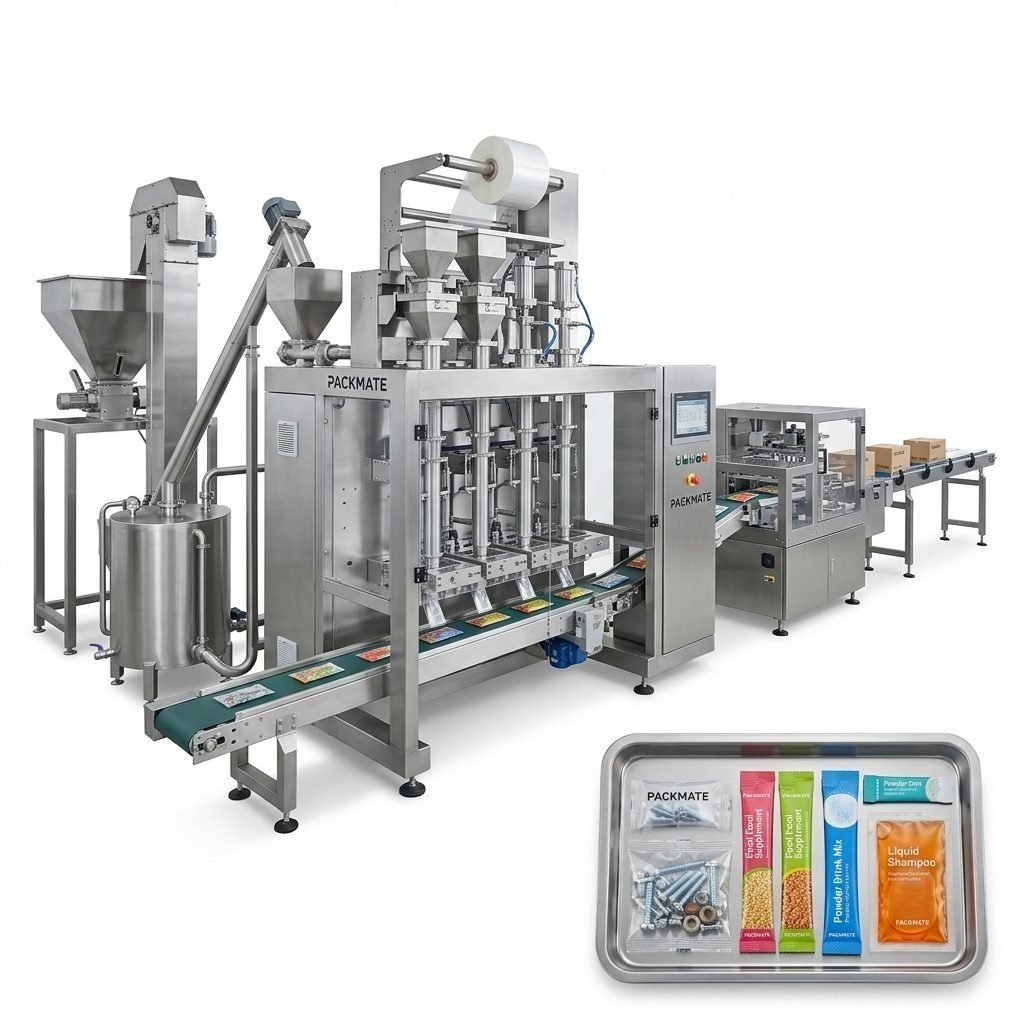
Is it better to buy a standalone machine or a complete turnkey line?
It depends on your current and future needs. A standalone machine is suitable for adding automation to a specific step or for smaller-scale production. A complete turnkey line, which integrates feeding, weighing, packaging, and cartoning, is ideal for new facilities or major capacity expansions, as it ensures all components work seamlessly together from a single responsible supplier.