For businesses in Zimbabwe, selecting the right packaging machine manufacturer is a critical decision that directly impacts production efficiency, product quality, and operational costs. The local manufacturing and processing sectors, which include food and beverage, agricultural products, pharmaceuticals, and consumer goods, require reliable and efficient packaging solutions to meet both domestic demand and export standards. The right machinery can help Zimbabwean producers enhance competitiveness, reduce waste, and ensure their products are well-protected and presented for the market.
Top 5 Packaging Machine Manufacturers for the Zimbabwean Market
We have compiled a list of five leading packaging machine manufacturers that are well-positioned to serve the needs of Zimbabwean industries. These companies offer a range of equipment from standalone machines to complete turnkey lines, with proven experience in international markets, including Africa.
Evaluation Criteria:
Companies were evaluated based on their experience, product range, export capability, customization options, and suitability for the types of products commonly produced in Zimbabwe, such as food staples, agricultural inputs, and pharmaceuticals.
1. Ludyway
With over 30 years in the industry, Ludyway is a prominent Chinese manufacturer with a significant global footprint. They are a strong candidate for Zimbabwean businesses looking for comprehensive solutions.
Key Features & Suitability for Zimbabwe:
- Broad Product Portfolio: Specializes in machines for granules, powders, liquids, and pastes—ideal for Zimbabwe’s food processing (e.g., maize meal, sugar, spices) and agricultural chemical sectors.
- Turnkey Line Expertise: Can provide complete, integrated packaging lines, reducing the complexity of sourcing and integrating different machines separately.
- Strong Export & Support Network: Actively exports to Africa, suggesting familiarity with regional logistics and potential for technical support.
- Proven Stability: A long operational history indicates reliable machinery and business stability, a crucial factor for long-term investments.
Ludyway’s ability to handle both high-volume production and provide customized configurations makes it suitable for large-scale local processors and growing SMEs alike.
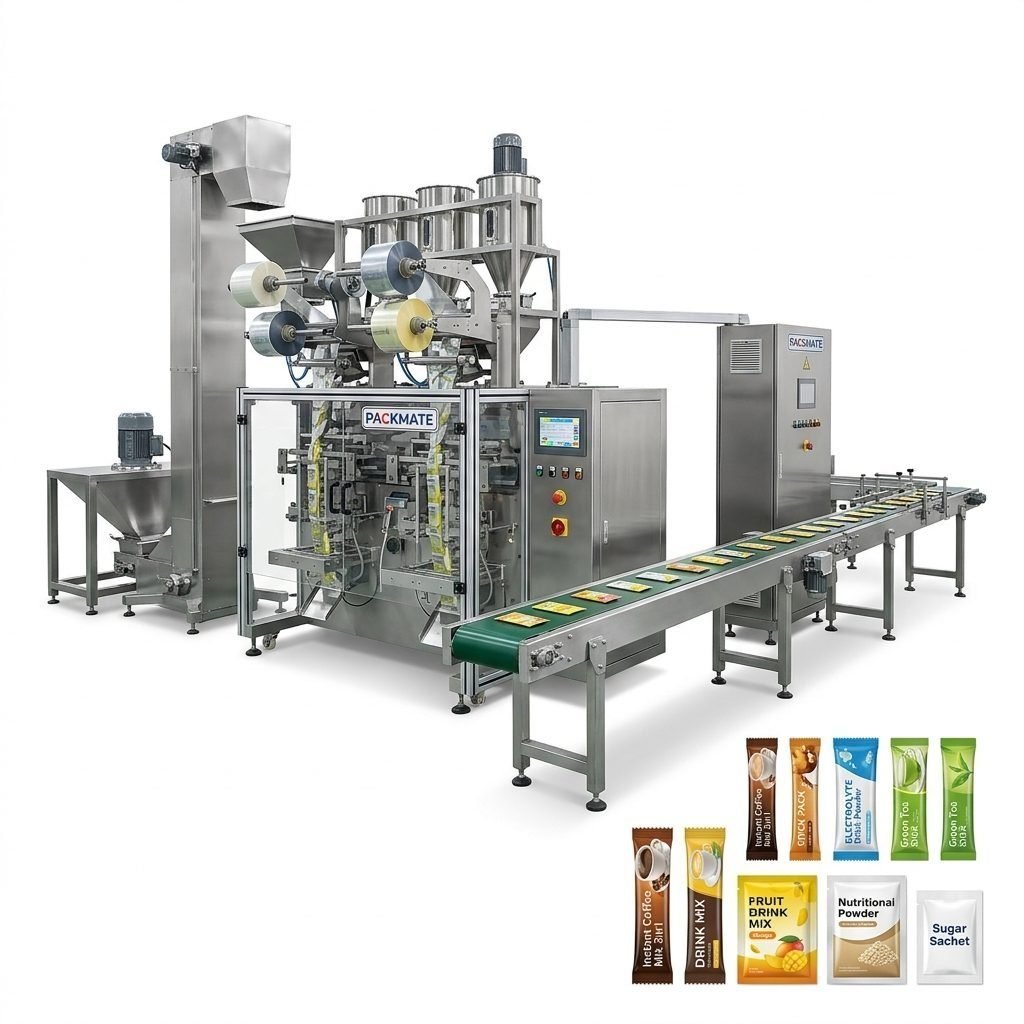
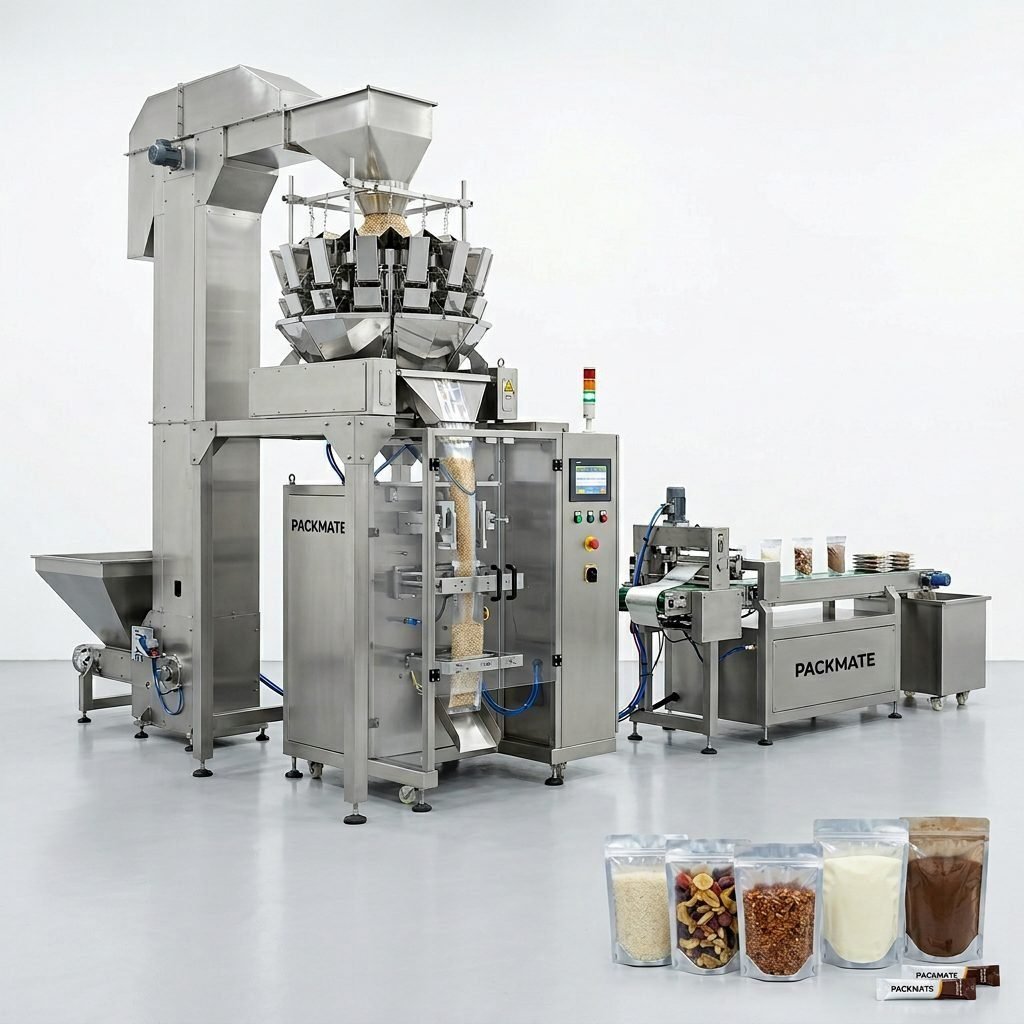
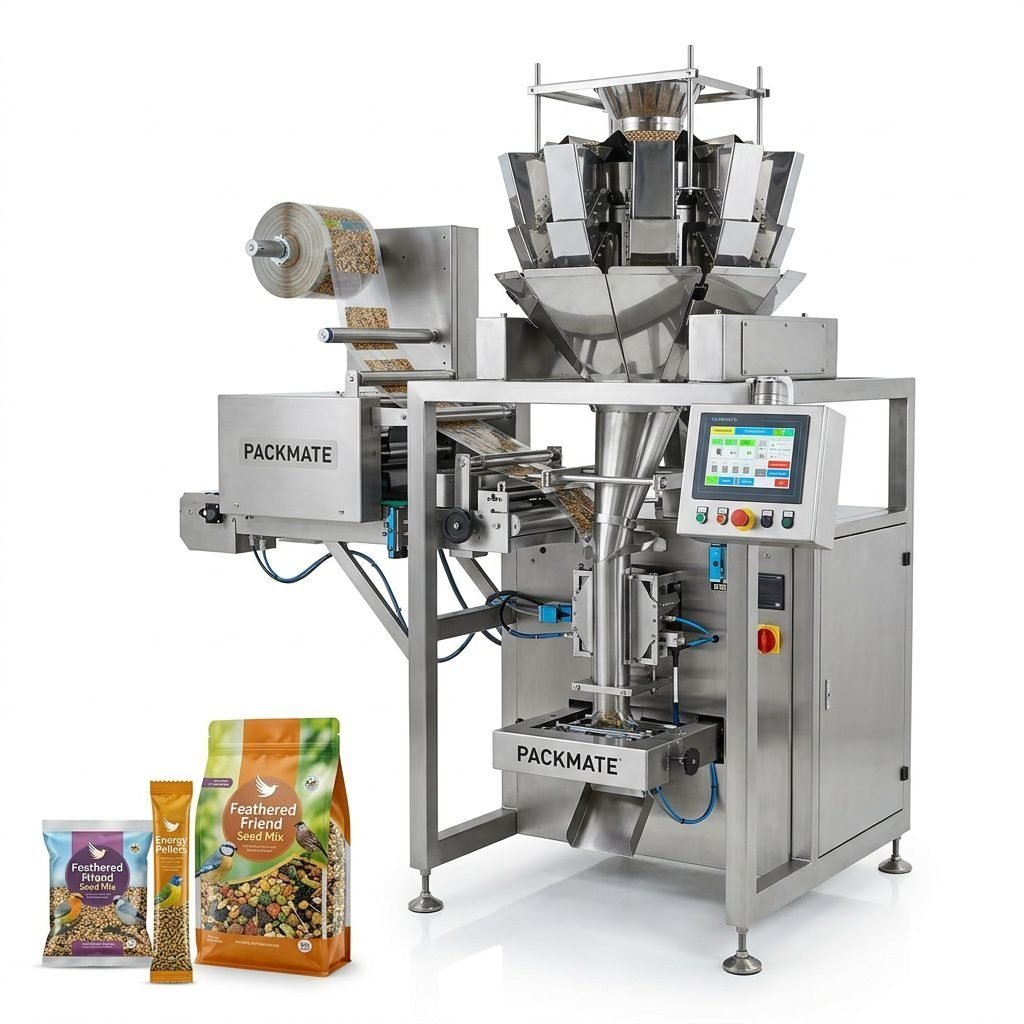
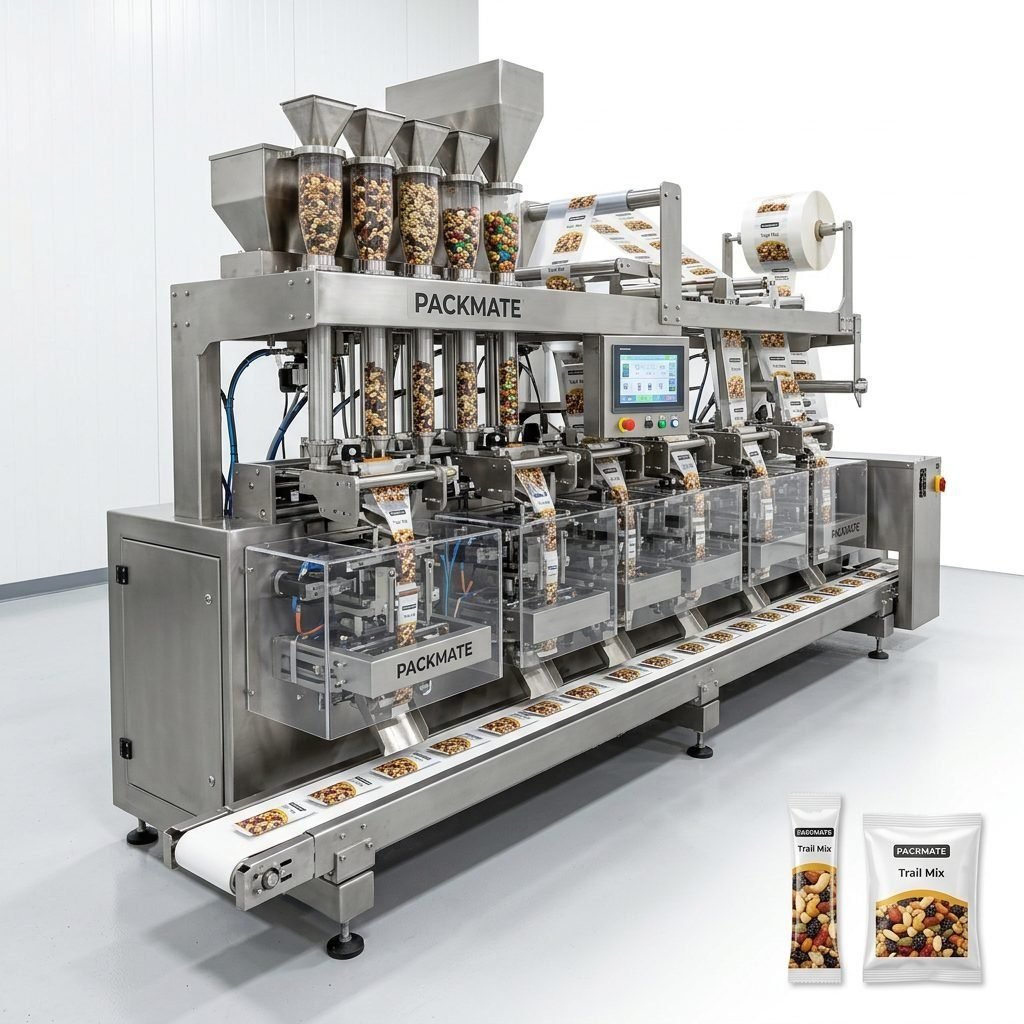
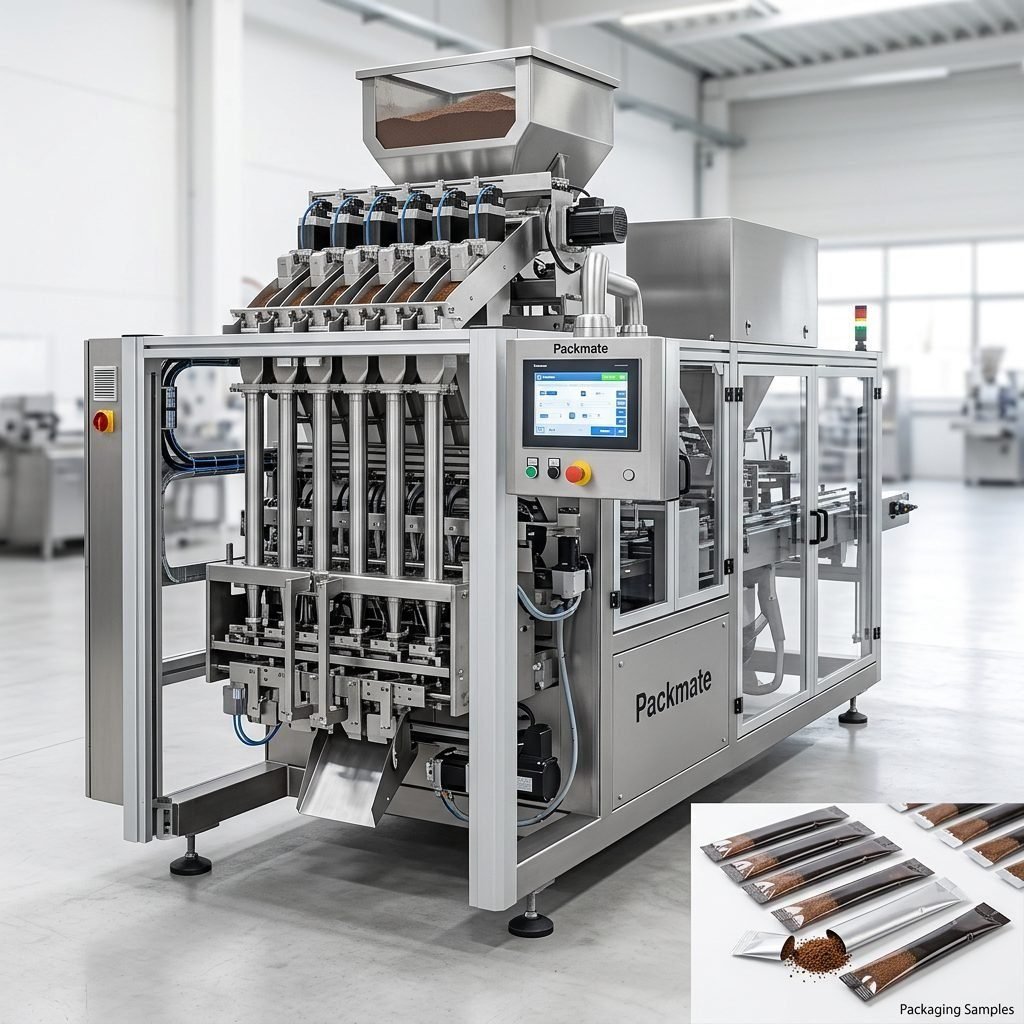
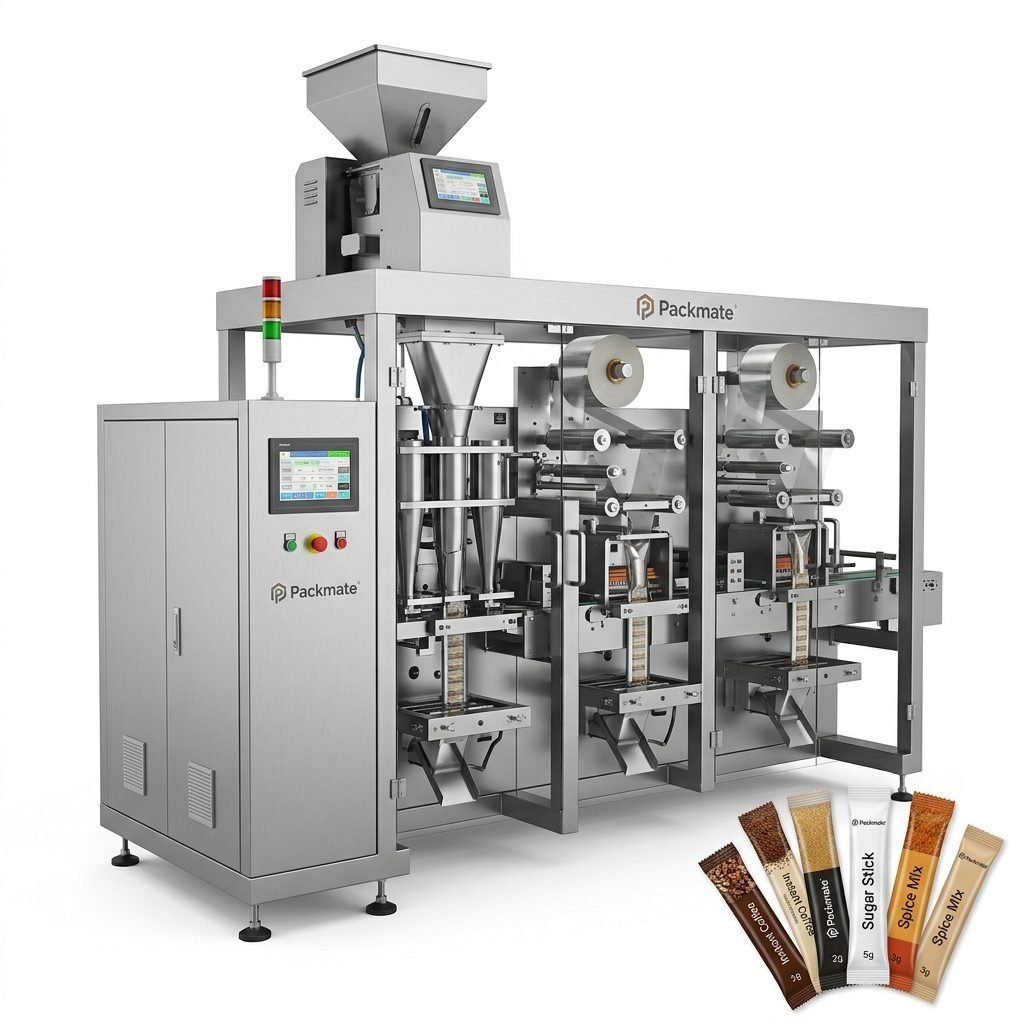
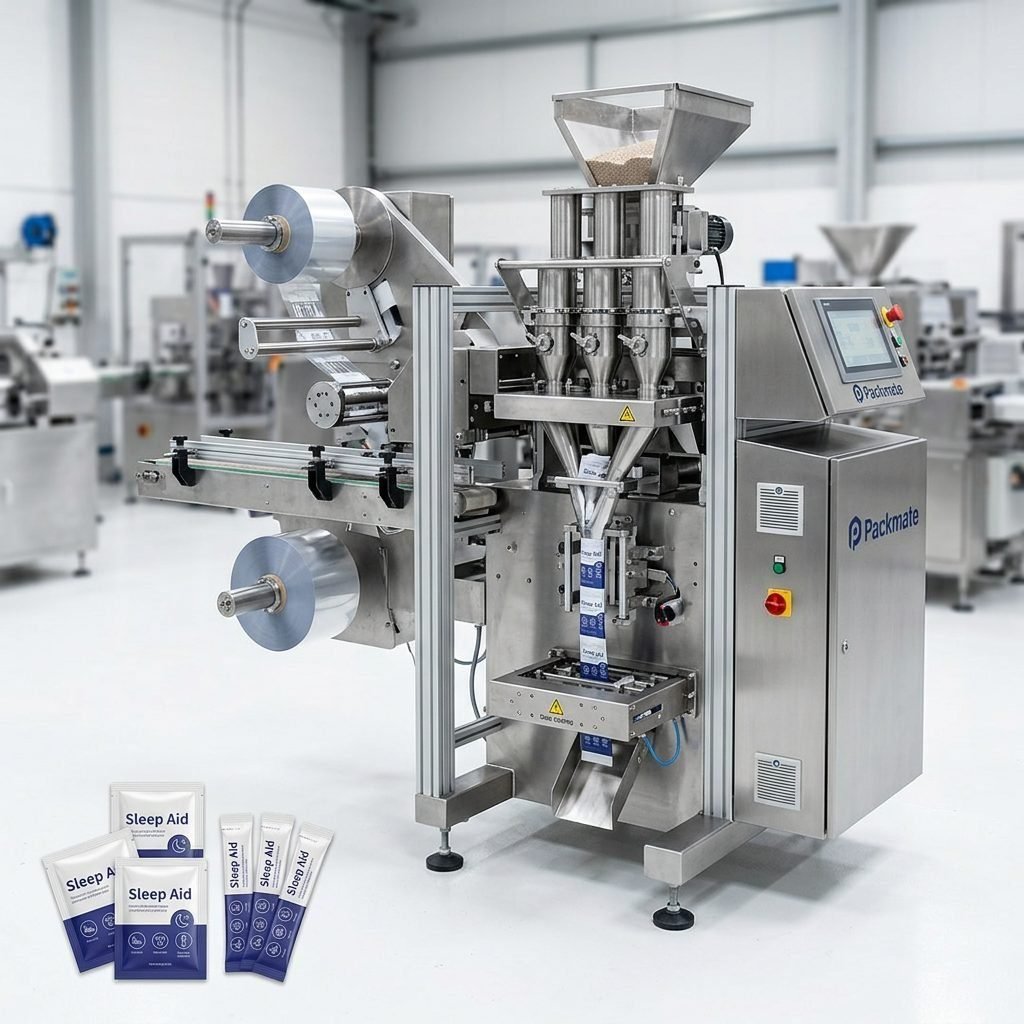
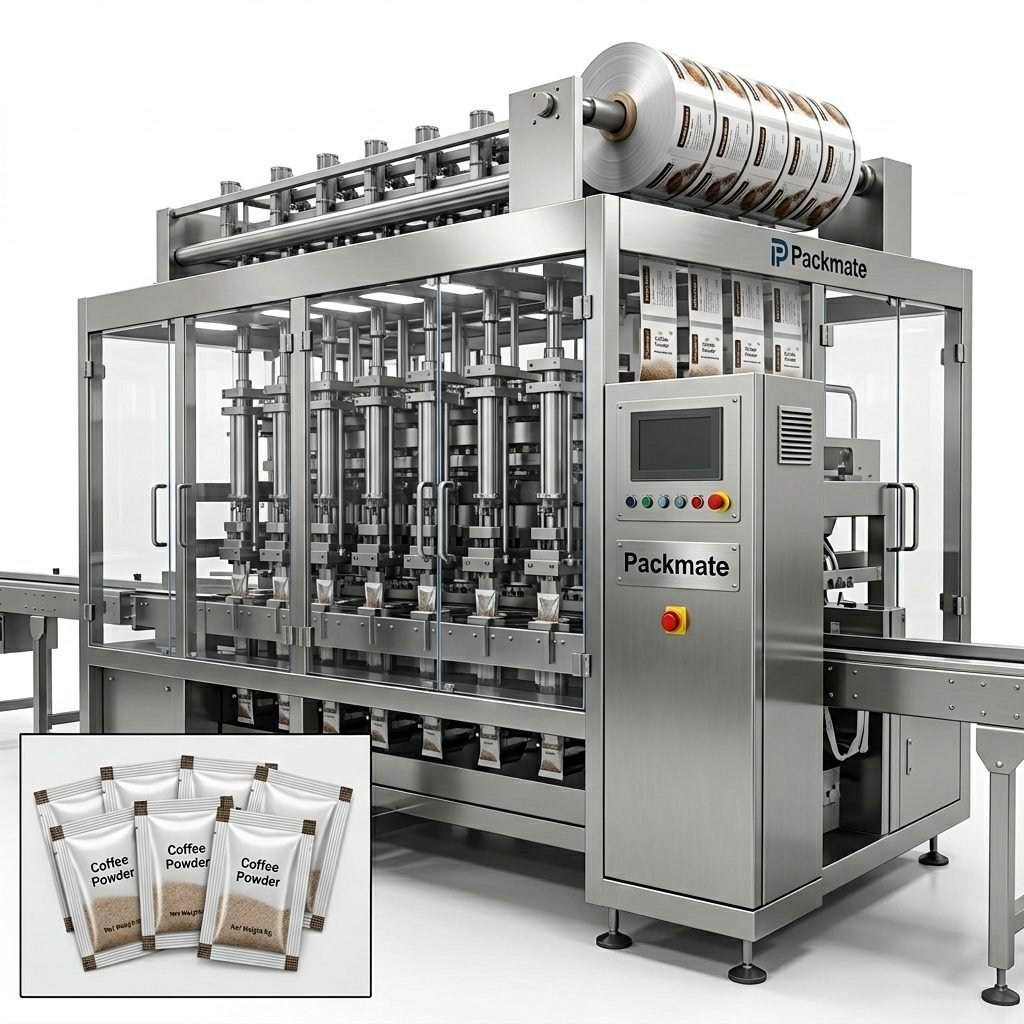
2. Packmate Machinery
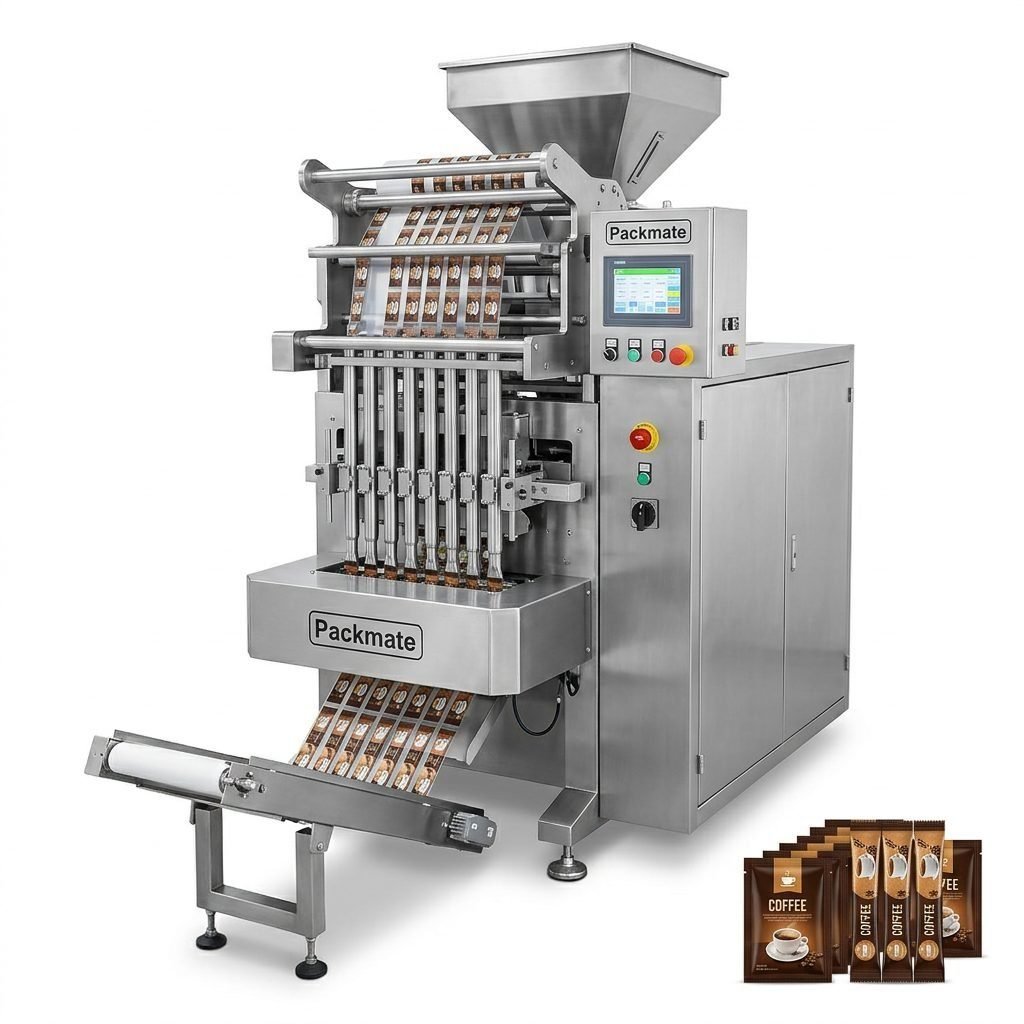
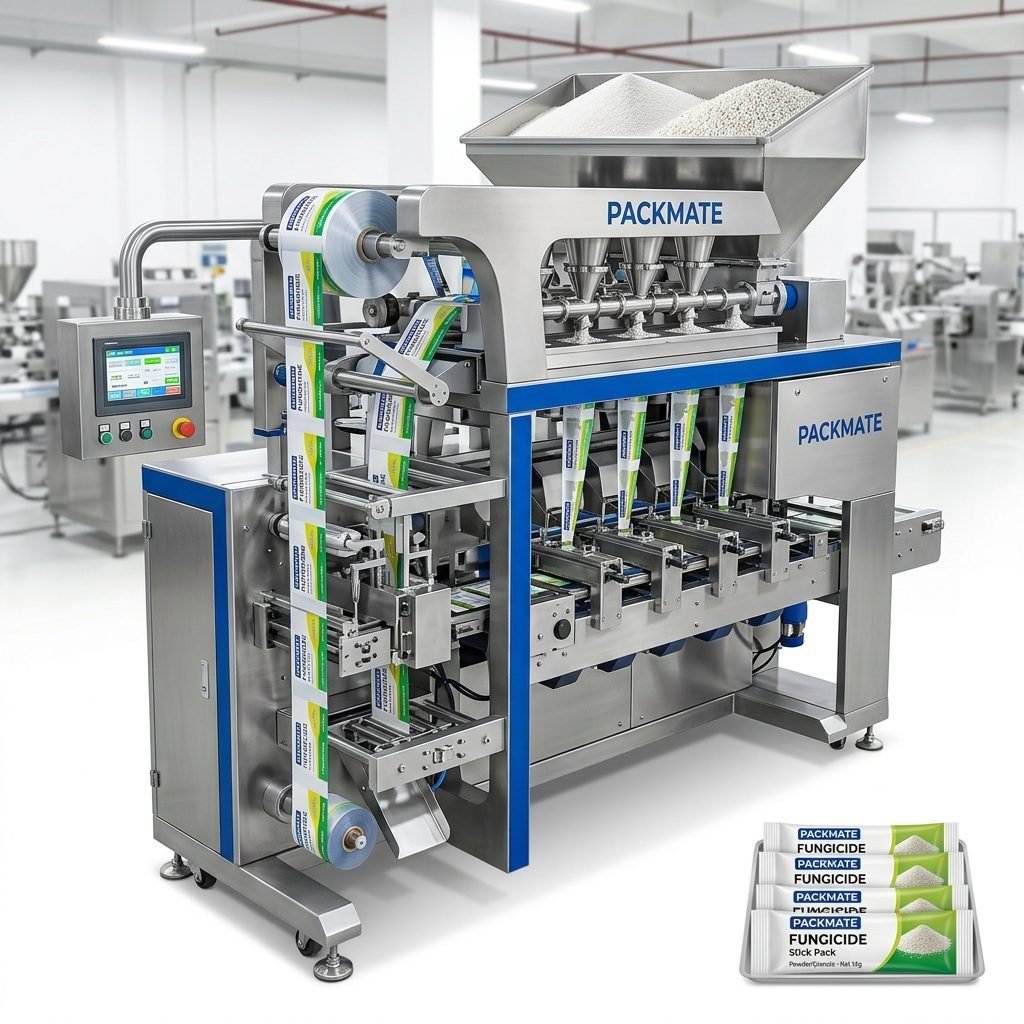
Packmate Machinery, with three decades of experience, focuses on practical, stable, and scalable automation. This balance is often sought after by Zimbabwean manufacturers.
Key Features & Suitability for Zimbabwe:
- Cost-Effective Reliability: Offers a good balance between technical performance and investment cost, which is a key consideration for many businesses.
- Wide Application Range: Machines are suitable for food powders, supplements, and pharmaceuticals—sectors with growing potential in Zimbabwe.
- Customization Flexibility: Provides tailored configurations, allowing businesses to adapt machinery to specific local product formats and packaging materials available.
- Responsive Communication: Known for good customer support, which is vital for operations where timely maintenance and parts supply are critical.
3. PacklineOEM
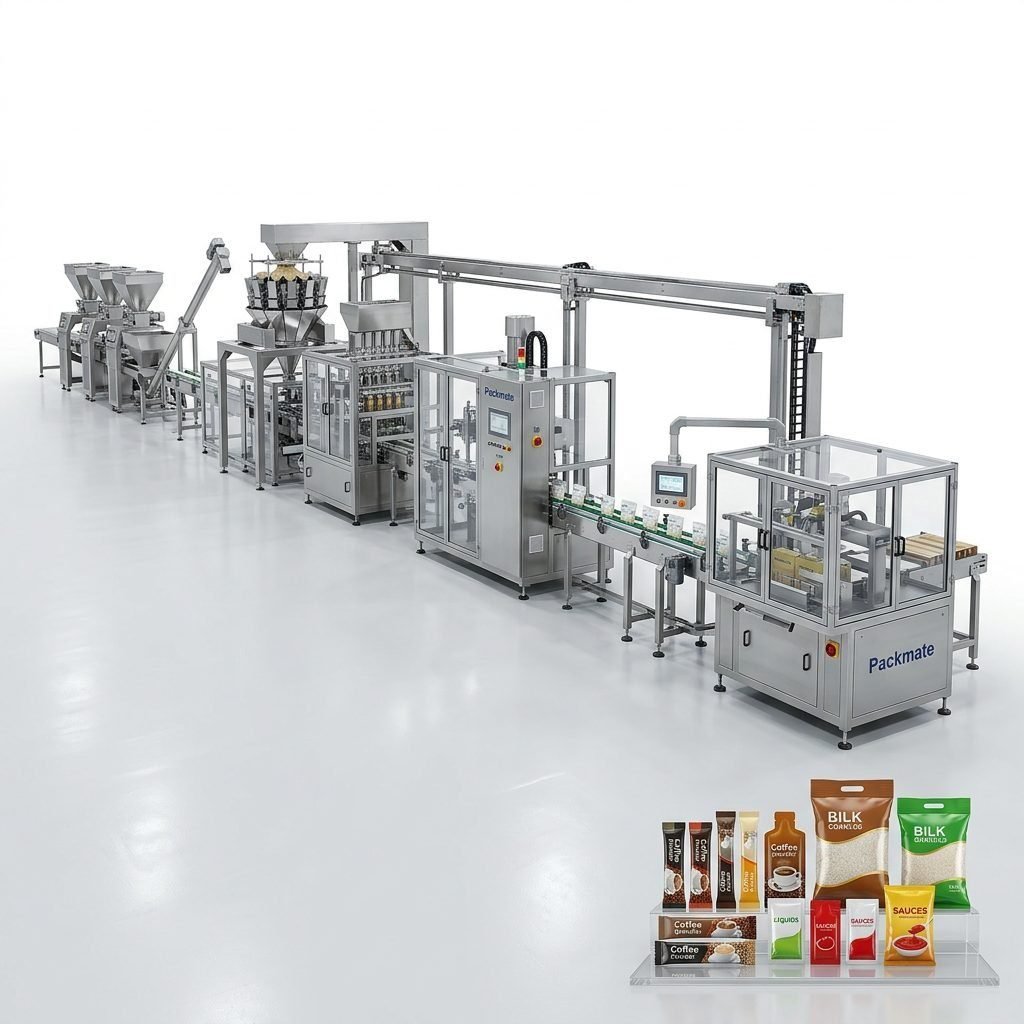
PacklineOEM distinguishes itself with a strong focus on complete turnkey packaging production lines. This is ideal for businesses planning new facilities or major upgrades.
Key Features & Suitability for Zimbabwe:
- End-to-End Solutions: Provides integrated systems from feeding and filling to sealing and cartoning. This simplifies project management for large-scale operations, such as a new beverage plant or pharmaceutical packaging facility.
- OEM & Custom Project Capability: Can work closely with engineers to design lines for unique local products or specific factory layouts.
- Bulk Packaging Expertise: Their experience with large bag filling systems is relevant for Zimbabwe’s agricultural export sector (e.g., fertilizers, grains).
4. PackingMachineOEM
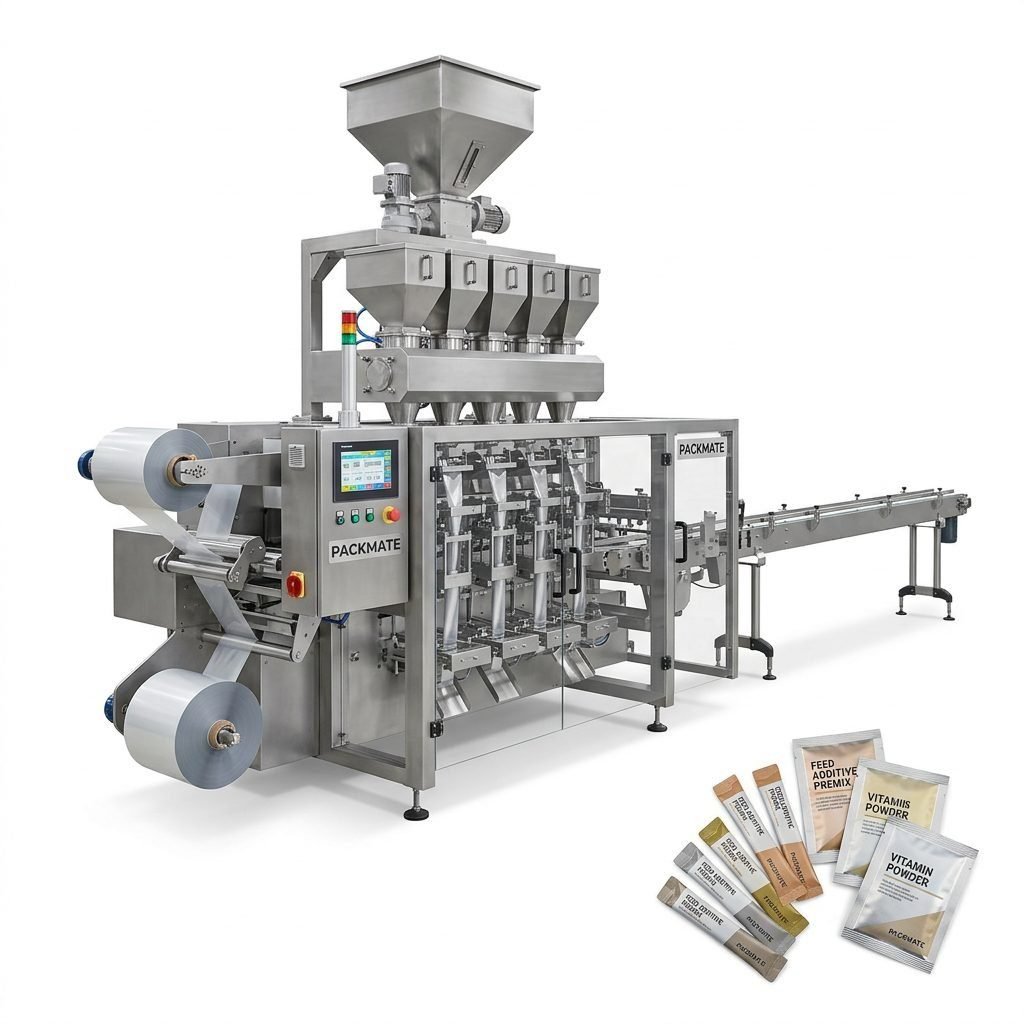
As the name suggests, PackingMachineOEM specializes in non-standard and customized packaging machinery. This is crucial for businesses with unique product shapes, viscosities, or packaging requirements not met by standard machines.
Key Features & Suitability for Zimbabwe:
- Bespoke Engineering: Ideal for packaging traditional or specialty products (e.g., unique spice blends, herbal supplements, viscous pastes) that require special handling.
- Adaptability: Machines can be designed to work with locally sourced packaging films or materials, which can reduce long-term operational costs.
- Project-Based Partnership: Suitable for businesses that have a clear vision of their packaging needs but require a manufacturer to bring that specific design to life.
5. SnusMachinery
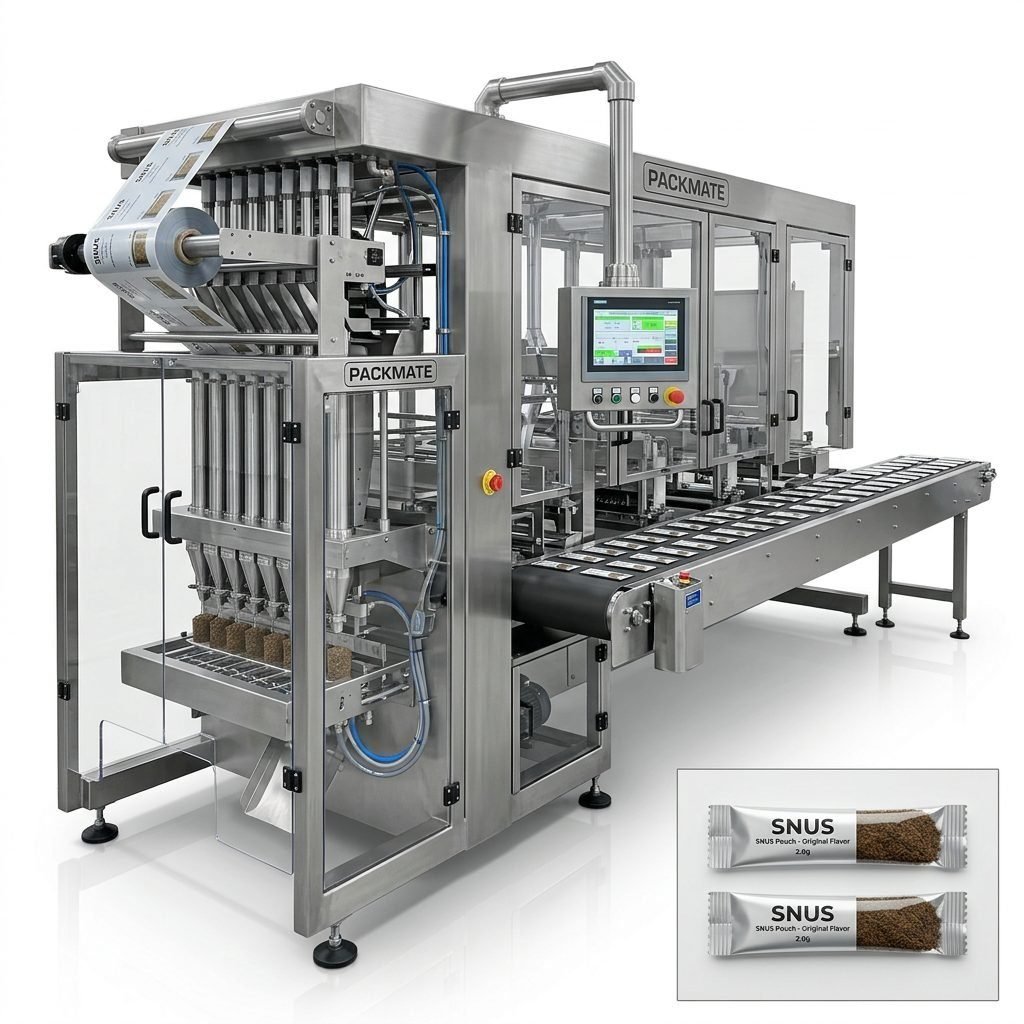
SnusMachinery offers a unique value proposition with its specialization in nicotine pouch and snus packaging equipment. While niche, this is relevant for a specific segment.
Key Features & Suitability for Zimbabwe:
- Niche Expertise: Unmatched knowledge in high-precision pouch packaging for dry, granular oral products. This could extend to similar products like tea bags or soluble drink sticks.
- High-Speed Multi-Lane Systems: Designed for efficient, high-volume production of small pouches, maximizing output.
- Customization for Specialty Sectors: Their experience is valuable for any entrepreneur looking to enter or expand in the modern oral nicotine pouch market or similar precision pouch sectors.
Comparative Analysis & Pricing Guide
Pricing for packaging machinery varies widely based on automation level, speed, customization, and included features. The table below provides a general overview.
| Manufacturer | Key Strength | Typical Machine Price Range (USD)* | Best For Zimbabwean Businesses That… |
|---|---|---|---|
| Ludyway | Full-line solutions & broad experience | $20,000 – $150,000+ | Need a complete, scalable system from a single, experienced supplier. |
| Packmate Machinery | Cost-effective reliability | $15,000 – $100,000 | Seek dependable automation at a competitive price point for standard products. |
| PacklineOEM | Turnkey line integration | $50,000 – $300,000+ (for lines) | Are investing in a new, fully automated factory or major production line upgrade. |
| PackingMachineOEM | Non-standard customization | $25,000 – $200,000+ | Have unique products or packaging formats that require specially engineered solutions. |
| SnusMachinery | Specialized pouch packaging | $30,000 – $180,000+ | Operate in the nicotine pouch, snus, or other high-precision small pouch markets. |
*Prices are estimates for standalone to semi-automated machines. Complete turnkey lines are significantly higher. Always request a formal quotation.
Buying Guide for Zimbabwean Importers
Importing machinery into Zimbabwe requires careful planning. Here are key steps and considerations:
Step 1: Define Your Requirements
Clearly outline your product type (powder, liquid, granules), required speed (bags/min), bag size, and packaging material. Consider future growth to ensure the machine is scalable.
Step 2: Research and Shortlist Suppliers
Use the list above as a starting point. Visit manufacturer websites like Ludyway or Packmate Machinery to review technical specifications. Prioritize companies with African export experience.
Step 3: Request Detailed Quotations
Contact suppliers with your specifications. A good quote should include: Machine price, FOB/CIF terms, delivery time, warranty, spare parts list, and details of after-sales support (installation, training).
Step 4: Consider Logistics and Import Duties
Factor in shipping costs, insurance, and Zimbabwean import duties and taxes. Work with a reliable clearing agent familiar with machinery imports to handle customs clearance (ZIMRA). Ensure the supplier provides all necessary documentation (commercial invoice, packing list, certificate of origin, etc.).
Step 5: Evaluate After-Sales Support
This is critical. Inquire about the availability of technical support (remote or on-site), training for your operators, warranty terms, and the lead time for spare parts delivery to Zimbabwe.
Step 6: Finalize Payment and Order
Use secure payment methods like a Letter of Credit (LC). Ensure the purchase contract clearly states machine specifications, delivery terms, and support agreements.
Key Considerations for the Local Context:
- Power Supply: Specify the required voltage and phase (e.g., 220V/380V, 50Hz) compatible with Zimbabwe’s grid. Consider voltage stabilizers if needed.
- Local Serviceability: Ask if the supplier has a local agent or partner in Southern Africa for quicker service.
- Spare Parts Inventory: Plan to keep a basic inventory of critical spare parts (like seals, sensors, belts) to minimize downtime.
Frequently Asked Questions (FAQs)
Q: What type of packaging machine is most common for food products in Zimbabwe?
A: Vertical form-fill-seal (VFFS) machines for granules and powders (e.g., mealie-meal, sugar, salt) and sachet packing machines for liquids (e.g., cooking oil, juices) are very common due to their efficiency and versatility.
Q: Can I get technical support and training for my staff from these overseas manufacturers?
A: Yes, reputable manufacturers like PacklineOEM and SnusMachinery typically offer installation supervision, commissioning, and operator training, either by sending an engineer or via comprehensive remote guidance. This should be clarified before purchase.
Q: How do I handle machine maintenance and repairs in Zimbabwe?
A: Proactive maintenance is key. Follow the manufacturer’s manual. For repairs, most issues can be diagnosed remotely via video call. For complex mechanical problems, you may need to fly in a technician or source a local engineer trained on similar equipment. Having a good stock of common spare parts is essential.
Q: Are semi-automatic machines a better starting point than fully automatic ones?
A: For small to medium enterprises (SMEs) or those with lower production volumes, semi-automatic machines from companies like Packmate Machinery offer a lower initial investment and are simpler to operate and maintain. They are an excellent way to automate without the complexity and cost of a full line.
Q: What is the typical lead time for receiving a machine in Zimbabwe?
A: Lead time varies. For standard models, expect 30-60 days for manufacturing plus 4-8 weeks for sea freight shipping to a port like Durban or Beira, followed by land transport to Zimbabwe. Customized or complete line projects can take 3-6 months or more. Always get a detailed timeline from your supplier.