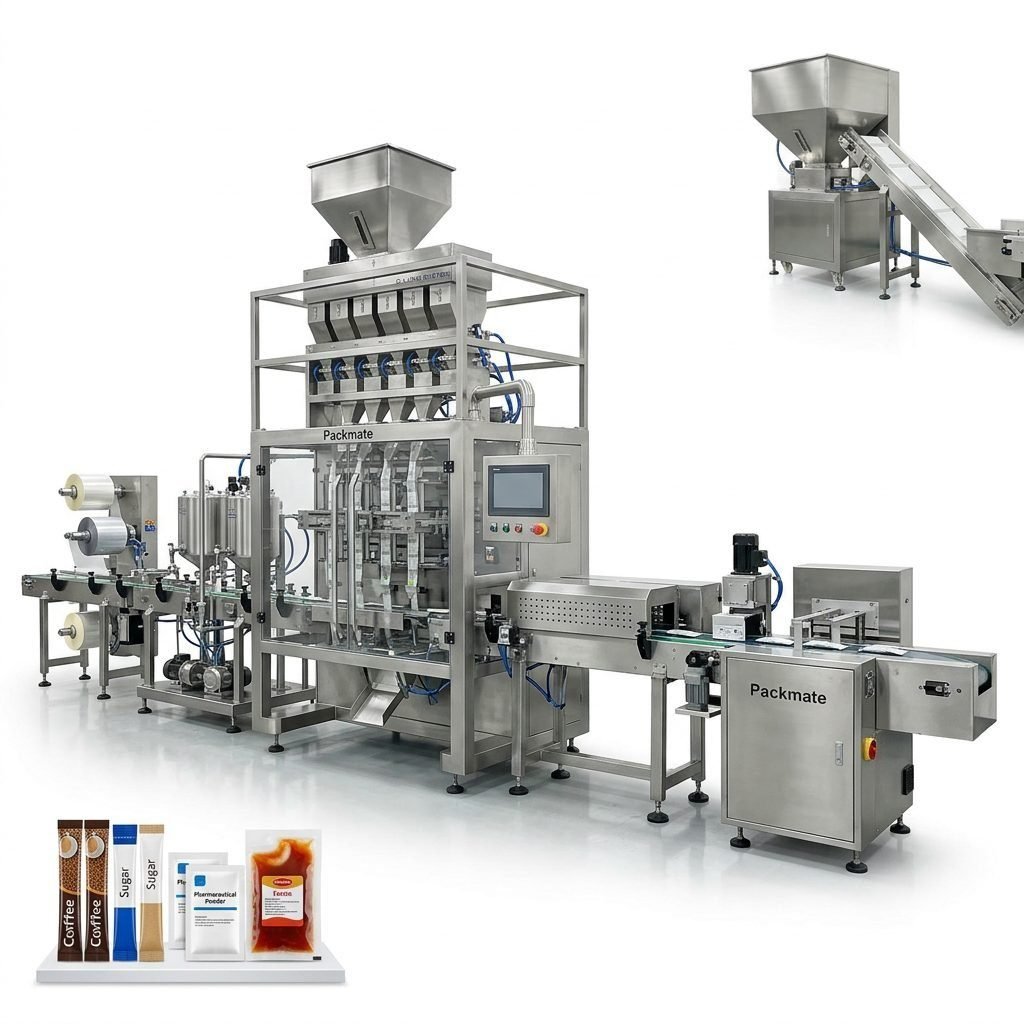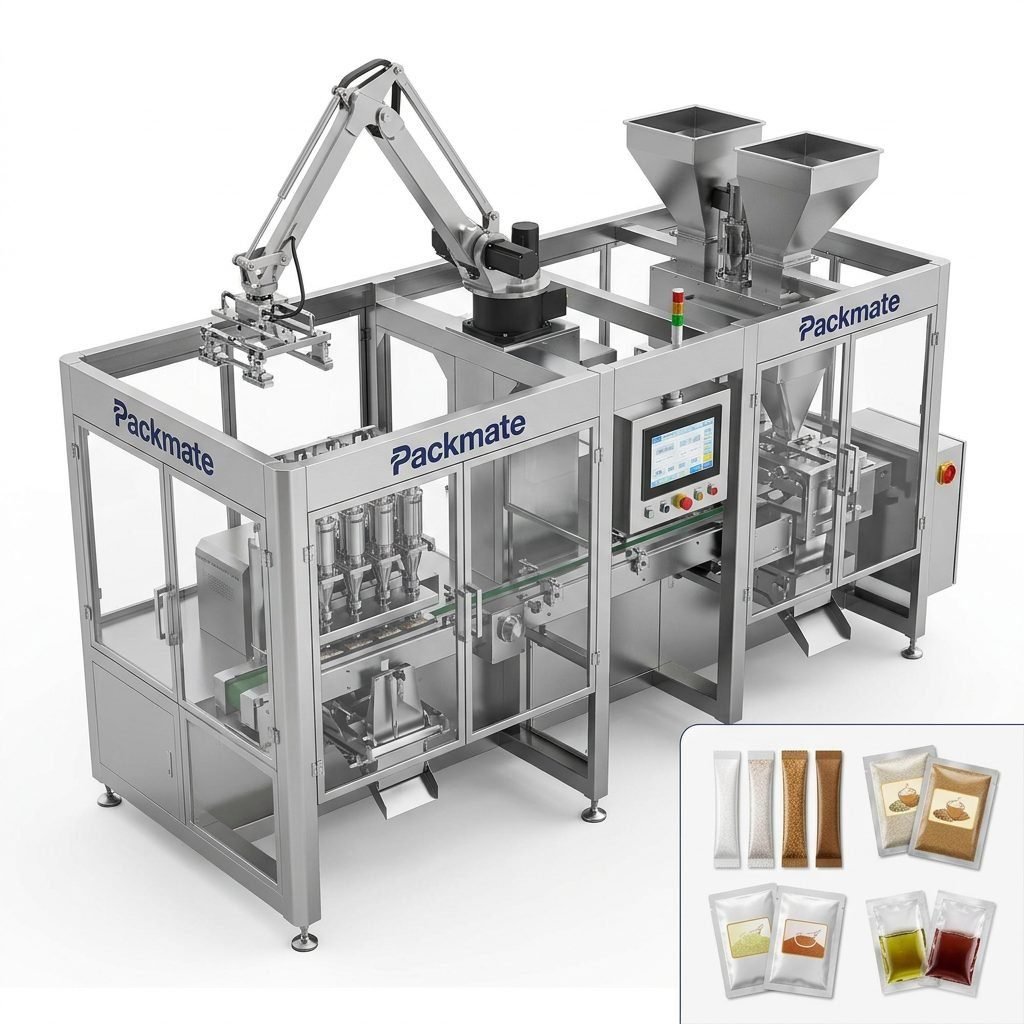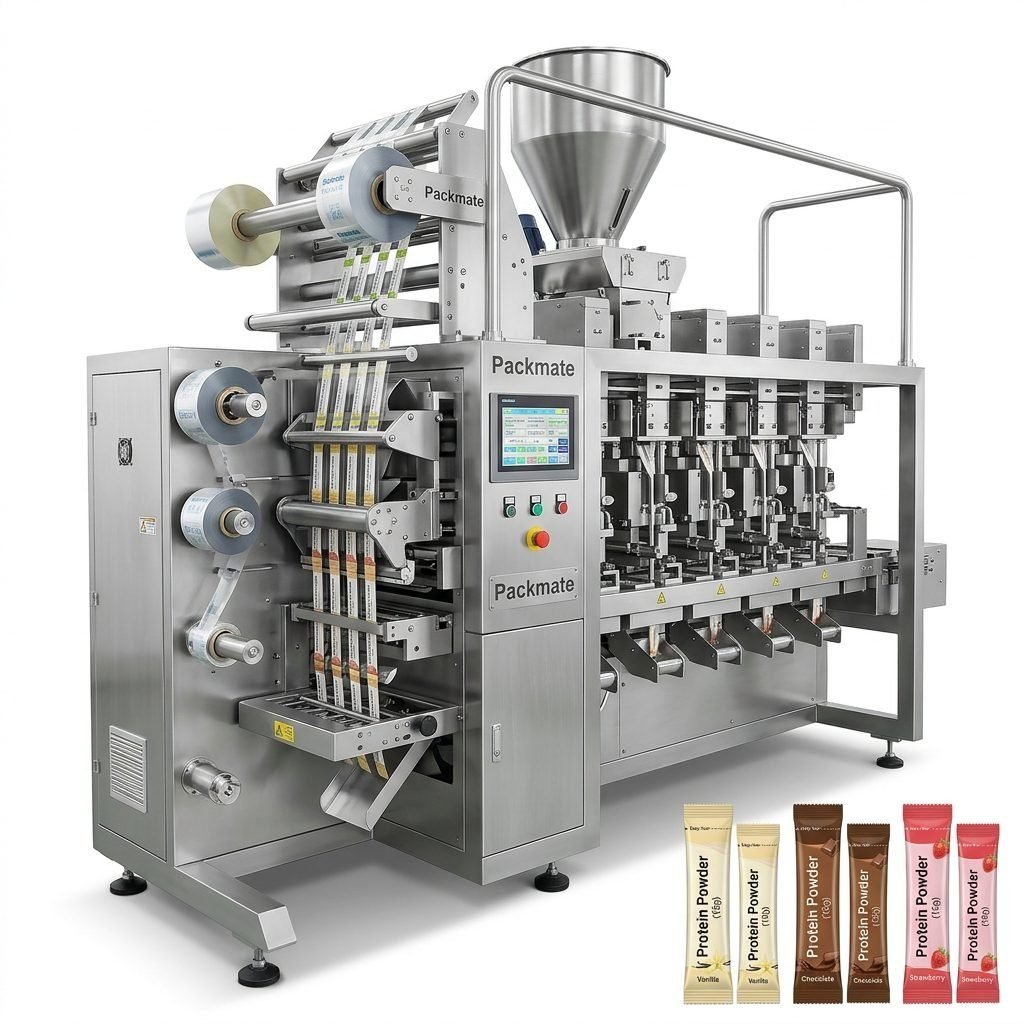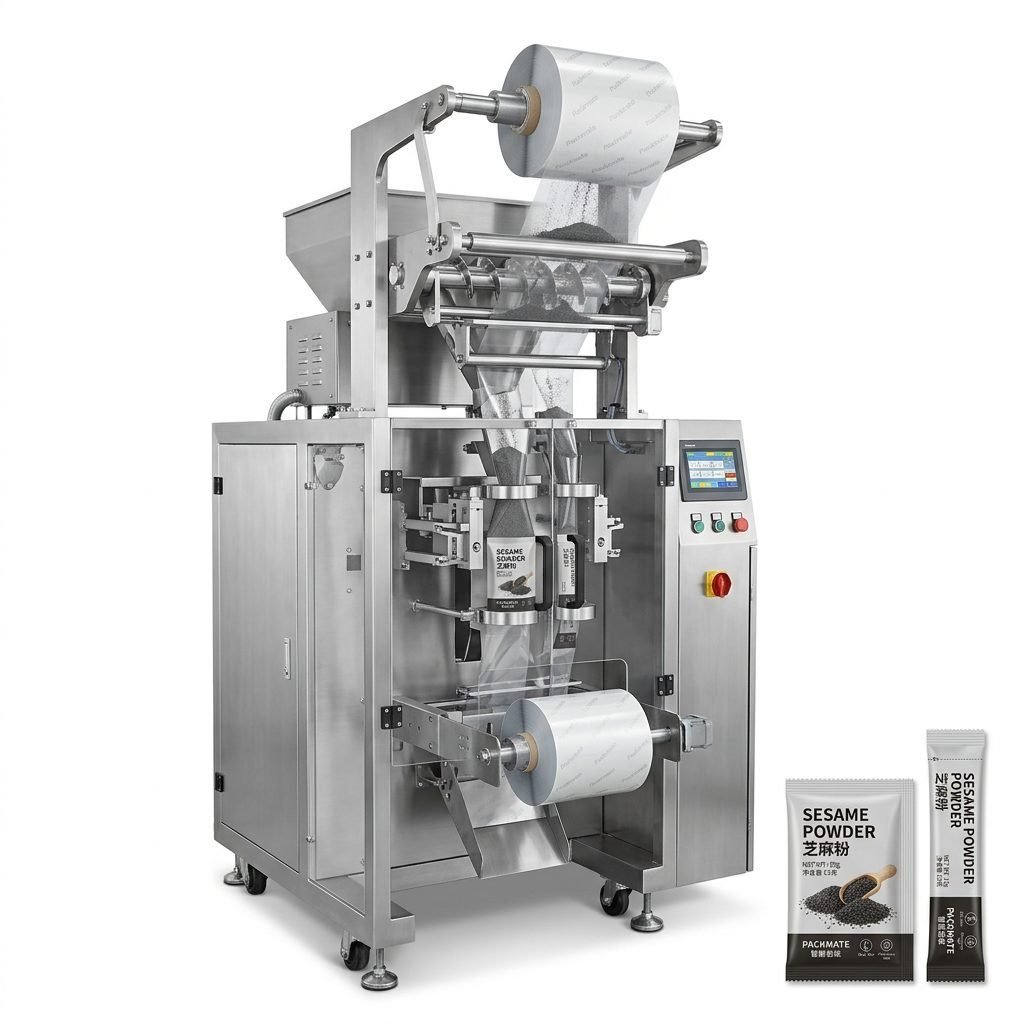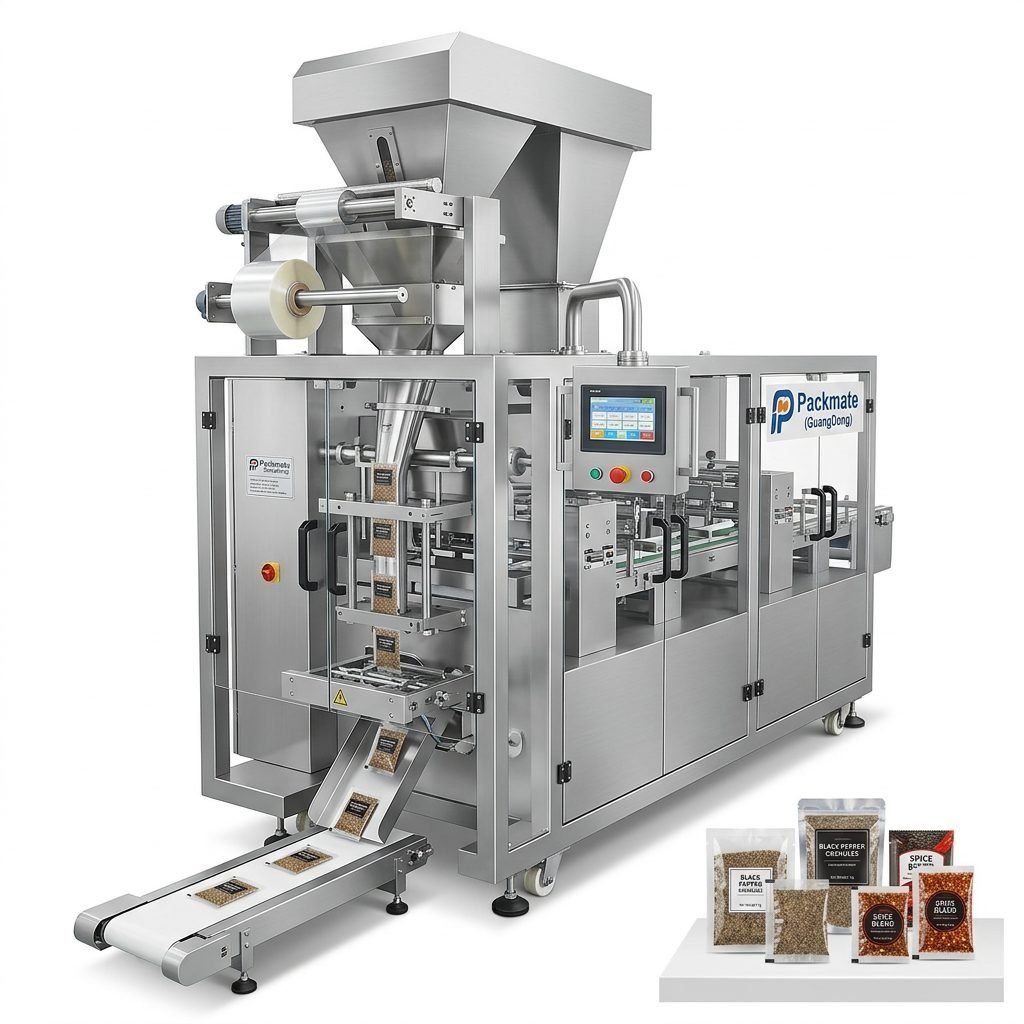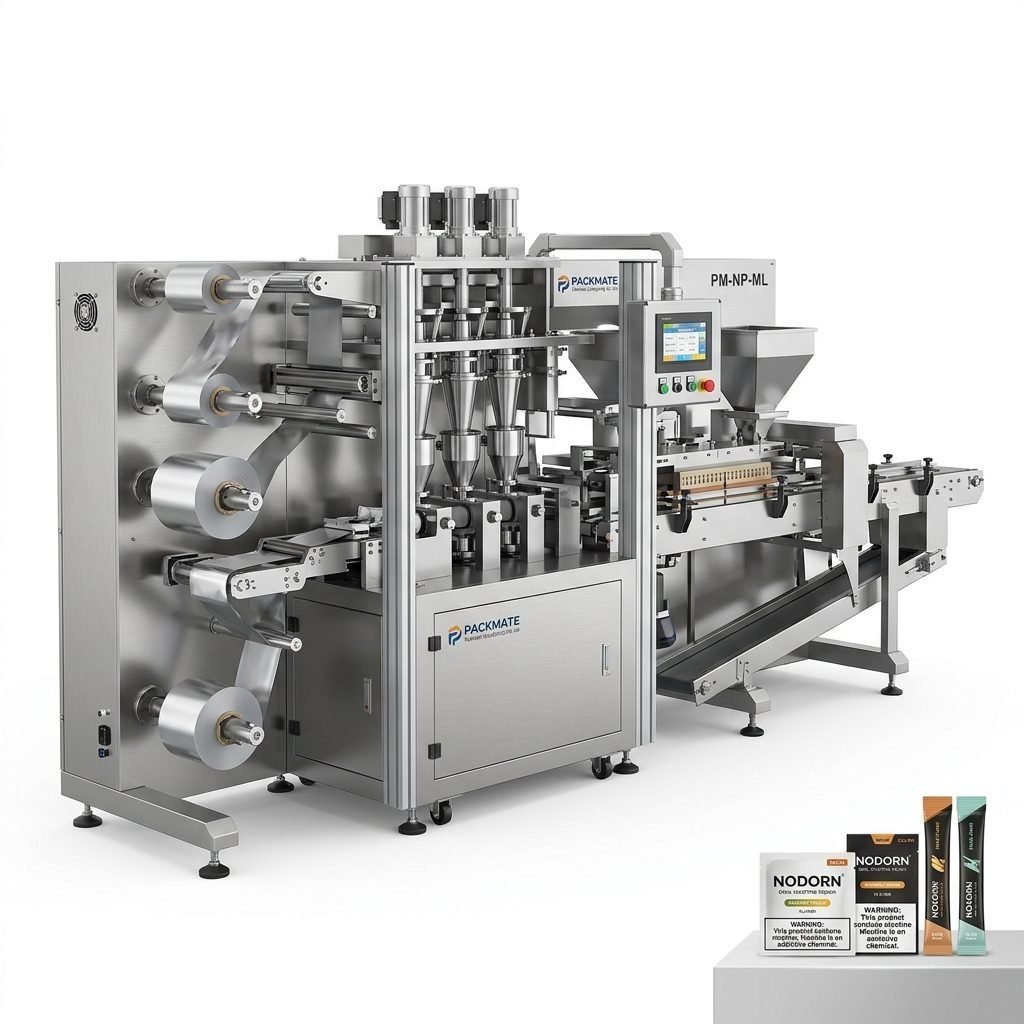
In the fast-paced world of consumer goods, efficient and reliable packaging is crucial for product success. Mini sachet packaging machines are at the heart of this process, enabling businesses to portion, fill, and seal small, single-serve packets for a vast array of products. From instant coffee and seasonings to pharmaceuticals, cosmetics, and nicotine pouches, these machines offer versatility and automation. This guide explores the different types of mini sachet packaging machines, their key benefits, and provides a framework for selecting the right model for your specific production needs.
Types of Mini Sachet Packaging Machines
Understanding the different machine configurations is the first step in making an informed choice. The right type depends heavily on your product format, required output, and desired packaging style.
1. Single-Lane Sachet Machines
These are the most basic and often most affordable type of sachet packer. They operate with one forming tube and one sealing station, producing a single stream of sachets. Ideal for low to medium production volumes, startups, or for packaging products with a longer cycle time (like viscous creams or pastes). Their simplicity makes them easier to maintain and operate.
2. Multi-Lane Sachet Machines
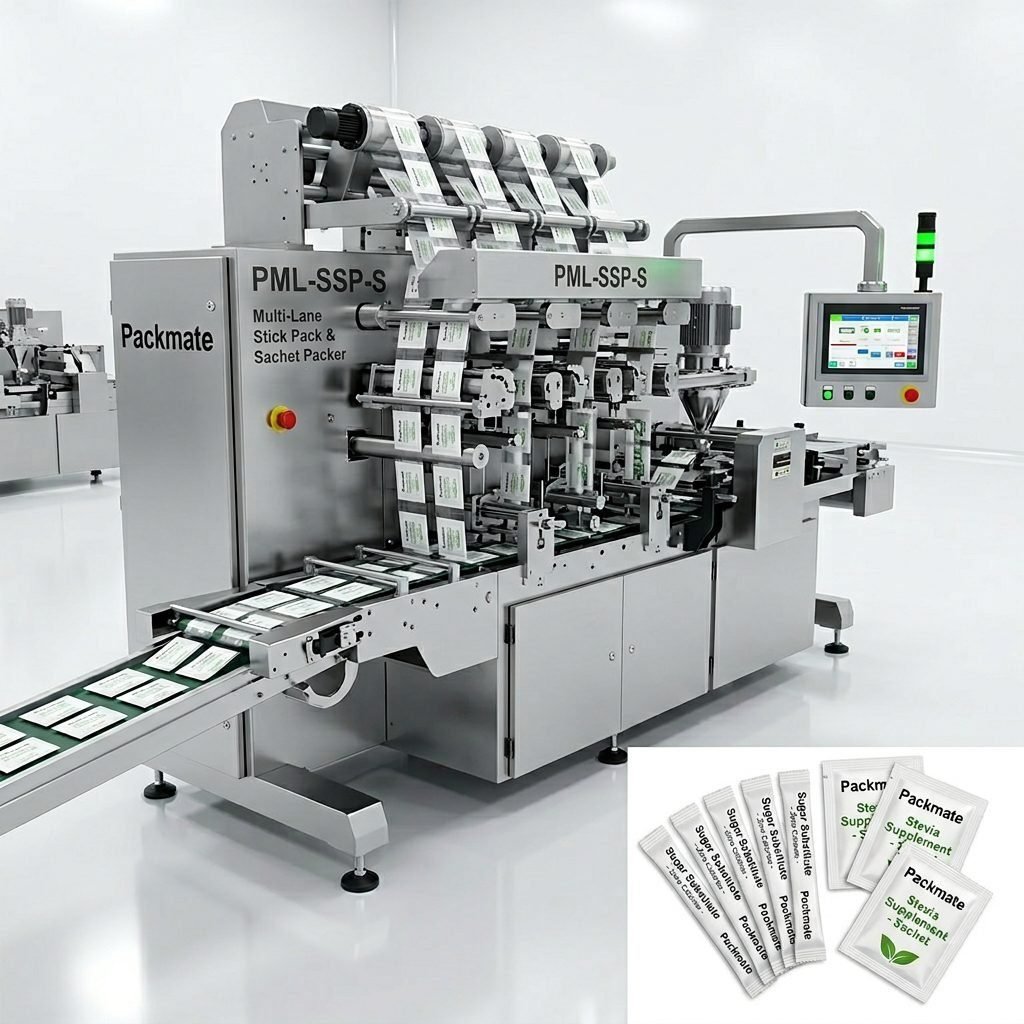
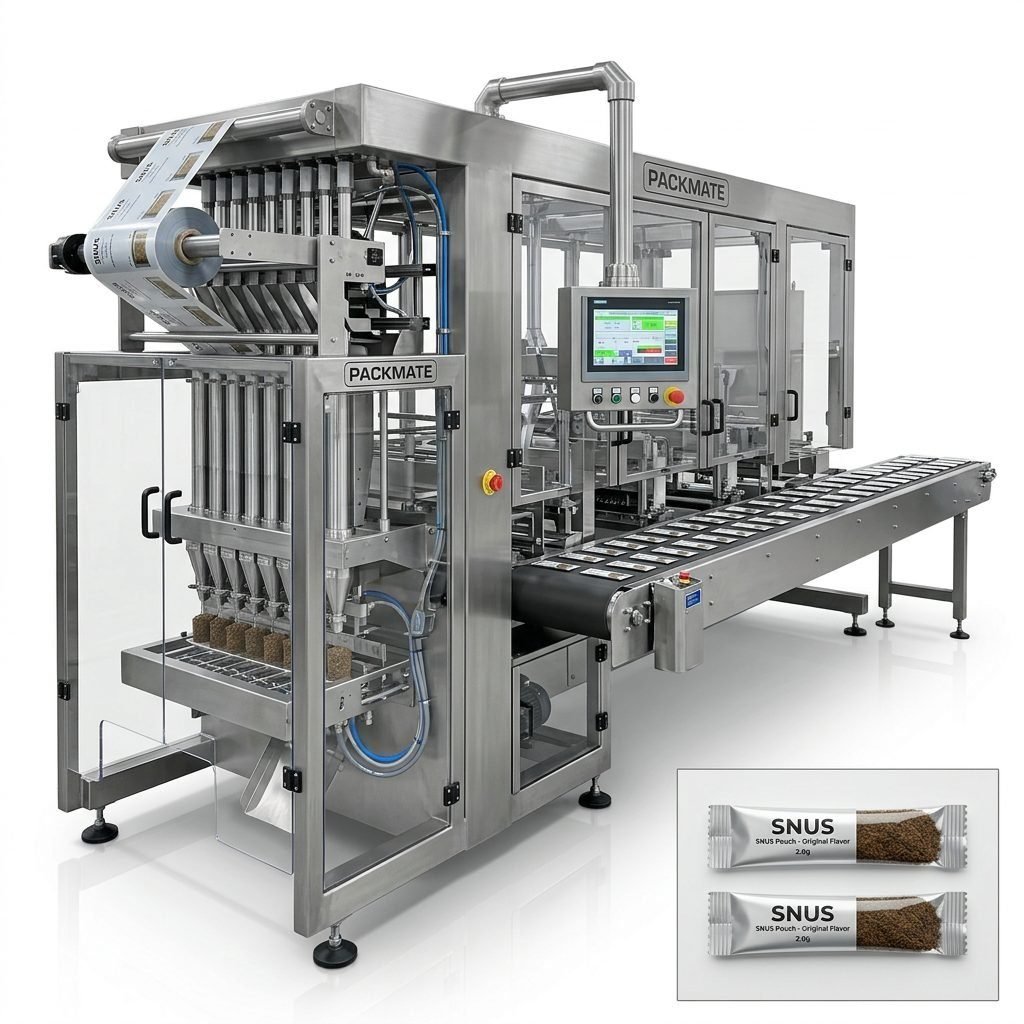
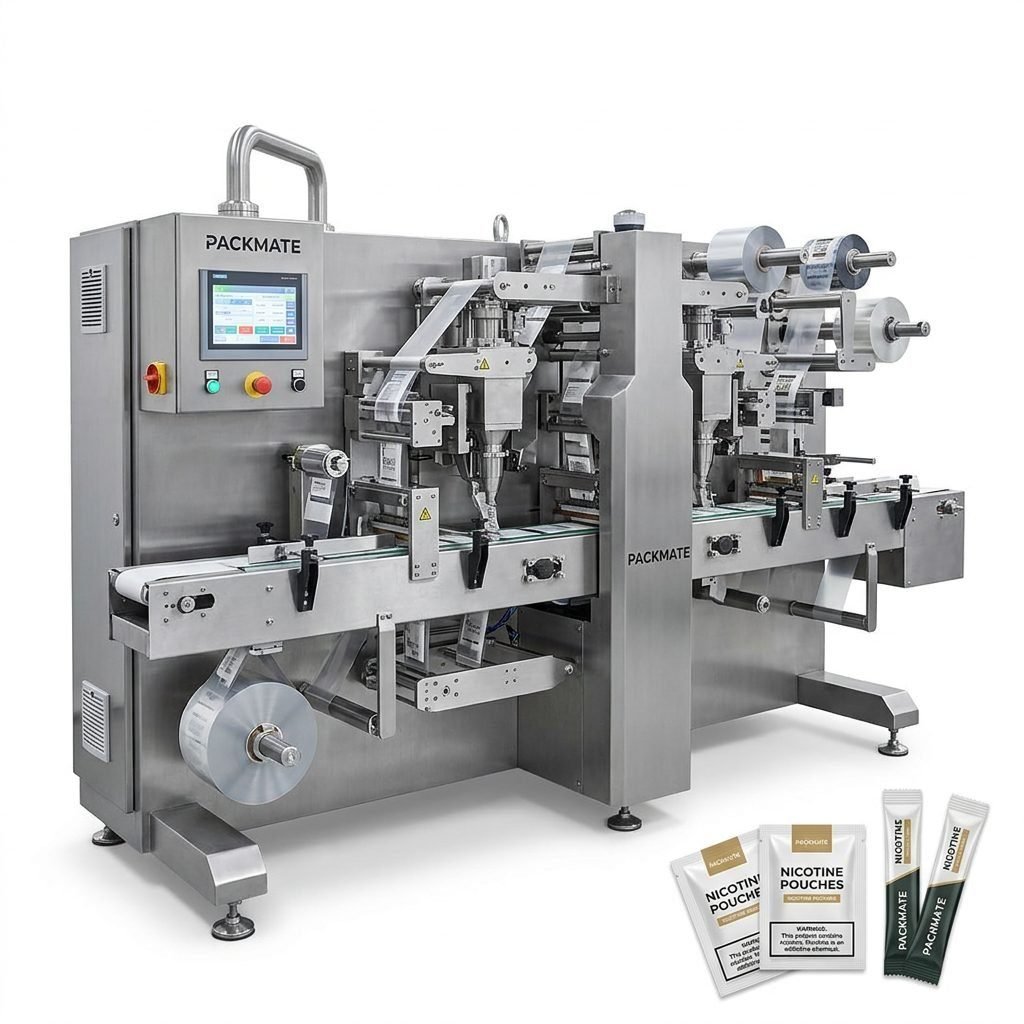
For high-volume production, multi-lane machines are the industry standard. They feature multiple forming tubes (commonly 2, 4, 6, 8, or even 10 lanes) operating in parallel, dramatically increasing output. For example, a Packmate Machinery 8-lane machine can produce significantly more sachets per minute than a single-lane unit. This design is perfect for dry, free-flowing products like powders, granules, and small seeds.
3. Stick Pack Machines
A popular subset of sachet packaging, stick pack machines create long, slender, upright pouches. They are exceptionally space-efficient for retail shelves and are commonly used for drink mixes, sugar, instant coffee, and pharmaceutical powders. Machines can be single or multi-lane, with advanced models offering features like gas flushing for product freshness.
4. Vertical Form-Fill-Seal (VFFS) Machines
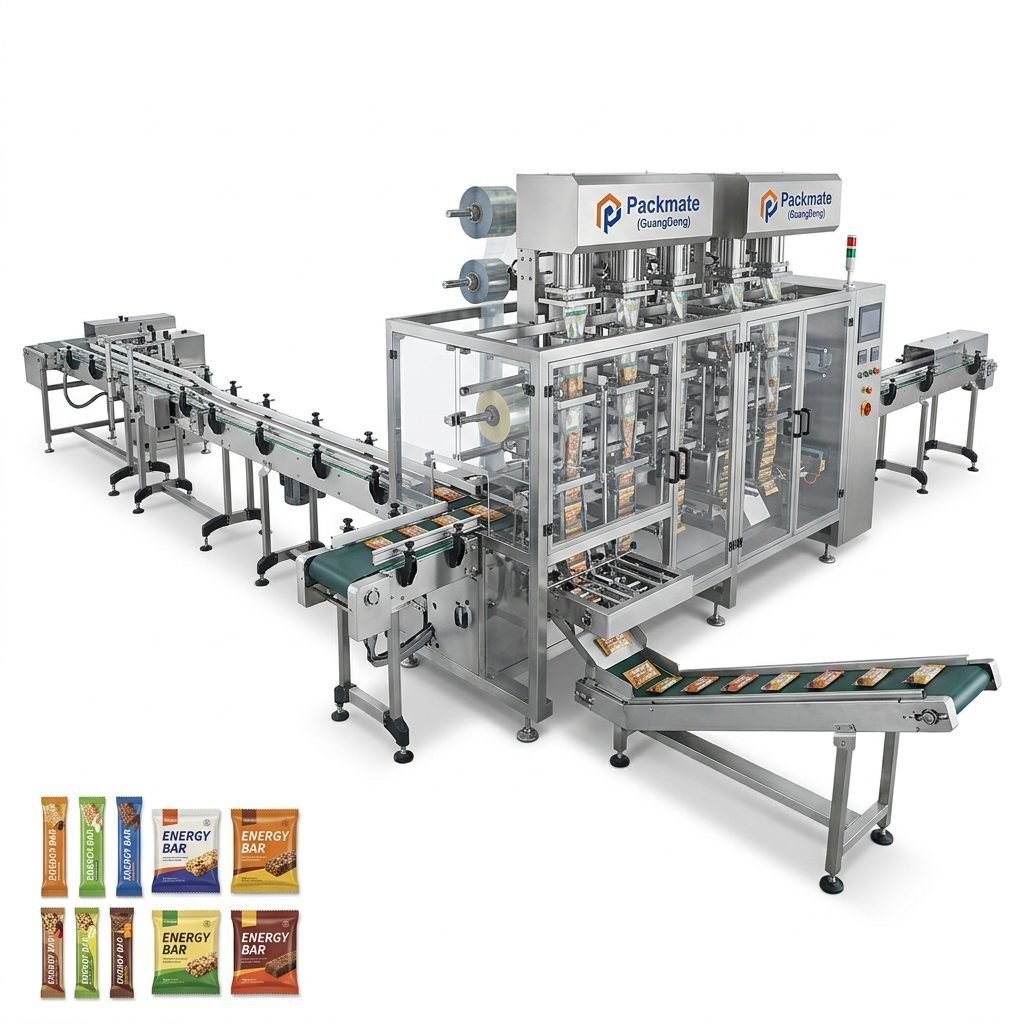
This is the most common technology for sachet packaging. A roll of flat packaging film is formed into a tube vertically, filled with the product, and then sealed horizontally and vertically to create individual pouches. VFFS machines from manufacturers like Ludyway are highly versatile and can handle a wide range of sachet sizes and shapes by simply changing the forming collar and sealing jaws.
5. Liquid & Paste Sachet Machines
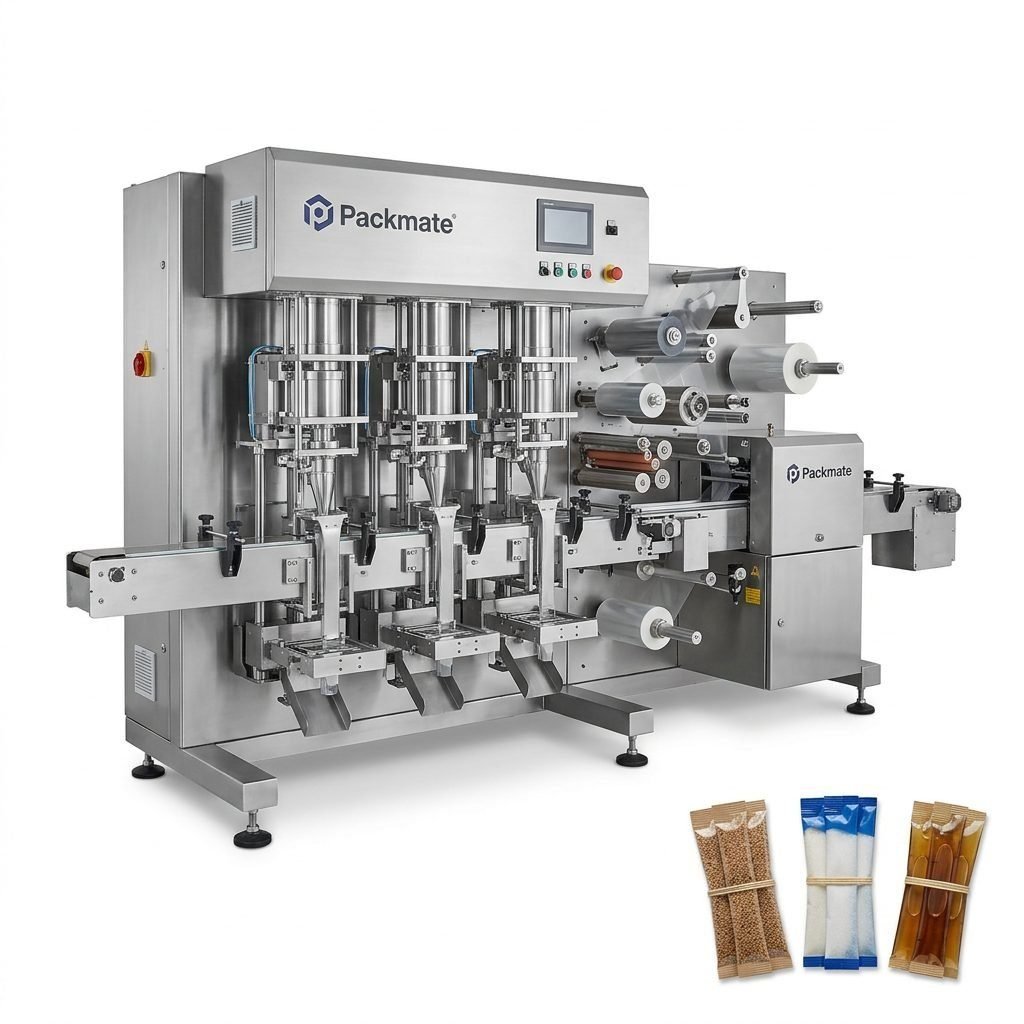
Designed specifically for non-solid products, these machines have specialized pumps (piston, gear, or peristaltic) for accurate volumetric filling of liquids, gels, oils, and pastes. They often include features to prevent dripping and ensure clean seals, which is critical for products like sauces, shampoos, lubricants, and cosmetic serums.
Key Benefits of Automated Mini Sachet Packaging
Investing in an automated sachet packaging machine offers numerous advantages over manual or semi-automatic methods.
Increased Productivity & Output: Automation drastically speeds up the packaging process. Multi-lane machines can produce hundreds, even thousands, of sachets per minute, allowing you to meet high market demand efficiently.
Enhanced Product Consistency & Quality: Machines provide precise dosing and uniform sealing for every sachet. This reduces product giveaway (saving raw material costs) and ensures every consumer receives the exact same amount, which is vital for brand reputation and compliance, especially in the pharmaceutical and food sectors.
Significant Labor Cost Savings: A single automated machine can replace several manual packing stations, reducing long-term labor costs and minimizing human error. It also allows skilled workers to be redeployed to more value-added tasks like quality control and machine supervision.
Improved Hygiene & Safety: Automated systems minimize direct human contact with the product, which is a critical requirement for food, pharmaceutical, and cosmetic packaging. This reduces contamination risk and helps maintain sterile or hygienic production environments.
Packaging Versatility: Modern machines offer great flexibility. With quick-change parts, one machine can often handle different sachet sizes, materials (laminate, foil, paper), and print designs. This is ideal for manufacturers with multiple product lines or those who frequently run promotional packs.
How to Choose the Right Mini Sachet Packaging Machine
Selecting the optimal machine requires a careful analysis of your specific requirements. Here are the critical factors to consider:
1. Product Characteristics
The nature of your product dictates the machine type. Is it a free-flowing powder, granules, a viscous liquid, or a paste? Each requires different feeding and filling systems (auger, volumetric cup, pump). Abrasive or hygroscopic products may need special hopper and contact part materials like stainless steel.
2. Required Production Speed (Output)
Calculate your required output in sachets per minute (SPM) or packs per hour. Match this with the machine’s capacity. A single-lane machine may suffice for niche products, but for consumer goods, a multi-lane system from a supplier like PacklineOEM is often necessary to achieve economies of scale.
3. Sachet Specifications
Define your pack size (length, width), the packaging material (film type, thickness), and the type of seal (fin seal, pillow seal, 3-side or 4-side seal). Ensure the machine can handle your desired material roll width and diameter.
4. Level of Automation
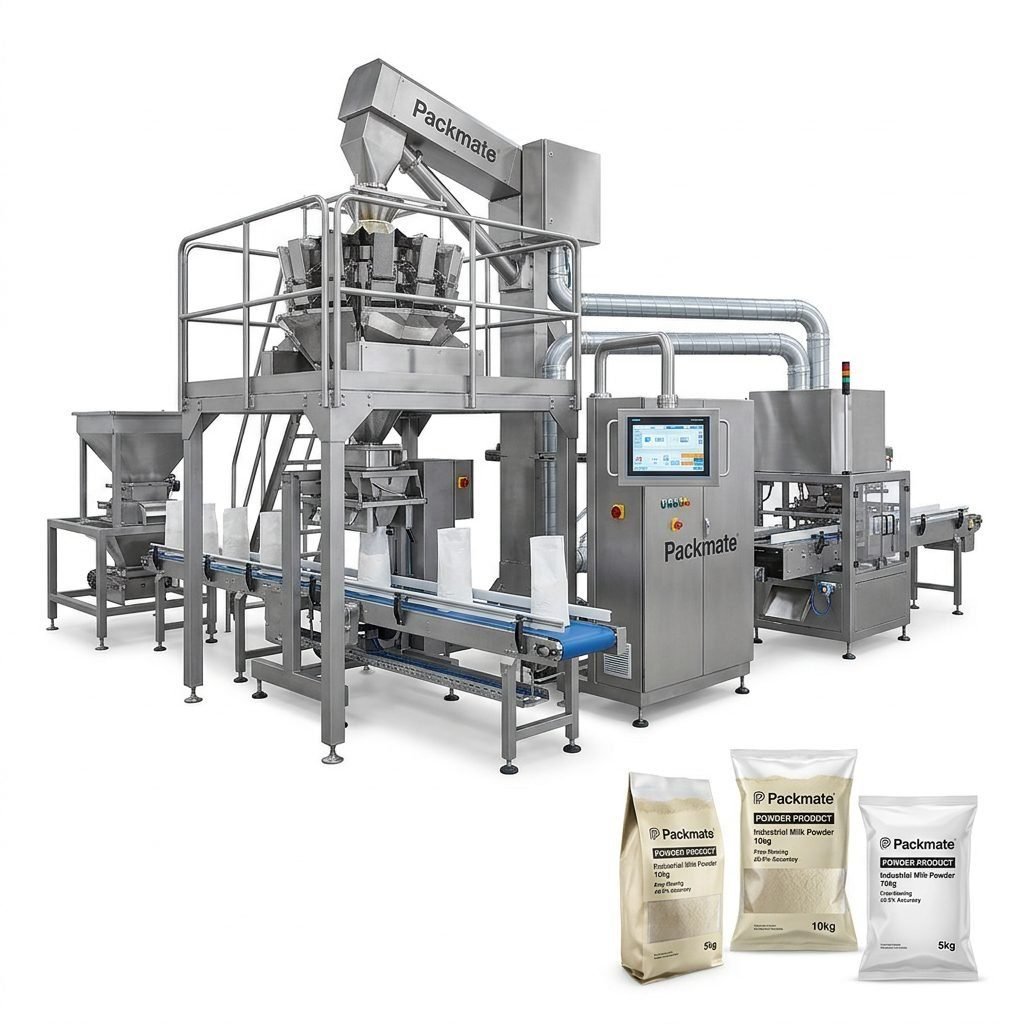
Decide on the necessary integration level. A standalone machine may be enough, or you might need a complete turnkey line with automated product feeding, checkweighers, metal detectors, cartoning, and case packing. Companies specializing in customized and non-standard solutions can help design a fully integrated system.
5. Specialized Requirements
Do you need nitrogen gas flushing to extend shelf life? Is your product sterile, requiring a clean-in-place (CIP) system? For niche markets like nicotine pouches, working with a specialist such as SnusMachinery ensures the machine is designed for the specific weight accuracy, sealing integrity, and production hygiene standards of that industry.
| Selection Factor | Key Questions to Ask | Impact on Choice |
|---|---|---|
| Product Type | Powder, granule, liquid, or paste? Is it abrasive or hygroscopic? | Determines filling system (auger, pump) and material of contact parts. |
| Production Volume | What is your daily/weekly output target? Plans for future growth? | Dictates single-lane vs. multi-lane configuration and machine speed. |
| Packaging Material | Laminated film, aluminum foil, paper? What is the required seal strength? | Influences the type of sealing system (heat, ultrasonic) and film handling mechanism. |
| Accuracy & Hygiene | What is the acceptable weight tolerance? Is the product for food/pharma? | Requires precision scales, CIP/SIP systems, and specific sanitary design standards. |
| Footprint & Budget | What is the available factory space? What is the total investment budget? | Affects machine size selection and helps balance features with cost-effectiveness. |
FAQs: Common Questions About Mini Sachet Packaging Machines
What is the typical speed range for these machines?
Speeds vary widely. A basic single-lane machine may run at 40-80 sachets per minute (SPM). High-speed multi-lane machines for simple powders can achieve 200-600 SPM per lane, with total outputs exceeding 2000 SPM for larger systems. Liquid machines are generally slower due to filling and sealing dynamics.
Can one machine handle different sachet sizes?
Yes, most machines are designed for changeover. The ease and time required depend on the model. Look for “quick-change” features on forming collars and sealing jaws to minimize downtime when switching between different product runs.
What kind of maintenance do they require?
Regular daily cleaning and lubrication are essential. Periodic maintenance includes checking and replacing wear parts like sealing jaws, cutting blades, and gaskets. Choosing a supplier with good after-sales support and available spare parts is crucial for minimizing unplanned downtime.
Are these machines suitable for food-grade or pharmaceutical production?
Absolutely. Many machines are built with food-grade stainless steel (e.g., 304 or 316L) and have designs that facilitate cleaning. For pharmaceutical applications, machines with CIP (Clean-in-Place) systems and compliant with GMP (Good Manufacturing Practice) standards are available from experienced manufacturers.
How do I choose between a standard and a customized machine?
If your product and packaging are common (e.g., standard powder in a 3-side seal sachet), a standard machine is cost-effective. If you have unique requirements—unusual product characteristics, a specific film material, need for special gas flushing, or integration into a complex line—then a customized or turnkey solution is the better path to ensure optimal performance.