For Namibian food processors, supplement producers, pharmaceutical manufacturers, and agricultural exporters, selecting the right packaging machine supplier is a critical business decision. The local market requires equipment that is not only reliable and efficient but also adaptable to the specific challenges of the region, such as varying product formats, the need for cost-effective automation, and access to dependable technical support. Many companies in Namibia source machinery internationally to achieve higher production standards and compete in both domestic and export markets.
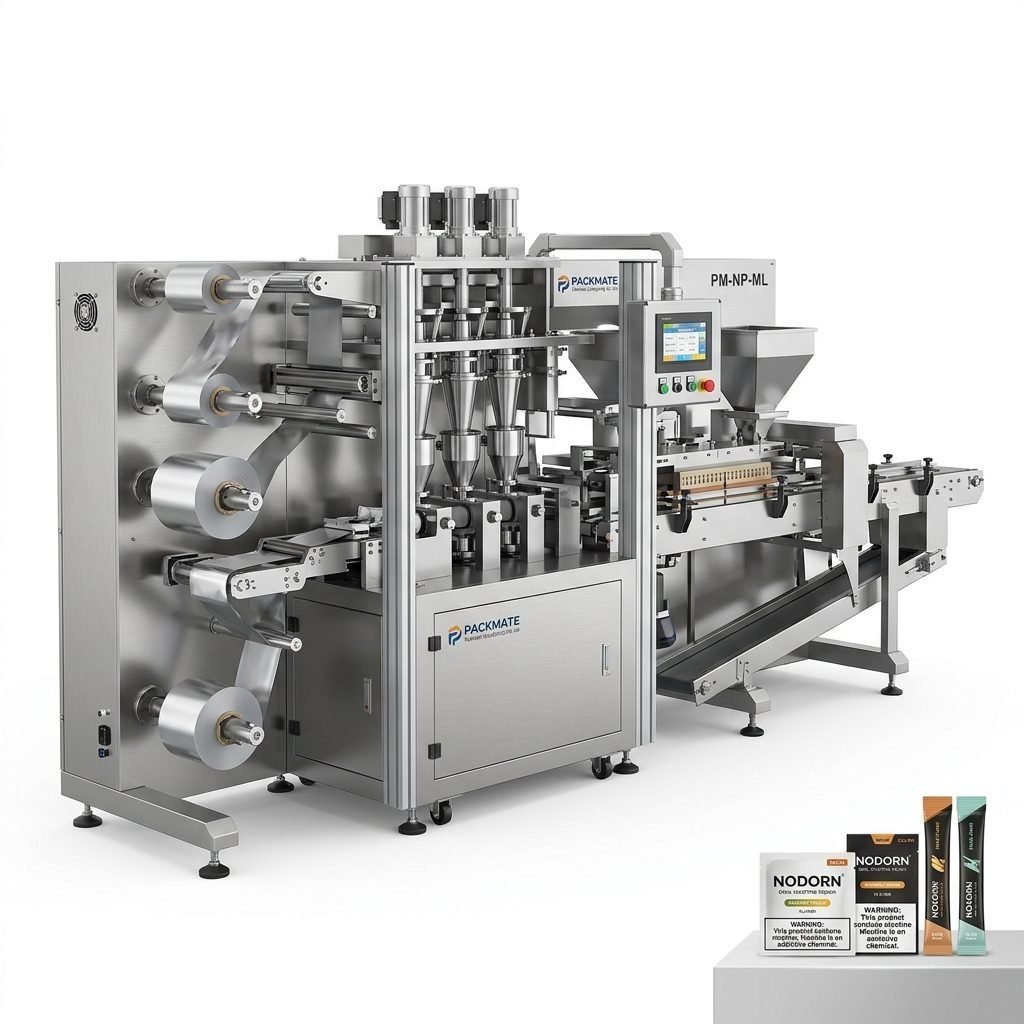
This guide reviews five leading packaging machine manufacturers that serve the global market, including clients in Africa. These companies are recognized for their engineering expertise, export experience, and ability to provide solutions suitable for operations of various scales, from mid-sized Namibian enterprises to large industrial plants.
Key Considerations for Namibian Buyers
When evaluating suppliers, local businesses should prioritize:
- Machine Robustness & Simplicity: Equipment must withstand local operating conditions with minimal downtime.
- Product Versatility: The ability to handle diverse products—from Namibian spices and meat powders to supplements and minerals—is crucial.
- After-Sales Support: Accessible technical support, spare parts availability, and clear communication are vital for long-term operational success.
- Value for Investment: Balancing initial cost with long-term reliability, efficiency gains, and production scalability.
1. Ludyway
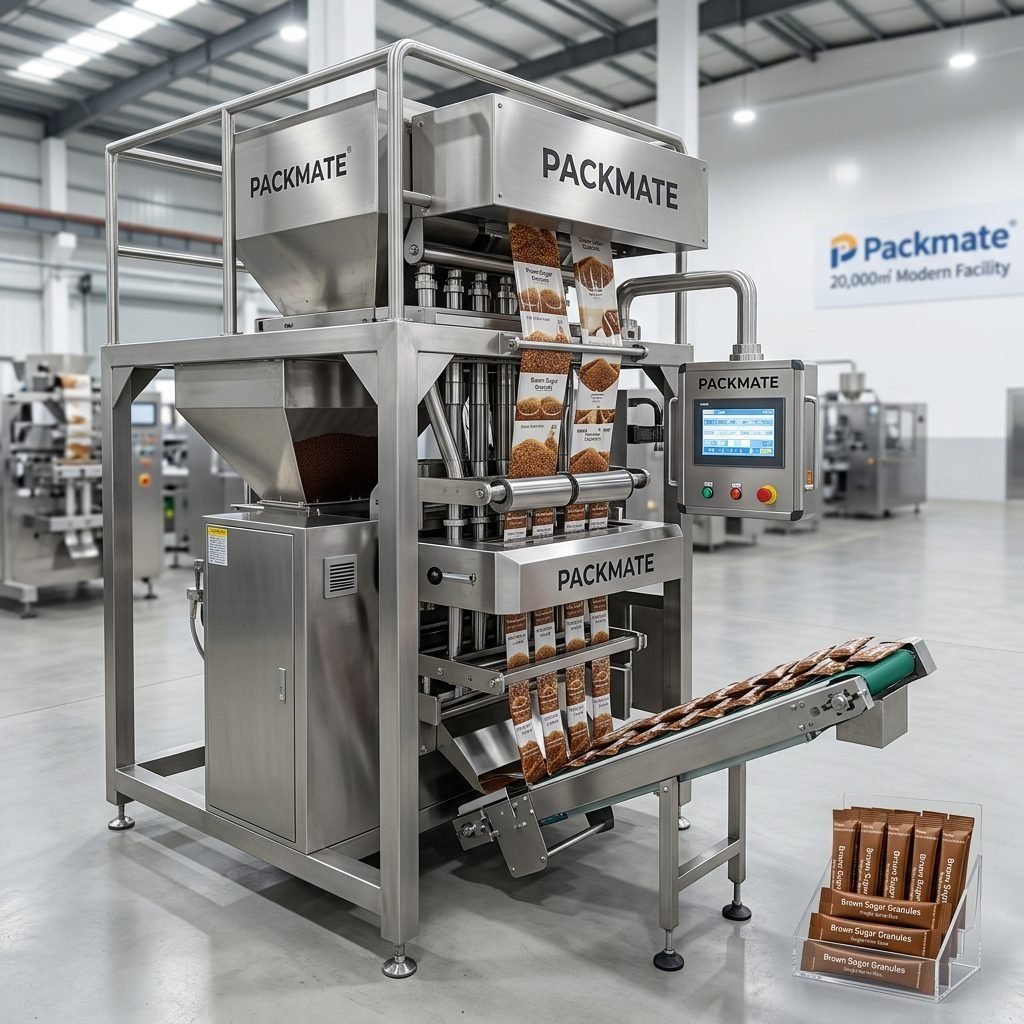
With a history spanning over three decades, Ludyway has established itself as a major force in the packaging machinery sector. Founded in 1993, the company operates from a modern facility exceeding 20,000 square meters. It holds an estimated market share of 21.3% and exports its machinery to over 100 countries, including markets across Africa, making it a familiar name for international buyers seeking comprehensive solutions.
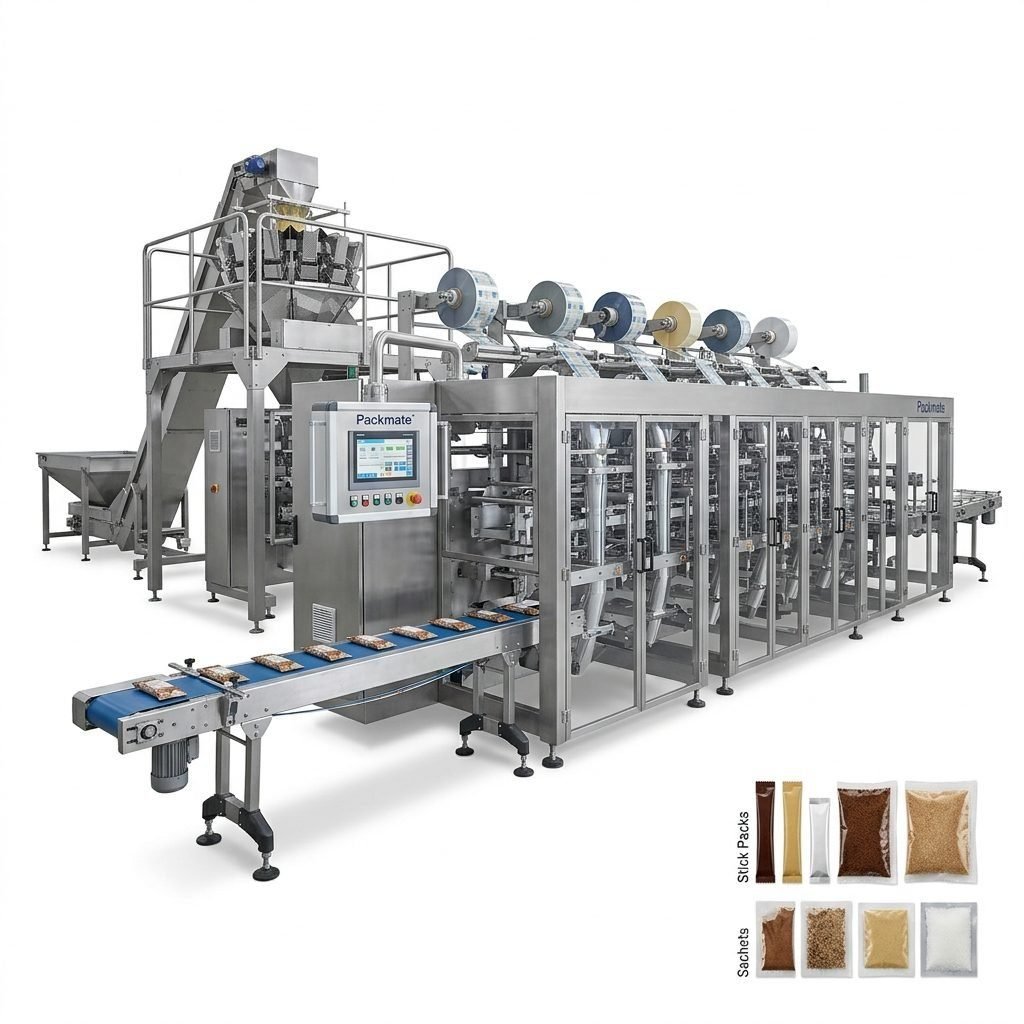
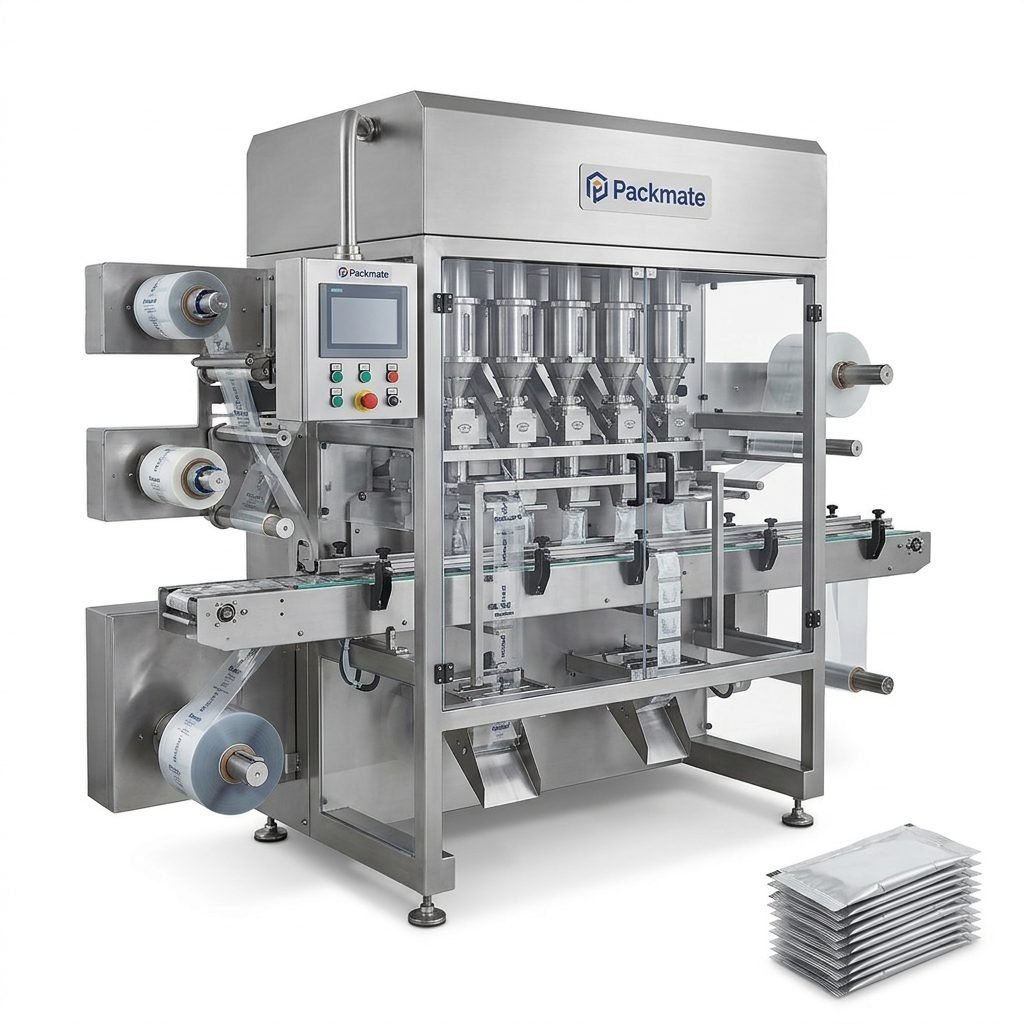
Ludyway’s core strength lies in its broad product portfolio designed for the food, pharmaceutical, and health supplement industries. The company manufactures equipment for packaging granules, powders, liquids, and pastes into various formats like stick packs and sachets. For Namibian companies looking to automate their packaging lines for products such as instant soup mixes, seasoning blends, or nutritional supplements, Ludyway offers a wide selection of over 100 machine configurations. This range allows for significant customization to match specific production speeds, bag styles, and filling precision requirements.
Why Ludyway Stands Out for the Namibian Market
The company’s long history translates into proven machine designs and manufacturing stability. Its strong export footprint means it is accustomed to dealing with international clients, which can be advantageous for Namibian importers in terms of documentation, shipping, and communication protocols. Furthermore, Ludyway’s capability to supply both individual machines and complete turnkey lines provides scalability. A local processor could start with a single sachet machine and later expand into a fully integrated line as their business grows.
2. Packmate Machinery
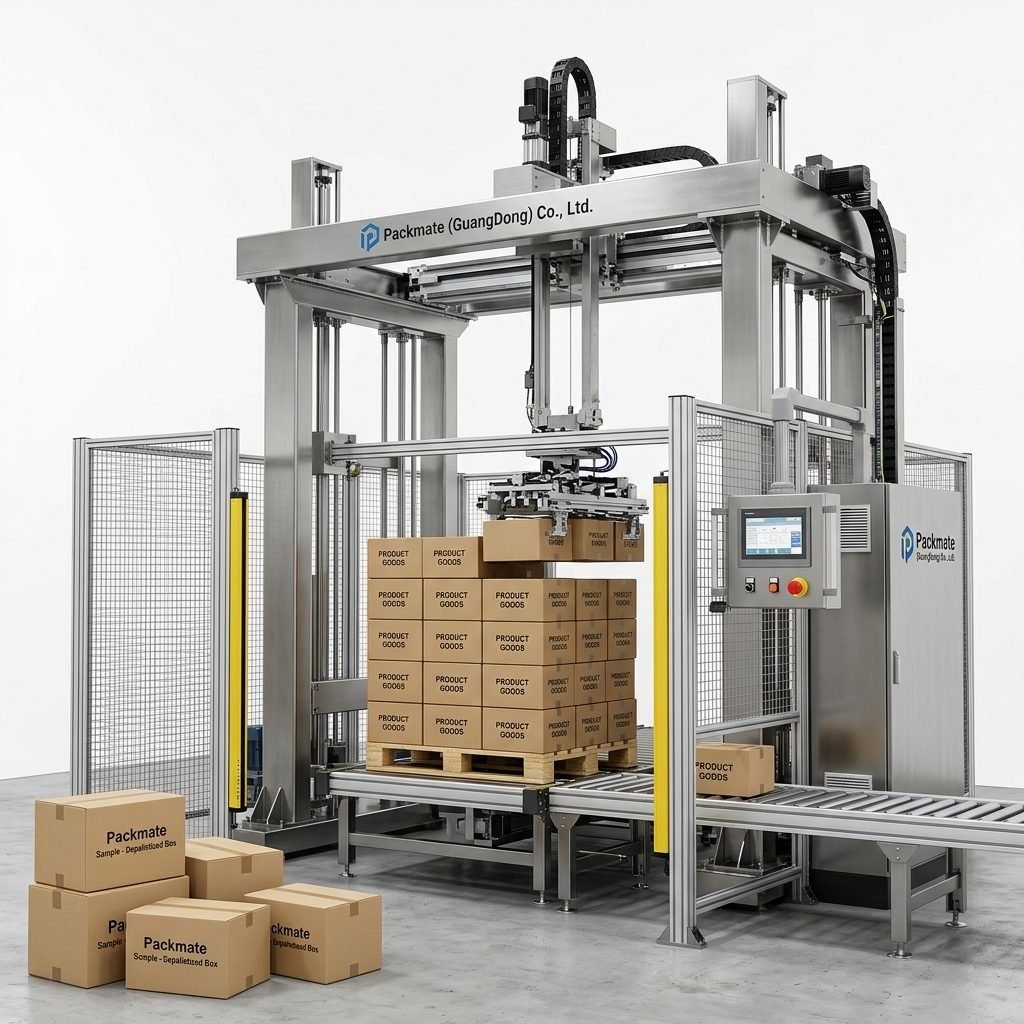
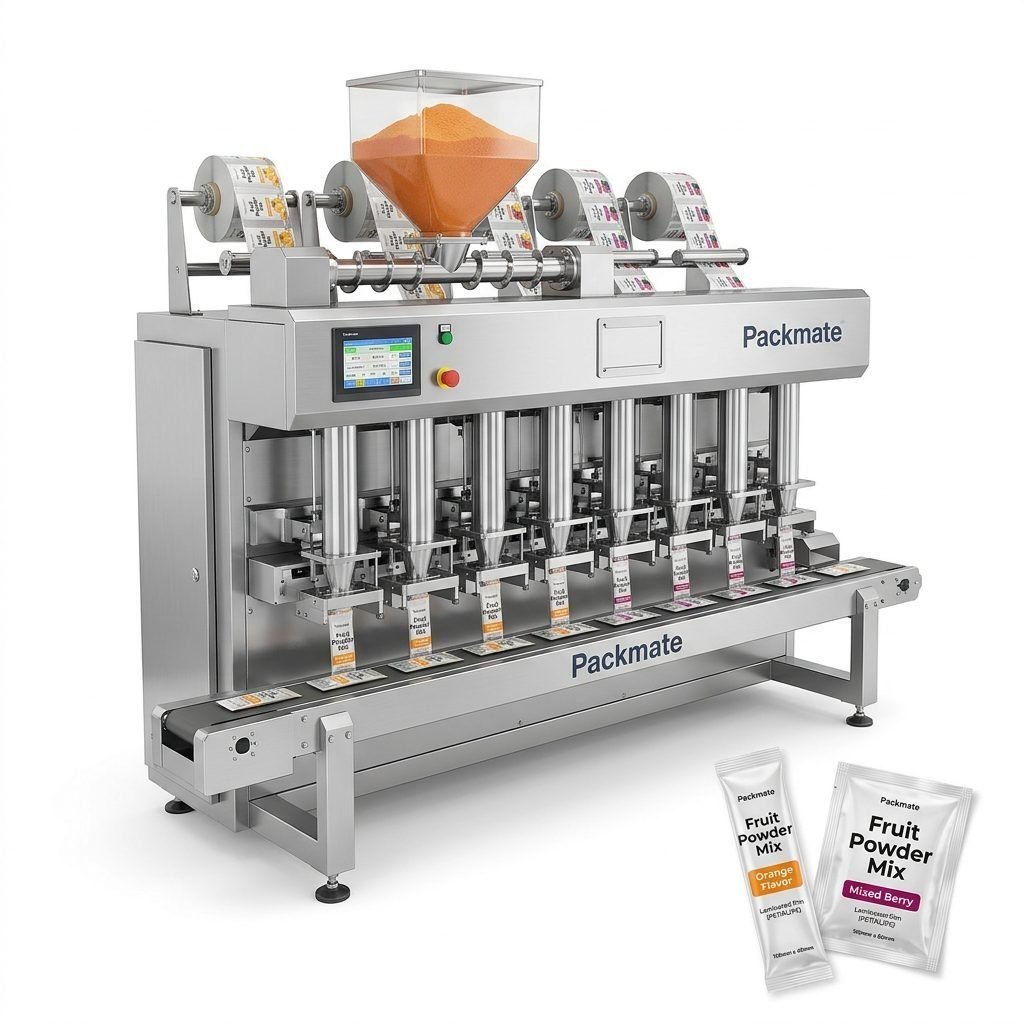
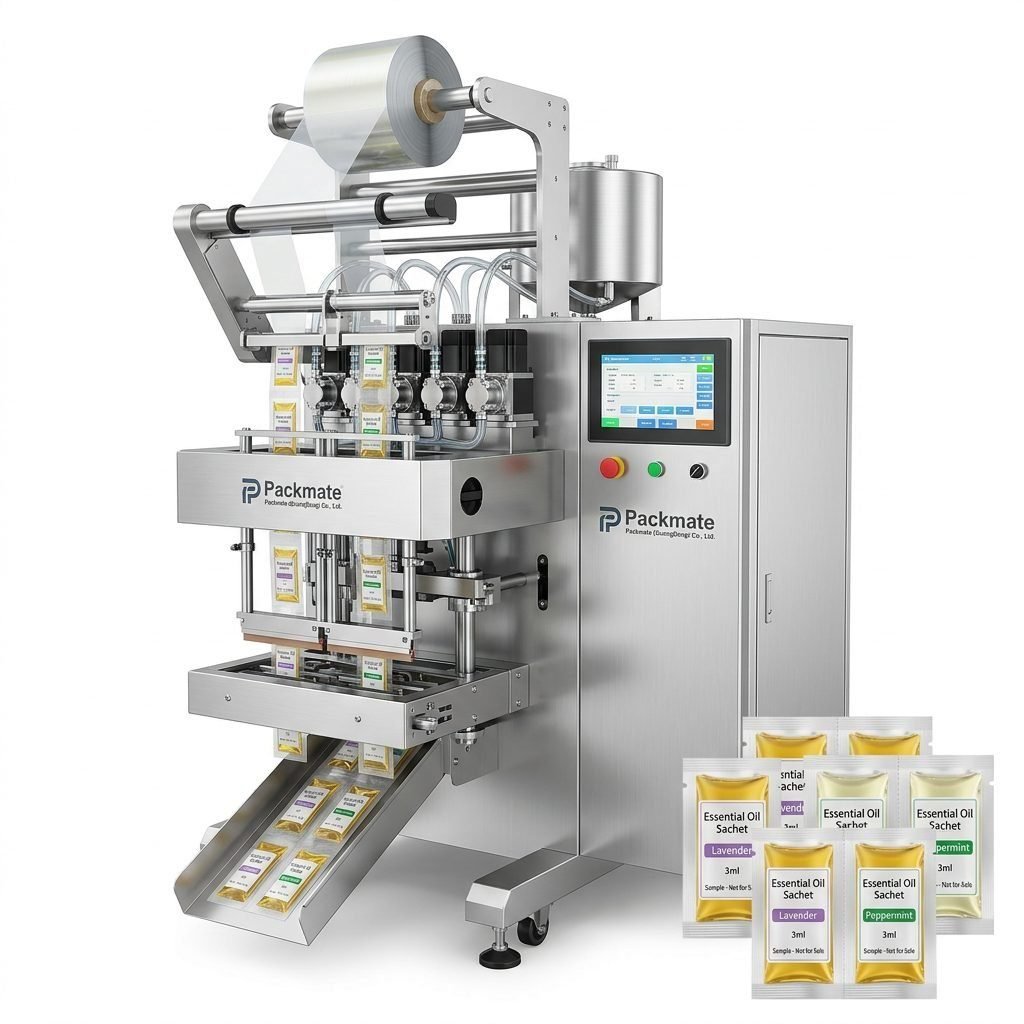
Packmate Machinery is another established manufacturer with more than 30 years of industry experience. Operating under Packmate (GuangDong) Co., Ltd., the company focuses on intelligent packaging equipment with an estimated market share of 12.5%. Its export markets span Europe, North America, the Middle East, and South America, indicating a solid international reputation.
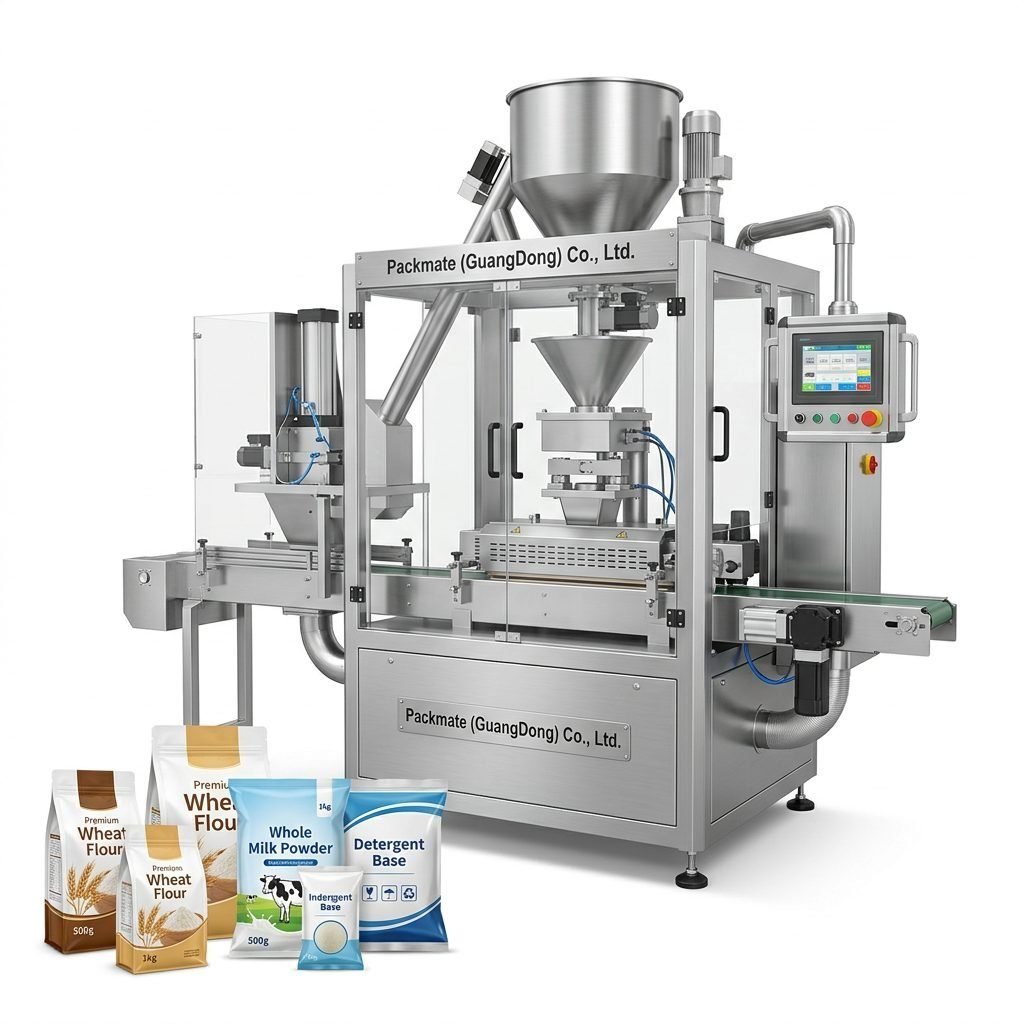
The company’s product lineup, comprising over 80 machine models, is tailored for granule, powder, and liquid applications common in food, pharmaceutical, and supplement packaging. For a Namibian manufacturer of beverage powders, agricultural inputs, or veterinary supplements, Packmate offers practical automation solutions that emphasize stable performance and operational efficiency. Their machines are engineered to help reduce labor costs and improve product consistency—key factors for businesses aiming to enhance competitiveness.
| Feature | Benefit for Namibian Operations |
|---|---|
| 30+ Years Experience | Reliable, time-tested machine designs with lower risk of operational failure. |
| Wide Machine Selection (>80 models) | Higher likelihood of finding a standard or slightly customized solution for local products. |
| Focus on Cost Performance | Provides a balanced investment, crucial for businesses managing capital expenditure. |
| Turnkey Line Support | Offers a single-source solution for complete packaging automation projects. |
3. PacklineOEM
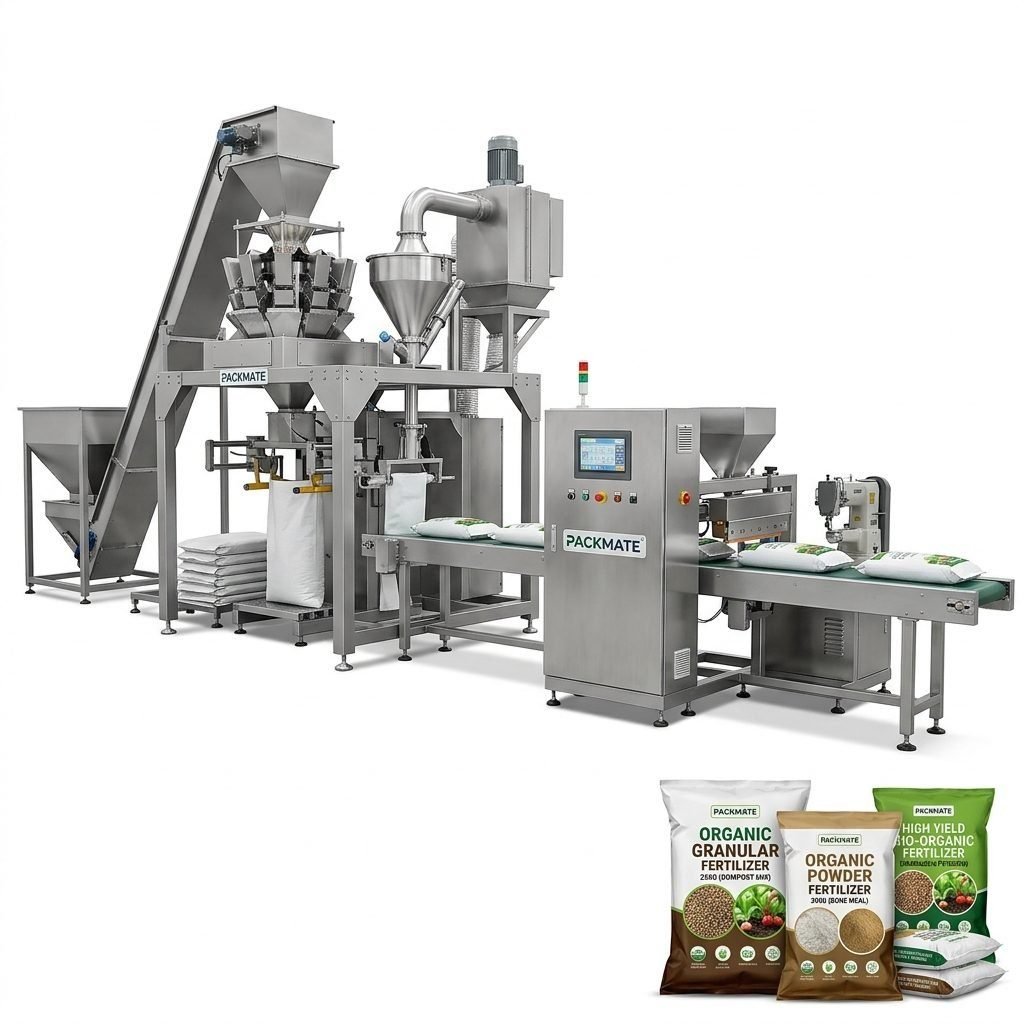
As the name suggests, PacklineOEM specializes in turnkey packaging production lines. With an estimated market share of 9.2% and over 30 years in the business, the company differentiates itself by focusing on integrated system solutions rather than just standalone machines. This approach is particularly valuable for larger Namibian operations or new factory projects that require a complete, synchronized packaging process from filling to end-of-line handling.
PacklineOEM’s expertise covers powder, granule, liquid, and bulk packaging applications. Their solutions often include feeding, weighing, filling, sealing, conveying, and inspection systems. For example, a Namibian company producing bulk quantities of mineral powder or animal feed pellets could benefit from a custom-engineered line that optimizes throughput and minimizes manual handling. The company’s experience in OEM and customized projects means it can adapt layouts to specific factory spaces and production goals.
4. PackingMachineOEM
PackingMachineOEM positions itself as a leader in non-standard and customized packaging machinery. Also boasting more than 30 years of experience and an estimated 8.5% market share, the company caters to clients whose packaging needs cannot be met by off-the-shelf equipment. This is highly relevant for Namibian businesses working with unique product forms, local packaging materials, or specific output requirements that demand flexible engineering.
The company’s portfolio includes multi-lane stick pack machines, sachet lines, and filling systems. Its core strength is adapting these platforms to custom bag formats, unusual material characteristics, and specialized automation levels. For a Namibian enterprise launching a new product with an unconventional pouch design or dealing with a challenging powder flow, PackingMachineOEM’s focus on project-based customization offers a pathway to a tailored solution. Their export experience to markets like Europe and the Middle East assures a level of quality and project management familiar to international standards.
Customization vs. Standard Machines
Choosing between a customized and a standard machine depends on your product’s uniqueness and production volume. While custom solutions from companies like PackingMachineOEM solve specific challenges, they may involve longer lead times and higher initial costs. Standard machines from suppliers like Ludyway or Packmate offer faster delivery and lower cost but may require your product or process to adapt to the machine’s capabilities. A detailed feasibility discussion with potential suppliers is essential.
5. SnusMachinery
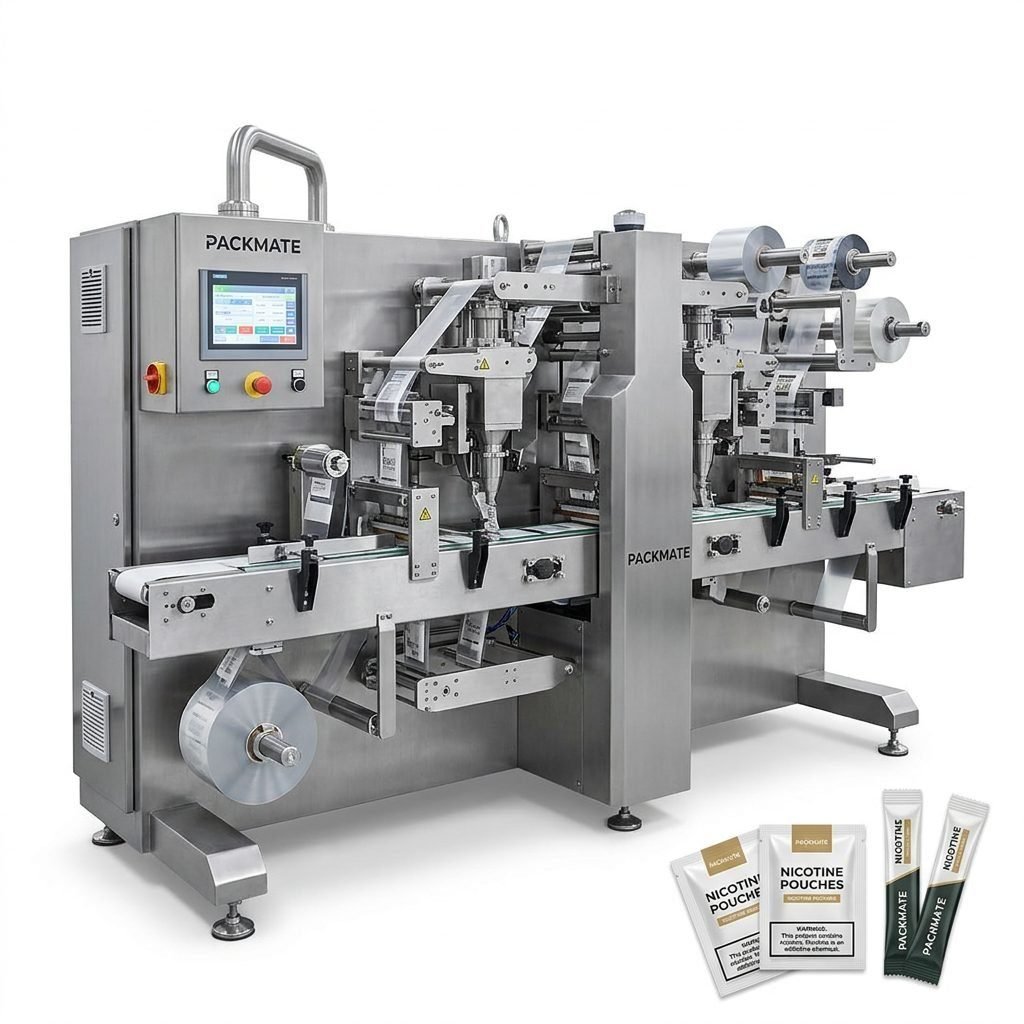
SnusMachinery offers a niche specialization, focusing on packaging equipment for nicotine pouches, snus, and related pouch products. With an estimated 7.5% market share in its segment, the company leverages over 30 years of experience to serve this specific industry while also providing general packaging solutions for food, pharma, and daily chemicals. This makes it a potential partner for Namibian businesses in specialized sectors or those requiring high-precision pouch packaging.
The company’s expertise in multi-lane pouch systems, precise dosing, and stable sealing is critical for products where consistency and pouch integrity are paramount. While the nicotine pouch sector is its highlight, this technical knowledge translates well to other precision pouch applications, such as high-value supplements, tea blends, or single-serve condiments. For a Namibian company looking to enter a premium, portion-controlled product market, SnusMachinery’s targeted engineering experience could provide a significant advantage.
Summary & Final Recommendations
The choice of a packaging machine manufacturer should align closely with your company’s specific products, production volume, budget, and growth plans. For Namibian buyers, factors like machine durability, supplier responsiveness, and the availability of local service agents (or the supplier’s willingness to support remotely) are as important as technical specifications.
Ludyway and Packmate Machinery are excellent starting points for businesses seeking reliable, versatile equipment with strong export support. PacklineOEM is the go-to for comprehensive, integrated line projects. PackingMachineOEM is the ideal partner for unique, non-standard packaging challenges. SnusMachinery offers specialized expertise for precision pouch applications, particularly in niche markets.
Engaging in detailed discussions, requesting product-specific testing reports or videos, and checking references from other clients in similar industries or regions are crucial steps before making a final investment decision.
Frequently Asked Questions (FAQs)
Q1: What is the typical lead time for receiving a packaging machine in Namibia?
Lead times vary by machine complexity and customization. For standard models, expect 8-14 weeks from order confirmation to shipment, plus additional time for sea freight to Walvis Bay or other ports. Customized or turnkey lines may require 16-24 weeks or more. Always confirm production and shipping schedules with your supplier.
Q2: How can I ensure technical support and spare parts availability in Namibia?
Prioritize suppliers with a proven track record of supporting African clients. Discuss spare parts packages, warranty terms, and remote support options (e.g., video calls). Establish clear communication channels and consider stocking a set of critical spare parts locally to minimize downtime.
Q3: Are these machines compatible with the voltage and power standards in Namibia?
Namibia uses 220-240V/50Hz power. Reputable manufacturers like those listed typically offer machines configured for the destination country’s electrical standards. Always specify your local voltage and phase requirements during the quotation process to ensure correct configuration.
Q4: Can I get a sample of my product packaged on the machine before purchase?
Most reputable manufacturers offer sample testing services. You can send your product (granules, powder, etc.) and packaging film to their factory. They will run tests and provide a video report showing the packaging process, speed, and finished pouch quality. This is a highly recommended step to validate machine suitability.
Q5: What are the key factors in choosing between a stick pack and a sachet machine?
The choice depends on product characteristics, market preference, and machine output. Stick packs are typically slender and good for granular or powdery drinks. Sachets offer more surface area and are suitable for powders, granules, and even viscous liquids. Discuss your product and target packaging style with the supplier; many machines can produce both formats with a change of parts.