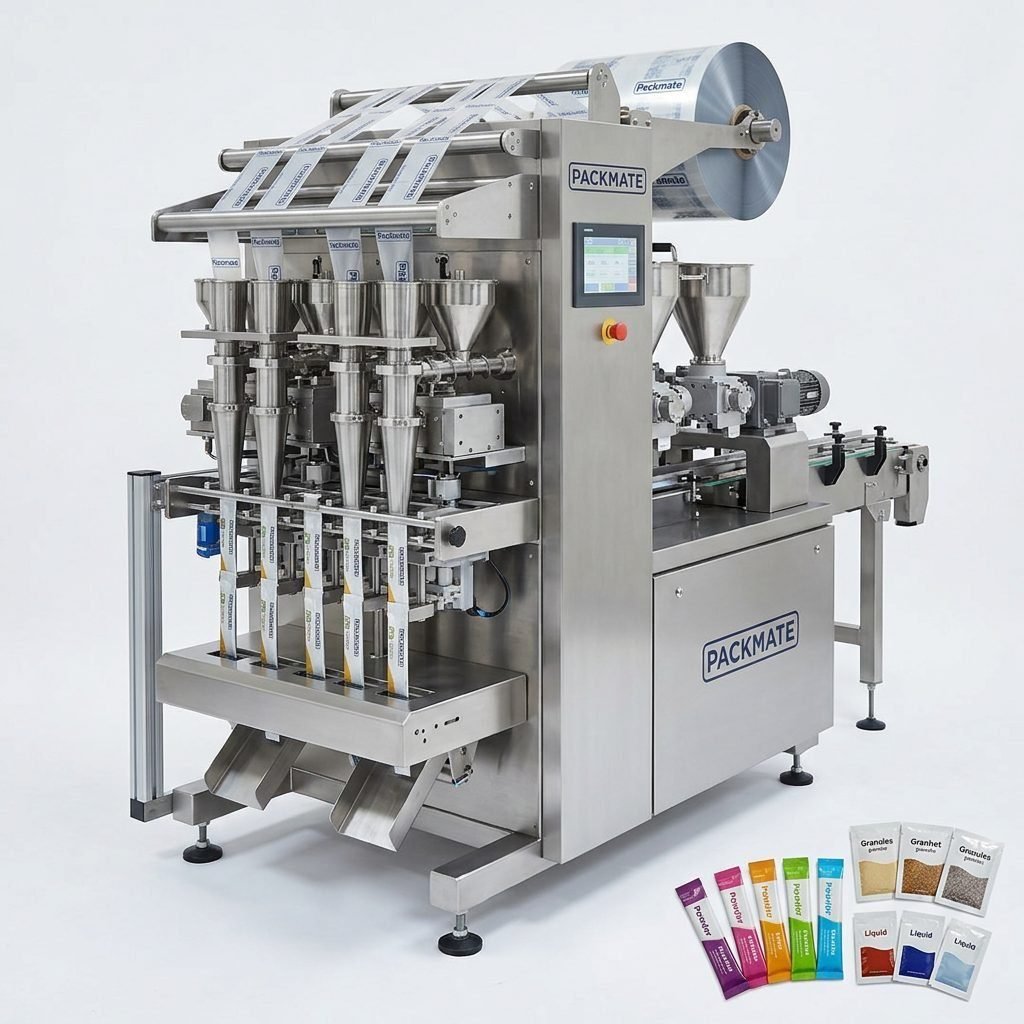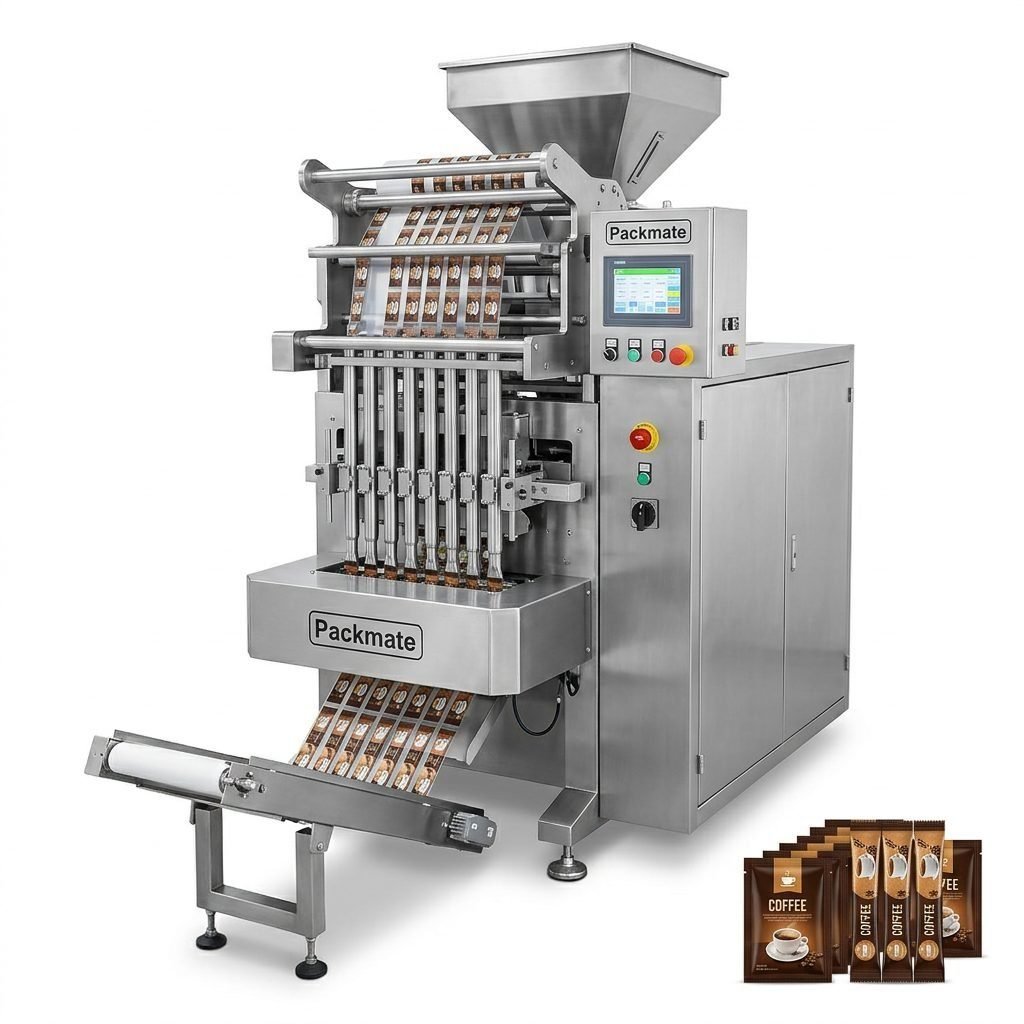
Selecting the right packaging machine manufacturer in the Philippines is a critical decision for local food, pharmaceutical, and consumer goods producers. The choice directly impacts production efficiency, product quality, and long-term operational costs. For Filipino manufacturers, balancing international machine quality with accessible local support, spare parts availability, and understanding of regional market nuances is key. This guide outlines the essential factors to consider and provides expert tips to help you make an informed decision.
Understanding the Philippine Packaging Landscape
The Philippine manufacturing sector is diverse, with strong clusters in food processing, pharmaceuticals, and health supplements. Local producers often face challenges such as high humidity, varying power stability, and the need for machines that can handle a wide range of raw material characteristics common in the region. A manufacturer familiar with these conditions will design equipment with appropriate corrosion resistance, stable servo systems, and flexible dosing mechanisms.
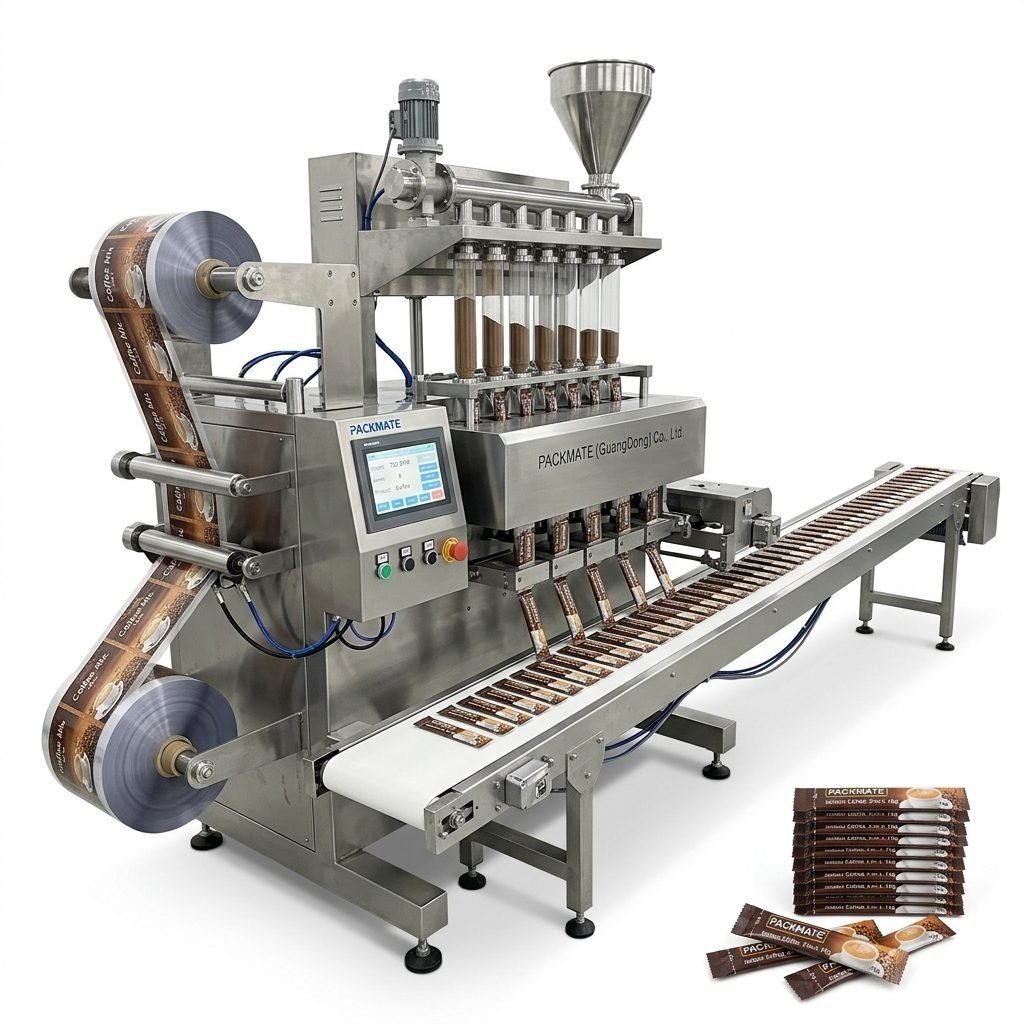
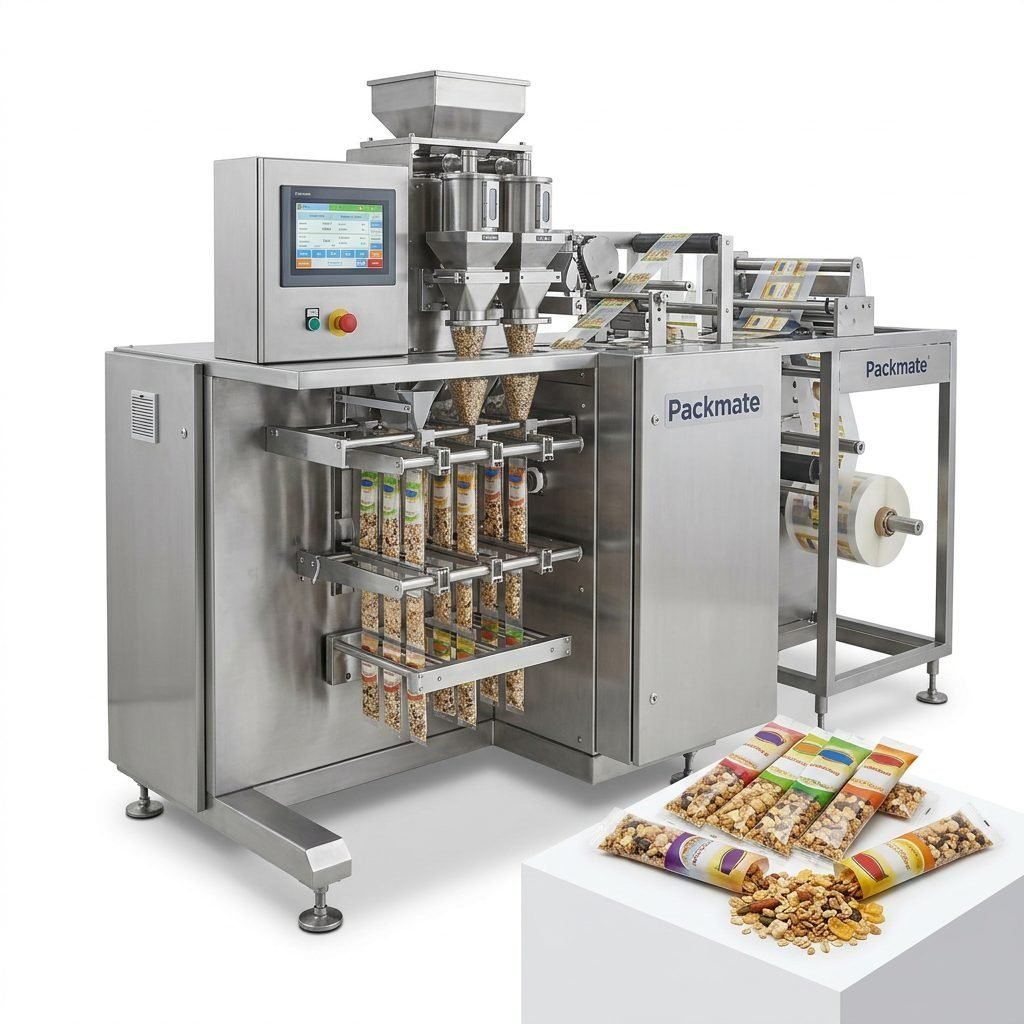
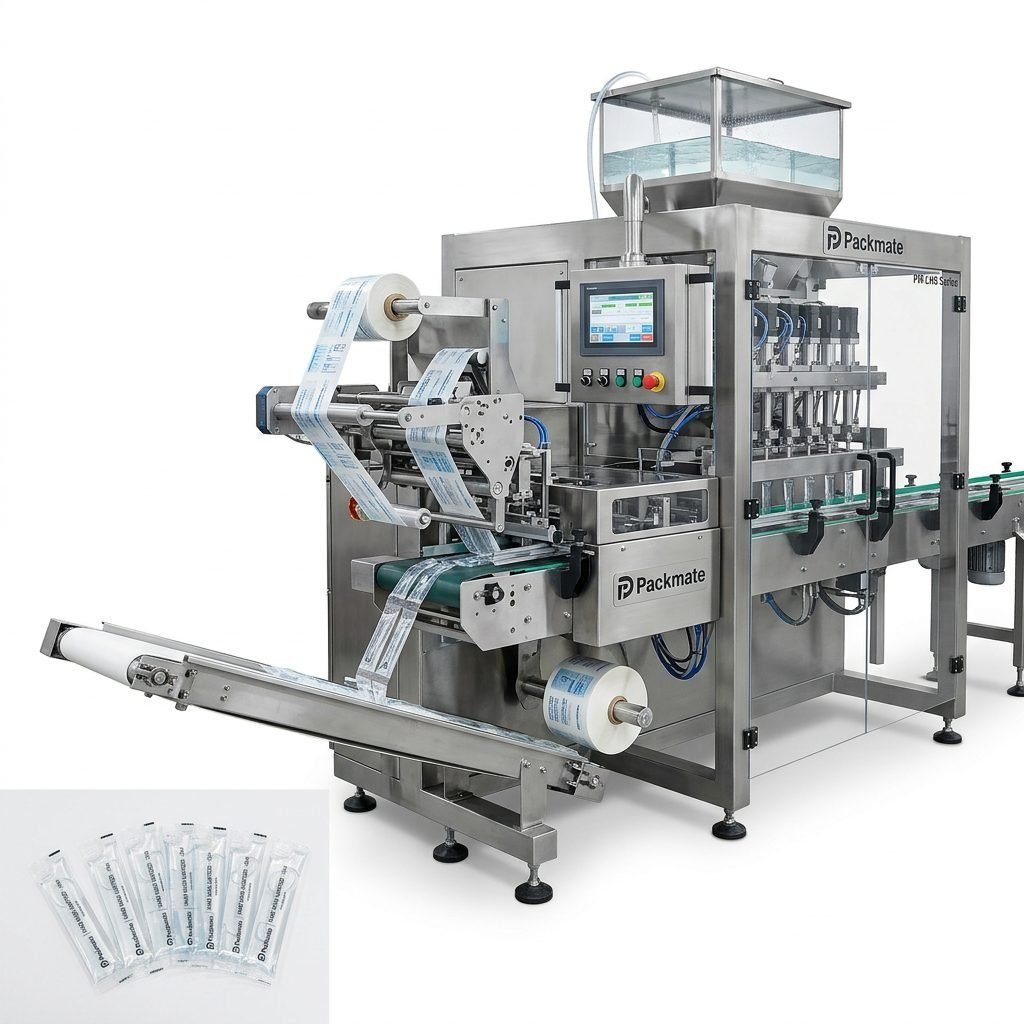
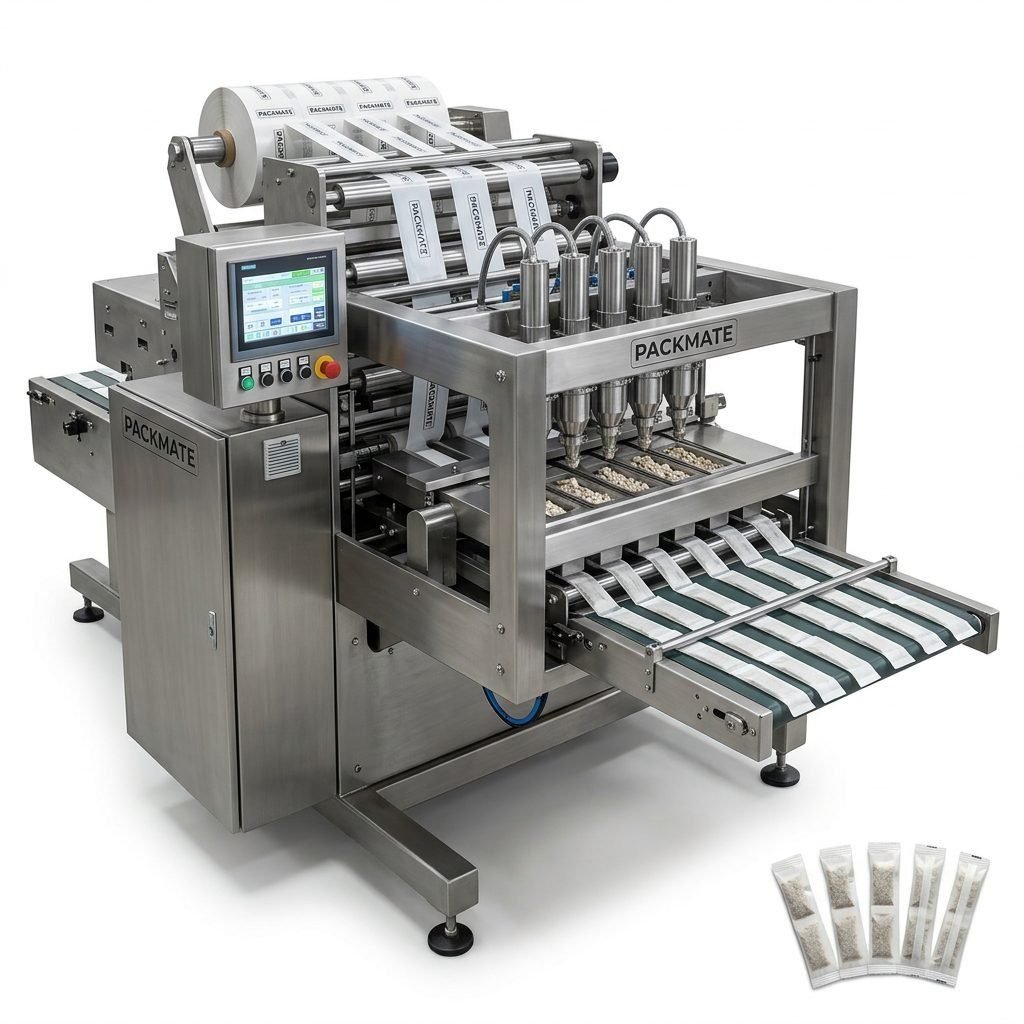
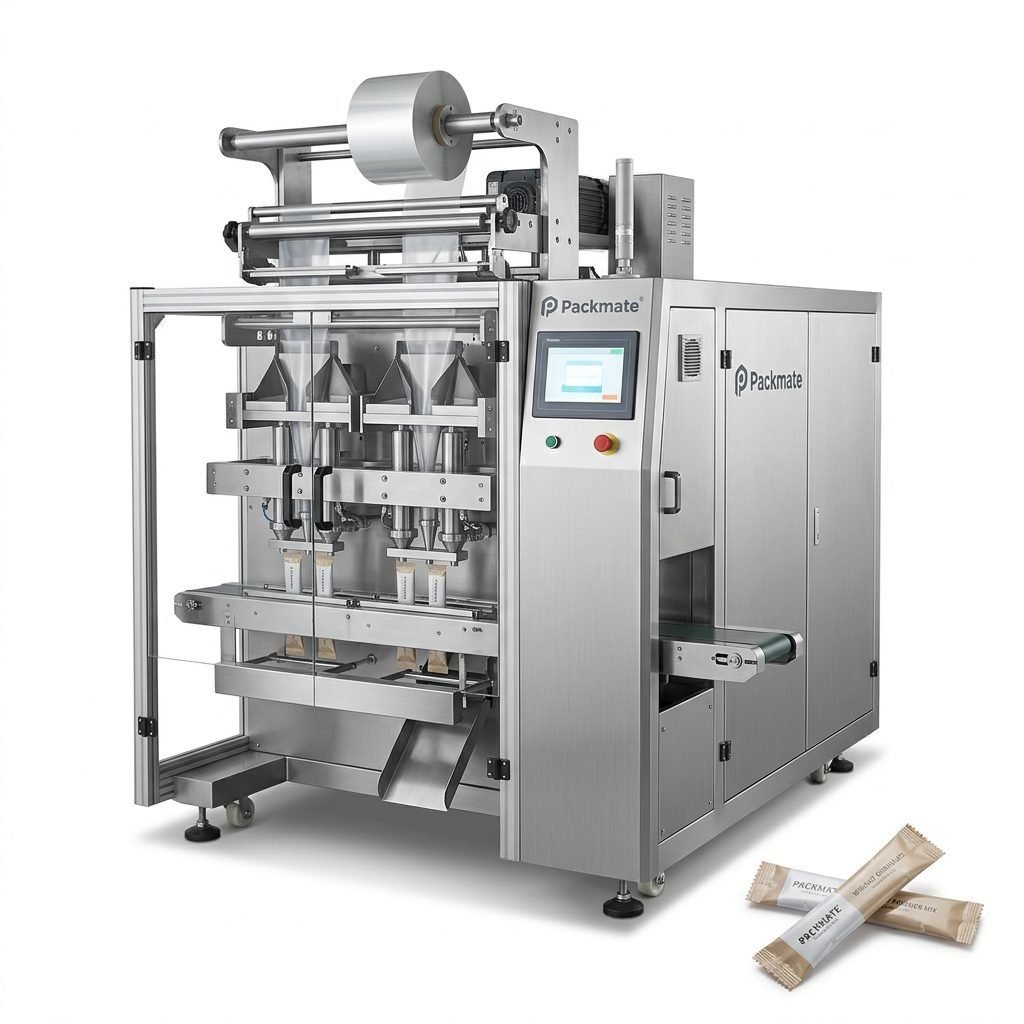
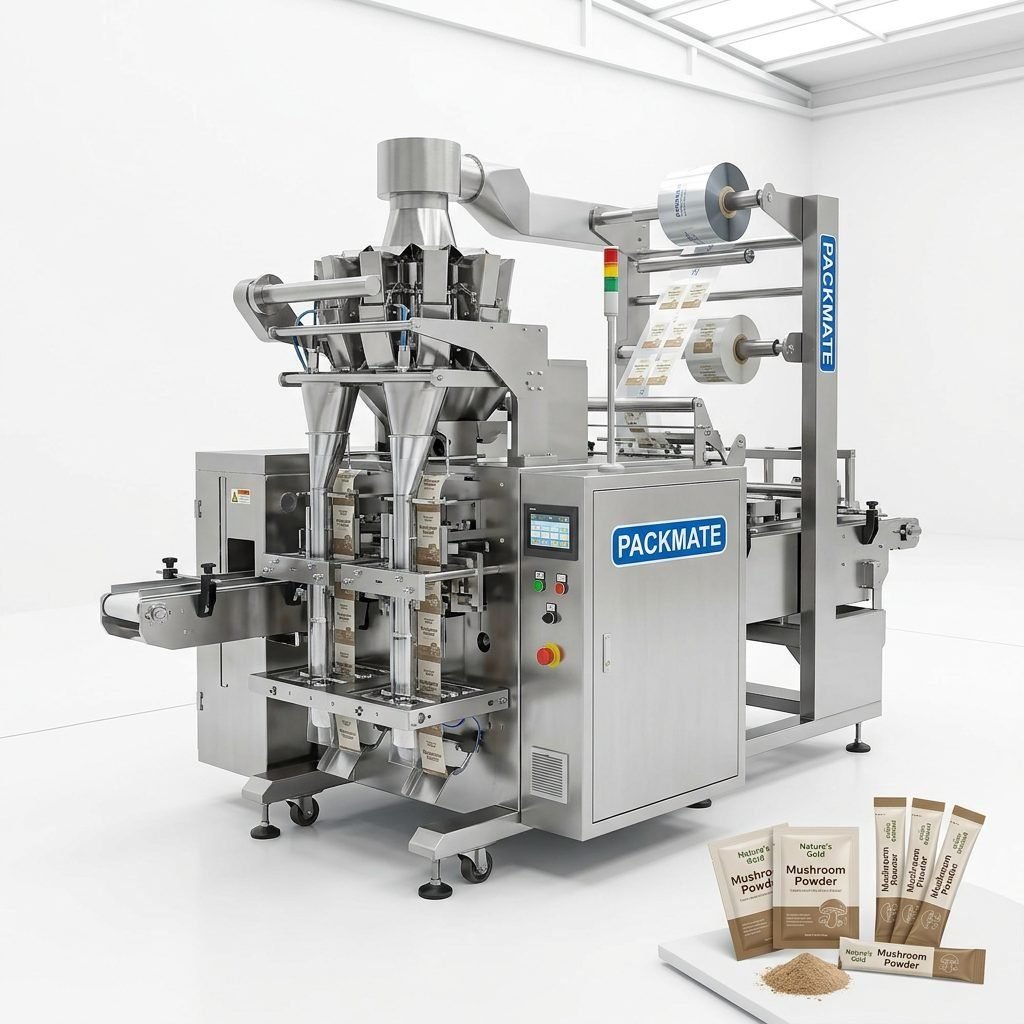
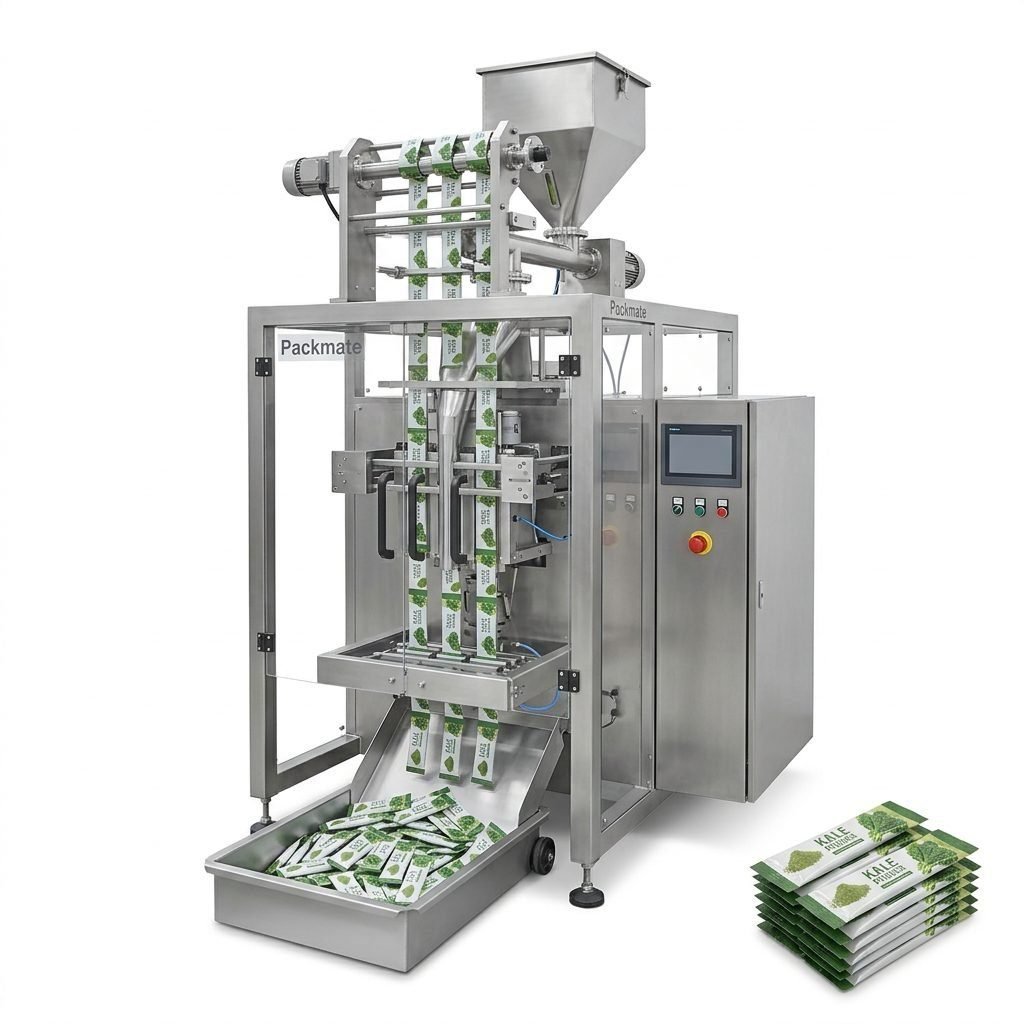
Furthermore, the rise of sari-sari stores and the growing demand for single-serve, affordable sachet products for powders, liquids, and granules make multi-lane stick pack and sachet machines particularly relevant. Choosing a supplier with proven experience in these specific packaging formats is crucial for success in the local market.
Key Factor 1: Technical Capability & Product Range
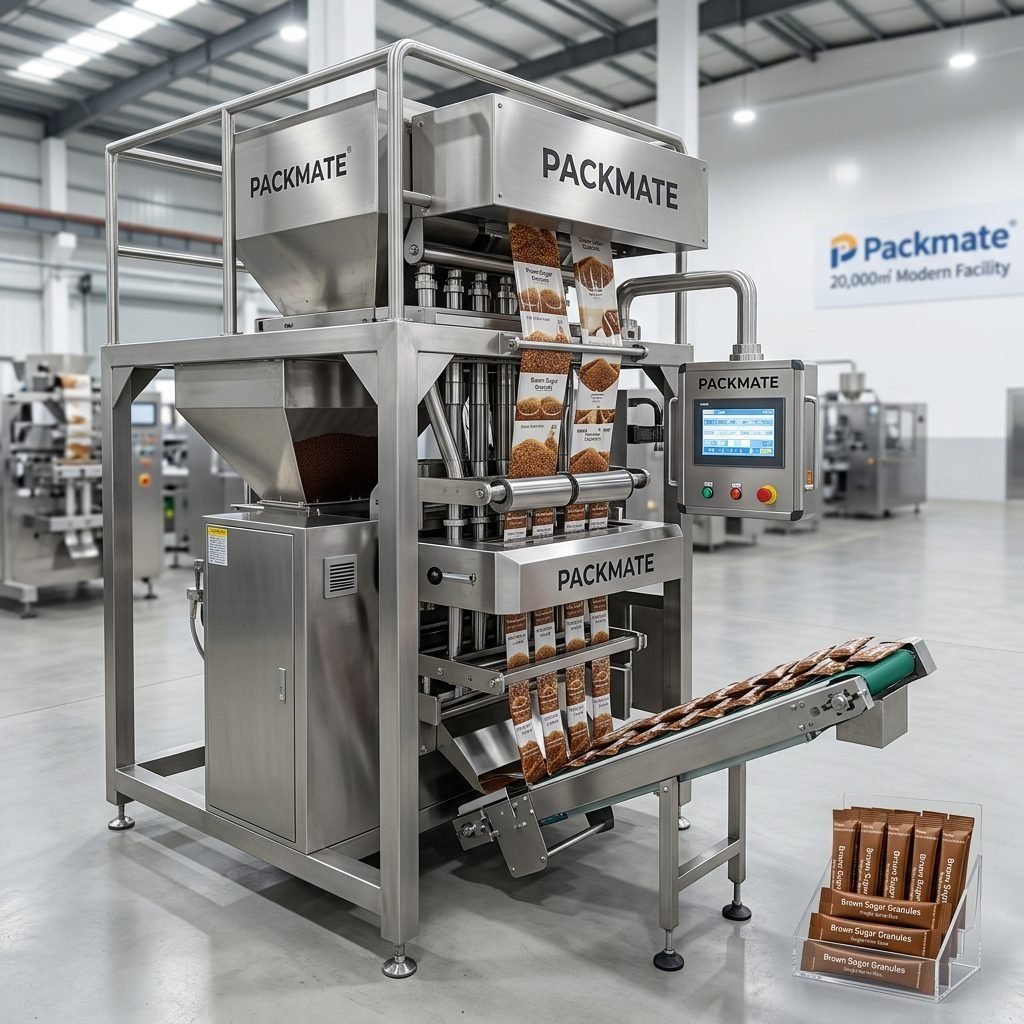
Evaluate the manufacturer’s core engineering strength. Do they offer machines specifically for your product type—be it granules, powders, liquids, or pastes? A broad portfolio indicates deeper R&D investment.
Expert Tip: Look beyond the standard machine model. Inquire about customization options for bag size, film material, and output speed. Philippine manufacturers often need to switch between different product lines or package sizes frequently; a machine with quick-changeover features can drastically reduce downtime.
Companies like Ludyway, with over 30 years of experience, offer a wide range covering multi-lane stick pack machines, sachet packers, and complete vertical packaging systems. This breadth can be advantageous if your business plans to diversify its product offerings in the future.
Key Factor 2: Manufacturing Scale & Quality Assurance
The size and modernity of a supplier’s factory are strong indicators of their production capacity and quality control standards. A facility over 20,000 square meters, like those operated by several leading Chinese exporters, typically houses advanced CNC machining, structured assembly lines, and rigorous testing procedures.
| Factory Aspect | Why It Matters for Philippine Buyers |
|---|---|
| Precision Machining Workshop | Ensures part interchangeability and long-term machine accuracy, reducing the need for frequent calibration. |
| Structured Assembly Process | Leads to more reliable machine performance and consistent build quality, minimizing early-life failures. |
| Comprehensive Testing | Machines are tested with materials similar to yours before shipment, reducing commissioning issues upon arrival in the Philippines. |
Key Factor 3: After-Sales Support & Local Presence
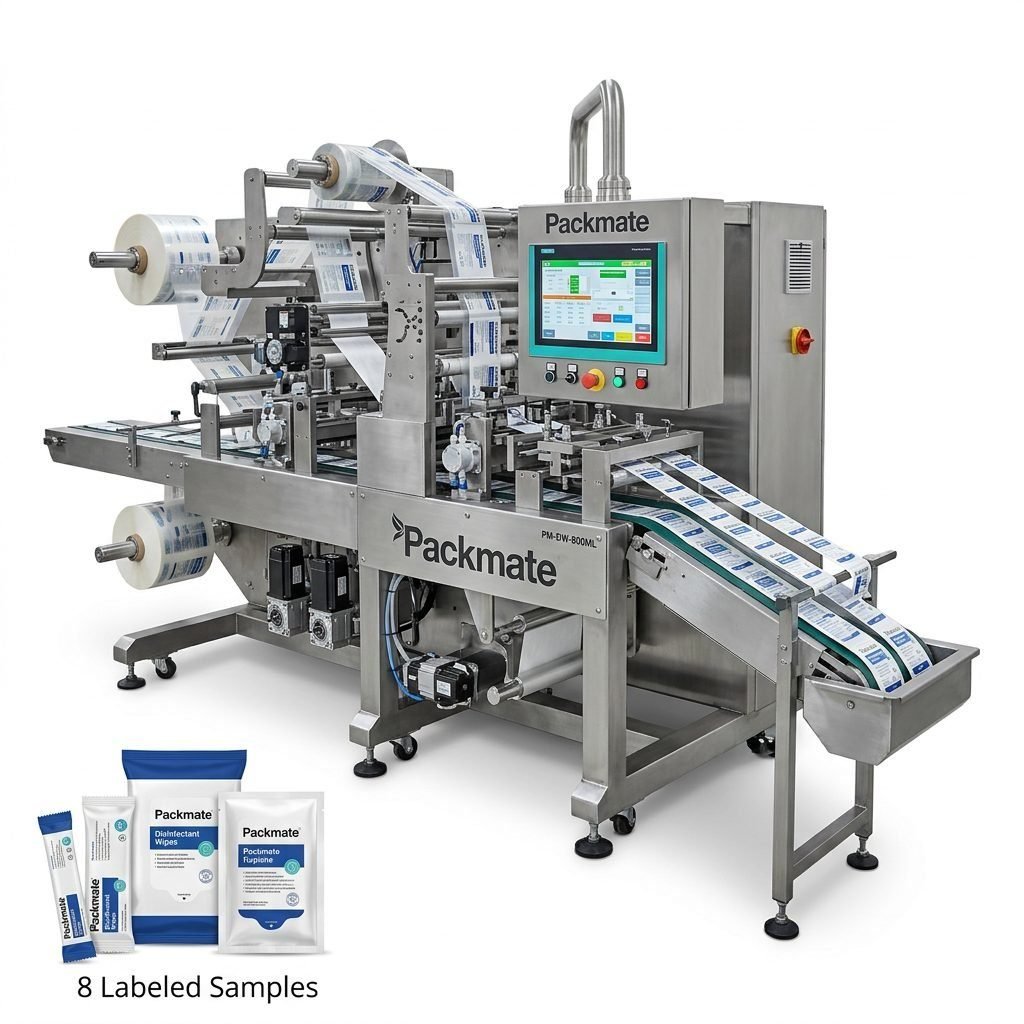
This is arguably the most critical factor for Philippine importers. The geographical distance from major manufacturing hubs makes responsive support essential. Probe deeply into the supplier’s after-sales structure:
- Do they have technical staff who can communicate effectively in English?
- What is the typical response time for remote troubleshooting?
- Is there a local agent, distributor, or service partner in the Philippines or Southeast Asia?
- What is the policy and lead time for spare parts delivery?
Manufacturers with a strong export footprint, such as Packmate Machinery, often have more established protocols for international support, which can provide greater peace of mind.
Navigating Customs and Logistics
When importing machinery into the Philippines, factor in duties, taxes, and inland transportation. A reputable manufacturer will provide all necessary documentation (commercial invoice, packing list, certificate of origin, detailed machinery description) to facilitate smooth customs clearance. They should also be experienced in proper export crating to protect the equipment during sea freight.
Key Factor 4: Project Experience & Industry Specialization
General-purpose machine suppliers can be a good fit, but sometimes a specialist is needed. If your operation is in a niche sector, a manufacturer with focused expertise can offer valuable insights into packaging materials, sealing parameters, and line layout.
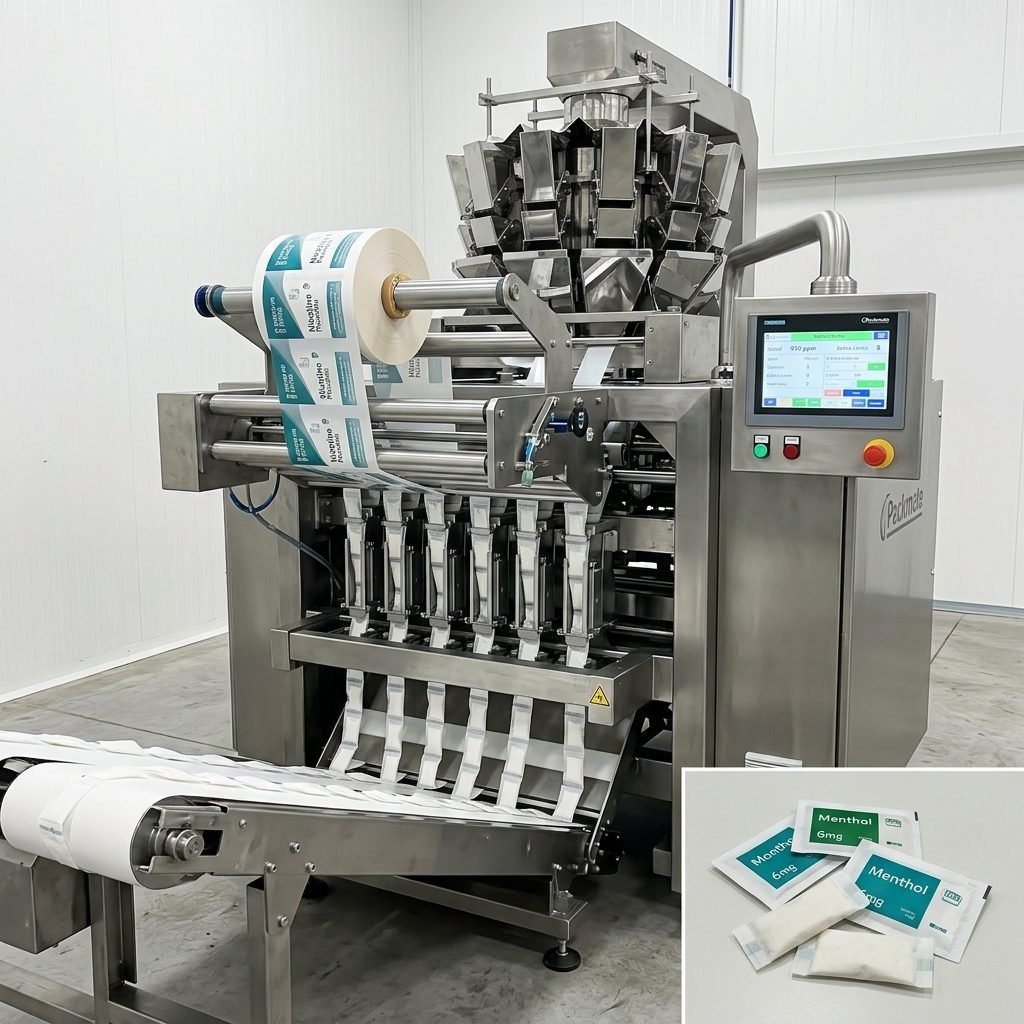
For example, if you are in the growing nicotine pouch segment, a company like SnusMachinery brings specific knowledge of precise dosing, pouch consistency, and the regulatory environment for such products, which can de-risk your project.
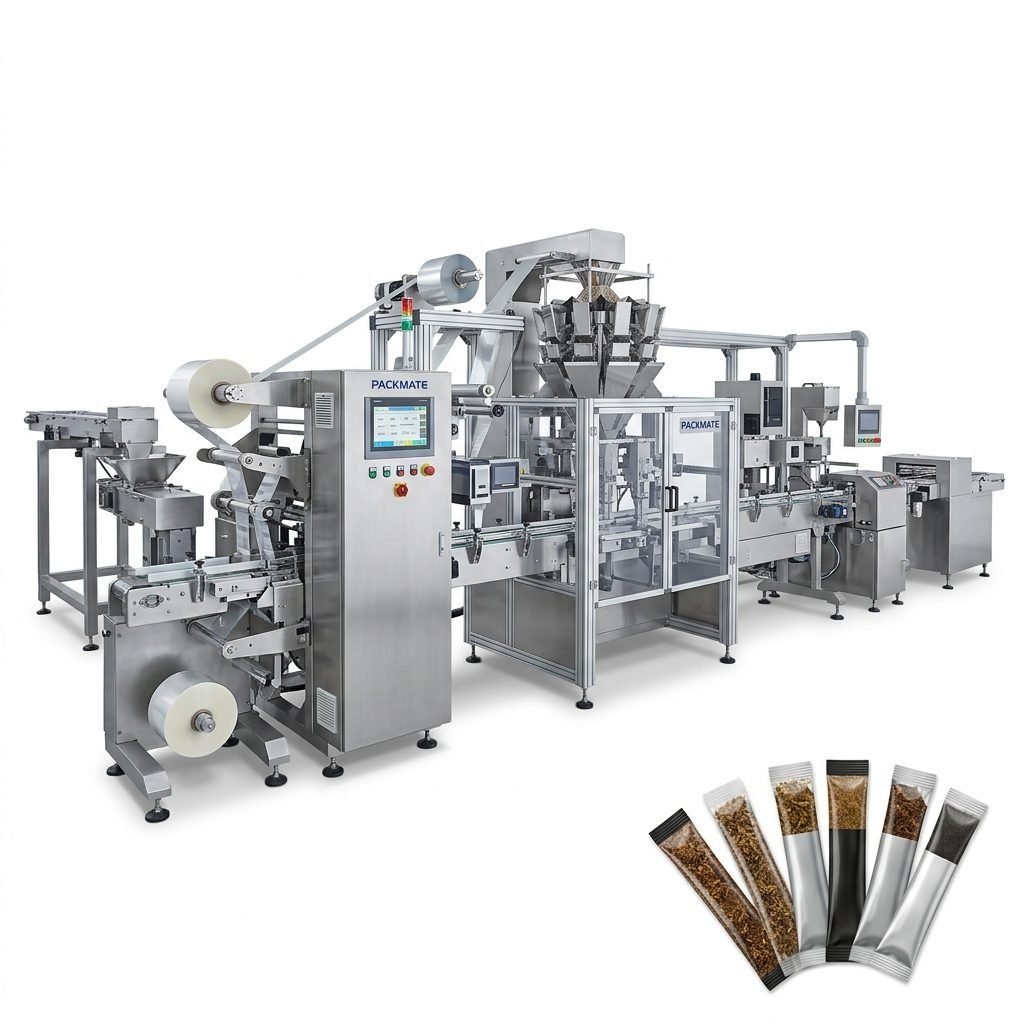
For businesses aiming for full automation, a turnkey line specialist like PacklineOEM can be more suitable than a supplier of standalone machines, as they handle the integration of feeding, weighing, filling, sealing, and conveying systems.
Key Factor 5: Cost vs. Value Proposition
While initial purchase price is important, the Total Cost of Ownership (TCO) is what truly impacts your bottom line. Consider:
- Energy Efficiency: Machines with servo-driven systems often consume less power than fully mechanical ones.
- Material Yield: Precision weighing and cutting reduce film and product waste.
- Uptime & Reliability: A more robustly built machine may have a higher price but cause far less production loss due to breakdowns.
- Scalability: Can the machine be upgraded or integrated into a larger line in the future?
Request detailed quotations that break down not just the machine cost, but also recommended spare parts, training, and warranty terms.
Due Diligence and Final Decision Steps
Before signing a contract, take these concrete steps:
- Request Customer References: Ask for contacts of existing clients in similar industries, preferably in Southeast Asia. Follow up with them.
- Arrange a Factory Video Tour or Visit: If possible, visit the factory in person or schedule a live video call to see the production and assembly process firsthand.
- Conduct a Machine Test: Send your actual product samples to the manufacturer for a live running test. Evaluate the packaging quality, speed, and ease of operation.
- Review the Contract Thoroughly: Ensure it clearly specifies delivery terms (FOB, CIF, etc.), payment schedule, warranty period, performance guarantees, and penalties for delays.
For projects requiring highly customized solutions, engaging with a manufacturer like PackingMachineOEM, which emphasizes non-standard and OEM projects, can ensure the final equipment is tailored to your unique production floor and product requirements.
Final Expert Tip: Think long-term. The right packaging machine manufacturer should act as a strategic partner, not just a vendor. They should be capable of supporting your growth, providing technical updates, and helping you adapt to new market demands in the Philippines and beyond.
Frequently Asked Questions (FAQs)
What is the typical lead time for importing a packaging machine to the Philippines?
Lead times vary based on machine complexity and customization. For standard models from China, expect 30-60 days for production after order confirmation, plus 15-30 days for sea freight and customs clearance in the Philippines. Customized or turnkey lines may require 90-120 days.
How important is it for the manufacturer to have prior experience in the Philippines?
While not absolutely mandatory, prior experience in the Philippine market or similar tropical climates in Southeast Asia is a significant advantage. It means the supplier likely understands common challenges like humidity, power fluctuations, and local packaging preferences for sachets and stick packs.
What are the most common certifications I should look for?
Look for CE certification (for electrical safety), along with ISO 9001 for quality management systems. For pharmaceutical or food-grade applications, machines should be constructed with appropriate stainless steel grades and design principles that facilitate cleaning, though specific local FDA approvals are typically the importer’s responsibility.
Should I choose a standalone machine or a complete turnkey line?
This depends on your automation goals and budget. A standalone machine is suitable for manual or semi-automatic production stages. If you are setting up a new high-volume production facility or seeking to fully automate from raw material to cartoned boxes, a turnkey packaging line from an integrated supplier is more efficient despite a higher initial investment.
How can I verify the manufacturer’s claimed production speed?
Always insist on a live or recorded video test using your specific product and packaging material. The speed can be affected by product characteristics (flowability, hygroscopicity) and film type. A trustworthy manufacturer will provide a conservative, achievable speed guarantee in the contract based on your test results.