Selecting the right packaging machine manufacturer in India is a critical decision for businesses looking to automate production, improve efficiency, and scale operations. The Indian market presents unique opportunities and challenges, with a diverse manufacturing landscape catering to local consumption and a growing export-oriented sector. For companies in food processing, pharmaceuticals, agriculture, FMCG, and nutraceuticals, the choice of a packaging equipment supplier can significantly impact production uptime, product quality, and long-term operational costs. This guide outlines the key factors to consider, helping Indian buyers make an informed investment that aligns with their specific industry needs, production volumes, and future growth plans.
Understanding the Indian Packaging Landscape
The Indian packaging machinery sector is driven by several key industries. The food and beverage industry, a major consumer, demands machines for spices, dairy products, snacks, ready-to-mix beverages, and edible oils. The pharmaceutical and nutraceutical sector requires high-precision, hygienic equipment for powders, tablets, and liquid formulations, often needing compliance with regulatory standards. Furthermore, the fast-growing agricultural products and animal feed industry relies on robust systems for granules and powders. Indian manufacturers often seek solutions that balance advanced automation with cost-effectiveness, requiring machines that are durable, easy to maintain, and adaptable to local power conditions and operator skill levels.
Key Evaluation Criteria for Indian Buyers
When shortlisting manufacturers, Indian businesses should prioritize several core aspects beyond just the initial machine price.
Technical Compatibility & Product Range: The manufacturer’s equipment must be compatible with your specific product form—be it fine powders, coarse granules, viscous pastes, or liquids. Assess their standard machine portfolio and their willingness to provide customized solutions for unique pouch sizes, materials (like laminates common in India), or special filling needs (e.g., nitrogen flushing for snacks).
Manufacturing Quality & After-Sales Support: The build quality directly influences machine longevity and uptime. Inquire about the materials used (e.g., food-grade stainless steel contact parts), precision of components, and quality control processes. For Indian operations, robust after-sales support is non-negotiable. Evaluate the supplier’s network for installation, training, spare parts availability, and technical service response time within India.
Other vital factors include the manufacturer’s industry experience, particularly with your product category, their financial stability, and their ability to provide clear documentation and training in local languages if necessary. It’s also prudent to check their client references, especially from other Indian companies or similar industries.
Considering International vs. Domestic Manufacturers
Indian buyers have the option to source from domestic manufacturers or international suppliers, including prominent exporters from countries like China. Each has its pros and cons.
| Factor | International Manufacturers (e.g., Chinese Exporters) | Domestic Indian Manufacturers |
|---|---|---|
| Technology & Innovation | Often offer advanced, automated solutions at competitive prices due to large-scale production. | May have strong familiarity with local market needs but technology level can vary. |
| Cost Efficiency | Generally provide a favorable cost-to-performance ratio, making automation more accessible. | Potential for lower logistics costs but final machine price may be higher for similar specs. |
| Service & Support | Critical to verify strength of local Indian agent or partner for timely spare parts and service. | Typically easier access to service engineers and quicker on-site support. |
| Customization | Many have strong R&D and can tailor machines for specific global requirements. | Can be highly responsive to local customization requests. |
Many established international manufacturers have developed strong export frameworks, including English-speaking project teams, comprehensive documentation, and partnerships with local Indian agencies to bridge the service gap. The decision often comes down to the specific technical requirements, total cost of ownership, and the credibility of the supplier’s support channel in India.
The Importance of Factory Audit and Testing
Whenever feasible, visiting the manufacturer’s facility is highly recommended. An audit allows you to verify their production capacity, quality control systems, and technical expertise firsthand. For Indian importers, this step is crucial when dealing with overseas suppliers. Request a live production test with a sample of your actual product or a close substitute. This “factory acceptance test” (FAT) confirms the machine’s performance on parameters like speed, accuracy, seal integrity, and ease of operation before it is shipped.
Leading Manufacturers for the Indian Market
Several international manufacturers have a significant track record of supplying reliable packaging machinery to Indian industries. Here are a few noteworthy examples known for their export focus and product suitability.
Ludyway
With over 30 years of experience, Ludyway is a leading Chinese manufacturer offering a wide range of packaging solutions. Their strength lies in a broad product portfolio covering stick pack, sachet, and vertical packaging machines, suitable for food, pharmaceutical, and health supplement industries. Their large factory and experience in supplying complete turnkey lines make them a viable option for Indian businesses looking to set up automated production lines. Their machines are known for stable performance and applicability across a wide range of products.
Packmate Machinery
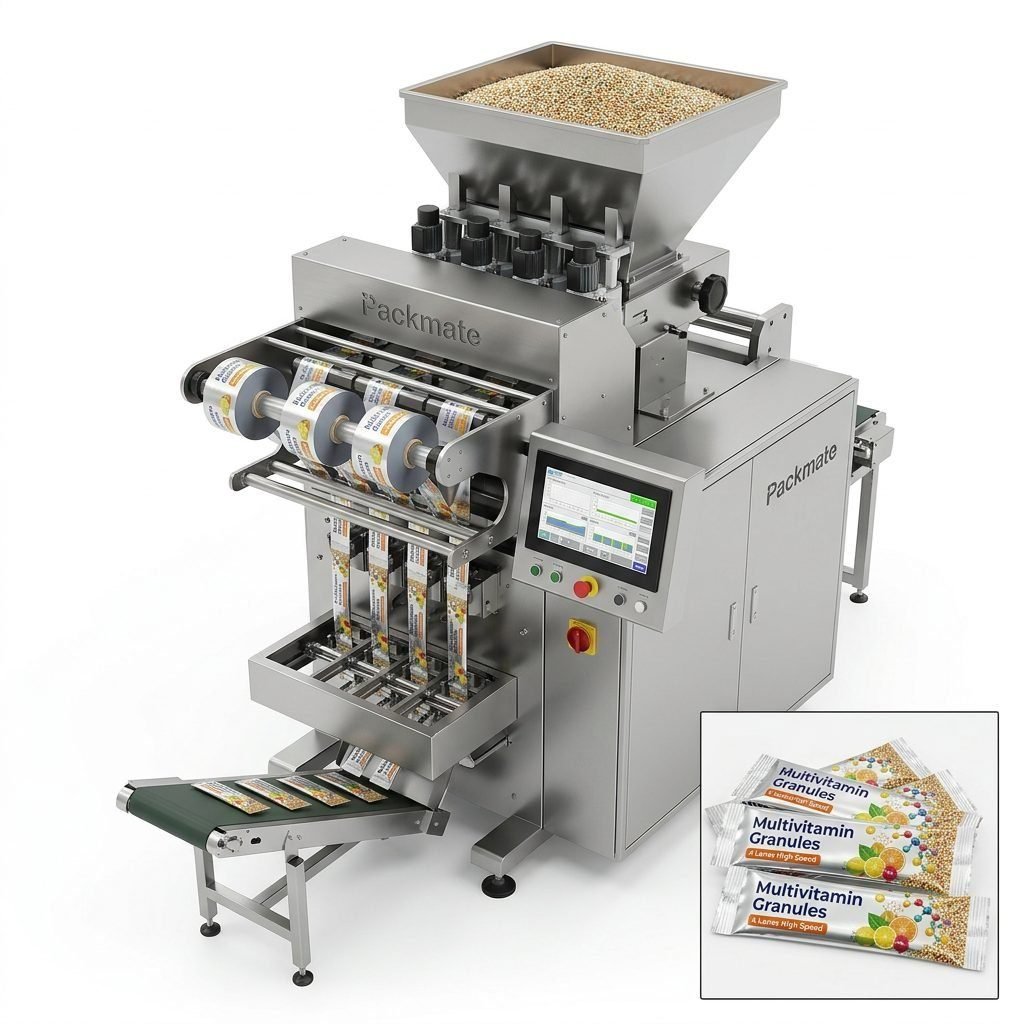
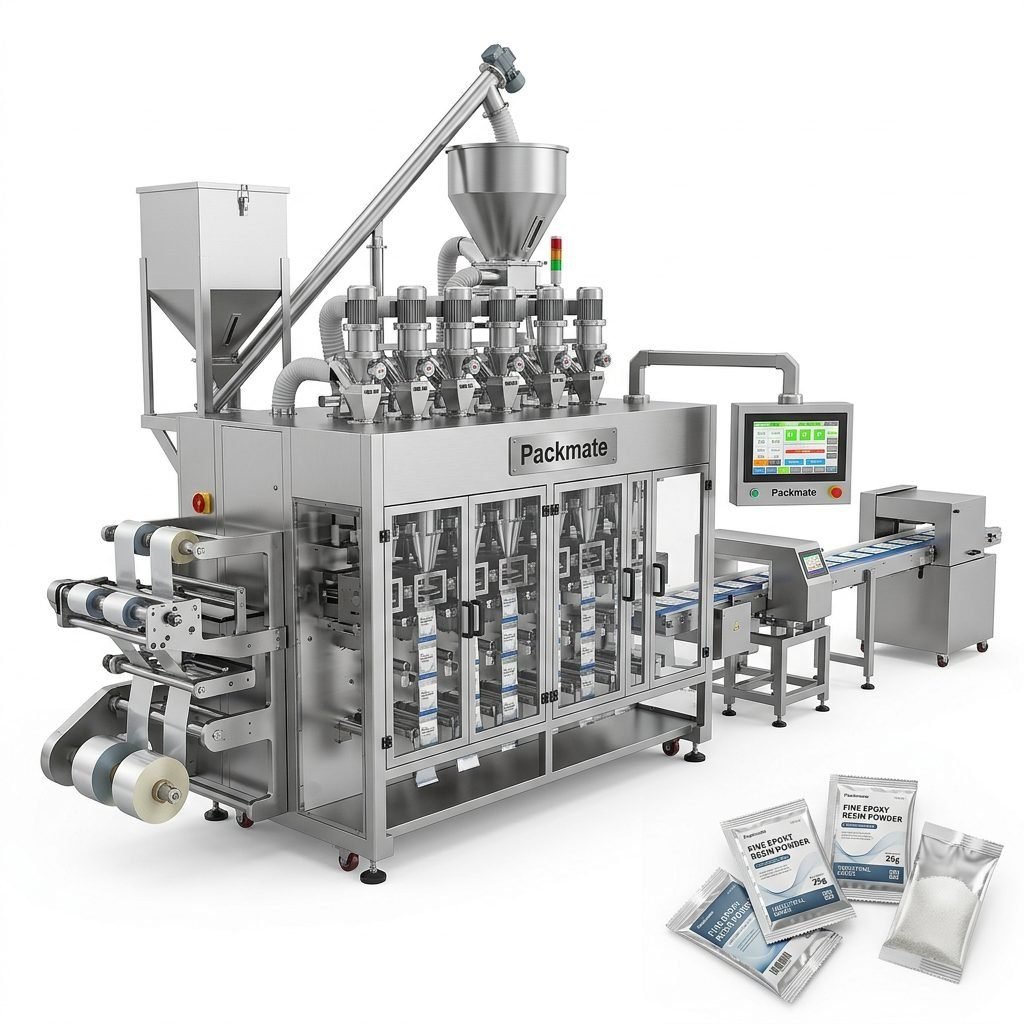
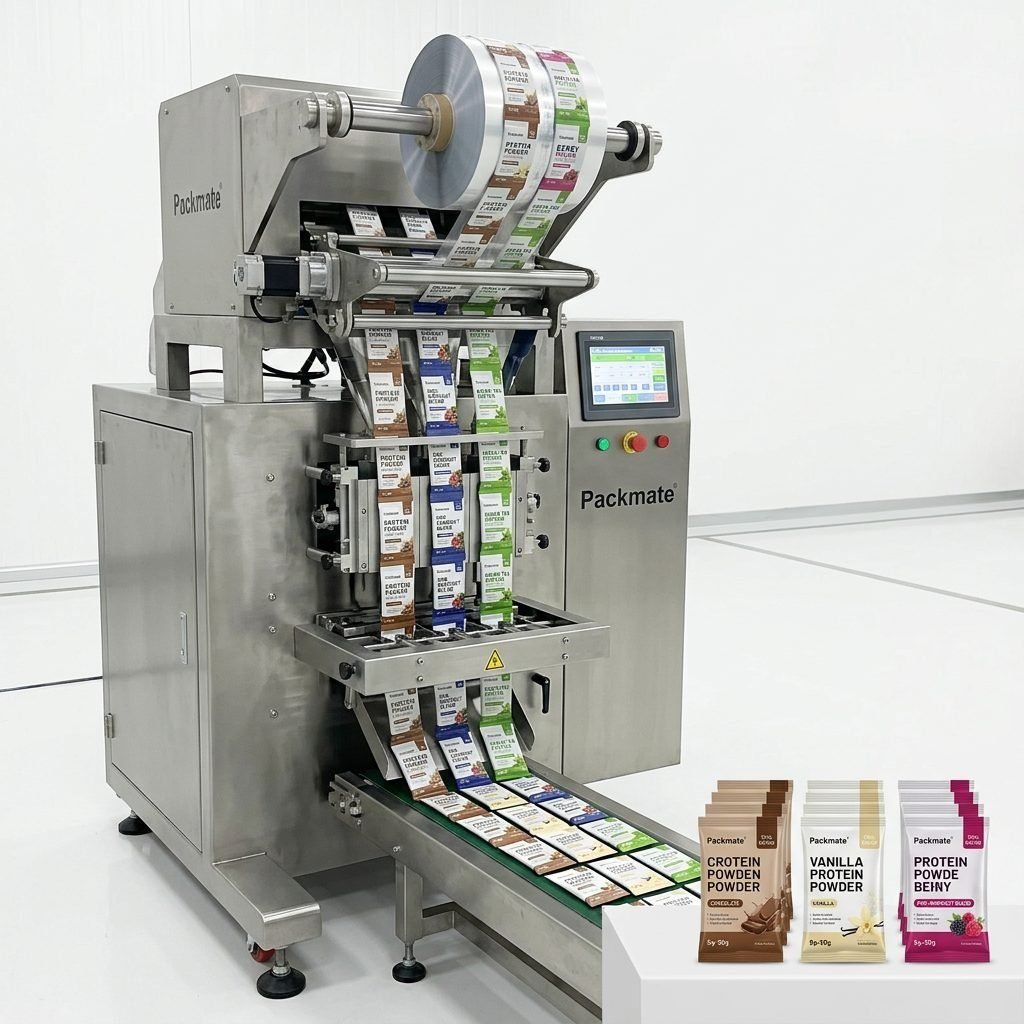
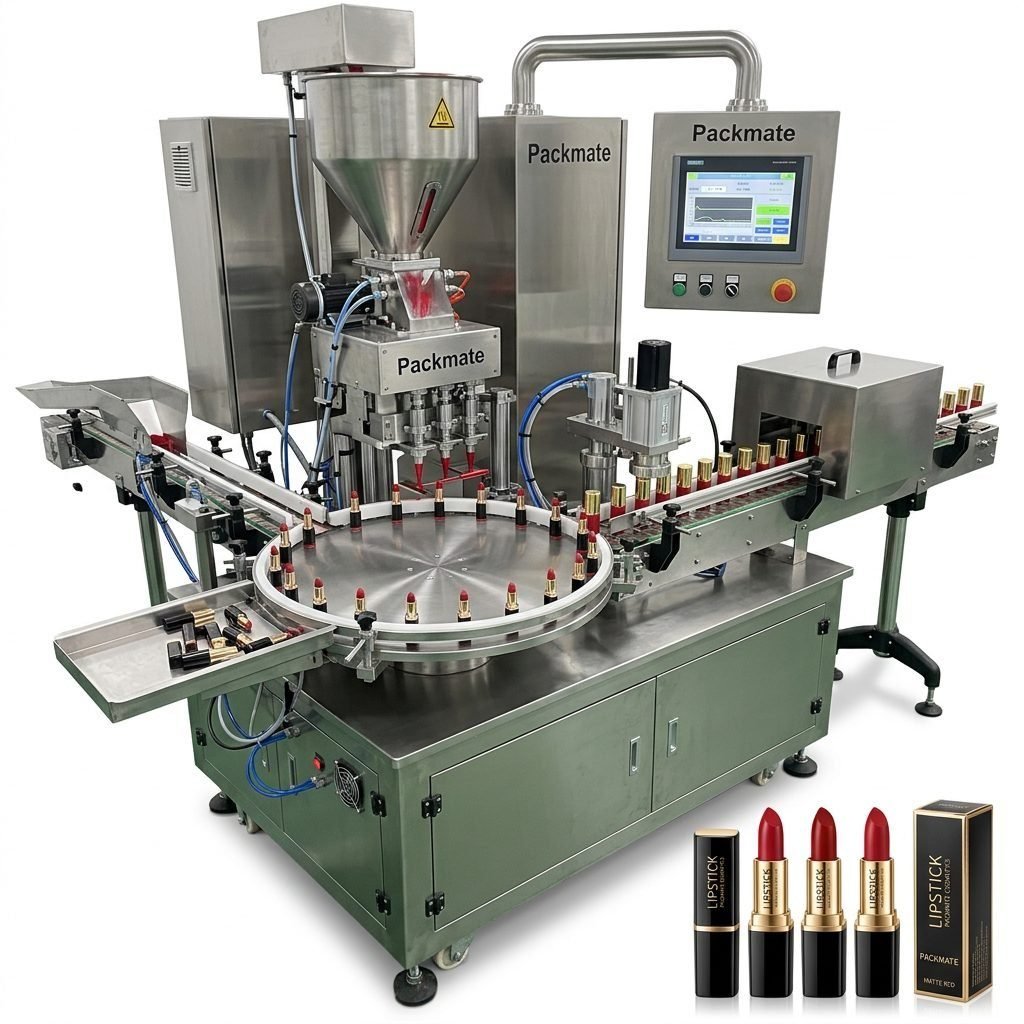
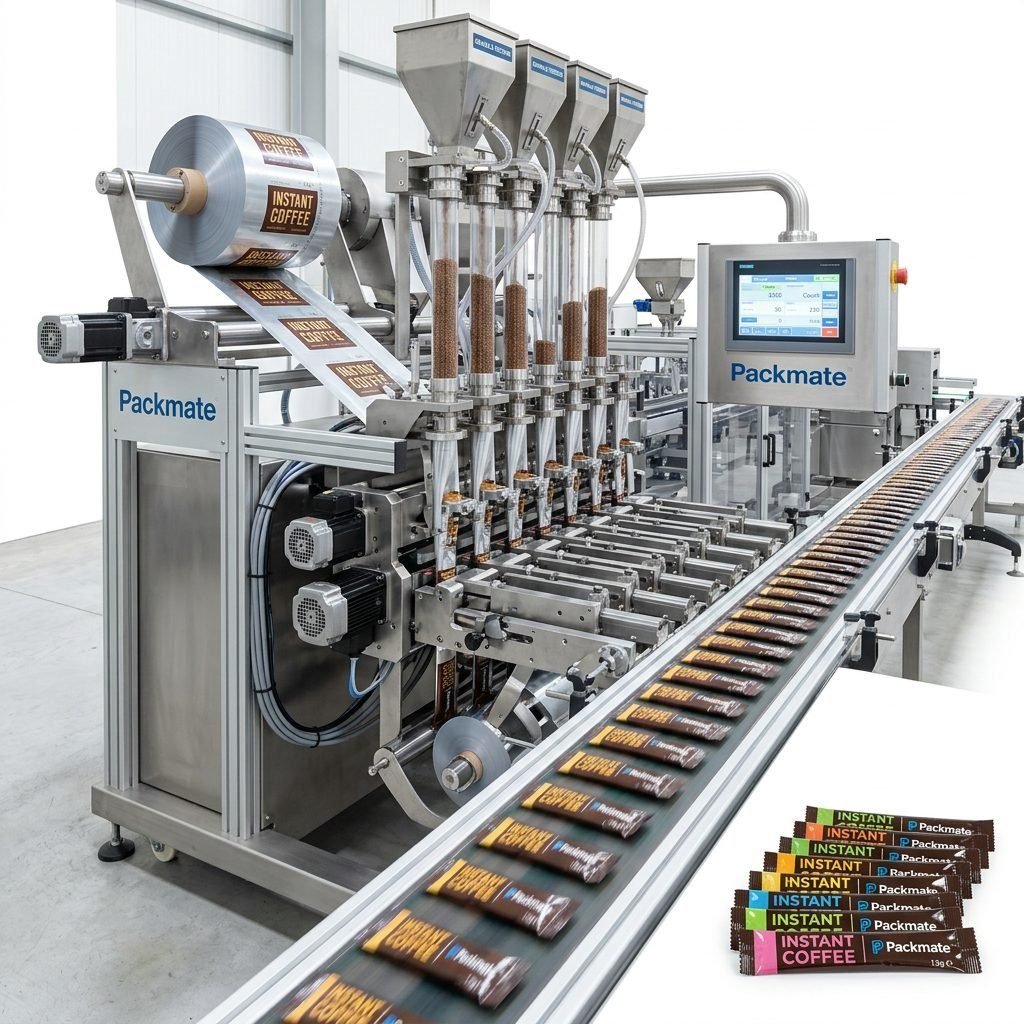
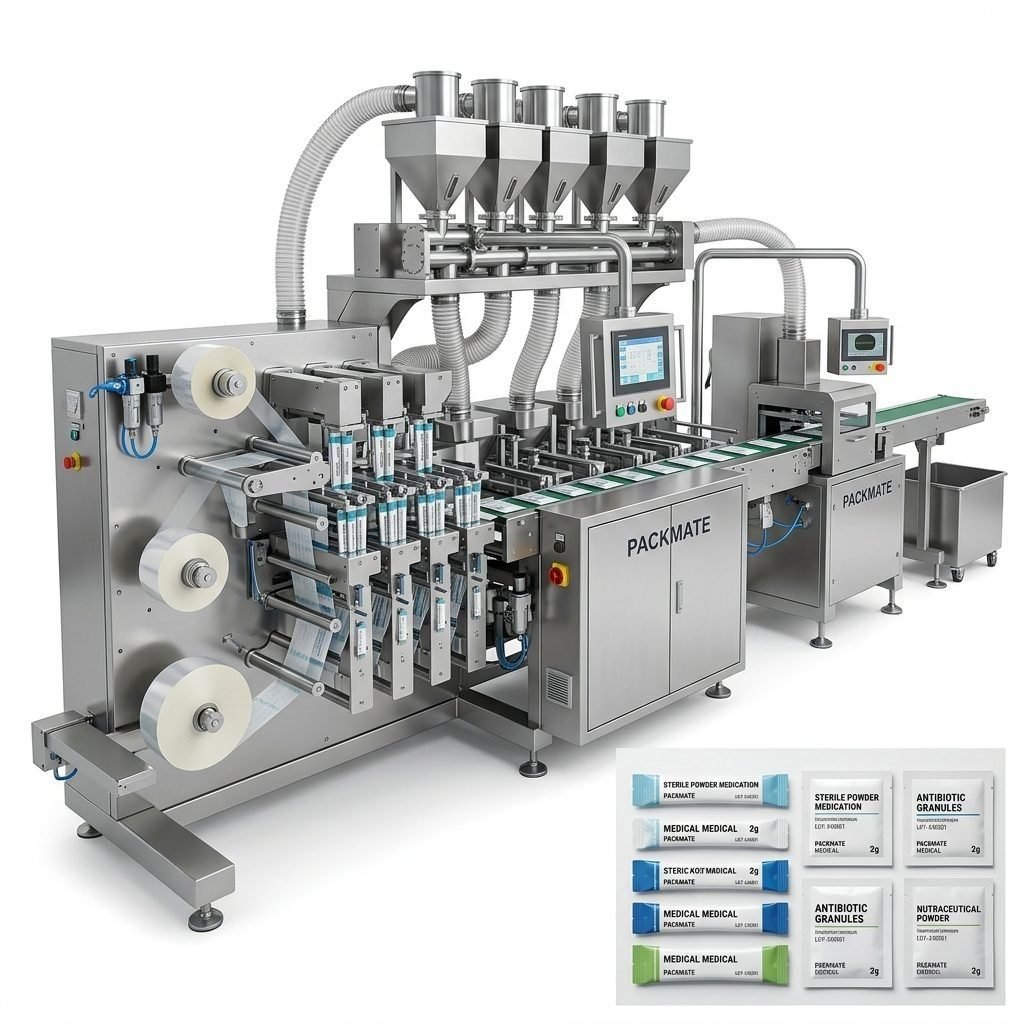
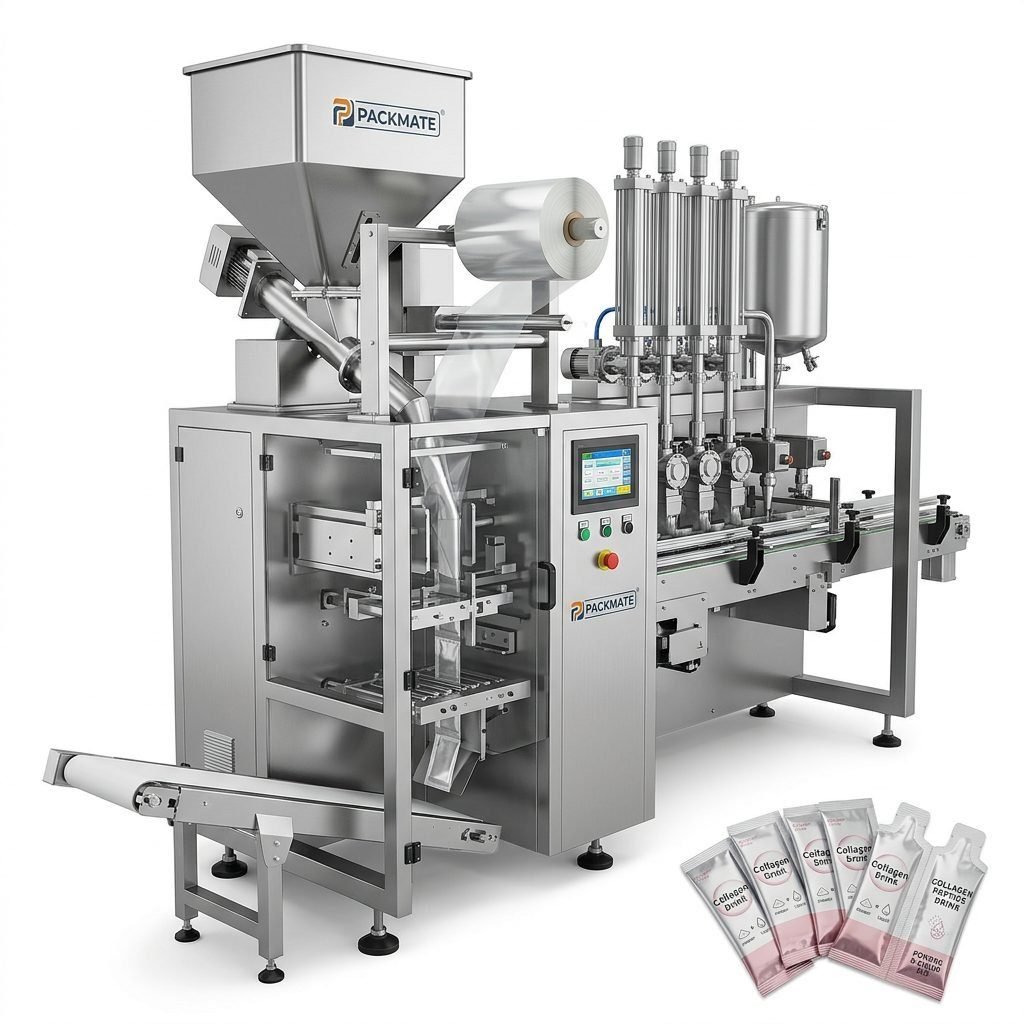
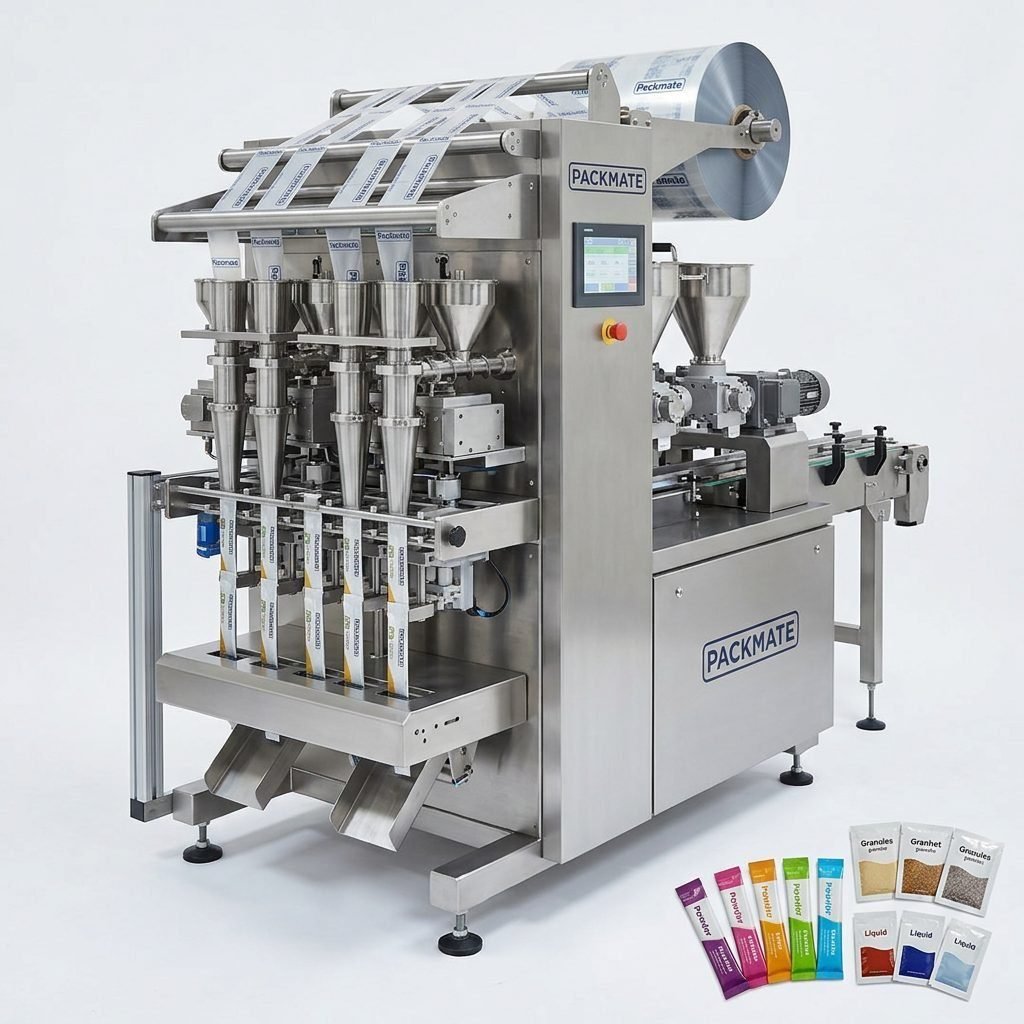
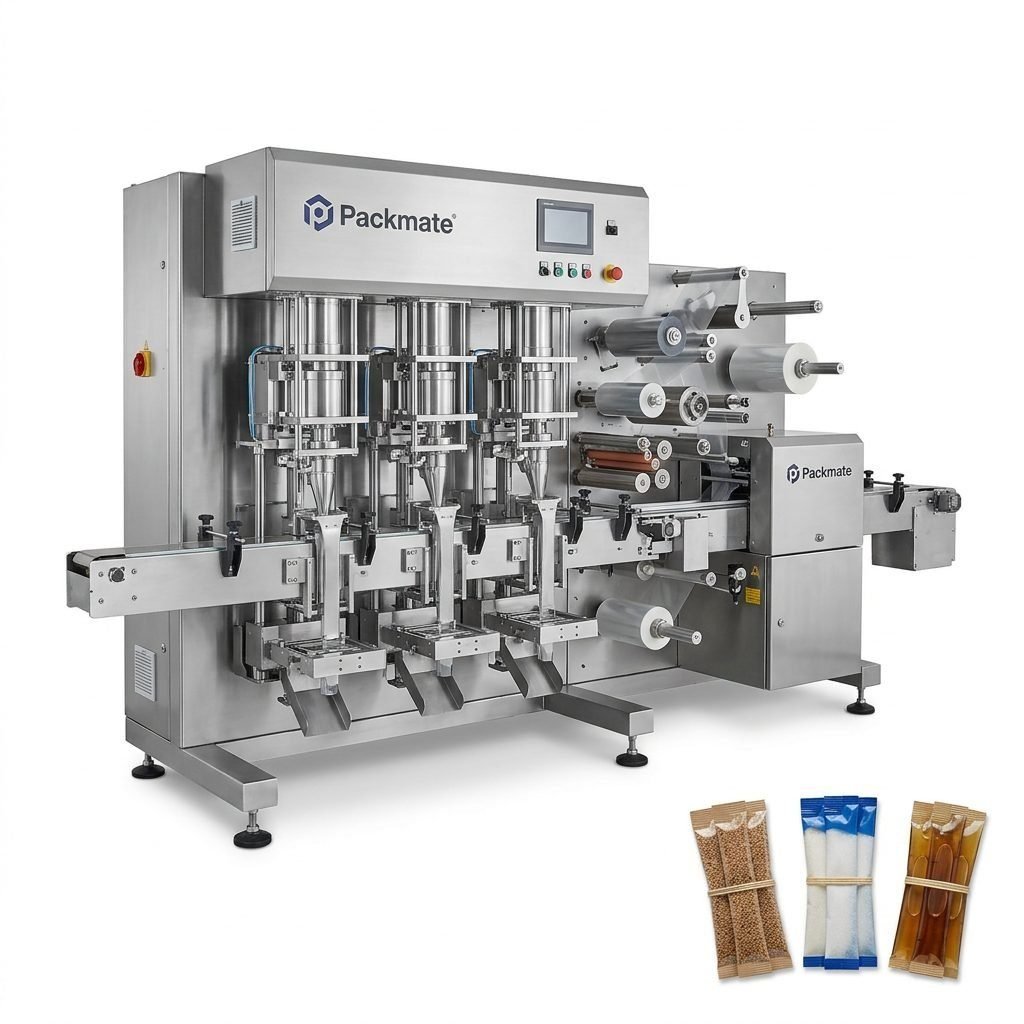
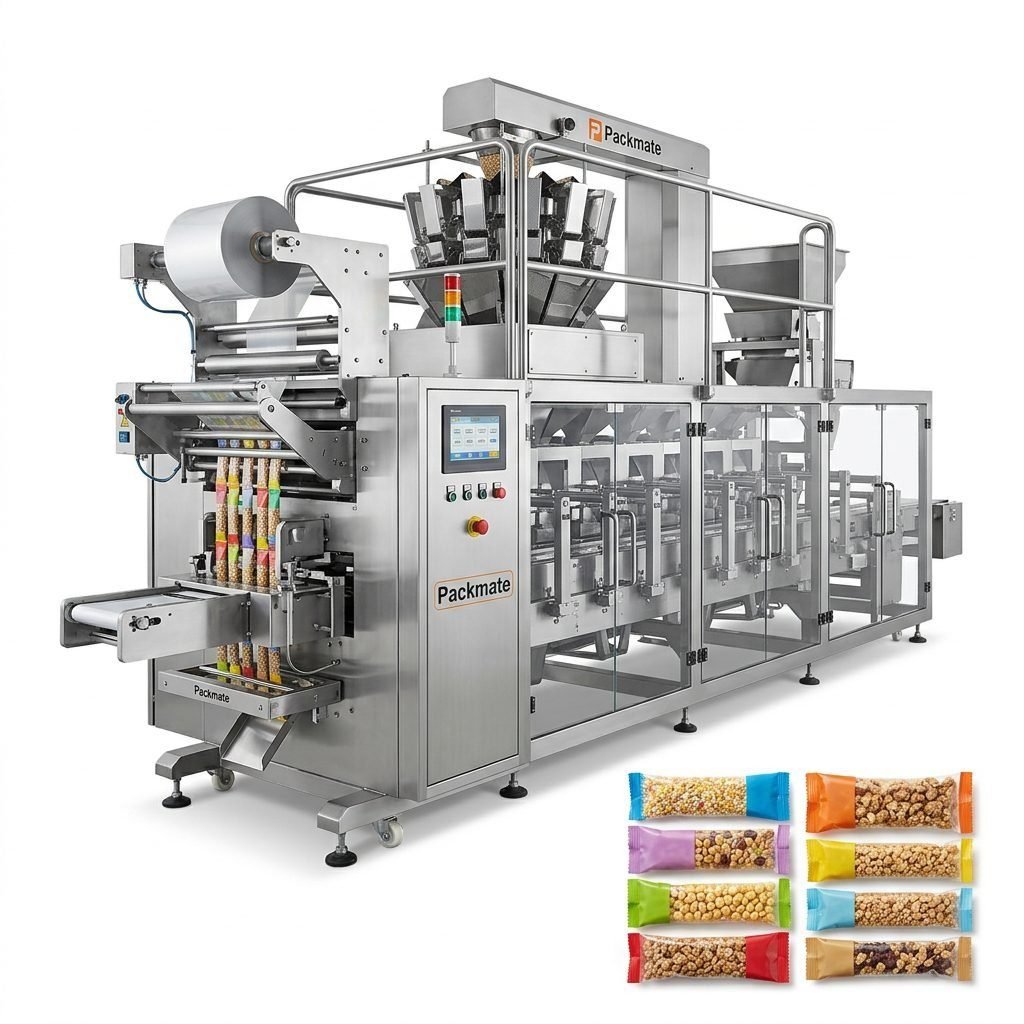
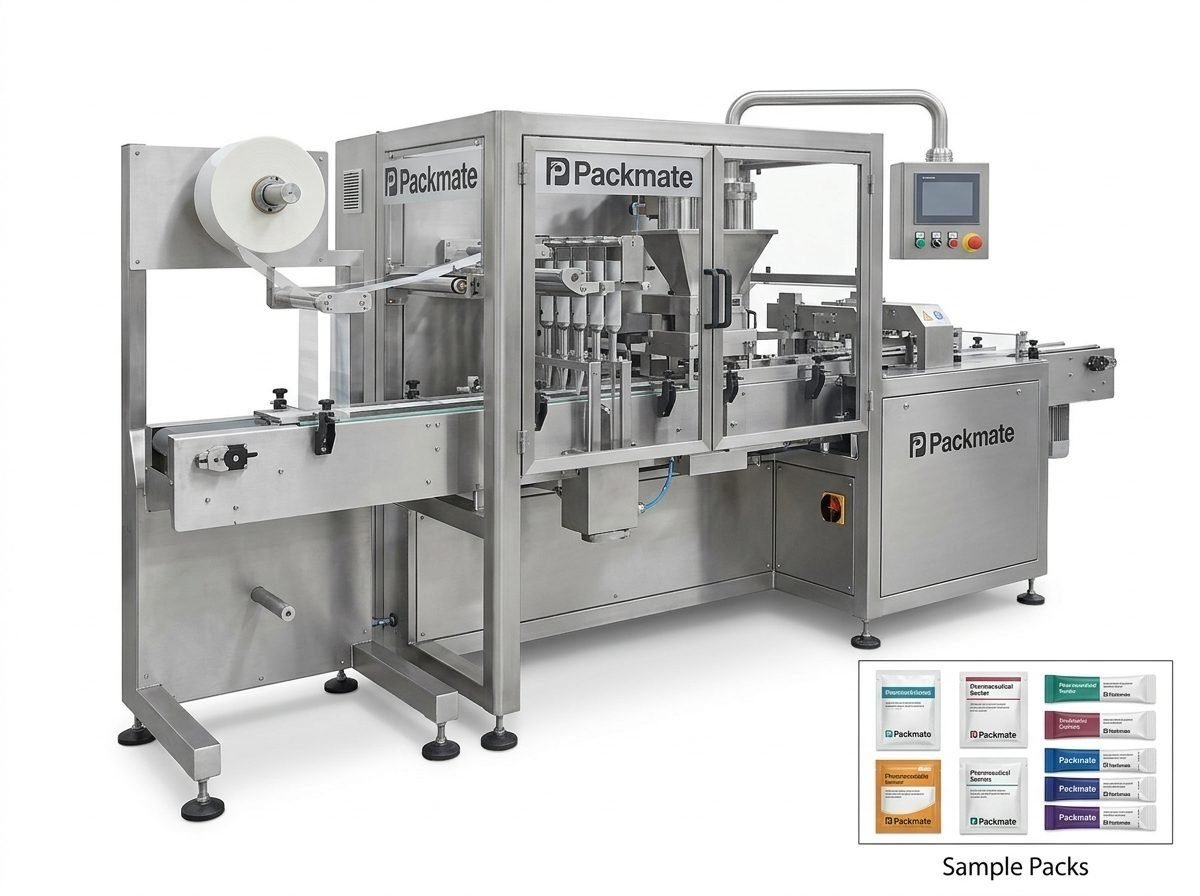
Packmate Machinery brings more than three decades of expertise in granule, powder, and liquid packaging. They focus on practical automation and stable machine performance, offering over 80 machine models. For Indian manufacturers in the food powder, seasoning, or supplement space, Packmate represents a balanced choice between technical reliability and cost efficiency, with a noted presence in various export markets.
PacklineOEM
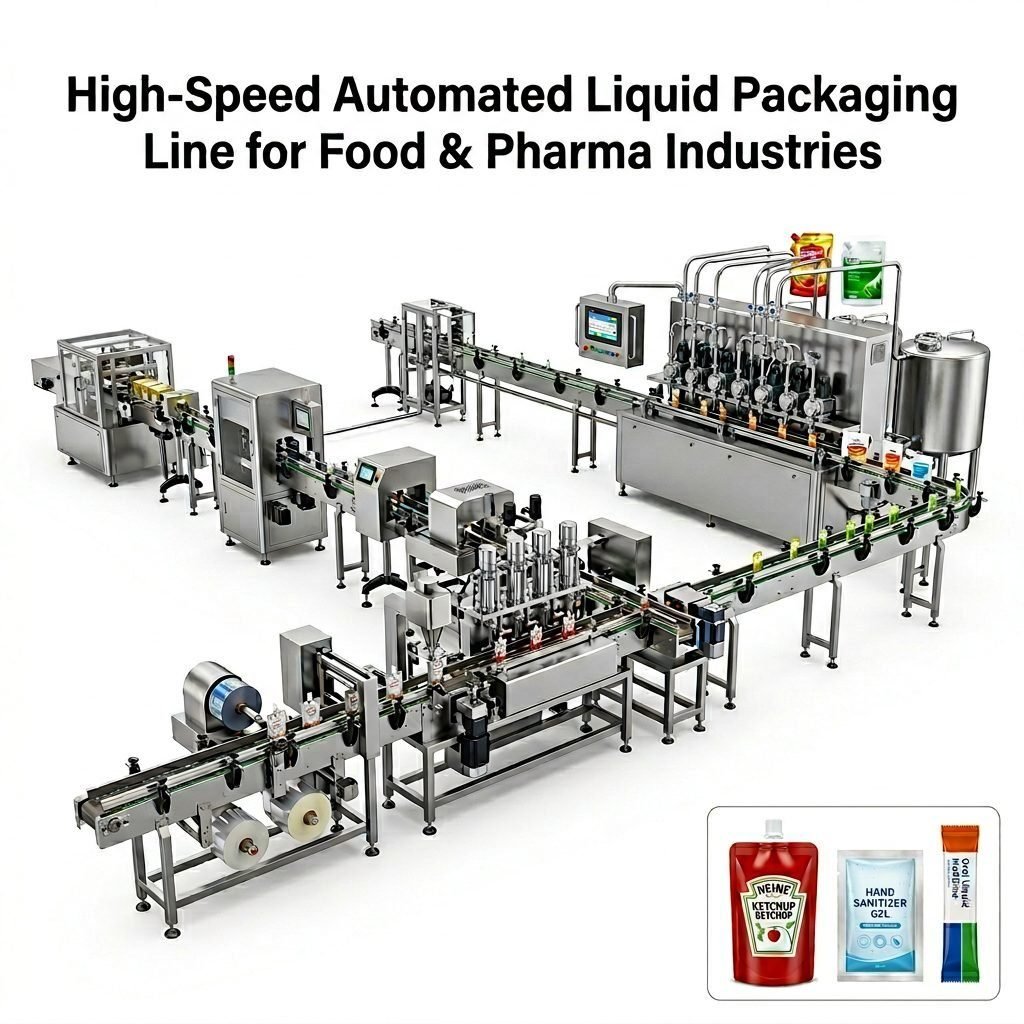
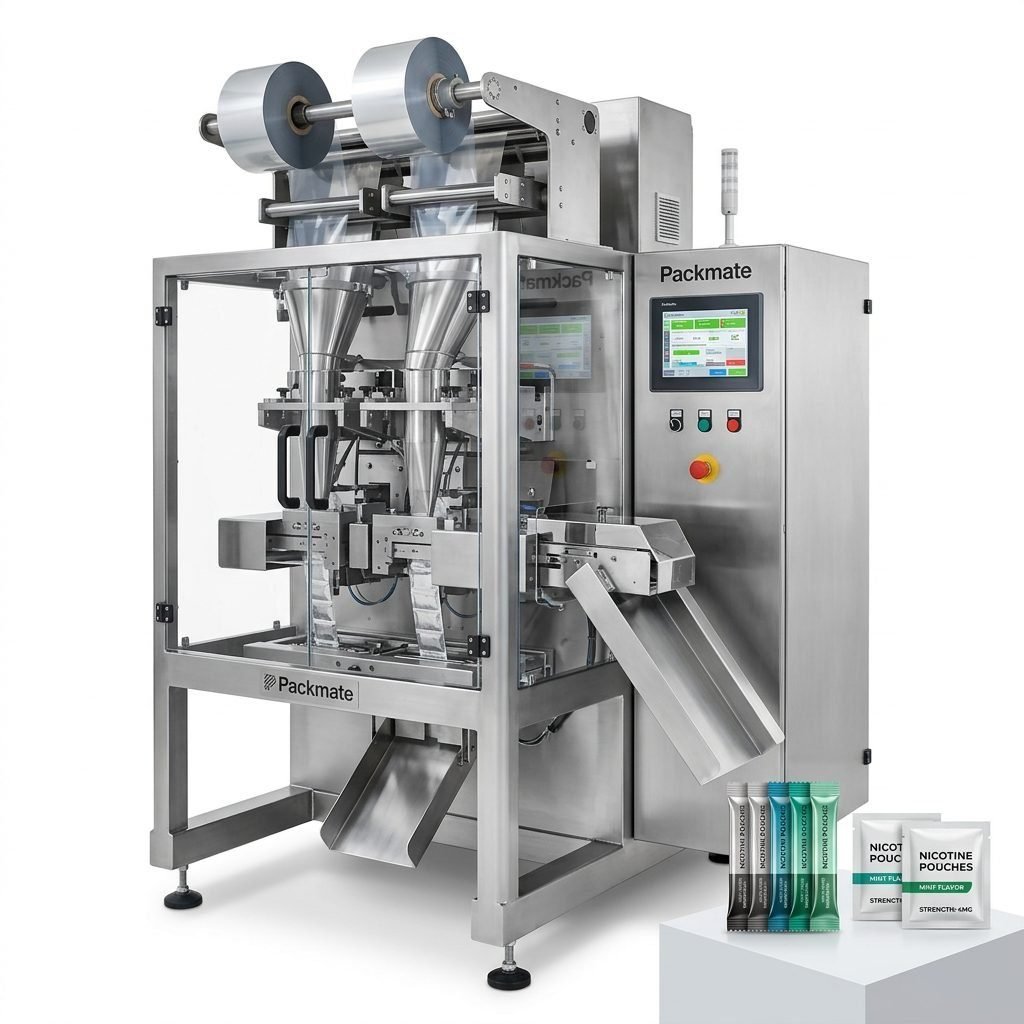
As the name suggests, PacklineOEM specializes in integrated turnkey packaging production lines. This focus makes them particularly relevant for Indian companies aiming for full automation, from feeding and weighing to filling, sealing, and end-of-line packaging. Their capability in line integration is a key differentiator for larger projects requiring coordinated system engineering.
PackingMachineOEM
For projects requiring non-standard or highly customized solutions, PackingMachineOEM is a strong contender. Their emphasis on flexible engineering and tailored configurations is beneficial for Indian businesses with unique product formats, specialized materials, or specific OEM requirements that go beyond standard machine offerings.
SnusMachinery
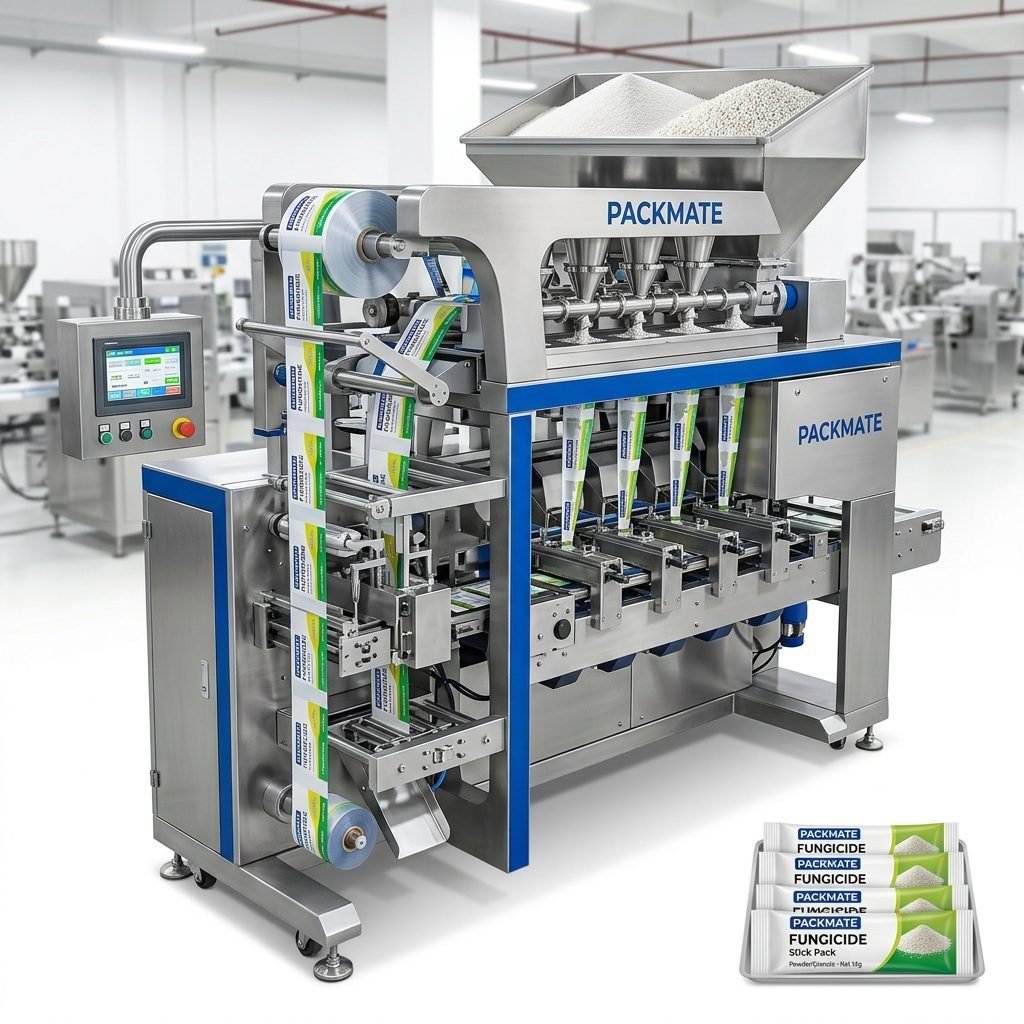
For the niche but growing segment of nicotine pouch and snus packaging in India, SnusMachinery offers specialized expertise. Their machines are designed for high-precision dosing and consistent pouch quality required in this sector, demonstrating how manufacturers can cater to specific industry verticals with tailored technical knowledge.
Finalizing Your Decision
After narrowing down potential suppliers, the final step involves a detailed commercial and technical discussion. Request a comprehensive quotation that includes all costs: machine price, spare parts kit, shipping, insurance, customs duties (for imports), installation, and training. Scrutinize the warranty terms and the service level agreement (SLA). Ensure all agreed-upon technical specifications, performance guarantees (e.g., bags per minute, filling accuracy), and delivery timelines are clearly documented in the purchase contract. Effective communication and a clear understanding of responsibilities between you and the supplier are foundational for a successful project.
Frequently Asked Questions (FAQs)
Q1: What is the typical lead time for receiving a packaging machine from an international supplier?
A: Lead times vary but generally range from 30 to 90 days after order confirmation, depending on machine complexity, customization, and production schedule. Always confirm this during negotiation.
Q2: How can I ensure spare parts availability in India for an imported machine?
A: Choose a supplier with a dedicated local agent or a well-established spare parts supply chain for India. Inquire about their inventory of common wear parts and their average delivery time for emergency orders.
Q3: Are Chinese packaging machines reliable for Indian production conditions?
A: Many leading Chinese manufacturers produce machines to international standards. Reliability depends on the specific manufacturer’s quality controls. Due diligence, factory audits, and checking references from other Indian clients are essential to gauge reliability.
Q4: What kind of training is usually provided?
A: Reputable suppliers offer comprehensive training, typically covering machine operation, routine maintenance, troubleshooting, and safety procedures. This can be conducted at their factory (pre-shipment) and/or at your plant during installation.
Q5: Should I buy a standalone machine or a complete turnkey line?
A: This depends on your current and future needs. A standalone machine suits specific, isolated packaging steps. A turnkey line is ideal for new facilities or major upgrades seeking full automation, higher efficiency, and reduced manual handling, though it requires a larger investment and more complex project management.