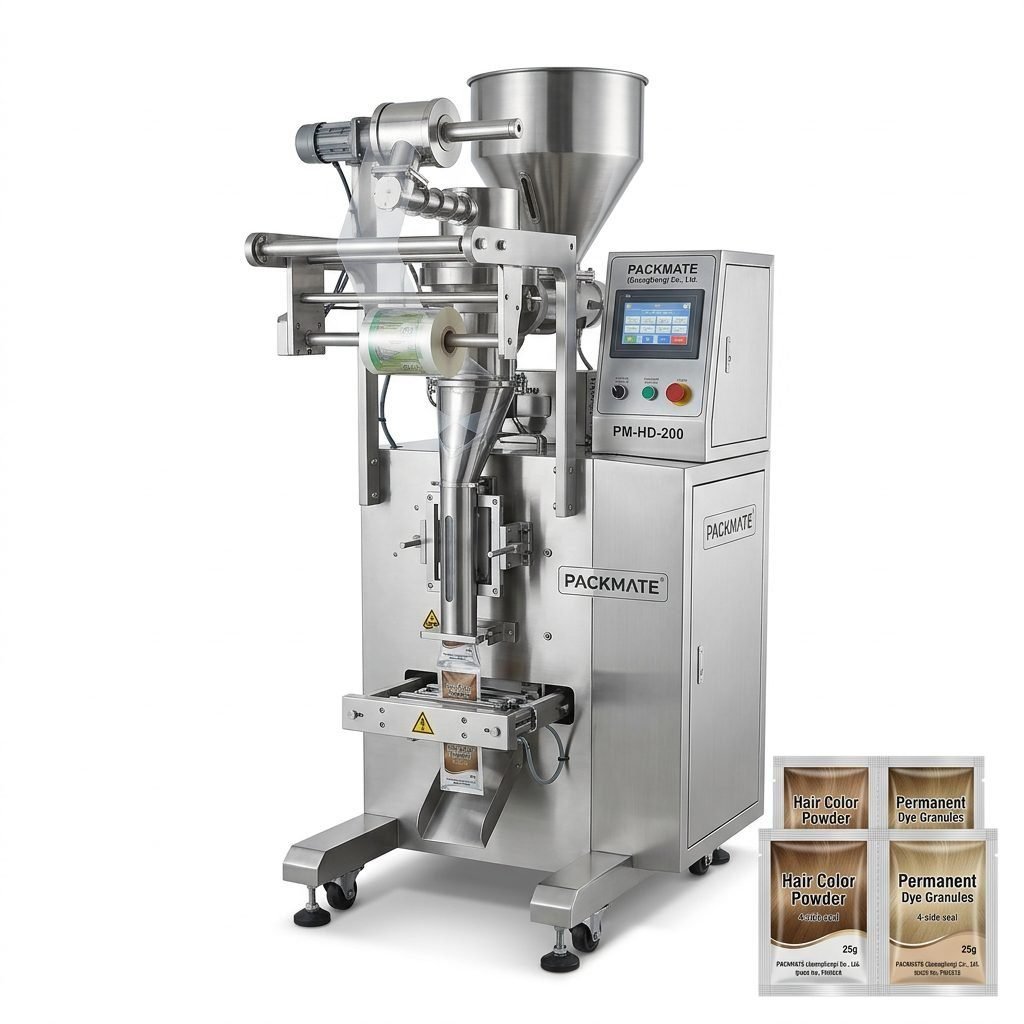
Navigating the world of snack packaging automation can be a complex task. With a vast array of machine types designed for different products, speeds, and packaging formats, selecting the right equipment is crucial for operational efficiency, product quality, and cost-effectiveness. This guide provides a comprehensive overview of the main types of snack packaging machines, their applications, and key factors to consider when choosing the best solution for your production needs.
Primary Types of Snack Packaging Machines
The choice of packaging machinery is largely dictated by the physical form of the snack product—whether it’s granular, powdered, liquid, or a solid piece. Each category requires specific handling, dosing, and sealing technologies.
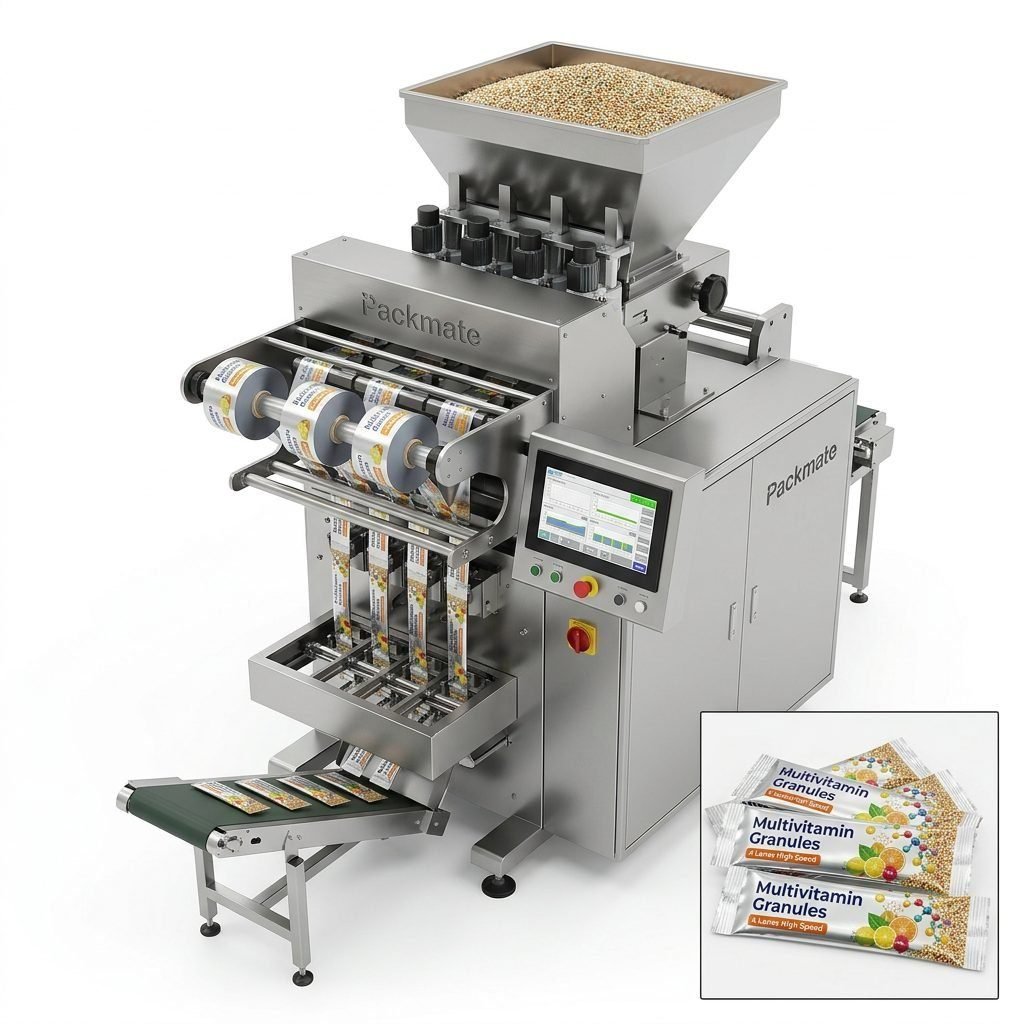
1. Multi-Lane Stick Pack Machines
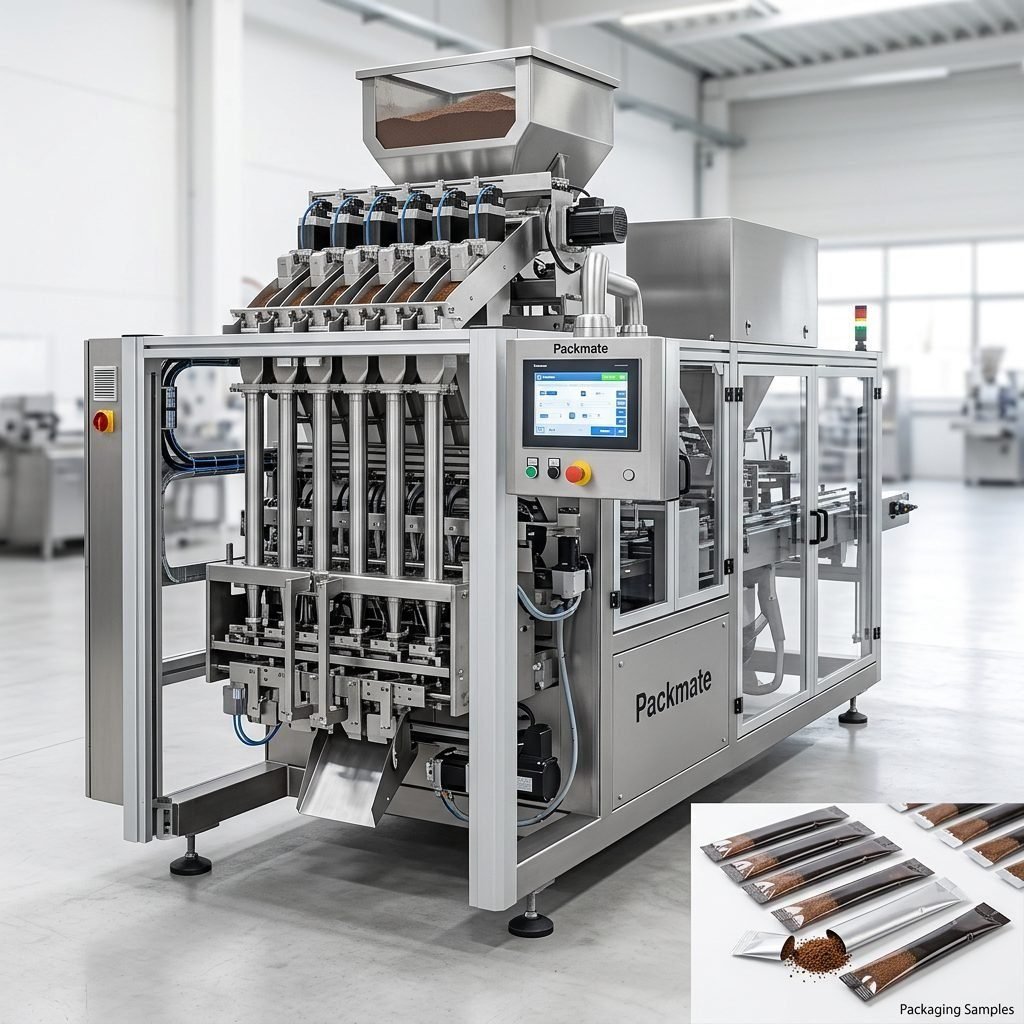
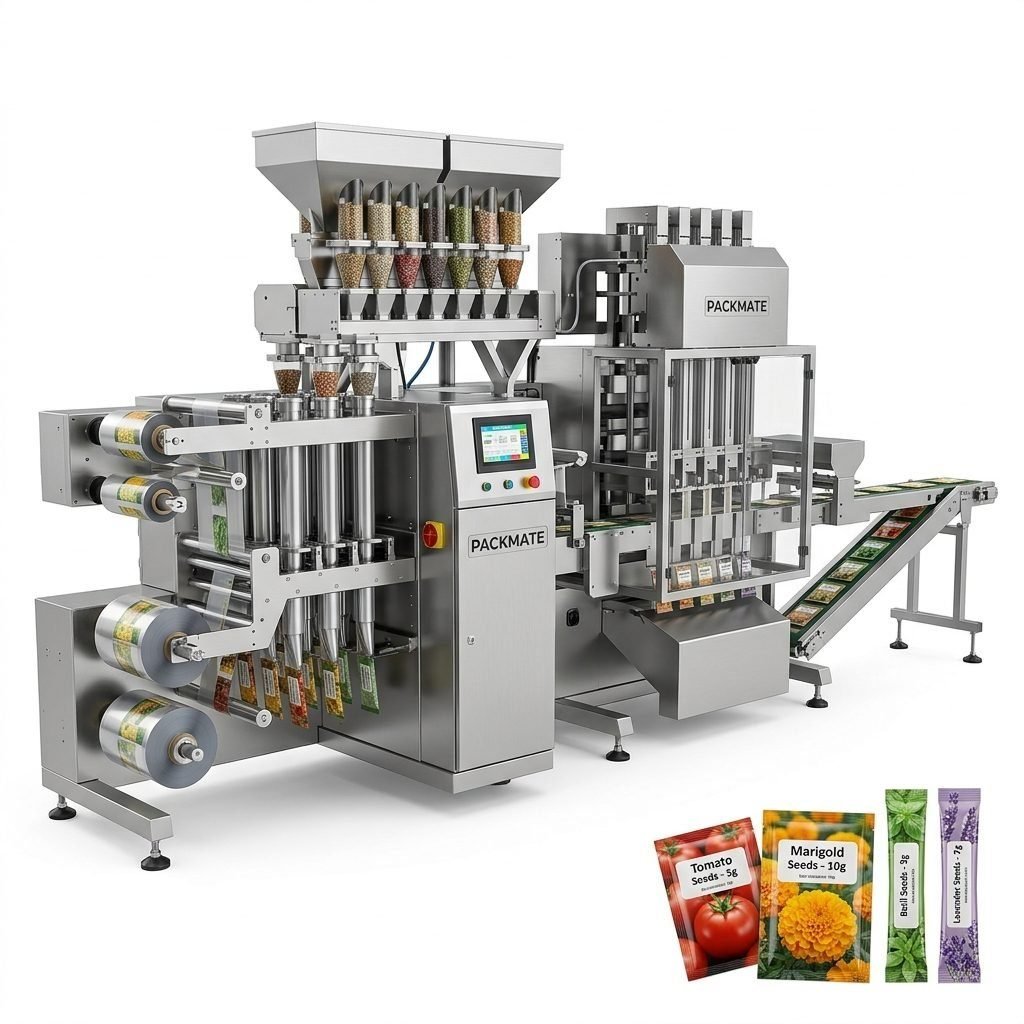
These are high-speed systems designed for packaging free-flowing granules and fine powders into long, slender stick packs. They typically feature multiple lanes (from 4 to 16 lanes are common) that operate in parallel, significantly boosting output. A multi-lane stick pack machine is ideal for products like instant coffee sticks, sugar, seasoning mixes, protein powders, and powdered beverage sticks. They offer excellent space efficiency for the end consumer and are popular for single-serve portions.
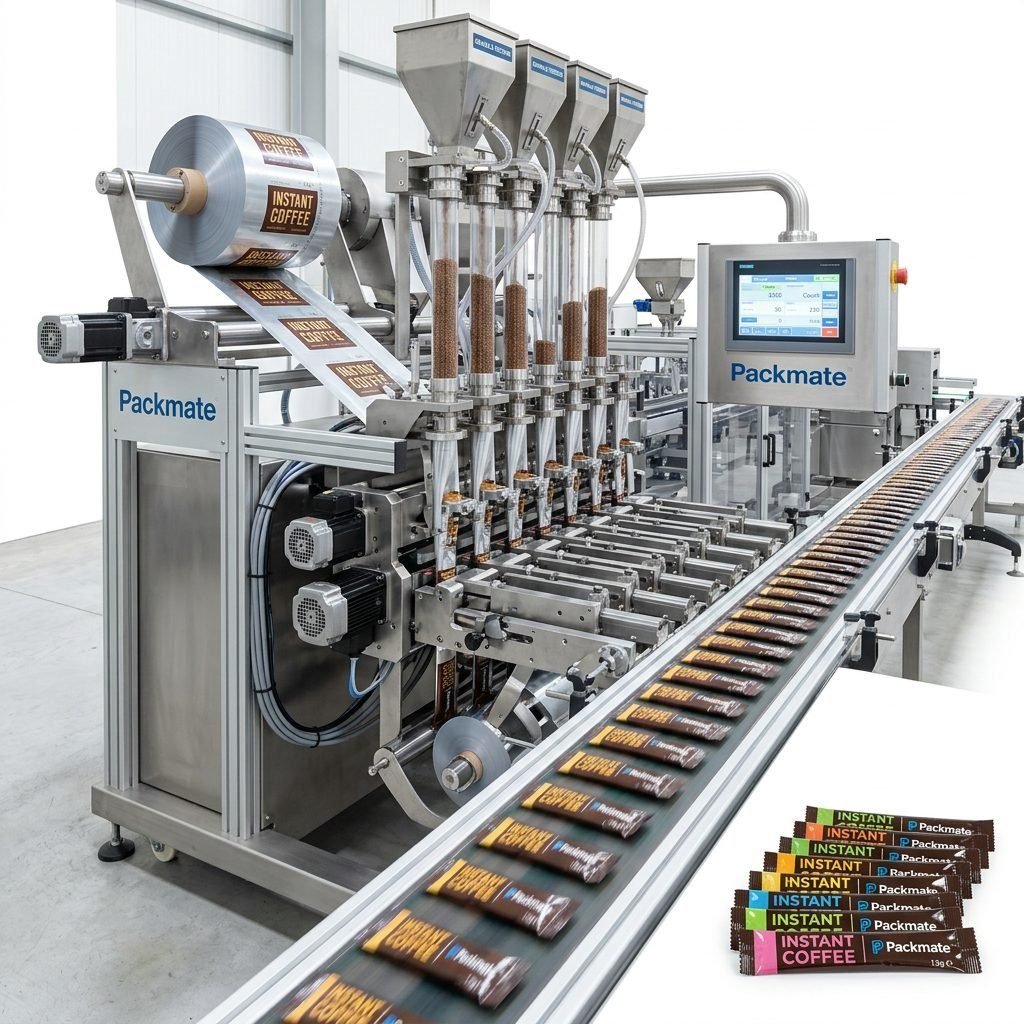
The core advantage lies in their throughput; by running several packaging lines simultaneously, they can achieve outputs ranging from 200 to over 1,000 sticks per minute, depending on the model and configuration.
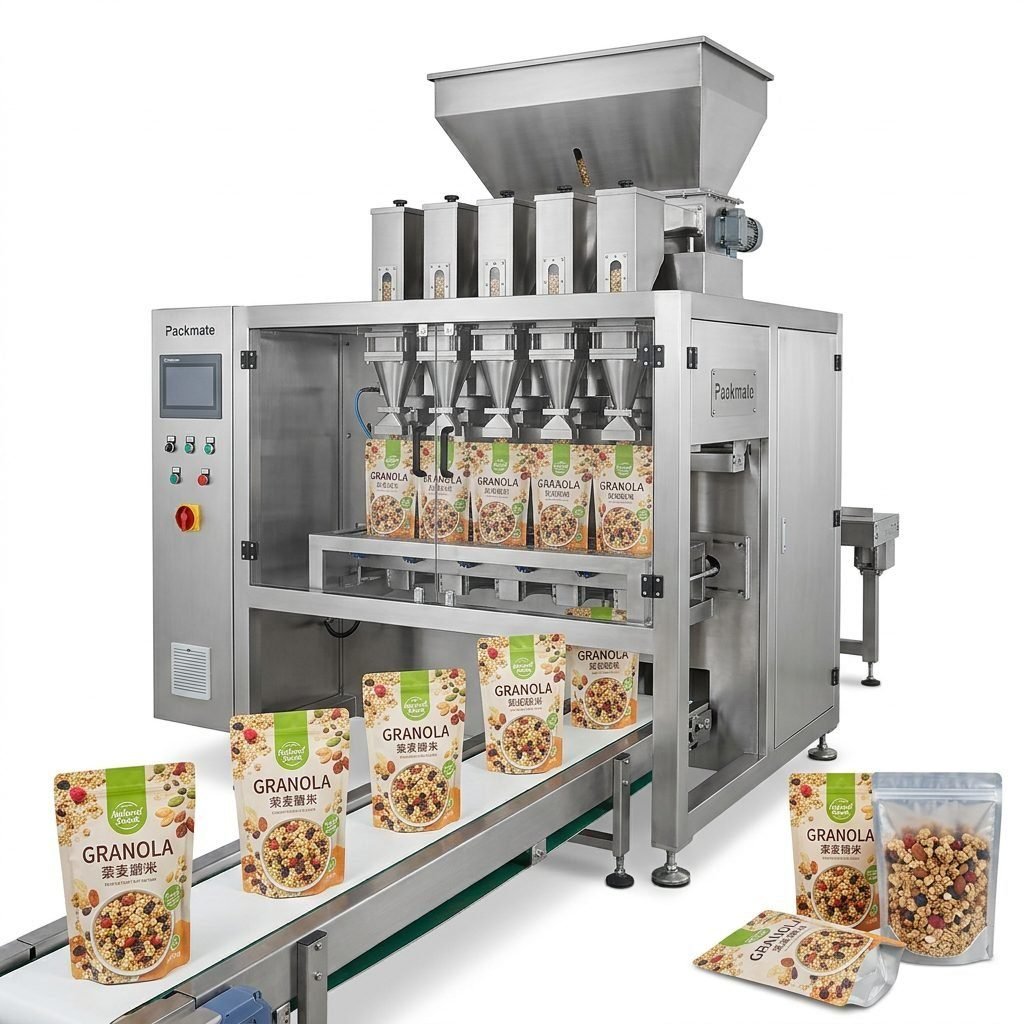
2. Vertical Form-Fill-Seal (VFFS) Machines
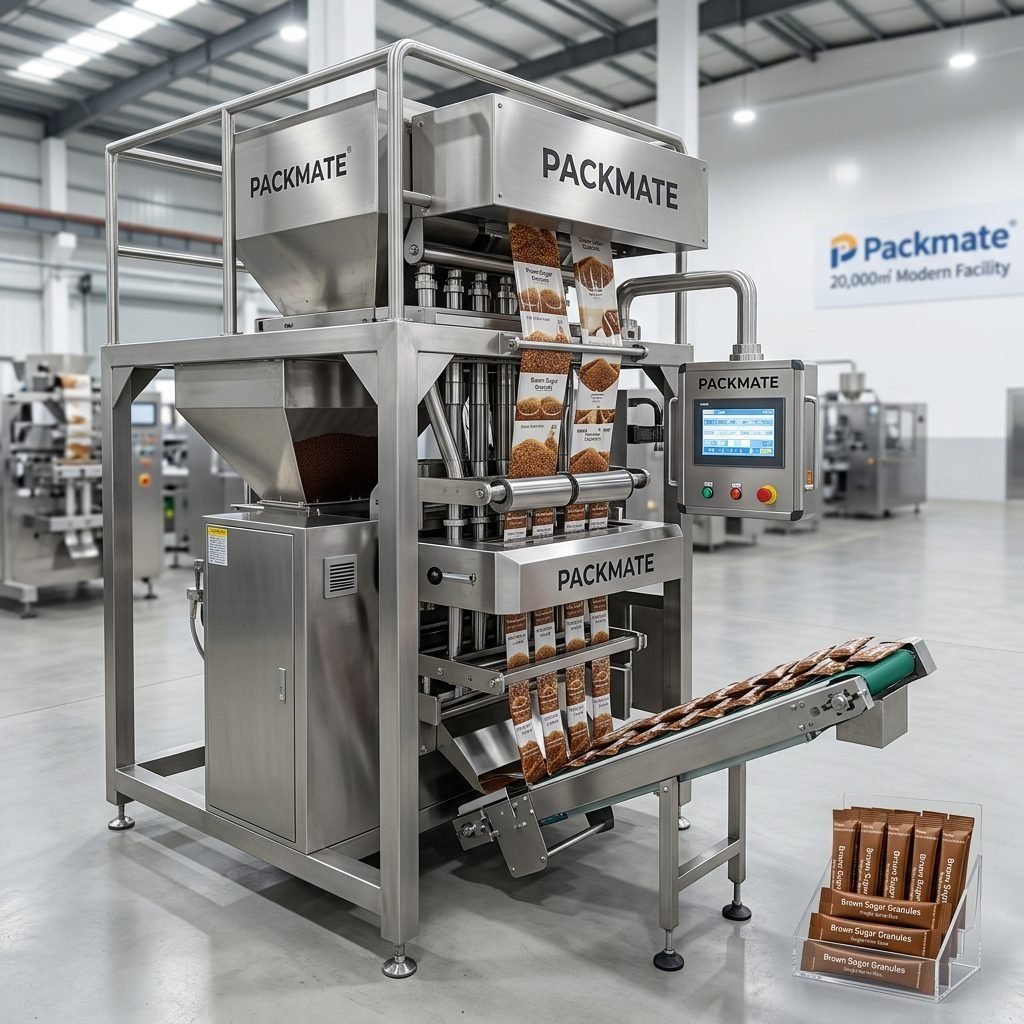
Vertical form-fill-seal machines are the workhorses of the snack packaging industry, renowned for their versatility. They form a tube from a roll of packaging film, fill it with product from above, and then seal and cut it to create individual bags or pouches. VFFS systems are incredibly adaptable and can handle a wide range of products, including nuts, chips, candies, cookies, and trail mixes.
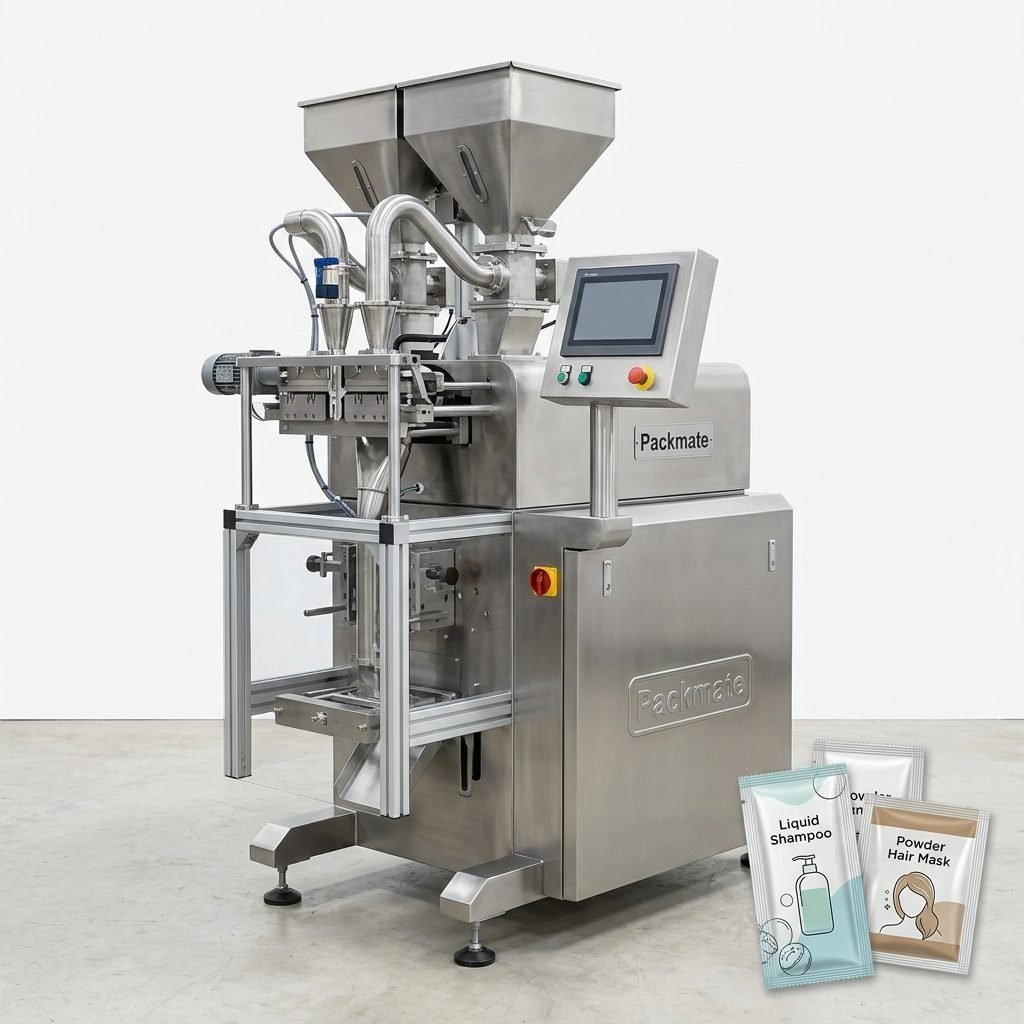
They support various bag styles (such as pillow bags, gusseted bags, or block-bottom bags) and can integrate advanced features like gas flushing for extended shelf life or zipper reclosure for consumer convenience. Their flexibility in bag size makes them suitable for packaging everything from small single-serve sachets to larger family-sized bags.
3. Horizontal Flow Wrappers
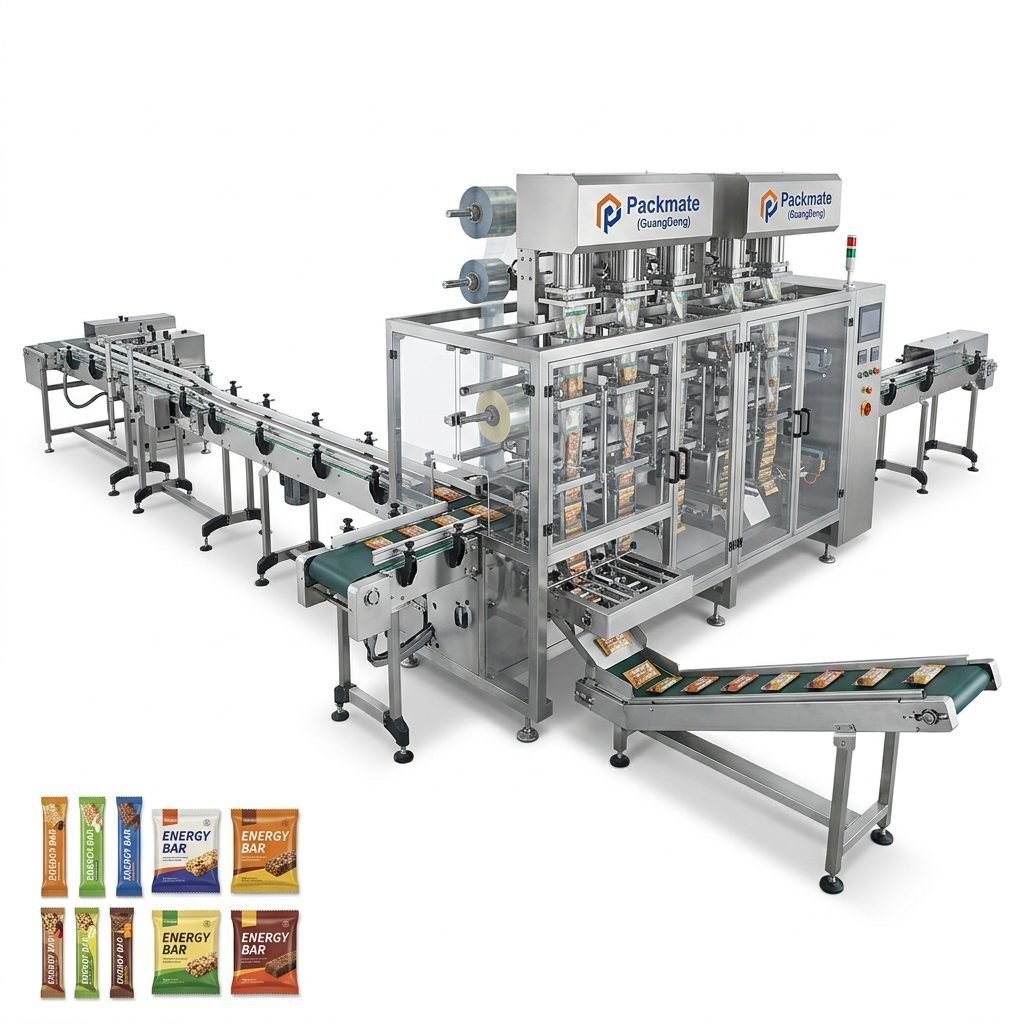
Horizontal flow wrappers, or fin seal machines, are primarily used for wrapping individual or grouped solid snack items. The product is placed on a horizontal film web, which is then folded around it and sealed along the top and bottom longitudinal seams and the end seals. This machine type is perfect for candy bars, granola bars, biscuits, baked goods, and multi-pack trays of snacks.
Key Benefit: Horizontal wrappers provide a tight, secure, and visually appealing package that offers good product protection and is easy to stack and display on retail shelves.
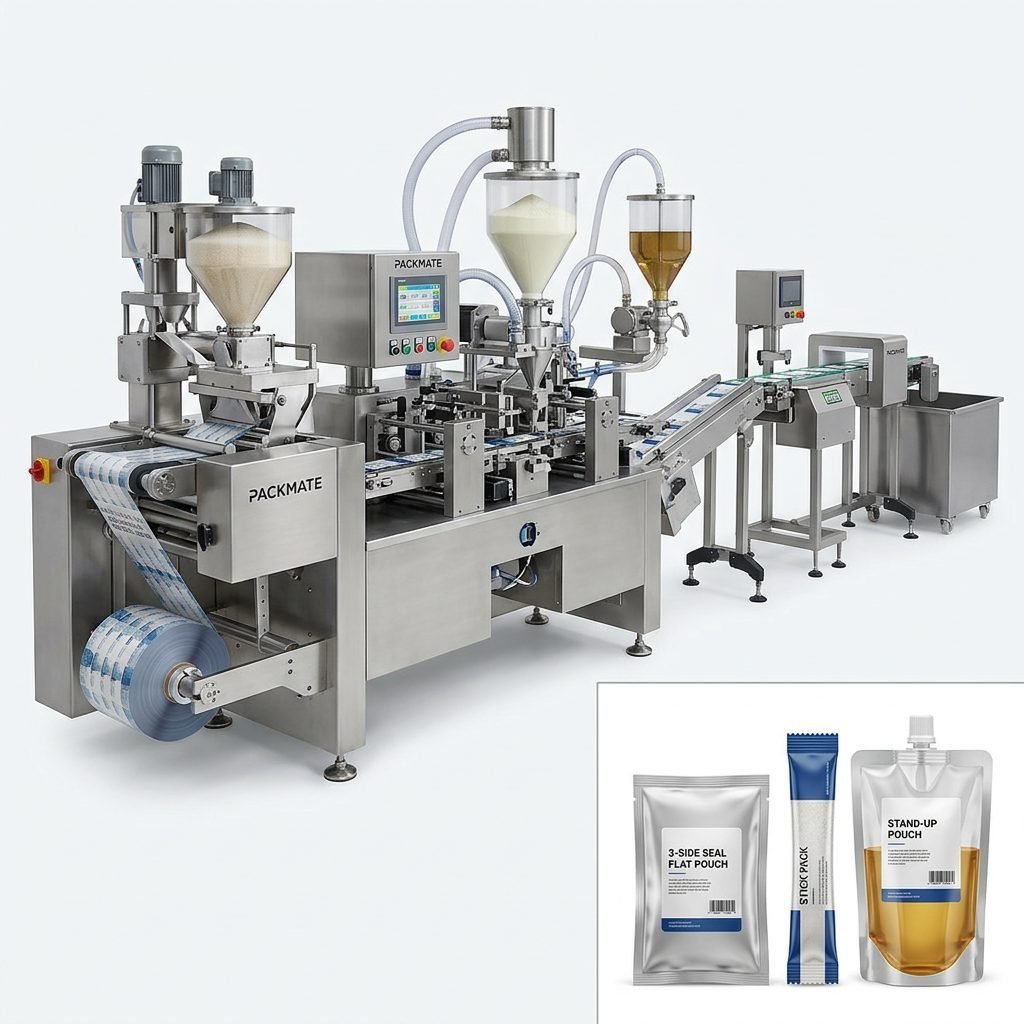
4. Sachet (Pouch) Packaging Machines
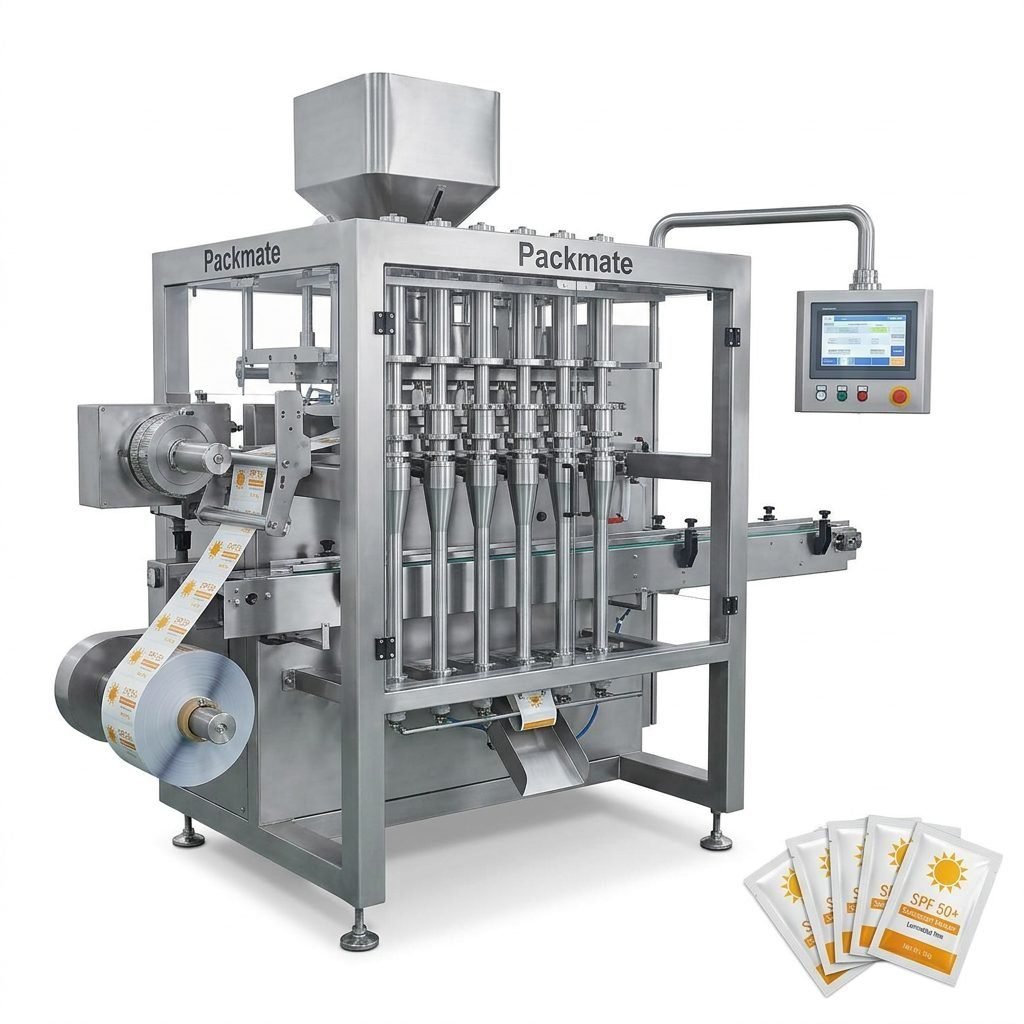
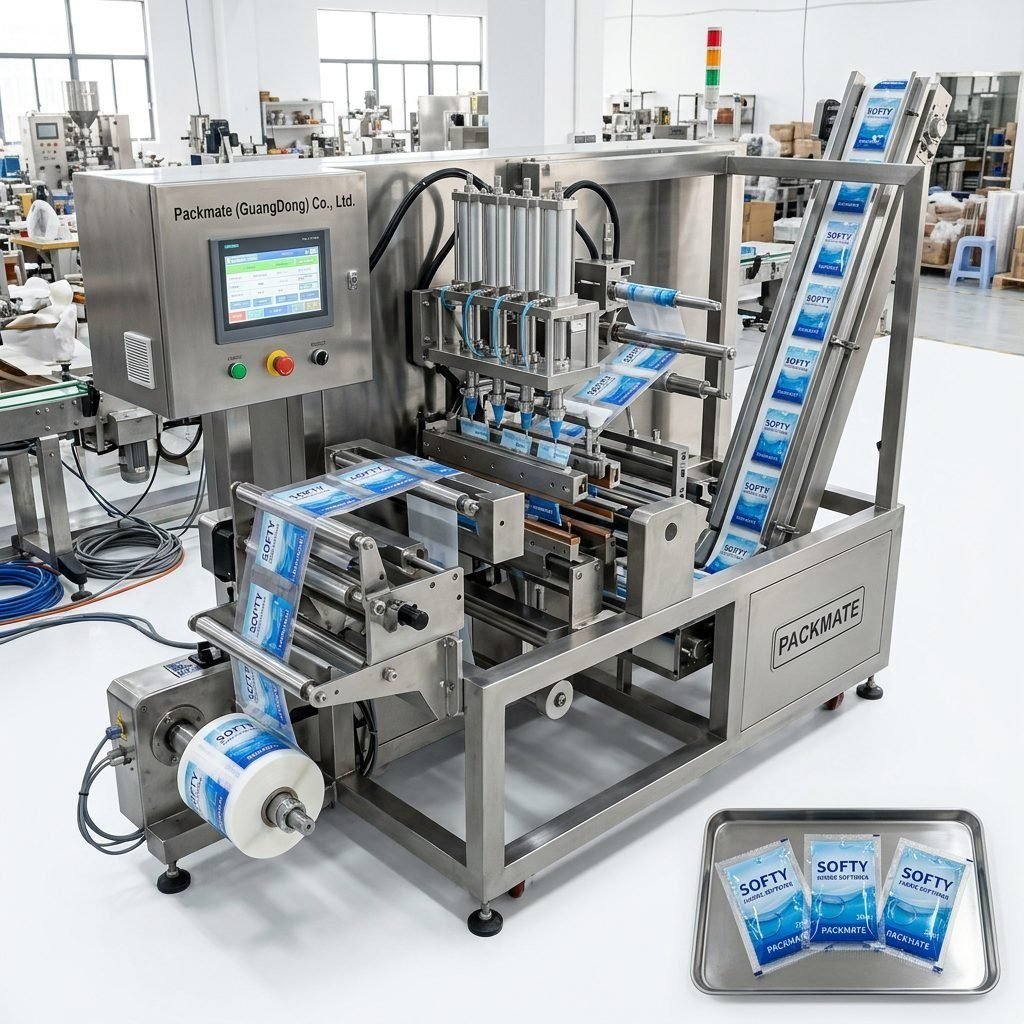
Sachet packing machines create small, flat pouches, commonly used for single-serve portions of liquids, pastes, or viscous products. They are distinct from stick packs in their wider, flatter shape. These machines are essential for packaging sauces (like ketchup, soy sauce, or mayonnaise), salad dressings, honey, jam, and liquid coffee creamers. Modern sachet machines often feature precision piston fillers to handle viscous products without dripping and ensure accurate fill volumes.
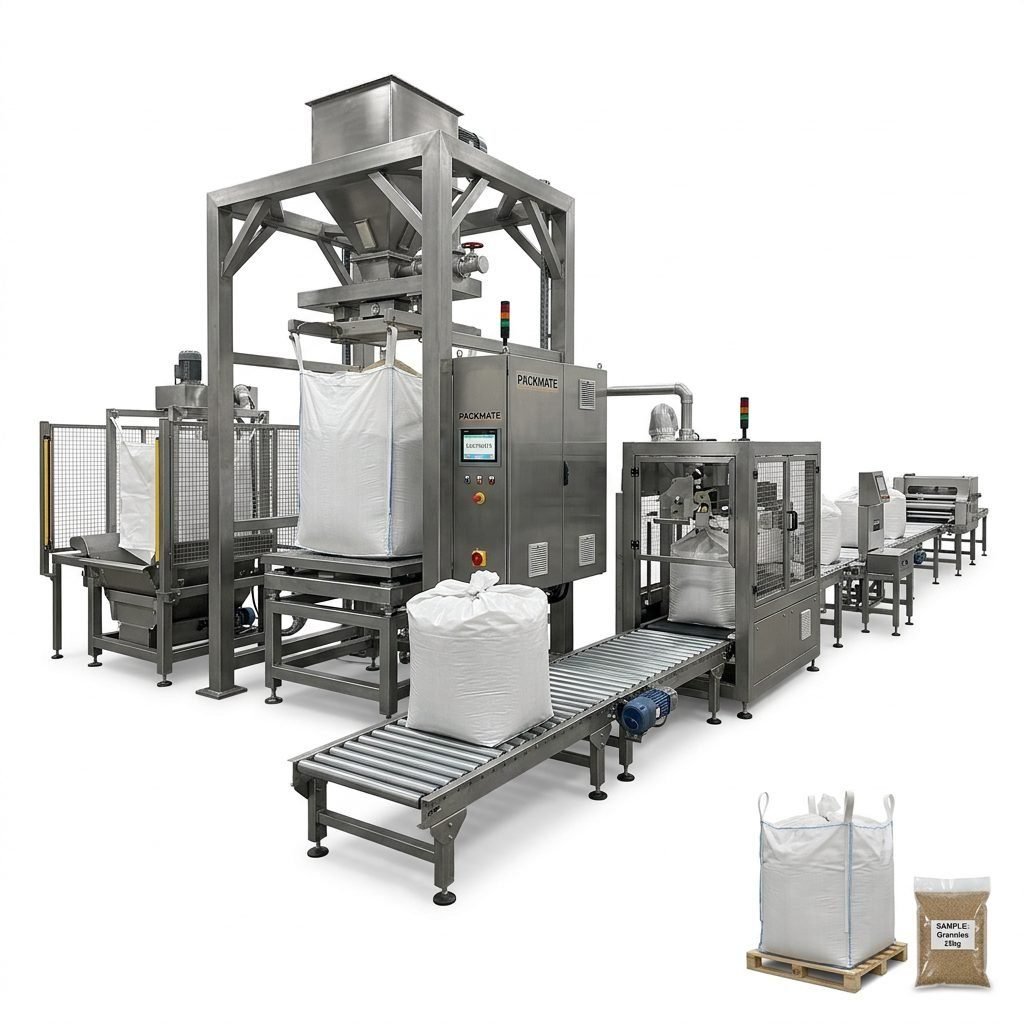
5. Bag-in-Box and Bulk Bagging Systems
For larger volume snacks or industrial/ingredient packaging, bulk bagging systems are employed. These include machines that fill valve bags, open-mouth bags, or create bag-in-box formats. They are used for products like large bags of nuts, pet food snacks, bulk cereals, or powdered drink mixes destined for food service. These systems often incorporate high-accuracy weighing scales (net weighers or auger fillers) and can be semi-automatic or fully integrated into a production line with automatic palletizing.
Key Applications by Snack Type
Understanding which machine suits your product is half the battle. Here’s a quick reference guide:
| Snack Type | Recommended Machine Types | Primary Packaging Formats |
|---|---|---|
| Granules & Powders (Coffee, Sugar, Spices, Protein) | Multi-Lane Stick Pack, VFFS, Auger-based Sachet Machines | Stick Packs, Stand-up Pouches, Sachets |
| Nuts, Chips & Loose Snacks | Vertical Form-Fill-Seal (VFFS) with scales | Pillow Bags, Gusseted Bags, Block-bottom Bags |
| Bars & Solid Items (Granola, Candy, Biscuits) | Horizontal Flow Wrapper, VFFS (for multi-packs) | Flow Wrap, Bar Wrapper, Pouches |
| Liquids & Pastes (Sauces, Syrups, Dips) | Sachet/Pouch Machines with Piston Fillers | Flat Sachets, 3-Side Seal Pouches |
| Large Volume / Bulk | Bulk Bagging Systems, Valve Bag Fillers | 5kg-25kg Bags, Bag-in-Box |
How to Choose the Best Snack Packaging Machine
Selecting the right equipment involves a careful evaluation of your specific needs against the machine’s capabilities. Here are the critical factors to consider:
1. Product Characteristics
This is the most fundamental factor. Analyze your product’s:
- Form: Granular, powder, liquid, solid, fragile?
- Flowability: Does it flow freely like sugar, or is it sticky like peanut butter?
- Abrasiveness: Can it wear down machine parts? (e.g., certain spices)
- Hygiene Requirements: Is it a low-moisture food, or does it require sanitary design?
The product dictates the filling system (auger, volumetric cup, scale, piston) and the type of film or material that can be used for sealing.
2. Required Production Speed (Output)
Calculate your current and projected future production needs in packs per minute (PPM) or bags per hour (BPH). A small startup might prioritize flexibility and lower cost, while a large-scale manufacturer will need high-speed, multi-lane systems to meet volume demands. Remember to factor in potential business growth to avoid outgrowing your machine too quickly.
3. Packaging Material and Format
What does your final package look like? Consider:
- Material: Metallized film, laminated plastic, paper, biodegradable composites?
- Seal Type: Heat seal, cold seal, zipper, tear notch?
- Bag Style & Size: Dimensions and shape of the finished pack.
Your chosen machine must be compatible with your packaging materials and capable of forming the desired seal reliably. Some machines offer greater flexibility for changeovers between different bag sizes and materials than others.
4. Level of Automation and Integration
Decide on the degree of automation:
- Standalone Machine: Requires manual feeding or semi-automatic operation.
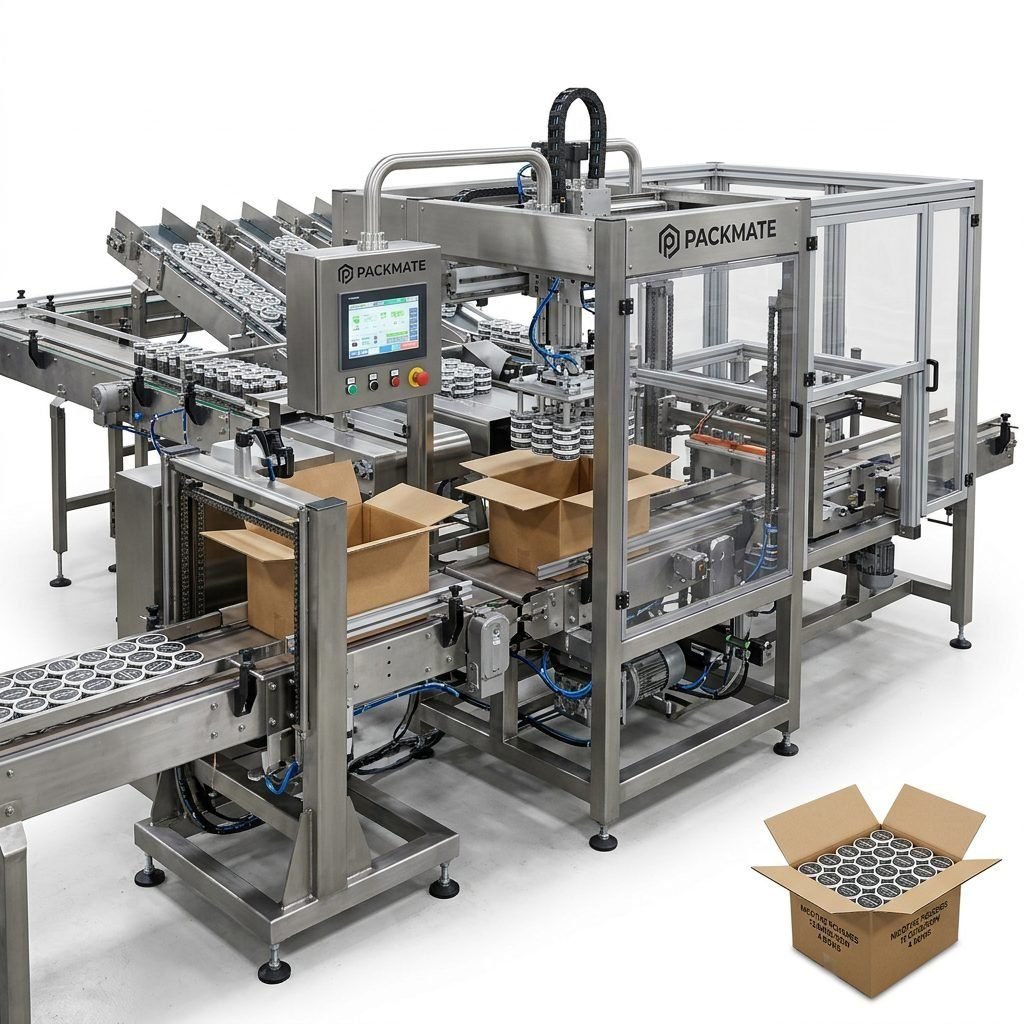
- Integrated Line: Connected to upstream (e.g., weighing, feeding) and downstream (e.g., checkweigher, cartoner, case packer) equipment for a fully automated line.
Companies like Ludyway and PacklineOEM specialize in providing complete turnkey packaging lines, which can be a significant advantage for new facilities or major upgrades, ensuring all components work seamlessly together.
5. Machine Durability and Support
Packaging machines are a long-term investment. Evaluate:
- Build Quality: Look for robust construction with quality components (e.g., reputable PLCs, servo motors, stainless steel contact parts).
- Manufacturer Reputation: Choose a supplier with a proven track record. Established companies like Packmate Machinery, with over 30 years of experience, often provide more reliable equipment and support.
- After-Sales Service: Availability of spare parts, technical support, training, and service contracts is crucial for minimizing downtime.
Pro Tip: If your product has unique characteristics or your packaging format is non-standard, consider working with a manufacturer known for customization, such as PackingMachineOEM. They can adapt standard machines to handle special requirements.
6. Budget and Total Cost of Ownership (TCO)
Look beyond the initial purchase price. Consider the total cost of ownership, which includes:
- Installation and commissioning costs.
- Energy consumption.
- Maintenance costs and spare part pricing.
- Cost of packaging materials (some machines are more material-efficient).
- Labor costs associated with operation and changeovers.
A slightly more expensive machine with higher efficiency, lower waste, and greater reliability often provides a better return on investment over time.
Considering Regional and Market-Specific Needs
When exporting or selling snacks in specific regions like Europe or North America, additional considerations come into play. Consumers in these markets often demand sustainable packaging, clear labeling, and convenient formats. Machines must be capable of handling recyclable or compostable films, and integration with high-resolution coding and labeling systems is essential. Furthermore, regulatory standards for food safety (e.g., FDA, EU regulations) may require machines with specific hygienic design features and documentation. Manufacturers like SnusMachinery, which specialize in niche, regulated products, exemplify the deep application knowledge required for certain markets.
Frequently Asked Questions (FAQ)
Q1: What is the typical speed range for a snack packaging machine?
Speeds vary dramatically by machine type. A single-lane VFFS machine might run at 40-80 bags per minute, while a high-end multi-lane stick pack machine can exceed 1,000 sticks per minute. Horizontal wrappers for bars typically operate between 100-400 packs per minute.
Q2: Can one machine handle different snack products?
Yes, many machines, especially Vertical Form-Fill-Seal systems, are designed for changeover between different products and bag sizes. However, the ease and time required for changeover differ. If you frequently run multiple products, look for machines with quick-change features and digital recipe storage.
Q3: How important is after-sales service when buying a machine?
Extremely important. Even the best machines require maintenance and occasional repairs. Access to prompt technical support, readily available spare parts, and quality training for your operators is critical for maximizing uptime and the lifespan of your equipment.
Q4: What are the common causes of packaging waste, and how can machines reduce it?
Common causes include film misregistration, improper sealing, and inaccurate filling leading to under/overweight packs. Modern machines with servo-driven film feeding, precise temperature-controlled sealing jaws, and high-accuracy filling systems (like multi-head weighers) significantly reduce material waste and giveaway.
Q5: Should I choose a standard machine or a customized solution?
If your product and packaging format align well with standard machine offerings, a standard model is more cost-effective and faster to deliver. Opt for a customized solution if you have unique product characteristics (e.g., very sticky, fragile, or non-free-flowing), require a special bag shape, or need deep integration with existing non-standard equipment in your factory.