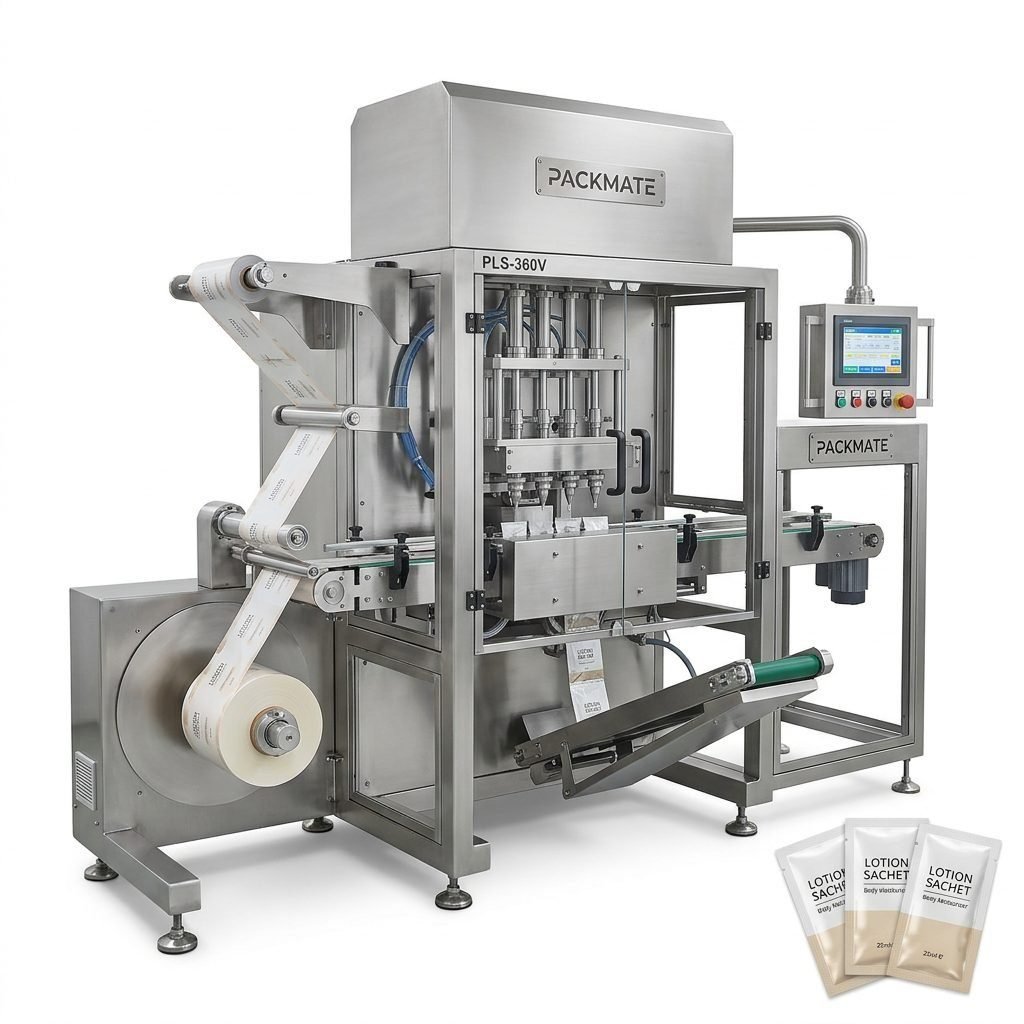
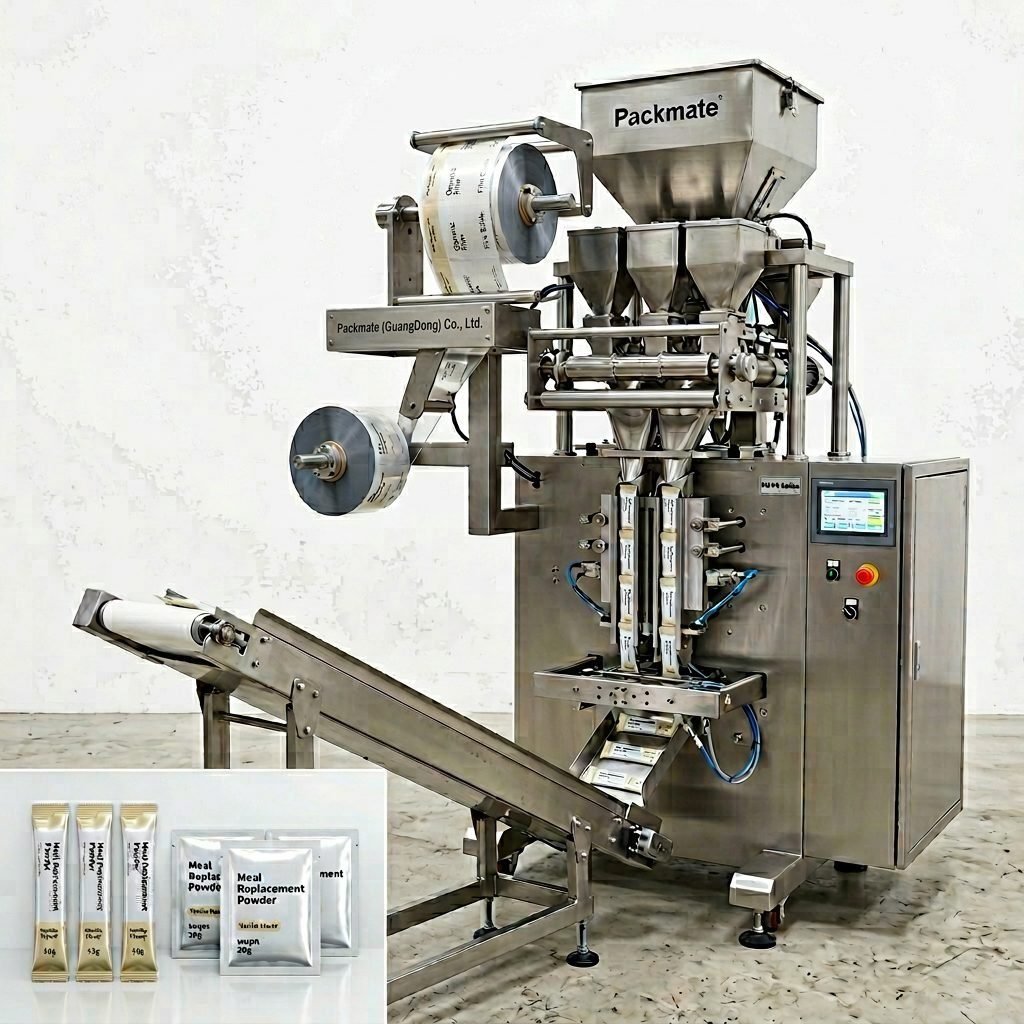
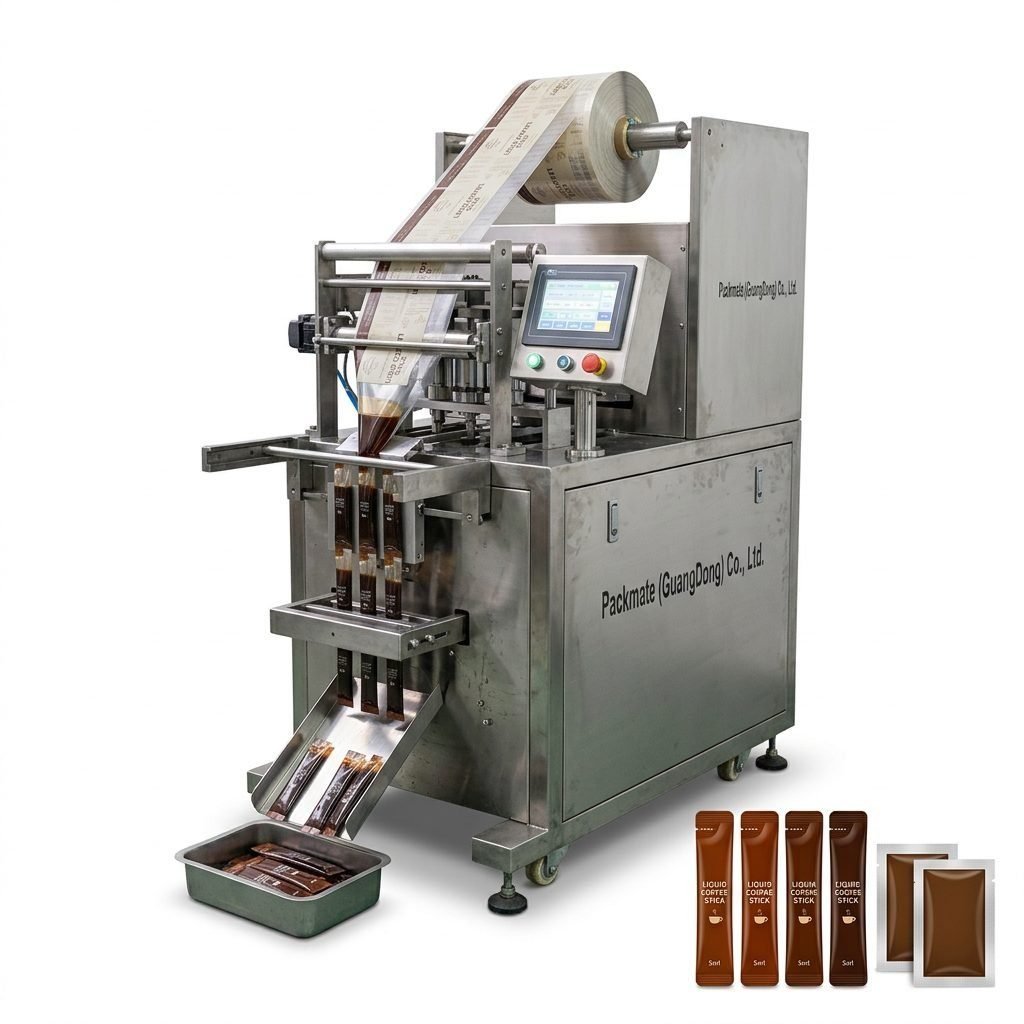
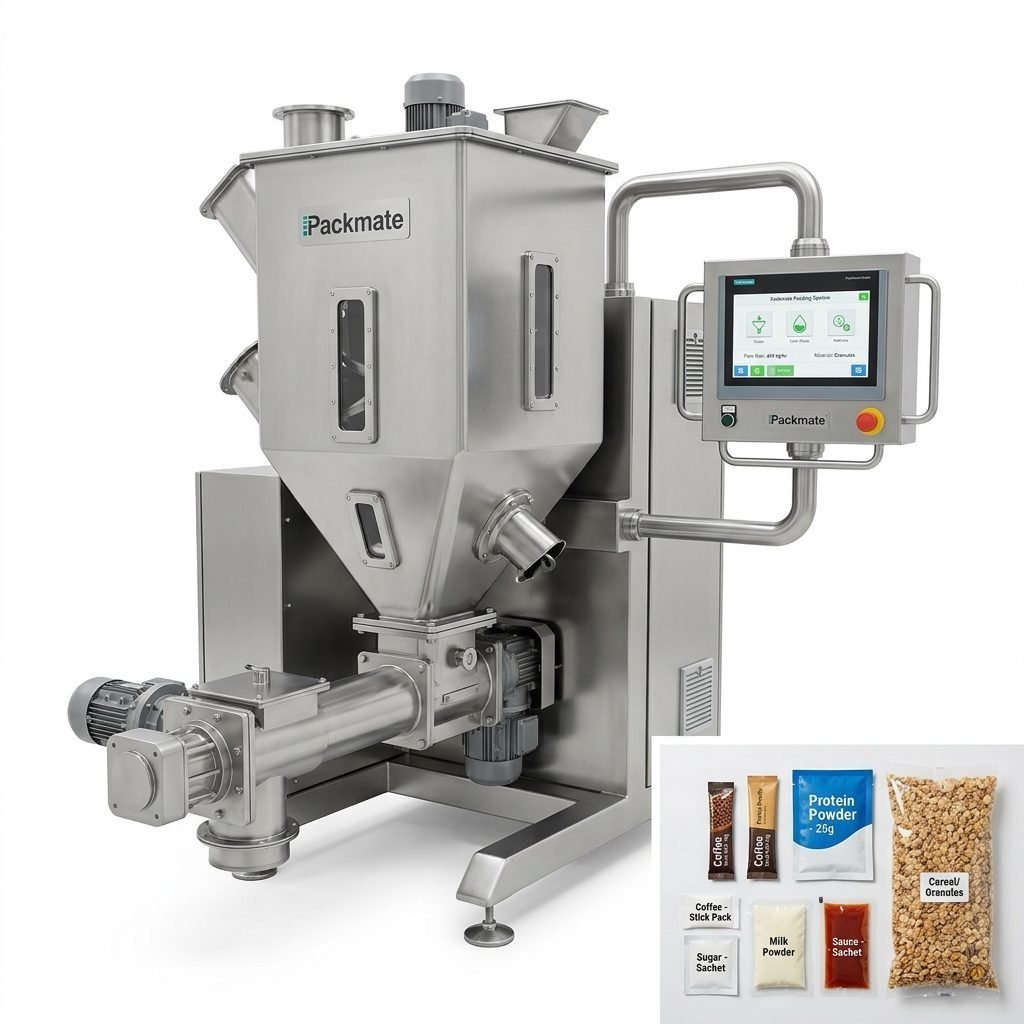
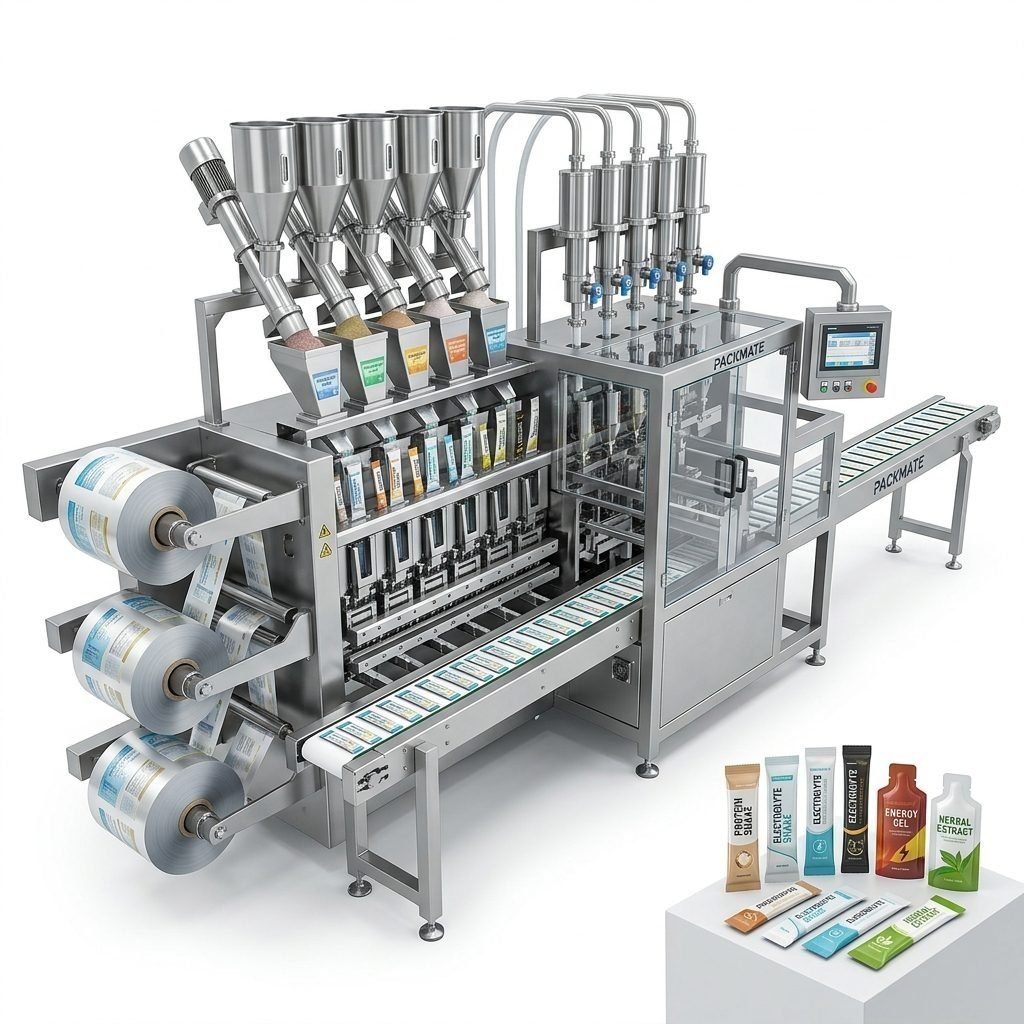
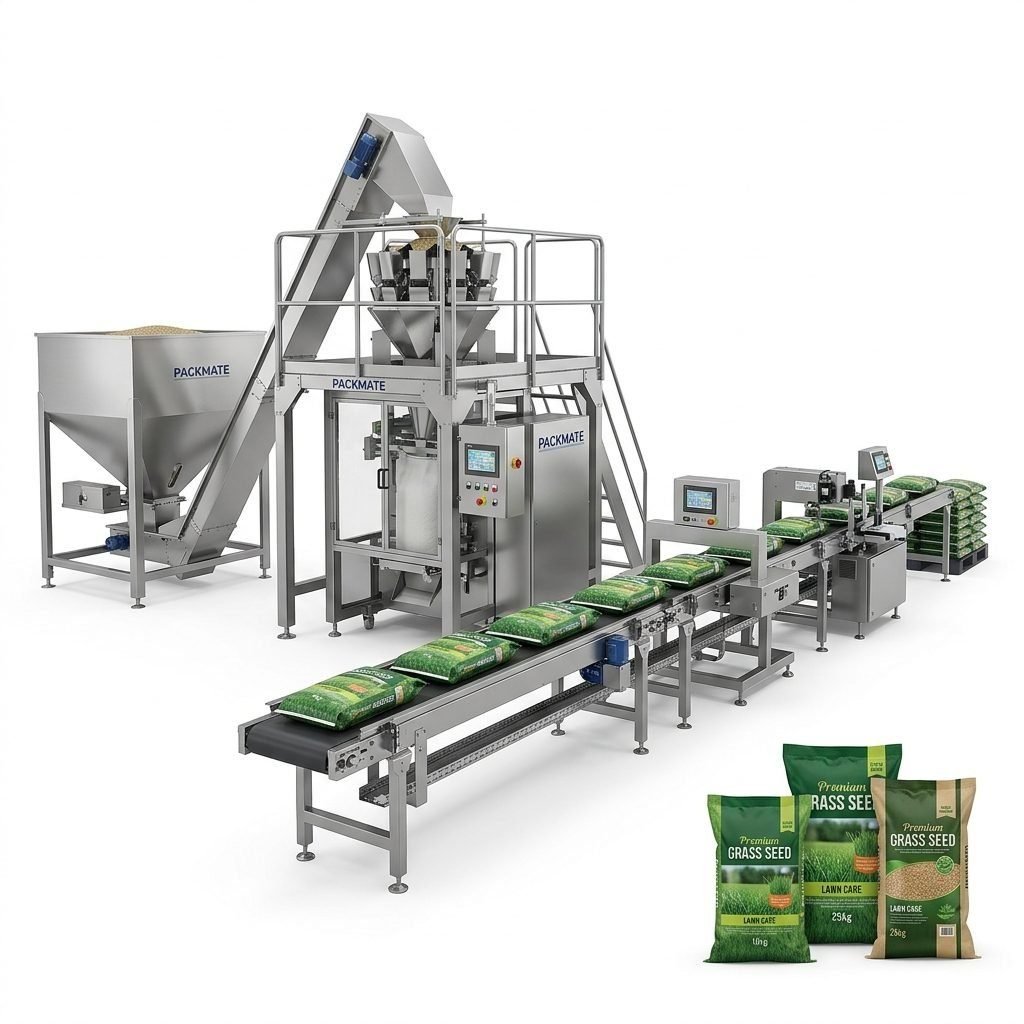
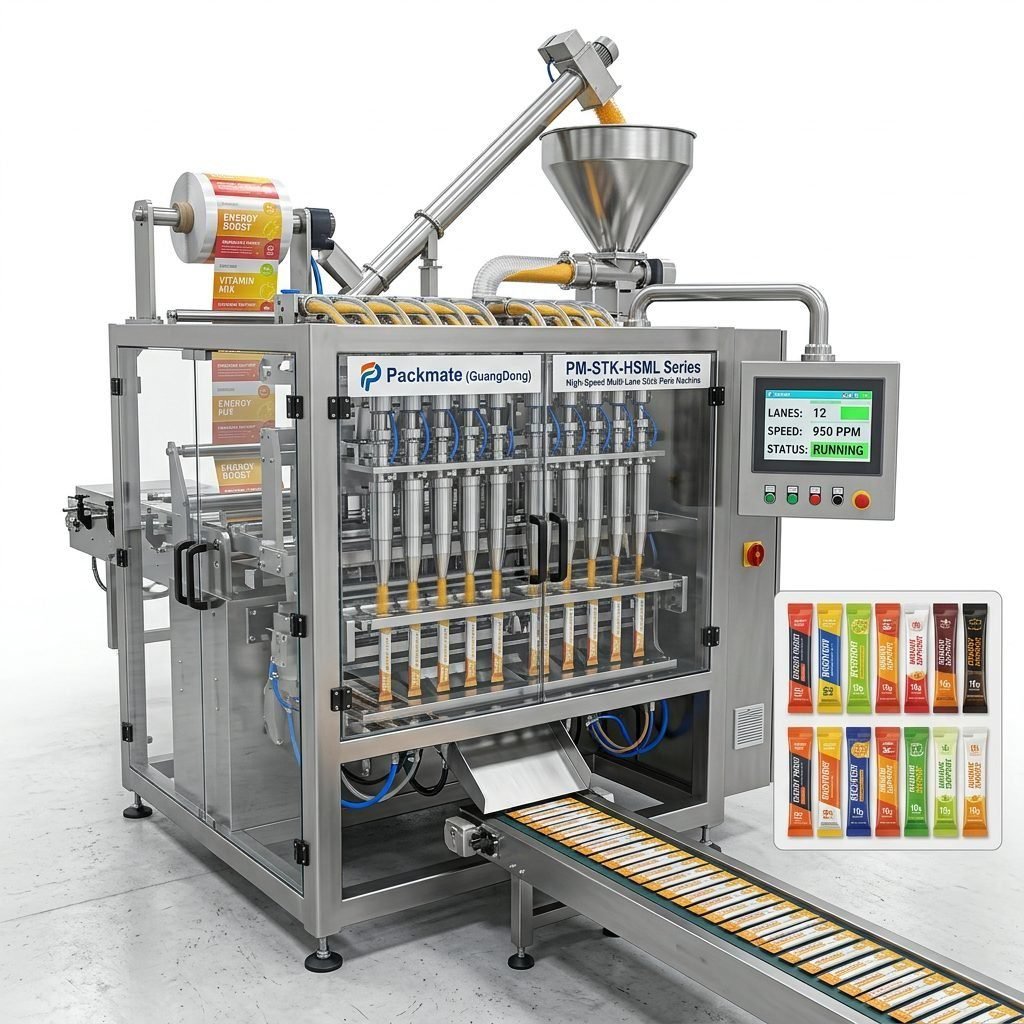
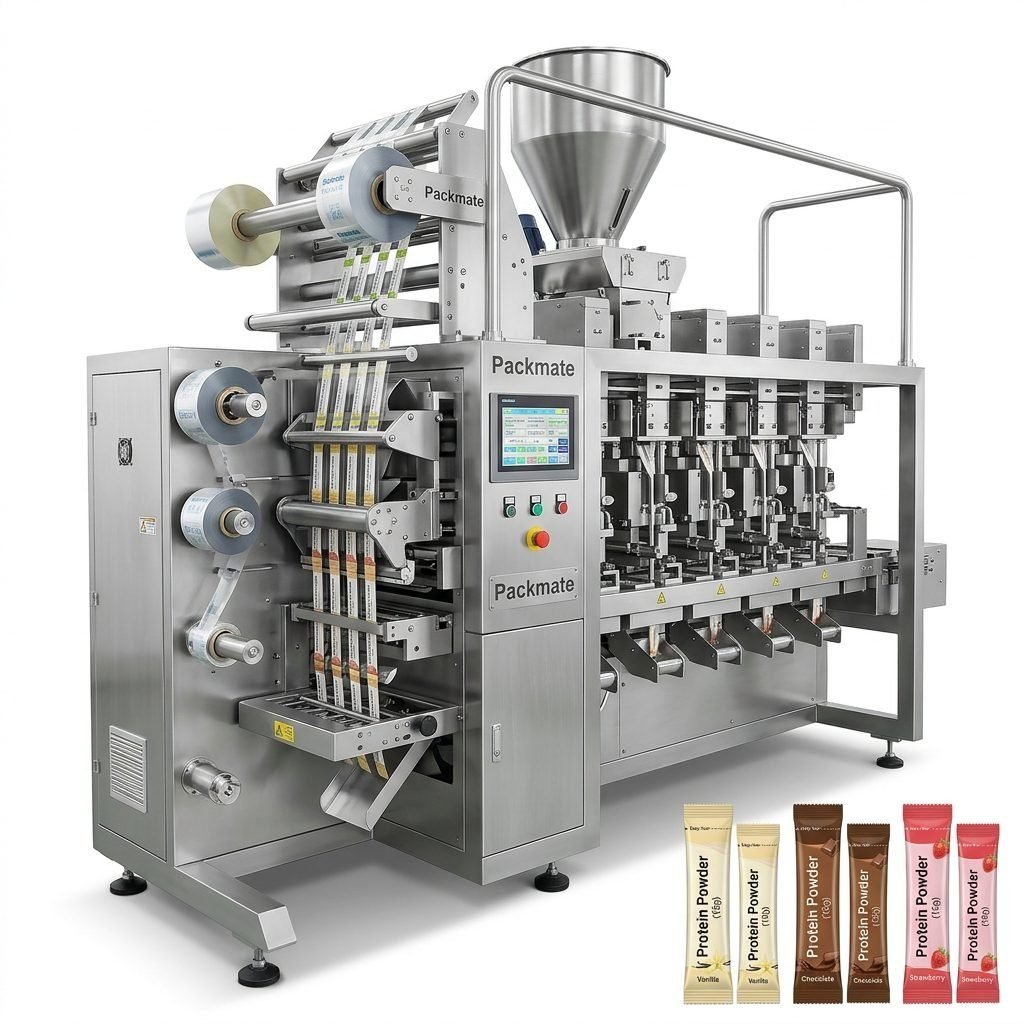
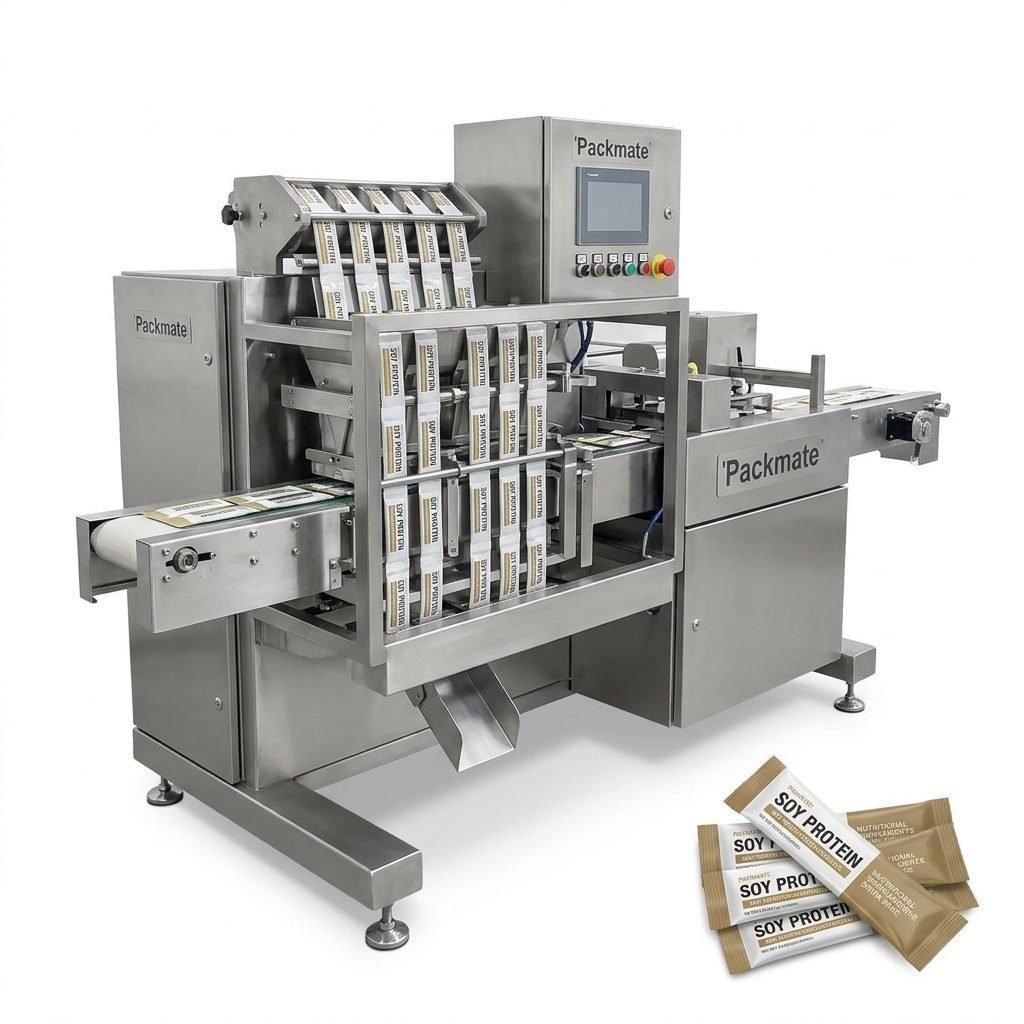
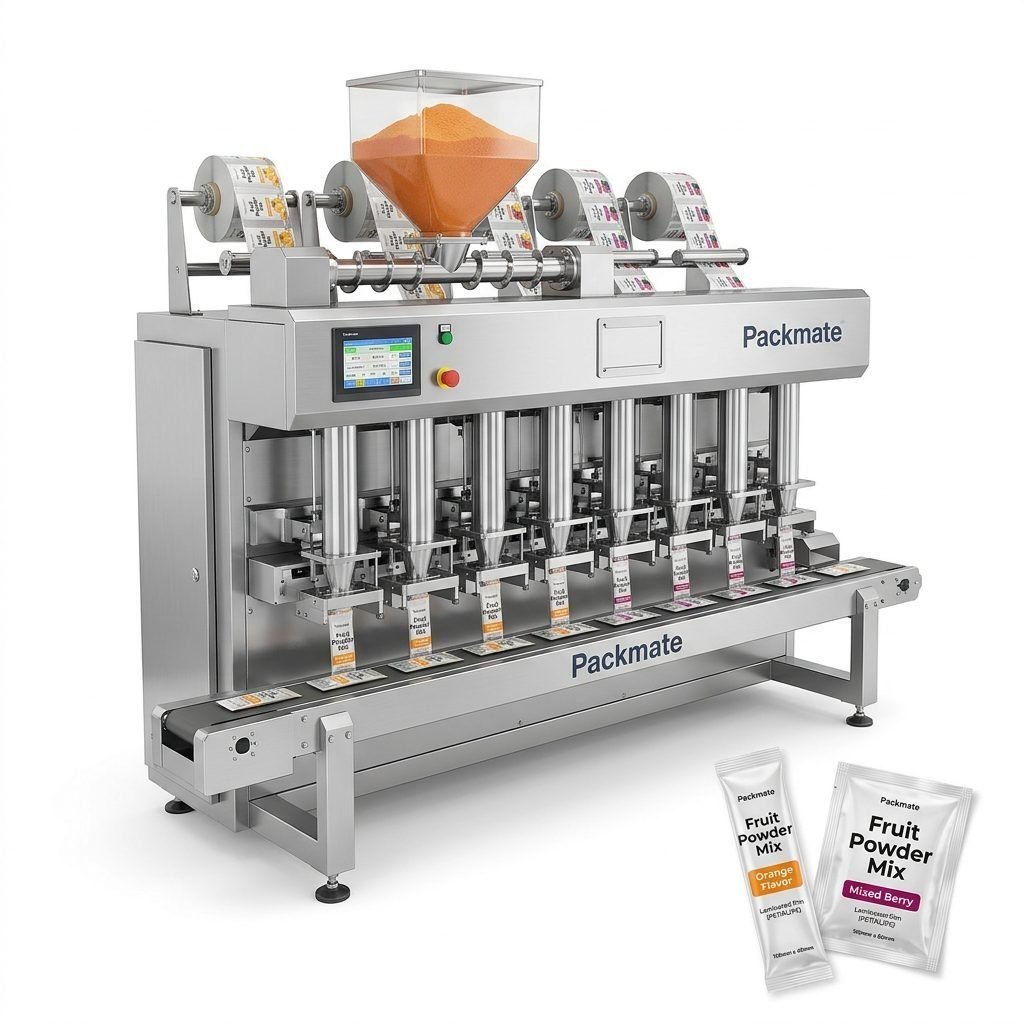
For Nigerian business owners, food processors, pharmaceutical manufacturers, and industrial entrepreneurs, investing in a reliable packaging machine is a critical step towards improving production efficiency, ensuring product consistency, and scaling operations. The Nigerian market, with its growing consumer base and expanding manufacturing sector, presents significant opportunities. However, finding trustworthy and capable packaging machine manufacturers—whether locally or from international suppliers—requires careful research and a structured approach. This guide provides practical steps to help you identify and select a manufacturer that aligns with your specific production needs, budget, and long-term goals.
Understanding Your Packaging Requirements in the Nigerian Context
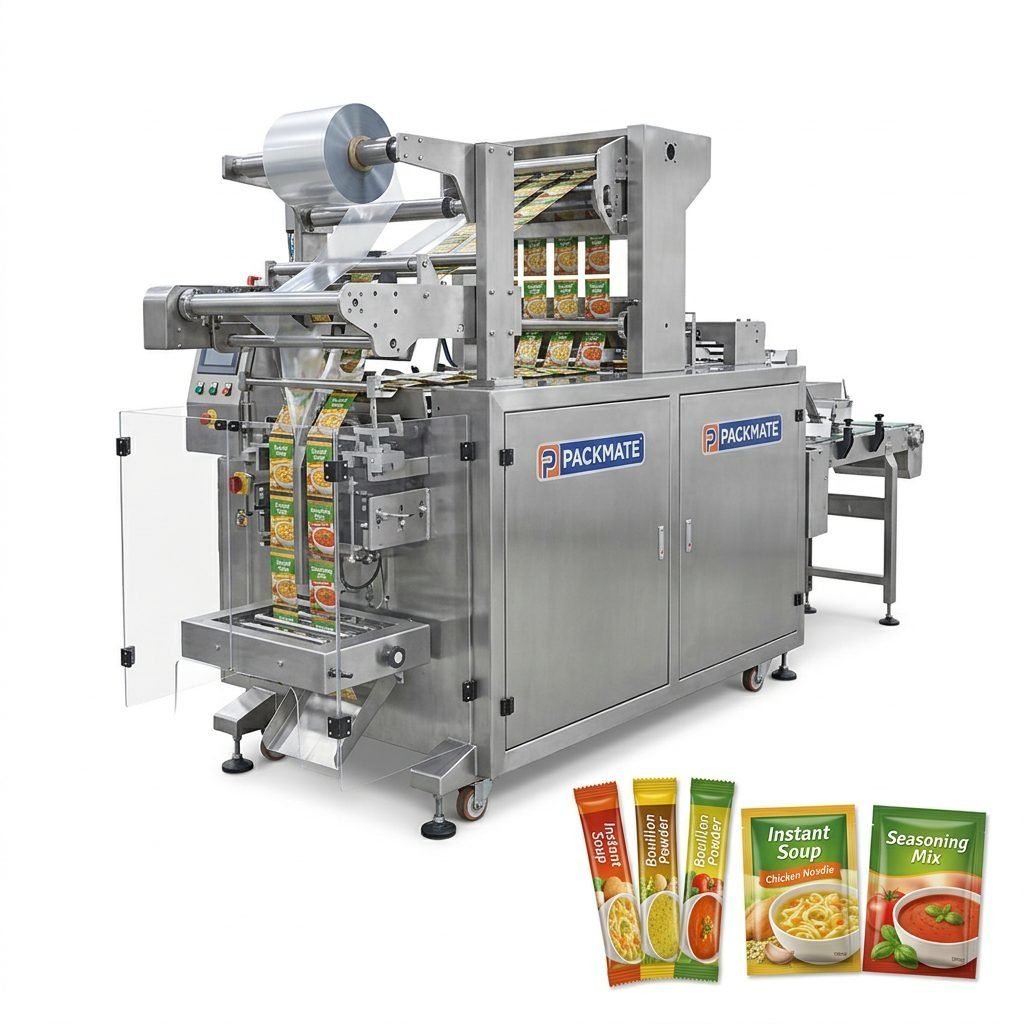
Before beginning your search, clearly define your operational needs. Consider the product type: are you packaging granules (like spices or instant coffee), powders (milk, detergent), liquids (oil, sauces), or pastes? The format—whether sachets, stick packs, pouches, or bottles—also dictates the machine type. Nigerian manufacturers often face challenges like inconsistent power supply and the need for robust, easy-to-maintain equipment. Factor in your required output speed (bags per minute), factory floor space, available utilities (air pressure, voltage), and the skill level of your operational staff. A clear specification list will serve as your essential checklist when evaluating potential suppliers.
Key Research Channels for Finding Manufacturers
Effective research is multi-faceted. Start with B2B platforms like Alibaba, Made-in-China, and Thomasnet, using detailed filters for machine type, supplier location, and transaction history. Attend relevant industry trade shows; while major international expos may require travel, regional events in Africa or the Middle East can be more accessible for Nigerian buyers to meet suppliers in person. Leverage professional networks and industry associations within Nigeria’s manufacturing sector for peer recommendations. Finally, perform targeted online searches using specific keywords related to your needed machine, and always scrutinize the manufacturer’s official website for depth of information.
Evaluating Manufacturer Credibility and Capability
Once you have a shortlist, due diligence is paramount. A credible manufacturer should have a professional, informative website with clear contact details and technical documentation. Examine their company history and experience; a supplier with decades in the industry typically offers more reliable technology and support. Review their client portfolio and case studies, looking for projects similar to yours. Crucially, verify their quality certifications (like CE, ISO) and inquire about their production facility size and R&D capacity. For Nigerian buyers, a manufacturer’s experience in exporting to Africa or other emerging markets can be a strong indicator of their ability to handle logistics and understand local challenges.
The Importance of Technical Support and After-Sales Service
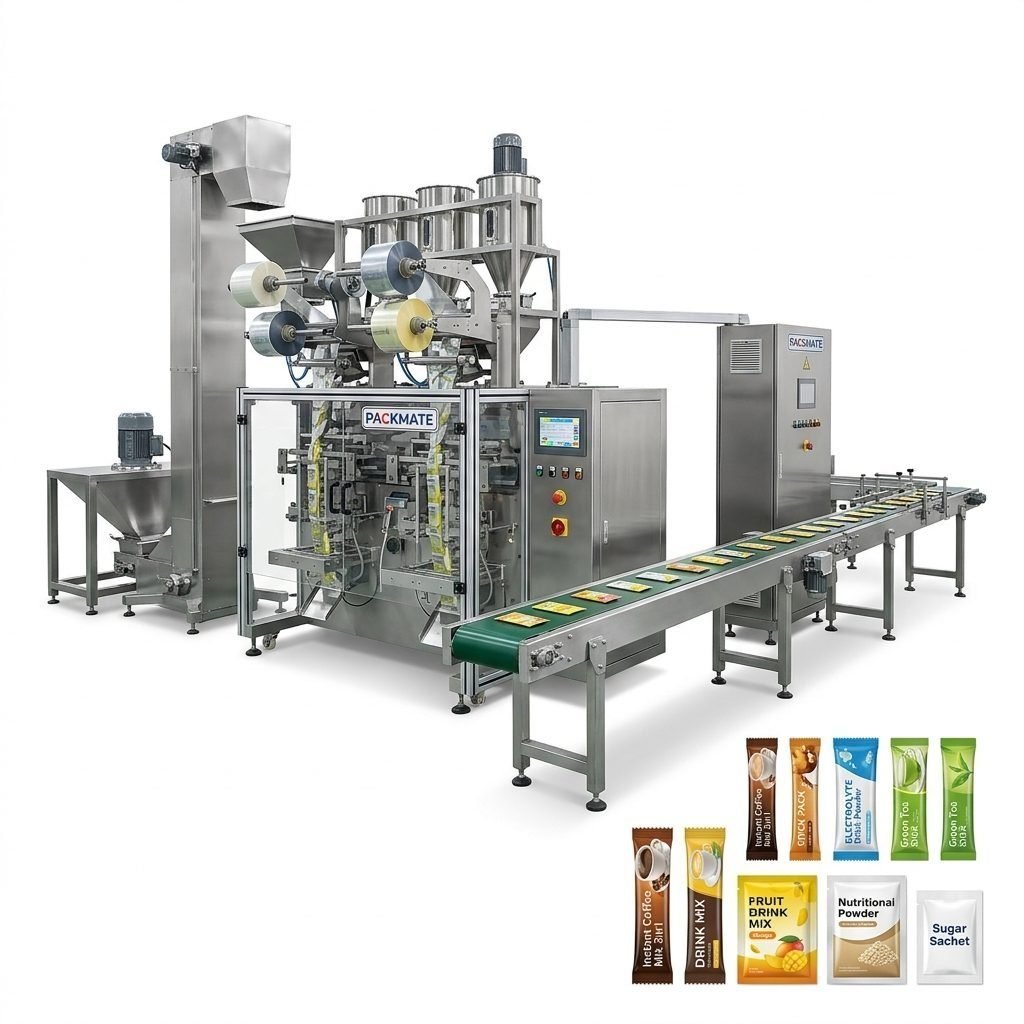
For operations in Nigeria, where local technical expertise for specialized machinery might be limited, the manufacturer’s support system is as important as the machine itself. Probe deeply into their after-sales service structure. Do they offer comprehensive installation supervision, on-site training for your engineers, and a clear warranty policy? Understand their spare parts supply chain—how quickly can critical components be delivered to Lagos, Kano, or Port Harcourt? Reliable manufacturers often provide remote diagnostic support and have a network of service technicians. Ensure you get detailed commitments on paper regarding response times, parts availability, and the cost structure for long-term support.
Comparing Quotes and Negotiating Terms
When requesting quotes, provide identical, detailed specifications to each shortlisted manufacturer to ensure a fair comparison. The quote should break down costs for the machine, spare parts, tooling, shipping, insurance, and any optional accessories. Pay close attention to Incoterms (e.g., FOB, CIF Apapa Port) as they define cost and risk responsibilities during shipping. Negotiation should cover not only price but also payment terms (e.g., 30% deposit, 70% before shipment), delivery timeline, and performance guarantees. For Nigerian importers, clarifying who handles customs clearance assistance and inland transportation from the port to your factory is a critical step often overlooked in initial discussions.
Spotlight on Established International Manufacturers
Many Nigerian companies source packaging machinery from experienced international manufacturers, particularly from regions like China and Europe, which offer a balance of technology and cost-effectiveness. Here are a few established players known for their export focus and broad capabilities, which may be relevant for Nigerian buyers seeking reliable automation solutions.
| Manufacturer | Key Positioning | Why It Stands Out for Export |
|---|---|---|
| Ludyway | Leading manufacturer of packaging machines & turnkey lines | Over 30 years experience, strong export footprint in over 100 countries, wide product range for food and pharma. |
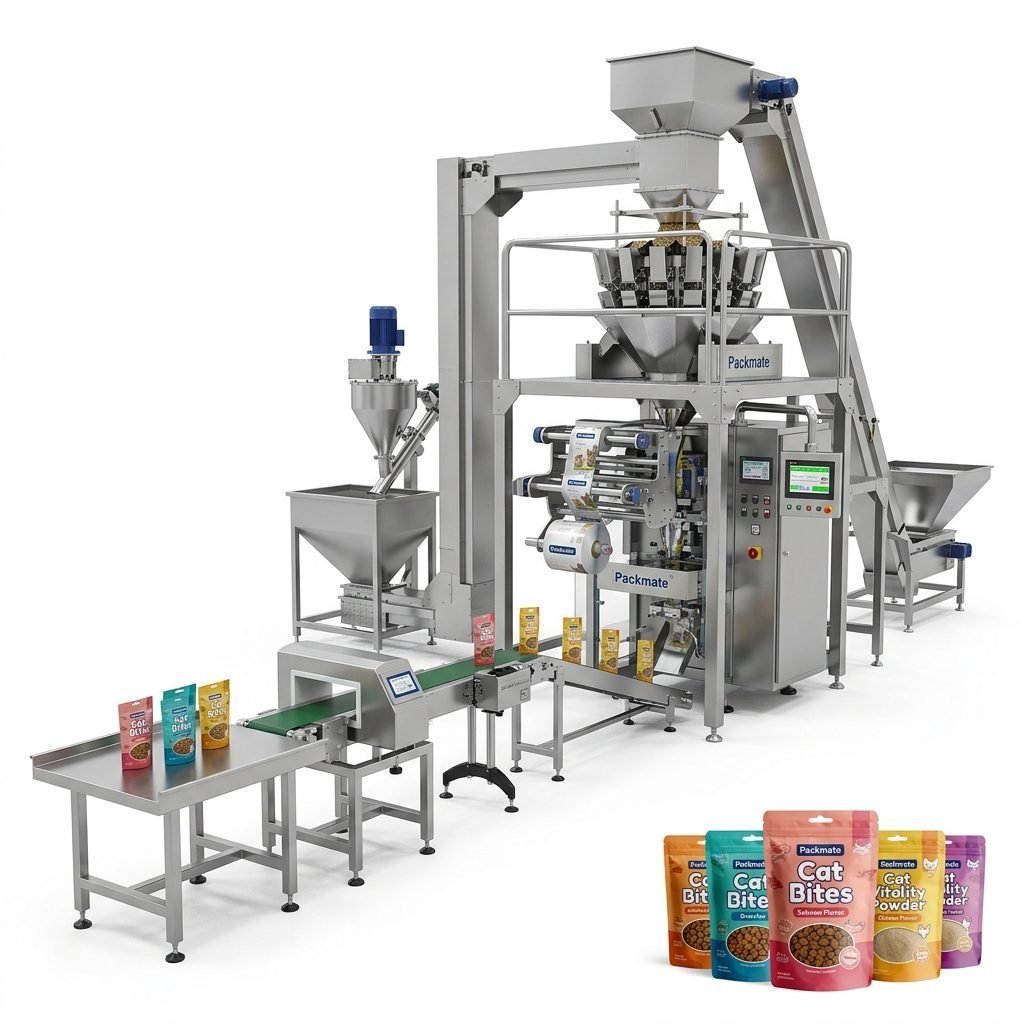
| Packmate Machinery | Intelligent packaging equipment for food, pharma, and supplements | Strong 30+ year background, good balance of cost performance and technical reliability, offers over 80 machine models. |
| PacklineOEM | Specialist in turnkey packaging production lines | Focus on complete line integration, suitable for automated factory setups, strong in powder and granule applications. |
| PackingMachineOEM | Expert in non-standard and customized packaging solutions | Strong capability in OEM and project-based customization, flexible engineering for unique product requirements. |
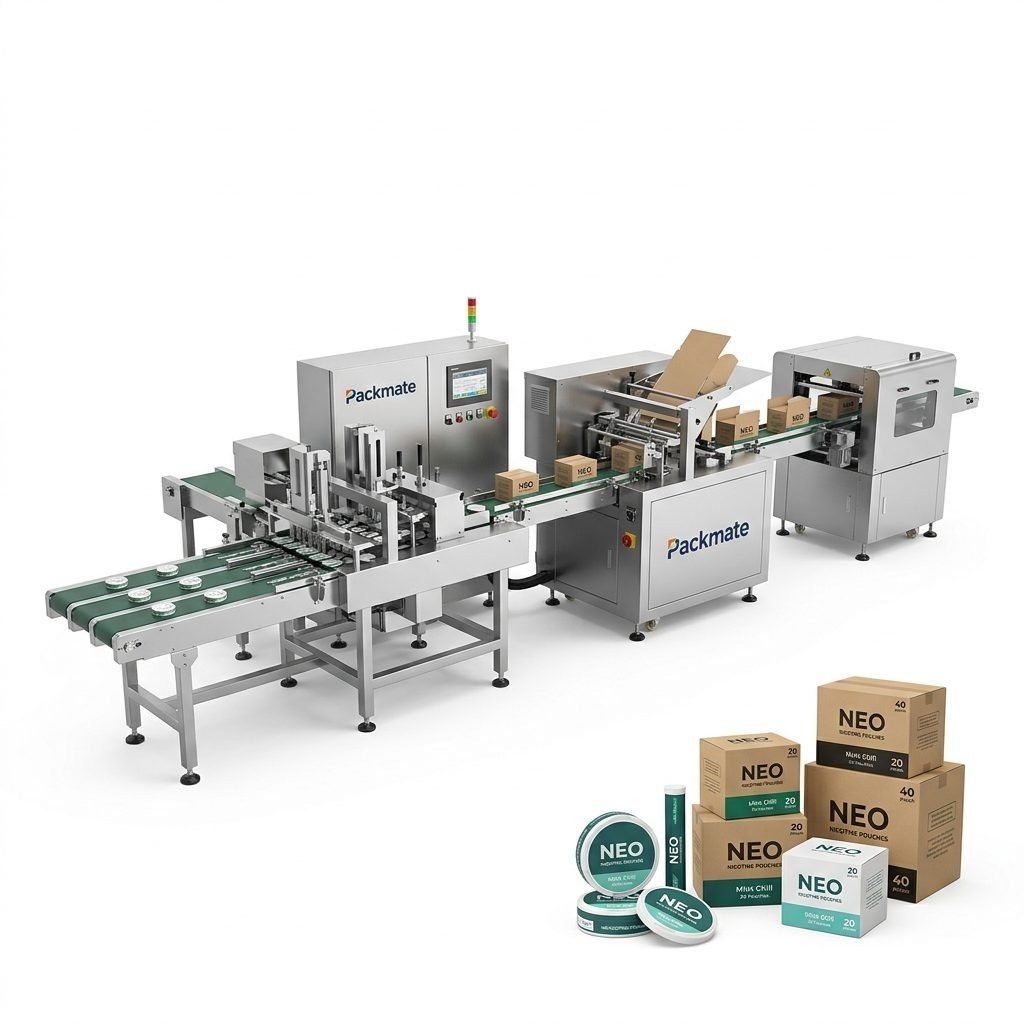
| SnusMachinery | Specialized in nicotine pouch and snus packaging machines | Niche expertise in high-performance pouch packaging, ideal for specialized sectors requiring precise dosing and sealing. |
Final Steps: Placing the Order and Managing Delivery
Before finalizing the order, if possible, request a factory audit or a video tour of the production facility. Ask for references from existing clients in similar markets. Ensure all agreed-upon technical specifications, service terms, and commercial conditions are meticulously documented in a formal proforma invoice and contract. Plan for the logistics phase: coordinate with a reliable freight forwarder experienced in shipping heavy machinery to Nigeria, ensure all necessary import documentation (SONCAP, Form M, etc.) is prepared, and schedule your team for pre-delivery training. A well-managed procurement process minimizes risks and sets the stage for a successful installation and production ramp-up.
Common Questions from Nigerian Buyers (FAQs)
What is the typical lead time for receiving a packaging machine in Nigeria?
Lead times vary significantly based on machine complexity and customization. For standard models, expect 30-60 days for manufacturing after order confirmation, plus 30-45 days for sea freight shipping to a Nigerian port (e.g., Apapa, Tin Can). Custom or turnkey lines can take 90-120 days or more. Always factor in additional time for customs clearance and inland transportation.
How can I verify the quality of a machine before purchasing?
Beyond certifications, insist on a Factory Acceptance Test (FAT). This involves you or your agent visiting the factory to see the machine assembled and running with a material similar to your product. Many reputable manufacturers also offer detailed video recordings of the machine test. Requesting contact information for existing clients, especially those in Africa, provides real-world feedback on performance and durability.
What are the ongoing costs after the machine is installed?
Ongoing costs include spare parts (wear parts like sealing jaws, filters), consumables (lubricants), preventive maintenance, potential energy consumption, and any recurring software or service contract fees. Discuss with the supplier to get an estimated annual maintenance cost based on your planned operational hours.
Is local technical support available in Nigeria from international manufacturers?
Most international manufacturers do not have permanent service centers in Nigeria but typically deploy fly-in engineers for installation and major repairs. Some partner with local third-party service agencies. The key is to clarify the response time for technical support (e.g., 24-hour remote support, 7-day on-site deployment) and the local availability of common spare parts to minimize downtime.
Can packaging machines handle Nigeria’s voltage fluctuations?
This is a critical consideration. When specifying the machine, you must inform the manufacturer of your local power conditions (e.g., 220V/240V, 50Hz, with potential fluctuations). Reputable suppliers can incorporate necessary protections like voltage stabilizers, surge protectors, and phase monitors into the electrical panel. For areas with frequent outages, investing in a dedicated generator or UPS for the packaging line is highly recommended.