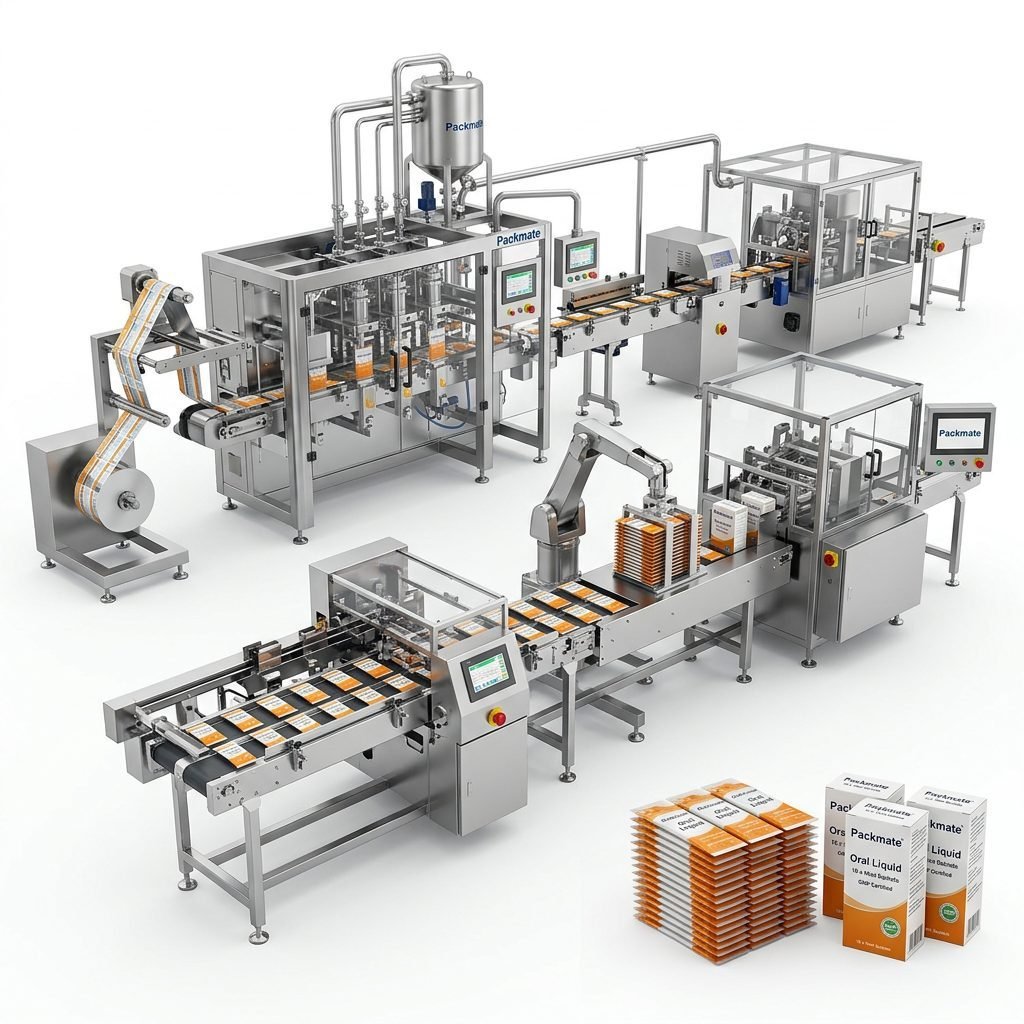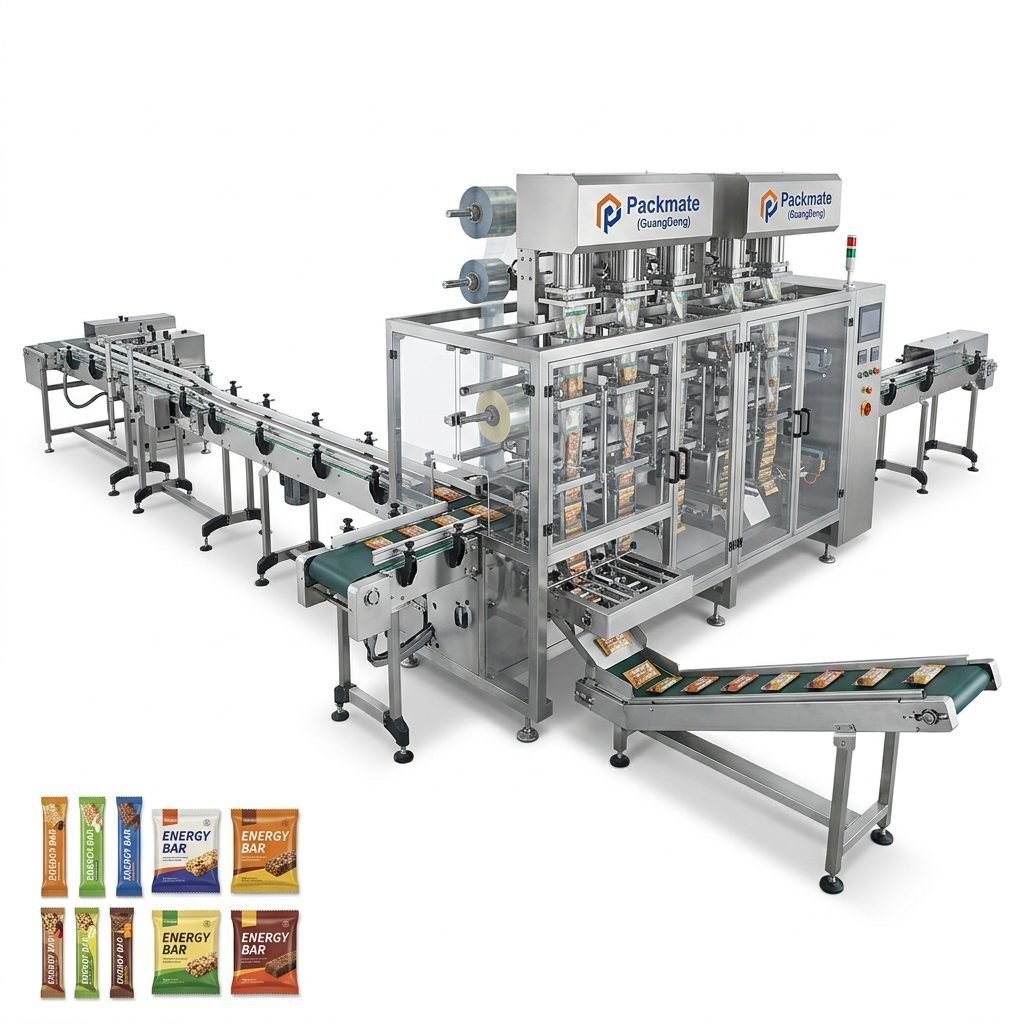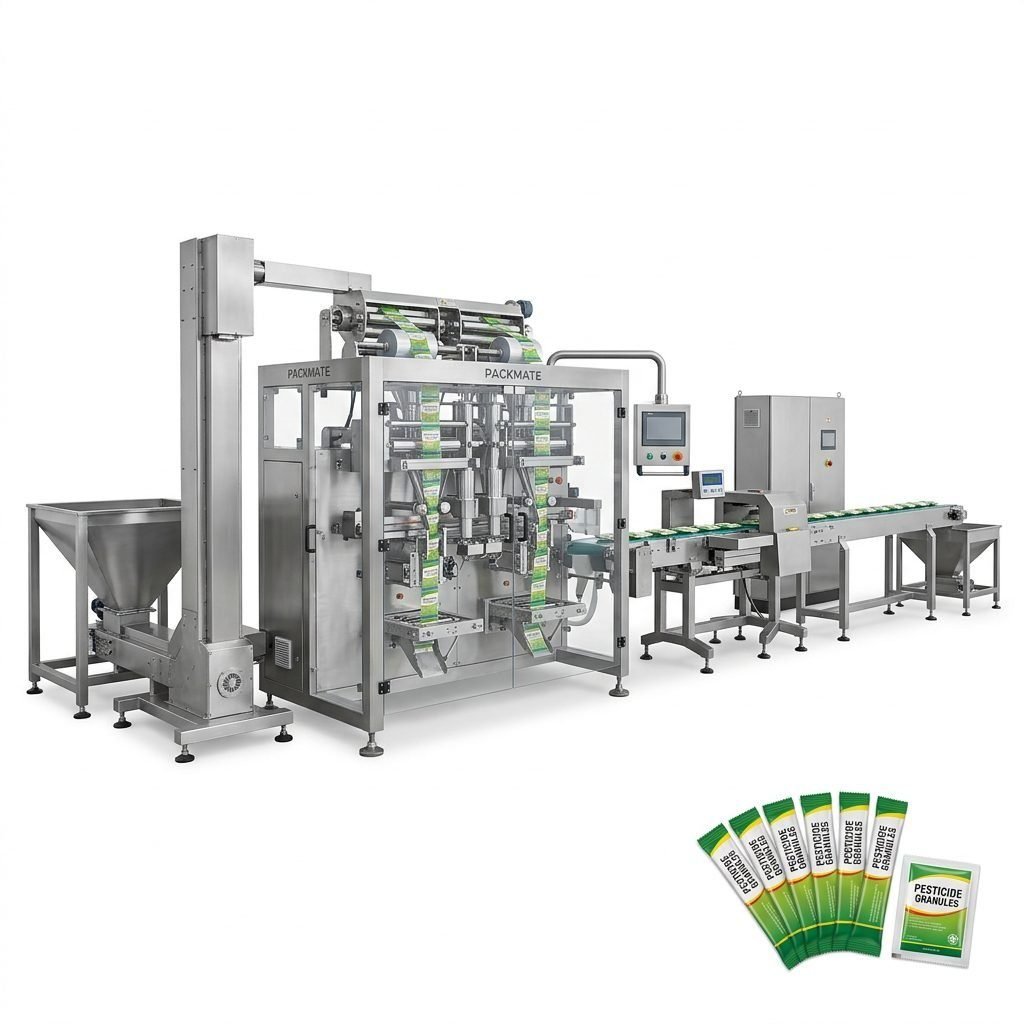
In today’s fast-paced manufacturing world, efficiency, hygiene, and portion control are paramount. Single portion packaging machines have become indispensable across numerous industries, enabling producers to package precise amounts of product into convenient, ready-to-use sachets, stick packs, or pouches. This guide explores the different types of single portion packaging machines, their key applications, and provides a framework to help you choose the right model for your specific production needs.
Understanding Single Portion Packaging Machines
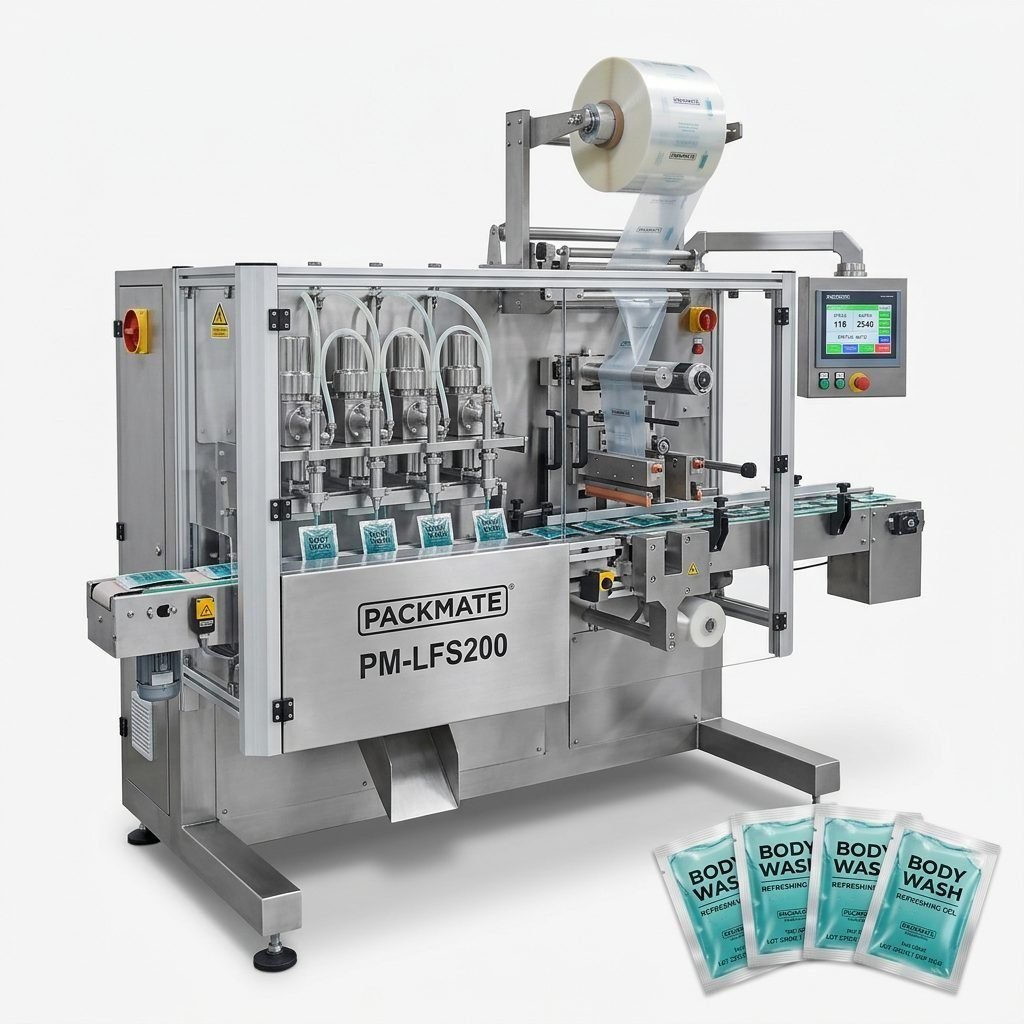
Single portion packaging machines, often referred to as sachet, stick pack, or pouch packaging machines, are automated systems designed to measure, fill, and seal individual doses of product. They handle a wide range of materials, from powders and granules to liquids, pastes, and creams. The primary advantage is the creation of uniform, hygienic, and tamper-evident packages that enhance product shelf life, reduce waste, and improve consumer convenience.
Core Components and Operation
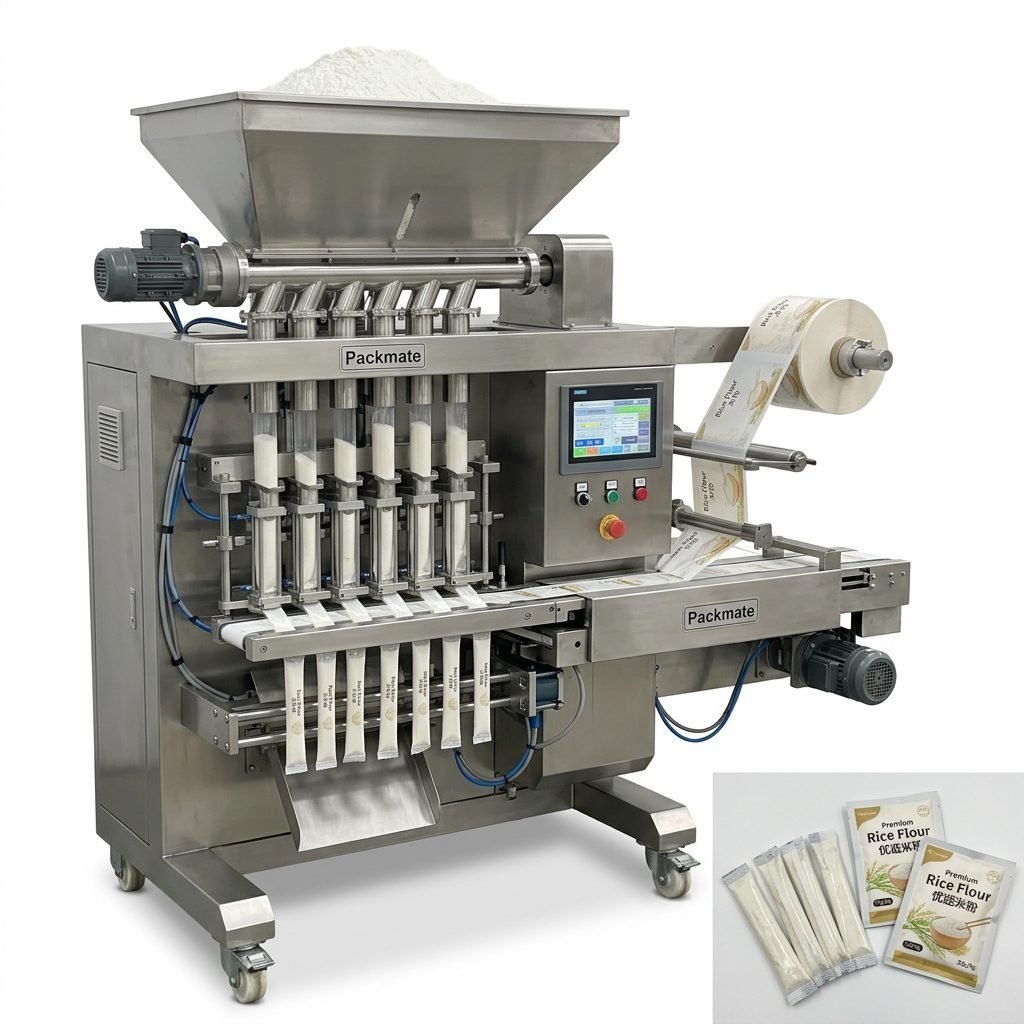
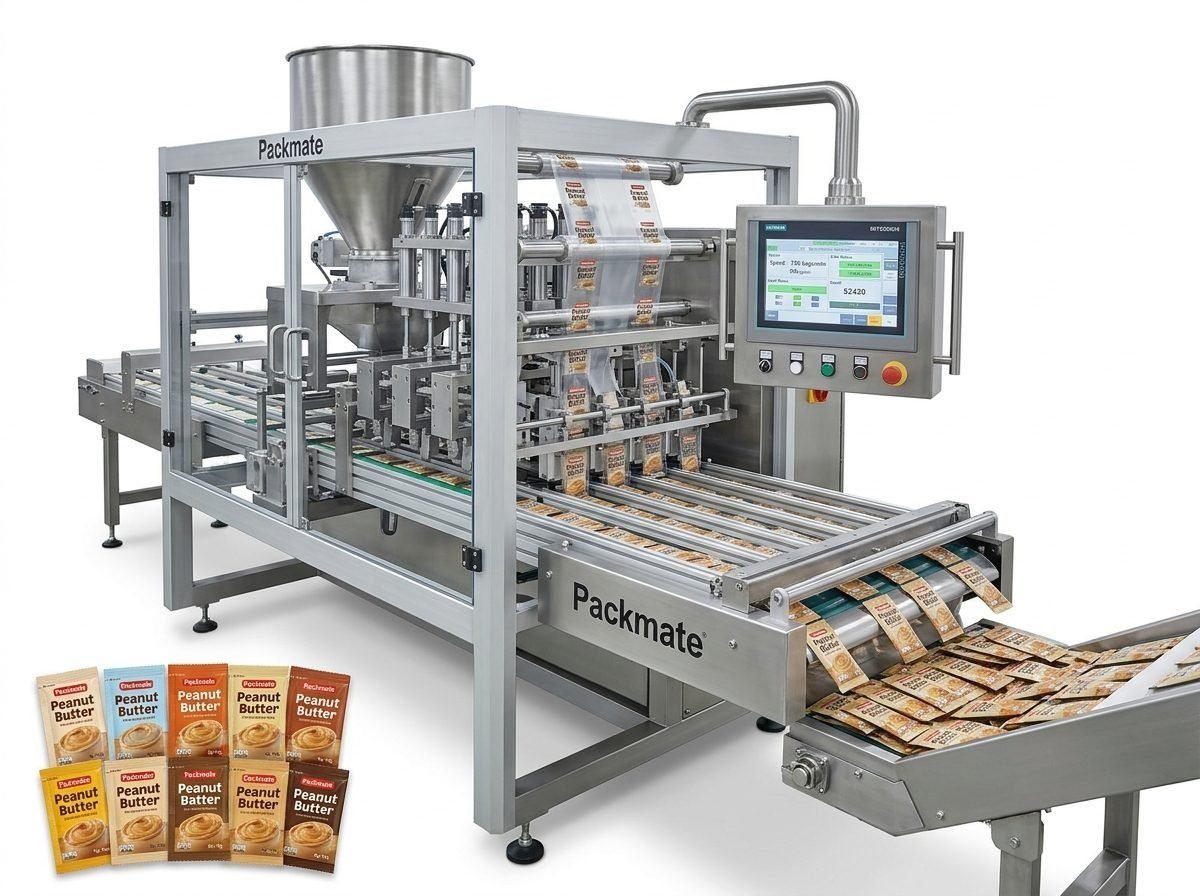
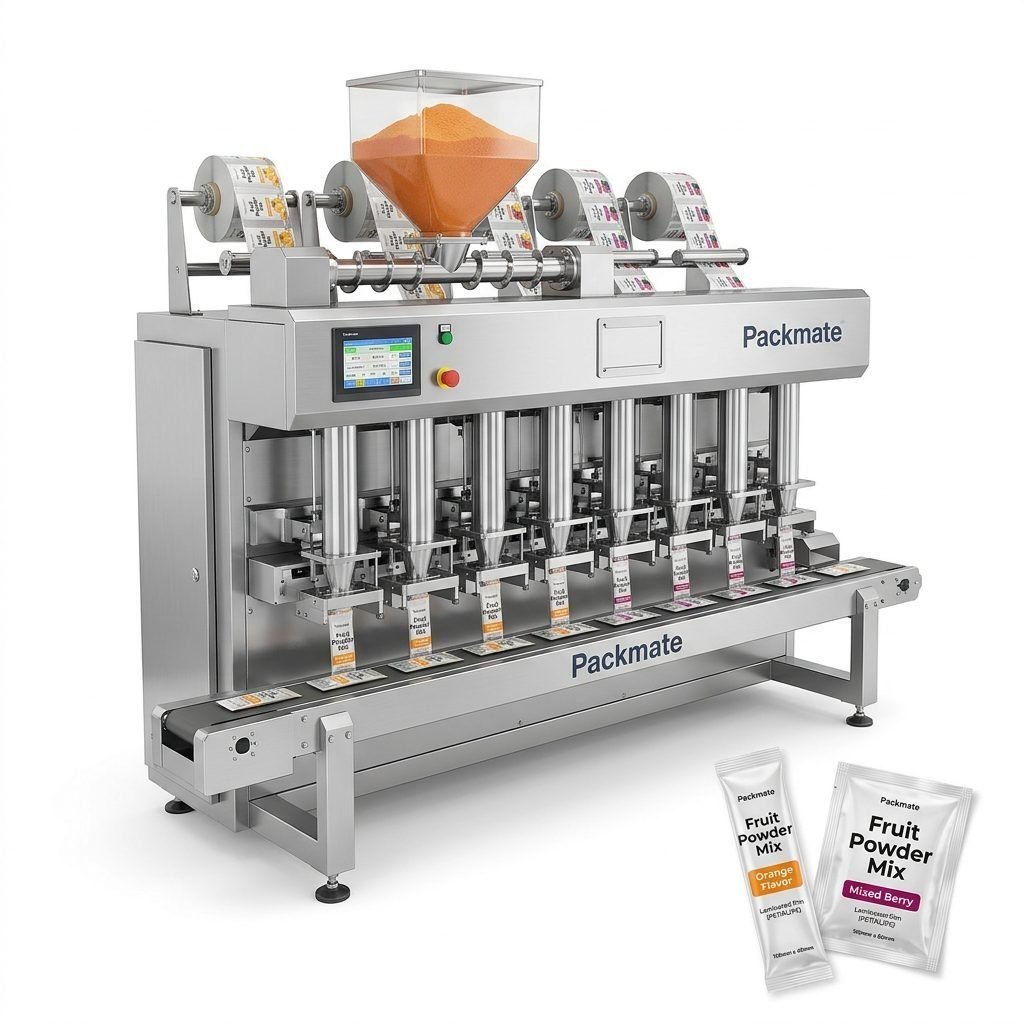
While designs vary, most single portion packagers share common core components: a film unwinding system, a forming mechanism (like a vertical form-fill-seal tube), precision dosing systems (auger, volumetric, or pump-based), and heat sealing jaws. The process is continuous and high-speed, with multi-lane configurations significantly boosting output by packaging several portions simultaneously.
Main Types of Single Portion Packaging Machines
Selecting the right machine starts with understanding the available configurations. The choice largely depends on your product format, required output, and packaging style.
1. Vertical Form-Fill-Seal (VFFS) Machines
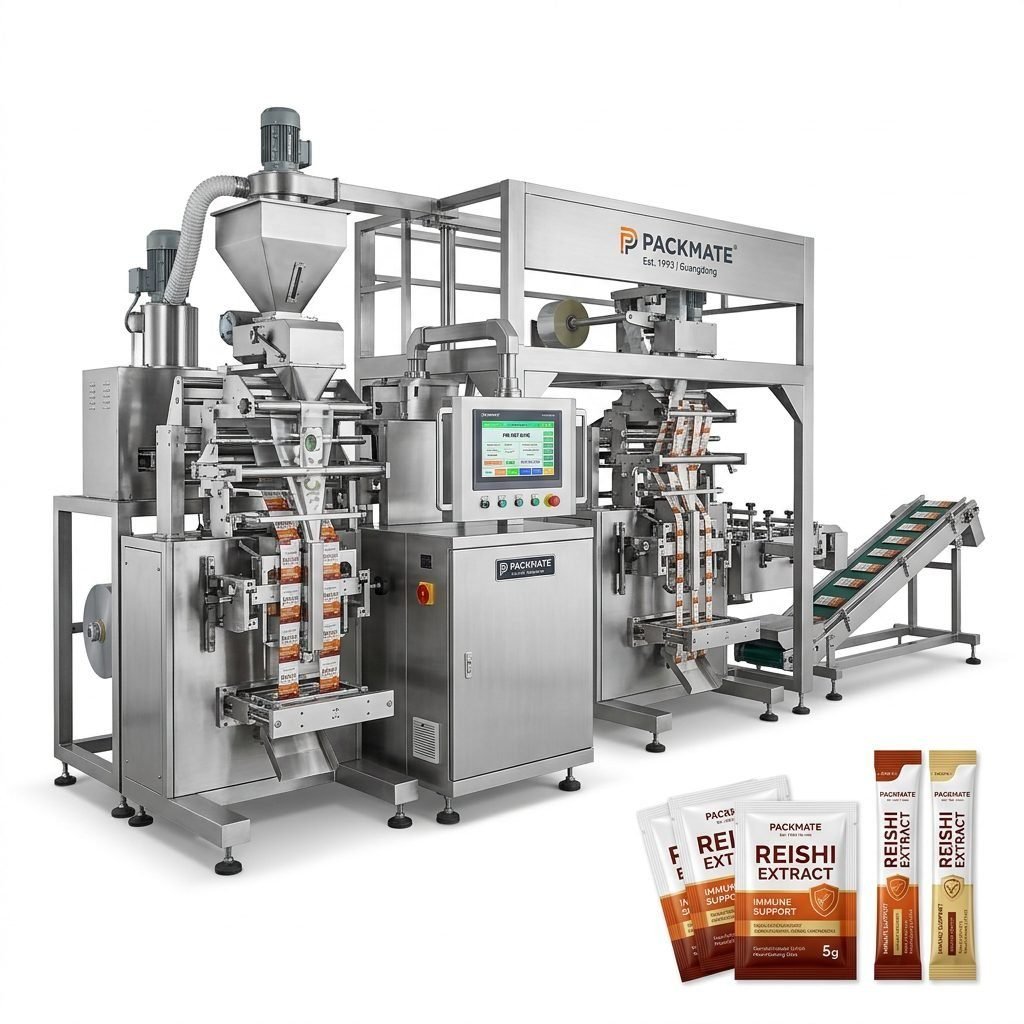
These are the most common type. They form a tube from a roll of packaging film, fill the product vertically into the tube, and then create horizontal and vertical seals to form individual pouches. They are incredibly versatile for creating various sachet styles.
2. Stick Pack Machines
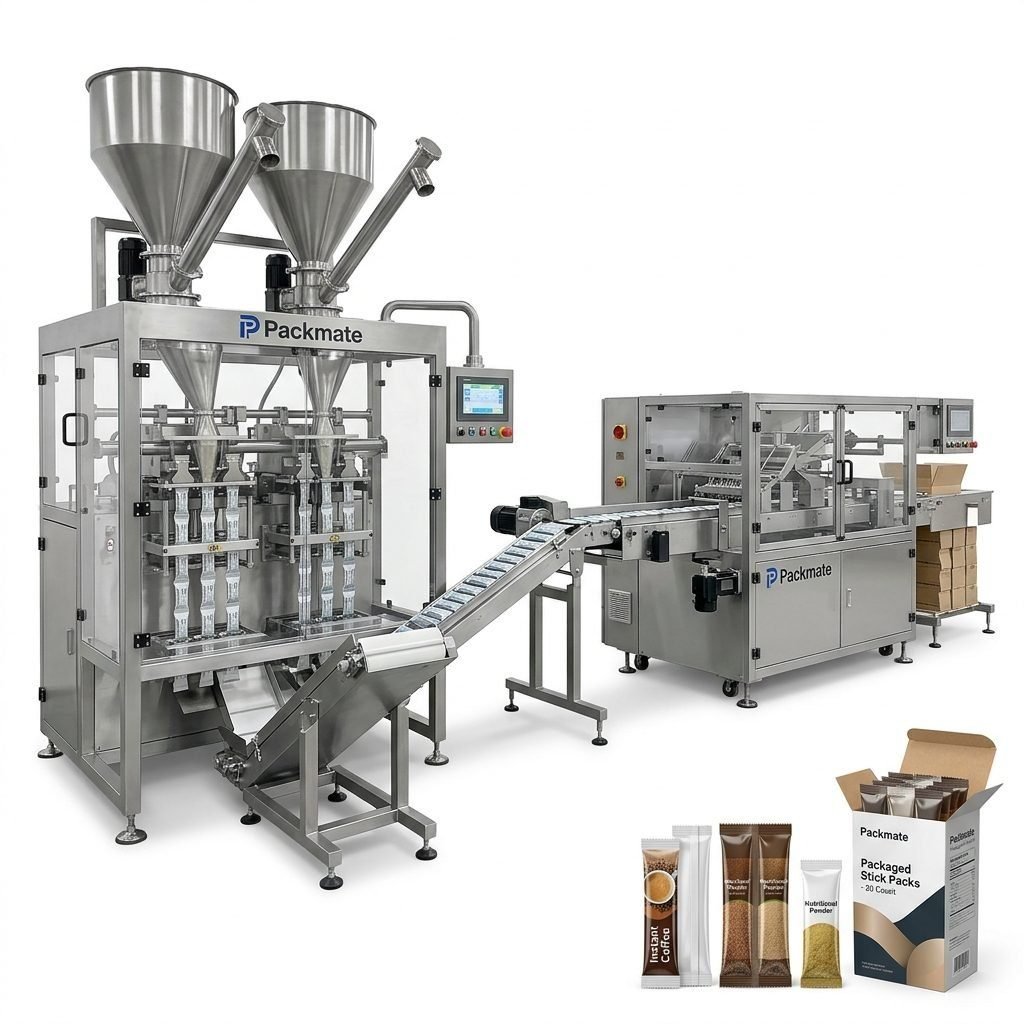
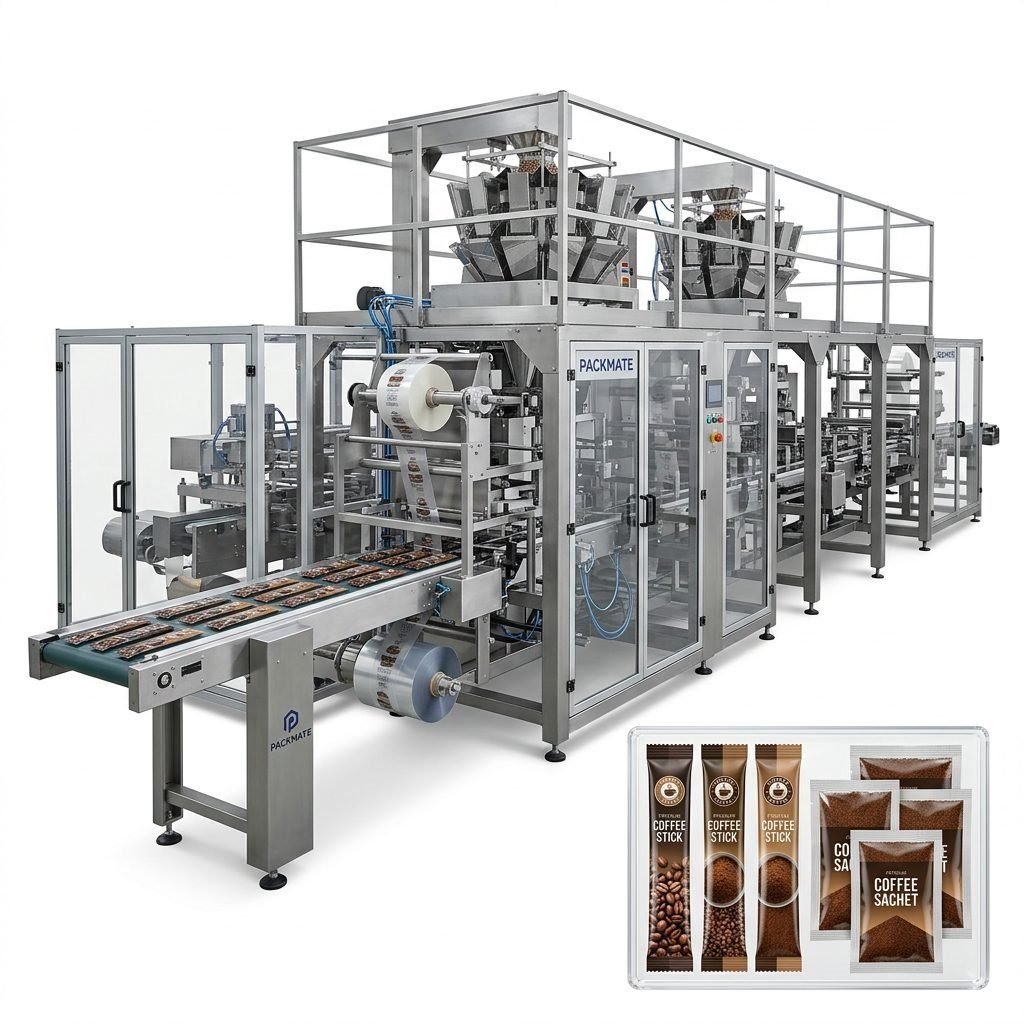
A specialized subset of VFFS machines, these produce long, narrow “stick” packs. They are ideal for free-flowing powders and granules like instant coffee, drink mixes, and sugar. Their slender shape is perfect for on-the-go consumption and sample distribution.
3. Pre-Made Pouch Fillers
These machines use pre-manufactured, empty pouches (stand-up, flat, or spouted). They open the pouch, fill it with product, and then seal it. This method is excellent for complex pouch structures, liquids, and products requiring high-quality graphics that are difficult to achieve with VFFS.
4. Multi-Lane Packaging Systems
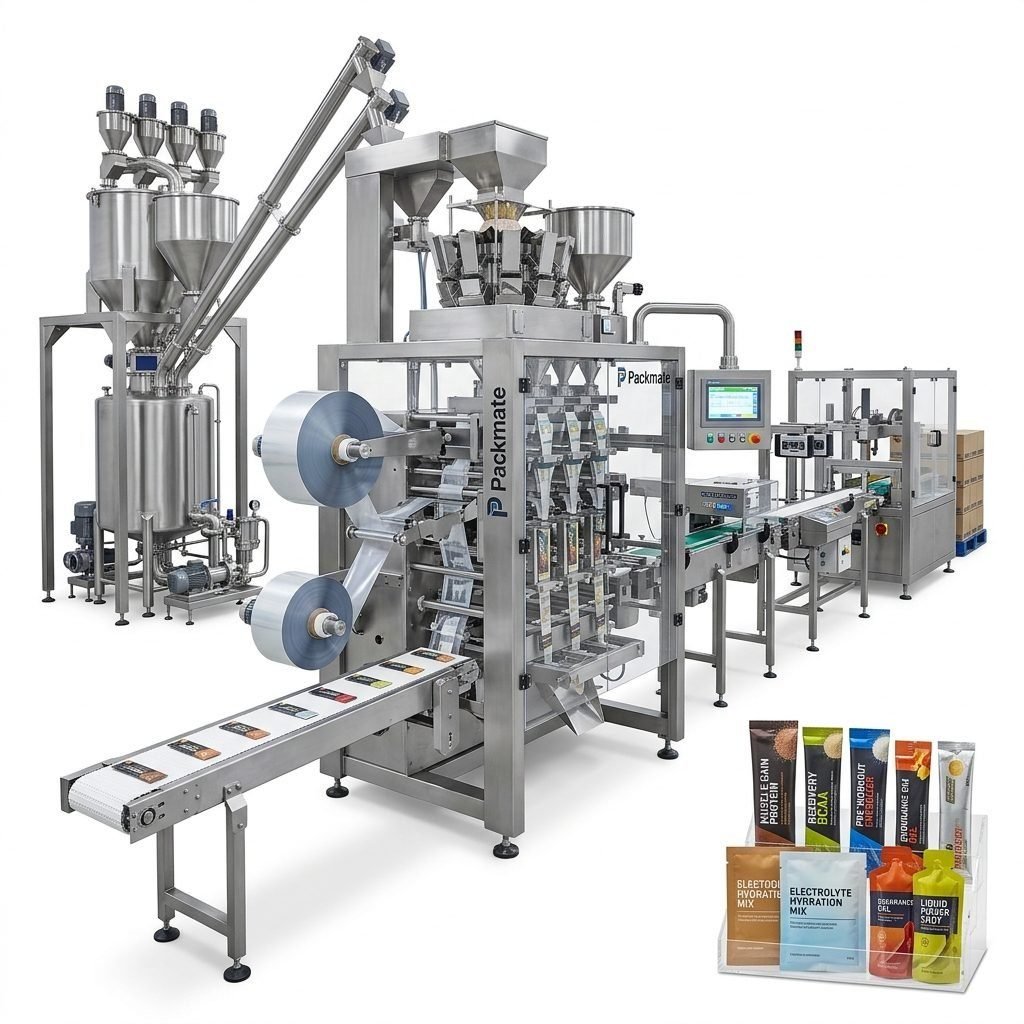
For high-volume production, multi-lane systems integrate multiple filling heads (e.g., 4, 8, 12, or more lanes) operating in parallel. This configuration can dramatically increase output, sometimes exceeding 1,000 portions per minute, making them essential for large-scale food, pharmaceutical, and nicotine pouch production.
Key Applications Across Industries
The adaptability of single portion packaging makes it a cornerstone technology in several sectors.
| Industry | Typical Products | Packaging Format |
|---|---|---|
| Food & Beverage | Condiments (ketchup, mayo), coffee, drink powders, spices, oatmeal | Sachets, Stick Packs |
| Pharmaceutical & Nutraceutical | Powdered supplements, electrolytes, over-the-counter drugs, herbal powders | Sterile Sachets, Stick Packs |
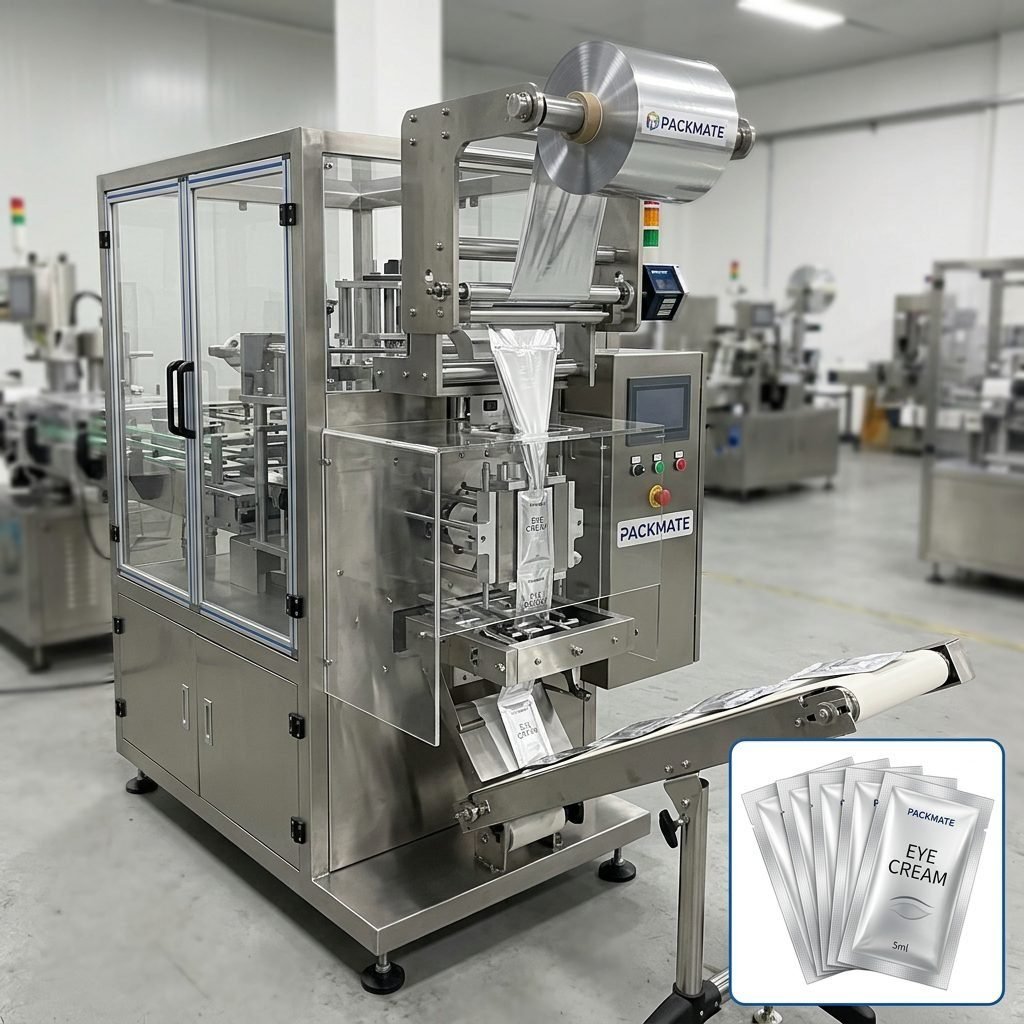
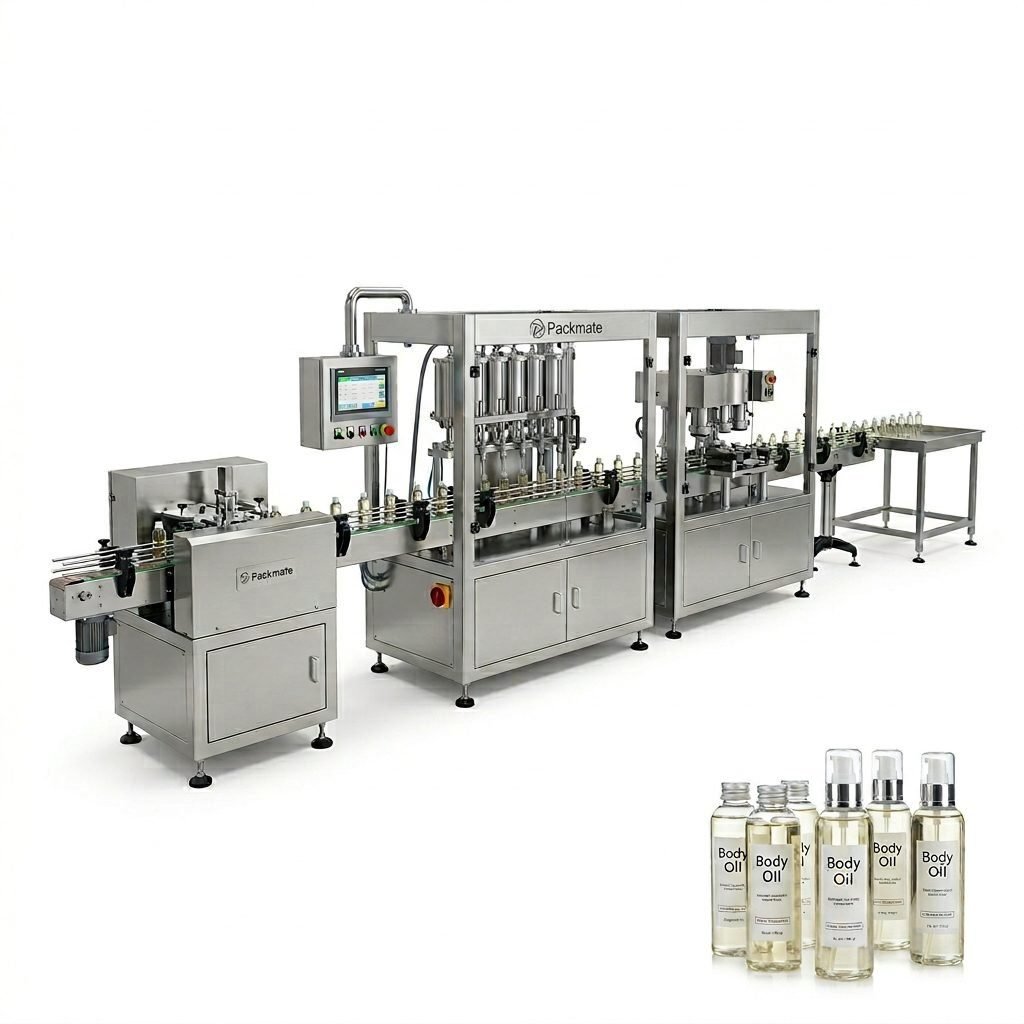
| Personal Care & Cosmetics | Shampoo, lotion, face cream samples, serums | Liquid Sachets, Foil Pouches |
| Industrial & Chemicals | Detergents, lubricants, adhesives, water treatment chemicals | Heavy-Duty Sachets, Pouches |
How to Choose the Right Model: A Step-by-Step Guide
Investing in the correct machine is crucial for operational success. Here are the key factors to consider.
1. Define Your Product Characteristics
This is the most critical step. Is your product a fine powder, abrasive granule, viscous paste, or free-flowing liquid? Characteristics like density, flowability, abrasiveness, and hygroscopicity will determine the suitable dosing system (auger, pump, volumetric cup) and material handling components.
2. Determine Your Production Requirements
- Output Speed (ppm): How many portions per minute do you need? This will dictate whether a single-lane or a multi-lane turnkey packaging line is necessary.
- Bag/Pouch Specifications: Define the size, material (laminate structure), and required seal type (e.g., peelable, permanent).
3. Evaluate Machine Features and Construction
Look for robust construction with food-grade or pharmaceutical-grade stainless steel contact parts. Consider the level of automation needed—from basic filling to integrated check-weighing, nitrogen flushing for preservation, and date coding. Ease of cleaning and changeover between different products or pouch sizes is also vital for operational flexibility.
4. Assess Supplier Capability and Support
Partnering with a reliable manufacturer is as important as the machine itself. Consider companies with a strong track record, like Ludyway, which offers over 30 years of experience and a broad portfolio. Key supplier qualities include:
- Proven experience in your specific product category.
- Ability to provide comprehensive after-sales service, training, and spare parts.
- Option for customization if your needs aren’t met by a standard model.
- A clear understanding of international market standards, crucial for exporters.
5. Consider Total Cost of Ownership (TCO)
Look beyond the initial purchase price. Factor in long-term costs like energy consumption, maintenance, spare parts availability, and potential downtime. A slightly higher initial investment in a reliable machine from a reputable supplier like Packmate Machinery can lead to significant savings and higher productivity over time.
Frequently Asked Questions (FAQs)
Q: What is the difference between a sachet and a stick pack machine?
A: Both are typically VFFS machines. The key difference is the final pouch format. A stick pack machine produces long, narrow tubes, while a sachet machine can produce a wider variety of rectangular or square-shaped pouches. The forming collar and sealing jaw design are specific to each format.
Q: Can one machine handle both powders and liquids?
A: Some machines are designed as multi-purpose units with interchangeable dosing systems. However, for optimal performance and hygiene, especially in regulated industries, it is often recommended to use machines specifically configured for your primary product type (e.g., a powder filler with an auger system vs. a liquid filler with pumps).
Q: How important is after-sales support?
A: Extremely important. Machine downtime is costly. Ensure your supplier offers accessible technical support, readily available spare parts, and operator training. Companies with a strong international presence, such as PackingMachineOEM, are often better equipped to provide timely global support.
Q: What are the benefits of a multi-lane system?
A: The primary benefit is dramatically increased production speed without a proportional increase in floor space or operator cost per unit. They are ideal for high-volume commodities like sugar, creamer, or pharmaceutical powders where maximizing throughput is essential for profitability.