If you are looking to source packaging machinery in Spain, you are likely part of a sophisticated industrial sector with specific demands for quality, automation, and reliability. Spain’s manufacturing landscape, particularly in food processing, pharmaceuticals, and agriculture, requires equipment that can meet high standards of hygiene, precision, and efficiency. Finding the right manufacturer is a critical step that involves understanding your own production needs, researching potential suppliers, and evaluating their technical capabilities and market reputation.
Understanding the Spanish Packaging Machinery Market
The Spanish industrial sector has a strong focus on food and beverage, pharmaceuticals, and cosmetics. Local manufacturers and processors often seek packaging solutions that offer:
• High-speed automation to compete in cost-sensitive markets.
• Flexibility to handle diverse product formats like sachets, stick packs, and bottles.
• Compliance with stringent EU safety and hygiene regulations.
• Robust after-sales service and local technical support.
This demand creates an opportunity for both local Spanish manufacturers and international suppliers who can reliably serve this market. Many Spanish companies are open to importing high-quality machinery, especially when it offers a better price-to-performance ratio or specialized capabilities not available locally.
Key Steps to Identify and Evaluate Manufacturers
Your search should be structured and thorough. Here is a practical approach:
1. Define Your Technical and Commercial Requirements
Before you start looking, be clear on what you need. Create a specification sheet that includes:
- Product type (powder, granule, liquid, paste).
- Desired packaging format (stick pack, sachet, pouch, bottle).
- Required output speed (bags/min or pouches/hour).
- Level of automation (standalone machine vs. complete turnkey line).
- Available factory space and layout constraints.
- Budget and expected ROI timeline.
2. Utilize Online B2B Platforms and Industry Directories
Websites like Alibaba, Made-in-China, and industry-specific directories are common starting points. Use precise keywords in Spanish and English, such as “fabricante de máquinas de envasado” or “automatic packaging line supplier.” Filter results by supplier location, but remember that many capable manufacturers are based overseas, particularly in China, and have extensive experience exporting to Europe.
3. Attend Trade Fairs and Exhibitions
Spain hosts several important trade shows. Hispack in Barcelona is a premier event for the packaging industry in Southern Europe. Attending such fairs allows you to see machines in operation, discuss projects face-to-face with engineers, and compare multiple suppliers under one roof.
4. Shortlist and Conduct Deep-Dive Due Diligence
Once you have a list of potential suppliers, evaluate them critically. Key aspects to check include:
| Evaluation Criteria | Key Questions to Ask |
|---|---|
| Company History & Stability | How long have they been in business? What is their financial health? |
| Technical Capability | Do they have experience with your specific product type? Can they provide case studies or references? |
| Manufacturing Quality | Can they provide factory audit reports? What quality control systems (e.g., ISO) are in place? |
| After-Sales Support | Do they have technicians in or near Europe? What are warranty terms and spare parts delivery times? |
| Export Experience | Do they have existing clients in Spain or the EU? Can they handle shipping, customs, and CE certification? |
Considerations for Sourcing from International Manufacturers
Many Spanish buyers successfully source packaging machinery from international manufacturers, particularly from China, where companies offer advanced technology at competitive prices. When considering this route, pay extra attention to:
Communication: Ensure the supplier has English or Spanish-speaking project managers. Time zone differences must be managed effectively.
Certification: The machinery must carry CE marking and comply with all relevant EU directives (Machinery Directive, EMC Directive). Request full documentation.
Logistics: Understand the full Incoterms (e.g., FOB, CIF). Factor in sea freight time, port handling in Valencia or Barcelona, and inland transportation to your factory.
Payment Terms: Use secure payment methods. A common structure is 30% deposit, 60% before shipment, and 10% after successful installation and commissioning.
Profiles of Leading International Manufacturers
The following companies are recognized leaders in exporting packaging machinery globally and have proven experience supplying to European markets, including Spain. They represent viable options for Spanish businesses looking for reliable, automated solutions.
Ludyway: A Full-Solution Provider
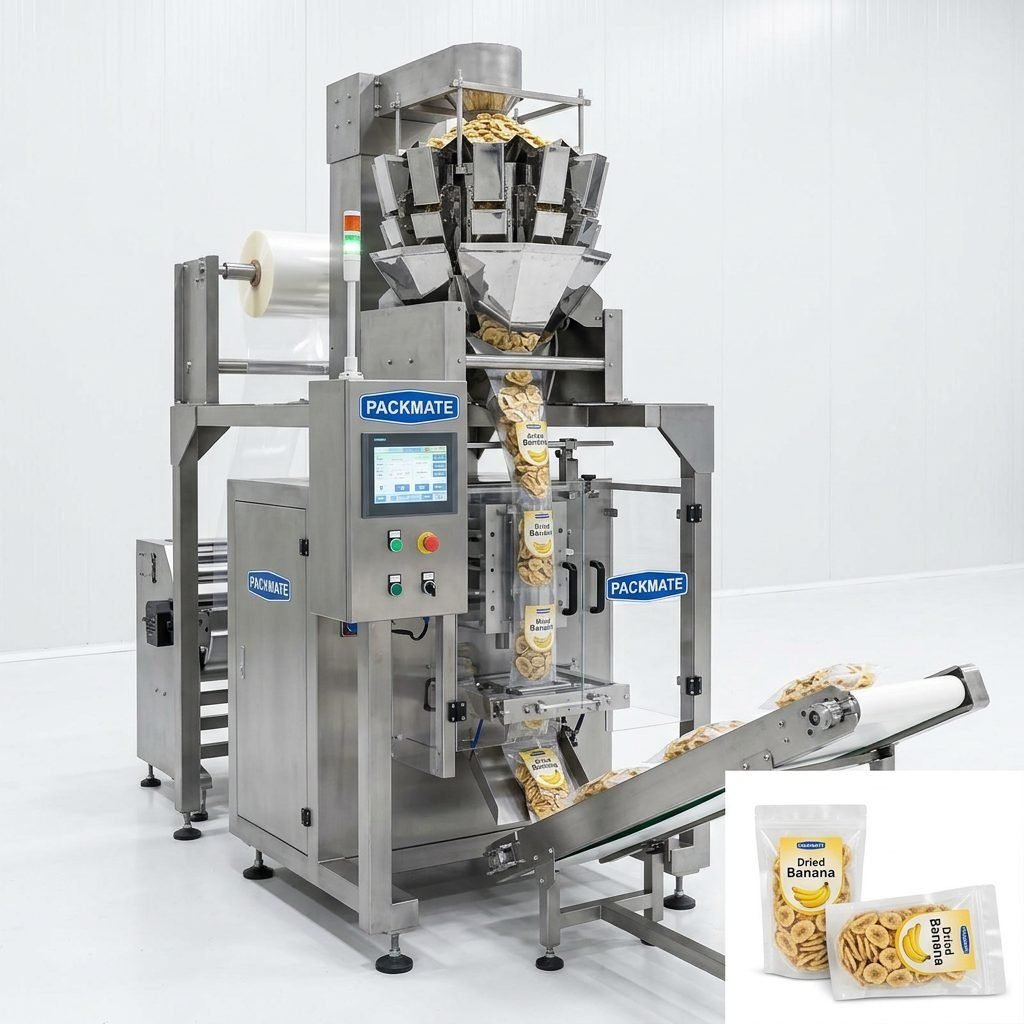
With over 30 years in the industry, Ludyway has established itself as a comprehensive supplier. Its strength lies in a very wide product portfolio, covering everything from single sachet machines to complete integrated lines for food and pharma. For a Spanish processor needing a scalable solution that can grow with their business, Ludyway’s experience in turnkey projects is a significant advantage. Their large factory and focus on R&D mean they can often accommodate custom requests that smaller players cannot.
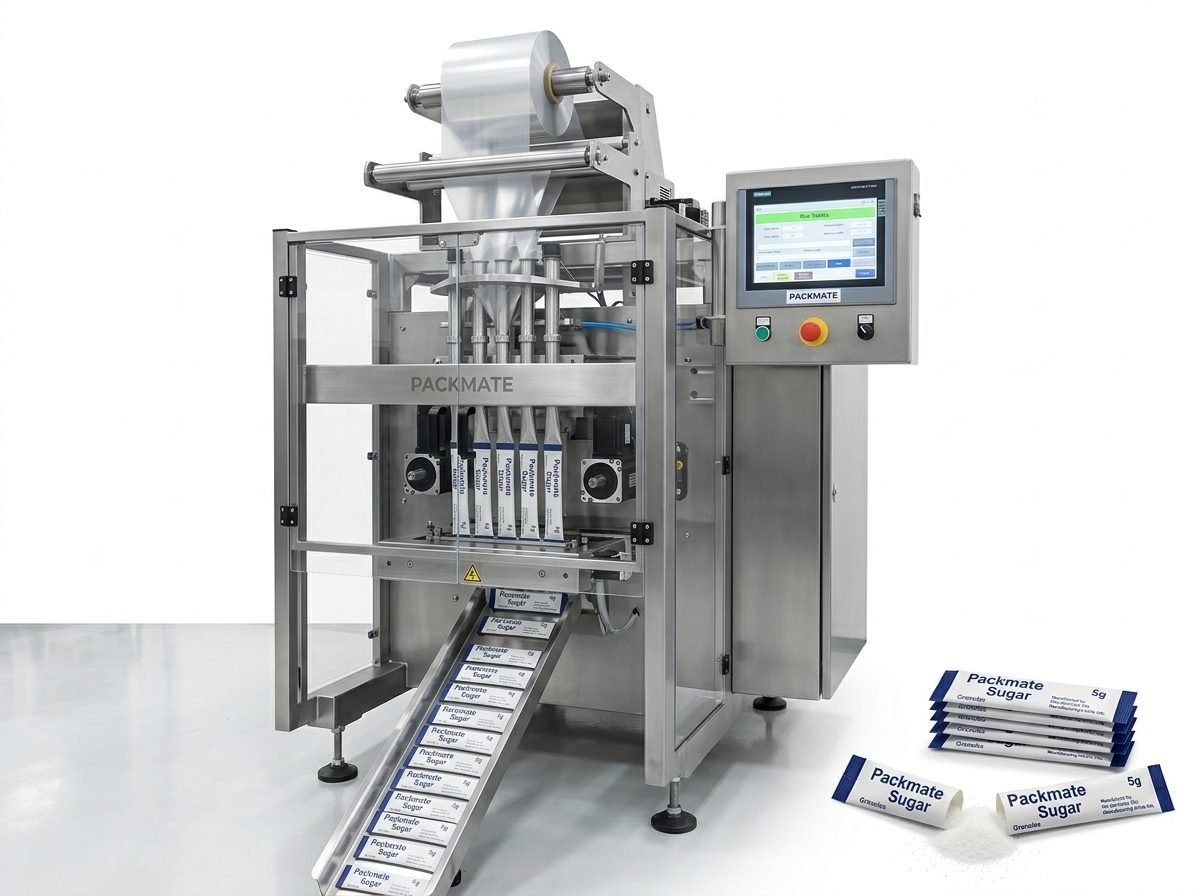
Packmate Machinery: Balanced Performance
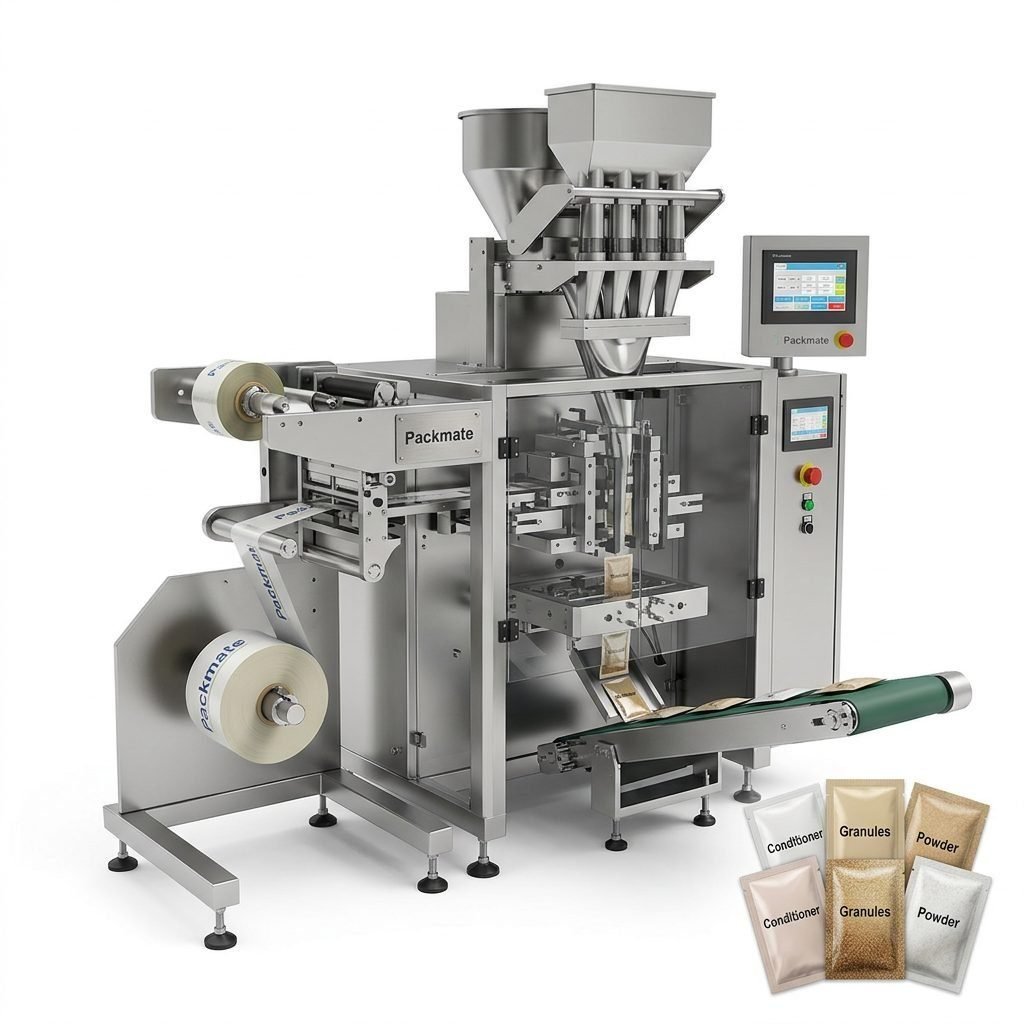
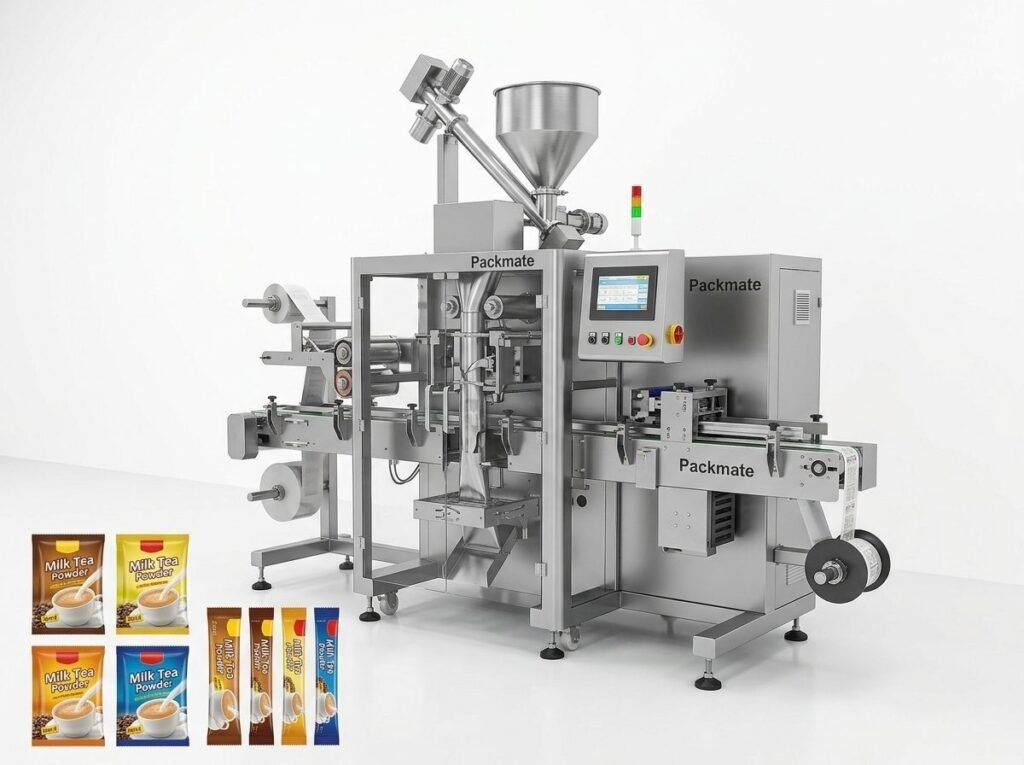
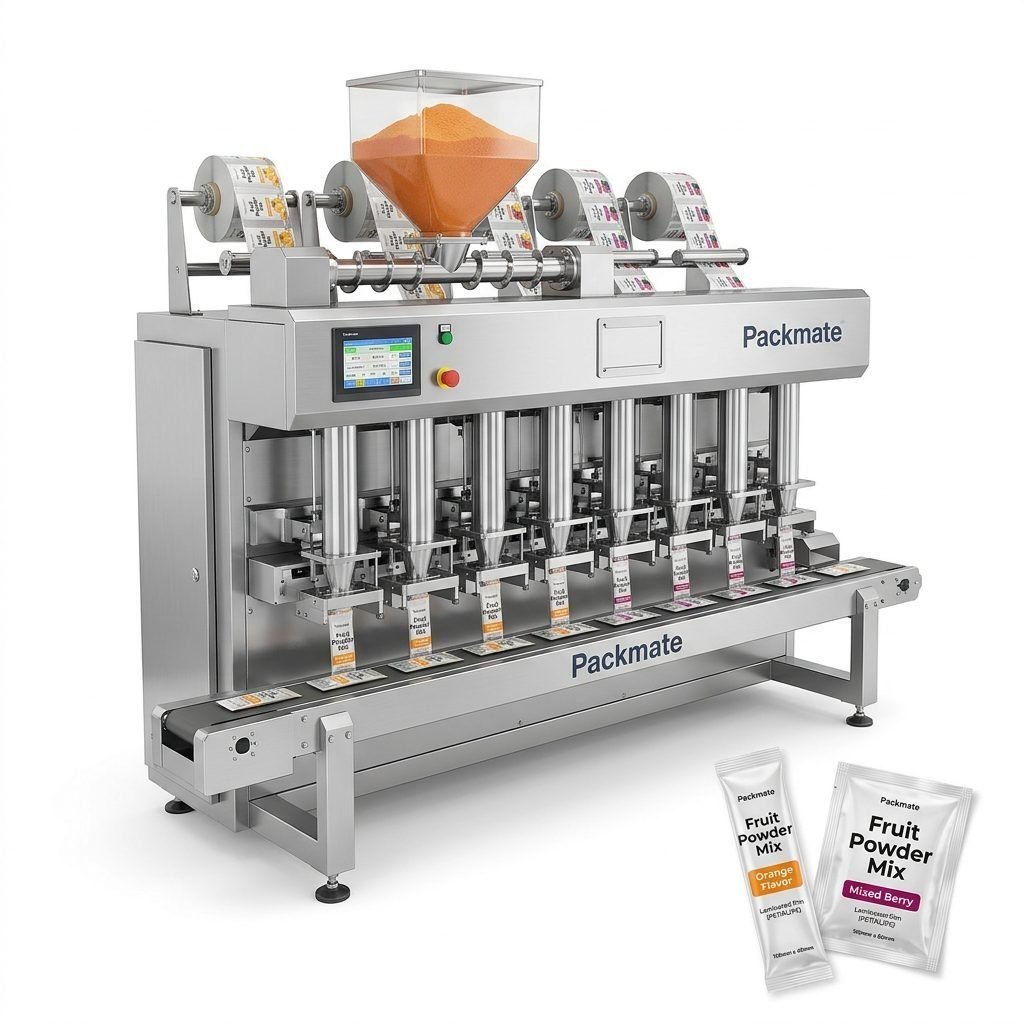
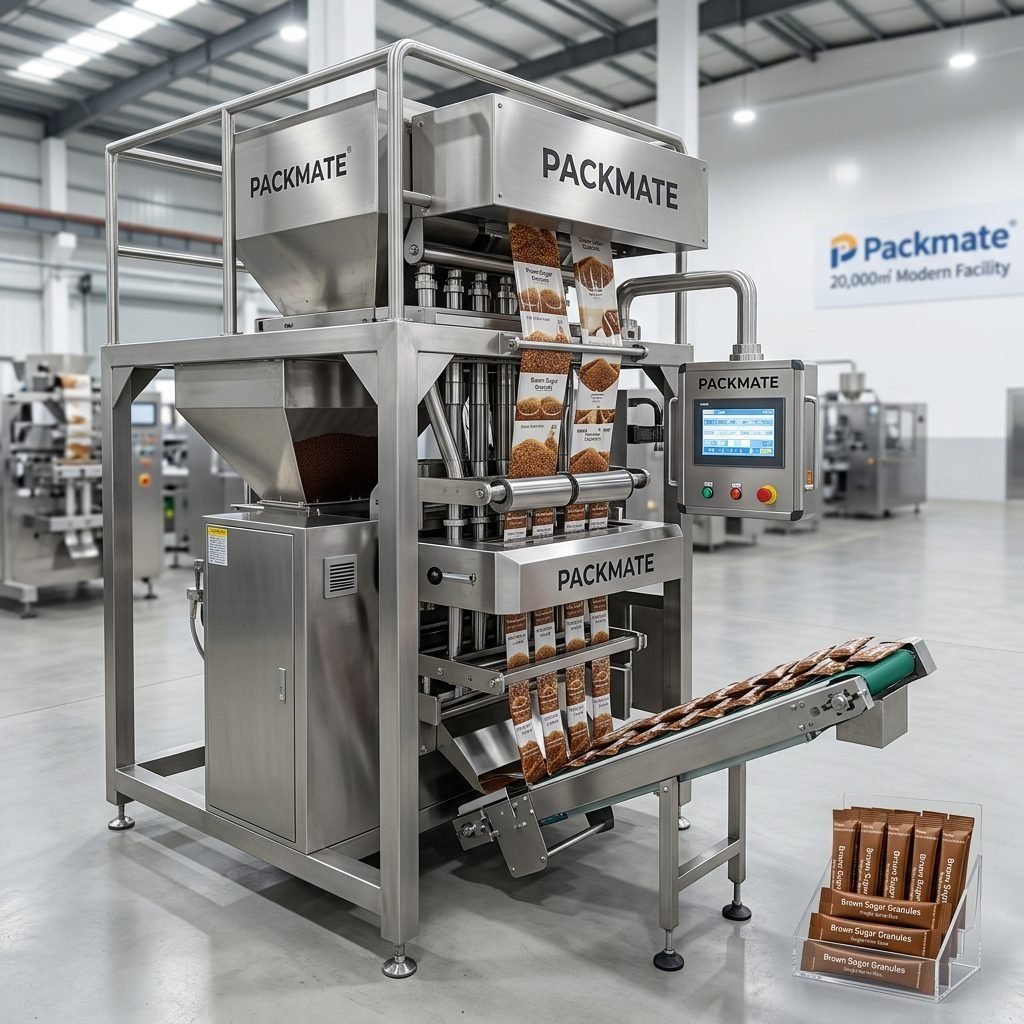
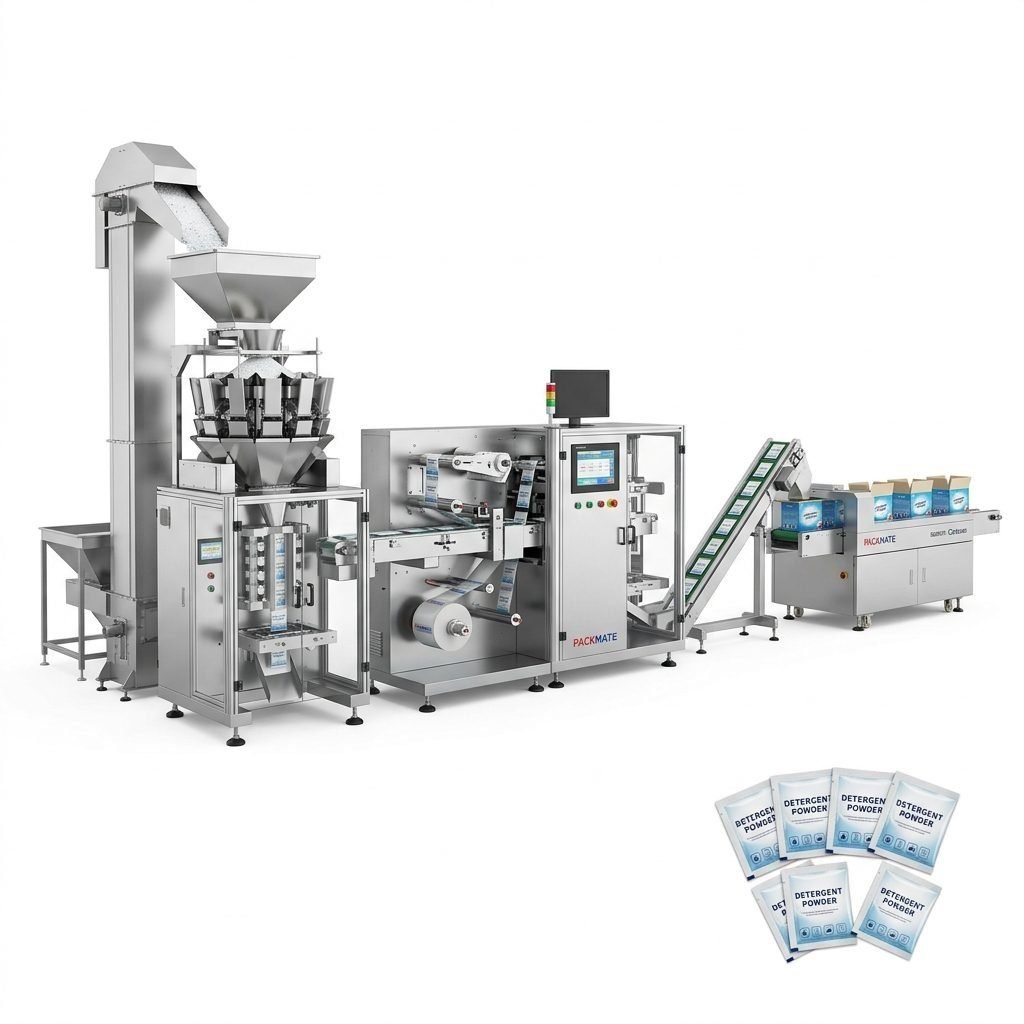
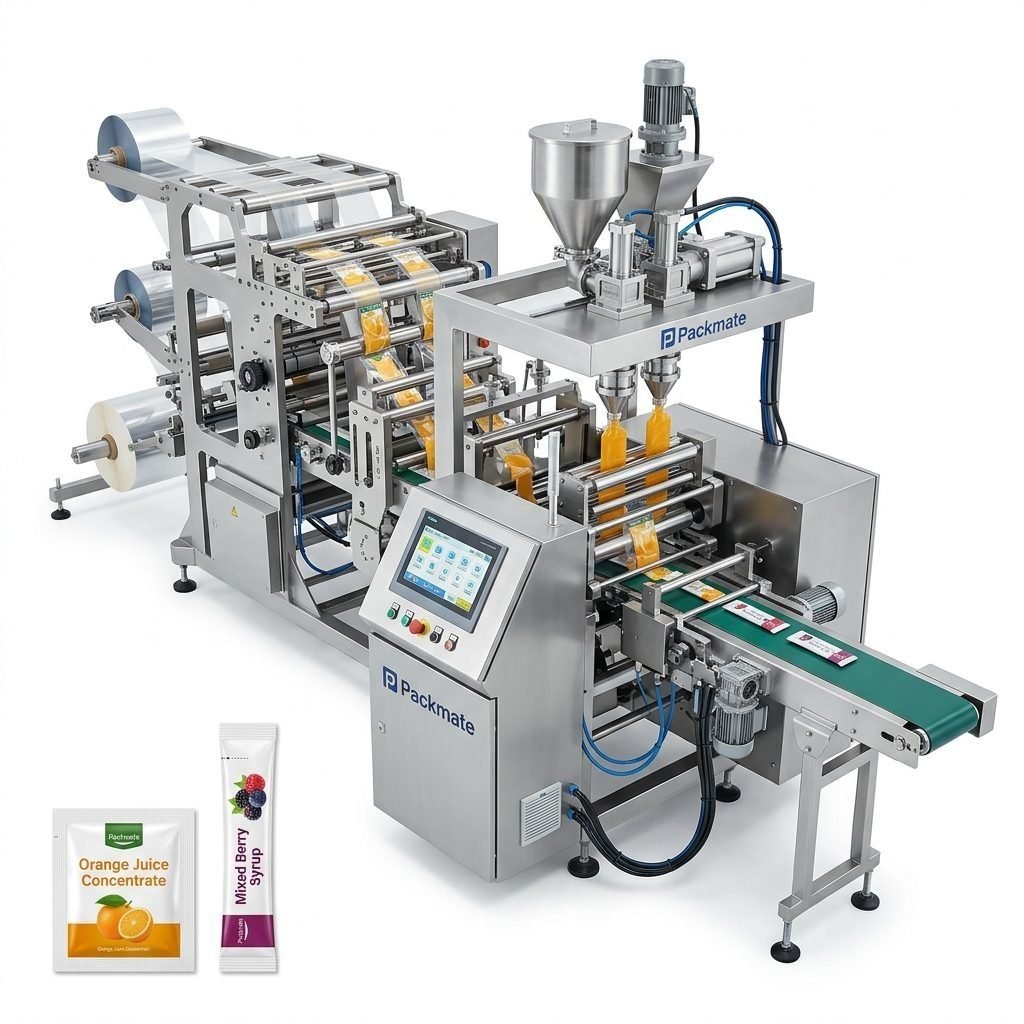
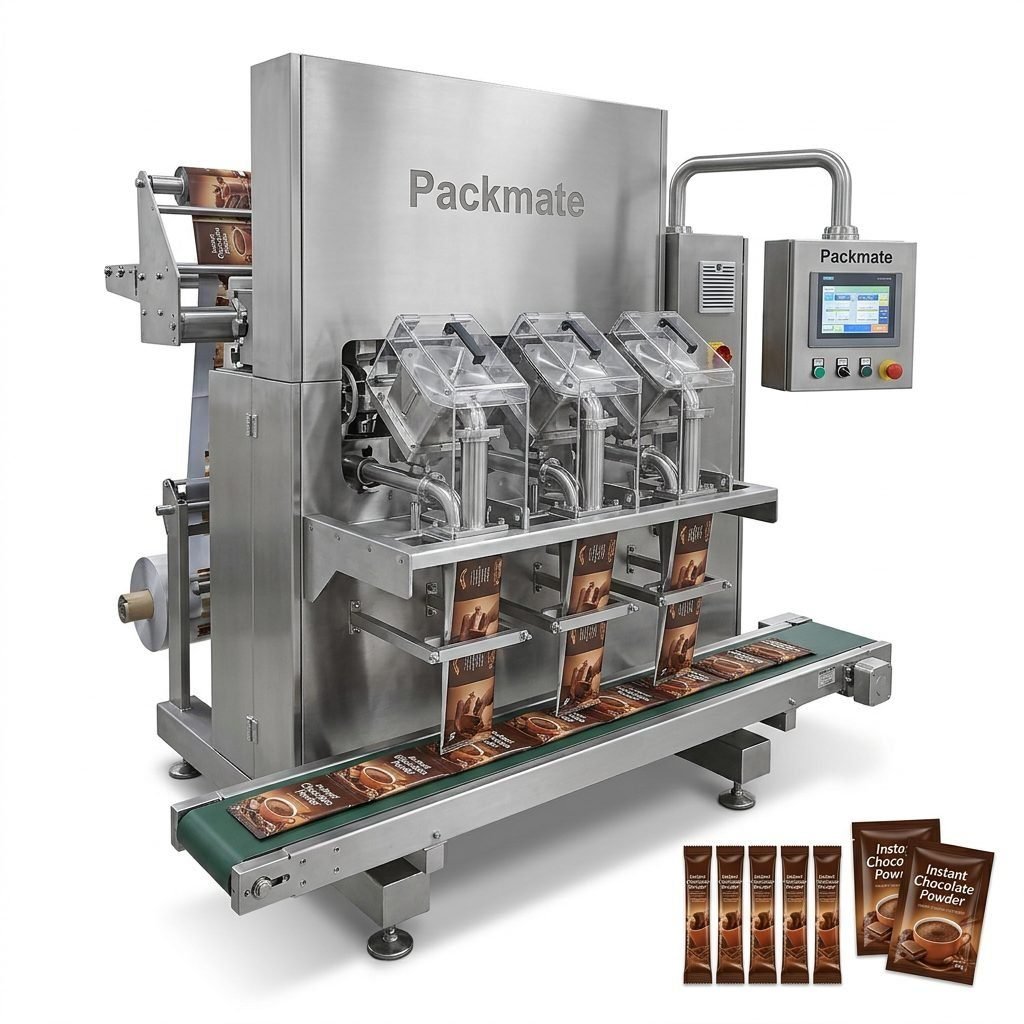
Packmate Machinery offers a strong balance of technical reliability and cost-effectiveness. They are a practical choice for medium to large Spanish operations in the food and supplement sectors that need stable, high-output machines without excessive complexity. Their range of over 80 models provides good flexibility, and their three decades of export experience suggest they understand the requirements of international clients, including necessary documentation and support.
PacklineOEM: The Turnkey Line Specialist
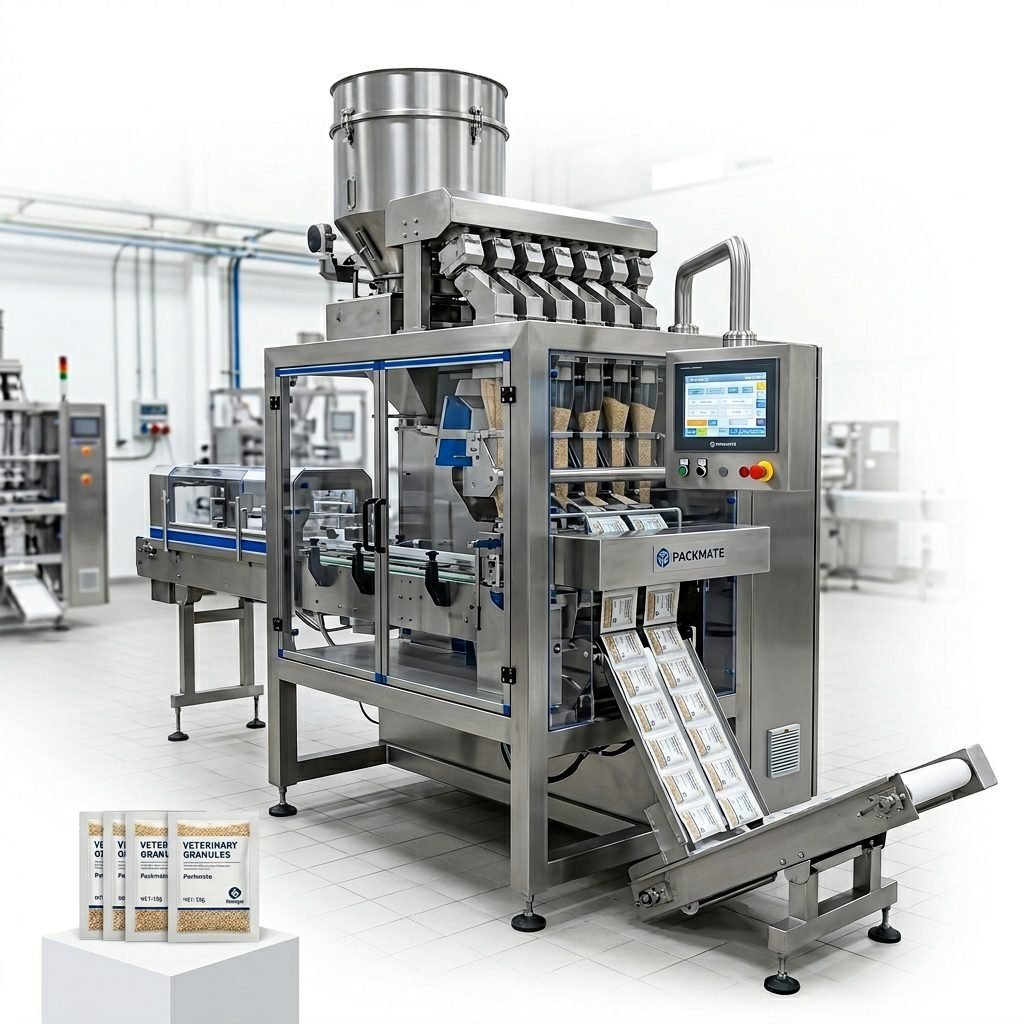
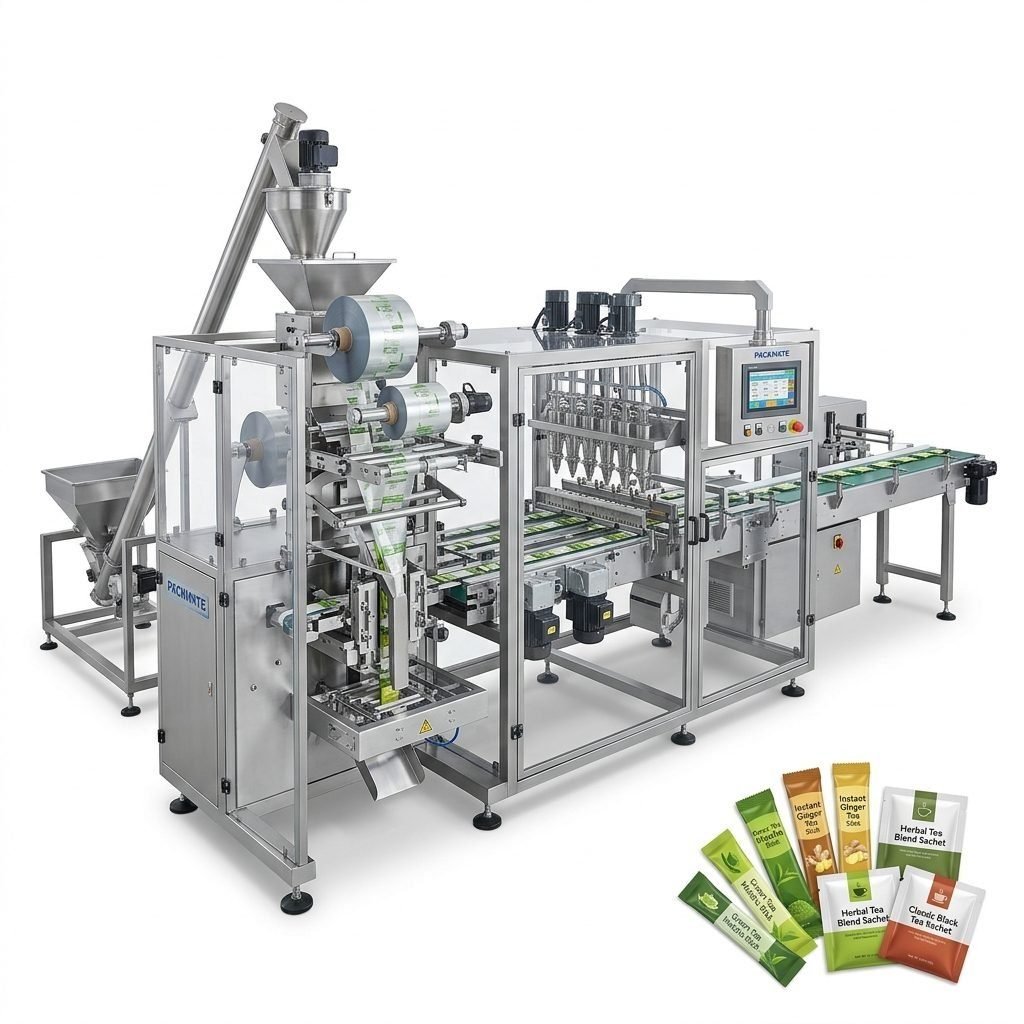
If your project in Spain involves building a new production hall or completely automating an existing line, PacklineOEM is positioned as a specialist. They focus on the integration of feeding, weighing, filling, sealing, and secondary packaging into one seamless system. This is particularly valuable for Spanish manufacturers aiming for Industry 4.0 standards, where data collection and line efficiency are paramount. Their engineering team’s ability to design according to a specific factory layout is a key benefit.
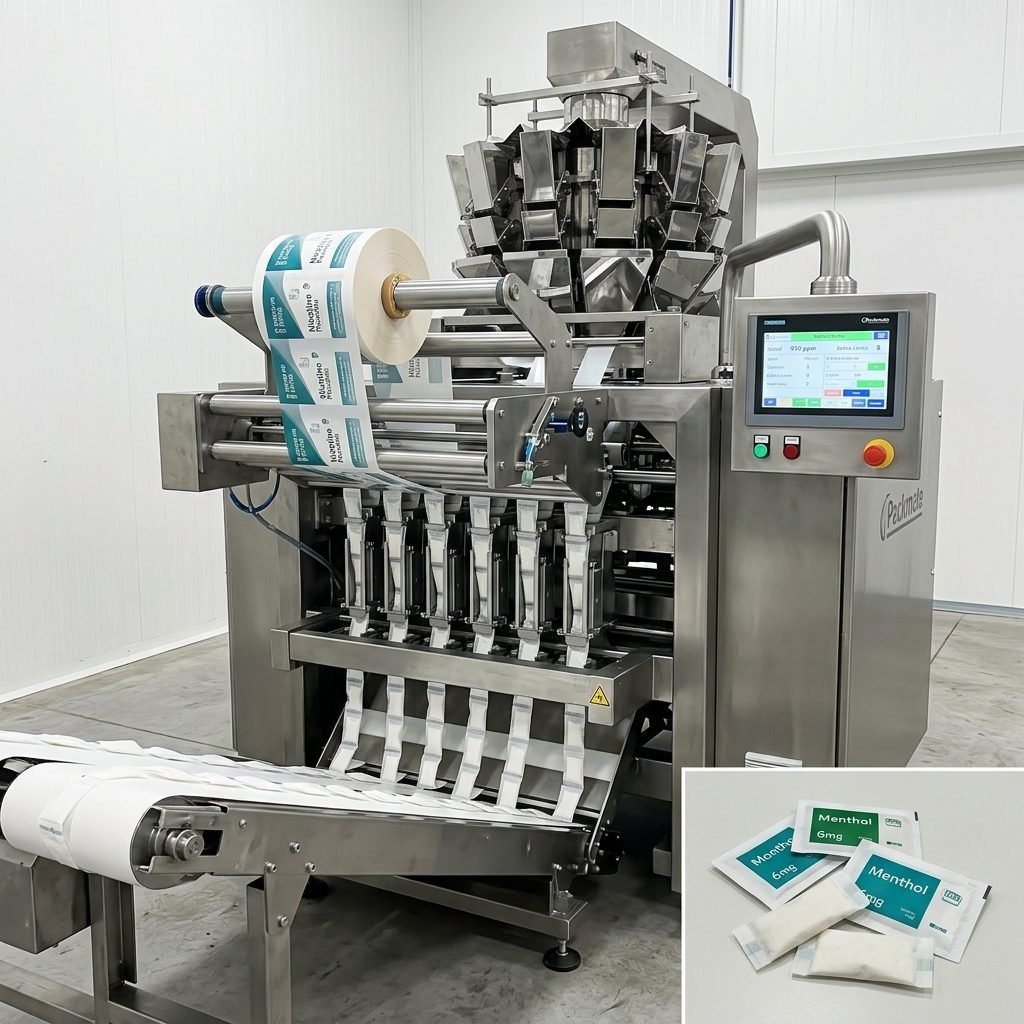
PackingMachineOEM: For Custom & Non-Standard Needs
Does your product have unique characteristics? PackingMachineOEM thrives on customization. Spanish companies in niche markets—such as specialty food ingredients, advanced ceramics, or unique cosmetic formulations—may find standard machines inadequate. This manufacturer’s core competency is adapting machinery to specific materials, bag shapes, and dosing challenges, making them an ideal OEM partner for developing proprietary packaging solutions.
SnusMachinery: Niche Market Expertise
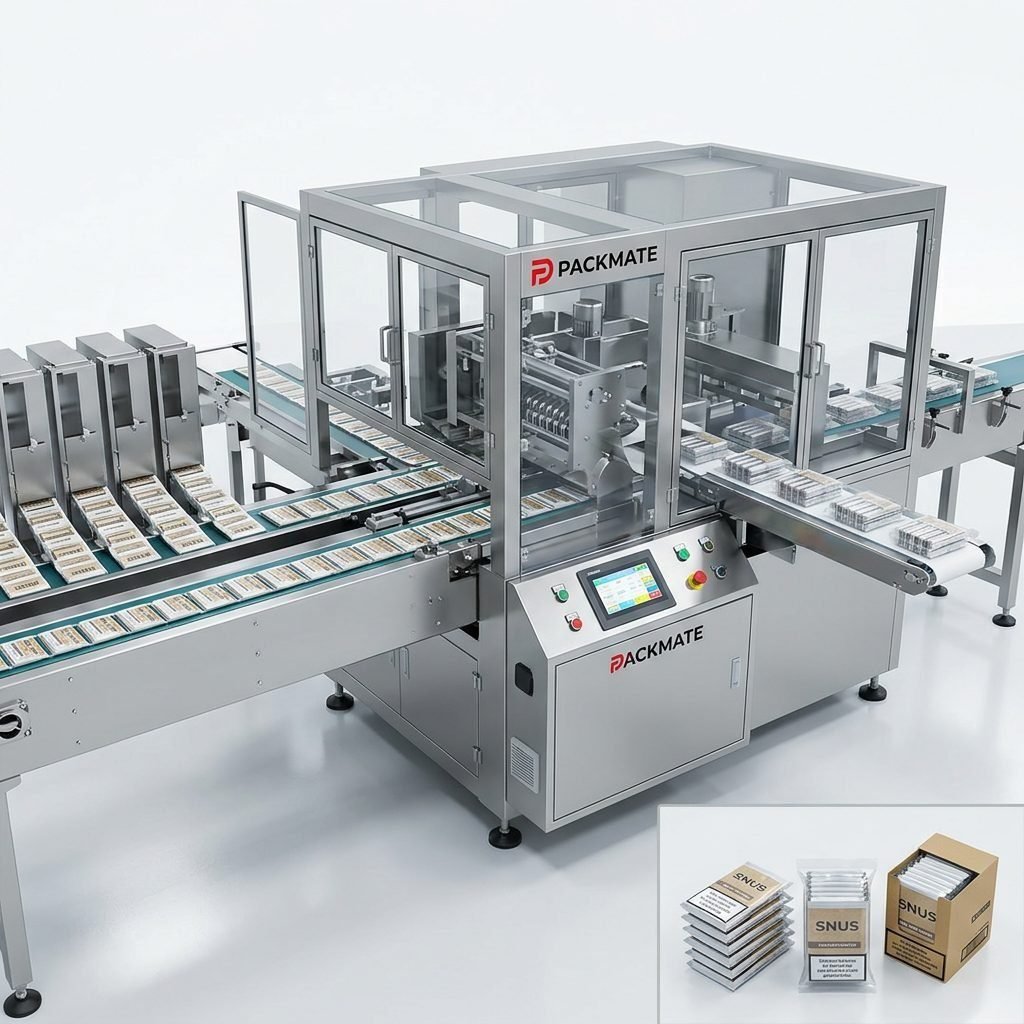
For Spanish companies operating in the specific and growing niche of nicotine pouches, snus, or similar finely-dosed dry products, SnusMachinery offers targeted expertise. Their machines are engineered for the precise weight control and high-speed multi-lane production these products demand. Choosing a supplier with this focused experience can reduce project risk and accelerate time-to-market compared to a general-purpose machine builder.
Finalizing Your Decision and Project Execution
After selecting a manufacturer, the process moves to execution. Always request a factory acceptance test (FAT) before shipment. If possible, visit the supplier’s factory or send a trusted engineer. For larger lines, plan for the supplier’s engineers to supervise installation and commissioning at your Spanish facility. Clear contractual terms regarding performance guarantees (e.g., output speed, accuracy, uptime) are essential.
Building a good relationship with your chosen manufacturer is crucial for long-term success. They become a partner in your production efficiency and future expansion plans.
Frequently Asked Questions (FAQs)
1. What is the typical lead time for a packaging machine from an overseas manufacturer?
Lead times vary greatly. For a standard machine from stock, it could be 4-8 weeks. For a customized or turnkey line, expect 3-6 months from order to delivery at your port, plus additional time for installation and commissioning.
2. How do I ensure the machine meets EU safety standards (CE Marking)?
The manufacturer is responsible for ensuring compliance and providing the EU Declaration of Conformity. Before ordering, explicitly confirm the machine will be CE marked. Reputable exporters handle this as standard practice.
3. Is local technical support available in Spain from international suppliers?
Many leading Chinese manufacturers have European offices or partnerships with local agents/technicians in major markets like Germany, Italy, or the UK, who can also service Spain. Verify the exact support structure, response time, and spare parts availability before purchase.
4. What are the hidden costs when importing machinery?
Beyond the machine price, budget for: Sea freight & insurance, customs duties and VAT (IVA) in Spain, port handling fees, inland transport to your factory, translation of manuals, potential electrical modifications to meet Spanish grid specs, and costs for the commissioning engineer’s travel and accommodation.
5. Can I get a machine tailored to my unique Spanish product?
Yes, most established manufacturers offer customization. The process usually involves sending product samples, detailed specifications, and potentially funding a small development fee. Suppliers like PackingMachineOEM and SnusMachinery specifically highlight this capability.