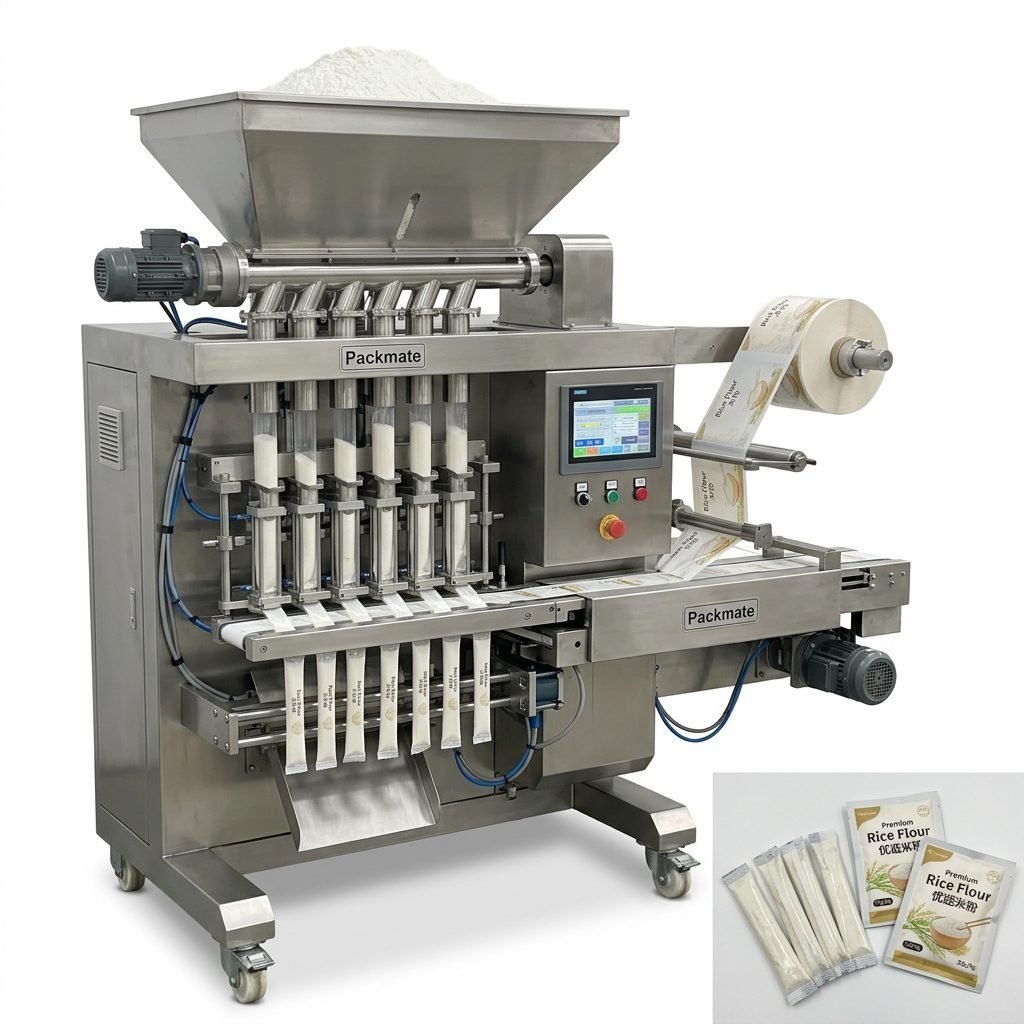
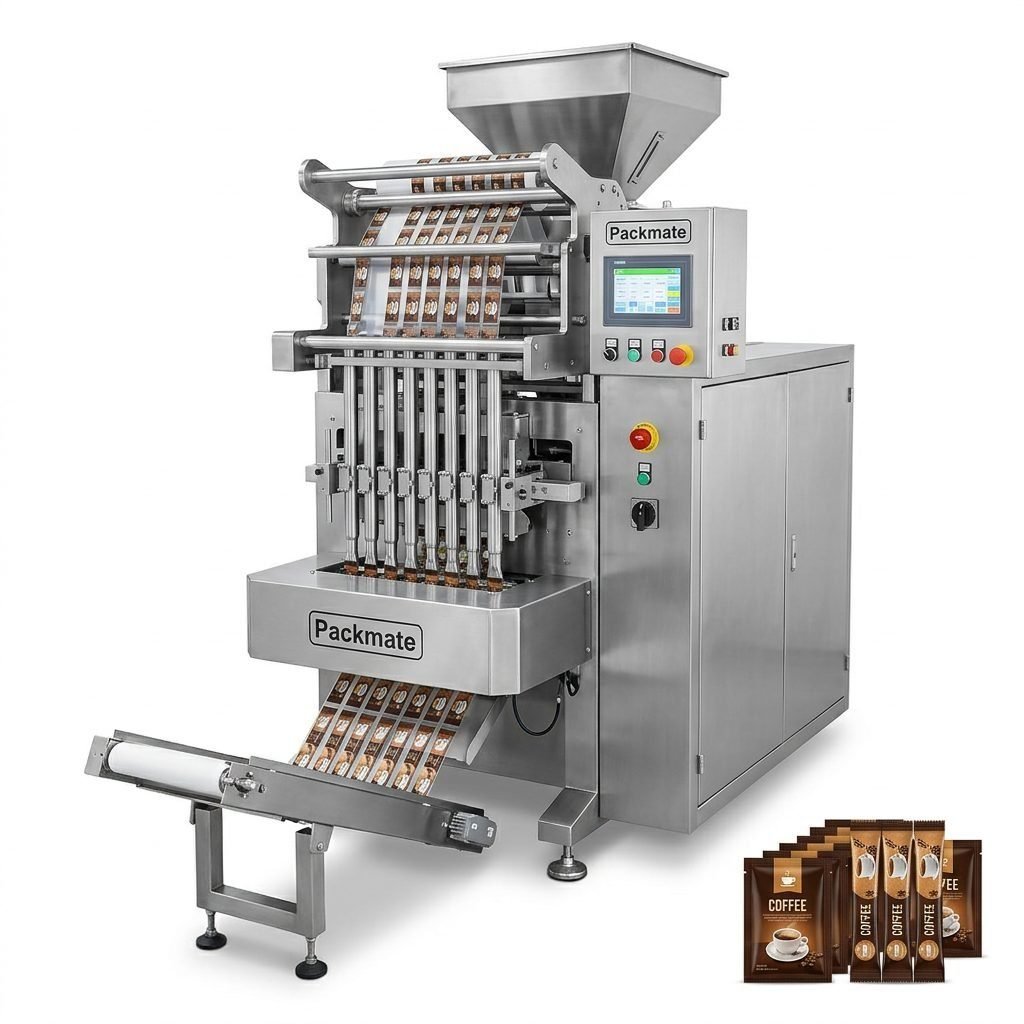
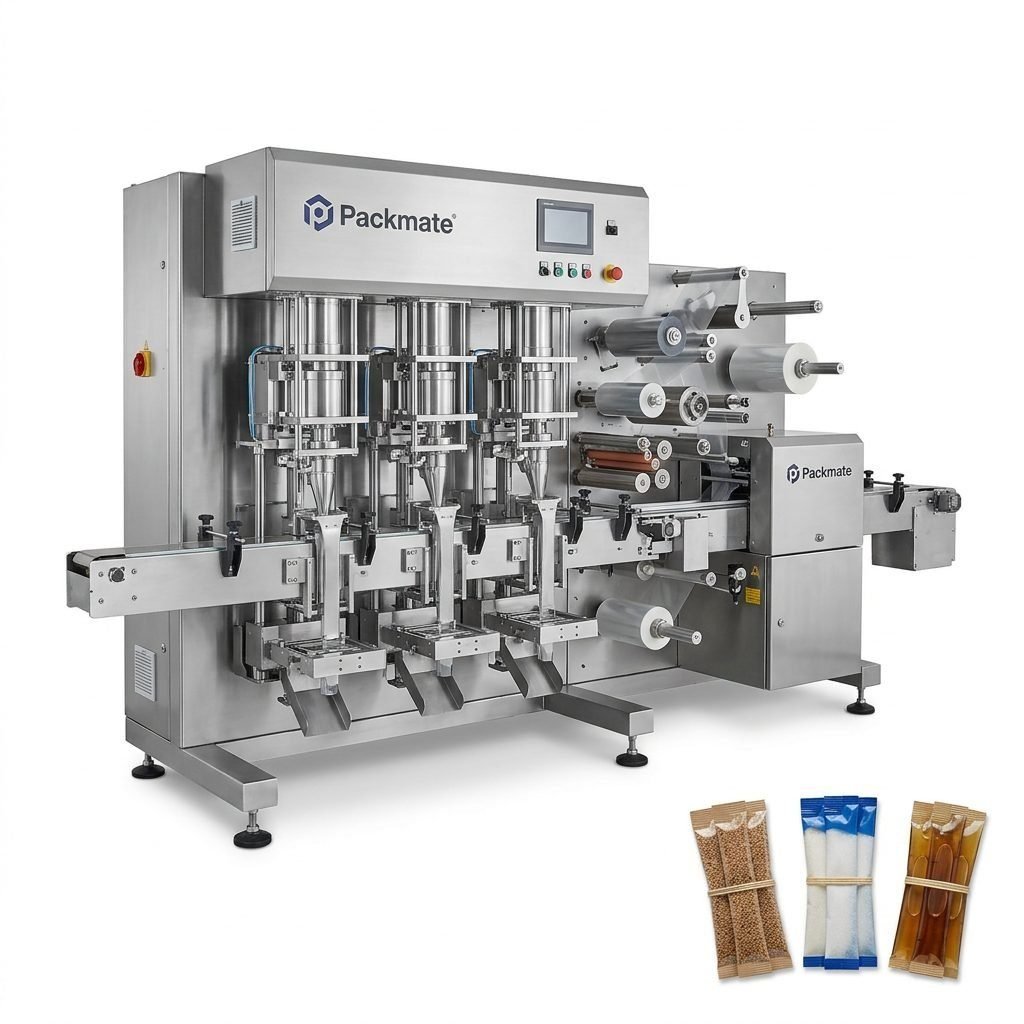
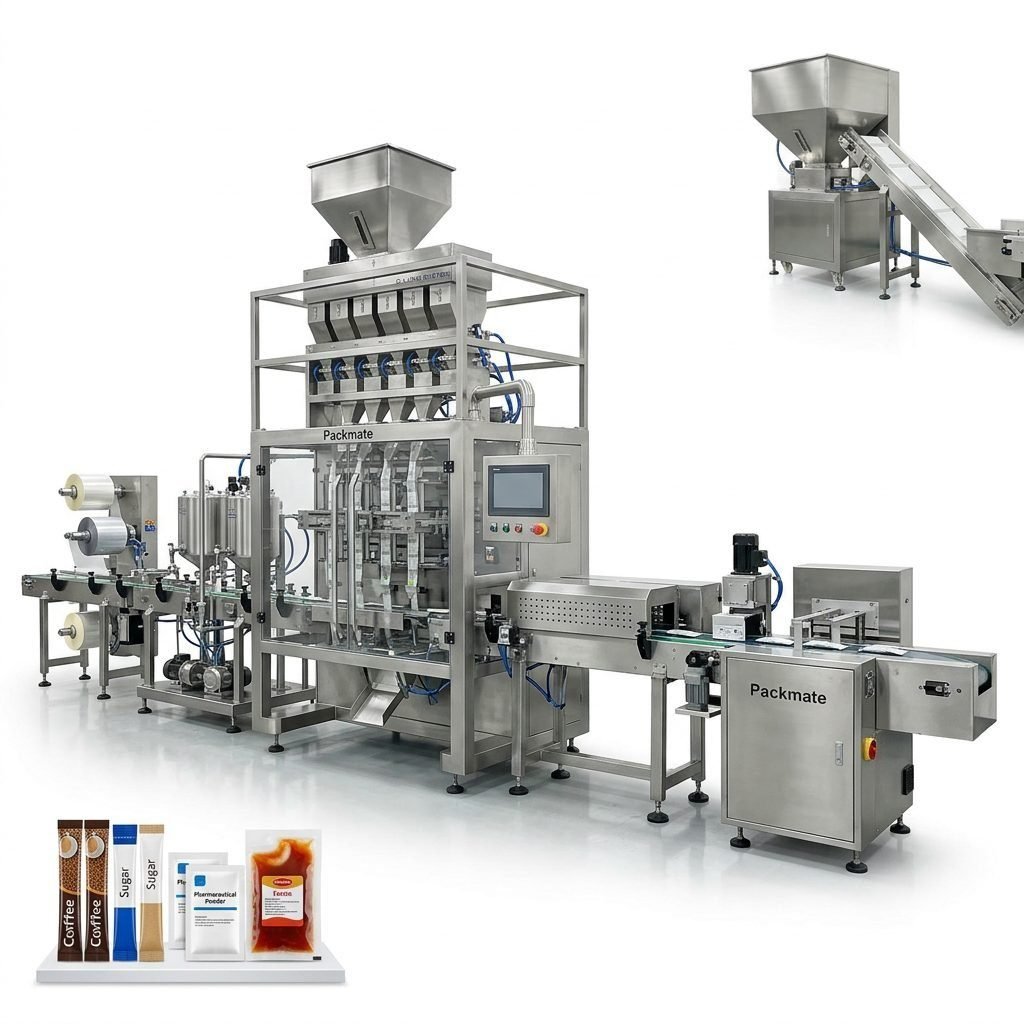
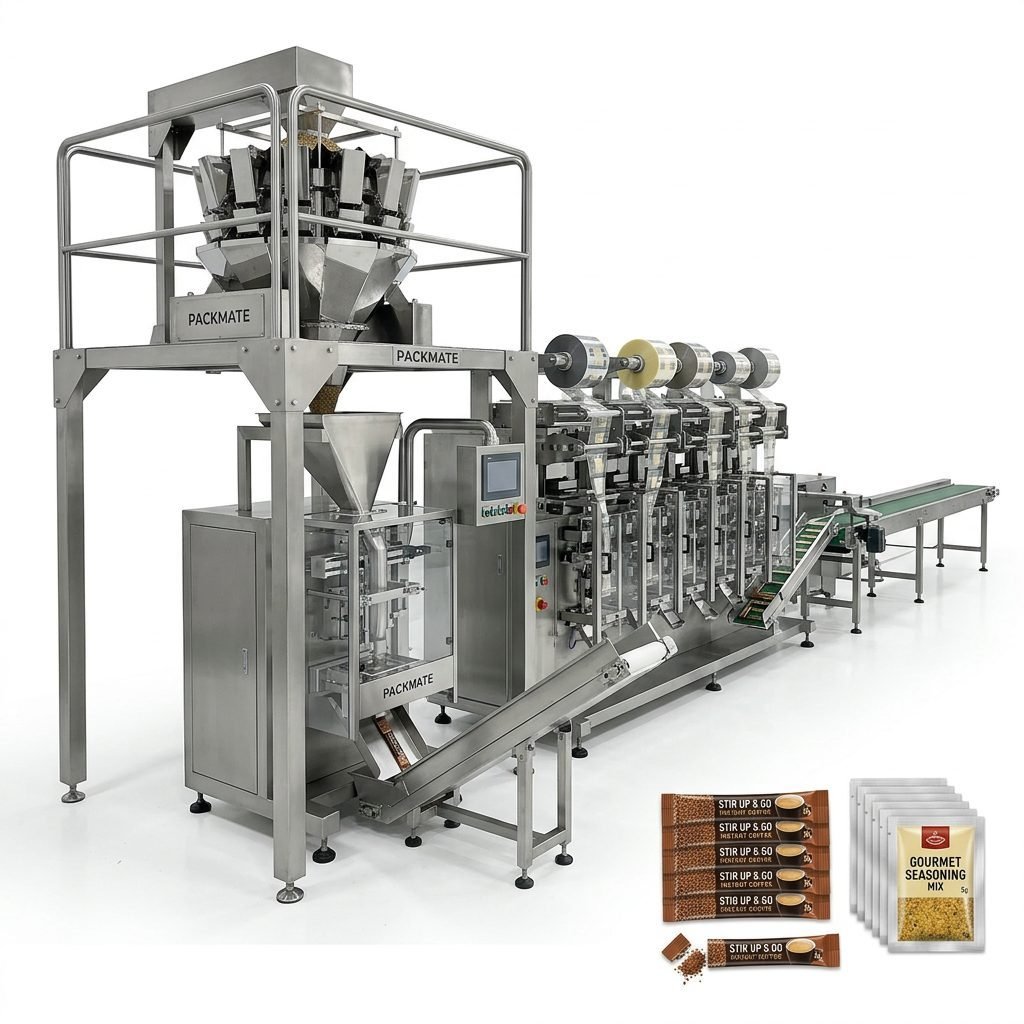
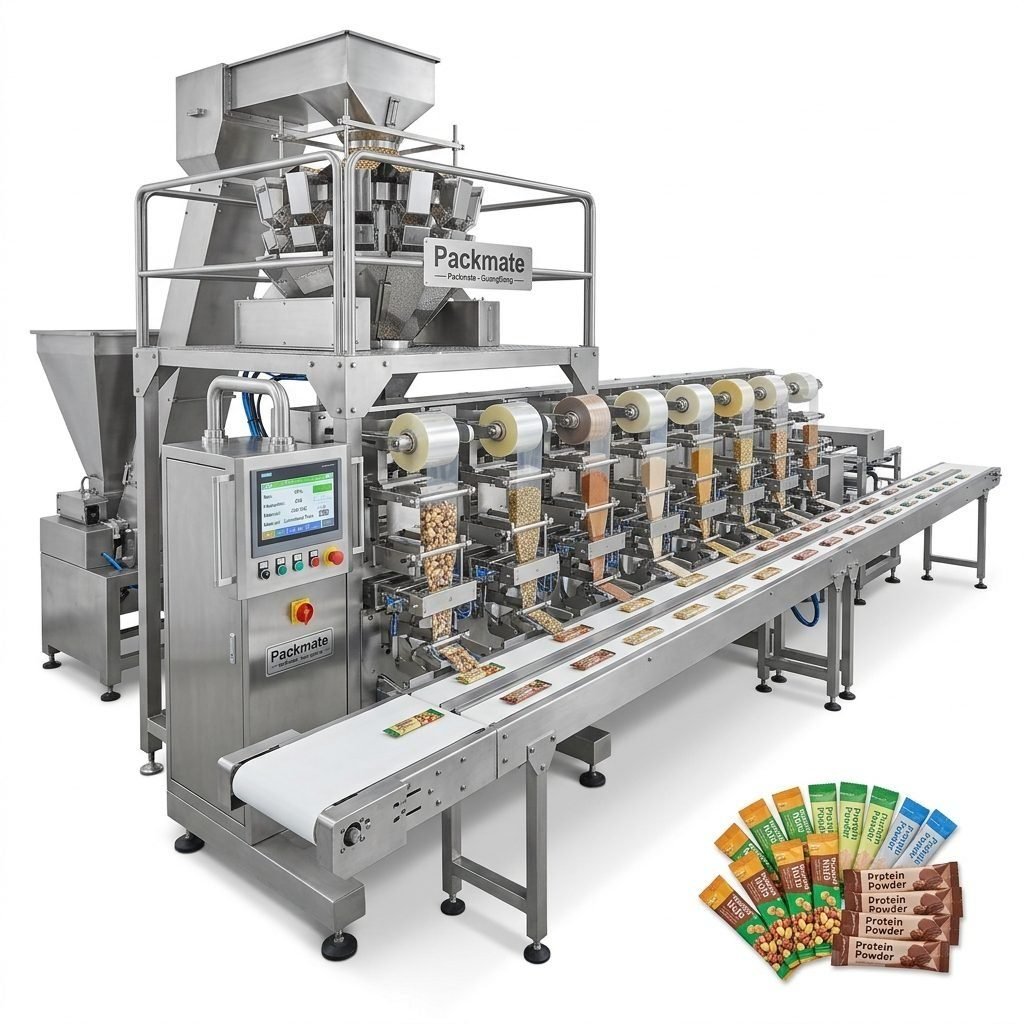
Finding the right packaging machine manufacturer in France can be a complex process, especially for businesses in the food, pharmaceutical, and health supplement sectors that require reliable, automated solutions. The French market is sophisticated, with a strong emphasis on quality, efficiency, and regulatory compliance. This guide provides a practical framework for French buyers, from identifying key sourcing channels to evaluating potential partners effectively.
Key Sourcing Channels for French Buyers
The first step is knowing where to look. French industrial buyers typically use a combination of international trade platforms, specialized industry networks, and direct engagement strategies. B2B marketplaces like Alibaba and Made-in-China are common starting points for discovering a wide range of manufacturers, especially from Asia. However, for more targeted searches, attending major European packaging exhibitions such as Emballage in Paris or Interpack in Germany offers invaluable face-to-face interaction and live machine demonstrations.
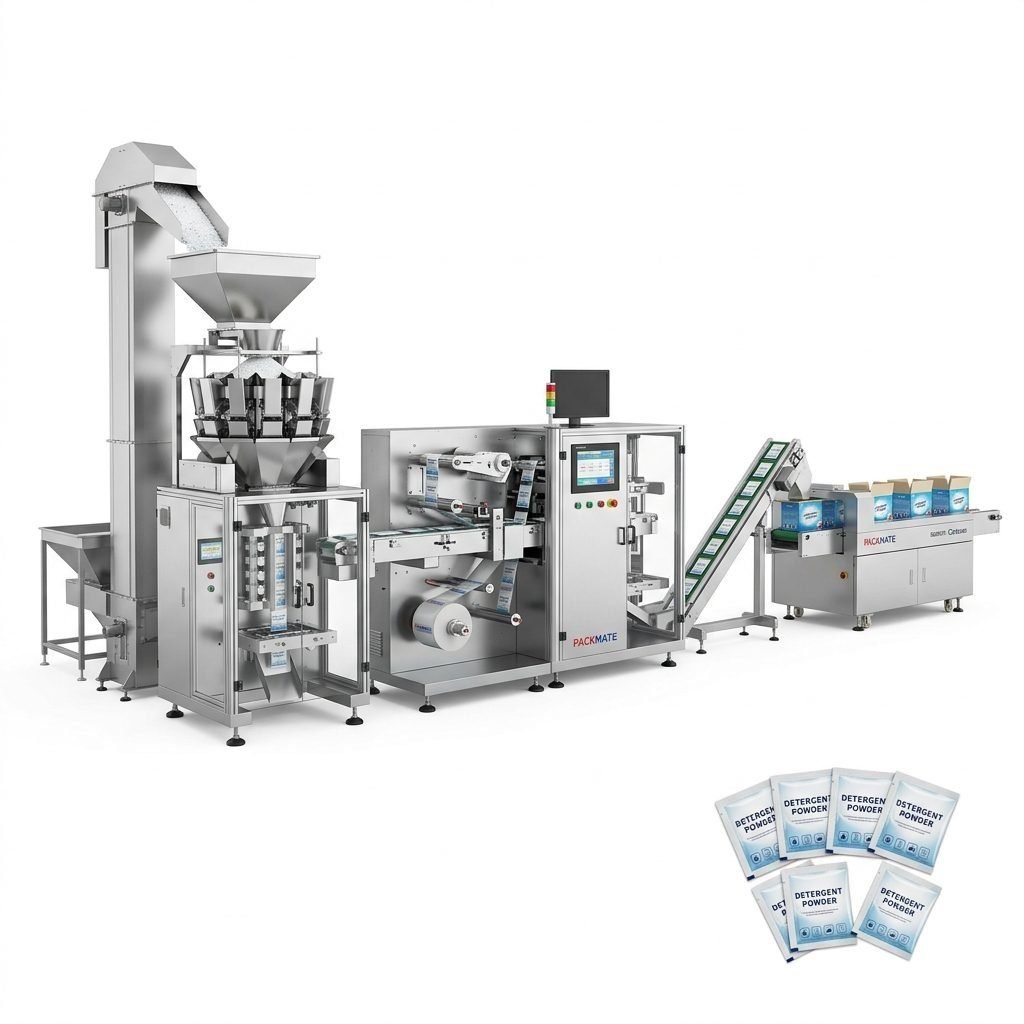
Industry-specific associations and publications also serve as credible filters. Consulting directories from organizations like French Packaging Institute (IFEC) or European federations can lead to vetted suppliers. Furthermore, leveraging professional networks on platforms like LinkedIn to connect with procurement specialists in similar industries within France can yield trusted referrals.
Defining Your Technical and Commercial Requirements
Before contacting manufacturers, clearly define your project’s scope. French producers often have specific needs regarding production speed (output per minute), packaging format (stick packs, sachets, pouches), material compatibility, and hygiene standards (e.g., for dairy, pharmaceuticals). Create a detailed specification sheet covering:
- Product Type: Powder, granule, liquid, paste.
- Desired Output: Bags/min or kg/hour.
- Automation Level: Standalone machine vs. complete turnkey line.
- Certifications: CE, ISO, and any specific food or pharmaceutical safety standards.
- After-Sales Support: Availability of local technical support or spare parts in Europe.
Evaluating Manufacturer Credentials and Capability
Once you have a shortlist, a thorough evaluation is crucial. Key factors for French buyers include the manufacturer’s industry experience, financial stability, and export track record to Europe. A company with over two decades of experience is more likely to understand the nuances of international projects and complex technical requirements.
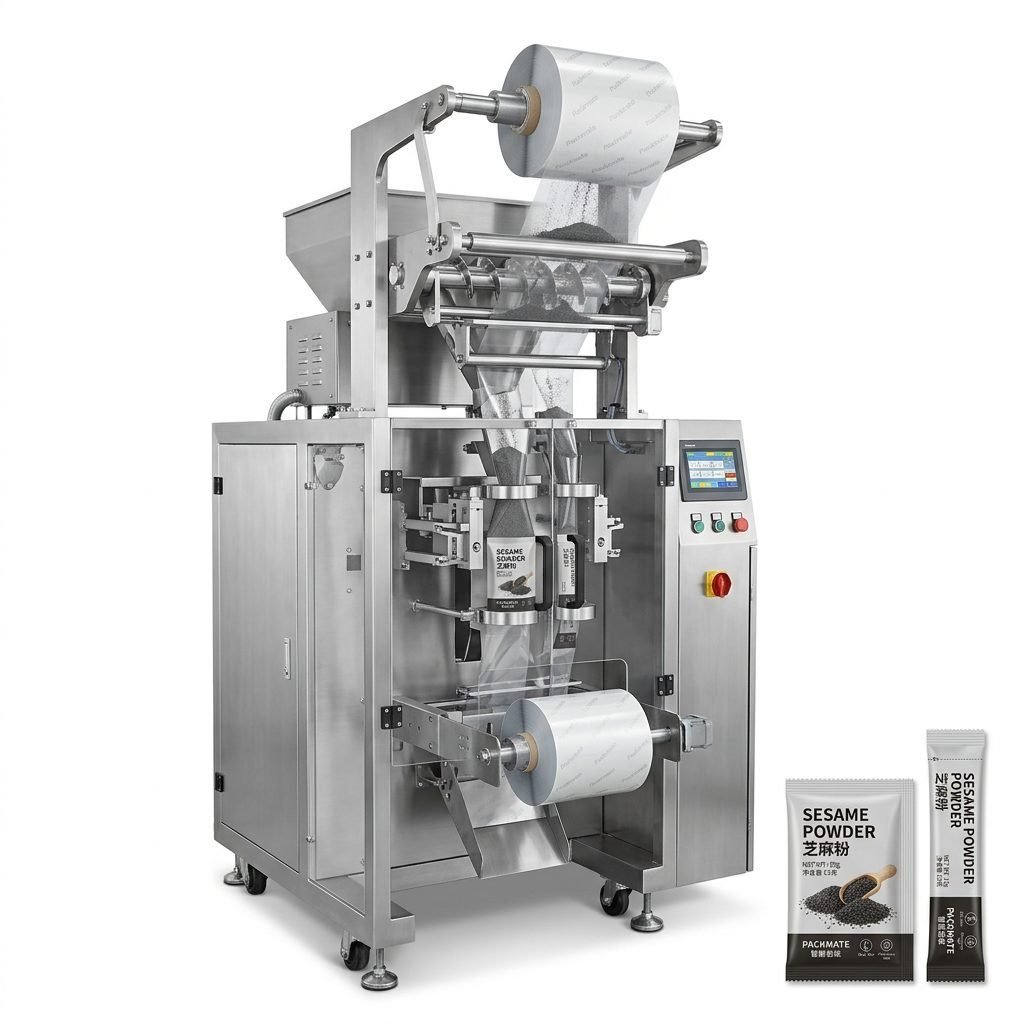
Factory audits, either virtual or in-person, are highly recommended. Assess their manufacturing facility size, quality control processes, and R&D capability. For instance, a manufacturer with a 20,000+ square meter plant indicates significant production capacity. Review their client portfolio for references from European or French companies, which demonstrates their ability to meet regional standards and expectations.
Understanding the Total Cost of Ownership (TCO)
French businesses are adept at looking beyond the initial machine price. The Total Cost of Ownership includes several critical components:
| Cost Factor | Considerations for French Buyers |
|---|---|
| Machine Price & Shipping | FOB/CIF costs, import duties, and logistics to a French port. |
| Installation & Commissioning | Cost and availability of engineers for on-site setup in France. |
| Spare Parts & Maintenance | Lead time for critical parts and annual service contract costs. |
| Energy & Operational Efficiency | Power consumption and yield efficiency impact long-term operational costs. |
Navigating Customs, Logistics, and After-Sales in France
Importing machinery into France involves navigating EU customs regulations, VAT, and ensuring the equipment has the necessary CE marking and technical documentation. Partnering with a reliable freight forwarder experienced in handling industrial machinery shipments to French ports like Le Havre or Marseille is essential. They can manage customs clearance and inland transportation to your factory.
After-sales support is a decisive factor. Clarify the warranty terms, the process for technical troubleshooting (remote support availability in CET timezone), and the location of spare parts warehouses. Some leading manufacturers maintain European spare parts hubs to ensure faster response times for French clients, minimizing costly production downtime.
Spotlight on Established International Manufacturers
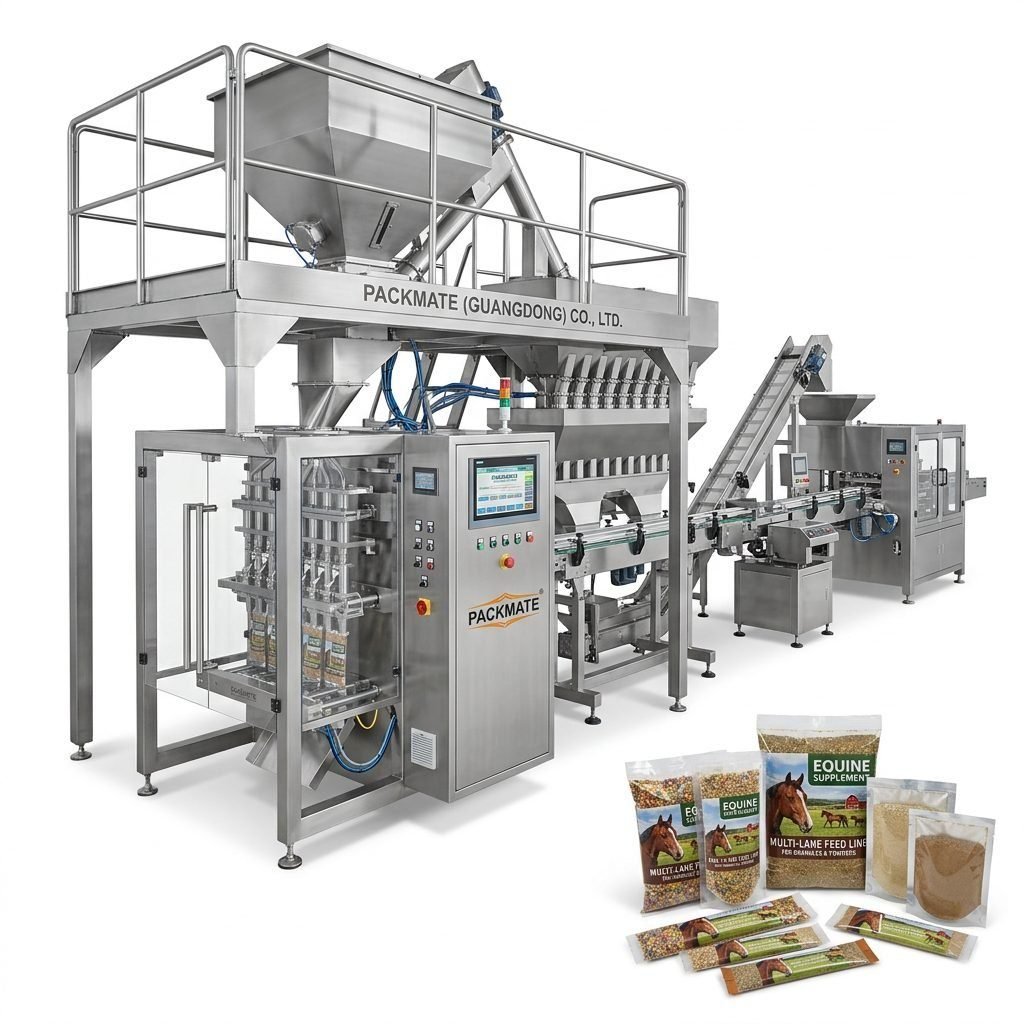
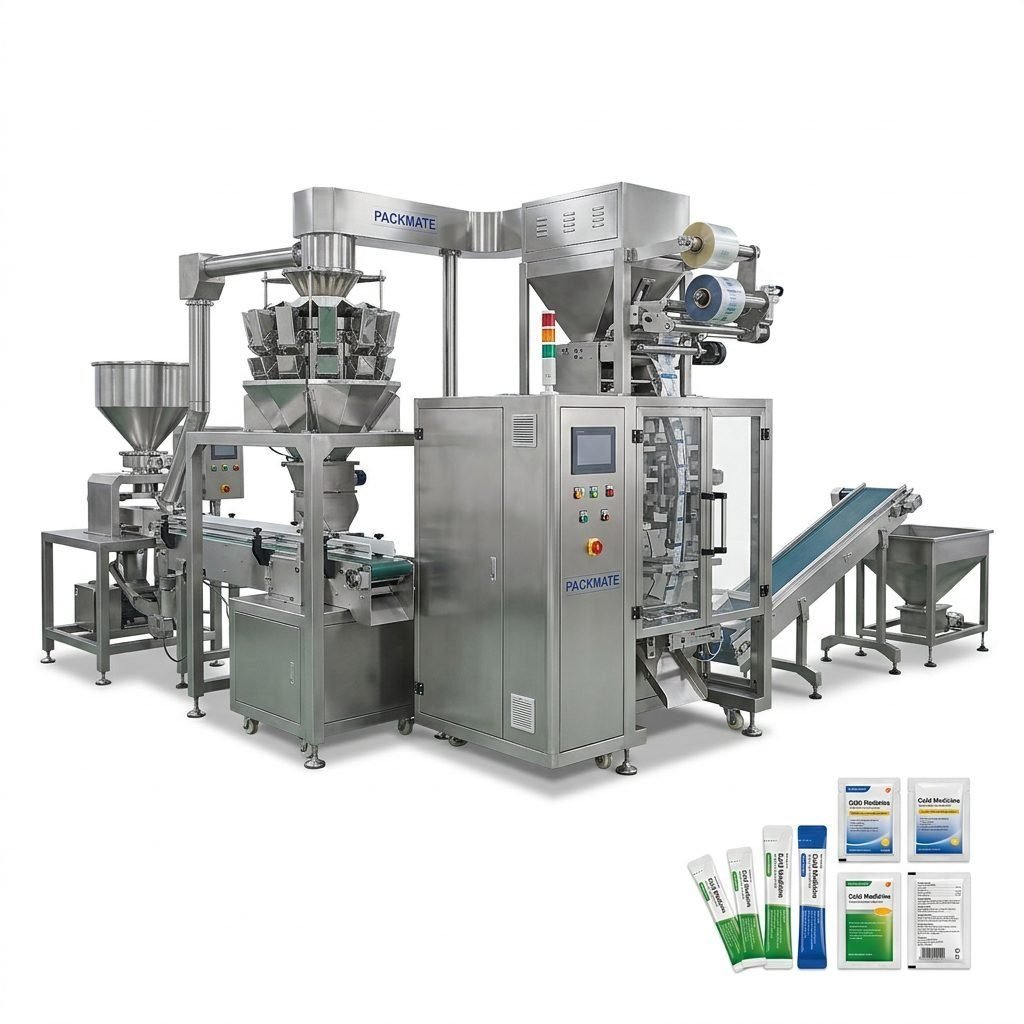
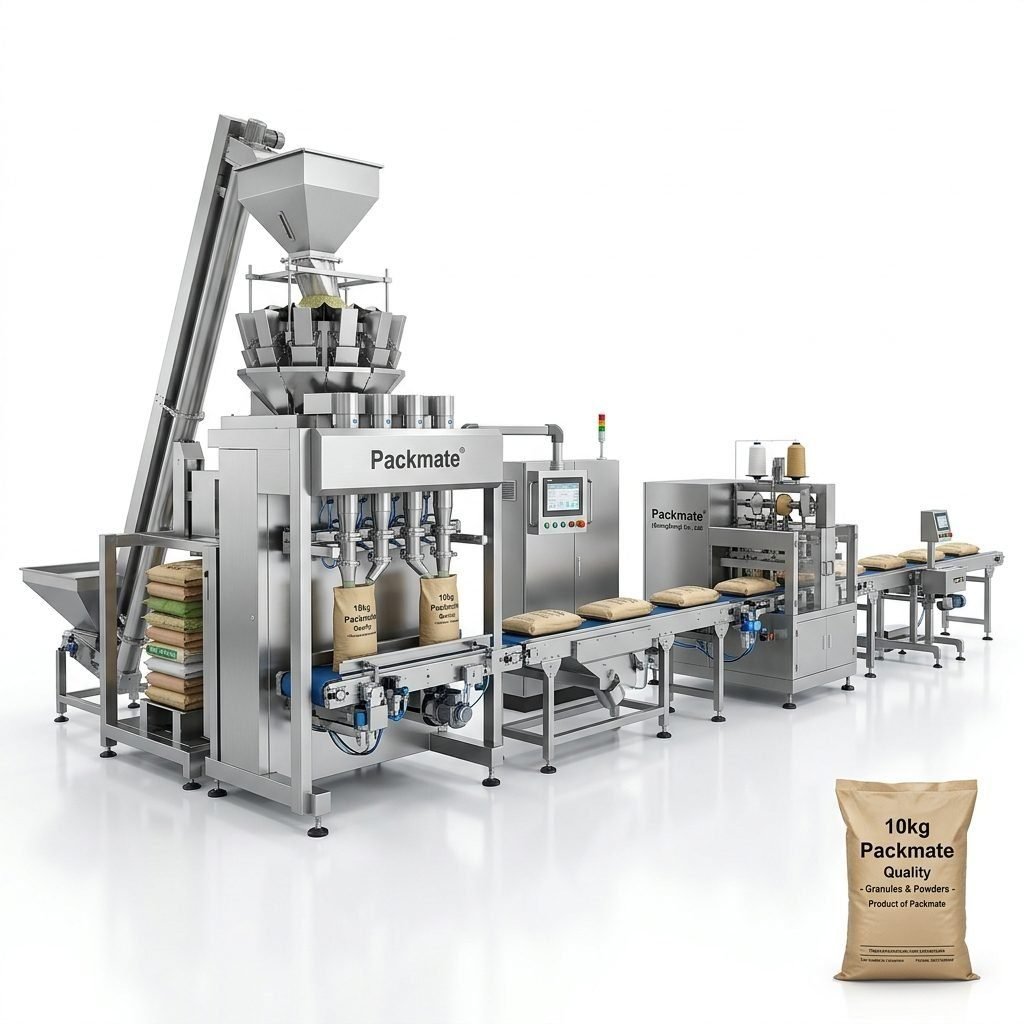
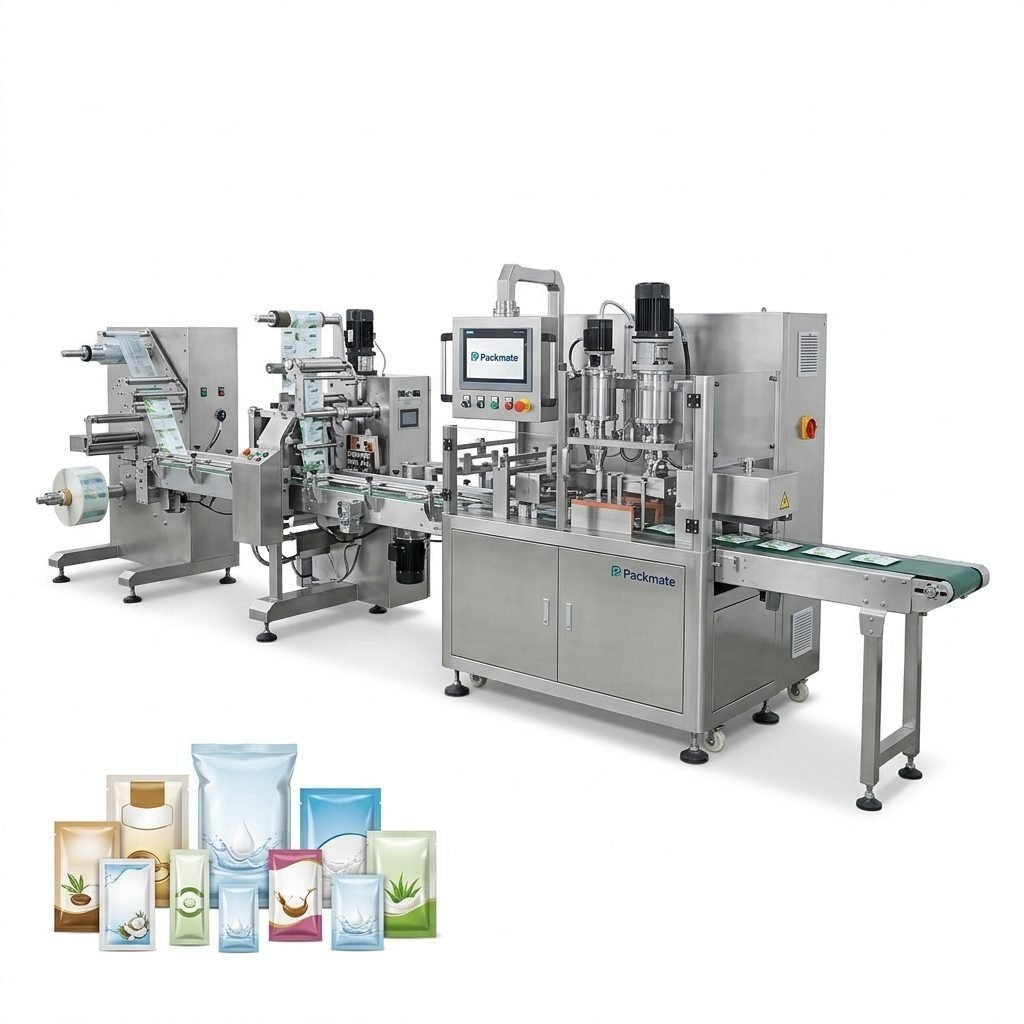
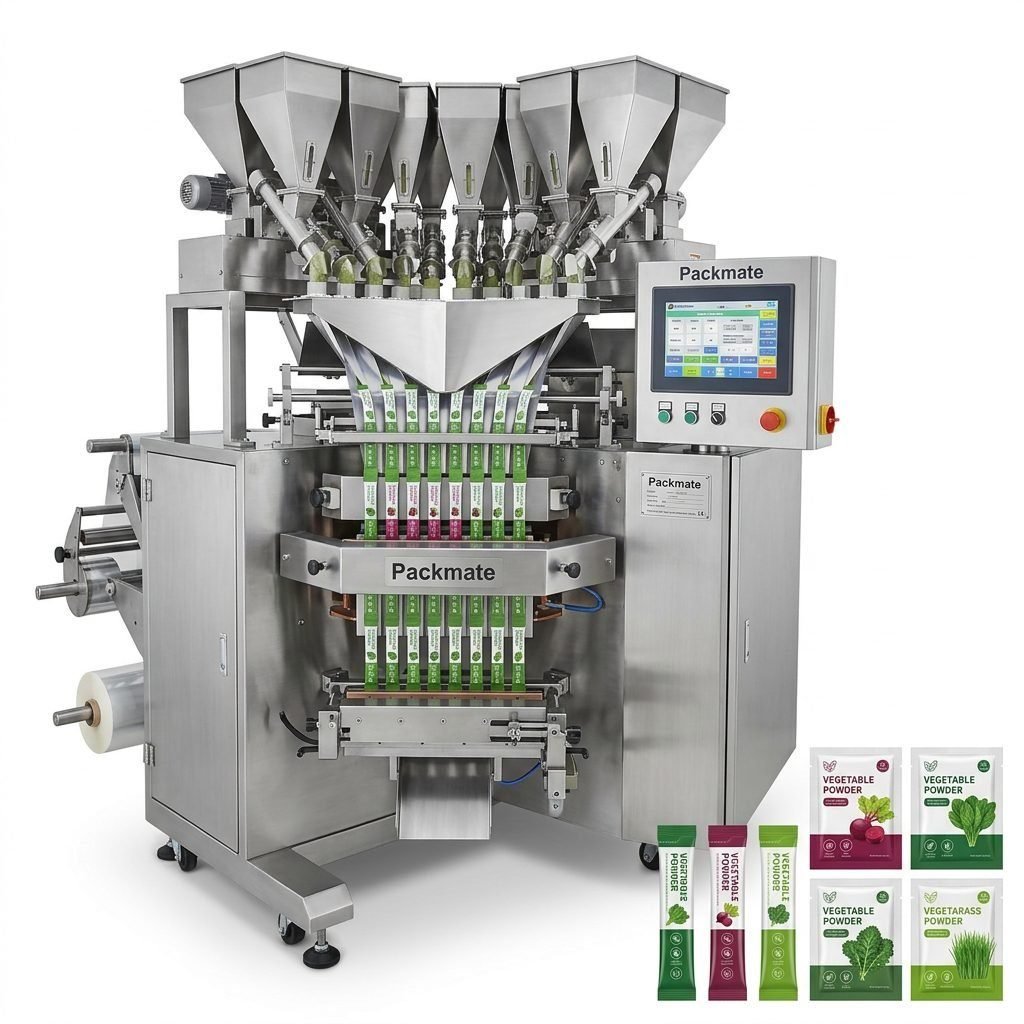
Many French buyers consider reputable international manufacturers who have a proven history of exporting to Europe. These companies often offer a balance of advanced technology, customization, and competitive pricing. For example, Ludyway, with over 30 years of experience and a focus on turnkey lines, serves a global clientele including European markets. Similarly, Packmate Machinery provides a wide range of solutions for food and pharma, with a strong export presence in the region.
For projects requiring deep specialization, niche manufacturers can be ideal. SnusMachinery, for instance, focuses on nicotine pouch packaging—a sector with precise technical demands. Conversely, for buyers prioritizing complete line integration from a single source, companies like PacklineOEM specialize in engineered turnkey systems.
The Importance of Samples and Factory Acceptance Tests (FAT)
Never finalize a purchase without validating machine performance with your actual product. Reputable manufacturers will conduct free sample tests using your materials to demonstrate sealing quality, dosing accuracy, and speed. Following this, insist on a Factory Acceptance Test (FAT) before shipment. This allows your team (or a hired inspector) to visit the factory, run the machine under agreed parameters, and verify all functions, ensuring it meets specifications before it leaves the factory floor.
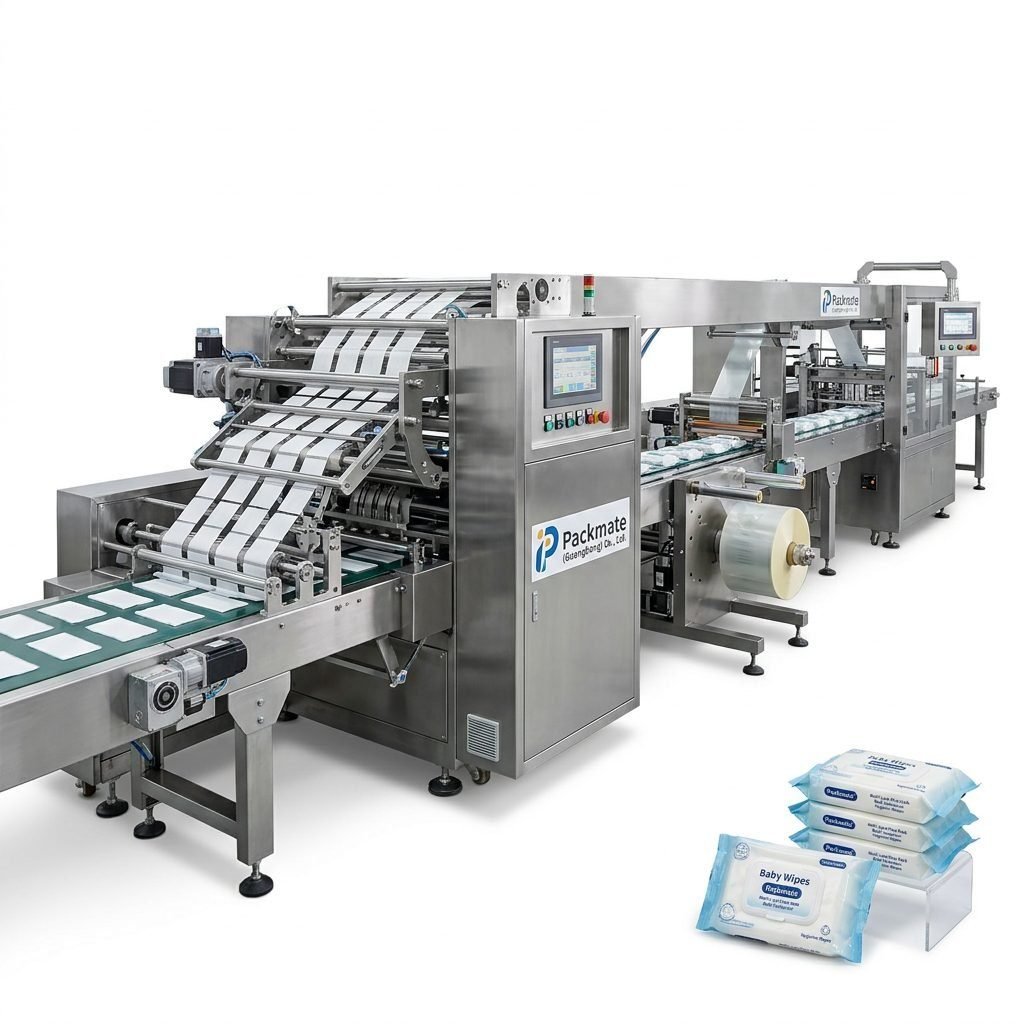
This step is critical for French buyers to mitigate risk. The FAT report becomes a key document for quality assurance and can be tied to payment milestones. It also provides an excellent opportunity for your operators to receive preliminary training.
Building a Long-Term Partnership
Viewing your machine supplier as a strategic partner rather than just a vendor can yield significant long-term benefits. A partner invested in your success is more likely to provide proactive support, offer upgrades for future production needs, and give priority attention to any issues. Clear communication regarding production goals, challenges, and feedback is fundamental to this relationship.
Companies that demonstrate flexibility for customization, such as PackingMachineOEM, are often well-suited for such collaborative, long-term projects, especially when production requirements evolve.
Frequently Asked Questions (FAQs)
What are the main certifications I should require from a packaging machine manufacturer for the French market?
The CE marking is mandatory for machinery sold in the European Union, indicating conformity with health, safety, and environmental standards. Additionally, for food and pharmaceutical applications, look for manufacturers with ISO 9001 (Quality Management) and whose machines are designed to meet hygiene standards like EHEDG guidelines. Specific machine safety is covered by the EN ISO 12100 standard.
How long does the typical process take from order to installation in France?
The timeline varies based on machine complexity. For a standard machine, expect 8 to 14 weeks for manufacturing after order confirmation, plus 4-6 weeks for sea freight and customs clearance to France. For complex turnkey lines, the engineering and manufacturing phase can take 4-6 months. Always include time for FAT and potential pre-shipment adjustments.
Is local technical support available in France from international manufacturers?
This varies by supplier. Larger international manufacturers may have a dedicated European service center or partner with local agents in France or neighboring countries for installation and emergency service. Always clarify the structure of after-sales support during negotiations—specify response times, availability of multilingual manuals, and on-site service costs.
What are the hidden costs I should budget for when importing a machine?
Beyond the machine price, budget for: marine insurance, freight costs, French import VAT (currently 20%), potential customs duties (depending on machine classification), costs for a French-certified electrician to connect the machine to local power standards, and potential building modifications for line installation.
Can I get a machine customized for my unique product format and factory layout?
Yes, most reputable manufacturers offer a degree of customization. This can range from simple adjustments like changing dosing systems or seal patterns to complete non-standard machine design for unique pouch shapes or integrated line layouts. Clearly communicate your requirements early in the process and ensure customization costs and timelines are detailed in the contract.