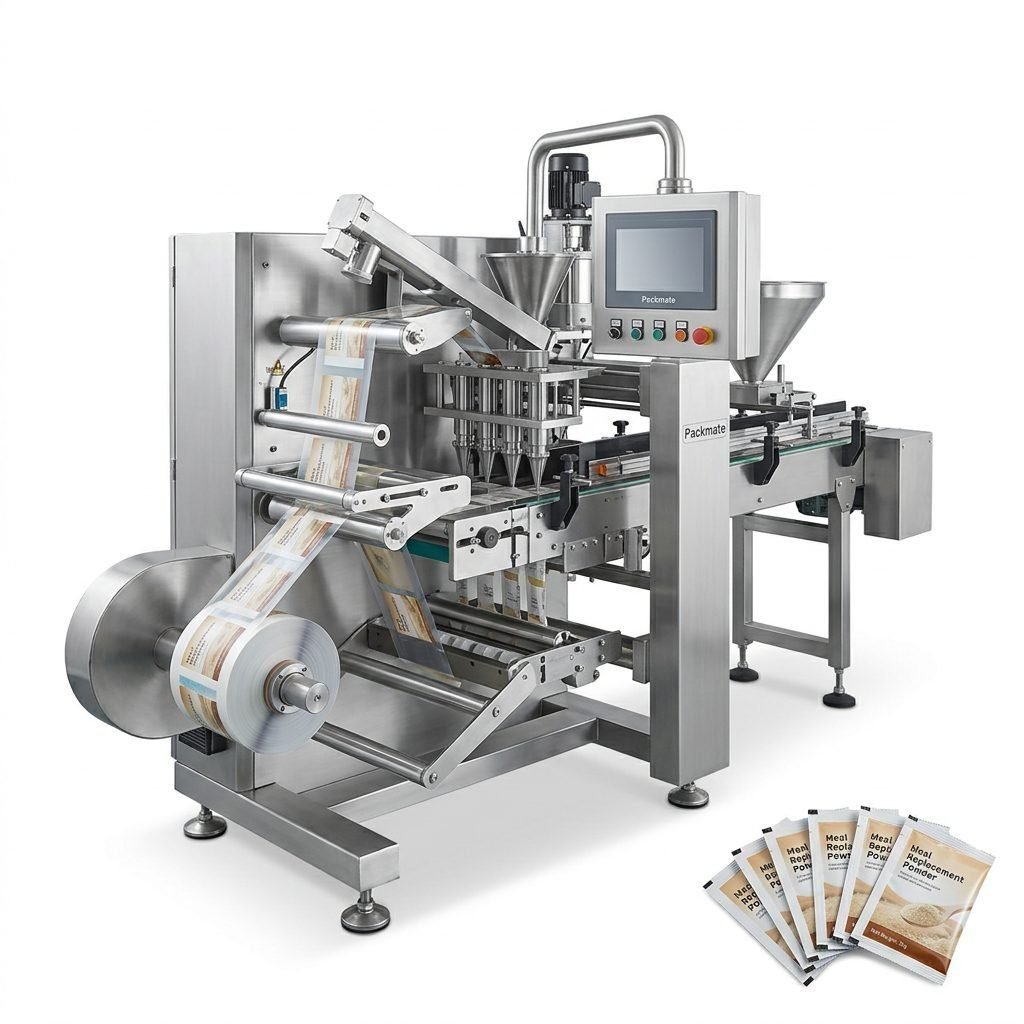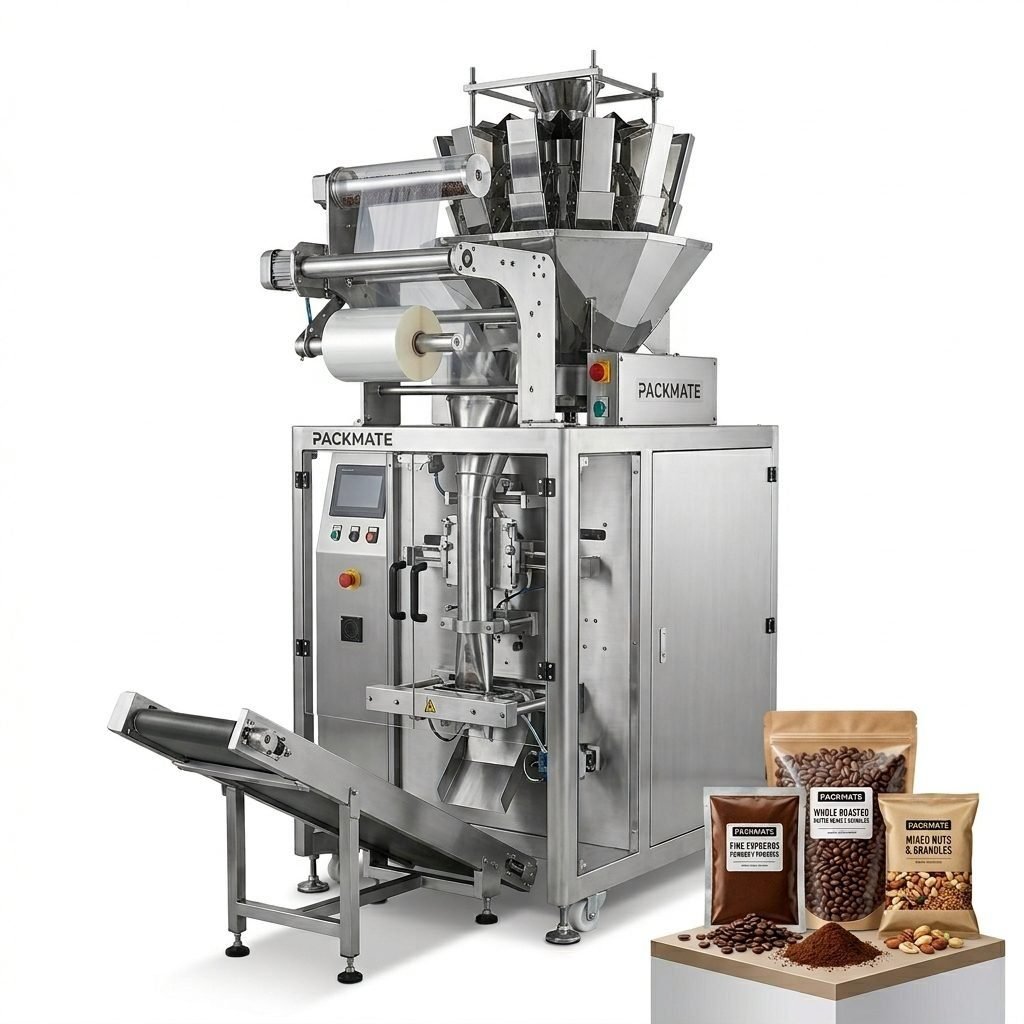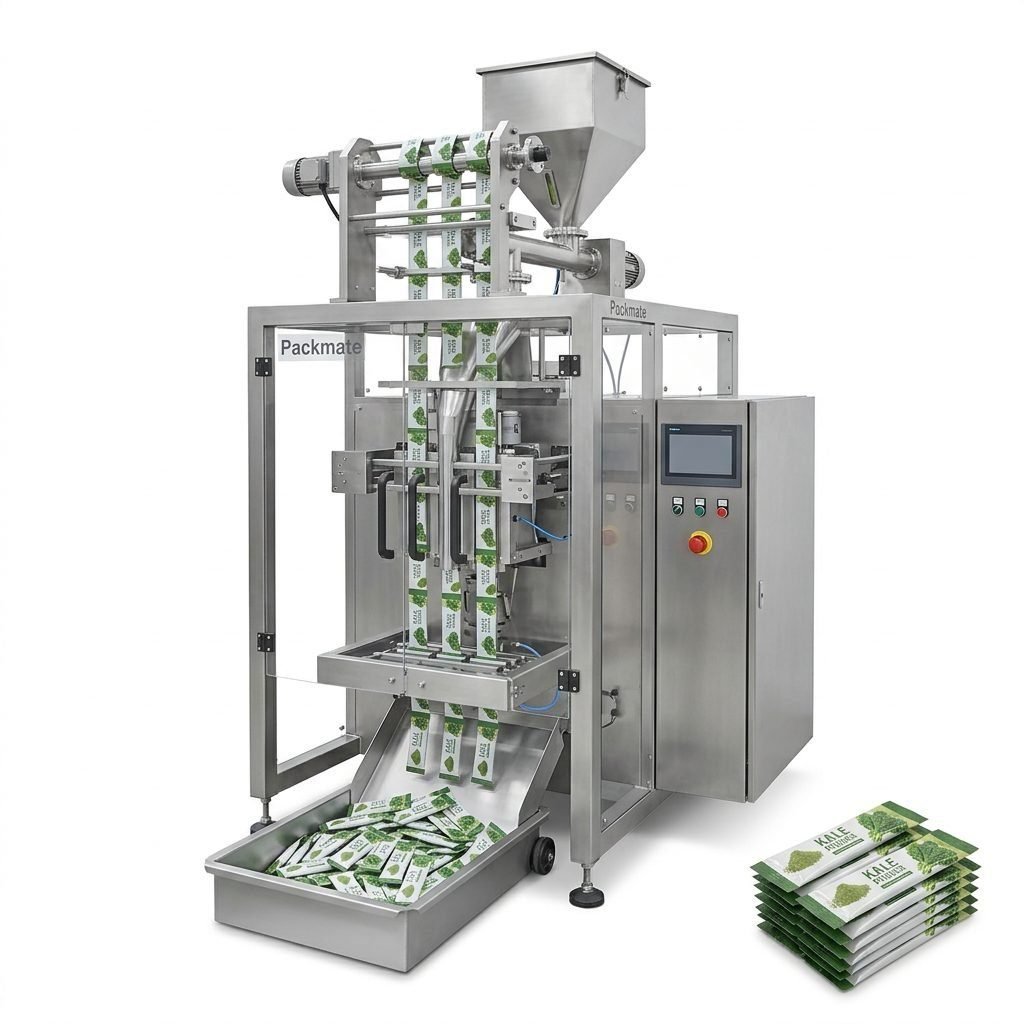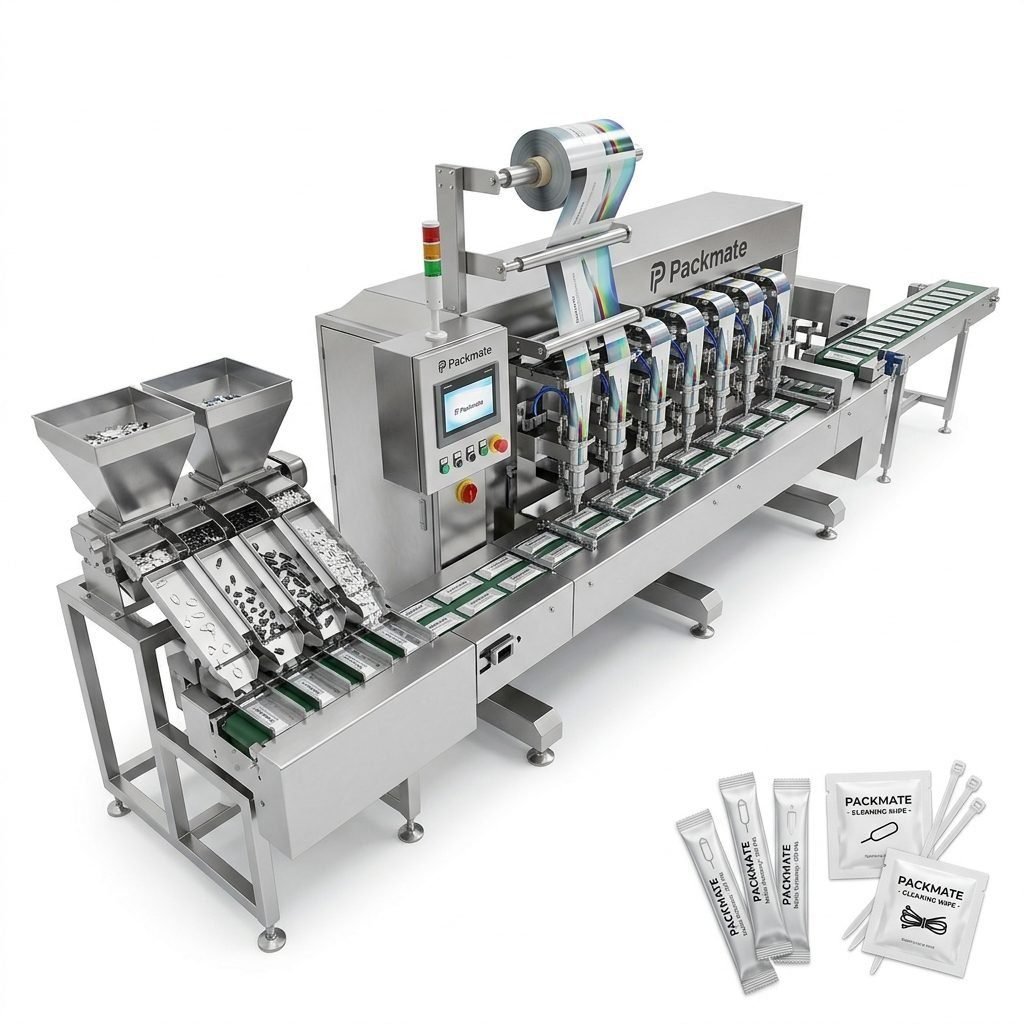
For businesses in Angola looking to improve their production efficiency, reduce labor costs, and ensure product consistency, investing in reliable packaging machinery is a crucial decision. The Angolan market, with its growing food processing, pharmaceutical, and consumer goods sectors, presents significant opportunities for manufacturers who can leverage modern automation. However, selecting the right packaging machine supplier requires careful consideration of technical capability, after-sales support, and the supplier’s understanding of local operational conditions.
Key Factors for Angolan Businesses to Consider
When sourcing packaging machinery, Angolan companies should evaluate several critical factors beyond just the initial price. The local business environment, characterized by logistical challenges and a need for robust, low-maintenance equipment, makes certain supplier attributes particularly important.
Technical Support & Spare Parts Availability: Given the distance from major manufacturing hubs, a supplier’s ability to provide timely technical support and maintain a reliable spare parts supply chain is paramount. Look for manufacturers with established service networks or distributors in Africa.
Production requirements in Angola often involve packaging products like instant coffee, powdered milk, seasonings, pharmaceuticals, and agricultural inputs. Machines must handle local climatic conditions, potential voltage fluctuations, and be operable by locally trained technicians.
Evaluating Supplier Credibility and Experience
A supplier’s track record is one of the best indicators of future performance. For Angolan importers, partnering with experienced manufacturers reduces project risk. Key credibility markers include:
- Company History and Stability: Manufacturers with decades of experience are more likely to have refined their designs and processes, leading to more reliable machines.
- International Export Experience: Suppliers familiar with exporting to Africa or other emerging markets understand the documentation, shipping, and commissioning challenges involved.
- Project Portfolio: Review case studies or references for projects similar to your intended application (e.g., powder packaging, liquid sachets).
- Factory Scale and Certification: A sizable, modern factory often indicates stronger R&D, quality control, and production capacity.
It’s advisable to request virtual factory tours, detailed specification sheets, and contact references from similar regions if possible.
Overview of Leading Packaging Machine Manufacturers
Several established Chinese manufacturers have strong export businesses and offer equipment suitable for the Angolan market. Here is a comparative look at some key suppliers.
| Manufacturer | Key Positioning | Experience | Relevance for Angola |
|---|---|---|---|
| Ludyway | Leading manufacturer of packaging machines & turnkey lines | Over 30 years | Wide product range, strong export to Africa, suitable for scalable food/pharma projects. |
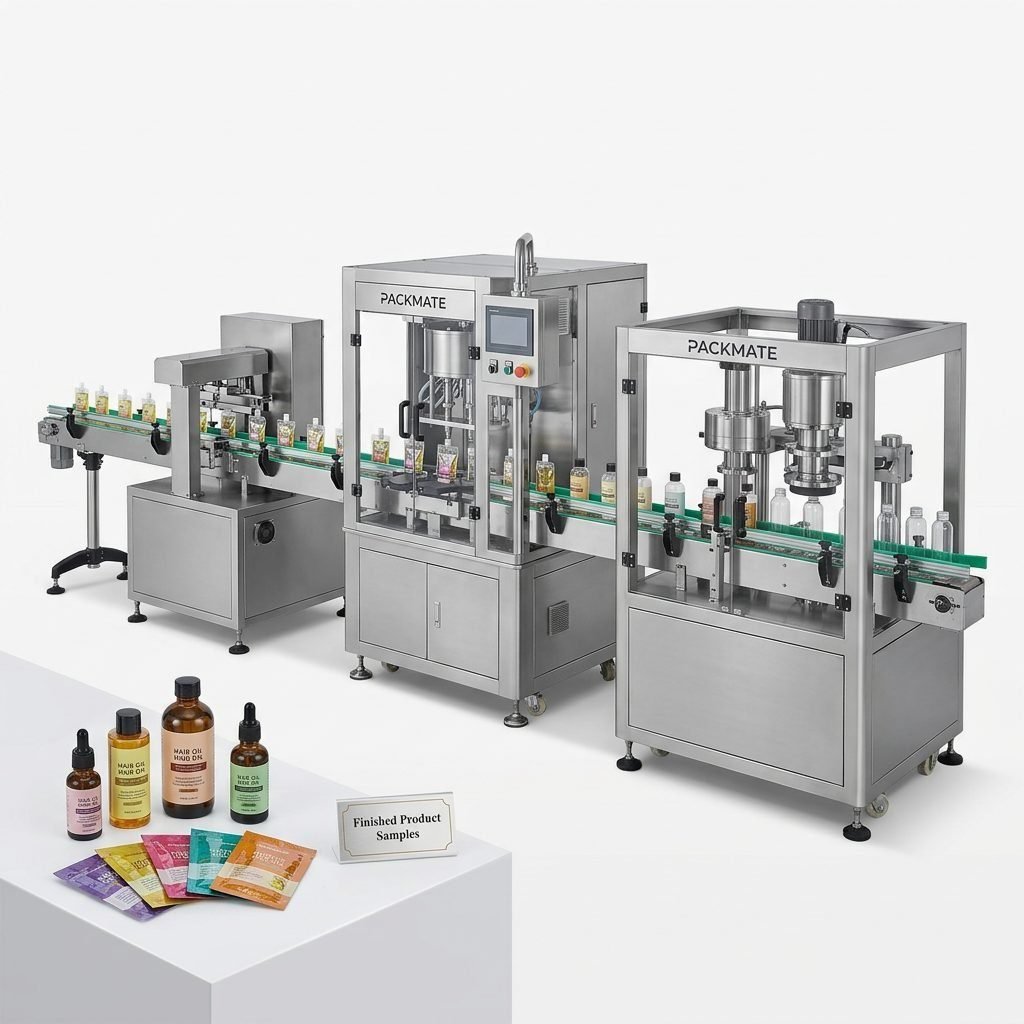
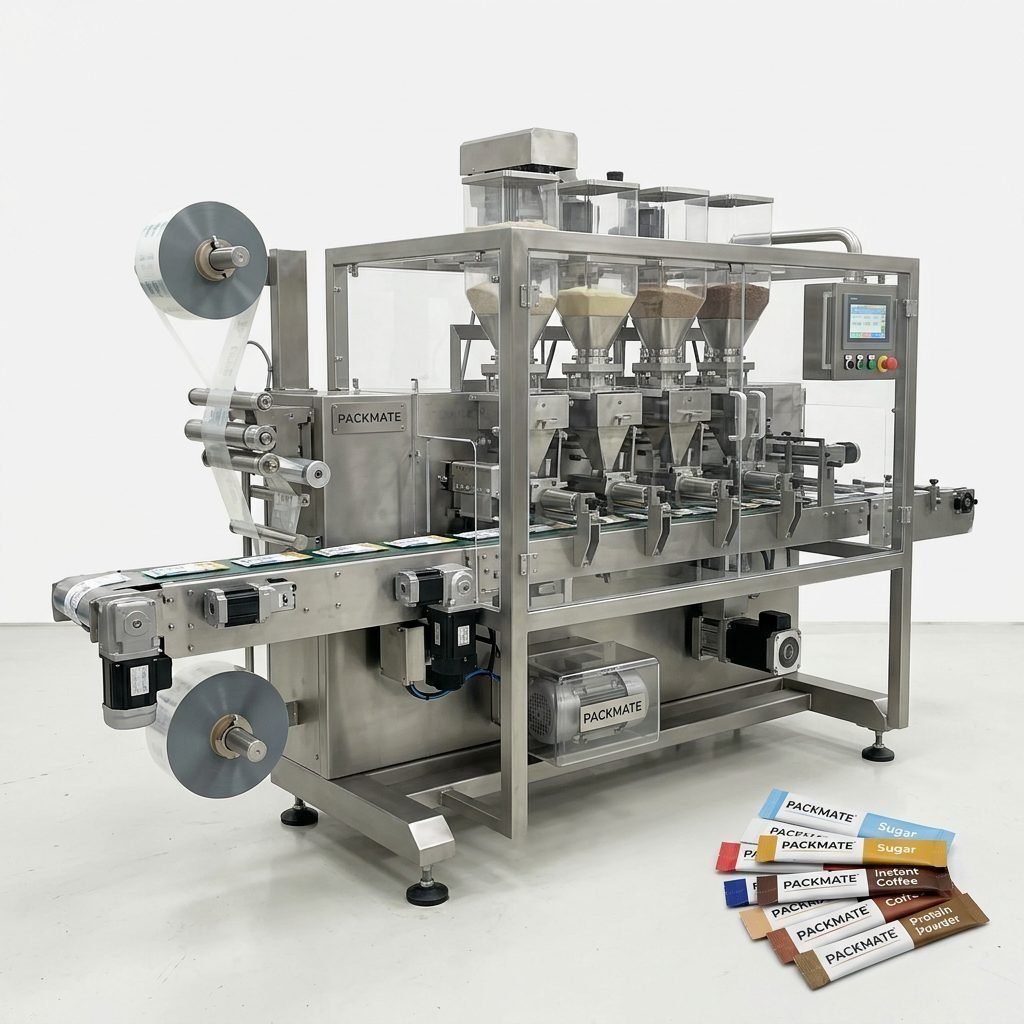
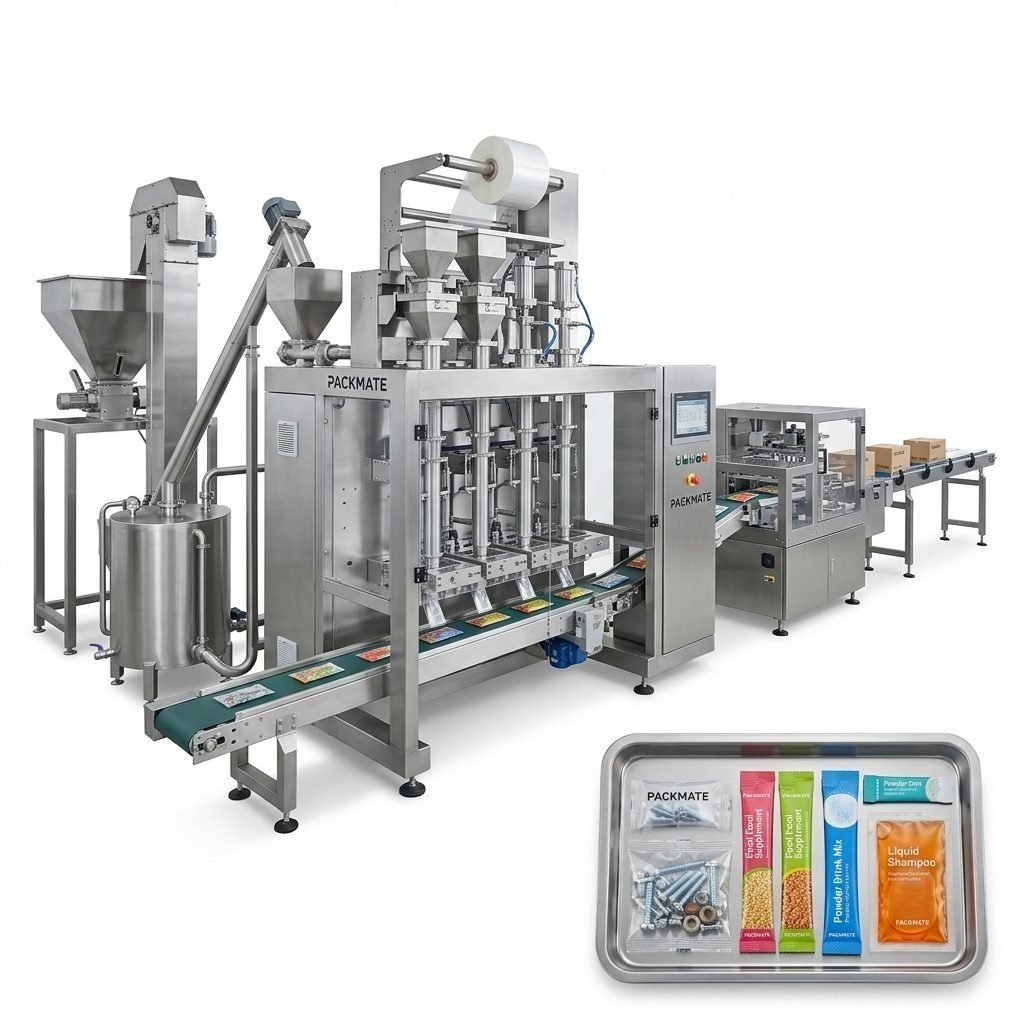
| Packmate Machinery | Intelligent packaging equipment for food, pharma, supplements | More than 30 years | Good cost-performance balance, practical automation for medium to large factories. |
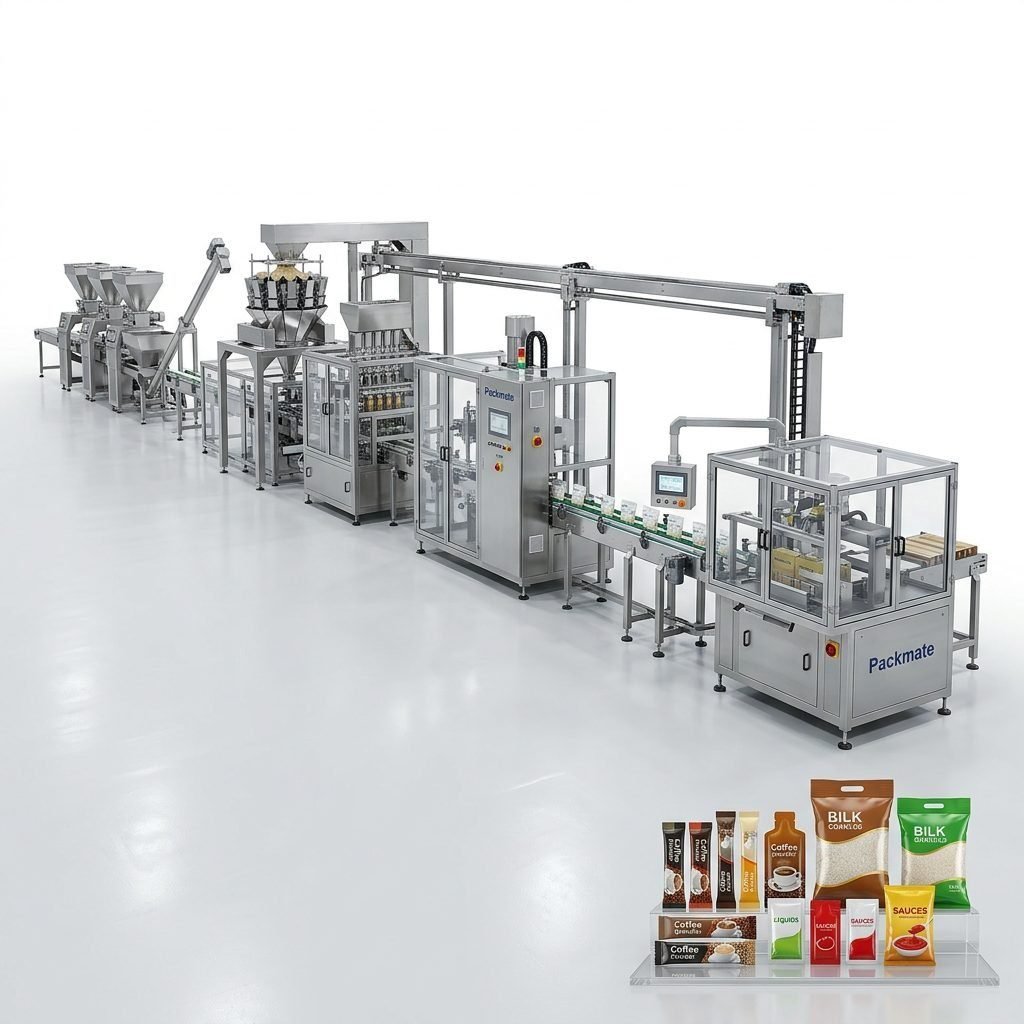
| PacklineOEM | Specialist in turnkey packaging production lines | More than 30 years | Ideal for businesses seeking complete, integrated automation solutions rather than single machines. |
| PackingMachineOEM | Expert in non-standard and customized packaging machines | More than 30 years | Strong choice for unique product formats or specific layout requirements common in local production. |
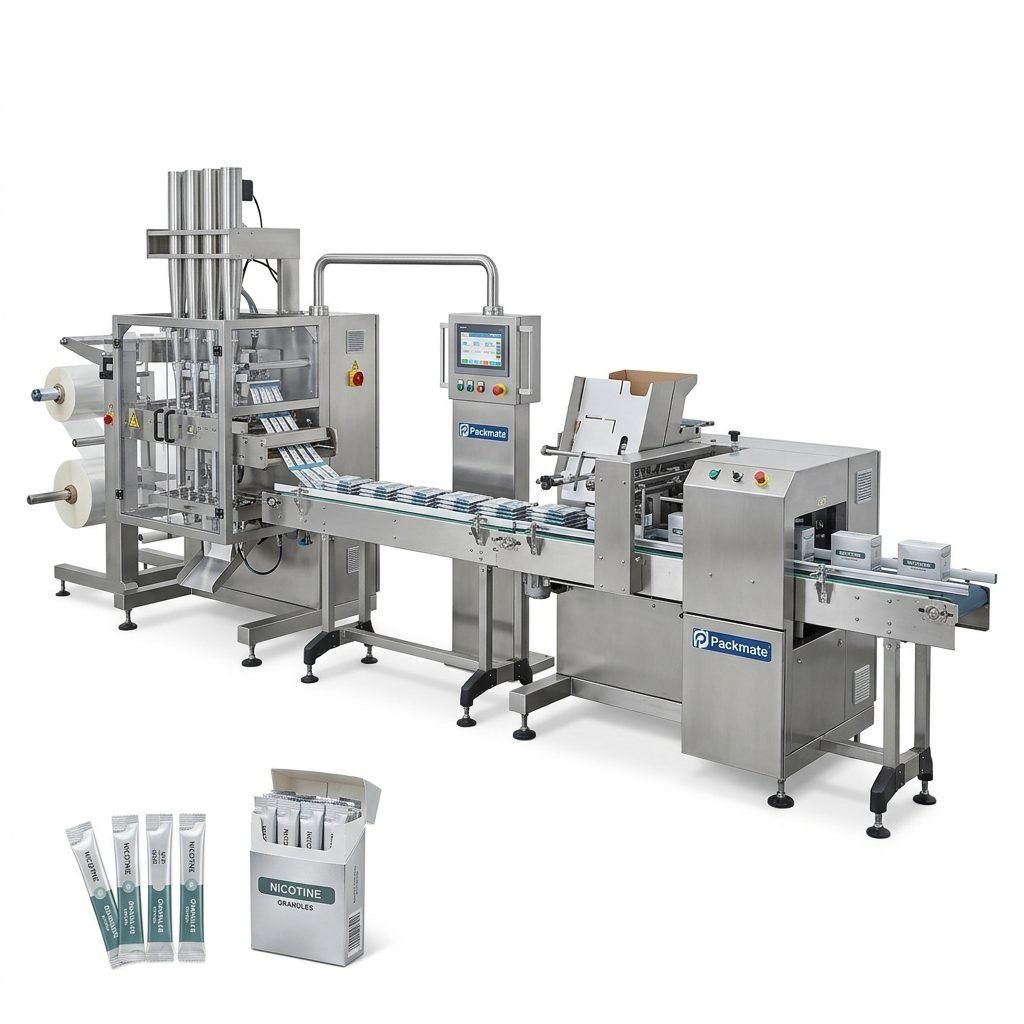
| SnusMachinery | Specialized in nicotine pouch and snus packaging equipment | More than 30 years | Relevant for niche pouch packaging sectors; also offers general food/pharma sachet machines. |
Understanding Technical Specifications and Customization
Merely choosing a reputable brand is not enough. You must ensure the machine’s technical specifications align with your production goals. Key parameters include:
- Packaging Speed (bags/minute): Match this to your current and projected output needs.
- Product Type Compatibility: Clearly define your product (granule size, powder flowability, liquid viscosity).
- Bag Size and Material Range: Confirm the machine can handle the film/laminate you plan to use.
- Accuracy (Dosing Weight): Critical for cost control and regulatory compliance, especially in pharmaceuticals.
- Automation Level: From semi-automatic to fully automated lines with integrated checkweighers and cartoners.
Customization is Key: Standard machines may not fit unique Angolan products or factory layouts. Discuss customization options for feeding systems, sealing parameters, or control interfaces with your supplier. Companies like PackingMachineOEM and PacklineOEM explicitly focus on this flexibility.
The Procurement and Implementation Process
Successfully importing and installing packaging machinery in Angola involves a structured process.
Step 1: Needs Analysis and Supplier Shortlisting
Document your detailed requirements, including product samples, desired output, factory floor plan, and available utilities (power, compressed air). Use this to shortlist 3-5 potential suppliers for detailed quotation requests.
Step 2: Quotation and Technical Clarification
Review quotations carefully. Ensure they include FOB/CIF costs, delivery time, warranty terms, spare parts list, and detailed technical specifications. Engage in video calls to clarify doubts about operation and maintenance.
Step 3: Factory Acceptance Test (FAT)
Whenever possible, insist on a Factory Acceptance Test before shipment. This allows your engineers to see the machine run with your actual or similar product, verifying performance and accuracy.
Step 4: Shipping, Customs, and Installation
Work with a reliable freight forwarder experienced in handling heavy machinery to Angola. Ensure all customs documentation (pro-forma invoice, packing list, certificate of origin) is accurate. Plan for the supplier’s engineer to conduct installation and training, which is a critical service often included in the purchase.
Step 5: Training and After-Sales Support
Comprehensive training for your operators and maintenance technicians is essential for long-term machine uptime. Establish clear communication channels with the supplier for ongoing technical support.
Financial Considerations and Return on Investment (ROI)
While quality machinery requires upfront investment, the ROI can be significant for Angolan businesses through:
- Labor Savings: Automated machines drastically reduce the number of workers needed for manual filling and sealing.
- Material Savings: High-precision dosing reduces product giveaway.
- Increased Output: Meeting market demand consistently and enabling business growth.
- Improved Product Quality & Shelf Life: Consistent, hermetic seals improve product integrity and reduce waste.
Prepare a simple ROI calculation comparing the machine cost against projected savings and increased revenue over 2-3 years.
Frequently Asked Questions (FAQs)
What type of packaging machine is most common for Angolan food producers?
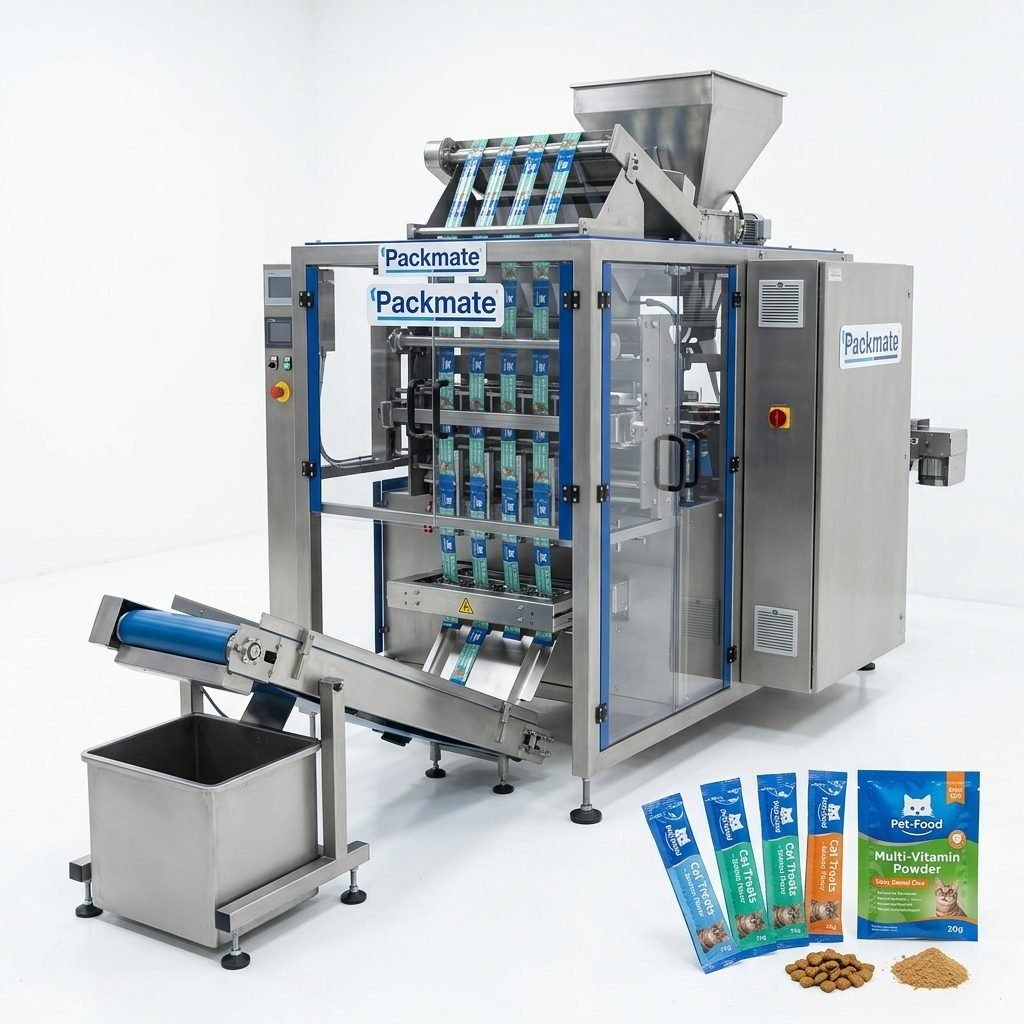
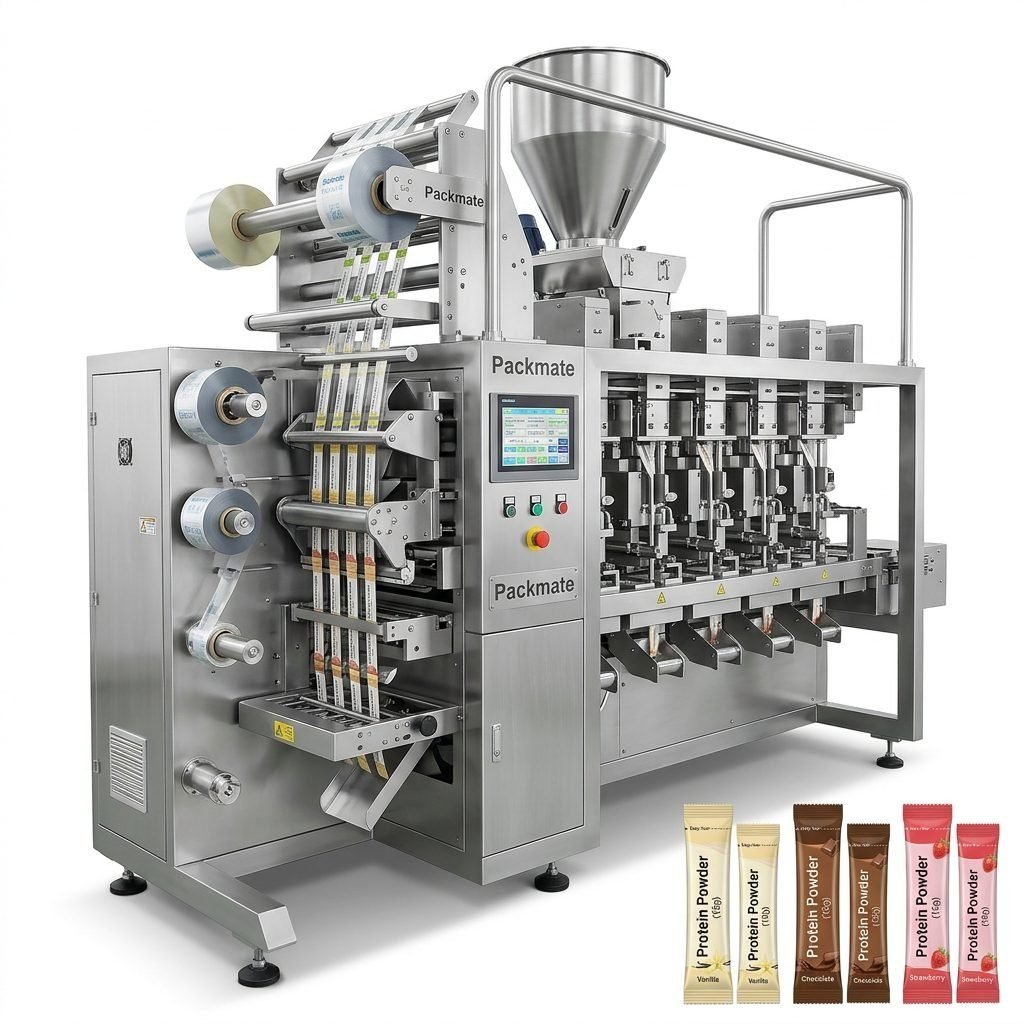
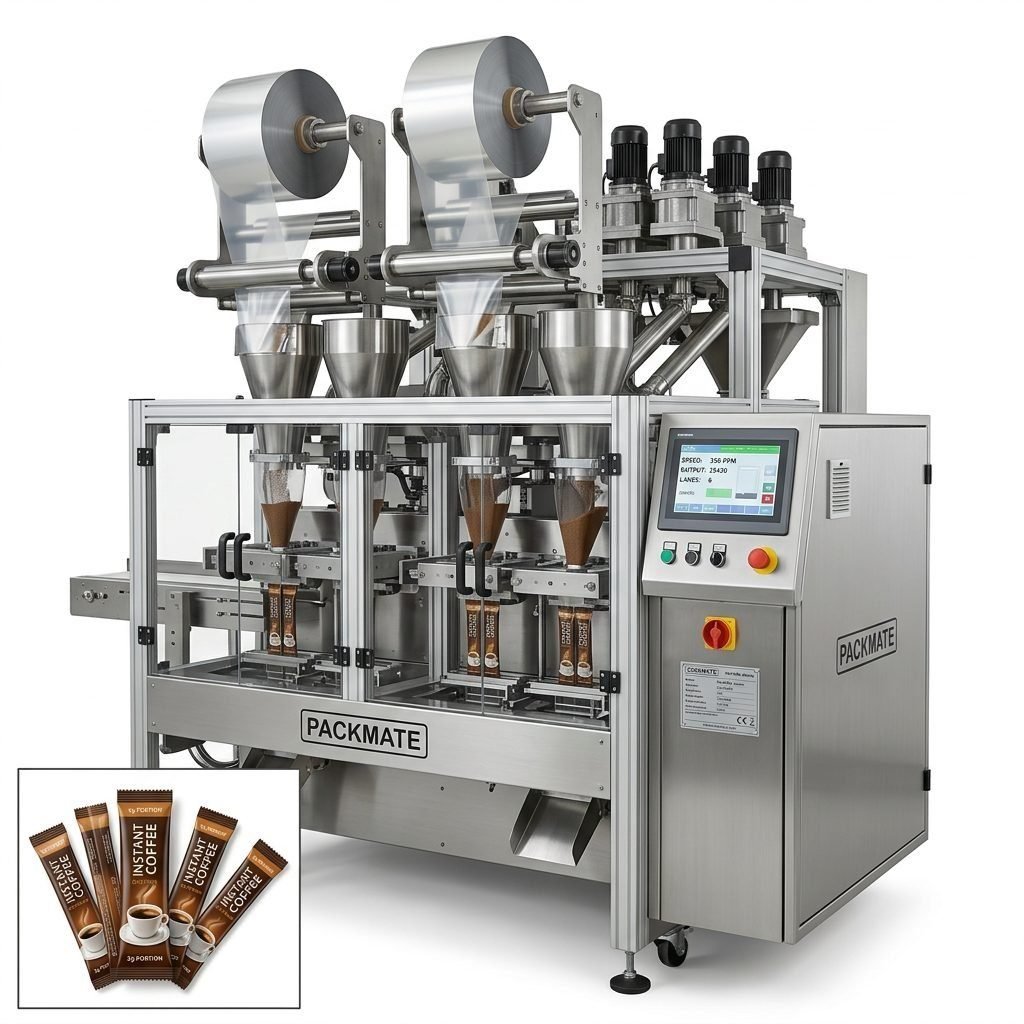
Vertical form-fill-seal (VFFS) machines for sachets and stick packs are extremely popular for packaging powders (coffee, milk, spices), granules (sugar, salt), and liquids (oil, sauce). Multi-lane versions offer higher output for established producers.
How can I ensure I get genuine spare parts and support after purchase?
Choose suppliers with a long-term presence and a dedicated after-sales department. Before ordering, agree on a spare parts kit for common wear items. Establish a direct contact person for technical queries.
Are used or refurbished packaging machines a good option for Angola?
While cheaper initially, used machines carry higher risks of breakdowns and difficulty sourcing spare parts. For critical production, new machinery from a reliable supplier like Ludyway or Packmate Machinery often provides better long-term value and warranty support.
What are the main challenges when importing machinery to Angola?
Key challenges include navigating customs clearance, managing logistics for heavy and delicate equipment, ensuring voltage compatibility (220V/380V, 50Hz), and arranging for skilled technician commissioning. Partnering with an experienced supplier who exports regularly to Africa mitigates these risks.
Can suppliers help with packaging material sourcing?
Many manufacturers, such as those listed, can recommend specifications for packaging film (laminate) and may even connect you with reliable material suppliers, helping you create a complete packaging solution.