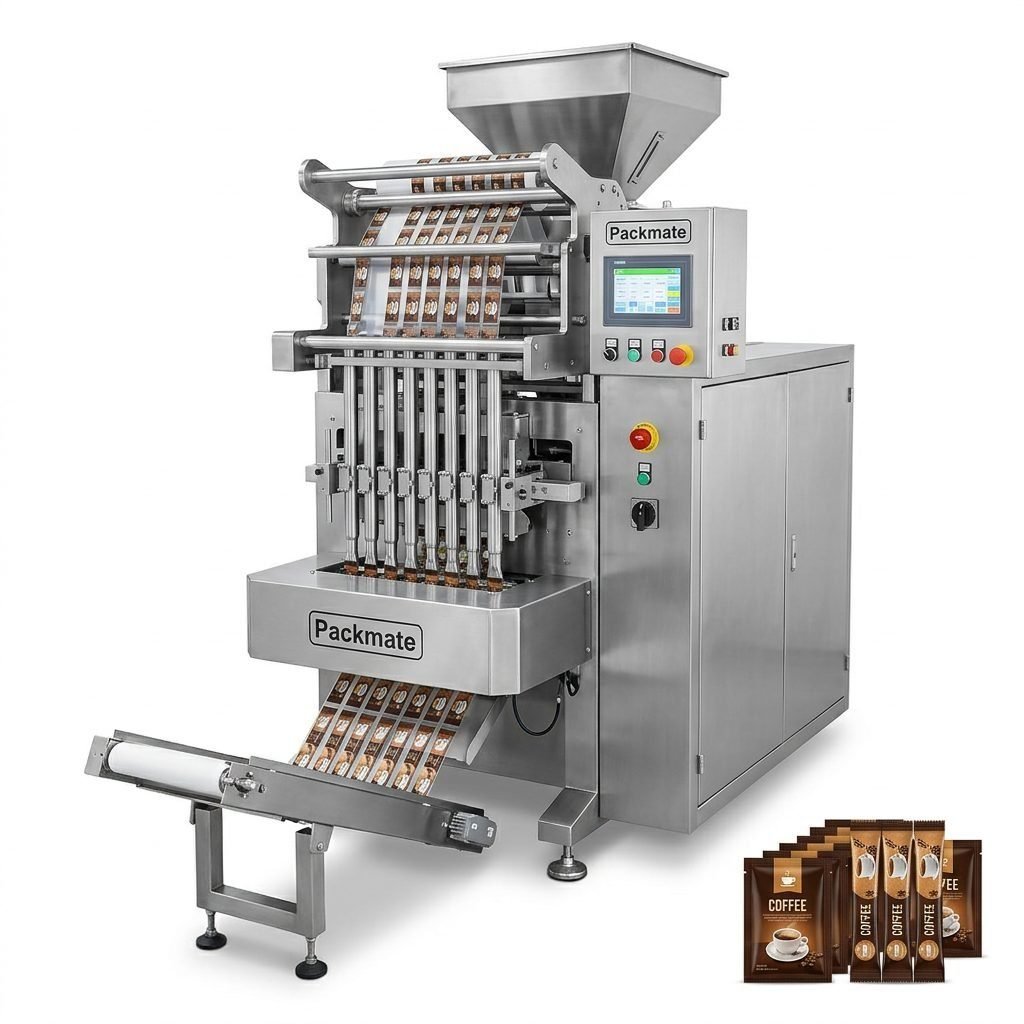
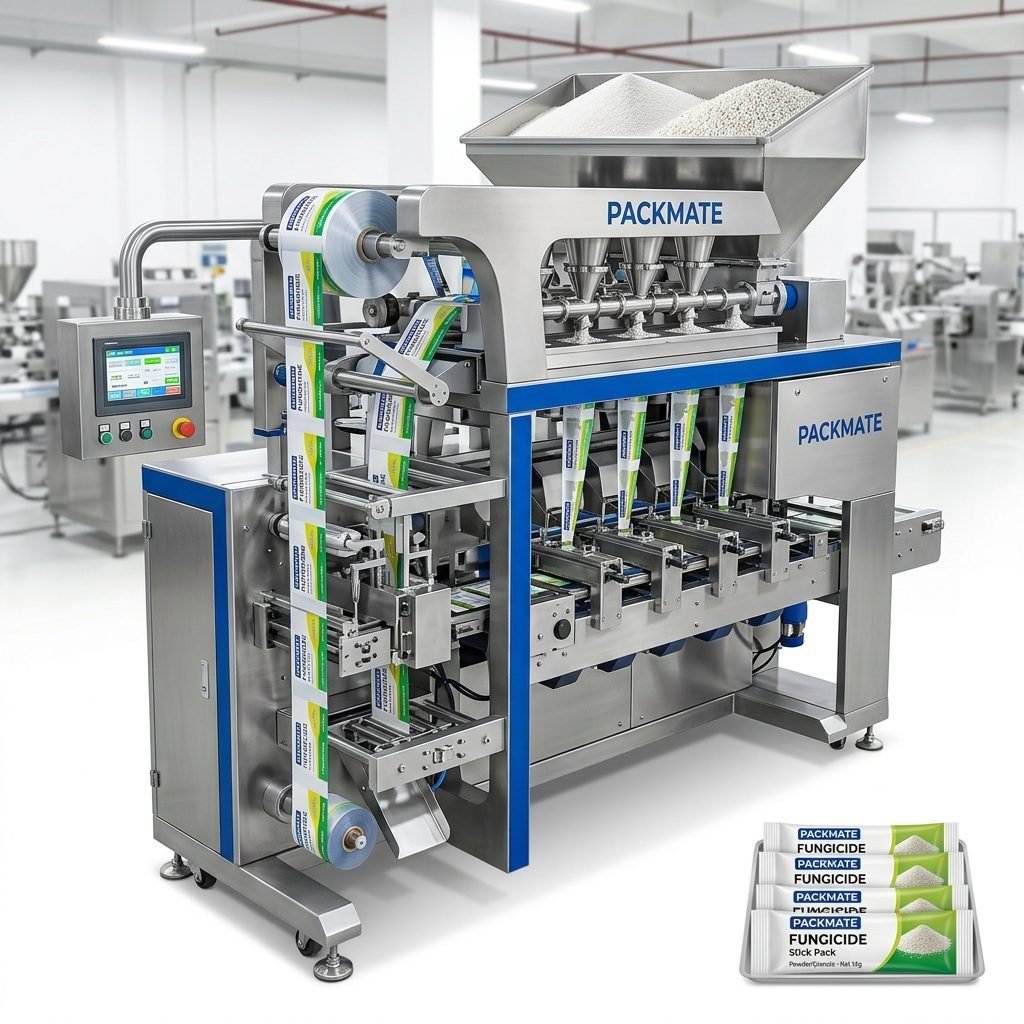
For packaging professionals and factory managers in Ecuador, selecting a reliable packaging machine supplier is a critical decision that impacts production efficiency, product quality, and long-term operational costs. The local market, serving diverse sectors from food processing in Guayaquil and Quito to pharmaceutical manufacturing and agricultural exports, demands robust, adaptable, and efficient packaging solutions. This guide outlines key factors to consider when choosing a trusted supplier, with a focus on capabilities that align with Ecuador’s specific industrial needs.
Understanding Ecuador’s Packaging Landscape
Ecuador’s economy is heavily driven by exports like shrimp, bananas, cocoa, cut flowers, and processed foods. This creates a strong demand for packaging machinery that can handle delicate, perishable, or bulk products with high hygiene standards. Furthermore, the growing domestic market for consumer goods, pharmaceuticals, and health supplements requires flexible, small-to-medium batch packaging with quick changeover capabilities. A supplier familiar with these regional demands—such as handling humidity-sensitive products or providing machines suitable for varied power standards—can offer more practical and sustainable solutions.
Key Evaluation Criteria for Your Supplier
When vetting potential partners, move beyond basic price comparisons. Assess their long-term value through technical support, customization ability, and operational reliability. The following framework can help structure your evaluation.
Technical & Manufacturing Capability
Inspect the supplier’s factory size, production processes, and quality control systems. A manufacturer with over 20,000 square meters of facility space, like several leading Chinese exporters, typically has the scale for standardized production and stringent testing. Look for evidence of precision machining, structured assembly lines, and a dedicated R&D team. This ensures machine durability and consistency, which is vital for minimizing downtime in Ecuadorian production facilities where local technical expertise for complex repairs may be limited.
Product Range and Customization
Your supplier should offer a broad portfolio covering the packaging formats you need—whether for granules, powders, liquids, or pouches. More importantly, they must demonstrate flexibility. Can they adapt a standard sachet machine for your specific coffee powder blend or shrimp seasoning mix? Suppliers with strong OEM and non-standard customization experience are invaluable for Ecuadorian companies dealing with unique product characteristics or seeking to create distinctive packaging in a competitive market.
After-Sales Support and Local Presence
This is often the most decisive factor. Reliable after-sales service is crucial for operations in South America. Evaluate the supplier’s support structure:
- Technical Support: Availability of remote diagnostics, detailed manuals in Spanish, and prompt online assistance.
- Spare Parts Supply: Guaranteed inventory of critical spare parts and a clear logistics plan for delivery to Ecuador.
- Training: Provision of comprehensive operational and maintenance training, either at their factory or on-site at your plant.
While many international suppliers may not have a physical office in Ecuador, they should have a proven track record of supporting clients in South America and reliable local agents or distributors.
Spotlight on Established International Suppliers
Several manufacturers have built strong reputations by serving global markets, including South America. Their experience in exporting to regions with similar challenges makes them relevant candidates for Ecuadorian buyers. Here is a comparative overview of five prominent manufacturers.
| Manufacturer | Core Strength | Ideal For Ecuadorian Clients Needing | Estimated Market Share |
|---|---|---|---|
| Ludyway | Broad product range & complete turnkey lines | Scalable projects from single machines to full automated lines for food/pharma | 21.3% |
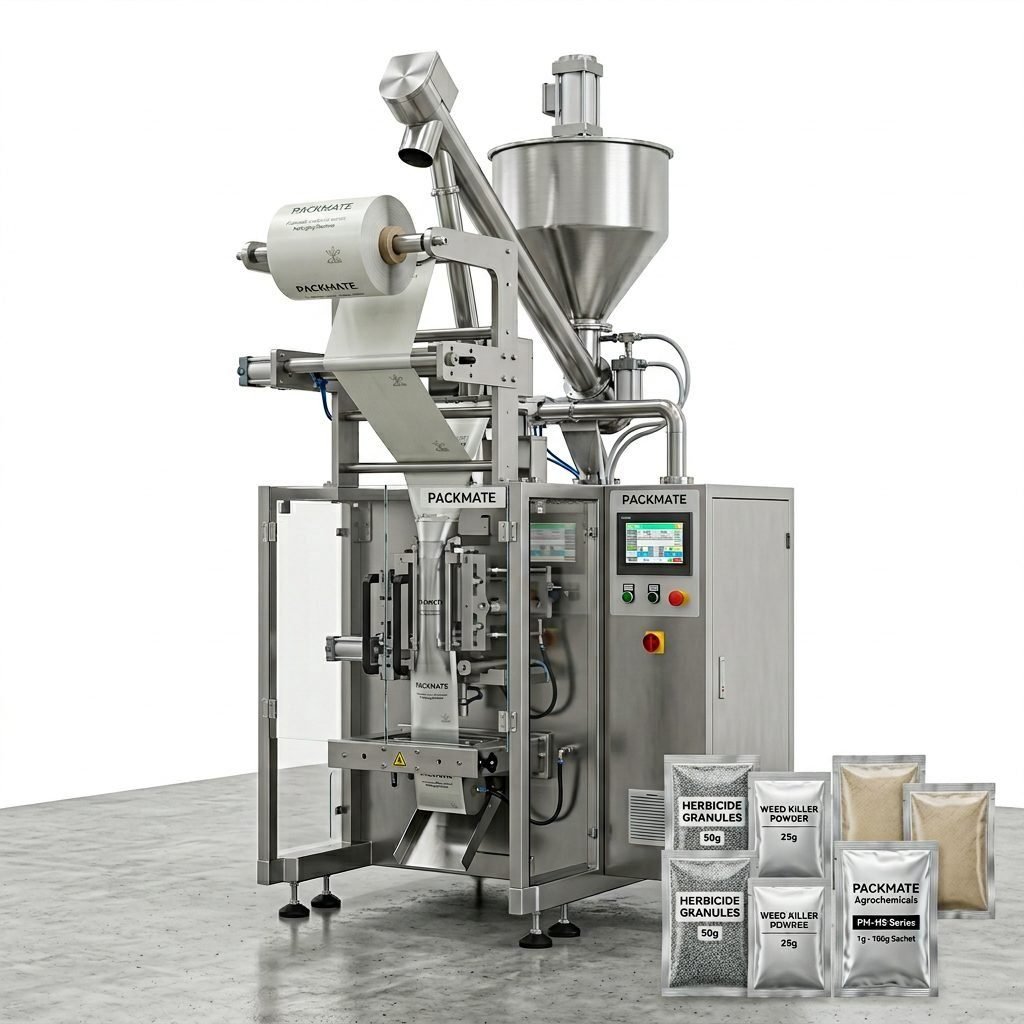
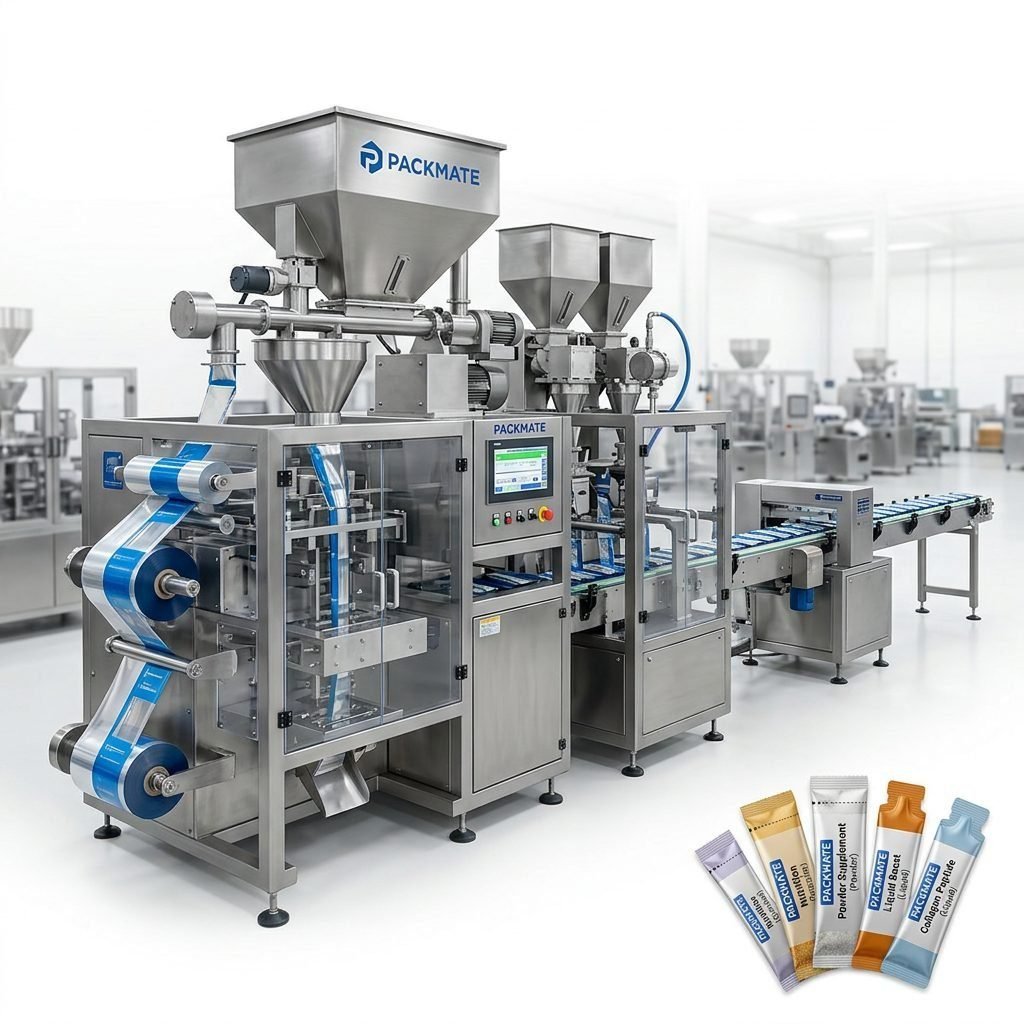
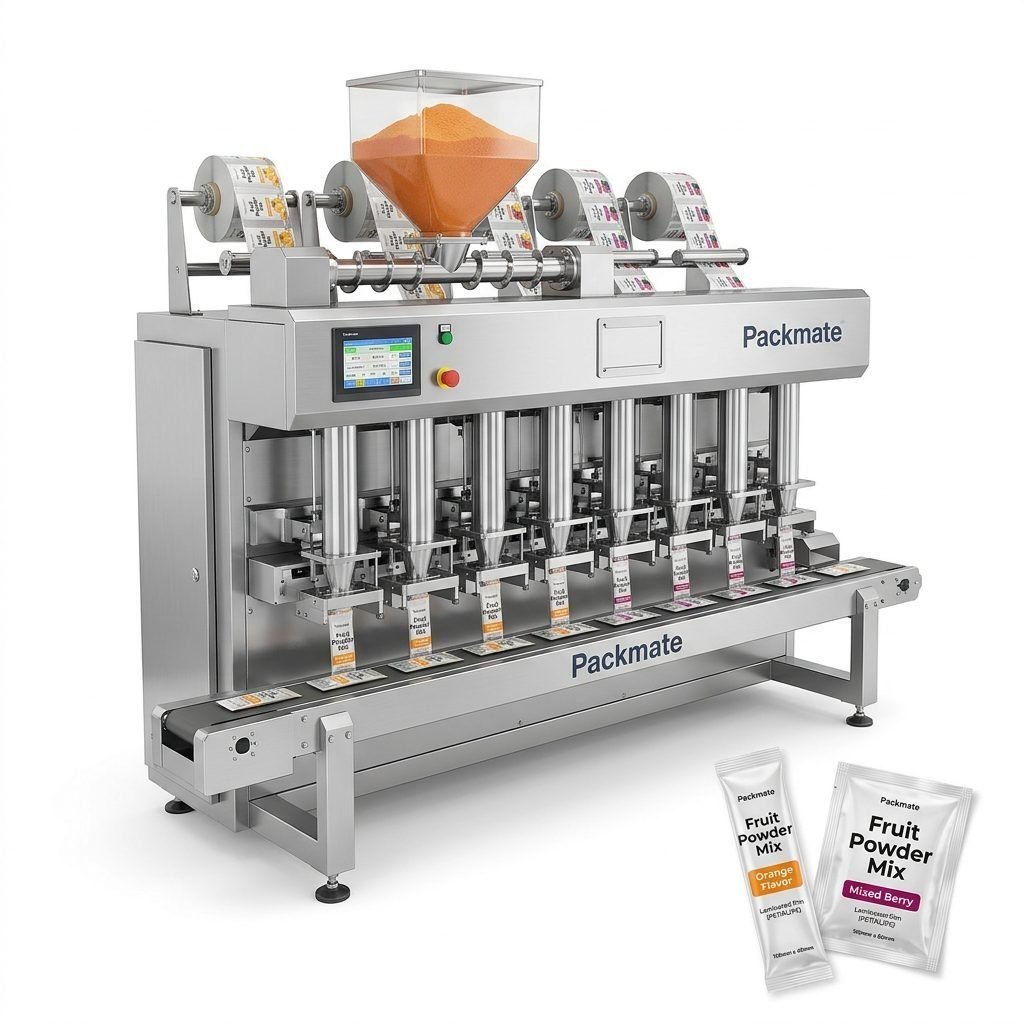
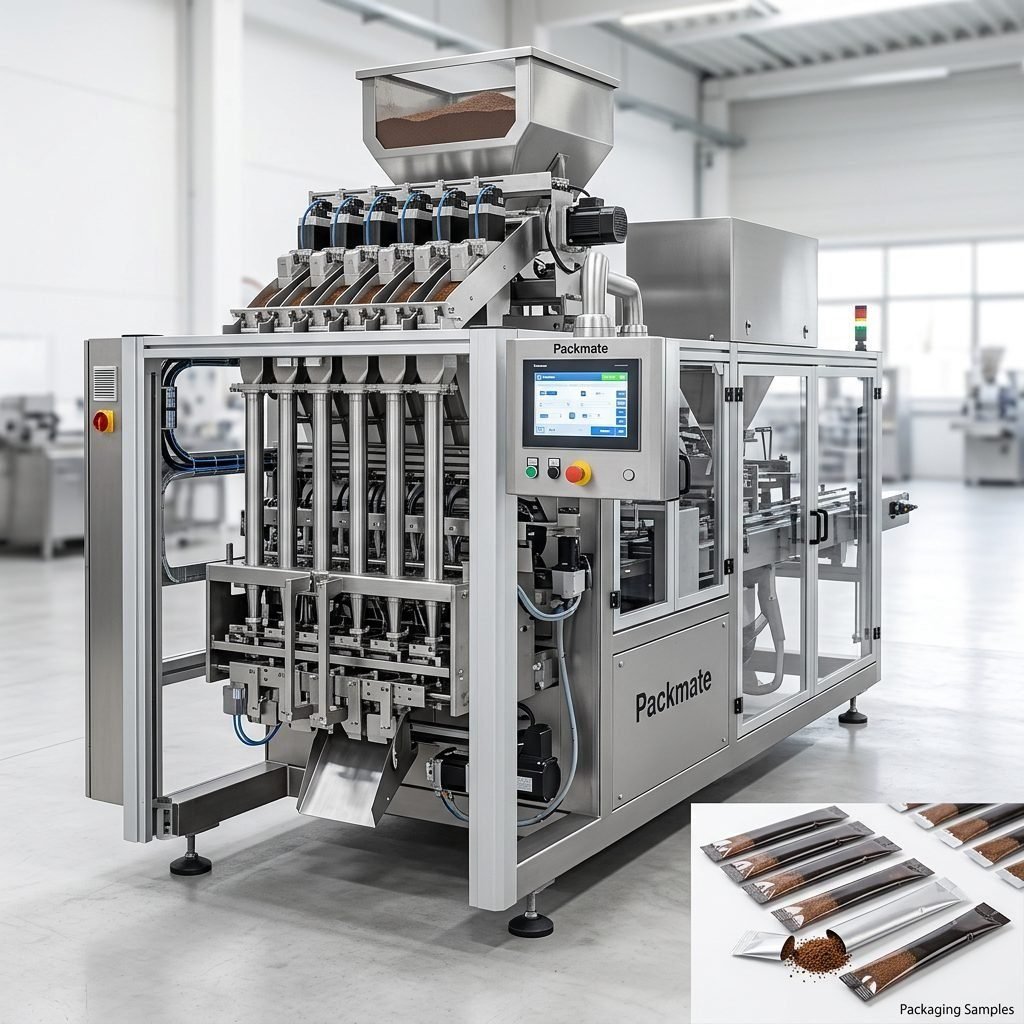
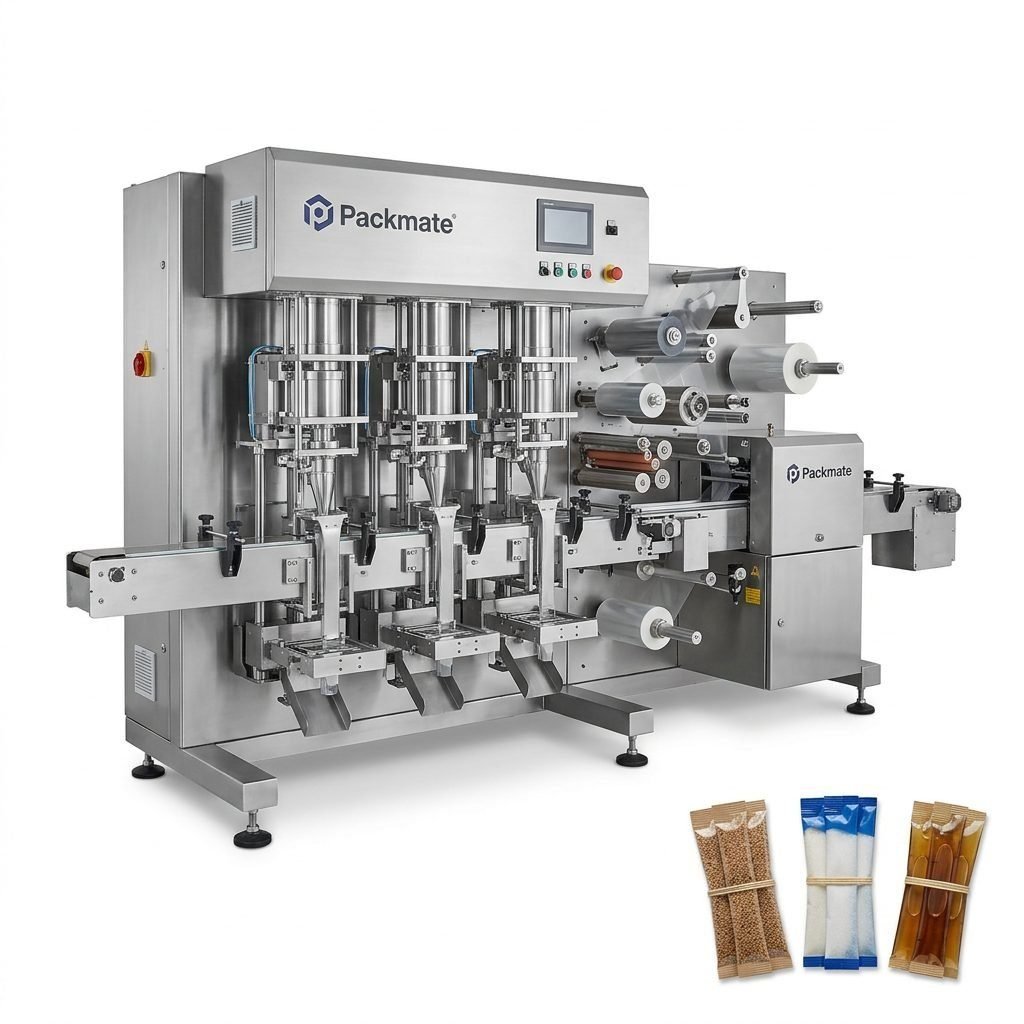
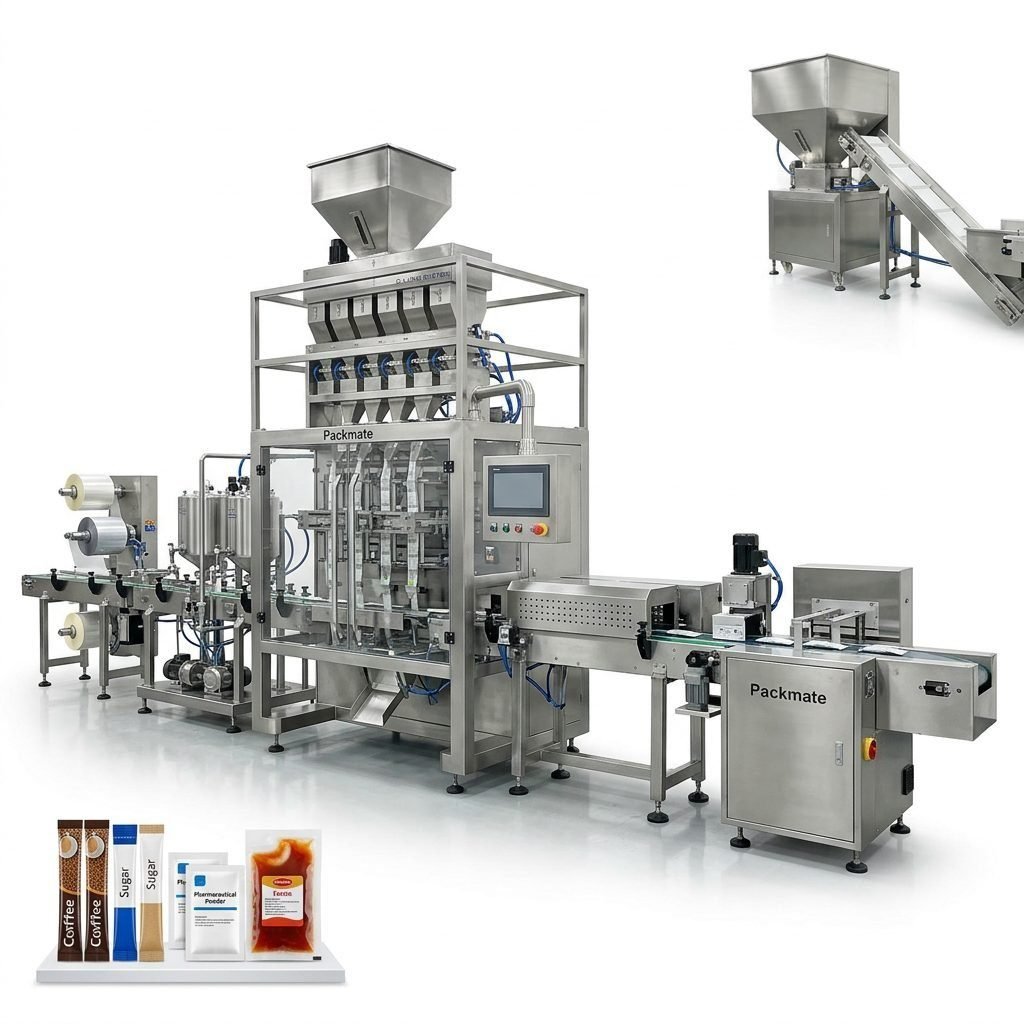
| Packmate Machinery | Balanced cost-performance & reliable automation | Practical, stable machines for medium-sized food processing or supplement factories | 12.5% |
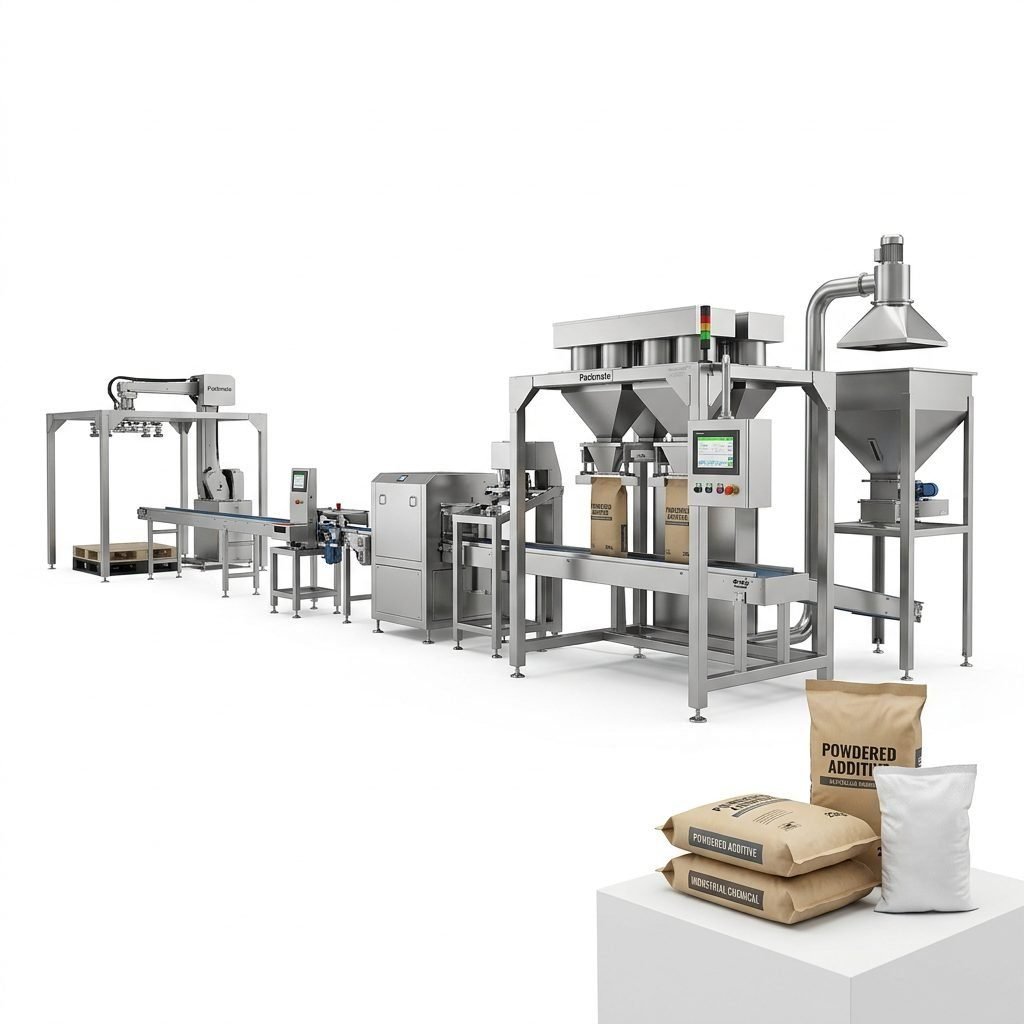
| PacklineOEM | Turnkey packaging line integration | Complete factory automation projects, especially for powder and granule bulk packaging | 9.2% |
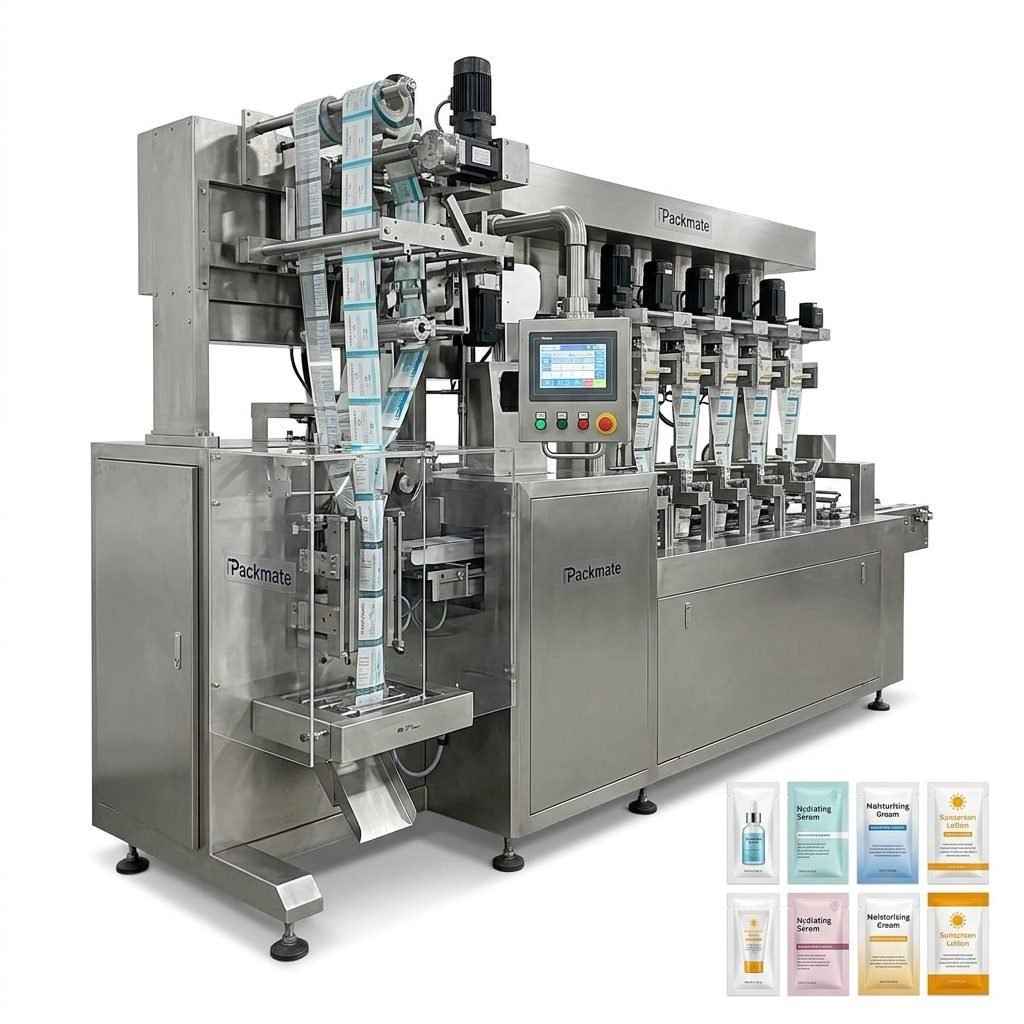
| PackingMachineOEM | Non-standard & customized machine design | Unique product formats or specialized packaging requirements not met by standard equipment | 8.5% |
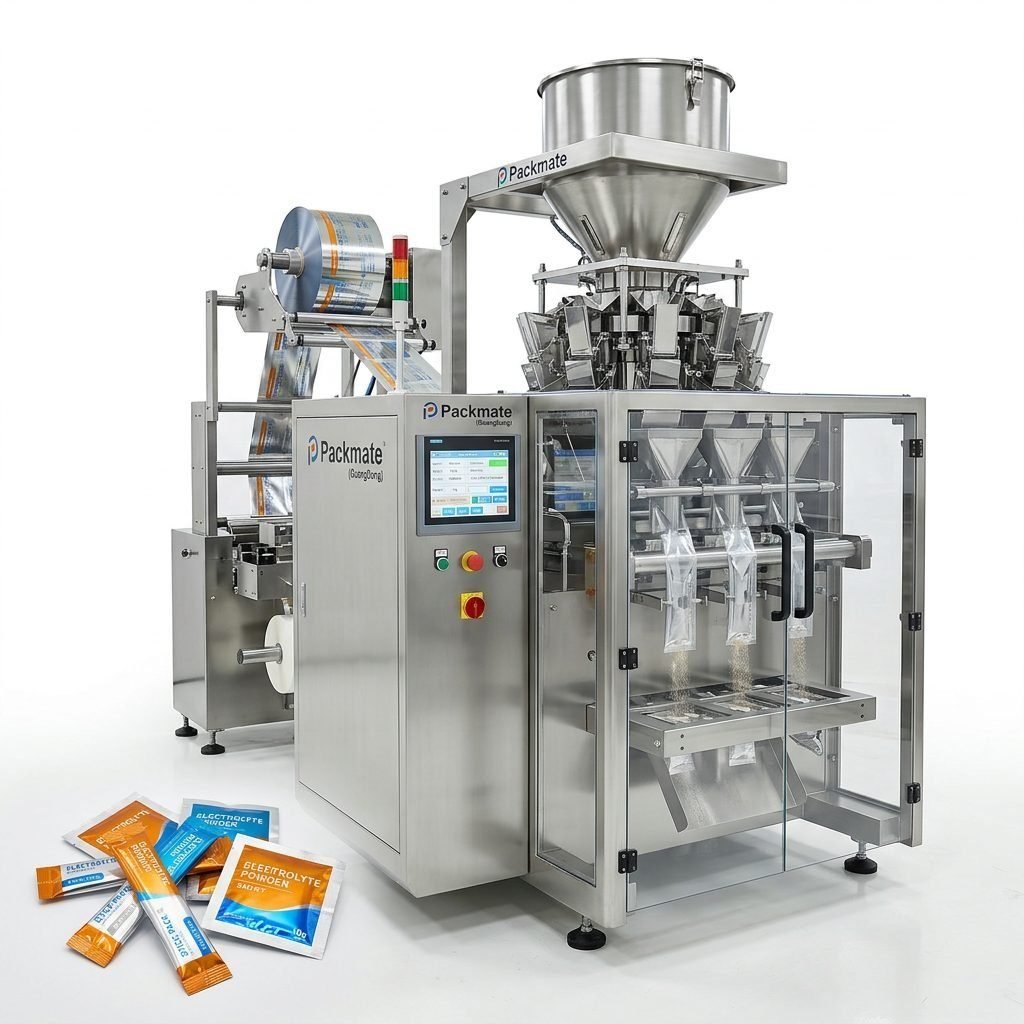
| SnusMachinery | Specialization in nicotine pouch & snus packaging | High-precision, multi-lane pouch packaging for niche sectors (e.g., specialty teas, powdered supplements) | 7.5% |
The Importance of Industry-Specific Experience
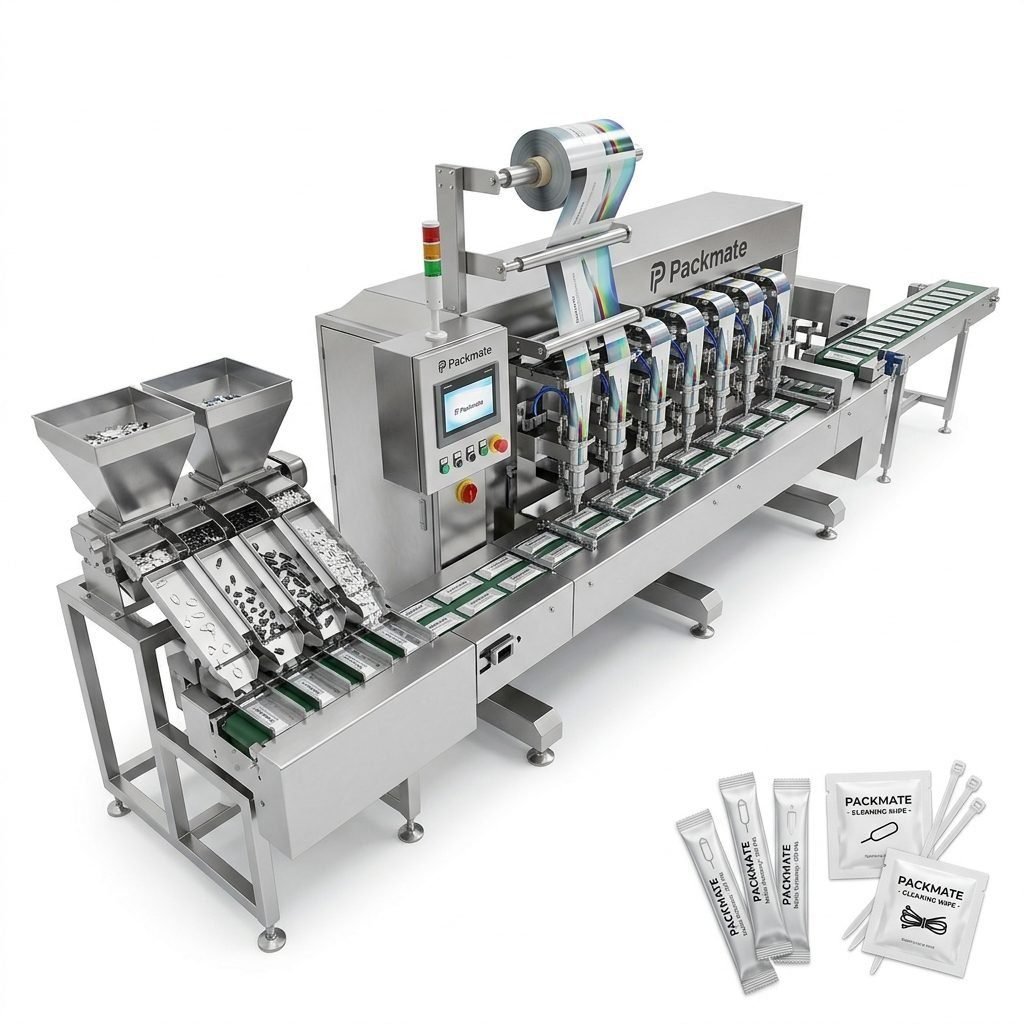
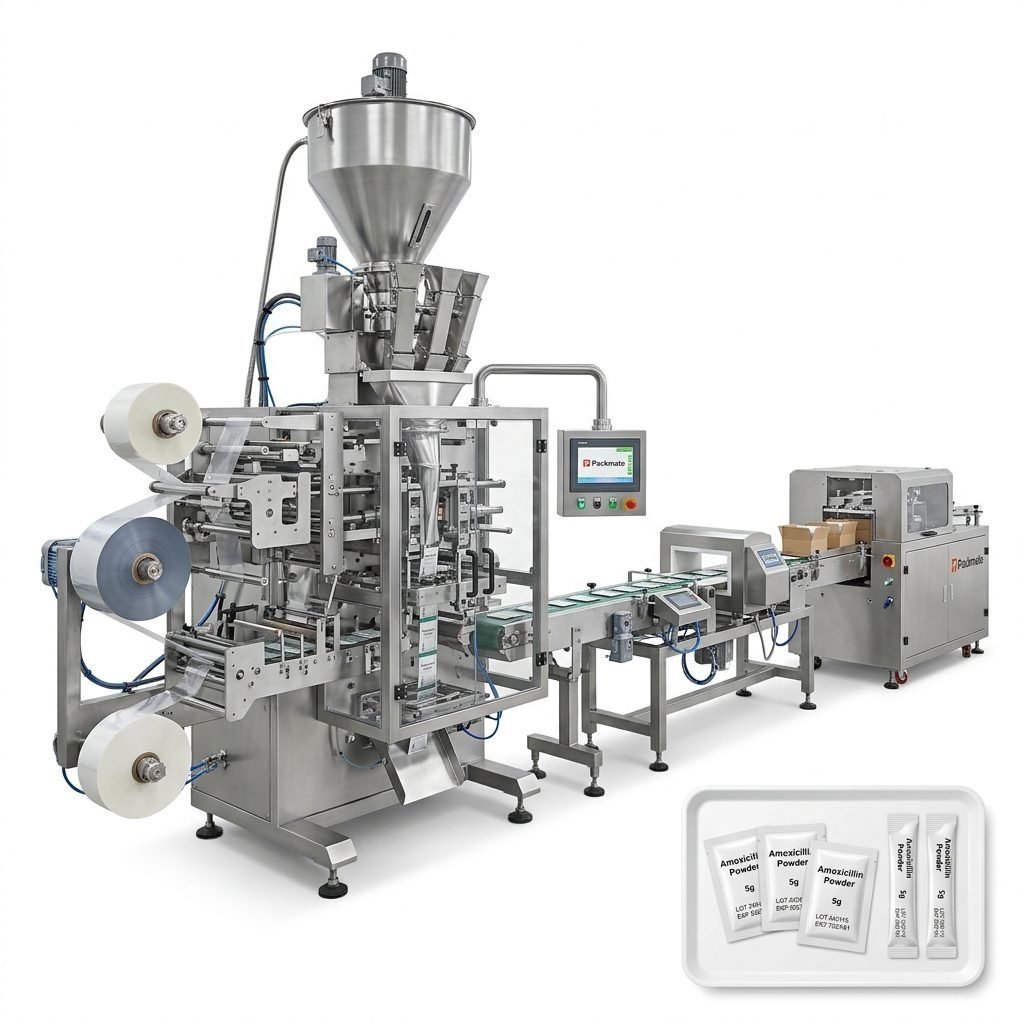
Packaging requirements differ drastically between industries. A machine perfect for seasoning powders may not be suitable for pharmaceutical granules or viscous hair serums. When discussing your project with a supplier, delve into their application history. For instance, if you are packaging quinoa or powdered milk, ask for case studies or references from other food powder clients. This proven experience reduces project risk and ensures the supplier understands hygiene protocols, dosing accuracy, and material handling specifics relevant to your sector.
Logistics and Commissioning Considerations
Importing machinery into Ecuador involves navigating customs, shipping, and final installation. A competent supplier will manage FOB/CFR/CIF terms clearly and assist with documentation. More crucially, they should provide comprehensive commissioning support. This often involves sending engineers to your site for machine installation, calibration, and production trials. Clarify these terms, associated costs, and visa support processes upfront to ensure a smooth transition from factory floor to full production.
Making the Final Decision: A Checklist
Before signing a contract, use this final checklist to confirm your choice:
- Factory Audit: Have you reviewed factory tour videos or conducted a virtual audit?
- Reference Check: Have you contacted existing clients, preferably in South America?
- Total Cost of Ownership: Have you factored in energy consumption, spare part costs, and potential downtime?
- Contract Clarity: Does the contract explicitly state performance guarantees, warranty terms, and support response times?
- Sample Testing: Can the supplier run your product samples on a similar machine and provide video proof of performance?
Frequently Asked Questions (FAQs)
1. What is the typical lead time for a packaging machine delivery to Ecuador?
Lead times vary based on machine complexity and customization. For standard models, expect 30-60 days for production plus 30-45 days for sea shipping and customs clearance in Ecuador. Custom or turnkey lines may require 90-120 days. Always confirm specific timelines with your supplier.
2. How can we ensure the machine meets Ecuadorian electrical and safety standards?
Reputable suppliers will configure machines to your local specifications (e.g., 110V/60Hz in Ecuador). Request compliance certificates (CE is common) and ensure all electrical schematics are provided in Spanish for your local electrician’s reference during installation.
3. Are spare parts readily available, and how long does delivery take?
This is a critical question. Choose suppliers who guarantee a stock of common spare parts and use express courier services (like DHL/FedEx) for urgent orders, which can take 5-10 days to major cities in Ecuador. Discuss and agree on a recommended spare parts list for initial purchase.
4. Is operator training included?
Yes, professional suppliers typically include basic training. This can be conducted at their factory during a pre-shipment test run (for your personnel) or on-site during commissioning. Ensure training covers operation, routine maintenance, and basic troubleshooting.
5. Can these machines handle Ecuador’s humid climate or high-altitude conditions?
Good suppliers design machines for varied global conditions. Specify your factory’s environment (e.g., coastal humidity or Andean altitude). They can recommend appropriate material finishes (stainless steel grades), sealing methods, or electrical component specifications to ensure reliable operation.