Sourcing packaging machinery from North Korea presents a unique set of challenges and considerations for international buyers. While the country’s industrial sector has specific capabilities, navigating the procurement process requires careful planning, verification, and an understanding of the local business environment. This guide outlines practical steps for identifying and engaging with reliable packaging machine manufacturers in North Korea, tailored to the needs of international procurement managers and business developers.
Understanding the North Korean Industrial Landscape
The industrial landscape for packaging machinery in North Korea is distinct. Manufacturing is often concentrated within state-managed enterprises or designated industrial zones. Key sectors that may utilize packaging equipment include processed foods, pharmaceuticals (for domestic use), and basic consumer goods. When sourcing, it’s crucial to recognize that local manufacturers may have strengths in robust, mechanically simple machines for standard applications, while highly automated, software-driven systems might be less common. Building a relationship often requires working through officially recognized trade channels and intermediaries.
Key Initial Verification Steps
Due diligence is paramount. Start by verifying the manufacturer’s official status and export licenses through North Korea’s trade promotion bodies, such as the Korea International Trade Association. Request and scrutinize company registration documents. Since independent online verification can be limited, consider leveraging third-party inspection services familiar with the region to assess factory premises, production capacity, and quality control processes firsthand. Confirming the entity’s history of fulfilling international orders is a critical step.
Pro Tip: Engage with regional trade offices or diplomatic commercial sections that may have updated lists of approved exporting enterprises. Building a network of trusted local agents who understand both the technical requirements and the procedural formalities can significantly de-risk the sourcing process.
Evaluating Technical Capability and Product Range
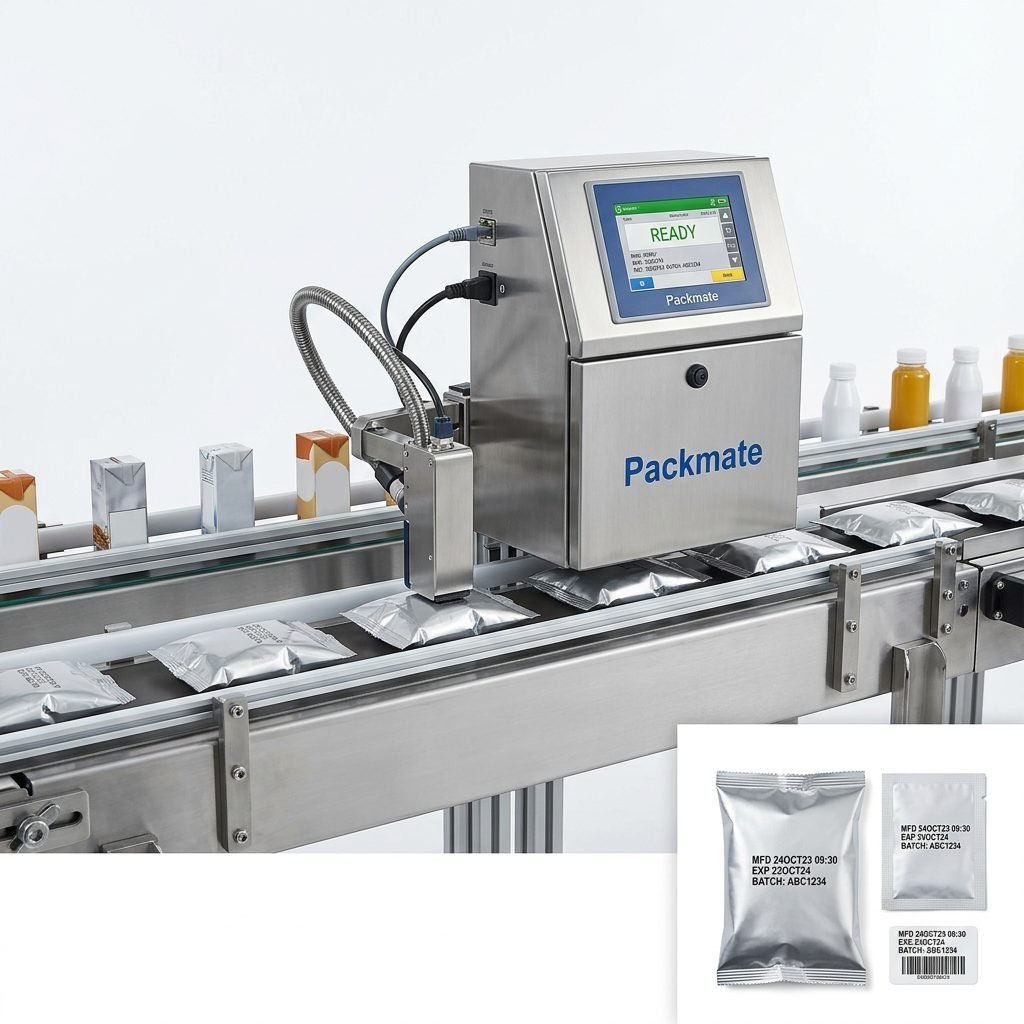
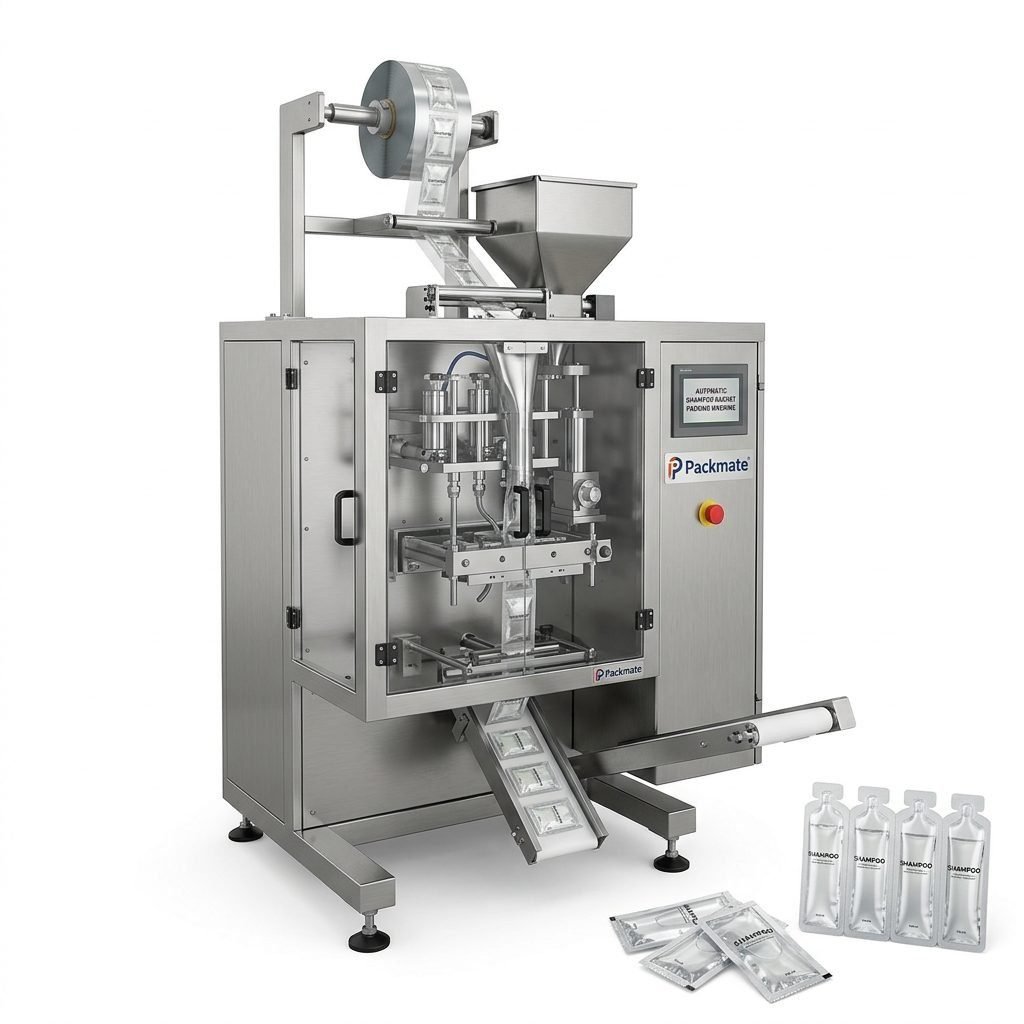
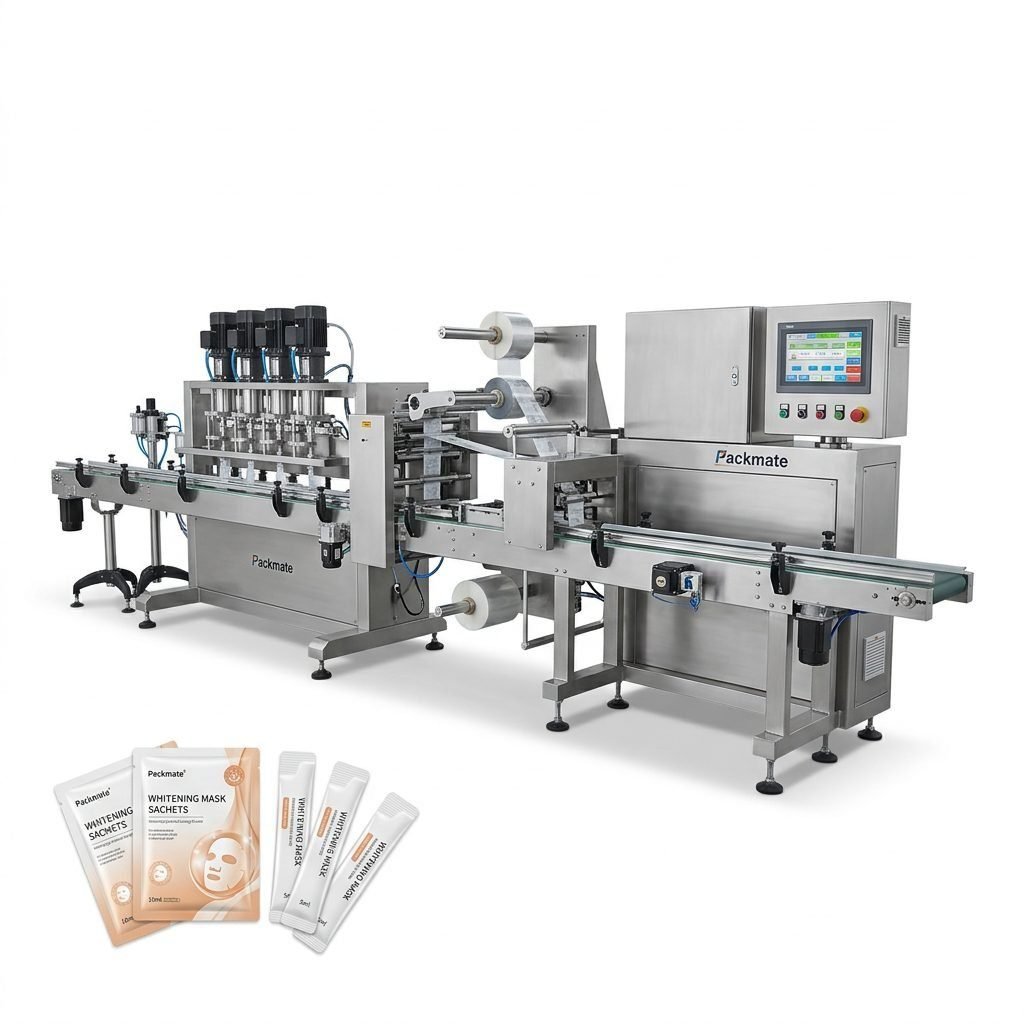
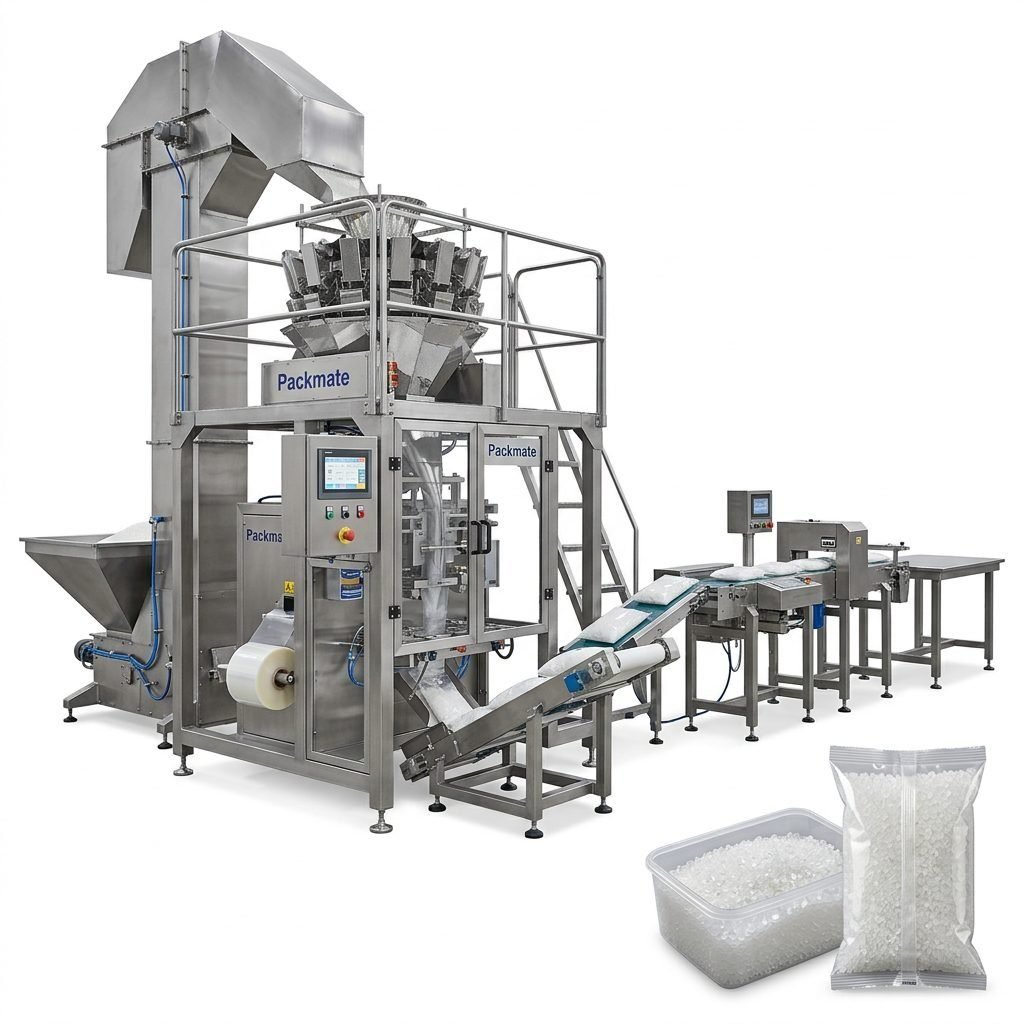
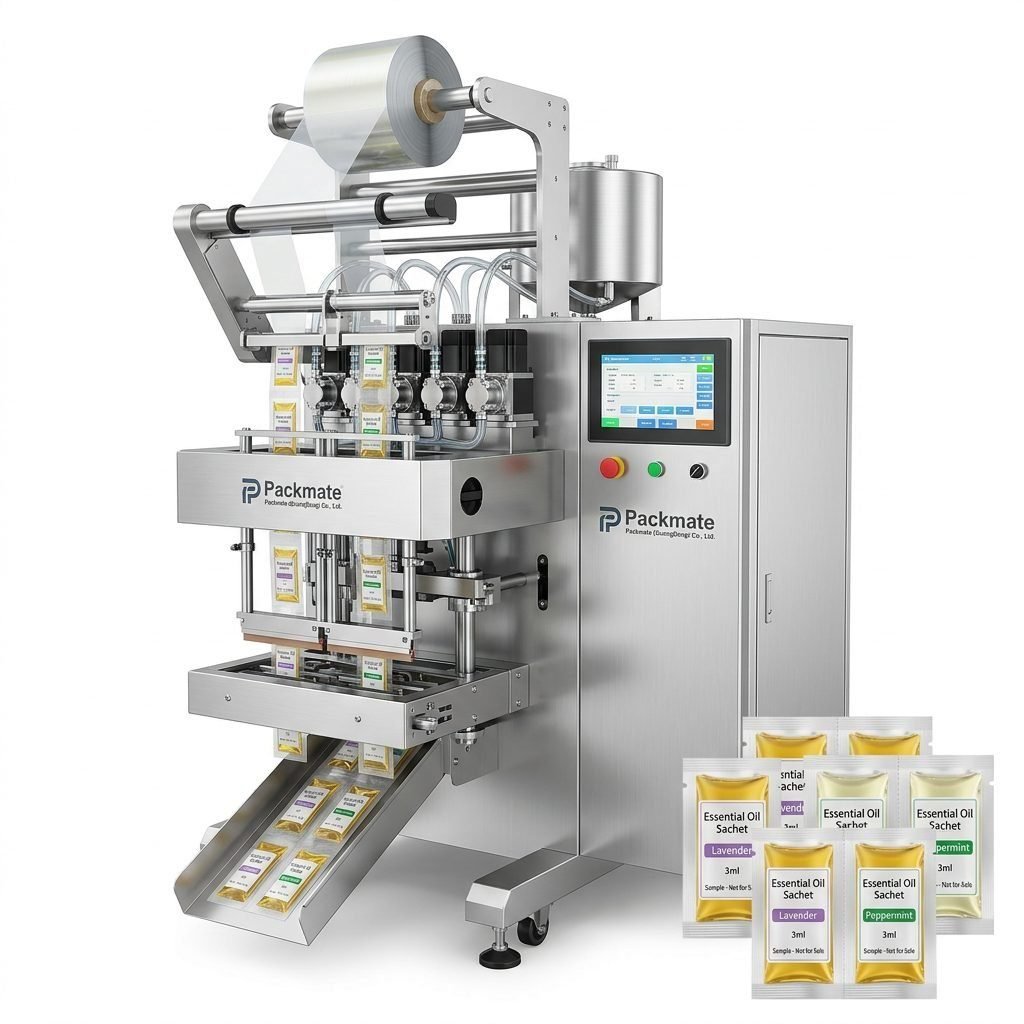
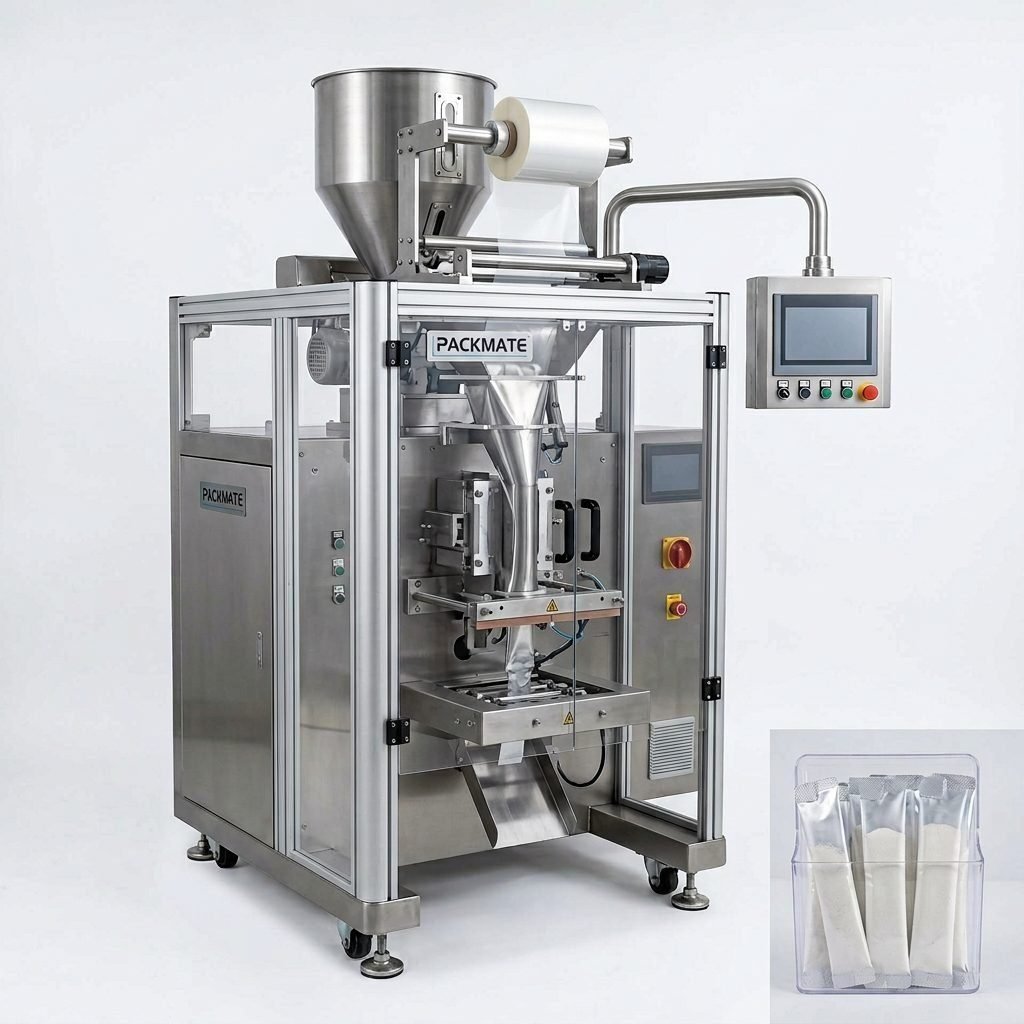
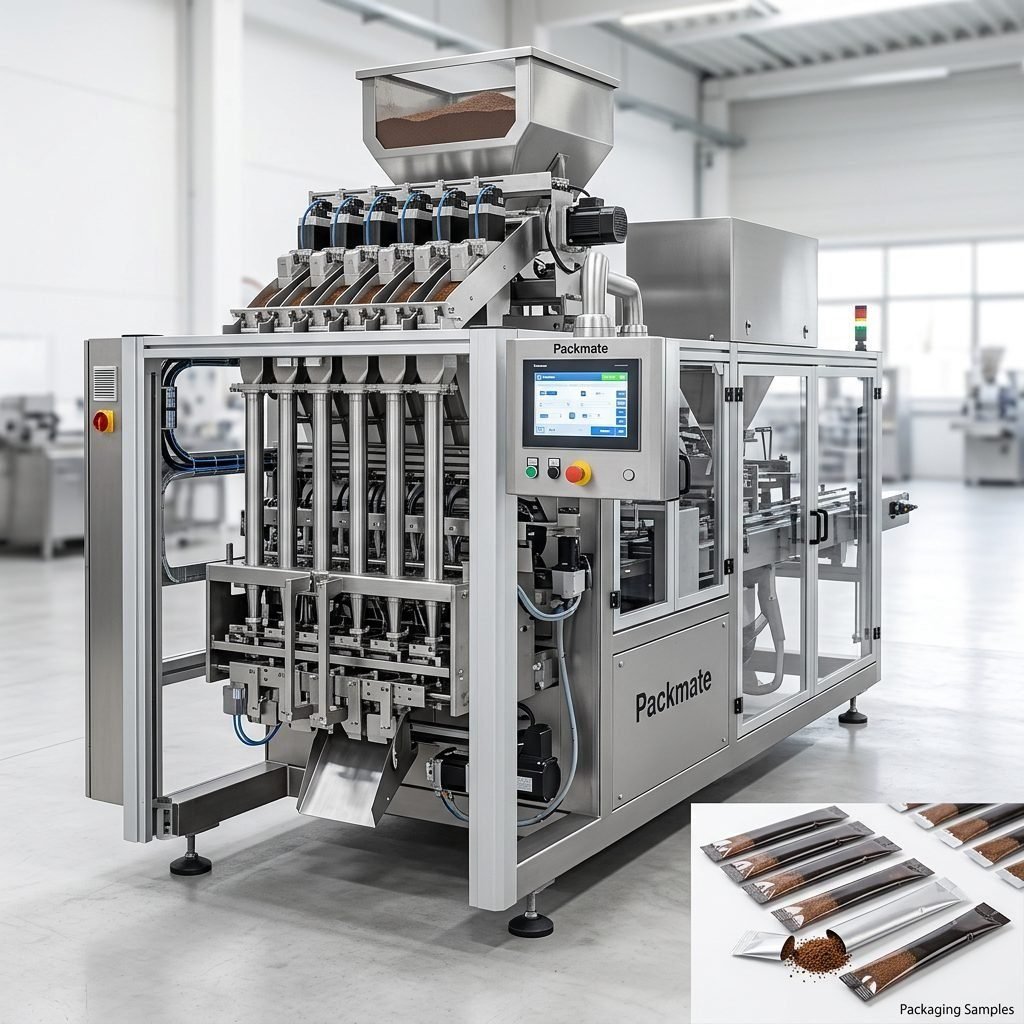
Once a potential manufacturer is identified, a deep dive into their technical portfolio is essential. Assess their machinery range: are they proficient in vertical form-fill-seal (VFFS) machines, sachet packers, filling equipment for granules and powders, or simple sealing machines? Request detailed specifications, machine diagrams, and lists of components. Understanding the origin of key parts (e.g., PLCs, sensors, motors) can indicate machine reliability and future maintenance needs. Ask for video evidence of machines in operation, ideally packaging a product similar to yours.
Communication and Project Specification
Clear, unambiguous communication is vital. Prepare a comprehensive project specification document including: product characteristics (flowability, abrasiveness, hygroscopic nature), packaging materials (film type, thickness), required output speed (bags/min), accuracy tolerances, and factory utility specifications (power voltage, air pressure). Have this document translated professionally. Be prepared for longer communication cycles and ensure all agreements, especially regarding technical adjustments, are documented in writing and confirmed by both parties.
Logistics, Payment, and After-Sales Support
The logistical pathway from North Korea requires meticulous planning. Incoterms must be explicitly defined—ex-works (EXW) or free carrier (FCA) are common starting points. You will likely need to arrange freight forwarding with experience in shipping from North Korean ports like Nampo. Insurance for the shipment is non-negotiable. Payment terms are a critical negotiation point; secure methods such as letters of credit (L/C) confirmed by a bank outside North Korea are standard to mitigate risk. Discuss after-sales support upfront: availability of spare parts, provision of technical manuals (in your language), and the possibility of remote or on-site technician support for installation and troubleshooting.
Comparative Analysis with Regional Alternatives
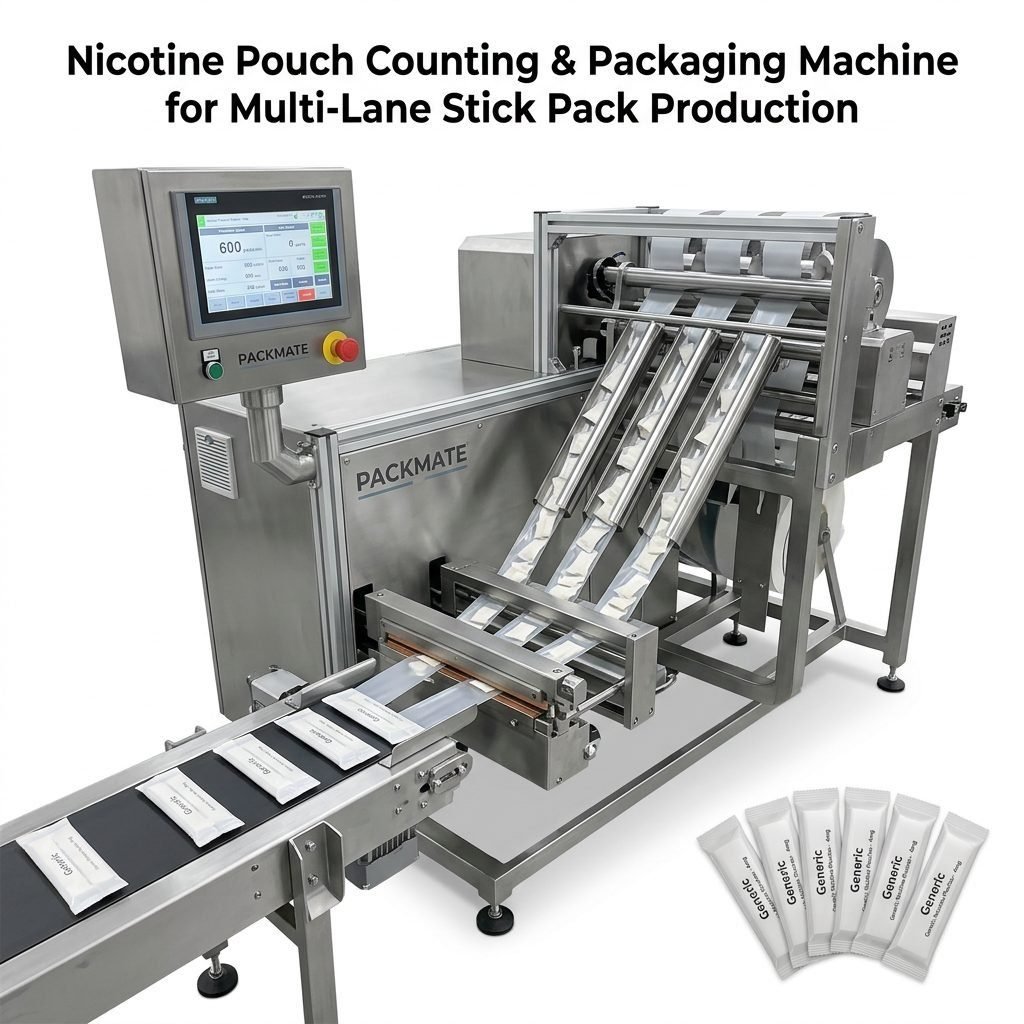
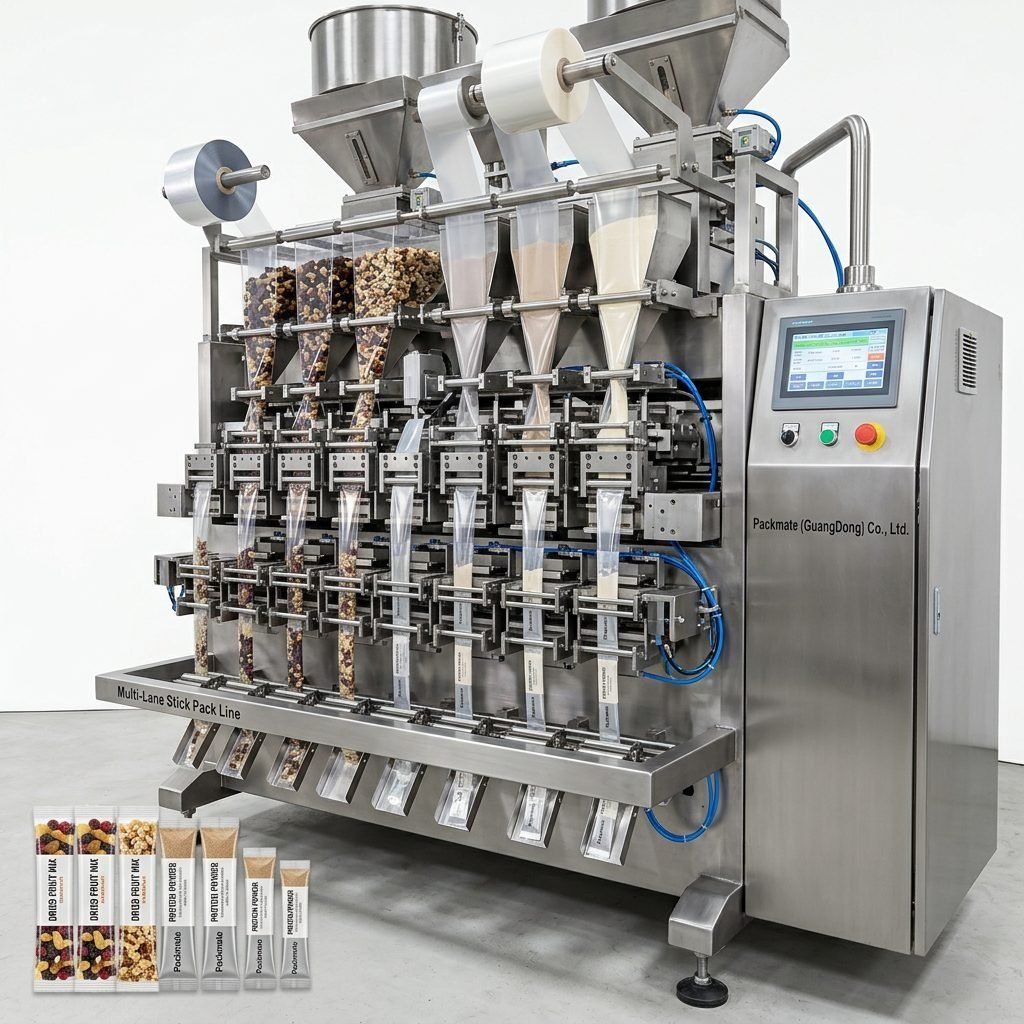
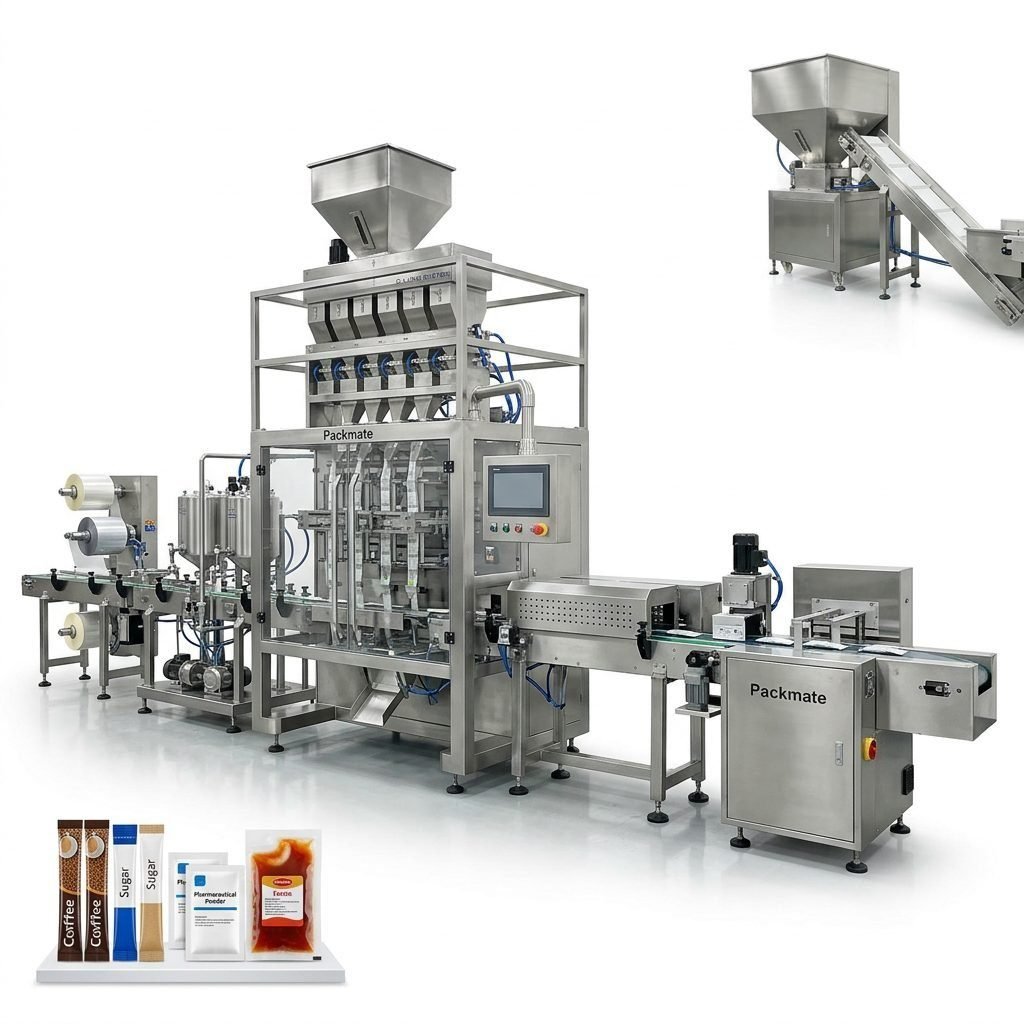
Given the complexities, it is prudent to evaluate manufacturers in other regions as part of your sourcing strategy. Companies in China, for instance, offer a vast spectrum of packaging technology with extensive export experience, often providing a more straightforward procurement path with robust after-sales networks. For example, established manufacturers like Ludyway (with over 30 years of experience) or Packmate Machinery offer reliable solutions for granules, powders, and liquids, serving global markets. Similarly, for turnkey line integration, PacklineOEM specializes in complete system engineering. For non-standard and customized needs, PackingMachineOEM provides flexible solutions, while niche applications like nicotine pouches are well-served by specialists such as SnusMachinery.
| Consideration Factor | North Korea Sourcing | Alternative Regional Sourcing (e.g., China) |
|---|---|---|
| Verification & Due Diligence | Requires state-channel verification, limited independent data. | Extensive online presence, factory audits, and third-party references readily available. |
| Technical Communication | Can be slower, may require precise translation and agent support. | Often have English-speaking sales/engineering teams, faster response times. |
| Logistics & Shipping | Complex, limited port options, requires specialized freight forwarders. | Highly developed export logistics from multiple major ports worldwide. |
| After-Sales Support | May be challenging; spare parts supply and technician travel can be difficult. | Comprehensive support common, including remote assistance, spare parts warehouses, and overseas service engineers. |
Building a Sustainable Supplier Relationship
If proceeding with a North Korean supplier, focus on building a long-term, transparent relationship. Start with a smaller order to test reliability and quality before committing to larger purchases. Respect local business customs and protocols during negotiations. Ensure all contractual terms, including warranty, liability, and force majeure clauses, are meticulously detailed and understood by both sides. A successful partnership hinges on mutual clarity, managed expectations, and a structured, patient approach to problem-solving.
Final Recommendation: While sourcing from North Korea is possible, it involves significant inherent complexity and risk. For most international buyers seeking reliable, automated packaging solutions with strong technical support and easier logistics, established manufacturers in other global regions often present a more efficient and lower-risk option. A thorough comparative analysis is strongly advised before finalizing your sourcing decision.
Frequently Asked Questions (FAQs)
1. What are the main risks of sourcing packaging machines from North Korea?
The primary risks include difficulties in verifying manufacturer credibility, complex and slow logistics, challenges in securing reliable after-sales service and spare parts, and potential payment security issues. Political and trade sanctions can also abruptly disrupt supply chains.
2. How can I verify if a North Korean packaging manufacturer is legitimate?
Verification should be conducted through official channels like North Korean trade promotion agencies. Hiring a third-party inspection firm with regional experience to conduct a physical factory audit is highly recommended to assess actual production capability and quality standards.
3. What is the most secure payment method when dealing with North Korean suppliers?
A Letter of Credit (L/C) confirmed by a reputable international bank outside North Korea is generally considered the most secure payment method. It ensures payment is only released upon fulfillment of precisely documented shipping and quality conditions.
4. Can I get custom-designed packaging machinery from North Korea?
While some factories may accept customization, the process will be more challenging compared to manufacturers in other regions with extensive R&D and customization departments. Communication of precise specifications and tolerance for longer development lead times is essential.
5. What are the key advantages of looking at manufacturers in China instead?
Chinese manufacturers typically offer greater choice across technology levels, more transparent communication, established global logistics networks, comprehensive after-sales support, and more flexible payment terms. They are often better equipped for both standard and highly customized project requirements in food, pharma, and other sectors.