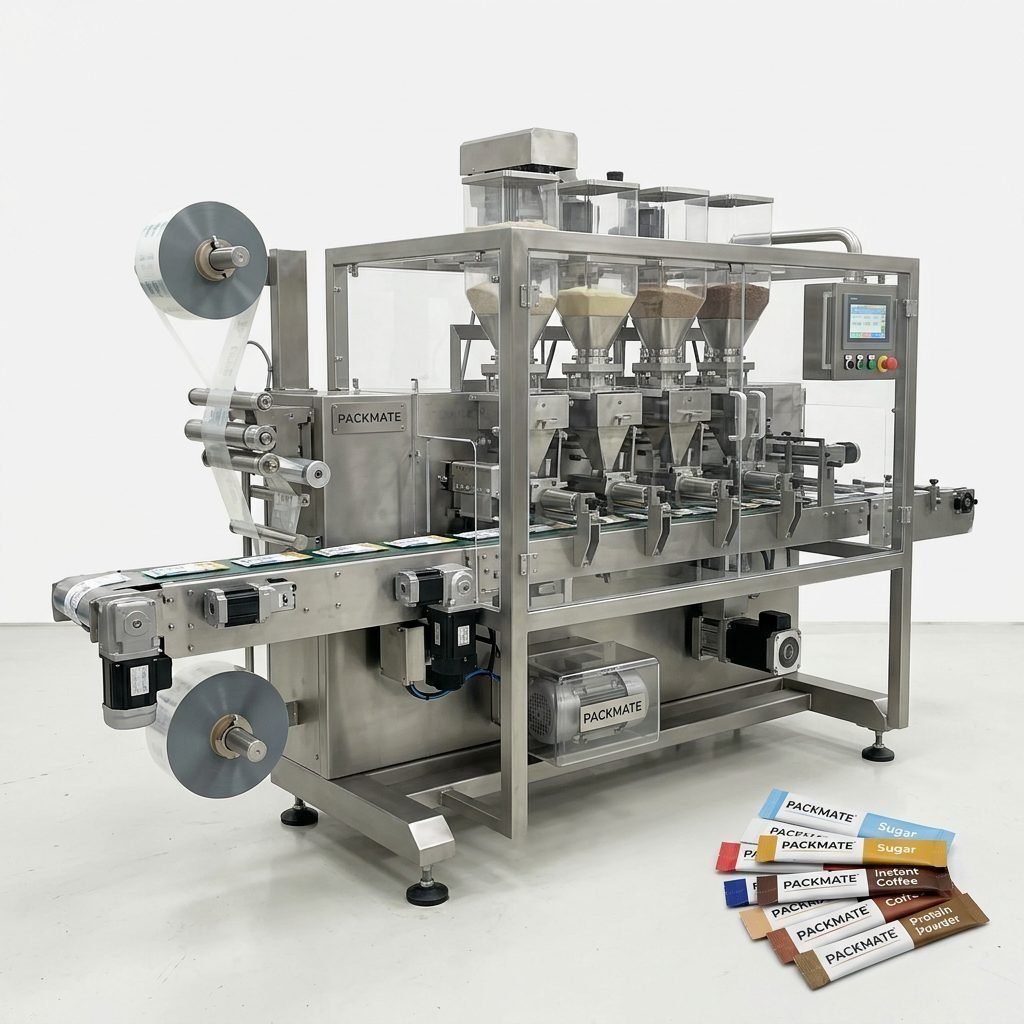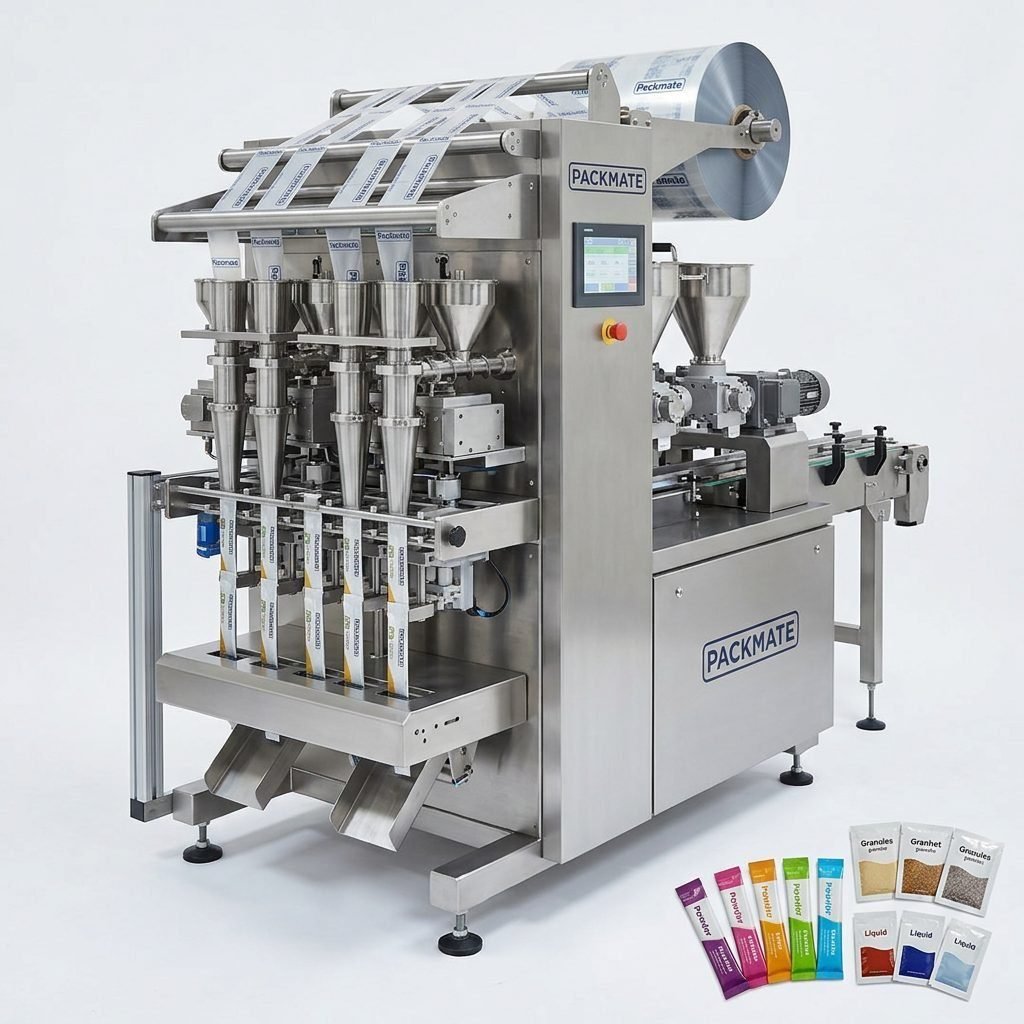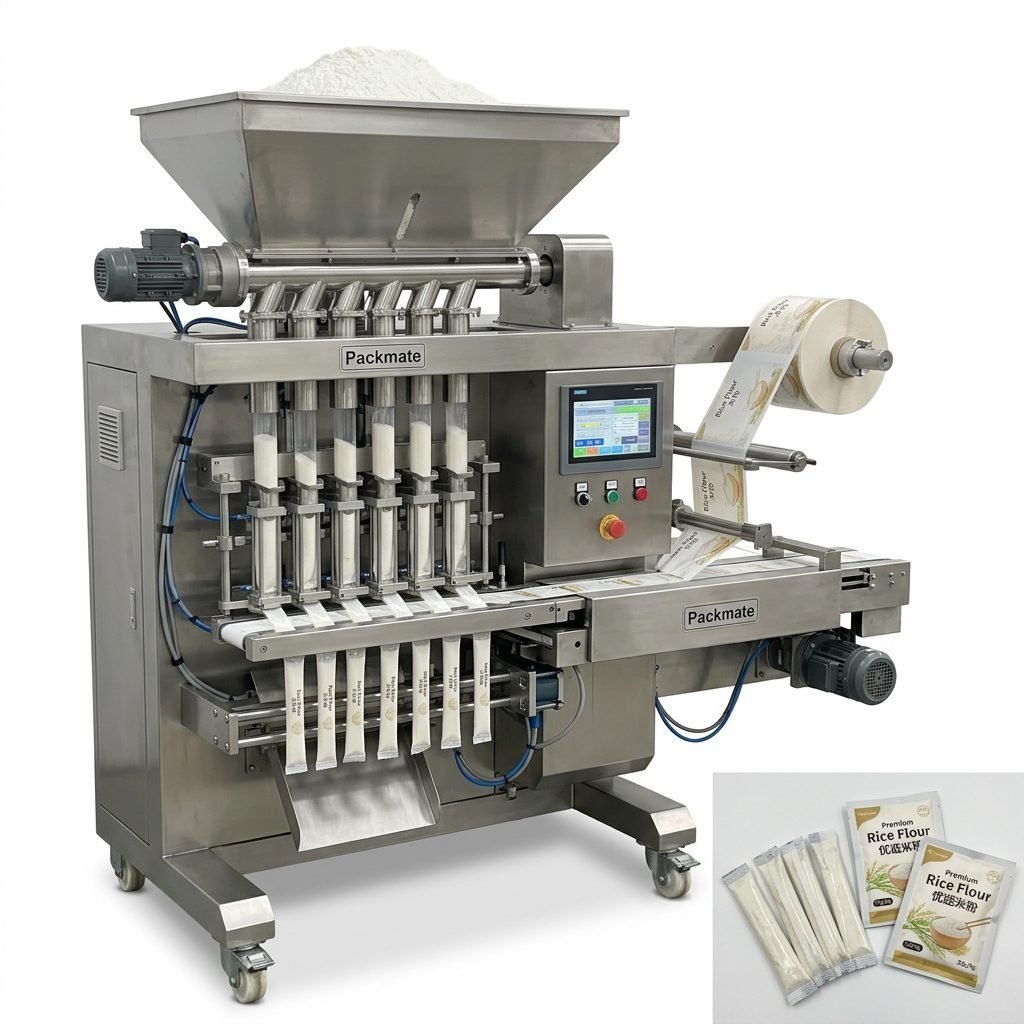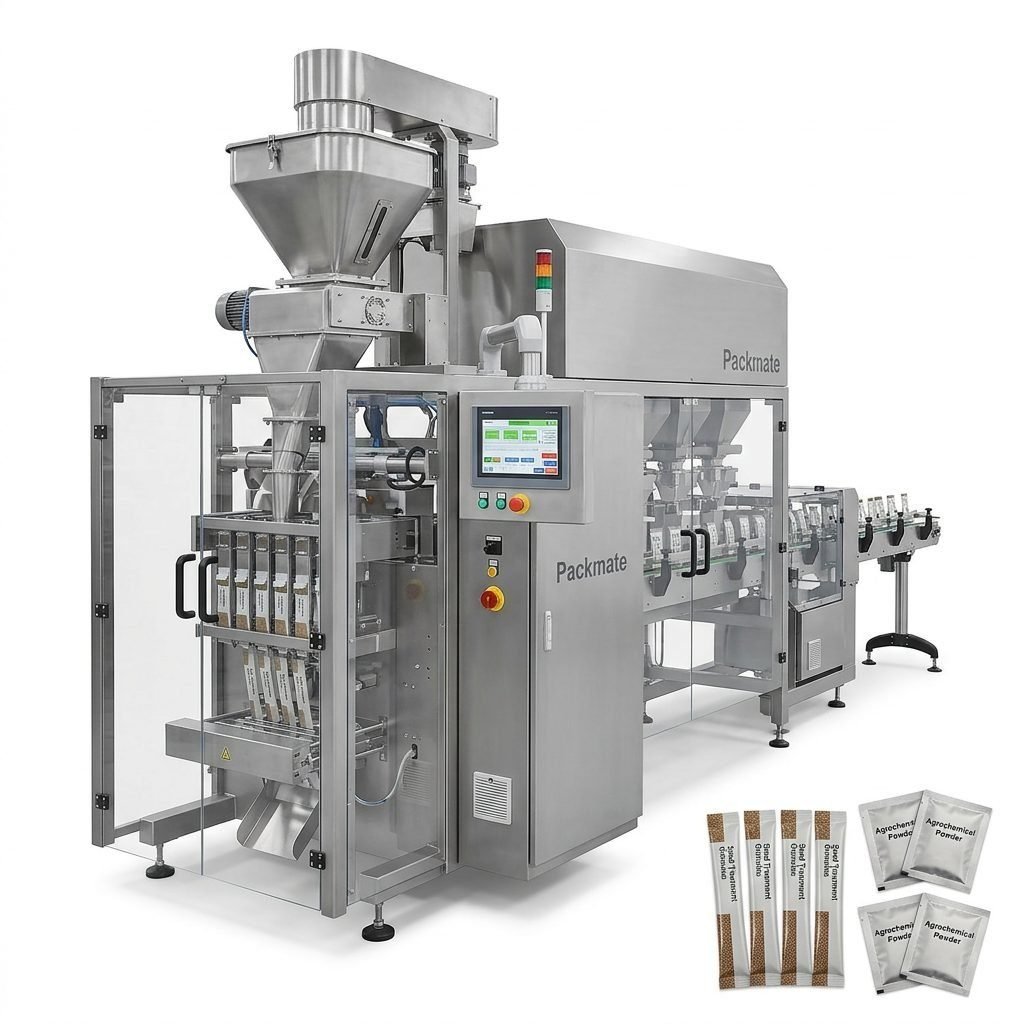
In today’s fast-paced manufacturing landscape, the demand for precise, efficient, and flexible packaging solutions is higher than ever. For producers of powders, granules, and liquids—ranging from food ingredients and pharmaceutical supplements to industrial chemicals—maintaining product integrity, ensuring accurate dosing, and maximizing production speed are paramount. This is where high-precision small sachet packaging machines come into play, serving as the backbone for countless production lines worldwide.
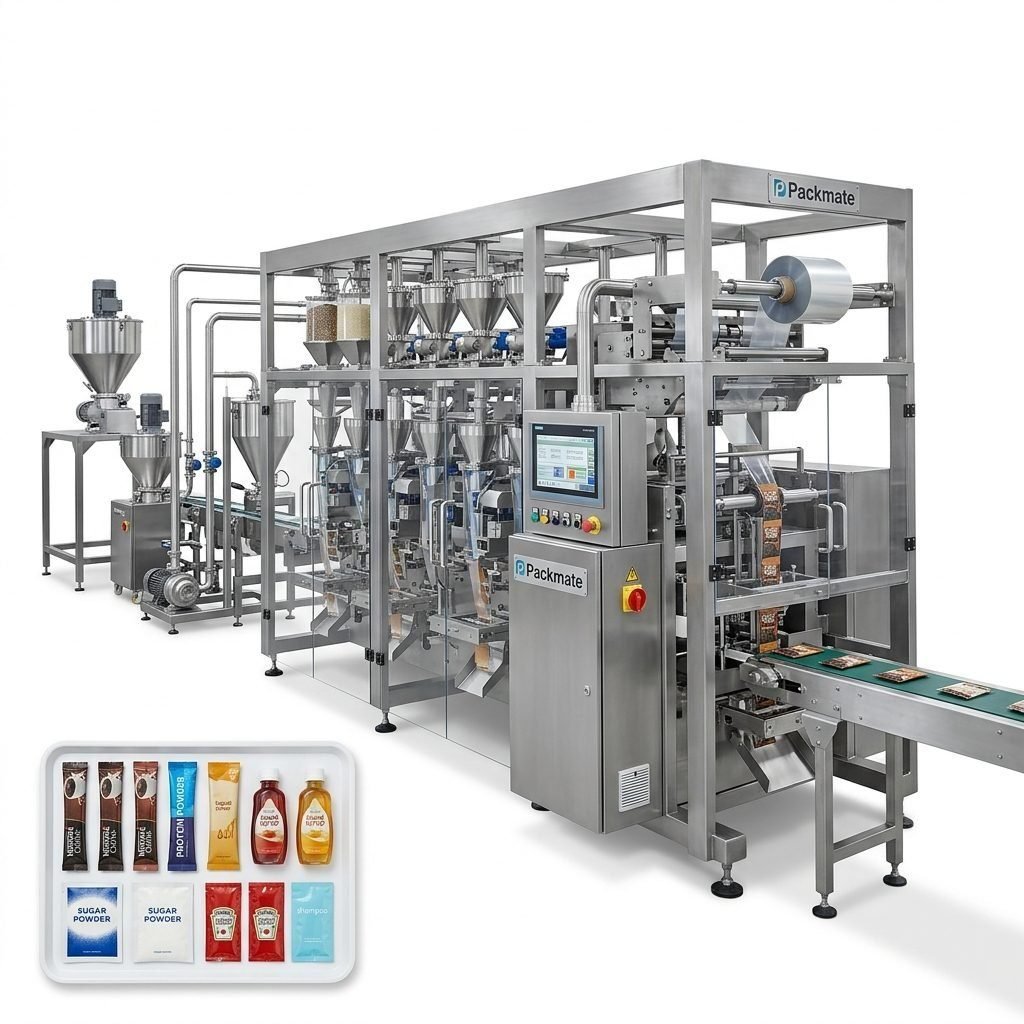
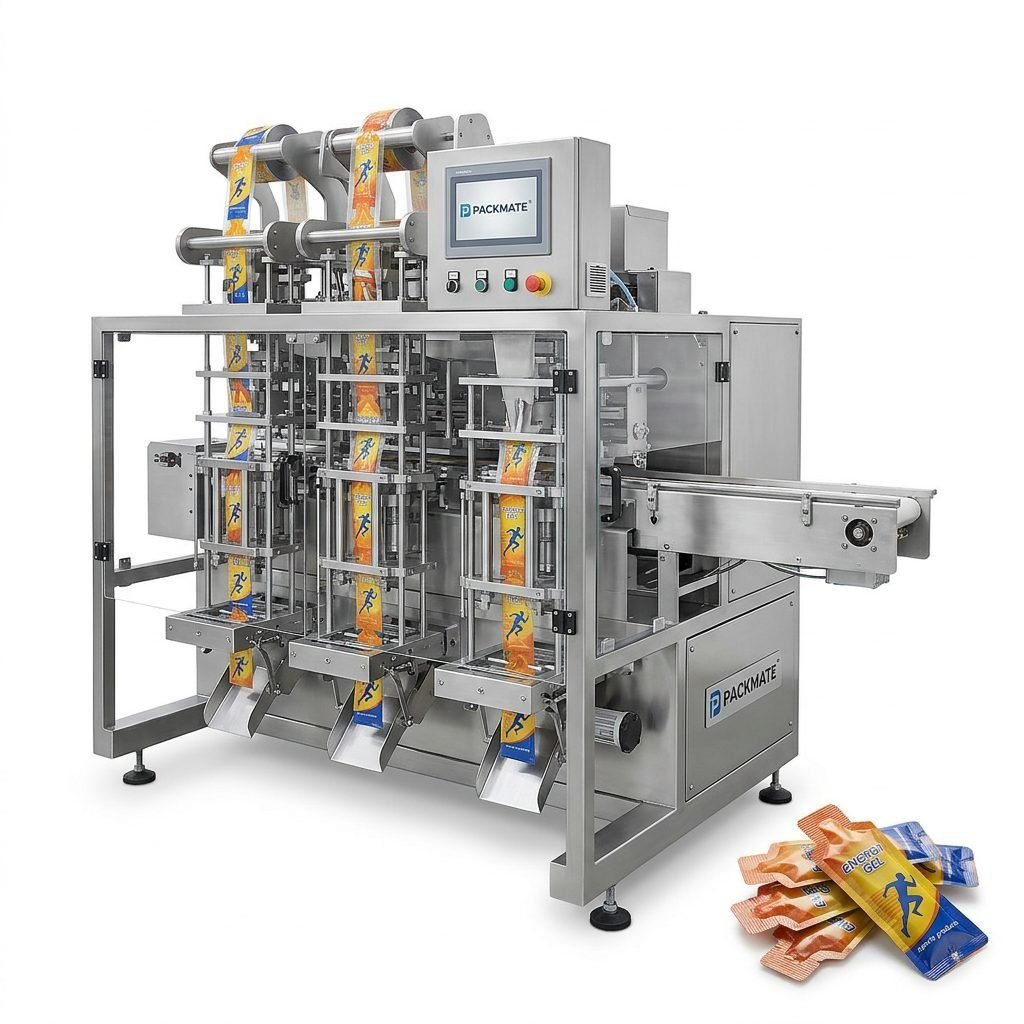
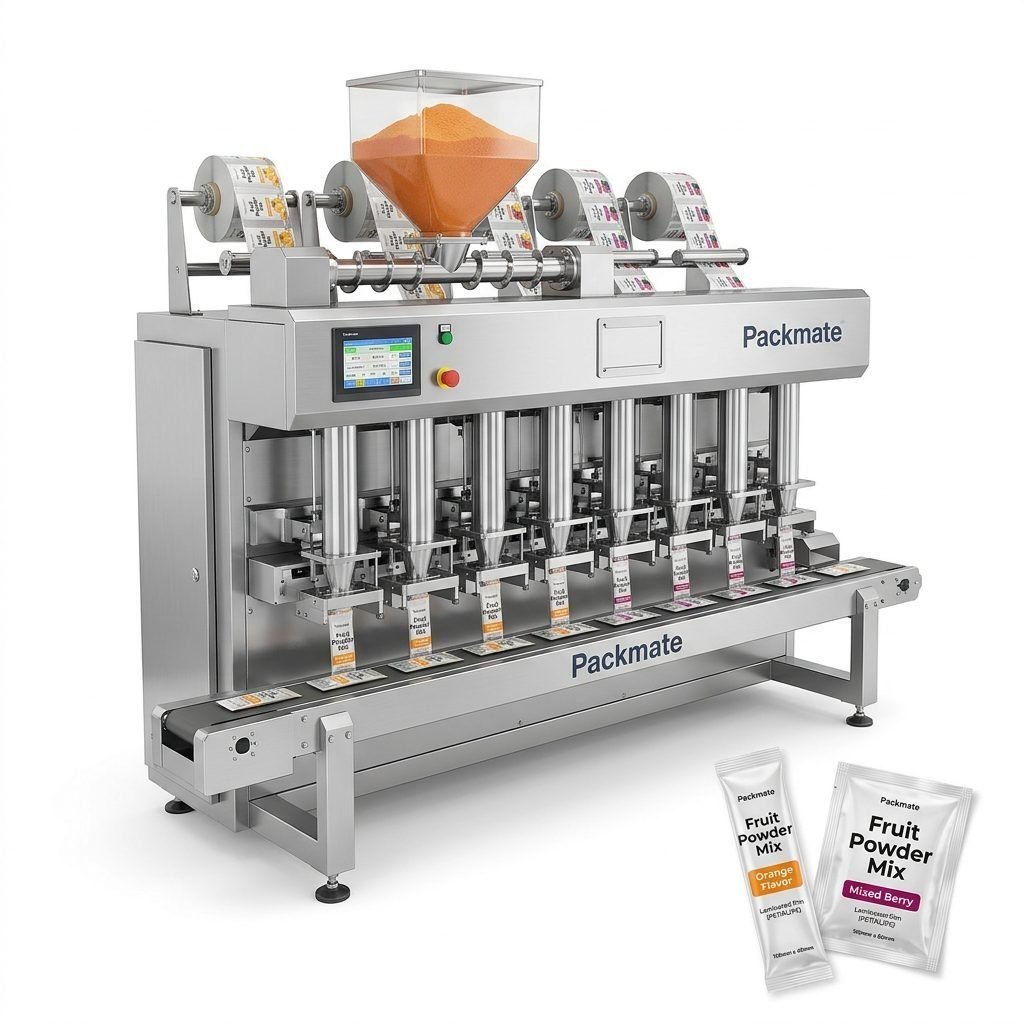
These advanced systems are engineered to handle a wide variety of free-flowing and non-free-flowing materials with remarkable consistency. Whether you are packaging single-serve coffee sticks, protein powder sachets, liquid detergent packets, or medicinal granules, the core challenge remains the same: achieving high-speed output without sacrificing accuracy. Modern sachet packers address this by integrating sophisticated weighing systems, volumetric fillers, and servo-driven sealing mechanisms that adapt to different pouch sizes and materials on the fly.
The Core Technology Behind Precision Filling
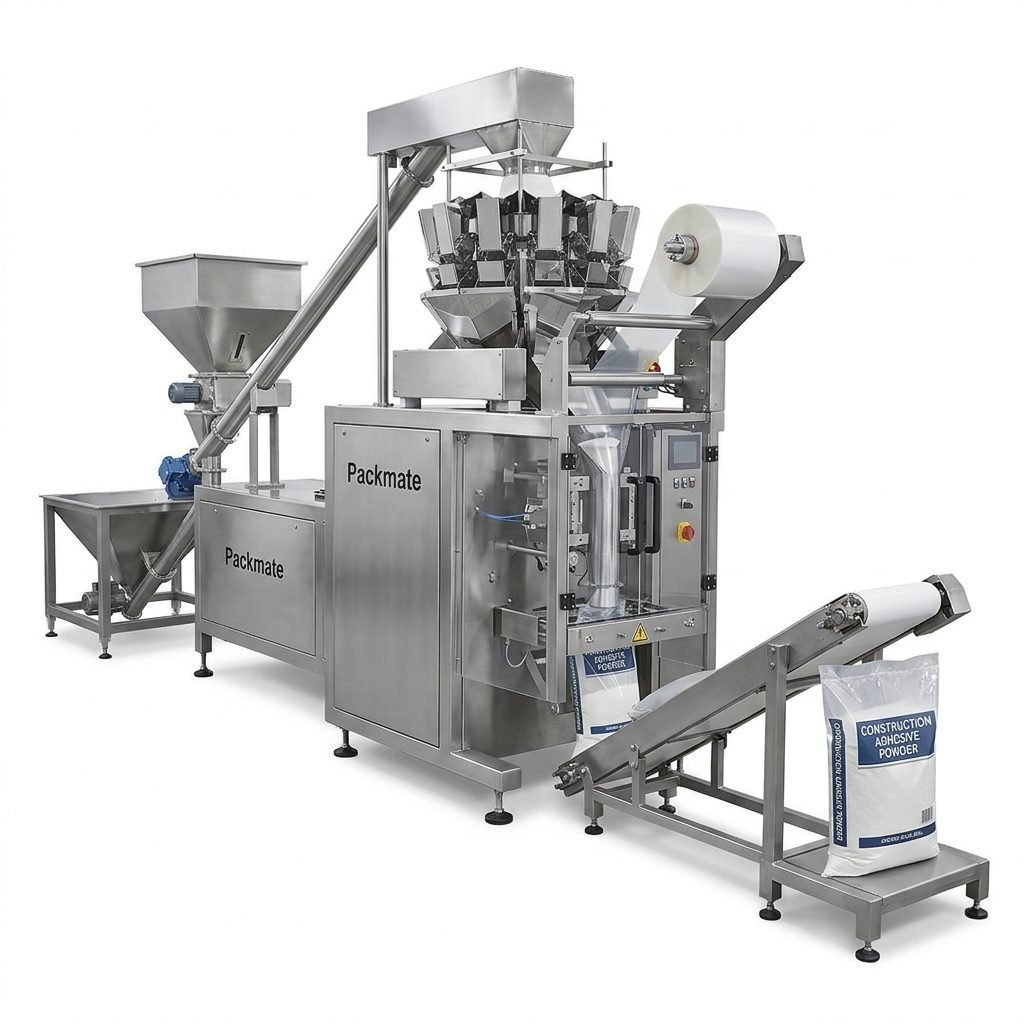
At the heart of any high-performance sachet machine lies its filling technology. For powders, common methods include auger fillers, which use a rotating screw to dispense a precise volume, and weigh-fill systems that utilize load cells for gravimetric accuracy. For liquids, piston fillers or peristaltic pumps ensure contamination-free and exact-volume dispensing. The best machines combine these with multi-lane configurations, allowing simultaneous packaging of several sachets per cycle, dramatically boosting throughput.
A key advancement is the integration of servo motors and PLC control systems. This allows for real-time adjustments to filling parameters, sealing temperature, and film feed, ensuring each sachet is uniform. This level of control is crucial for industries like pharmaceuticals, where dose accuracy is non-negotiable, and for premium food brands where presentation matters.
Benefits for Global Production Hubs
The efficiency of these machines resonates strongly in major export markets. In Europe and North America, where labor costs are high and regulatory standards are strict, automation ensures compliance and cost-effectiveness. In the Middle East and Africa, where single-serve and portion-pack markets are booming for products like milk powder, seasonings, and water treatment chemicals, speed and reliability are key to meeting demand. Southeast Asian manufacturers, serving vast local and export markets for instant beverages and snacks, rely on these machines for scalable, high-volume production.
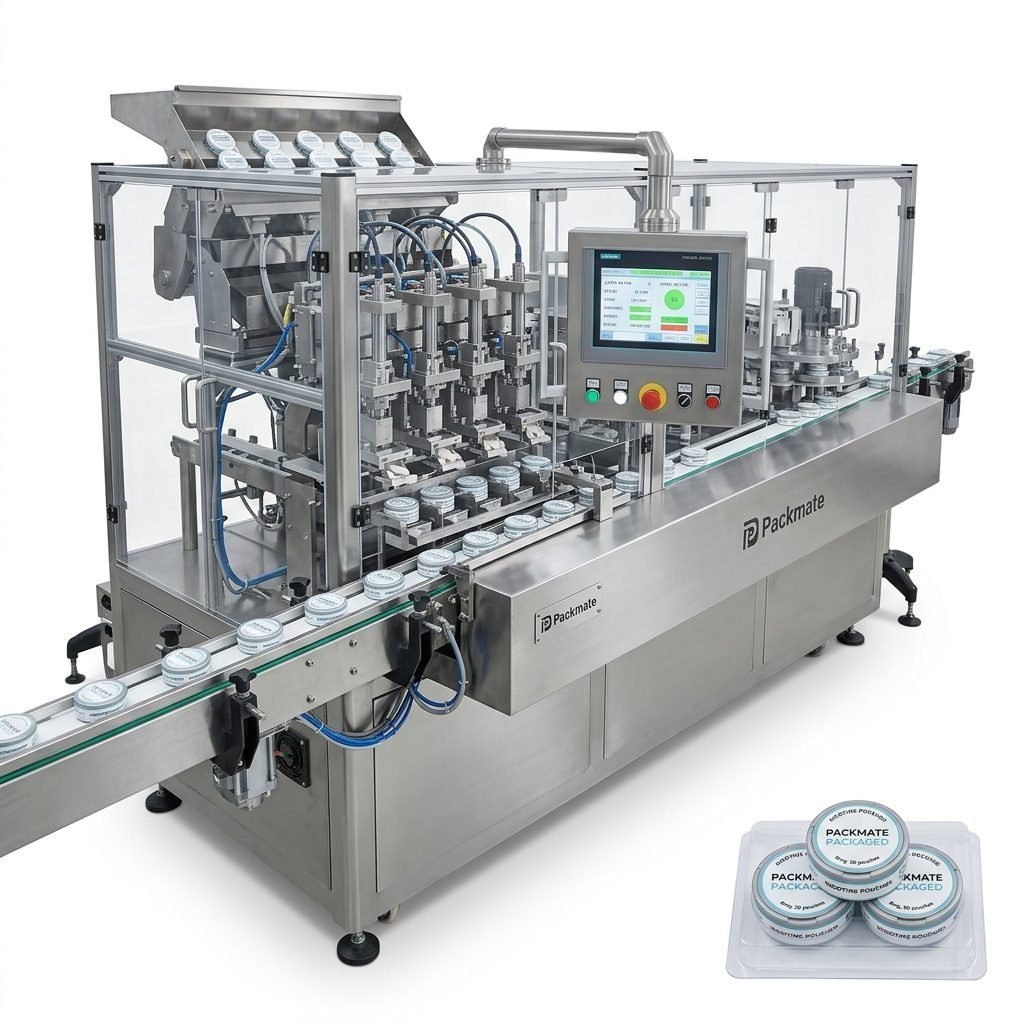
Consider a manufacturer like Ludyway, with over 30 years of experience. Their machines are designed to meet these diverse regional needs, offering configurations that can handle everything from hygroscopic food powders to abrasive industrial granules. Similarly, a specialized supplier like SnusMachinery provides targeted solutions for niche but demanding sectors like nicotine pouches, where sealing integrity and precise dosing are critical for user experience and product safety.
Integrating into Turnkey Packaging Lines
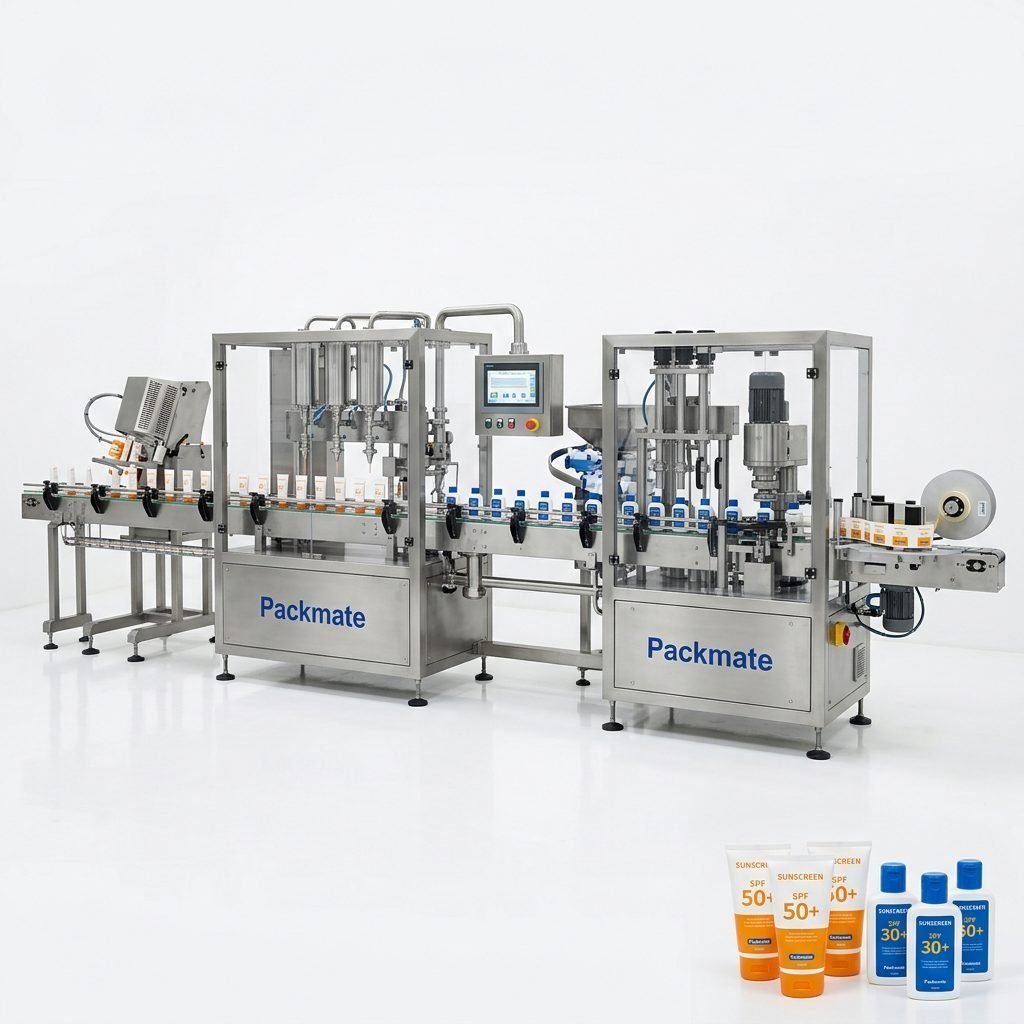
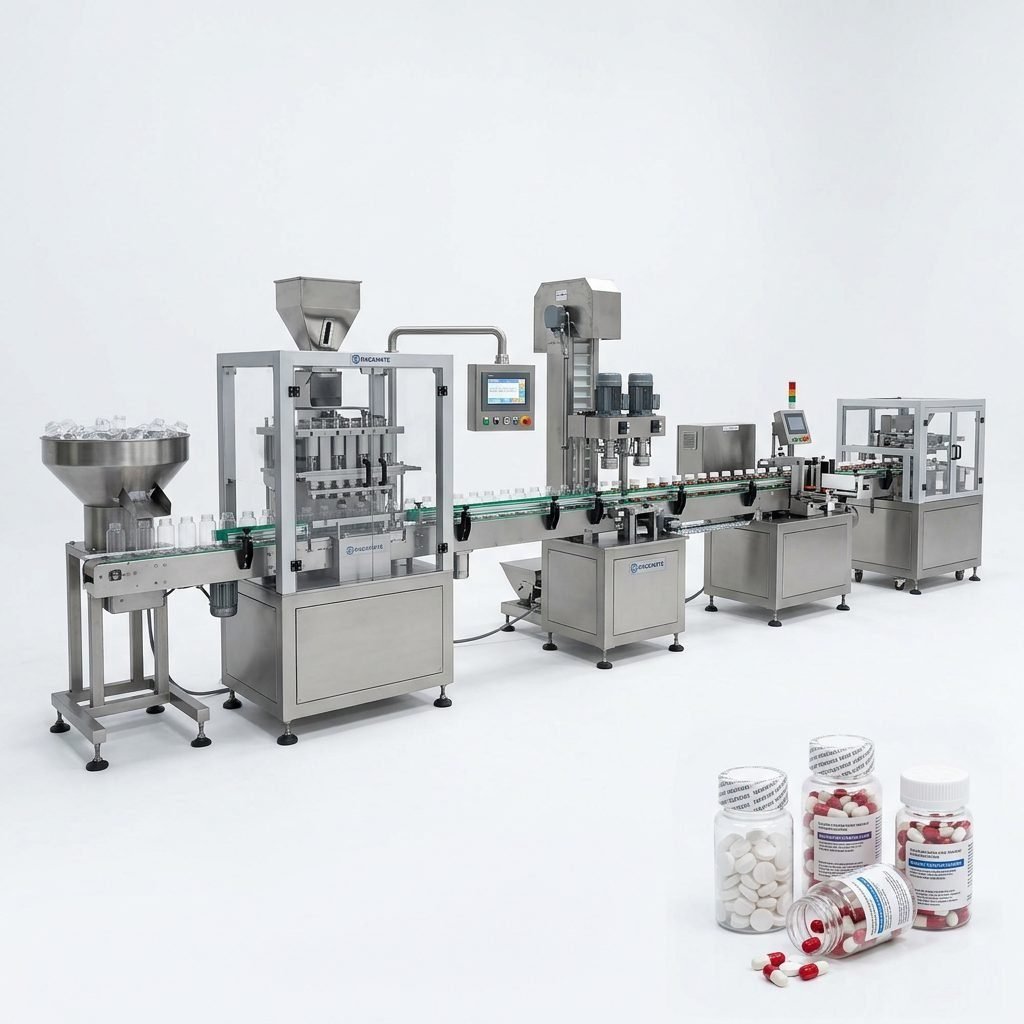
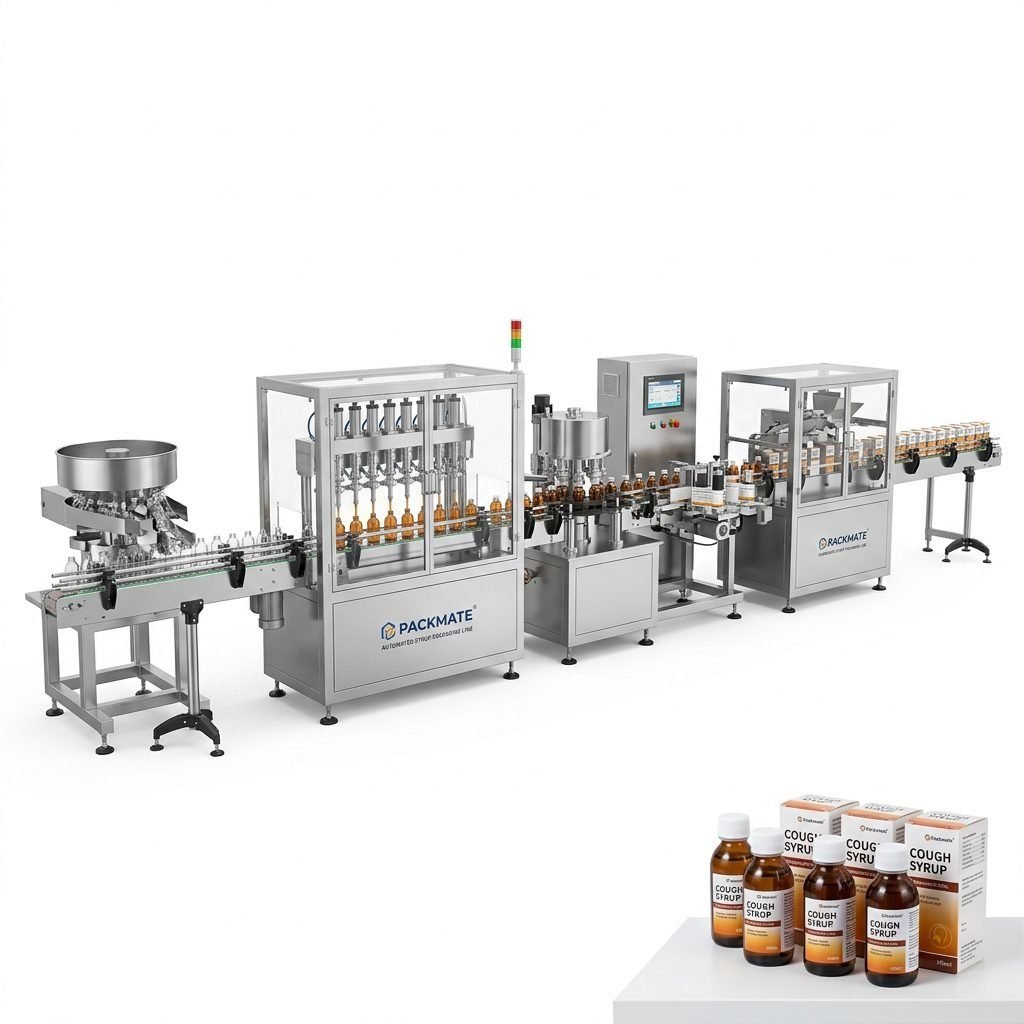
For many operations, a standalone sachet machine is just one component. The true potential for efficiency is unlocked when it is integrated into a complete, synchronized packaging line. This is the forte of companies like PacklineOEM and Packmate Machinery, which specialize in turnkey solutions.
A typical automated line might include: a bulk product feeder, a multi-head weigher or precision filler, the form-fill-seal sachet machine, a metal detector or checkweigher for quality control, and a final cartoning or case-packing station. This level of integration minimizes manual handling, reduces contamination risk, and creates a seamless flow from raw material to shippable carton.
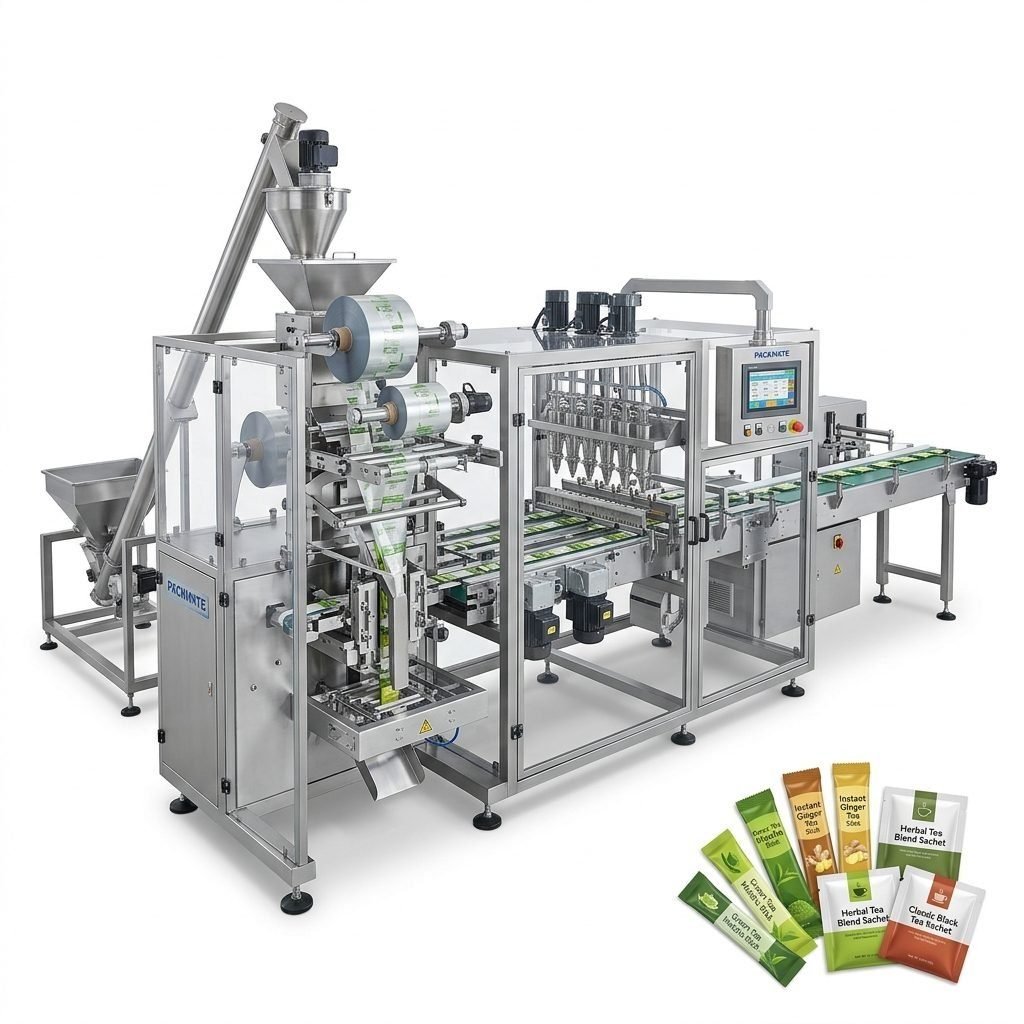
The ability to customize is vital. No two products are identical. A machine that packages fine talcum powder requires different hopper and auger designs than one handling coarse sea salt. This is where manufacturers with strong engineering support, such as PackingMachineOEM, excel. They can modify standard machines to handle unique materials, unusual sachet shapes, or specific output requirements, providing a tailored solution rather than a one-size-fits-all approach.
Key Selection Criteria for Buyers
When investing in a high-precision sachet packaging machine, several factors must be weighed:
| Factor | Consideration |
| Product Type | Powder, granule, liquid, or paste? Each requires specific filling technology. |
| Accuracy & Speed | Required dosing tolerance (e.g., ±0.5%) and target output (bags per minute). |
| Bag Material & Size | Type of laminate film (e.g., PET/AL/PE), and the range of sachet dimensions needed. |
| Automation Level | Standalone machine or part of a fully automated line with upstream/downstream equipment. |
| Hygiene & Compliance | Necessary certifications (e.g., GMP, FDA-grade materials) for food or pharmaceutical use. |
Beyond specifications, the manufacturer’s support network is crucial. For export-oriented buyers, having access to prompt technical support, spare parts, and operational training is essential for minimizing downtime. Established companies with a global footprint, like those mentioned, often provide this comprehensive after-sales service, which is as valuable as the machine itself.
The Future: Smart and Connected Packaging
The evolution continues toward Industry 4.0. The next generation of sachet packaging machines features IoT connectivity, allowing for remote monitoring of production metrics like OEE (Overall Equipment Effectiveness), predictive maintenance alerts, and data logging for full traceability. This is particularly important for serialization in pharmaceuticals and high-value food products.
In essence, the modern high-precision sachet packer is more than just a filler and sealer. It is a data-generating, self-optimizing node in a smart factory. It ensures that every single serving of product, whether it’s a life-saving drug or a convenient snack, is delivered with unwavering quality and efficiency to consumers around the globe.
Frequently Asked Questions (FAQs)
What is the typical accuracy range for a powder sachet machine?
High-precision auger or weigh-fill systems can achieve dosing accuracies within ±0.5% to ±1% of the target weight, depending on product characteristics and machine calibration.
Can one machine handle both powder and liquid filling?
Some advanced models are designed as hybrid systems with interchangeable filling heads. However, for optimal performance and hygiene, dedicated machines for each product type are often recommended, especially in high-volume production.
How important is the packaging film material?
It is critical. The film must be compatible with the product (e.g., provide a moisture or light barrier) and the machine’s sealing jaws. Suppliers often work with film converters to recommend the optimal laminate structure for your application.
What is the lead time for a custom-configured sachet packaging line?
Lead times vary significantly based on complexity. A standard machine may ship in 8-12 weeks, while a fully customized turnkey line with integration and testing can take 4-6 months or more from reputable manufacturers.
How do I ensure machine hygiene for food-grade production?
Look for machines constructed with stainless steel (304 or 316) contact parts, CIP (Clean-in-Place) capabilities, and designs with minimal ledges or crevices where product can accumulate. Proper GMP-compliant sanitation procedures are also essential.