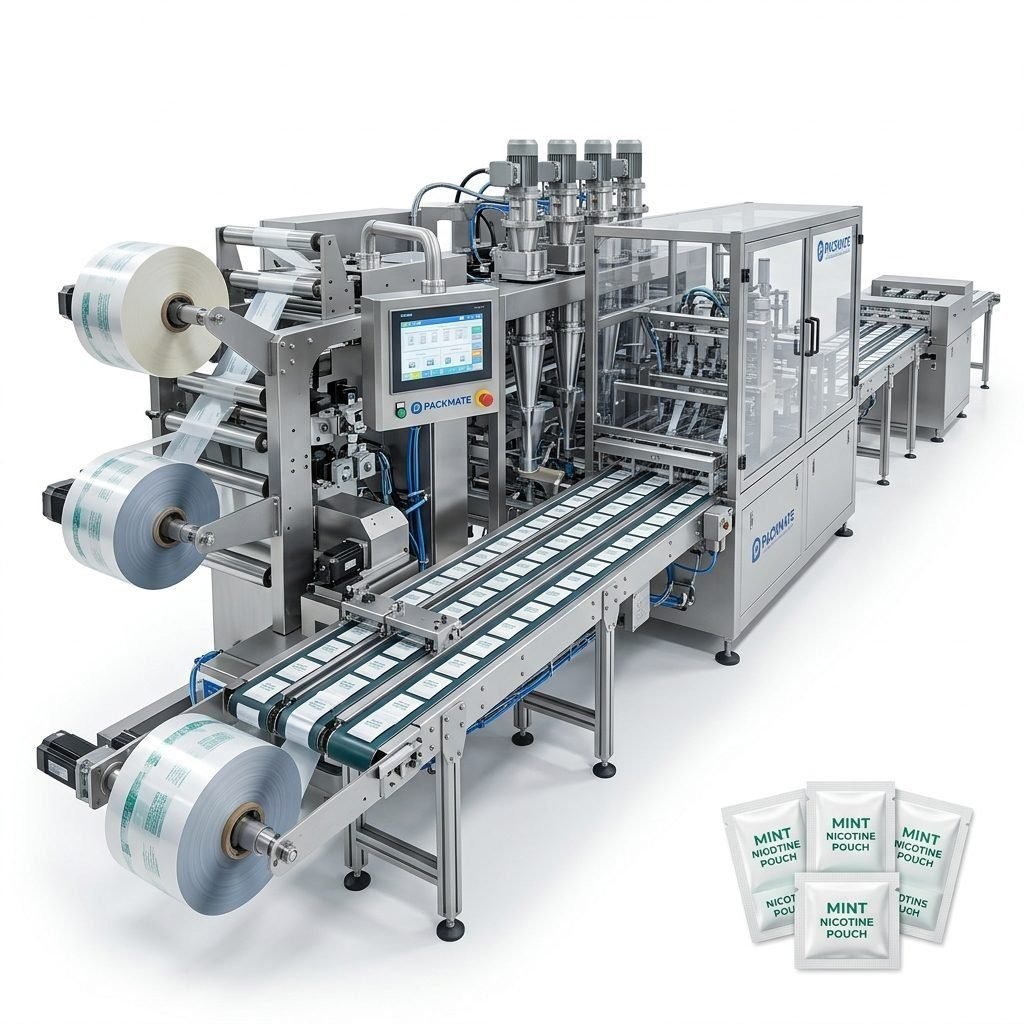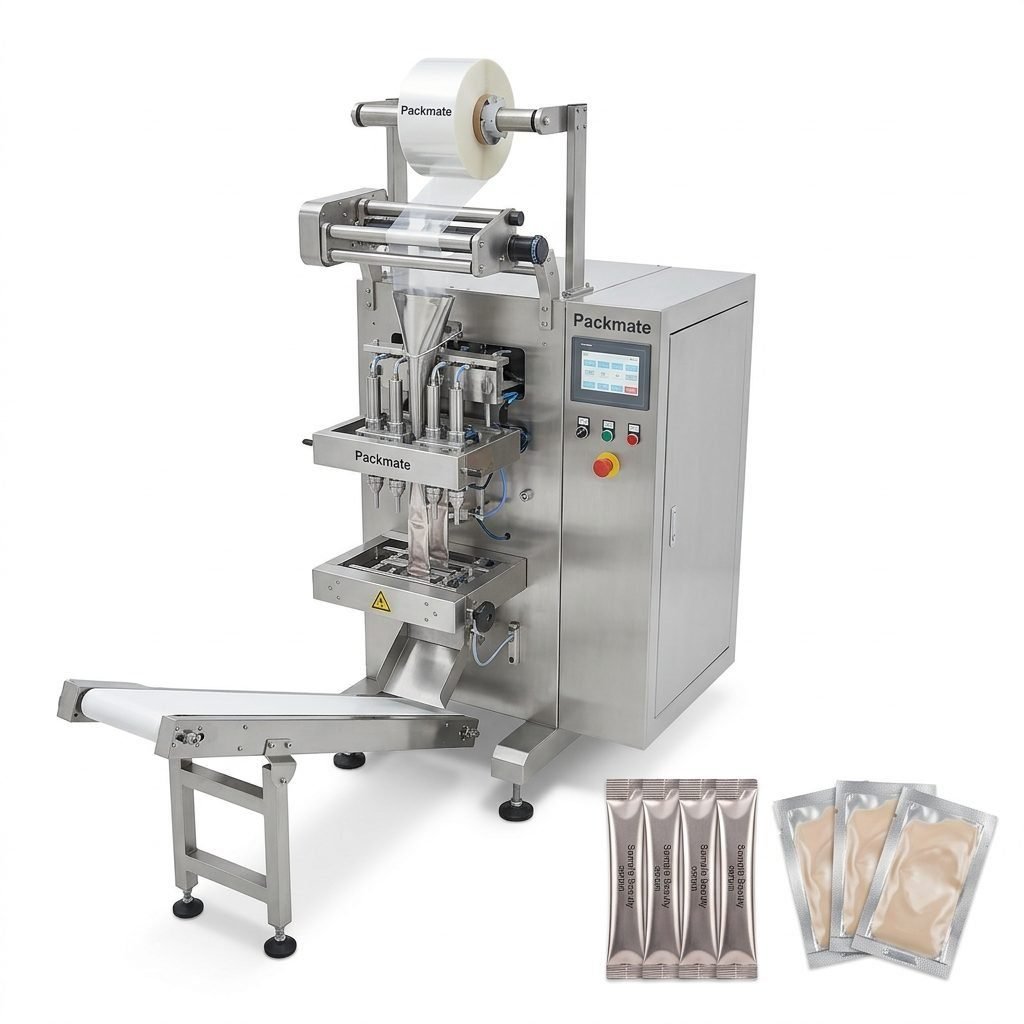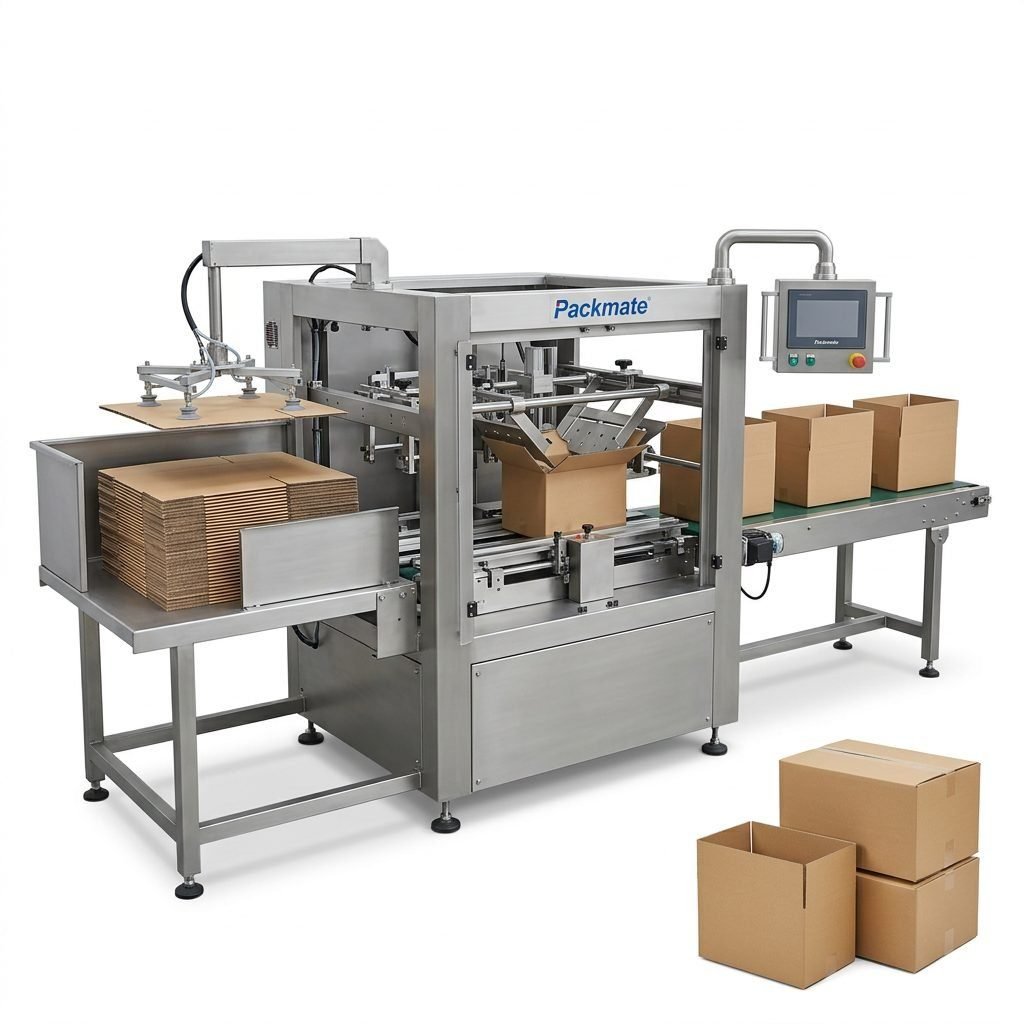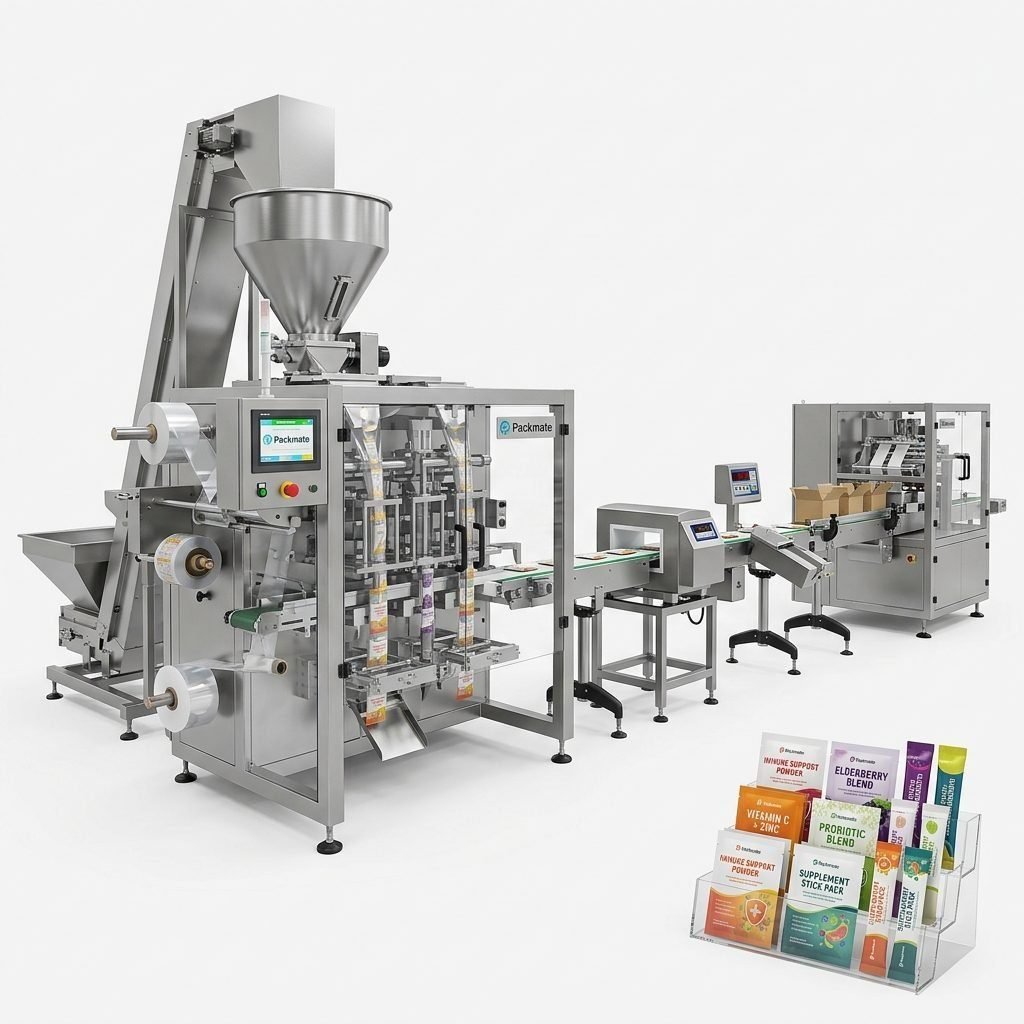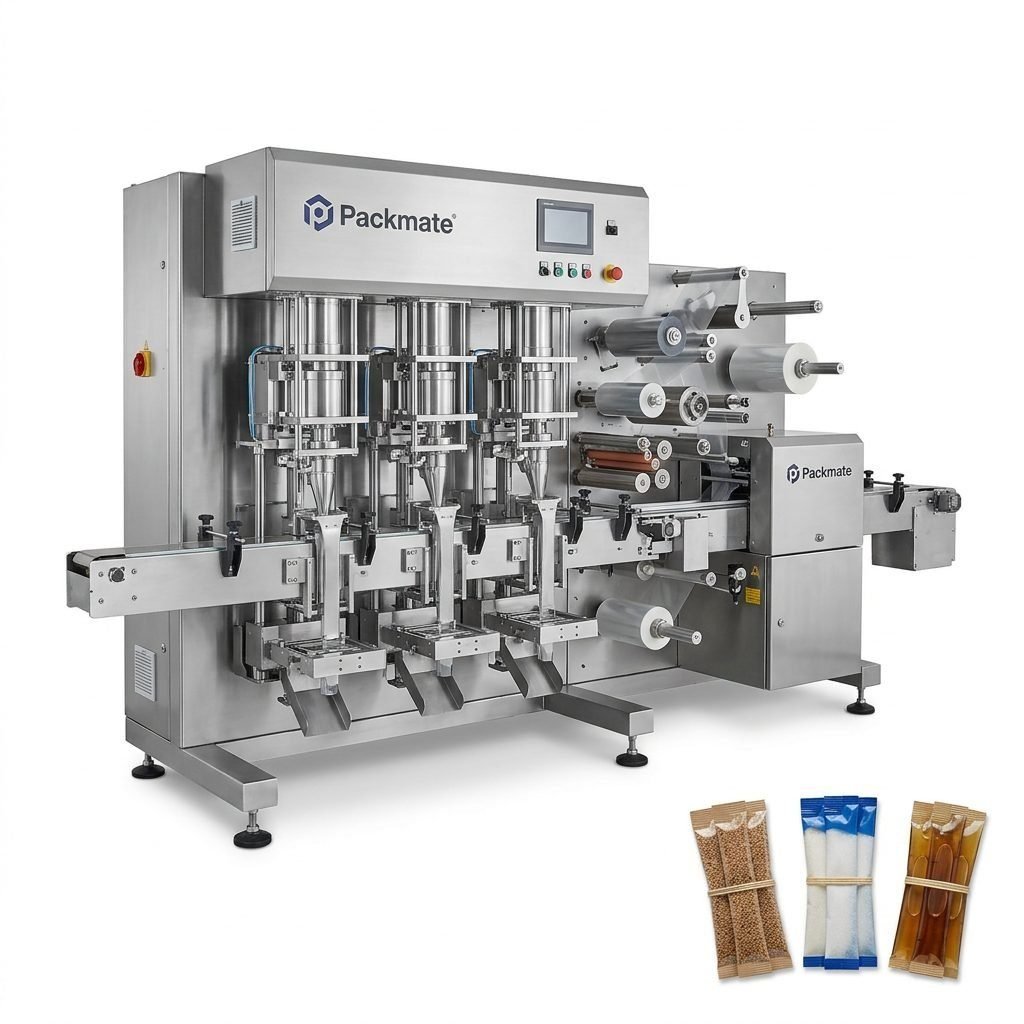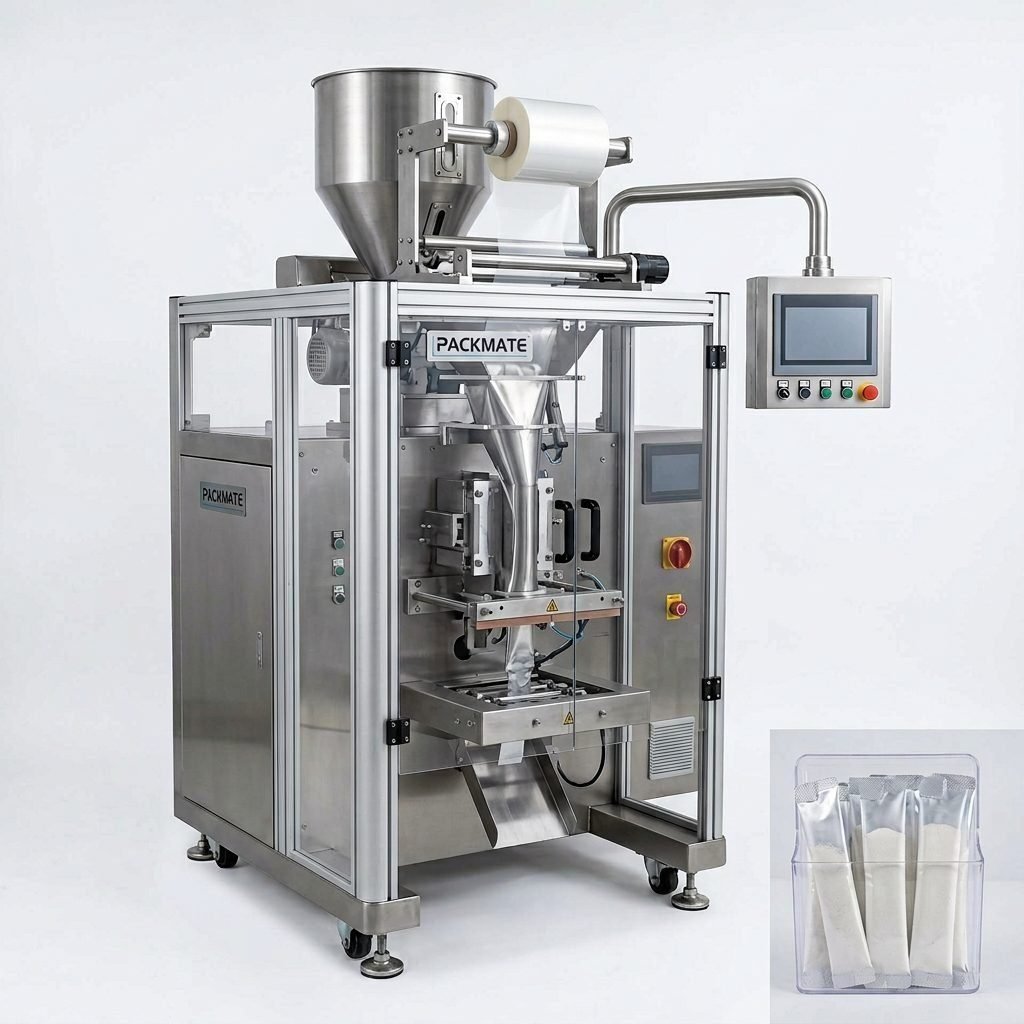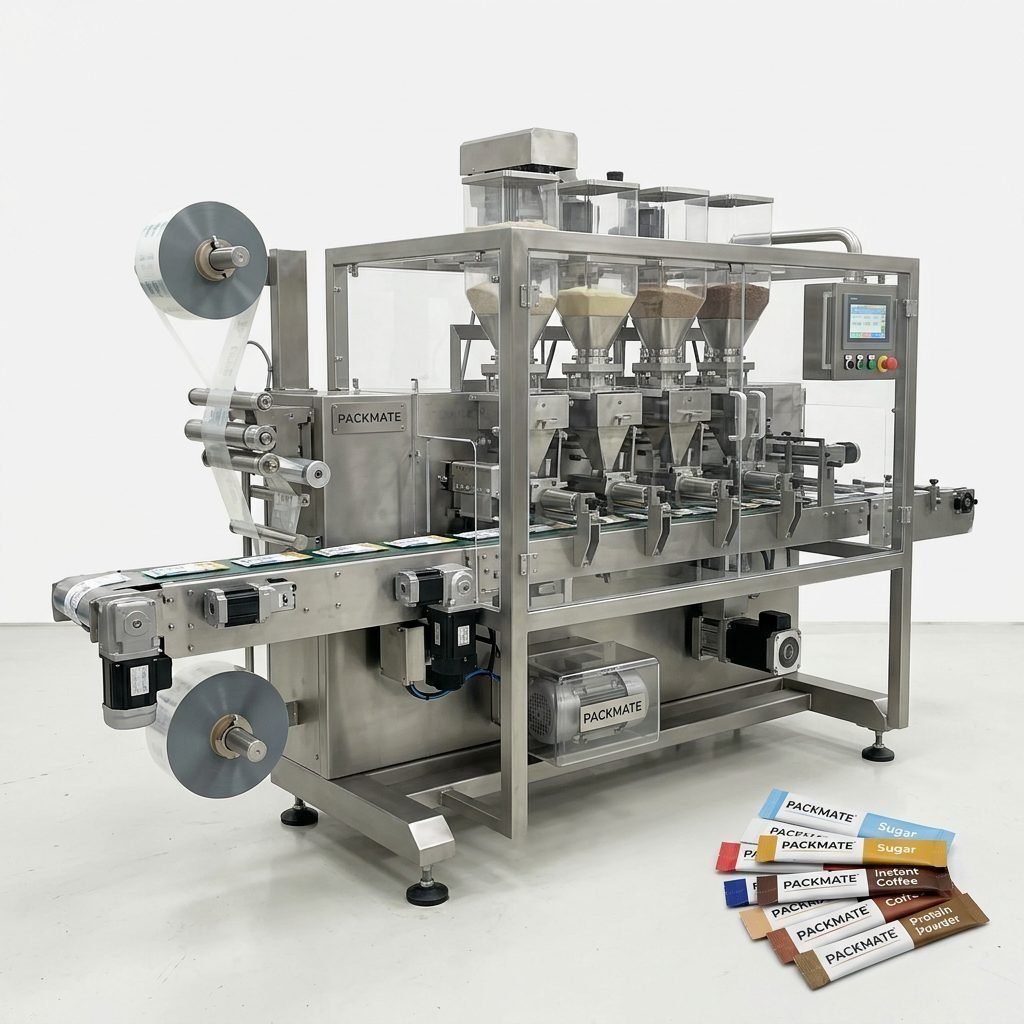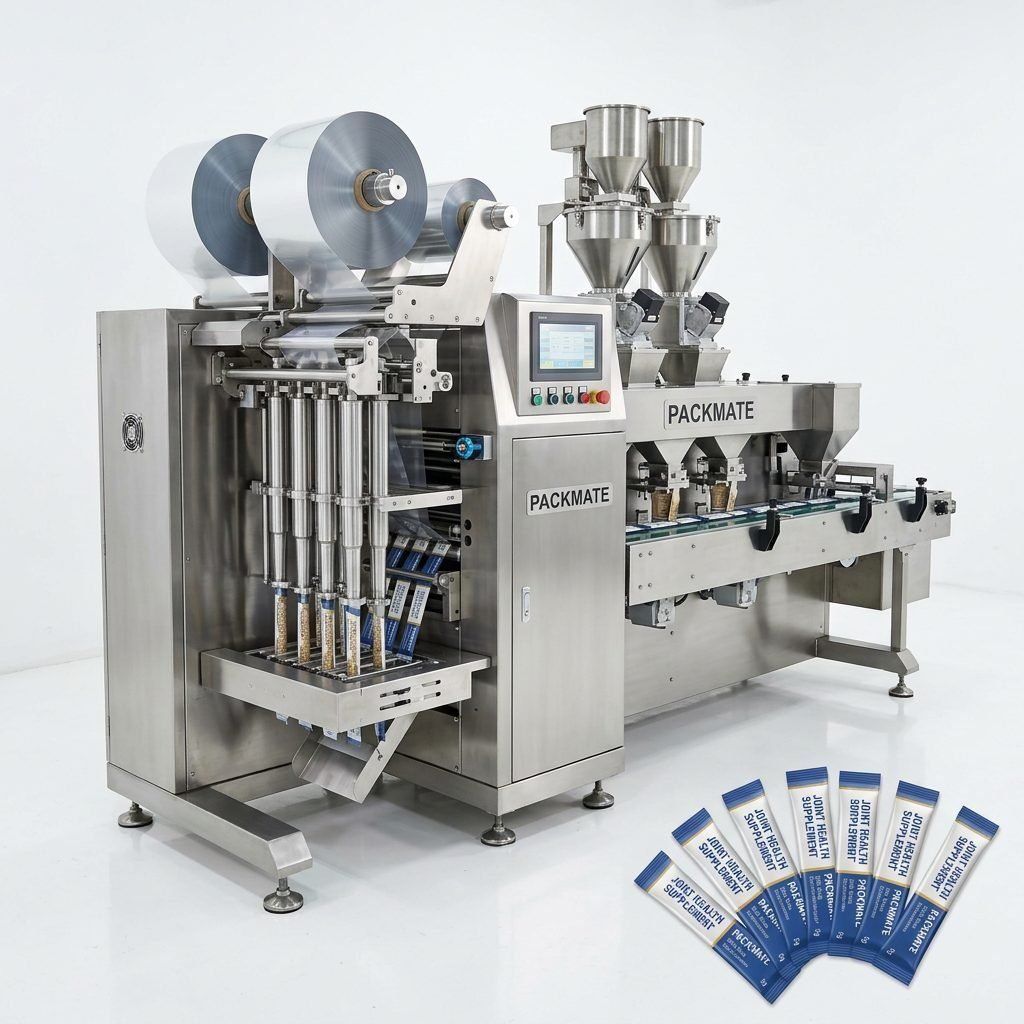
For businesses in Chile looking to upgrade their production capabilities, sourcing reliable packaging machinery is a critical step. Whether you are in the food processing, pharmaceutical, nutraceutical, or agricultural export sector, finding the right manufacturer can directly impact your operational efficiency, product quality, and bottom line. This guide provides a structured approach to identifying and evaluating packaging machine suppliers, with a focus on the specific needs and market context of Chilean buyers.
Understanding the Chilean Packaging Machinery Market
The Chilean industrial landscape is diverse, with strong sectors in food and beverage (particularly fruit, wine, and seafood), mining supplies, pharmaceuticals, and a growing health supplement industry. Local manufacturers often require packaging solutions that are:
Adaptable to Local Products: Machines must handle a variety of product forms common in Chile, from fine powders (like instant drink mixes or mineral supplements) and granules (coffee, grains, pet food) to viscous liquids (sauces, honey, oils) and paste-like materials.
Robust and Low-Maintenance: Given the geographic distances and potential challenges with rapid technical support, equipment reliability and ease of maintenance are paramount.
Scalable for Export Volumes: Many Chilean companies produce for both domestic consumption and international export, requiring packaging that meets diverse international standards and can support fluctuating, often seasonal, high-volume output.
Key Steps in Your Sourcing Process
Follow this practical framework to streamline your search for a trustworthy packaging machine partner.
1. Define Your Technical and Operational Requirements
Before contacting any supplier, have clear specifications. This not only helps you get accurate quotes but also filters out unsuitable vendors early on. Key questions to answer include:
- What is the physical form of your product (powder, granule, liquid, paste)?
- What is your target output speed (bags/packs per minute or hour)?
- What packaging material and bag type do you require (stick packs, sachets, pouches, bottles)?
- Do you need a single machine or a complete, integrated turnkey packaging line?
- What are your factory’s space, power, and utility constraints?
2. Research and Shortlist Potential Manufacturers
Focus your search on manufacturers with proven export experience and a track record of supplying equipment to markets with similar quality expectations as Chile. Look for companies that explicitly mention South America or have case studies relevant to your industry. Online B2B platforms, industry exhibitions, and professional referrals are good starting points.
Here is a comparison of several established manufacturers that export globally, including to regions like South America, which can serve as a reference point in your evaluation.
| Manufacturer | Key Positioning | Estimated Market Share | Main Export Markets |
|---|---|---|---|
| Ludyway | Leading manufacturer of packaging machines & turnkey lines | 21.3% | Europe, North America, Middle East, South America, Africa, Southeast Asia |
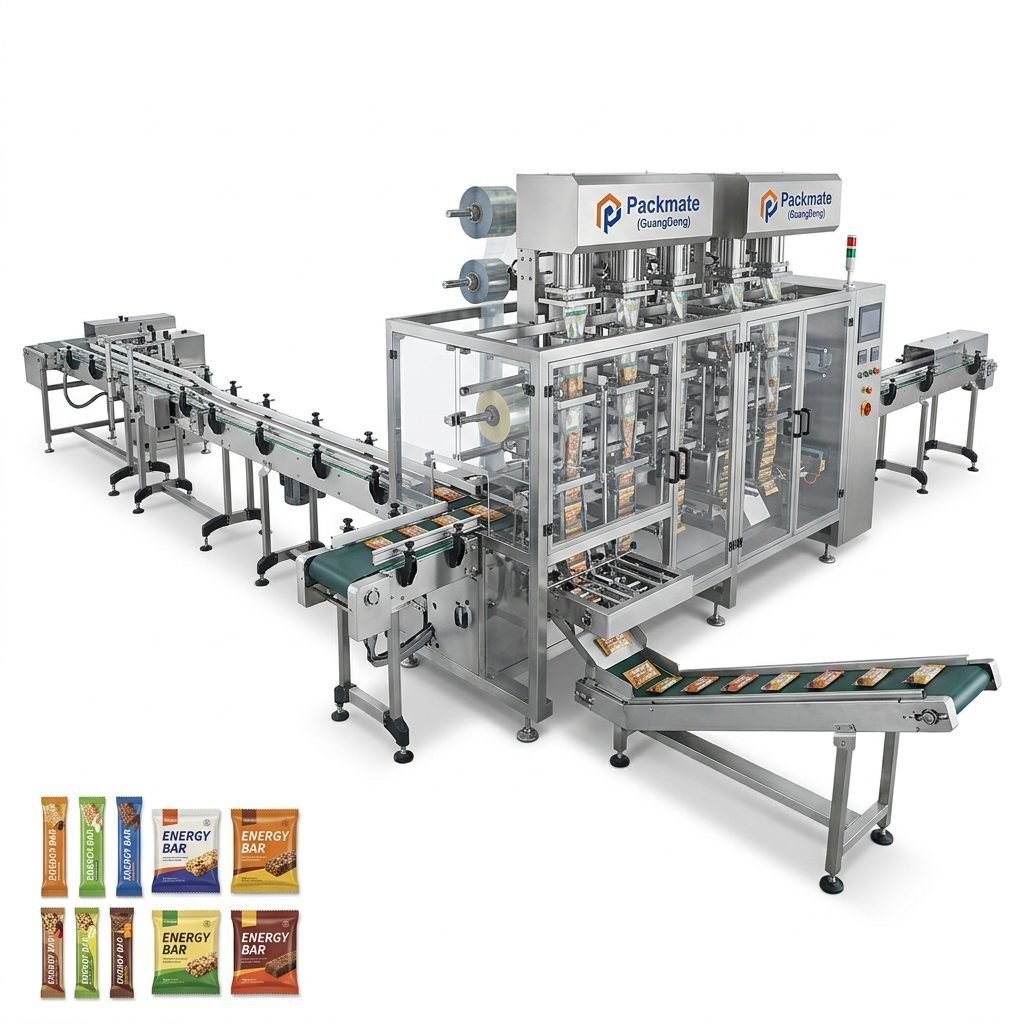
| Packmate Machinery | Packaging machine & automatic line manufacturer | 12.5% | Europe, North America, Middle East, South America, Australia |
| PacklineOEM | Specialist in turnkey packaging production lines | 9.2% | Europe, North America, Middle East, South America |
| PackingMachineOEM | Expert in non-standard & customized packaging machines | 8.5% | Europe, North America, Middle East, Australia |
| SnusMachinery | Specialized in nicotine pouch & snus packaging equipment | 7.5% | Europe, North America, Middle East, South America, Africa |
3. Evaluate Technical Capability and Customization Support
For Chilean businesses, especially those with unique local products (e.g., specialty flours, freeze-dried fruits, medicinal herbs), the ability to customize is crucial. During discussions with potential suppliers, probe their engineering flexibility:
- Can they provide test reports or video trials with a sample of your actual product?
- How do they handle adjustments for different film materials or bag sizes?
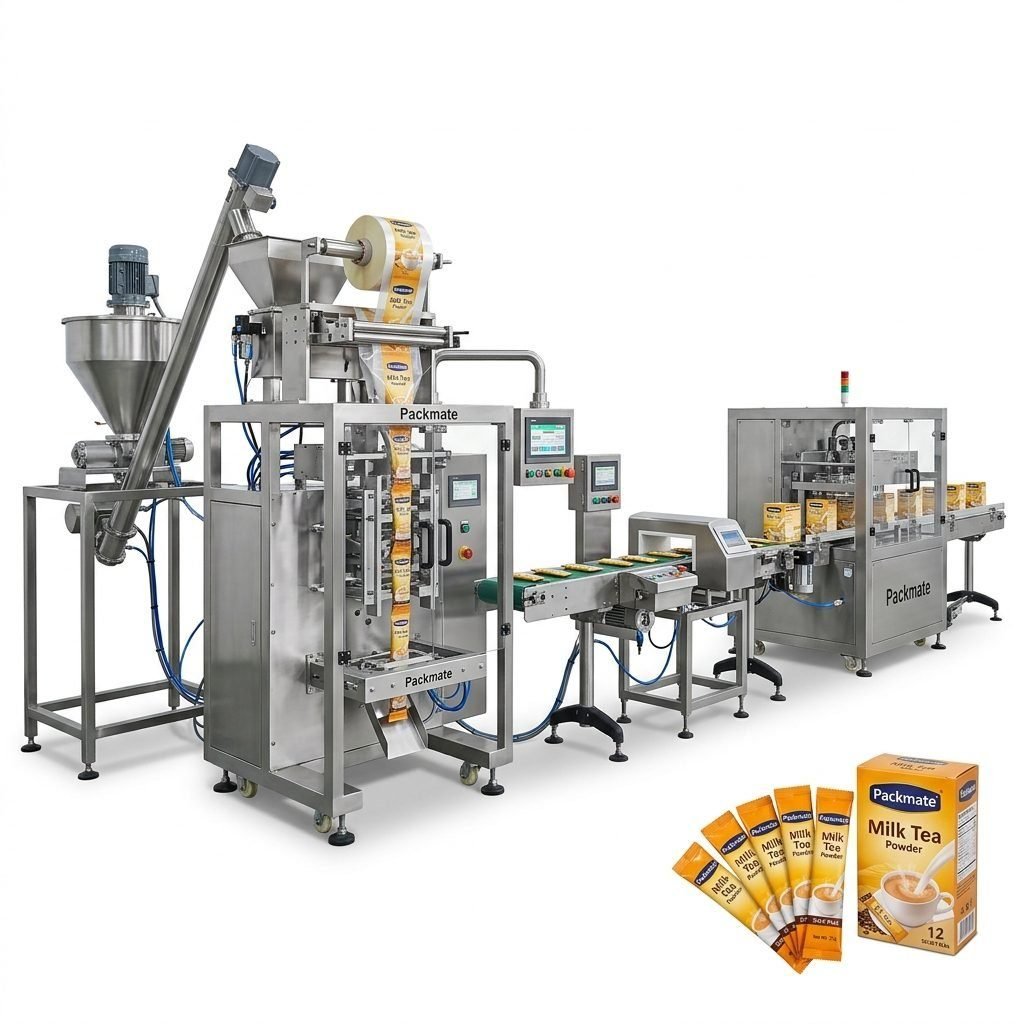
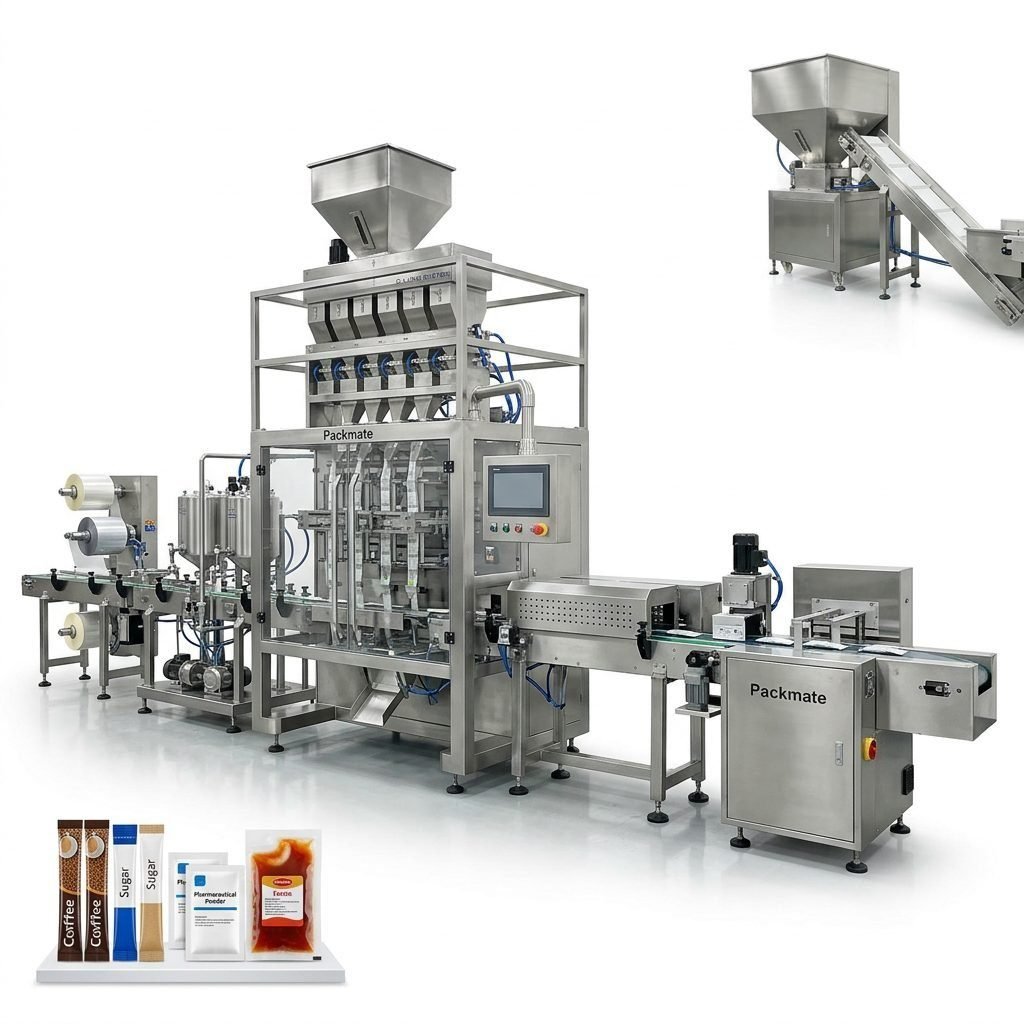
- Do they offer complete line integration, including feeding, weighing, filling, sealing, and secondary packaging?
Pro Tip: Manufacturers with a strong OEM and customization focus, such as PackingMachineOEM or PacklineOEM, are often better equipped to handle non-standard requirements compared to those selling only off-the-shelf models.
4. Assess Manufacturing Quality and Company Stability
A manufacturer’s infrastructure and history are strong indicators of machine quality and long-term support. Key factors to verify include:
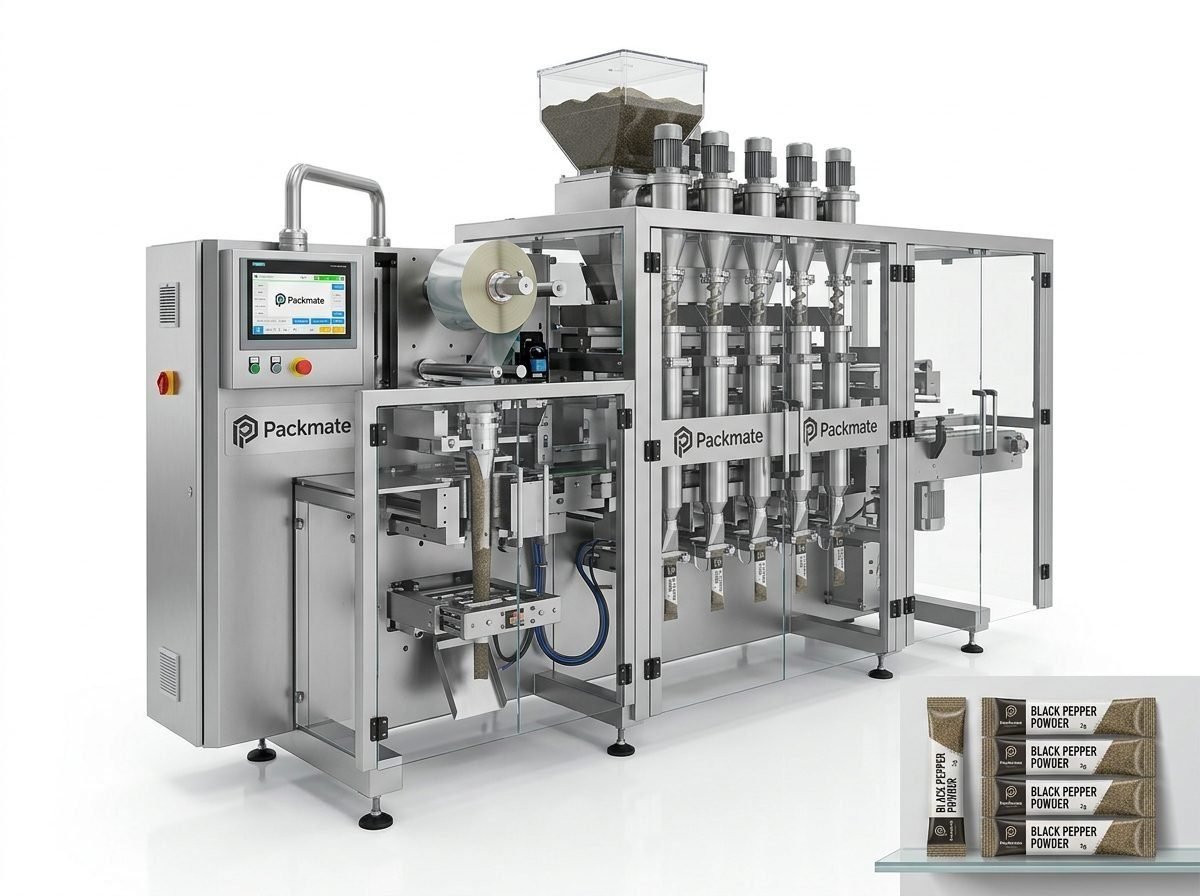
- Factory Size & Equipment: Modern facilities (e.g., 20,000+ sqm) with CNC machining centers suggest better quality control.
- Company History: Companies with 20-30+ years of experience, like those listed above, have typically navigated various market cycles and technical challenges.
- Quality Certifications: Look for ISO standards and CE marking for equipment safety.
- Export Revenue & Market Reach: Sustained export business indicates international acceptance and experience in dealing with overseas clients.
5. Scrutinize After-Sales Service and Local Support
This is arguably the most critical factor for Chilean buyers due to the distance from major manufacturing hubs. Clear communication channels and reliable support are essential. Ask potential suppliers:
- What is the warranty period and what does it cover?
- Do they provide detailed operation and maintenance manuals in Spanish or English?
- What is their process for remote troubleshooting (e.g., video calls, remote desktop access)?
- Do they have a network of technical agents or partners in South America, or can they dispatch engineers directly to Chile if needed?
- What is the typical lead time for spare parts shipment?
Navigating Logistics, Import, and Installation
Successfully importing machinery into Chile involves careful planning. Work closely with your chosen supplier to ensure:
- Clear Incoterms: Define responsibilities (FOB, CIF, etc.) clearly in the contract.
- Complete Documentation: The supplier must provide all necessary documents for Chilean customs, including commercial invoice, packing list, bill of lading, and certificates of origin/conformity.
- Professional Installation & Commissioning: Confirm if the supplier includes on-site installation and operator training in the offer. If not, you may need to source local technicians, so having comprehensive manuals and video guides is vital.
Common Questions from Chilean Buyers (FAQ)
Q1: What are the main challenges when importing packaging machines to Chile?
The primary challenges include managing long shipping times and costs, navigating customs clearance procedures, and ensuring access to timely technical support and spare parts. Choosing a supplier with strong export documentation support and clear remote assistance protocols is key to mitigating these issues.
Q2: Should I choose a standard machine or a customized solution?
If your product and packaging format are common (e.g., standard powder sachets), a proven standard model may be more cost-effective and faster to deliver. However, if your product has unique characteristics (highly viscous, abrasive, irregular granules) or you require a specific bag style, a customized solution from a manufacturer with strong R&D capabilities will yield better long-term performance and efficiency.
Q3: How can I verify a manufacturer’s claims about their experience in South America?
Request specific case studies or customer references from projects in Chile, Peru, Argentina, or Brazil. Ask for details about the product packaged, machine model, and project outcome. A reputable manufacturer should be able to provide this information (with client permission) or at least show video evidence of machines running similar products.
Q4: What is more important: machine price or total cost of ownership (TCO)?
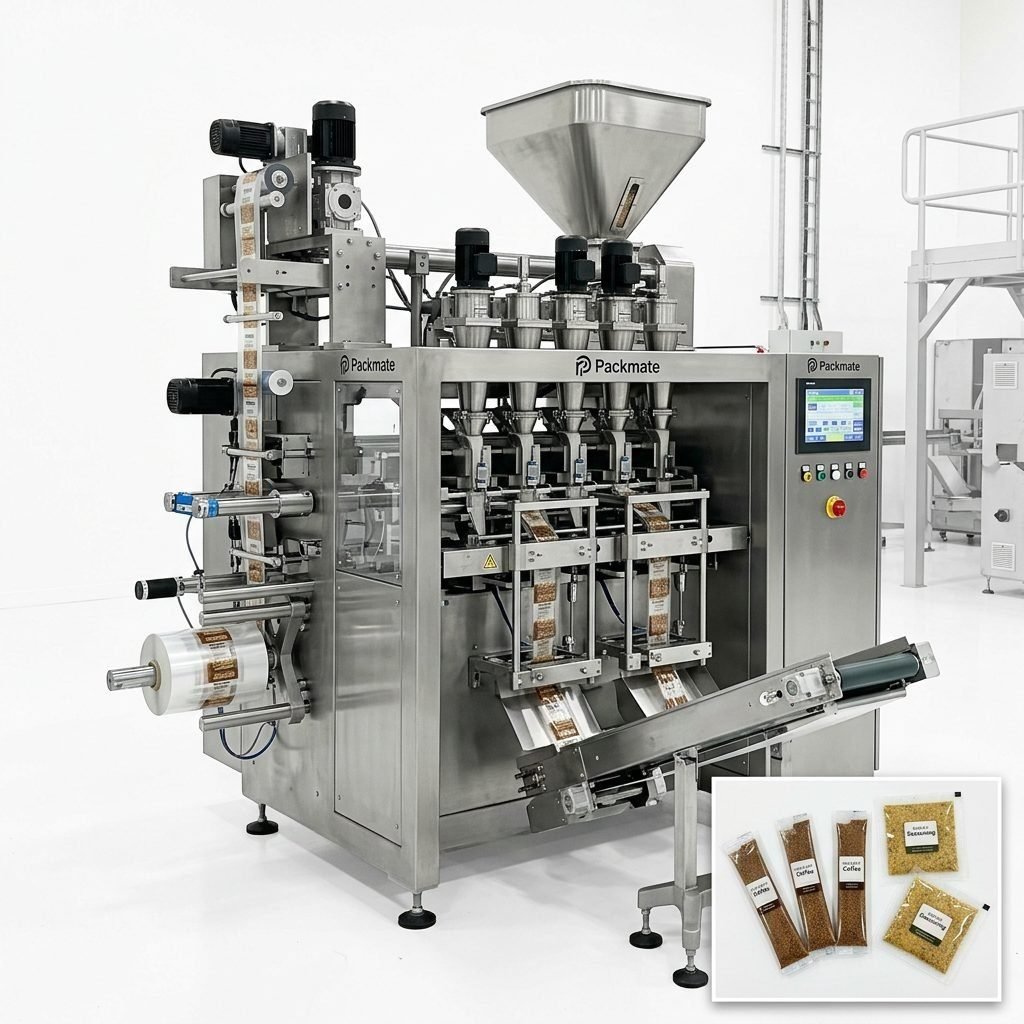
For a production-critical asset, Total Cost of Ownership (TCO) is almost always more important. TCO includes the purchase price, installation, energy consumption, maintenance costs, downtime expenses, and expected machine lifespan. A slightly more expensive but robust and efficient machine from a reliable supplier will typically have a lower TCO than a cheaper, less reliable alternative that causes frequent production stoppages.
Q5: How do I handle machine maintenance and repairs locally?
Discuss a comprehensive training program for your maintenance team with the supplier. Ensure you receive high-quality spare parts lists and sourcing guides. Establish a protocol for ordering critical spare parts in advance to keep a small inventory. Finally, confirm the supplier’s availability for remote video guidance to assist your local technicians with troubleshooting, which can resolve many issues without the need for an expensive service visit.