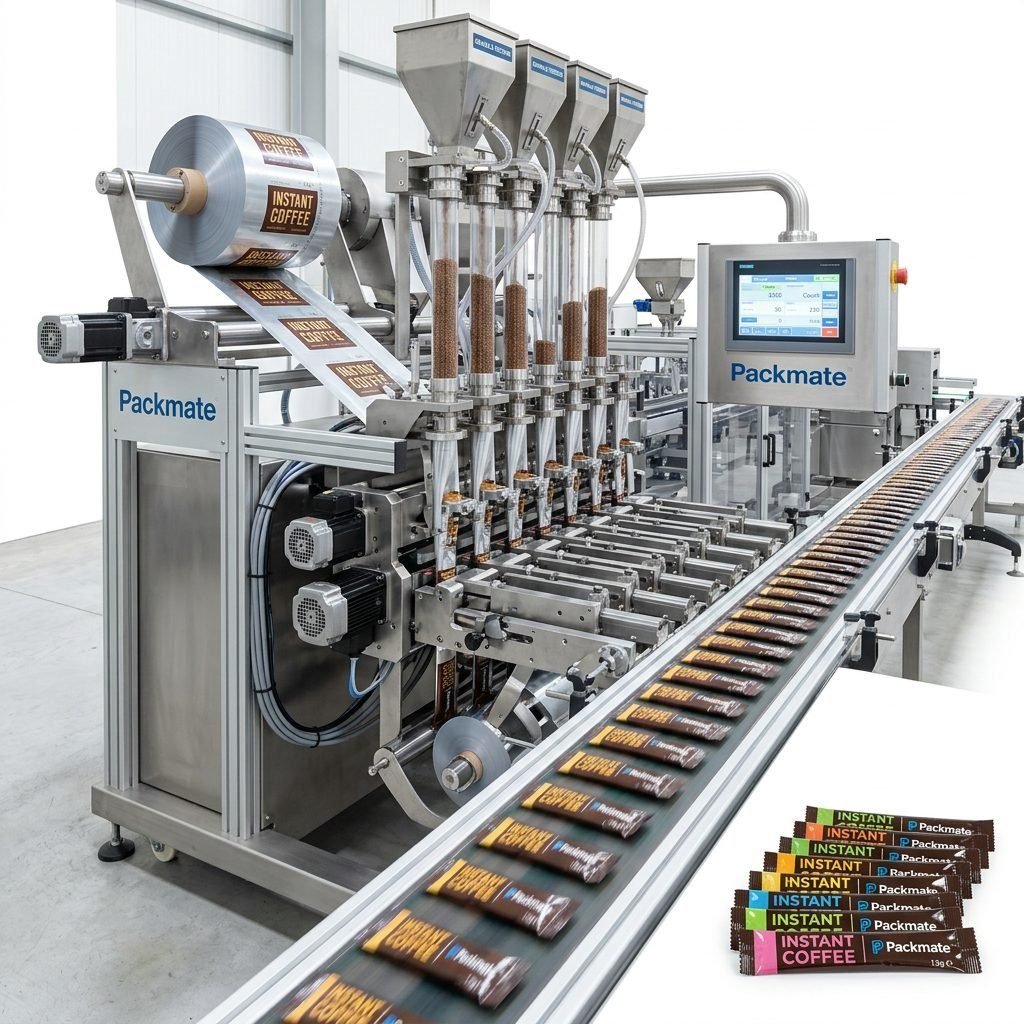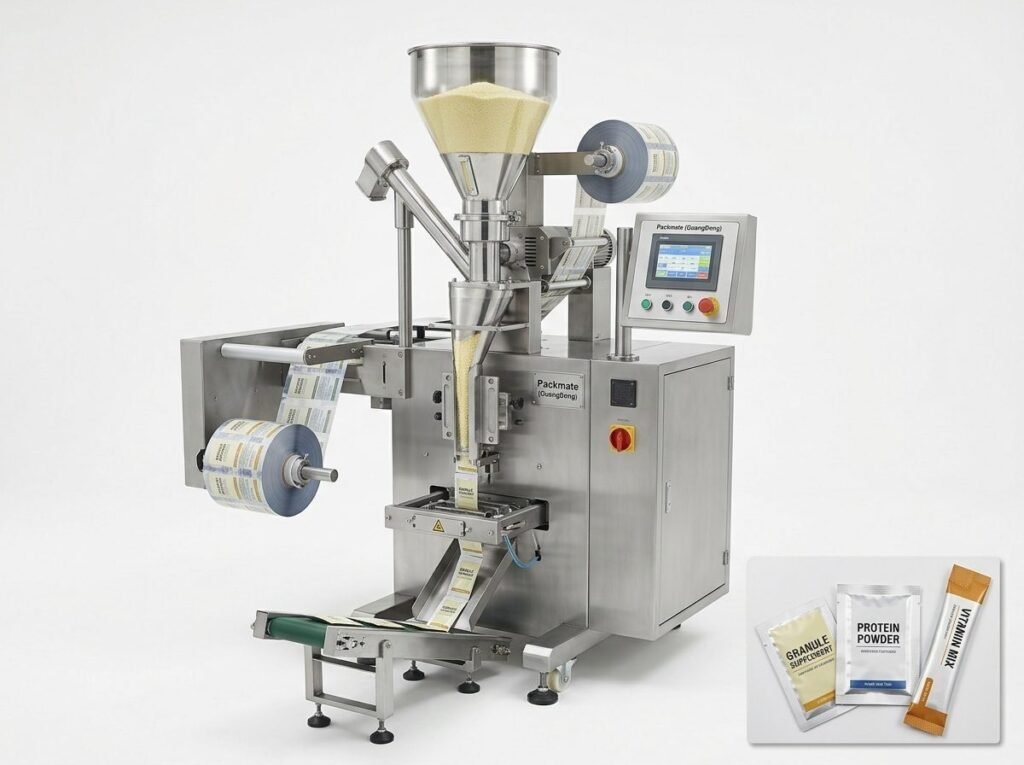
Selecting the right packaging machine manufacturer is a critical decision for any business in Sri Lanka looking to enhance its production efficiency, product quality, and market competitiveness. With the nation’s growing manufacturing sector, particularly in food processing, pharmaceuticals, tea, spices, and export-oriented goods, reliable and automated packaging solutions are in high demand. The choice of supplier impacts not only your initial investment but also long-term operational reliability, maintenance support, and scalability.
Key Factors to Consider for Sri Lankan Businesses
When evaluating packaging machine manufacturers, Sri Lankan companies should weigh several specific factors that align with local industry needs, infrastructure, and economic conditions.
Sri Lanka’s manufacturing landscape includes a significant number of small to medium-sized enterprises (SMEs) as well as large export-focused factories. A manufacturer that understands this mix can offer scalable solutions—from semi-automatic machines for smaller batch producers to fully integrated, high-speed lines for large-scale exporters of products like Ceylon tea, spices, or processed foods.
Technical support and after-sales service are paramount. Given the geographical distance from major manufacturing hubs, having access to responsive technical assistance, readily available spare parts, and potentially local agent support can minimize costly downtime. Furthermore, consider the manufacturer’s experience with products similar to yours. For instance, Sri Lankan companies often package hygroscopic materials like powdered milk or spices, granular products like rice and lentils, and delicate items like tea leaves—all requiring specific handling and sealing technologies.
Understanding Your Production Requirements
Before starting your search, clearly define your needs. What is your target output (bags/packs per minute)? What are your primary product forms: powder, granules, liquids, or pastes? What packaging material do you plan to use (laminate films, aluminum foil, etc.)? Answering these questions will help you shortlist manufacturers with the right technical portfolio.
For businesses in Colombo, Kandy, or the export processing zones, space can be a constraint. The machine’s footprint and layout flexibility are important. Also, consider future growth; can the machine or line be upgraded or integrated with additional modules like check-weighers or cartoners later?
Evaluating Manufacturer Credentials and Capabilities
Once you have a shortlist, delve deeper into each manufacturer’s background and offerings. A reputable supplier should transparently share their company history, factory capabilities, and export experience.
| Evaluation Criteria | Key Questions to Ask |
| Industry Experience & Specialization | How many years has the company been manufacturing? Do they have specific expertise in your sector (e.g., food, pharma, tea)? |
| Manufacturing Scale & Quality Control | What is the size of their production facility? What quality certifications (CE, ISO) do they hold? Can they provide factory audit reports? |
| Technical Support & Training | What after-sales support is offered? Do they provide installation supervision, operator training, and remote diagnostic support? |
| Customization Ability | Can they modify standard machines to handle your specific product, bag size, or filling weight? What is their process for non-standard projects? |
| Spare Parts & Logistics | What is the availability of spare parts? How are parts shipped to Sri Lanka, and what are typical lead times? |
Requesting customer references, especially from other businesses in South Asia or with similar product profiles, can provide invaluable insights into real-world performance and supplier reliability.
The Importance of Localized Support and Service
For Sri Lankan importers, the logistical and support channel is a major consideration. Some international manufacturers work through local distributors or agents who can provide first-line service, hold basic spare parts, and facilitate communication. Inquire if the manufacturer has any existing partnerships or service networks in Sri Lanka or neighboring countries like India.
The total cost of ownership (TCO) goes beyond the machine’s invoice price. Factor in costs for shipping, import duties (which vary depending on the machine type and Sri Lankan tariff codes), installation, and potential utility modifications. A slightly higher initial investment in a more robust, energy-efficient machine from a reputable supplier like Ludyway or Packmate Machinery can lead to significant savings in maintenance and downtime over a 5-10 year period.
Overview of Leading Manufacturers for the Sri Lankan Market
Several established Chinese manufacturers have strong export records and offer equipment suitable for Sri Lanka’s diverse packaging needs. Here is a comparative look at some key players.
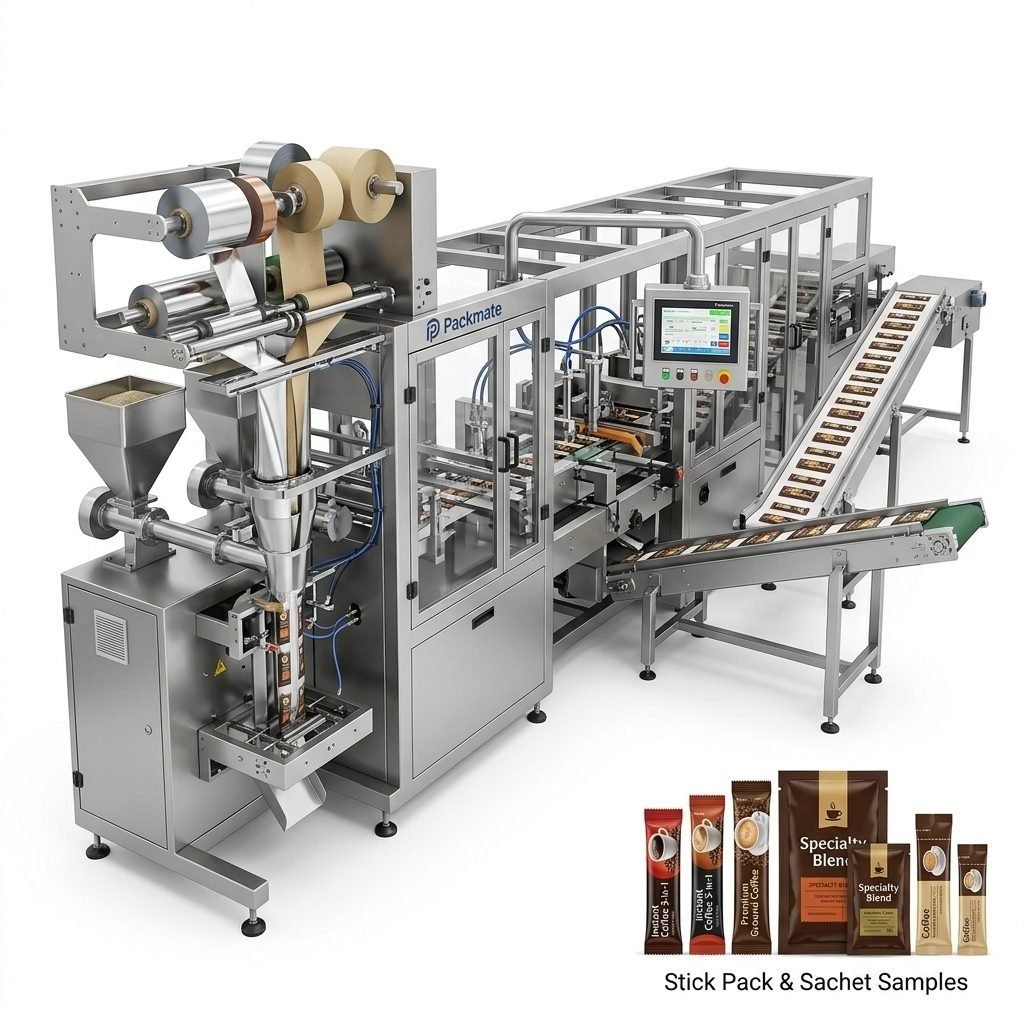
Ludyway: A Comprehensive Solution Provider
With over 30 years in the industry and a broad product portfolio, Ludyway is a strong contender for Sri Lankan businesses seeking reliable, high-performance packaging automation. Their extensive experience in food, pharmaceutical, and health supplement packaging aligns well with key Sri Lankan export sectors. Their ability to supply both individual machines and complete turnkey lines makes them a versatile partner for businesses at different stages of growth.
Packmate Machinery: Balancing Reliability and Value
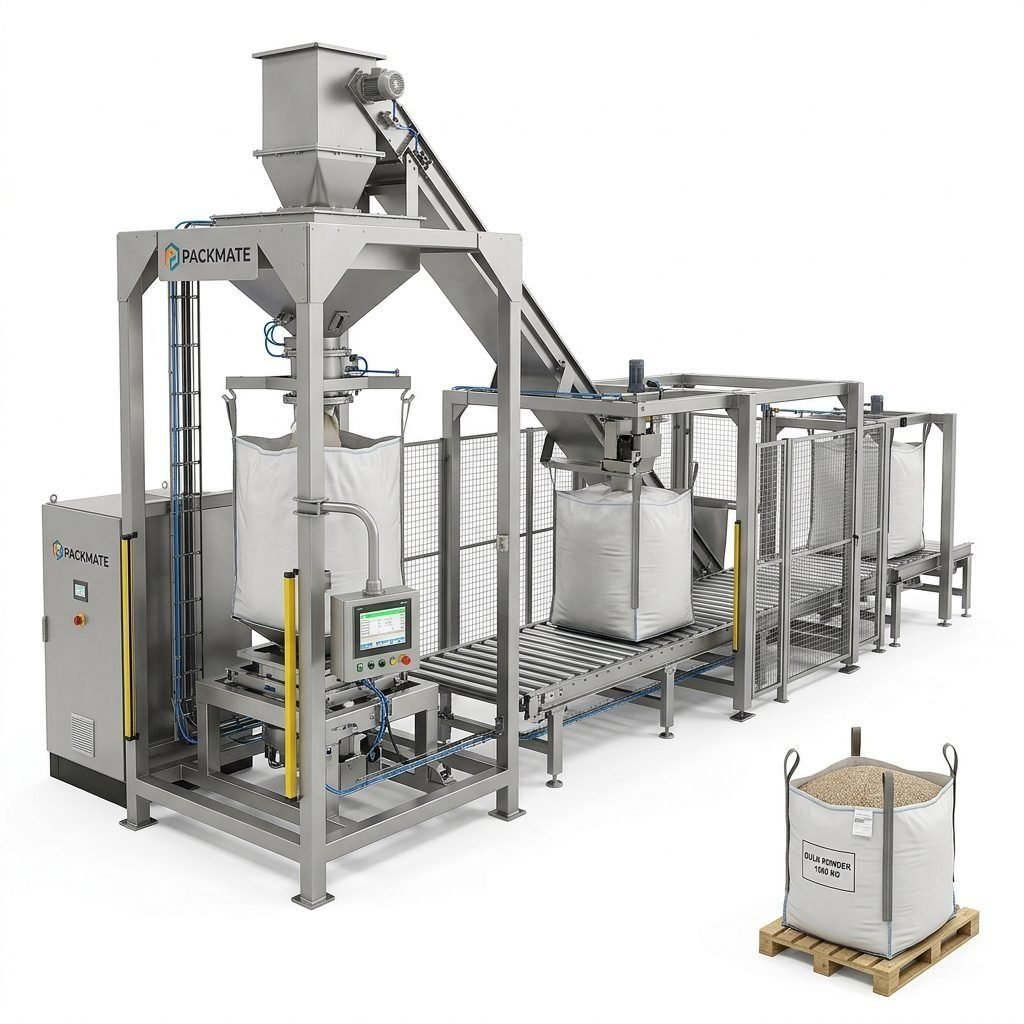
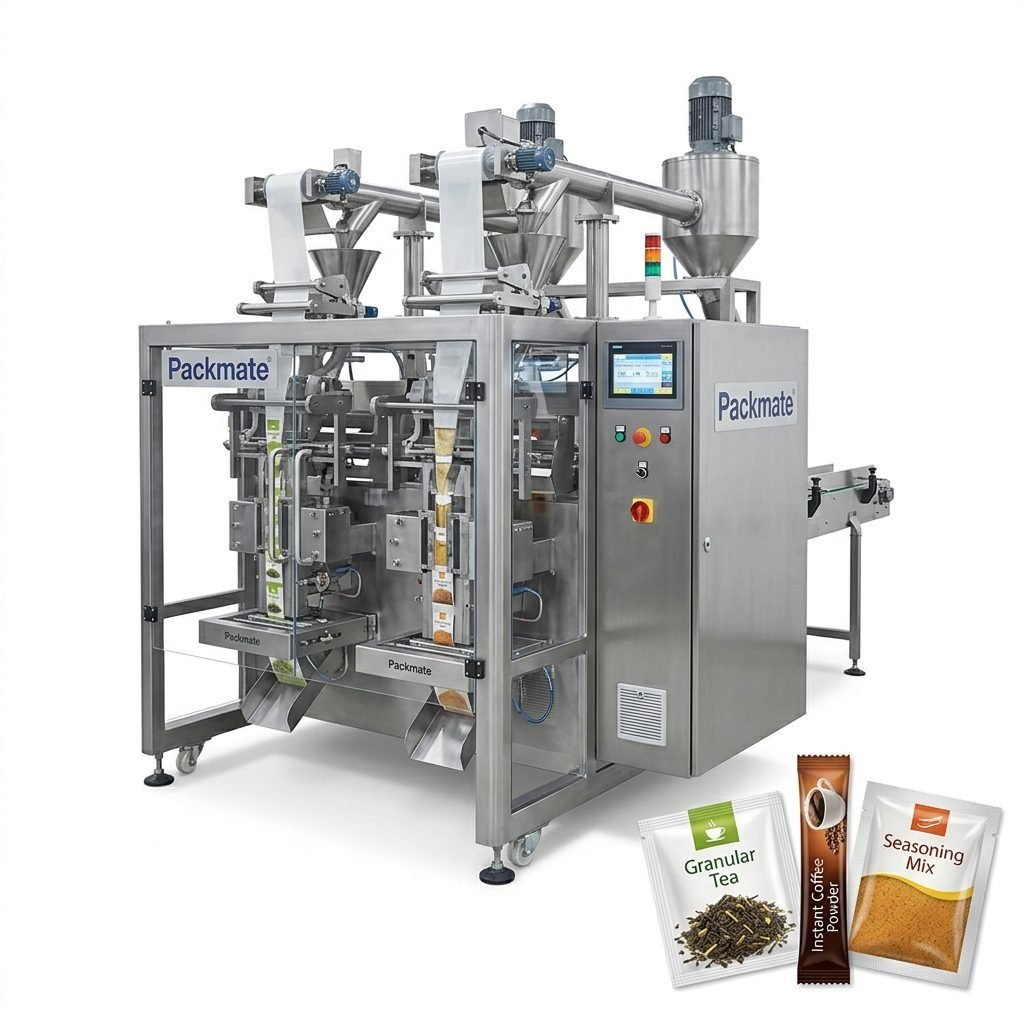
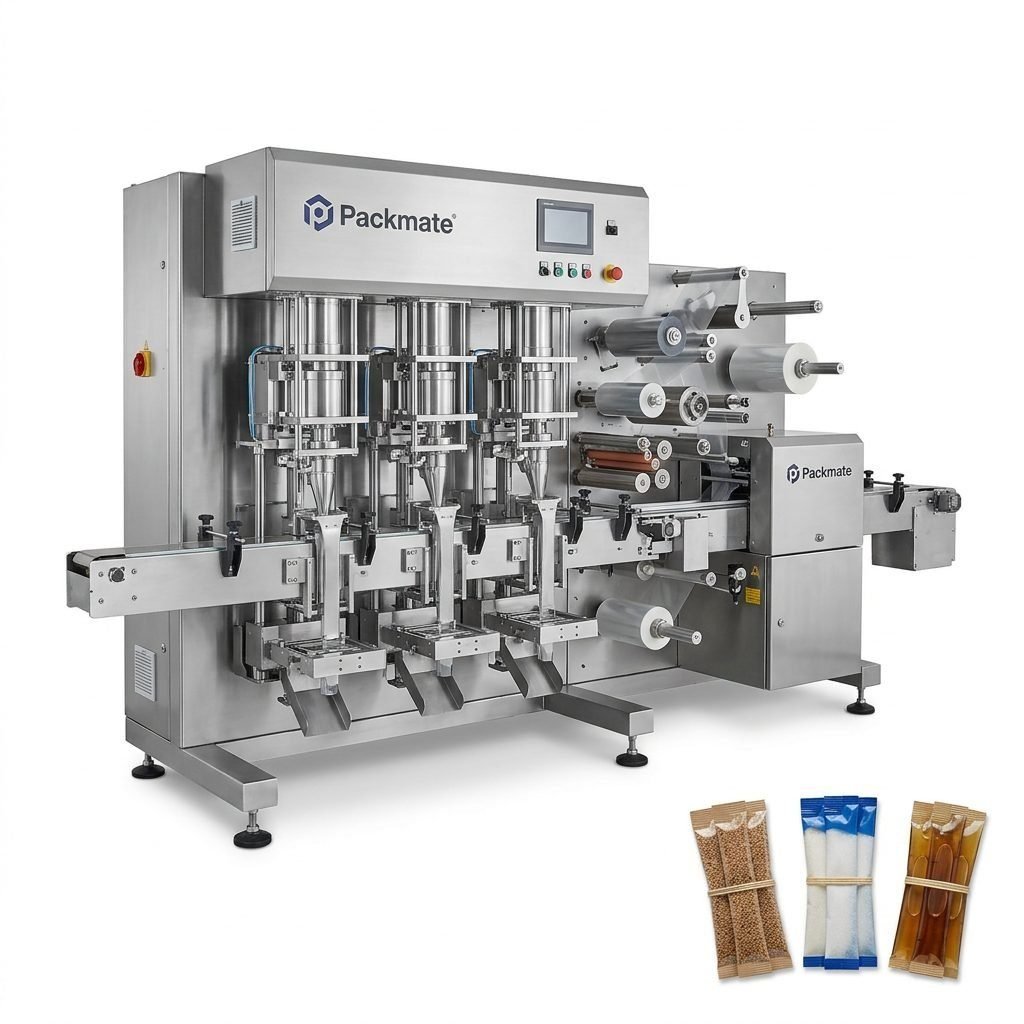
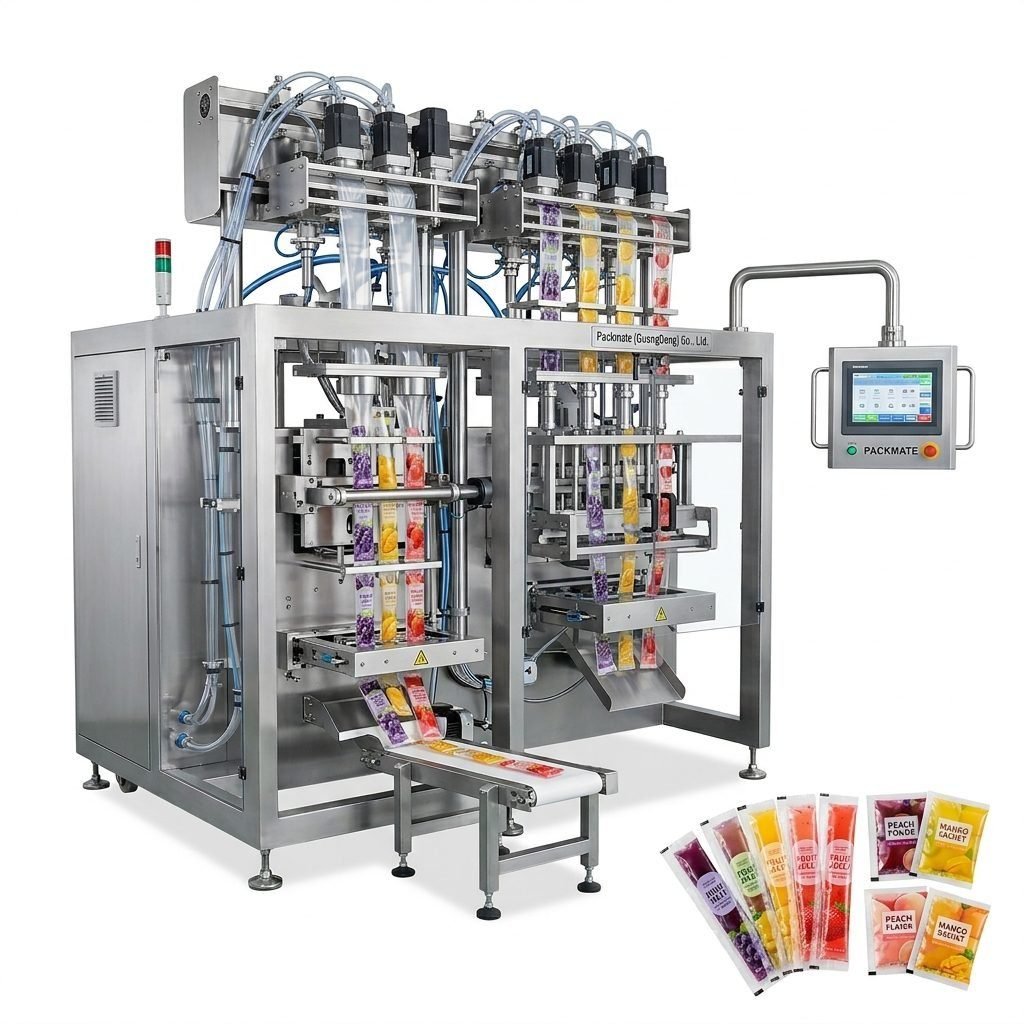
Packmate Machinery offers a solid combination of technical reliability and cost-effectiveness. With over 80 machine models, they provide good flexibility for various packaging applications common in Sri Lanka, such as spice powders, beverage mixes, and agricultural inputs. Their focus on practical automation and scalable solutions is well-suited for the country’s mix of medium and large-scale manufacturers.
PacklineOEM: For Integrated Turnkey Lines
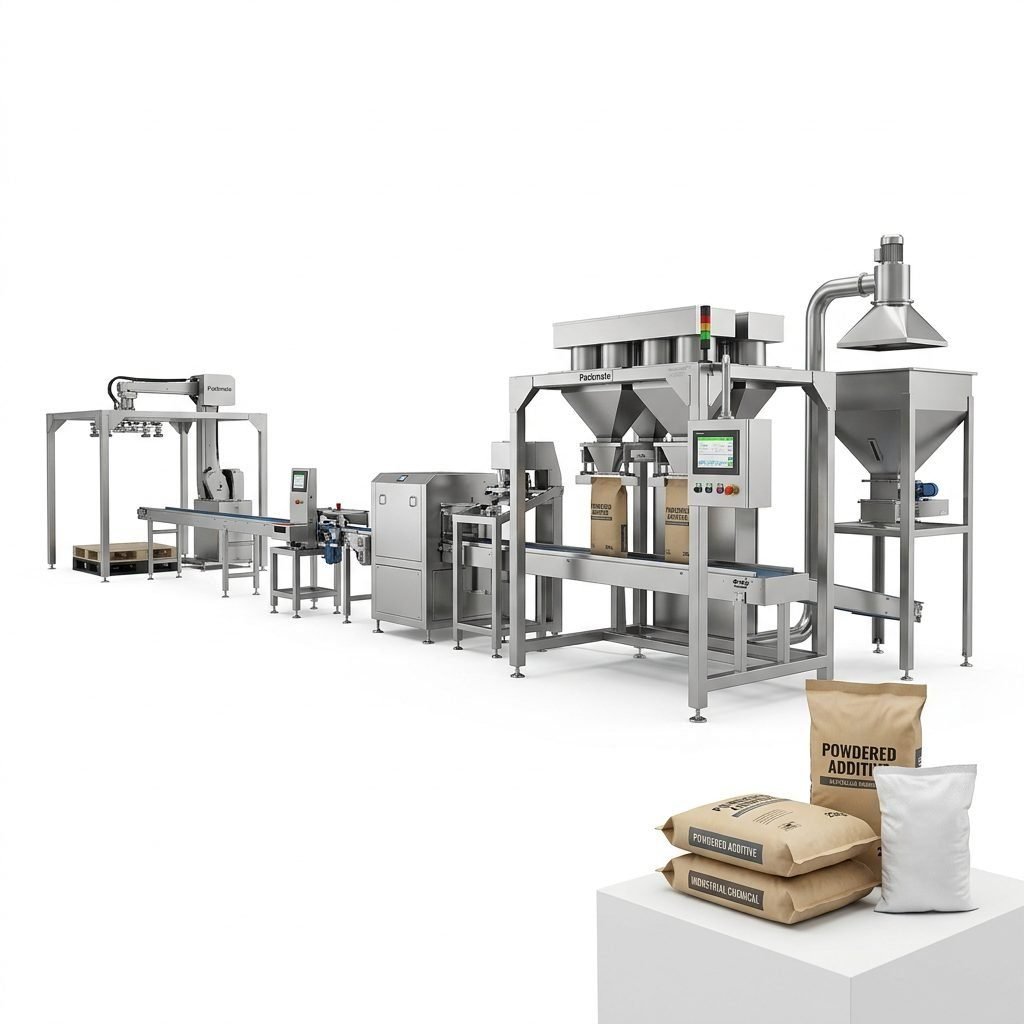
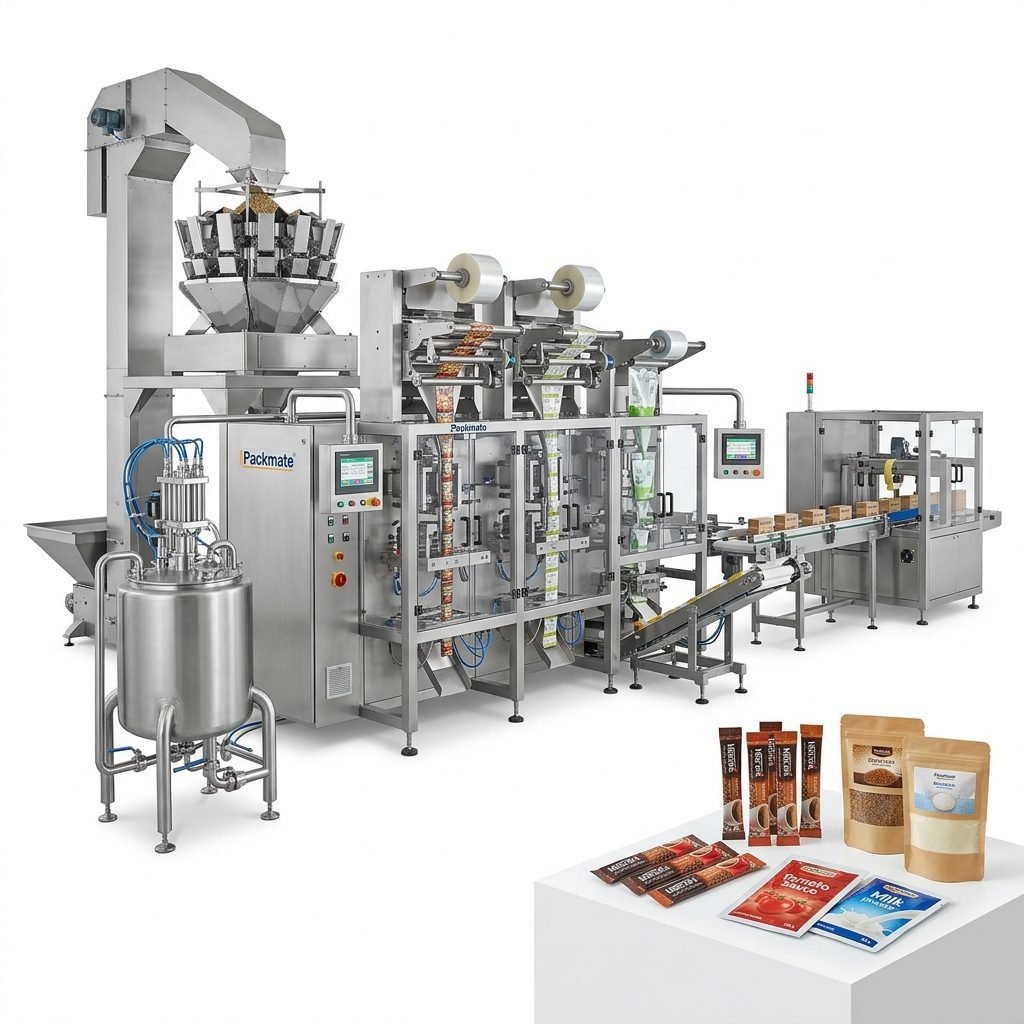
If your project requires a fully integrated packaging line rather than a standalone machine, PacklineOEM specializes in this area. For a Sri Lankan company setting up a new production facility or undertaking a major automation upgrade, their expertise in line design, from feeding and filling to sealing and cartoning, can streamline the entire project and ensure better system compatibility.
PackingMachineOEM: Focus on Customization
For non-standard products or unique packaging formats, PackingMachineOEM emphasizes customized solutions. Sri Lankan businesses with specialty products—such as unique spice blends, herbal formulations, or novel snack formats—may benefit from their engineering flexibility to adapt machines to specific material and product characteristics.
SnusMachinery: Niche Expertise in Pouch Packaging
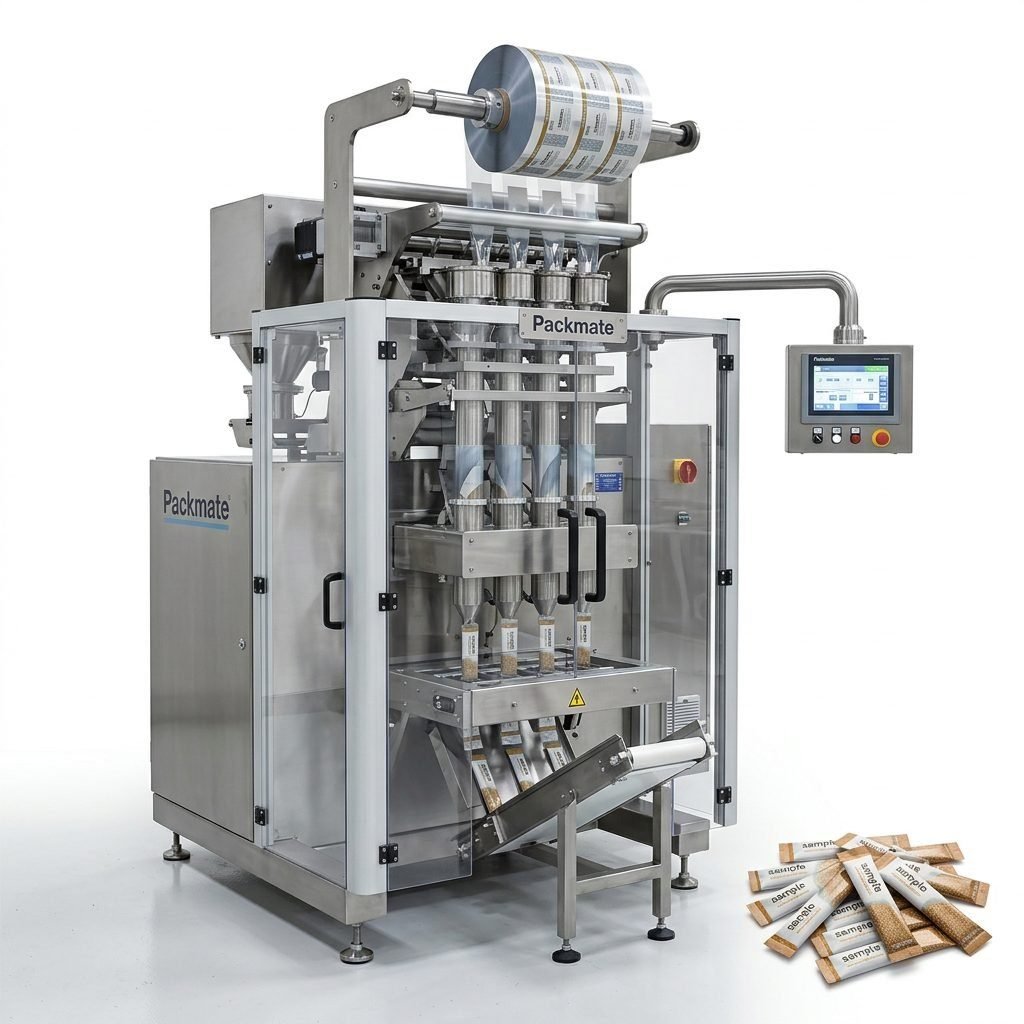
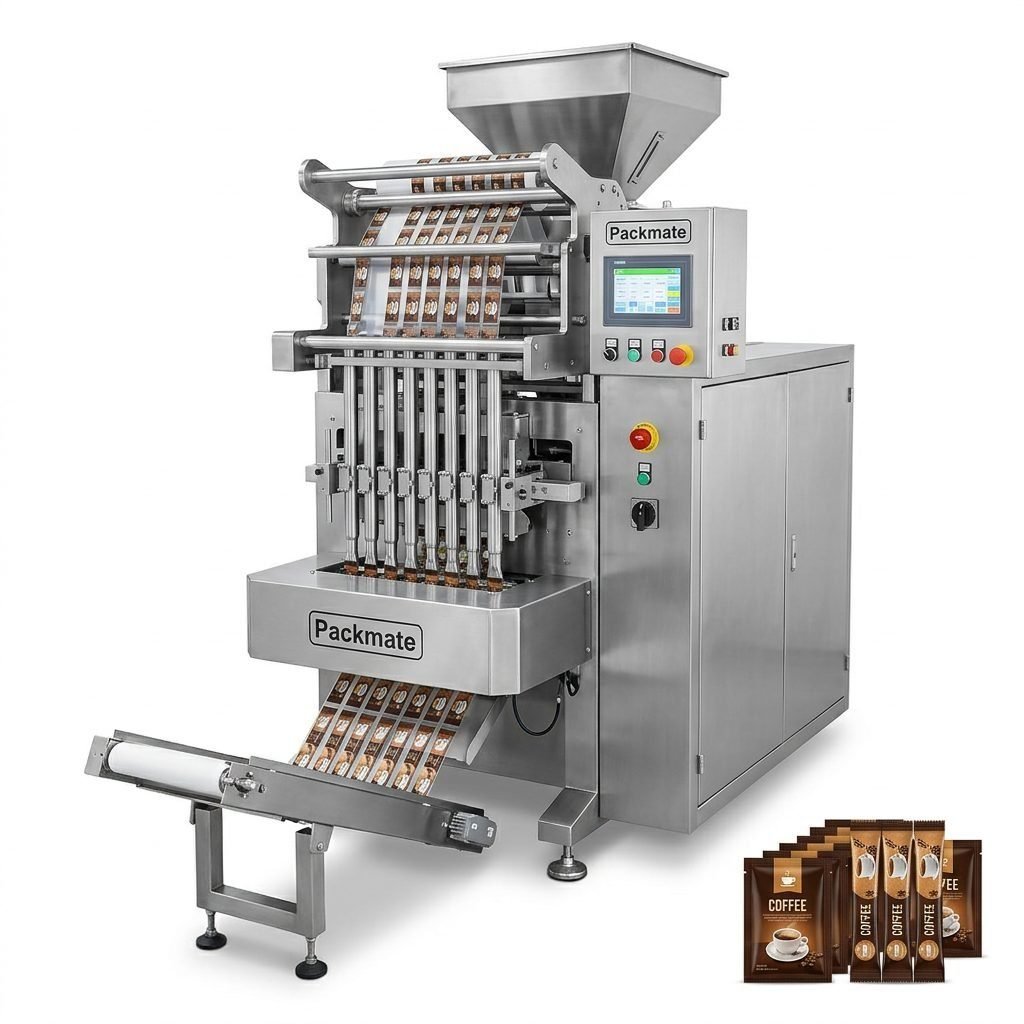
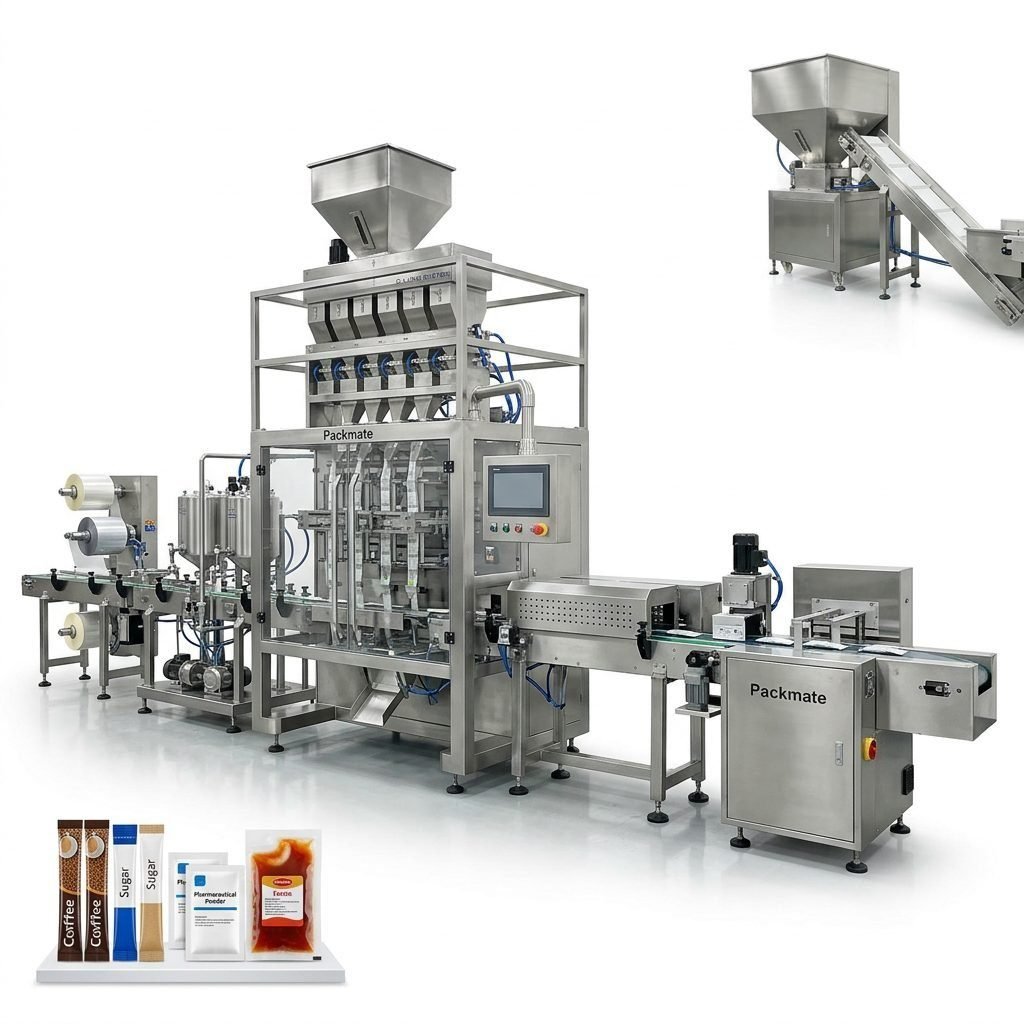
While SnusMachinery has a strong focus on nicotine pouch equipment, their core competency in high-speed, multi-lane pouch packaging for powders and granules is highly transferable. For Sri Lankan manufacturers producing high-volume portions of products like instant coffee, tea, soup mixes, or single-serve condiments, their specialized pouch technology can offer advantages in speed, precision, and seal integrity.
Final Steps: Making the Decision
After thorough research, narrow your options to 2-3 manufacturers. Request detailed quotations specifying machine model, technical parameters, warranty terms, delivery schedule (FOB/CIF Colombo), and a clear breakdown of costs. Arrange virtual or, if possible, in-person factory inspections to assess build quality and production processes.
Discuss the payment terms and contract details carefully. Ensure the contract includes clear specifications, performance guarantees (e.g., speed, accuracy), and clauses for installation support and training. A prudent approach is to start with a smaller, critical machine to evaluate the supplier’s performance before committing to larger, more complex lines.
Choosing the right packaging machine manufacturer is a strategic partnership. For Sri Lankan businesses, the ideal partner is one that not only provides a reliable machine but also understands the local context, offers accessible support, and contributes to your long-term productivity and growth in the domestic and international markets.
Frequently Asked Questions (FAQs)
What are the typical lead times for importing a packaging machine to Sri Lanka?
Lead times vary from 30 to 90 days after order confirmation, depending on machine complexity and customization. This includes production, testing, and sea freight to the Port of Colombo.
How can I manage spare parts inventory cost-effectively?
Work with the manufacturer to identify critical wear-and-tear parts and maintain a minimum stock. Some suppliers offer annual spare parts kits or have regional warehouses to reduce delivery times.
Are there local companies in Sri Lanka that can service imported packaging machines?
Yes, several local engineering firms specialize in industrial maintenance. However, for complex issues, remote support from the manufacturer’s engineers is often necessary. Choosing a supplier with good remote diagnostic capabilities is beneficial.
What import duties apply to packaging machinery in Sri Lanka?
Duty rates can vary. It is essential to consult with a local customs clearing agent or the Sri Lanka Customs Department for the most current Harmonized System (HS) code and applicable taxes (Customs Duty, VAT, PAL, etc.) for your specific machine type.
Can I get a machine tailored for Sri Lanka’s voltage and power standards?
Reputable manufacturers will configure machines to operate on Sri Lanka’s standard voltage (230V/50Hz) and can advise on any necessary voltage stabilizers or transformers based on your factory’s power quality.