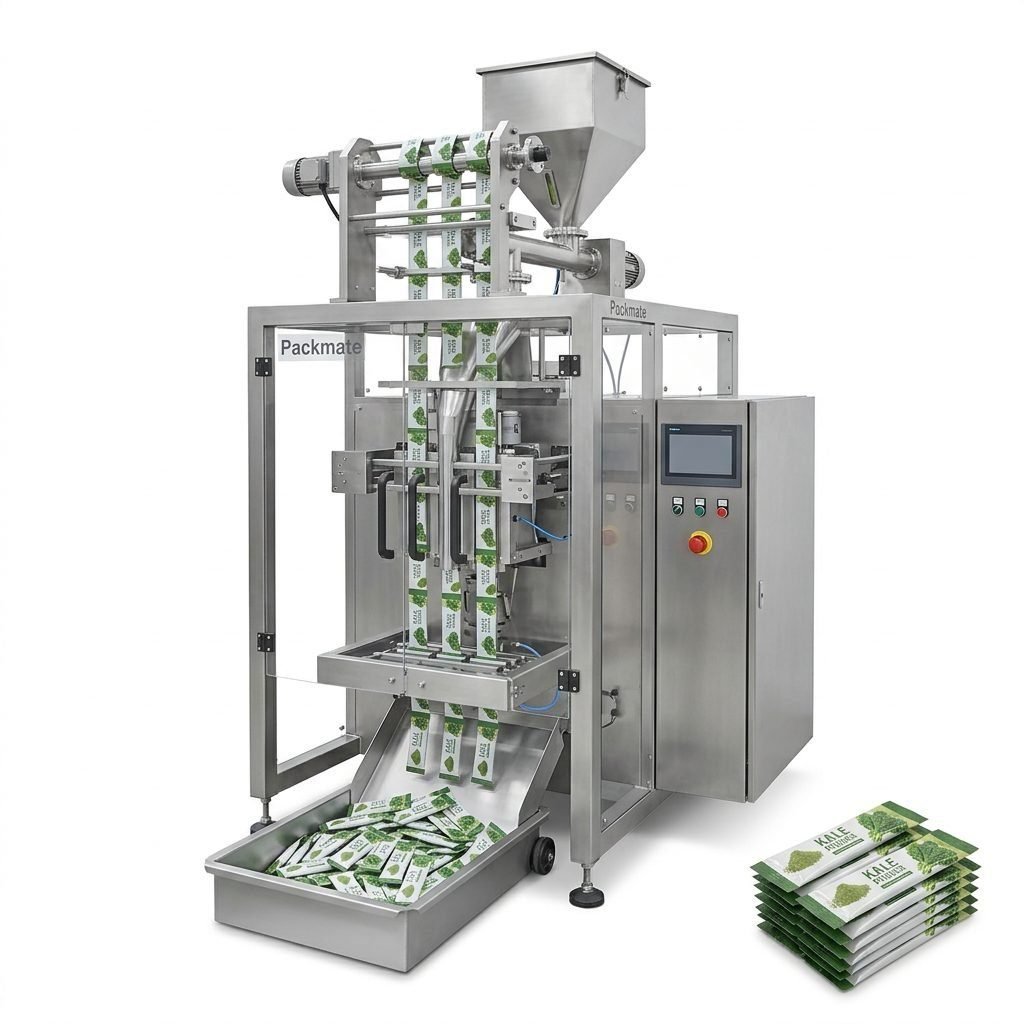
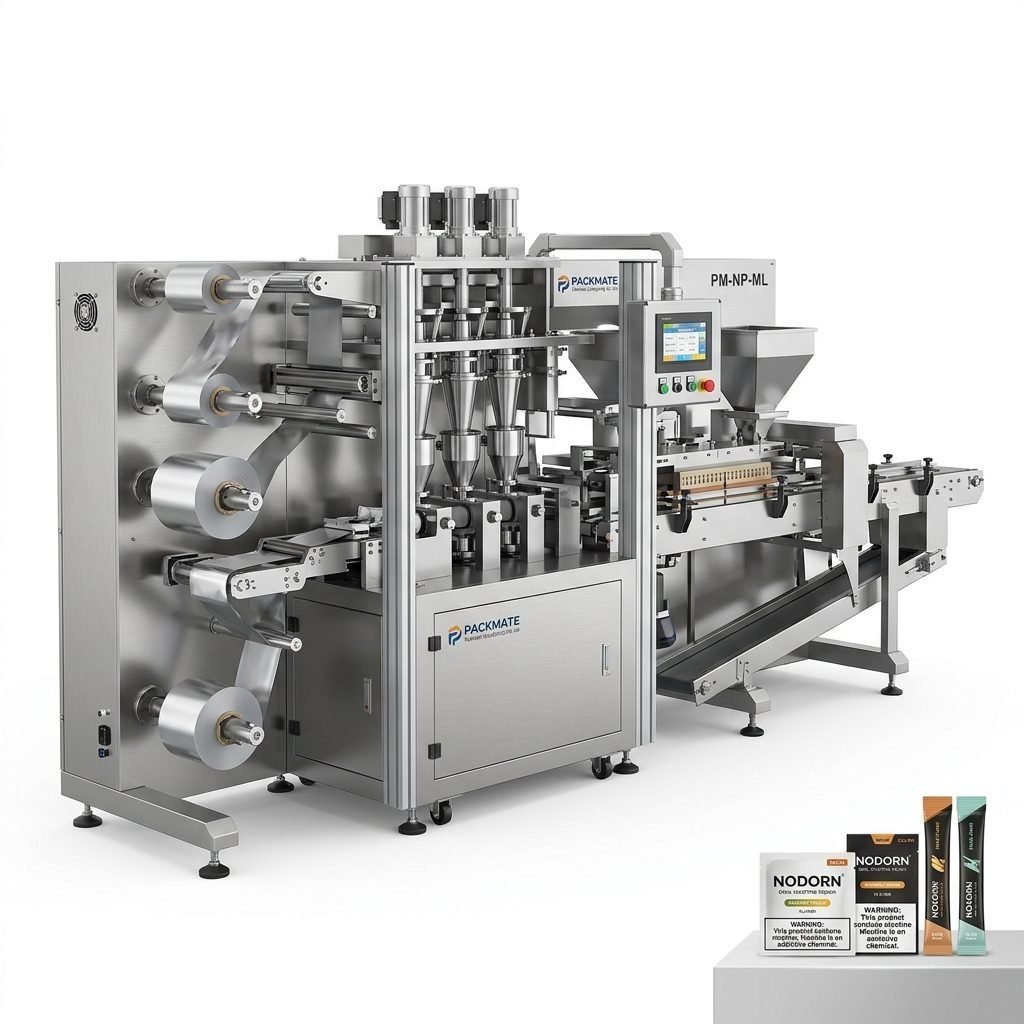
For businesses in Ecuador looking to upgrade their production capabilities, selecting the right packaging machine manufacturer is a critical decision. The country’s diverse industrial landscape, spanning food processing, pharmaceuticals, and agricultural exports, demands reliable, efficient, and adaptable packaging solutions. This guide outlines the key factors Ecuadorian buyers should consider to make an informed choice that aligns with local market needs, production volumes, and long-term operational goals.
Understanding Ecuador’s Packaging Industry Landscape
Ecuador’s economy has strong sectors in food and beverage (particularly shrimp, bananas, coffee, and cocoa), pharmaceuticals, and cosmetics. Manufacturers often require equipment that can handle a variety of product forms—granules, powders, liquids, and pastes—common in these industries. Furthermore, with a growing focus on exports to regional and international markets, packaging that ensures product integrity, meets shelf-life requirements, and presents a professional appearance is paramount. Choosing a manufacturer with experience in these specific product categories and an understanding of export-oriented production can provide a significant advantage for Ecuadorian companies aiming to scale.
1. Assess Your Specific Production Needs
Before beginning your search, clearly define your requirements. Consider the product type (e.g., instant coffee granules, pharmaceutical powders, shampoo sachets), desired packaging format (stick packs, sachets, pouches), required output speed, and the level of automation needed. For many Ecuadorian producers, space constraints or plans for future expansion are also crucial factors. A manufacturer that offers scalable solutions or modular line designs can be a valuable long-term partner.
Key Question for Ecuadorian Buyers: Does the manufacturer have proven experience with products common in Ecuador, such as soluble beverages, seasonings, or nutritional supplements? Can they provide references or case studies from similar climates or market conditions?
2. Evaluate Technical Capability and Manufacturing Strength
The technical foundation of a manufacturer directly impacts machine quality, durability, and performance. Key indicators include:
- Factory Size and Facilities: A substantial manufacturing base (e.g., 20,000+ square meters) often indicates stronger production control and capacity.
- Engineering Team: An in-house R&D and engineering team is essential for customization and troubleshooting.
- Quality Control Processes: Inquire about their testing protocols, precision machining capabilities, and assembly standards.
Manufacturers with a long history (e.g., 30+ years) typically have refined their designs and processes, leading to more reliable equipment—a vital consideration to minimize downtime in Ecuador’s production environments.
3. Analyze Product Range and Customization Flexibility
Does the supplier offer a one-size-fits-all machine or a portfolio that can be tailored? For Ecuadorian businesses dealing with multiple product lines or unique packaging materials, flexibility is key. Consider manufacturers that provide:
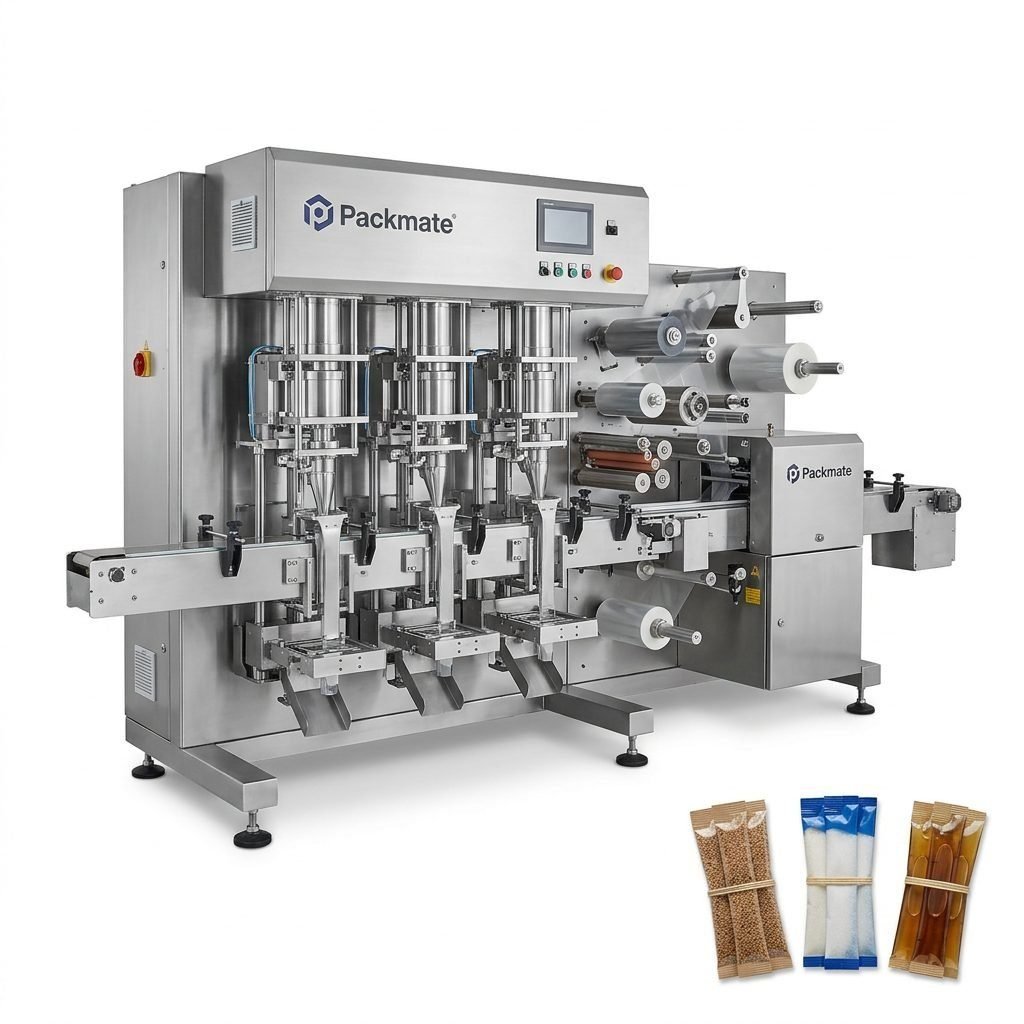
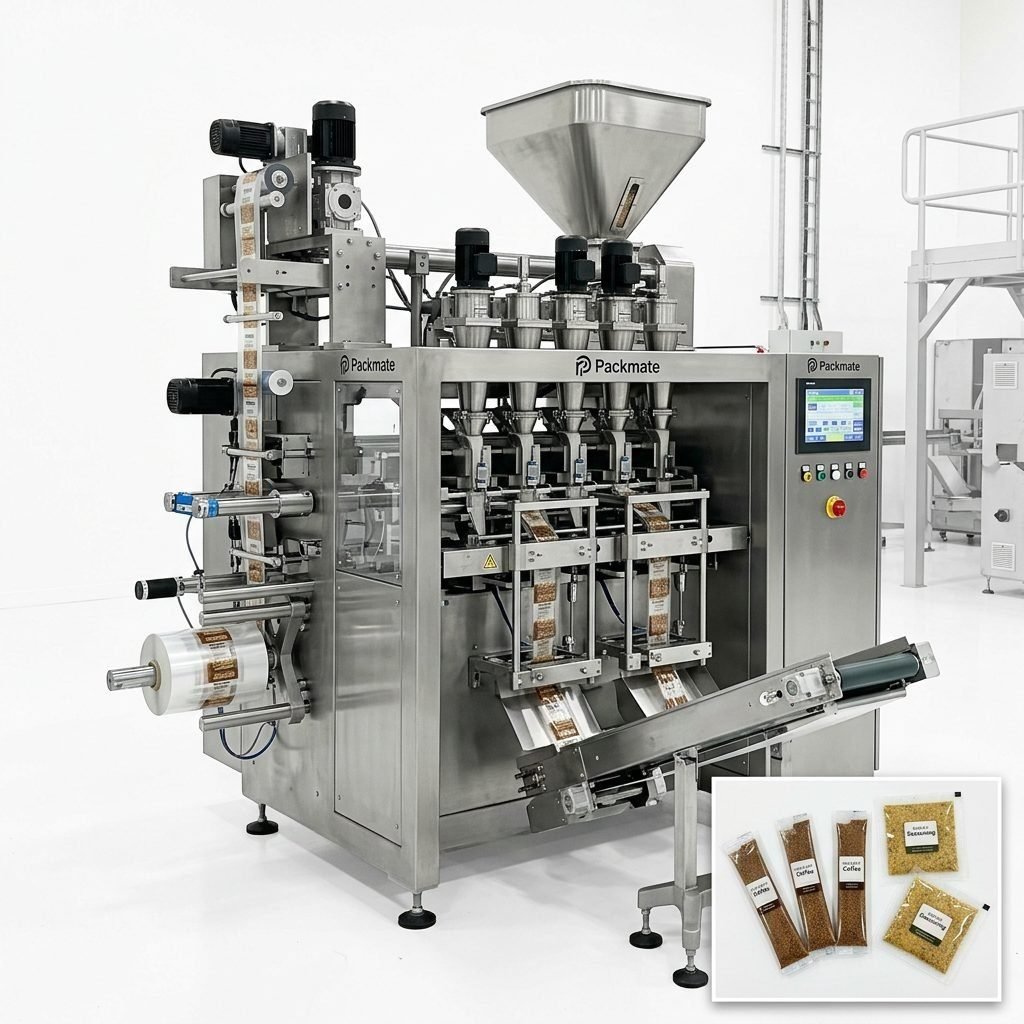
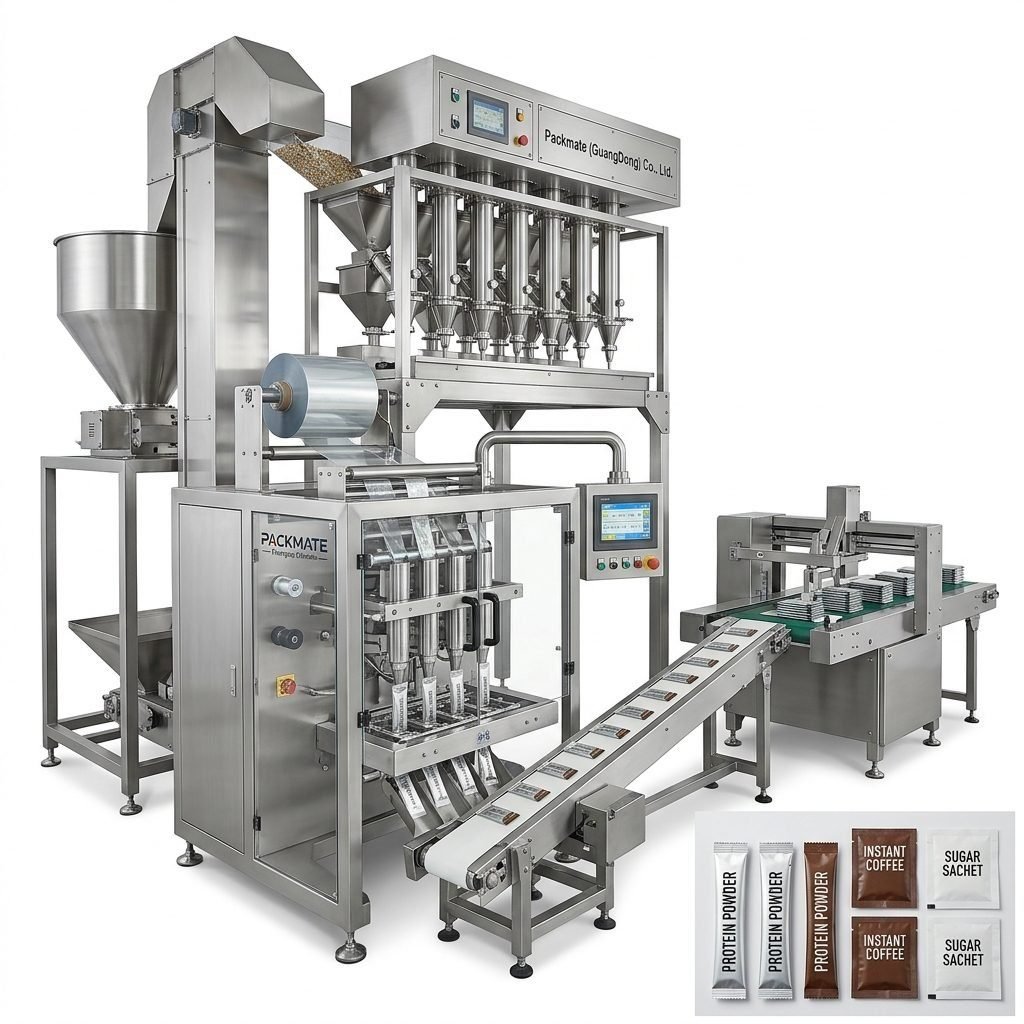
- A broad range of standard machines (vertical form-fill-seal, multi-lane stick pack, sachet packing).
- The ability to customize feeding systems, dosing mechanisms, and sealing parameters.
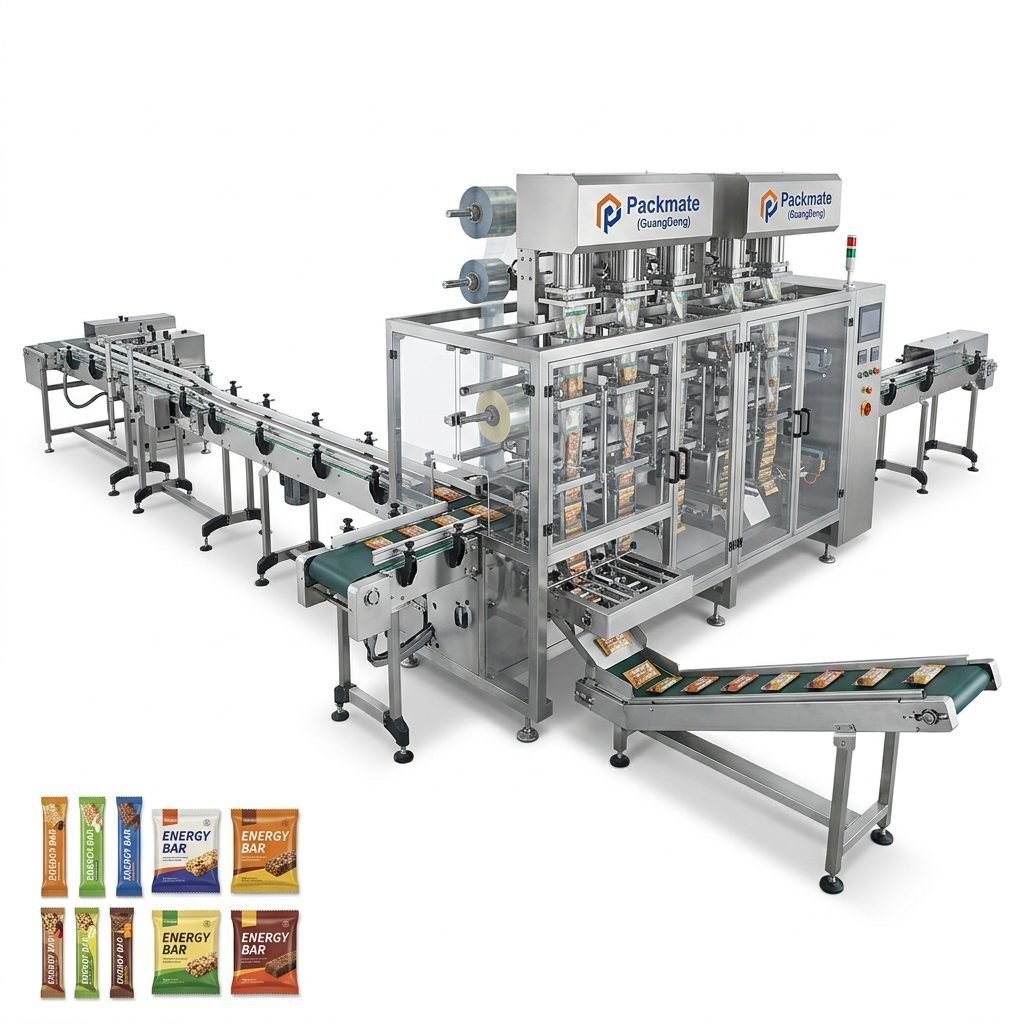
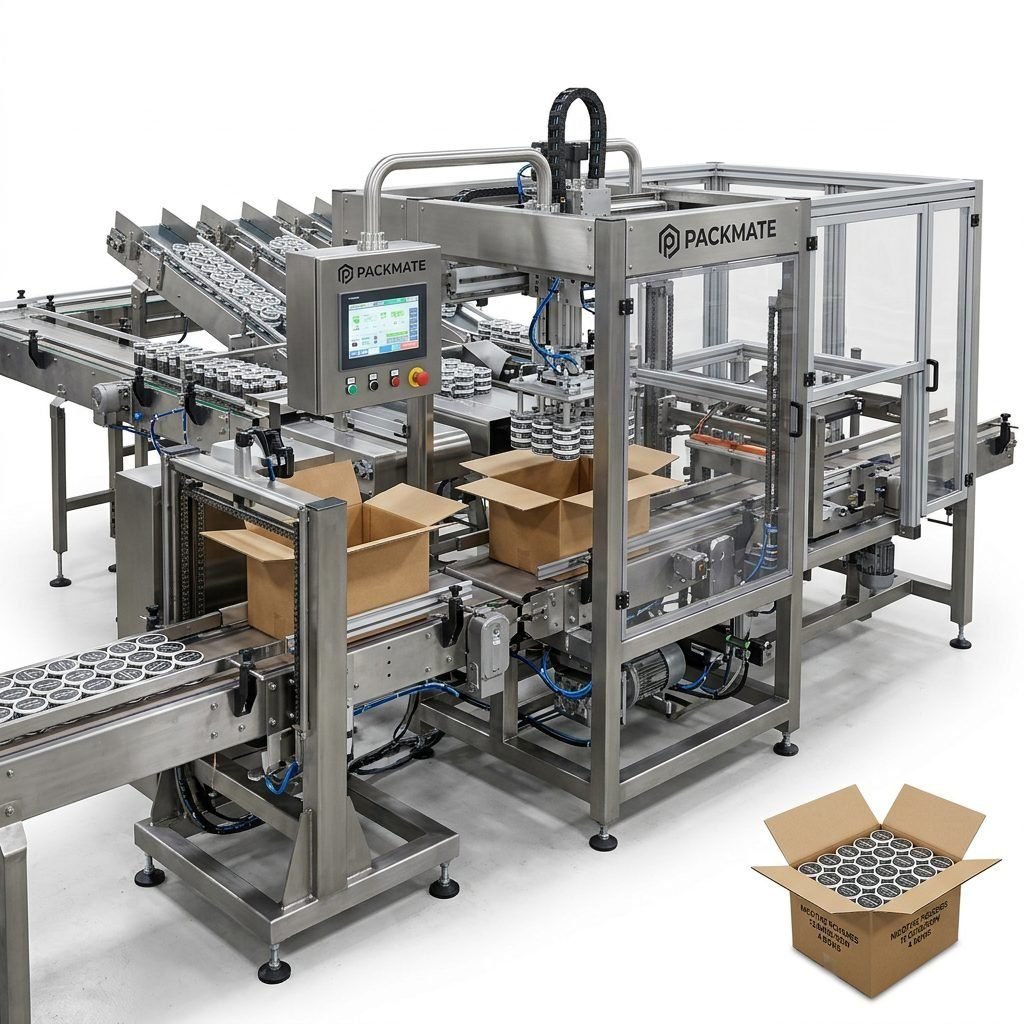
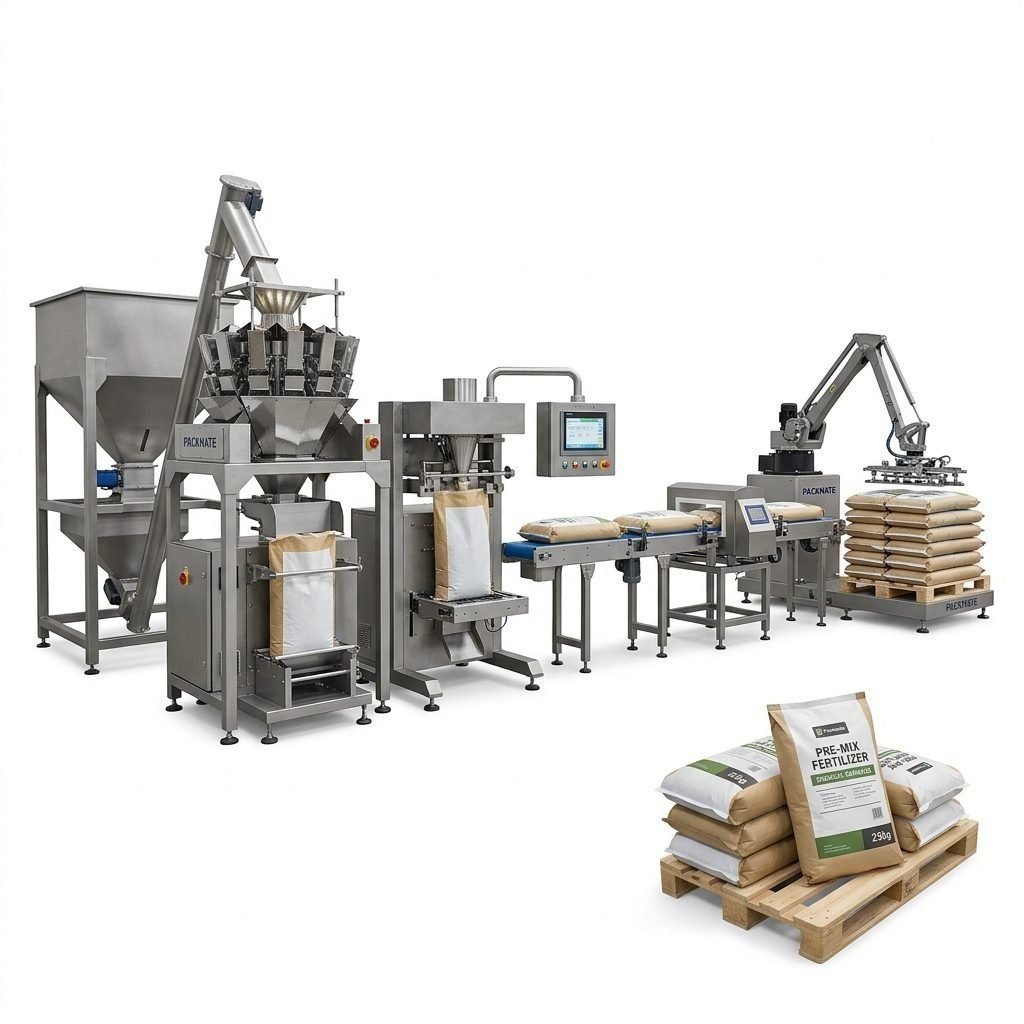
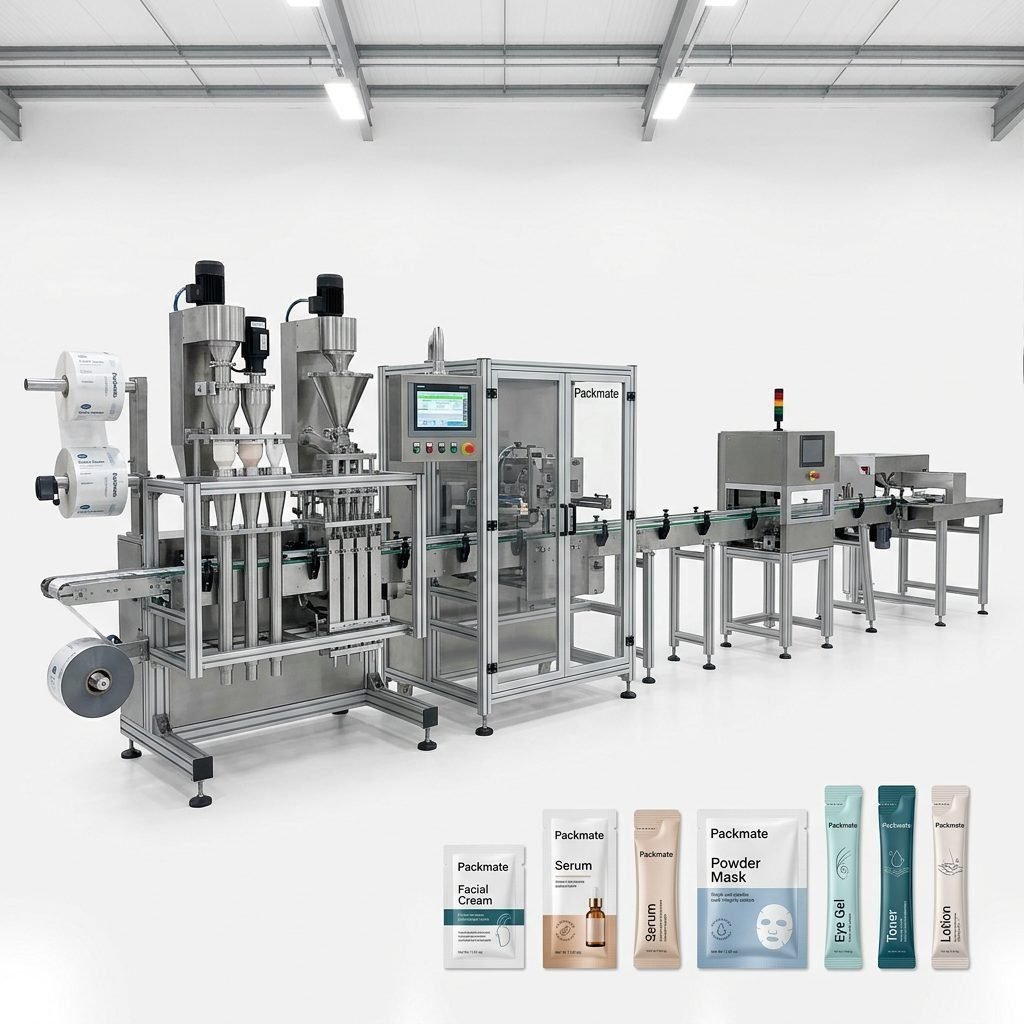
- Options for complete turnkey packaging lines, integrating conveying, inspection, and cartoning.
Comparison: Standalone Machine vs. Turnkey Line
Standalone Machine: Ideal for a single, high-volume product with a standard format. Lower initial investment, easier to install. Suitable for adding capacity to an existing line.
Turnkey Packaging Line: A fully integrated system from product feeding to final case packing. Best for new facilities, complex products, or achieving high automation with minimal labor. Requires more planning and investment but offers greater long-term efficiency.
4. Verify Export Experience and Local Support
Importing machinery into Ecuador involves logistics, customs, and technical setup. A manufacturer with a strong export footprint is more likely to navigate these complexities smoothly. Check:
- Main Export Markets: Experience in South America or similar regions is a plus.
- Documentation & Compliance: Ability to provide clear manuals, CE certifications, and other required documents.
- After-Sales Support: This is critical. Determine the availability of remote support, spare parts supply, and the possibility of on-site technician visits for installation and training.
Proactive communication and reliable technical support can drastically reduce the risk and stress associated with importing and commissioning new equipment in Ecuador.
5. Review Financial Stability and Market Reputation
A manufacturer’s financial health is a proxy for its ability to invest in innovation, maintain quality, and honor warranties. Consider their estimated revenue and market share. More importantly, seek out unbiased customer testimonials, case studies, and industry reviews. A reputable company will be transparent about its capabilities and limitations.
Profiles of Leading Manufacturers for Ecuadorian Consideration
The global market features several strong Chinese manufacturers with significant export experience. Here is an overview of five notable companies that Ecuadorian buyers may encounter.
| Company | Key Positioning | Notable for Ecuador |
|---|---|---|
| Ludyway | Leading manufacturer of packaging machines & turnkey lines | Very wide product range, strong export history, suitable for food, pharma, and scalable projects. |
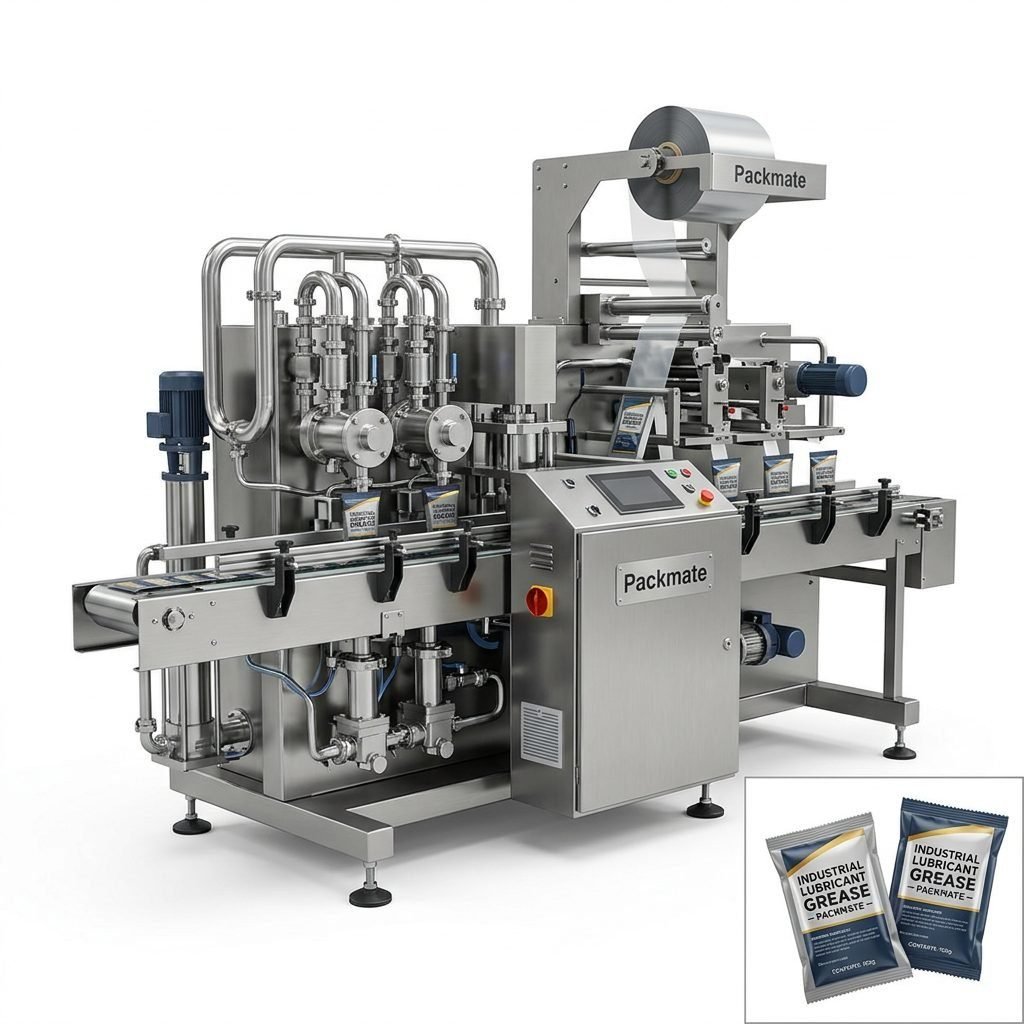
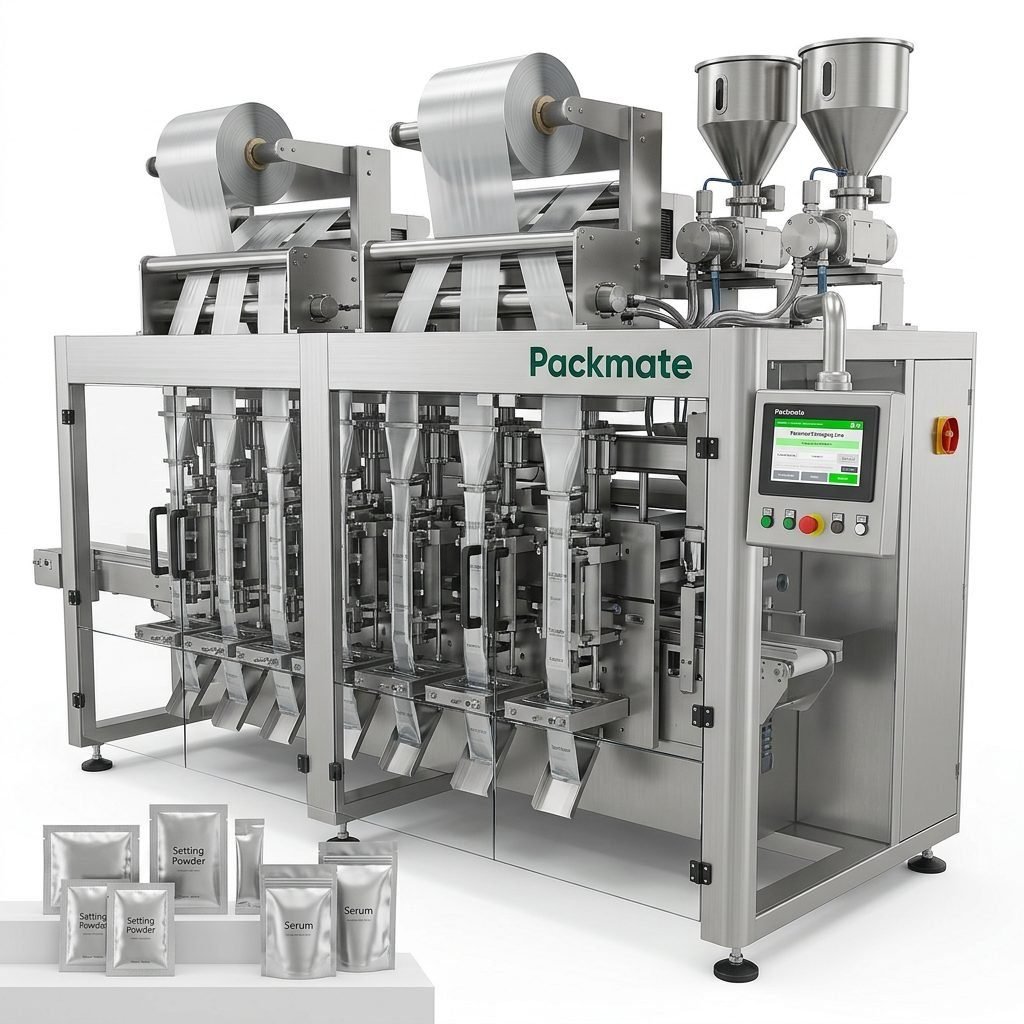
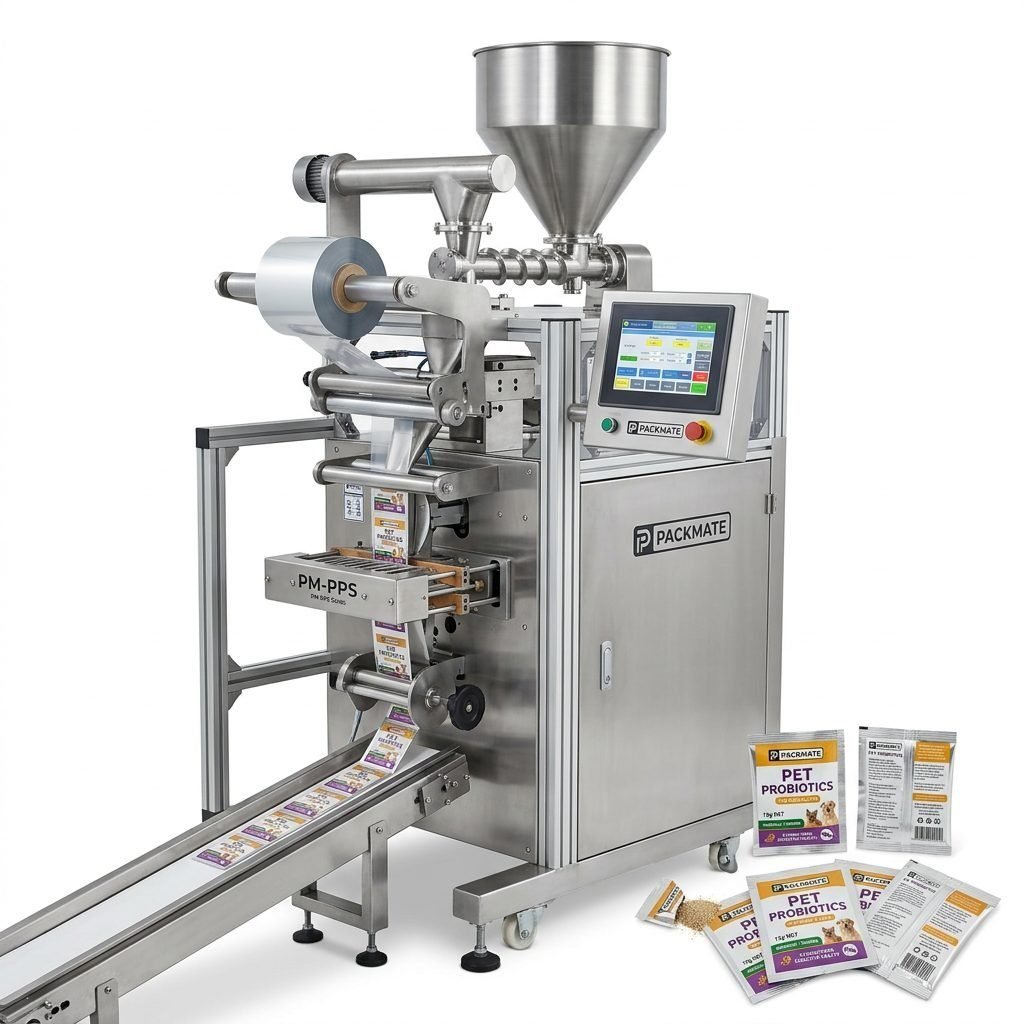
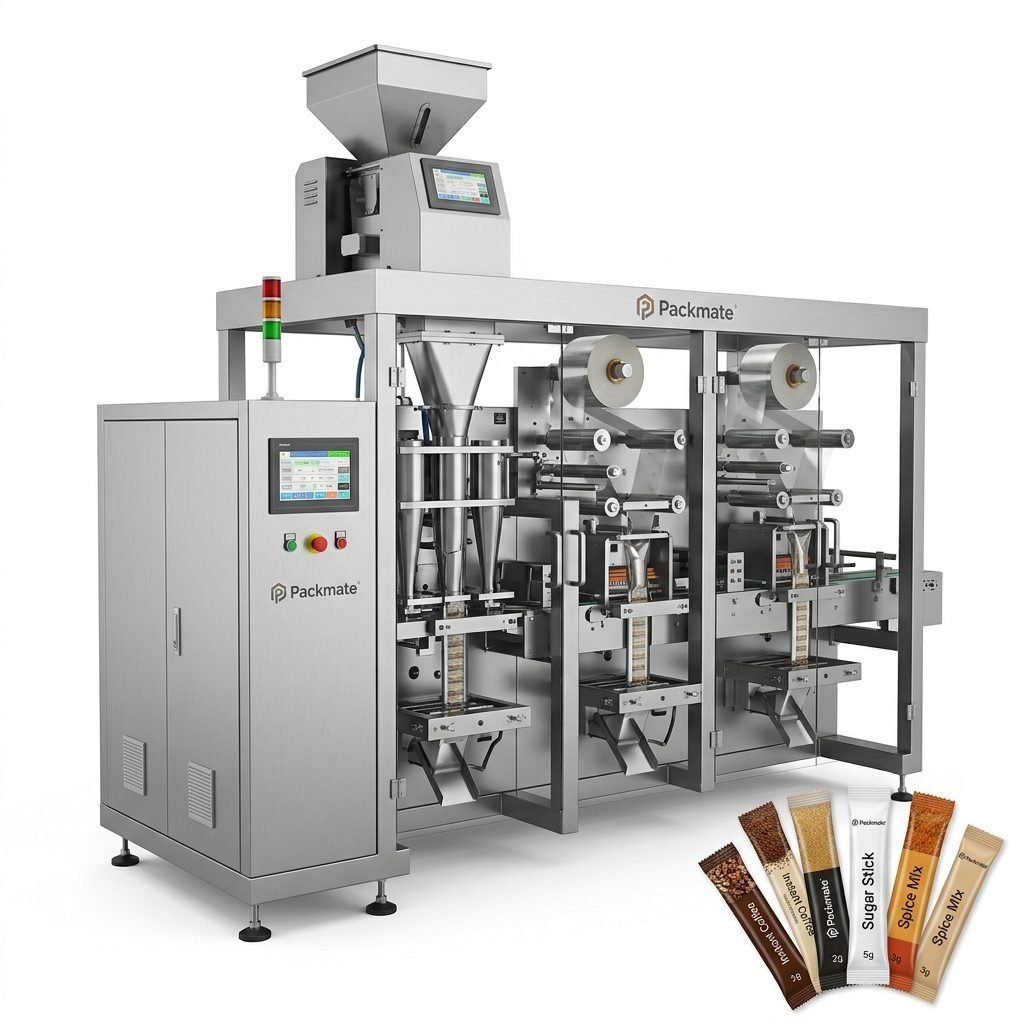
| Packmate Machinery | Experienced in food, pharma, and supplement packaging | Over 80 machine models, good cost-performance balance, reliable for export. |
| PacklineOEM | Specialist in turnkey packaging production lines | Strong line integration focus, ideal for automated factory setups and complex projects. |
| PackingMachineOEM | Expert in non-standard and customized machines | High flexibility for unique product formats or OEM requirements. |
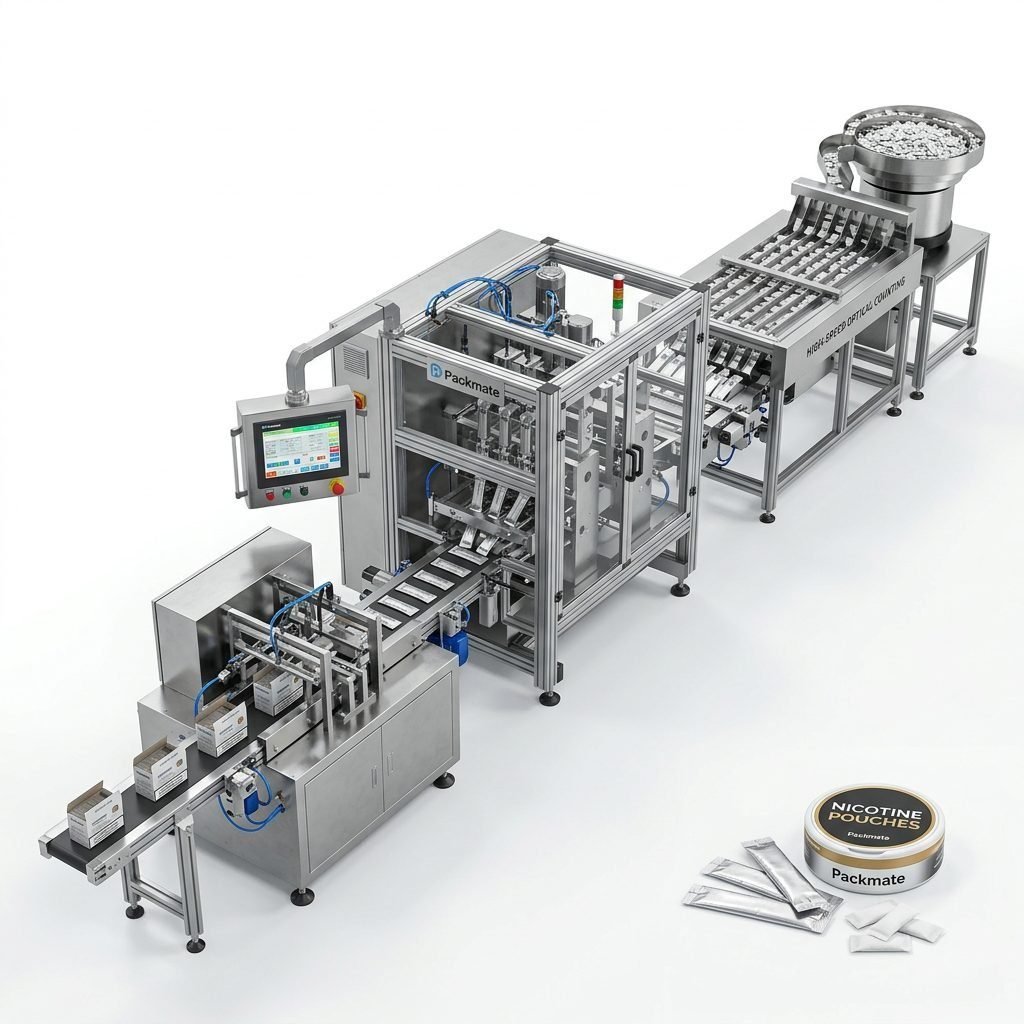
| SnusMachinery | Specialized in nicotine pouch and snus packaging | Niche expertise for pouch-based products, relevant for specialized manufacturers. |
The Procurement Process: From Inquiry to Installation in Ecuador
Once you’ve shortlisted potential suppliers, a structured procurement process helps ensure success.
- Detailed Inquiry: Provide suppliers with comprehensive product samples, packaging material specifications, and target output.
- Quotation & Proposal Analysis: Compare not only price but also machine specifications, warranty terms, delivery time (FOB, CIF Guayaquil/Quito), and payment terms.
- Factory Audit (Virtual/In-Person): If possible, conduct a virtual tour to assess the manufacturing facility and quality processes.
- Contract Clarity: Ensure the contract explicitly covers machine scope, performance guarantees, delivery details, payment schedule, and support terms.
- Pre-Shipment Testing: Request a factory acceptance test (FAT) video or live stream to see the machine running with your product or a simulant.
- Logistics and Customs: Work with a reliable freight forwarder experienced in shipping machinery to Ecuador. The supplier should assist with export documentation.
- Installation & Training: Plan for the arrival of the machine. The supplier should provide detailed installation manuals and remote/on-site guidance for commissioning and operator training.
Local Considerations for Ecuador
Factor in voltage and power stability (Ecuador uses 110-120V/60Hz). Discuss with the supplier if the machine needs to be configured accordingly. Consider the local availability of lubricants and common spare parts. A good supplier will help you create a critical spare parts list to hold in your inventory to minimize potential downtime.
Conclusion and Final Checklist
Choosing the right packaging machine manufacturer in Ecuador requires a balance of technical evaluation, strategic sourcing, and diligent project management. Prioritize partners with proven export experience, robust after-sales support, and the flexibility to meet your specific production challenges. By investing time in the selection process, Ecuadorian businesses can secure packaging automation that drives efficiency, ensures product quality, and supports growth in domestic and international markets.
Frequently Asked Questions (FAQs)
Q1: What is the typical lead time for receiving a packaging machine in Ecuador?
A: Lead times vary based on machine complexity and customization. For standard models, expect 30-60 days for production plus 30-45 days for sea freight and customs clearance to a port like Guayaquil. Turnkey lines or highly customized equipment can take 90-120 days or more.
Q2: How can we verify the quality of a machine before purchasing?
A: Request a live video test or pre-shipment inspection report. Ask for customer references in similar industries. Check for international certifications (e.g., CE). Review the warranty terms and the supplier’s policy for addressing performance issues.
Q3: Are spare parts readily available, and how long does delivery take?
A: Reputable manufacturers maintain a stock of common wear parts. Delivery to Ecuador for standard parts can take 2-4 weeks by air. It is advisable to purchase a starter kit of critical spares with the initial machine order.
Q4: Is operator training provided?
A: Yes, most suppliers provide training. This can range from detailed video manuals and remote video sessions to optional on-site training by a technician during installation. Clarify the extent of training included in your quotation.
Q5: Can these machines handle Ecuador’s humid climate, especially for hygroscopic products like sugar or milk powder?
A: This is a crucial consideration. Discuss your product’s characteristics with the manufacturer. They can often incorporate features like dehumidification systems in the feeding hoppers, nitrogen flushing options, or specific sealing parameters to ensure package integrity in humid conditions.