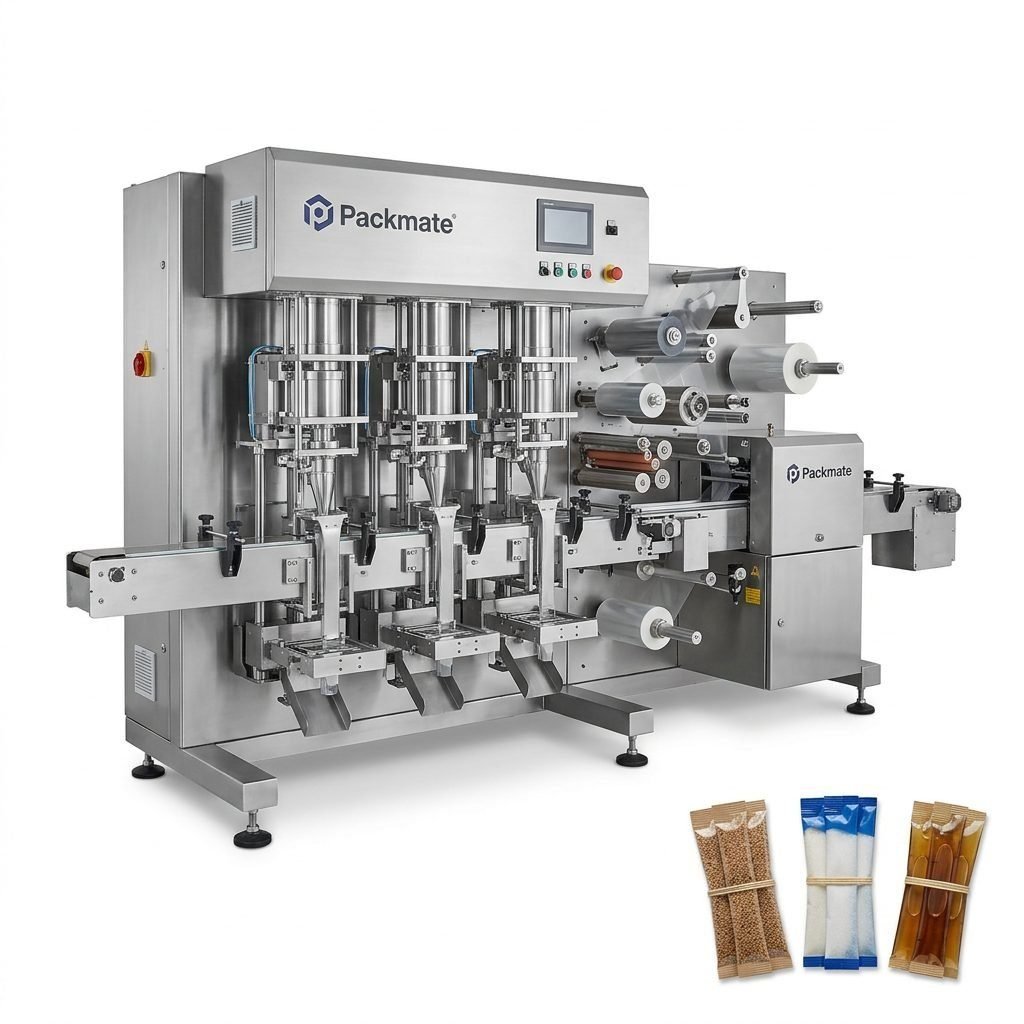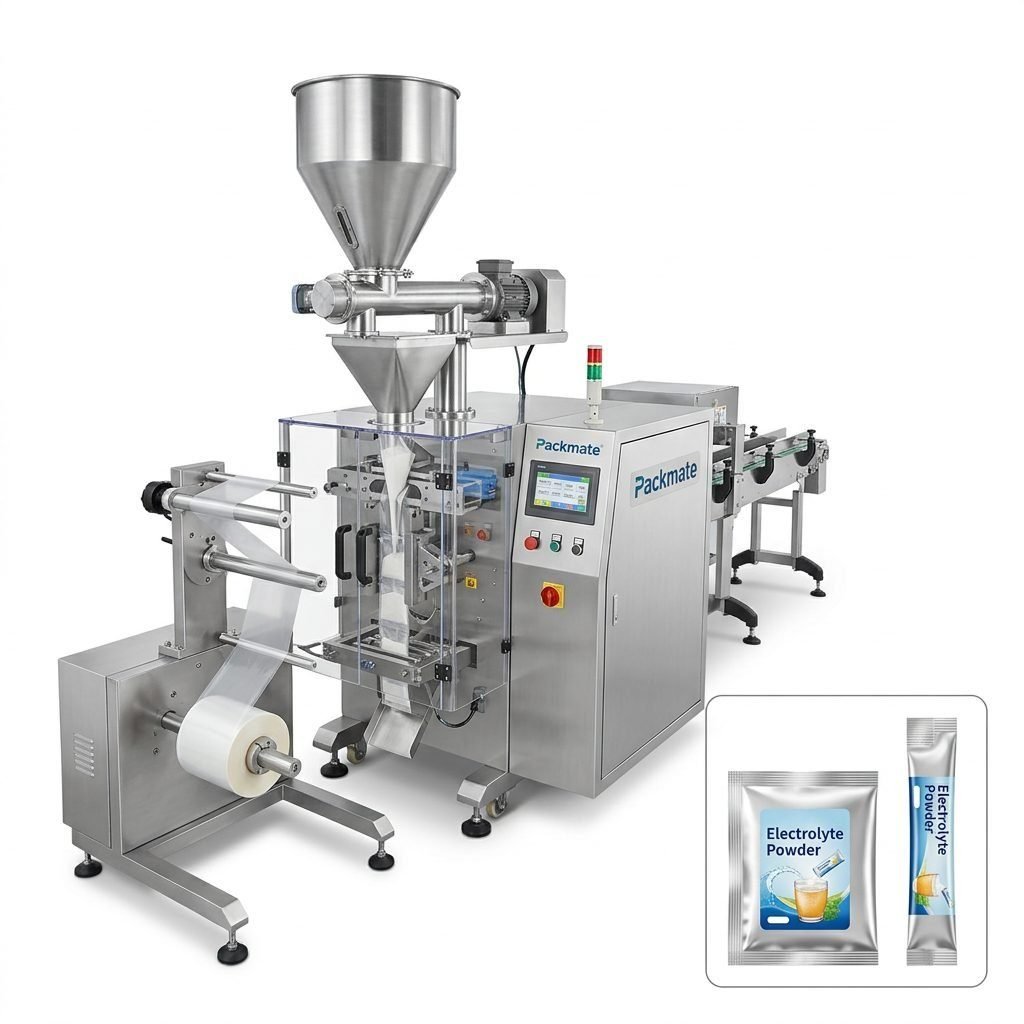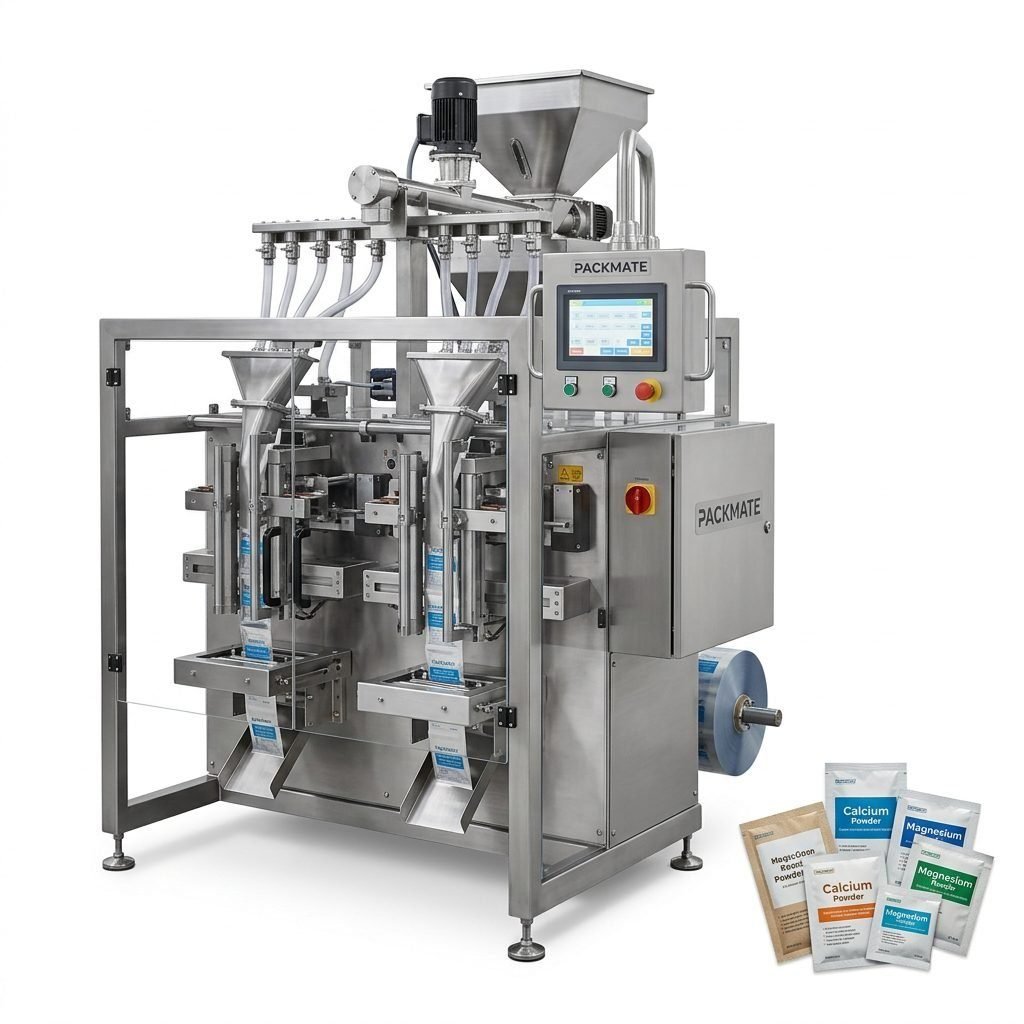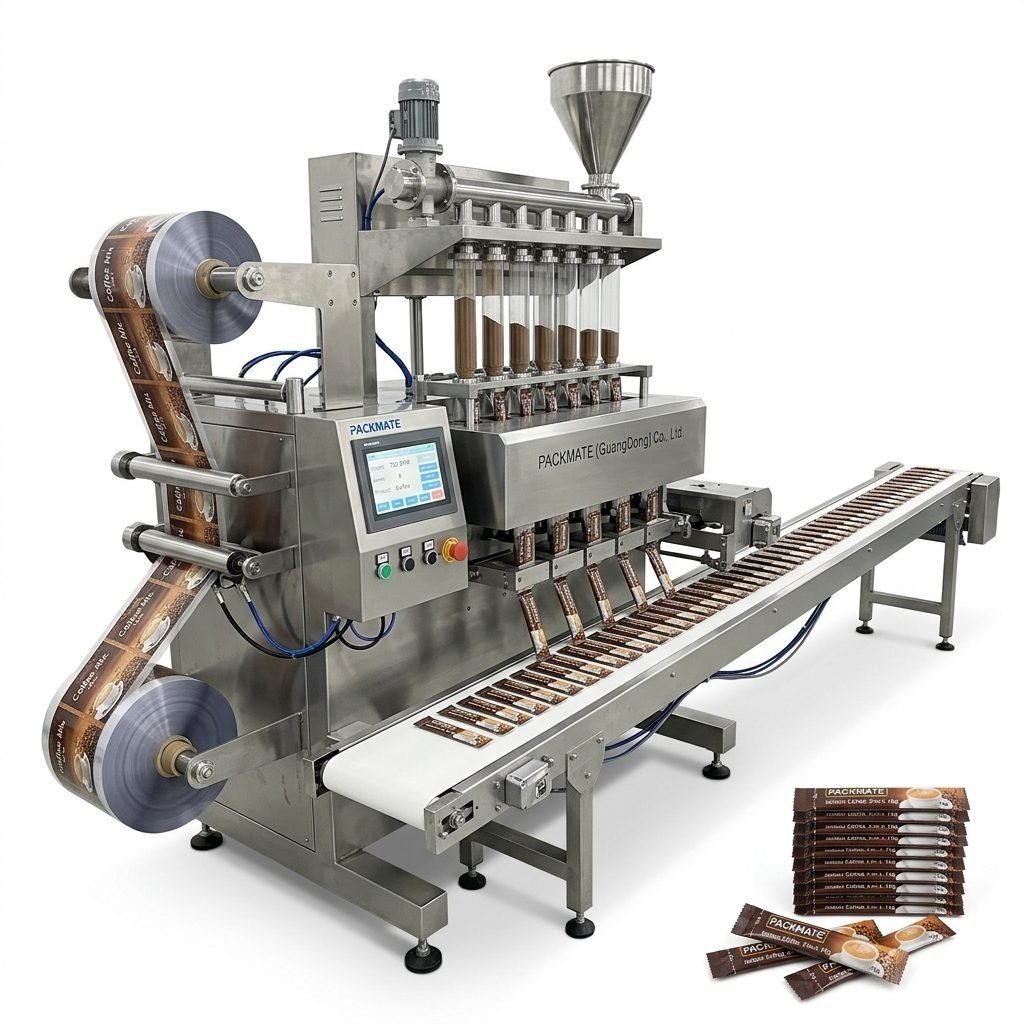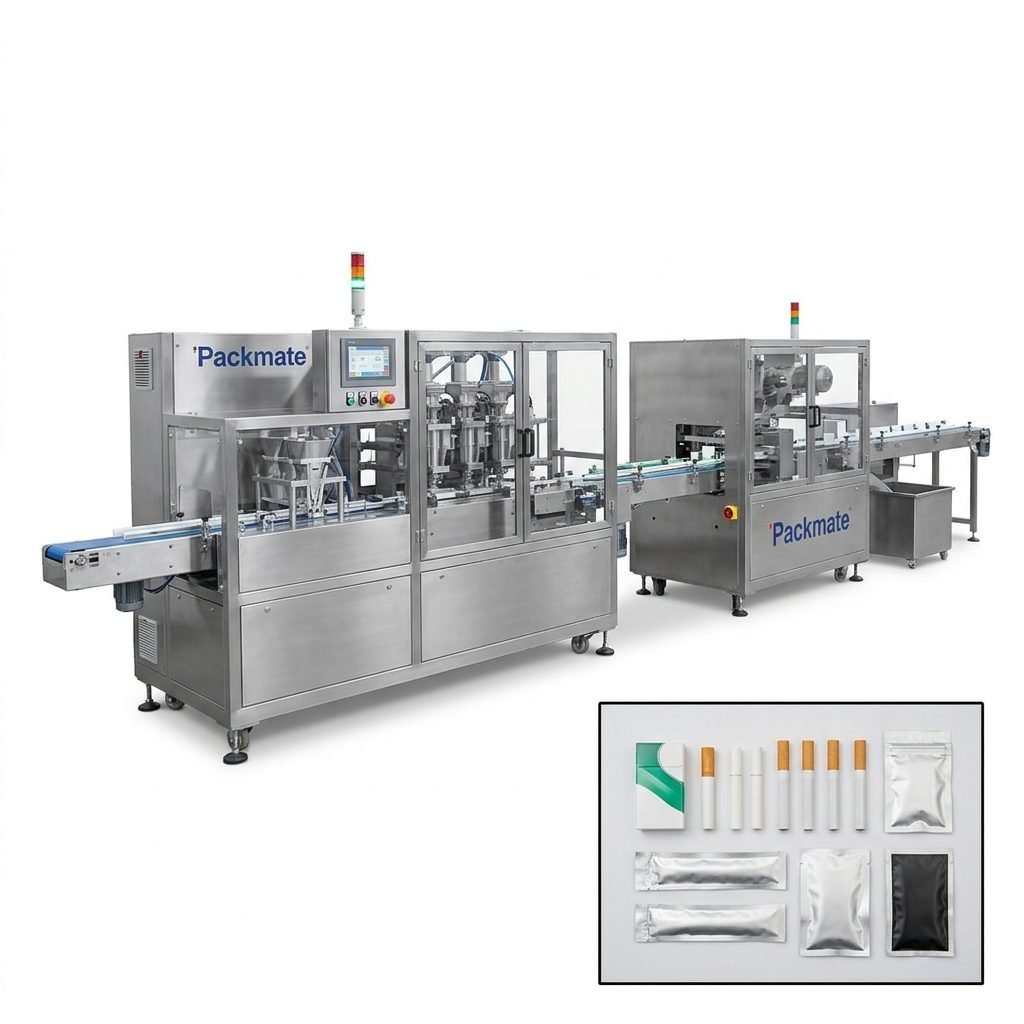
Small pouch packing machines are essential equipment for a wide range of industries, from food and beverage to pharmaceuticals, cosmetics, and agrochemicals. These machines automate the process of filling and sealing small, pre-formed or form-fill-seal pouches, sachets, and stick packs, significantly enhancing production efficiency, ensuring product consistency, and reducing labor costs.
Common Types of Small Pouch Packing Machines
The market offers several types of small pouch packing machines, each designed for specific applications, production volumes, and pouch formats. Understanding the differences is key to selecting the right model.
Vertical Form-Fill-Seal (VFFS) Machines
These are among the most versatile and common pouch packers. They form the pouch from a roll of packaging film, fill it with the product, and then seal it—all in a continuous vertical motion. VFFS machines are ideal for powders, granules, and liquids and can produce a variety of pouch styles, including pillow bags, gusseted bags, and stand-up pouches.
Pre-Made Pouch Fillers
Unlike VFFS machines, these systems use pre-manufactured, flat pouches or sachets. The machine opens the pouch, fills it, and then seals it. This method is often preferred for products that require high-quality, complex printed packaging or for applications where the pouch material is difficult to form on a VFFS machine.
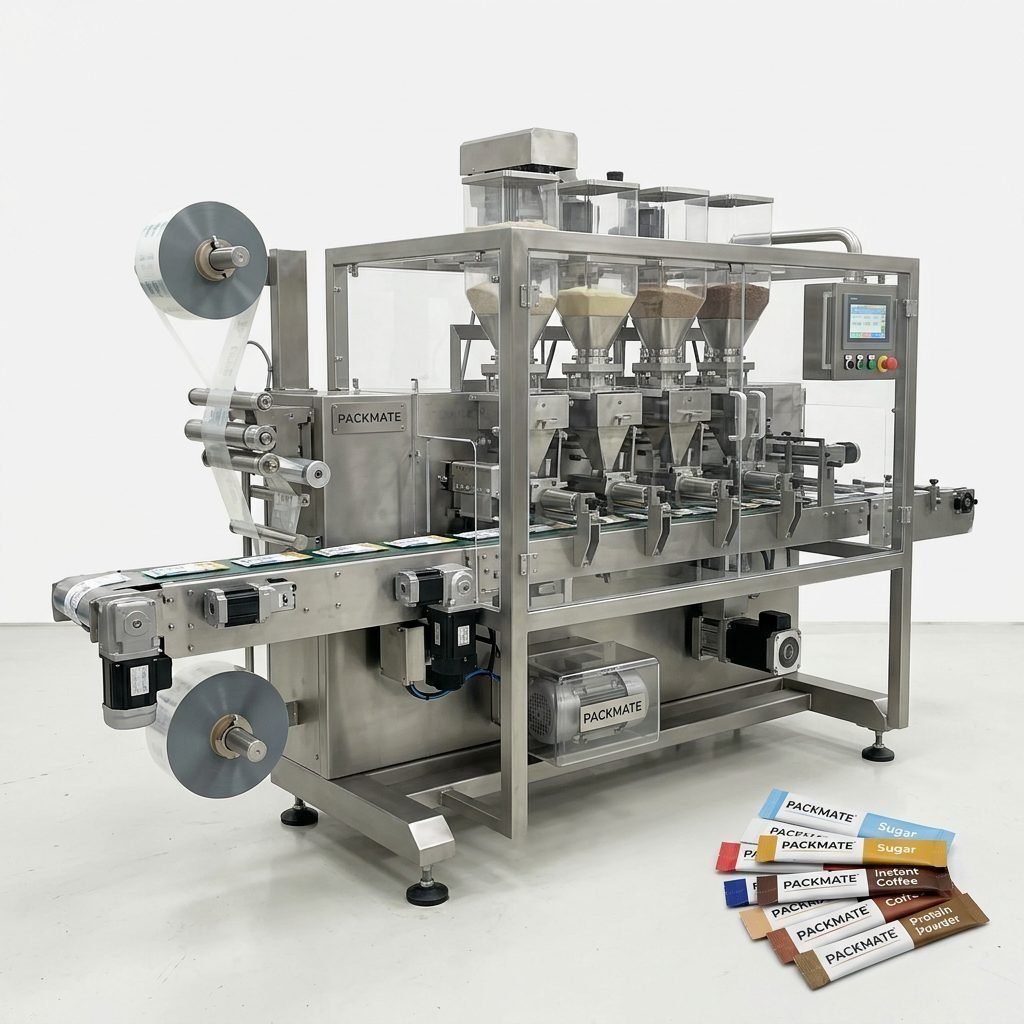
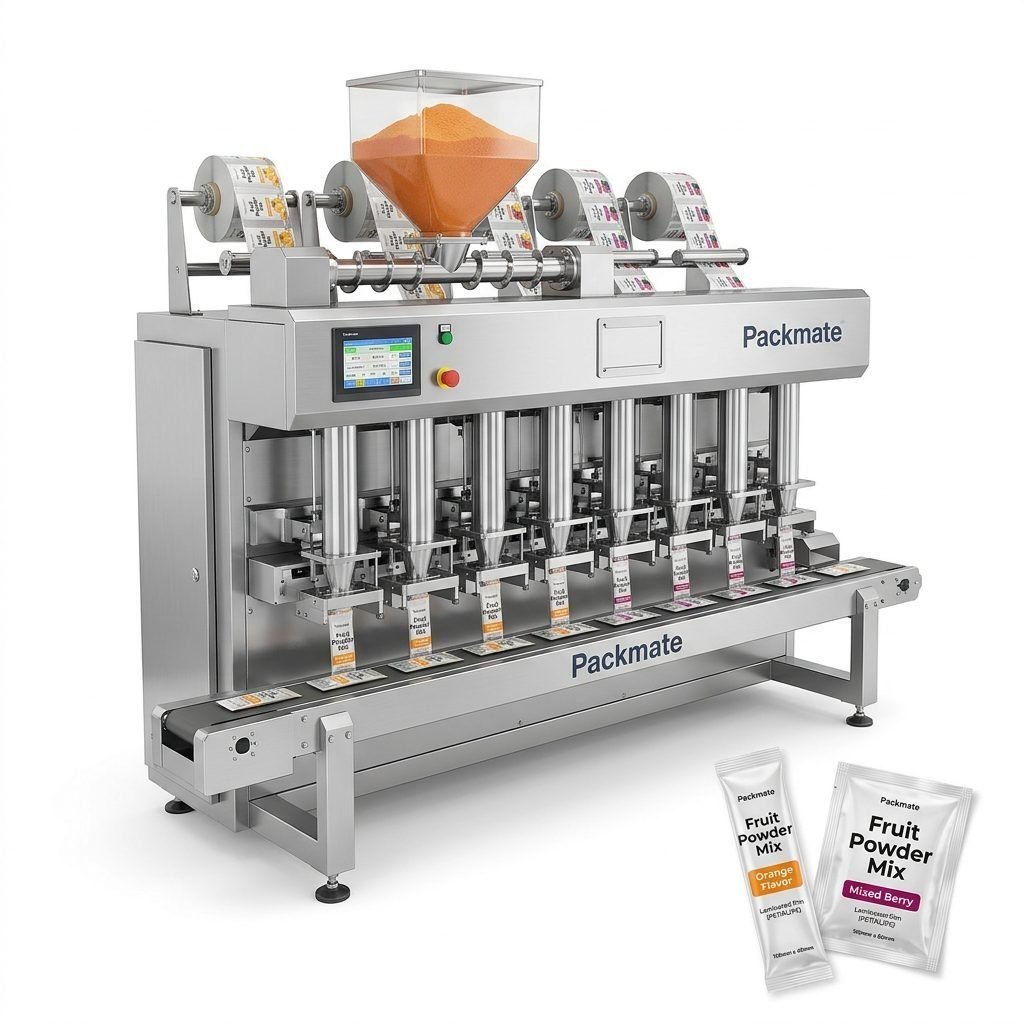
Multi-Lane Stick Pack & Sachet Machines
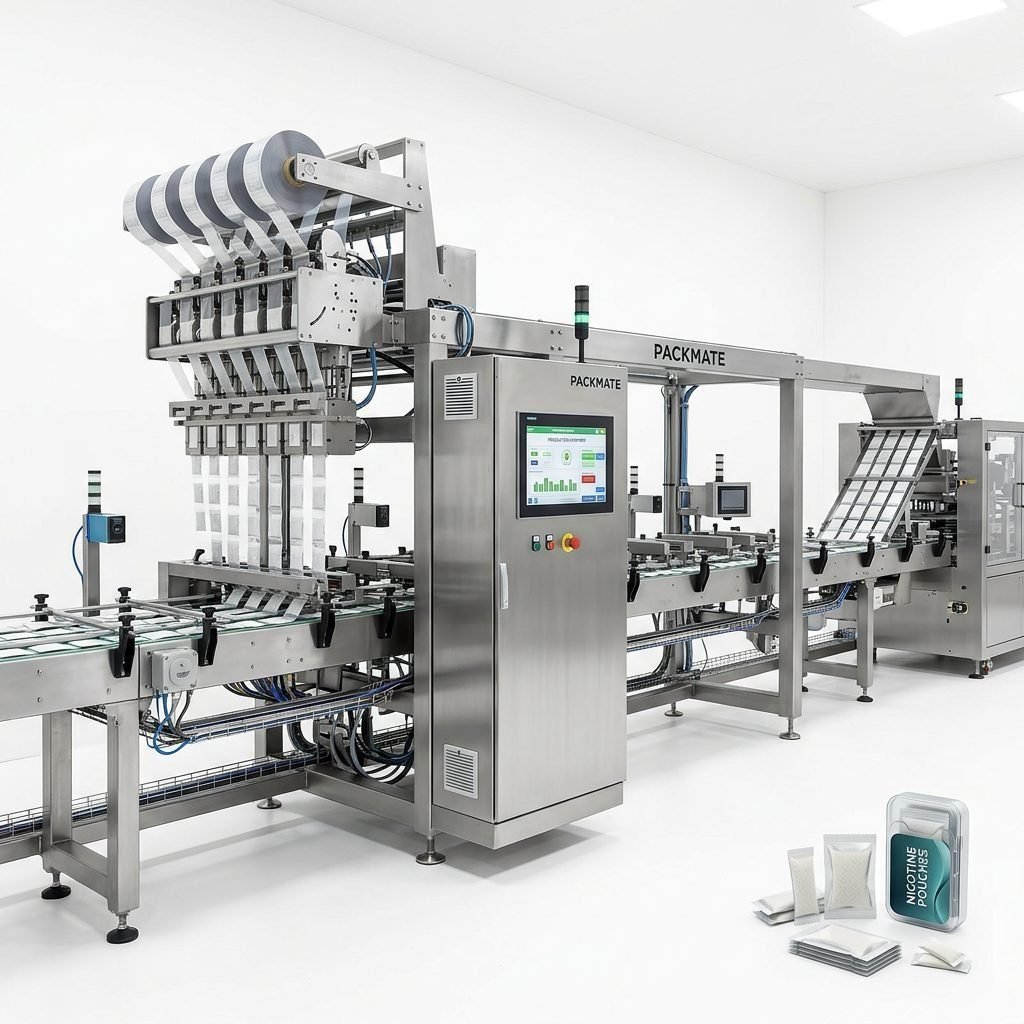
Designed for high-speed production of small, single-serve portions, these machines operate with multiple lanes (often 4, 6, 8, or more) running simultaneously. They are the workhorses for products like instant coffee, sugar, sauce packets, pharmaceutical powders, and dietary supplements. Multi-lane design dramatically increases output, making them suitable for large-scale manufacturing.
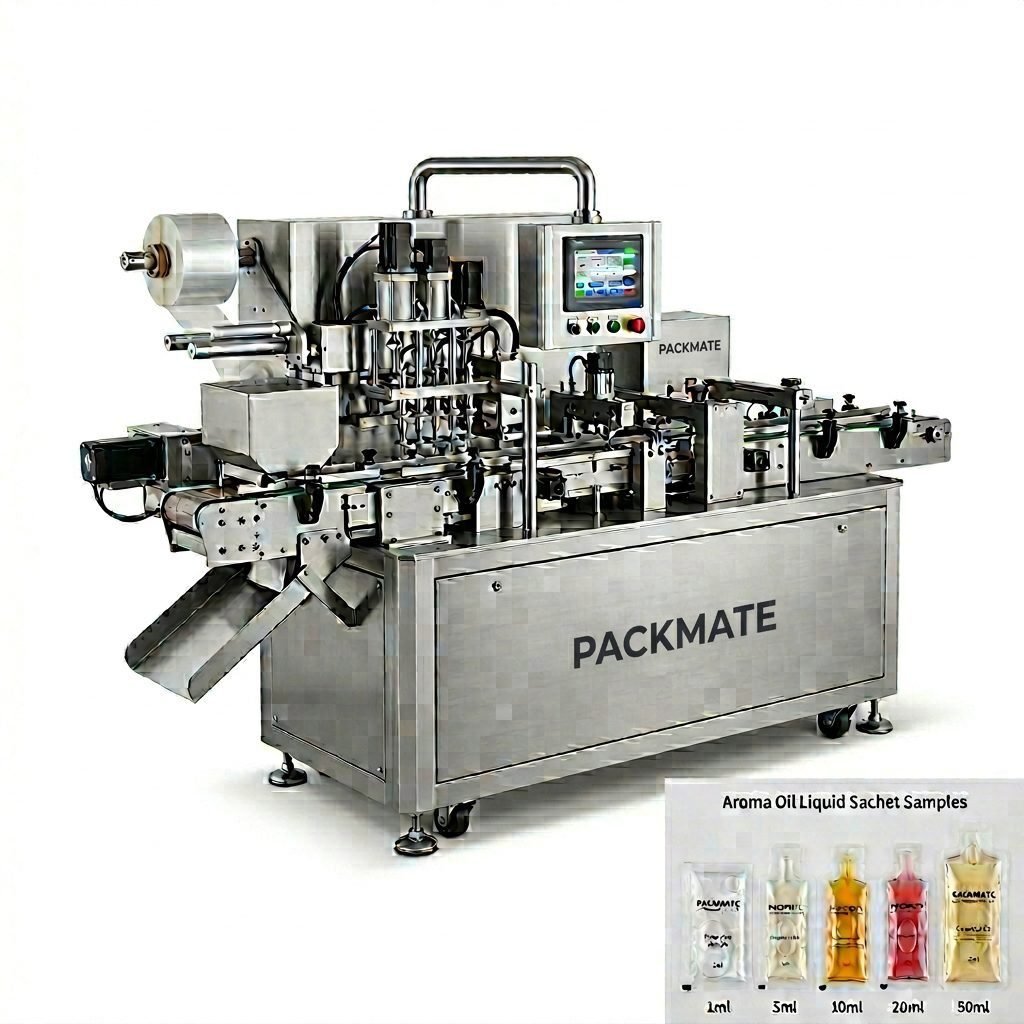
Liquid & Paste Filling Machines
Specifically engineered for viscous products like creams, gels, sauces, oils, and liquid detergents. These machines feature precision piston or pump filling systems to ensure accurate dosing and often include special nozzle designs to prevent dripping and ensure clean seals.
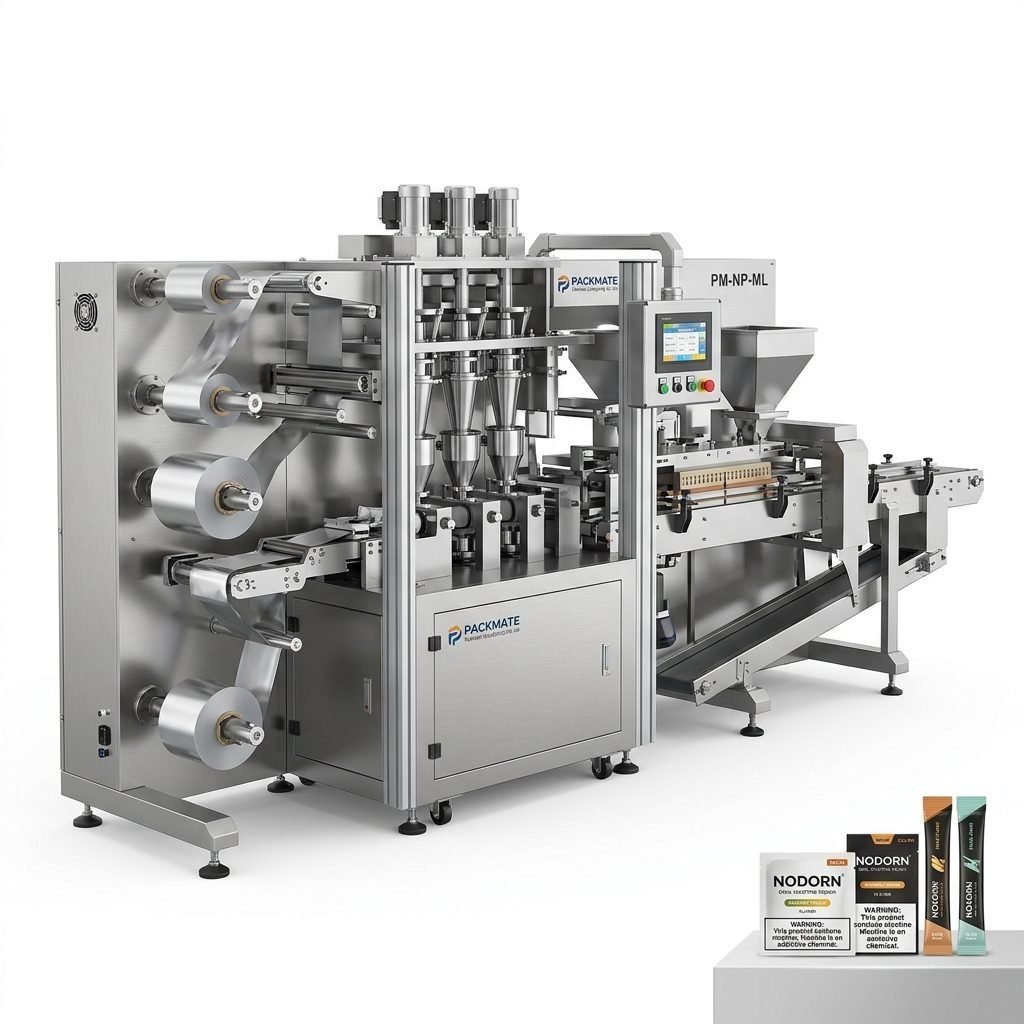
Key Features & Technical Considerations
When evaluating small pouch packing machines, several technical features directly impact performance, flexibility, and long-term value.
| Feature | Description & Importance |
|---|---|
| Filling System | Volumetric cups, auger fillers, weigh scales, or piston pumps. Choice depends on product characteristics (powder flowability, liquid viscosity) and required accuracy. |
| Sealing Mechanism | Heat sealing (constant or impulse), ultrasonic sealing, or cold sealing. Must be compatible with the pouch material (laminate, foil, PE) to ensure strong, airtight seals. |
| Production Speed | Measured in pouches per minute (PPM). Ranges from 40-60 PPM for simple single-lane machines to over 1000 PPM for advanced multi-lane systems. |
| Pouch Size Range | The minimum and maximum pouch dimensions (length, width) the machine can handle. Crucial for product changes or future flexibility. |
| Control System | Modern PLC-based touchscreen interfaces allow for easy recipe storage, parameter adjustment, and production monitoring. |
| Changeover Time | How quickly the machine can be adjusted for a different pouch size or product. Quick-change parts reduce downtime. |
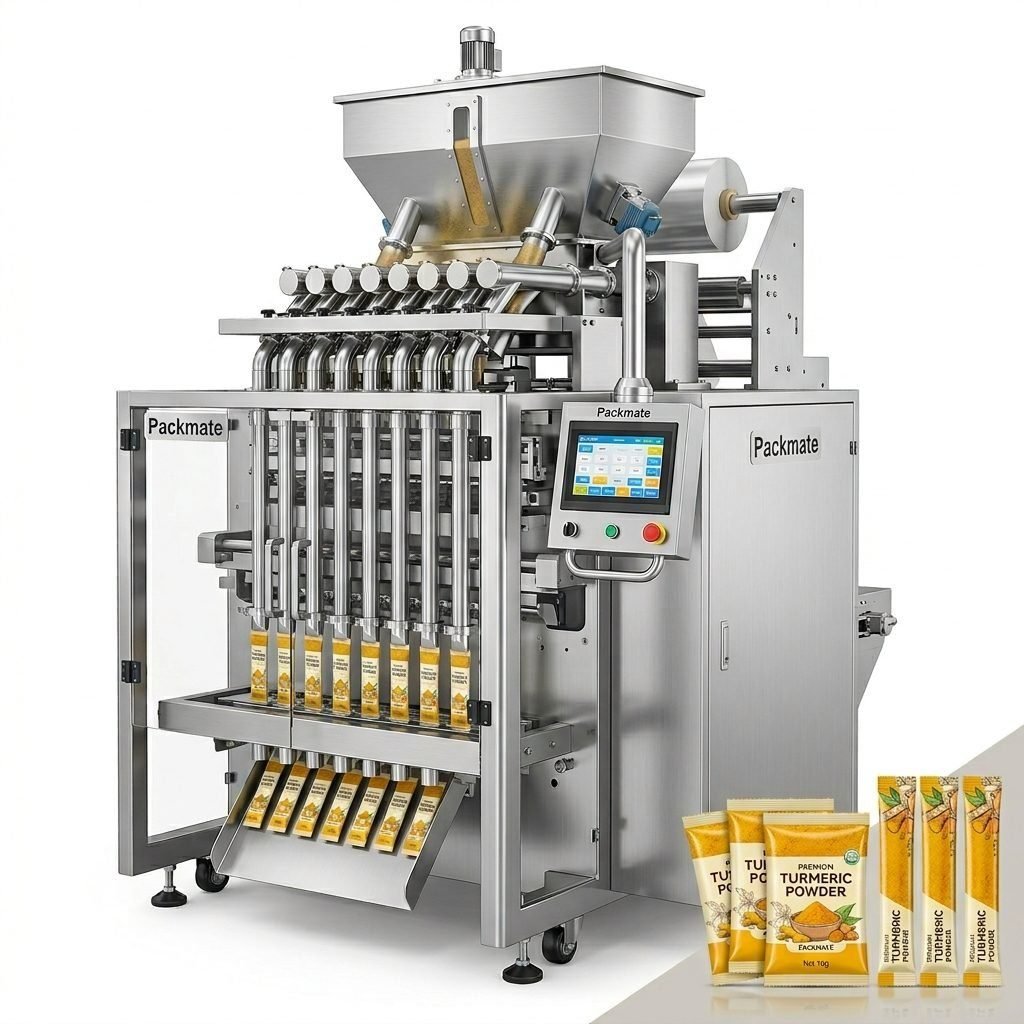
Material Compatibility & Hygiene
The machine must be constructed from materials suitable for your product. For food, pharmaceutical, or cosmetic applications, stainless steel (especially 304 or 316 grade) contact parts are essential for cleanliness, corrosion resistance, and compliance with hygiene standards. The design should also allow for easy cleaning and maintenance.
How to Choose the Right Model: A Step-by-Step Guide
Selecting the optimal small pouch packing machine requires a systematic analysis of your specific needs.
Step 1: Define Your Product & Packaging
Start with the fundamentals: What are you packaging? Is it a free-flowing powder, a sticky granule, a viscous liquid, or a paste? Determine the desired pouch type (stick pack, sachet, stand-up pouch), material (multi-layer laminate, aluminum foil, recyclable film), and size range. This dictates the required filling technology and sealing method.
Step 2: Assess Your Production Requirements
Calculate your current and projected future output. Do you need 50 bags per minute or 500? This will determine whether a single-lane or multi-lane machine is necessary. Also, consider how often you will change products or pouch sizes; frequent changeovers demand a machine with quick-adjust features.
Step 3: Evaluate Machine Build & Supplier Support
Look beyond the brochure. Assess the quality of components (motors, drives, sensors), the robustness of the frame, and the reputation of the manufacturer. For international buyers, companies like Ludyway and Packmate Machinery offer extensive experience in exporting reliable machines. Consider the availability of after-sales service, technical support, and spare parts, which are critical for minimizing operational downtime.
Step 4: Consider Integration & Automation
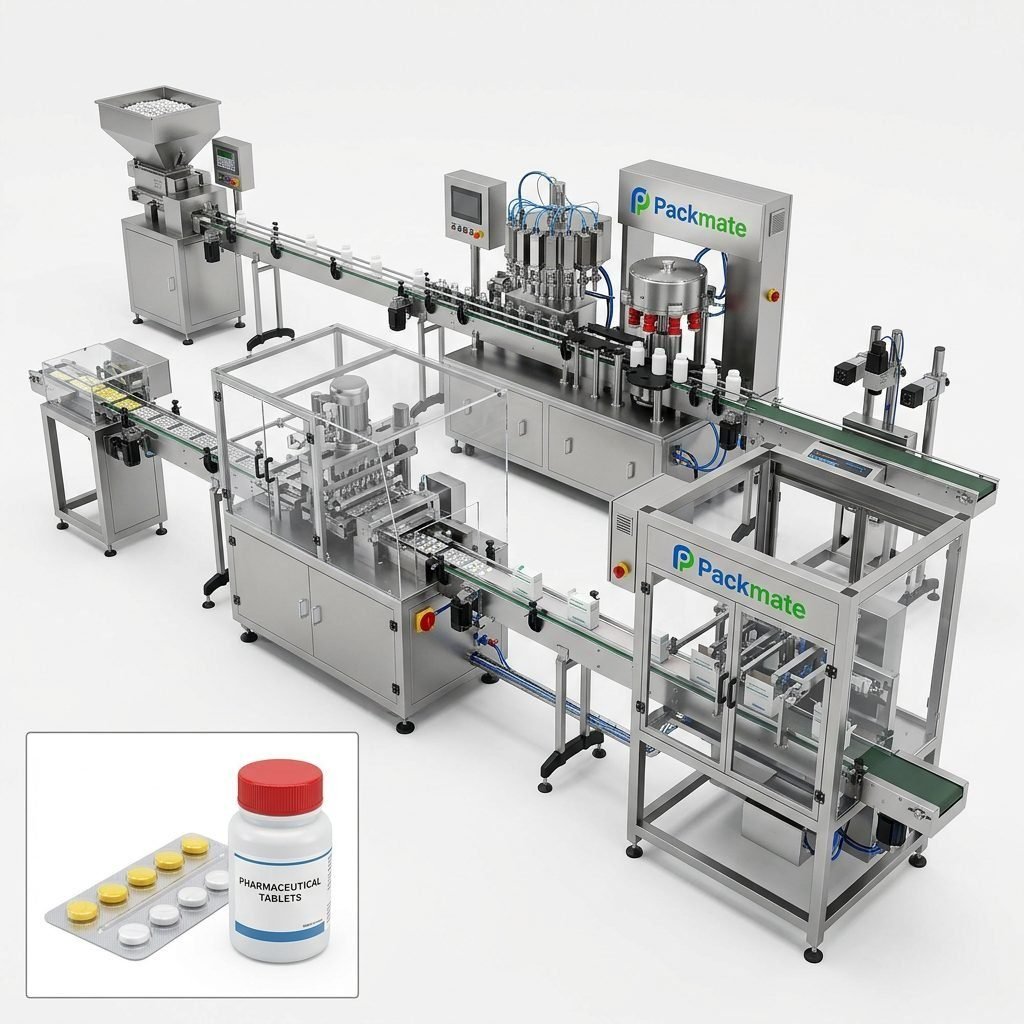
Will the machine operate as a standalone unit, or does it need to integrate into a larger packaging line? If you require a complete system, suppliers specializing in turnkey solutions, such as PacklineOEM, can provide integrated lines with feeding, weighing, packaging, and cartoning. Also, consider automation features like automatic film splicing, date coding, and vision inspection systems.
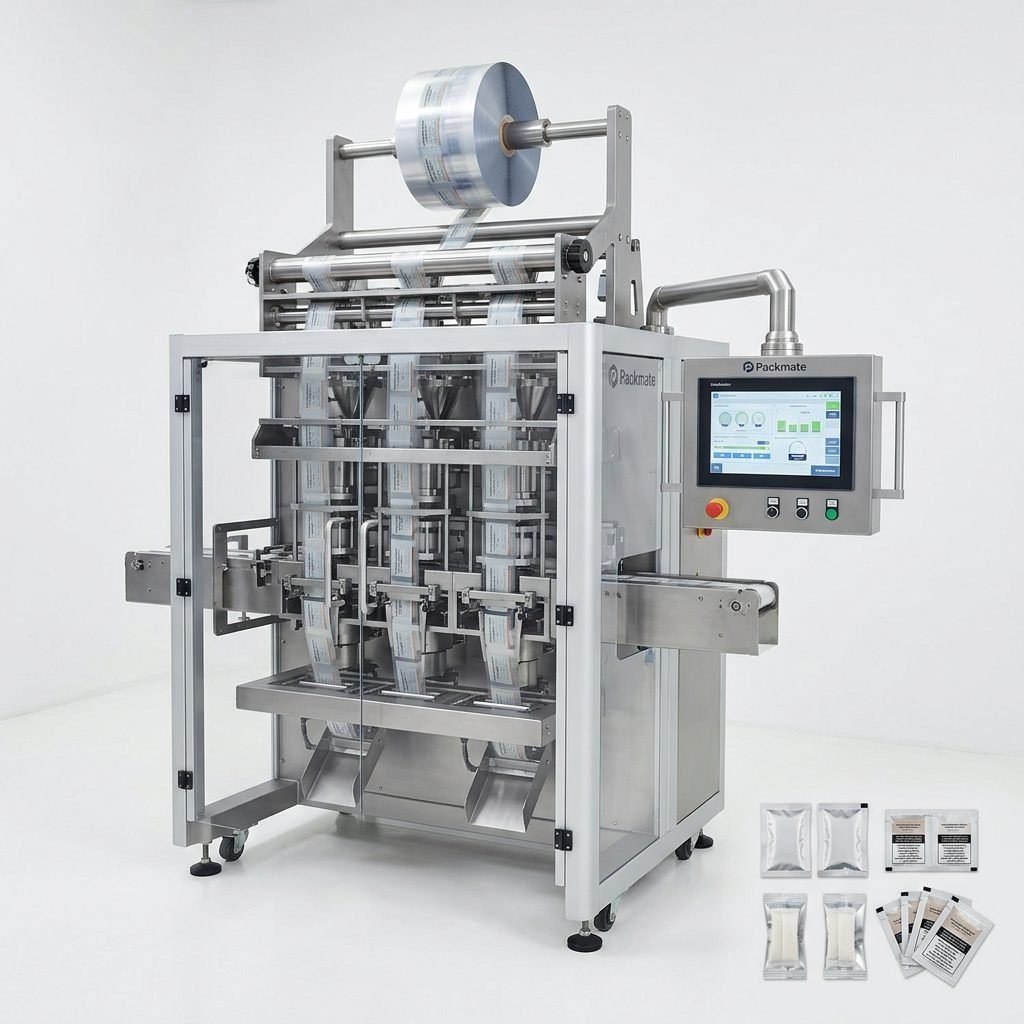
Step 5: Budget & Total Cost of Ownership (TCO)
The initial purchase price is just one factor. Calculate the Total Cost of Ownership, which includes energy consumption, maintenance costs, spare parts, changeover downtime, and potential production waste. A slightly more expensive but robust and efficient machine from a reputable supplier like PackingMachineOEM can offer a better return on investment over time through higher reliability and lower operating costs.
Specialized Applications: Nicotine Pouch Packaging
The rapid growth of the nicotine pouch market has created demand for highly specialized packaging machinery. These products require exceptional dosing accuracy, consistent seal integrity, and high-speed multi-lane production. Manufacturers like SnusMachinery focus exclusively on this niche, offering machines with features tailored to the unique challenges of pouch moisture control, precise powder filling, and high-throughput requirements for markets in Europe and North America.
Frequently Asked Questions (FAQs)
What is the main difference between a stick pack machine and a sachet machine?
The primary difference is the final pouch shape. Stick packs are long, narrow, and tubular, ideal for powder mixes to be dissolved in water. Sachets are typically rectangular or square flat pouches, used for a wider variety of products including powders, granules, and liquids. Many multi-lane machines can produce both formats with a change of forming parts.
Can one machine handle both powders and liquids?
Some machines are designed to be versatile, but they often require significant changeovers, including different filling systems (e.g., swapping an auger for a piston pump) and sealing parameters. For frequent switching between vastly different product types, dedicated machines are usually more efficient.
How important is after-sales service when buying from an international supplier?
It is critically important. Reliable technical support, availability of spare parts, and the possibility of remote diagnostics or on-site service visits are essential for maintaining production continuity. Always verify the supplier’s service network and support commitment before purchasing.
What are the key maintenance routines for a pouch packing machine?
Daily cleaning, lubrication of moving parts as per the manual, regular inspection of sealing jaws for wear or residue buildup, and checking the alignment of film guides and filling systems. Preventive maintenance based on the manufacturer’s schedule is key to avoiding unexpected breakdowns.