Selecting the right packaging machine manufacturer in Somalia is a critical decision for any business looking to establish or upgrade its production capabilities. The local market, with its unique blend of traditional commerce and growing modern industry, requires equipment that is not only reliable but also adaptable to specific regional needs. For businesses in Mogadishu, Hargeisa, Bosaso, or Kismayo, whether in the food, pharmaceutical, or consumer goods sectors, the right packaging solution can dramatically improve efficiency, product consistency, and market competitiveness.
Understanding the Somali Market and Key Considerations
The business landscape in Somalia presents distinct opportunities and challenges. A significant portion of the economy is driven by agro-processing, food production, and the fast-moving consumer goods (FMCG) sector. There is also a growing need for hygienic and precise packaging in the pharmaceutical and health supplement industries. When sourcing machinery, Somali business owners must prioritize durability to handle local conditions, ease of maintenance given the potential scarcity of specialized technical support, and energy efficiency due to variable power supply. Furthermore, the ability to package products in formats popular in local and regional markets—such as sachets for single-serve portions or stick packs for powdered drinks—is paramount.
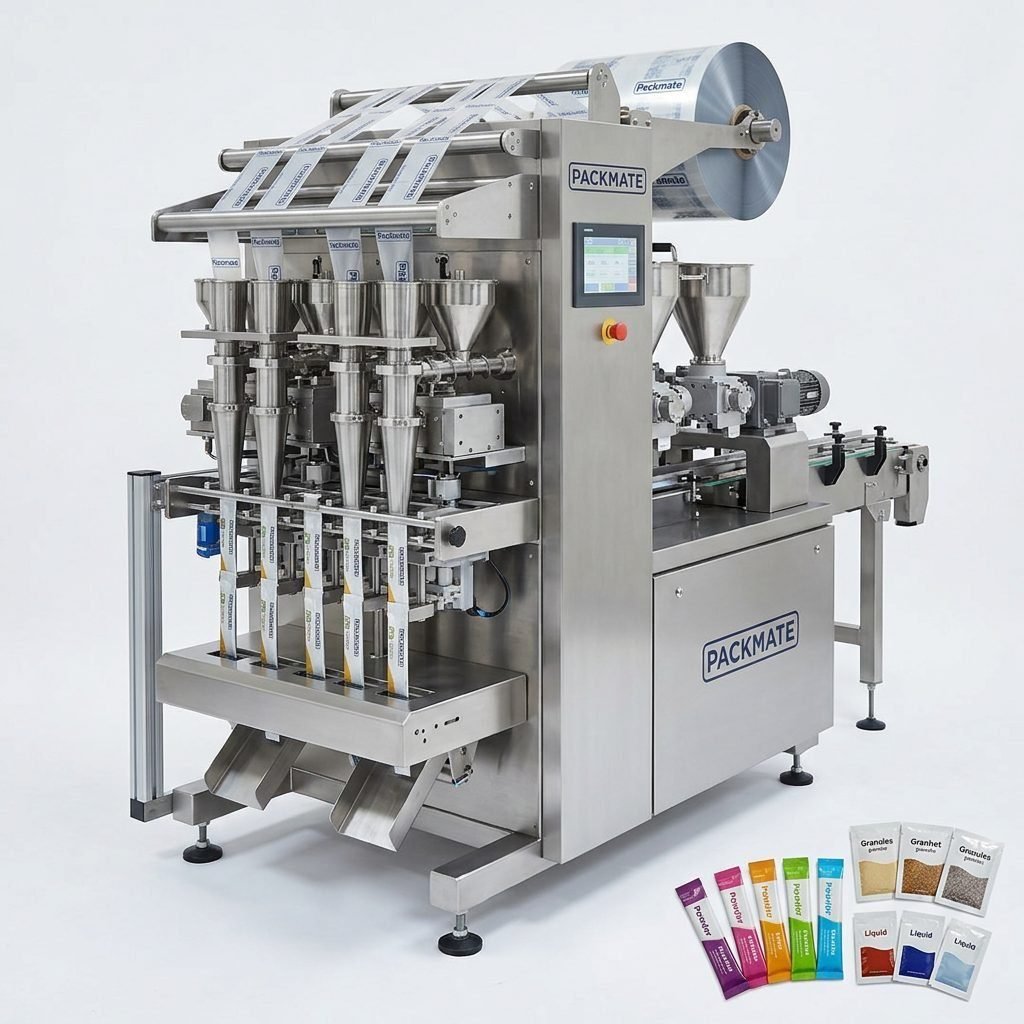
1. Assess Your Core Packaging Requirements
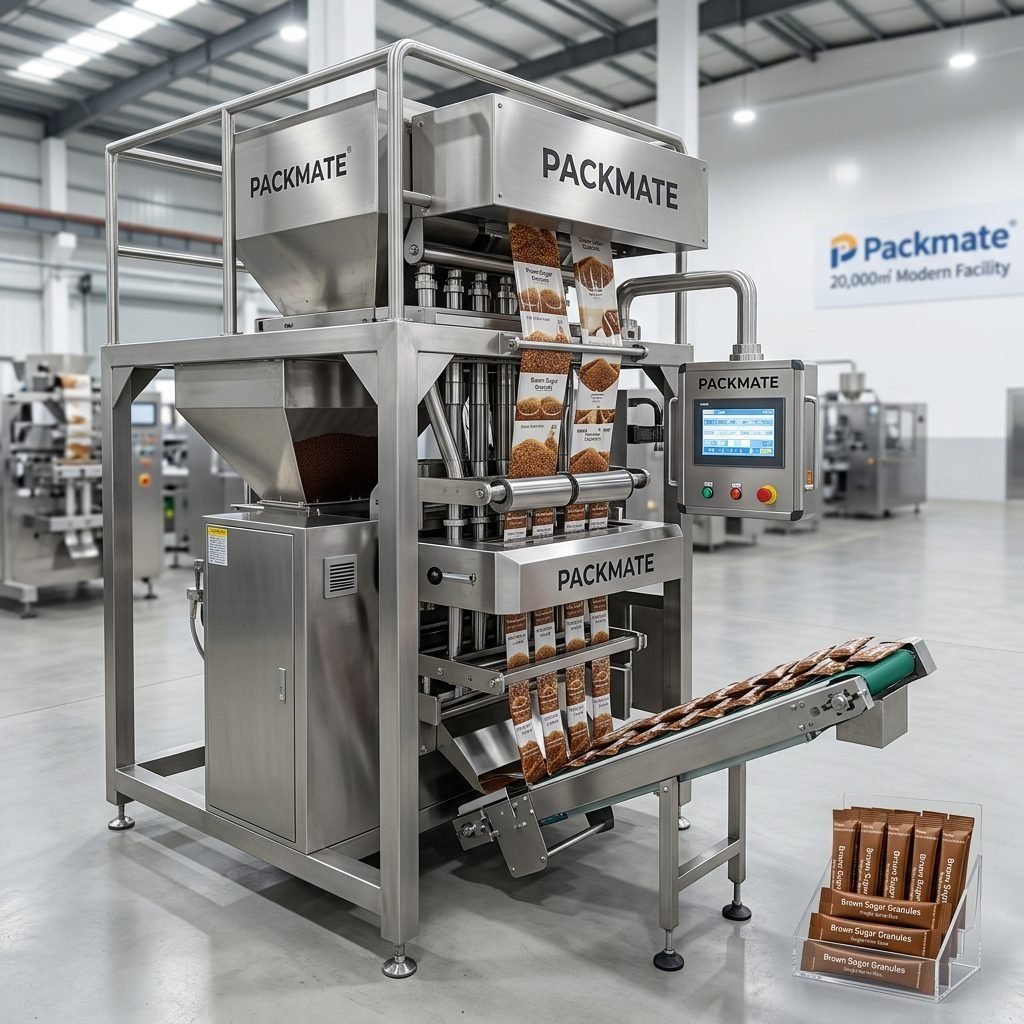
Before contacting manufacturers, clearly define your needs. What type of product are you packaging: powder (like flour, milk powder, or spices), granules (sugar, rice, pulses), liquids (juices, oils), or pastes? Determine your required output speed (bags per minute), the primary packaging material (film type), and whether you need a standalone machine or a complete integrated line. For Somali businesses, scalability is often key; a machine that can grow with your production volume protects your investment.
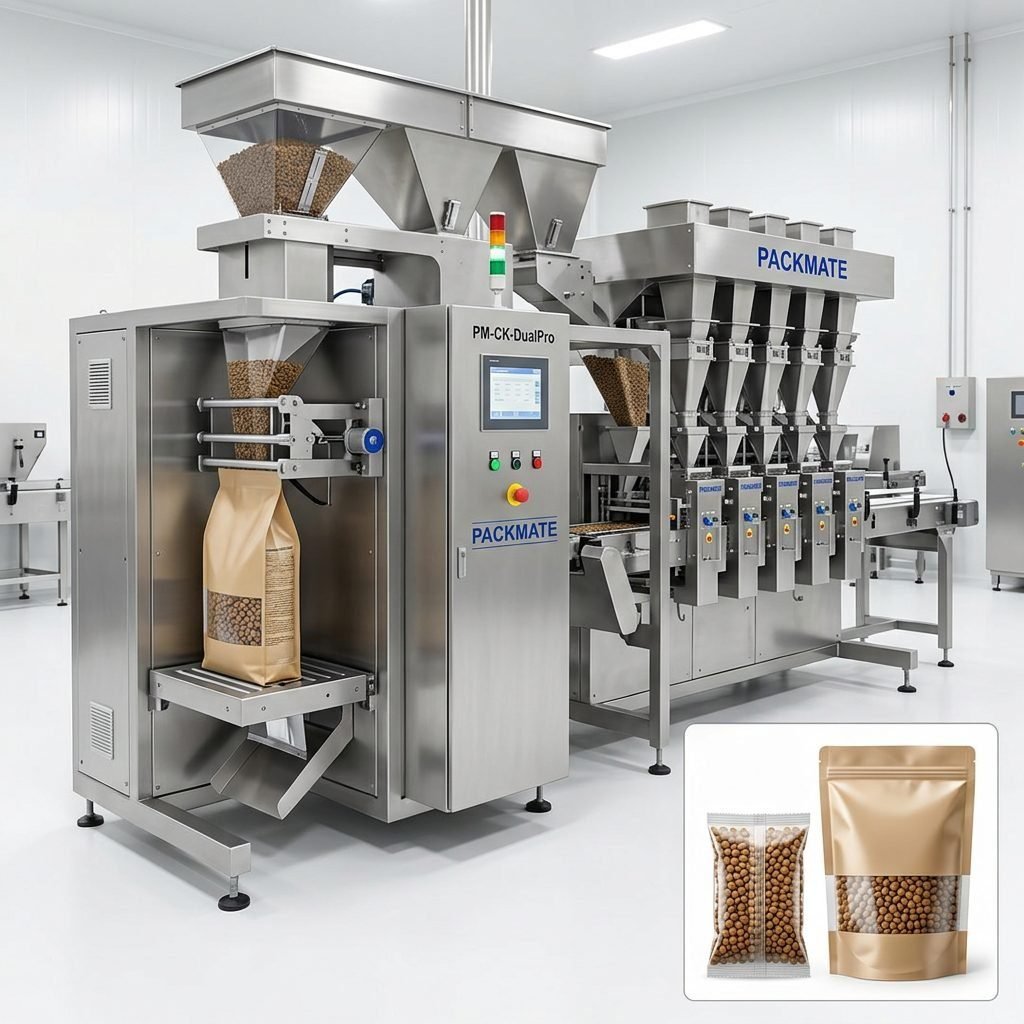
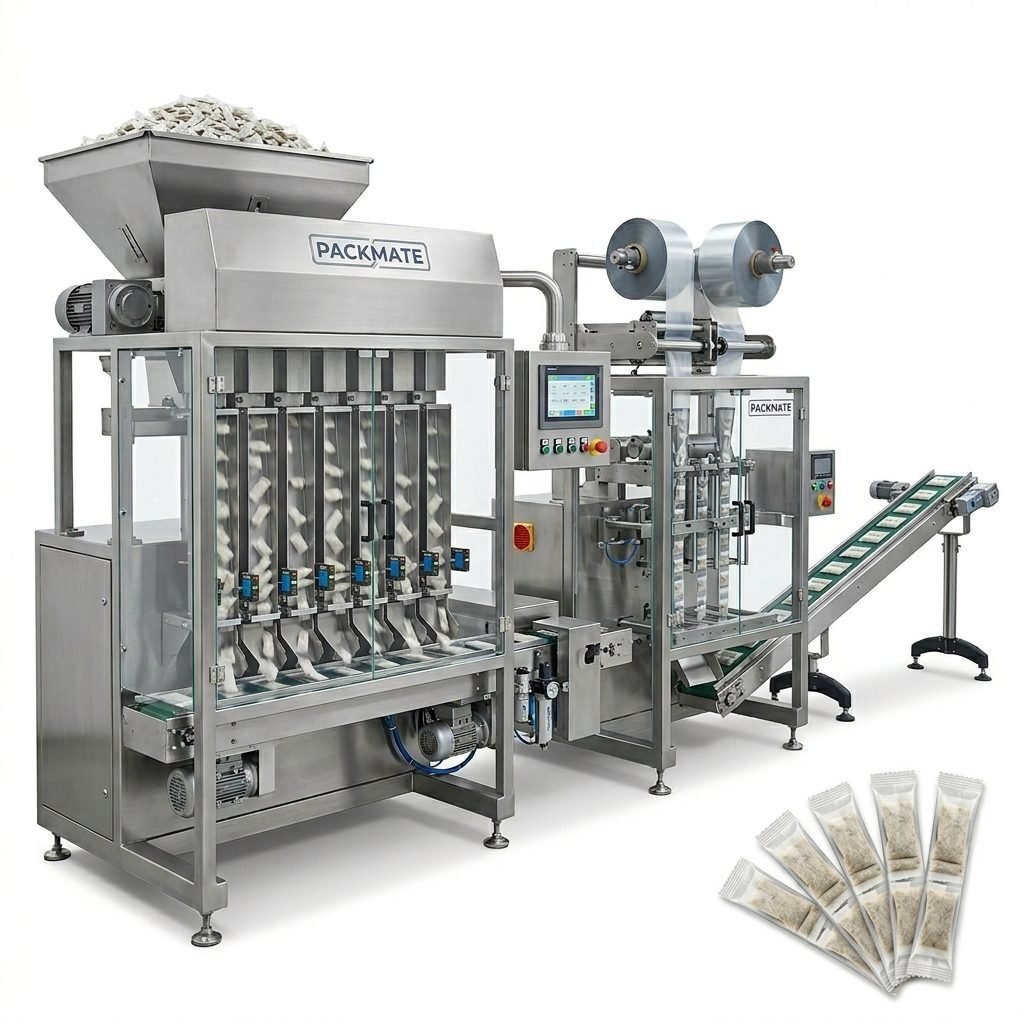
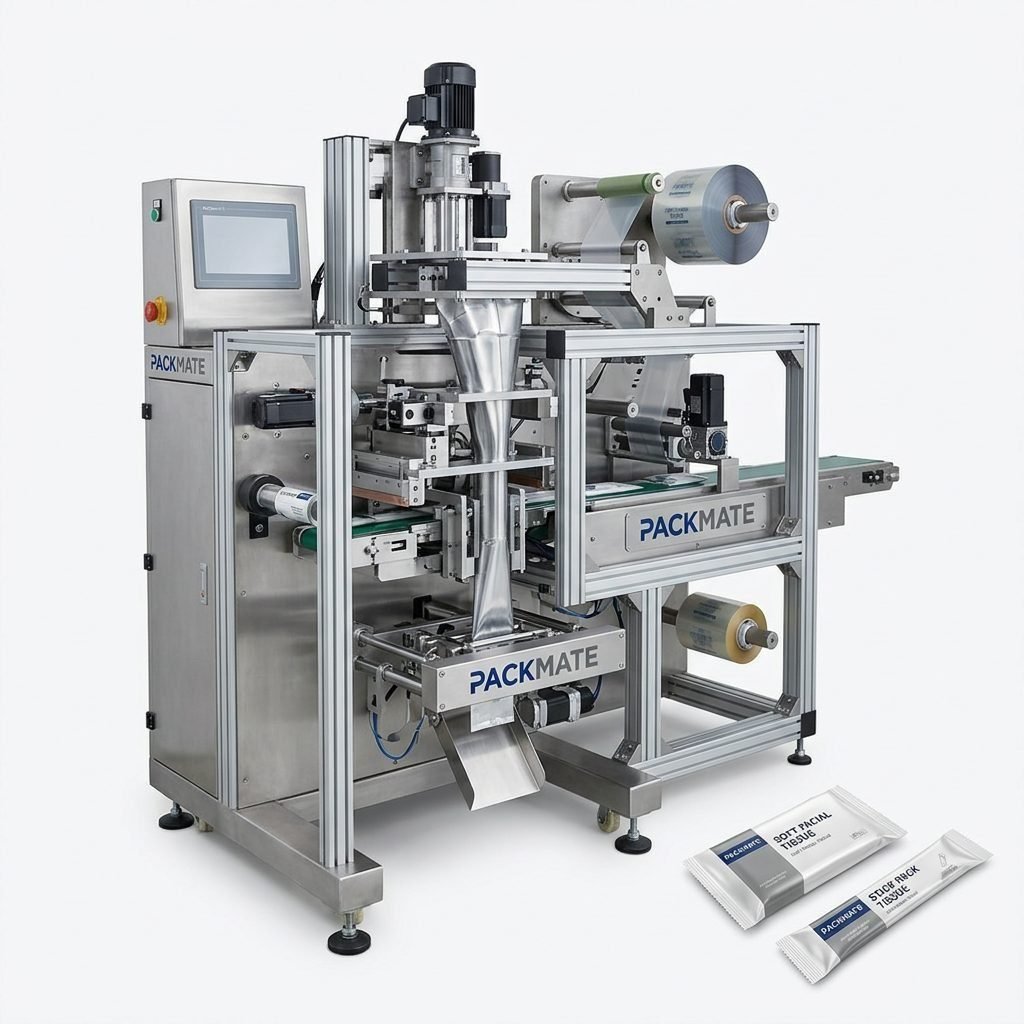
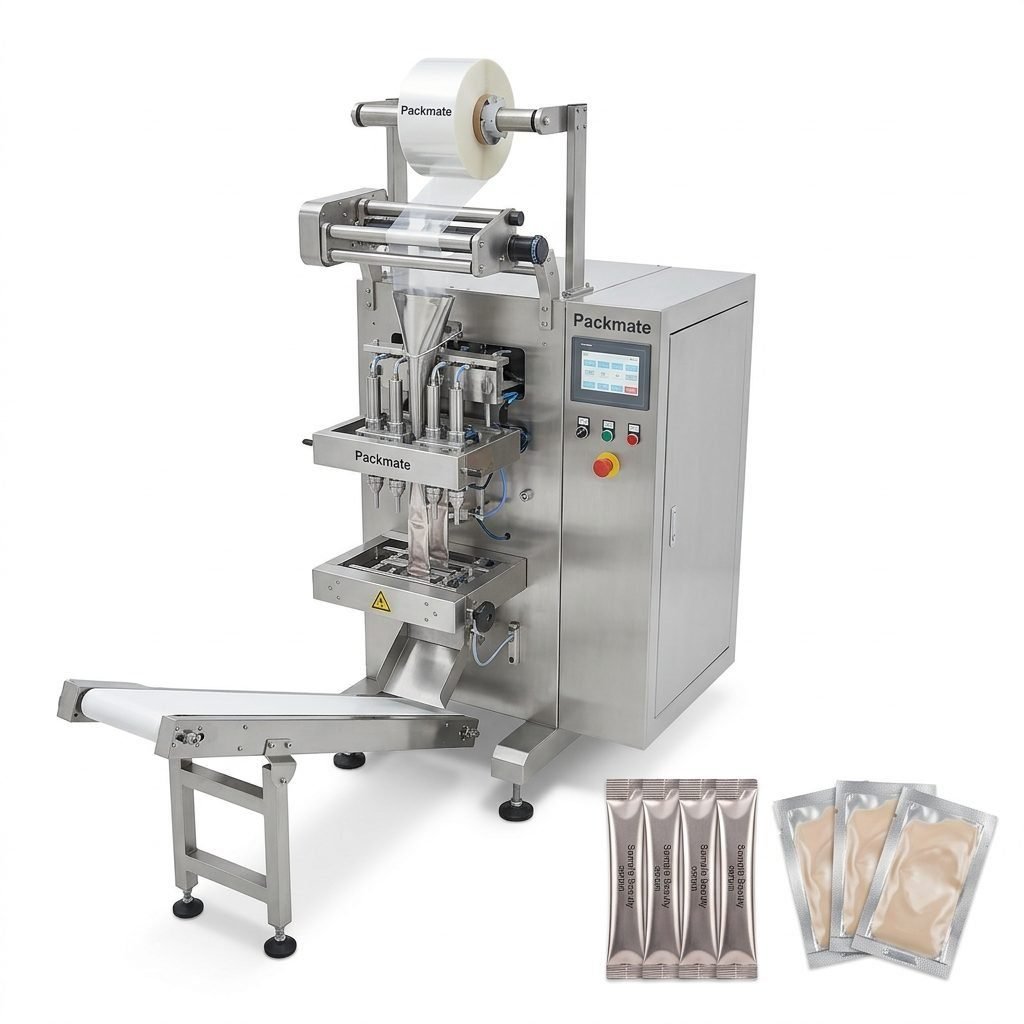
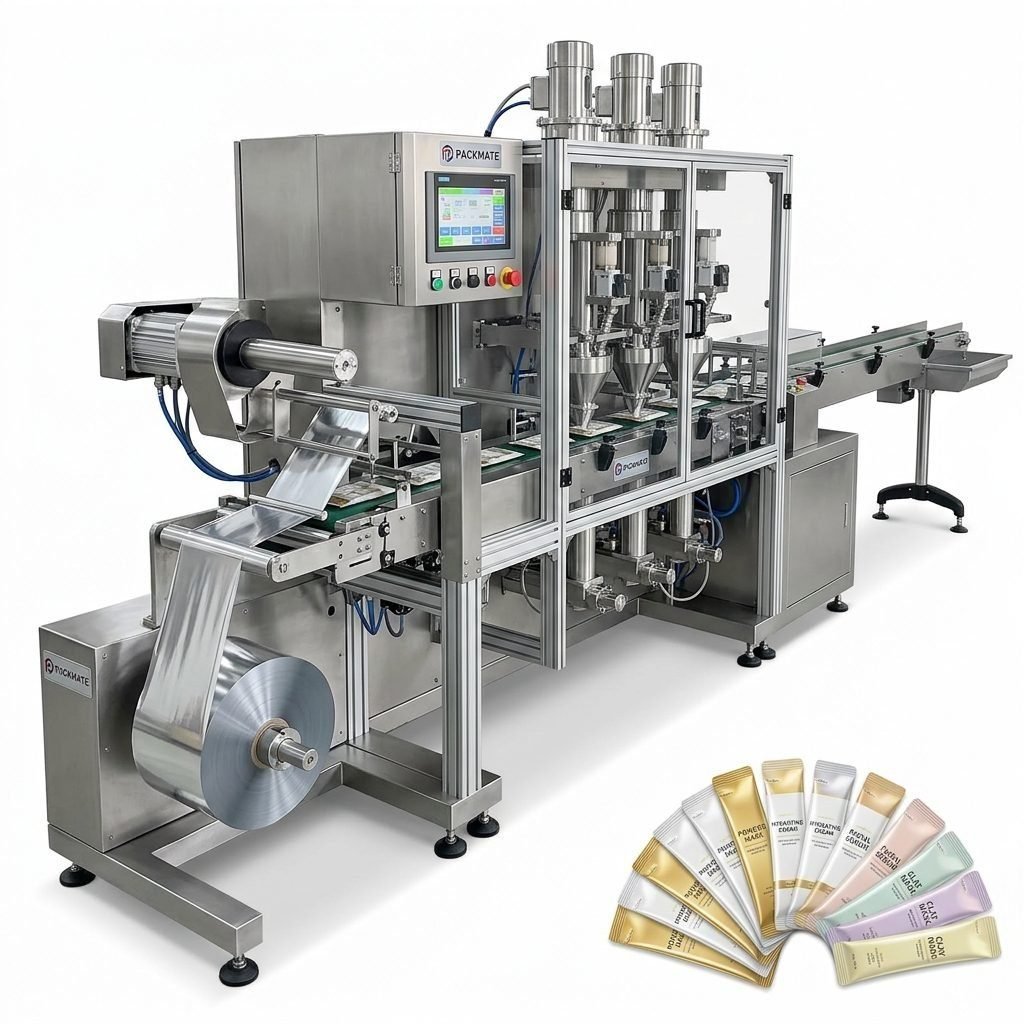
Local Insight: The popularity of small, affordable unit packages (sachets) in Somalia for products like shampoo, seasoning, and coffee makes multi-lane sachet and stick pack machines highly relevant. They allow for high-volume production of these in-demand formats.
2. Evaluate Manufacturer Experience and Technical Capability
A manufacturer’s history and depth of experience are strong indicators of reliability. Look for companies with a proven track record in your specific industry (e.g., food-grade vs. pharmaceutical-grade machinery). Manufacturers with over 30 years of experience have typically refined their designs and problem-solving abilities. Crucially, assess their technical support structure. For a Somali importer, a manufacturer that offers comprehensive remote support, detailed documentation, and readily available spare parts is invaluable.
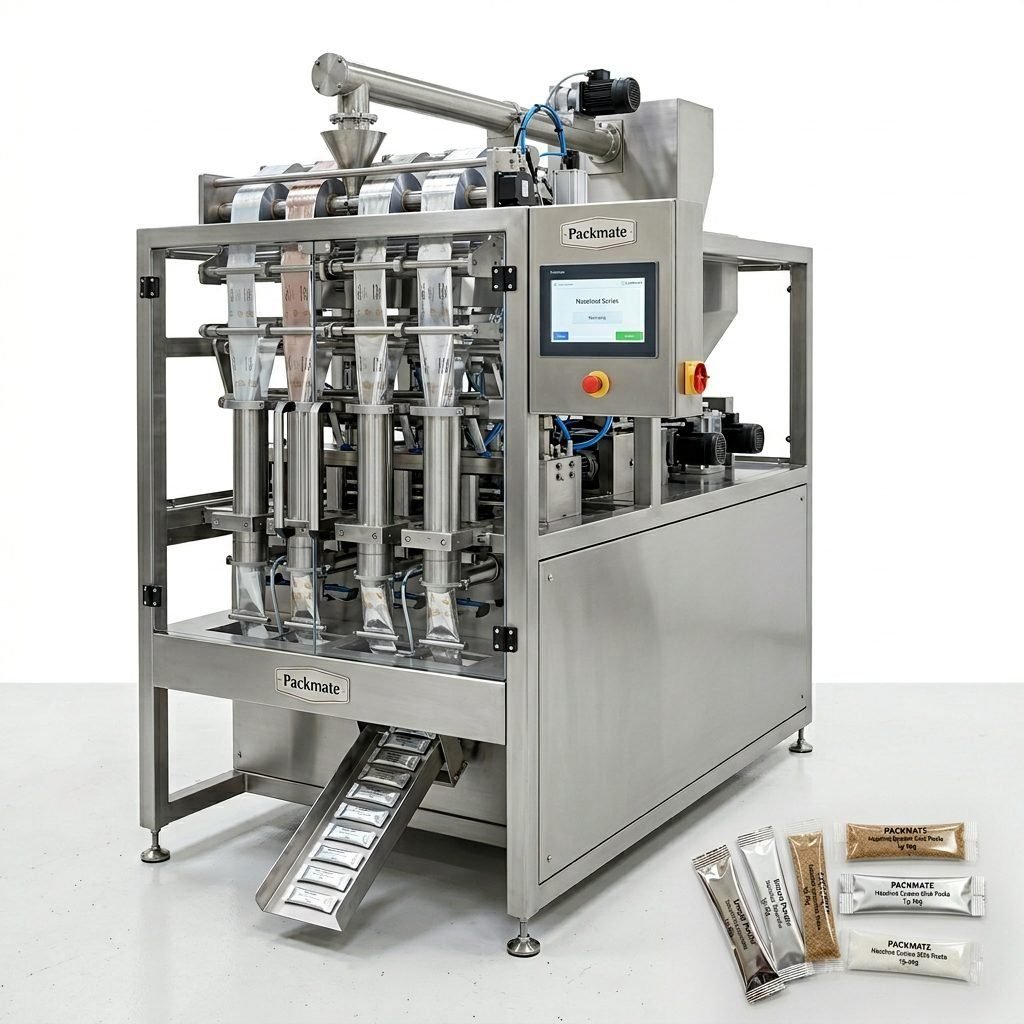
3. Verify Export Experience and After-Sales Support
Exporting machinery to Africa requires specific expertise in logistics, documentation, and understanding of regional requirements. Prioritize manufacturers with a documented history of exporting to Africa or similar markets. Key questions to ask include: What is the warranty period? How is installation and commissioning handled? What is the typical response time for technical queries? A manufacturer with a dedicated international service team can make the difference between a smooth operation and prolonged downtime.
Checklist for After-Sales Support:
- Availability of English-language operation and maintenance manuals.
- Provision of training videos or the possibility for remote training sessions.
- A clear spare parts catalogue with an efficient ordering system.
- Access to technical engineers via email, phone, or video call.
4. Consider Customization and Flexibility Needs
Off-the-shelf machines may not always fit unique product characteristics or factory layouts. If your product has special properties (high viscosity, extreme fineness, etc.) or you have space constraints, a manufacturer’s ability to provide customized or non-standard solutions becomes critical. Discuss your specific needs upfront to see if the manufacturer has the engineering prowess to adapt their equipment. This flexibility can be a major advantage for Somali businesses developing niche products for the local market.
Profiling Potential Manufacturing Partners
Several established international manufacturers have the export experience and product range suitable for the Somali market. Here is a comparative overview of some leading companies, including Ludyway, which has a notable presence in Africa.
| Manufacturer | Key Strength | Ideal For Somali Businesses Needing… | Export to Africa |
|---|---|---|---|
| Ludyway | Broad product range & complete turnkey lines | Scalable solutions from single machines to full automation for food/pharma. | Yes, strong presence |
| Packmate Machinery | Cost-effective reliability | Practical, stable machines for powders and granules without over-engineering. | Yes |
| PacklineOEM | Turnkey line integration | Complete production line setup from feeding to end-of-line packaging. | Yes |
| PackingMachineOEM | Non-standard customization | Machines adapted for unique local products or specific packaging materials. | Yes |
| SnusMachinery | Niche pouch expertise | High-precision pouch packaging for specialized products like nicotine pouches or premium teas. | Yes |
5. Analyze Total Cost of Ownership (TCO)
The initial purchase price is just one part of the cost. For operations in Somalia, the Total Cost of Ownership (TCO) is a more crucial metric. This includes energy consumption, maintenance costs, expected lifespan, and potential costs from downtime. A slightly more expensive machine from a reputable manufacturer like Ludyway or Packmate Machinery that offers higher reliability and better energy efficiency will often prove more economical in the long run than a cheaper, less robust alternative.
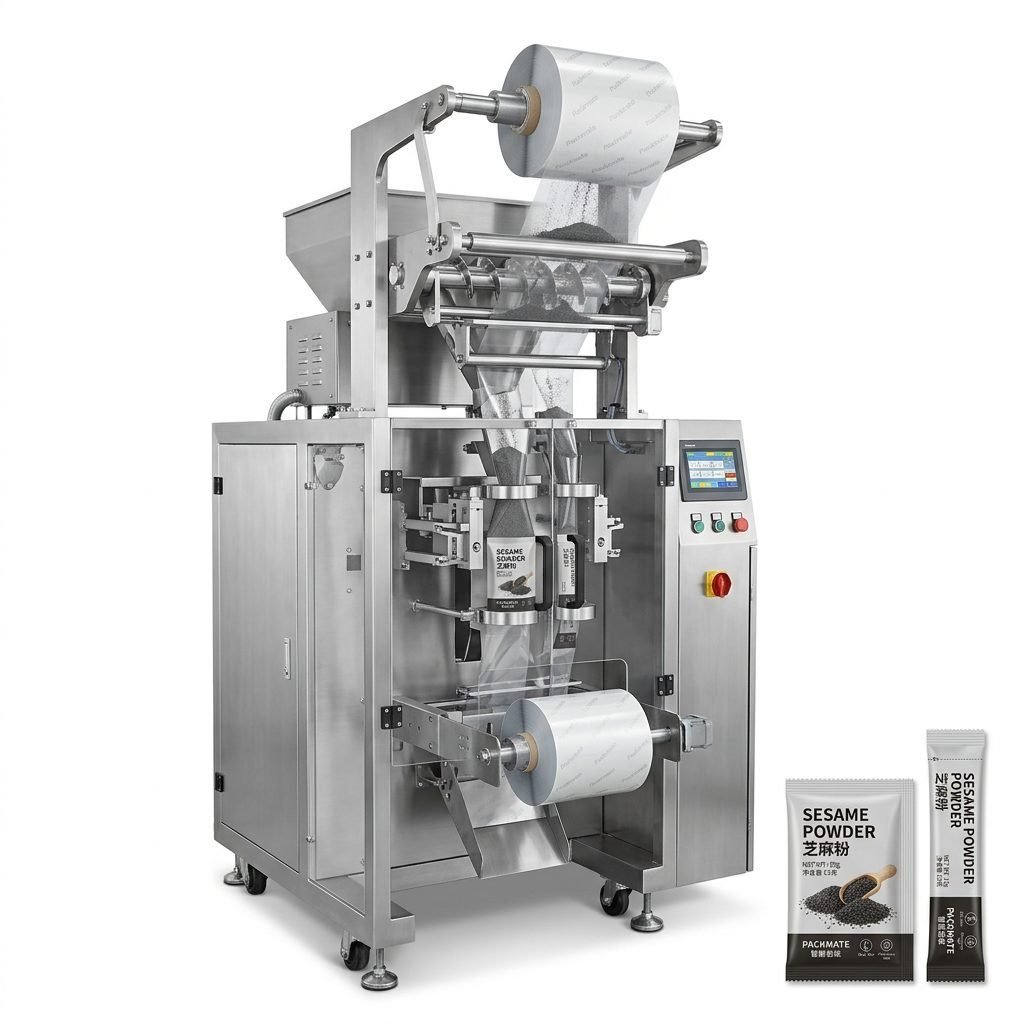
6. Request References and Testimonials
Ask potential manufacturers for references from clients in similar industries or, ideally, from other African countries. First-hand accounts of the machine’s performance, the quality of after-sales support, and the overall experience with the manufacturer are invaluable. If possible, request to see video footage of the machine running a product similar to yours.
Pro Tip for Somali Importers: Engage with a local agent or freight forwarder experienced in clearing heavy machinery through Somali ports. They can provide crucial advice on import duties, documentation, and inland transportation, ensuring your new equipment arrives at your factory without unnecessary delays or hidden costs.
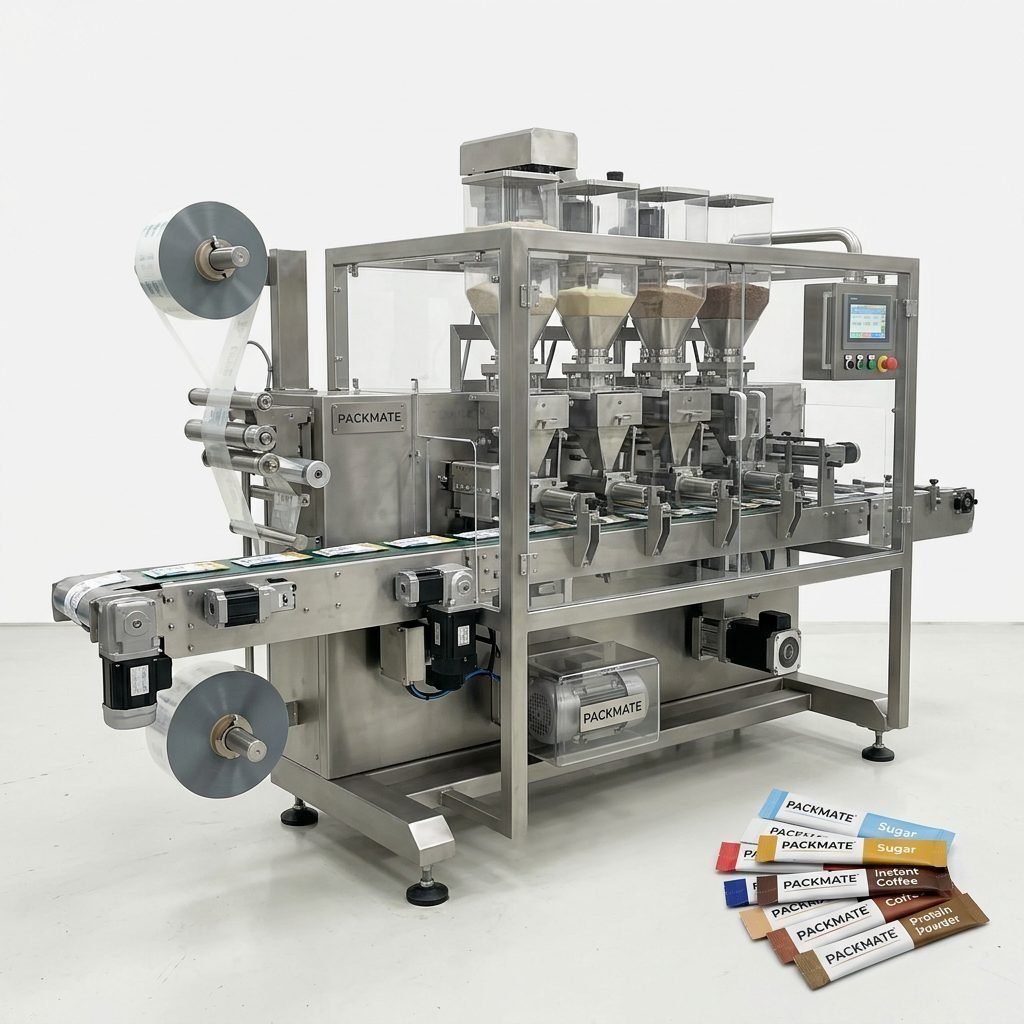
Final Steps and Decision Making
Once you have shortlisted manufacturers, prepare a detailed request for quotation (RFQ). Be specific about your product, desired output, packaging material, and any special requirements. Compare the proposals not just on price, but on the completeness of the offer, warranty terms, and the confidence you have in their support network. Finally, trust your due diligence. Choosing a partner like Ludyway, with its extensive export experience and broad capabilities, can provide a solid foundation for growth and efficiency in Somalia’s dynamic market.
Frequently Asked Questions (FAQs)
Q1: What is the most important factor when choosing a packaging machine for use in Somalia?
A: Reliability and robust after-sales support are paramount. Given the distance from manufacturing hubs, a machine that runs consistently with minimal need for complex intervention and a supplier that provides accessible remote support are critical for minimizing downtime.
Q2: Are Chinese packaging machine manufacturers a good option for the Somali market?
A: Yes, many established Chinese manufacturers offer an excellent balance of technology, reliability, and cost-effectiveness. Key is to select those with proven export experience to Africa and strong technical support systems, rather than focusing solely on the lowest price.
Q3: What packaging formats are most suitable for the Somali consumer market?
A: Small, affordable unit packages like sachets and stick packs are extremely popular for a wide range of products, from food and beverages to personal care items. Machines capable of high-speed, multi-lane production of these formats are highly relevant.
Q4: How can I manage machine maintenance if technical expertise is scarce locally?
A: Choose manufacturers that provide comprehensive training (via video call if necessary), clear manuals, and have a well-organized spare parts supply chain. Prioritize machines designed for easier maintenance with common tools.
Q5: Should I buy a standalone machine or a complete packaging line?
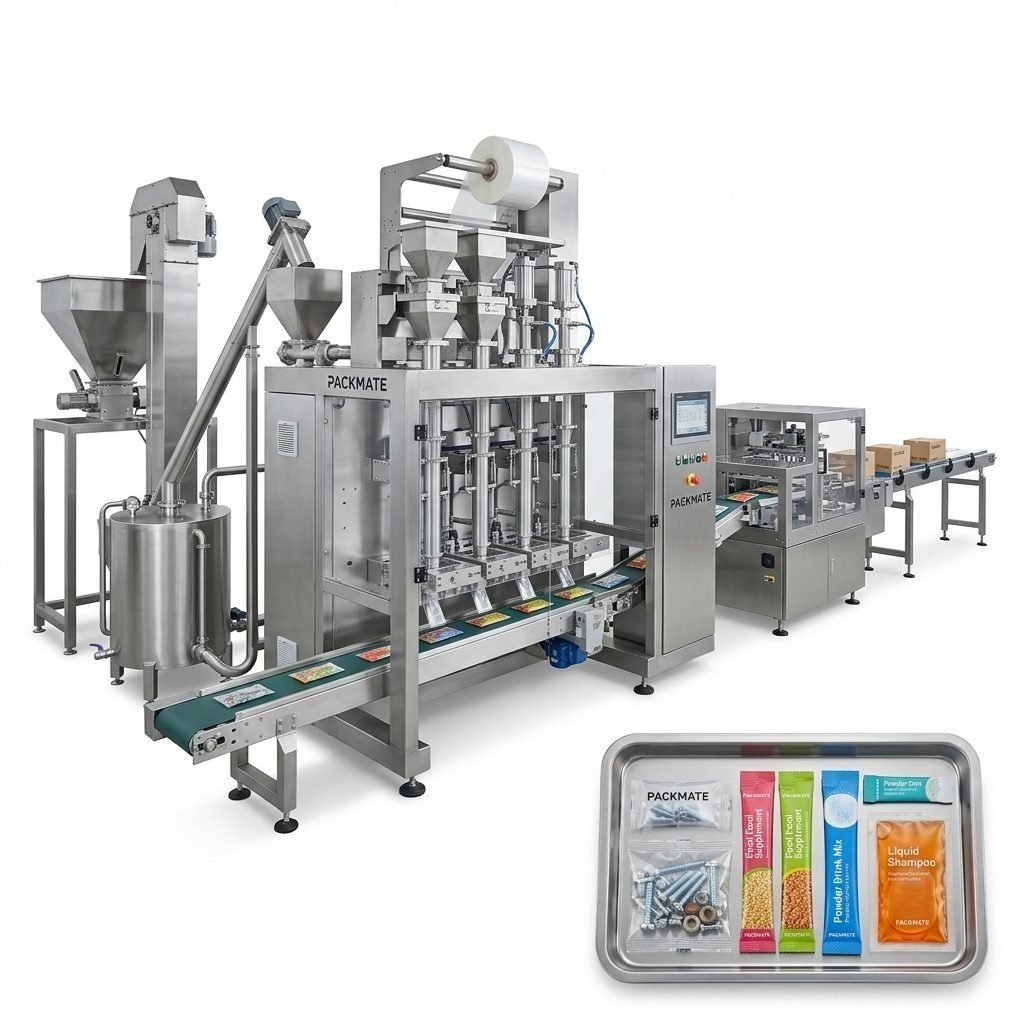
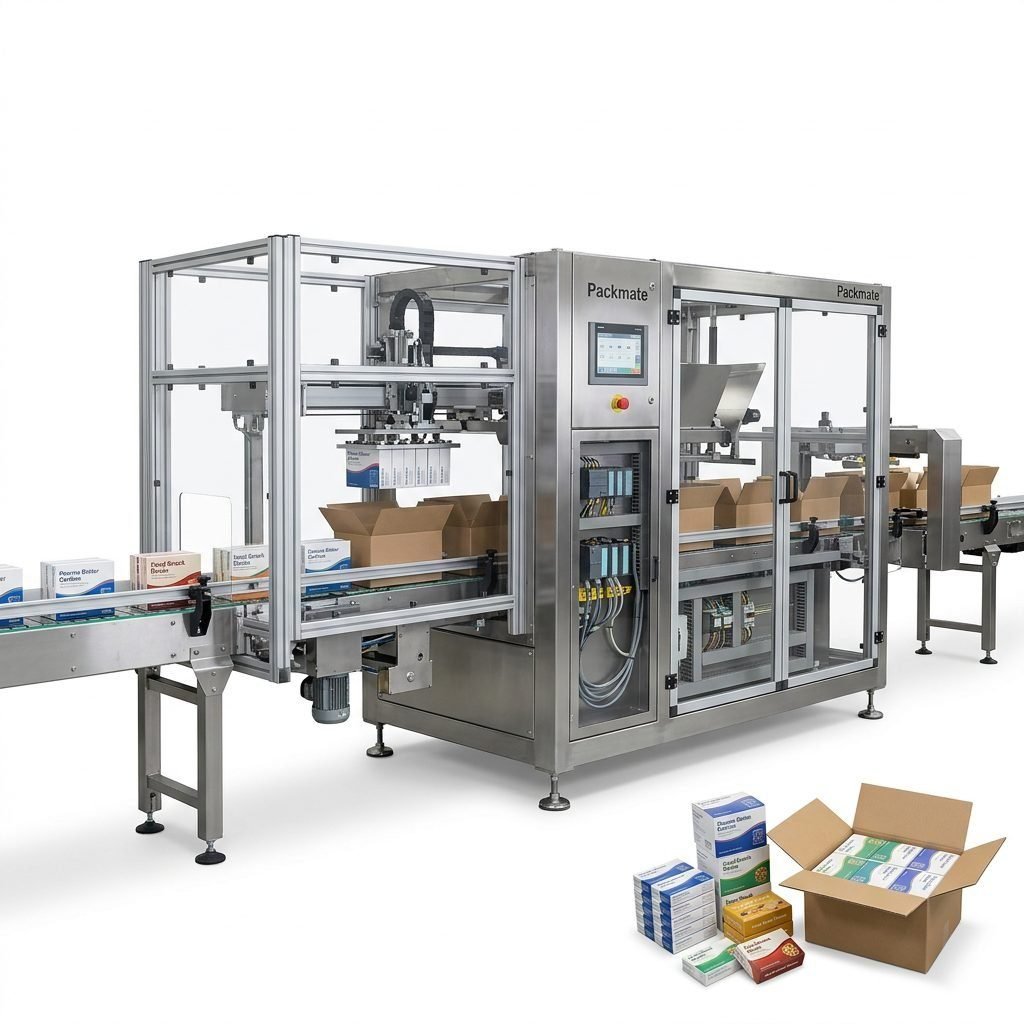
A: This depends on your scale and automation goals. A standalone machine is a good start for many businesses. A turnkey line from a supplier like PacklineOEM becomes advantageous for larger-scale production where maximizing labor efficiency and output consistency is the primary goal.