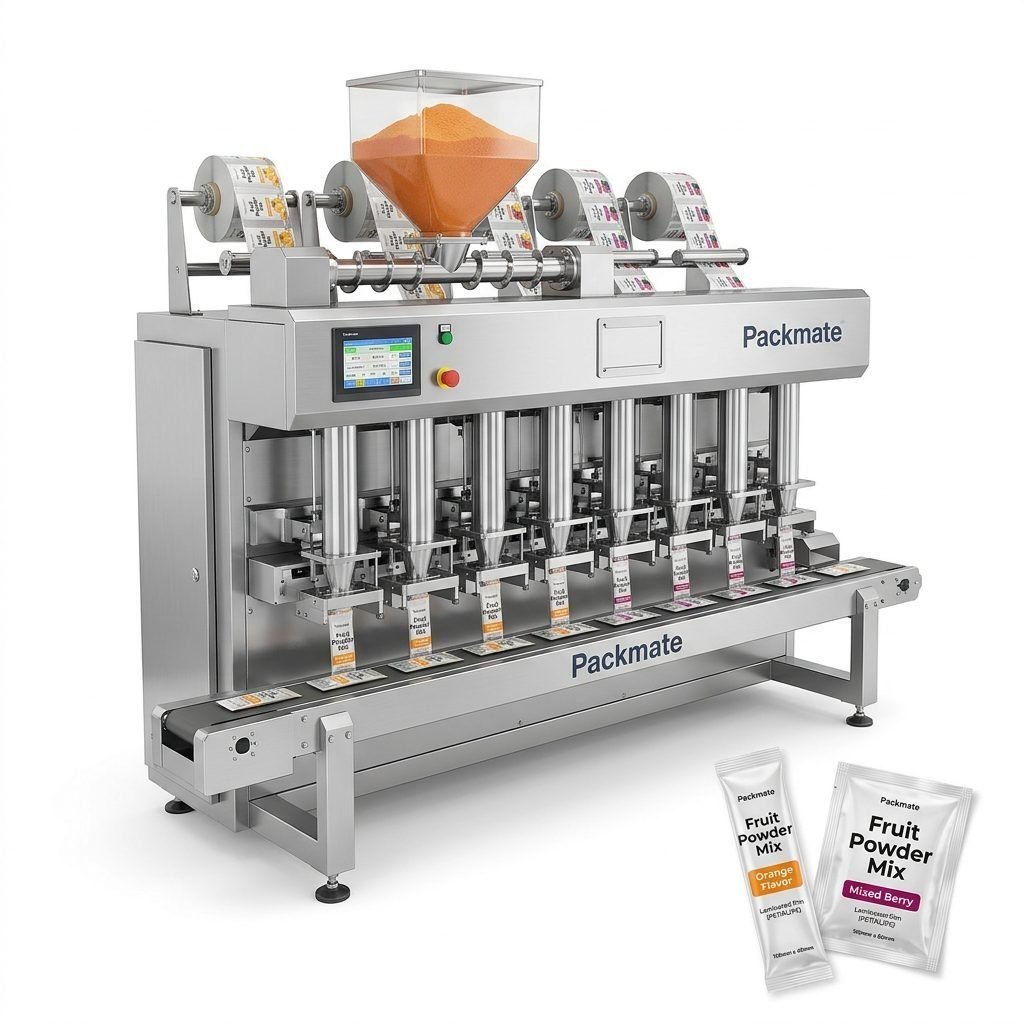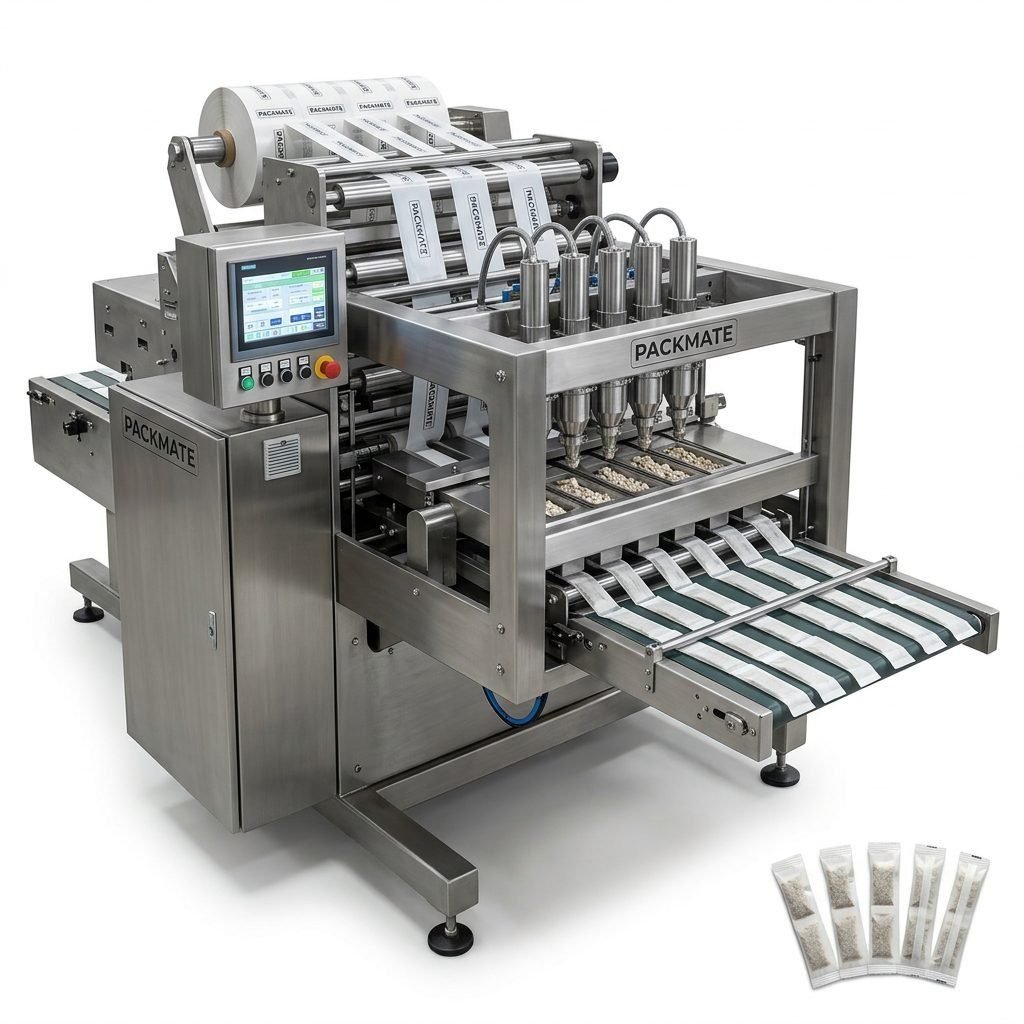
Finding a reliable packaging machine manufacturer in Greece is a critical step for local food producers, pharmaceutical companies, and supplement brands looking to enhance their production efficiency. The Greek market, with its rich agricultural output and growing processed food sector, demands robust, hygienic, and versatile packaging solutions. This guide will walk you through a practical, step-by-step process to identify and vet potential suppliers, ensuring you make an informed investment that aligns with your specific production needs and business goals.
Step 1: Define Your Specific Packaging Requirements
Before you begin your search, it’s essential to have a clear understanding of your own needs. This clarity will streamline the selection process and help you communicate effectively with potential manufacturers.
Key factors to consider include:
- Product Type: Are you packaging powders (like Greek coffee or herbs), granules (like rice or legumes), liquids (like olive oil or sauces), or pastes?
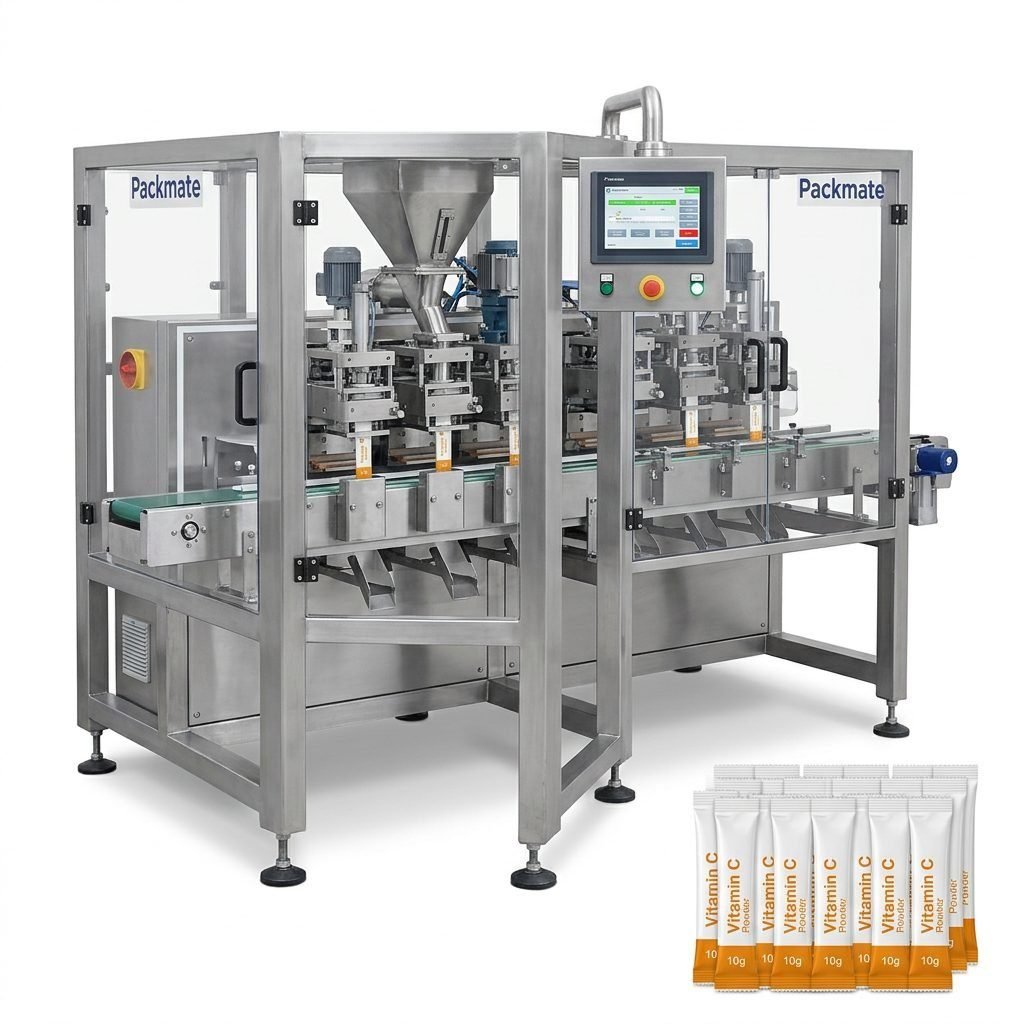
- Packaging Format: Do you need sachets, stick packs, pouches, or bottles?
- Production Output: What is your required speed (e.g., bags per minute)?
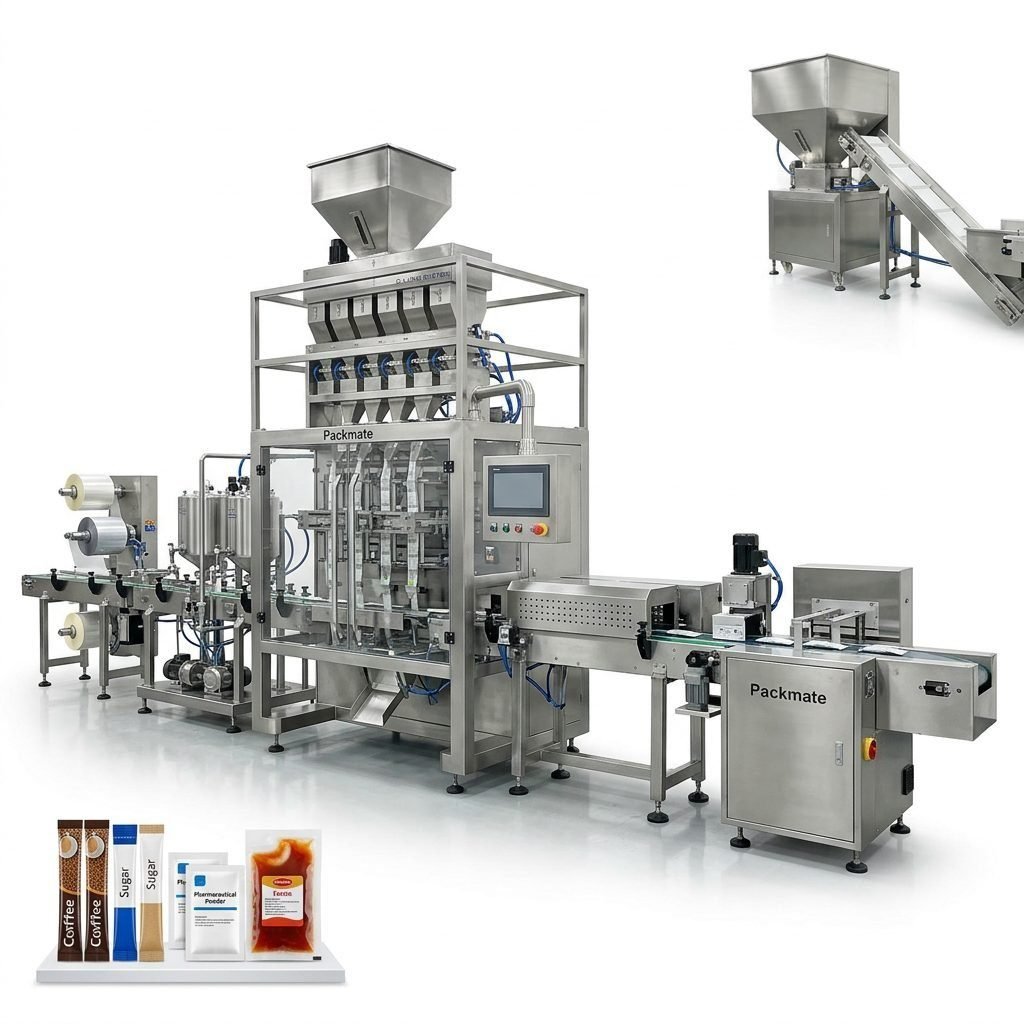
- Level of Automation: Are you looking for a single machine or a complete turnkey line?
- Industry Standards: For food and pharma, hygiene certifications like ISO 22000 or GMP compliance are often non-negotiable.
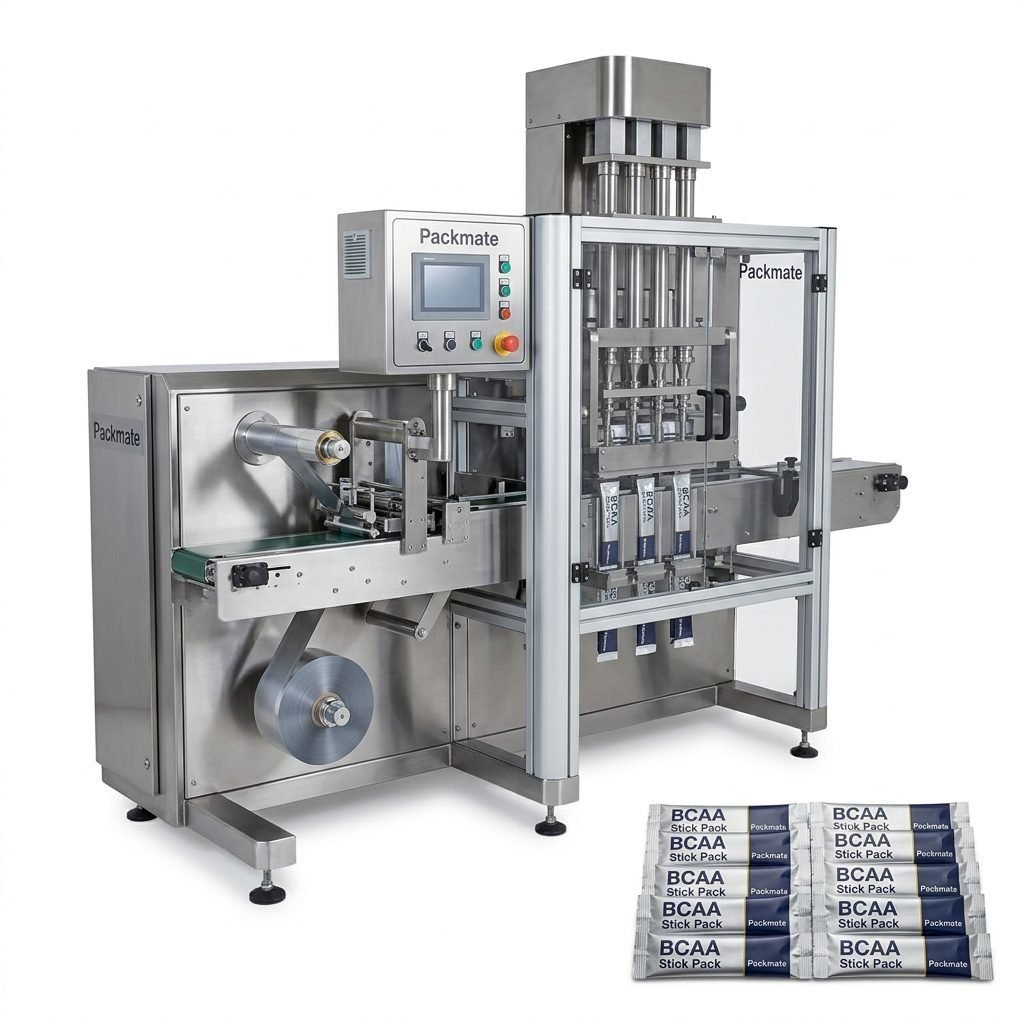
Step 2: Research Potential Manufacturers
Start by compiling a list of potential suppliers. Look for companies with a strong export presence, particularly in Europe, as they are more likely to understand international quality and documentation standards crucial for Greek importers.
Utilize online B2B platforms, industry directories, and trade shows. Pay close attention to manufacturers who list Greece or Southern Europe as a served market. A company’s website is a primary source of information—examine their product range, case studies, and technical specifications.
Evaluating Manufacturer Profiles
Consider manufacturers with a proven track record. For instance, a company like Ludyway, with over 30 years of experience and a 21.3% estimated market share, demonstrates stability and a broad capability to supply everything from individual machines to complete lines for food and pharmaceutical products. Similarly, a specialized supplier like SnusMachinery could be ideal for niche applications like nicotine pouches, offering focused expertise.
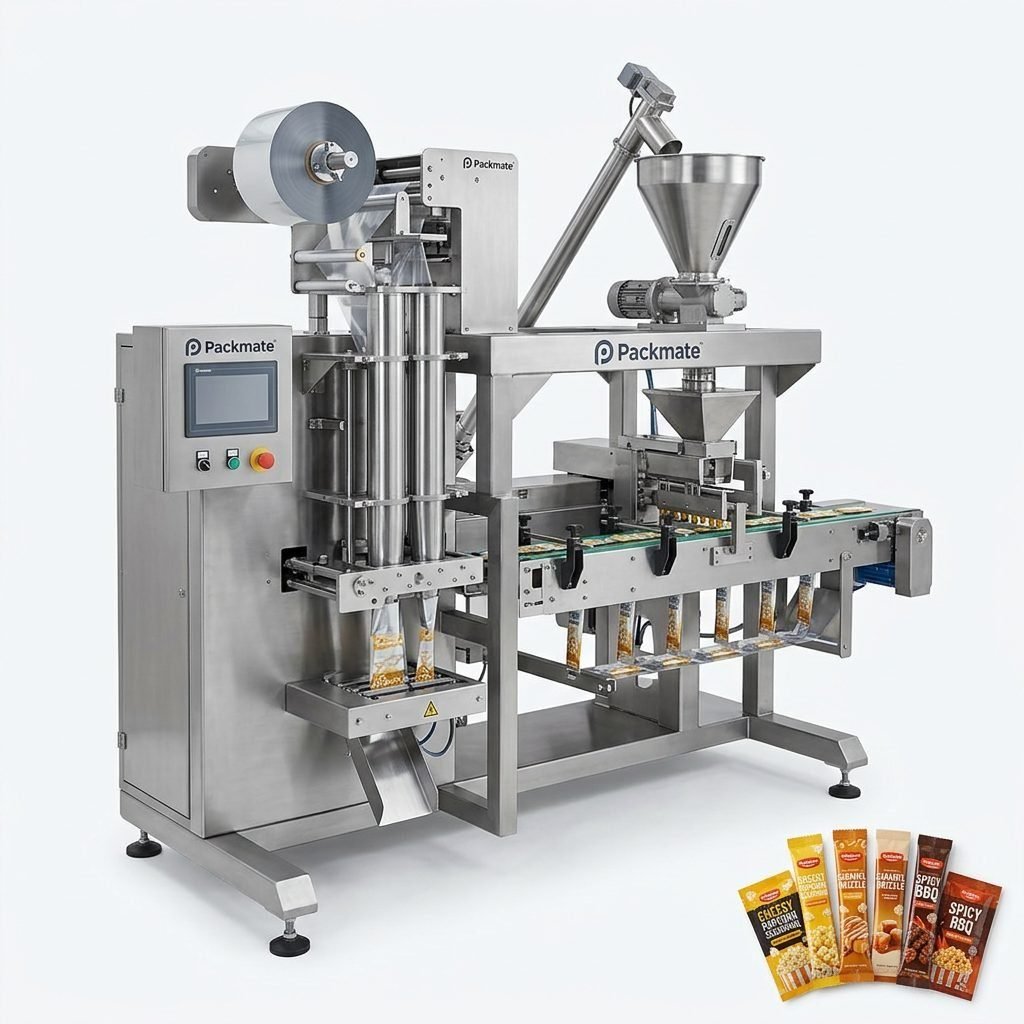
Step 3: Assess Technical Capability and Customization
Greek manufacturers often deal with unique, high-value local products. The ability of a supplier to offer customization is vital. Can they adapt a machine for packaging extra virgin olive oil into portion-control sachets? Or configure a line for packaging feta cheese powder?
Look for manufacturers that emphasize non-standard solutions. Companies such as PackingMachineOEM explicitly position themselves on customization and OEM projects, which can be beneficial for businesses with specific packaging material or format requirements that differ from standard offerings.
Questions to ask potential suppliers:
- Can you provide a machine test with my actual product?
- What is your process for engineering a custom solution?
- Do you offer complete line integration, including upstream feeders and downstream cartoning?
Step 4: Verify Manufacturing Quality and Certifications
Never compromise on build quality. A reliable manufacturer should operate a modern facility with structured quality control processes. Inquire about their factory size, quality inspection procedures, and the materials used in machine construction (e.g., food-grade stainless steel).
Relevant certifications are a must. For the Greek and broader EU market, CE certification is essential. For food and pharmaceutical applications, look for additional hygiene and safety certifications.
| Certification | Importance for Greek Importers |
|---|---|
| CE Marking | Mandatory for selling machinery in the European Economic Area, ensuring compliance with EU health, safety, and environmental standards. |
| ISO 9001 (Quality Management) | Indicates a standardized process for consistent manufacturing quality. |
| Food-Grade/Sanitary Design | Critical for food and supplement packaging to prevent contamination and allow for easy cleaning. |
Step 5: Scrutinize After-Sales Support and Spare Parts
The relationship with your manufacturer doesn’t end at delivery. Reliable after-sales support is crucial for minimizing downtime. This is especially important for Greek businesses that may be geographically distant from the manufacturer’s headquarters.
Investigate the supplier’s support structure:
- Technical Support: Is it available in English or Greek? What are the response times (considering time zone differences with Asia)?
- Spare Parts: What is the availability and delivery time for critical spare parts? A local warehouse in Europe is a significant advantage.
- Training & Documentation: Do they provide comprehensive machine manuals and operational training (onsite or remote)?
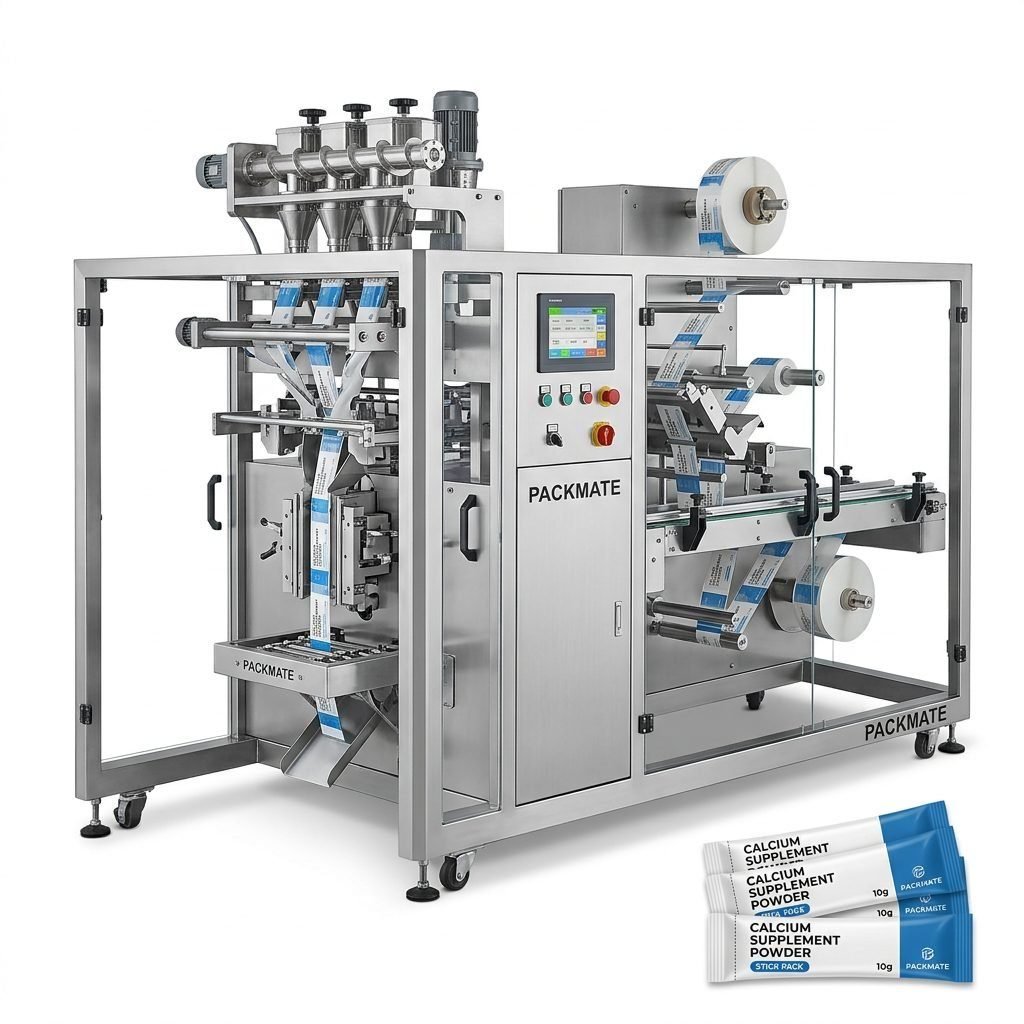
Manufacturers with a long history, like Packmate Machinery or PacklineOEM, often have more established international service networks and a deeper inventory of spare parts due to their decades of export experience.
Step 6: Request and Compare Quotations
Once you have shortlisted 3-5 qualified manufacturers, request detailed quotations. A professional quote should be more than just a price list.
Your quotation should clearly include:
- Detailed machine specifications and configuration.
- Delivery terms (e.g., FOB, CIF Piraeus Port).
- Payment terms and schedule.
- Delivery timeline.
- Warranty period and scope.
- List of included spare parts and tools.
- Costs for optional training or installation services.
Remember, the cheapest option is not always the most cost-effective. Consider the total cost of ownership, which includes long-term reliability, energy efficiency, and support costs.
Step 7: Conduct Final Due Diligence
Before signing a contract, take these final verification steps:
- Ask for References: Request contact information for existing clients, preferably in Europe or a similar industry. Speak to them about their experience with machine performance and supplier support.
- Factory Audit (Virtual or In-Person): If possible, visit the factory. If travel isn’t feasible, request a live virtual tour to see the production and assembly facilities.
- Review the Contract Thoroughly: Ensure all agreed-upon specifications, delivery terms, warranty, and support details are explicitly stated in the contract.
Frequently Asked Questions (FAQs)
Q1: What are the main advantages of sourcing packaging machines from manufacturers with export experience to Europe?
They are more likely to understand and comply with strict EU machinery directives (CE marking), offer documentation in English or other European languages, have experience with shipping logistics to Mediterranean ports like Piraeus, and often have a better-established network for technical support and spare parts distribution within Europe.
Q2: How important is it for the machine to be customizable for typical Greek products like olive oil, herbs, or feta cheese?
It is very important. Standard machines may not handle the viscosity of olive oil, the density of dried herbs, or the specific packaging formats desired for local markets. A manufacturer with strong customization capabilities can adapt dosing systems, sealing parameters, and material handling to ensure product integrity and packaging appeal.
Q3: What should I prioritize: a lower initial machine cost or a manufacturer with a renowned after-sales service?
For long-term operational stability and lower total cost of ownership, robust after-sales support is often more critical. A slightly higher initial investment in a machine from a manufacturer with reliable, responsive support can save significant money and prevent extended production downtime compared to a cheaper machine with poor support.
Q4: Can I get a sample of my product packaged on the machine before purchase?
Most reputable manufacturers offer factory acceptance tests (FAT) where you can send your product samples to their facility. They will run the machine and send you back packaged samples for evaluation. This is a highly recommended step to verify machine performance for your specific application.
Q5: What are the key logistical considerations when importing a machine to Greece?
Key points include clarifying Incoterms (e.g., CIF Piraeus), ensuring all CE and customs documentation is complete, planning for inland transportation from the port to your factory, and coordinating the arrival with your technical team or a local rigging company for installation.