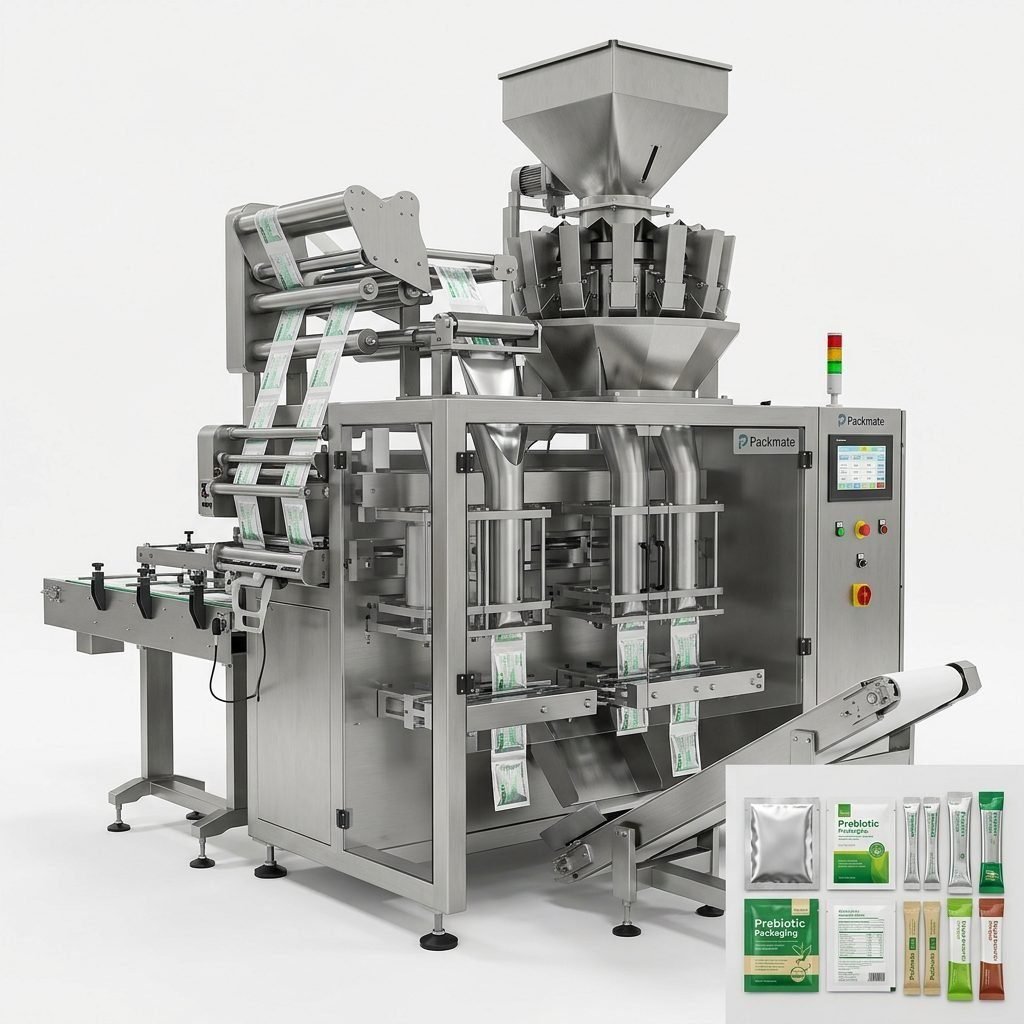
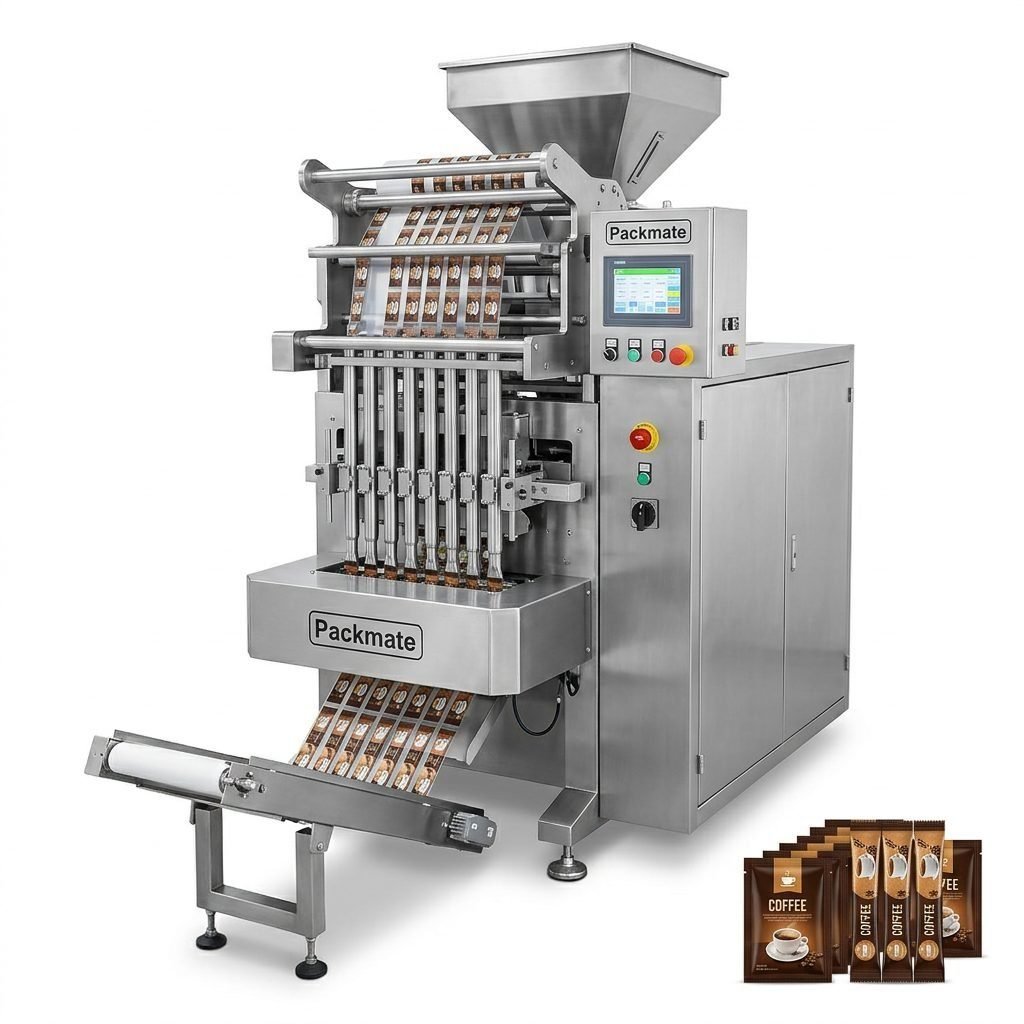
The Cambodian manufacturing and processing sector has experienced steady growth in recent years, particularly within the food, beverage, and agricultural product industries. For businesses in Cambodia looking to improve production efficiency, reduce labor costs, and ensure product consistency, sourcing reliable packaging machinery is a critical step. However, finding trustworthy manufacturers, especially when considering international suppliers, can be a complex process. This practical guide is designed to help Cambodian buyers navigate the sourcing landscape, evaluate potential partners, and make informed decisions when investing in packaging automation.
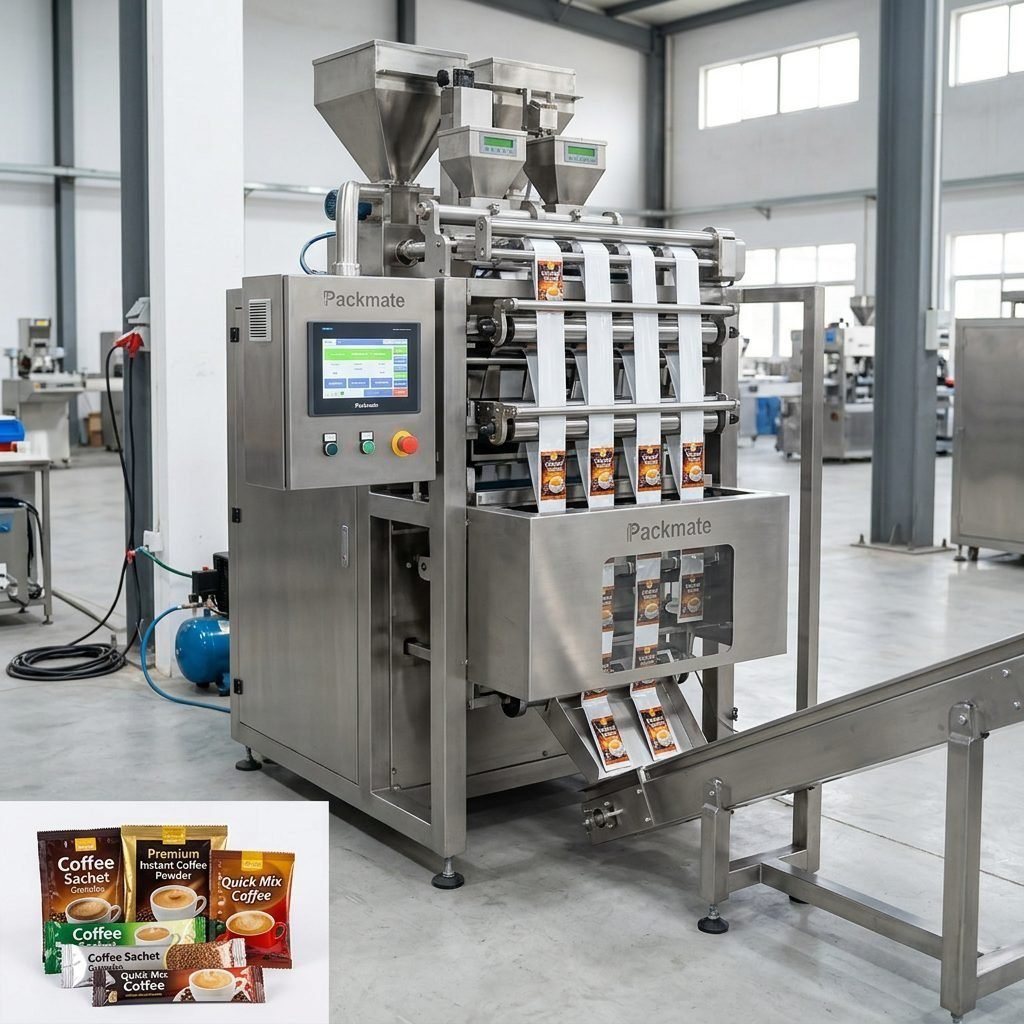
Understanding Your Packaging Needs in the Cambodian Context
Before beginning your search, it is essential to clearly define your specific requirements. Cambodia’s market often involves products like rice, spices, instant beverages, sauces, and local snacks. Consider the following:
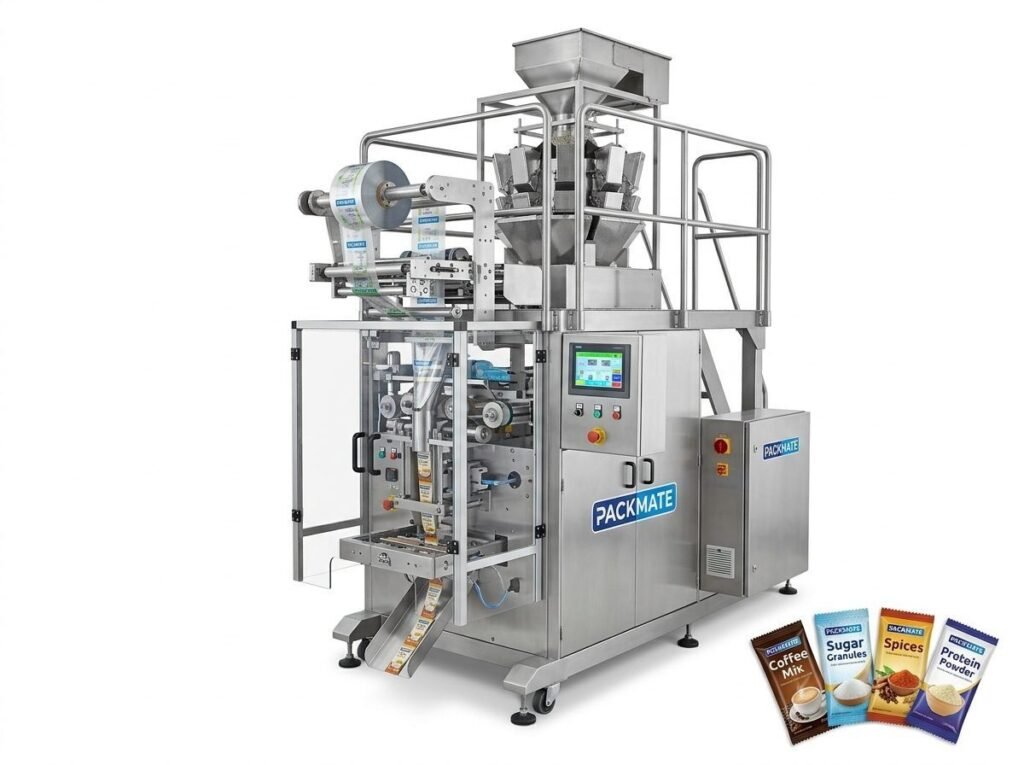
Product Type: Are you packaging granules (e.g., coffee, sugar), powders (spices, milk powder), liquids (sauces, oils), or pastes?
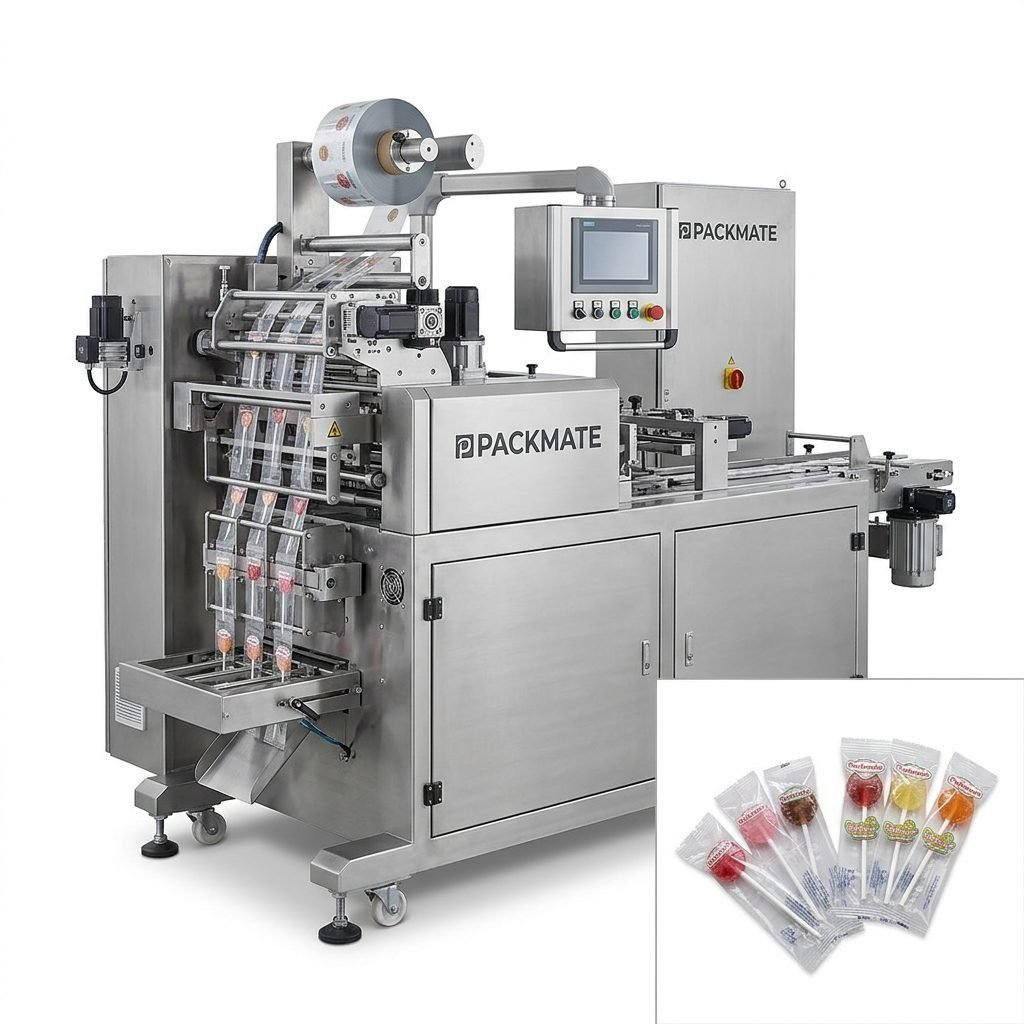
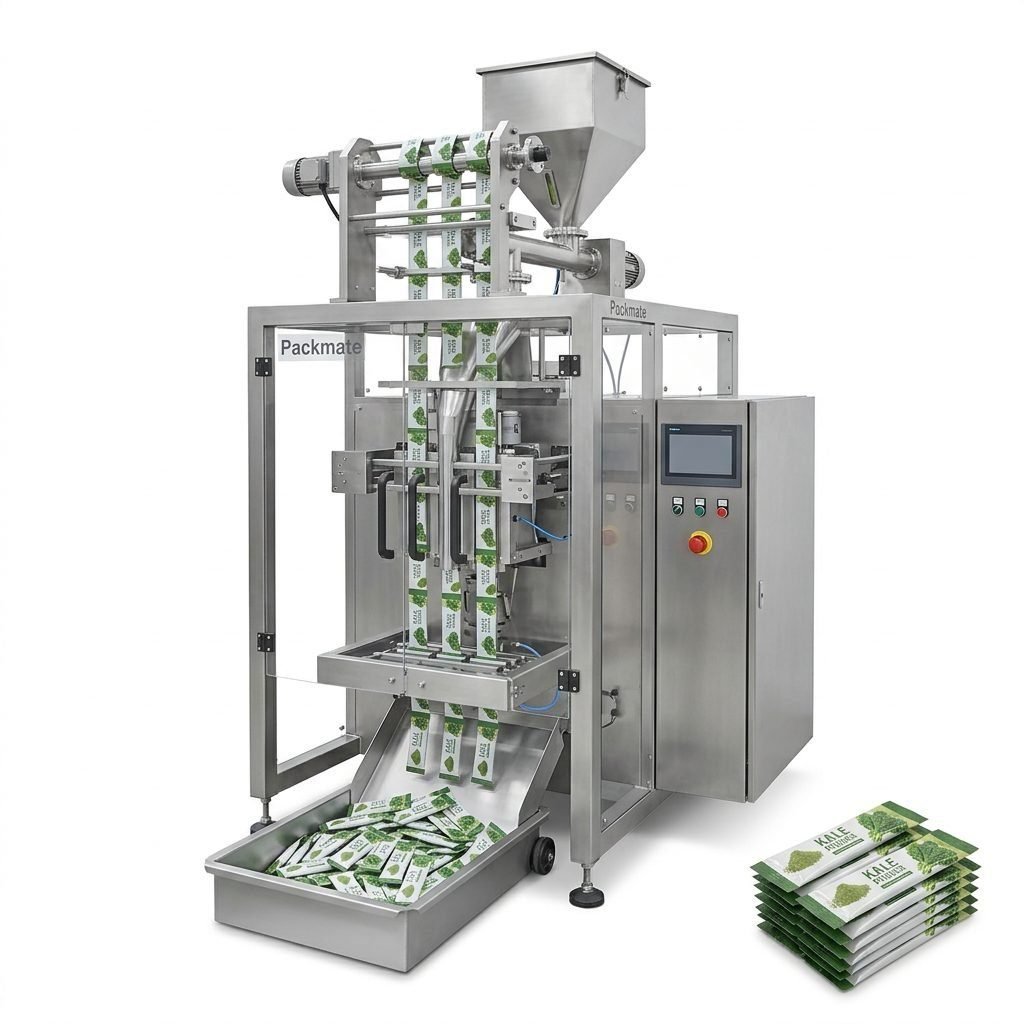
Packaging Format: Do you need stick packs, sachets, pouches, or bulk bags? The popularity of single-serve sachets is high in Cambodian consumer markets.
Production Volume: Estimate your required output (bags per minute). This determines whether you need a single-lane, multi-lane, or full turnkey line.
Factory Space & Utilities: Assess your available floor space, power supply (voltage, phase), and compressed air availability in your Cambodian facility.
Budget & ROI Goals: Define your investment range and the expected payback period through labor savings and increased output.
Key Sourcing Channels for Cambodian Importers
Cambodian businesses typically explore several channels to find packaging machine suppliers:
International Trade Shows: While attending overseas exhibitions requires travel, they offer firsthand machine demonstrations and direct manufacturer meetings. Regional shows in Southeast Asia can be more accessible.
Online B2B Platforms: Websites like Alibaba, Made-in-China, and industry-specific directories are widely used. They allow you to filter suppliers, compare specifications, and initiate contact.
Industry Referrals & Local Agents: Networking with other factory owners in Cambodia or through industry associations can lead to trusted recommendations. Some international manufacturers have local agents or distributors in Southeast Asia.
Direct Manufacturer Websites: Researching and contacting manufacturers directly, like Ludyway or Packmate Machinery, allows for detailed technical discussions and customized inquiries.
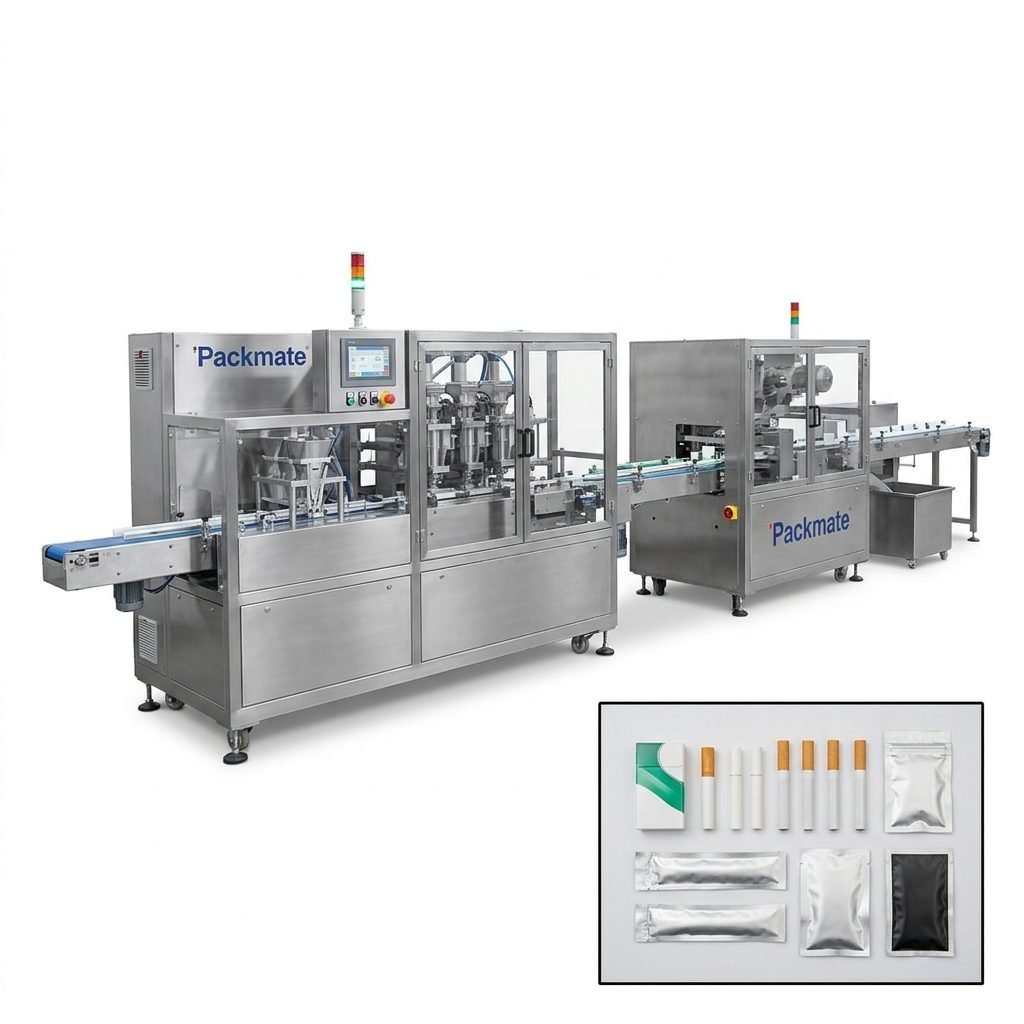
Evaluating Potential Packaging Machine Manufacturers
Once you have a list of potential suppliers, a thorough evaluation is crucial. Focus on these core aspects:
1. Manufacturer Credibility and Experience
Look for established companies with a proven track record. A long history often indicates stability and accumulated technical knowledge.
| Evaluation Criteria | What to Look For | Why It Matters for Cambodian Buyers |
|---|---|---|
| Company History | Years in business, founding date. | Ensures supplier reliability and reduces the risk of after-sales support disappearing. |
| Export Experience | Markets served, export revenue. | Proven experience in international shipping, documentation, and understanding of different market standards. |
| Factory Scale | Factory size, number of employees. | Indicates production capacity and ability to handle larger or repeat orders. |
For example, a manufacturer like PacklineOEM, with over 30 years of experience and a focus on turnkey lines, brings a depth of project management knowledge that can be valuable for a complete factory upgrade in Cambodia.
2. Technical Capability and Product Range
Assess whether the manufacturer’s technical expertise matches your product needs. Can they handle your specific material, be it sticky tamarind paste or fine rice flour?
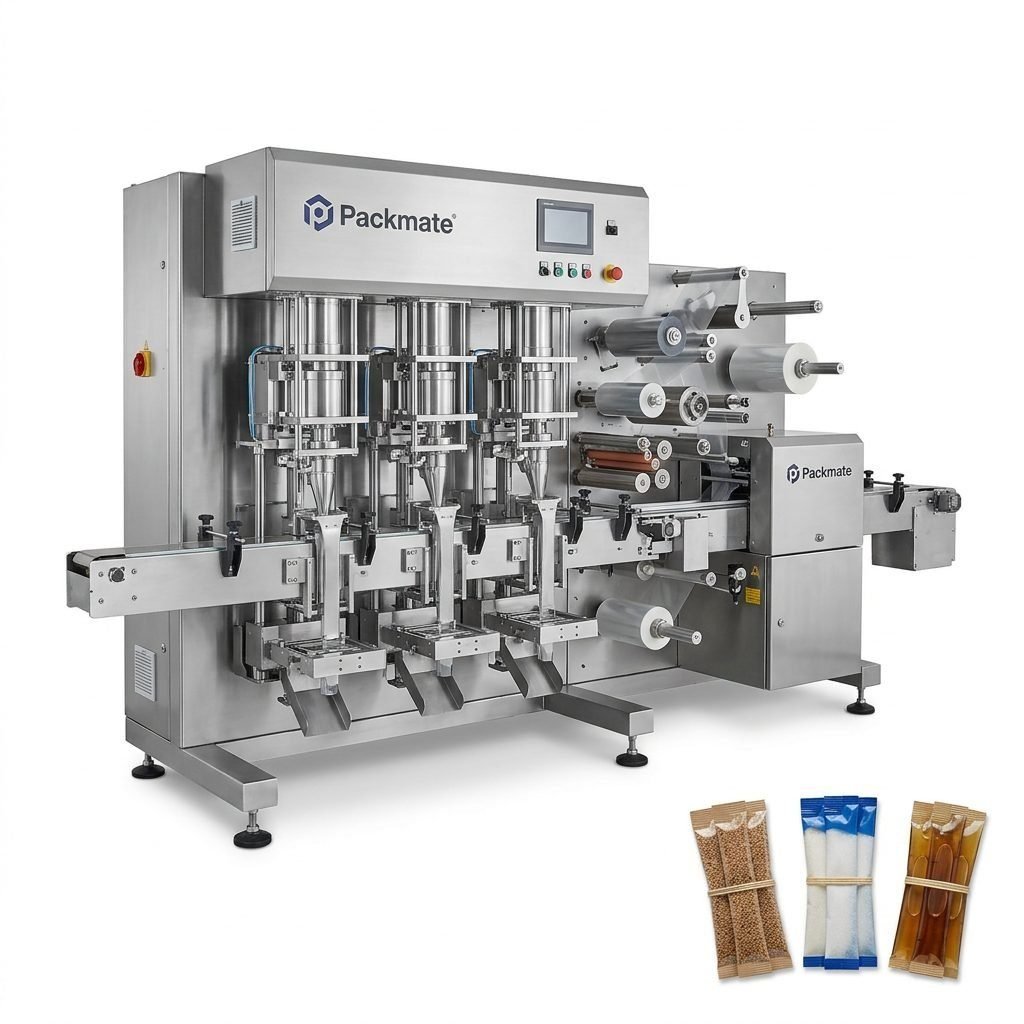
Machine Portfolio: Do they offer the specific type of machine you need (e.g., vertical form-fill-seal, liquid filler, multi-lane stick pack machine)?
Customization Ability: Can they adapt standard machines to your unique bag size, dosing weight, or feeding mechanism? This is crucial for non-standard products common in local markets.
Quality of Components: Inquire about key parts like PLCs, servos, sensors, and sealing elements. Reputable brands for critical components often mean longer machine life and easier maintenance.
Specialized manufacturers, such as SnusMachinery, demonstrate deep application knowledge in niche areas like pouch packaging, which can be analogous to certain local product needs requiring precise, hygienic sealing.
3. After-Sales Support and Service
This is perhaps the most critical factor for Cambodian importers, given the geographical distance from major manufacturing hubs. Clear support terms can prevent prolonged production downtime.
Warranty Period: Standard is typically 12-18 months for machinery. Understand what is covered (parts, labor) and what is not.
Technical Support: Is remote support (video call, team viewer) available? What are the response times? Do they provide English-language manuals and software?
Spare Parts Policy: How quickly can spare parts be shipped to Cambodia? Is there a local parts inventory or a reliable logistics process?
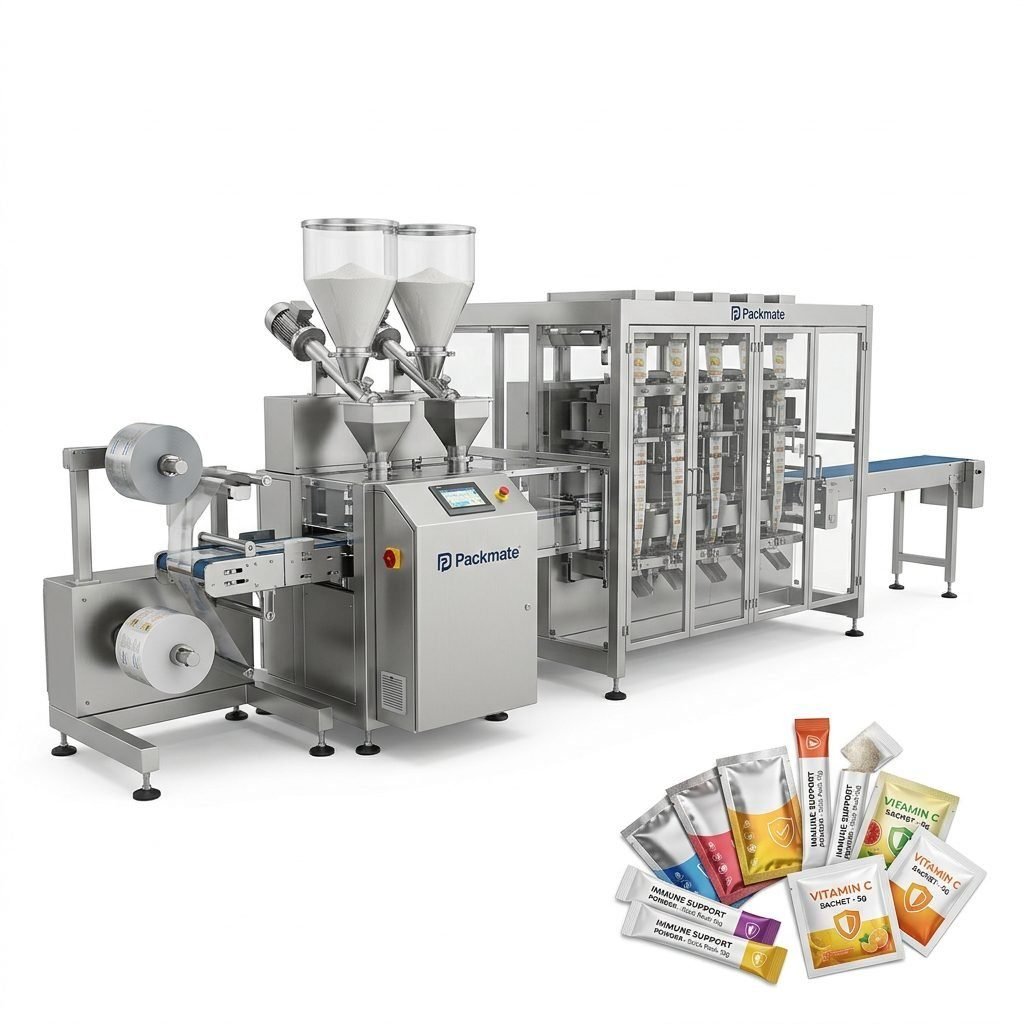
Installation & Training: Will they send engineers for installation and operator training in Cambodia? If not, is detailed installation guidance provided? Companies like PackingMachineOEM, which emphasize customization, often provide more comprehensive project-based support.
The Procurement Process: From Inquiry to Delivery
Following a structured process helps manage risks and ensures clarity for both parties.
Step 1: Initial Inquiry and Quotation
Provide a detailed specification sheet to potential suppliers. Request a formal quotation that includes:
• Machine model and detailed specifications
• FOB or CIF price (crucial for calculating total landed cost in Cambodia)
• Delivery lead time
• Payment terms (e.g., 30% deposit, 70% before shipment)
• Detailed warranty and service terms
Step 2: Factory Audit and Reference Check
If possible, visit the manufacturer’s factory in person or arrange a virtual video tour. Request contact information for existing customers, preferably in Southeast Asia, and ask about their experience with machine performance and support.
Step 3: Contract and Payment
Ensure a clear, detailed sales contract is signed. It should cover all technical specs, commercial terms, delivery schedule, acceptance criteria, and liability clauses. Use secure payment methods like bank transfer (T/T) with clear milestones.
Step 4: Pre-Shipment Inspection and Logistics
Arrange for a pre-shipment inspection (you or a third-party agency) to verify machine construction and functionality before it leaves the factory. Coordinate with a reliable freight forwarder experienced in shipping machinery to Cambodia to handle sea freight, customs clearance, and inland transportation.
Common Questions (FAQ) for Cambodian Buyers
Q1: What is the typical lead time for a packaging machine from China to Cambodia?
A: Lead time varies. For standard models, it can be 30-60 days after order confirmation. For customized or turnkey lines, it may take 60-90 days or more. Always factor in sea freight transit time (approx. 7-15 days) and customs clearance in Sihanoukville or Phnom Penh.
Q2: How do I handle customs clearance and import duties in Cambodia?
A: It is advisable to work with a licensed Cambodian customs broker or a freight forwarder with a local partner. They will handle the documentation (Commercial Invoice, Packing List, Bill of Lading, Certificate of Origin) and calculate the applicable duties and taxes based on the machine’s HS code.
Q3: What voltage and power specifications should I request for use in Cambodia?
A: Cambodia’s standard voltage is 230V/50Hz. Ensure the machine is configured for this during the ordering process. Also, specify your factory’s power phase (typically 3-phase for industrial machinery) and compressed air requirements (e.g., 0.6-0.8 MPa).
Q4: Is it better to buy a standalone machine or a complete packaging line?
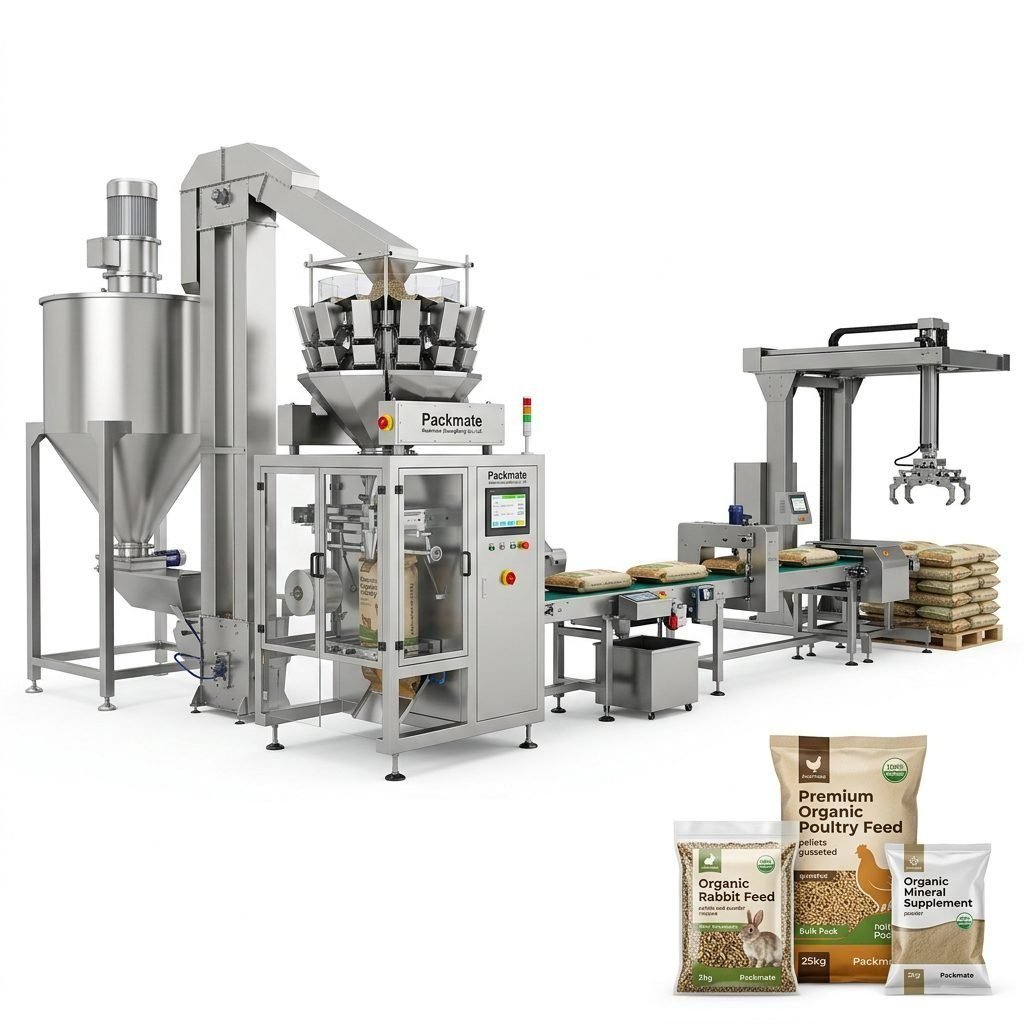
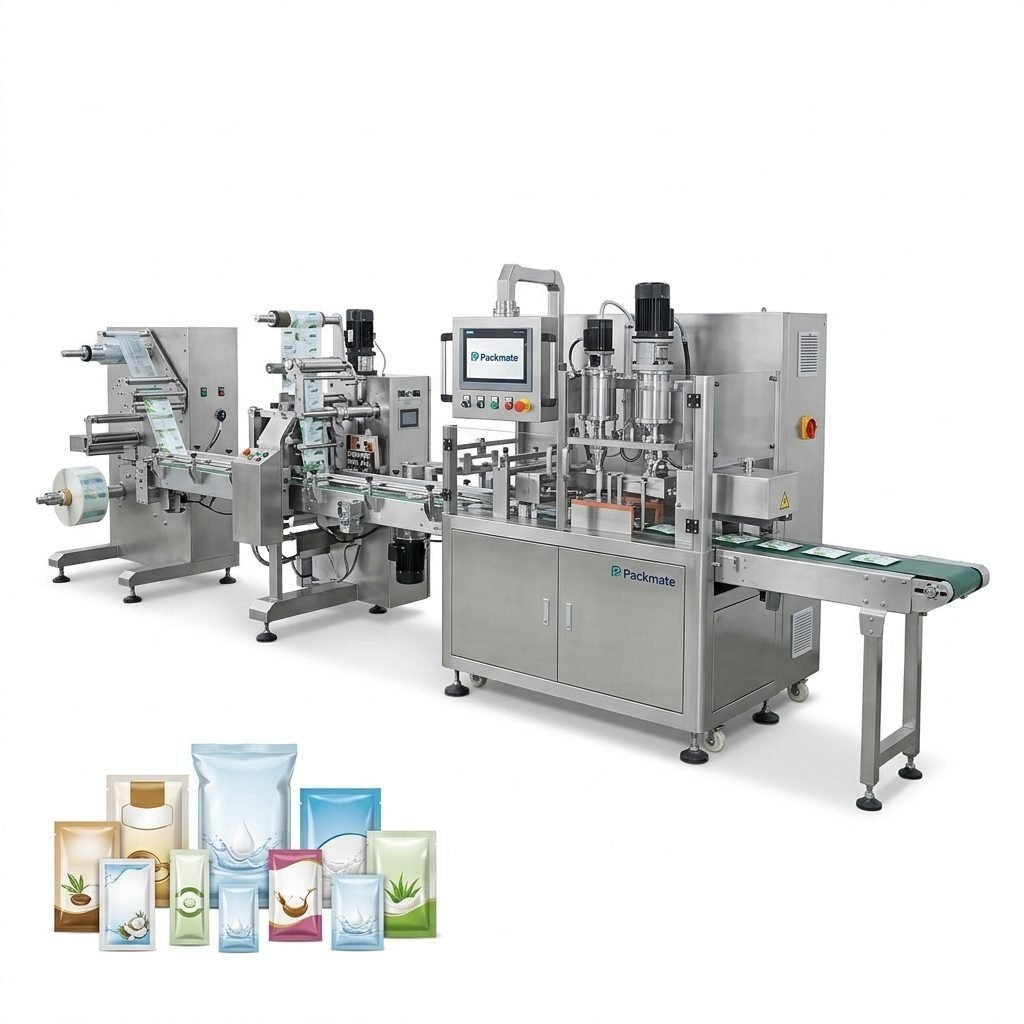
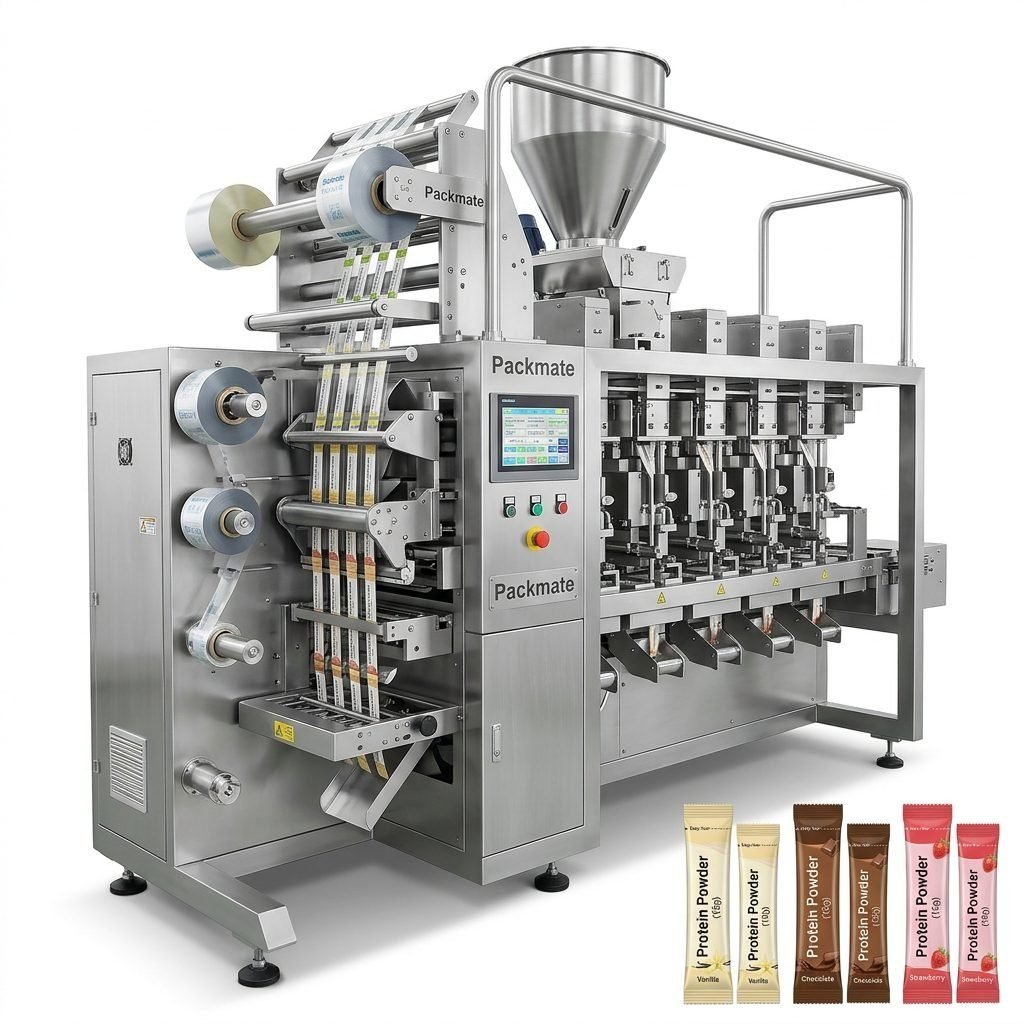
A: It depends on your scale and automation goals. A standalone machine (e.g., a filler) is suitable for semi-automatic production. A complete line (integrating feeding, weighing, filling, sealing, conveying) is for high-volume, fully automated output. Companies like Ludyway and PacklineOEM specialize in these integrated solutions.
Q5: How can I ensure the machine is easy to maintain with limited local technical expertise?
A: Discuss this explicitly with the supplier. Choose machines with user-friendly HMIs, clear diagnostic systems, and comprehensive manuals. Request detailed training videos. Ensure the supplier commits to prompt remote support. Stock a basic set of common spare parts (sealing jaws, filters, sensors) locally from the start.