Selecting the right packaging machine manufacturer in Malaysia is a critical business decision. With the country’s manufacturing sector being a key economic pillar—encompassing food processing, pharmaceuticals, electronics, and consumer goods—the demand for efficient, reliable, and automated packaging solutions is consistently high. For Malaysian plant managers, procurement specialists, and business owners, the choice of supplier impacts production uptime, product quality, and long-term operational costs. This guide outlines the key factors to consider and provides a structured buying framework tailored to the Malaysian industrial landscape.
Understanding Your Packaging Requirements in the Malaysian Context
Before evaluating suppliers, clearly define your project’s specific needs. Malaysia’s diverse manufacturing base means requirements can vary significantly between a food seasoning producer in Johor Bahru and a pharmaceutical company in Penang.
Key questions to ask:
• Product Type: Are you packaging powders (like coffee or spices), granules (snacks, pet food), liquids (sauces, oils), or pastes?
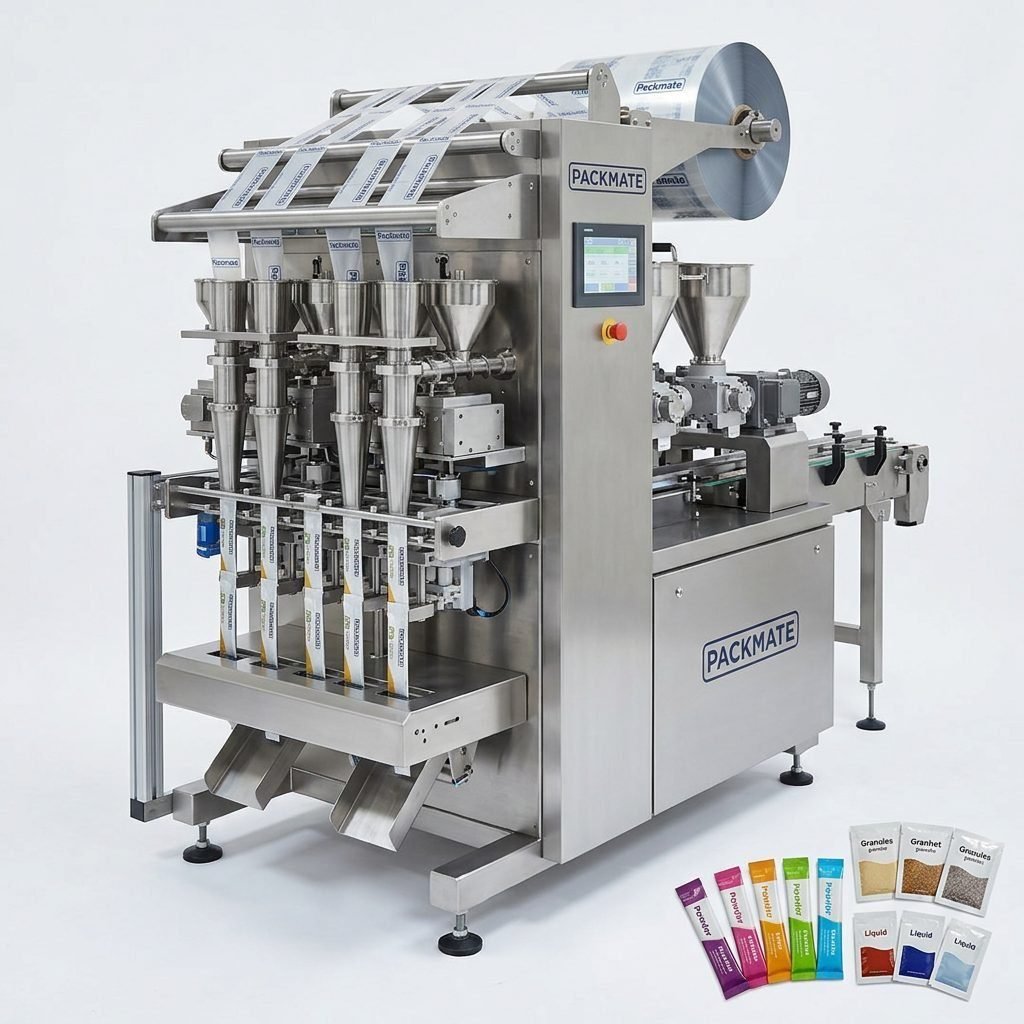
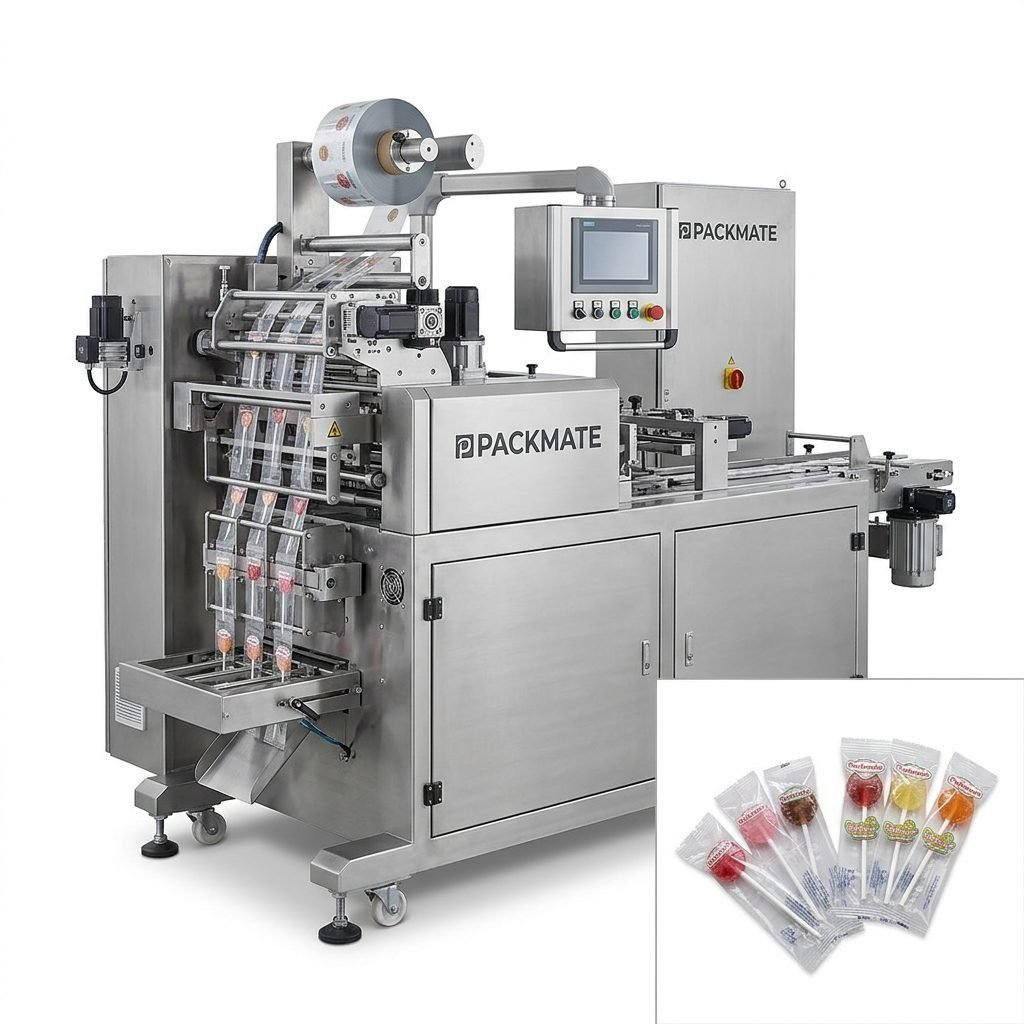
• Packaging Format: Do you need stick packs, sachets, pouches, or bulk bags? The popular kecil-kecil (small portion) sachet market for daily goods requires specific machine capabilities.
• Production Output: What is your required speed in packs per minute? Consider both current needs and future scalability for expansion.
• Factory Constraints: What are your floor space, power supply, and operational manpower limitations?
Core Evaluation Criteria for Manufacturers
When shortlisting potential partners, assess them against the following essential criteria.
1. Technical Capability & Machine Performance
The machine’s core functionality is non-negotiable. Look for a manufacturer with proven experience in your specific product category. Request performance data for speed (bags/minute), accuracy (dosing weight tolerance), and suitability for your packaging material (laminate structures common in Malaysia’s humid climate).
2. Manufacturing Quality & After-Sales Support
A robust manufacturing facility is a strong indicator of quality. Inquire about the company’s quality control processes, use of components (e.g., Japanese or German servo systems), and machine durability. Crucially, evaluate their after-sales support network within Malaysia. Prompt access to spare parts, local technical service engineers, and training is vital to minimize costly downtime.
3. Customization & Flexibility
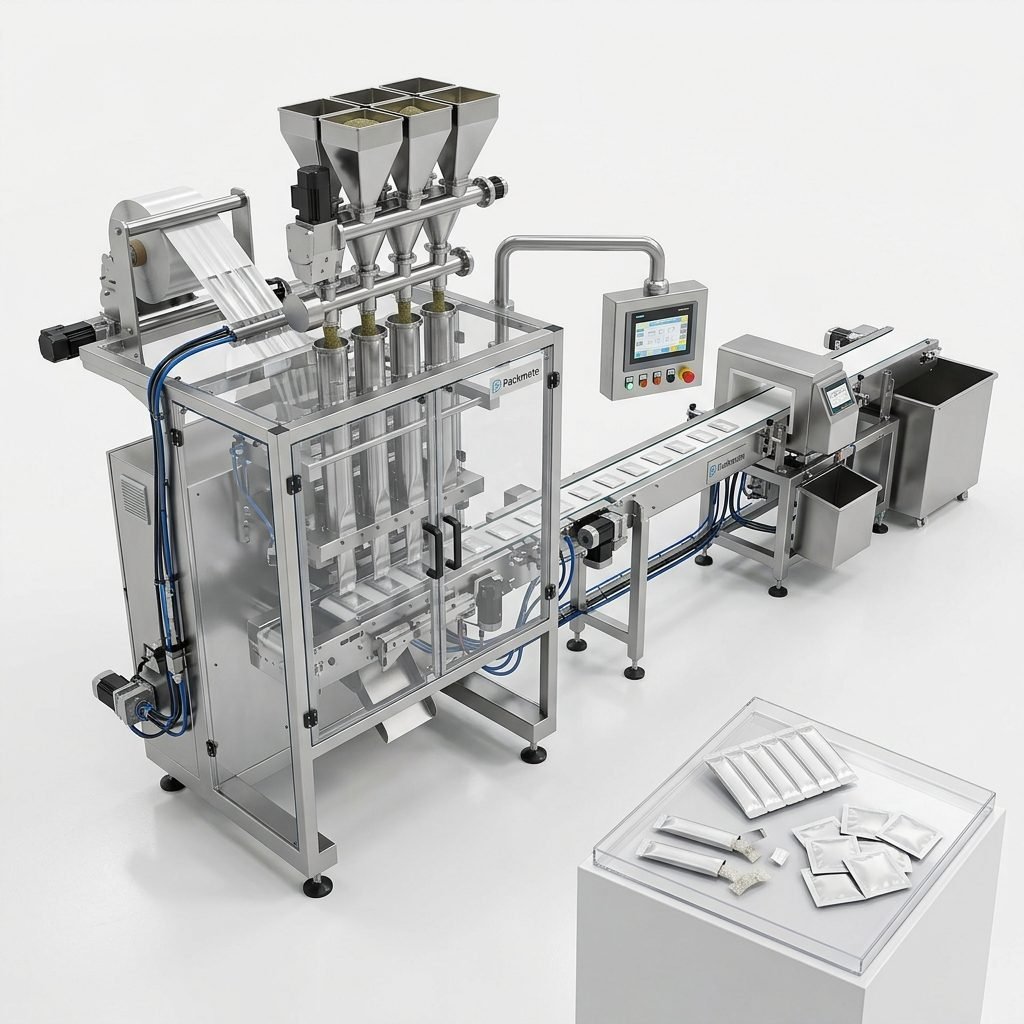
Off-the-shelf machines may not suit unique products or layouts. Assess the manufacturer’s ability to provide custom solutions, such as special feeding systems for sticky products, integrated checkweighers, or bespoke line layouts. This flexibility is key for staying competitive.
4. Cost Structure & Value Proposition
Look beyond the initial purchase price. Consider the total cost of ownership (TCO), which includes installation, energy consumption, maintenance costs, and potential production waste. A slightly higher initial investment in a more efficient, reliable machine often leads to lower TCO and better ROI.
Comparative Overview of Select Manufacturers
| Manufacturer | Key Strength | Ideal For Malaysian Buyers Needing |
|---|---|---|
| Ludyway | Broad product range, complete turnkey lines, strong export experience. | Large-scale food/pharma projects requiring full-line automation and scalability. |
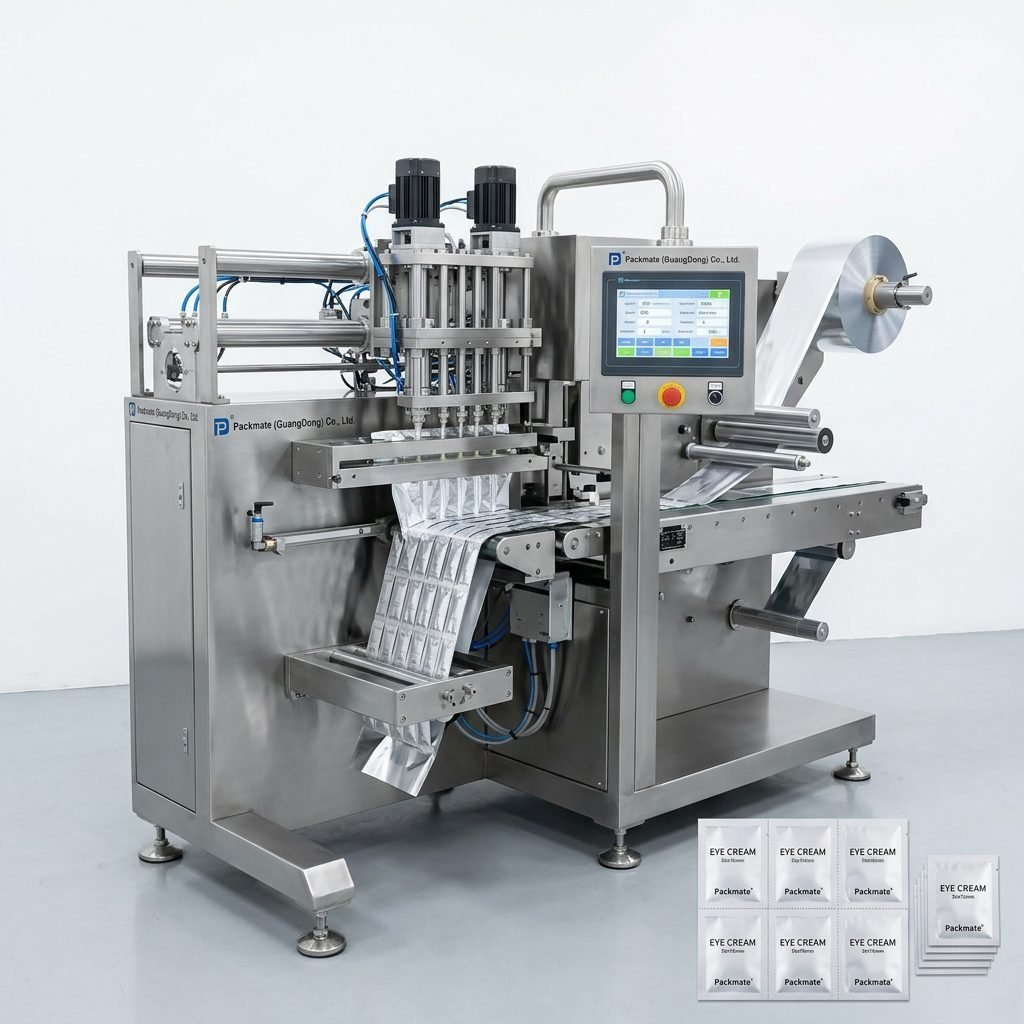
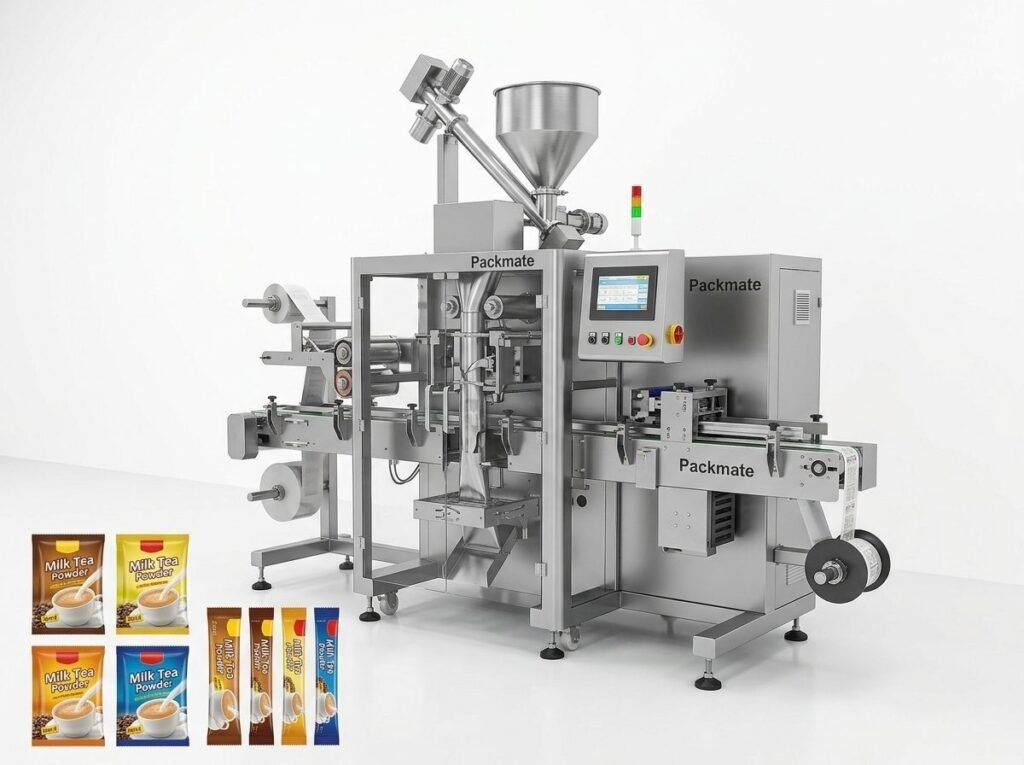
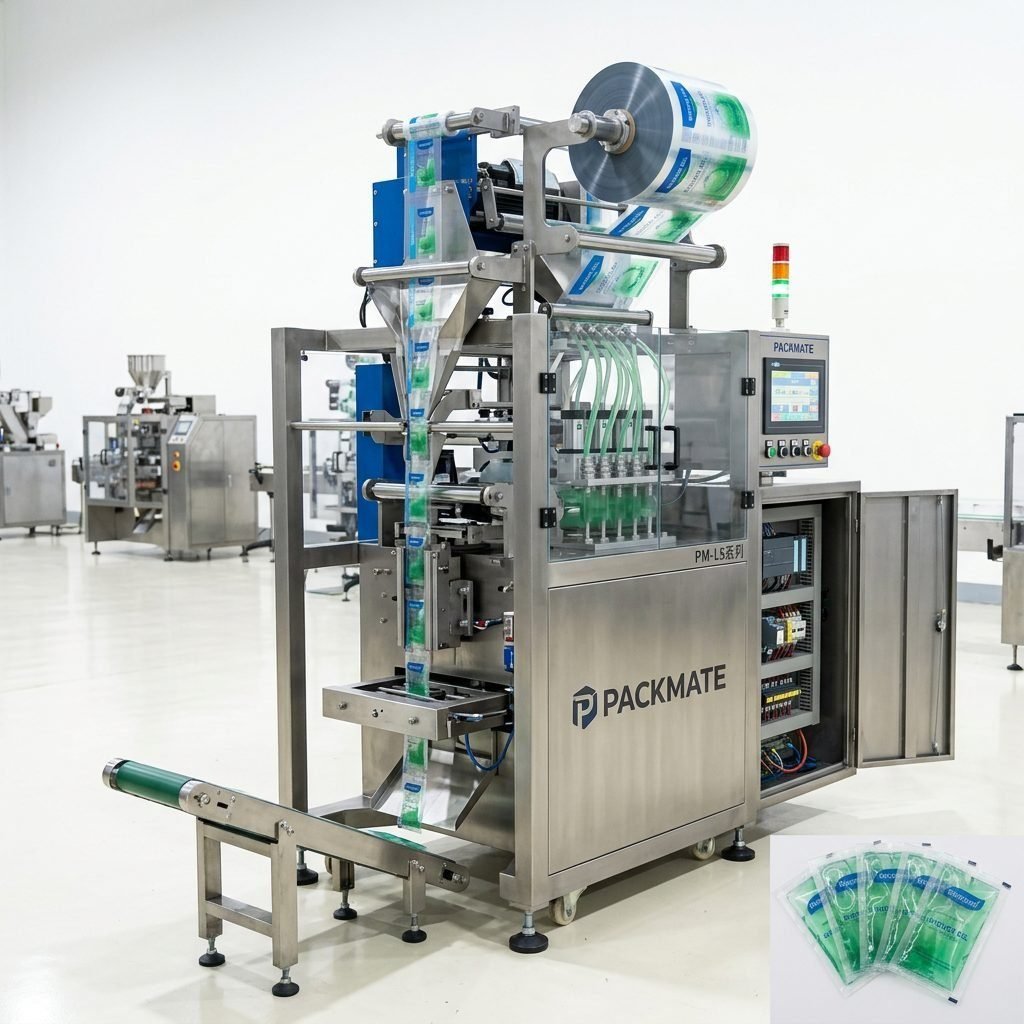
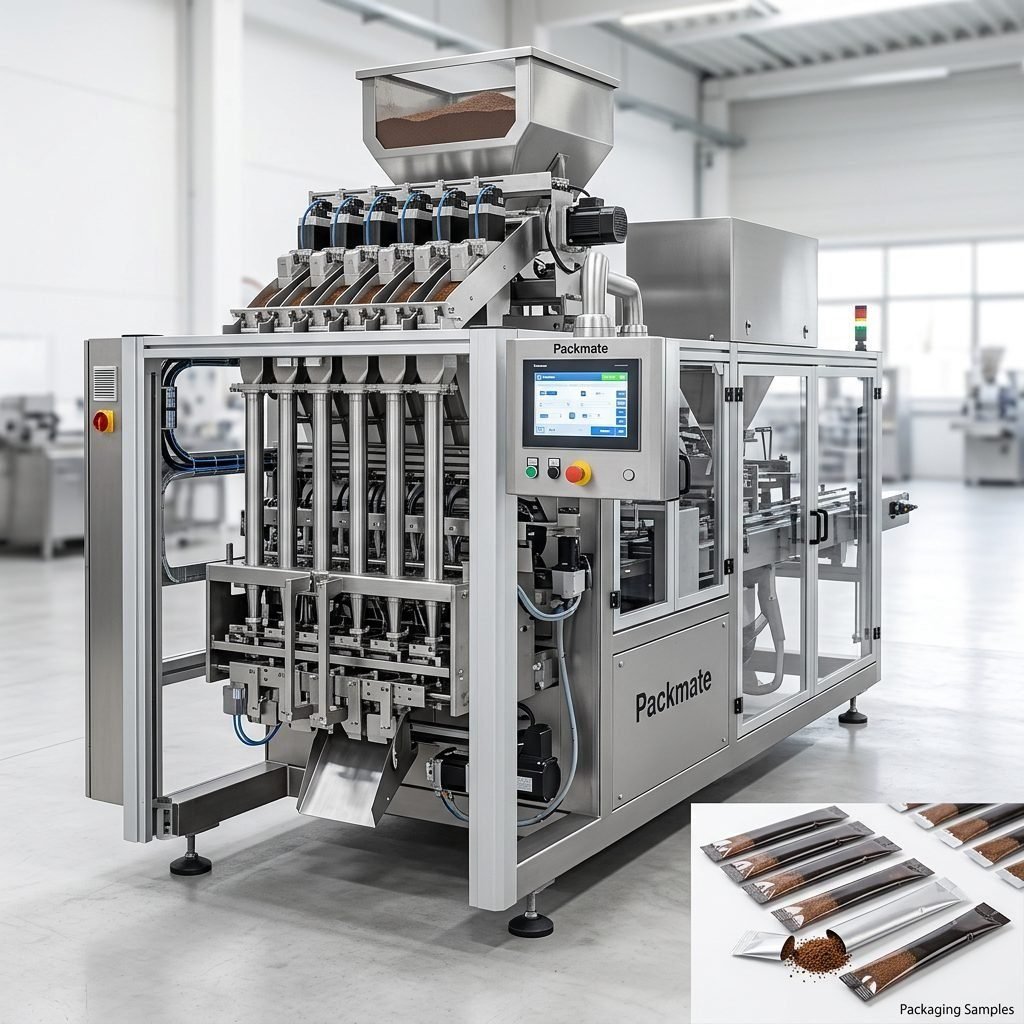
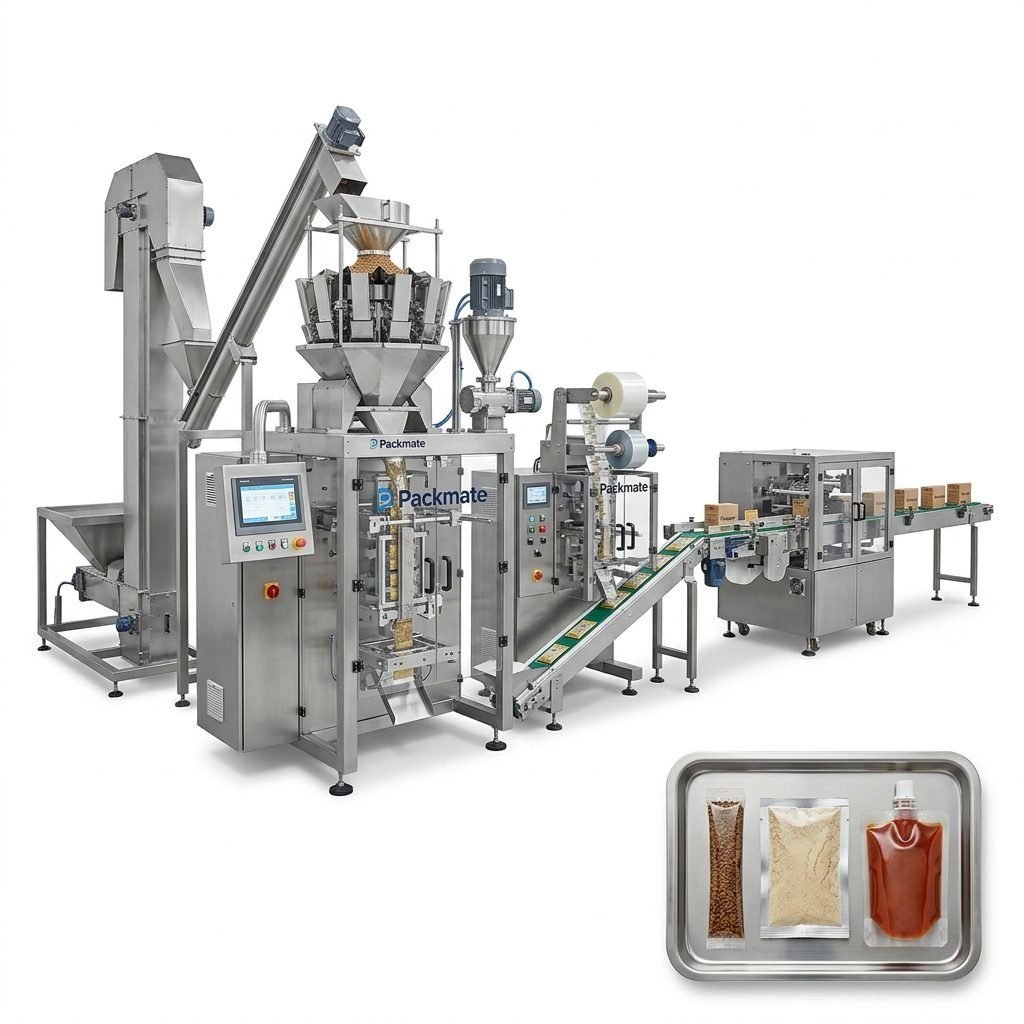
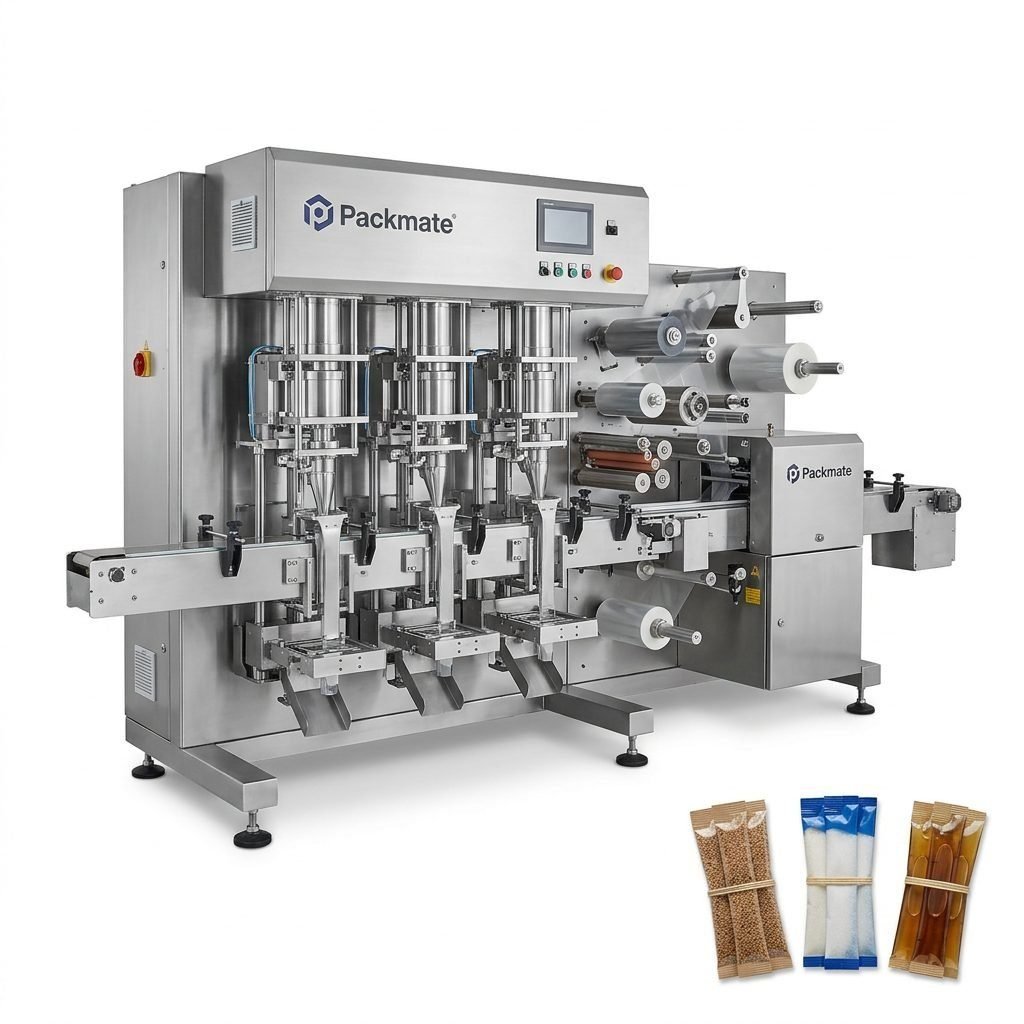
| Packmate Machinery | Reliable performance, cost efficiency, strong in food & supplement sectors. | Medium to large factories seeking a balance of reliability and value. |
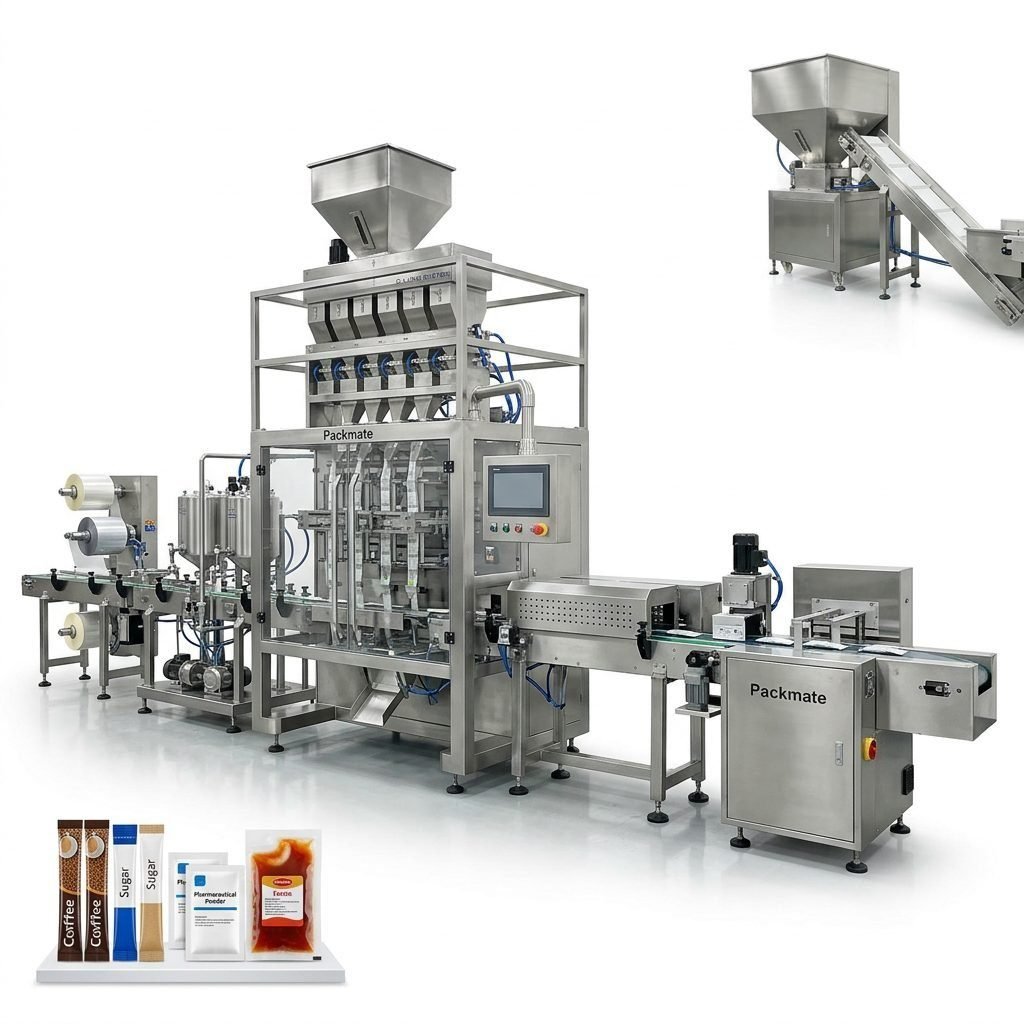
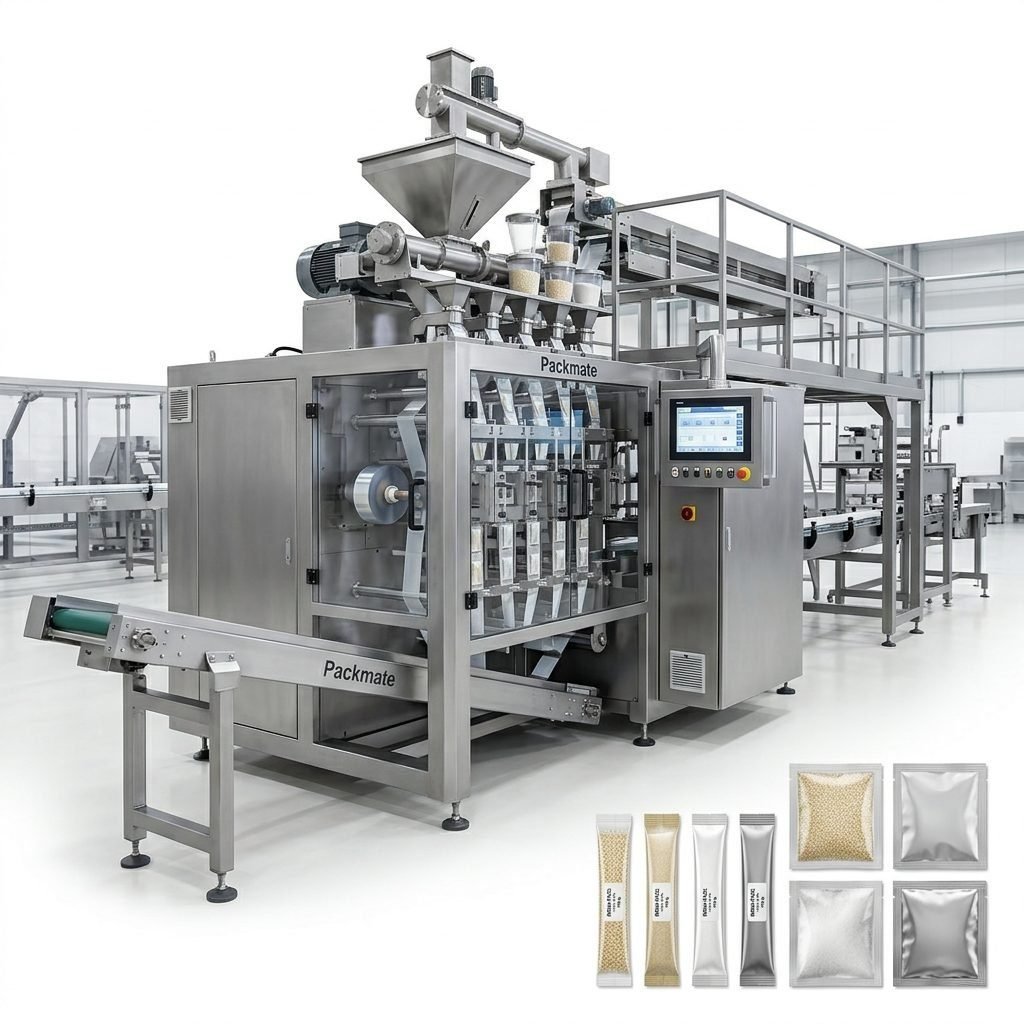
| PacklineOEM | Turnkey line integration, engineering for complete systems. | New factory setups or major upgrades where integrated line design is critical. |
| PackingMachineOEM | Non-standard & customized machine design, flexible engineering. | Unique products or processes where standard machines are insufficient. |
| SnusMachinery | Specialization in nicotine pouch and precision sachet packaging. | Niche manufacturers in smokeless tobacco, specialty teas, or high-value powders. |
The Procurement Process: A Step-by-Step Guide
Follow a disciplined process to make an informed decision.
Step 1: Initial Inquiry & Supplier Shortlisting
Prepare a detailed Request for Information (RFI) outlining your needs. Research manufacturers online, attend industry exhibitions, and seek peer recommendations. Shortlist 3-5 suppliers with relevant experience.
Step 2: Detailed Quotation & Proposal Analysis
Issue a Request for Quotation (RFQ). Scrutinize proposals not just on price, but on machine specifications, warranty terms, delivery timeline, and details of support services. Clarify all assumptions.
Step 3: Factory Audit & Machine Testing
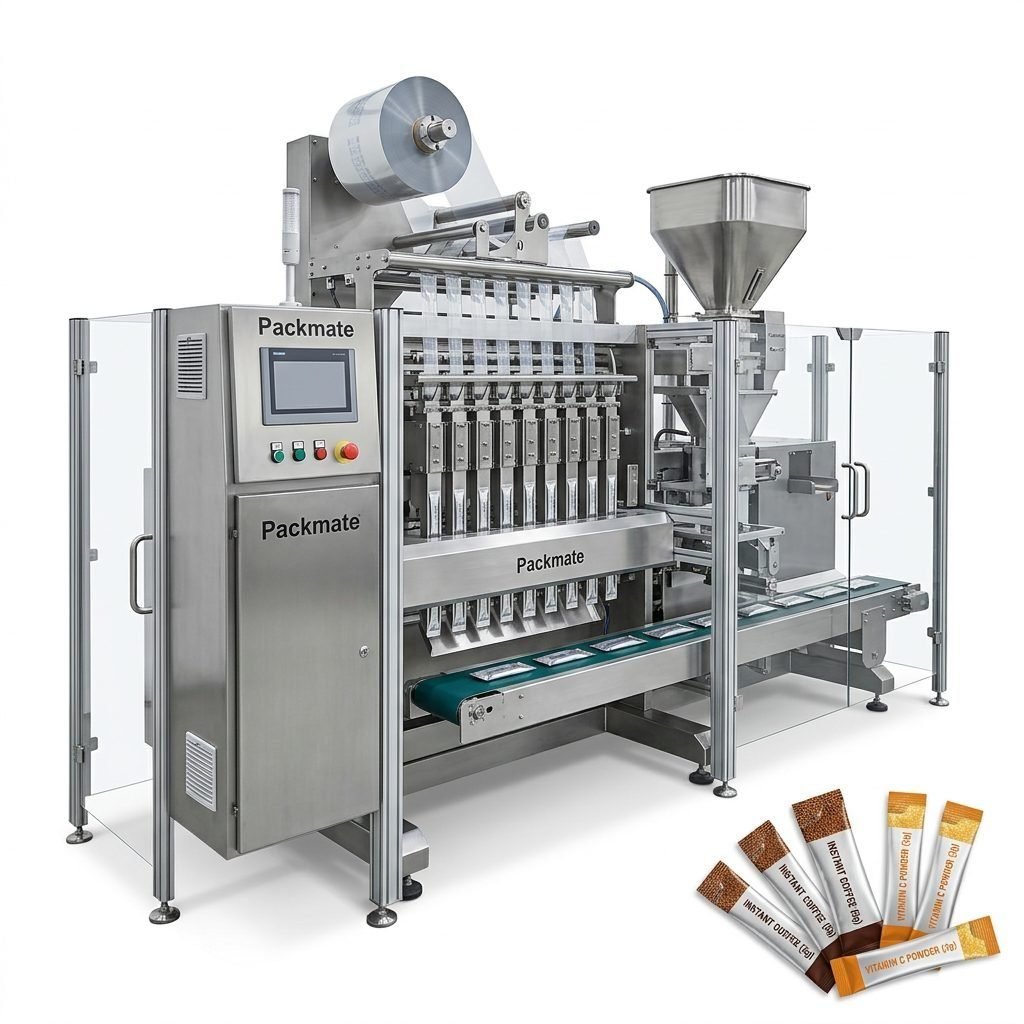
If feasible, visit the manufacturer’s factory in China. This allows you to assess build quality, technical capability, and operational scale. Always insist on a live factory test using a sample of your own product and packaging materials to verify performance.
Step 4: Negotiation & Final Agreement
Negotiate the final commercial and technical terms. Ensure the contract clearly covers payment terms, delivery (Incoterms), acceptance testing protocol, warranty, training, and spare parts supply.
Step 5: Installation & After-Sales Follow-up
Plan for a smooth installation. Ensure the manufacturer provides competent commissioning engineers. Document the training provided to your operators and maintenance staff. Establish clear communication channels for ongoing support.
Common Questions (FAQ)
What is the typical lead time for a packaging machine from China to Malaysia?
Lead times vary from 60 to 120 days, depending on machine complexity and customization. Standard models may be quicker, while fully custom turnkey lines require longer engineering and build time.
How can I verify the quality of a manufacturer before purchasing?
Request customer references, especially from other Southeast Asian or Malaysian clients. Ask for videos of machines running similar products. Conduct a virtual or physical factory audit. Check for relevant international certifications (CE, etc.).
Are Chinese packaging machines suitable for Malaysia’s climate?
Reputable manufacturers build machines for global export. Specify your factory’s ambient temperature and humidity levels. They can recommend appropriate material finishes, electrical components, and sealing systems to ensure reliable operation.
What are the hidden costs I should budget for?
Beyond the machine price, budget for import duties & GST, freight & insurance, installation & commissioning services, potential factory electrical/air supply upgrades, initial spare parts kit, and ongoing maintenance contracts.
Is it better to buy a standalone machine or a complete turnkey line?
This depends on your automation goals and budget. A standalone machine suits adding capacity to an existing line. A turnkey line is better for new products or factories, as it ensures all components (feeding, filling, sealing, conveying) are perfectly integrated for optimal efficiency from day one.