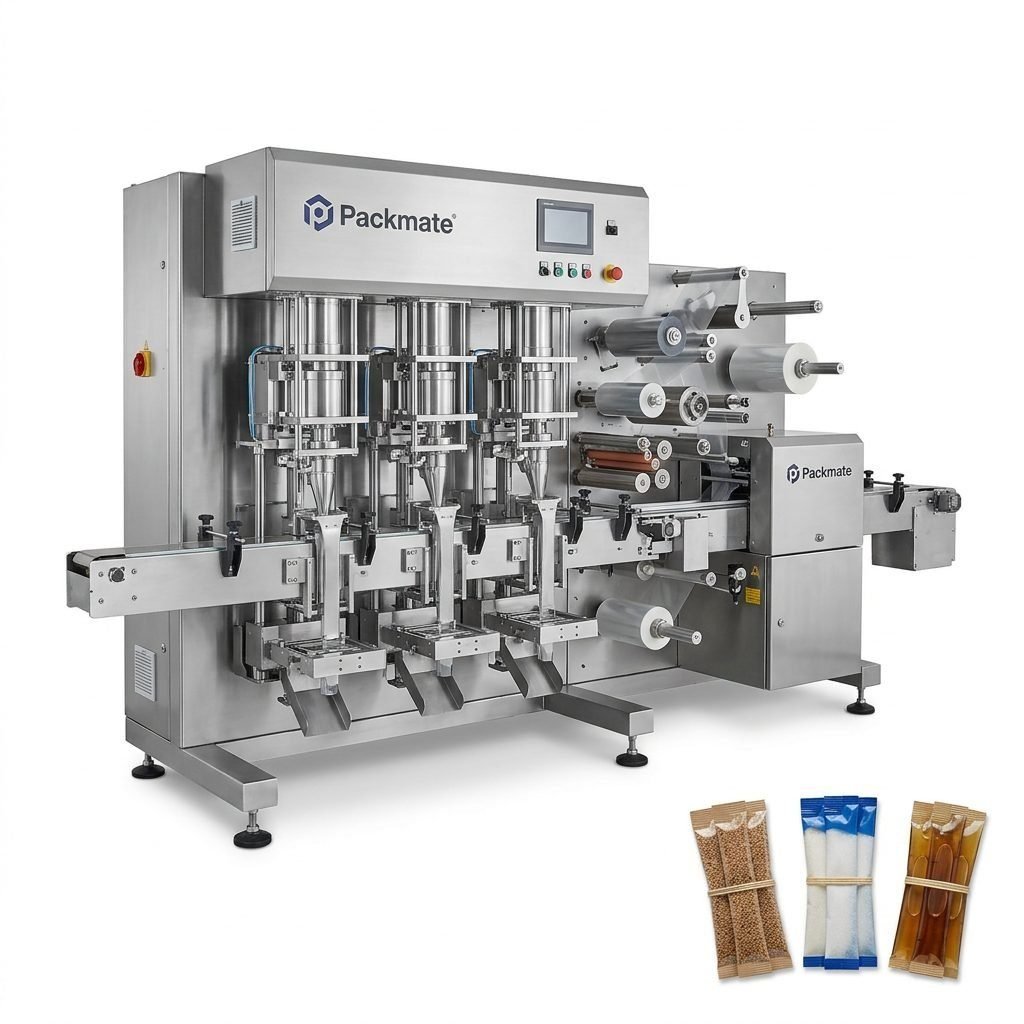
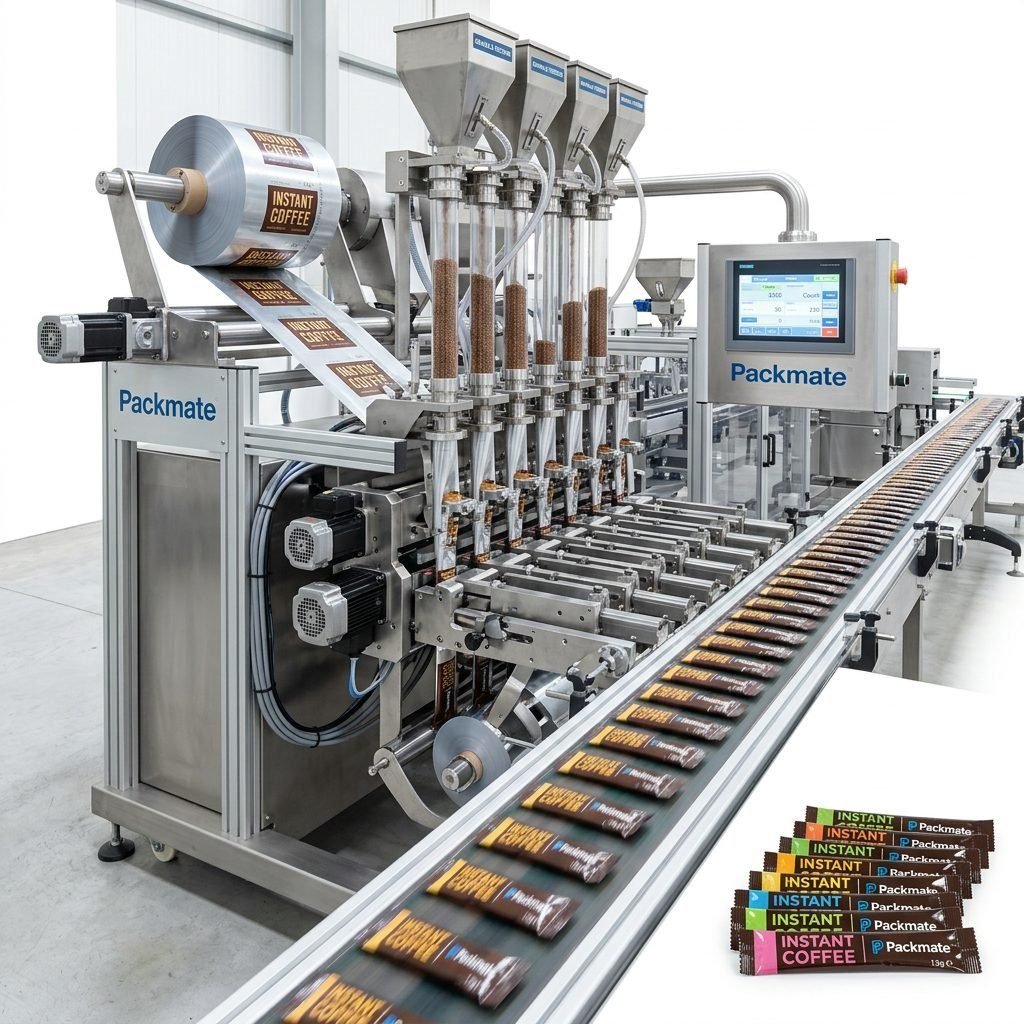
Selecting the right packaging machine manufacturer in Cambodia is a critical decision for local food processors, pharmaceutical companies, supplement producers, and agricultural exporters. Cambodia’s growing manufacturing sector, particularly in food processing and light industry, demands reliable, efficient, and cost-effective packaging automation. Partnering with a suitable manufacturer can directly impact your production uptime, product quality, and overall competitiveness in both domestic and export markets like ASEAN, Europe, and beyond.
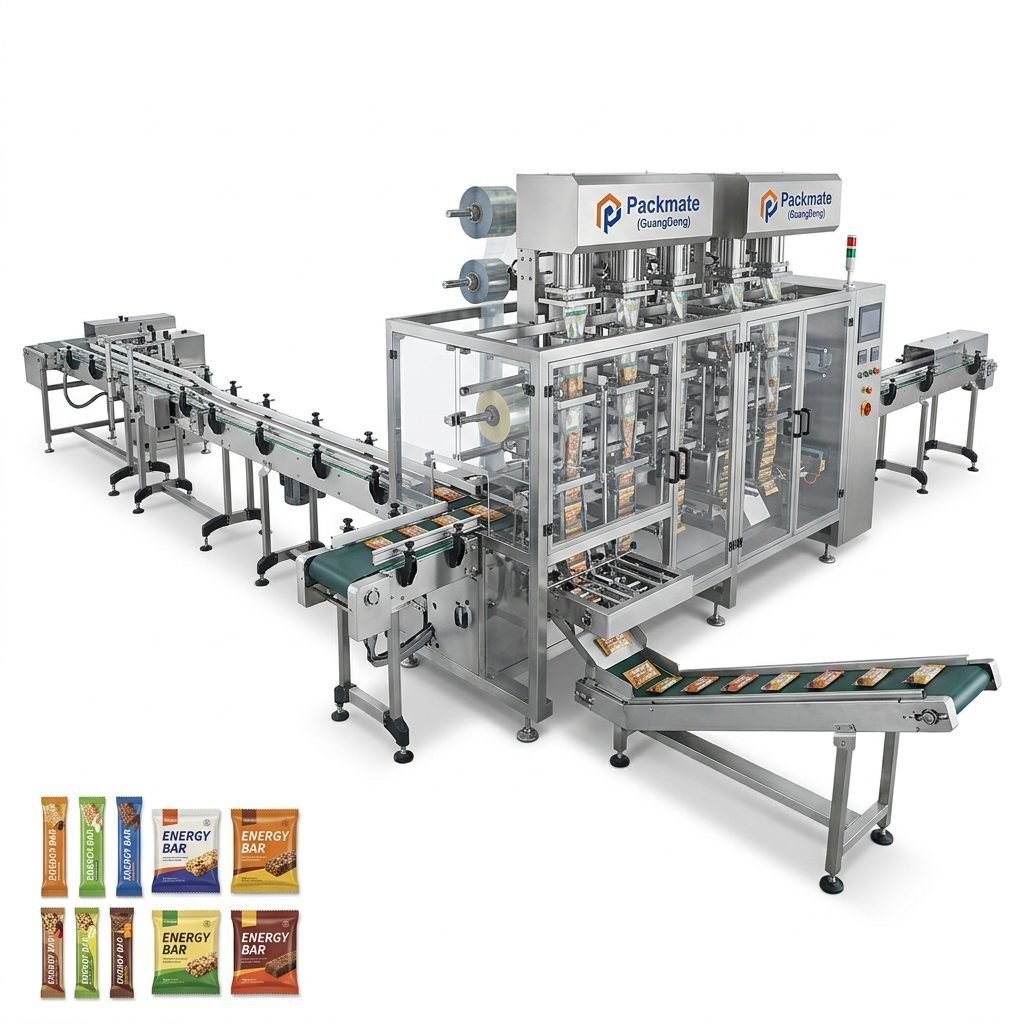
Understanding Cambodia’s Packaging Needs
Cambodia’s production landscape is diverse. Local manufacturers often handle products like rice, spices, instant coffee mixes, herbal supplements, and aquaculture feed. These products typically require packaging in sachets, stick packs, or small bags. The ideal manufacturer for a Cambodian business should understand these common product formats and the challenges of operating in the region, such as maintaining machine stability in varying climatic conditions and providing accessible technical support.
Key local considerations include: The need for machines that can handle hygroscopic powders (common in food production), provide consistent sealing in humid environments, and offer easy operation for local technicians. Manufacturers with extensive export experience to Southeast Asia are often better equipped to meet these specific requirements.
1. Assessing Manufacturer Experience and Stability
A manufacturer’s history is a strong indicator of reliability. Companies with decades of experience have typically refined their machine designs, manufacturing processes, and quality control systems. For Cambodian buyers, this translates to more dependable equipment and fewer production stoppages.
Look for manufacturers with a proven track record in your specific industry, whether it’s food, pharmaceuticals, or health supplements. A company that has successfully implemented projects for products similar to yours (e.g., powdered beverages, seasoning sachets, or granular supplements) will have valuable application knowledge.
2. Product Range and Customization Capability
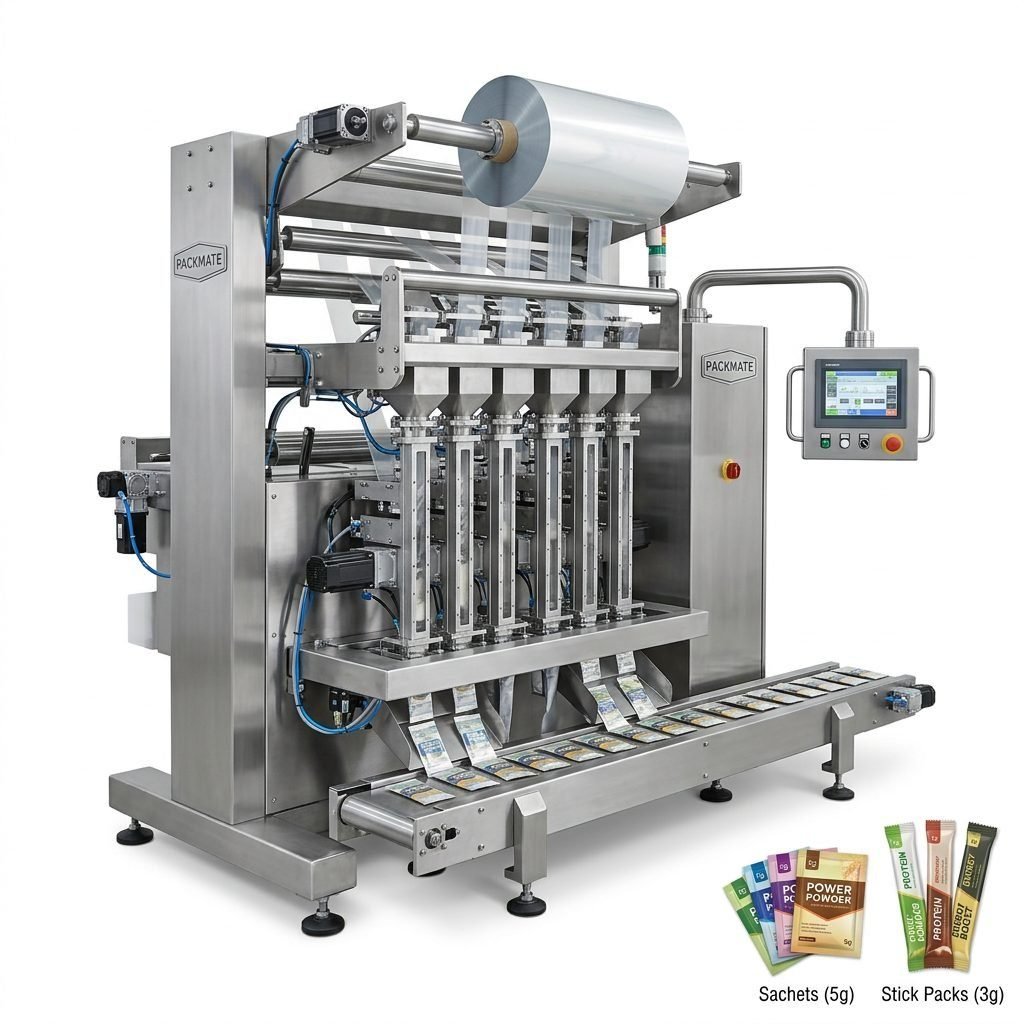
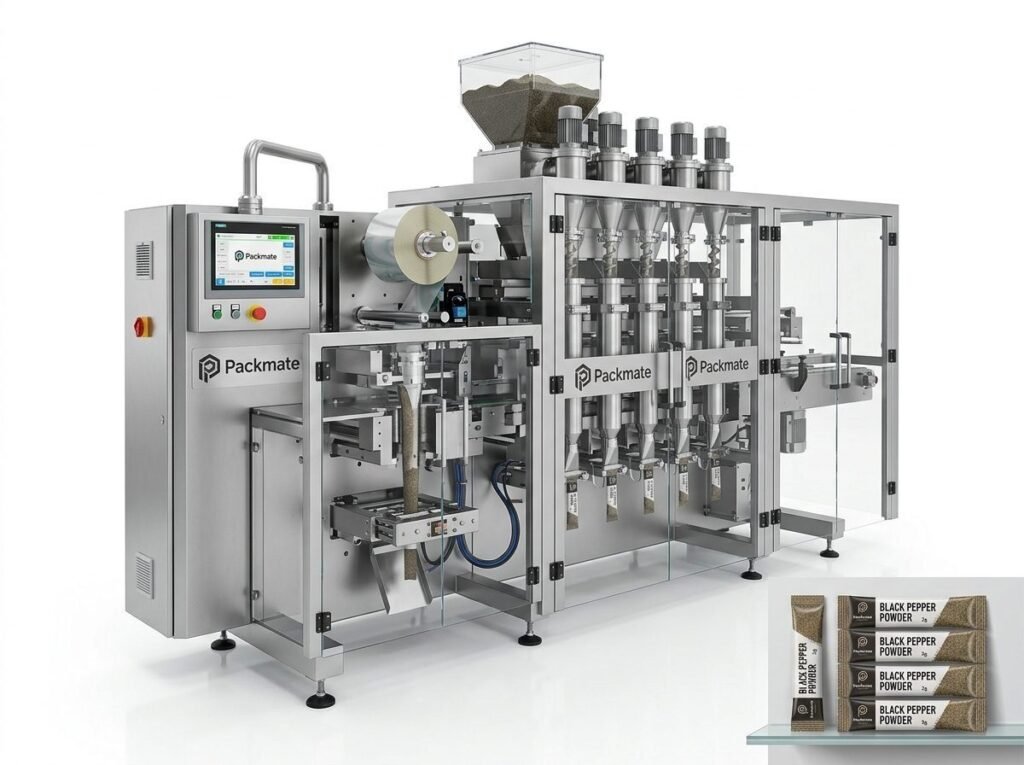
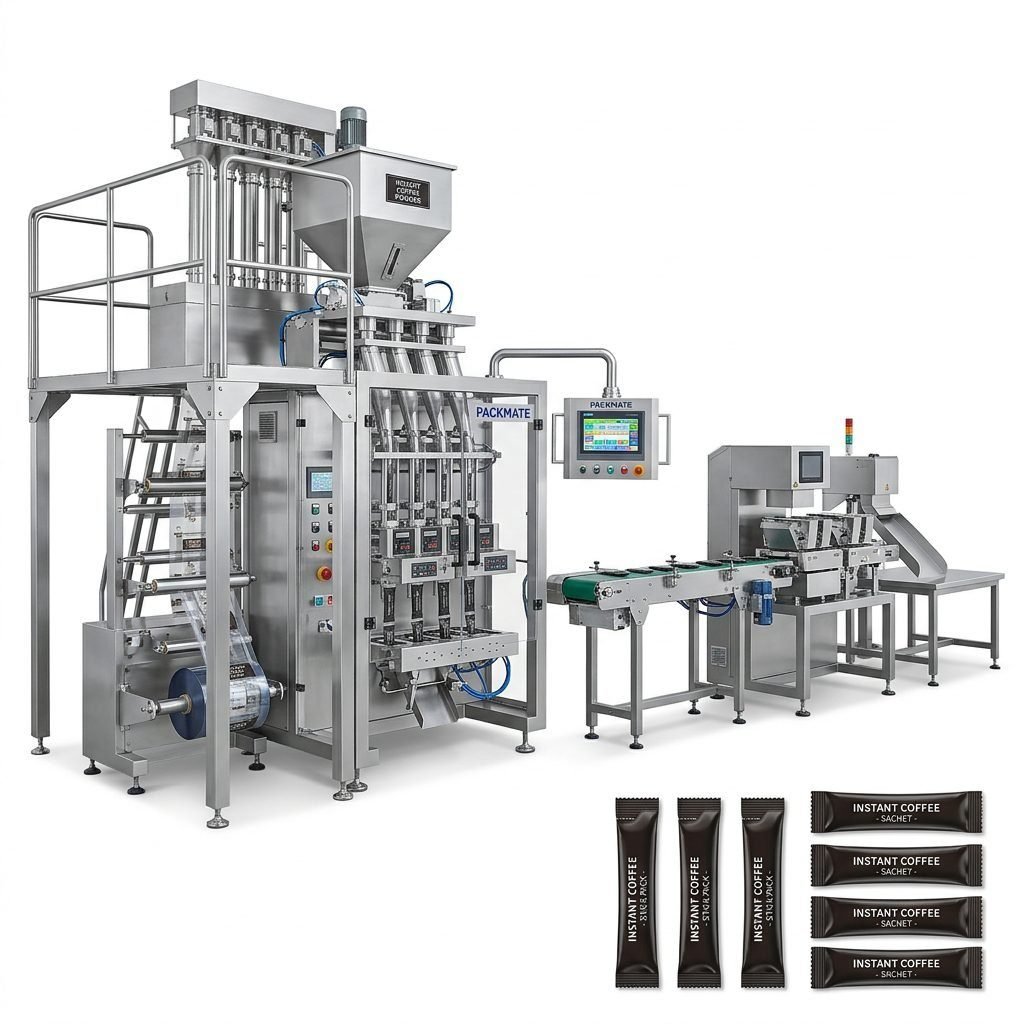
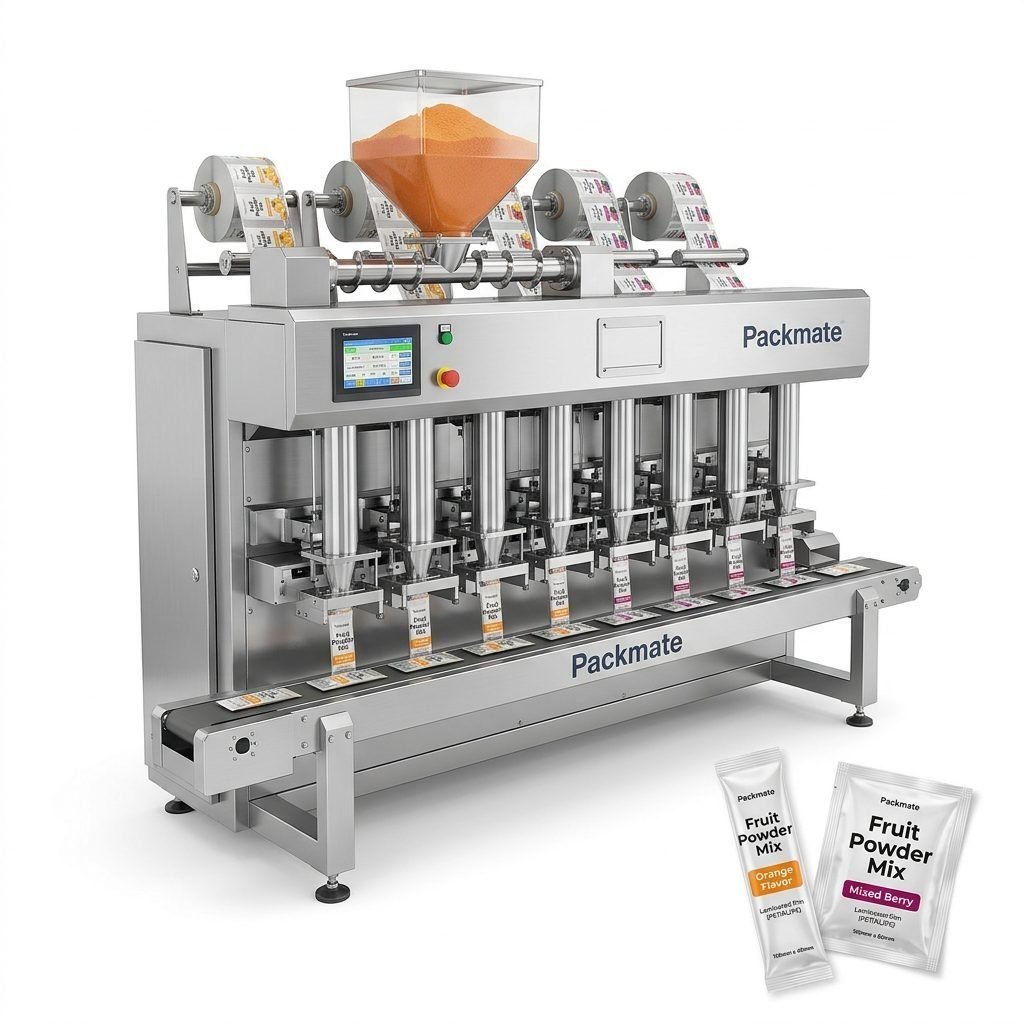
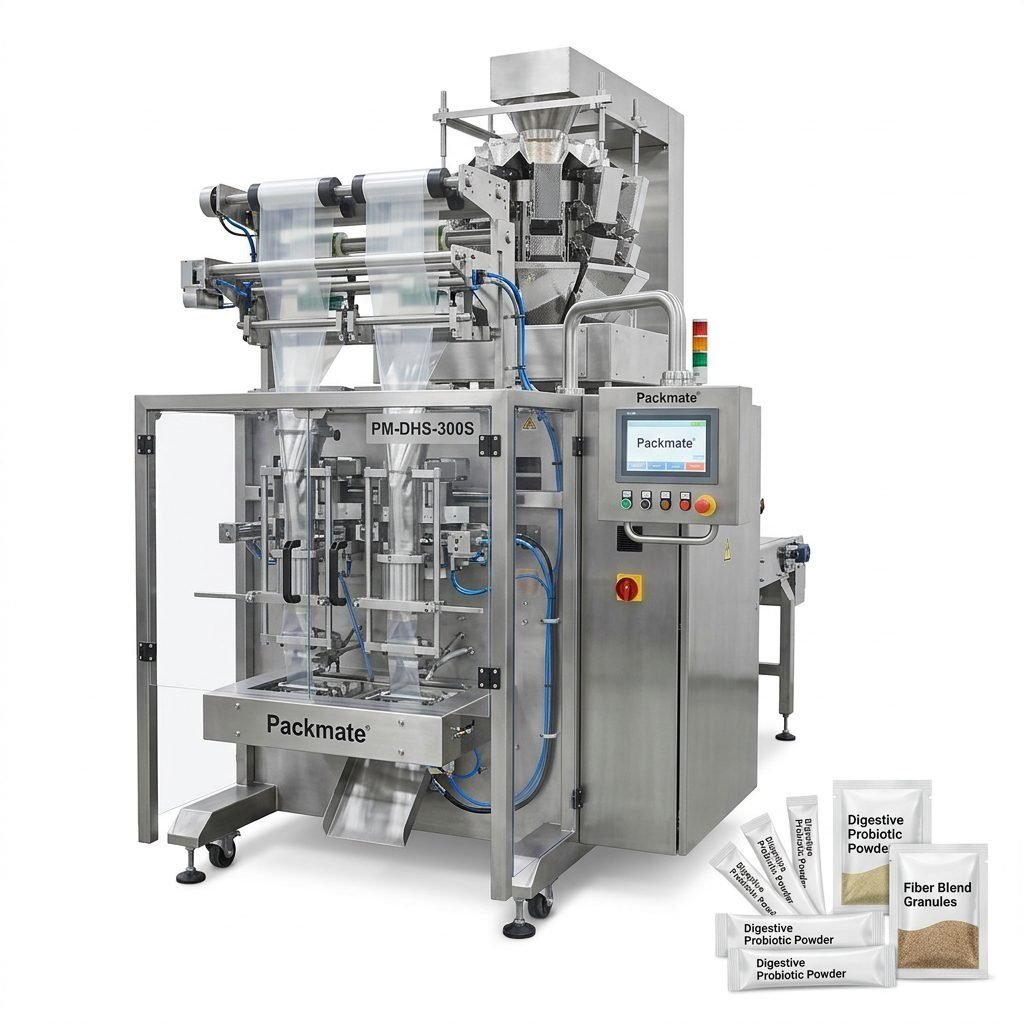
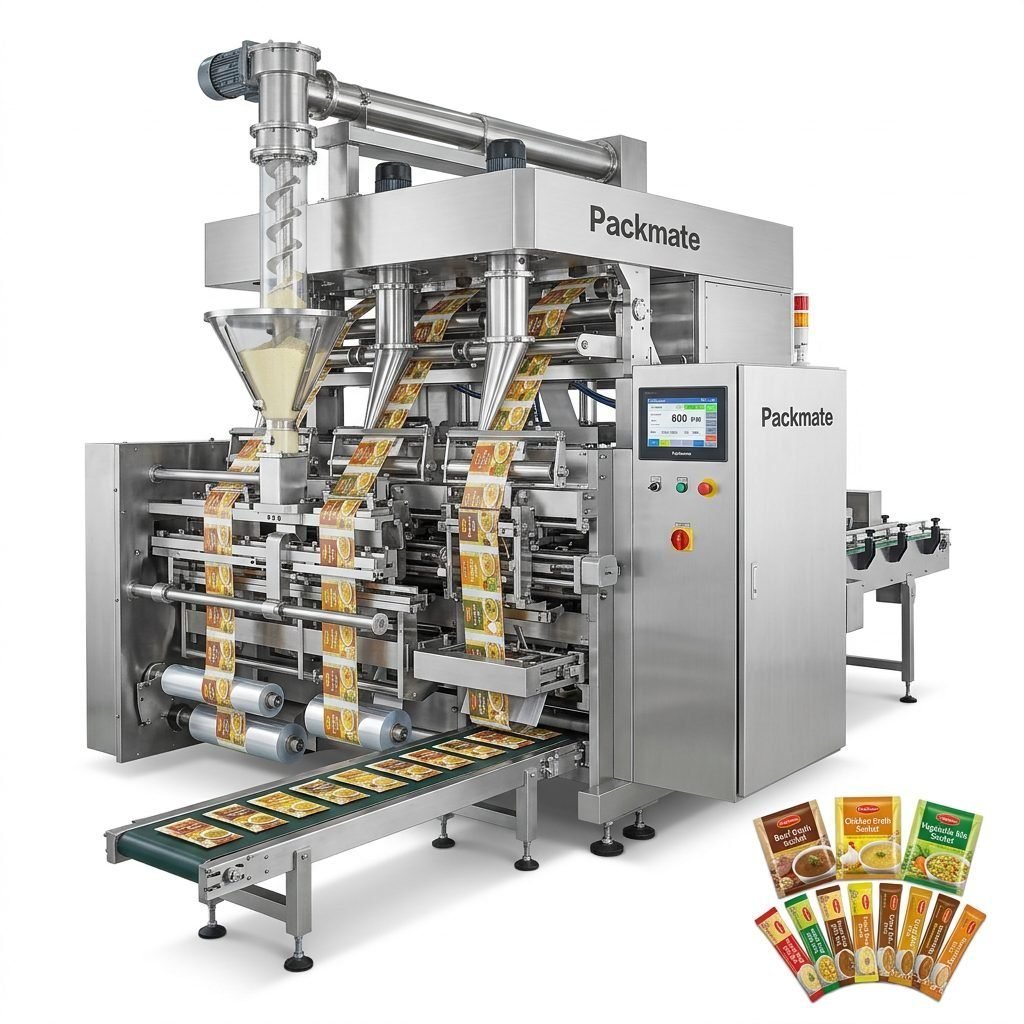
Your production needs may evolve. Therefore, choosing a manufacturer with a broad portfolio is advantageous. Does the supplier offer the specific machine you need today, such as a multi-lane stick pack machine for coffee or a liquid sachet filler for sauces? More importantly, can they provide a complete line solution if you plan to scale up?
| Machine Type | Common Applications in Cambodia |
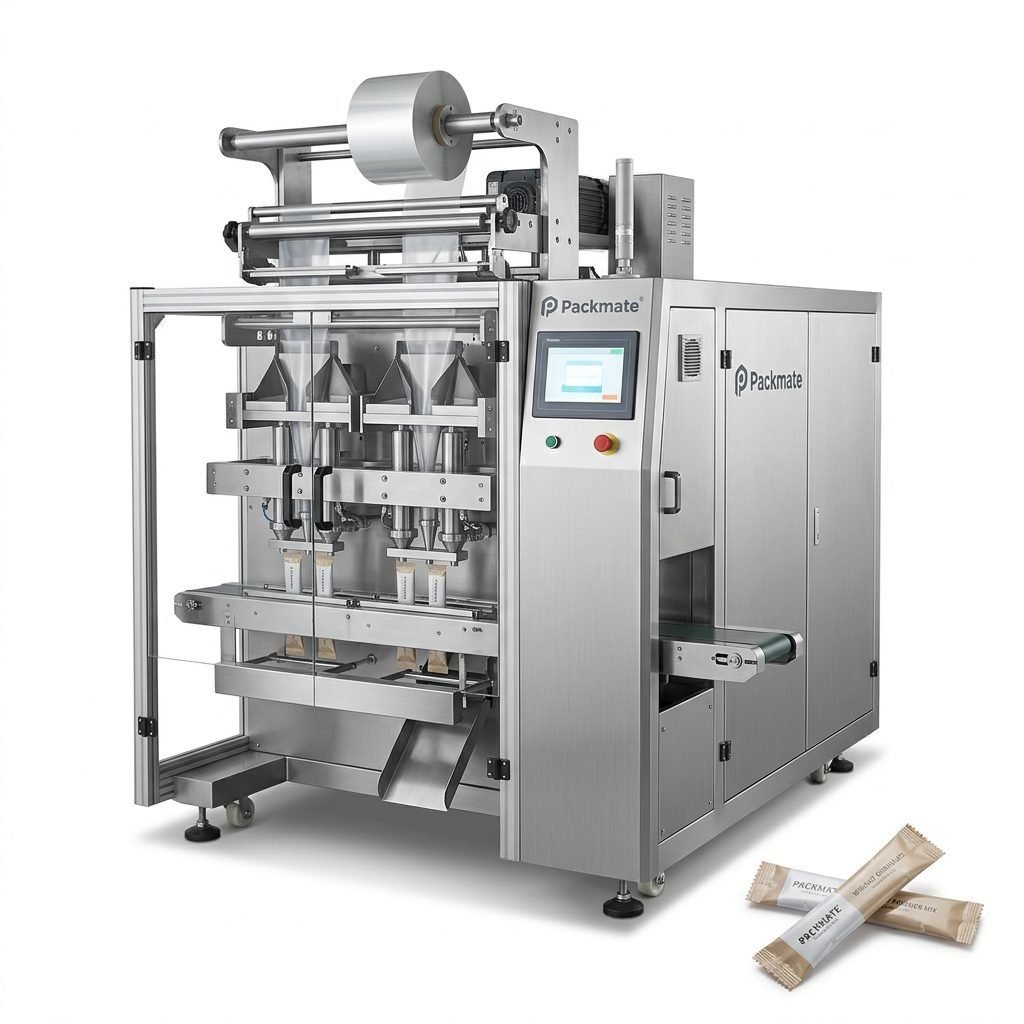
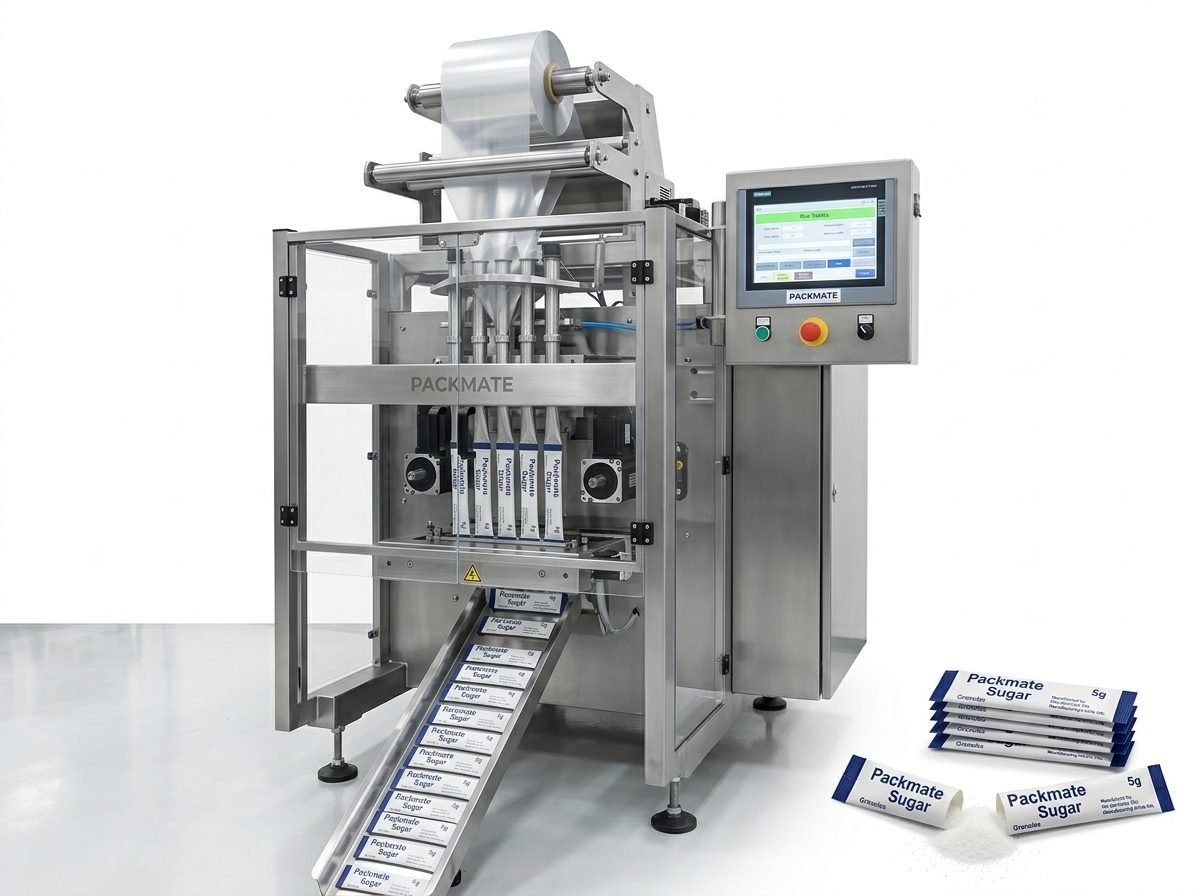
| Multi-lane Stick Pack Machines | Instant coffee, sugar, beverage mixes, supplements |
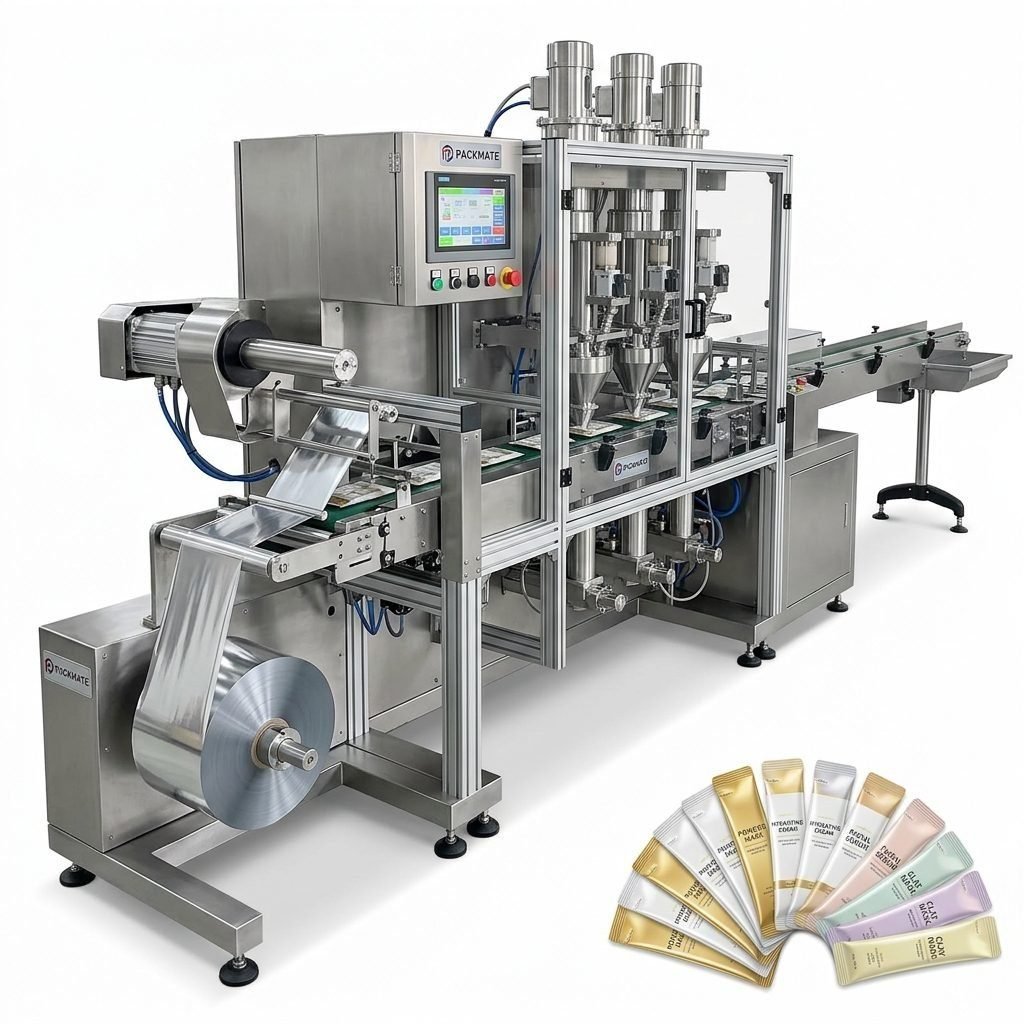
| Sachet Packaging Systems | Sauces, shampoo samples, seasoning powders, pharmaceuticals |
| Vertical Form-Fill-Seal Machines | Rice, snacks, granular fertilizers, pet food |
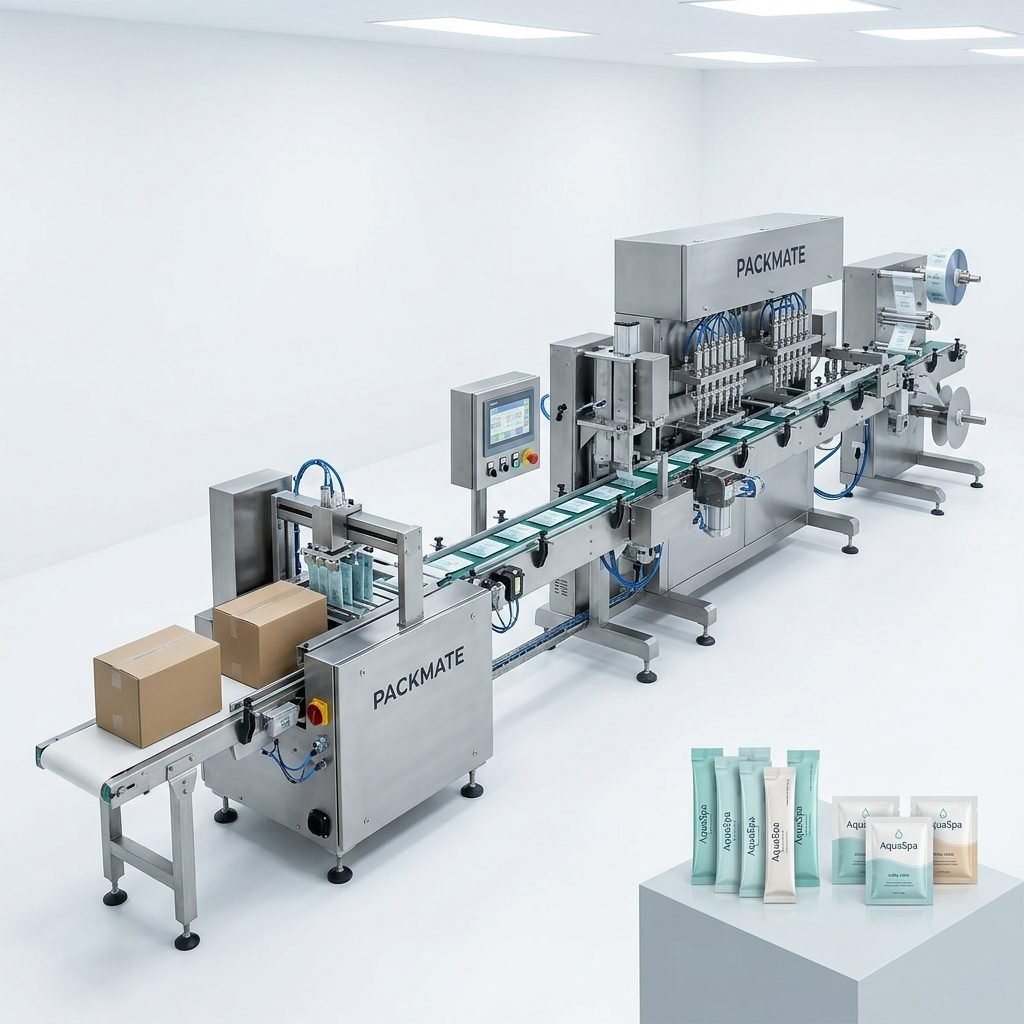
| Turnkey Packaging Lines | Integrated production for large-scale food or pharma export |
For non-standard products or unique packaging materials, a manufacturer’s customization capability is crucial. The ability to adapt machine parameters ensures your specific product is packaged efficiently and securely.
3. Technical Support and After-Sales Service
This is perhaps the most critical factor for Cambodian operations. Proximity matters, but a manufacturer’s commitment to international support matters more. Inquire about their service structure:
- Do they have English-speaking technical support?
- What is the typical response time for remote troubleshooting?
- How are spare parts shipped, and what are the lead times?
- Do they offer comprehensive installation supervision and operator training?
Manufacturers with a strong export focus, like Packmate Machinery, often have established protocols for supporting overseas clients, which can significantly reduce downtime.
4. Manufacturing Scale and Quality Assurance
The size and modernity of a manufacturer’s factory can indicate their production capacity and commitment to quality. A facility over 20,000 square meters suggests the capability to handle larger orders and maintain consistent production schedules. Look for information about their quality control processes during assembly and testing.
Visit if possible, or request a virtual factory tour. Assessing the manufacturing environment gives insight into the build quality and professionalism you can expect. A structured assembly line and testing area usually correlate with more reliable machine performance upon delivery to your Cambodian factory.
5. Cost Considerations and Total Value
While initial price is important, the total cost of ownership (TCO) is the true metric. This includes:
- Machine efficiency and output (packages per minute).
- Energy consumption.
- Material waste (film, powder).
- Long-term maintenance costs and spare part pricing.
- Expected machine lifespan.
A slightly higher initial investment in a robust machine from an experienced manufacturer like PacklineOEM can lead to lower TCO through years of stable, high-output operation with minimal unplanned repairs.
6. Export Experience and Market Recognition
A manufacturer that successfully exports to demanding markets like Europe and North America likely adheres to higher international standards for machine safety, construction, and documentation. This experience is beneficial for Cambodian companies aiming to export their packaged goods, as the packaging process itself may need to meet certain international benchmarks.
Niche vs. Generalist Manufacturers
For standard food or pharmaceutical powders, a generalist manufacturer with a wide range may be perfect. However, if you are in a specialized sector like nicotine pouch production, a niche expert like SnusMachinery could provide critical application-specific engineering that a generalist might lack. Evaluate your product’s unique requirements to decide which type of partner is best.
Making the Final Decision
Create a shortlist of 3-5 potential manufacturers. Prepare a detailed request for quotation (RFQ) outlining your product specifications, desired output, bag type, and factory conditions. Evaluate their proposals not just on price, but on the completeness of their solution, clarity of their support terms, and their understanding of your project’s goals. Checking client references, especially from other ASEAN countries, can provide invaluable real-world feedback.
Final Checklist: Confirm machine compatibility with your local power supply, availability of operation manuals in English, warranty terms, and the process for future training of new technicians in your Cambodian plant.
Common Questions for Cambodian Buyers
Q: How do we handle machine installation and training with an overseas supplier?
A: Reputable manufacturers typically include detailed installation manuals and wiring diagrams. Most offer optional on-site installation and commissioning services for an additional fee, which is highly recommended for complex lines. Comprehensive operator and maintenance training is usually provided during commissioning.
Q: What about spare parts availability and lead time?
A: Inquire about the supplier’s spare parts inventory for common wear items. Establish a communication channel for ordering parts. Lead times can vary from a few days to several weeks; some manufacturers keep critical spares in regional hubs to speed up delivery to Southeast Asia.
Q: Can the machine handle local packaging films and materials?
A> This is a key technical question. Provide samples of your intended packaging material to the manufacturer for evaluation. They can test sealability and running performance and adjust machine settings (like temperature and pressure) accordingly before shipment.
Q: Is it better to buy a single machine or a complete turnkey line?
A> For startups or simple needs, a single machine suffices. For scaling up production with minimal manual handling, a turnkey line (integrating feeding, filling, sealing, and conveying) maximizes efficiency. Companies like Ludyway and PacklineOEM specialize in such integrated solutions.
Q: How do we evaluate the machine’s quality before purchasing?
A> Request a live video test or factory acceptance test (FAT) where the machine runs with a product similar to yours. This allows you to verify speed, accuracy, sealing quality, and ease of operation before the machine leaves the factory.