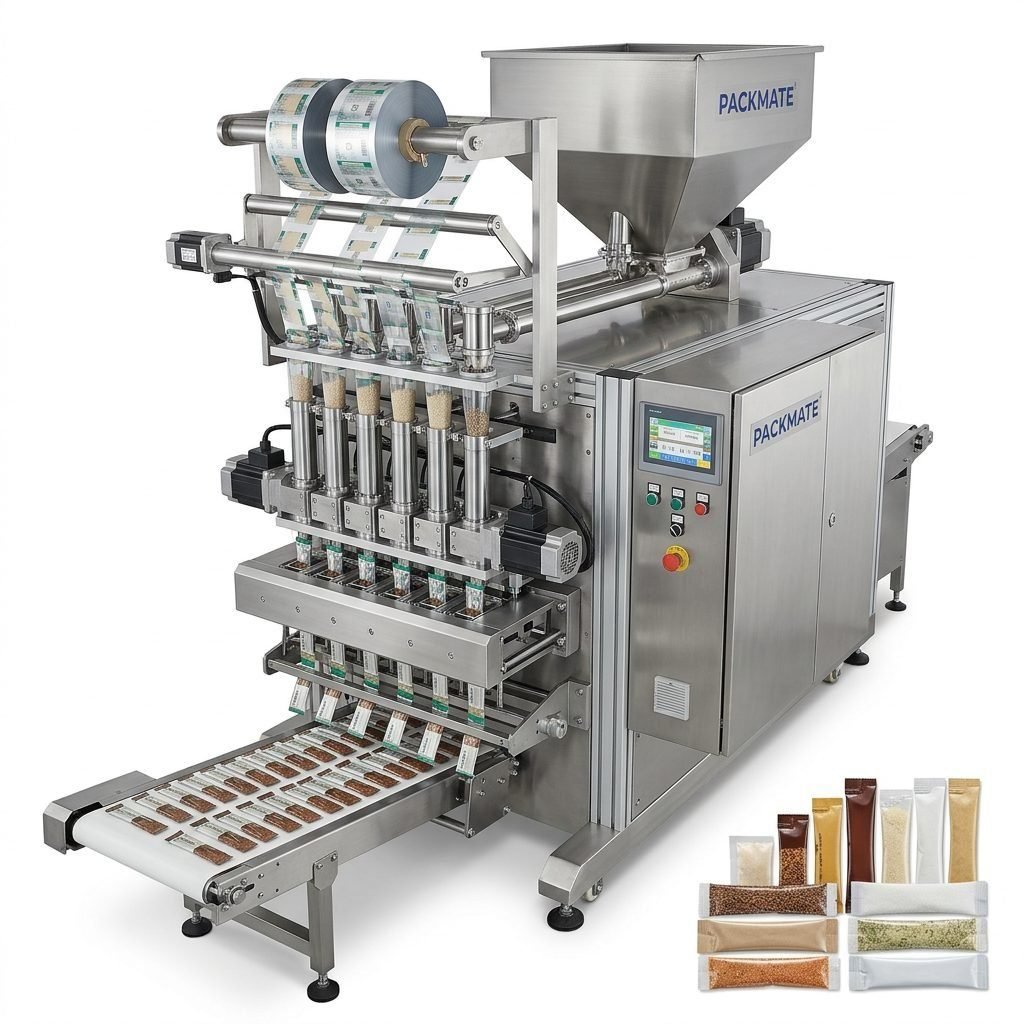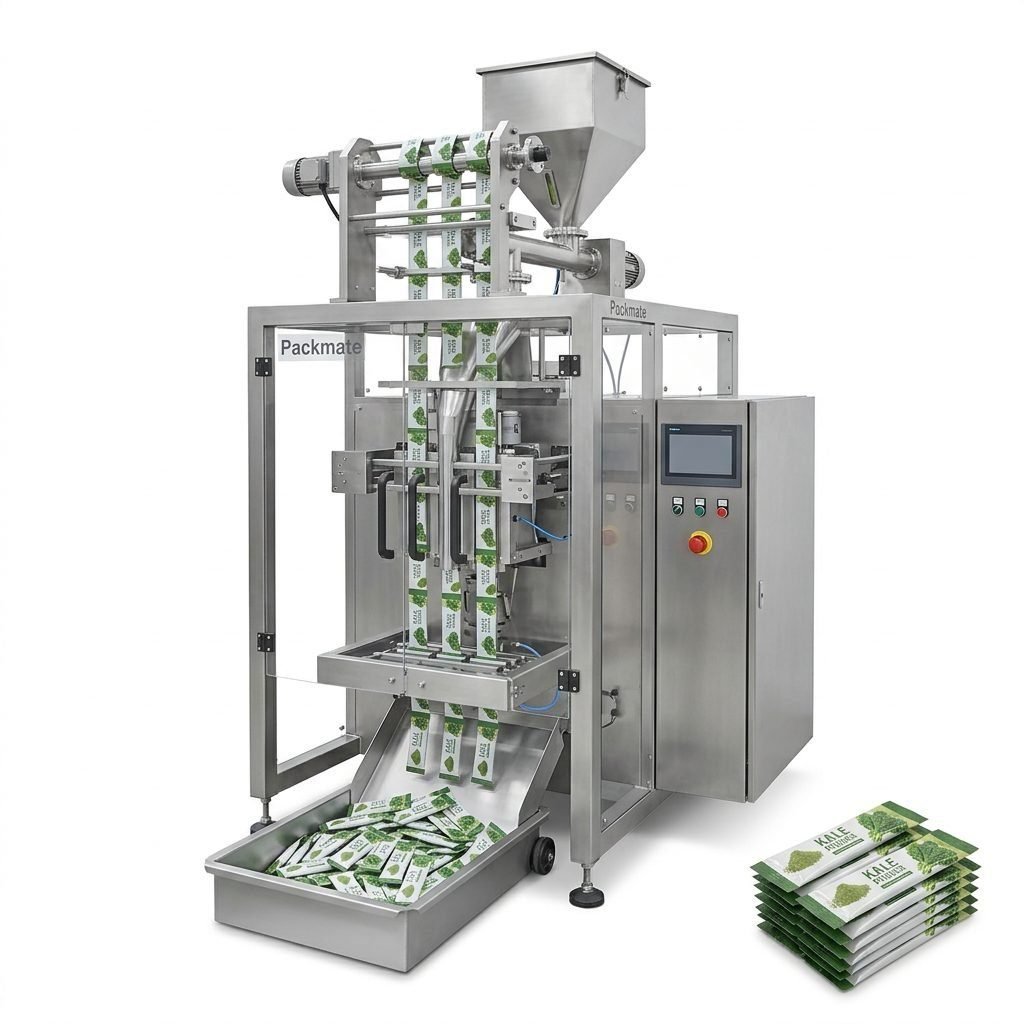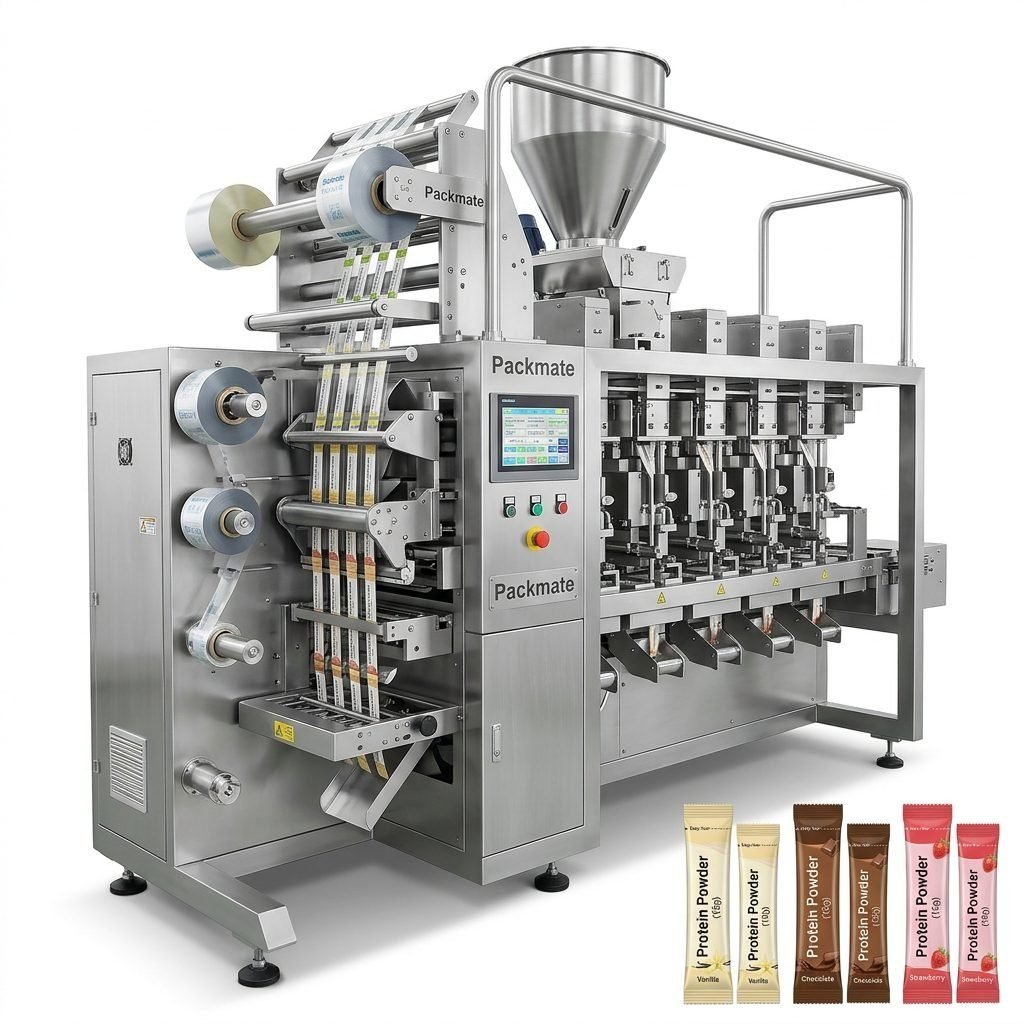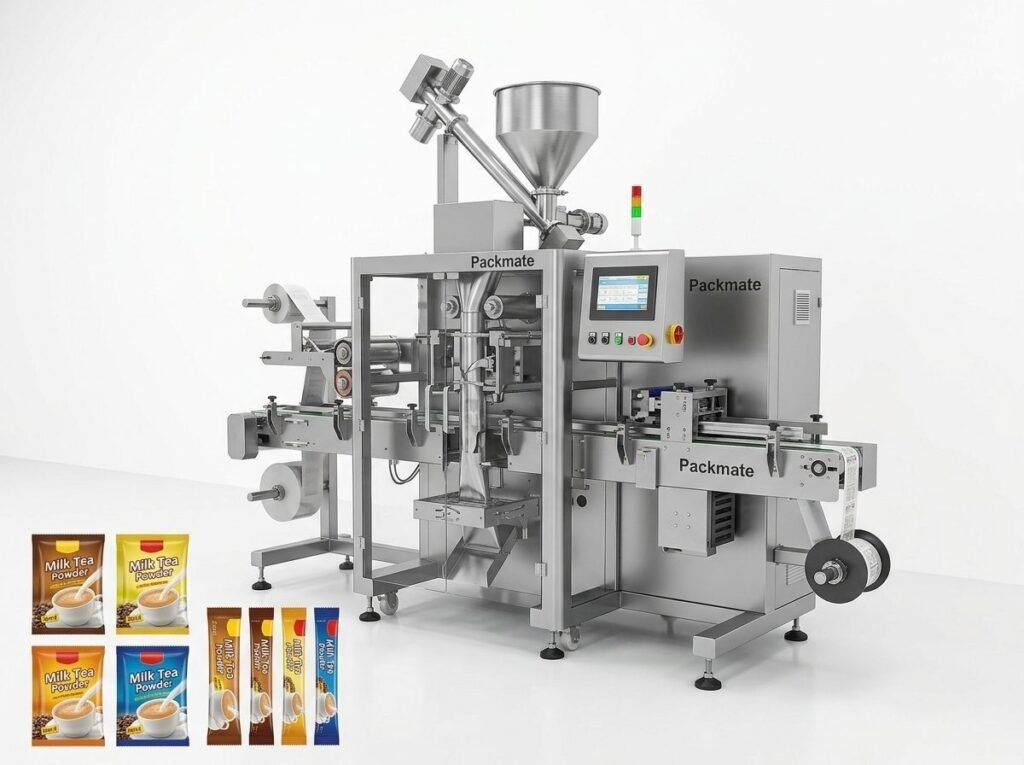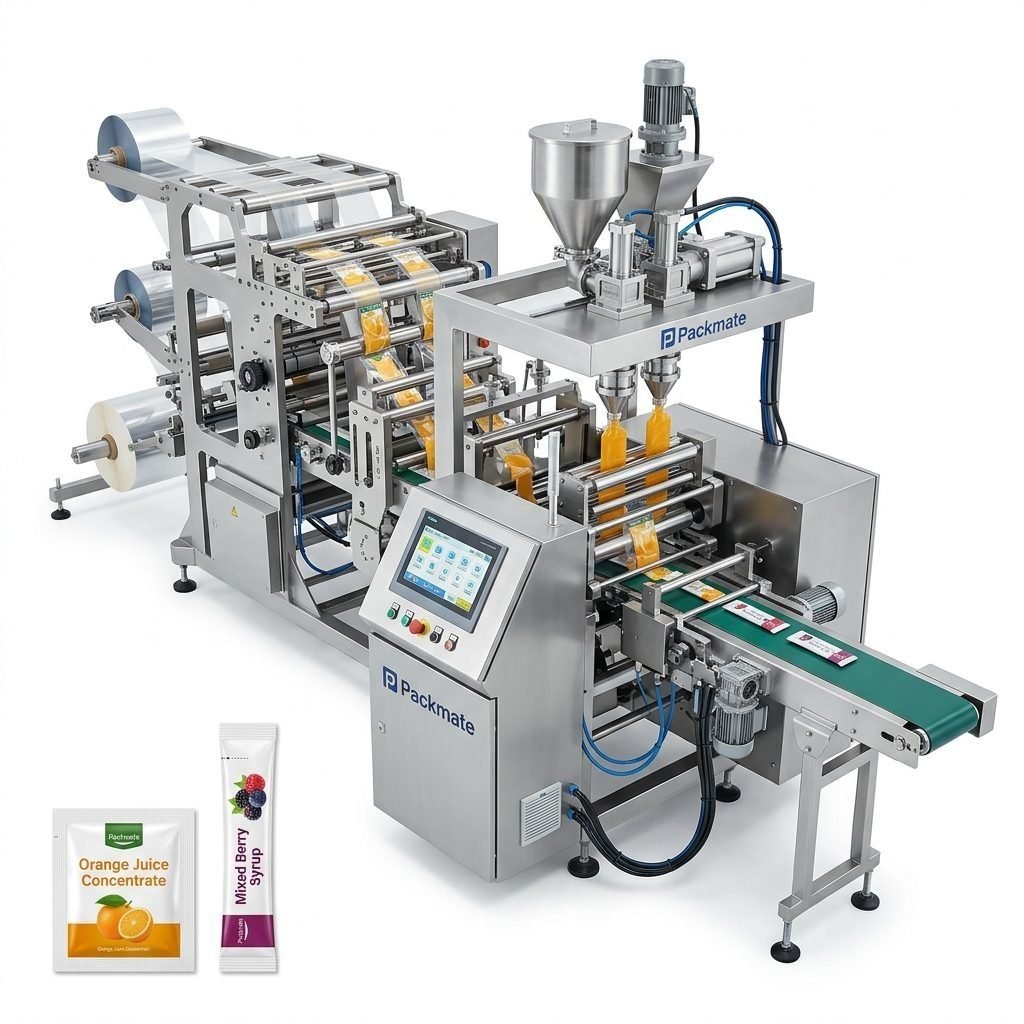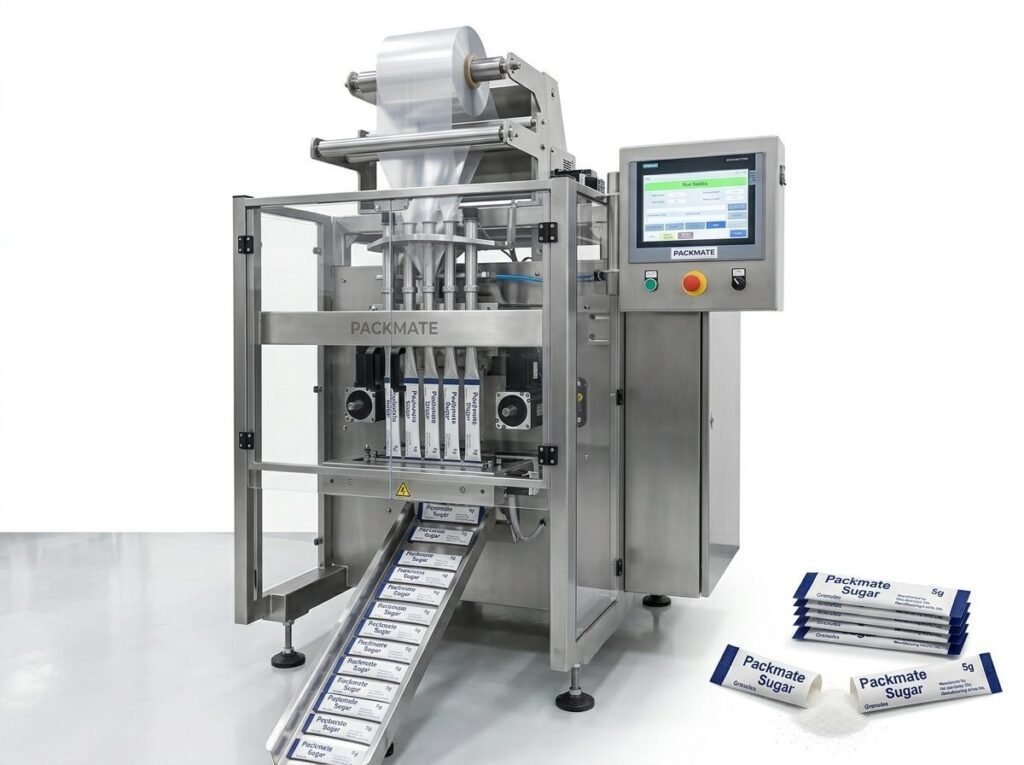
Selecting the right packaging machine manufacturer is a critical decision for any business in Kiribati looking to improve production efficiency, ensure product quality, and expand its market reach. For manufacturers, food processors, and entrepreneurs across the islands, from South Tarawa to the outer atolls, investing in reliable packaging automation can be a key step toward growth and sustainability. This guide outlines the essential factors to consider when choosing a packaging equipment supplier, with a specific focus on the needs and context of businesses operating in Kiribati.
Understanding Your Local Packaging Requirements
Before evaluating manufacturers, it’s crucial to define your specific needs. Consider the products you package—whether they are granules, powders, liquids, or pastes—common in local food processing, agricultural supplements, or small-scale pharmaceutical production. The required output speed, bag type (stick pack, sachet, pouch), and available factory space are fundamental starting points. For many businesses in Kiribati, equipment that balances simplicity, durability, and ease of maintenance is often more valuable than the most complex, high-speed systems, given the logistical challenges of technical support and spare parts availability.
Key Factor 1: Manufacturer’s Experience and Industry Reputation
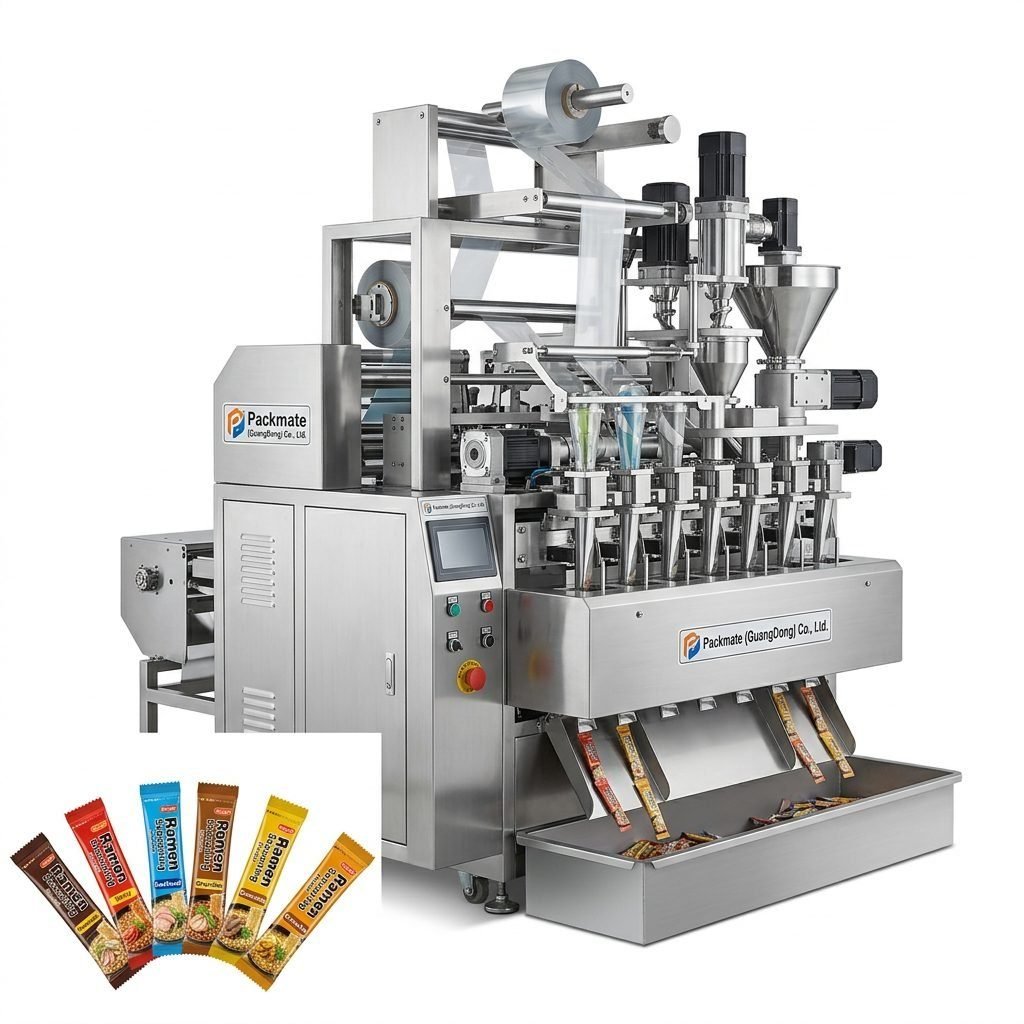
A manufacturer’s track record is a strong indicator of reliability. Look for companies with a long history and proven experience in your specific industry sector, such as food, pharmaceuticals, or health supplements. Manufacturers with more than 30 years of industry experience typically have refined their machine designs, solved common application problems, and built a more stable supply chain. For Kiribati-based buyers, partnering with an established manufacturer can mean access to more robust machines and potentially better long-term support.
Why this matters for Kiribati: Importing machinery involves significant investment and lead time. Choosing a manufacturer with a solid reputation minimizes the risk of receiving equipment that is poorly suited to local conditions or lacks reliable performance documentation.
Key Factor 2: Product Range and Customization Capability
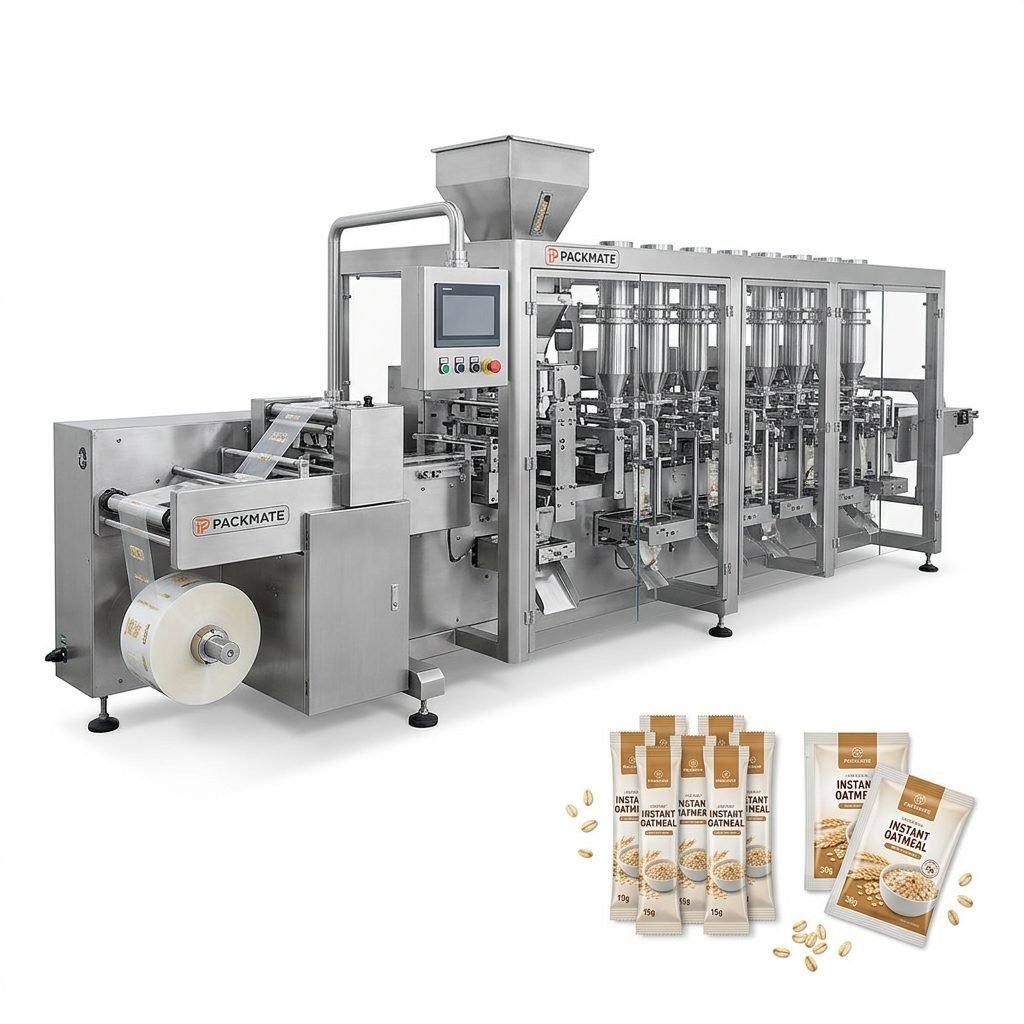
Does the manufacturer offer a machine that fits your exact product format and output goals? A broad product portfolio is advantageous. Some suppliers, like Ludyway, offer a wide range covering multi-lane stick pack machines, sachet packers, vertical form-fill-seal systems, and complete turnkey lines. Others may specialize. For unique local products or non-standard packaging needs, a manufacturer’s willingness and ability to provide customized or non-standard solutions is vital. Companies such as PackingMachineOEM focus specifically on this area.
Key Factor 3: Technical Support and After-Sales Service
This is arguably the most critical factor for remote locations like Kiribati. Inquire deeply about the manufacturer’s after-sales service structure. Key questions include: Is remote technical support available (via video call)? What is the typical response time for spare parts shipment? Do they provide comprehensive installation guides, training videos, or on-site commissioning services? A manufacturer with a strong export orientation will have more experience managing international support logistics.
Pro Tip: Before purchasing, ask for references from other customers in the Pacific region or similar remote markets. Their firsthand experience with service and parts delivery will be invaluable.
Key Factor 4: Production Capacity and Manufacturing Quality
The scale and modernity of a manufacturer’s factory can reflect its production capability and quality control standards. A facility size of over 20,000 square meters suggests significant production capacity. Modern machining equipment, structured assembly lines, and rigorous testing protocols contribute to machine consistency and longevity. For buyers in Kiribati, where machine downtime can be particularly costly, investing in equipment built with quality components and precise engineering is essential.
| Manufacturer | Factory Size | Key Strength | Suitable For |
|---|---|---|---|
| Ludyway | Over 20,000 m² | Broad product range, turnkey lines | Businesses seeking scalable, full-line solutions |
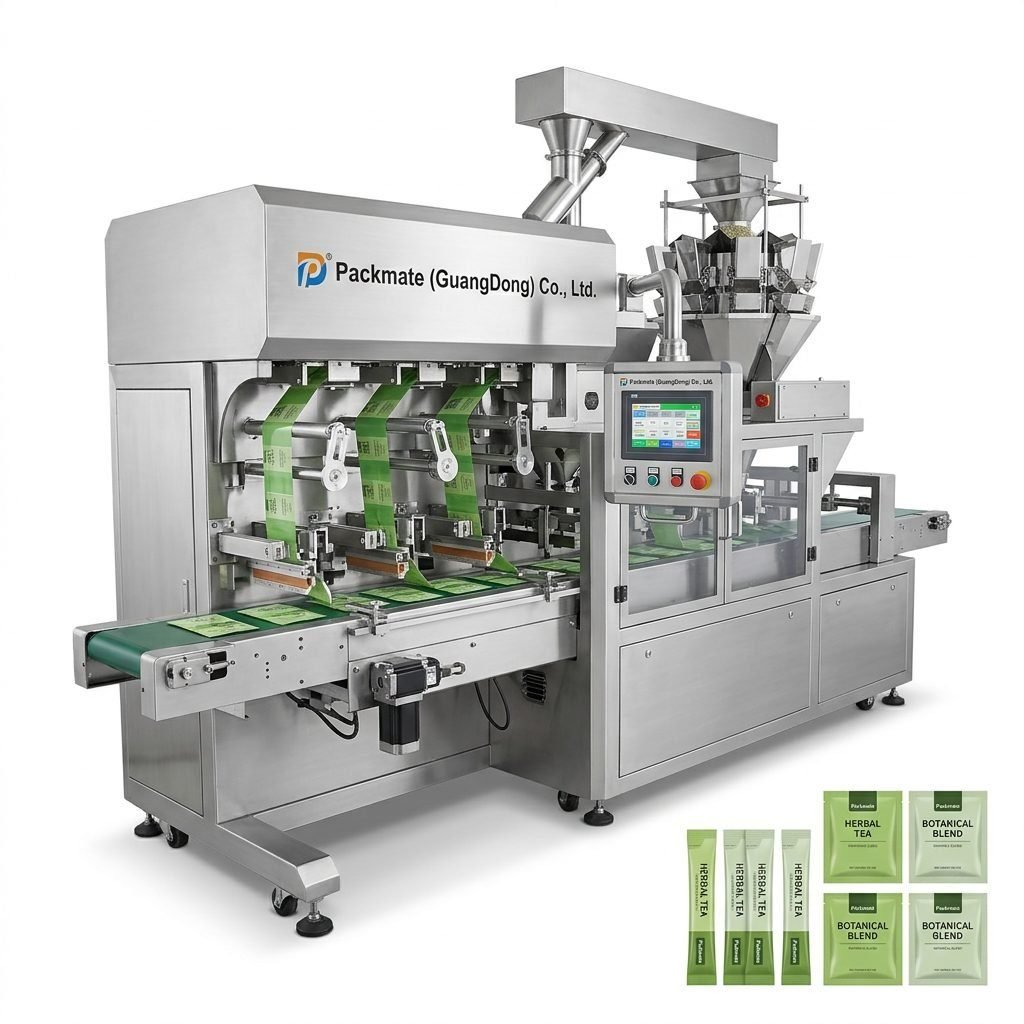
| Packmate Machinery | ~20,000 m² | Balanced cost-performance, reliable machines | Medium-sized operations needing practical automation |
| PacklineOEM | ~20,000 m² | Turnkey line integration | Projects requiring complete, automated production lines |
| PackingMachineOEM | ~20,000 m² | Non-standard & customized solutions | Unique product formats requiring tailored engineering |
| SnusMachinery | ~20,000 m² | Specialization in pouch packaging (e.g., nicotine) | Niche markets with specific pouch requirements |
Key Factor 5: Cost Considerations and Total Value of Ownership
While the initial machine price is important, the total cost of ownership (TCO) is a more comprehensive metric. TCO includes the purchase price, shipping and import duties to Kiribati, installation costs, energy consumption, maintenance expenses, and the cost/downtime associated with spare parts. A slightly more expensive machine from a manufacturer known for durability and excellent support may offer a lower TCO than a cheaper, less reliable alternative. Always request a detailed quotation that outlines all potential costs.
Key Factor 6: Export Experience and Logistics Handling
Choose a manufacturer with a strong and documented export business. Companies that regularly ship to diverse international markets, including regions like Africa, Southeast Asia, or South America, are typically better equipped to handle export documentation, sea freight logistics, and customs clearance procedures. They understand the challenges of delivering machinery to destinations like Kiribati and can often recommend reliable freight forwarders.
Making the Final Decision
After shortlisting potential manufacturers based on the above factors, take the final steps:
- Request Detailed Proposals: Ask for technical specifications, layout drawings, and a commercial offer for the exact solution you need.
- Ask for Client References: Contact existing customers, especially those with similar products or in similar geographic situations.
- Review Warranty Terms: Understand exactly what is covered, for how long, and the process for making a warranty claim.
- Consider a Video Meeting: A virtual factory tour or meeting with the engineering team can build confidence and clarify technical details.
Frequently Asked Questions (FAQs)
1. What type of packaging machine is most suitable for small to medium businesses in Kiribati?
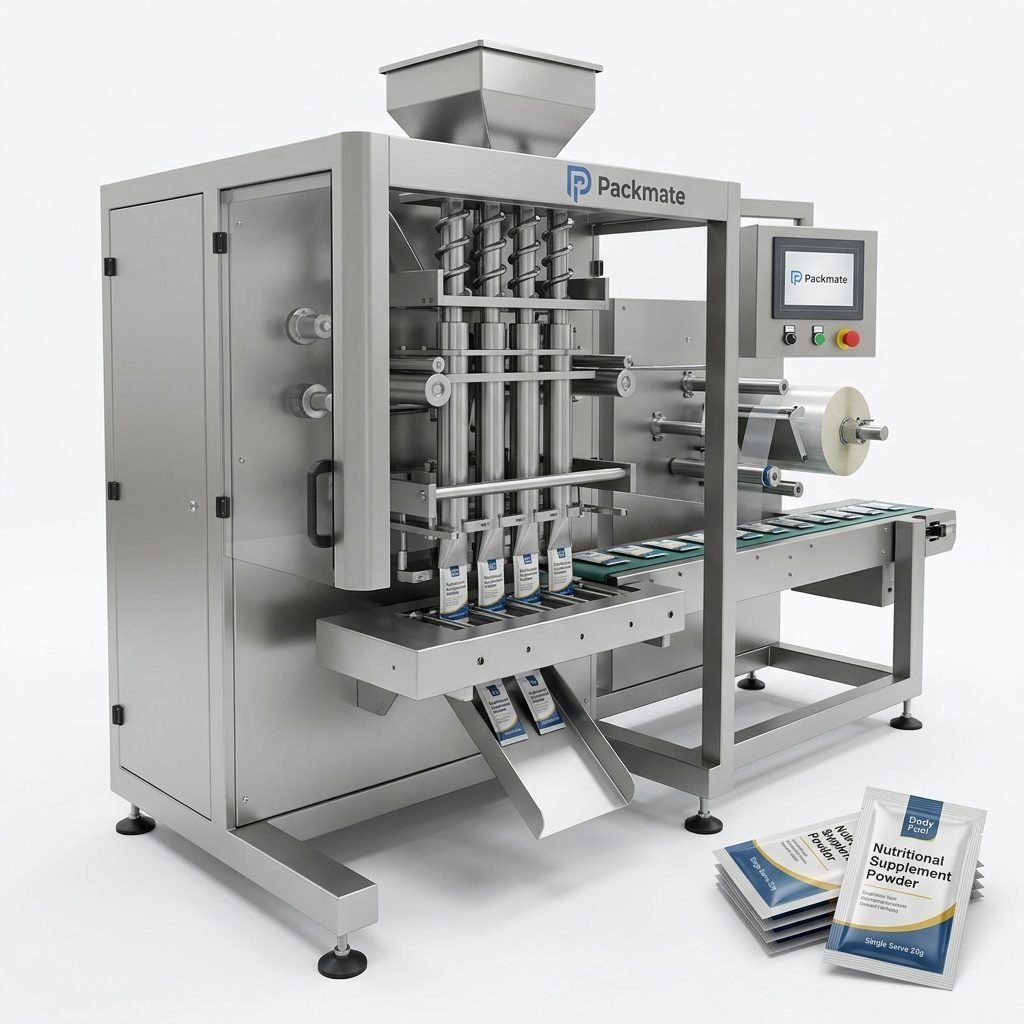
For many SMEs, a versatile vertical form-fill-seal (VFFS) machine or a multi-lane stick pack/sachet machine is often a good starting point. These machines can handle a variety of granular and powdered products common in local markets, such as spices, tea, coffee, or food supplements. They offer a balance of automation, footprint, and affordability.
2. How can I ensure I get reliable after-sales support given Kiribati’s remote location?
Prioritize manufacturers with a dedicated international support team. Confirm they offer remote diagnostics via internet, maintain a stock of common spare parts ready for export, and provide clear English manuals and video guides. Establishing a local relationship with a technician who can perform basic maintenance is also highly recommended.
3. Are complete packaging lines feasible for operations in Kiribati?
Yes, but they require more careful planning. Turnkey lines from suppliers like PacklineOEM integrate multiple processes (filling, sealing, conveying, cartoning). While they maximize automation, their complexity demands more space, stable utilities (power), and potentially more sophisticated technical knowledge for operation and troubleshooting. A thorough feasibility study is essential.
4. What are the main challenges when importing packaging machinery to Kiribati?
Key challenges include long shipping times and logistics coordination, managing import duties and customs clearance, ensuring the machine is properly packed for sea freight, and arranging for skilled installation and commissioning, which may require the manufacturer to send an engineer or rely on detailed remote guidance.
5. Can I get a machine customized for my unique local product?
Absolutely. Many manufacturers, particularly those like PackingMachineOEM, specialize in non-standard solutions. You will need to provide detailed samples of your product and packaging material, along with your target output speed. The manufacturer’s engineering team can then assess feasibility and propose a customized machine or line configuration.