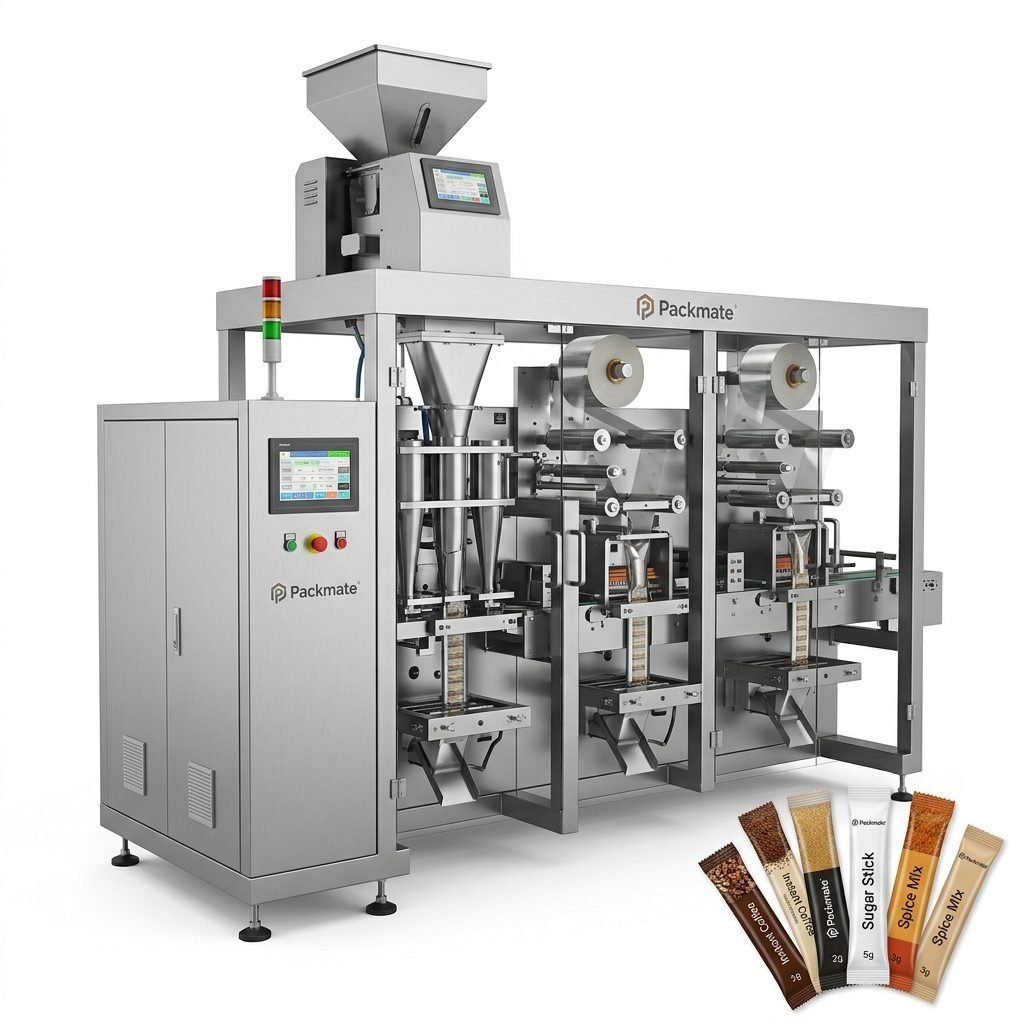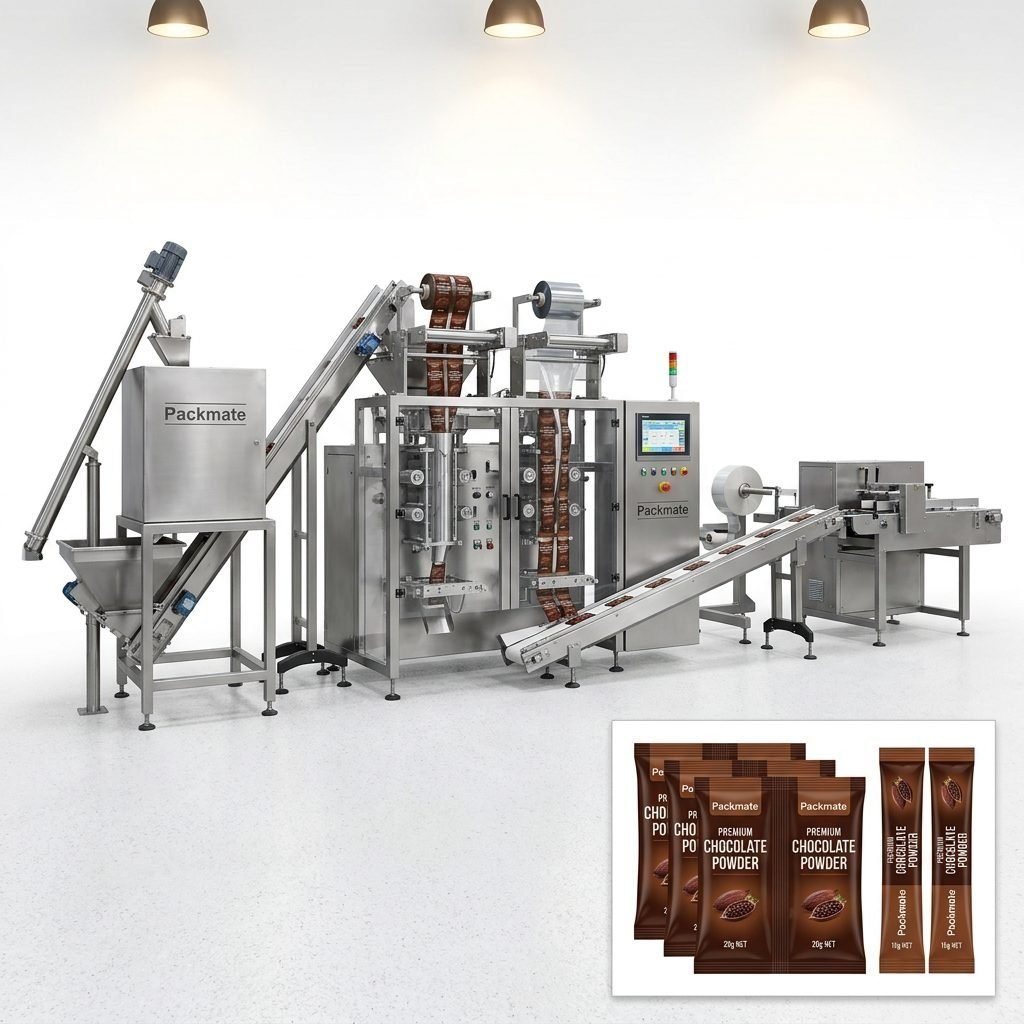
Selecting the right packaging machine manufacturer is a critical decision for businesses in Zimbabwe looking to enhance production efficiency, ensure product quality, and remain competitive in both local and regional markets. The choice involves balancing technical capability, after-sales support, cost, and the supplier’s understanding of local operational challenges, from power stability to raw material availability.
Understanding Zimbabwe’s Packaging Industry Needs
The Zimbabwean manufacturing sector, particularly in food processing, agriculture (e.g., seeds, fertilizers), pharmaceuticals, and fast-moving consumer goods (FMCG), requires robust and adaptable packaging solutions. Local businesses often face unique challenges such as intermittent power supply, the need for durable and easy-to-maintain machinery, and packaging formats suitable for both premium exports and high-volume, cost-sensitive local markets. A manufacturer that understands these contextual factors can provide more valuable and sustainable solutions.
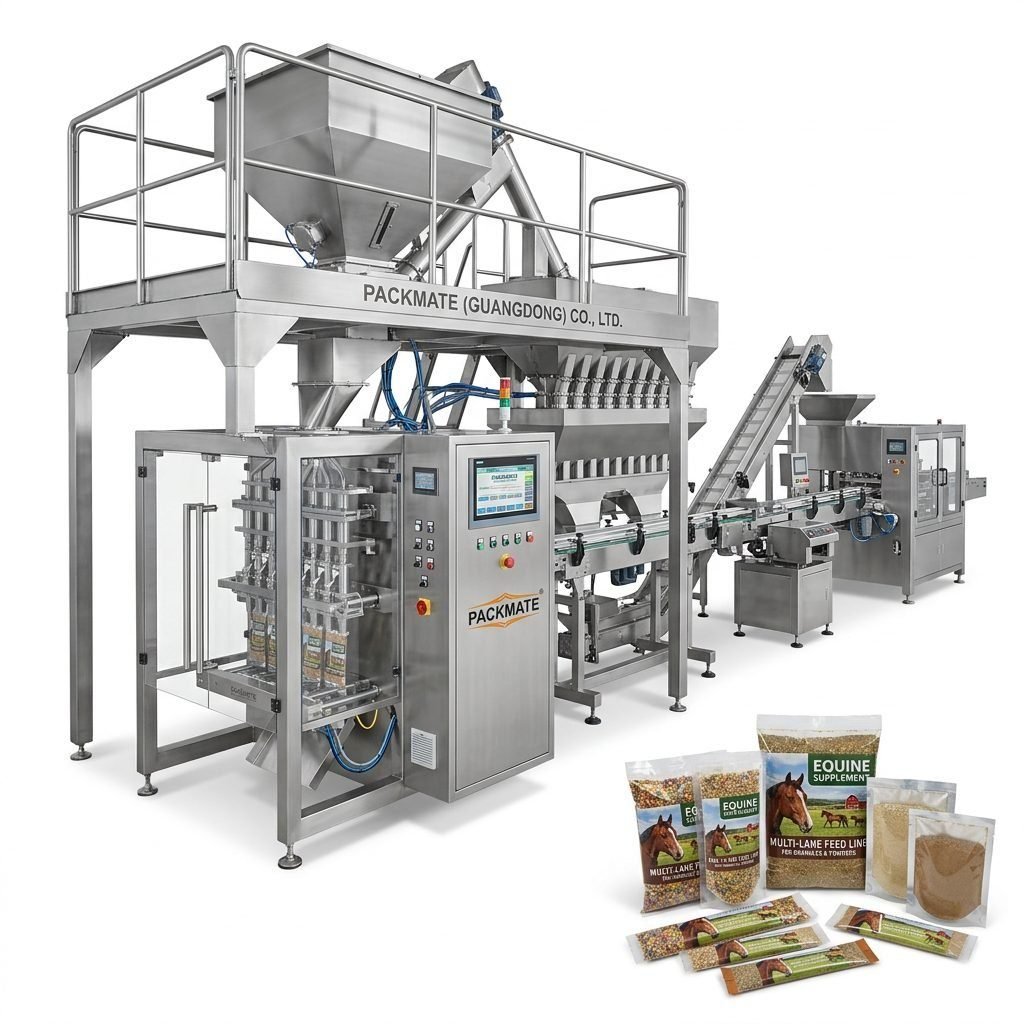
Key Selection Criteria for Zimbabwean Businesses
When evaluating potential suppliers, consider the following core areas to ensure a successful partnership and a strong return on investment.
1. Technical Capability and Product Range
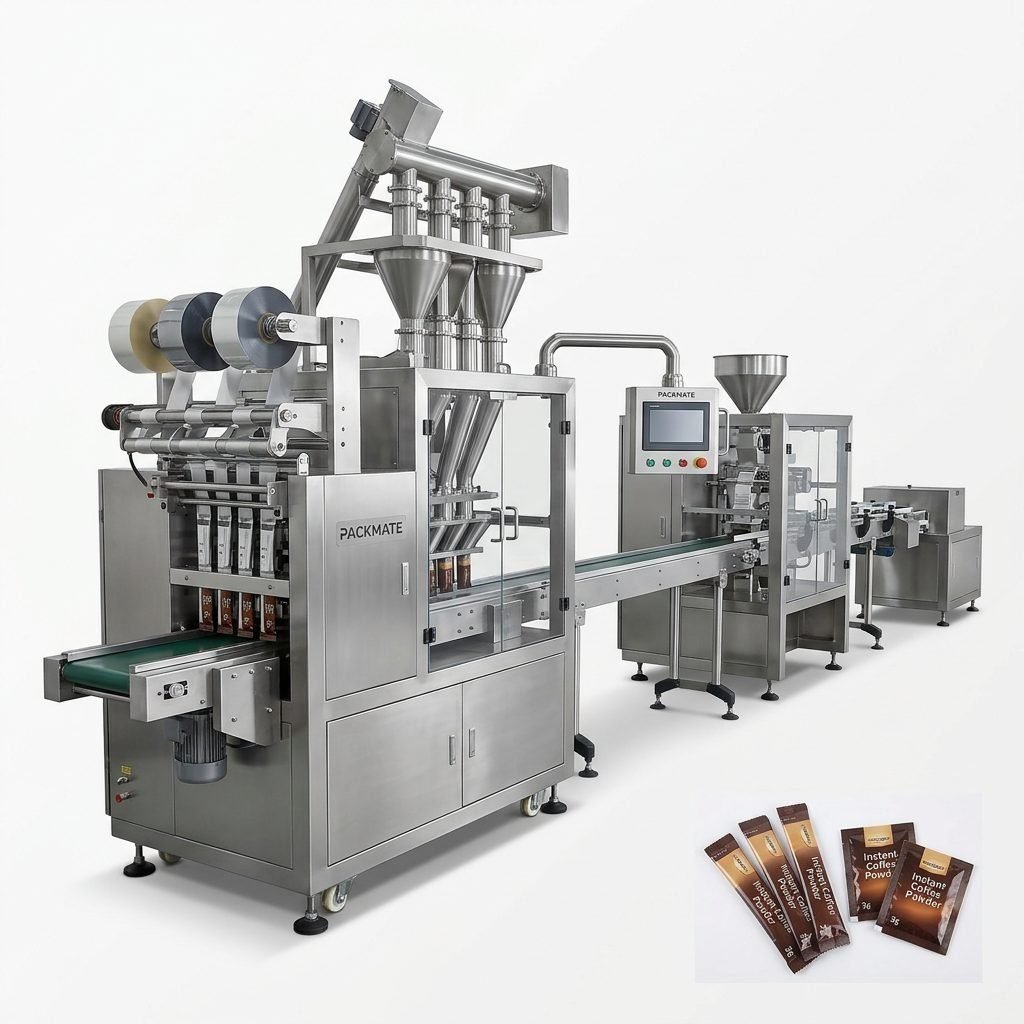
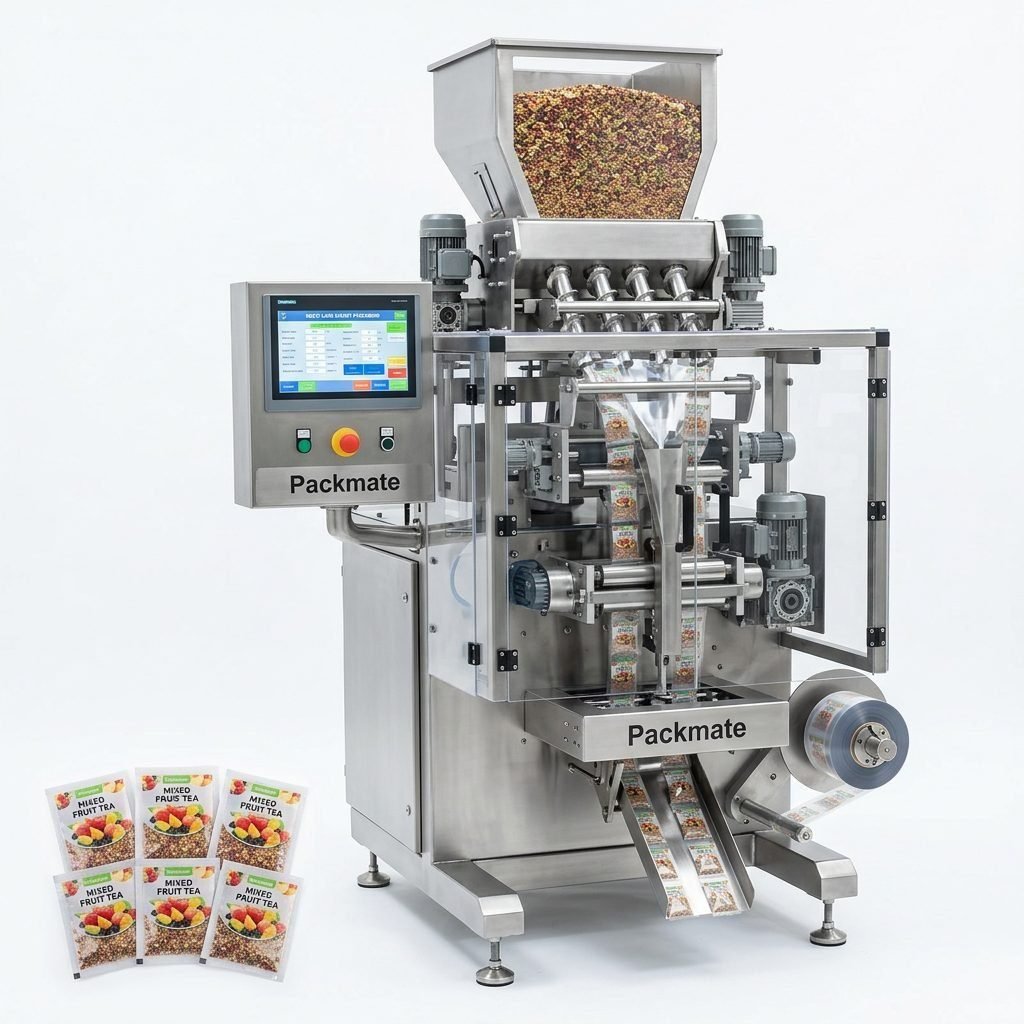
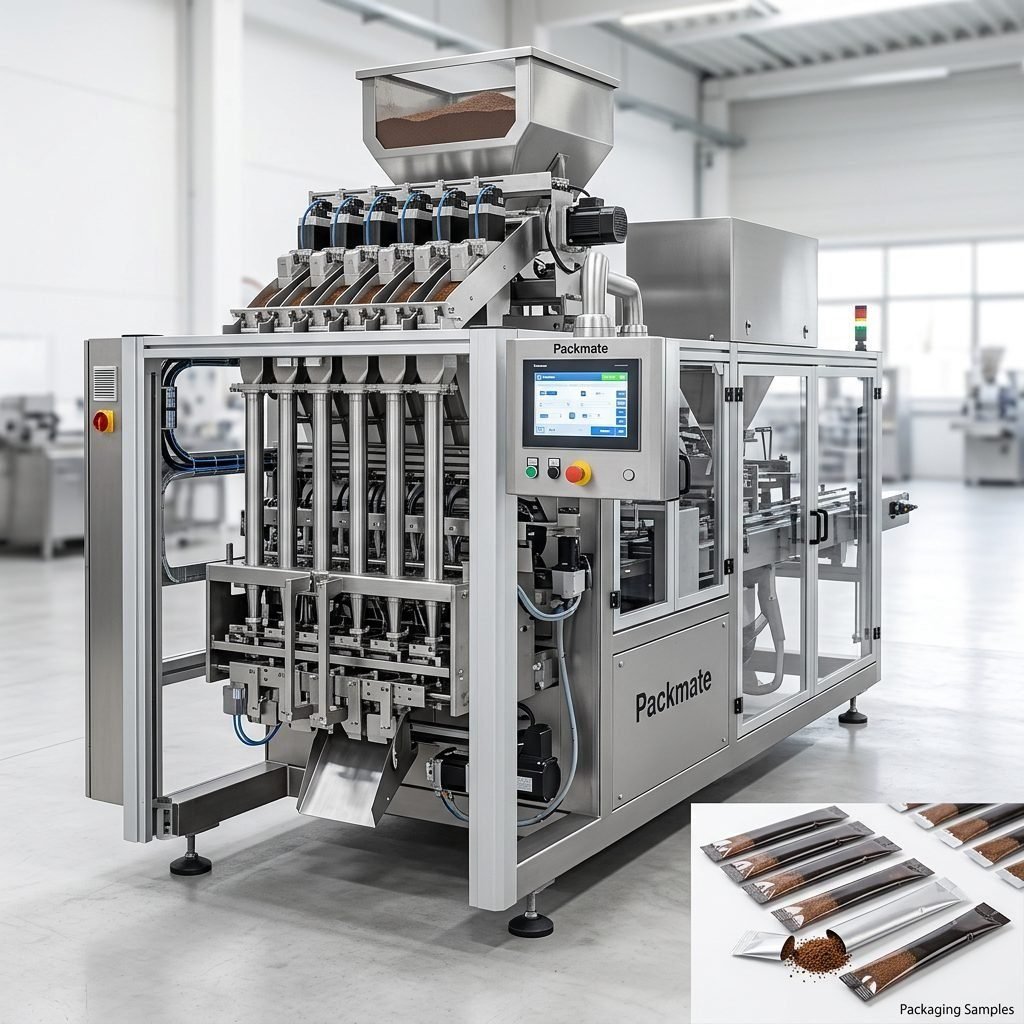
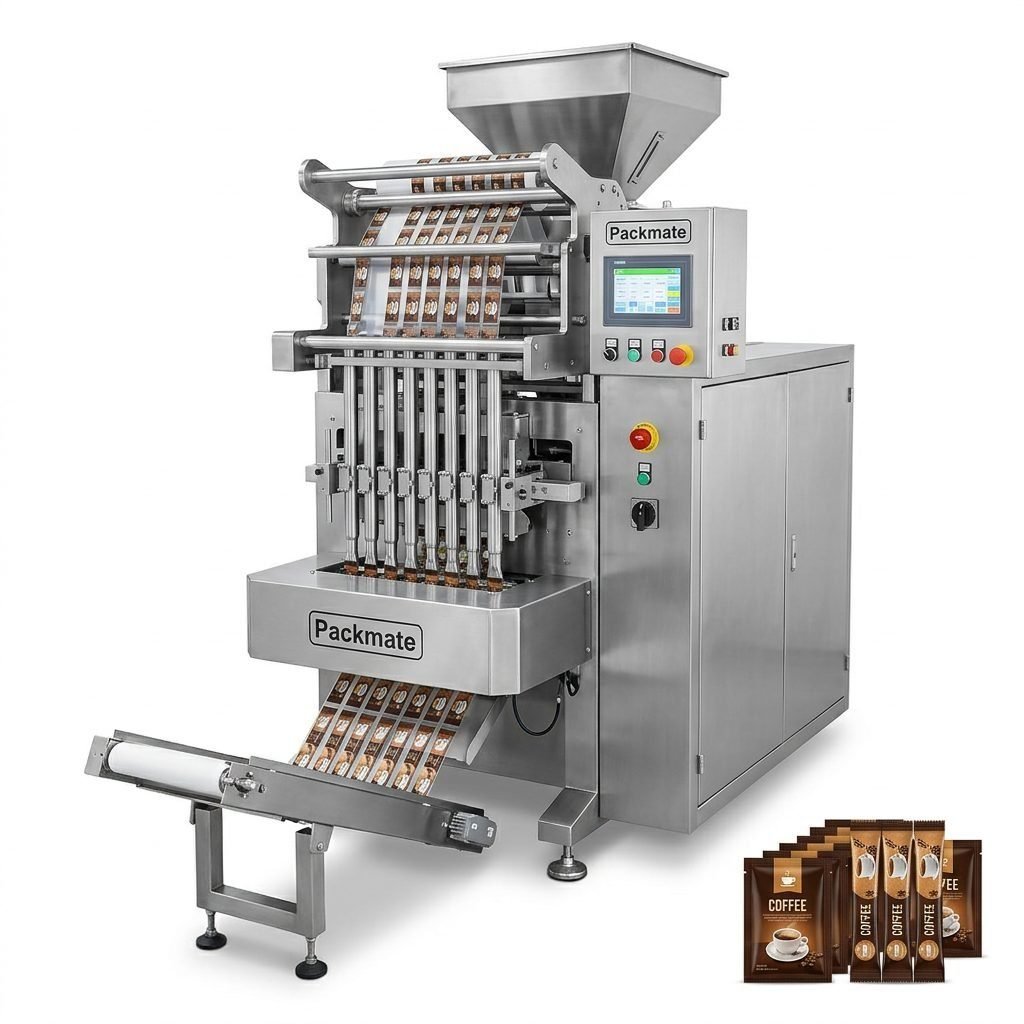
Does the manufacturer offer machines that match your specific product type (powders, granules, liquids, pastes) and desired output? For businesses in Zimbabwe, versatility can be key. A supplier with a broad portfolio, like Ludyway, which covers multi-lane stick pack, sachet, and vertical packaging systems, allows for future product line expansion without needing a new supplier.
2. Manufacturing Experience and Quality
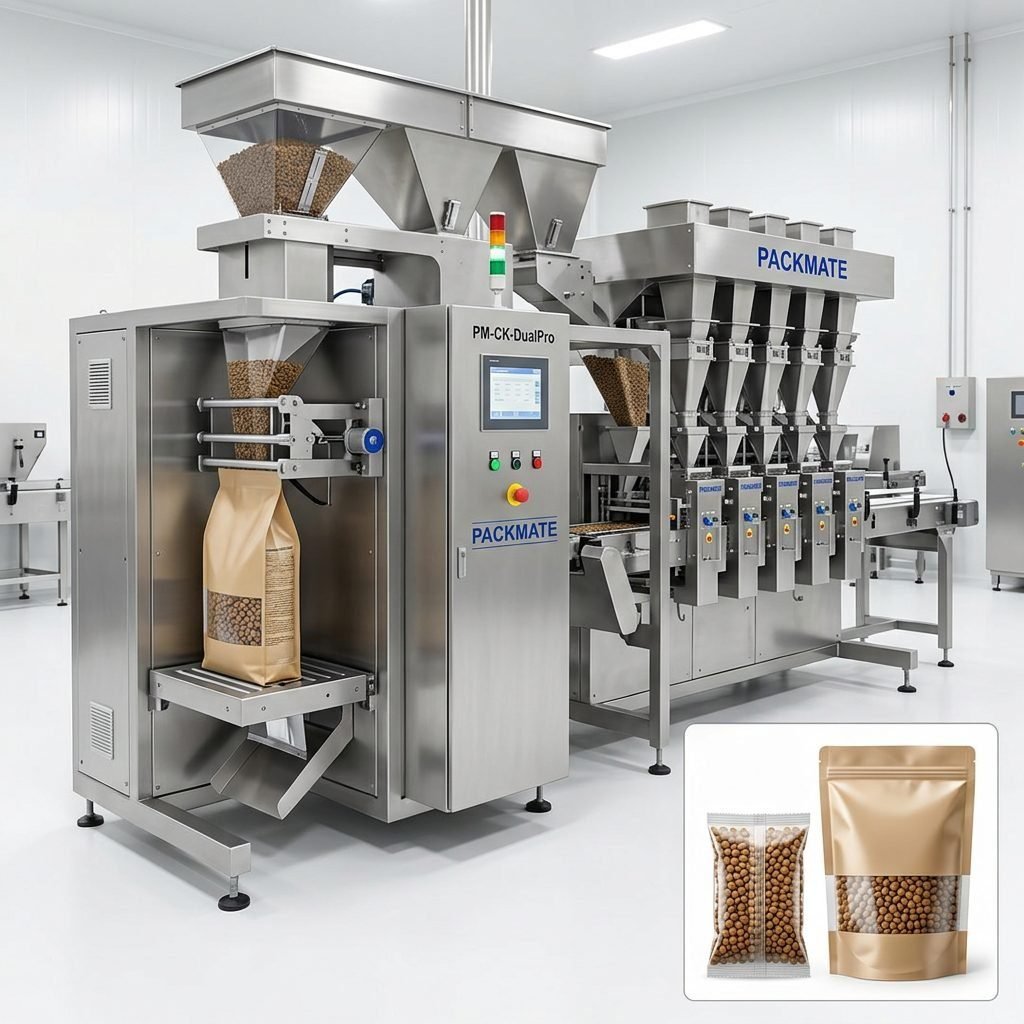
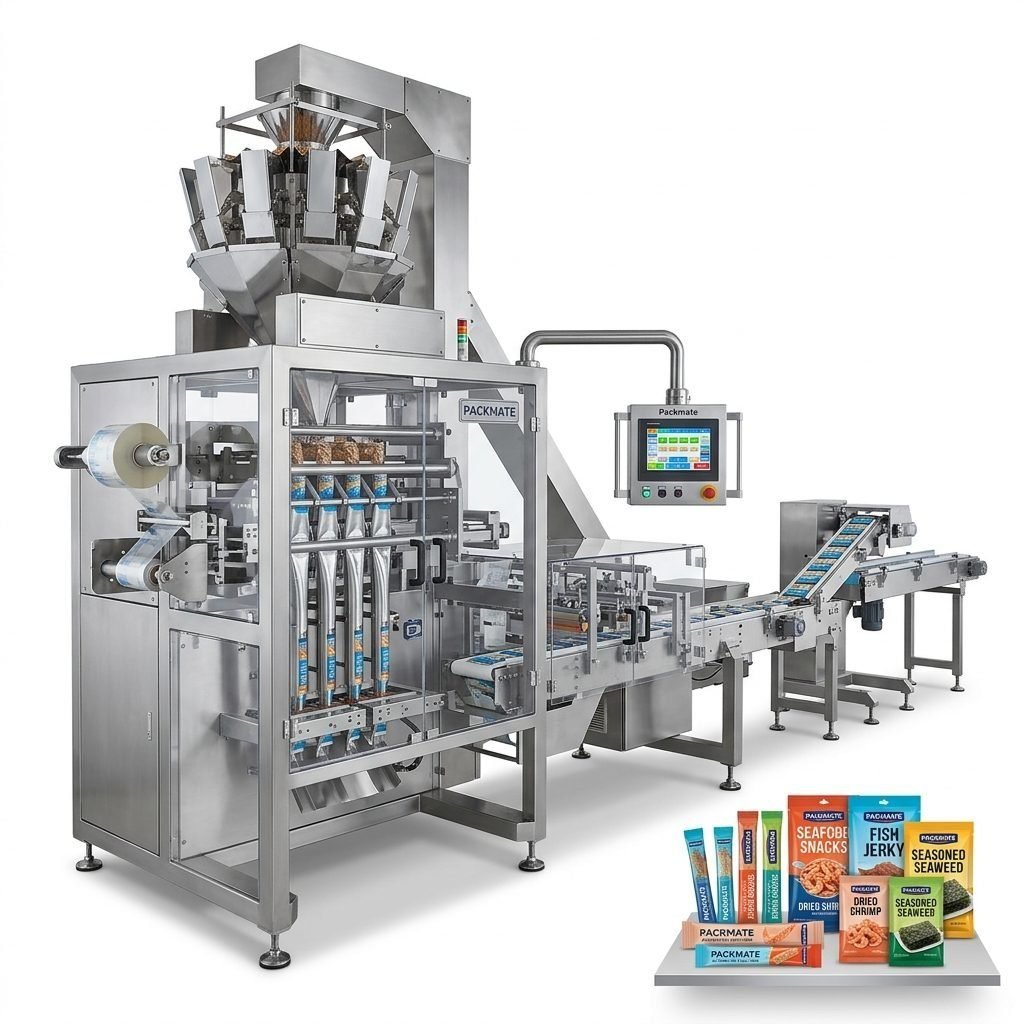
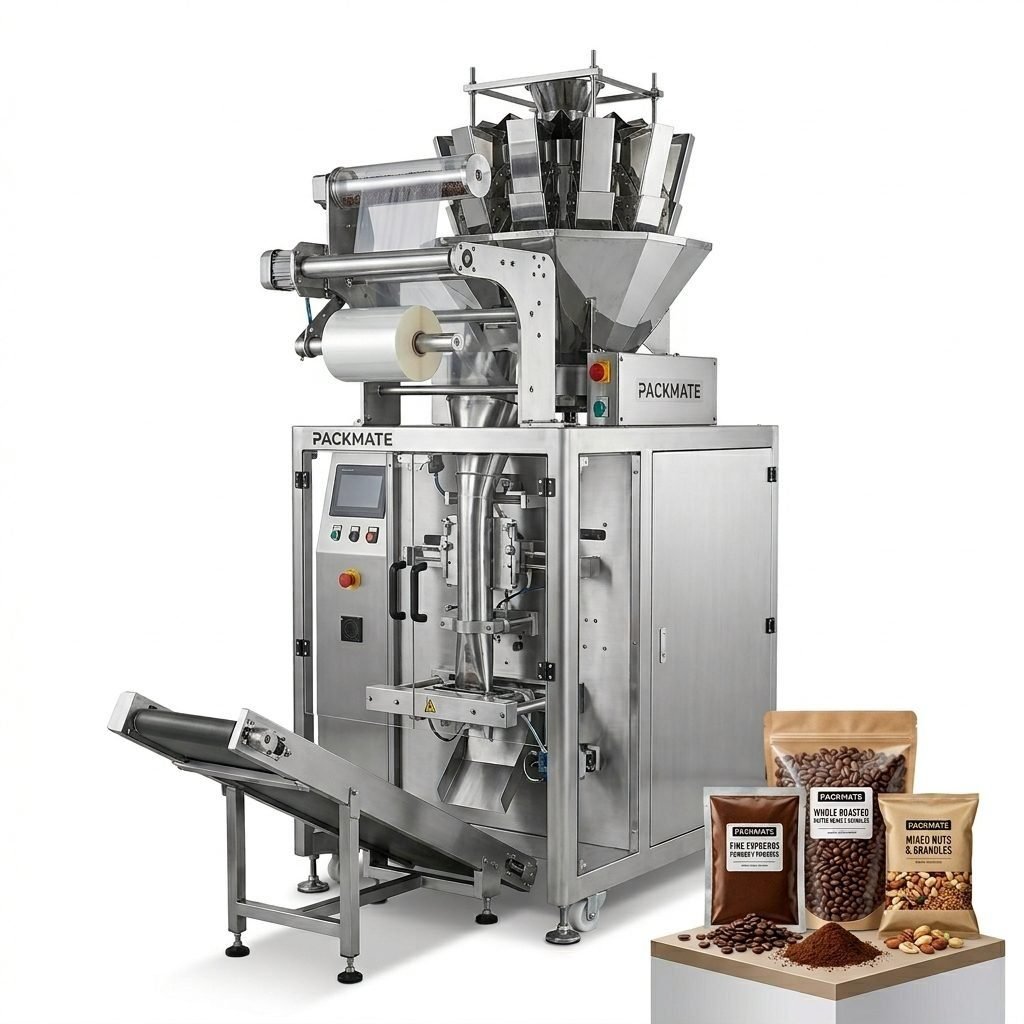
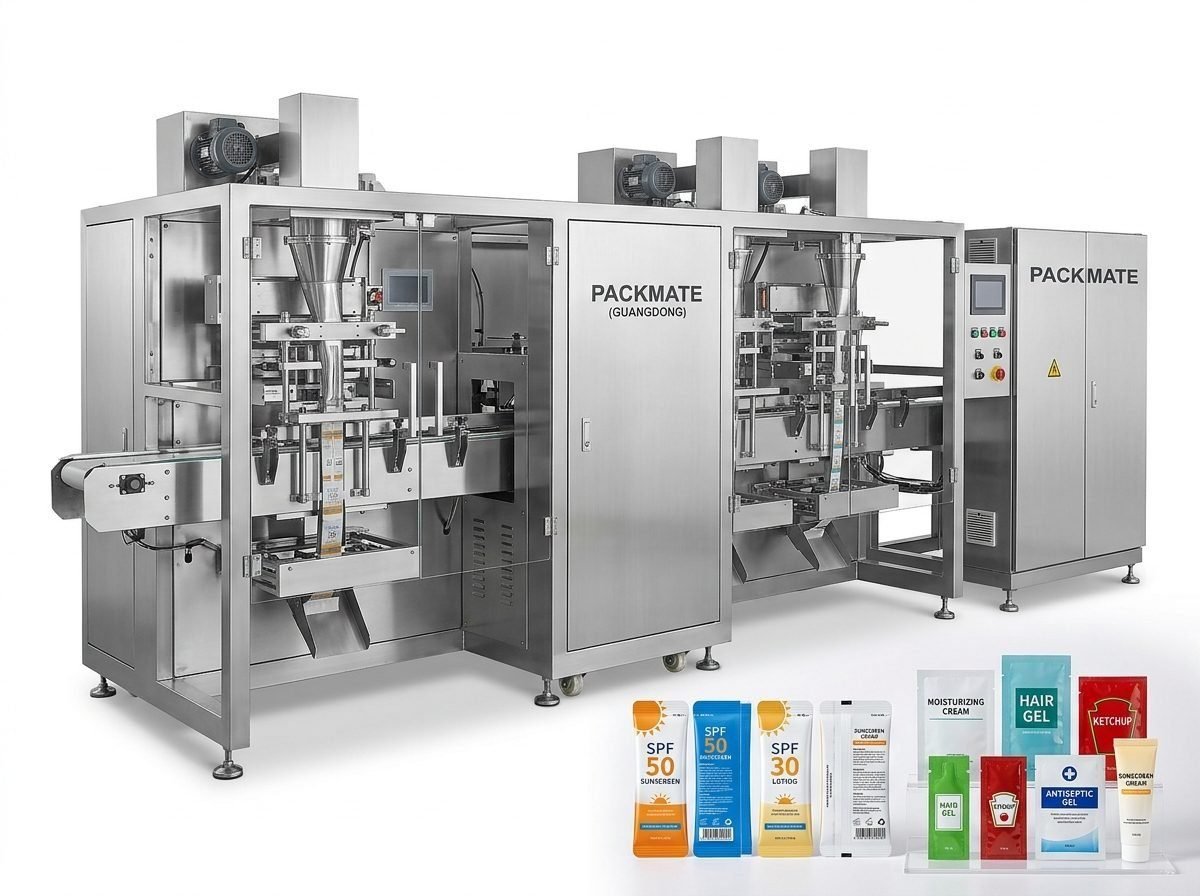
A long operational history often correlates with refined engineering and reliable machine build quality. Companies with over 30 years of experience, such as Packmate Machinery, have typically encountered and solved a wide array of production challenges, leading to more stable and proven equipment—a crucial factor when technical support is thousands of kilometers away.
3. Customization and Turnkey Solutions
Off-the-shelf machines may not suffice. Many Zimbabwean operations benefit from customized solutions or complete lines. Manufacturers like PacklineOEM, which specialize in turnkey production lines, or PackingMachineOEM, focused on non-standard customization, can design systems that integrate seamlessly into existing factory layouts and meet precise output requirements.
The Importance of After-Sales Support and Training
This is arguably the most critical factor for Zimbabwean buyers. Reliable technical support, availability of spare parts, and comprehensive operator training are essential for minimizing costly downtime. Inquire about the supplier’s support structure for Africa. Do they have local agents or service partners? What is the typical response time for technical queries? A manufacturer’s commitment to after-sales service is a strong indicator of a long-term partnership.
Evaluating Export Experience and Market Reach
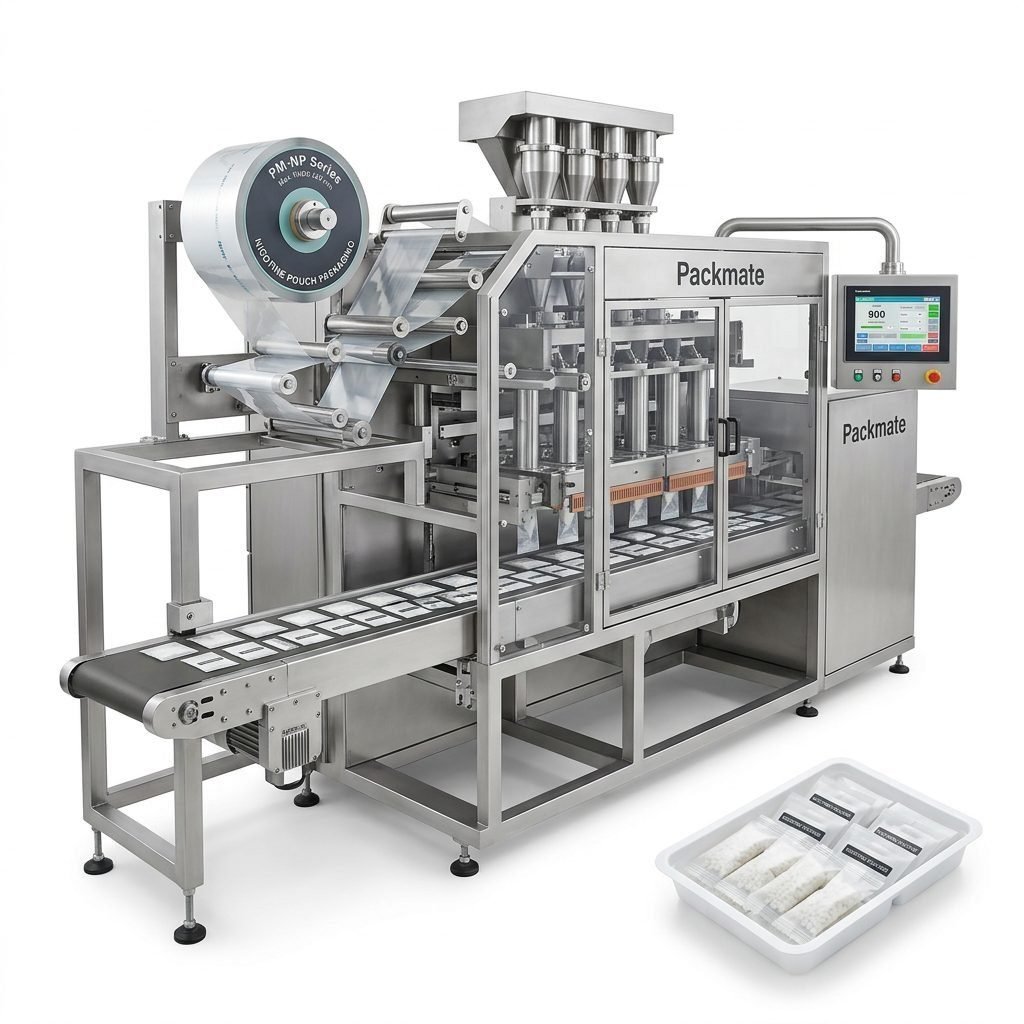
A manufacturer with a strong export footprint is generally more adept at handling international logistics, documentation, and communication. Review their main export markets; a presence in other African countries suggests familiarity with regional requirements and challenges. For example, SnusMachinery lists Africa among its key export markets, indicating relevant experience.
| Manufacturer | Key Strength for Zimbabwe | Ideal For |
|---|---|---|
| Ludyway | Wide product range, strong export experience, complete line capability. | Businesses seeking scalable solutions for food, pharma, and supplements. |
| Packmate Machinery | Balanced cost-performance, reliable machines, good technical support. | Medium to large operations needing practical automation. |
| PacklineOEM | Turnkey line integration and engineering. | Factories planning a new, fully automated packaging line. |
| PackingMachineOEM | High level of customization for non-standard projects. | Businesses with unique products or packaging formats. |
| SnusMachinery | Specialization in pouch packaging (e.g., nicotine, supplements). | Niche producers in growing sectors like smokeless products. |
Cost Considerations and Total Value of Ownership
While initial purchase price is important, the Total Cost of Ownership (TCO) is a more accurate measure. TCO includes energy consumption, maintenance costs, spare part pricing, expected machine lifespan, and potential production losses from downtime. A slightly more expensive machine from a reputable manufacturer with excellent support may offer a lower TCO than a cheaper, less reliable alternative.
Steps to Making Your Final Decision
1. Define Your Requirements Clearly: Document your product specs, target output (bags/minute), bag sizes, and available factory space.
2. Shortlist Manufacturers: Based on your criteria, create a shortlist of 3-5 potential suppliers.
3. Request Detailed Proposals: Ask for technical specifications, layout drawings, warranty terms, and a detailed breakdown of costs.
4. Check References: Ask for contact information of clients in similar industries or regions.
5. Consider a Factory Visit or Virtual Tour: If possible, assess the manufacturer’s facility and quality control processes.
Leveraging Local Expertise and Partnerships
Engage with local industry associations and other manufacturers in Zimbabwe to gather insights on their equipment experiences. Furthermore, explore if your chosen international manufacturer has a working relationship with local engineering firms or agents who can provide faster on-ground assistance for installation and routine maintenance.
Frequently Asked Questions (FAQs)
Q1: How can I ensure the packaging machine will handle Zimbabwe’s voltage fluctuations?
A: Discuss this specifically with the manufacturer. Reputable suppliers can often configure machines with stable voltage protection systems or recommend compatible voltage stabilizers as part of the installation package.
Q2: What is the typical lead time for delivery to Zimbabwe?
A: Lead times vary based on machine complexity and customization. For standard models, it can range from 30 to 90 days after order confirmation, plus shipping and customs clearance time. Always factor in these timelines for your project planning.
Q3: Are training and installation included?
A: This varies by supplier and contract. Always clarify what is included. Comprehensive packages often include on-site installation supervision and operator training, which may incur additional costs for travel and accommodation. Some manufacturers offer detailed remote training and documentation as a cost-effective alternative.
Q4: How do I manage spare parts inventory?
A: Work with the manufacturer to identify critical spare parts that should be kept on hand. Many suppliers offer starter spare part kits. Establish a clear process for ordering additional parts, understanding the shipping methods, and typical delivery times to Zimbabwe to minimize disruption.
Q5: Is local technical support available?
A: This is a key question. Some international manufacturers have service partners or agents in major African hubs. If direct local support is limited, inquire about the responsiveness and structure of their remote support (e.g., video calls, detailed manuals, online parts ordering).