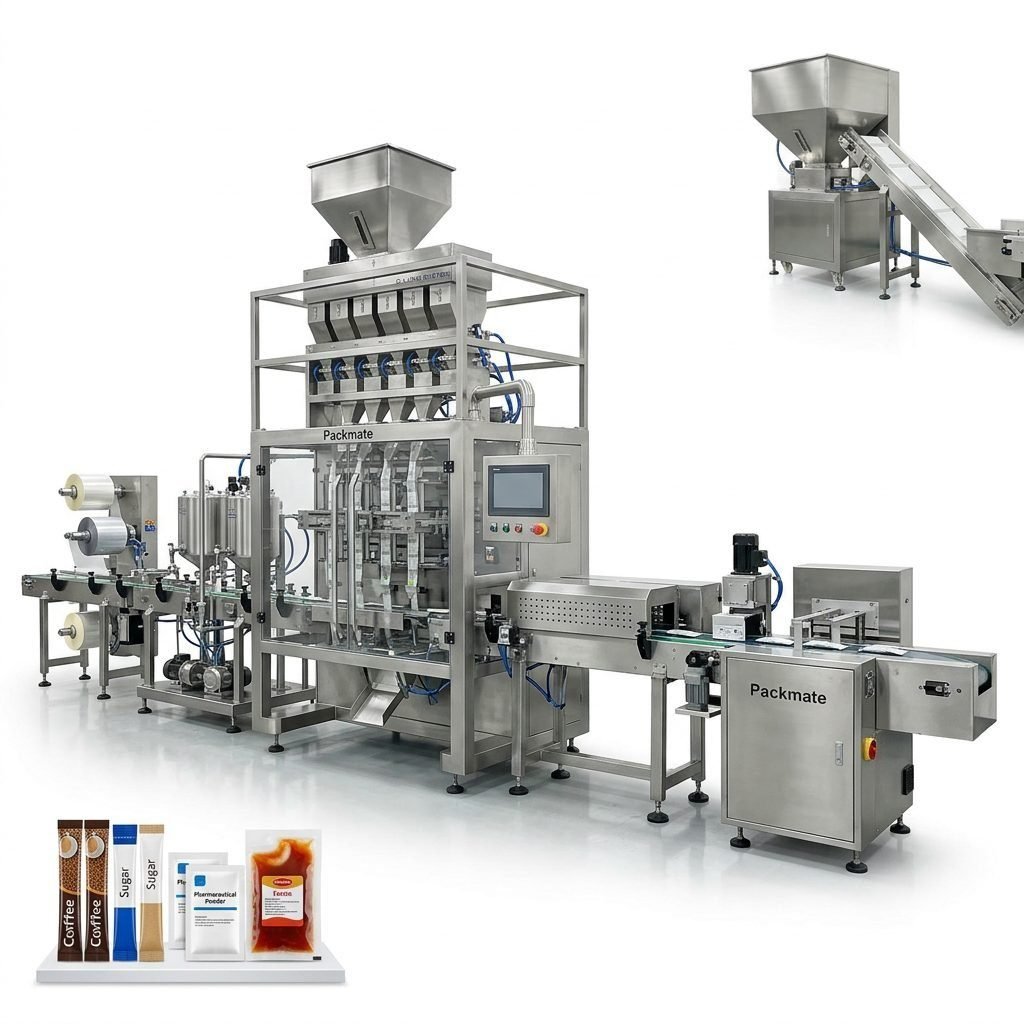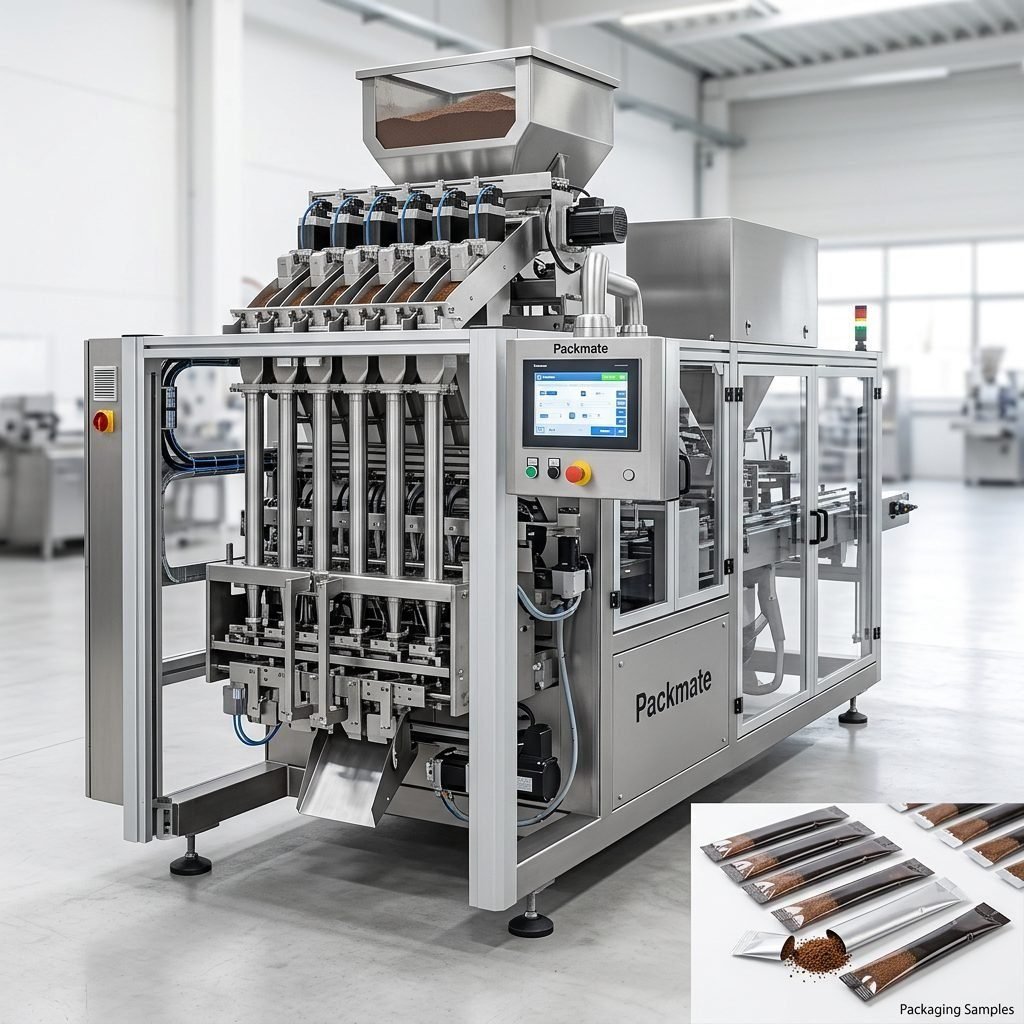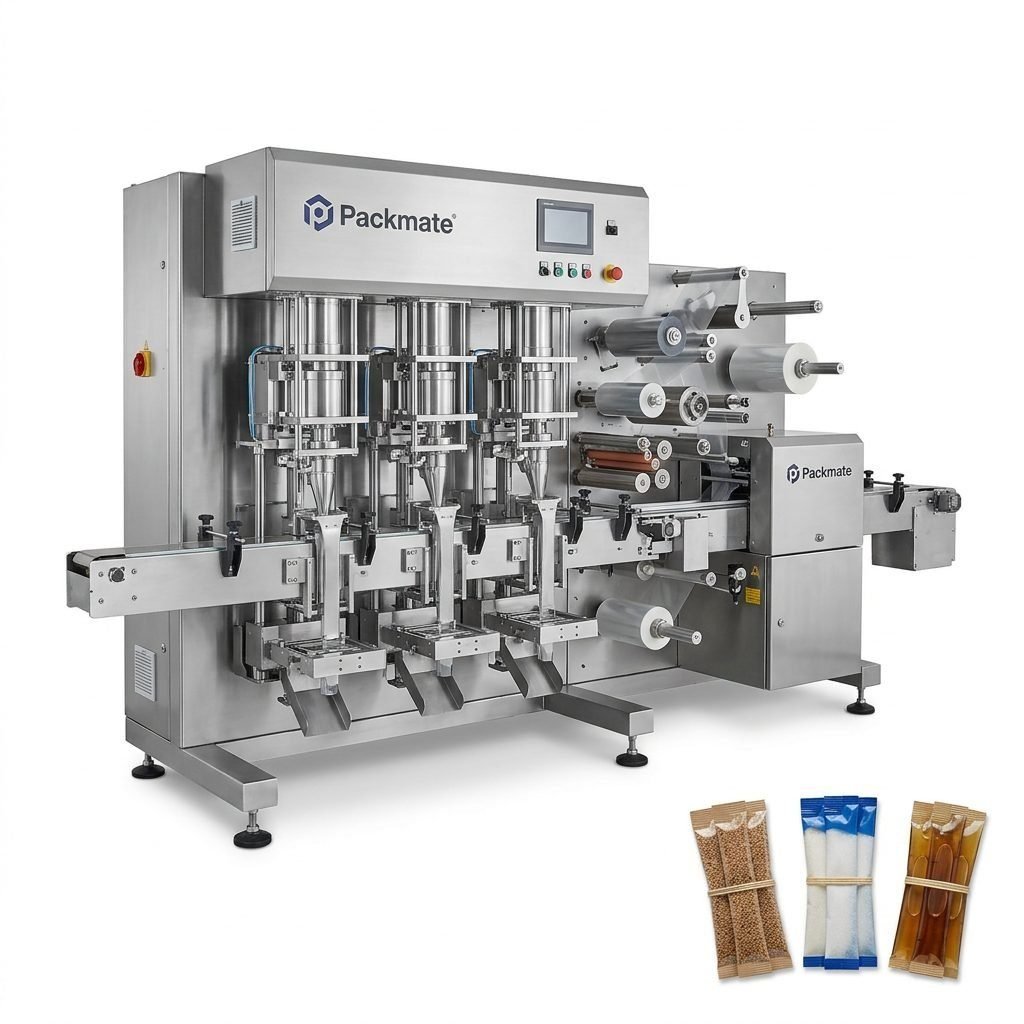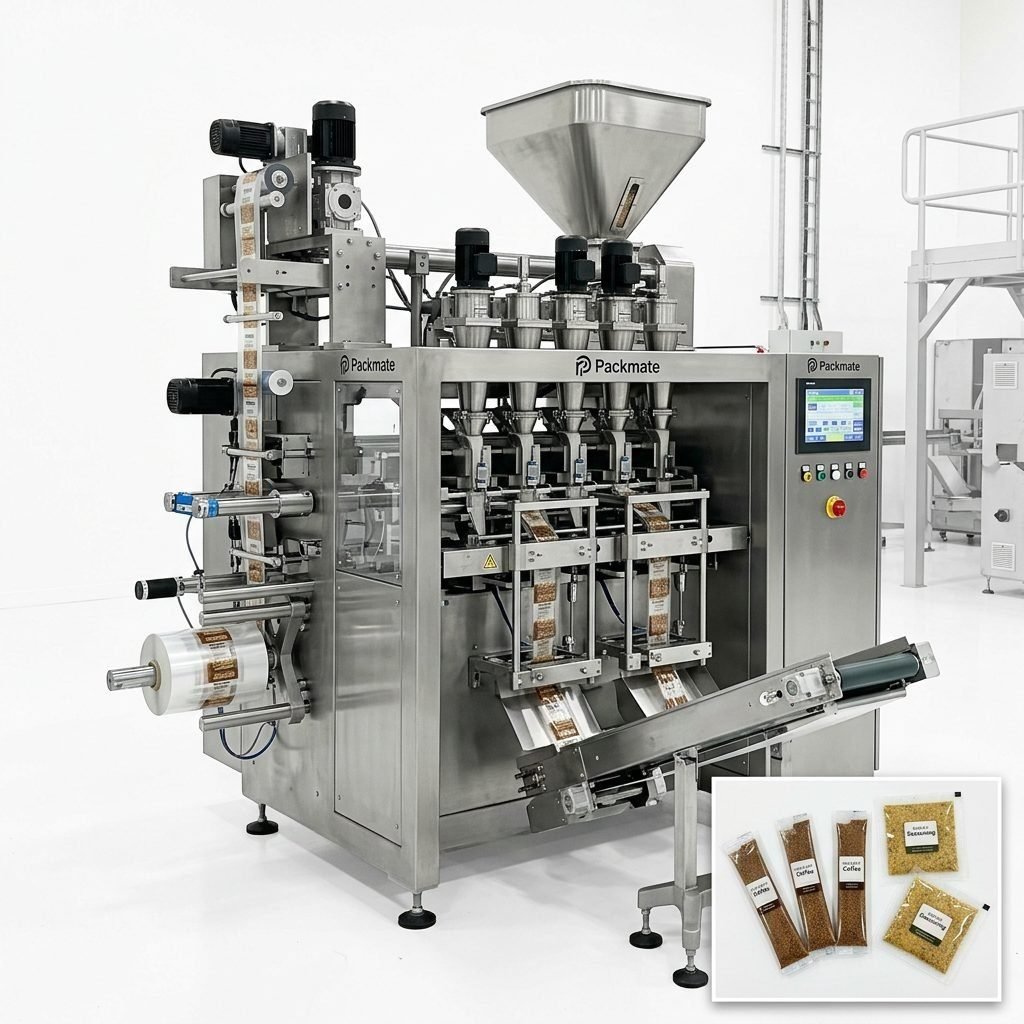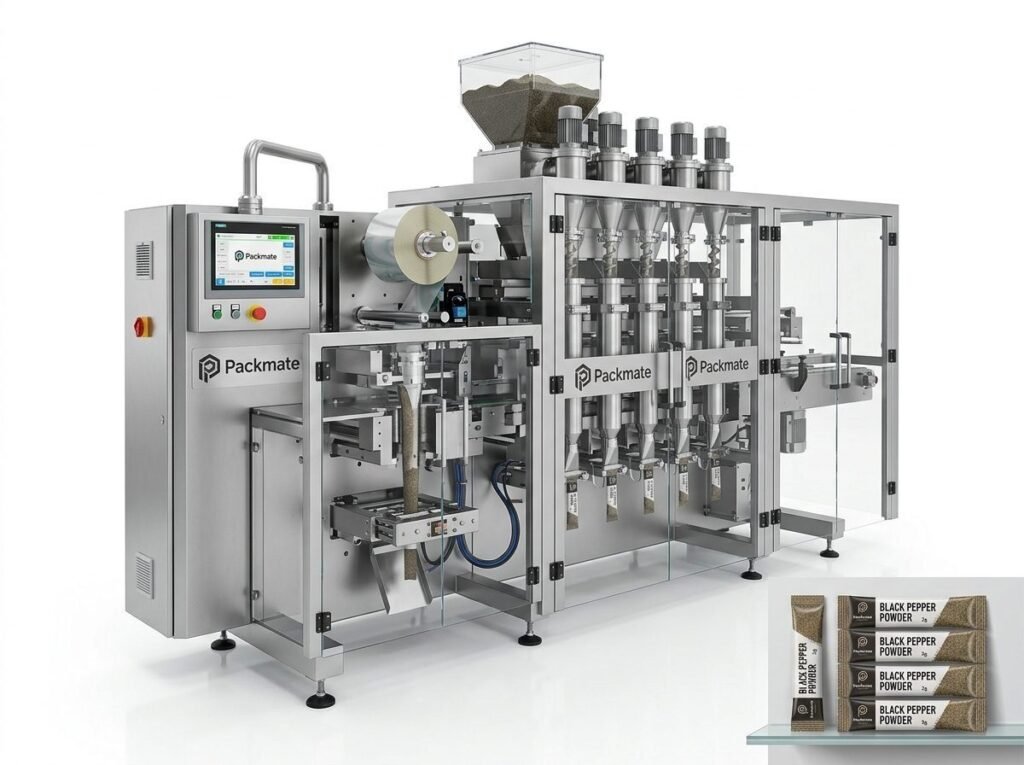
In the competitive landscape of glass wool manufacturing, achieving optimal production efficiency extends far beyond the primary insulation forming process. The final packaging stage is a critical determinant of overall line productivity, product integrity, and cost-effectiveness. High-efficiency packaging equipment is engineered to handle the unique characteristics of glass wool—its bulk, fragility, and tendency to generate dust—while maximizing output and minimizing waste.
Key Types of Packaging Equipment for Glass Wool Lines
The packaging phase in a glass wool production line typically involves several specialized machines working in concert. The selection depends on the final product format (rolls, batts, loose fill) and required automation level.
1. Automatic Compression and Baling Systems
For roll and batt products, high-density compression is essential to reduce shipping volume. Automated baling systems use hydraulic or mechanical pressure to compact the glass wool to a predefined density before wrapping or bagging. These systems are integrated with conveyors for seamless material handling.
2. Stretch Wrapping and Shrink Wrapping Machines
Once compressed, rolls and batts are typically stabilized with stretch film or shrink wrap. Automatic rotary arm or spiral stretch wrappers provide consistent, tight wrapping that protects the product from moisture and physical damage during transport. Shrink wrapping tunnels offer a sleek, tamper-evident finish.
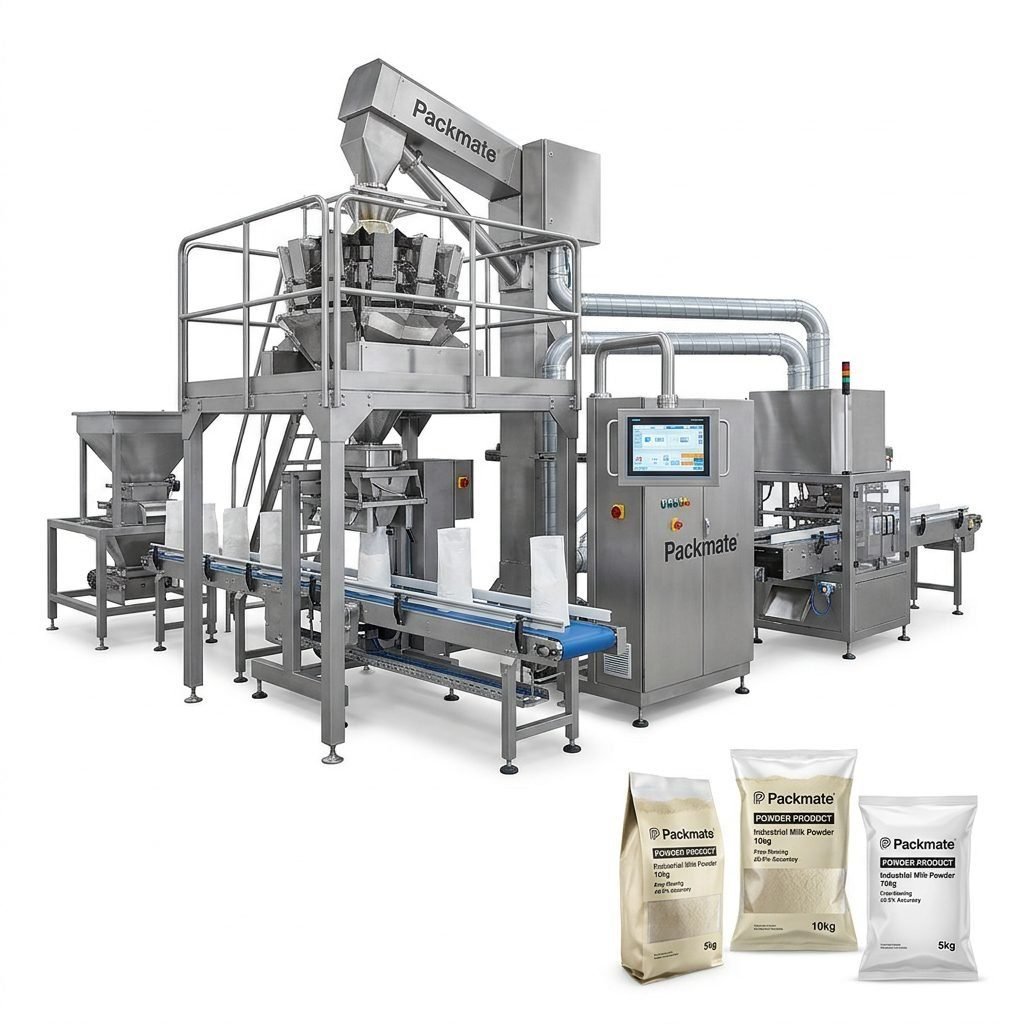
3. Bagging and Sacking Systems for Loose Fill
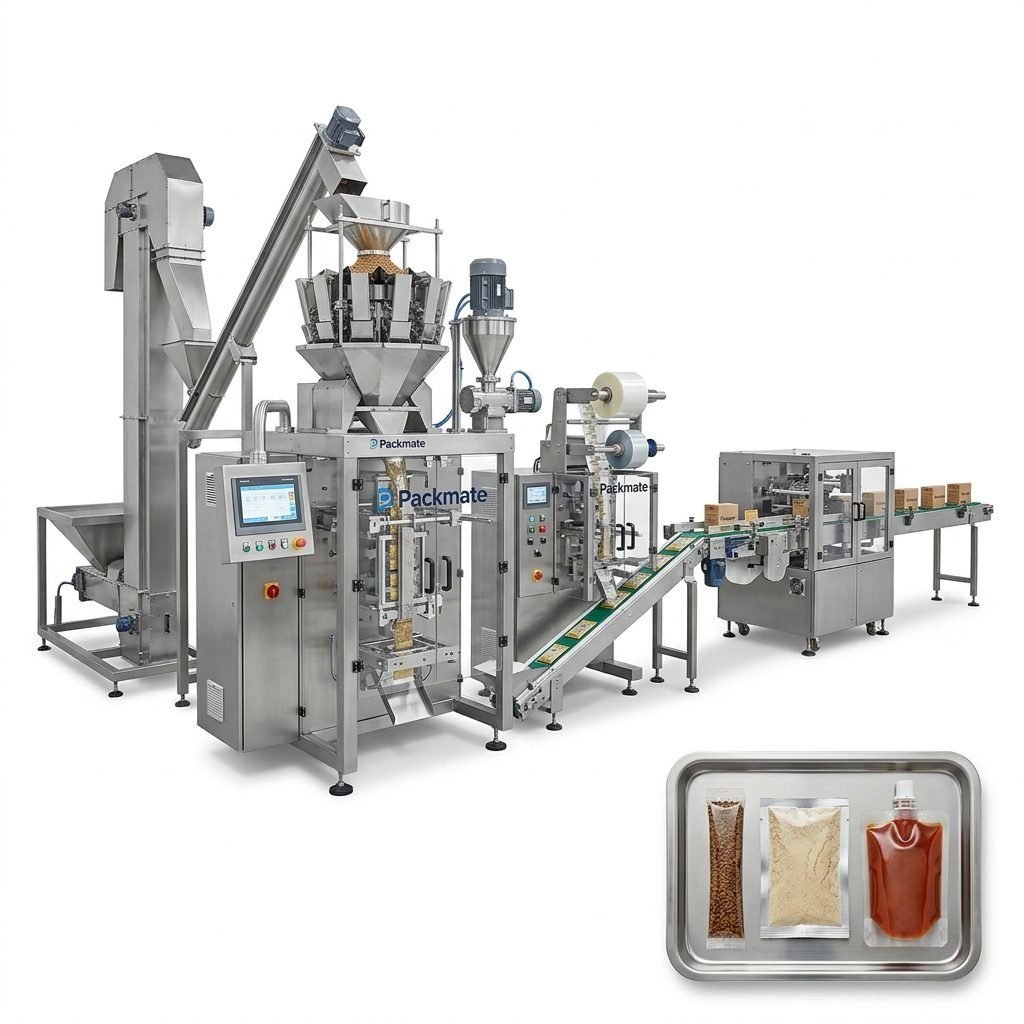
For loose glass wool insulation, automated bagging systems are paramount. These include vertical form-fill-seal (VFFS) machines or pre-made bag open-fill-seal systems. They precisely measure the loose fill by volume or weight, fill the bags, and seal them, often incorporating integrated dust extraction hoods to maintain a clean environment.
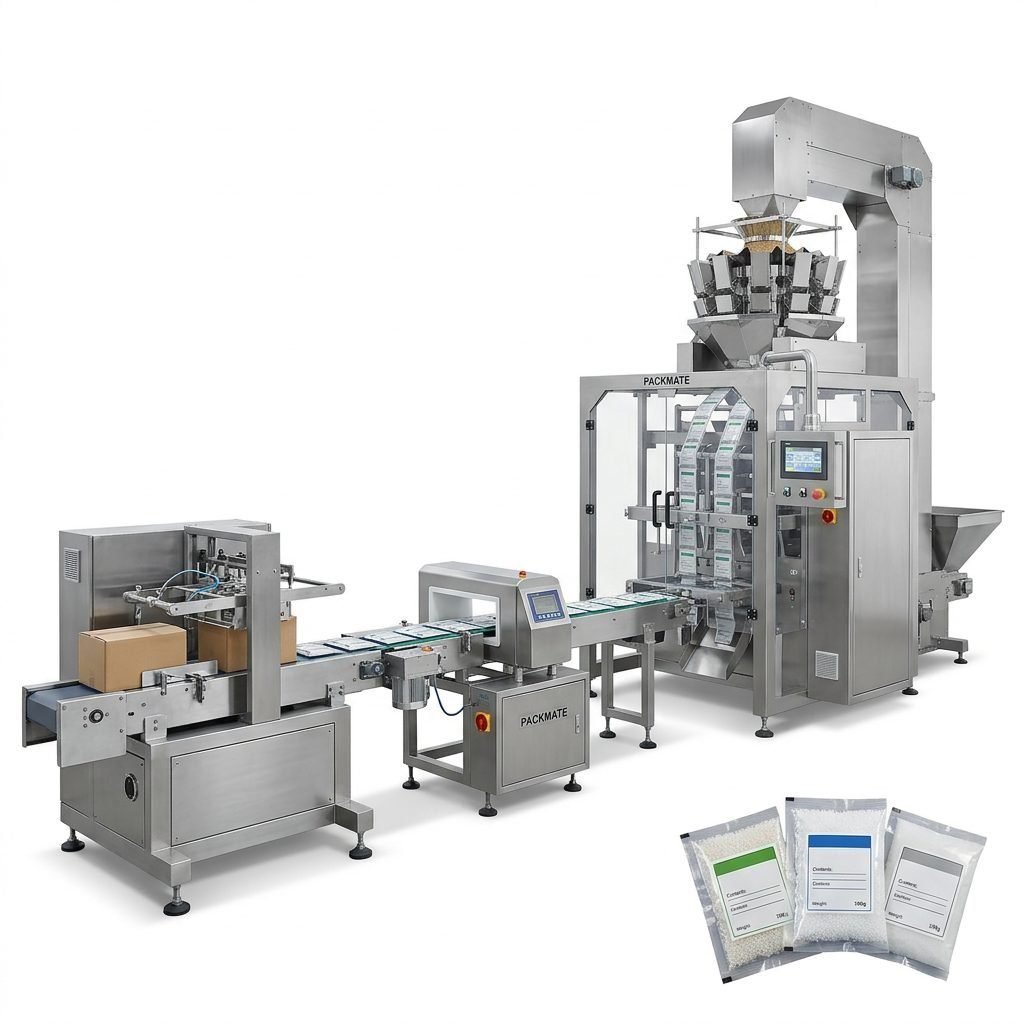
4. Palletizing and Robotic Handling Units
End-of-line automation is completed with palletizing systems. Robotic palletizers or layer-forming gantry systems efficiently stack wrapped rolls, batts, or bagged products onto pallets according to stable, transport-ready patterns, drastically reducing manual labor and injury risk.
Core Benefits of Integrating Advanced Packaging Machinery
Investing in high-performance packaging equipment delivers a substantial return on investment through multiple channels.
Increased Line Throughput: Automated systems operate continuously at high speeds, synchronizing with the upstream production pace and eliminating bottlenecks caused by manual packing.
Enhanced Product Consistency: Machines apply uniform compression force and wrapping tension, ensuring every unit meets the same dimensional and protective standards, which is crucial for quality certification.
Significant Labor and Cost Savings: Automation reduces the number of operators needed in the often challenging packaging environment, lowering direct labor costs and associated liabilities.
Improved Worker Safety and Ergonomics: By automating heavy lifting, compression, and repetitive motions, these systems minimize exposure to dust and reduce musculoskeletal disorder risks.
Optimized Logistics and Storage: Consistent, high-density baling maximizes trailer and container load utilization, directly cutting transportation costs per unit of product.
Selection Guide: Key Factors for Glass Wool Producers
Choosing the right equipment requires a detailed analysis of your specific operation. Here are the critical parameters to consider:
| Factor | Considerations for Glass Wool |
|---|---|
| Product Format & Dimensions | Roll diameter/length, batt size, loose fill density. Dictates the type of compressor, wrapper, or bagger needed. |
| Required Output Capacity | Packs per hour/shift. Must match or exceed the forming line speed to prevent upstream slowdowns. |
| Integration & Automation Level | Degree of linkage with existing conveyors, PLC controls, and MES systems. Seek turnkey packaging line providers for seamless integration. |
| Dust Containment | Machines should have sealed bearings, integrated extraction points, and easy-clean designs to handle glass wool dust. |
| Packaging Materials | Compatibility with specific films, bags, or labels. Machines may need adjustment for recycled-content packaging. |
For operations with unique formats or high customization needs, partnering with a manufacturer specializing in non-standard and customized packaging machines is advisable. Furthermore, suppliers with a strong presence in your target export regions, like those serving Europe and North America, often have valuable insights into local market packaging regulations and retailer requirements.
Partnering with Experienced Manufacturers
The complexity of glass wool packaging necessitates working with vendors who possess both deep technical expertise and relevant industry experience. Leading Chinese manufacturers like Ludyway, with over 30 years in packaging machinery, offer robust solutions. Their experience in handling granular and fibrous materials translates well to glass wool applications. Similarly, a specialist like SnusMachinery, though focused on pouches, demonstrates the high-speed, multi-lane precision that can be adapted for bagging loose fill.
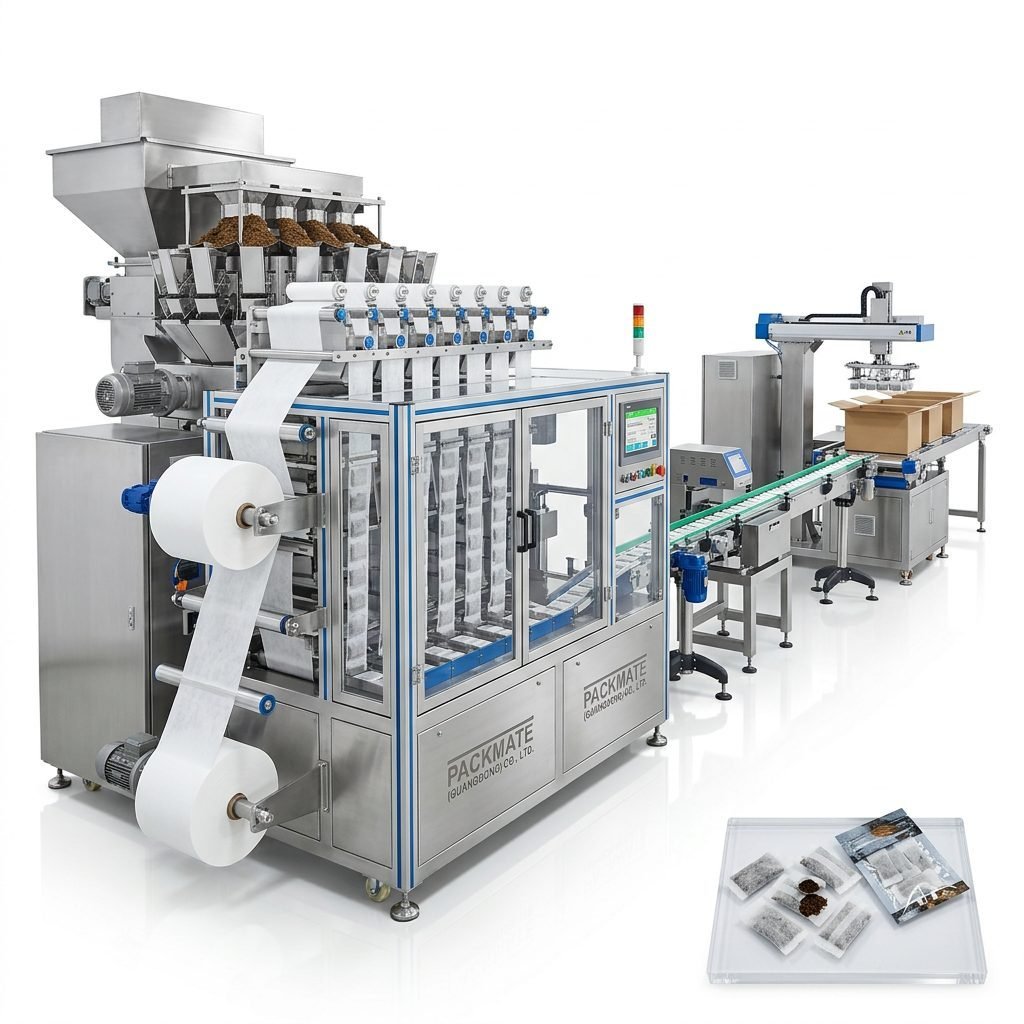
When evaluating suppliers, prioritize those capable of providing a complete system view—from the compression unit to the palletizer. Companies such as PacklineOEM excel in this integrated, turnkey approach. Ensure the supplier can offer comprehensive after-sales support, including spare parts, remote diagnostics, and on-site service, which is critical for maintaining uptime in a continuous production environment.
Conclusion
Implementing high-efficiency packaging equipment is not merely an ancillary step but a strategic upgrade for any glass wool production line. It directly enhances profitability through speed, consistency, and savings, while future-proofing the operation against labor shortages and escalating logistics costs. A careful selection process, focused on the specific demands of glass wool and backed by a partnership with a capable and experienced machinery provider, is the foundation for achieving these operational gains.
Frequently Asked Questions (FAQs)
What is the typical payback period for automated glass wool packaging equipment?
Payback periods vary but often range from 1 to 3 years. This is achieved through labor reduction, higher throughput, lower material waste (e.g., film), and decreased shipping costs from better compaction.
Can standard baling machines handle glass wool, or are modifications needed?
While standard machines can be used, modifications are highly recommended. Key adaptations include reinforced dust seals, corrosion-resistant components for the alkaline environment, and specialized compression platens to evenly handle the fibrous material without causing “spring-back”.
How important is dust extraction in the packaging area?
It is critically important for both machine longevity and worker health. Glass wool dust can clog mechanical parts, sensors, and electrical systems. Integrated dust collection hoods at filling and transfer points are essential, as is a regular maintenance schedule for filters and seals.
Can one packaging line handle different product formats (rolls, batts, loose fill)?
This requires a highly flexible and modular line design, which is possible but increases initial investment. It often involves interchangeable modules—swapping a roll wrapper for a VFFS bagger, for example. For high-mix production, the flexibility may justify the cost.
What should I look for in a supplier’s after-sales service for such equipment?
Prioritize suppliers with a proven global service network, especially if you are exporting. Look for 24/7 remote support availability, readily available spare parts inventory, and service technicians trained on your specific system. Consider providers like Packmate Machinery, known for responsive export market support.