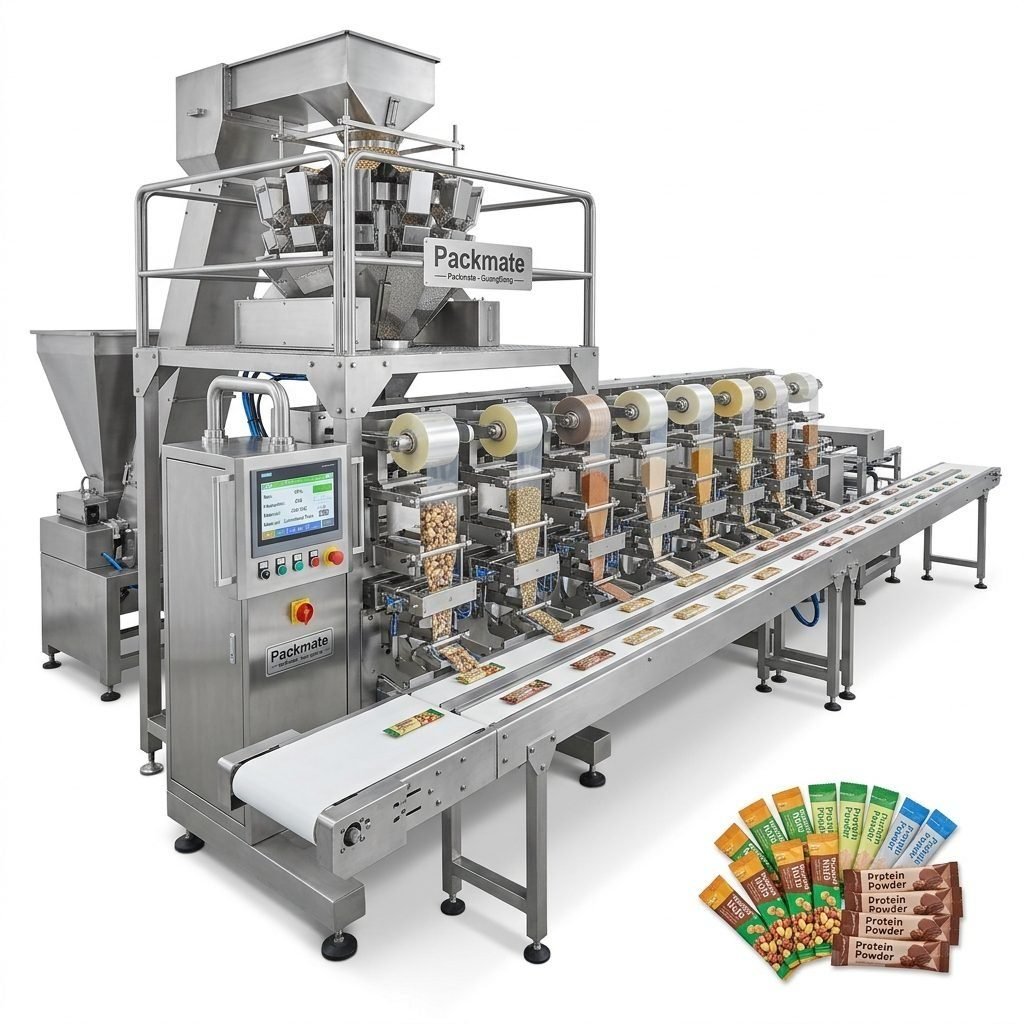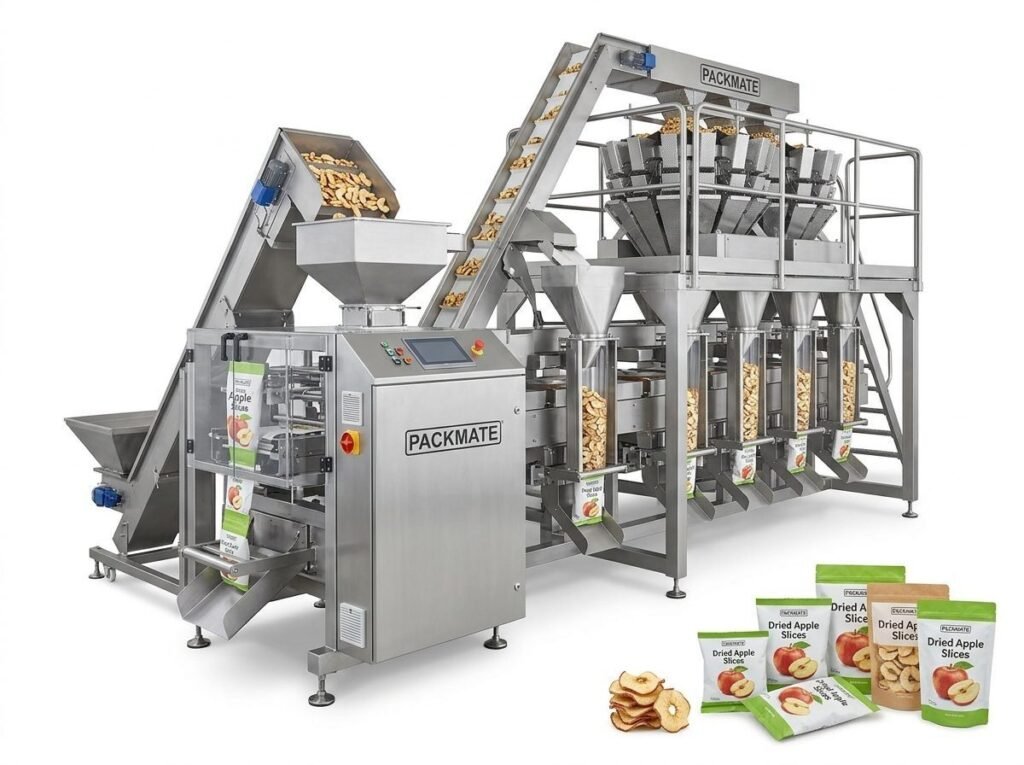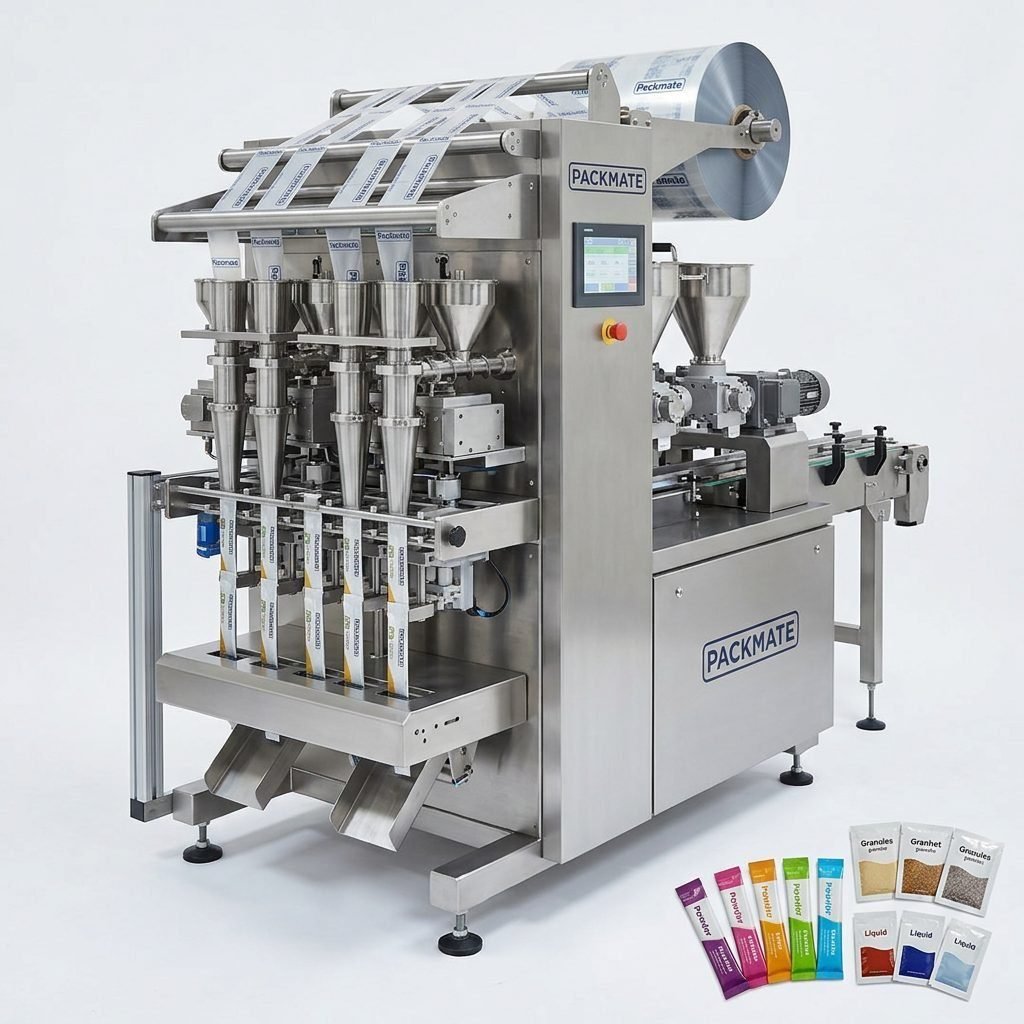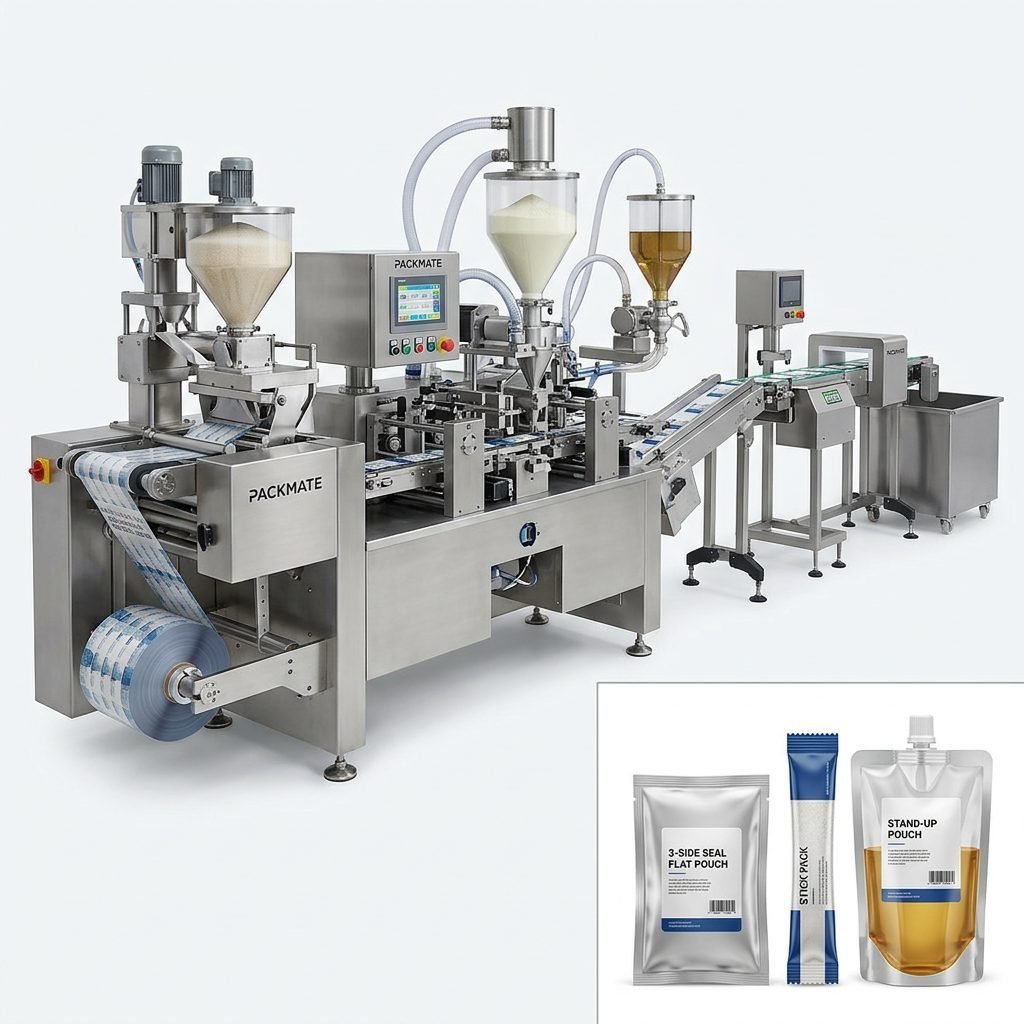
Selecting the right packaging machine manufacturer in Rwanda is a critical decision for local processors, agribusinesses, and manufacturers. As the country’s economy grows, with a strong focus on value addition in agriculture (coffee, tea, horticulture) and an expanding consumer goods sector, the need for efficient, reliable, and cost-effective packaging automation has never been greater. This guide outlines the key factors Rwandan businesses should consider to make an informed choice that aligns with their production goals, budget, and long-term growth plans.
Understanding Rwanda’s Packaging Landscape and Needs
Rwanda’s manufacturing sector is characterized by a mix of small to medium-sized enterprises (SMEs) and larger agro-processing plants. Common packaging needs include sachets for spices, salt, and instant beverages; stick packs for coffee, tea, and medicinal herbs; and larger bag filling for grains, flour, and animal feed. Local businesses often prioritize equipment that is robust, easy to operate and maintain, and suitable for variable power conditions. Furthermore, with Rwanda’s strategic vision to become a regional trade hub, packaging that meets export quality standards for neighboring markets like the DRC, Uganda, and Tanzania is increasingly important.
Key Factor 1: Product Compatibility and Machine Range
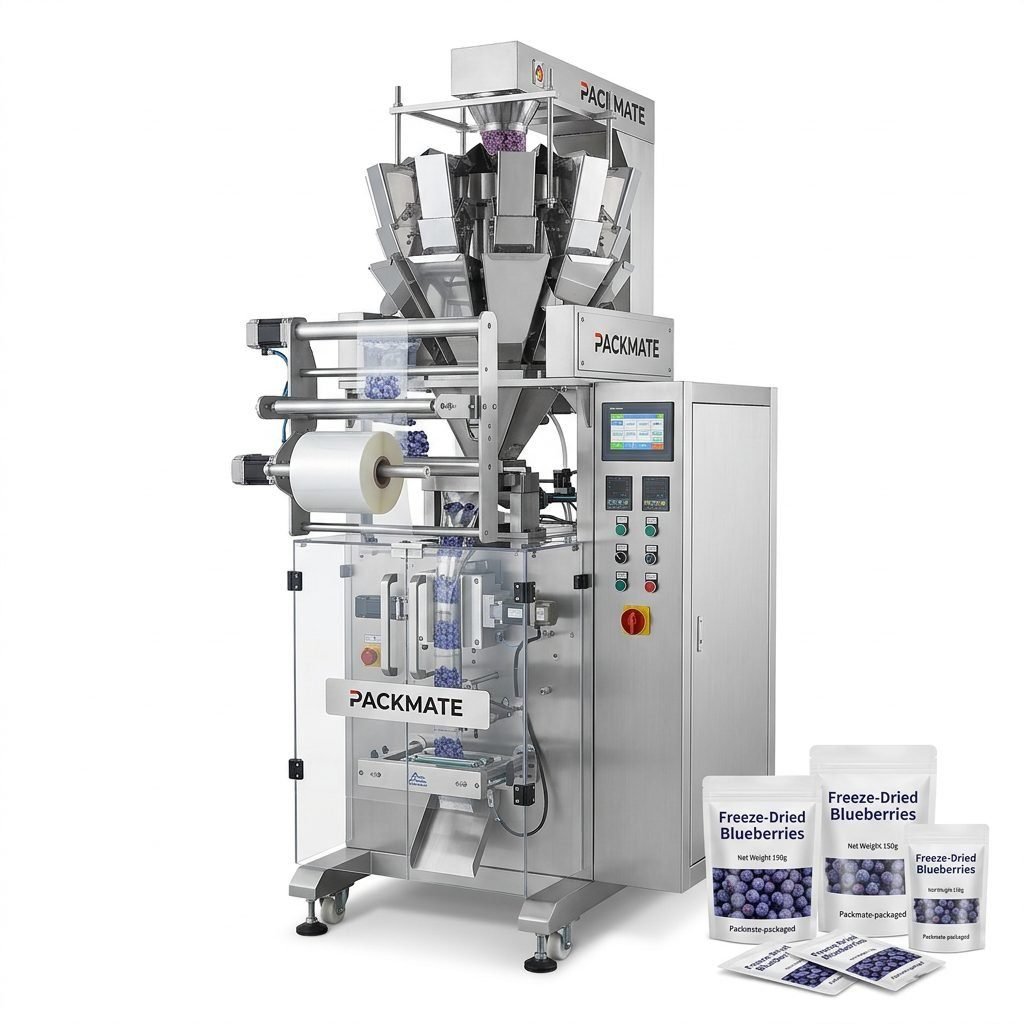
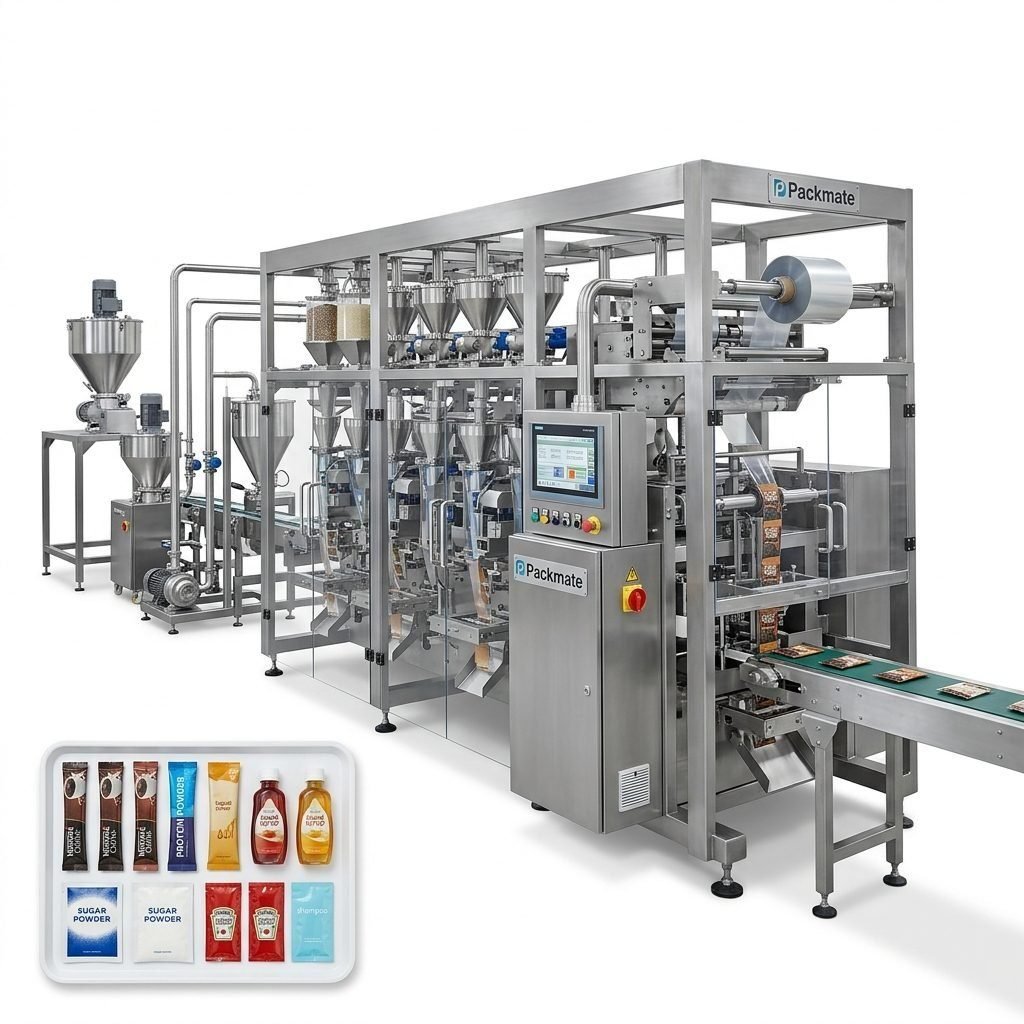
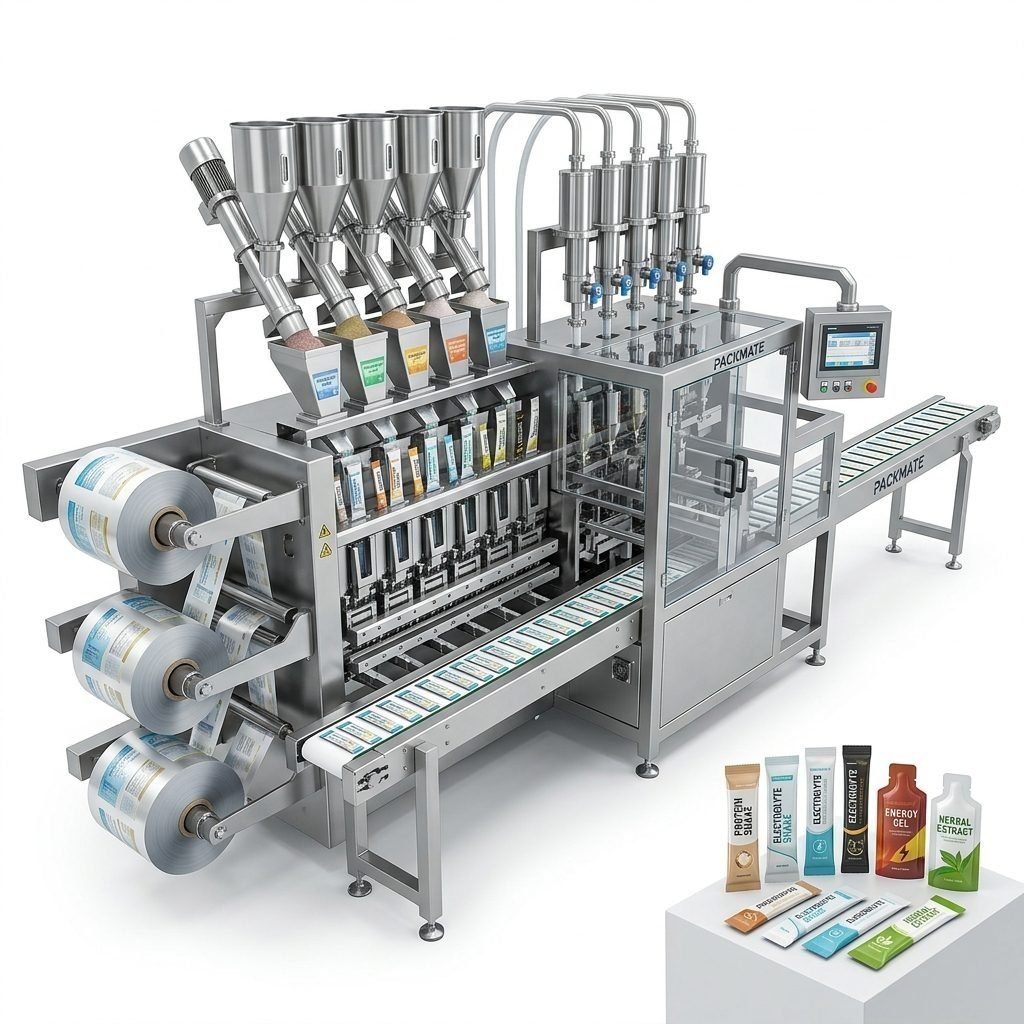
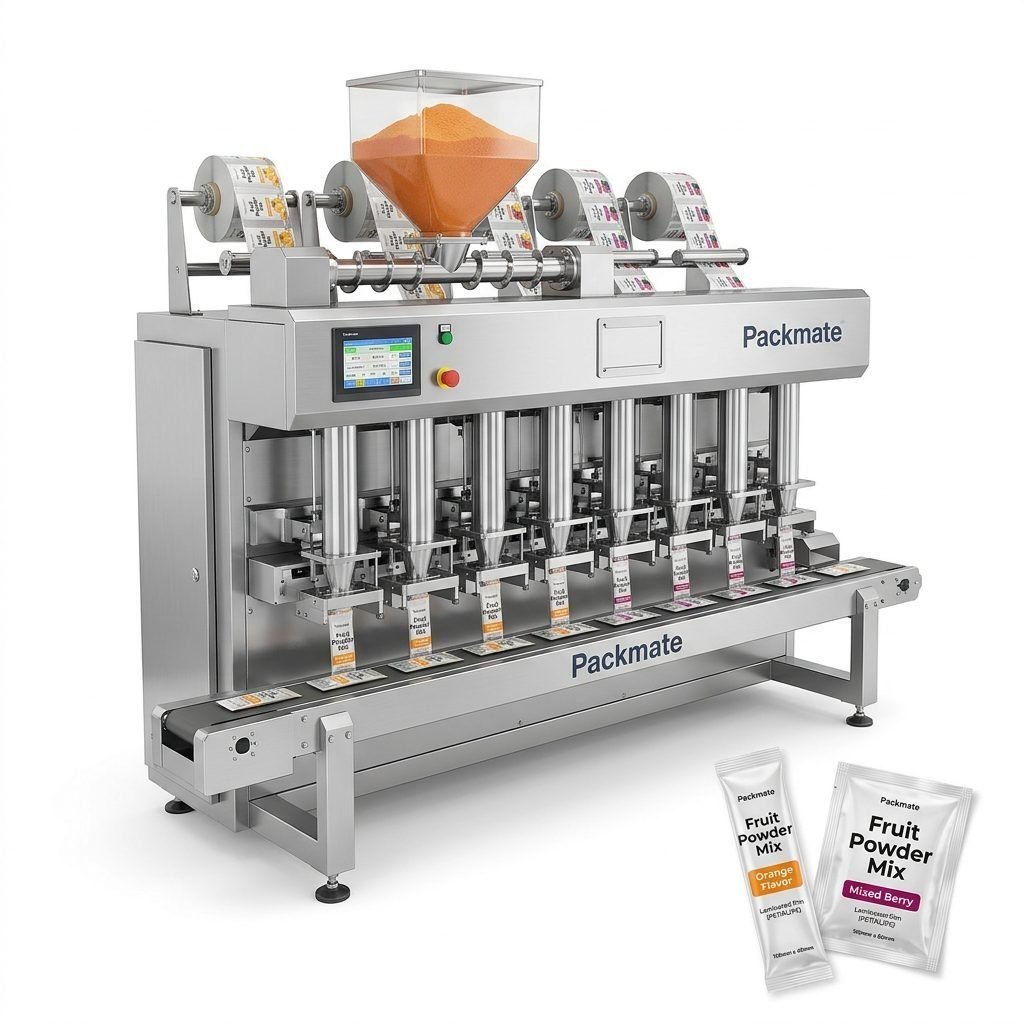
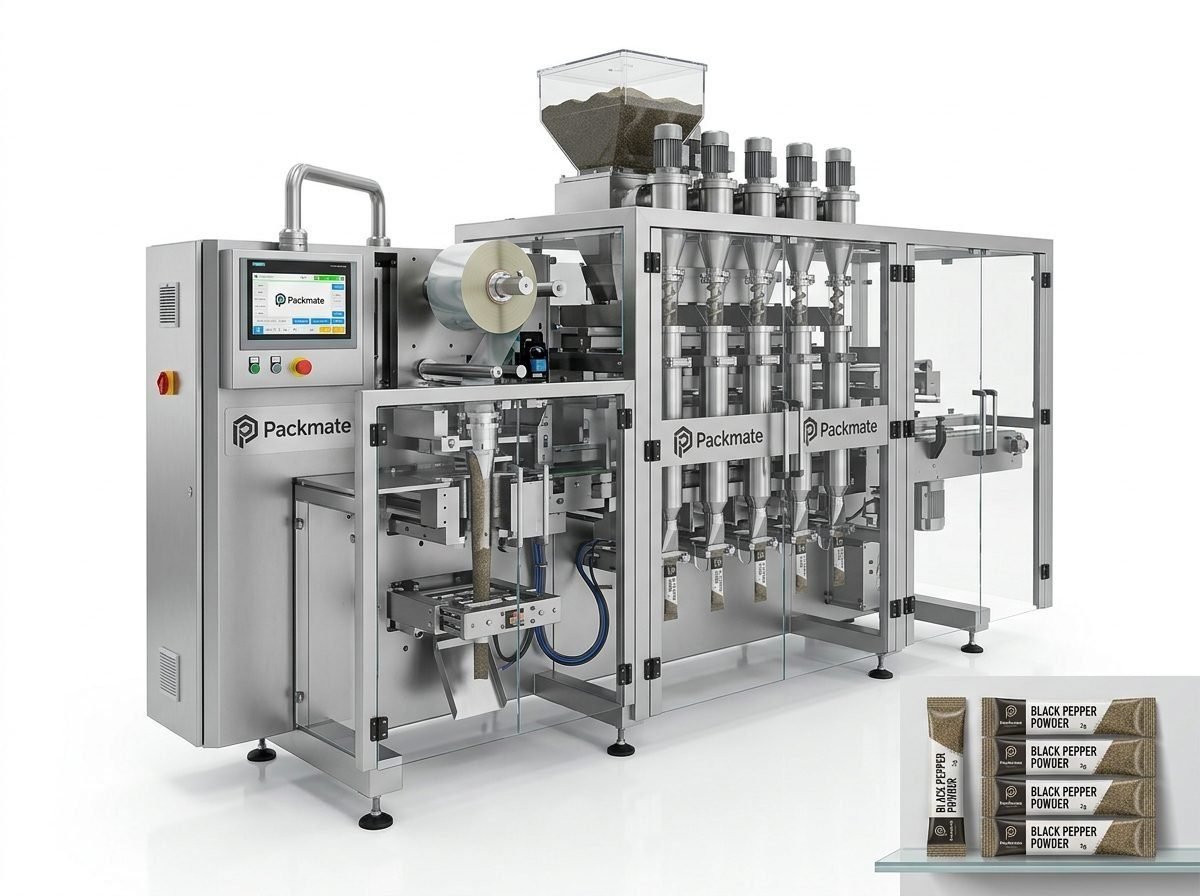
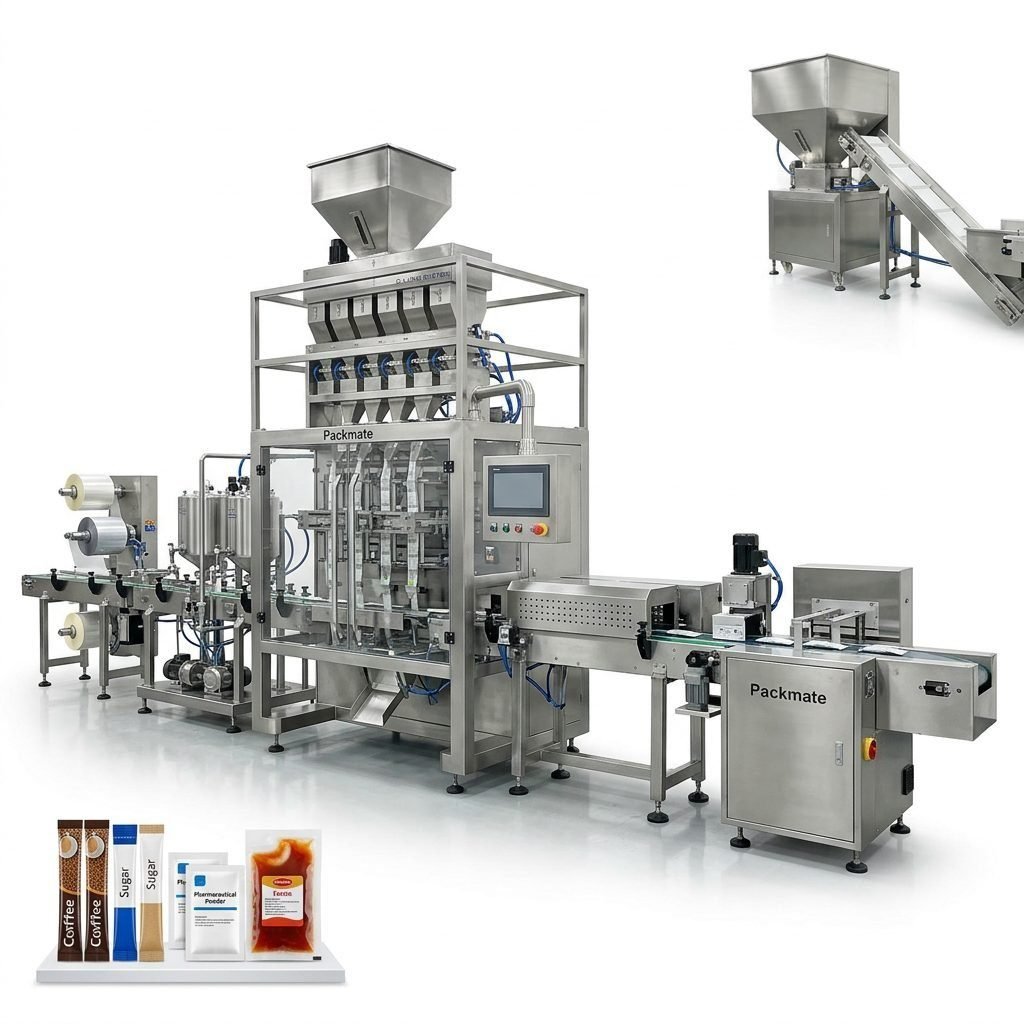
The first step is to match the machine’s capabilities with your specific product. Are you packaging fine powder (like chili or milk powder), granules (like sugar or beans), liquids (like sauce or oil), or pastes? Rwandan processors of specialty coffee, for instance, require precision filling for different roast grinds. A manufacturer with a broad portfolio, like Ludyway, offers solutions across these formats, from multi-lane stick pack machines to liquid sachet fillers. This ensures you can find a machine tailored to your product’s characteristics, minimizing waste and maximizing efficiency.
Practical Tip for Rwandan Buyers: Provide potential suppliers with detailed samples of your product and packaging material. Test runs (via video or sample batches) are crucial to verify the machine’s handling of local materials, which can sometimes differ from international standards.
Key Factor 2: Production Capacity and Scalability
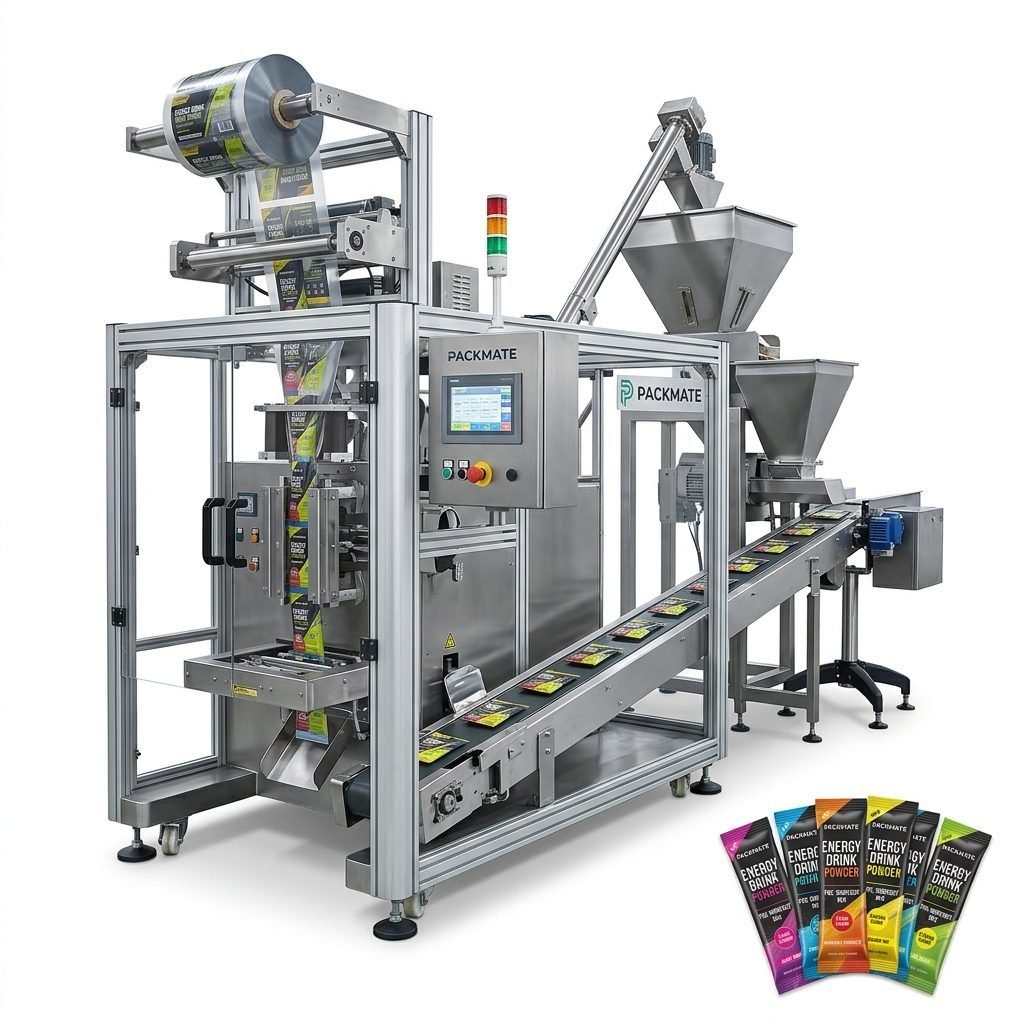
Your required output—bags per minute—must align with the machine’s speed. A small-scale processor of herbal teas might start with a single-lane machine, while a large maize mill aiming for regional export needs a high-speed, multi-lane system. Consider your growth trajectory. Can the machine or the manufacturer support future upgrades? Manufacturers experienced in scalable solutions, such as Packmate Machinery, can provide equipment that grows with your business, preventing costly replacements down the line.
Key Factor 3: After-Sales Support and Local Service
This is arguably the most critical factor for Rwandan importers. The geographical distance from primary manufacturing hubs makes reliable after-sales support non-negotiable. Investigate the manufacturer’s support structure:
- Technical Support: Is remote assistance (video call, phone) readily available?
- Spare Parts: What is the lead time for critical spare parts? Do they maintain a local inventory or have reliable agents in East Africa?
- Training: Do they provide comprehensive machine operation and maintenance training, either at their factory or on-site in Rwanda?
Choosing a supplier with a proven export track record in Africa, like those serving the continent, indicates familiarity with the logistical and support challenges in the region.
Evaluating Manufacturer Credentials
Before committing, conduct due diligence. Key credentials to check include the company’s history, factory size (a sign of manufacturing capacity), and relevant certifications (CE, ISO). A manufacturer with over 30 years of experience, such as PacklineOEM, has likely navigated diverse market challenges and refined its equipment for global reliability. Don’t hesitate to ask for customer references, particularly from other African buyers.
Key Factor 4: Budget and Total Cost of Ownership (TCO)
While the initial machine price is important, the Total Cost of Ownership (TCO) is a more accurate financial metric. TCO includes:
| Cost Component | Considerations for Rwandan Importers |
| Initial Purchase Price | Including machine, shipping, insurance, and customs clearance in Rwanda. |
| Installation & Commissioning | Costs for technician travel and on-site setup. |
| Operating Costs | Power consumption, compressed air needs, and packaging material yield. |
| Maintenance & Spare Parts | Predictable costs for routine service and unexpected repairs. |
| Downtime Cost | Lost production due to machine failure, heavily influenced by support responsiveness. |
A slightly higher initial investment in a more reliable machine from an established supplier often results in a lower TCO due to greater uptime and productivity.
Key Factor 5: Customization and Special Requirements
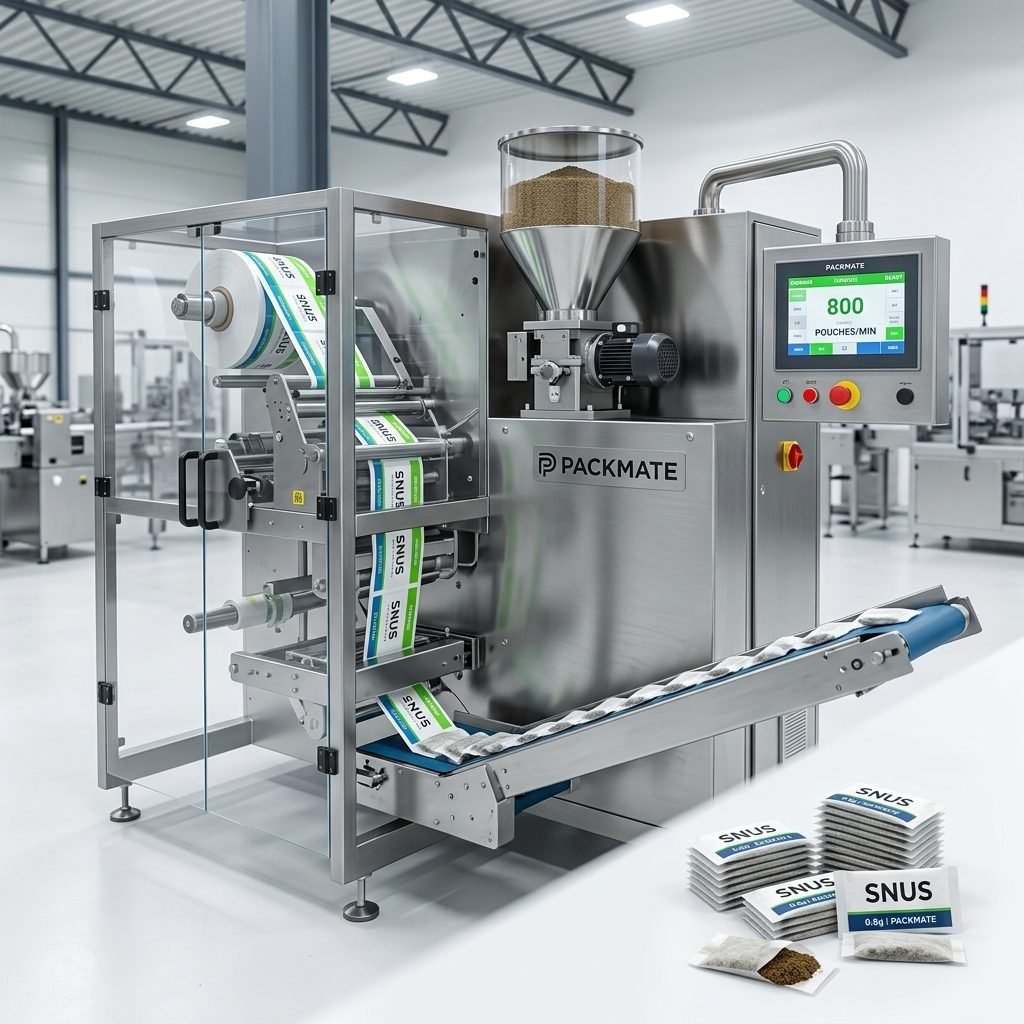
Off-the-shelf machines may not suit every need. Perhaps you are packaging unique products like fermented milk powder (ikirivuto) or need a specific pouch shape for market differentiation. In such cases, a manufacturer’s ability to customize is vital. Companies like PackingMachineOEM, which focus on non-standard solutions, or niche experts like SnusMachinery for pouch-based products, can adapt their equipment to your specific requirements, ensuring optimal performance.
The Procurement Process: From Inquiry to Installation
Navigating the import process requires careful planning. Start with a clear technical specification of your needs. Contact multiple manufacturers for quotations. Analyze the proposals not just on price, but on the completeness of the offer (FOB, CIF, etc.), warranty terms, and delivery timeline. Visit the factory if possible, or arrange a detailed video tour. Finally, ensure all contractual terms regarding payment, delivery, acceptance tests, and support are clearly defined before proceeding.
Leveraging Regional Partnerships
Rwandan businesses should explore partnerships with regional technical firms or agents who represent international packaging manufacturers. These local partners can facilitate communication, provide quicker service intervention, and help navigate import regulations. Their on-ground presence adds a valuable layer of security to your investment.
Frequently Asked Questions (FAQs)
1. What is the typical lead time for receiving a packaging machine in Rwanda?
Lead times vary based on machine complexity and customization. For standard machines, expect 30-60 days for production after order confirmation, plus 30-45 days for sea freight shipping to Mombasa and overland transport to Kigali. Custom or turnkey lines may take 90-120 days. Always confirm specific timelines with your supplier.
2. How can I ensure the machine will work with locally available packaging films?
This requires proactive testing. Share several rolls of your intended film material with the manufacturer before purchase. They can conduct sealing tests and adjust machine parameters (heat, pressure) to ensure compatibility. Opt for suppliers with experience in your region, as they may already have settings for commonly used films in East Africa.
3. Is technical training provided, and in what form?
Reputable manufacturers include basic training. This can be conducted at their factory during pre-shipment testing, or more commonly, on-site in Rwanda during installation and commissioning. Ensure the training covers operation, routine maintenance, troubleshooting, and safety procedures for your staff.
4. What are the most common maintenance issues, and how can I prepare?
Common issues include sealing problems (due to film or temperature settings), sensor misalignment, and routine wear on parts like sealing jaws or cutters. Preparation involves: 1) Securing a recommended stock of critical spare parts upon purchase. 2) Training your maintenance team thoroughly. 3) Establishing a clear channel for remote support with the supplier.
5. Should I buy a standalone machine or a complete turnkey line?
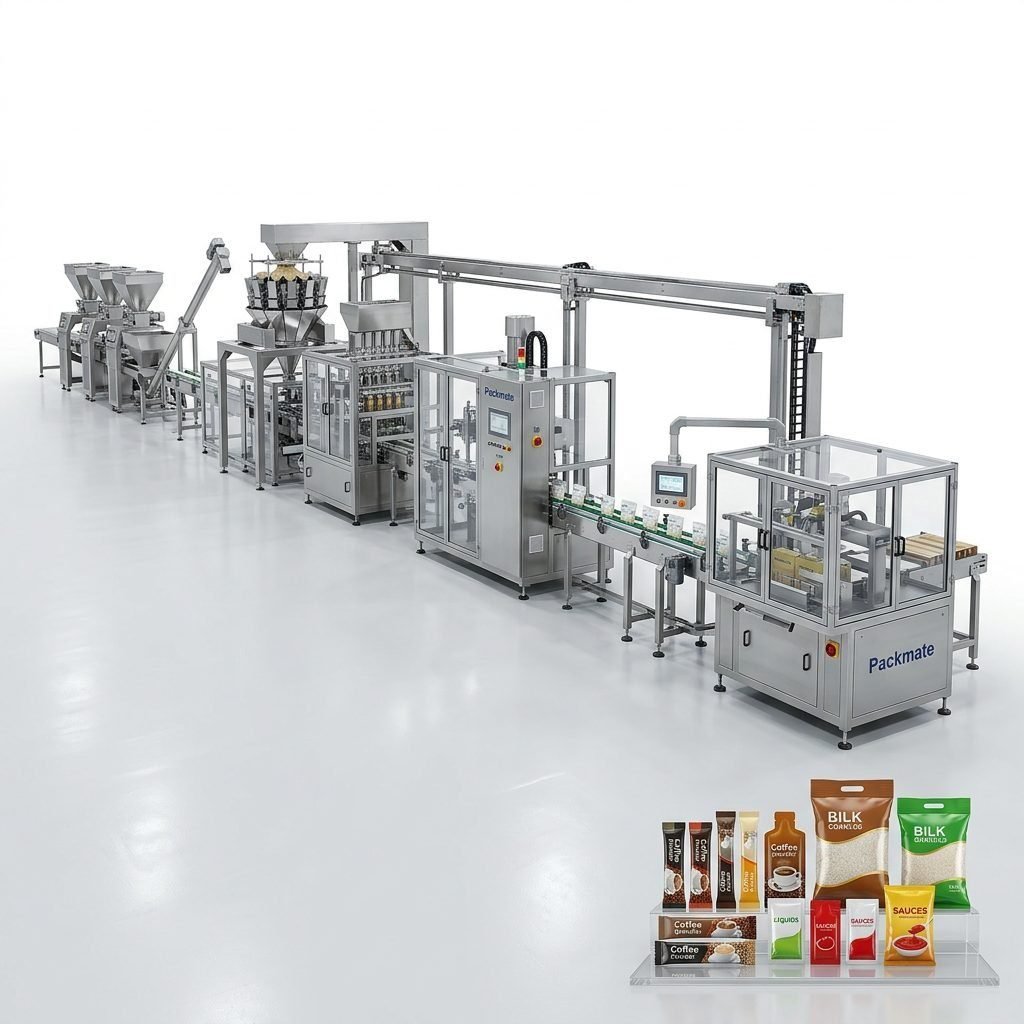
This depends on your current process and automation goals. A standalone machine (e.g., a filler-sealer) is suitable for adding automation to one step. A turnkey line (integrating feeding, weighing, filling, sealing, and conveying) is for greenfield projects or major upgrades seeking full automation with higher efficiency and labor savings. Companies like PacklineOEM specialize in such integrated solutions.