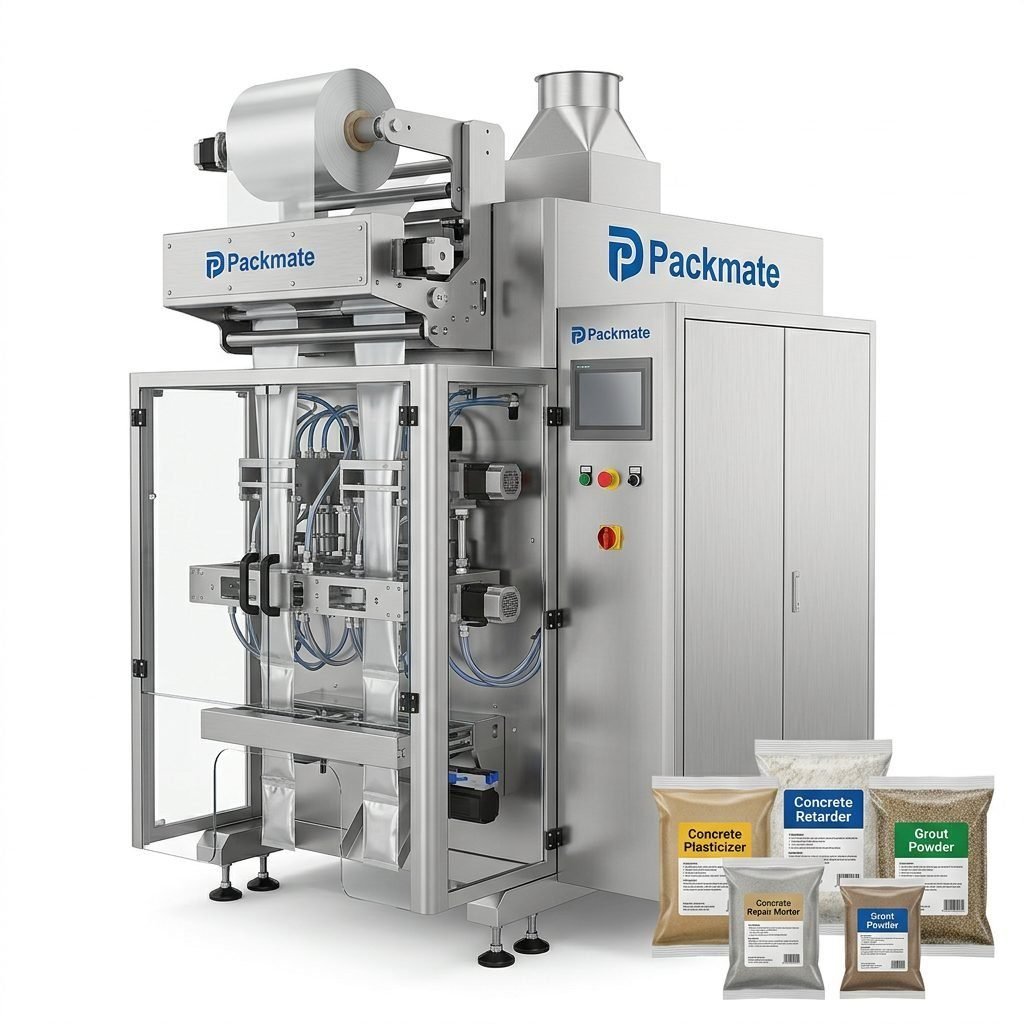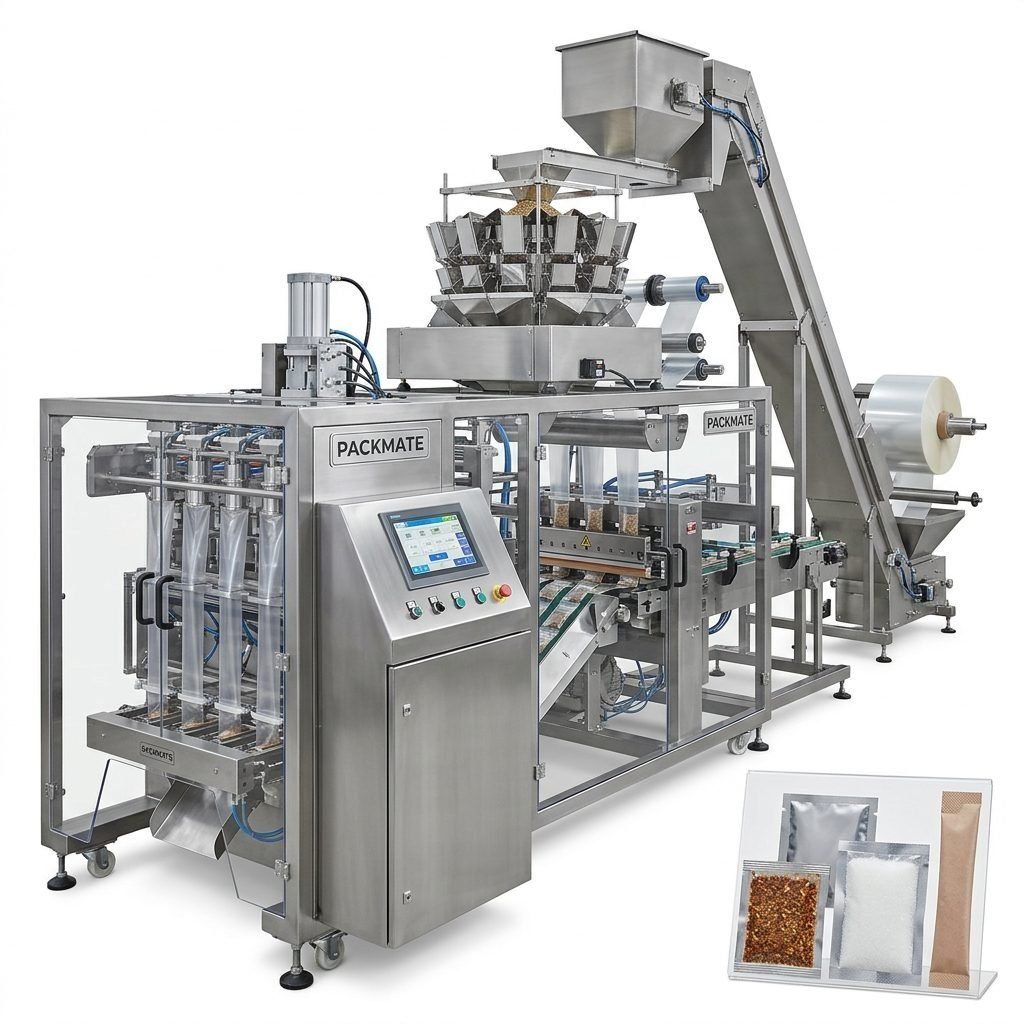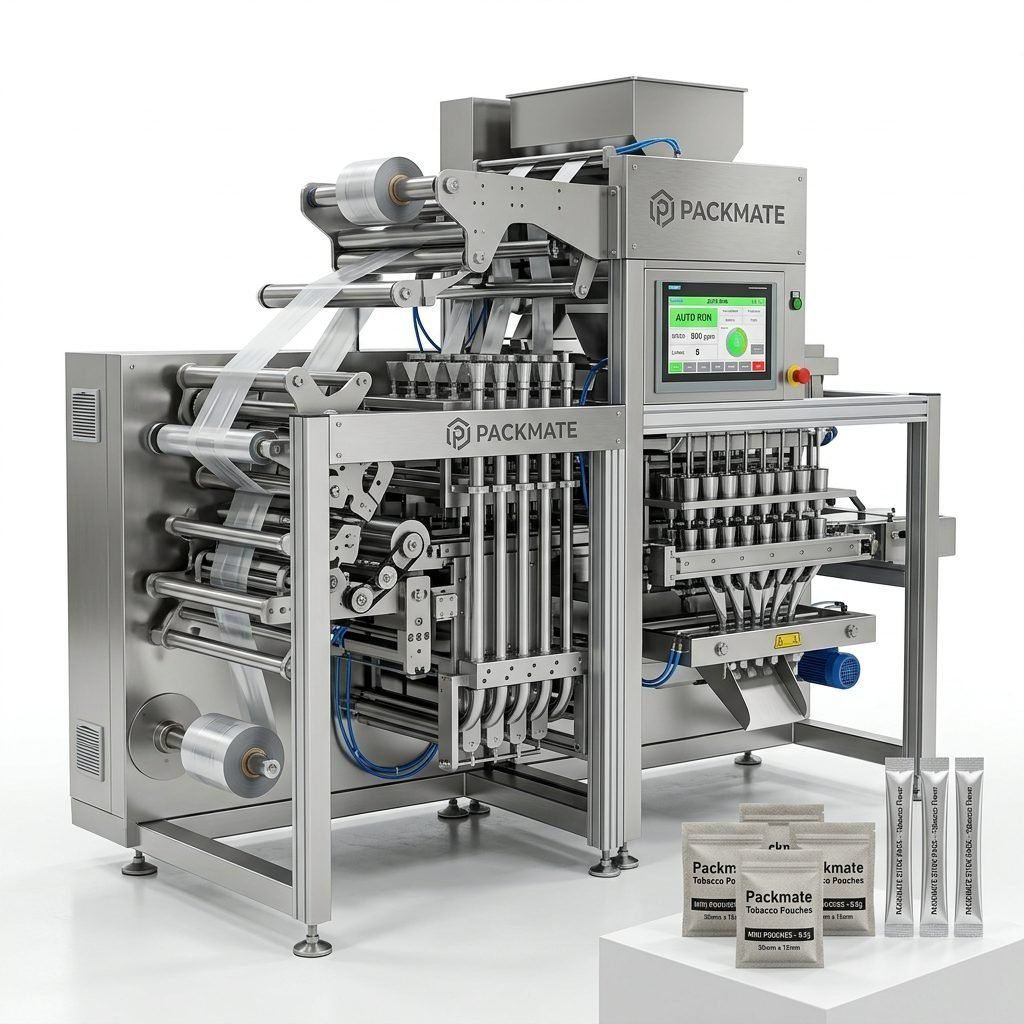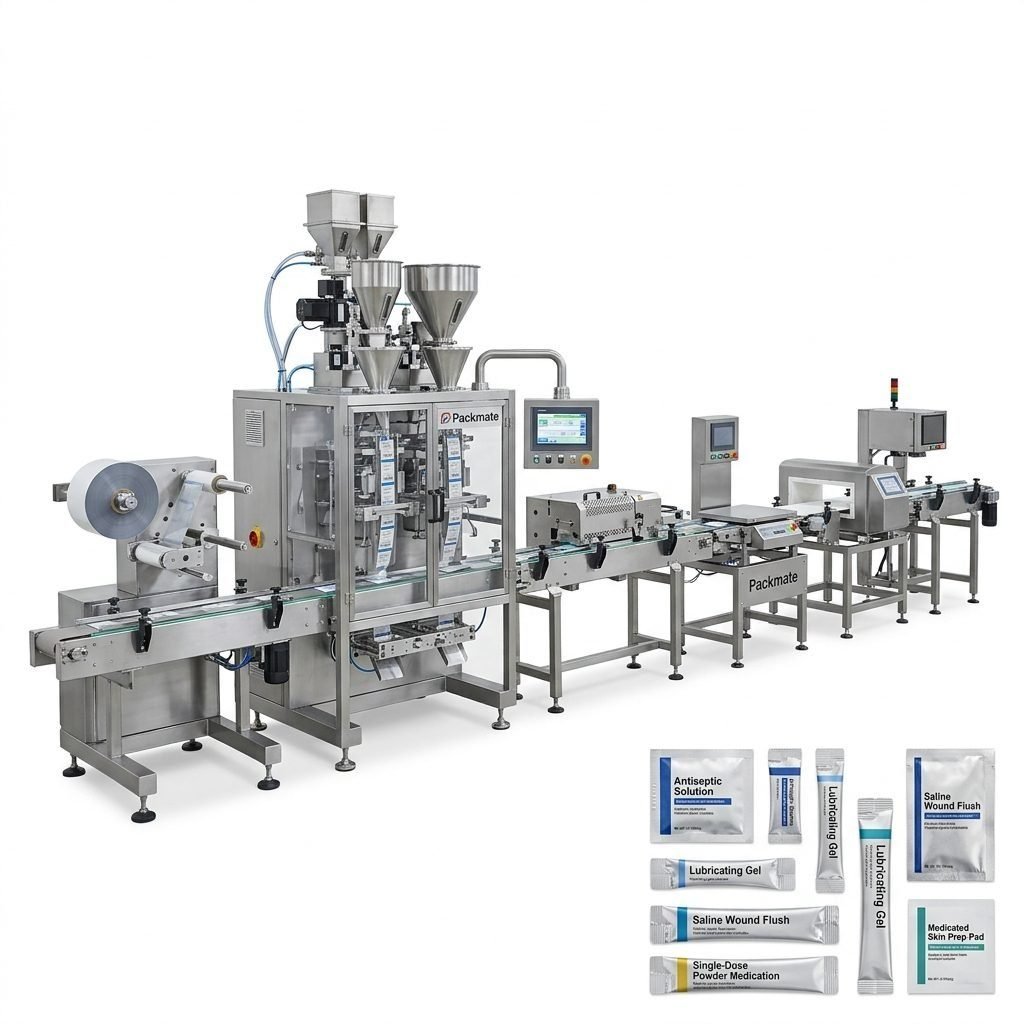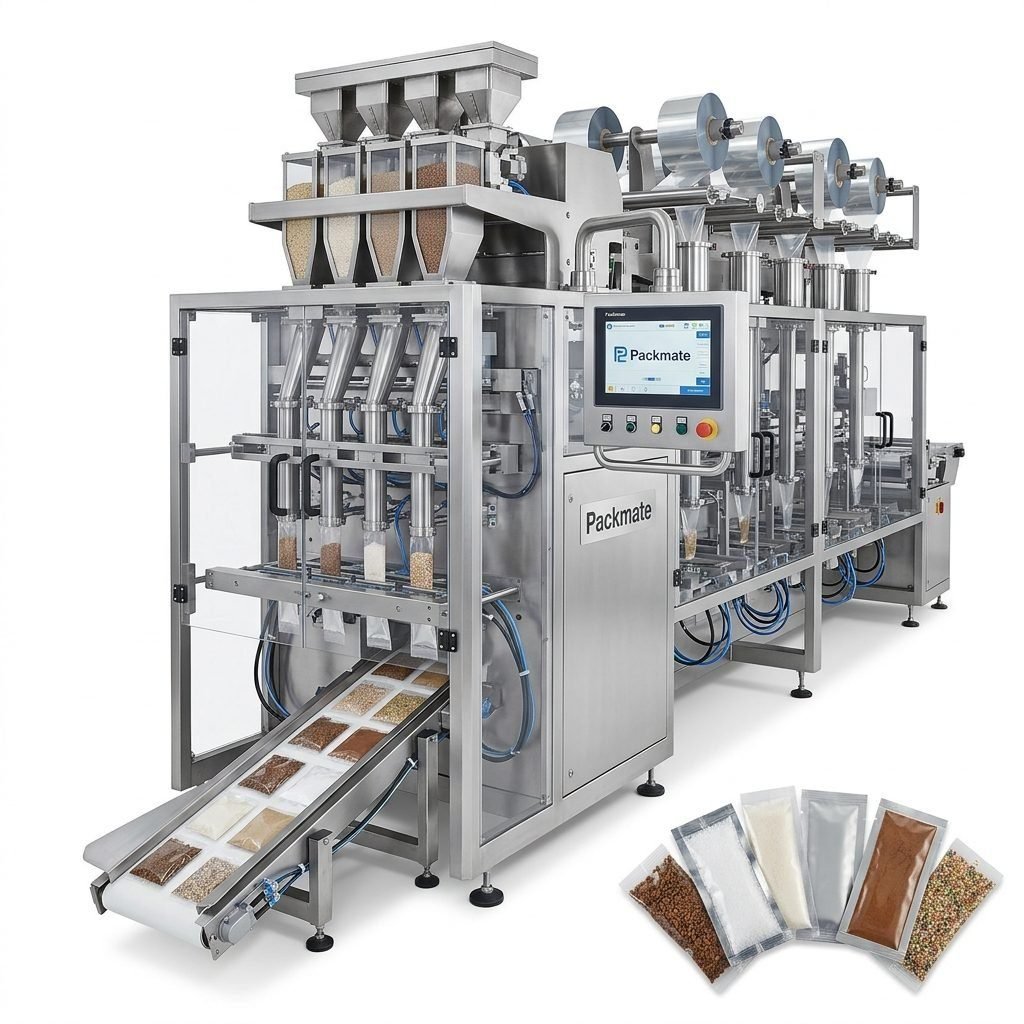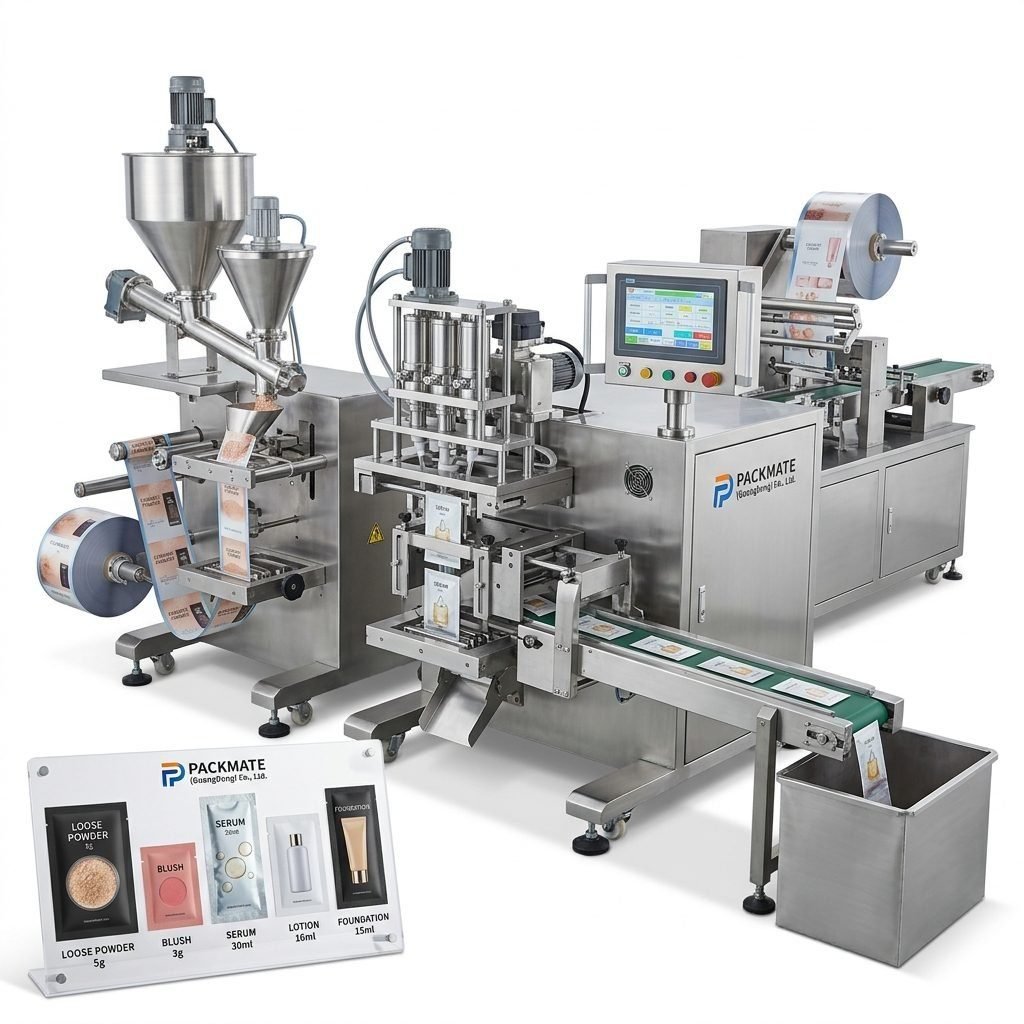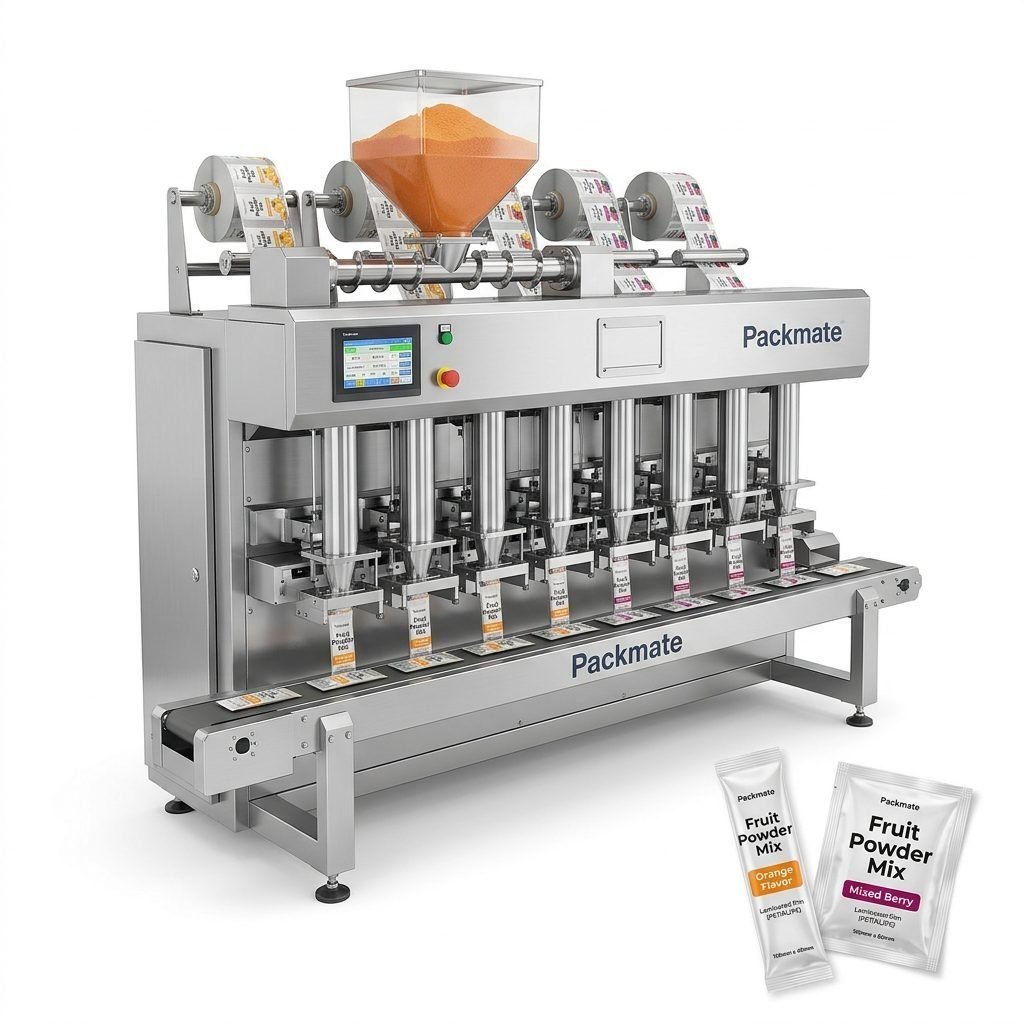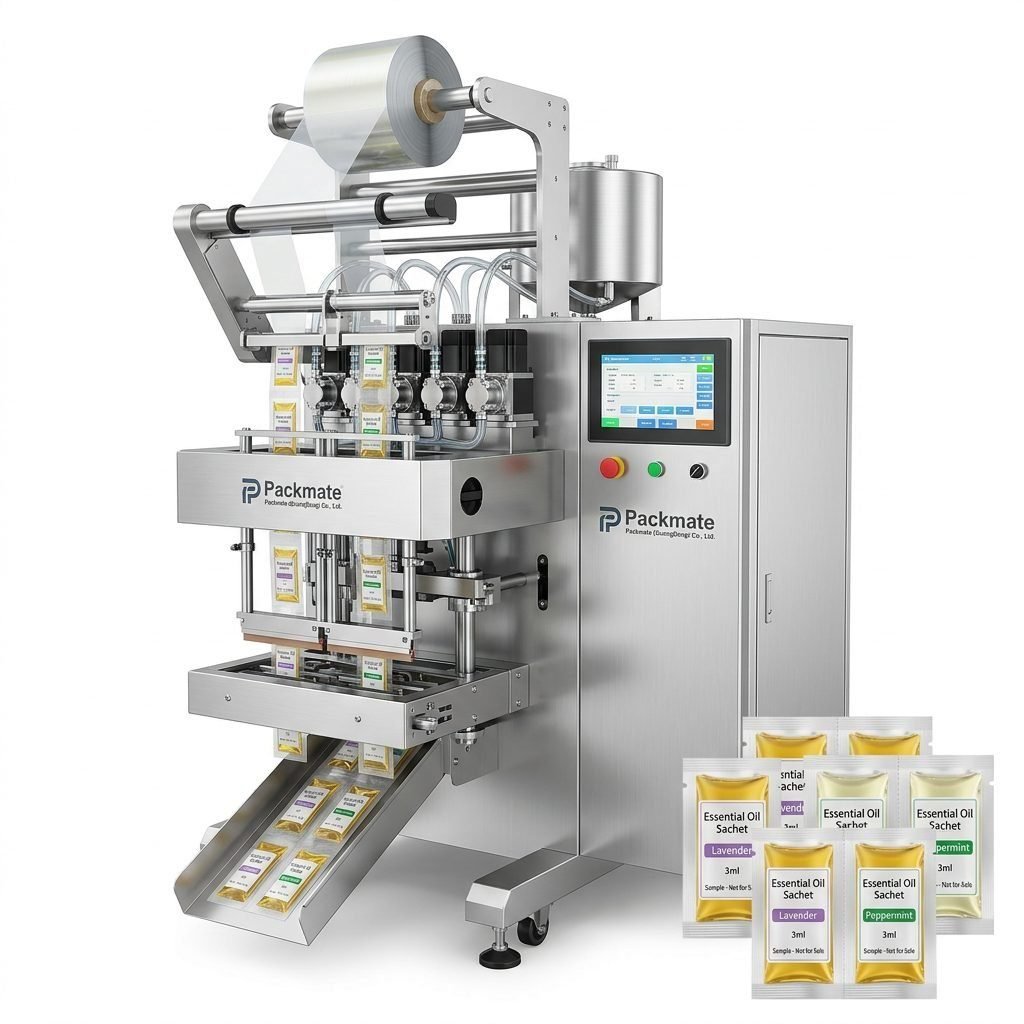
Finding a reliable packaging machine manufacturer in Cape Verde is a critical step for businesses looking to improve production efficiency, ensure product consistency, and scale their operations. The local market, including food processing, agriculture (coffee, spices), pharmaceuticals, and cosmetics, has a growing need for automated packaging solutions. However, with limited local manufacturing, most businesses rely on imports. This guide provides a clear, step-by-step process to help you identify and partner with a trustworthy manufacturer, ensuring your investment is sound and your production line is future-proof.
Step 1: Clearly Define Your Packaging Needs
Before you start searching, you must have a precise understanding of your requirements. This clarity will save you time and ensure you find a manufacturer with the right expertise.
Key questions to answer:
- Product Type: What are you packaging? (e.g., Granules like coffee or sugar? Powders like spices or milk powder? Liquids like sauces or oils? Pastes? Pouch-based products like nicotine pouches or condiments?)
- Packaging Format & Material: What type of package do you need? (e.g., Stick packs, sachets, pouches, bags) and what is the film/laminate material?
- Production Speed (Output): What is your target output per minute or hour (e.g., 80 bags/min, 120 sachets/min)?
- Automation Level: Do you need a single machine or a complete turnkey packaging line with feeding, weighing, filling, sealing, and secondary packaging?
- Budget & Space: What is your investment range, and what are the physical constraints of your factory in Cape Verde?
Step 2: Research and Shortlist Potential Manufacturers
With your specifications in hand, begin your research. Focus on manufacturers with a strong export history and proven experience in your specific industry.
Primary Sources for Research:
- Industry Trade Directories: Platforms like Alibaba, Made-in-China, and industry-specific B2B portals are good starting points.
- Search Engines: Use specific keywords like “turnkey packaging line manufacturer,” “stick pack machine supplier,” or “sachet packaging machine for food.”
- Trade Shows & References: While attending international shows might be challenging, reviewing exhibitor lists and seeking references from similar businesses in West Africa can be invaluable.
When evaluating companies, look for those with over 20 years of experience and a diverse product portfolio. For example, manufacturers like Ludyway and Packmate Machinery have extensive histories and serve a wide range of industries, which speaks to their adaptability and reliability.
Step 3: Evaluate Technical Capability and Experience
Technical prowess is non-negotiable. You need a partner who can deliver a machine that works reliably with your specific product.
Checklist for Evaluation:
- Factory Size & Facilities: A larger factory (e.g., 20,000+ sq. meters) often indicates stronger production capacity and quality control systems.
- Product Portfolio: Do they have machines that match your product type? Look for case studies or videos.
- Customization Ability: Can they modify standard machines to fit your unique needs? This is crucial for non-standard products.
- Industry-Specific Expertise: For niche products like nicotine pouches, a specialist like SnusMachinery may offer superior application knowledge.
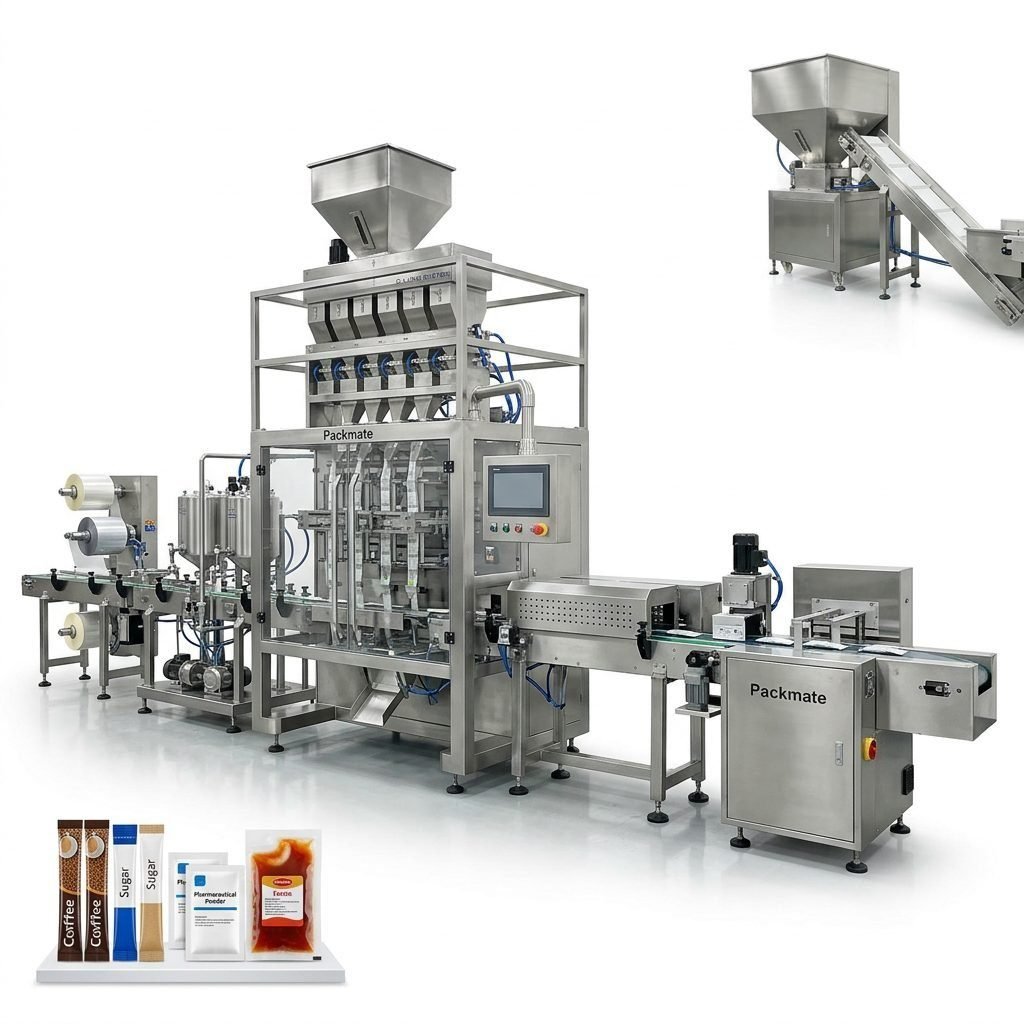
Step 4: Assess Manufacturing Quality and Standards
The quality of construction directly impacts machine longevity, maintenance frequency, and product safety—especially important for food and pharma sectors.
Inquire about:
- Material Quality: Are critical parts made from stainless steel (e.g., SS304, SS316) for hygiene and durability?
- Quality Control Process: What testing do they perform before shipment? (e.g., factory acceptance test, running tests with customer-provided materials).
- Certifications: Do they hold international certifications like CE, ISO? While not always mandatory for Cape Verde, these indicate a commitment to standardized manufacturing processes.
- Component Brands: Ask about the brands of key components (PLC, motors, sensors). Reputable brands (Siemens, Mitsubishi, Omron) often mean better reliability.
Step 5: Scrutinize After-Sales Support and Service
This is perhaps the most critical factor for Cape Verdean businesses. Geographic distance makes local service calls difficult and expensive.
Essential Support Questions:
- Warranty Period: What is covered and for how long? (Typically 12-24 months).
- Technical Support: Is remote support (video call, TeamViewer) available? What are the response times?
- Spare Parts Policy: How quickly can they ship critical spare parts? Do they maintain a recommended spare parts list?
- Installation & Training: Do they offer on-site installation and operator training? If not, can they provide comprehensive video manuals and online training sessions?
- Local Agent/Partner: Do they have a service partner or agent in Africa or a neighboring region who can provide faster support?
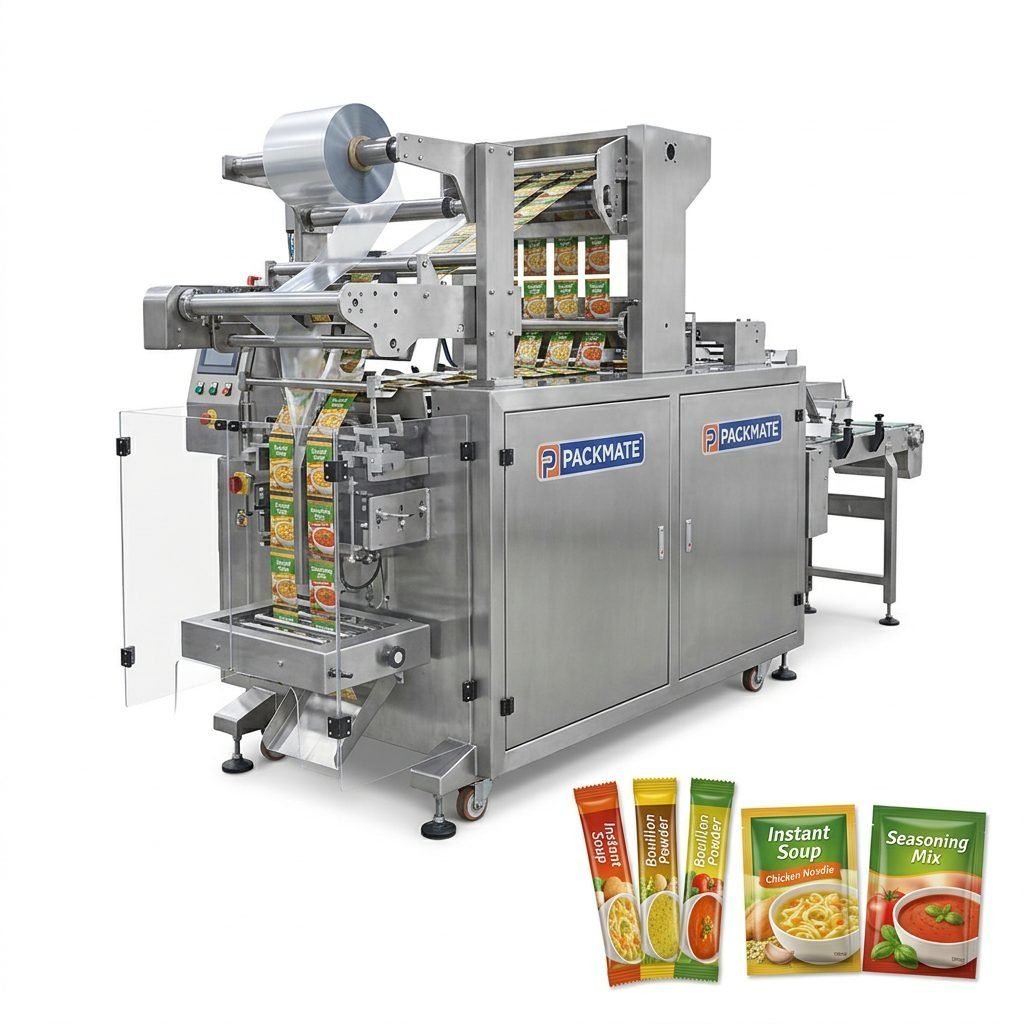
Step 6: Analyze Cost and Logistics
Get detailed quotations from your shortlisted manufacturers. The lowest price is not always the best value.
| Cost Component | What to Check |
|---|---|
| Machine Price | Clarity on what’s included (standard accessories, tools). |
| Shipping & Logistics | Incoterms (FOB, CIF), port of delivery (e.g., Porto Grande, Praia), insurance, and handling of customs clearance in Cape Verde. |
| Payment Terms | Typical terms: 30-50% deposit, balance before shipment. Secure payment methods. |
| Import Duties & Taxes | Understand Cape Verde’s import regulations and taxes to calculate the total landed cost. |
Companies that offer comprehensive turnkey solutions, like PacklineOEM, can simplify this process by managing more aspects of the line integration.
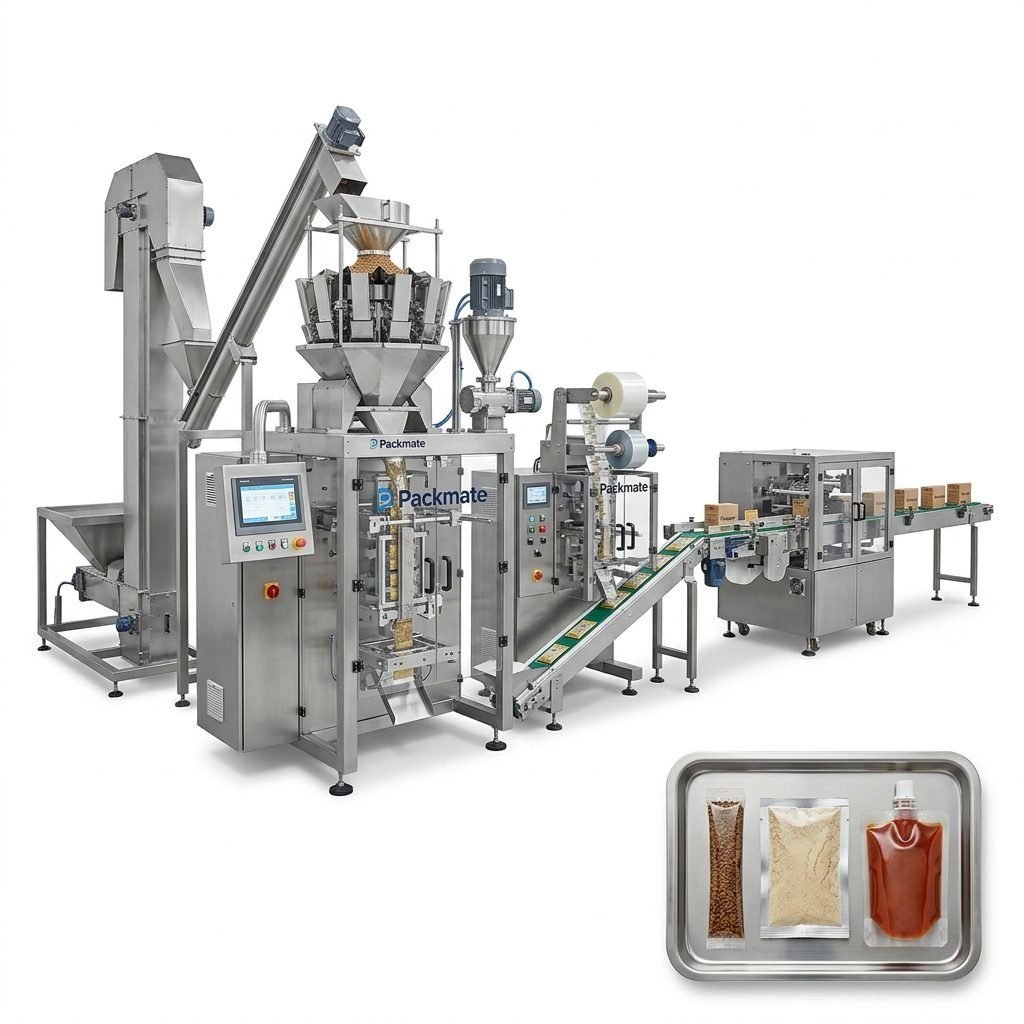
Step 7: Validate with References and Final Due Diligence
Before making a final decision, validate the manufacturer’s claims.
Final Verification Steps:
- Request Client References: Ask for contact information for clients in similar industries or, ideally, in Africa.
- Factory Audit/Virtual Tour: Request a live video tour of their production facility and assembly floor.
- Sample Testing: If possible, send your packaging materials to the manufacturer for a sample run. This is the best way to test machine compatibility.
- Contract Review: Ensure all agreed-upon specifications, warranty terms, delivery schedule, and support details are clearly stated in the contract.
For projects requiring heavy customization, manufacturers like PackingMachineOEM, which specialize in non-standard solutions, may be worth a closer look to ensure your unique requirements are met.
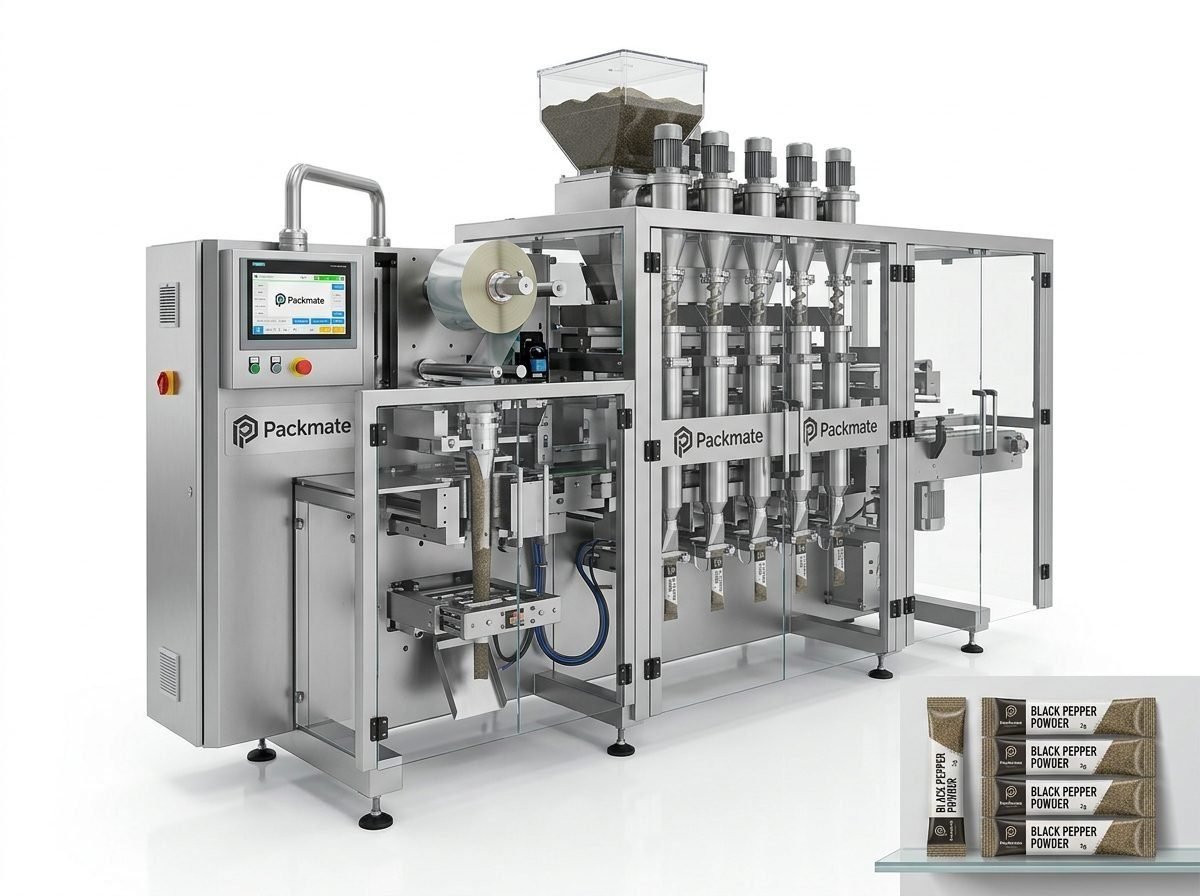
Common Questions (FAQs)
1. What are the main challenges of importing packaging machinery to Cape Verde?
The primary challenges include managing logistics and shipping to island ports, navigating import customs procedures, and ensuring you have reliable technical support remotely. Choosing a manufacturer with strong export experience and clear support protocols is essential.
2. Should I choose a standard machine or a customized solution?
If your product and packaging format are common, a standard machine is more cost-effective and faster to deliver. If you have unique product characteristics, special bag shapes, or require high integration, a customized solution from an OEM-focused manufacturer is necessary.
3. How important is after-sales service for a business in Cape Verde?
Extremely important. Given the distance, prioritize manufacturers who offer robust remote support (video calls, remote access), detailed documentation in English or Portuguese, readily available spare parts, and potentially a network of service technicians in the region.
4. What is the typical lead time for a packaging machine?
For standard models, lead time can range from 30 to 60 days after order confirmation. For customized machines or complete turnkey lines, it can extend from 60 to 120 days or more, depending on complexity.
5. Can these machines handle local packaging materials available in Cape Verde?
Most modern machines are adaptable, but compatibility must be confirmed. It’s highly recommended to provide samples of your intended packaging film (laminate) to the manufacturer for testing during the quotation process to ensure proper sealing and feeding.