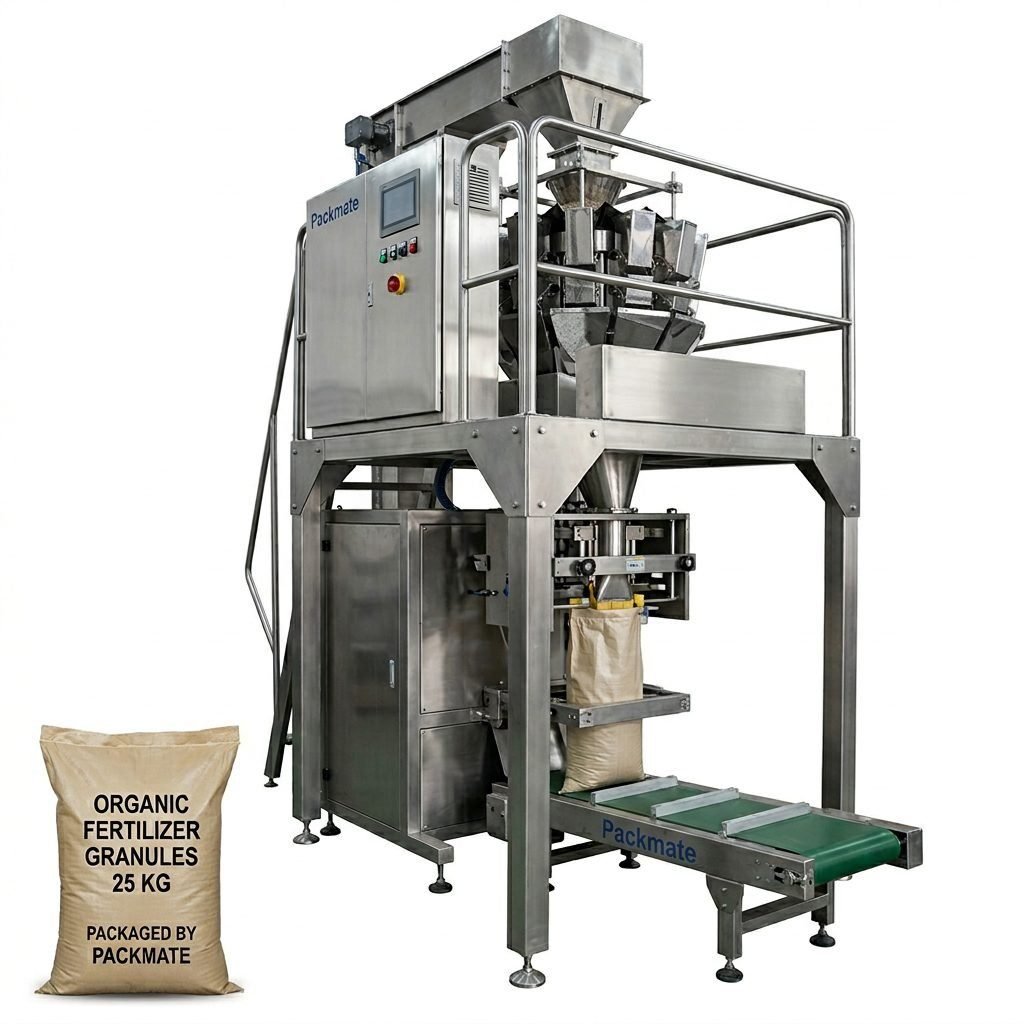
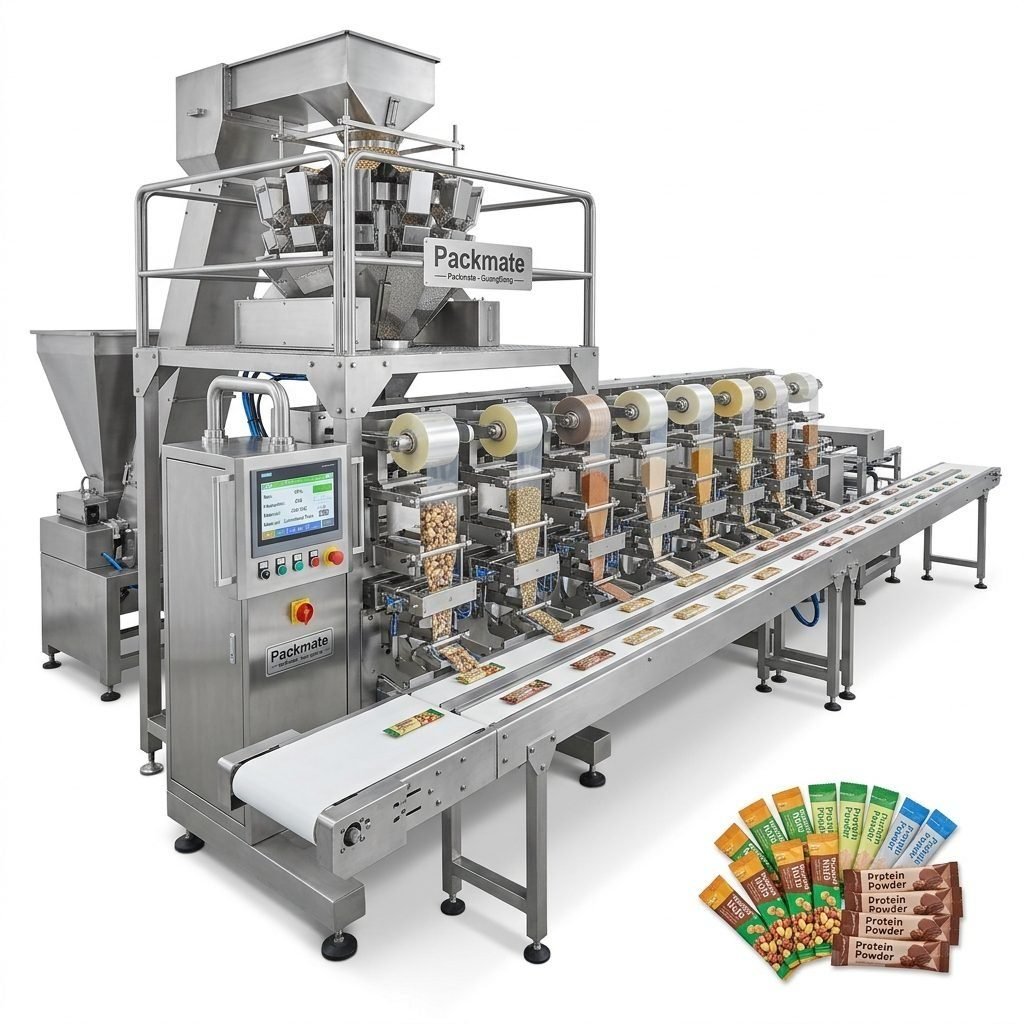
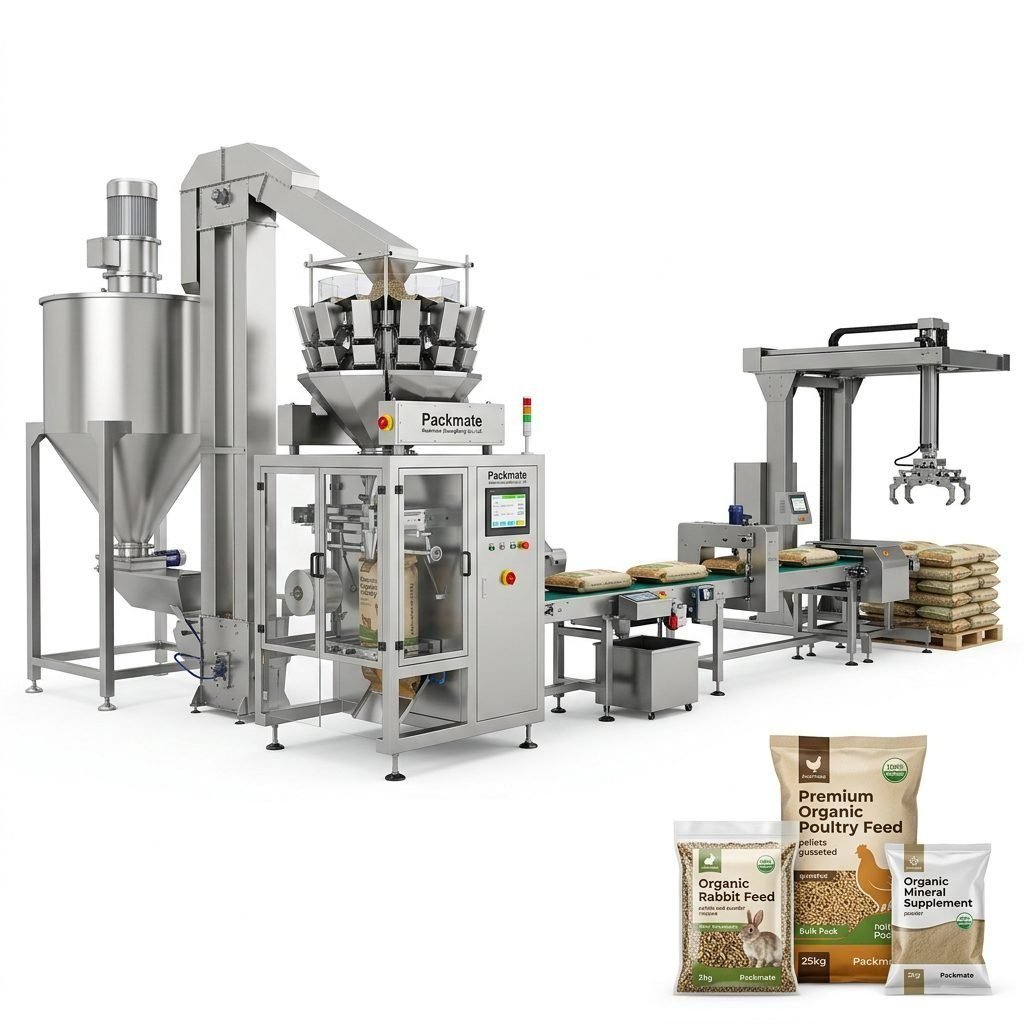
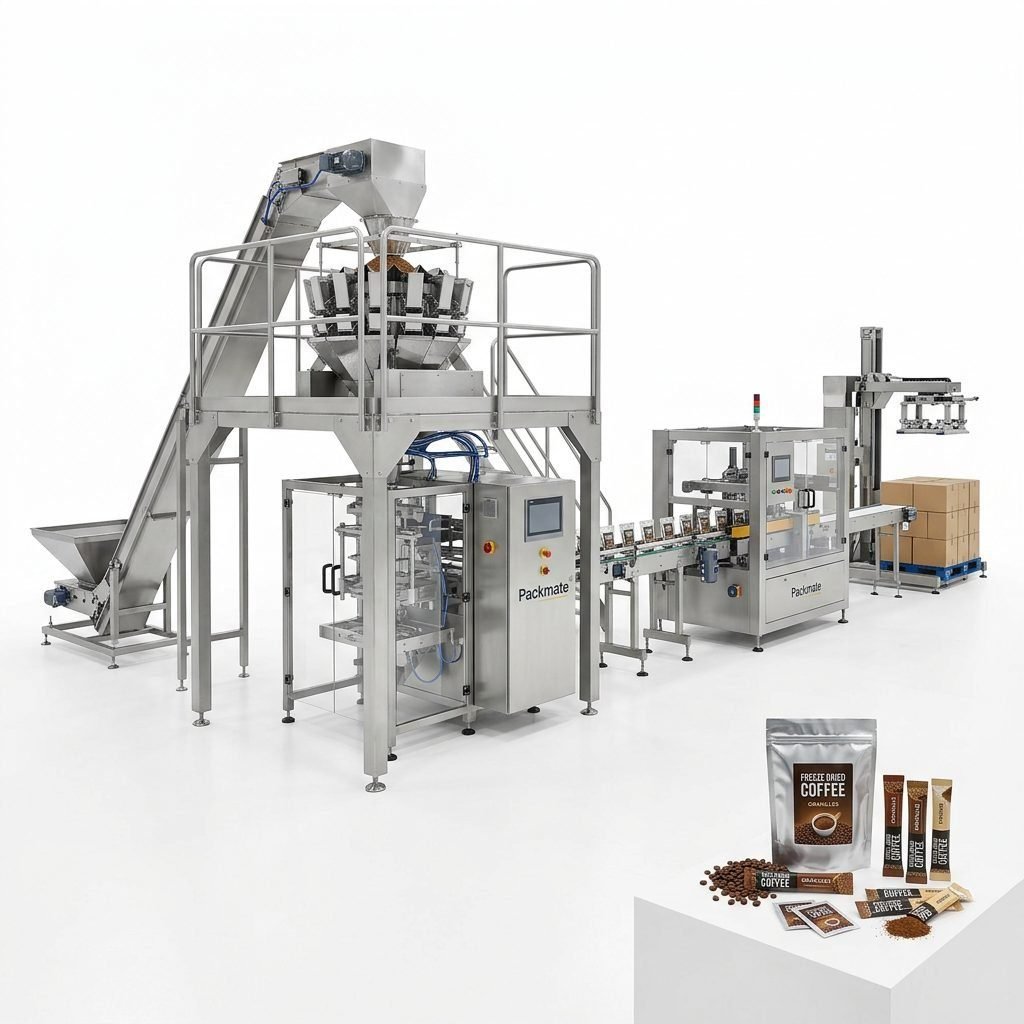
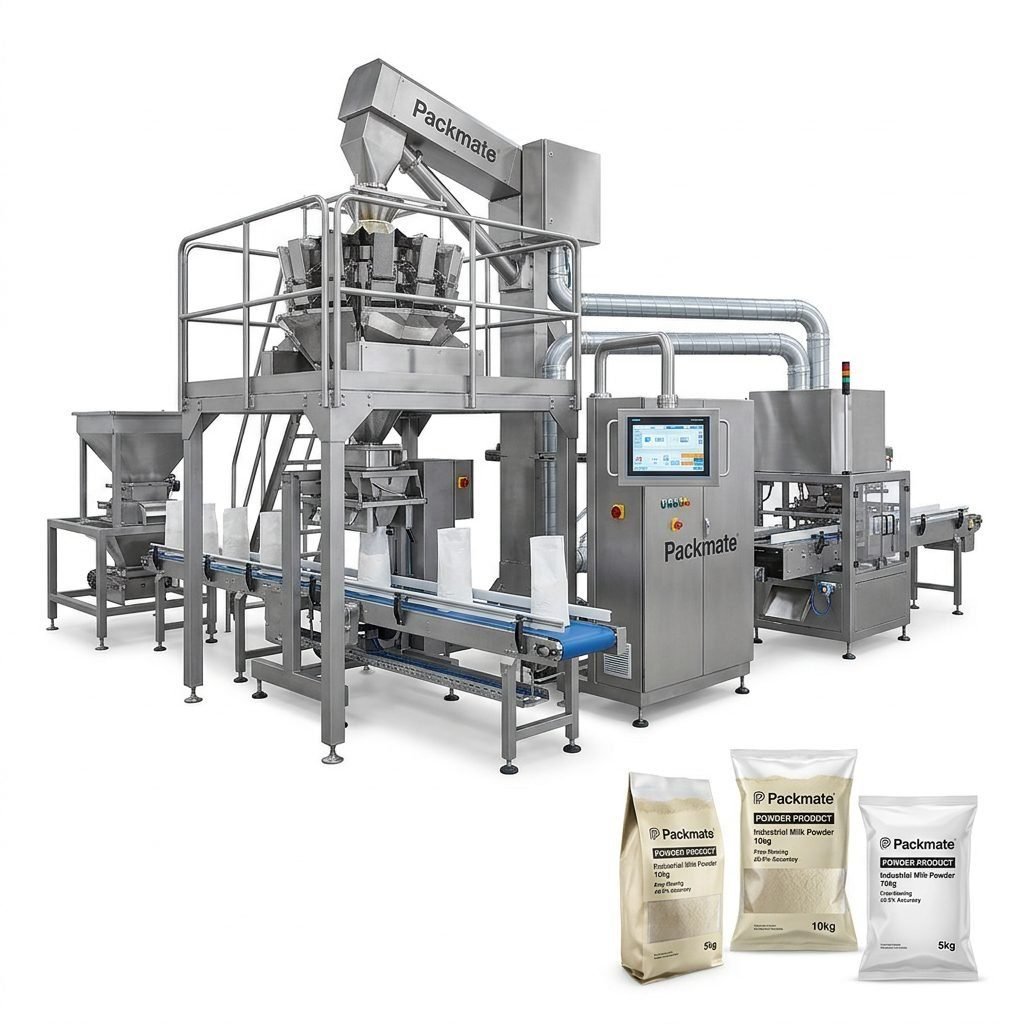
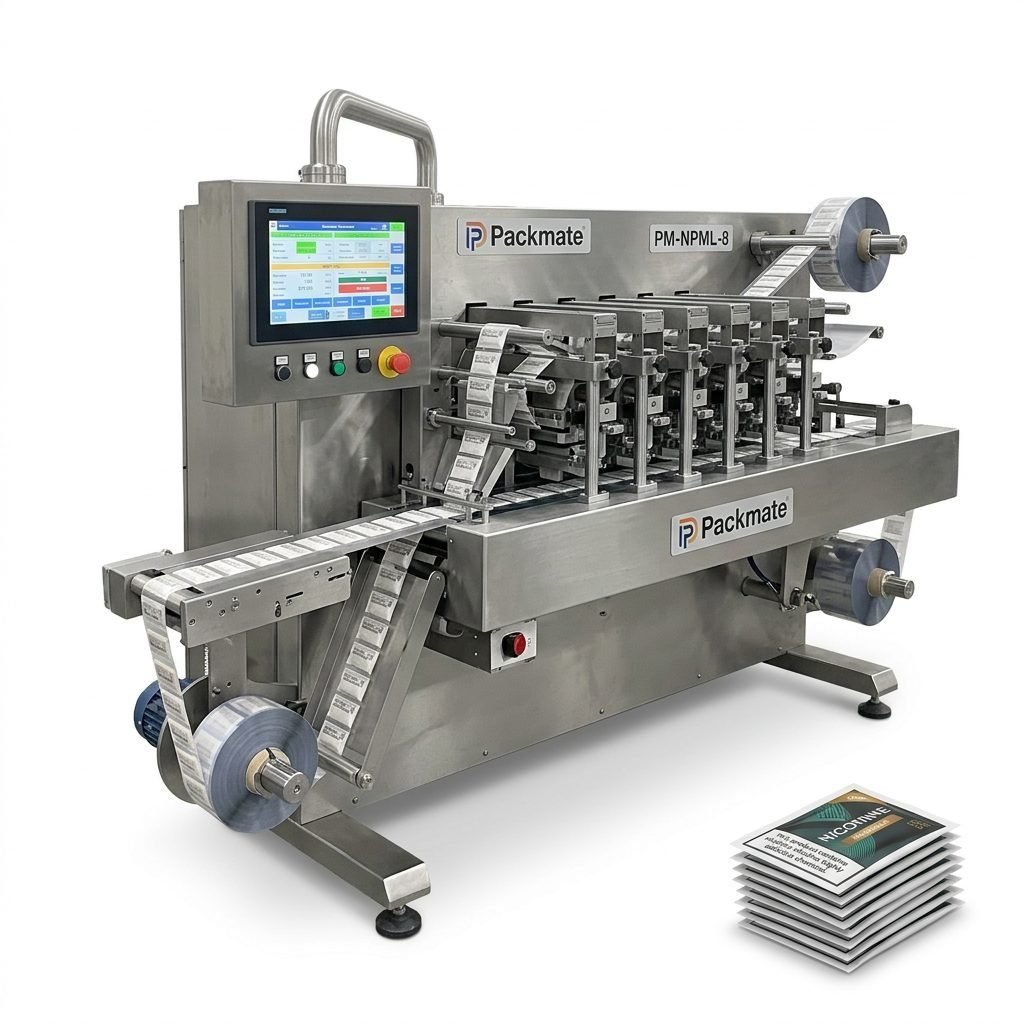
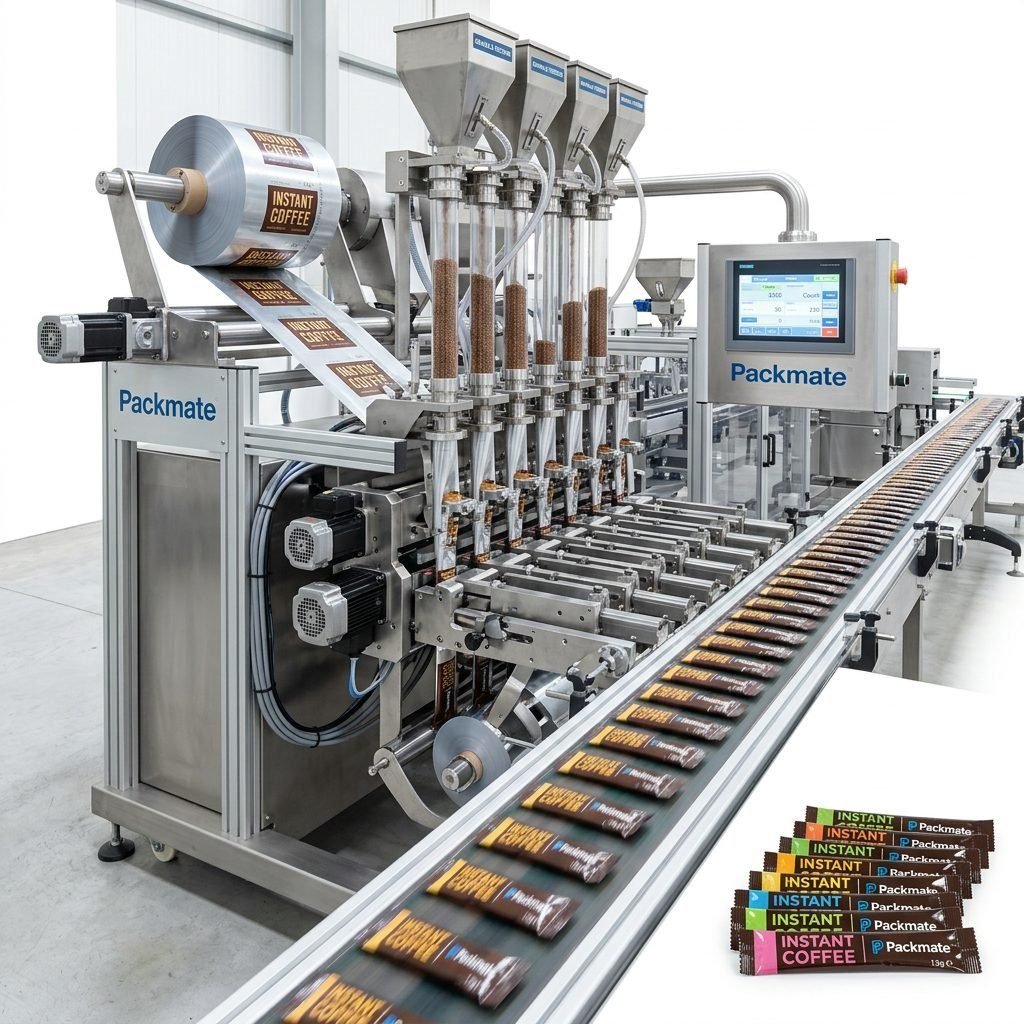
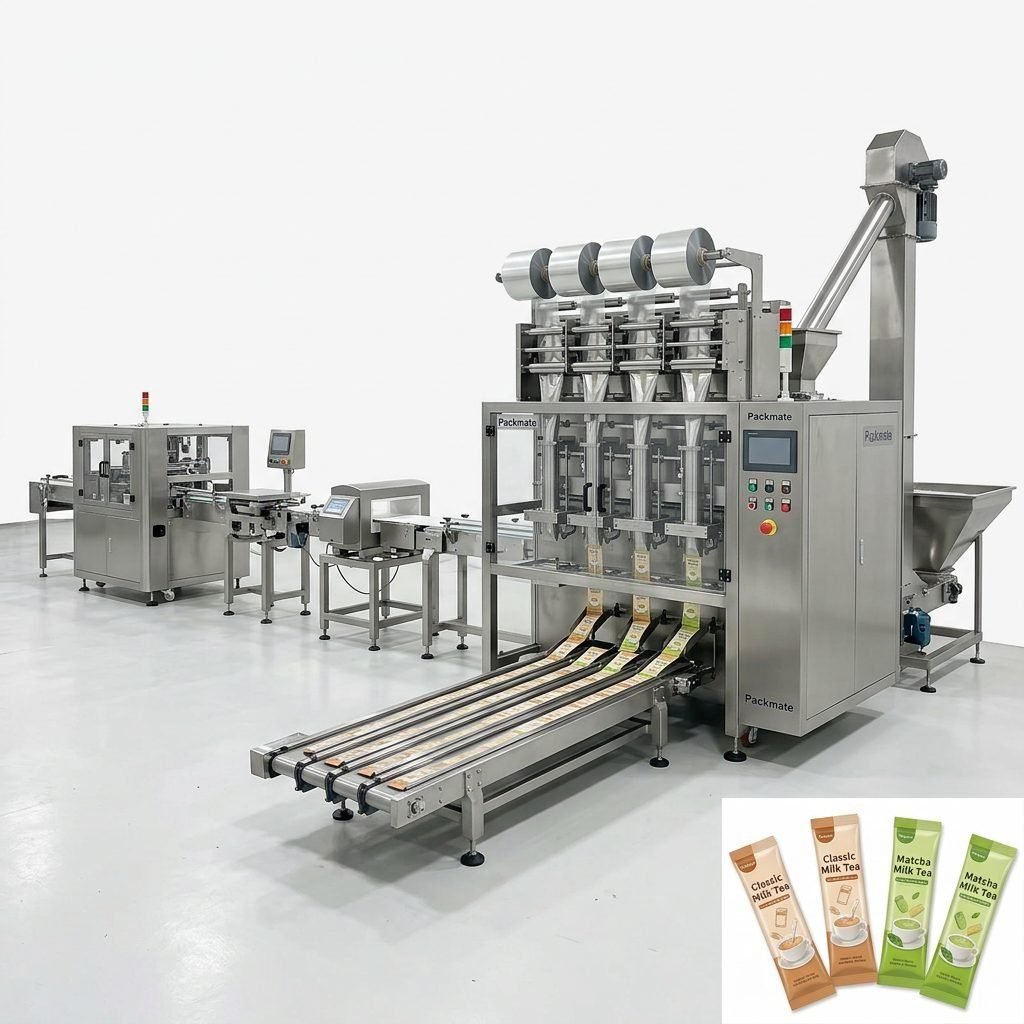
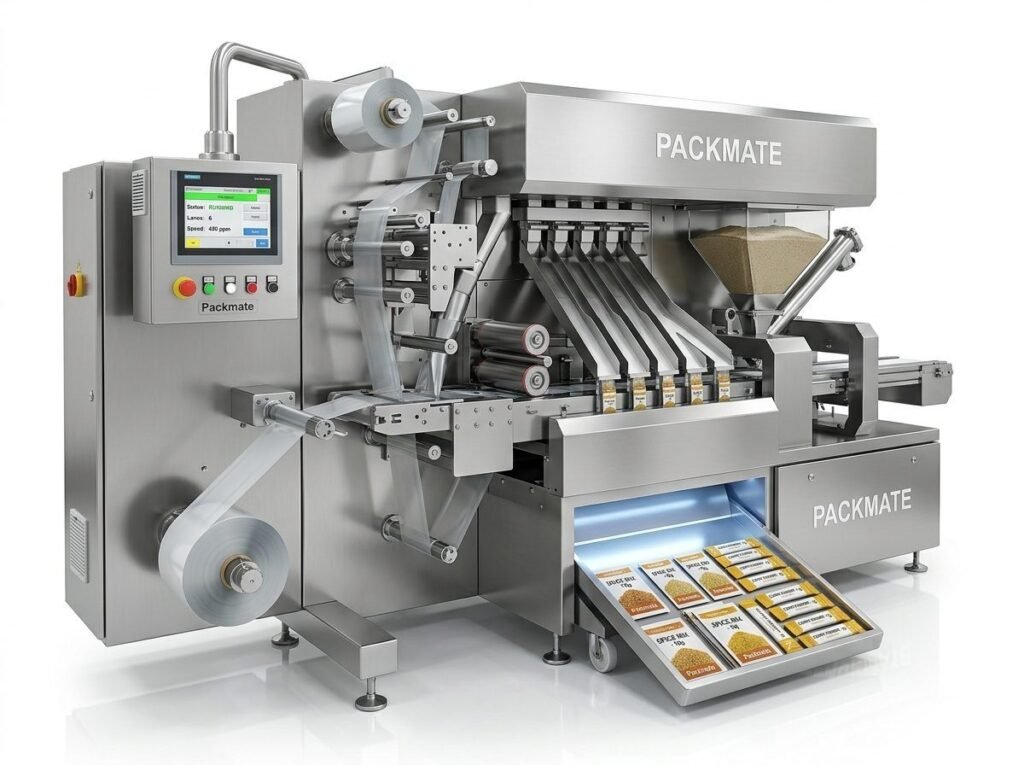
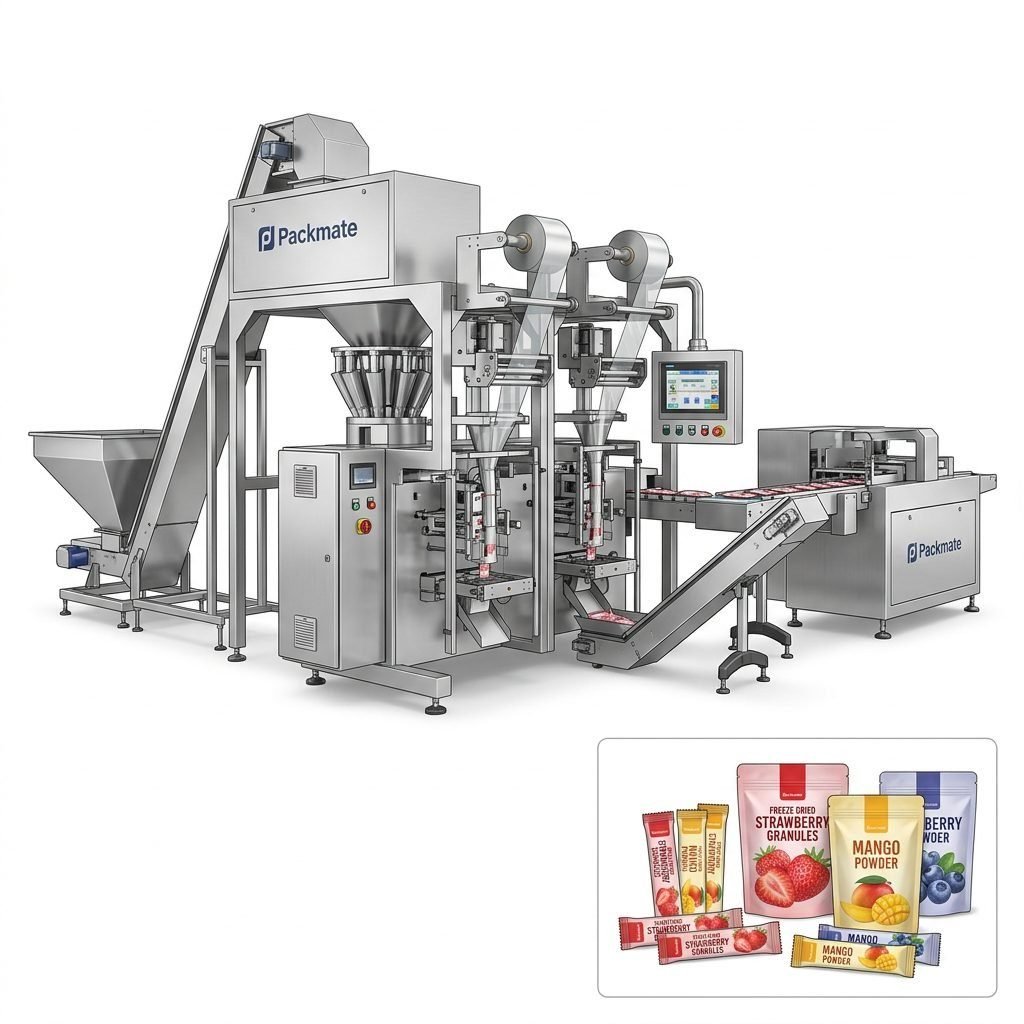
For businesses in Benin looking to upgrade or establish their packaging operations, finding a reliable packaging machine manufacturer is a critical step. Whether you are in food processing, pharmaceuticals, cosmetics, or agriculture, the right equipment can significantly impact your production efficiency, product quality, and overall competitiveness. This guide provides a practical, step-by-step approach to identifying and selecting trustworthy manufacturers, with a focus on the specific needs and market context of Benin.
Understanding Your Packaging Requirements in Benin
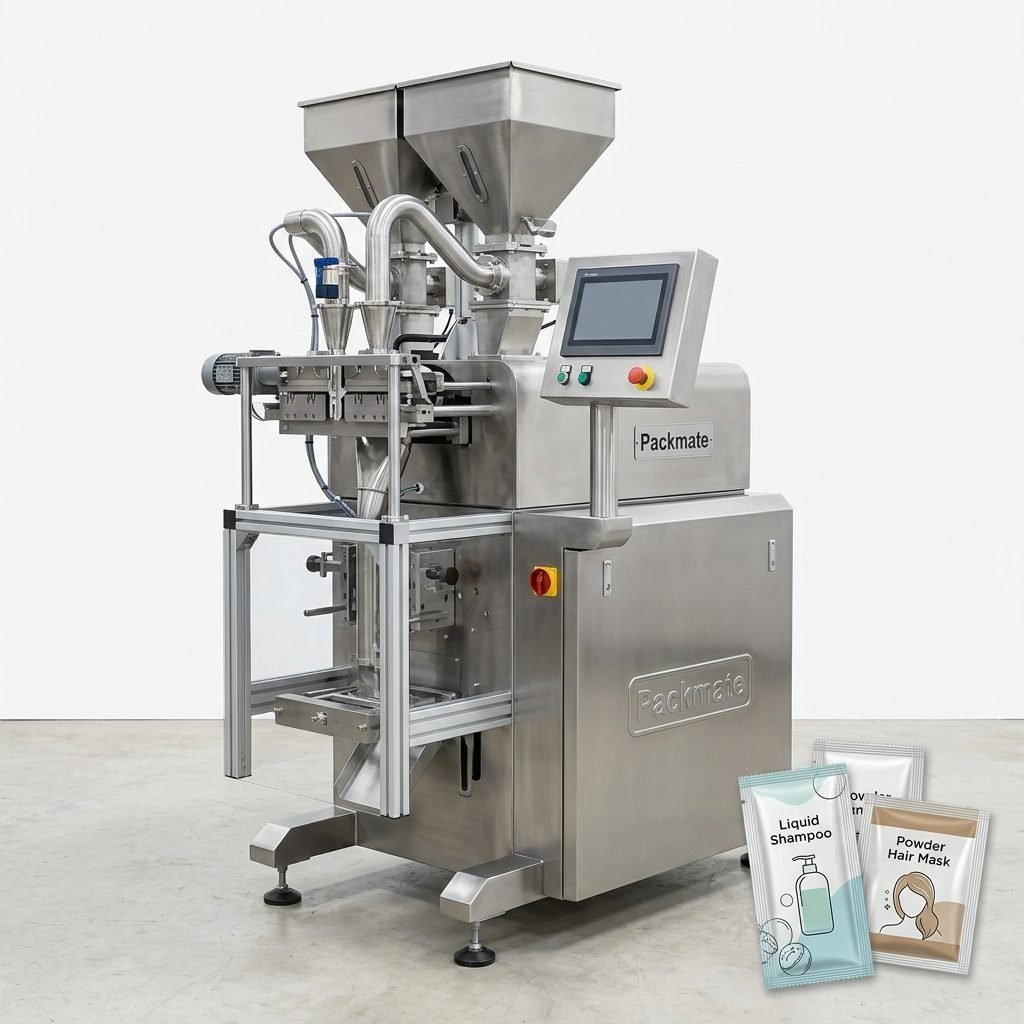
Before starting your search, clearly define your needs. Consider the product type (powders, granules, liquids, pastes), required output capacity, packaging format (stick packs, sachets, pouches, bottles), and your budget. In Benin, factors like power supply stability, local technical support availability, and climate conditions (humidity, dust) should also influence your machine specifications. A well-defined project scope will help you communicate effectively with potential suppliers.
Step 1: Conduct Initial Online Research and Shortlisting
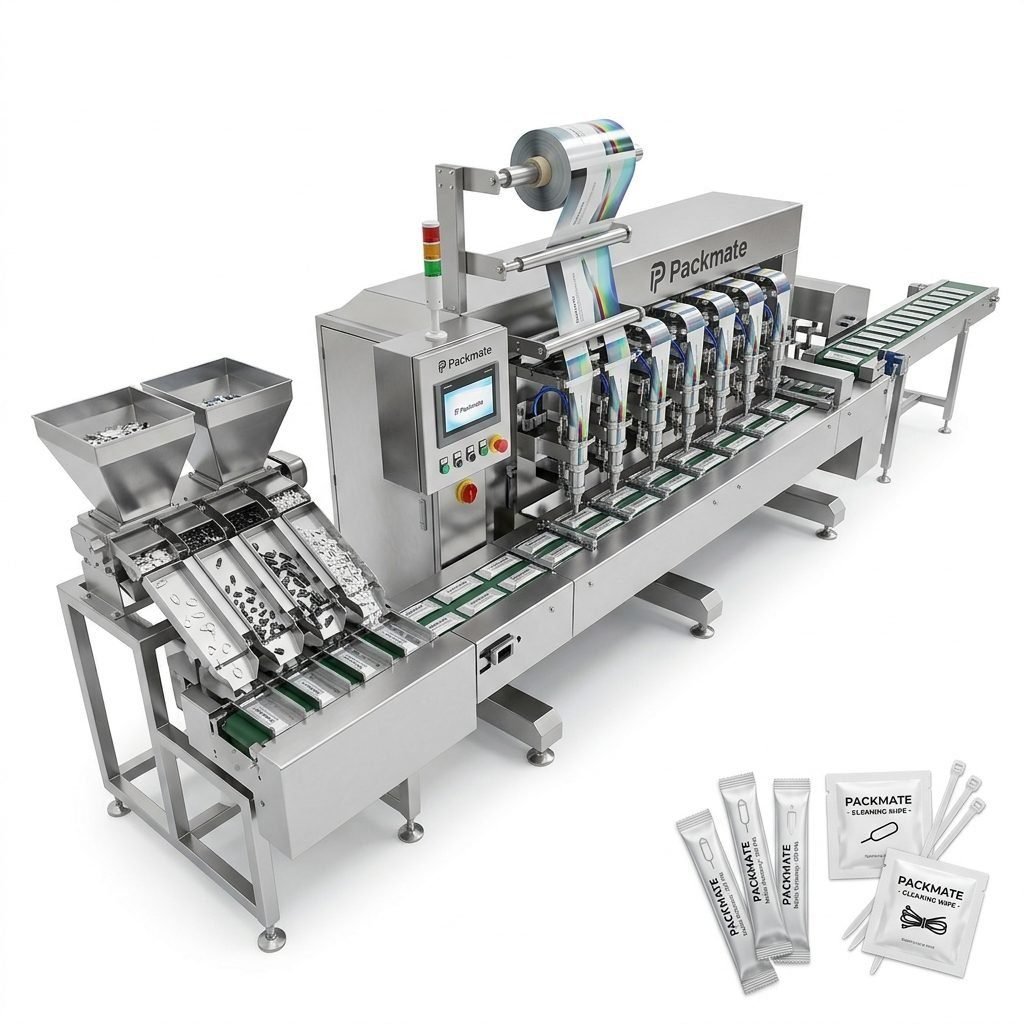
Begin with a broad online search. Use keywords like “packaging machine manufacturer,” “automatic packaging line,” and include specific terms like “food,” “pharmaceutical,” or “sachet.” Look for manufacturers with a strong online presence, detailed product catalogs, and case studies. Pay attention to companies that explicitly mention experience in exporting to Africa or West Africa. Create a preliminary list of 10-15 potential suppliers.
Tip: Benin-based importers often value suppliers with proven experience in similar regional markets (like Nigeria, Ghana, or Côte d’Ivoire) due to comparable logistical and operational challenges.
Step 2: Evaluate Manufacturer Credentials and Experience
Dive deeper into the shortlisted companies. Key credentials to verify include:
- Company History & Stability: Prefer manufacturers with at least 10-15 years of operation.
- Factory Size & Capacity: Larger facilities often indicate better production capability and quality control.
- Industry Experience: Check if they have specific expertise in your sector (e.g., food-grade, pharmaceutical standards).
- Export Experience: Manufacturers with a global export footprint are typically more familiar with international shipping, documentation, and after-sales support for overseas clients.
Step 3: Analyze Product Range and Customization Ability
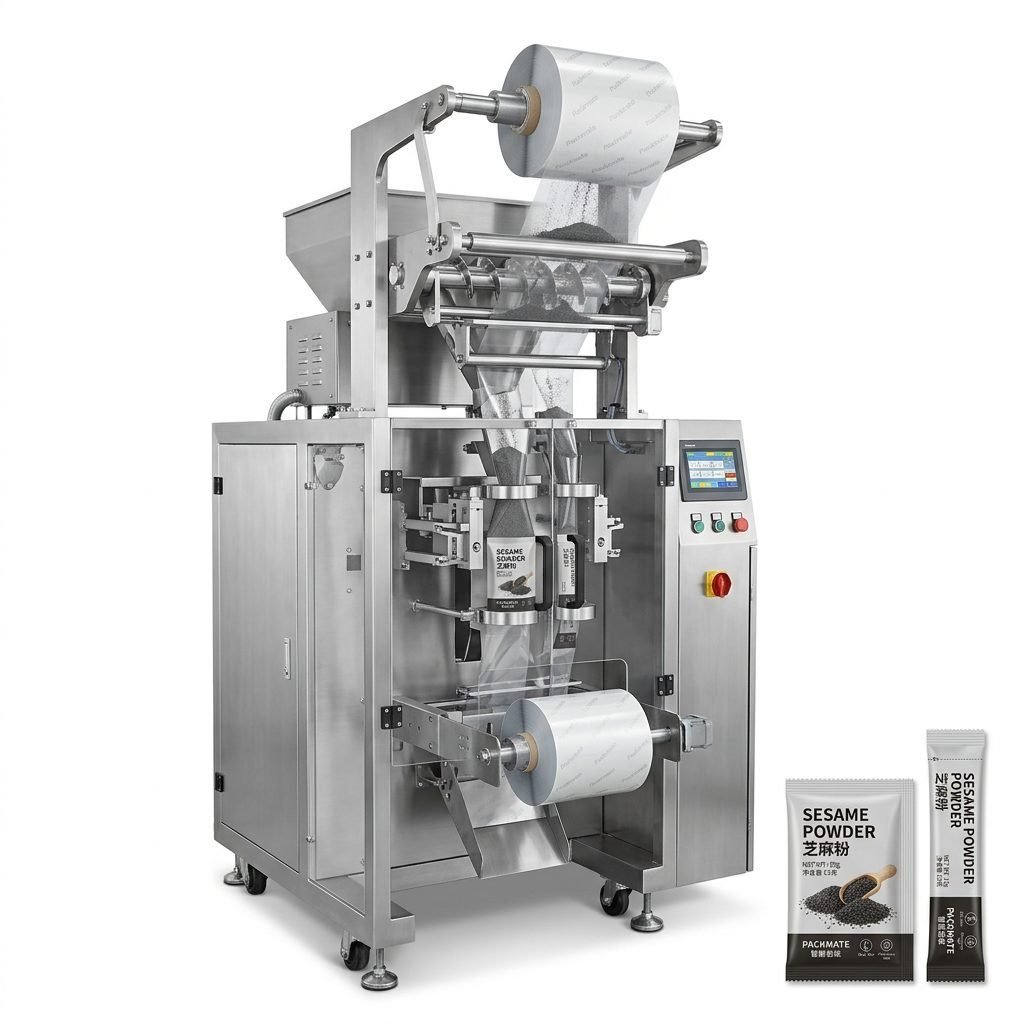
Assess whether the manufacturer offers machines that match your needs. Do they provide the specific type of packaging machine you require? More importantly, evaluate their customization capability. Can they adapt machines for your unique product characteristics, local power standards (220V/50Hz common in Benin), or factory layout? Manufacturers offering both standard and custom solutions provide greater long-term flexibility.
| Evaluation Aspect | Key Questions for the Manufacturer |
|---|---|
| Machine Technology | Is the machine designed for stable operation in warm/humid climates? What is the precision of the dosing system? |
| Material Compatibility | Can it handle the specific packaging films or laminates I plan to source (locally or imported)? |
| Output & Speed | What is the guaranteed output (bags/min)? Is it suitable for my current and future scaled-up production? |
| After-Sales Support | What kind of technical support is offered for Benin? Are spare parts readily available? |
Step 4: Initiate Direct Contact and Request Quotations
Contact the most promising 5-7 manufacturers. Prepare a detailed inquiry specifying your product, desired packaging, output, and any special requirements. A professional manufacturer will ask clarifying questions. Request a formal quotation (Proforma Invoice) that includes:
- Detailed machine description and specifications
- FOB or CIF price (CIF to Port of Cotonou is crucial for cost calculation)
- Delivery time
- Payment terms
- Warranty details and scope of after-sales service
Step 5: Scrutinize Communication and Professionalism
The quality of communication during the quotation stage is a strong indicator of future service. Responsive, knowledgeable, and patient communication is essential, especially when coordinating across time zones and languages. Be wary of suppliers who are overly pushy or provide vague answers to technical questions.
For Beninese buyers, clear communication regarding shipping, import duties, and machine commissioning is vital. Discuss these points explicitly to avoid misunderstandings.
Step 6: Verify Quality through References and Factory Visits
Ask for customer references, preferably from other African countries. If possible, request a video call to see the factory floor or a similar machine in operation. For a major investment, consider visiting the manufacturer’s factory in person. This allows you to inspect build quality, assembly processes, and testing procedures firsthand.
Step 7: Review Contract Terms and Finalize the Order
Once you select a supplier, carefully review the sales contract. Ensure it includes all agreed specifications, delivery terms, payment schedule, warranty, and liability clauses. Consider using a secure payment method like a Letter of Credit (L/C) through your bank in Benin, which offers protection for both parties.
Step 8: Plan for Installation and After-Sales Support
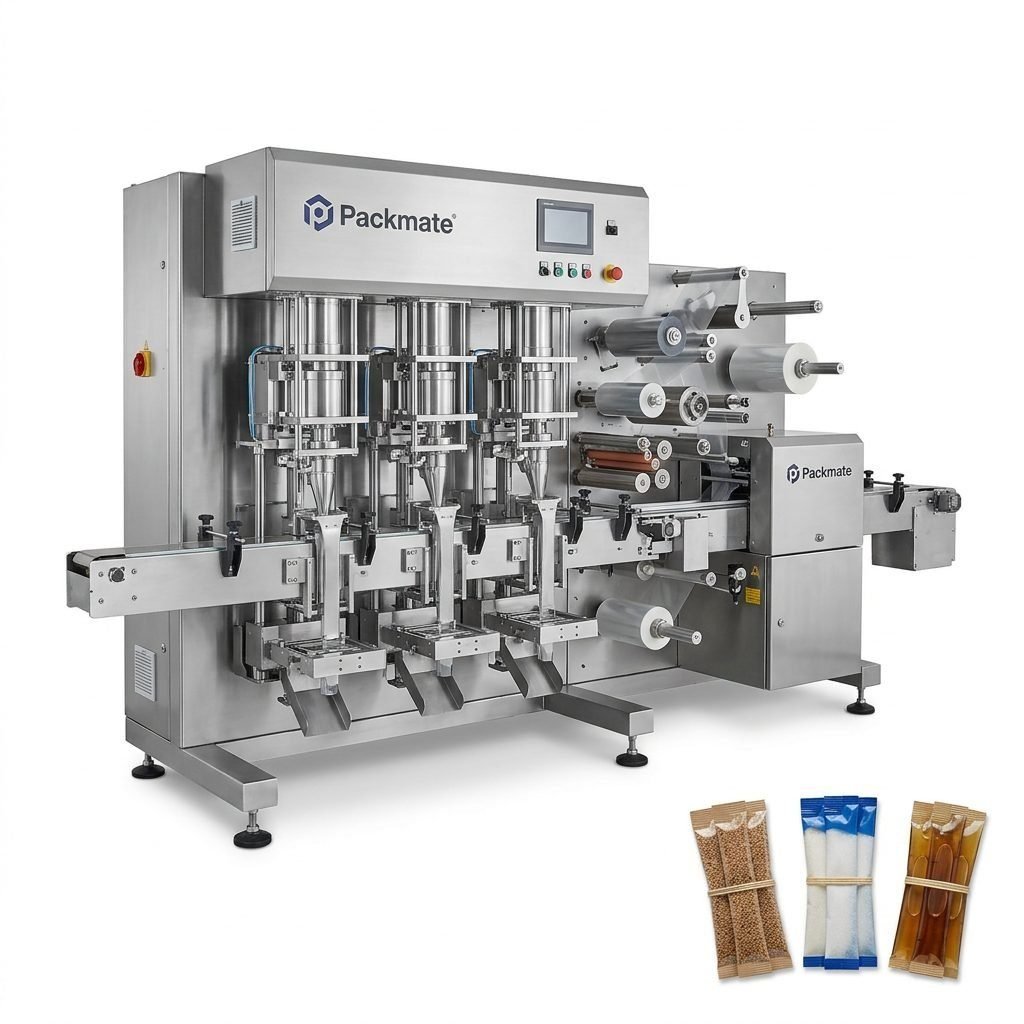
Coordinate the logistics from the source country to Cotonou. Discuss with the supplier the installation and commissioning plan. Will they send an engineer to Benin, or provide remote guidance? Ensure you have a clear plan for operator training and a reliable channel for procuring spare parts, which may need to be stocked locally in Cotonou or Lagos for quicker access.
Considerations for the Beninese Market
When importing machinery to Benin, partner with a reliable clearing agent at the Port of Cotonou. Factor in all costs: machine price, international freight, insurance, customs duties, VAT, and inland transportation to your factory. Choose robust machines that can tolerate voltage fluctuations and are easy to maintain with locally available skills. Building a good relationship with a capable supplier like Ludyway, Packmate Machinery, or PacklineOEM can be a strategic asset for your business growth.
Frequently Asked Questions (FAQs)
Q1: What is the typical lead time for receiving a packaging machine in Benin from China?
A: Lead time usually ranges from 30 to 90 days after order confirmation, depending on machine complexity and customization. This includes production, testing, and sea freight to Cotonou. Always confirm the specific timeline with your supplier.
Q2: How can I ensure I get genuine technical support after the machine arrives?
A: Choose manufacturers known for export support. Before purchasing, clarify the support package: remote assistance via video call, availability of English/French manuals, and the possibility of an engineer’s site visit. Companies like PackingMachineOEM often structure support plans for overseas clients.
Q3: Are there packaging machine manufacturers that specialize in products common in Benin, like instant beverages, spices, or pharmaceuticals?
A: Yes. Many manufacturers have broad application experience. For example, SnusMachinery specializes in pouch packaging, which is highly relevant for powdered drinks and spices. Be sure to share your exact product details with the supplier for their recommendation.
Q4: What are the most important certifications to look for in a packaging machine for food products?
A: Key certifications include CE (for electrical safety), and machines in contact with food should be made with food-grade materials (e.g., 304 stainless steel). While not always mandatory, ISO 9001 certification of the manufacturer indicates a quality management system.
Q5: Is it better to buy a standalone machine or a complete turnkey packaging line?
A: It depends on your scale and automation goals. A standalone machine is suitable for smaller operations or adding capacity. A complete turnkey line from a supplier like PacklineOEM is ideal for new, large-scale projects requiring full automation from feeding to cartoning, ensuring all components work harmoniously.