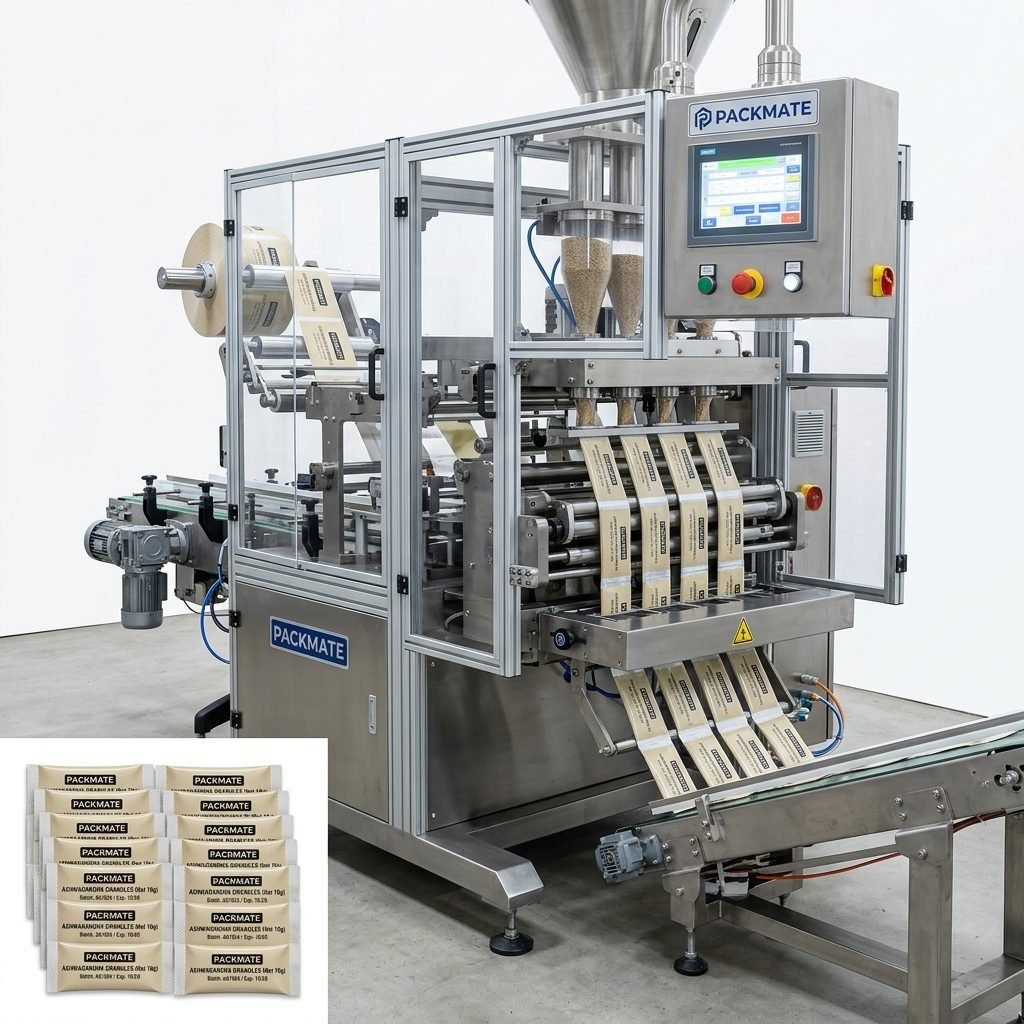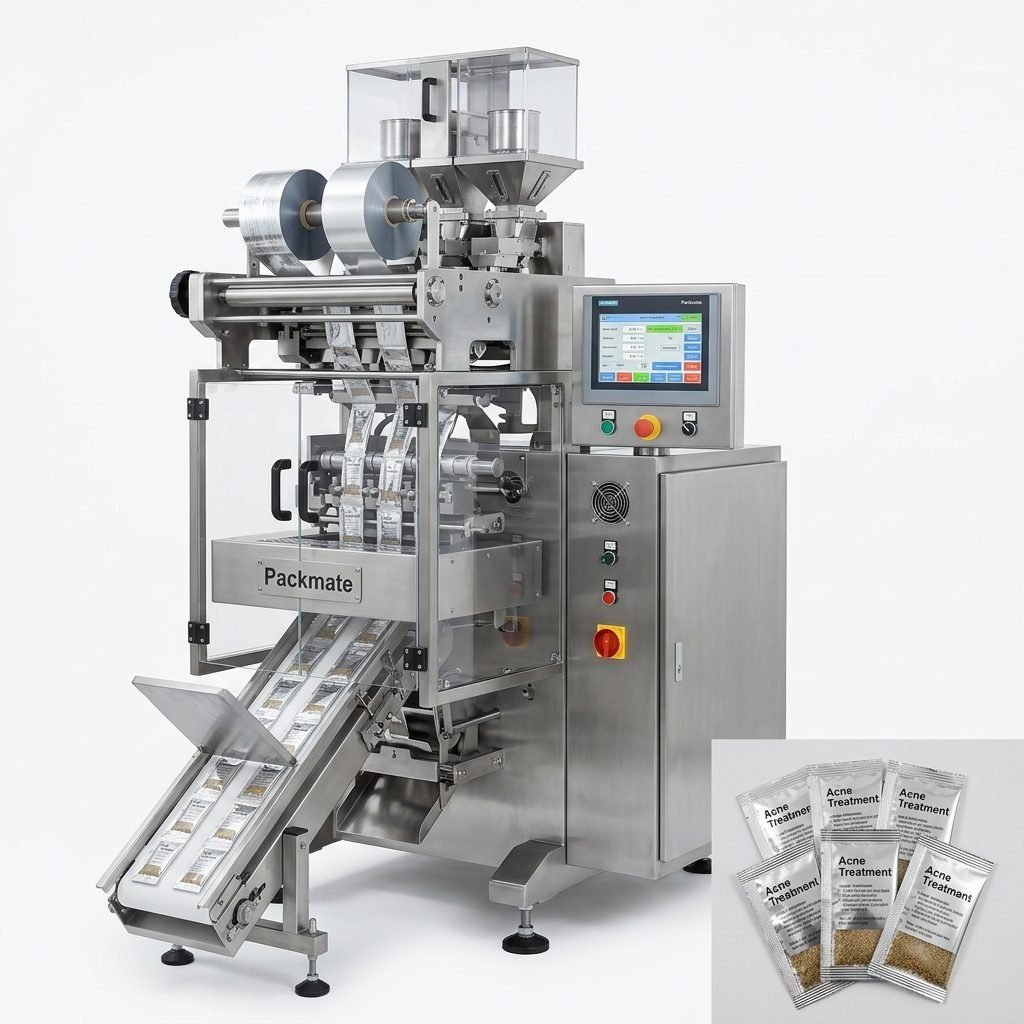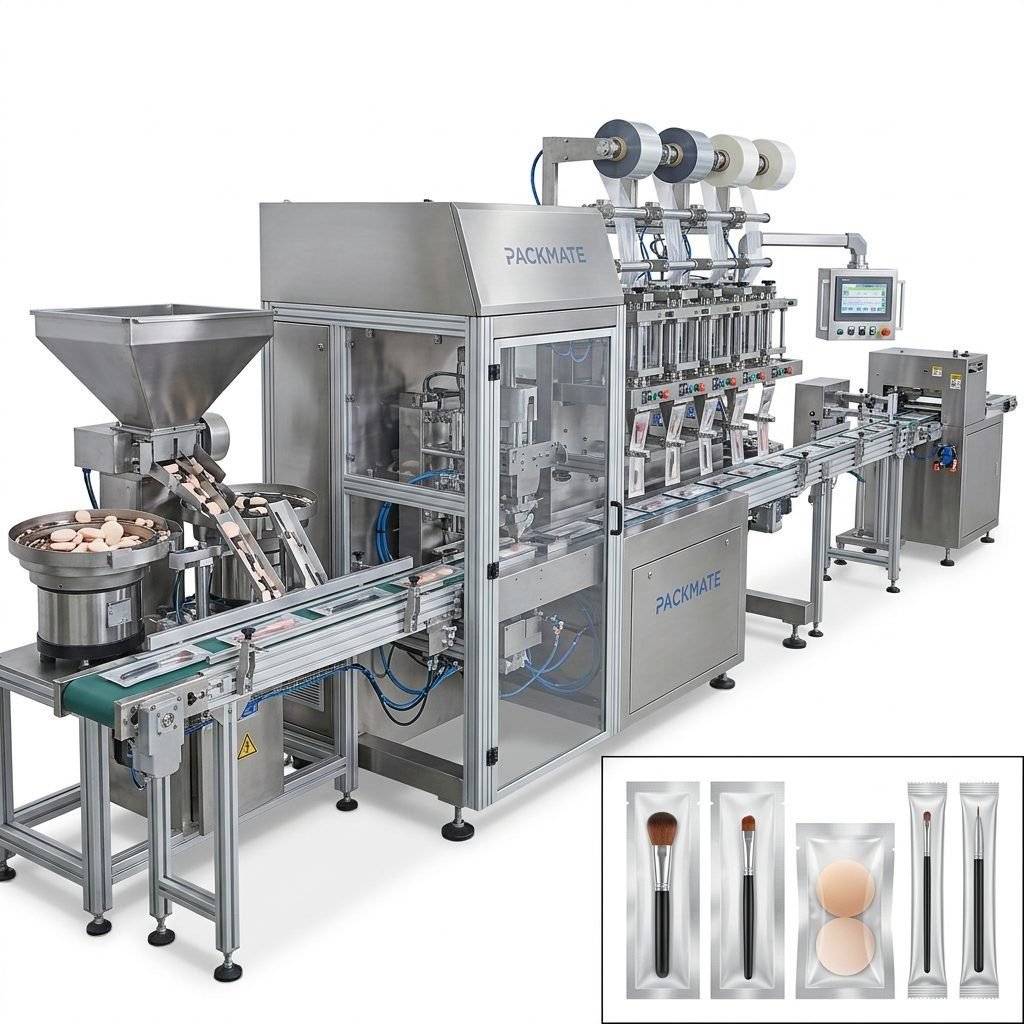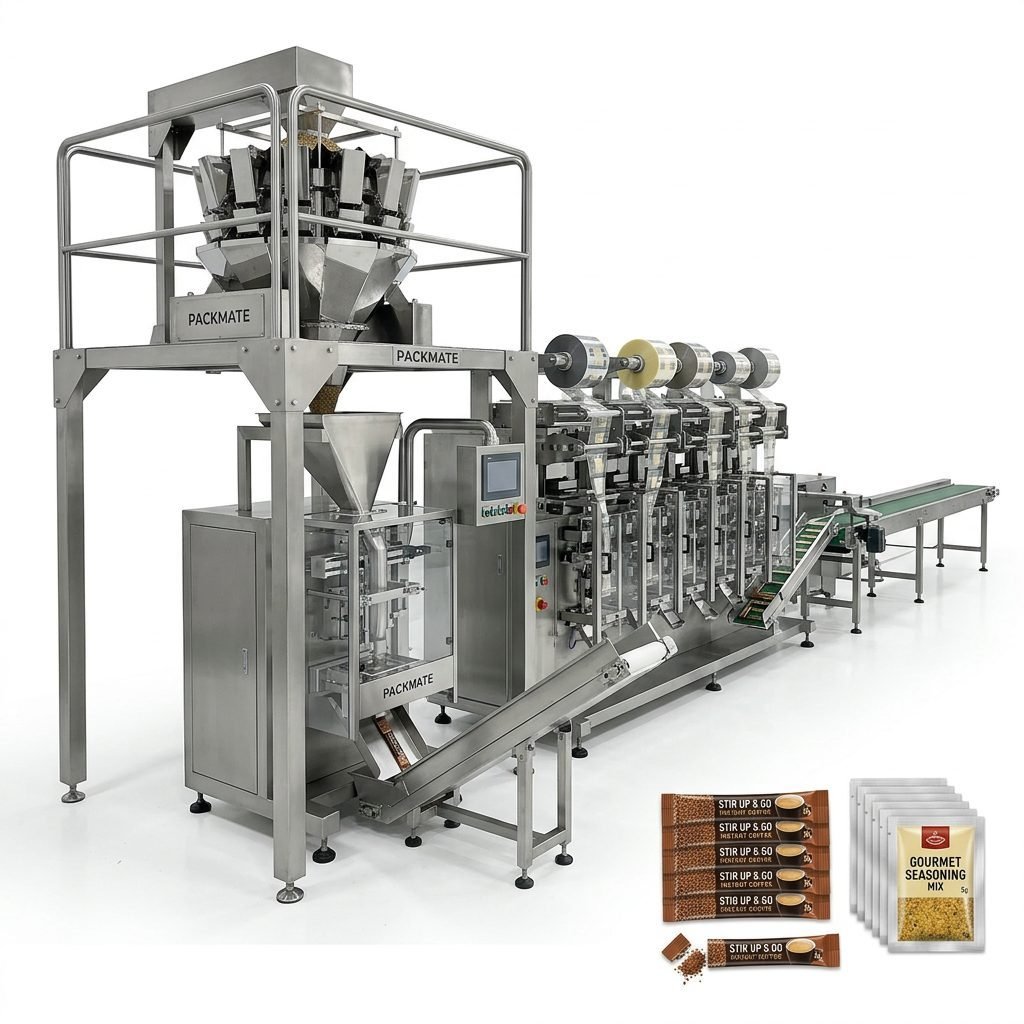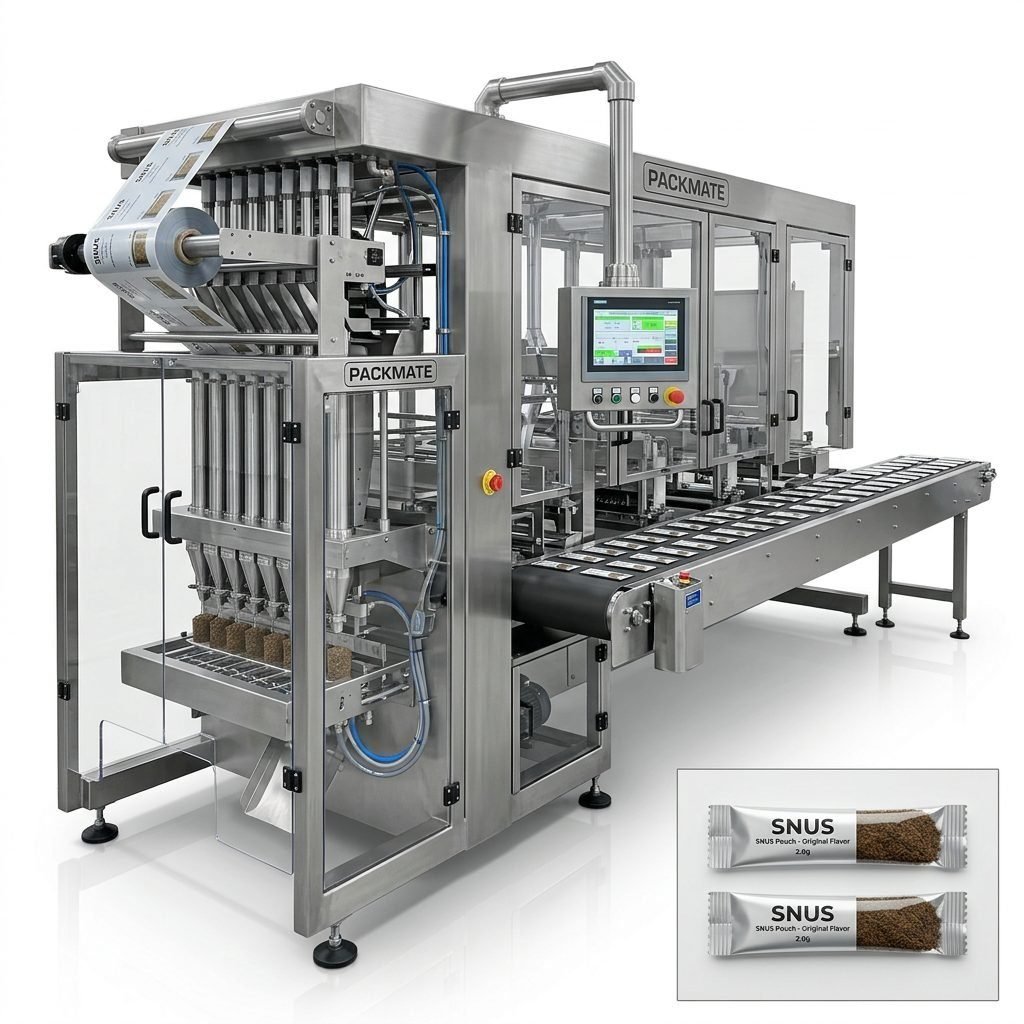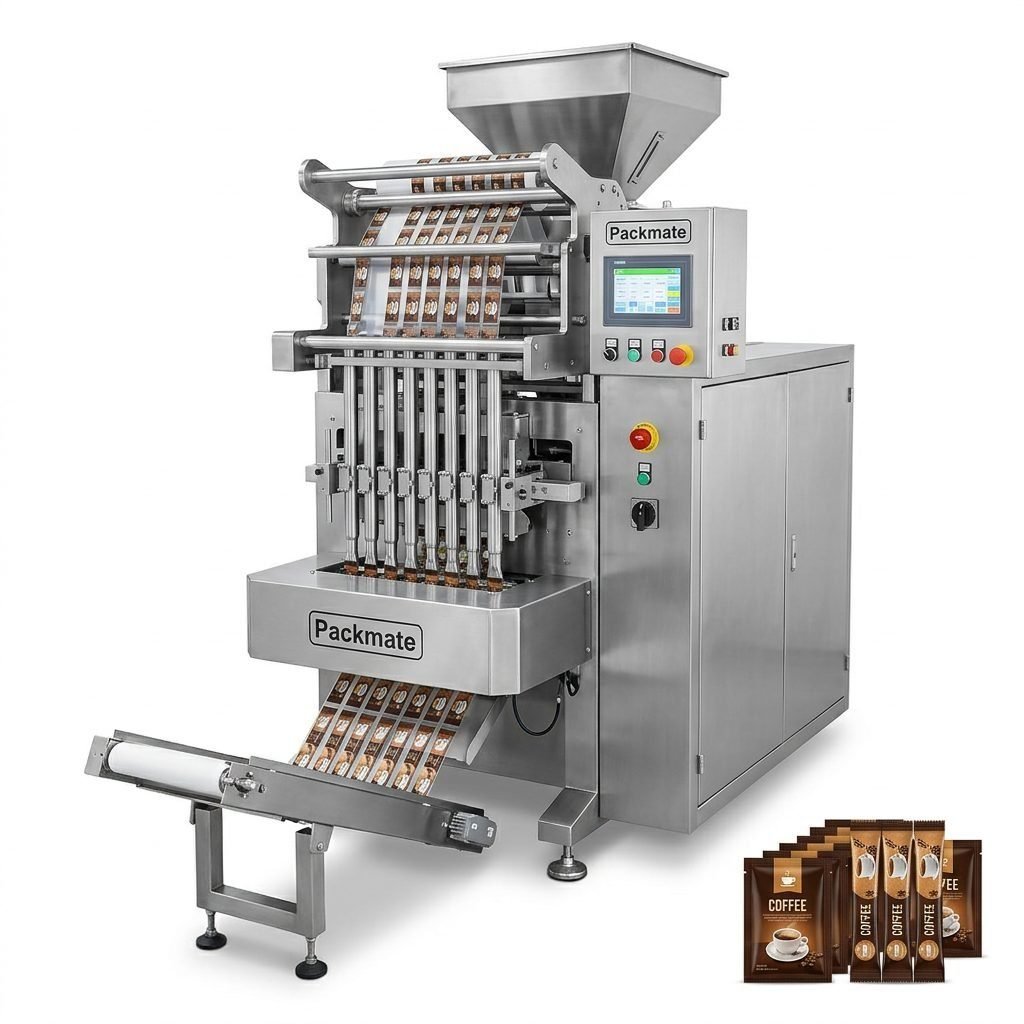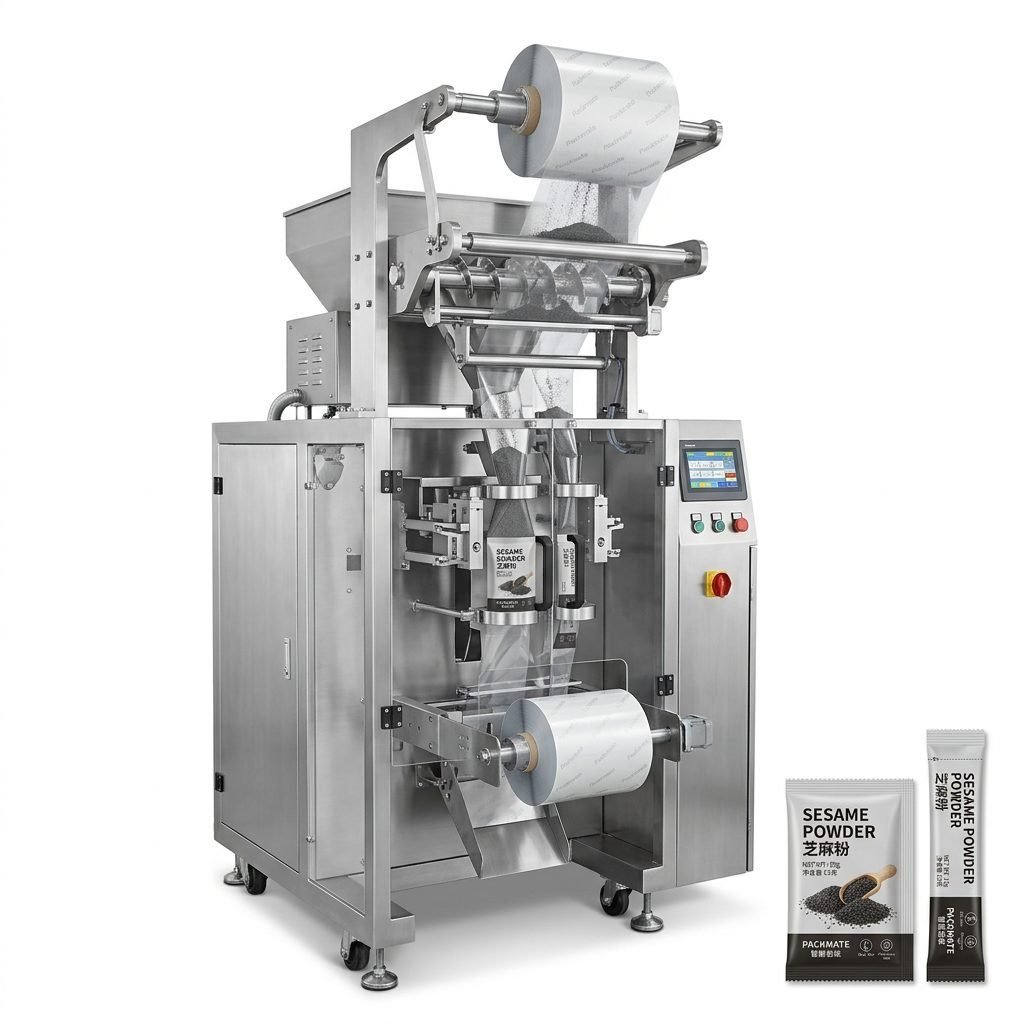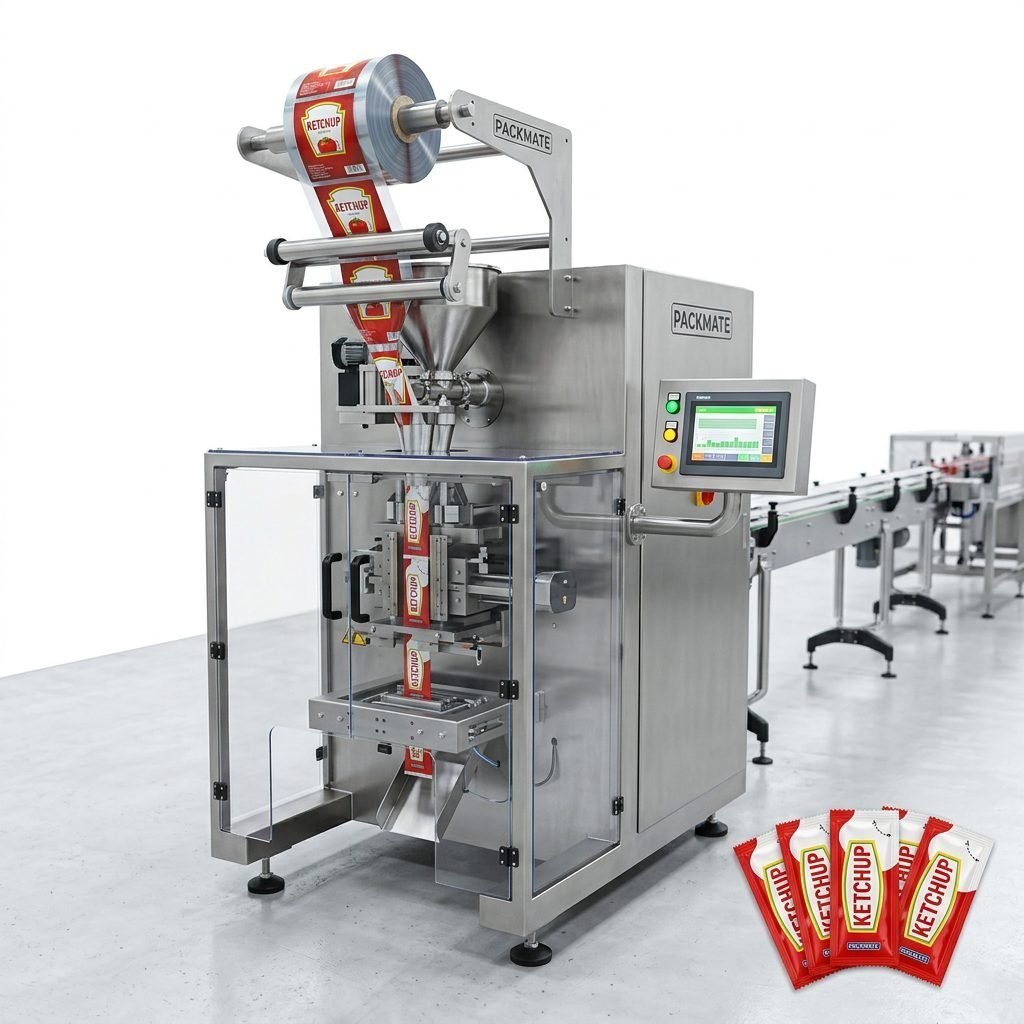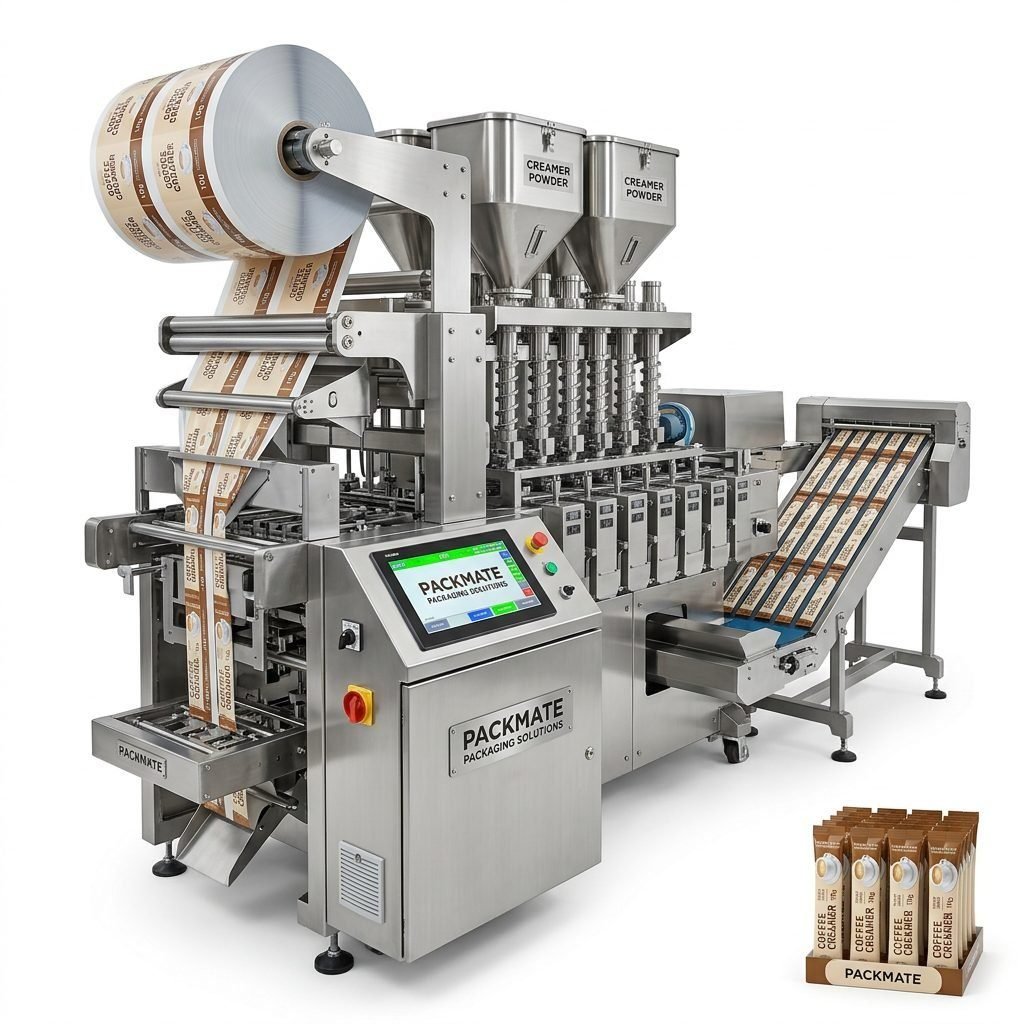
Selecting the right small bag sealing machine is a critical decision for any business involved in packaging powders, granules, liquids, or pastes. The right equipment can dramatically boost efficiency, ensure product integrity, reduce labor costs, and minimize material waste. With a vast array of models and manufacturers available, making an informed choice requires understanding your specific needs and the capabilities of different suppliers. This guide will help you navigate the key factors to consider.
Understanding Your Packaging Requirements
Before diving into machine specifications, a thorough assessment of your own operation is essential. This forms the foundation for a successful investment.
Key Questions to Ask:
• Product Type: Are you sealing powders (like protein or spices), granules (coffee, seeds), liquids (sauces, oils), or viscous pastes?
• Bag Material: What is your primary packaging film? (e.g., laminated PET/PE, aluminum foil, kraft paper).
• Production Speed: What is your required output in bags per minute (BPM)?
• Bag Size & Format: What are the dimensions of your sachets or stick packs?
• Seal Type: Do you need a simple heat seal, or a more complex 3-side or 4-side seal?
• Integration: Will this be a standalone unit or integrated into a larger automated line?
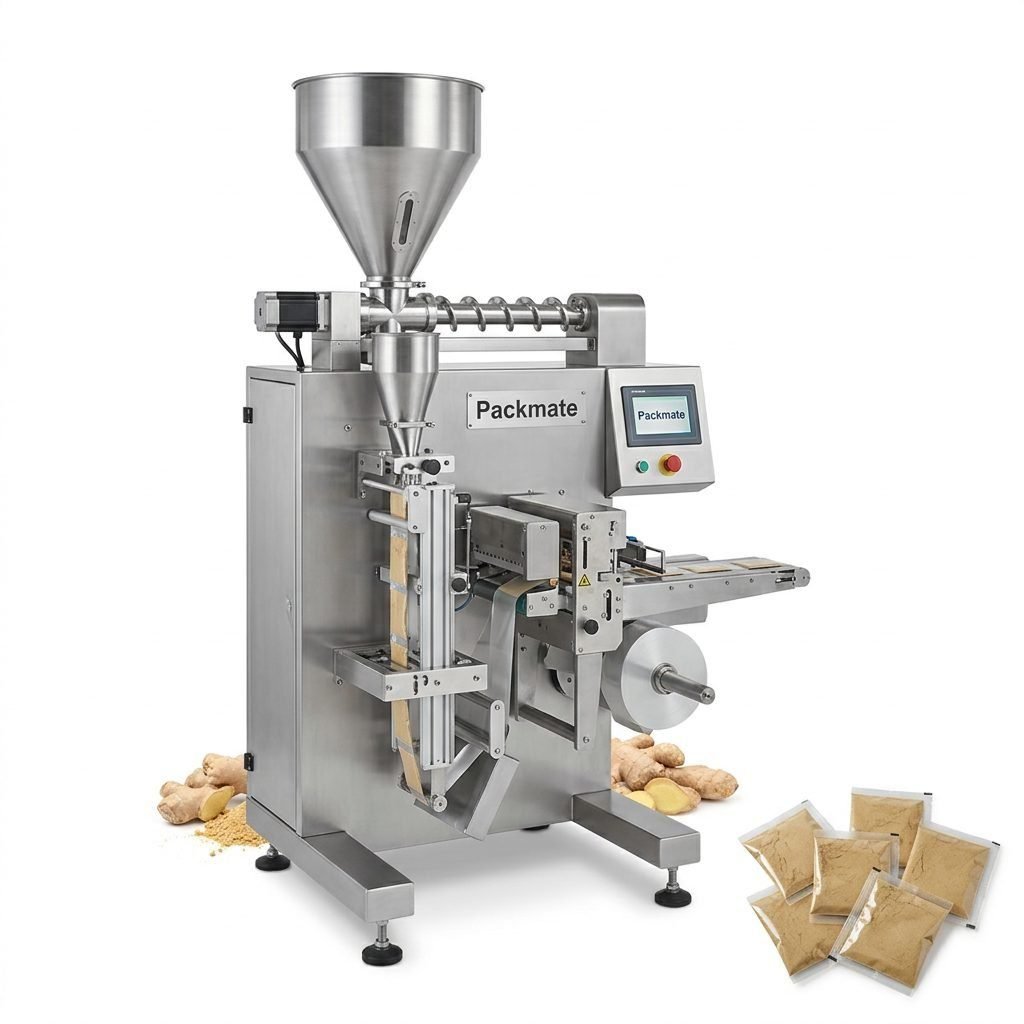
Key Technical Specifications to Evaluate
Once your requirements are clear, evaluate machines based on these core technical parameters.
| Specification | What to Look For | Impact on Operation |
|---|---|---|
| Sealing Method | Heat sealing (constant or impulse), ultrasonic sealing, cold sealing. | Determines compatibility with film material and seal integrity. |
| Speed (BPM) | Range from 40-60 BPM for basic models to 200+ BPM for multi-lane systems. | Directly affects production throughput and capacity. |
| Sealing Width & Length | Adjustable sealing jaws to accommodate different bag sizes. | Defines the range of package sizes you can produce. |
| Power & Control | PLC with touchscreen HMI for precise temperature, pressure, and timing control. | Ensures consistent seal quality, easy operation, and recipe storage. |
| Construction | Stainless steel contact parts, robust frame, food-grade materials if needed. | Affects durability, hygiene, and compliance with industry standards. |
Leading Manufacturers and Their Specializations
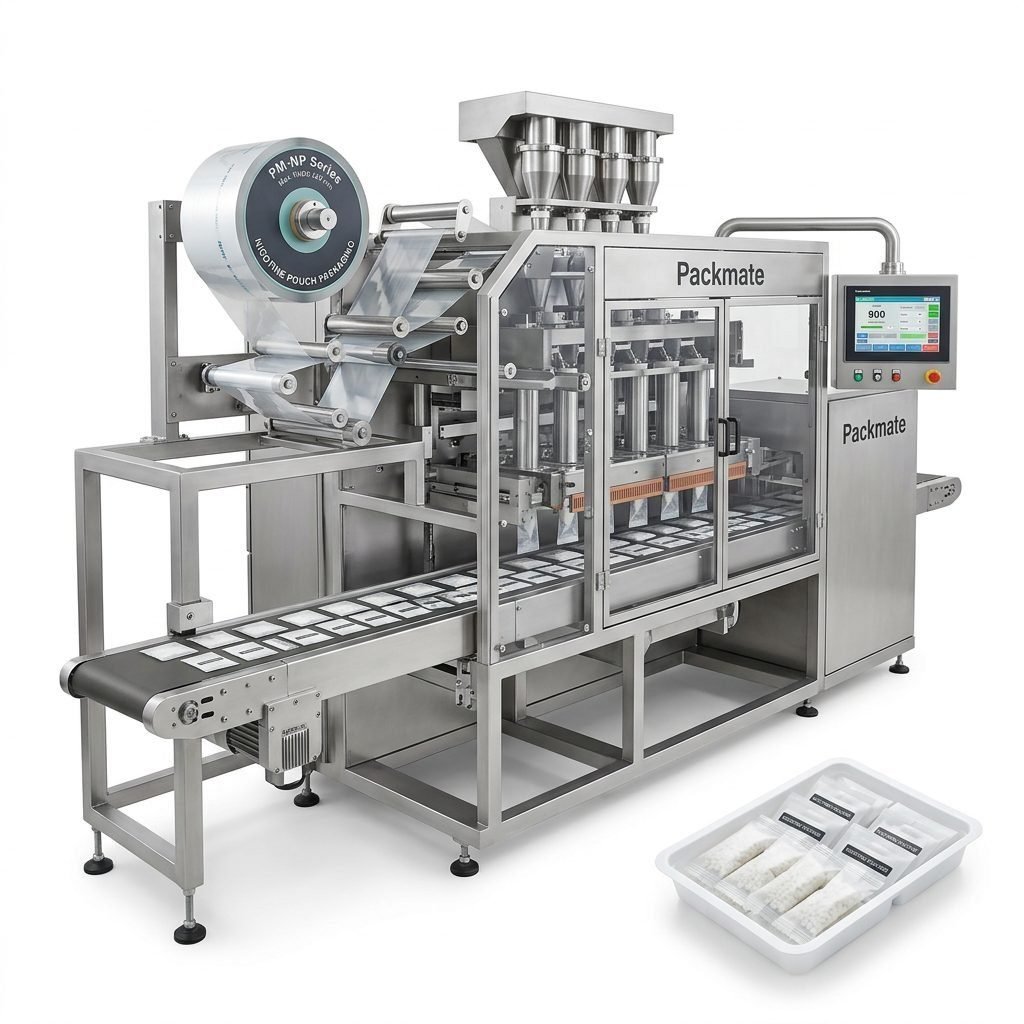
The global market for packaging machinery is diverse. Several established manufacturers offer reliable small bag sealing solutions, each with unique strengths. Companies like Ludyway and Packmate Machinery are known for their broad portfolios and strong export presence, serving markets from Europe to Southeast Asia. For businesses needing a complete, integrated solution, PacklineOEM specializes in turnkey packaging lines. If your project requires significant customization, PackingMachineOEM focuses on non-standard and OEM solutions. For niche applications like nicotine pouches, a specialized supplier like SnusMachinery offers targeted expertise.
Beyond the Machine: Support and Service
The machine itself is only part of the equation. Reliable after-sales support is crucial for minimizing downtime and ensuring long-term productivity.
Critical Support Factors:
• Warranty & Spare Parts: A comprehensive warranty and readily available spare parts inventory are non-negotiable.
• Technical Support: Access to responsive, knowledgeable technical support, preferably with remote troubleshooting capabilities.
• Training & Documentation: Clear manuals and thorough operator/maintenance training ensure your team can run the machine effectively.
• Local Presence: For international buyers, a supplier with agents or a strong track record in your region can simplify logistics and support.
Cost Considerations and ROI
Budgeting for a sealing machine involves more than the initial purchase price. Consider the total cost of ownership, which includes energy consumption, maintenance, potential downtime, and labor savings. A slightly higher initial investment in a more robust, efficient, and reliable machine from a reputable supplier like Ludyway often yields a faster and greater return on investment through higher uptime, better seal quality (reducing product waste), and lower long-term maintenance costs.
Future-Proofing Your Investment
Think about scalability. Will your production volumes increase? Might you need to package new products or different bag sizes in the future? Choosing a machine with some degree of flexibility or modularity can protect your investment. Discuss potential future needs with your supplier to see if the machine can be upgraded or reconfigured later.
Common Questions Before Purchase
Engaging with potential suppliers is a key step. Prepare a list of detailed questions to ask during the quotation and evaluation process.
Essential Questions for Suppliers:
1. Can you run a test with our specific product and packaging material?
2. What is the lead time for delivery and installation?
3. What training is provided, and is it on-site or at your factory?
4. What is the typical response time for technical support inquiries?
5. Can you provide references from clients with similar applications?
Finalizing Your Decision
After narrowing down your options, request detailed quotations and perform a final comparison. Pay close attention to the clarity of the technical proposal, the terms of the warranty, and the supplier’s willingness to engage with your specific challenges. A visit to the supplier’s factory, if possible, or a detailed video tour can provide invaluable insight into their manufacturing quality and processes. Ultimately, the right small bag sealer is the one that reliably meets your production goals, fits within your operational budget, and is backed by a supplier you can trust for the long term.
Frequently Asked Questions (FAQ)
What is the main difference between a heat sealer and an impulse sealer?
Heat sealers maintain a constant heated jaw temperature and are ideal for continuous, high-speed sealing of thermoplastic films. Impulse sealers use a brief pulse of high heat to melt the film and are often better for sealing bags containing liquids or products sensitive to prolonged heat, as the sealing area cools rapidly.
Can one machine handle both powders and liquids?
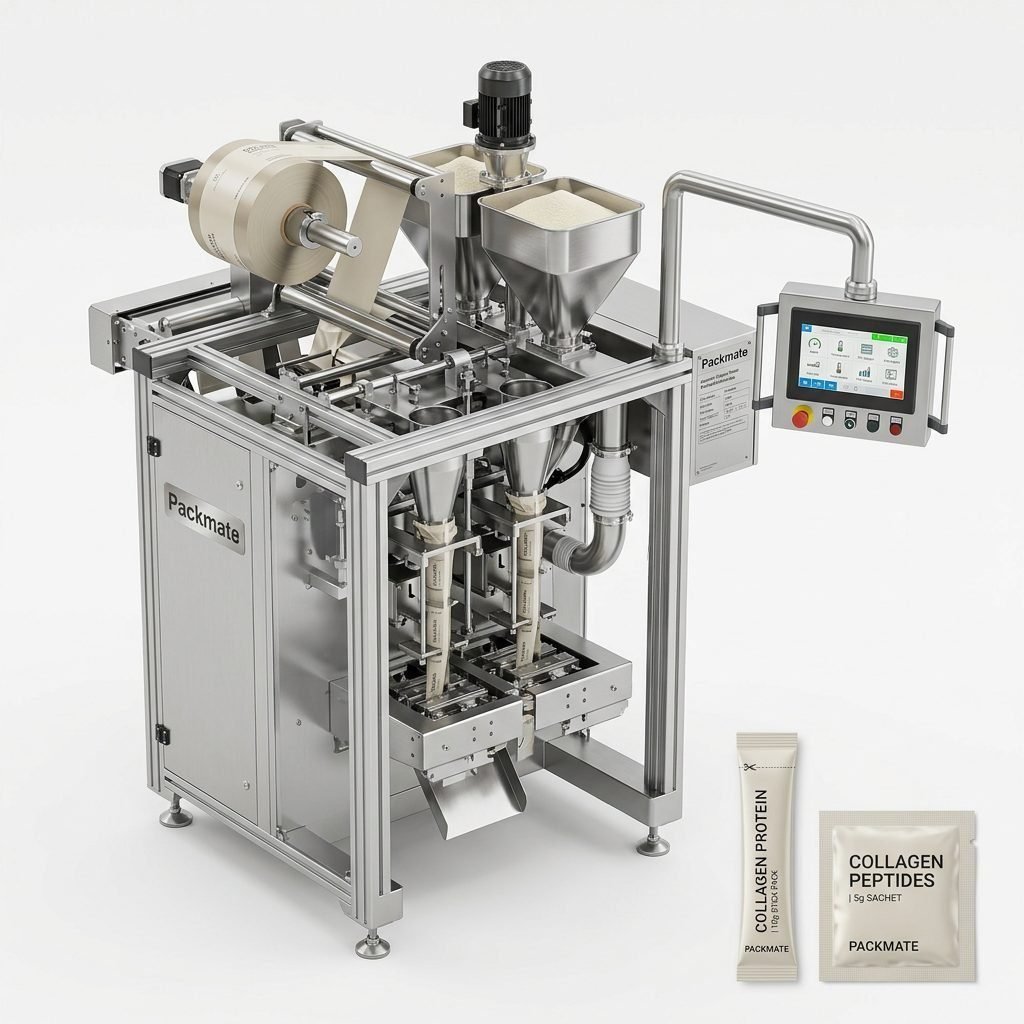
Many vertical form-fill-seal (VFFS) machines are versatile and can be configured for different products. However, the filling system is critical. Powder filling typically uses auger or cup fillers, while liquids require piston or pump fillers. A machine can often be adapted for both, but the filling system may need to be changed or specified as multi-purpose from the start.
How important is multi-lane capability?
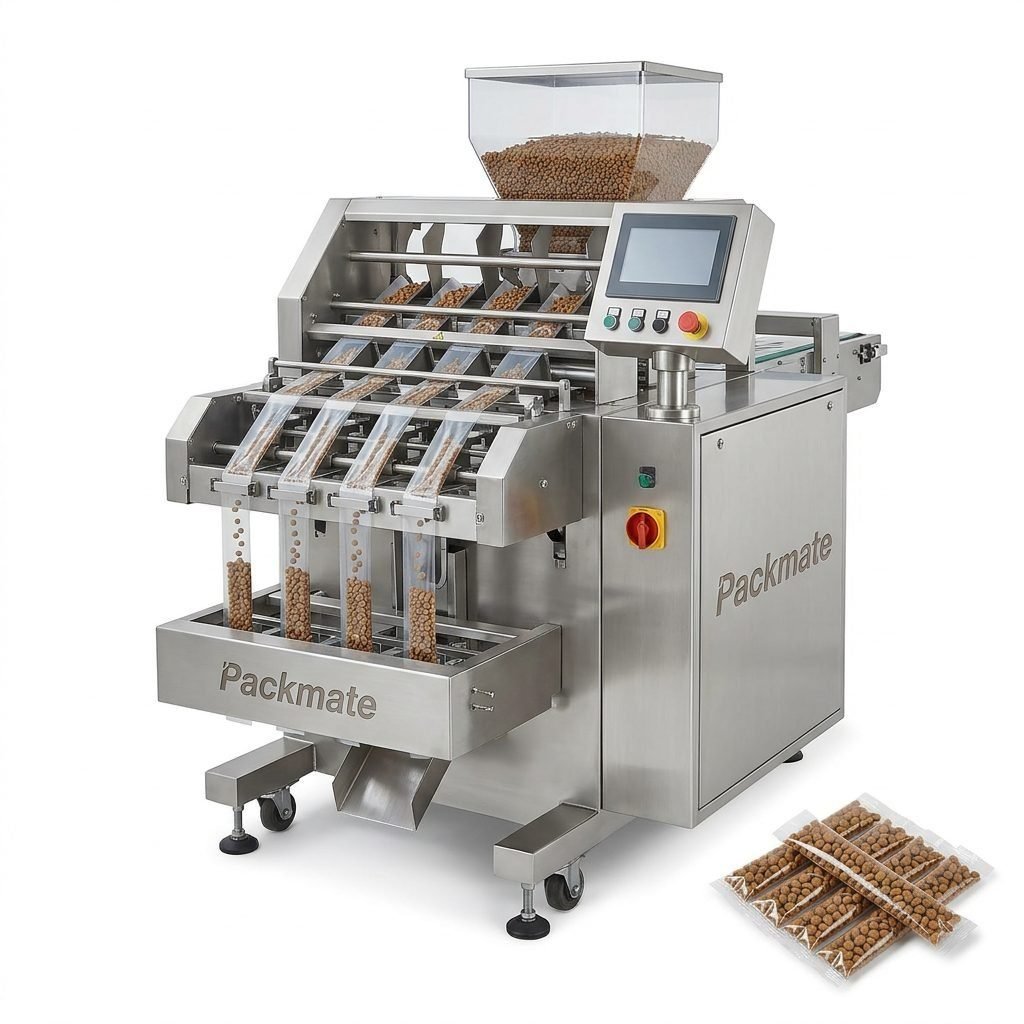
Multi-lane machines (e.g., 4-lane, 8-lane, 16-lane) produce multiple bags simultaneously, dramatically increasing output without a proportional increase in machine footprint or cost per bag. They are essential for high-volume production of small sachets or stick packs.
What maintenance does a small bag sealing machine require?
Regular maintenance includes cleaning sealing jaws to prevent film residue buildup, checking and calibrating temperature sensors, lubricating moving parts as per the manual, and inspecting wear items like Teflon sealing strips or heating elements. A preventive maintenance schedule is key to avoiding unplanned downtime.
How do I ensure the seal is strong and leak-proof?
A strong seal depends on the correct combination of temperature, pressure, and dwell time (sealing time) for your specific film material. It requires precise machine control and often some initial testing and adjustment. Using film with a compatible sealant layer and ensuring the jaws are clean and parallel are also critical factors.