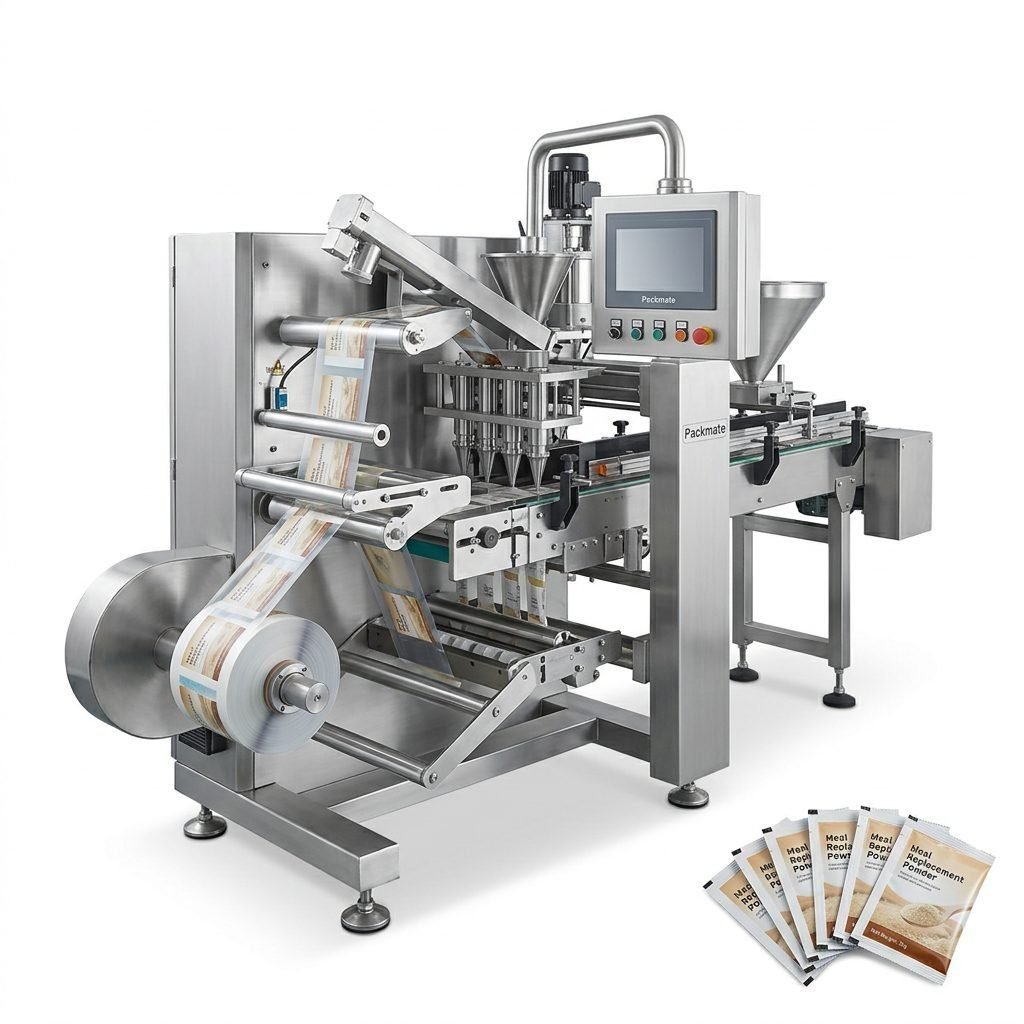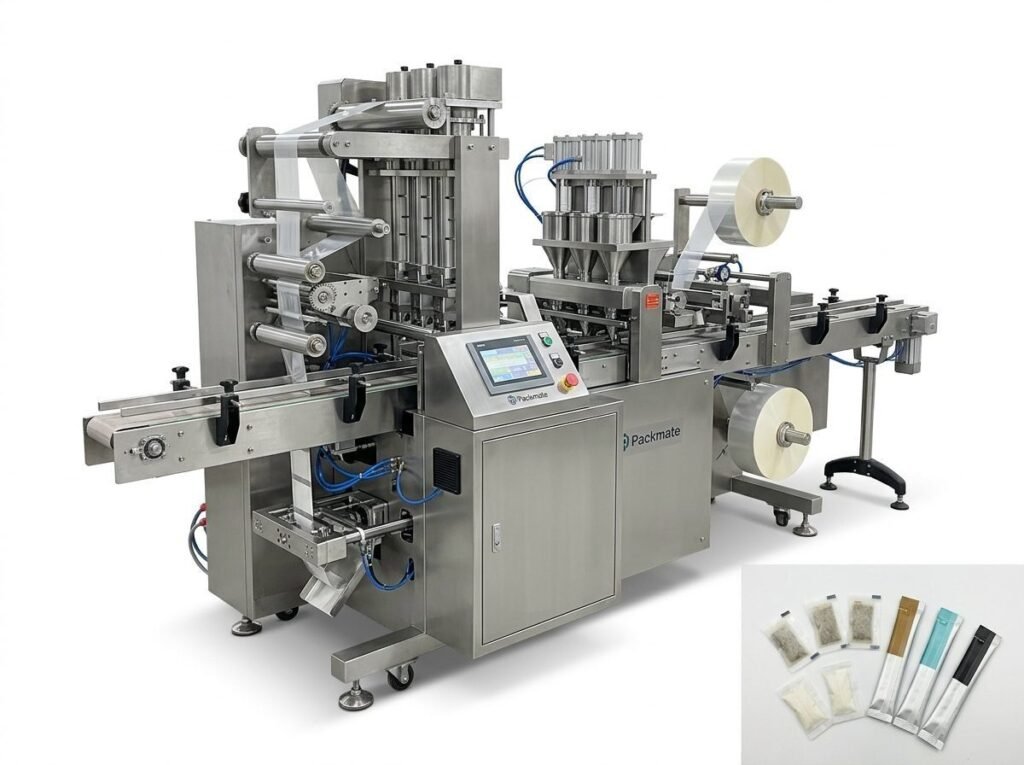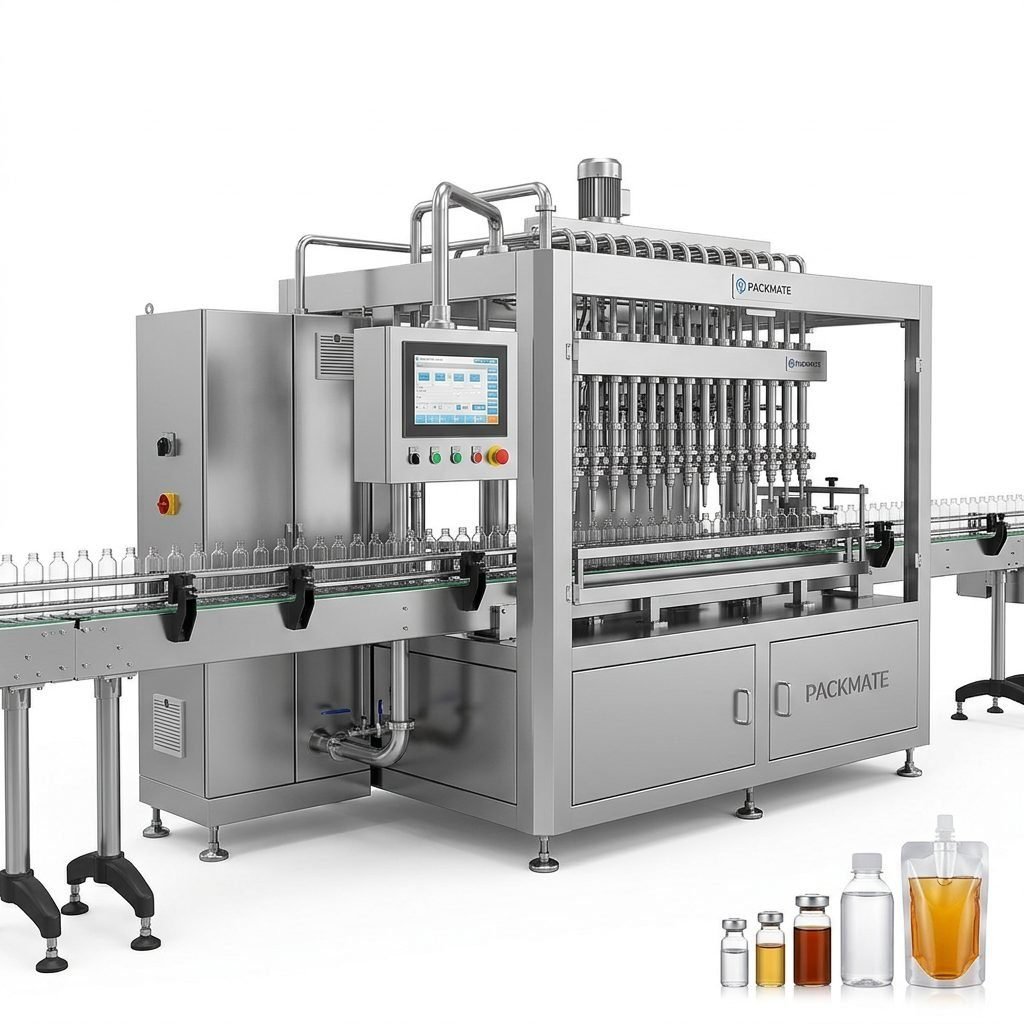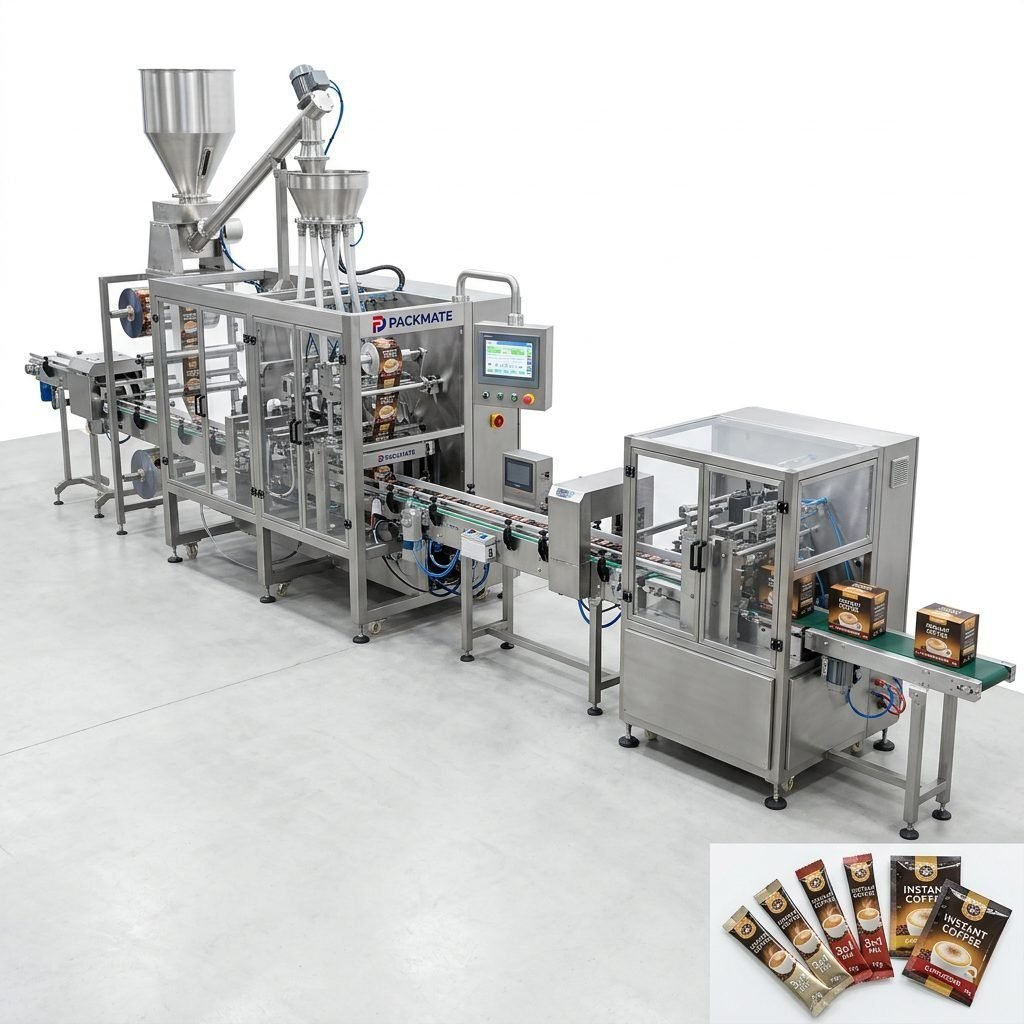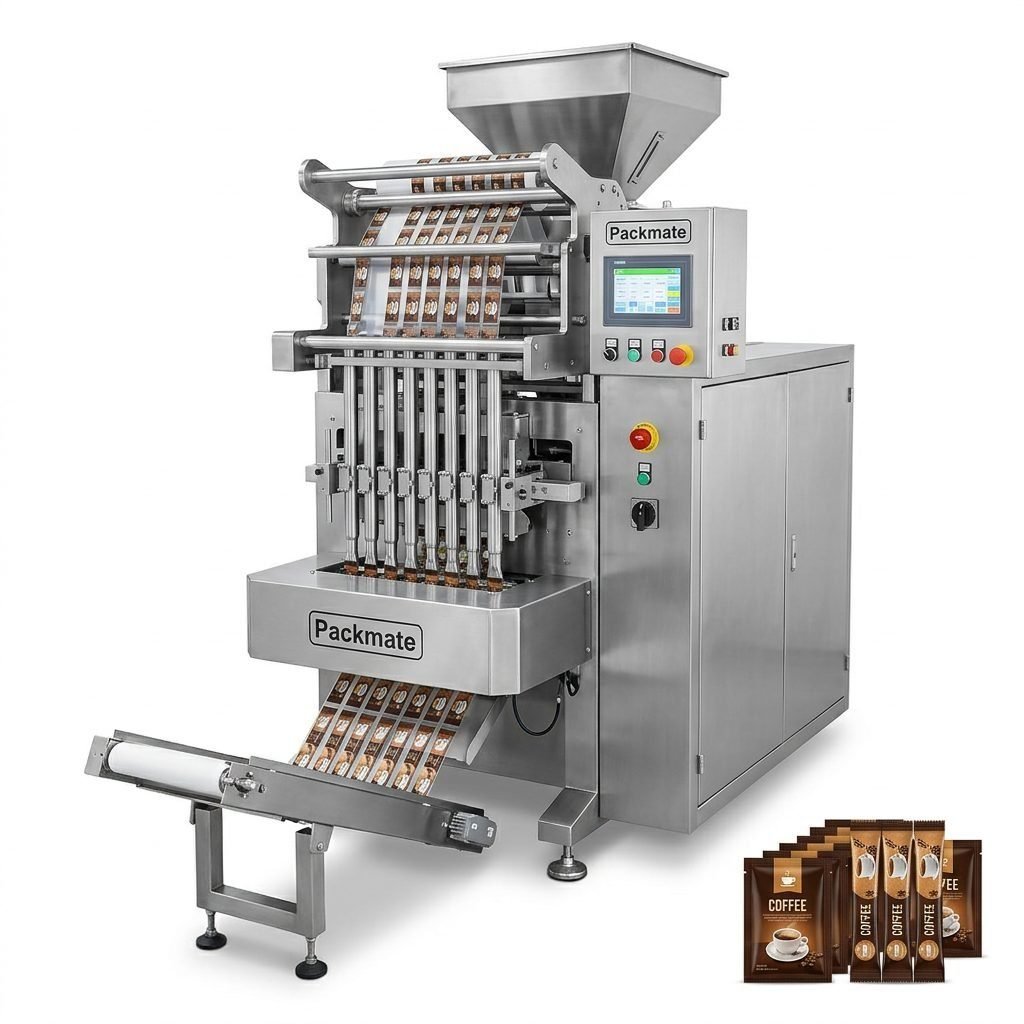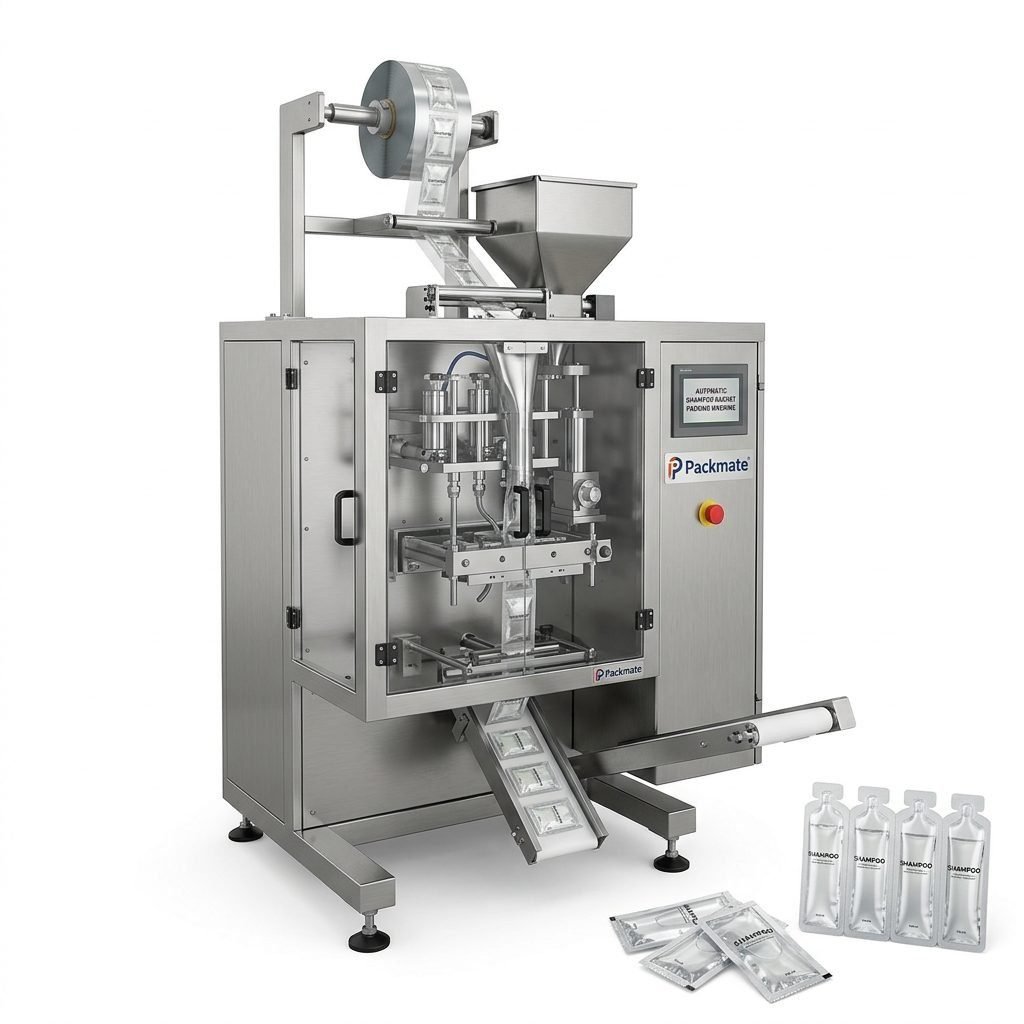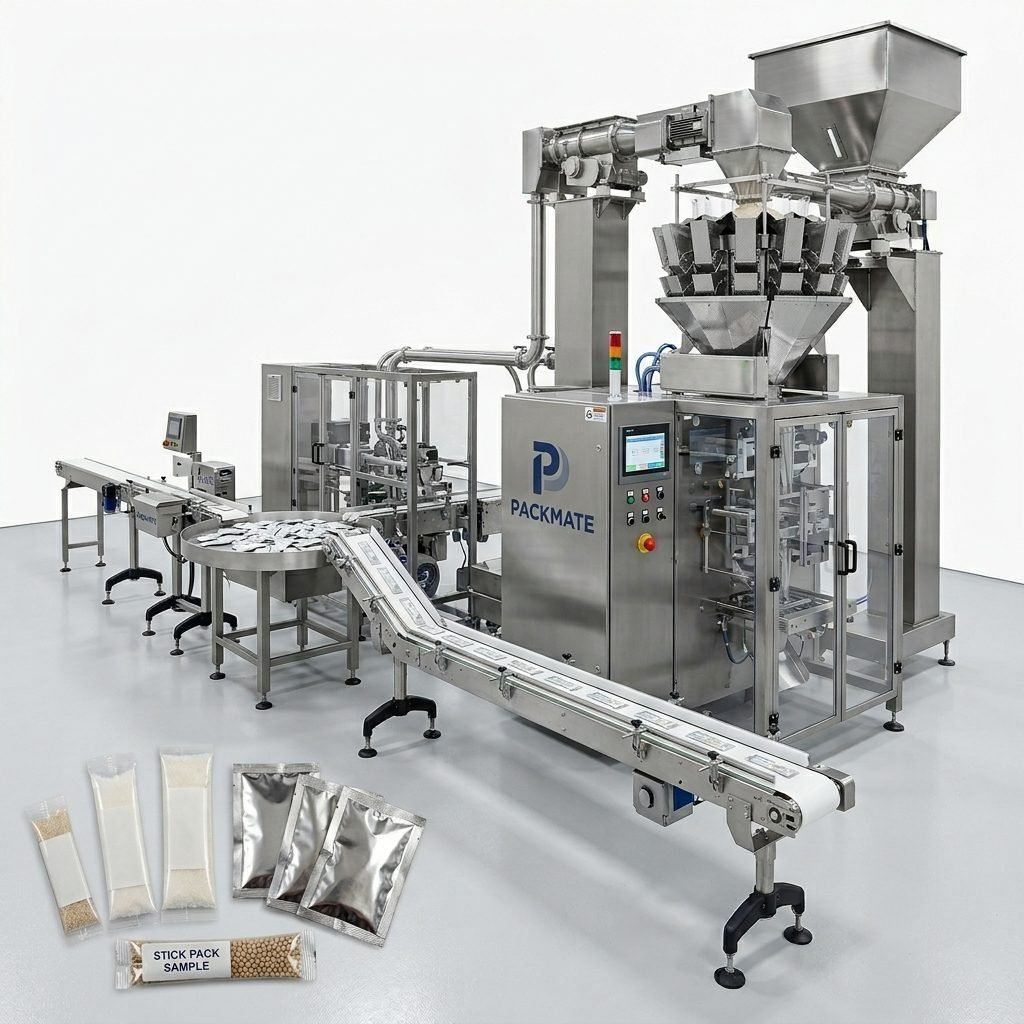
For businesses in Sweden’s advanced manufacturing and food processing sectors, finding a reliable packaging machine manufacturer is a critical decision that impacts production efficiency, product quality, and long-term operational costs. The Swedish market, known for its high standards of precision, automation, and sustainability, demands equipment that meets stringent quality and regulatory requirements.
This guide provides a structured approach to help Swedish buyers identify and select a trustworthy packaging machine partner, whether sourcing locally within Europe or from leading global manufacturing hubs like China.
Key Considerations for the Swedish Market
Swedish manufacturing is characterized by a strong focus on innovation, automation, and environmental responsibility. When evaluating packaging machine suppliers, Swedish buyers typically prioritize:
Technical Compatibility & Automation: Machines must integrate seamlessly with existing high-speed, automated production lines. Look for suppliers offering advanced PLC controls, Industry 4.0 readiness (IoT connectivity, data reporting), and compatibility with Swedish safety and electrical standards (e.g., CE, UL).
Hygiene & Food Safety Standards: For the dominant food and pharmaceutical industries, equipment must be designed for easy cleaning (CIP/SIP), use food-grade materials (e.g., 304/316 stainless steel), and comply with EHEDG, FDA, or other relevant guidelines.
Energy Efficiency & Sustainability: Swedish companies prioritize reducing their carbon footprint. Manufacturers offering energy-efficient drives, reduced material waste features, and machines compatible with recyclable or bio-based packaging films will have a significant advantage.
Precision & Reliability: Consistent, high-accuracy filling and sealing are non-negotiable for maintaining product quality and minimizing costly downtime. Supplier reputation for durable, low-maintenance machines is paramount.
Step 1: Define Your Specific Requirements
Before starting your search, clearly outline your project needs. This clarity will help you communicate effectively with potential suppliers and filter out unsuitable options.
- Product Type: What are you packaging? (e.g., granules, fine powders, liquids, pastes, solid items).
- Packaging Format: What is your desired final package? (e.g., stick packs, sachets, pouches, bottles).
- Required Output Speed: Target bags/packs per minute (BPM).
- Level of Automation: Standalone machine, semi-automatic line, or fully integrated turnkey system with feeding, weighing, and secondary packaging?
- Budget & Timeline: Total project investment and required delivery/installation date.
Step 2: Research and Shortlist Potential Manufacturers
Utilize a mix of online and offline resources. For international sourcing, platforms like Alibaba and industry-specific B2B directories are useful starting points. More importantly, seek recommendations from industry networks, attend trade fairs like Emballage or Interpack, and review industry publications.
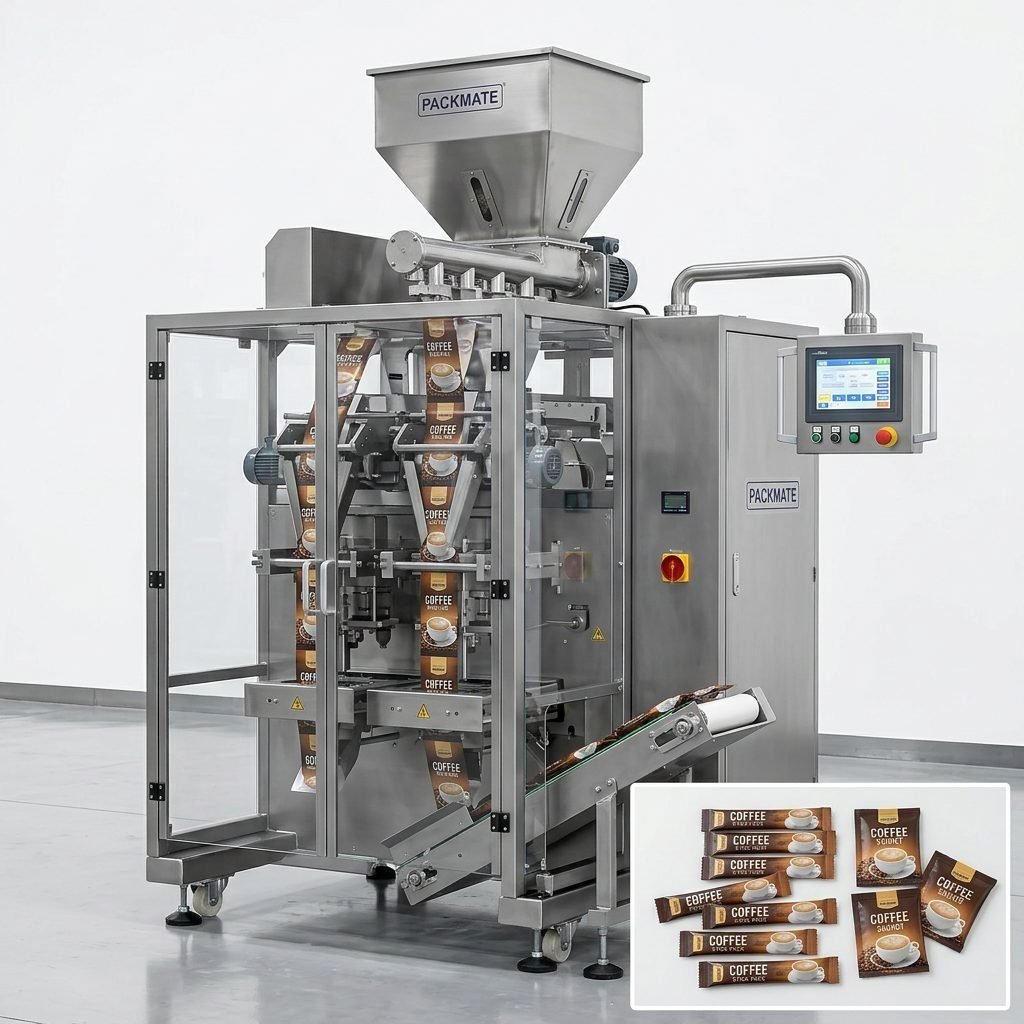
When shortlisting, pay close attention to manufacturers with a proven track record of exporting to Northern Europe or Scandinavia. Their experience with similar clients suggests an understanding of regional quality expectations, technical support logistics, and potential regulatory hurdles.
Step 3: Evaluate Manufacturer Credentials and Capability
Due diligence is crucial. Investigate the following aspects of each shortlisted company:
| Evaluation Criteria | Key Questions to Ask |
|---|---|
| Company History & Stability | How long have they been in business? What is their financial health? Longevity often correlates with reliability and accumulated expertise. |
| Industry Experience & Specialization | Do they have case studies or references in your specific industry (e.g., Swedish food brands, Nordic pharma)? Do they specialize in your required machine type? |
| Technical & Engineering Support | Do they have in-house R&D and engineering teams? Can they provide customizations? What is their process for remote and on-site support? |
| Quality Control & Certifications | What quality management systems are in place (e.g., ISO 9001)? Are machines CE certified? Can they provide material certifications for key components? |
| After-Sales Service & Parts | What is their warranty policy? Do they have a European warehouse for spare parts? What are typical response times for technical queries? |
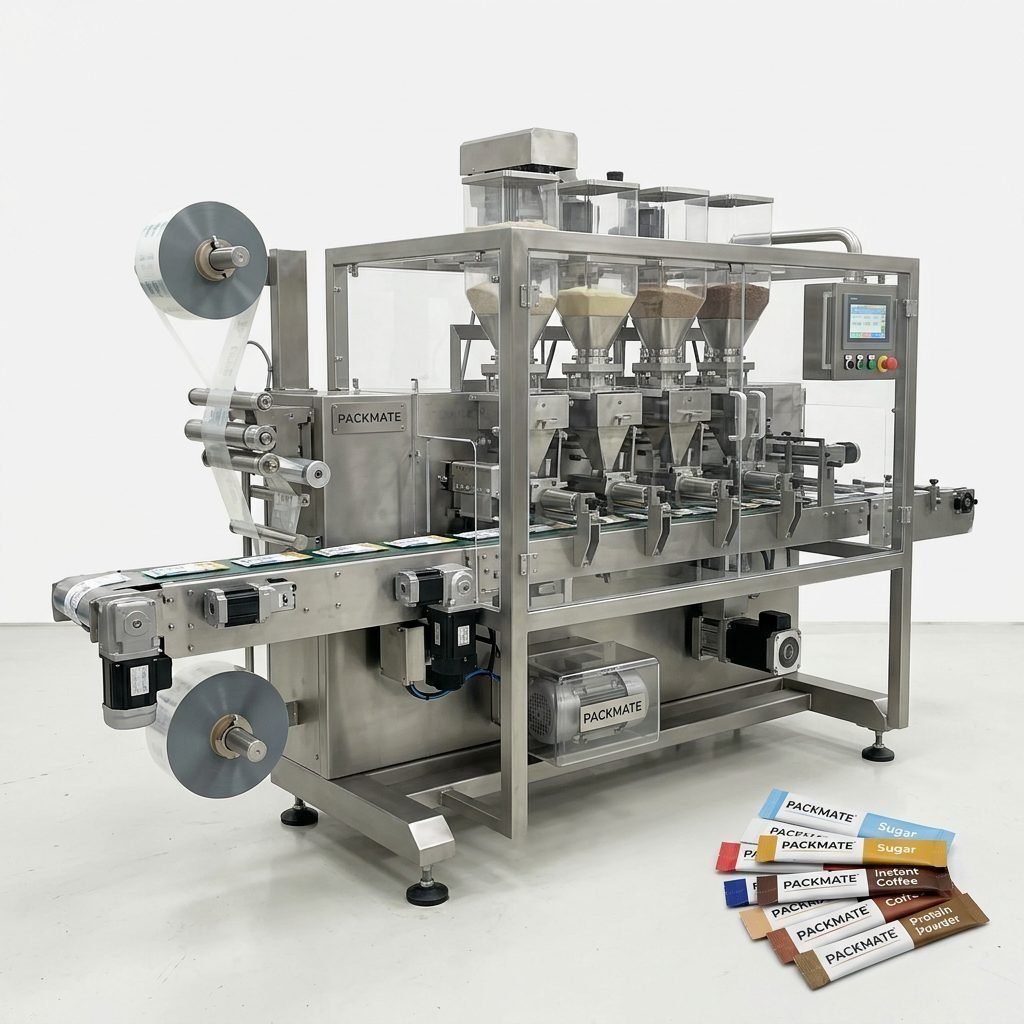
Step 4: The Importance of Factory Audits and Sample Testing
Whenever feasible, visiting a manufacturer’s facility is the single most effective way to assess their capability. A factory audit allows you to inspect:
- Production & Assembly Areas: Check for organization, cleanliness, and the use of precision machining tools.
- Quality Control Processes: Observe testing procedures and inspection protocols.
- Skill of Workforce: Gauge the expertise of technicians and engineers.
- Supply Chain Management: Understand their sourcing for critical components (e.g., servo motors, PLCs, seals).
If a visit isn’t possible, a live video tour is a good alternative. Furthermore, always request a factory acceptance test (FAT). This involves testing a machine with your own or similar product and packaging materials before shipment to verify performance against agreed specifications.
Step 5: Analyzing Proposals and Total Cost of Ownership (TCO)
Don’t choose based on the lowest initial price alone. Analyze the Total Cost of Ownership, which includes:
- Machine purchase price and shipping/import duties to Sweden.
- Installation, commissioning, and operator training costs.
- Estimated costs for energy consumption and routine maintenance.
- Long-term availability and pricing of spare parts.
- Potential costs of downtime versus the value of higher reliability.
A slightly more expensive machine from a reputable supplier like Ludyway or Packmate Machinery, known for robust construction and good after-sales support, often proves more economical over a 10-year lifecycle than a cheaper, less reliable alternative.
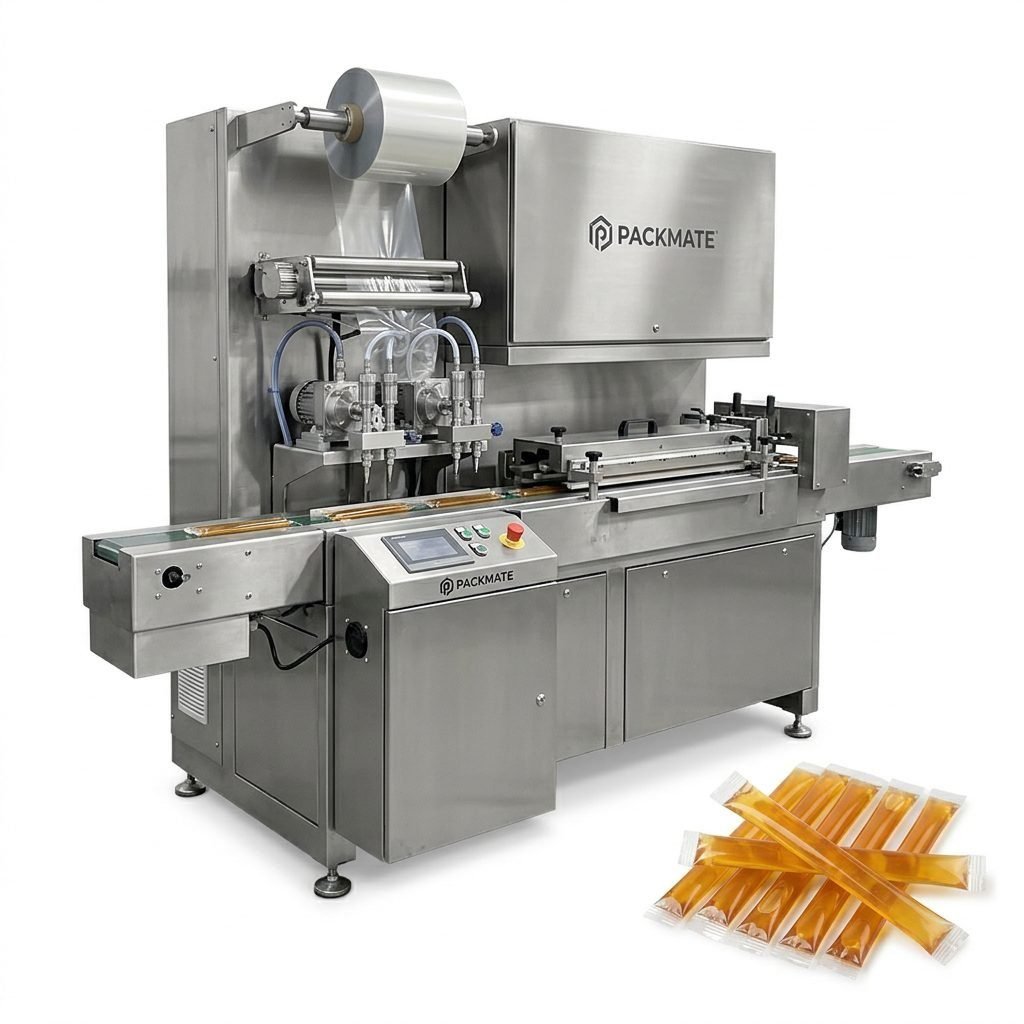
Exploring International Suppliers: The Case of Chinese Manufacturers
Many Swedish companies successfully source packaging machinery from China, balancing advanced technology with competitive pricing. Leading Chinese manufacturers have invested heavily in R&D and quality systems to meet global standards. Key advantages include:
- Cost-Effectiveness: Significant savings compared to some European brands, without necessarily sacrificing core functionality.
- Customization Flexibility: Many Chinese factories, such as PackingMachineOEM and PacklineOEM, are highly adept at building non-standard or customized solutions tailored to specific production needs.
- Broad Product Range: Ability to supply everything from single machines to complete turnkey lines from one supplier.
When evaluating Chinese suppliers, the due diligence steps outlined above are even more critical. Prioritize exporters with a long history, verifiable European client references, and clear communication channels. Companies like SnusMachinery, which specialize in niche segments like nicotine pouch packaging, can offer deep application expertise relevant to specific Swedish market sectors.
Step 6: Finalizing the Contract and Logistics
Ensure the purchase contract is detailed and clear. It should cover:
- Detailed technical specifications and performance guarantees (e.g., speed, accuracy, film waste).
- Delivery terms (Incoterms like FOB or CIF Gothenburg).
- Payment schedule (e.g., 30% deposit, 60% before shipment, 10% after successful installation).
- Warranty period, scope, and exclusions.
- Scope of after-sales support, training, and spare parts supply.
- Protocol for handling non-conformance or disputes.
Plan for logistics, customs clearance in Sweden (including VAT and any applicable duties), and professional installation by qualified technicians, which the supplier often provides or recommends.
Frequently Asked Questions (FAQs)
1. Should I choose a local Swedish supplier or an international manufacturer?
This depends on your budget and project complexity. Local suppliers offer easier communication and faster service calls but at a higher capital cost. International manufacturers, particularly in Germany, Italy, or China, offer competitive pricing and advanced technology. For specialized or high-volume lines, a global supplier often provides the best value. Many Chinese manufacturers now have European agents or warehouses to bridge the service gap.
2. What are the most important certifications for packaging machines in Sweden?
The CE marking is mandatory, indicating conformity with EU health, safety, and environmental protection standards. For food and pharmaceutical applications, documentation showing compliance with FDA (U.S. Food and Drug Administration) guidelines or EHEDG (European Hygienic Engineering & Design Group) standards is highly valuable. ISO 9001 for quality management is also a strong indicator of a systematic manufacturer.
3. How can I verify the quality of a machine before purchase?
Insist on a Factory Acceptance Test (FAT). Provide your own product and packaging materials for a live run at the supplier’s factory. Review quality control documentation. Ask for contact information of existing clients in similar industries, preferably in the Nordic region, and speak to them directly about their experience with machine performance and supplier support.
4. What is included in a typical “turnkey” packaging line?
A turnkey solution from a supplier like PacklineOEM typically includes all machines from product infeed to final case packing: feeding systems, weigh fillers, the main form-fill-seal machine, possible checkweighers or metal detectors, cartoners, and case packers. It also includes design, integration, installation, commissioning, and training. The goal is to provide a single-source, ready-to-run production line.
5. How do I handle maintenance and technical support for a machine imported from abroad?
Clarify the support structure before purchasing. Reputable international suppliers offer comprehensive manuals, online/video support, and remote diagnostics. They should have a network of local agents or technicians in Europe, or provide timely travel for their engineers. Ensure they maintain a spare parts inventory for critical components with guaranteed shipping times to Sweden to minimize potential downtime.