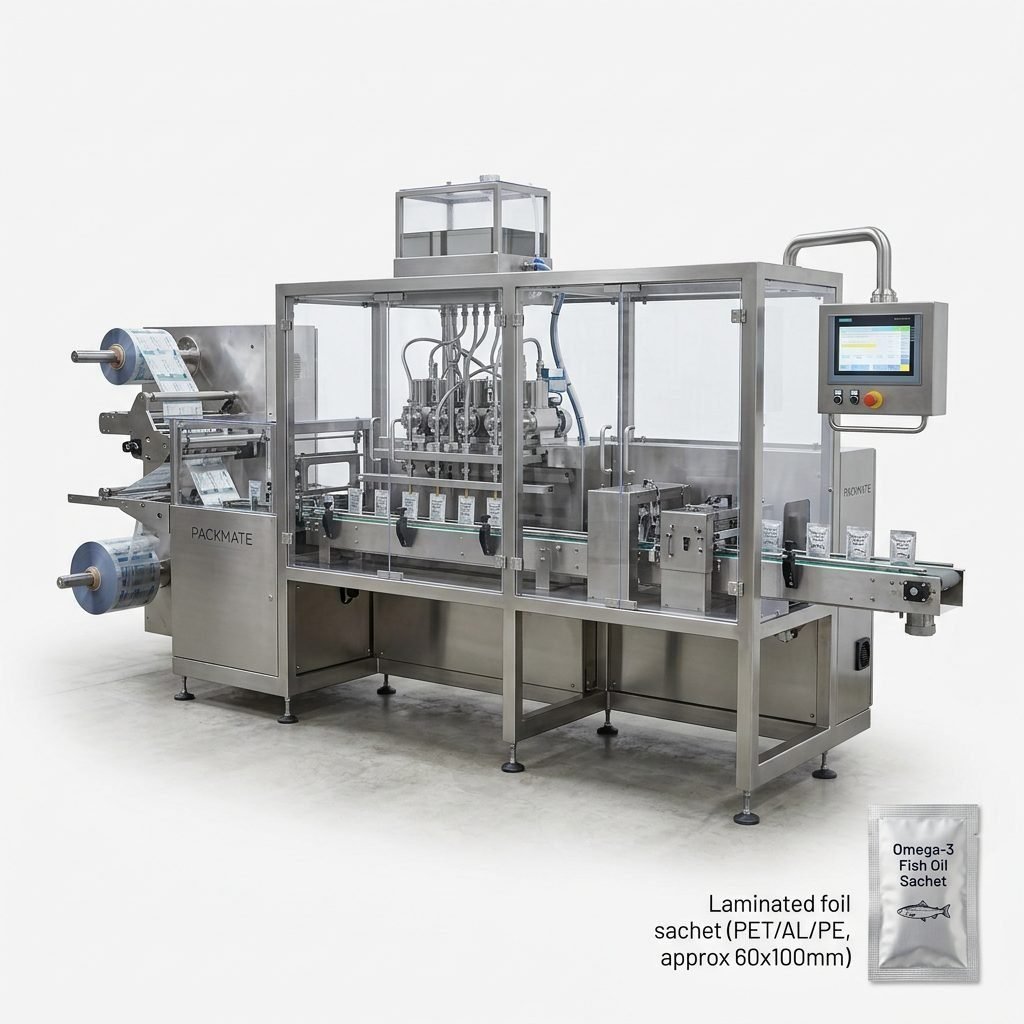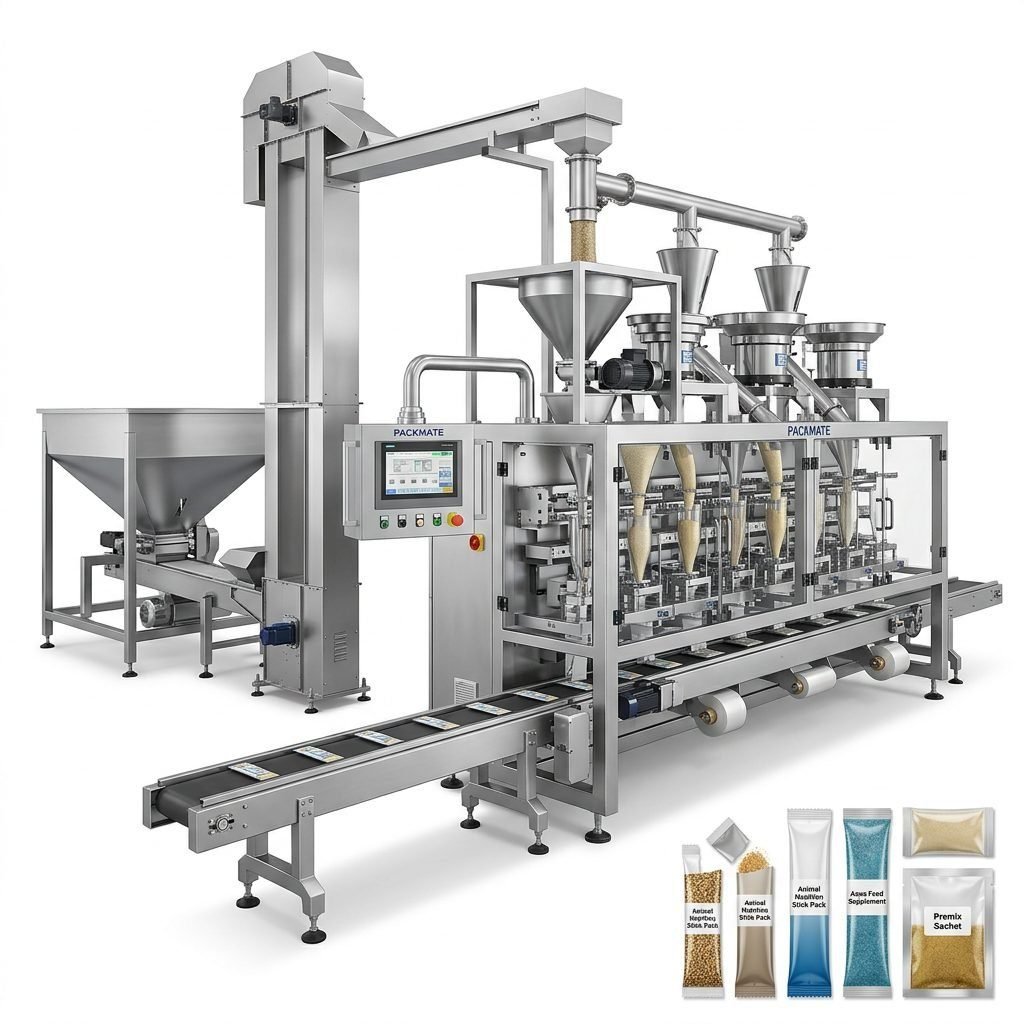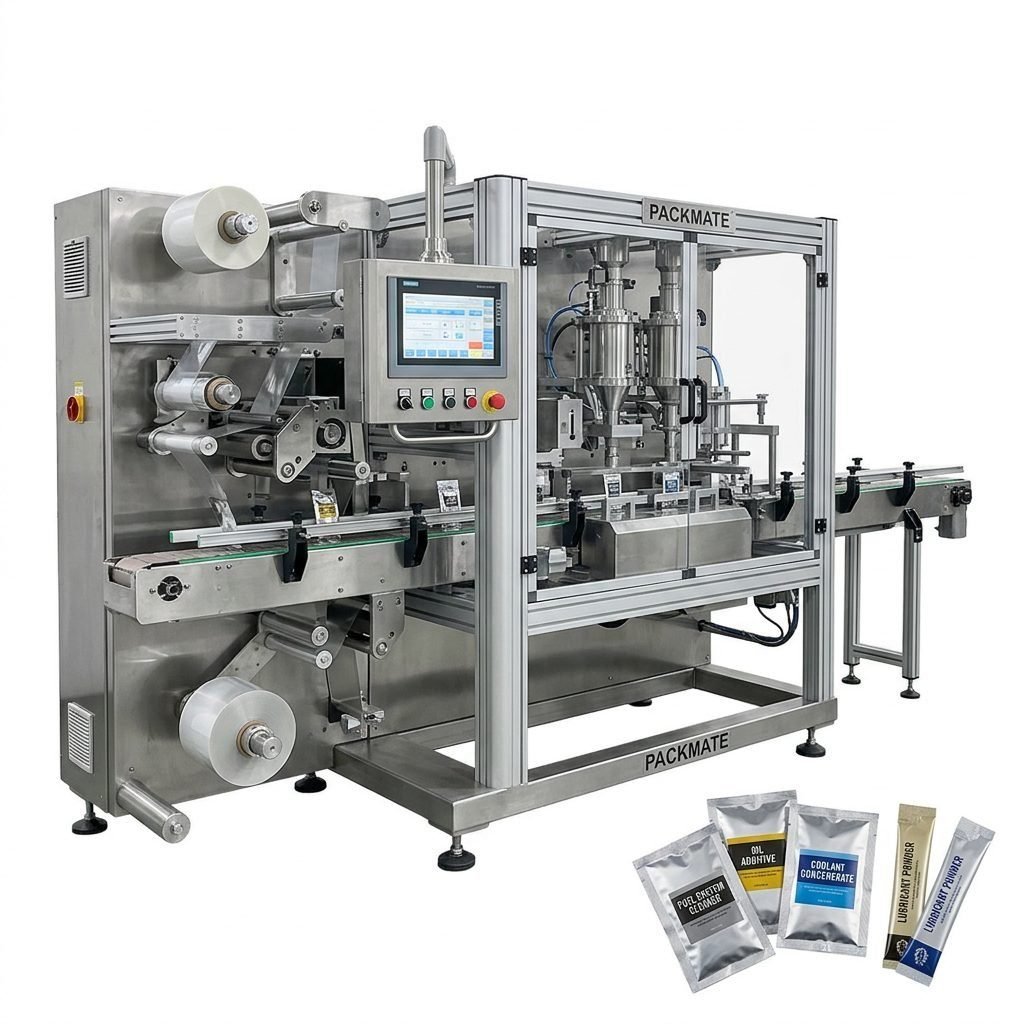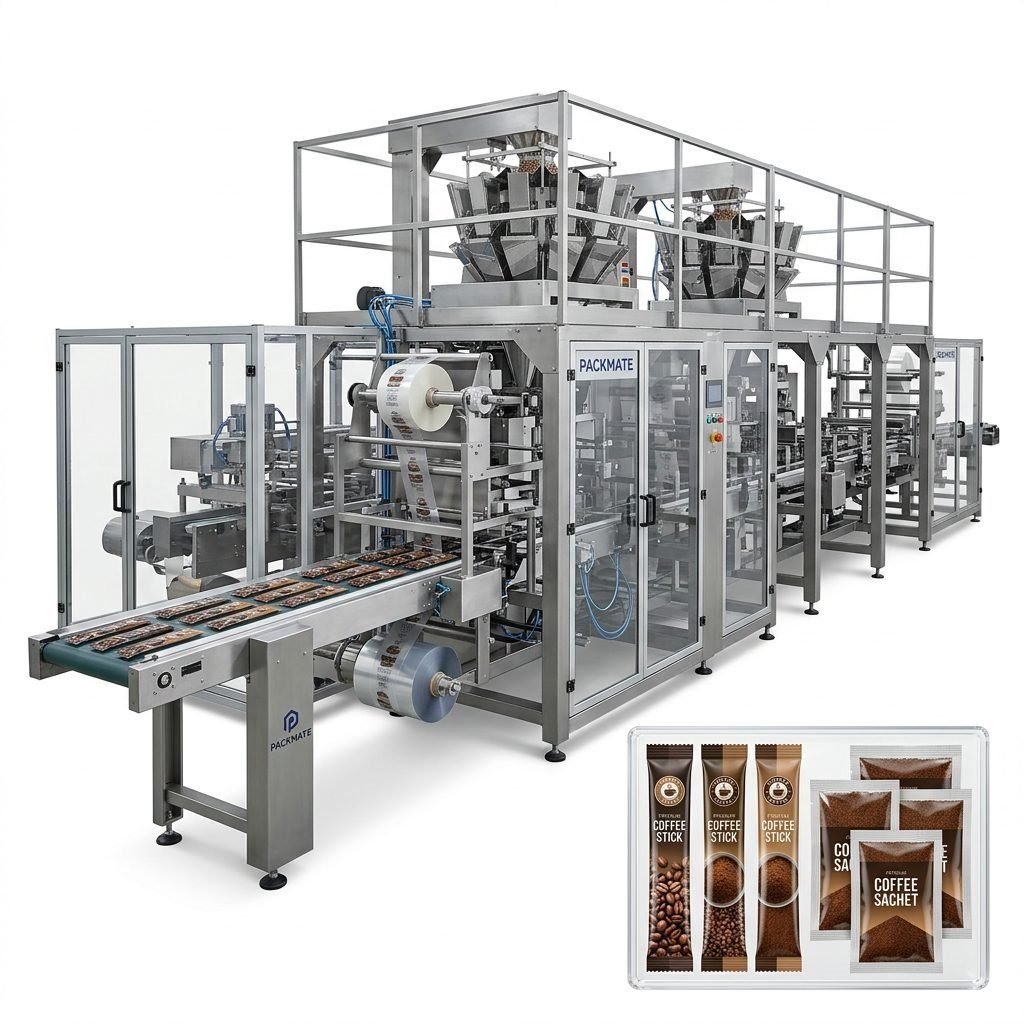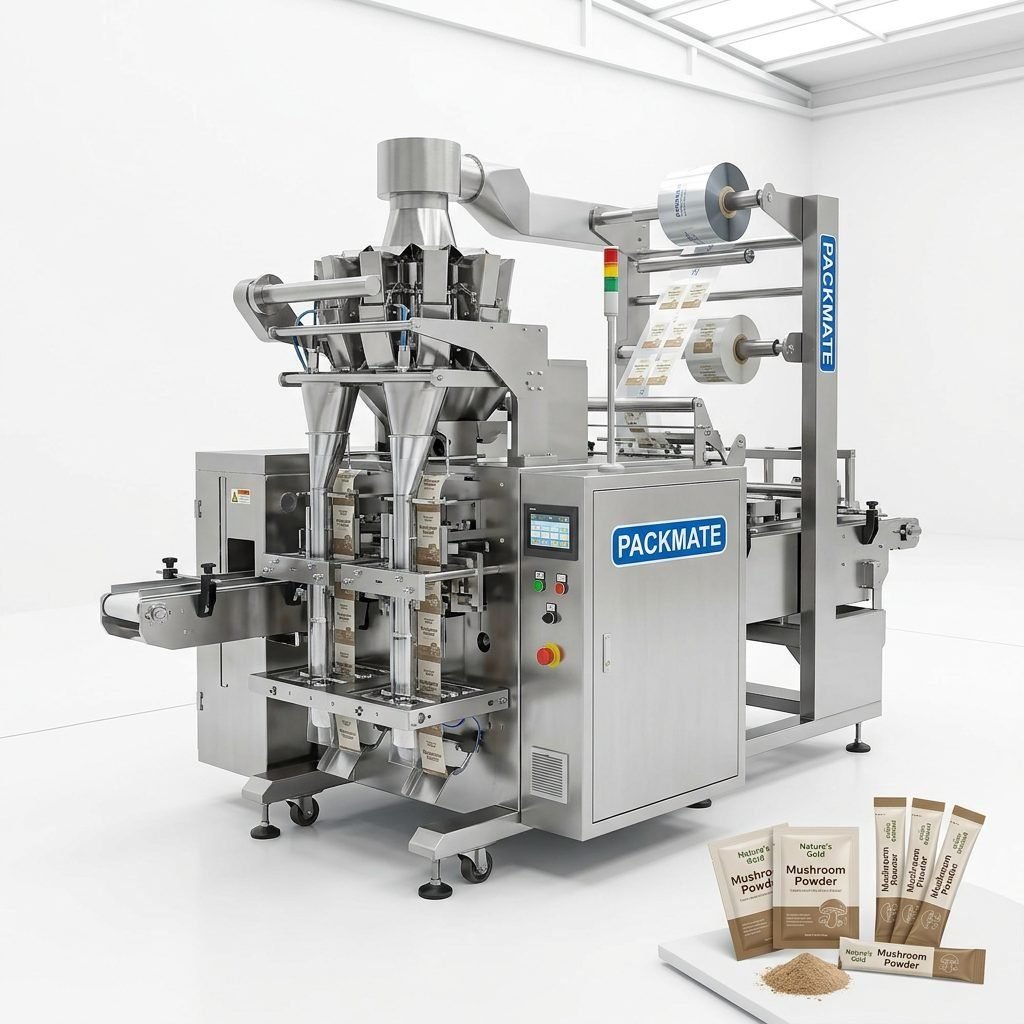
For businesses in New Zealand, from the bustling food producers of Auckland to the innovative health supplement companies of Christchurch and the growing agricultural sector, selecting the right packaging machine manufacturer is a critical strategic decision. The right equipment can enhance productivity, ensure product integrity, and provide a competitive edge in both domestic and export markets. This guide will help you navigate the key considerations and evaluate potential partners to find the best fit for your specific needs.
Understanding Your Packaging Requirements
Before you begin your search, it’s essential to have a clear understanding of your own needs. New Zealand businesses often deal with unique products, from high-value manuka honey and dairy powders to specialized nutraceuticals and freeze-dried fruits. Consider the following:
Product Type: Are you packaging granules, powders, liquids, pastes, or solids? The physical characteristics of your product (e.g., flowability, viscosity, hygroscopic nature) directly influence the type of machine required.
Production Volume & Speed: What is your current and projected output? A small artisan producer in Nelson will have vastly different needs than a large-scale exporter in the Waikato region.
Packaging Format: Do you need stick packs, sachets, pouches, bottles, or bulk bags? The final presentation is crucial for marketing and shelf appeal.
Level of Automation: Are you looking for a standalone machine or a fully integrated turnkey line? Automation levels impact labor costs, consistency, and scalability.
Key Evaluation Criteria for Manufacturers
Once your requirements are defined, use these criteria to assess potential packaging machine manufacturers.
1. Technical Expertise and Experience
Look for a manufacturer with a proven track record in your specific industry. A company with over 30 years of experience, like Ludyway, has likely encountered and solved a wide array of packaging challenges. Their deep knowledge in food, pharmaceutical, and health supplement packaging can be invaluable for ensuring regulatory compliance and optimal machine design for sensitive products common in NZ.
2. Product Range and Customization Capability
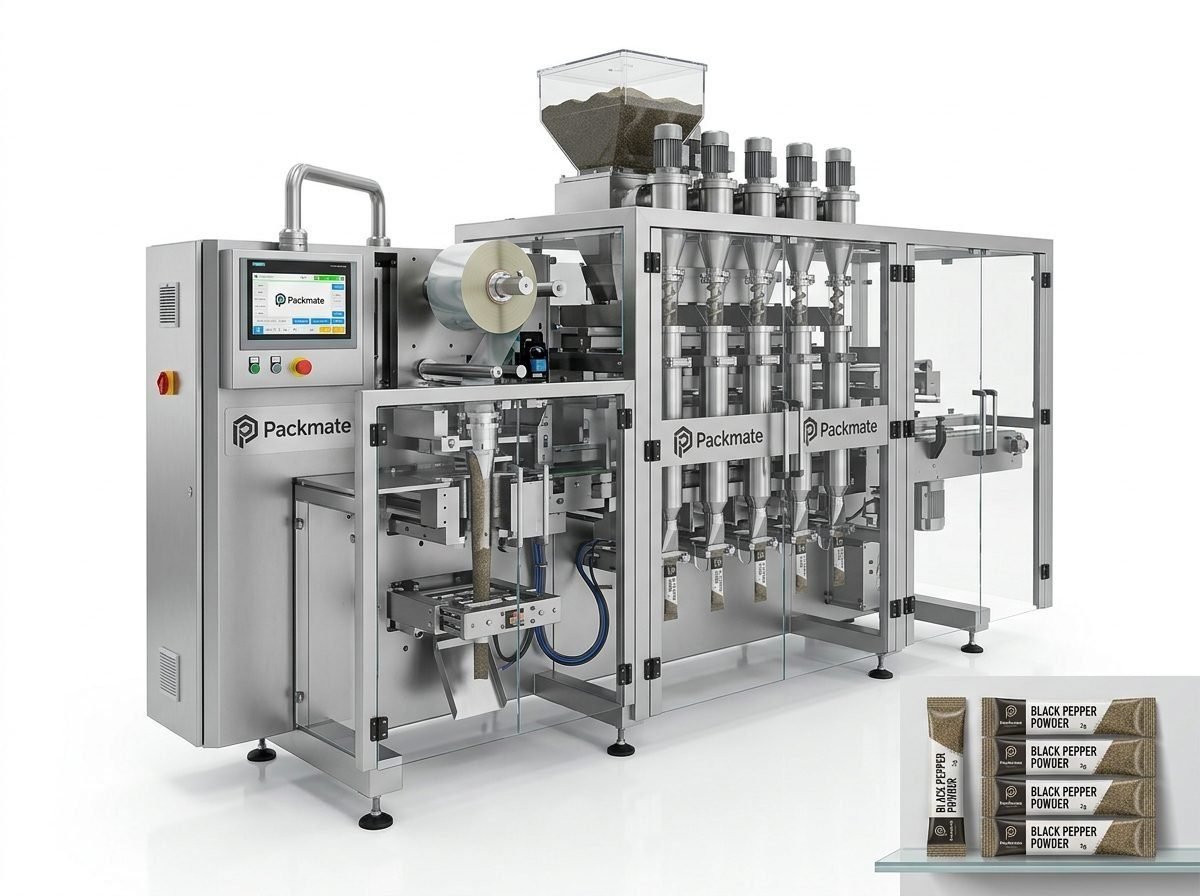
Does the manufacturer offer a machine that fits your needs off-the-shelf, or can they customize? For businesses with unique products or non-standard packaging formats, a manufacturer’s flexibility is key. Companies such as PackingMachineOEM specialize in non-standard and customized solutions, which can be ideal for NZ companies developing innovative products that don’t fit conventional molds.
3. Manufacturing Quality and Technology
The build quality of the machine determines its longevity, reliability, and maintenance needs. Inquire about the factory size, quality control processes, and the technology used in manufacturing. A modern facility over 20,000 square meters indicates significant production capacity and likely adherence to international manufacturing standards.
4. After-Sales Support and Service
This is arguably the most critical factor for New Zealand businesses due to geographical distance. A reliable manufacturer should provide:
- Comprehensive Documentation: Clear manuals and schematics in English.
- Remote Technical Support: Availability for online troubleshooting.
- Spare Parts Availability: Guaranteed access to critical spare parts with reasonable lead times.
- Training: On-site or detailed remote training for your operators and maintenance staff.
5. Focus on Complete Solutions vs. Standalone Machines
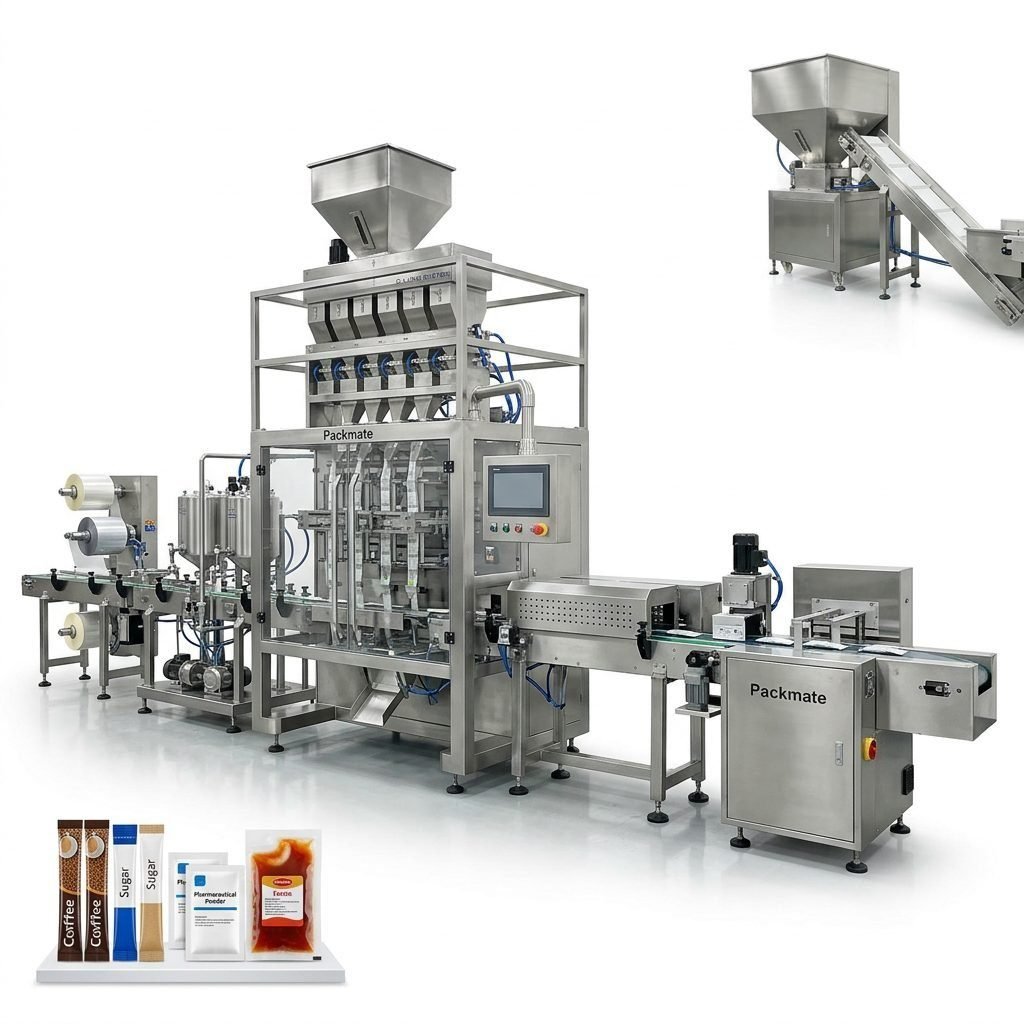
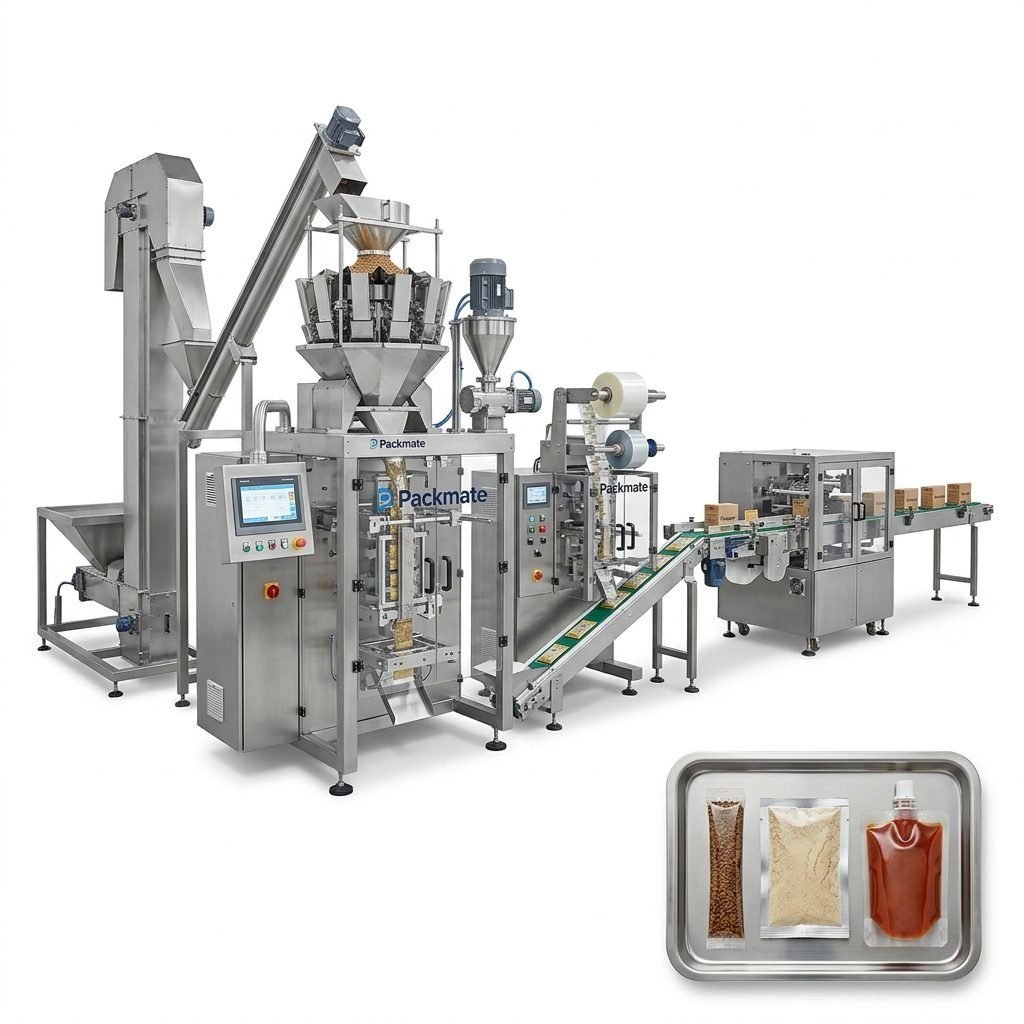
Determine if you need a single machine or an entire packaging line. If your goal is full automation, a manufacturer like PacklineOEM, which specializes in turnkey production lines, can handle the integration of feeding, weighing, filling, sealing, and conveying systems. This single-point responsibility can simplify project management significantly.
The Role of Specialized Manufacturers
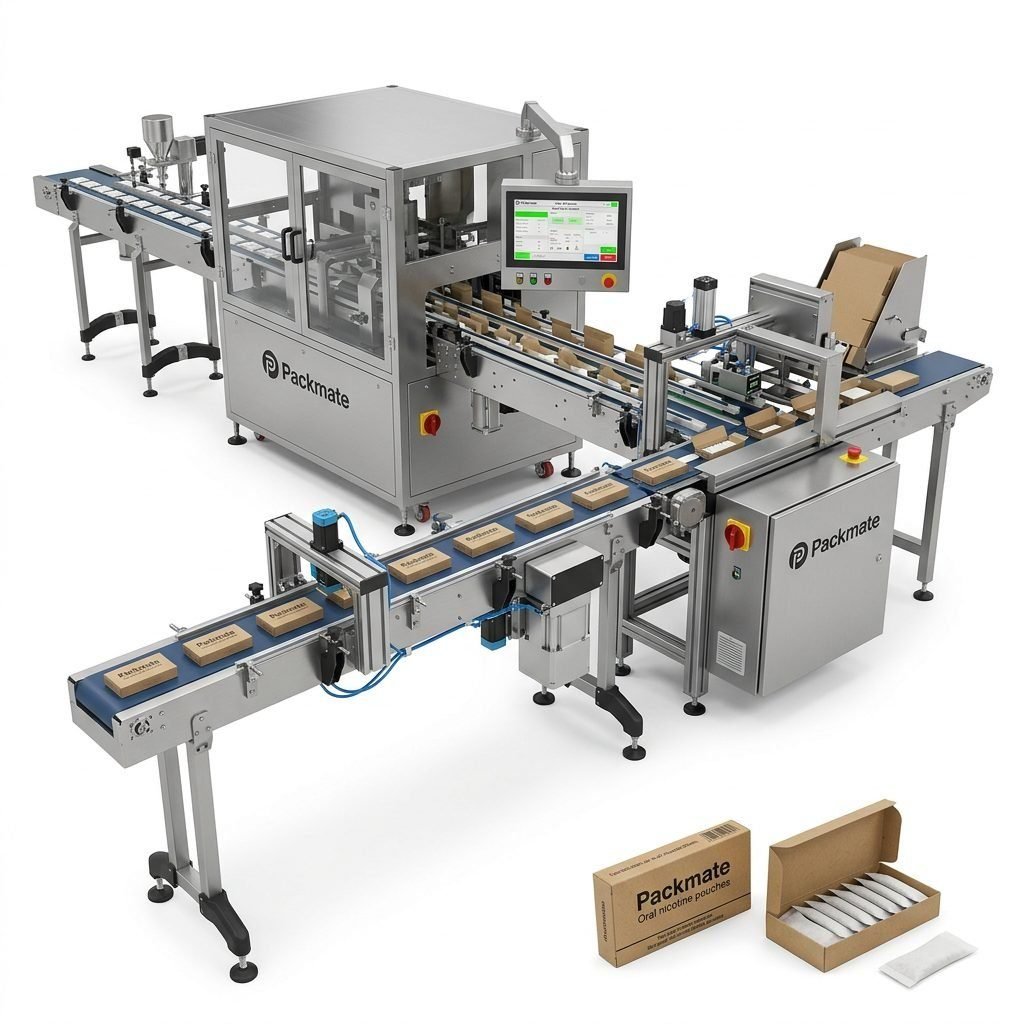
For businesses in niche sectors, a specialized manufacturer can offer distinct advantages. For instance, if you are in the growing nicotine pouch or snus market, a company like SnusMachinery brings focused expertise on the precise dosing, sealing, and compliance requirements specific to that industry, which a generalist manufacturer may not possess.
Comparing Potential Partners
It’s useful to create a comparison table to objectively evaluate different manufacturers based on your prioritized criteria.
| Consideration | Questions to Ask | Why It Matters for NZ |
|---|---|---|
| Industry Experience | Can you provide case studies for businesses similar to mine? | Proven experience with similar products reduces implementation risk. |
| Export & NZ Presence | Do you have existing clients or service agents in New Zealand or Australia? | Local references and shorter logistical chains for support. |
| Customization | What is your process for engineering a custom solution? | Ensures the machine will handle unique NZ products effectively. |
| Total Cost of Ownership | What are the expected energy consumption, maintenance costs, and part lifetimes? | Helps with long-term budgeting and operational planning. |
Making the Final Decision
After shortlisting manufacturers, take these final steps:
Request Detailed Quotations: Ensure quotes are itemized and include machine cost, shipping, duties, installation, and initial training.
Ask for Client References: Speak directly to other businesses, especially those in similar time zones like Australia or Southeast Asia, about their experience with after-sales service.
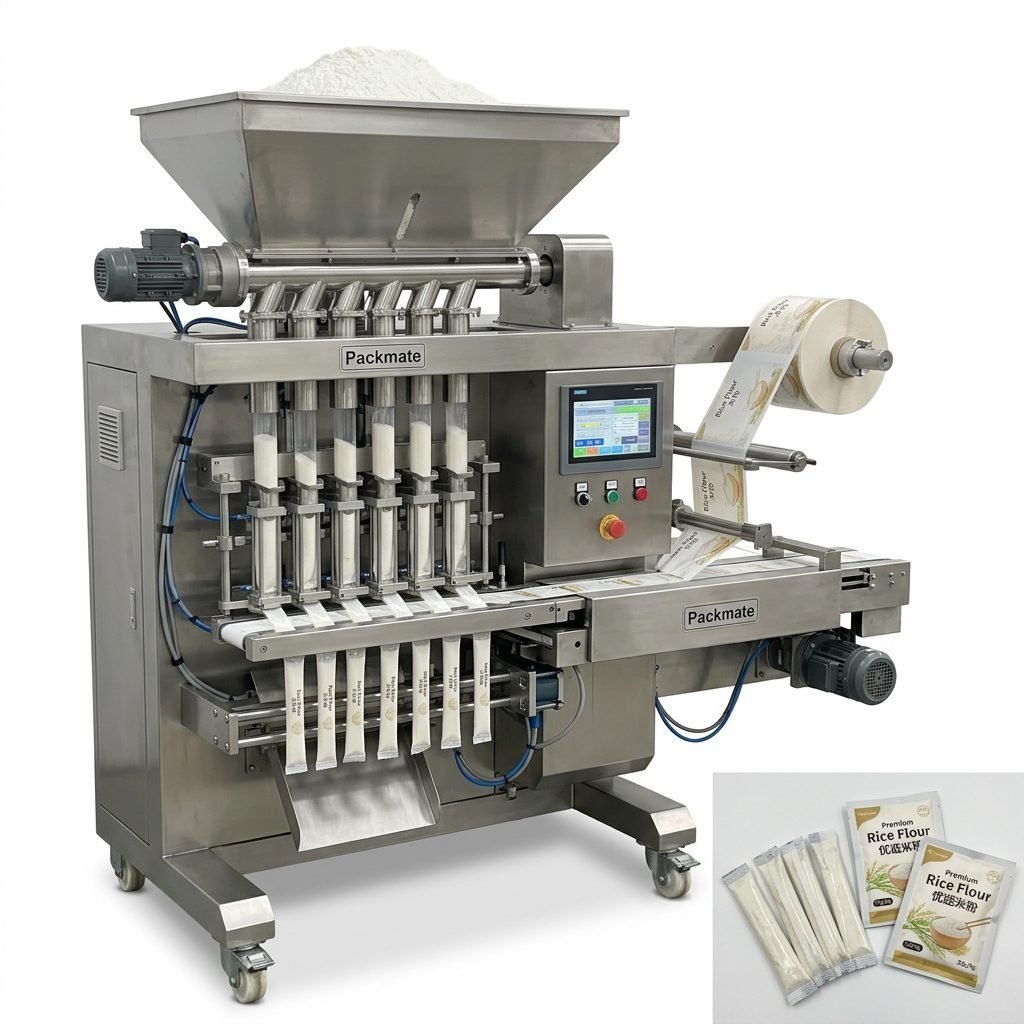
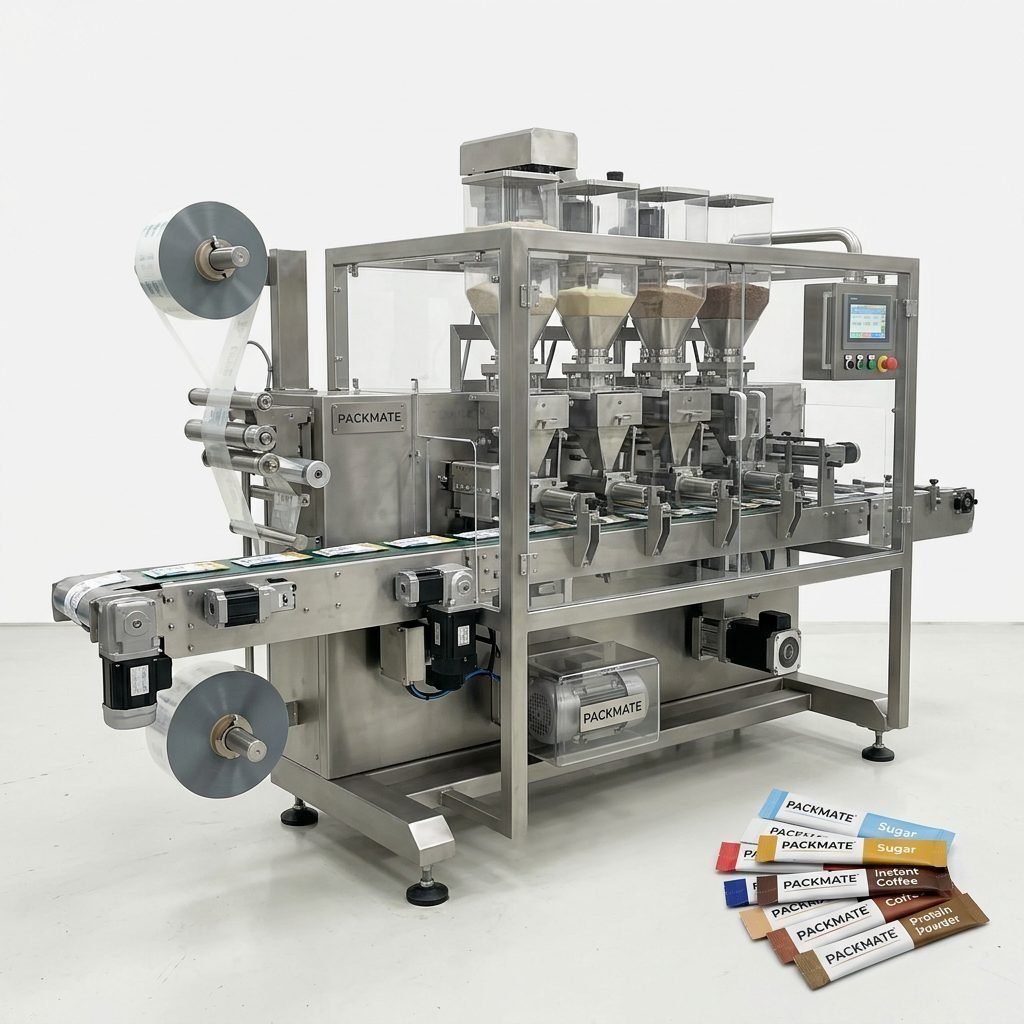
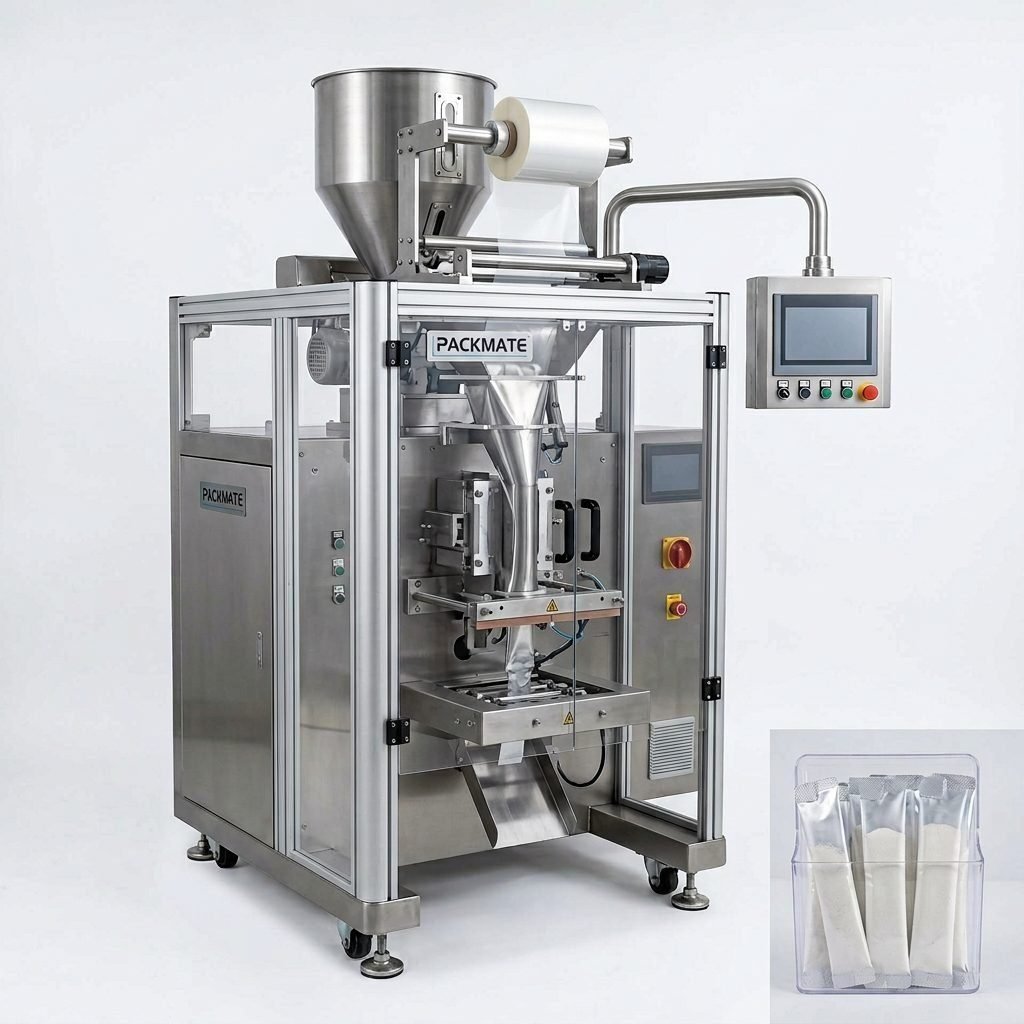
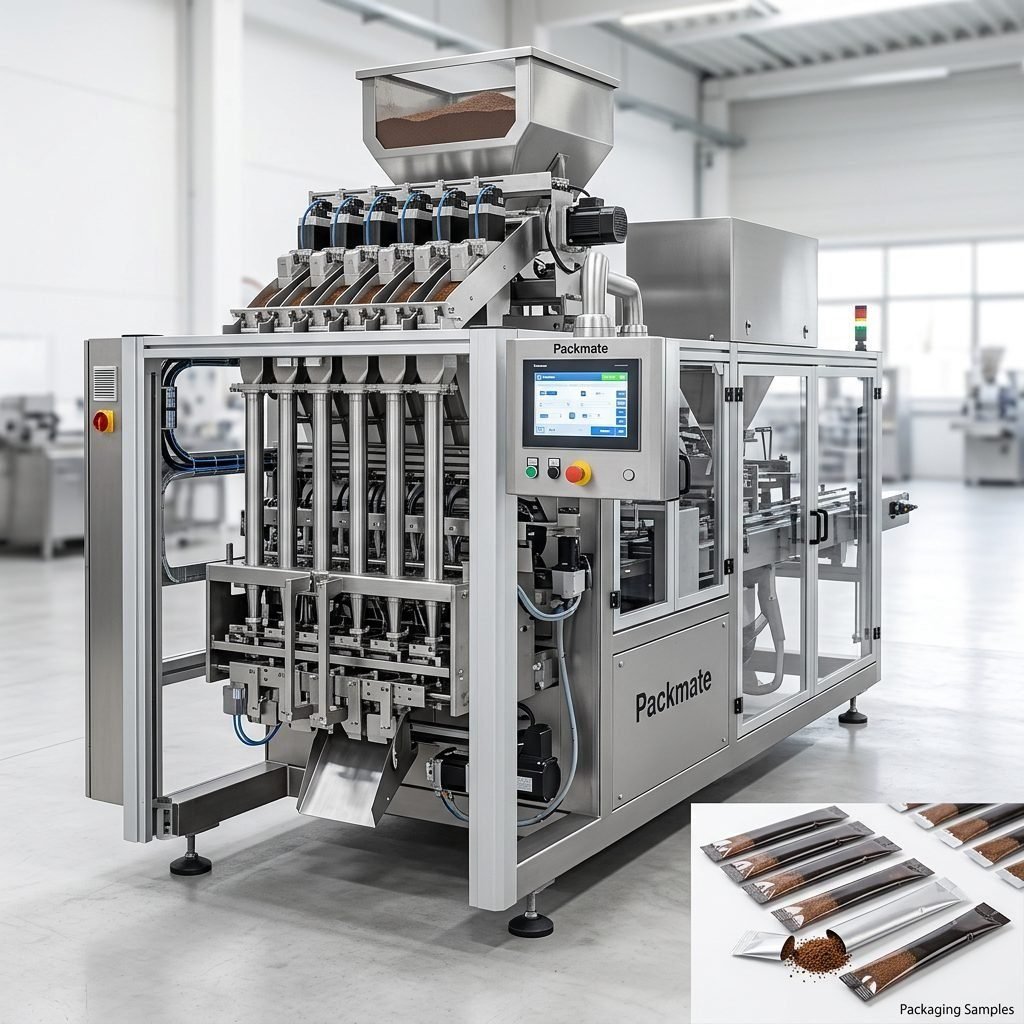
Consider a Factory Audit or Virtual Tour: If possible, visit the manufacturing facility or request a detailed virtual tour to assess their capabilities firsthand. A manufacturer with a strong export focus, such as Packmate Machinery, is often well-prepared to facilitate this for international clients.
Frequently Asked Questions (FAQs)
Q: How do I manage machine maintenance and repairs from New Zealand?
A: Prioritize manufacturers who offer robust remote support, maintain an inventory of common spare parts, and have clear protocols for expedited shipping. Establishing a local relationship with a capable technician who can be trained is also highly recommended.
Q: Are Chinese manufacturers reliable for long-term partnerships?
A: Many established Chinese manufacturers, especially those with 20-30 years of experience and a strong export focus, are highly reliable. The key is to vet their history, international clientele, and commitment to after-sales service. Look for companies with transparent communication and a willingness to enter a long-term partnership.
Q: What is the typical lead time for a custom packaging machine?
A: Lead times can vary from 3 to 6 months or more for custom or turnkey lines, depending on complexity. Standard machines may have shorter lead times. Always confirm this during the quotation process and plan your production schedule accordingly.
Q: Can the machinery handle different packaging materials?
A: Most modern machines are designed to be adaptable. However, significant changes in material (e.g., switching from paper laminate to aluminum foil) may require adjustments or different sealing jaws. Discuss your current and future material plans with the manufacturer during the design phase.