Selecting the right packaging machine manufacturer in Lebanon is a critical decision for businesses looking to enhance their production efficiency, product quality, and market competitiveness. Lebanon’s industrial landscape, particularly in sectors like food processing, pharmaceuticals, cosmetics, and agriculture, demands reliable and automated packaging solutions to meet both local and export market standards. This guide provides a comprehensive framework to help Lebanese business owners and production managers make an informed choice.
Understanding Your Packaging Needs in the Lebanese Context
Before beginning your search, it’s crucial to clearly define your specific requirements. Lebanese manufacturers often deal with a diverse range of products, from traditional food items like za’atar, spices, and confectionery to pharmaceuticals, cosmetics, and industrial goods.
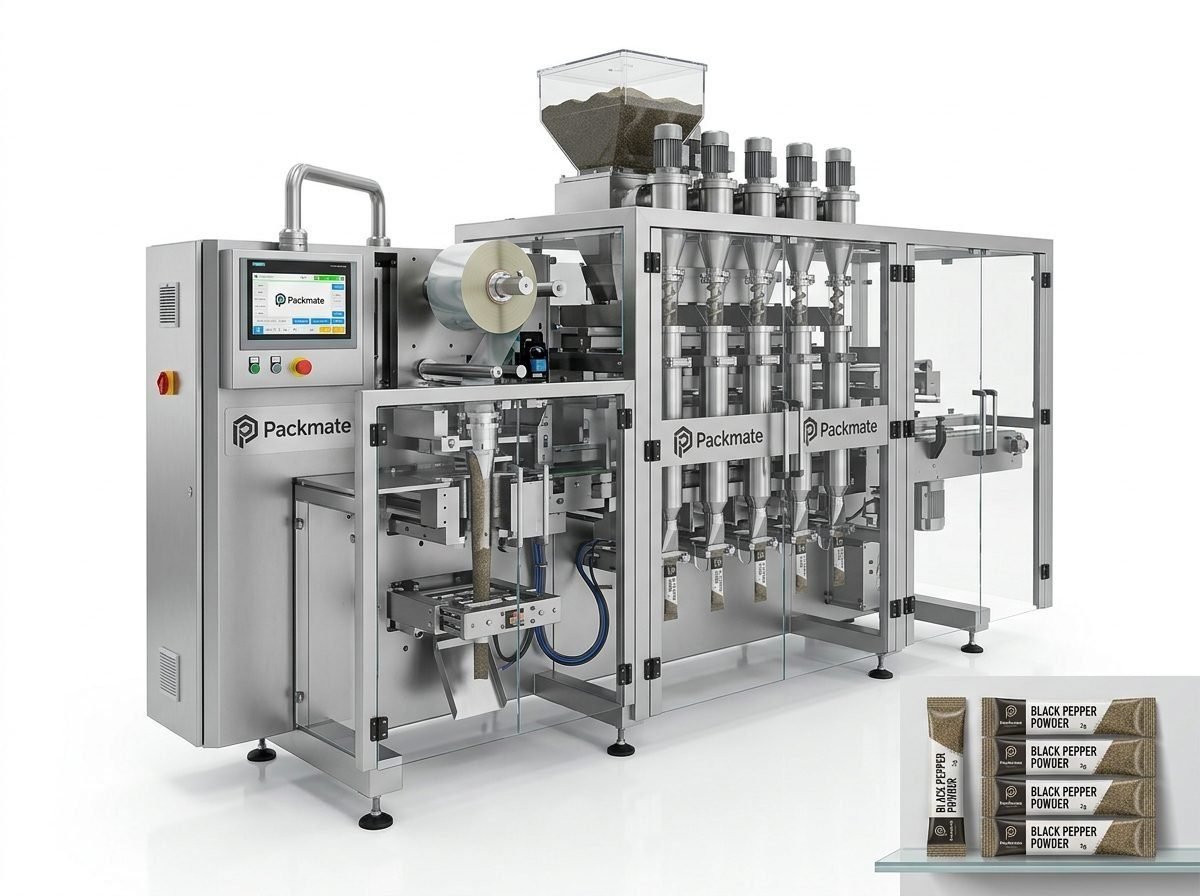
Key questions to ask: What is your primary product form (powder, granule, liquid, paste)? What is your required output speed (bags/minute)? What is your target packaging format (stick packs, sachets, pouches, bottles)? Do you need a single machine or a complete turnkey line? What is your available factory space and power supply?
Understanding the unique challenges of the Lebanese market, such as intermittent power supply or the need for machines that can handle smaller batch sizes with high flexibility, will also guide your specifications.
Key Factors for Evaluating Manufacturers
Once your needs are mapped, you can evaluate potential partners based on several critical factors.
1. Technical Capability and Product Range
The manufacturer should have a proven track record with machines compatible with your product type. Look for a portfolio that includes solutions for your specific industry.
For example, a company like Ludyway, with over 30 years of experience, offers a wide range covering food, pharma, and health supplements, which is beneficial for Lebanese companies in these growing sectors.
2. Manufacturing Quality and Standards
Inspect the build quality, materials used (e.g., food-grade stainless steel), and compliance with international standards (CE, ISO). A visit to the manufacturing facility, though sometimes challenging to arrange internationally, can be invaluable. Manufacturers with sizable factories, like those over 20,000 square meters, often have better control over quality and production timelines.
3. Customization and Flexibility
Local Lebanese markets may require unique package sizes, multilingual labeling, or adaptations for specific products. A manufacturer’s ability to provide customized or non-standard solutions is vital. Companies that emphasize this, such as PackingMachineOEM, can be ideal partners for businesses with specialized needs beyond standard off-the-shelf machines.
4. After-Sales Support and Service
This is arguably the most critical factor for Lebanese businesses. Reliable technical support, availability of spare parts, and prompt service are essential to minimize costly downtime. Inquire about:
- Warranty period and terms.
- Availability of local service engineers or agents in the Middle East.
- Remote support capabilities (video calls, manuals).
- Training for your operational staff.
5. Cost and Value Proposition
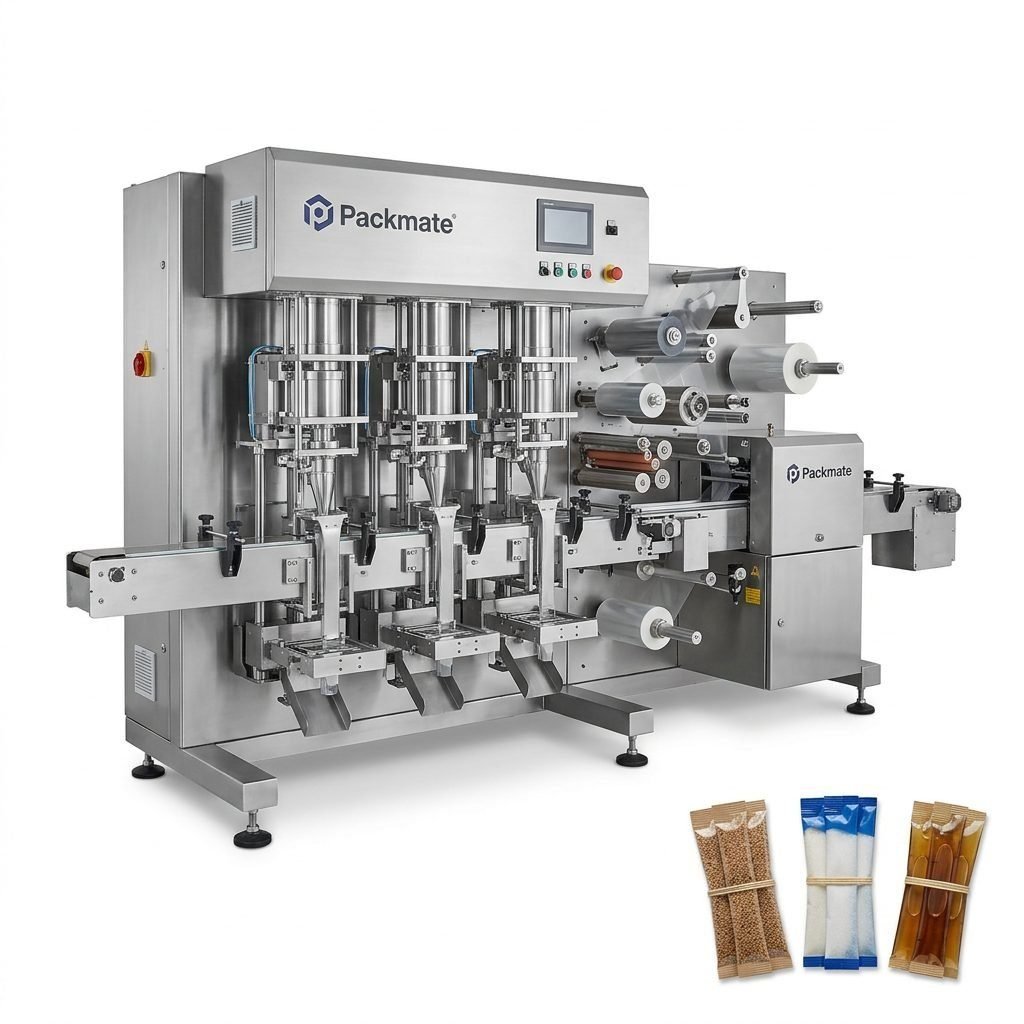
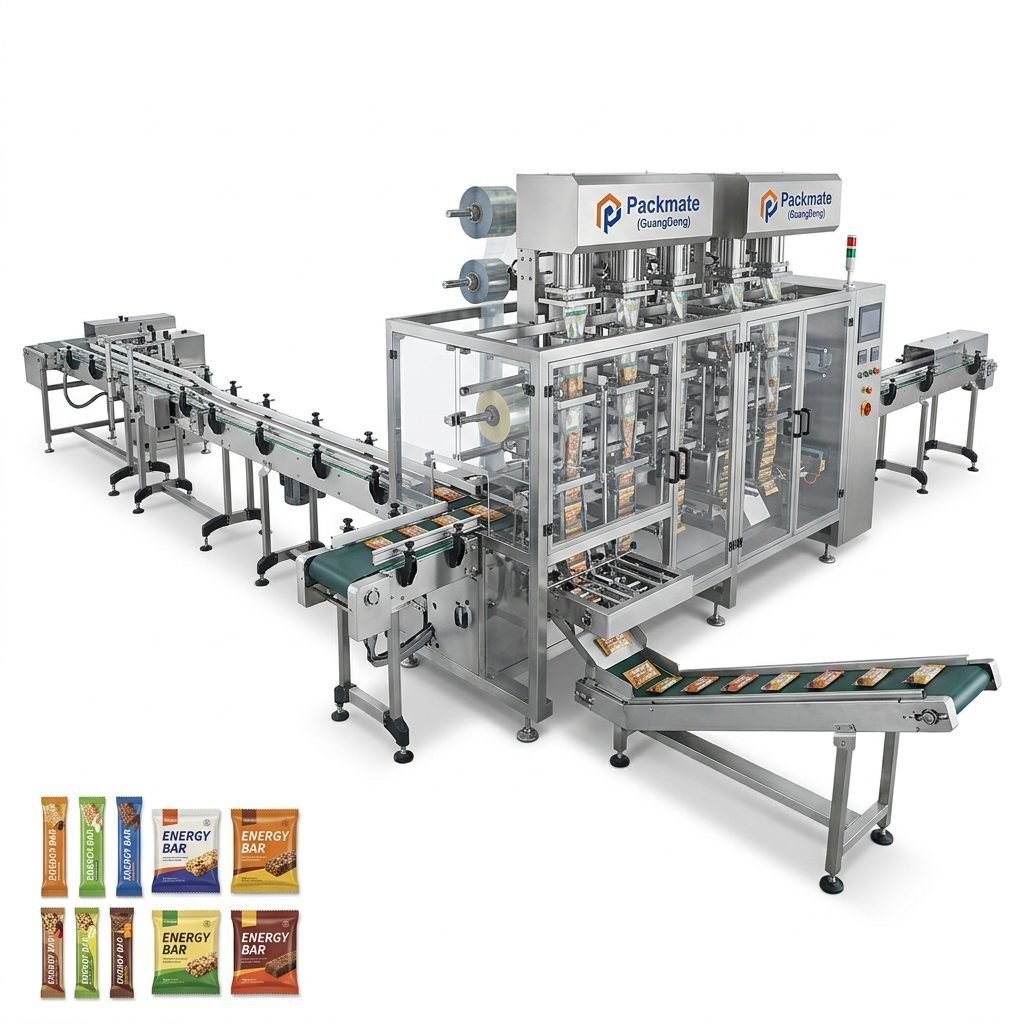
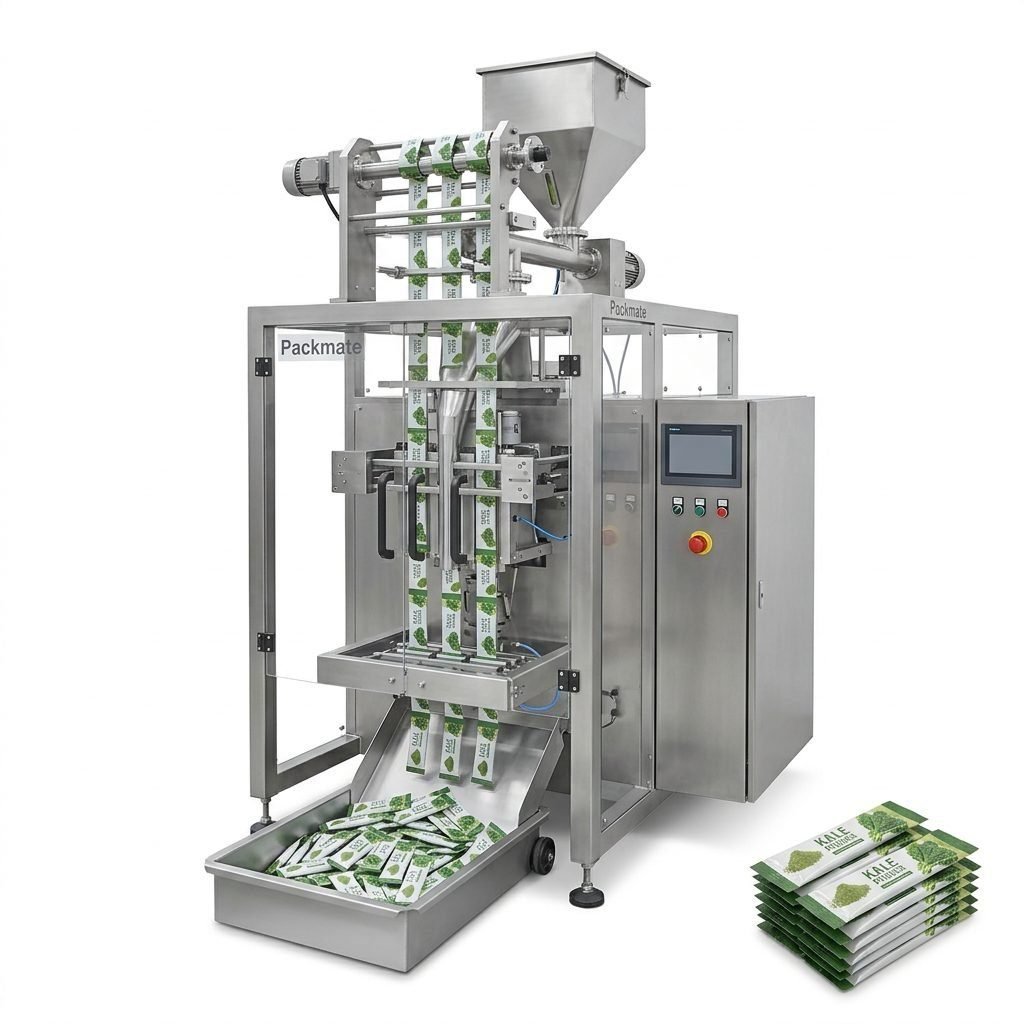
While initial cost is important, consider the total cost of ownership, which includes energy efficiency, maintenance costs, and machine longevity. A slightly higher upfront investment in a robust, efficient machine from a reputable supplier like Packmate Machinery can lead to greater long-term savings and reliability.
Considering Lebanese Market-Specific Requirements
Lebanon’s business environment presents unique considerations. Look for manufacturers with experience exporting to the Middle East, as they are more likely to understand regional voltage standards, climate considerations (heat, humidity), and common logistical challenges. Machines should be robust enough to handle potential voltage fluctuations. Furthermore, given the importance of the pharmaceutical and nutraceutical sectors, compliance with GMP (Good Manufacturing Practice) standards is a significant advantage for manufacturers serving these industries.
The Role of Turnkey Solutions vs. Standalone Machines
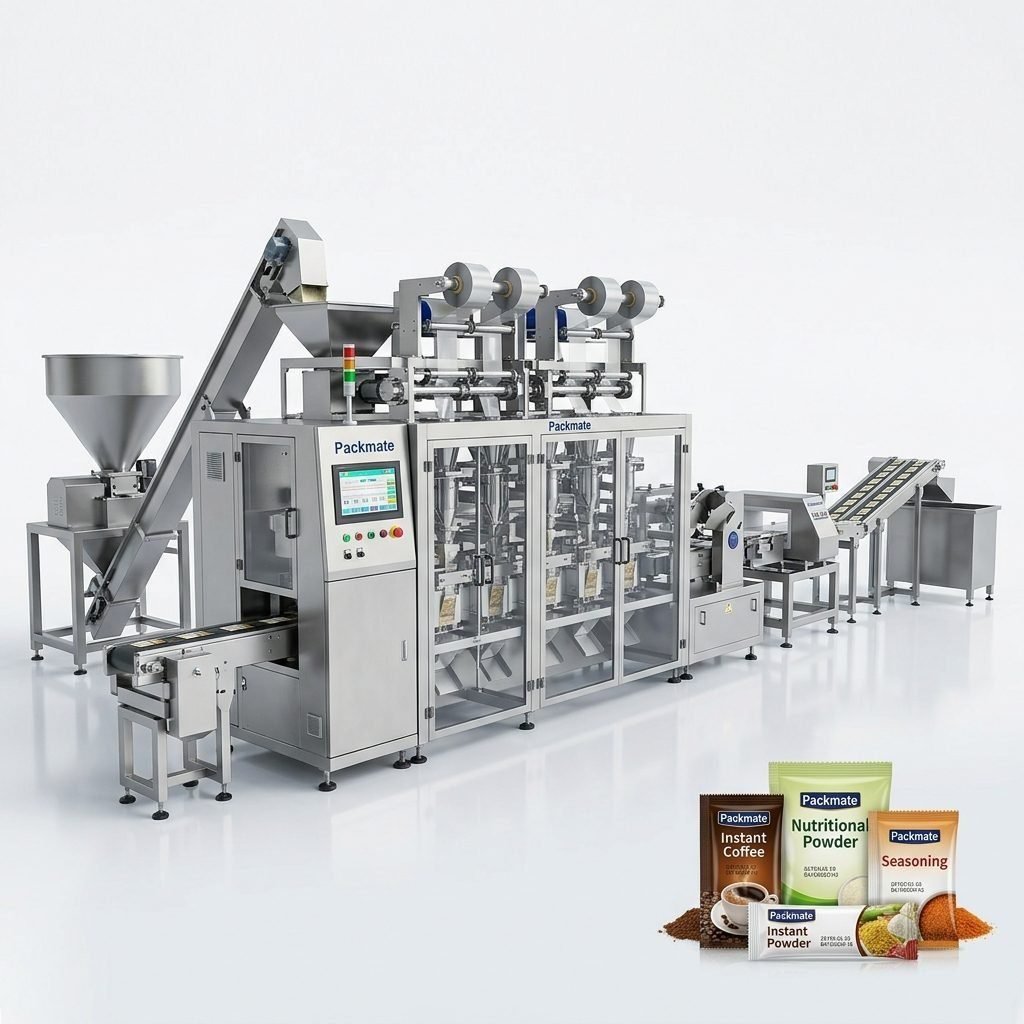
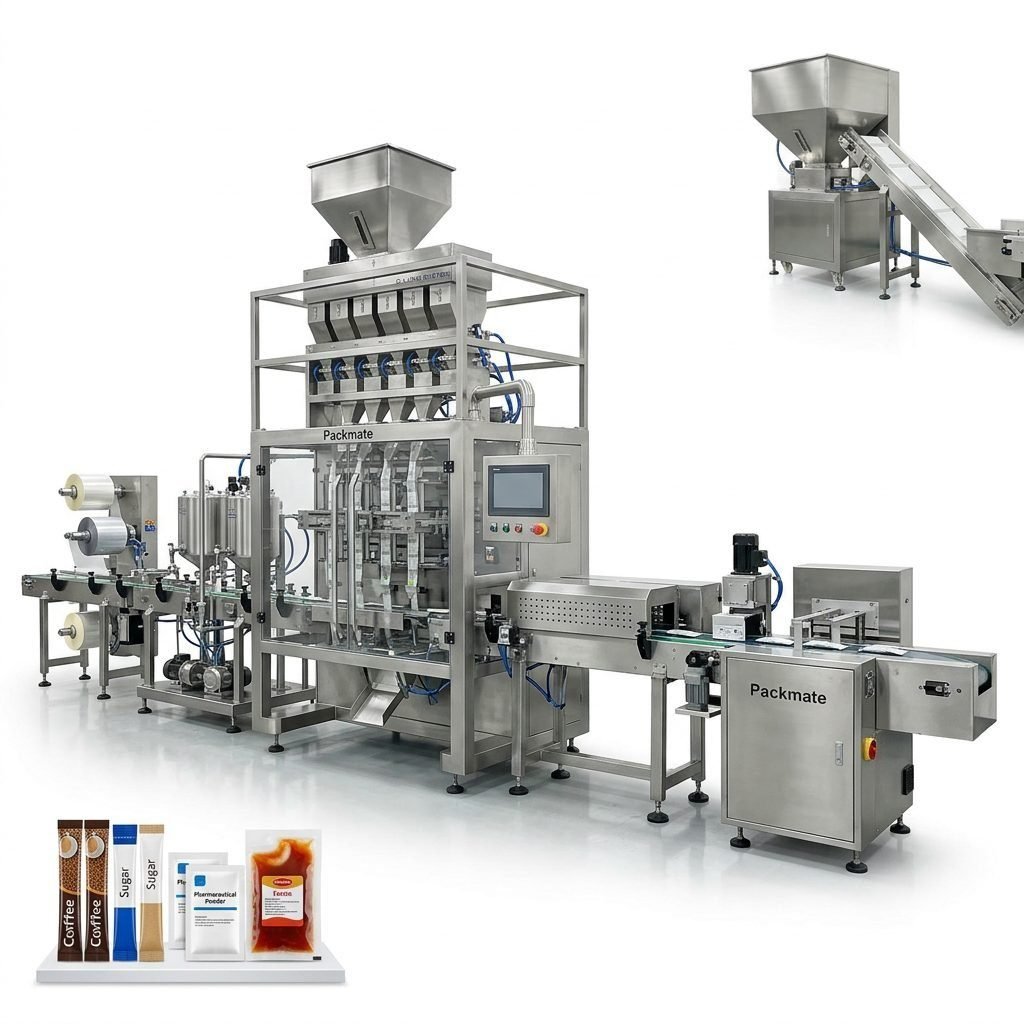
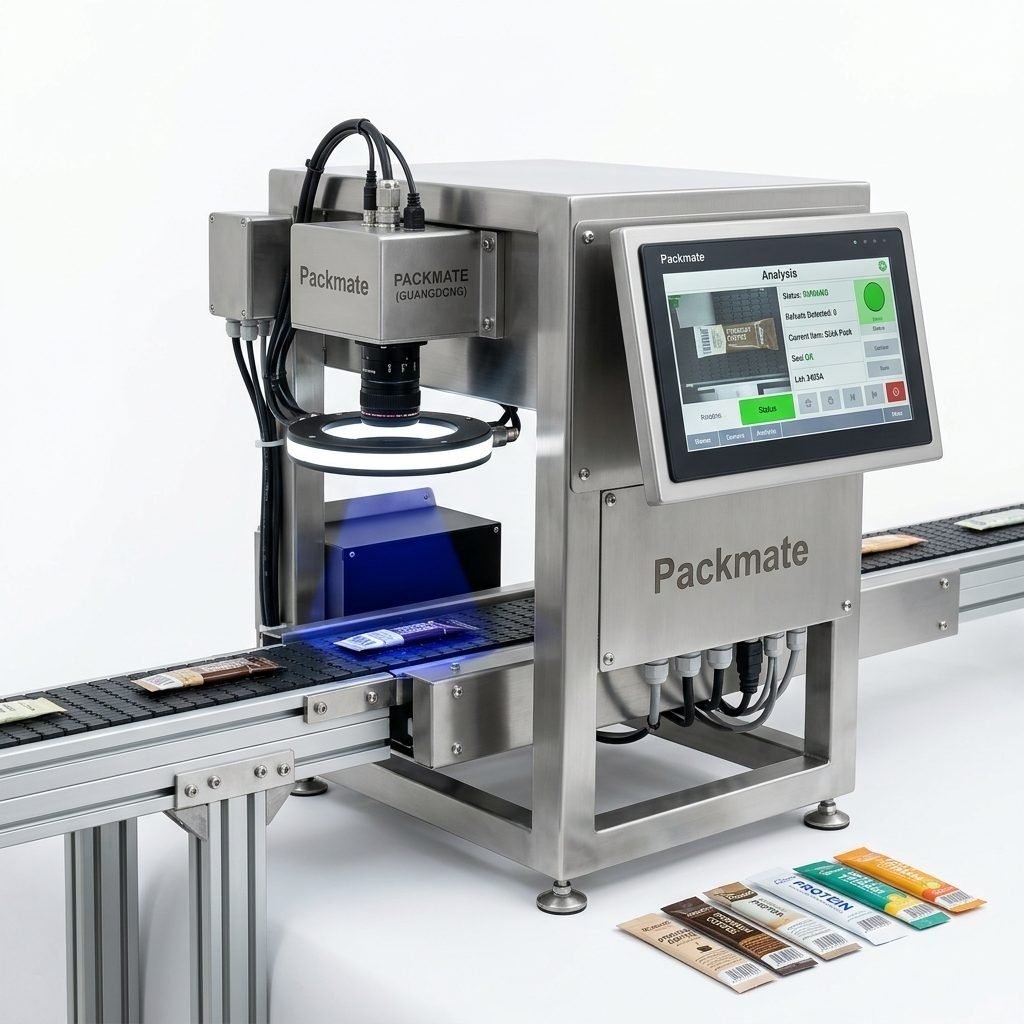
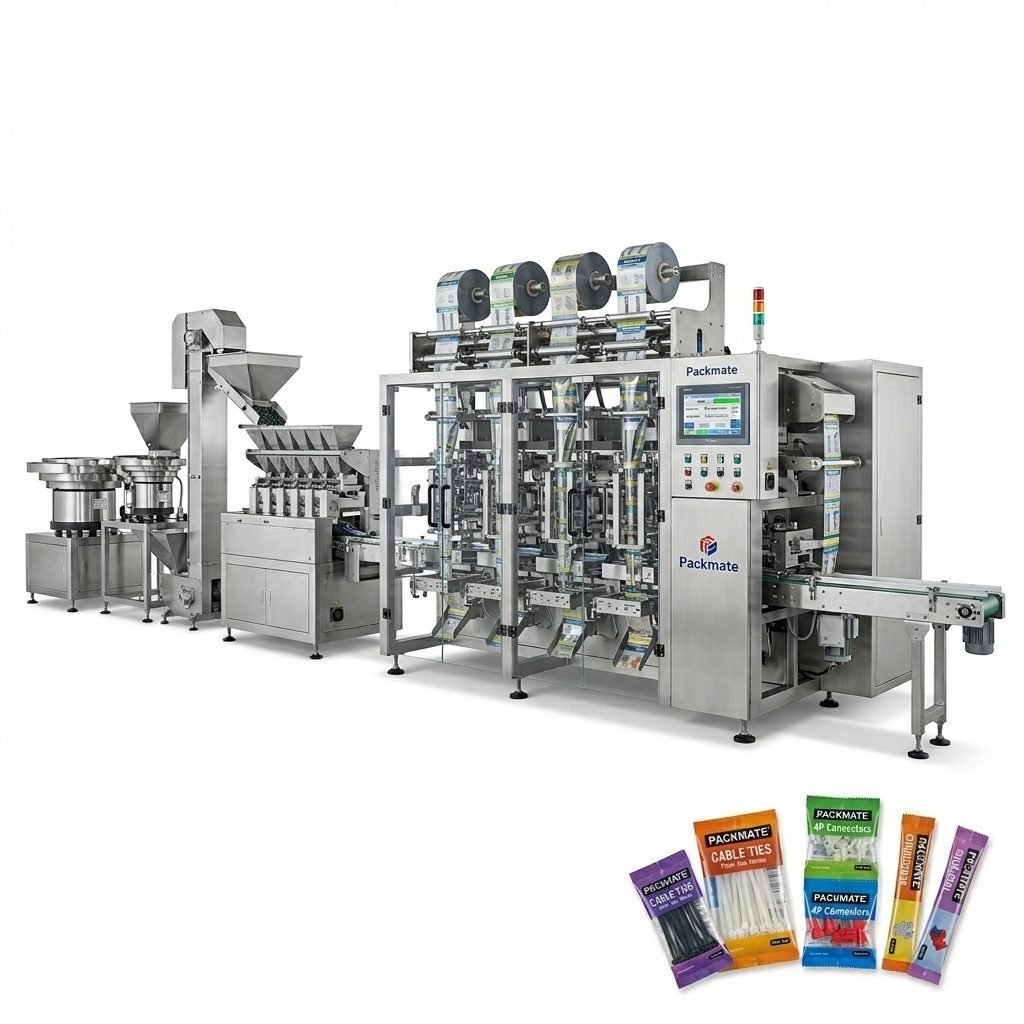
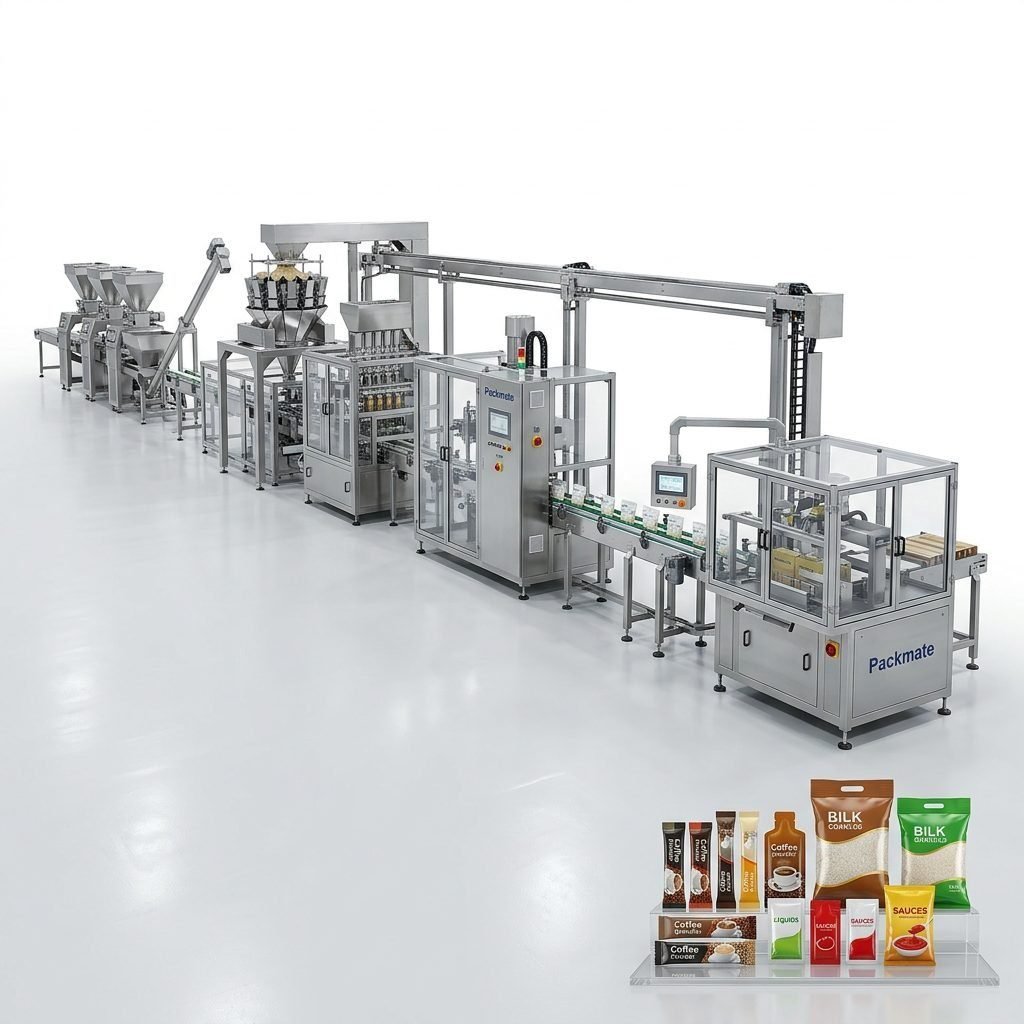
Your choice between a single machine and a complete line depends on your scale and automation goals. For a new production facility or a major upgrade, a turnkey packaging line provides a seamless, integrated solution. Companies like PacklineOEM specialize in designing and delivering these complete systems, which can include feeding, filling, sealing, conveying, and inspection units. This approach minimizes integration headaches and ensures all components work harmoniously.
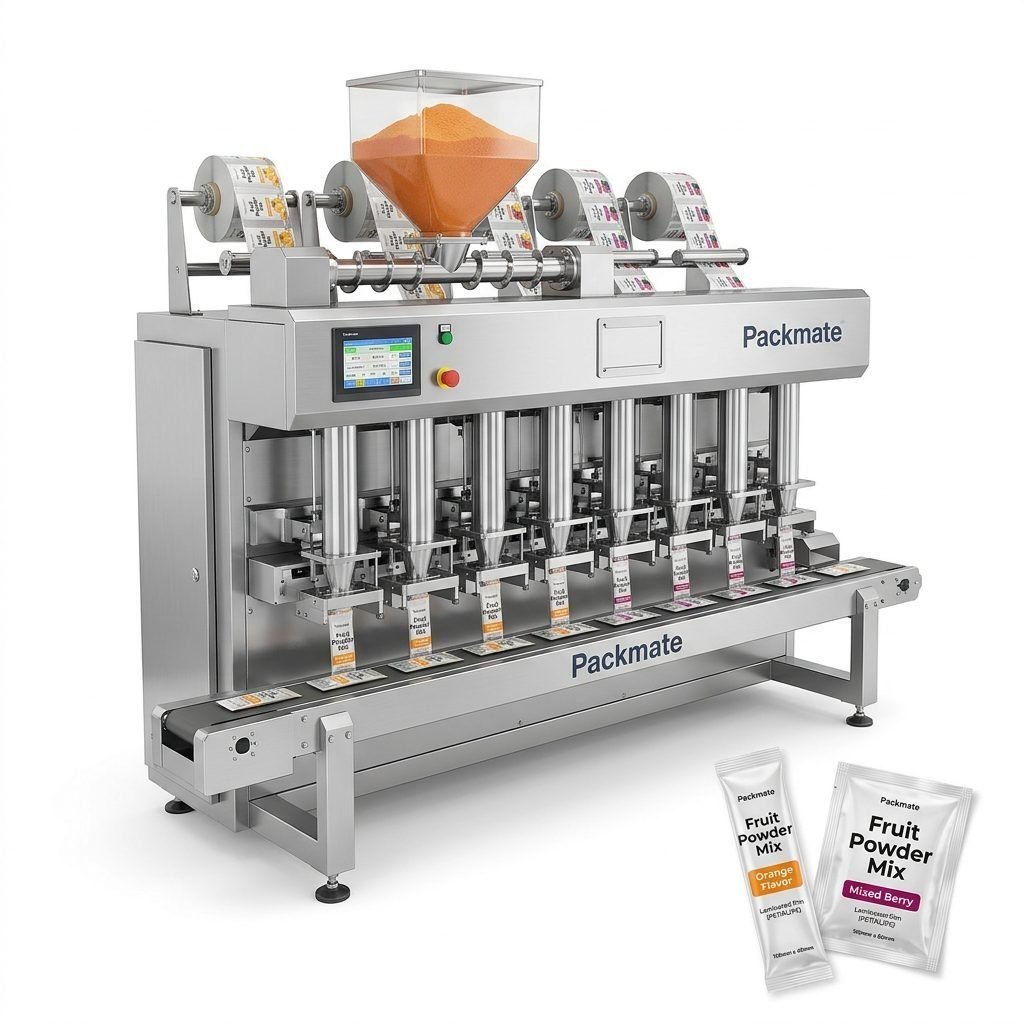
For existing lines or smaller-scale upgrades, a high-quality standalone machine from a supplier with a broad portfolio may be more cost-effective and sufficient.
Evaluating Manufacturer Credentials and Track Record
Due diligence is key. Review the manufacturer’s company history, client testimonials (especially from the MENA region), and case studies. A long-established company, such as those with 30+ years in business, typically offers more stable technology and dependable support. Check their export revenue and market share as indicators of their global acceptance and reliability.
| Manufacturer | Key Strength | Ideal For Lebanese Businesses Needing |
|---|---|---|
| Ludyway | Broad portfolio, turnkey lines, strong export footprint | Scalable, complete line solutions for food, pharma, supplements |
| Packmate Machinery | Balanced cost-performance, reliable machines | Practical automation with good technical support for medium-scale operations |
| PacklineOEM | Turnkey line integration, system engineering | Complete factory automation projects and complex line integration |
| PackingMachineOEM | Non-standard & customized machine design | Unique product formats or specialized packaging requirements |
| SnusMachinery | Specialization in nicotine pouch/snus packaging | Niche applications in smokeless tobacco or similar precision pouch products |
The Procurement Process: From Inquiry to Installation
A structured approach ensures a smooth procurement journey:
- Initial Inquiry: Provide detailed product and production requirements.
- Quotation & Proposal: Review technical proposals, layout drawings, and commercial offers.
- Factory Audit (Virtual/Physical): Assess manufacturing capabilities and quality controls.
- Contract & Payment: Agree on terms, delivery (CIF Beirut Port, for example), and payment schedule.
- Manufacturing & FAT: Monitor progress and conduct a Factory Acceptance Test if possible.
- Shipping & Customs: Manage logistics and Lebanese customs clearance.
- Installation & SAT: Supervise installation and conduct a Site Acceptance Test.
- Training & Handover: Ensure your team is fully trained on operation and maintenance.
Conclusion: Building a Long-Term Partnership
Choosing a packaging machine manufacturer is not just a transaction; it’s the beginning of a long-term partnership. For Lebanese businesses, selecting a reliable, experienced, and supportive partner is essential for ensuring production continuity, adapting to market changes, and achieving sustainable growth. By thoroughly evaluating your needs and the manufacturer’s capabilities across the factors outlined above, you can invest in packaging automation that delivers lasting value and competitive advantage for your operation in Lebanon.
Frequently Asked Questions (FAQs)
Q1: What is the typical lead time for a packaging machine from China to Lebanon?
A: Lead times vary from 30-90 days after order confirmation, depending on machine complexity and customization. Shipping and customs clearance in Lebanon can add 2-4 weeks.
Q2: How can I ensure spare parts availability in Lebanon?
A: Choose a manufacturer with a well-organized spare parts department and ask about their policy for stocking critical parts. Some suppliers have agents or distributors in the Middle East for faster support.
Q3: Are the machines compatible with Lebanon’s electrical standards?
A: Reputable manufacturers can configure machines to match Lebanon’s standard (230V/50Hz). Always specify your voltage and phase requirements during the inquiry.
Q4: What kind of training is provided?
A: Most suppliers provide comprehensive training during installation, covering operation, maintenance, and troubleshooting. Ensure this is included in your contract.
Q5: Is it better to buy a single machine or a full turnkey line?
A: It depends on your current setup and goals. A single machine suits capacity upgrades. A turnkey line is best for new production facilities or complete automation overhauls, offering better integration and efficiency.