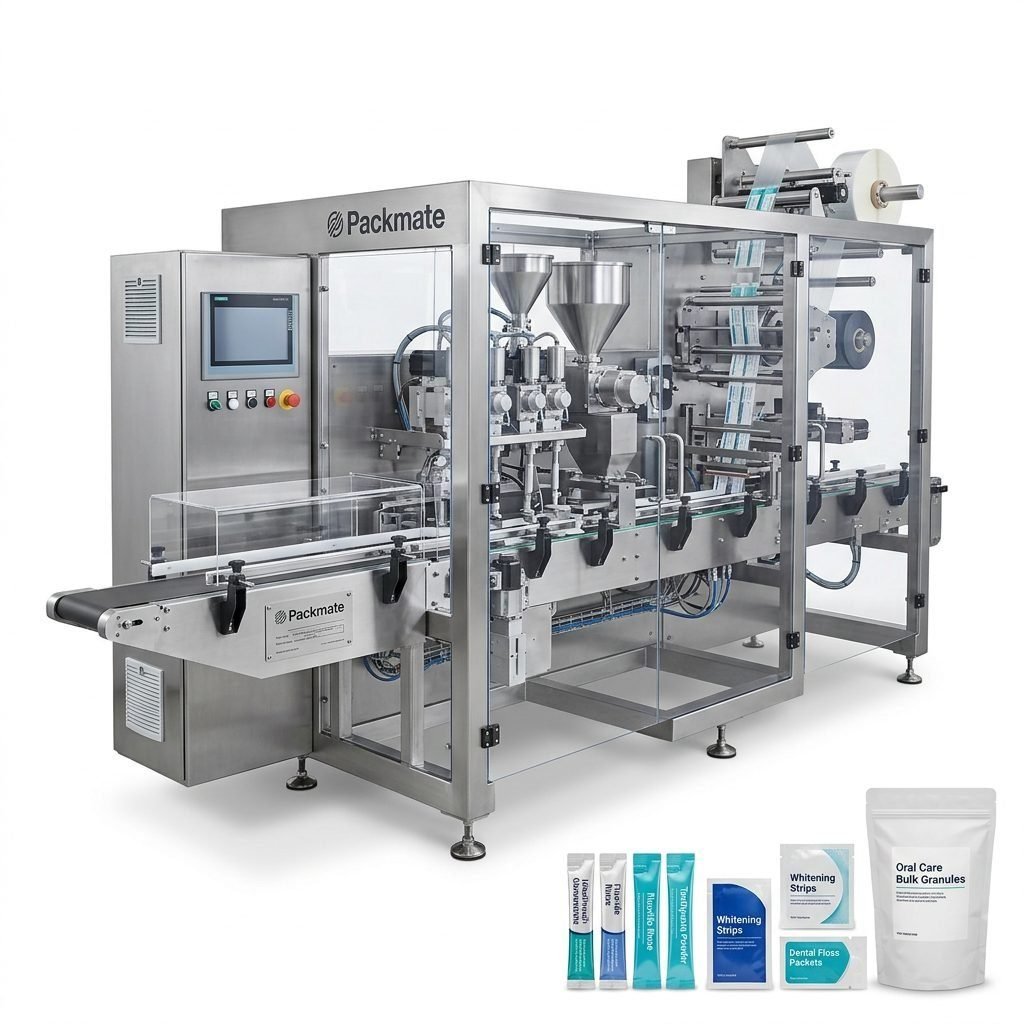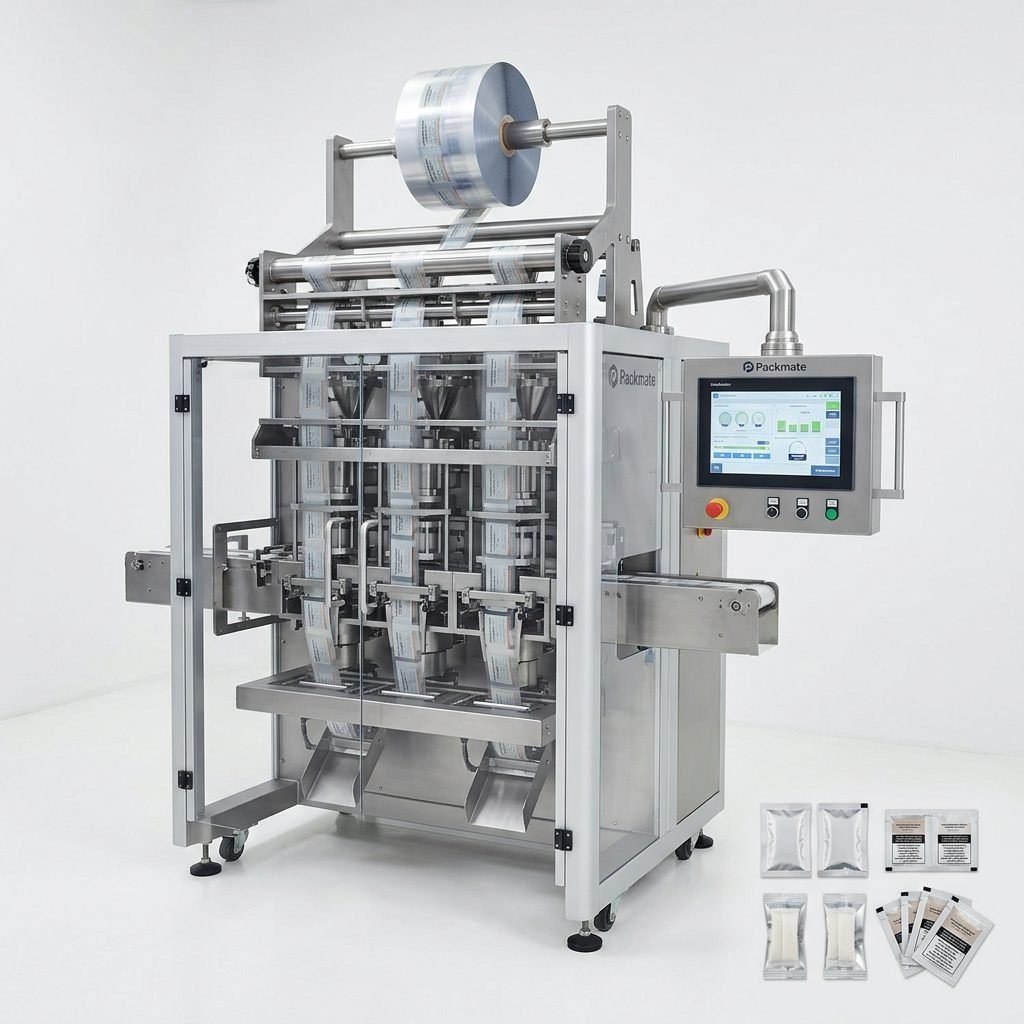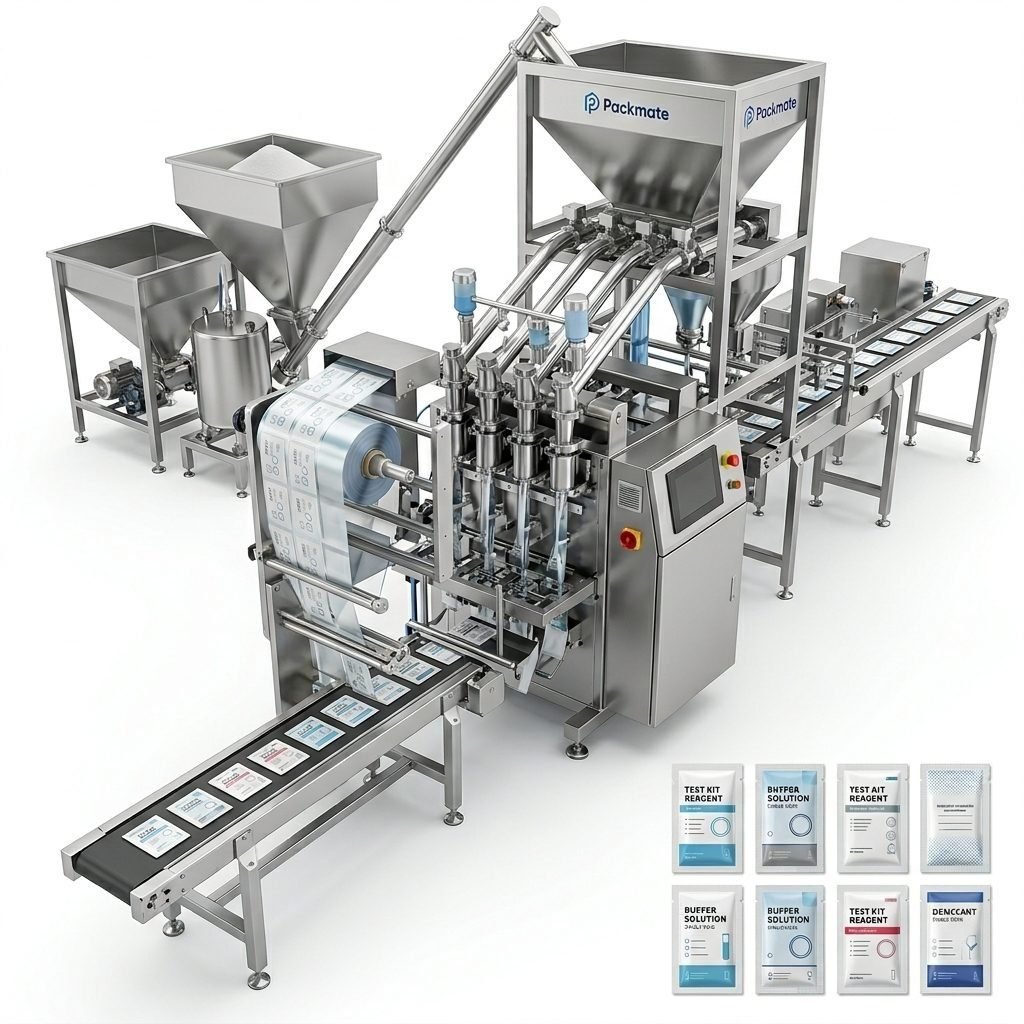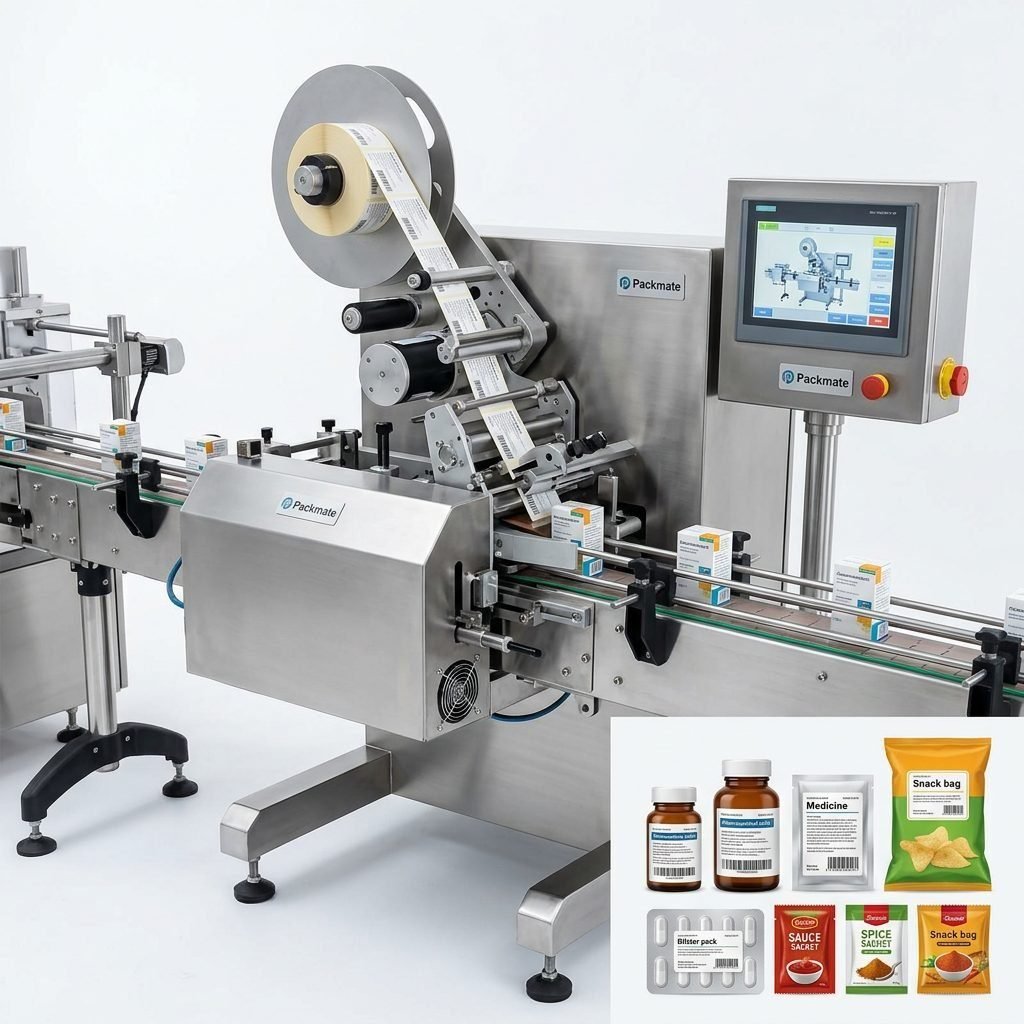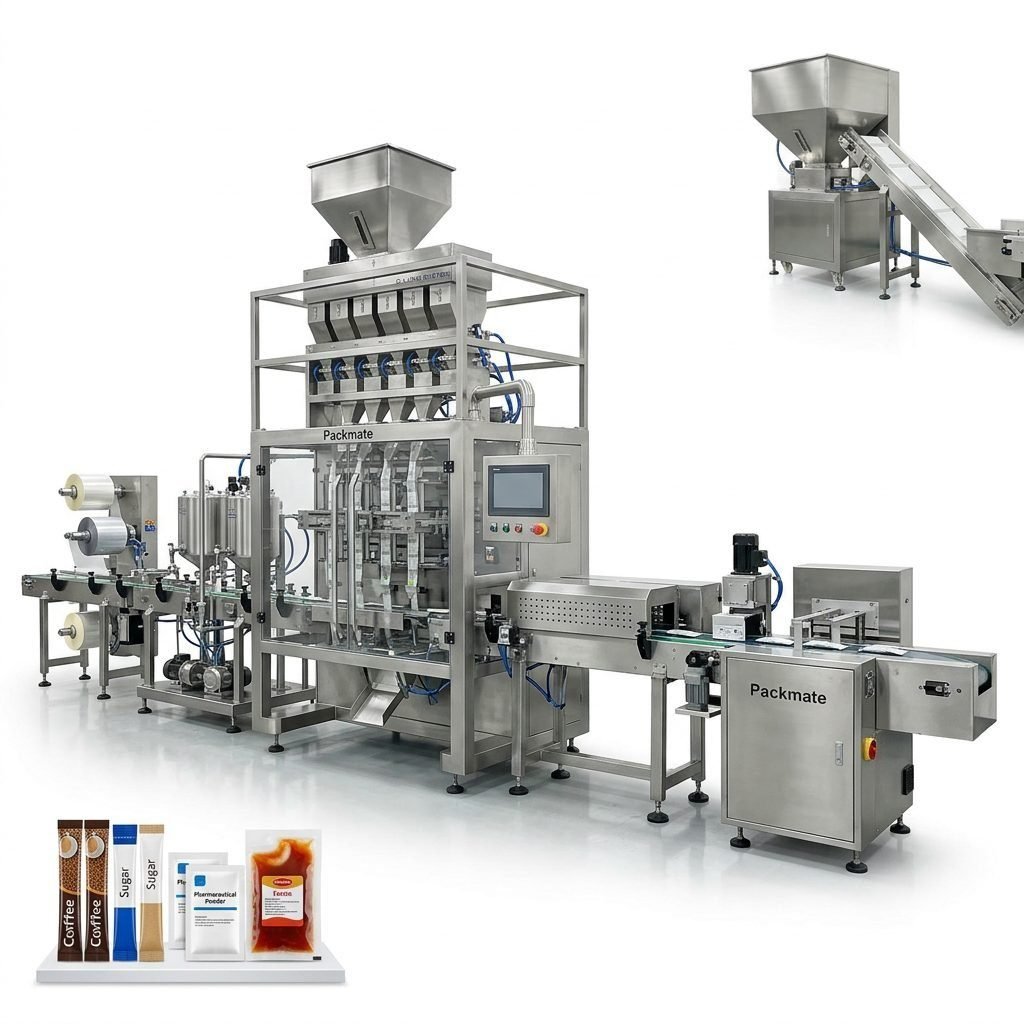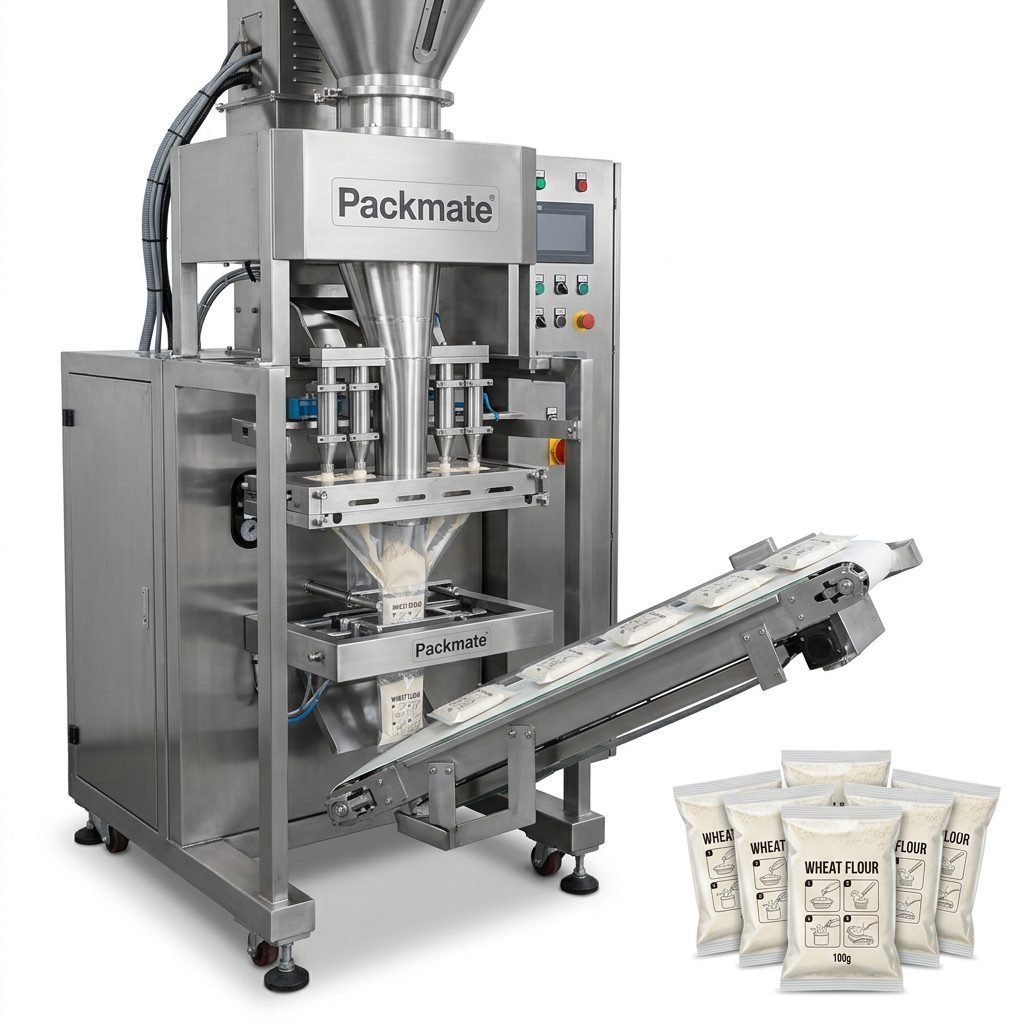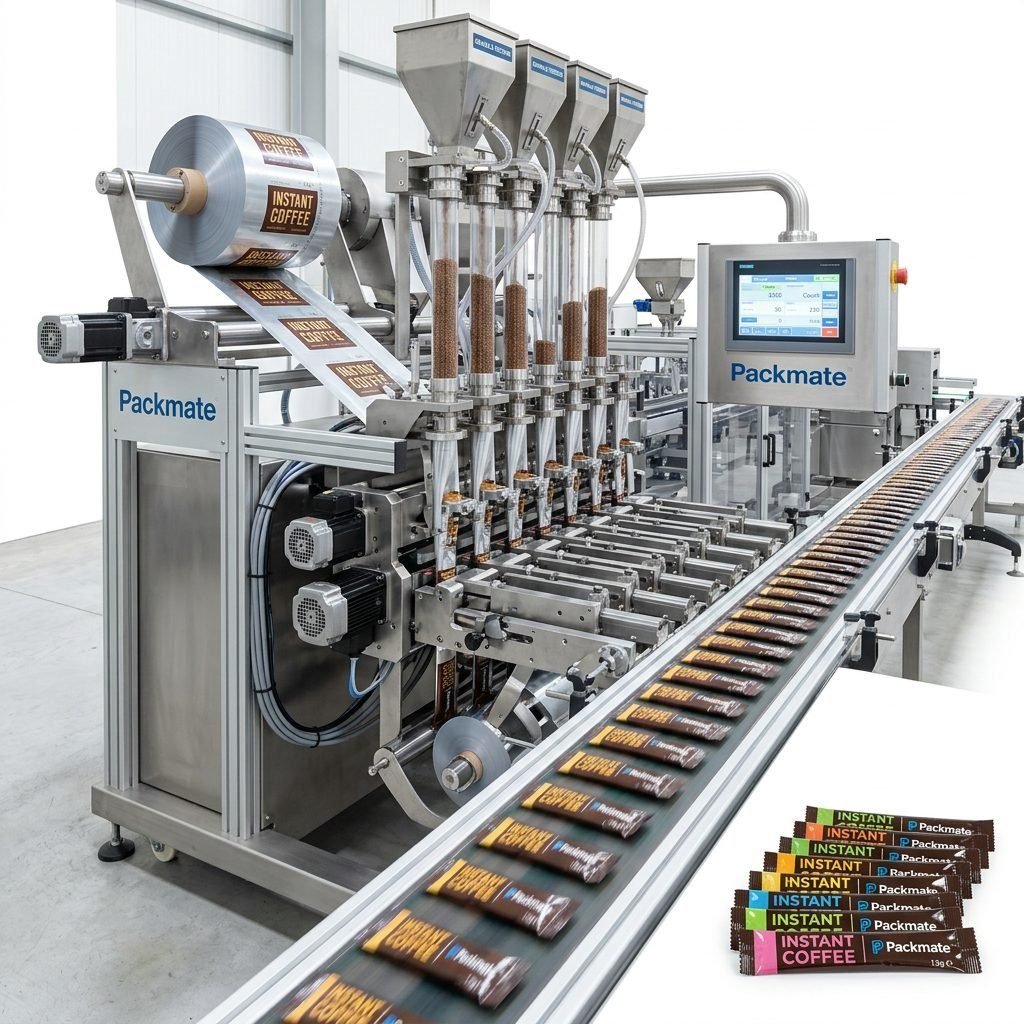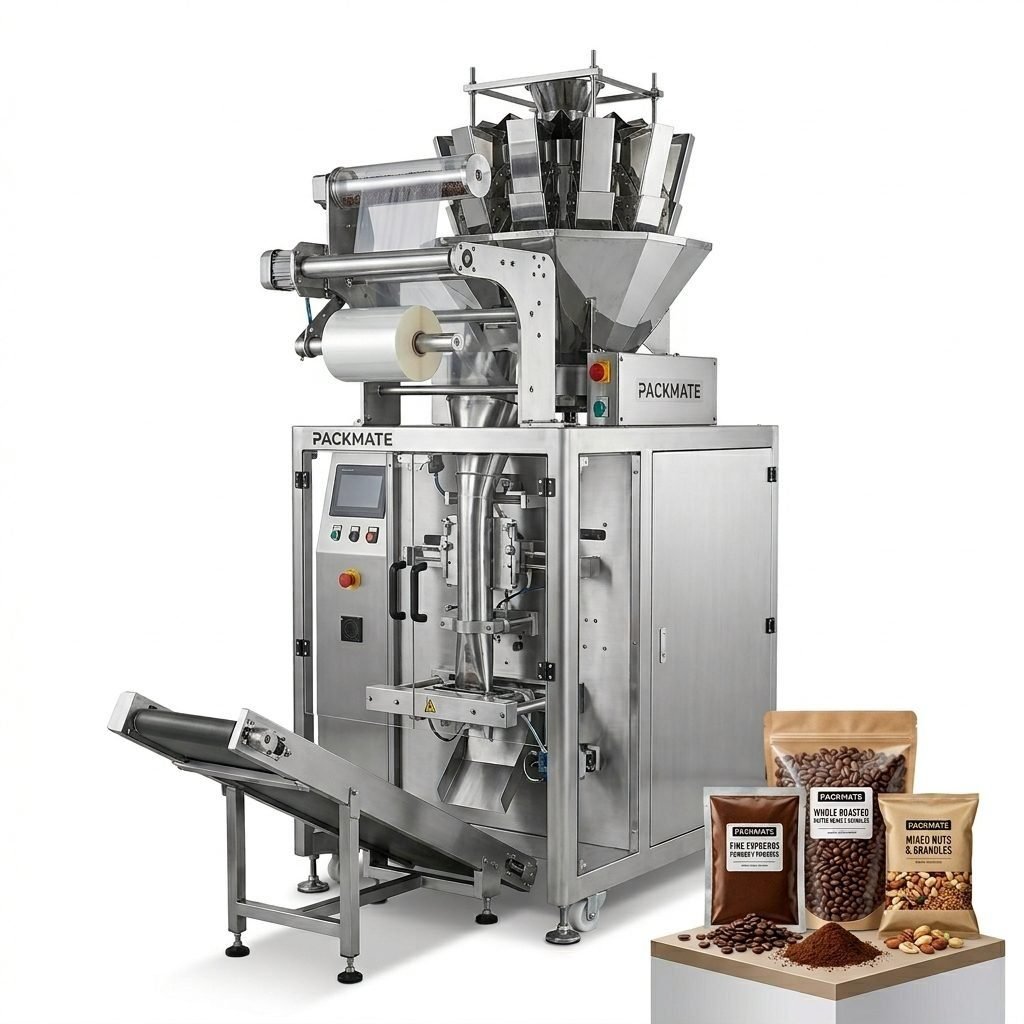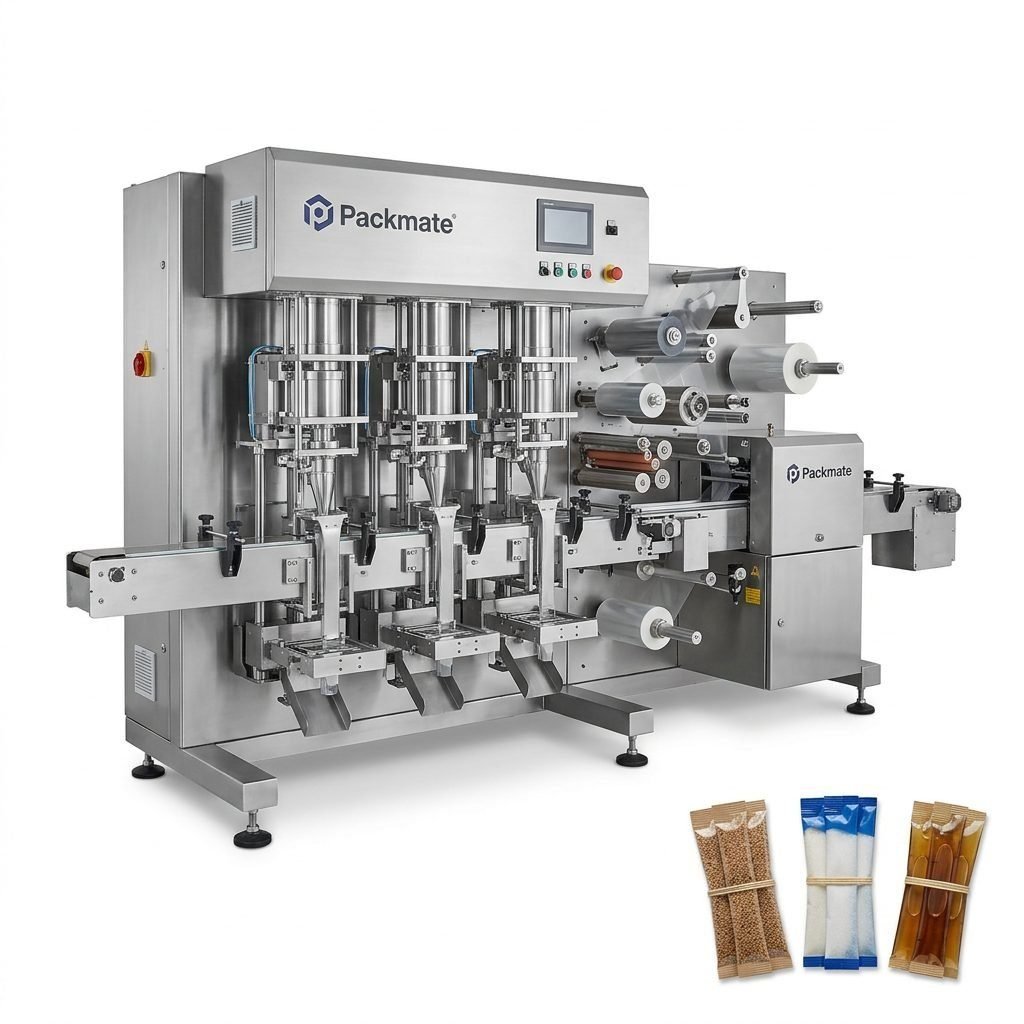
For businesses in Equatorial Guinea looking to modernize their production or start new packaging operations, finding a reliable packaging machine manufacturer is a critical step. The country’s economy, with significant sectors in agriculture, food processing, and a growing focus on value-added exports, creates a specific demand for efficient, durable, and adaptable packaging solutions. Whether you are in Malabo, Bata, or another industrial zone, sourcing the right equipment can directly impact your productivity, product quality, and ability to compete in both domestic and regional markets.
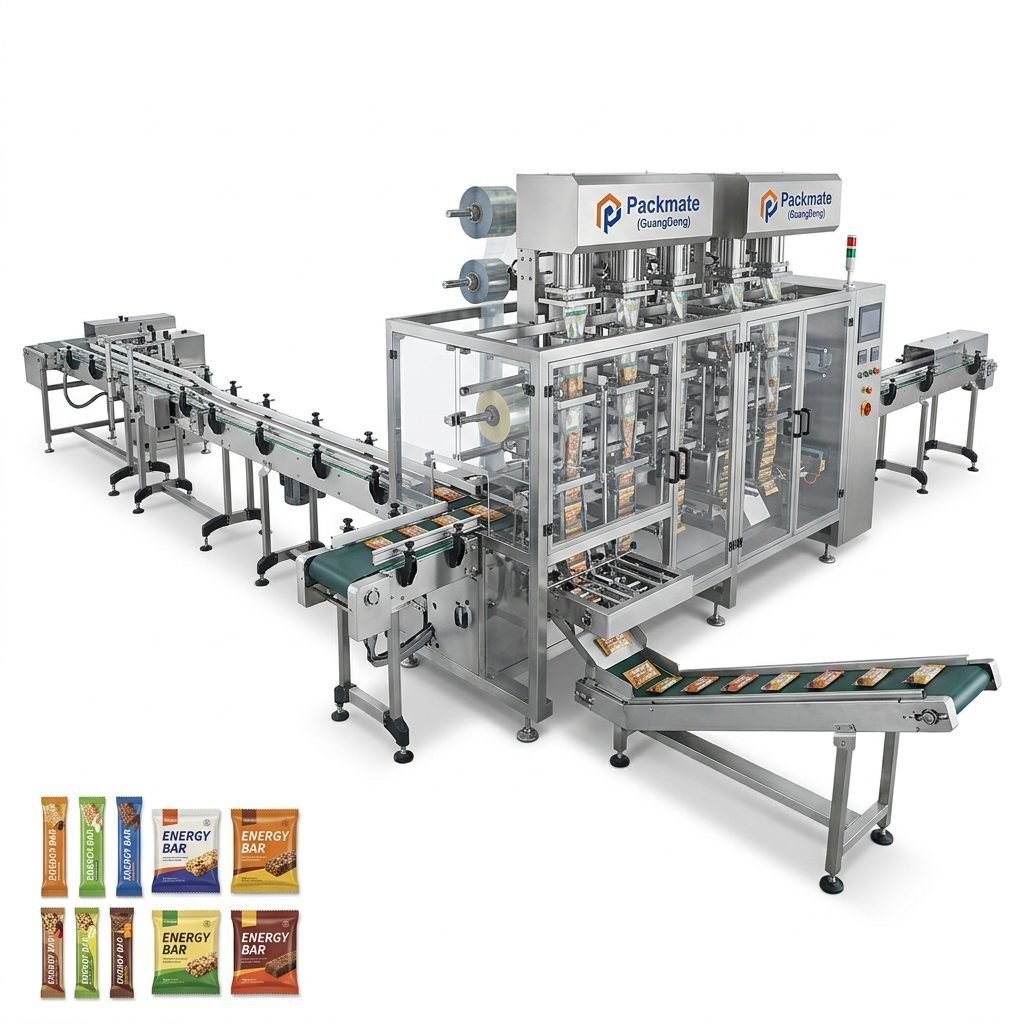
Understanding Your Packaging Needs in Equatorial Guinea
Before starting your search, clearly define your operational requirements. Consider the local context: What types of products are you packaging? Common applications in Equatorial Guinea include food items like coffee, cocoa powder, spices, dried fruits, and snacks, as well as potential growth areas in pharmaceuticals and consumer goods. The climate can also influence material choices and machine durability. Key factors to assess include:
Product Form: Is your product a granule, powder, liquid, paste, or a combination? This determines the type of filling system needed.
Packaging Format: Do you require stick packs, sachets, pouches, or larger bags? The format dictates the machine’s forming and sealing mechanisms.
Production Speed (Output): What is your required output per minute or hour? This is crucial for selecting a machine with appropriate capacity.
Available Space & Automation Level: Assess your factory floor space and whether you need a standalone machine or a fully integrated turnkey line.
Local Support & Training: Given the geographical location, consider the manufacturer’s ability to provide remote support, spare parts logistics, and on-site training for your technicians.
Key Criteria for Evaluating Manufacturers
Not all manufacturers are created equal. Focus on partners who can offer not just a machine, but a sustainable solution for your business in Equatorial Guinea.
1. Industry Experience and Technical Expertise
Look for a company with a long track record, preferably with experience in your specific product sector. Manufacturers with decades of experience have typically refined their designs, solved common operational challenges, and built more reliable machines. They are also more likely to understand the nuances of packaging different materials, which is vital for product consistency.
2. Manufacturing Capability and Quality Control
A manufacturer’s factory size and production processes are indicators of their capacity and commitment to quality. Modern facilities with precision machining, structured assembly lines, and rigorous testing protocols tend to produce more consistent and durable equipment. This reduces the risk of frequent breakdowns, which can be costly and difficult to address from a distance.
| Evaluation Factor | What to Look For | Why It Matters for Equatorial Guinea |
|---|---|---|
| Export Experience | Proven history of exporting to Africa or other regions with similar logistical challenges. | Ensures familiarity with export documentation, shipping, and providing support to overseas clients. |
| Product Range & Customization | Ability to offer both standard models and customized solutions. | Local products may have unique characteristics; flexible engineering is key to an optimal fit. |
| After-Sales Service Structure | Availability of technical support, spare parts inventory, and training programs. | Minimizes downtime. Remote diagnostic capabilities are highly valuable. |
| Financial Stability | Company history, market share, and revenue indicators. | A stable partner is more likely to be there for long-term support and future upgrades. |
3. After-Sales Support and Spare Parts Availability
This is arguably the most critical factor for a buyer in Equatorial Guinea. The geographical distance makes responsive support essential. Inquire about their service network, warranty terms, lead times for spare parts, and options for remote assistance. A manufacturer that can provide comprehensive manuals, video guides, and virtual training will add significant value.
Top Packaging Machine Manufacturers to Consider
Based on export strength, experience, and product capability, here are several leading manufacturers worth researching. These companies have established international footprints and offer solutions that could be suitable for the Equatorial Guinean market.
Ludyway
With over 30 years in the industry and a focus on being a leading packaging machine and turnkey line manufacturer, Ludyway offers a broad portfolio. Their strength lies in extensive experience across food, pharmaceutical, and health supplements, making them a versatile choice. They operate a large factory and have a strong export presence, which is a positive sign for international logistics and support.
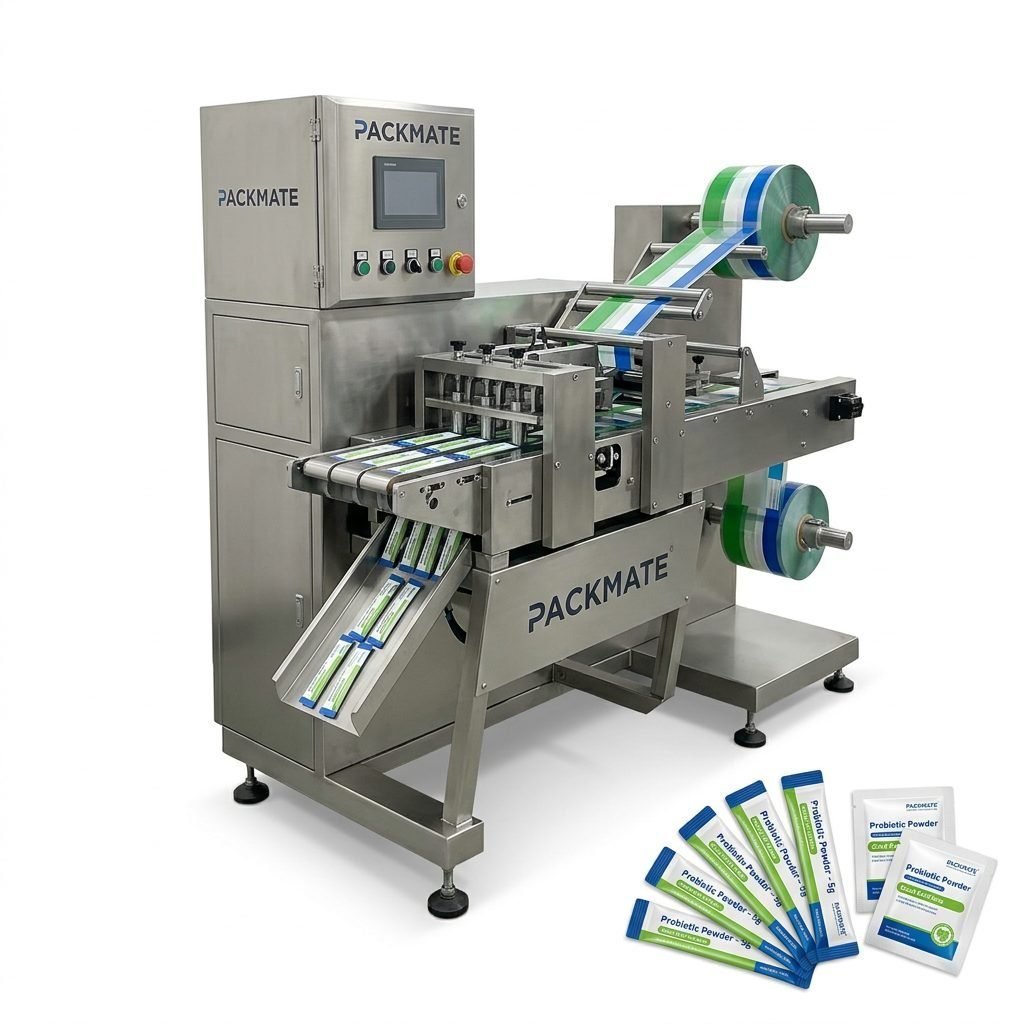
Packmate Machinery
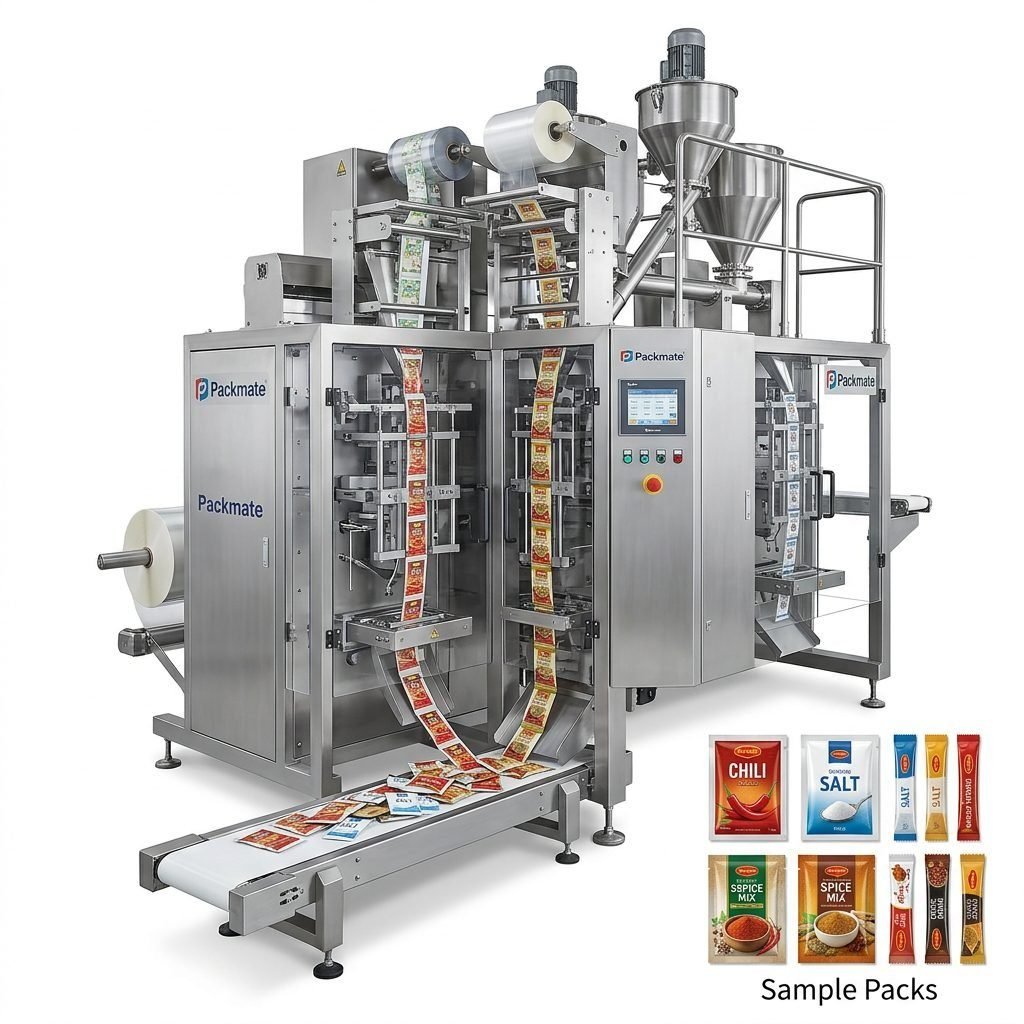
Operating for more than three decades, Packmate Machinery provides intelligent packaging equipment with a focus on practical automation and stable performance. They offer a wide range of models and are known for a good balance between cost and technical capability, which can be an important consideration for growing businesses.
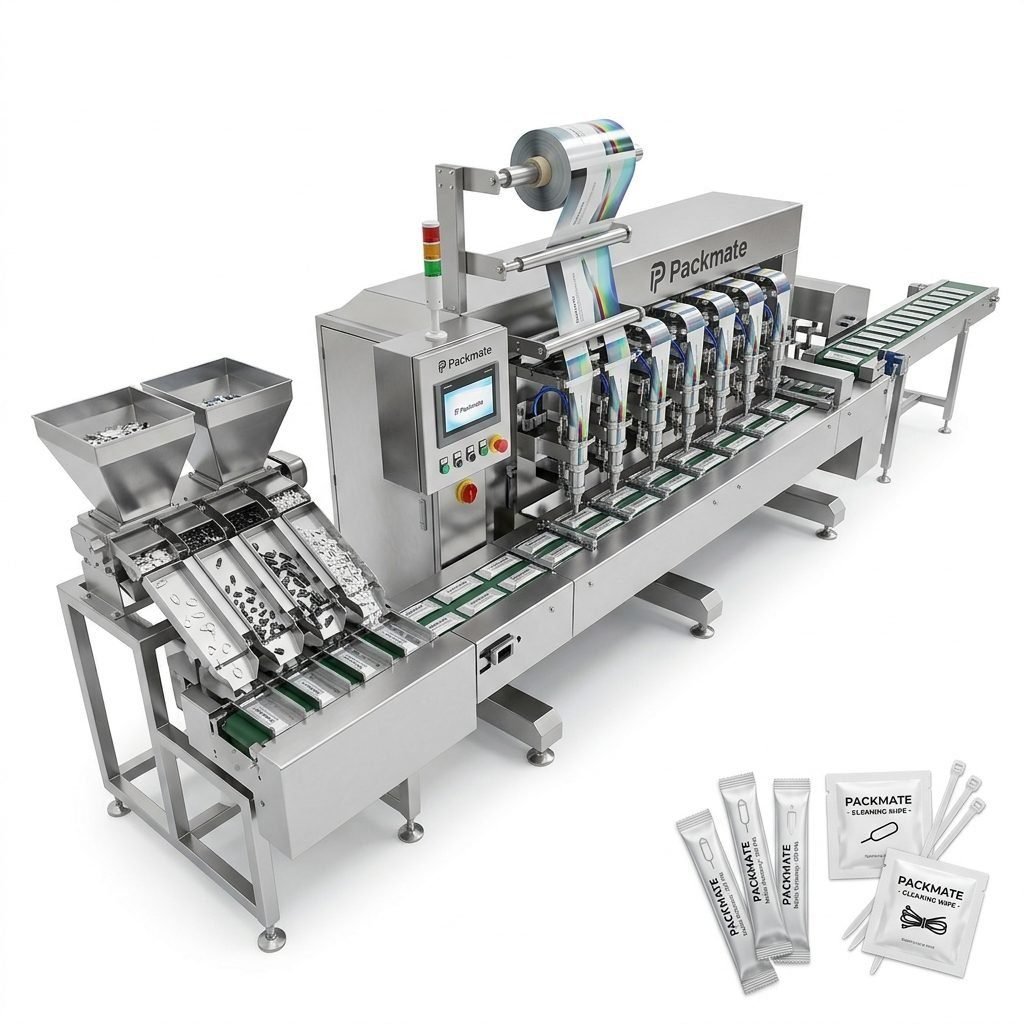
PacklineOEM
If your project requires a complete, integrated production line rather than just a single machine, PacklineOEM is a specialist in this area. Their focus on turnkey solutions for powders, granules, and liquids means they can handle the entire system design, which simplifies project management for a new facility.
PackingMachineOEM
For businesses with unique or non-standard packaging requirements, PackingMachineOEM emphasizes customization and flexible engineering. This is particularly useful if local products require special handling, dosing, or bag formats that off-the-shelf machines cannot accommodate.
SnusMachinery
While specialized in nicotine pouch and snus packaging, SnusMachinery also provides solutions for food and pharmaceutical pouch packaging. Their niche expertise in high-precision pouch systems can be relevant for any business requiring reliable, multi-lane sachet or stick pack production with strict quality control.
The Procurement Process: Steps to Success
1. Initial Inquiry: Contact shortlisted manufacturers with a detailed project brief including product details, desired output, and bag specifications.
2. Quotation & Proposal Review: Evaluate technical proposals, machine specifications, delivery terms, and pricing.
3. Factory Audit (Virtual/In-Person): If possible, arrange a video tour of the manufacturer’s facility to assess their operations.
4. Reference Checks: Ask for and contact references from other clients, preferably in similar regions or industries.
5. Contract Finalization: Ensure the contract clearly outlines specifications, delivery timeline, payment terms, warranty, and support agreements.
6. Training & Installation Planning: Coordinate training for your operators and plan for the installation phase, whether it’s done by your team or the supplier’s engineers.
Frequently Asked Questions (FAQs)
What is the typical lead time for receiving a packaging machine in Equatorial Guinea?
Lead times vary based on machine complexity and customization. For standard models, it can range from 30 to 90 days after order confirmation, plus shipping time. Custom or turnkey lines may require 90 to 180 days. Always factor in sea freight transit time to the port of Malabo or Bata.
How can I ensure I get genuine spare parts?
Purchase spare parts directly from the original manufacturer or their authorized distributors. Using genuine parts ensures compatibility and maintains the machine’s warranty and performance. Discuss spare parts kits and recommended inventory with your supplier during purchase.
Are there local agents or distributors for these manufacturers in Africa?
Some large manufacturers have agents or distributors in key African regions. It is important to ask the manufacturer directly about their representation in West or Central Africa. If no local agent exists, establish a clear communication channel with the factory’s export department.
What type of training is usually provided?
Reputable manufacturers typically provide operational and maintenance training. This can be conducted at their factory before shipment, via detailed manuals and videos, or through on-site training by their engineers during installation. Clarify the scope and format of training included in your purchase.
How do I handle machine maintenance from Equatorial Guinea?
Establish a preventive maintenance schedule based on the manufacturer’s guidelines. Utilize remote support options (video call, remote desktop) for troubleshooting. Keep a stock of critical consumables and spare parts. Building a good relationship with your supplier’s technical team is key to managing maintenance effectively from a distance.