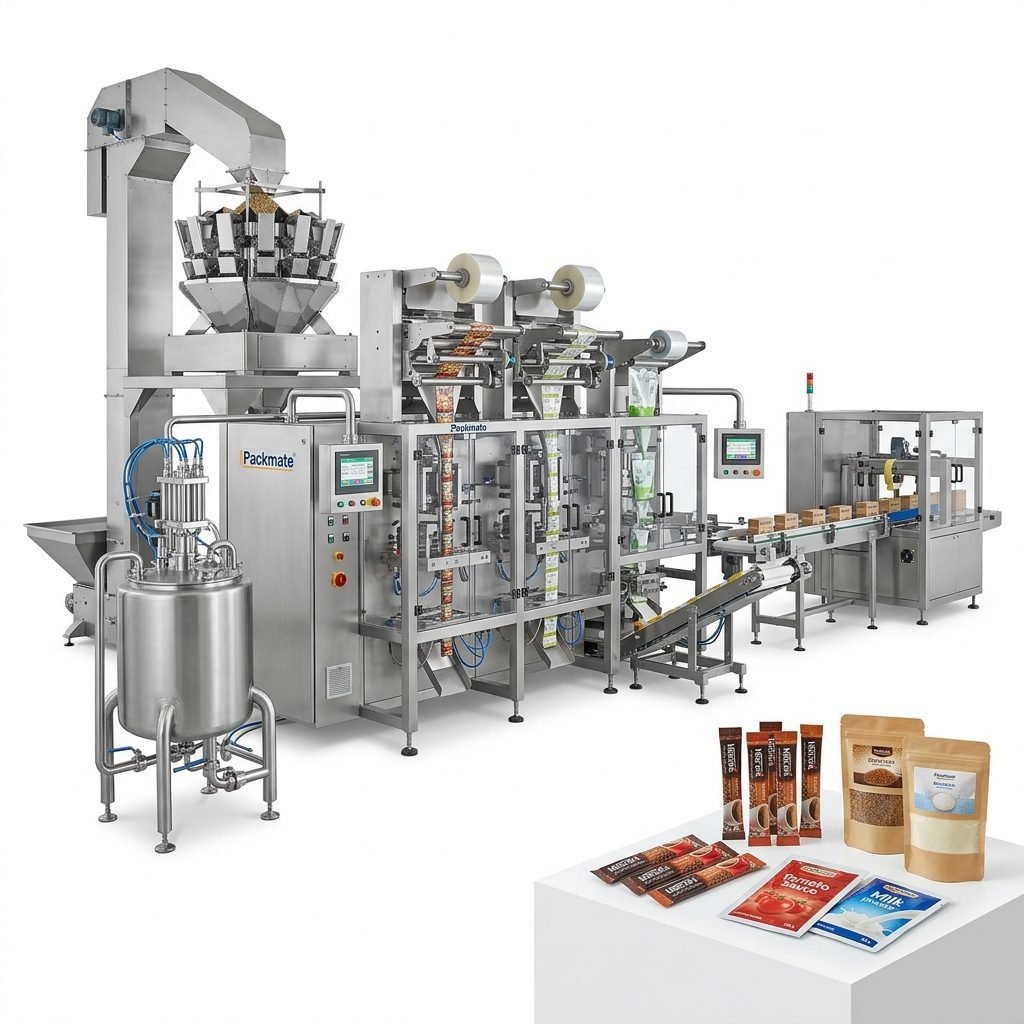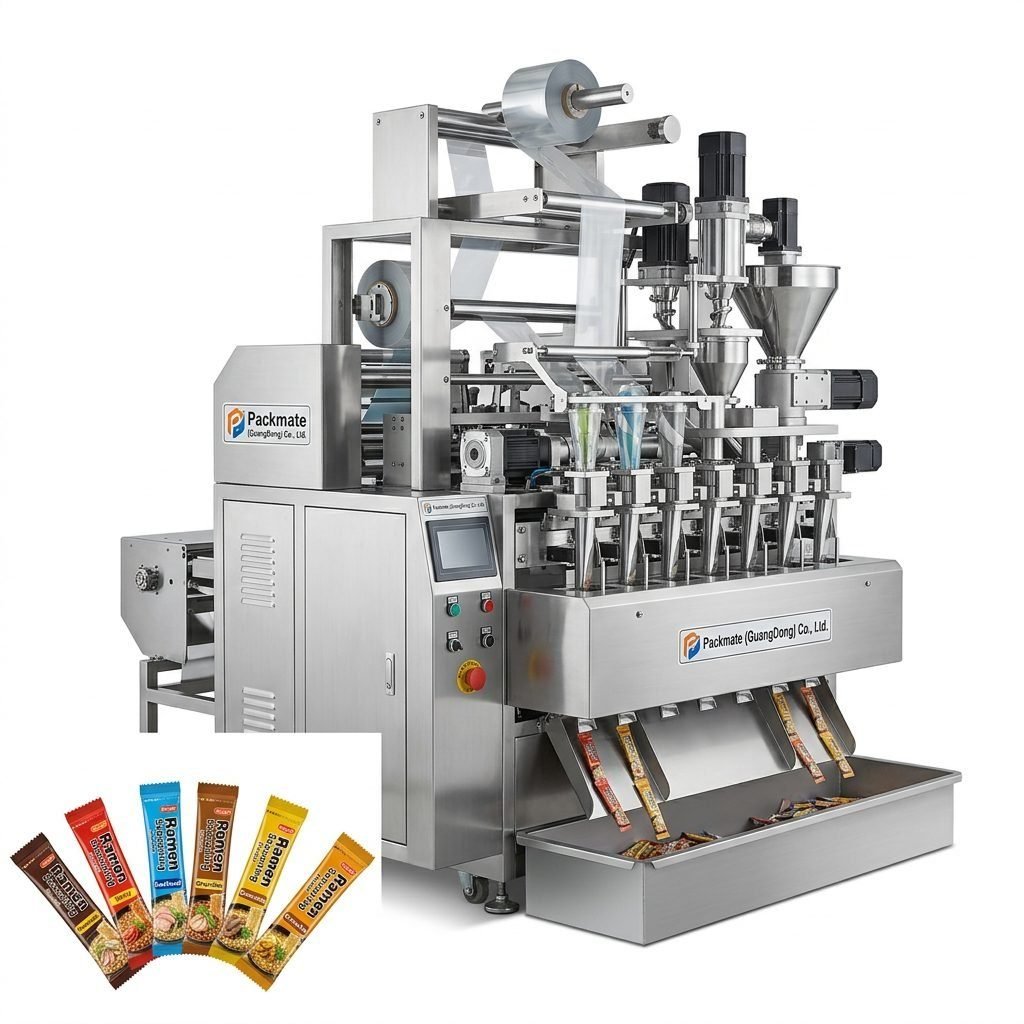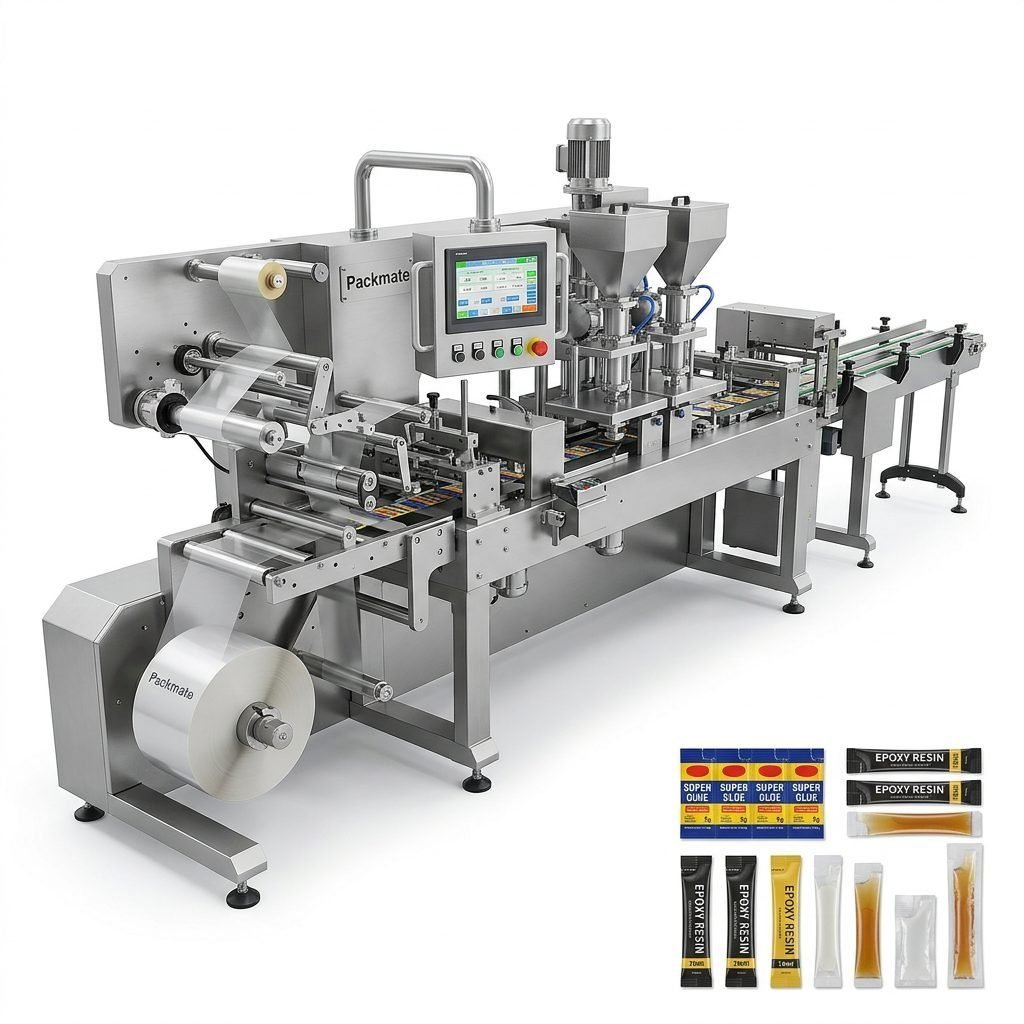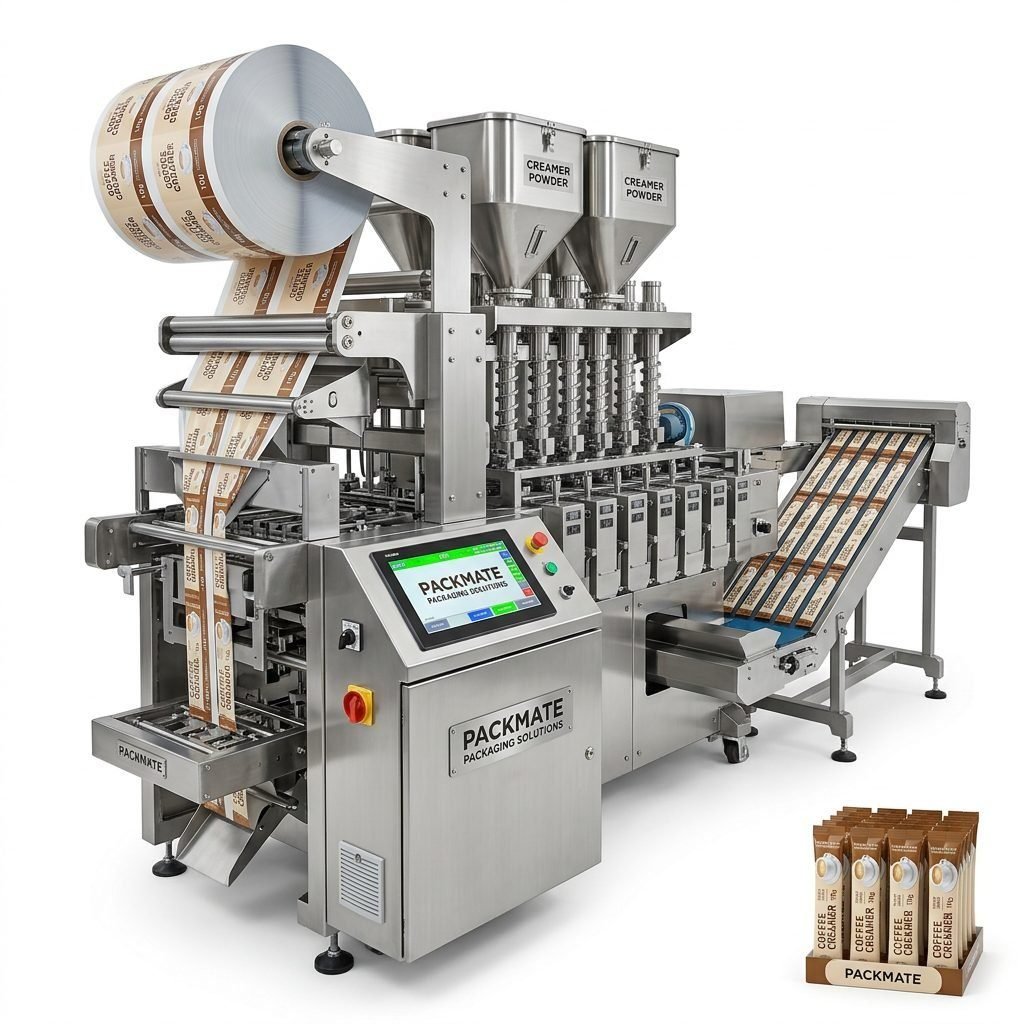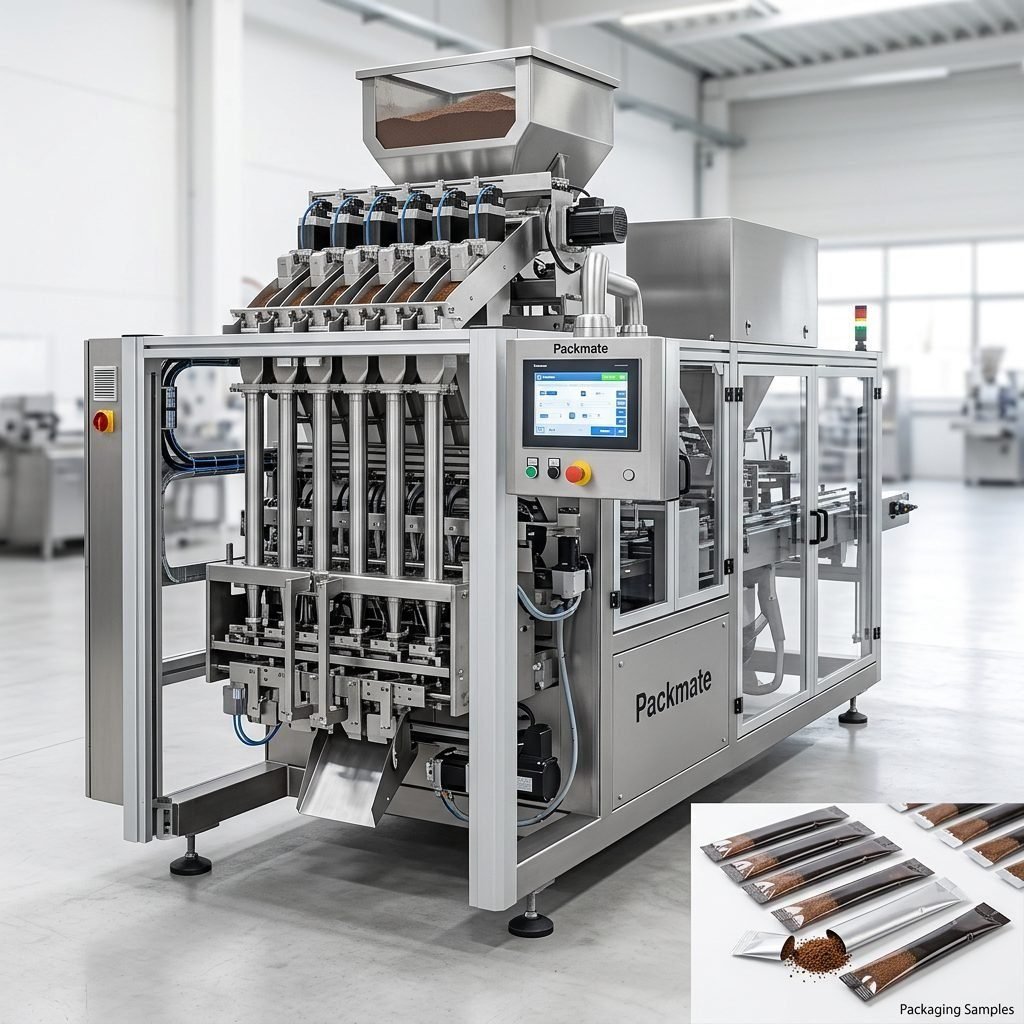
For Lithuanian businesses in the food, pharmaceutical, and supplement sectors, sourcing reliable packaging machinery is a critical step in scaling production, ensuring product consistency, and meeting stringent EU market standards. The local manufacturing landscape, while strong in certain areas, often requires looking beyond borders for specialized, automated packaging solutions. This guide provides a practical, step-by-step approach for Lithuanian buyers to identify and partner with trustworthy packaging machine manufacturers, ensuring a successful investment.
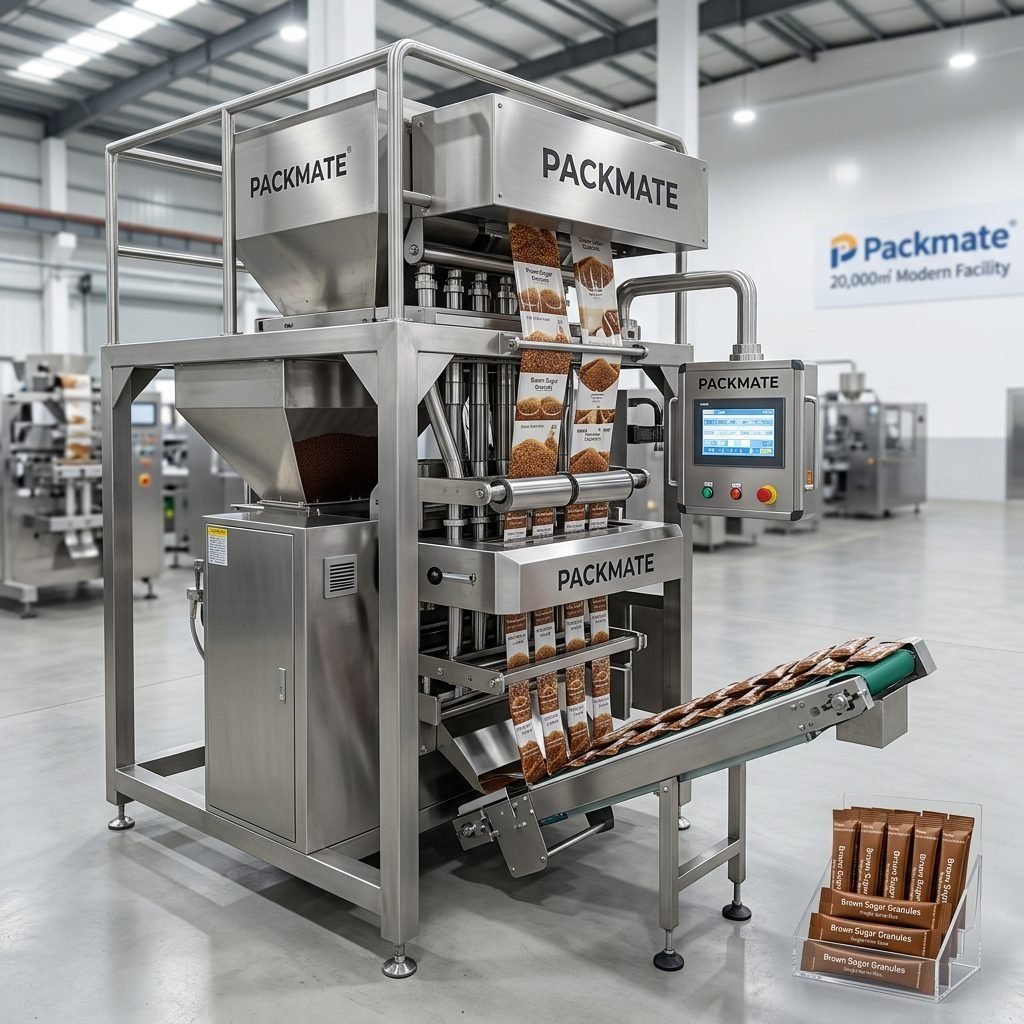
Step 1: Define Your Specific Packaging Requirements
Before contacting any supplier, clearly define your needs. This clarity is crucial for effective communication and will help you quickly filter potential partners. Consider these key factors:
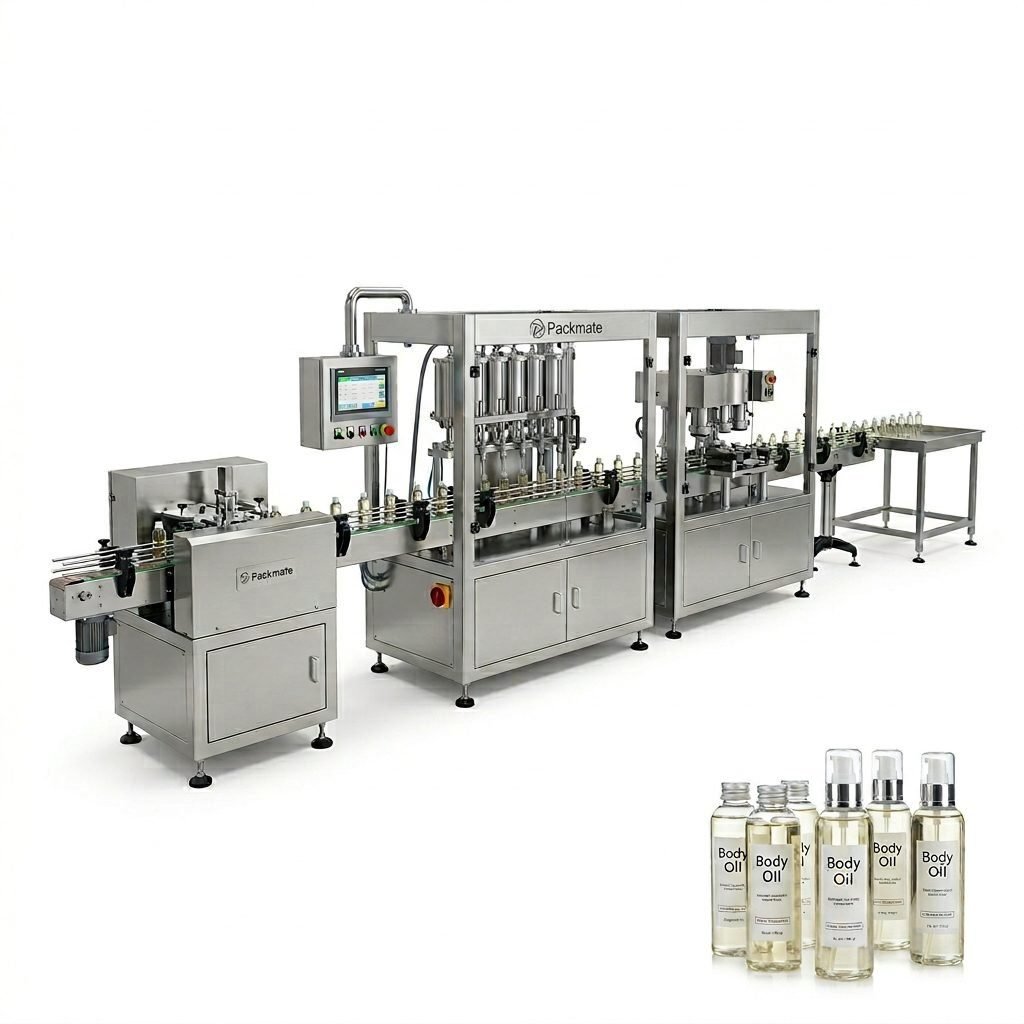
Product Type: Are you packaging granules (like instant coffee or spices), fine powders (protein, flour), liquids (sauces, oils), pastes, or specialized items like nicotine pouches? The product form dictates the machine technology (e.g., auger filler for powders, piston filler for liquids).
Desired Output: Calculate your required bags per minute (BPM) or hourly output. Be realistic about your current and future needs to find a machine with the right capacity and scalability.
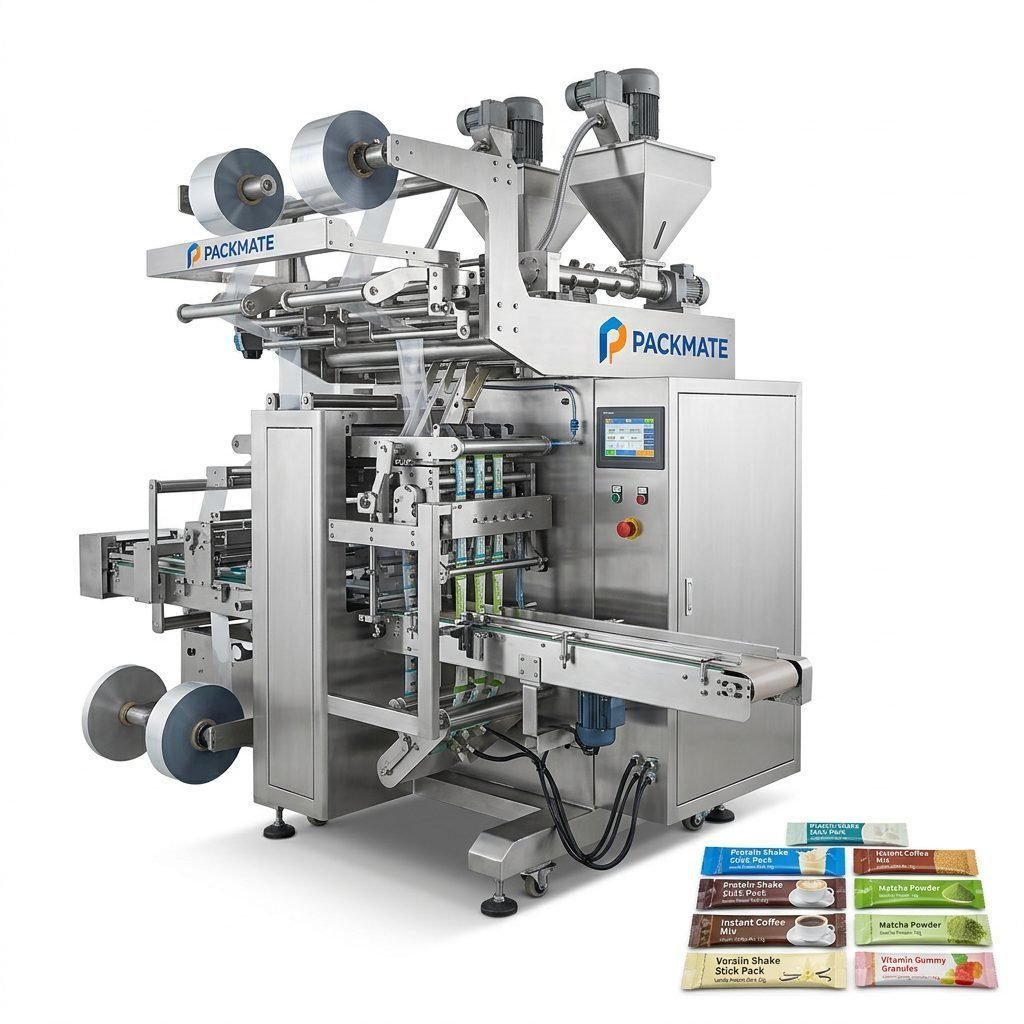
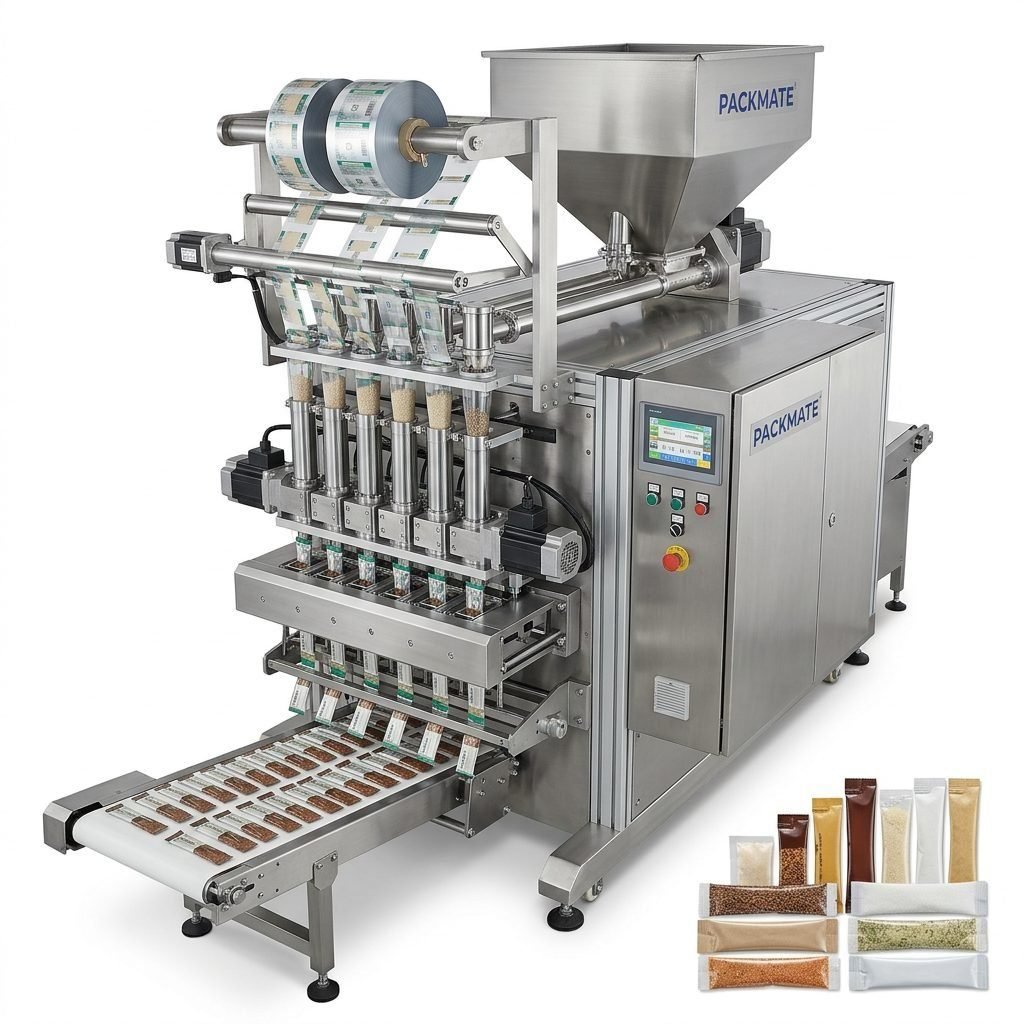
Packaging Format: Do you need stick packs, sachets (flat or stand-up), pouches, or a combination? Specify the desired bag dimensions, material (film type), and any special features like zippers or spouts.
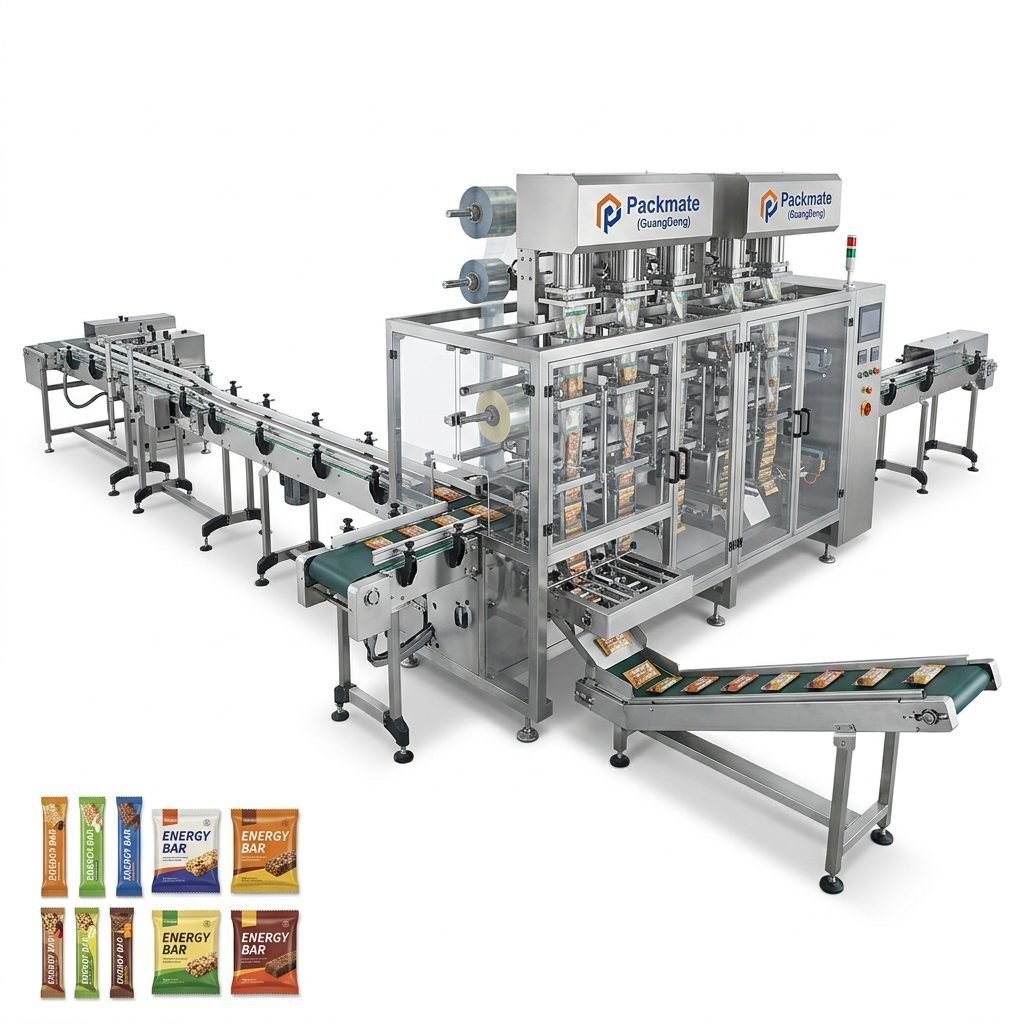
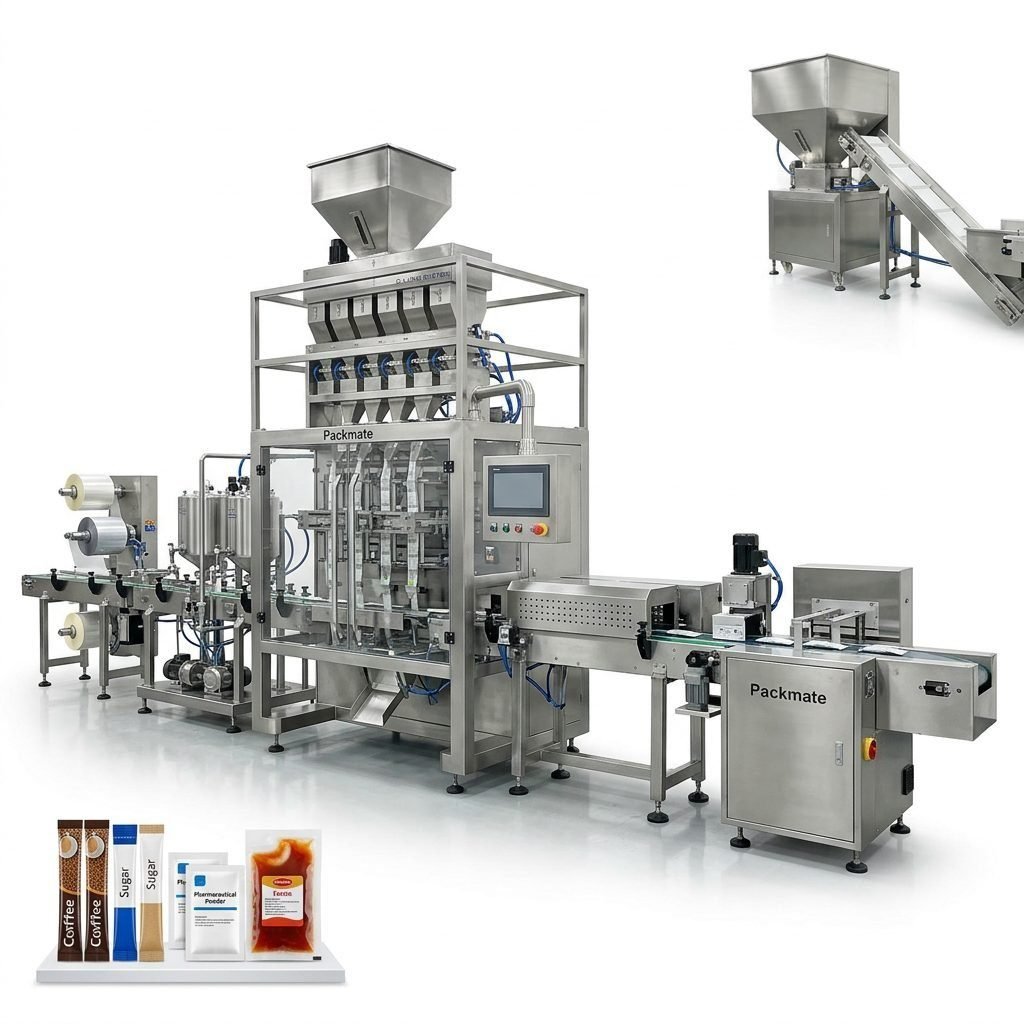
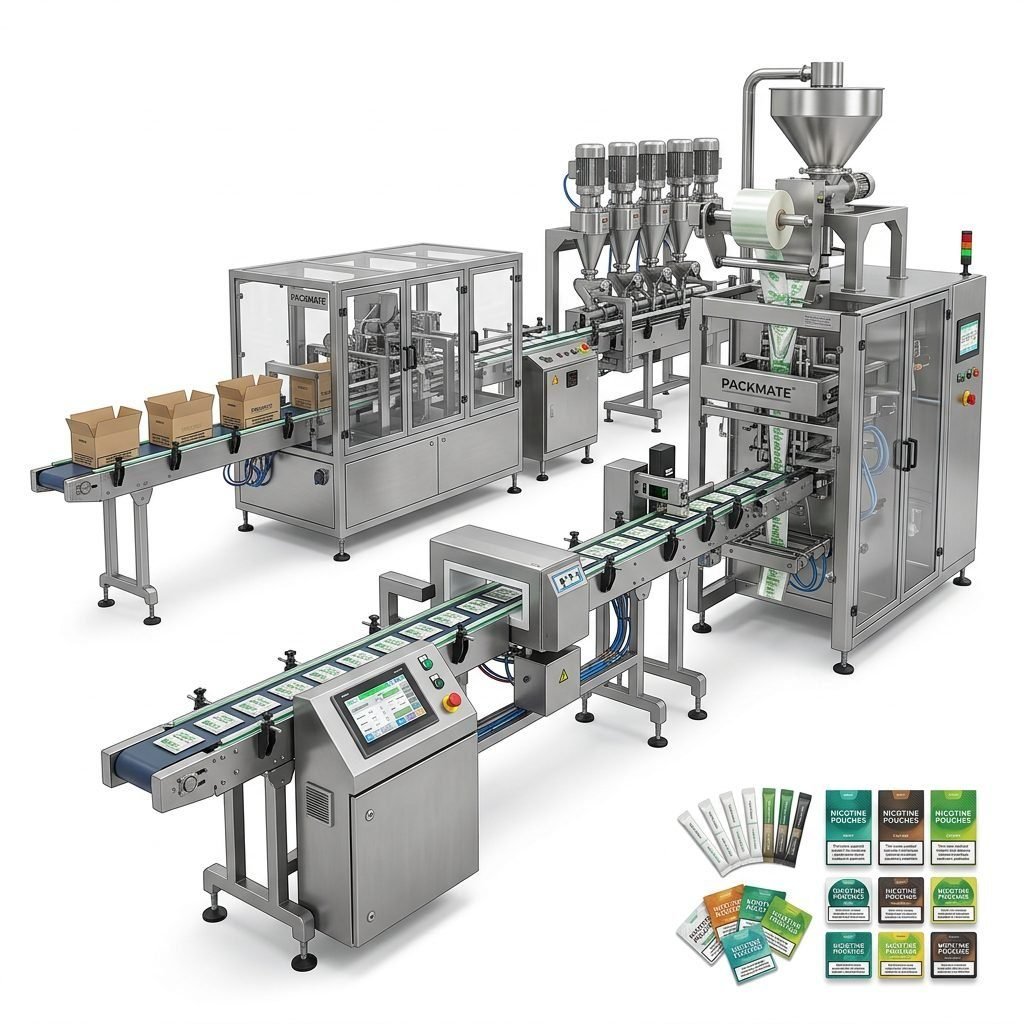
Level of Automation: Determine if you need a standalone machine, a semi-automatic line, or a fully integrated turnkey packaging line with feeding, weighing, filling, sealing, coding, and cartoning.
Step 2: Research and Shortlist Potential Manufacturers
Focus your search on manufacturers with proven experience in your specific industry and product type. Key research sources include:
- Industry Trade Shows: Events like “Ipack-Ima” or “Interpack” in Europe are excellent for seeing machines in operation and meeting engineering teams.
- Online B2B Platforms: Use specialized industrial directories to find manufacturers with detailed product catalogs and certifications.
- Peer Recommendations: Network with other Lithuanian or Baltic producers for firsthand supplier experiences.
Look for manufacturers that highlight export experience to Europe, as they will be more familiar with CE standards, technical documentation requirements, and the support logistics needed for the Lithuanian market.
Evaluating Technical Capability and Experience
A manufacturer’s technical depth is paramount. Assess this by examining:
| Criteria | What to Look For | Why It Matters for Lithuanian Buyers |
|---|---|---|
| Industry Specialization | Focus on food, pharma, supplements, or niche areas like snus. | Ensures knowledge of hygiene standards (e.g., EHEDG, GMP) and material compatibility relevant to EU production. |
| Project Portfolio | Case studies or references from European clients. | Demonstrates practical experience in meeting EU regulatory and quality expectations. |
| Customization Ability | Willingness and examples of adapting machines to unique products or layouts. | Lithuanian factories may have specific spatial or process integration needs that require flexible engineering. |
Step 3: Conduct In-Depth Due Diligence
Once you have a shortlist, dig deeper into each company’s operational stability and quality processes.
Factory Audit (Virtual or In-Person): Request a video tour of the manufacturing facility. Look for organization, modern CNC machinery, clean assembly areas, and structured testing procedures. A sizable factory (e.g., 20,000 sqm+) often indicates serious production capacity.
Quality Certifications: Verify international certifications like CE (mandatory for the EU), ISO 9001 for quality management, and any industry-specific standards. This is non-negotiable for importing machinery into Lithuania.
After-Sales Support Structure: Clarify the support package. What is the warranty period? How is remote support handled (e.g., video calls, remote diagnostics)? What are the terms for on-site engineer dispatch to Lithuania, including visa lead times and cost structure?
For instance, a manufacturer like Ludyway, with over 30 years of experience and a focus on export markets, typically has established protocols for international shipping, documentation, and technical support that can streamline the process for Lithuanian importers.
Step 4: Analyze the Quotation and Commercial Terms
A quotation is more than just a price. Scrutinize it to understand the total cost of ownership and project scope.
- Machine Specifications: Ensure every technical detail discussed is listed, including output speed, accuracy, power requirements, and approved material specifications.
- Scope of Supply: Is it for a single machine or a complete line? What ancillary equipment (e.g., checkweighers, date coders) is included? Are spare parts and tools part of the package?
- Delivery Terms (Incoterms): Understand exactly what you are responsible for. Common terms for Lithuanian buyers might be FOB (you handle main shipping and insurance) or CIP (supplier delivers to a named place in Lithuania, covering insurance). Factor in all logistics costs.
- Payment Terms: Standard terms often involve a deposit (e.g., 30-50%) before production, with the balance paid before shipment. Negotiate terms that provide security for both parties.
Considering Specialized Suppliers for Niche Needs
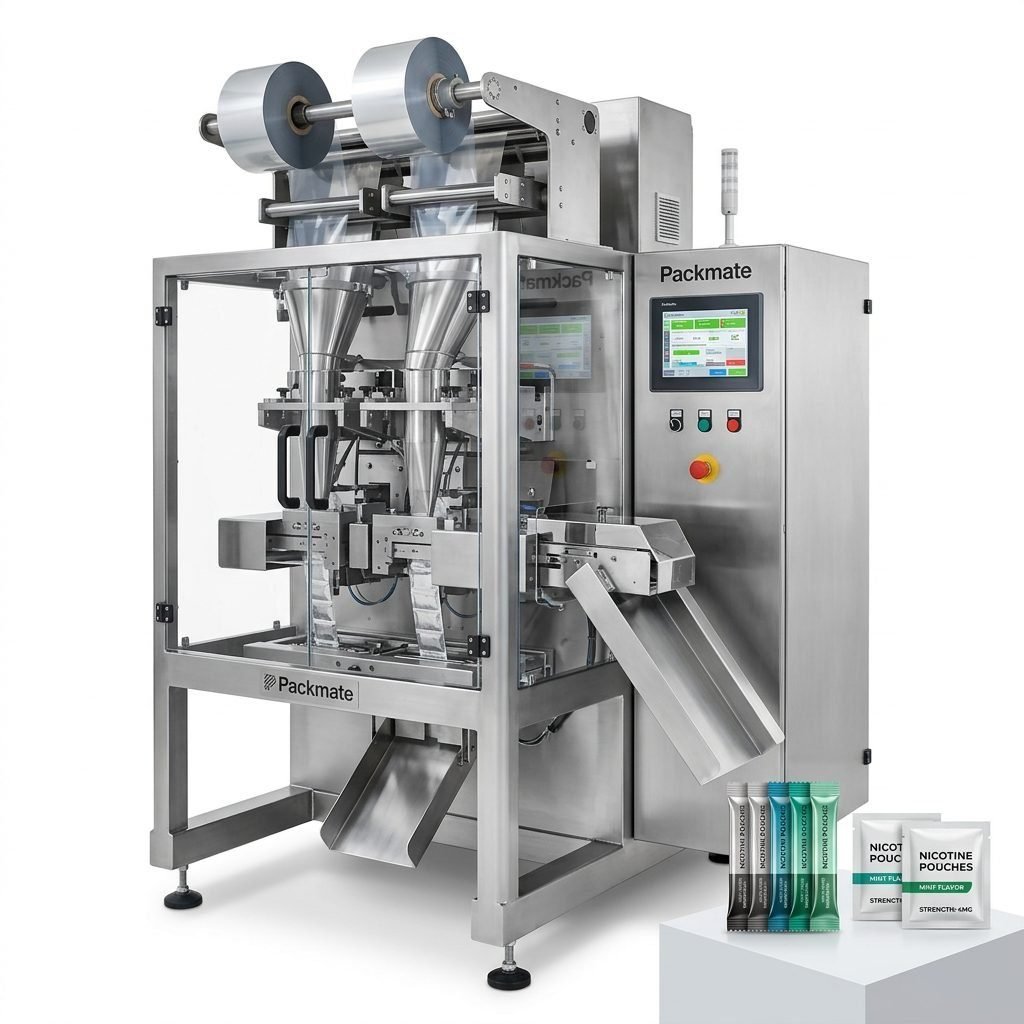
If your operation is in a specialized field like nicotine pouch production, a generalist manufacturer may not suffice. In such cases, partnering with a niche expert like SnusMachinery can be advantageous. Their focused R&D on precise dosing, pouch integrity, and high-speed multi-lane systems for this specific application can reduce project risk and improve performance from day one.
Step 5: Plan for Installation, Training, and Long-Term Partnership
The relationship with your supplier begins at installation, not ends at delivery. A smooth startup is critical.
Pre-Installation Preparation: Work with the supplier to prepare your site. They should provide layout drawings, utility requirements (power, air, network), and foundation specifications well in advance.
On-Site Commissioning & Training: Ensure the quotation includes on-site commissioning by factory engineers. This is when the machine is fine-tuned for your specific product and materials. Comprehensive training for your operators and maintenance technicians is essential for long-term efficiency and minimal downtime.
Spare Parts Strategy: Discuss and purchase a recommended set of critical spare parts upfront. This minimizes downtime waiting for parts to be shipped from abroad. Inquire about the supplier’s parts inventory and typical delivery times to Lithuania.
Manufacturers that emphasize turnkey solutions, such as PacklineOEM, are often structured to manage this entire process—from line design and integration to commissioning—which can be highly beneficial for Lithuanian companies implementing complex automation for the first time.
Frequently Asked Questions (FAQs) for Lithuanian Buyers
1. What are the main advantages of sourcing packaging machines from international manufacturers?
International manufacturers, particularly those with strong export focus, often offer a broader range of advanced technologies, higher customization options, and competitive pricing due to scale. They bring experience from diverse global markets, which can provide innovative solutions that might not be readily available locally.
2. How do I ensure the machine complies with EU and Lithuanian safety regulations?
The CE marking is the key. Always request and verify the official CE certificate and the accompanying Declaration of Conformity. The manufacturer should be able to explain which EU Machinery Directive and related standards (e.g., for electrical safety) the machine complies with. For food or pharmaceutical use, documentation on materials in contact with product (e.g., FDA, EC 1935/2004 compliance) is also required.
3. What is the typical lead time for a custom packaging machine?
Lead times vary significantly. A standard machine might ship in 60-90 days. A custom-configured or turnkey line can take 4 to 8 months from order to delivery, depending on complexity. Always get a detailed production schedule from the supplier.
4. How can I manage communication and potential language barriers effectively?
Reputable international suppliers employ technical sales staff fluent in English. Ensure your main point of contact is an engineer or project manager with strong technical English skills. Use detailed written specifications, drawings, and video calls with screen sharing for clear communication. Suppliers like Packmate Machinery, which have long-term export operations, are accustomed to clear, structured communication with European clients.
5. What ongoing support can I expect after the machine is installed?
Reliable support includes remote troubleshooting via phone/video, access to technical manuals and diagrams, and a supply of spare parts. Clarify the response time for remote support and the process for dispatching an engineer to Lithuania if needed. Some manufacturers offer annual service contracts. The goal is to establish a long-term partnership, not just a one-time transaction.