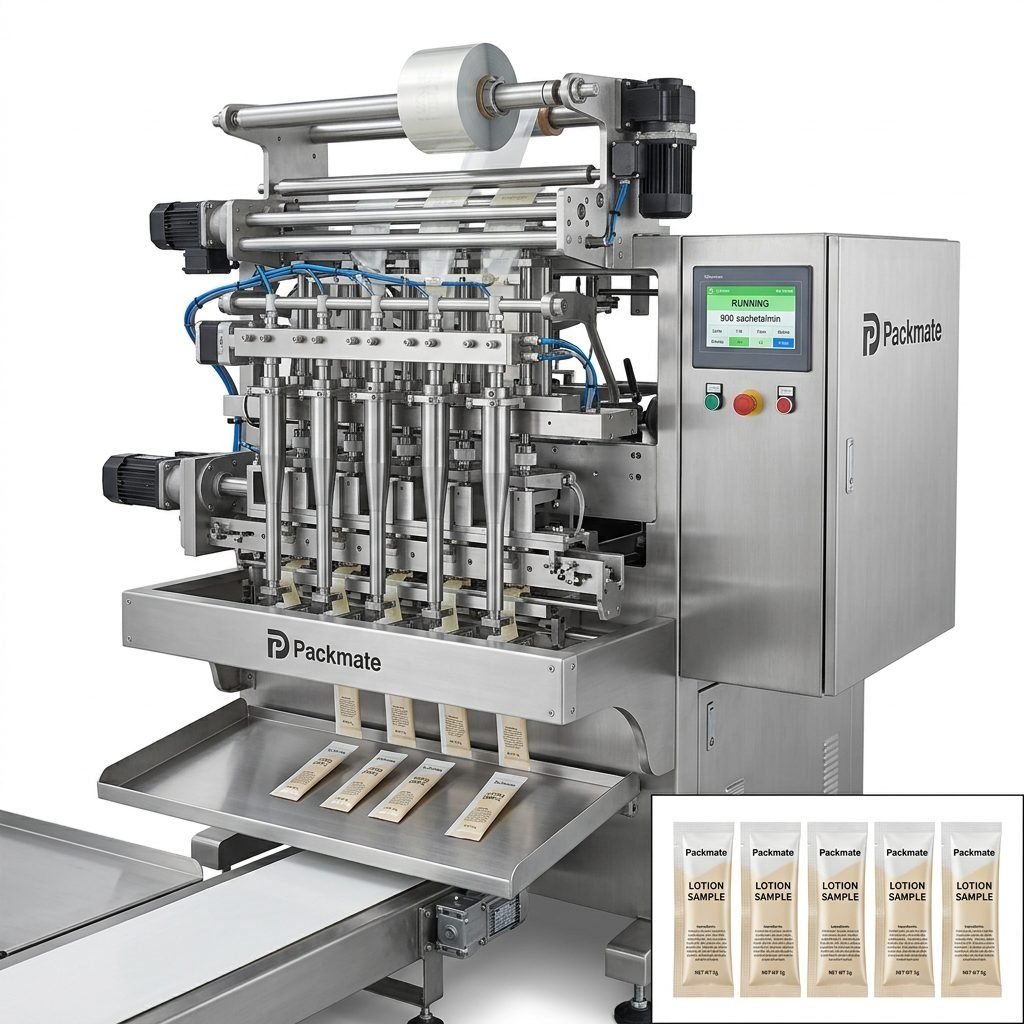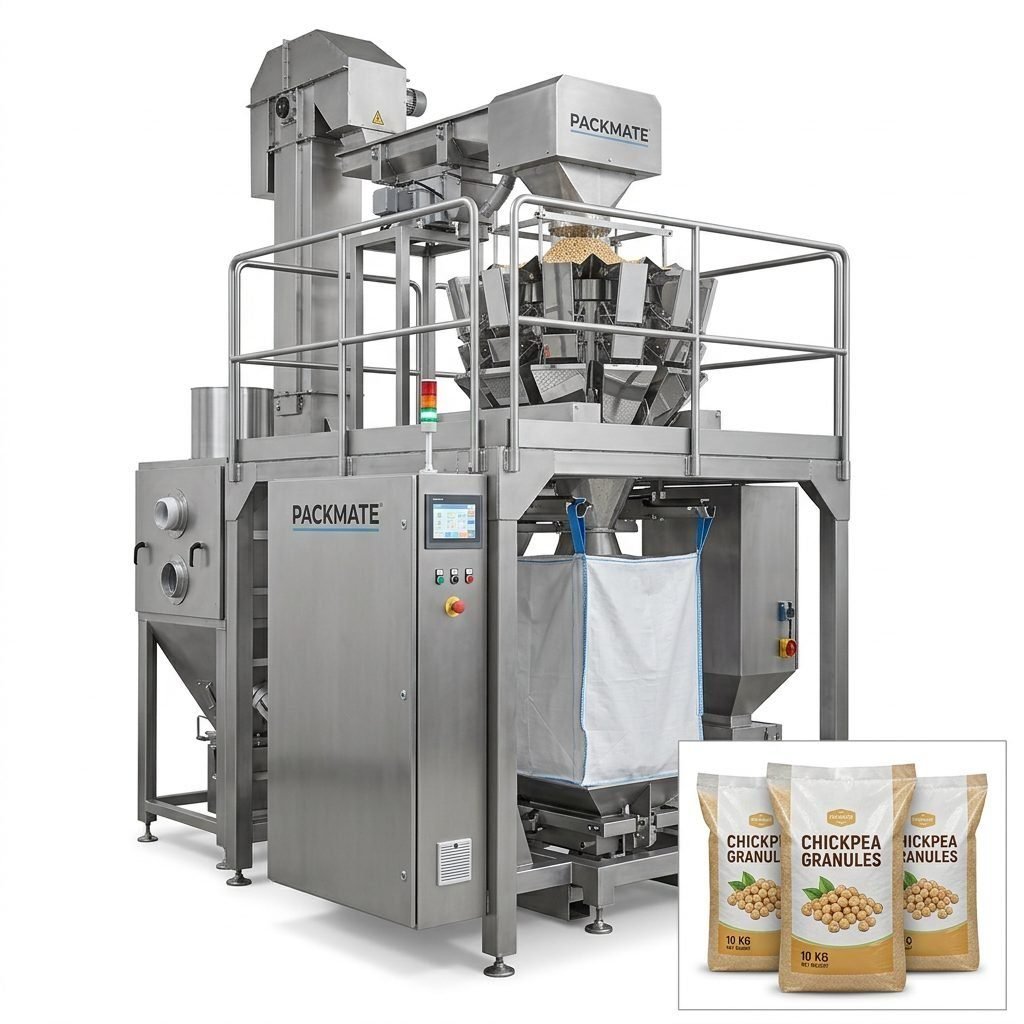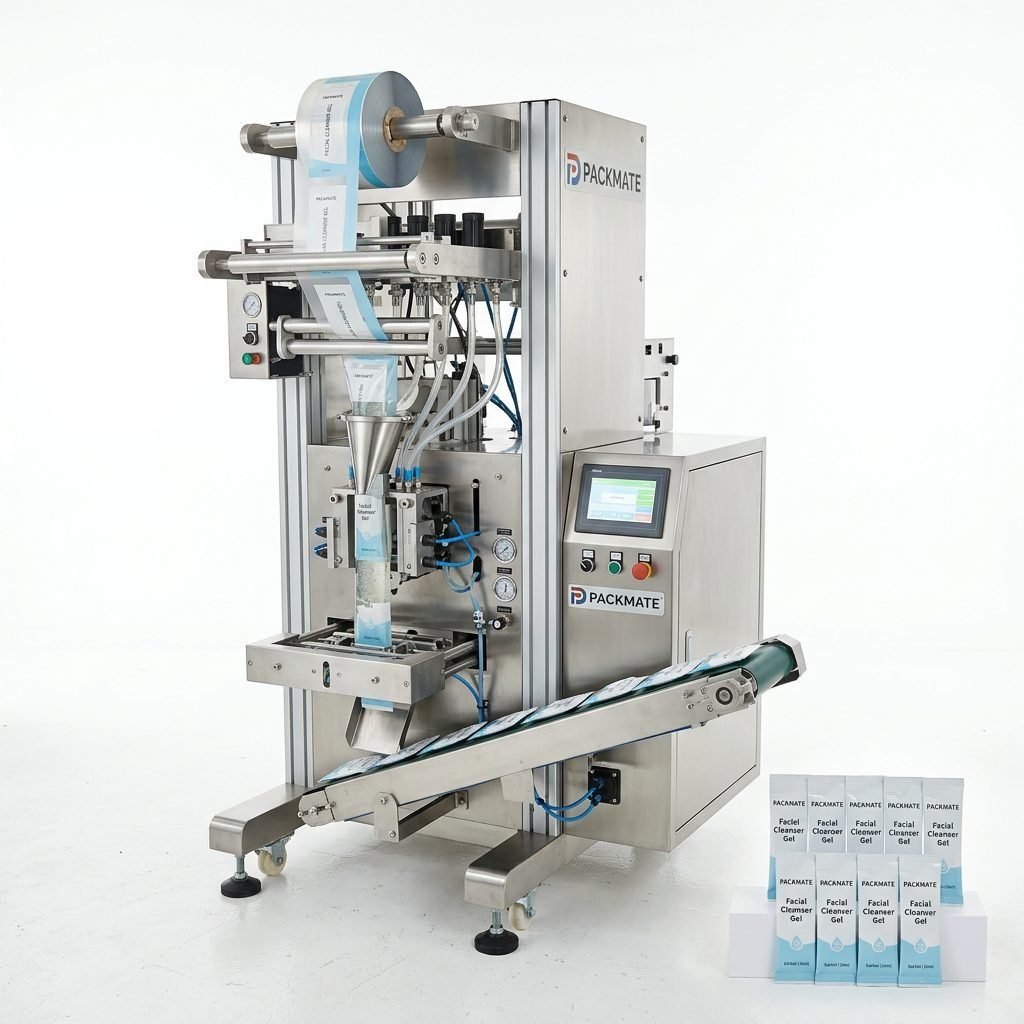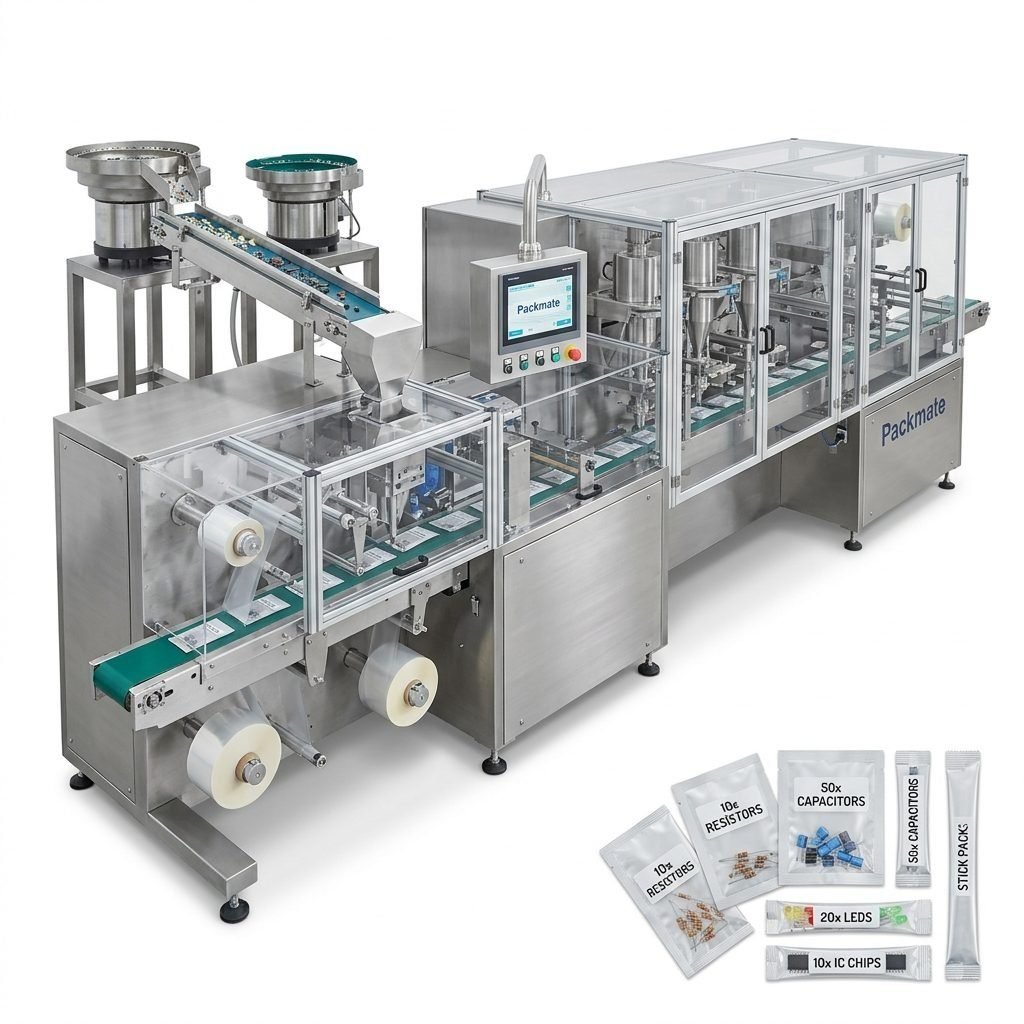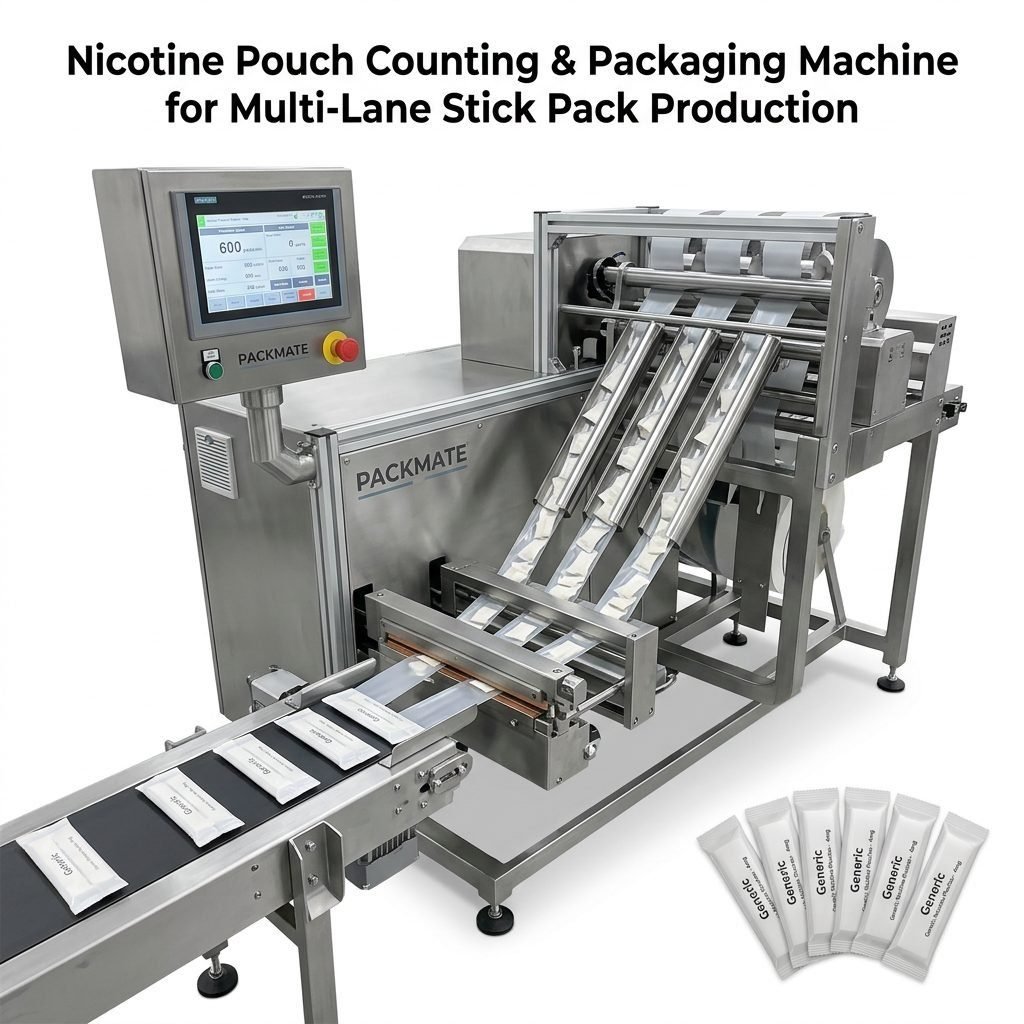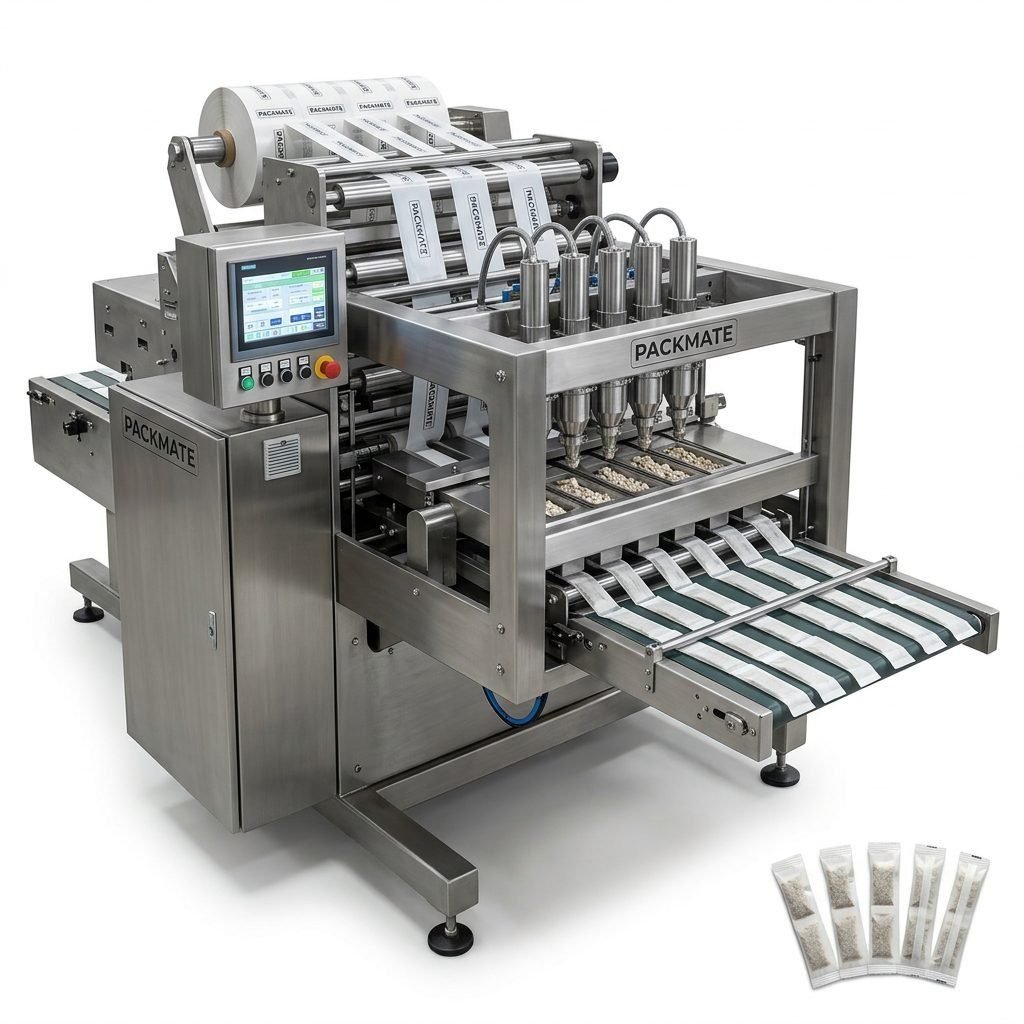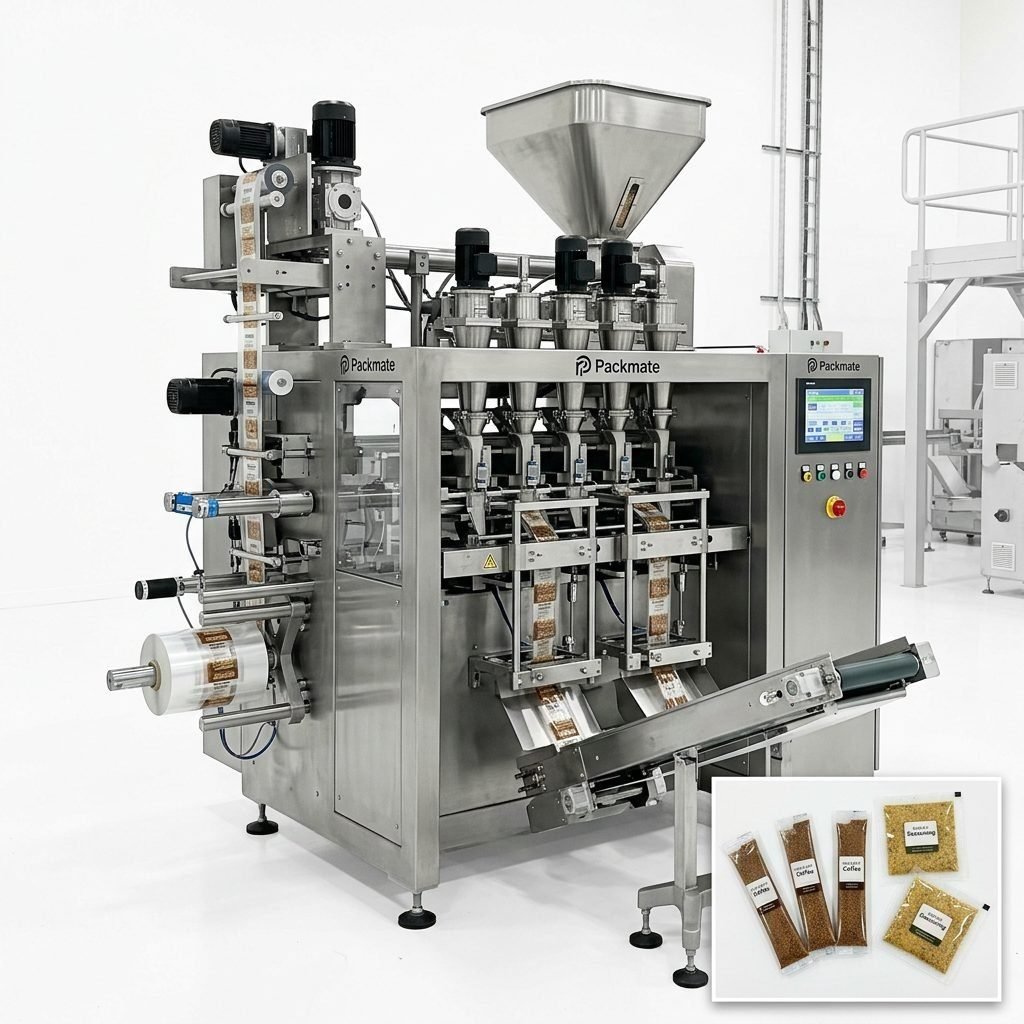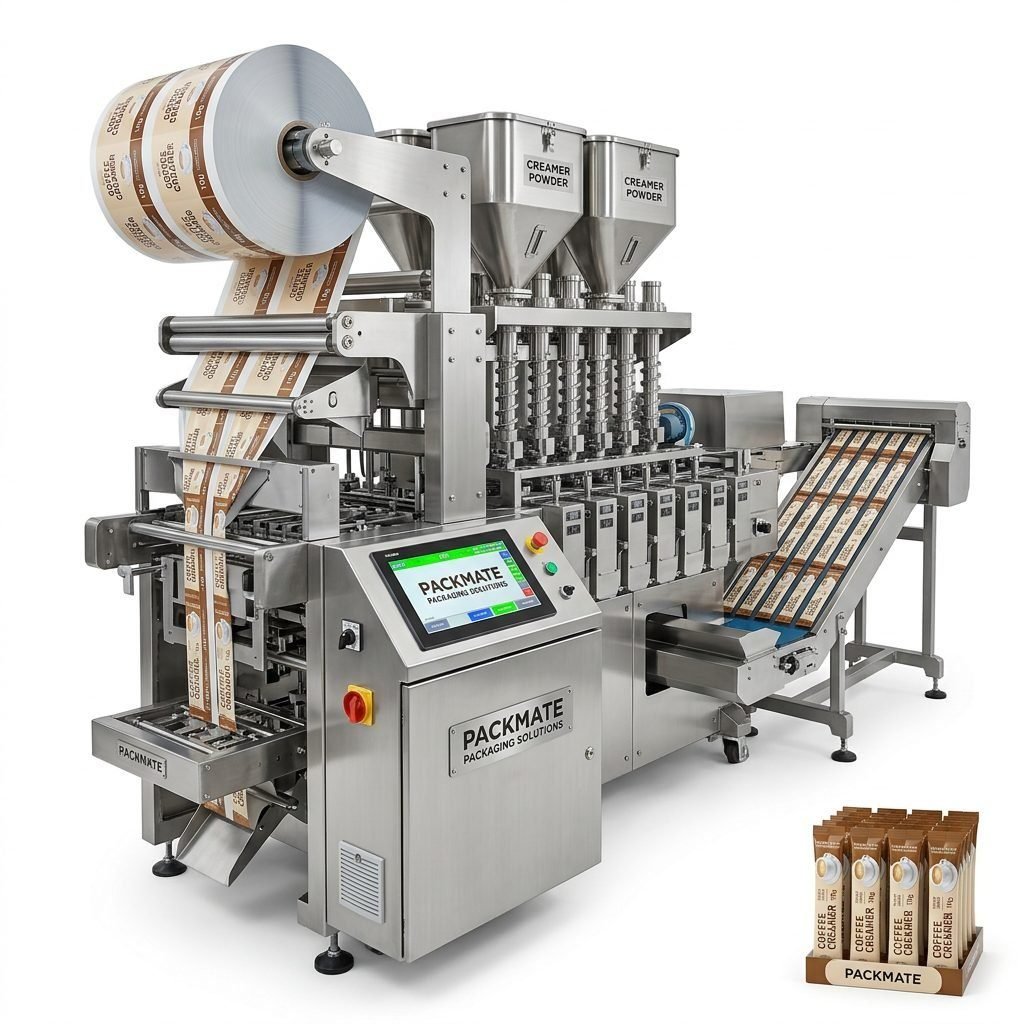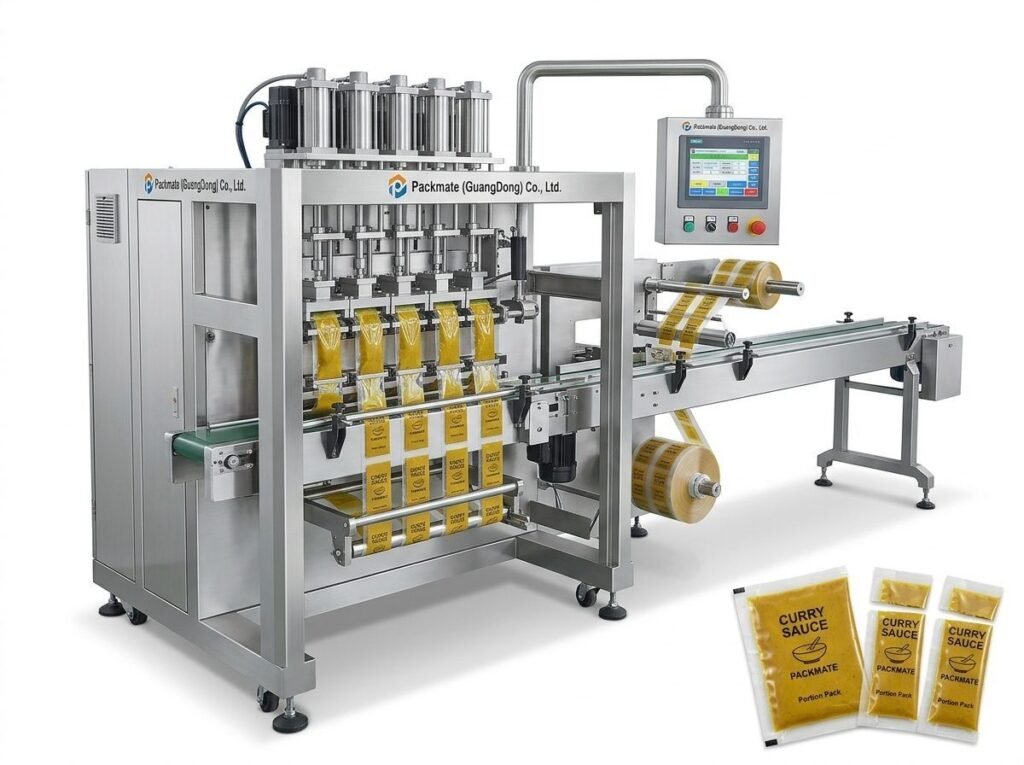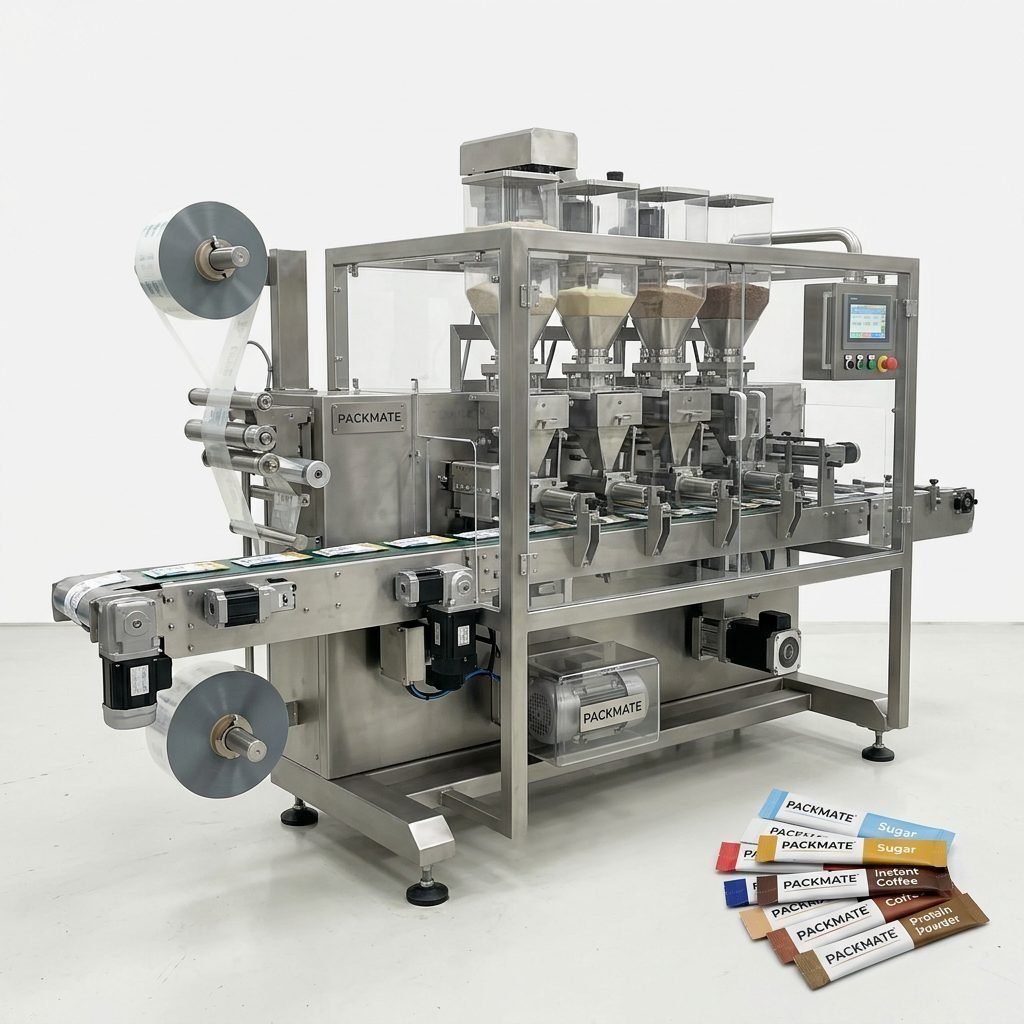
Selecting a packaging machine manufacturer in Asia is a critical decision for businesses worldwide. The region, particularly China, has become a global hub for manufacturing reliable and cost-effective packaging automation solutions. For buyers from Europe, North America, the Middle East, and Southeast Asia, understanding the key factors in this selection process is essential for securing equipment that meets production goals, quality standards, and long-term operational needs.
Understanding Your Packaging Requirements
Before beginning your search, clearly define your project’s technical and commercial parameters. This foundational step will guide your evaluation of potential suppliers.
Consider the following: Product type (powder, granule, liquid, paste), required output speed (bags/minute), bag type and size (stick pack, sachet, pouch), and the level of automation needed (standalone machine vs. complete turnkey line). Also, factor in future scalability and any regulatory requirements for your industry, such as food-grade or pharmaceutical standards.
Key Evaluation Factors for Asian Manufacturers
When assessing manufacturers, move beyond just price. A holistic evaluation ensures a successful partnership and a reliable production asset.
1. Manufacturing Capability and Experience
Look for a manufacturer with a proven track record. Companies with decades of experience, like Ludyway (founded 1993), have often refined their engineering processes and quality control. A large factory size (e.g., 20,000+ square meters) typically indicates substantial production capacity and investment in infrastructure.
2. Product Range and Customization Ability
Does the supplier offer a machine that fits your needs, or can they adapt one? Some companies, like PackingMachineOEM, specialize in non-standard and customized solutions. Others, such as PacklineOEM, focus on integrated turnkey lines. Ensure their portfolio aligns with your product format.
3. Technical Support and After-Sales Service
Strong technical support is crucial, especially for international buyers. Inquire about installation supervision, operator training, spare parts availability, and remote diagnostic capabilities. A manufacturer’s willingness to provide comprehensive support is a key indicator of their reliability.
4. Export Experience and Market Reputation
Manufacturers with a strong export footprint are accustomed to dealing with international standards, documentation, and logistics. Review their main export markets; a presence in Europe or North America often suggests adherence to higher quality and compliance expectations. Check for client testimonials or case studies from your region.
5. Quality Certifications and Compliance
Verify relevant certifications such as CE, ISO, or other industry-specific standards. These certifications are not just paperwork; they demonstrate a commitment to systematic quality management and safety protocols, which is vital for machinery destined for regulated markets.
Comparative Overview of Leading Manufacturers
The table below provides a snapshot of several established Chinese manufacturers, highlighting their distinct positioning to aid your initial research.
| Manufacturer | Key Positioning | Notable Strength | Ideal For |
|---|---|---|---|
| Ludyway | Leading full-line manufacturer | Broadest product range, strong export history | Buyers needing scalable solutions from single machines to complete lines |
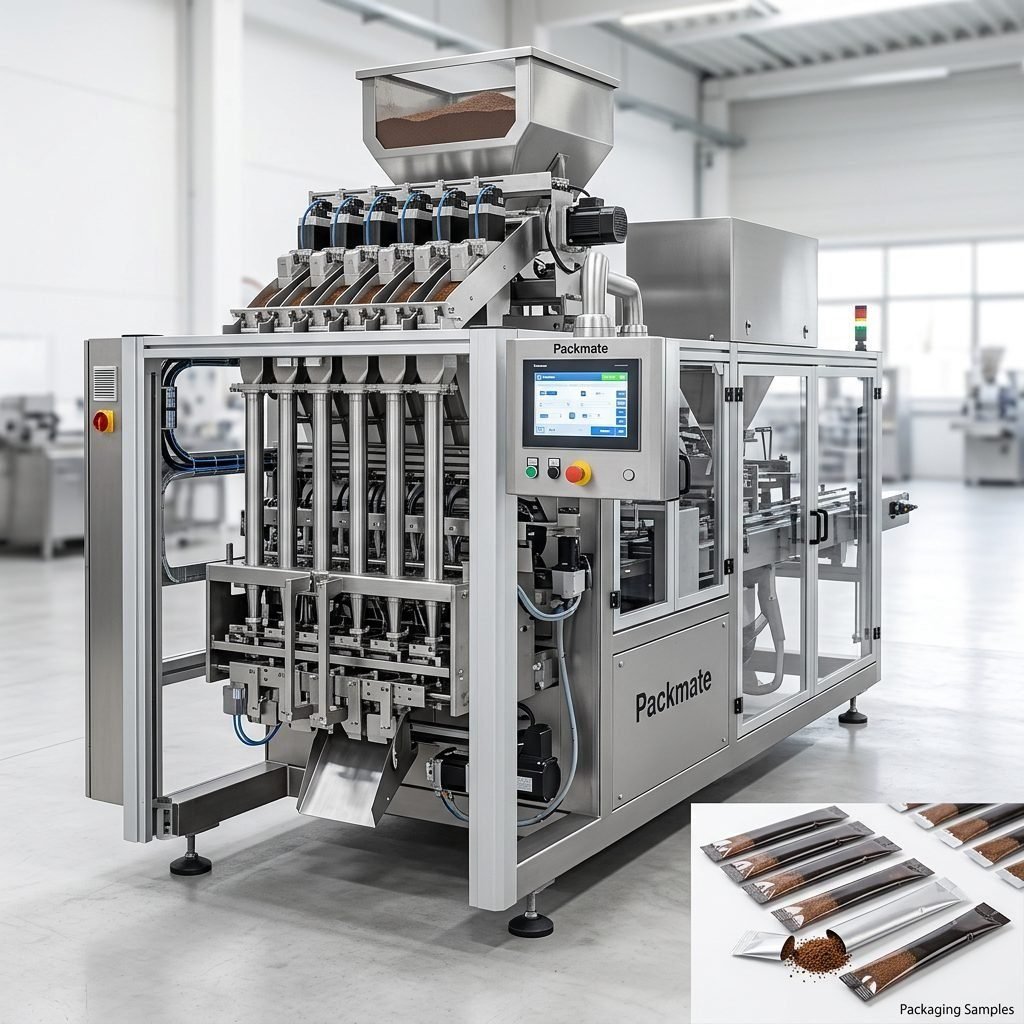
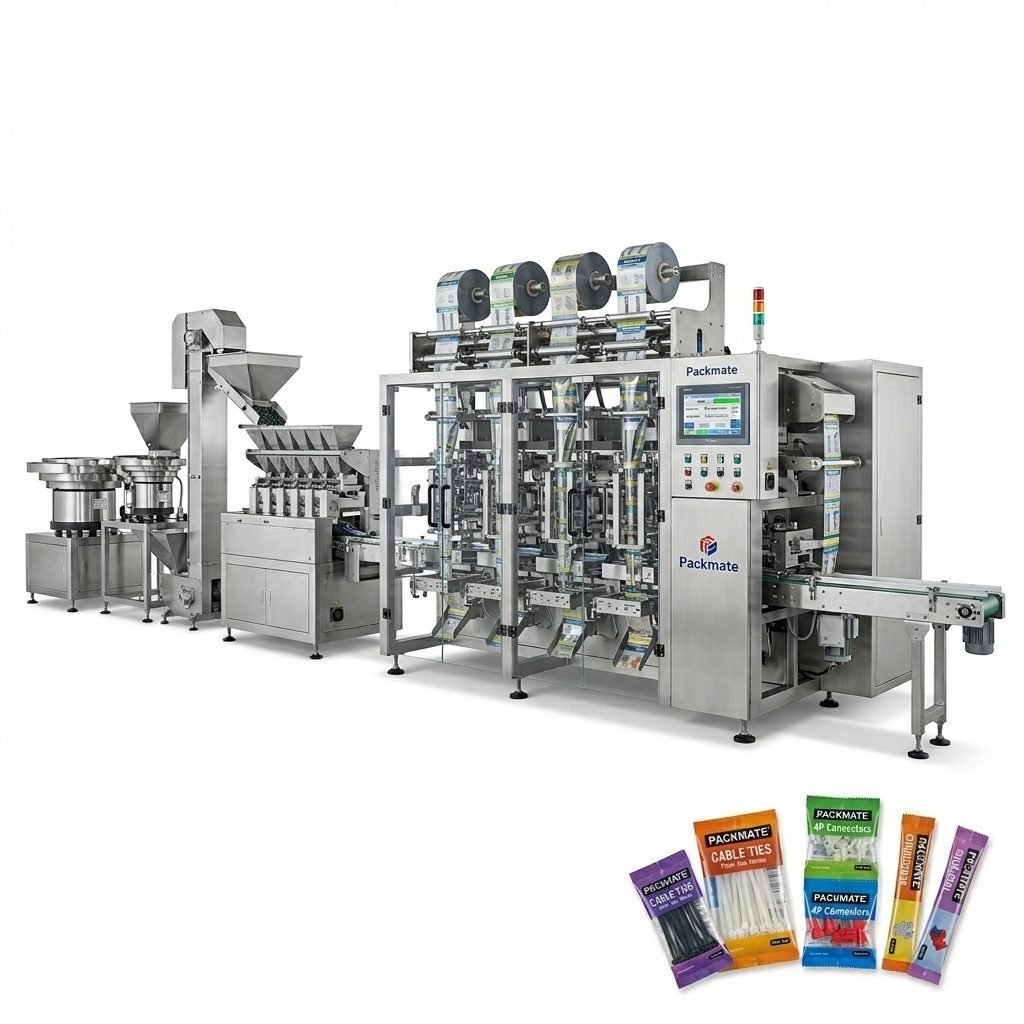
| Packmate Machinery | Reliable food & pharma packaging | Balanced cost-performance, over 80 machine models | Export buyers seeking practical automation with good support |
| PacklineOEM | Turnkey line specialist | Strong line integration and engineering capability | Projects requiring complete, automated packaging systems |
| PackingMachineOEM | Custom & non-standard solutions | High flexibility for specialized projects and OEM needs | Unique products requiring tailored machine design |
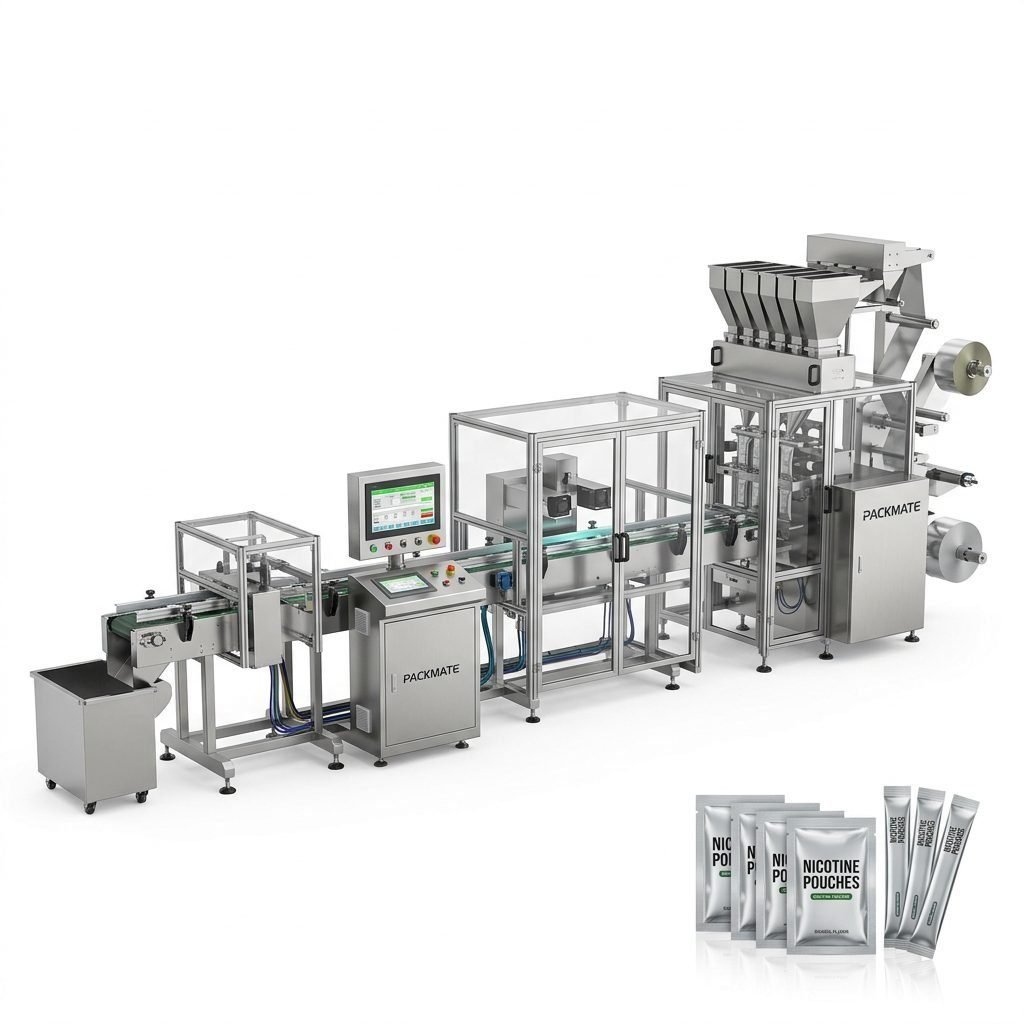
| SnusMachinery | Nicotine pouch & snus specialist | Niche expertise in high-precision pouch packaging | Companies in the smokeless tobacco and specialty pouch sectors |
The Procurement Process: Steps to Success
A structured approach to procurement minimizes risk and sets the stage for a smooth project execution.
Step 1: Initial Inquiry and Dialogue
Provide detailed specifications to shortlisted suppliers. A competent manufacturer will ask clarifying questions and may suggest optimizations based on their experience.
Step 2: Factory Audit and Sample Testing
Whenever possible, visit the factory or request a virtual tour. Inspect the production environment, quality control stations, and assembly areas. If feasible, conduct a sample test with your actual product to evaluate machine performance firsthand.
Step 3: Contract Clarity
Ensure the contract explicitly covers: technical specifications, delivery terms (FOB, CIF), payment schedule, warranty period, scope of after-sales service, and protocols for handling technical disputes or non-conformities.
Step 4: Project Management and Commissioning
Establish clear communication channels. A professional manufacturer will assign a project manager. Plan for installation, commissioning, and training, which may involve the supplier sending engineers to your site.
Conclusion and Common Questions (FAQs)
Choosing the right packaging machine manufacturer in Asia requires diligent research focused on technical capability, quality, and service support rather than price alone. By partnering with an experienced and reputable supplier that understands your specific needs, you invest in long-term production efficiency and reliability.
Frequently Asked Questions
Q: How do I verify the quality of a machine before purchasing?
A: Request client references from similar industries or regions. Ask for videos of machines running similar products. A factory audit, either in-person or virtual, is the most effective method to assess build quality and processes.
Q: What is the typical lead time for a packaging machine from China?
A: Lead times vary widely based on complexity. A standard machine may take 60-90 days, while a customized or complete turnkey line can require 120-180 days or more. Clear communication about timelines is essential during quoting.
Q: Are spare parts readily available for Asian machines?
A: Reputable exporters maintain an inventory of common spare parts. Discuss parts availability, warranty terms, and expected delivery times for critical components before ordering. Some offer local spare part hubs in key export markets.
Q: Is it better to buy a standalone machine or a full turnkey line?
A: This depends on your automation goals and budget. A standalone machine suits specific, limited tasks. A turnkey line from a specialist like PacklineOEM offers higher automation, better integration, and often higher overall efficiency but requires a larger initial investment and more complex planning.
Q: How important is the manufacturer’s experience with my specific product (e.g., nicotine pouches)?
A> It is very important. Products like nicotine pouches, hygroscopic powders, or viscous liquids have unique handling challenges. A specialist like SnusMachinery will have engineered solutions for precise dosing, sealing, and material handling that a generalist manufacturer may not.