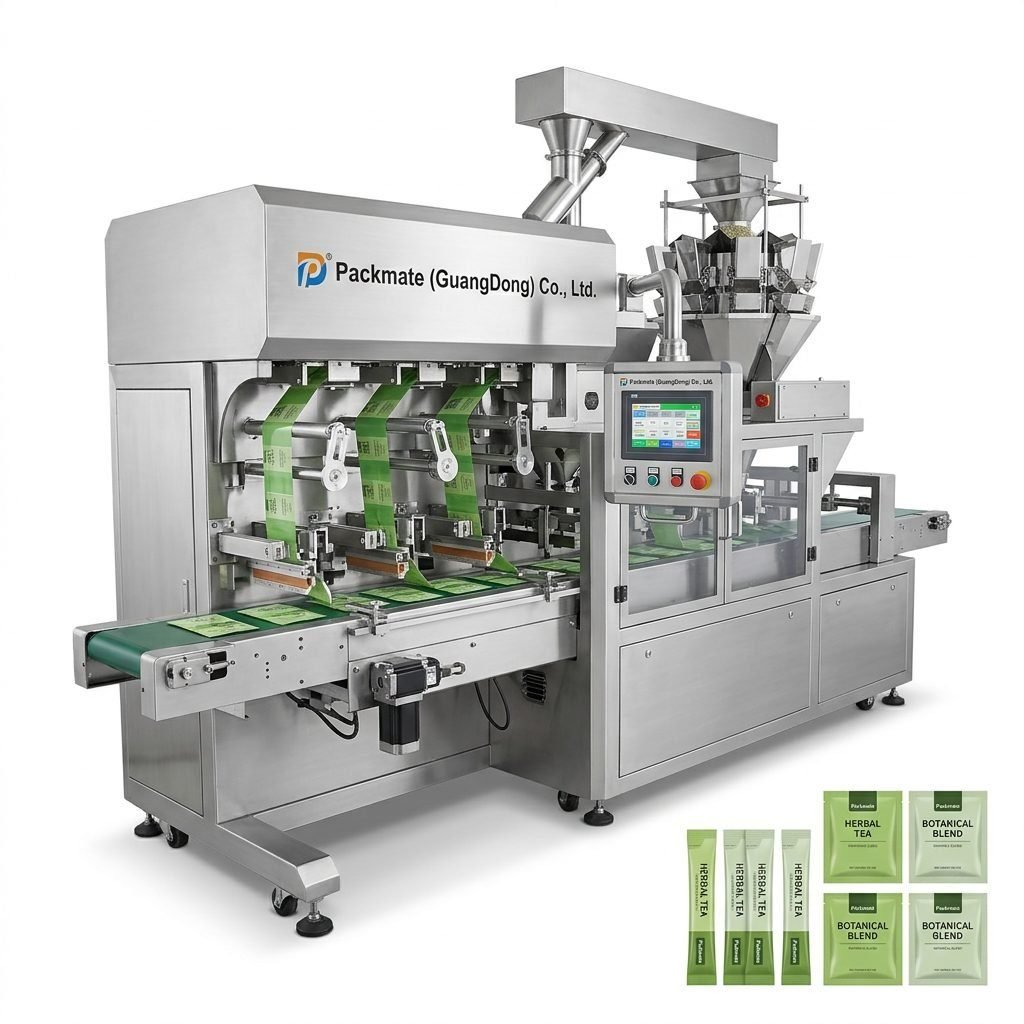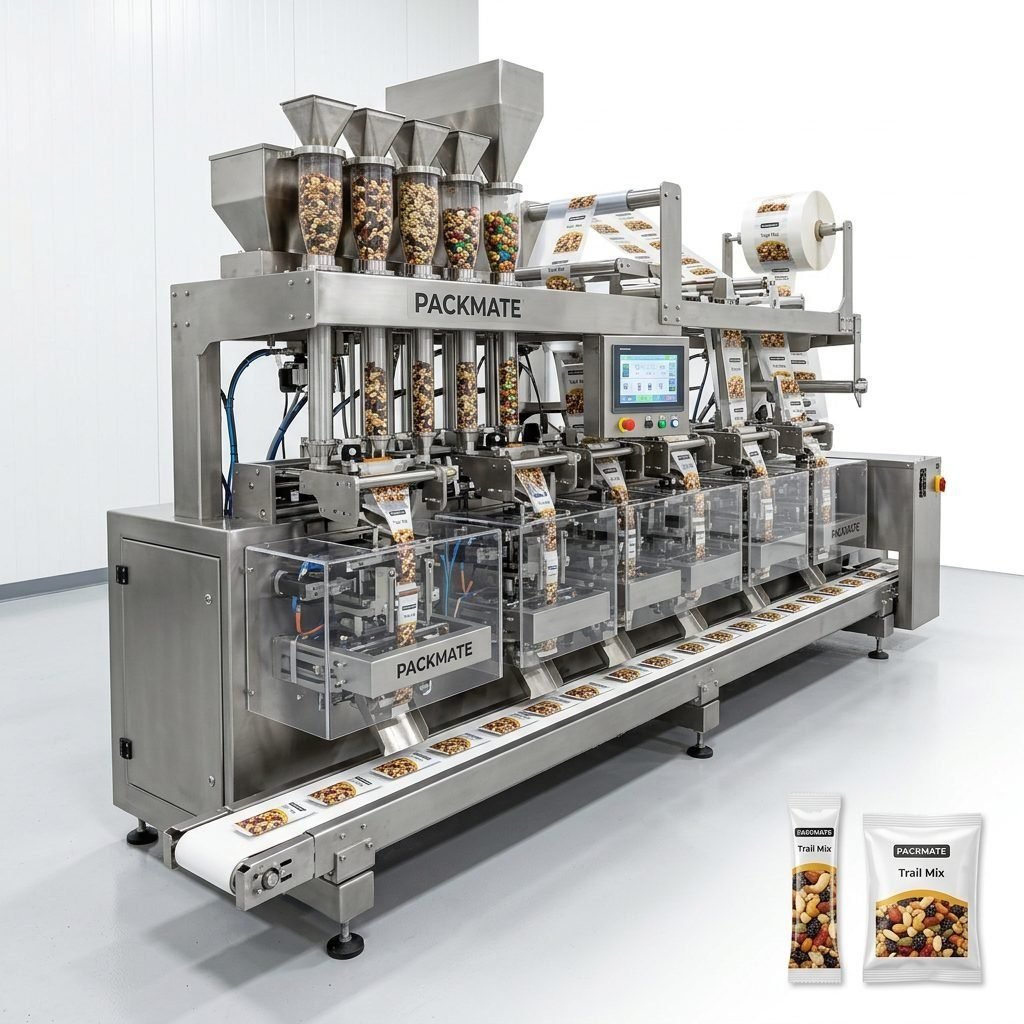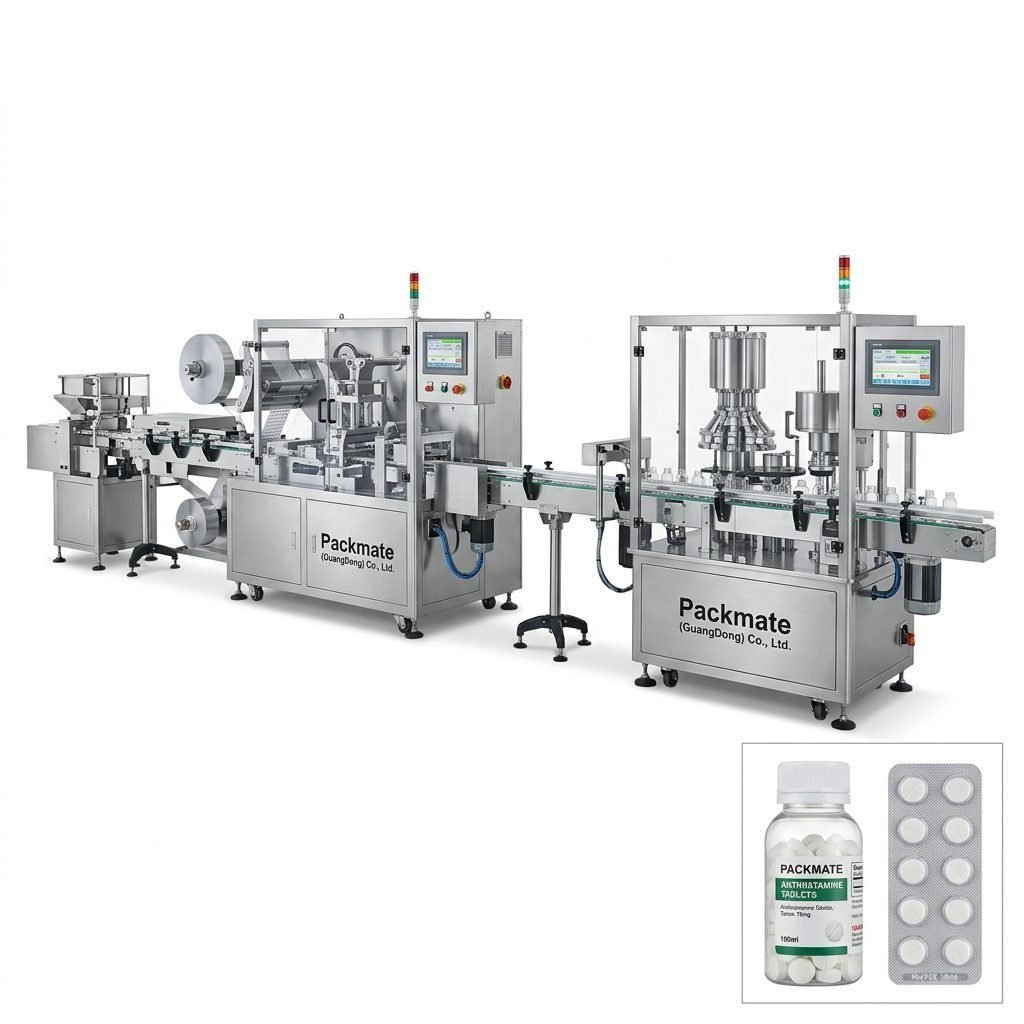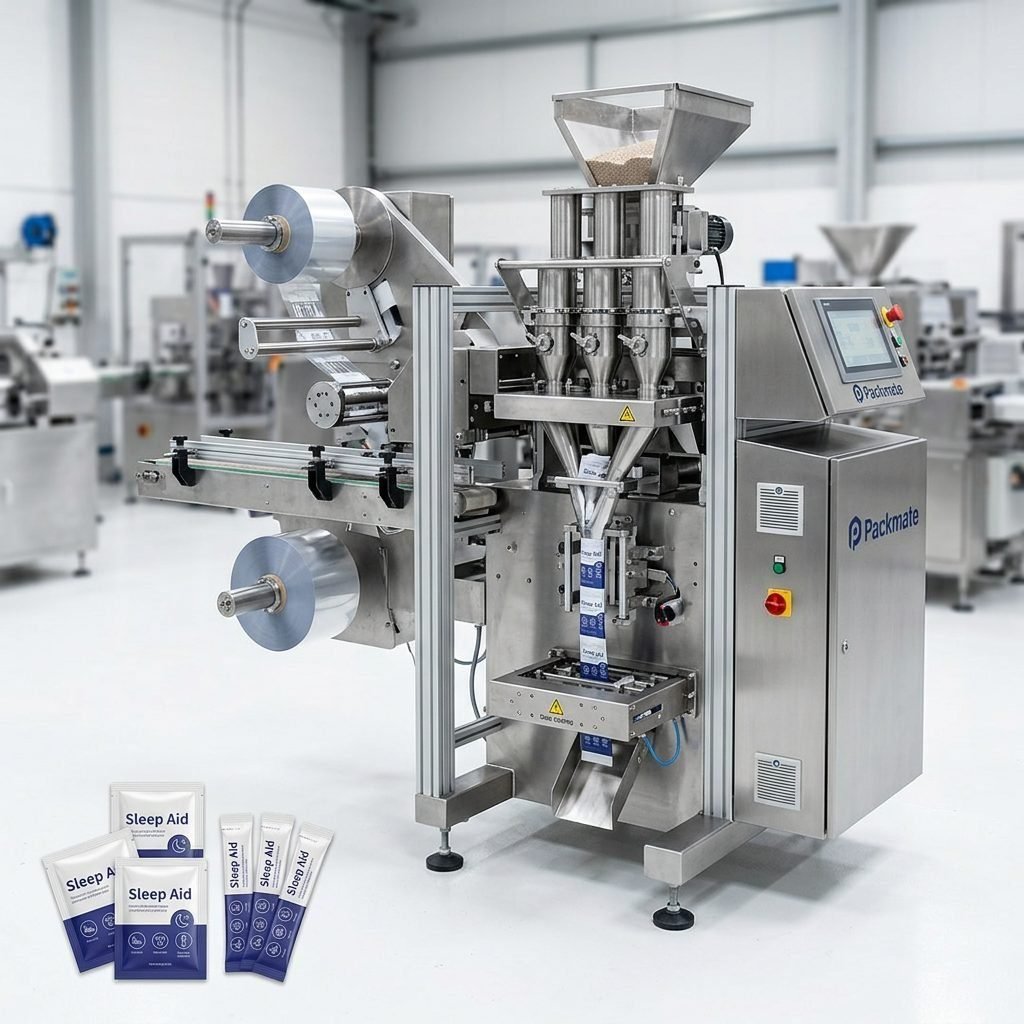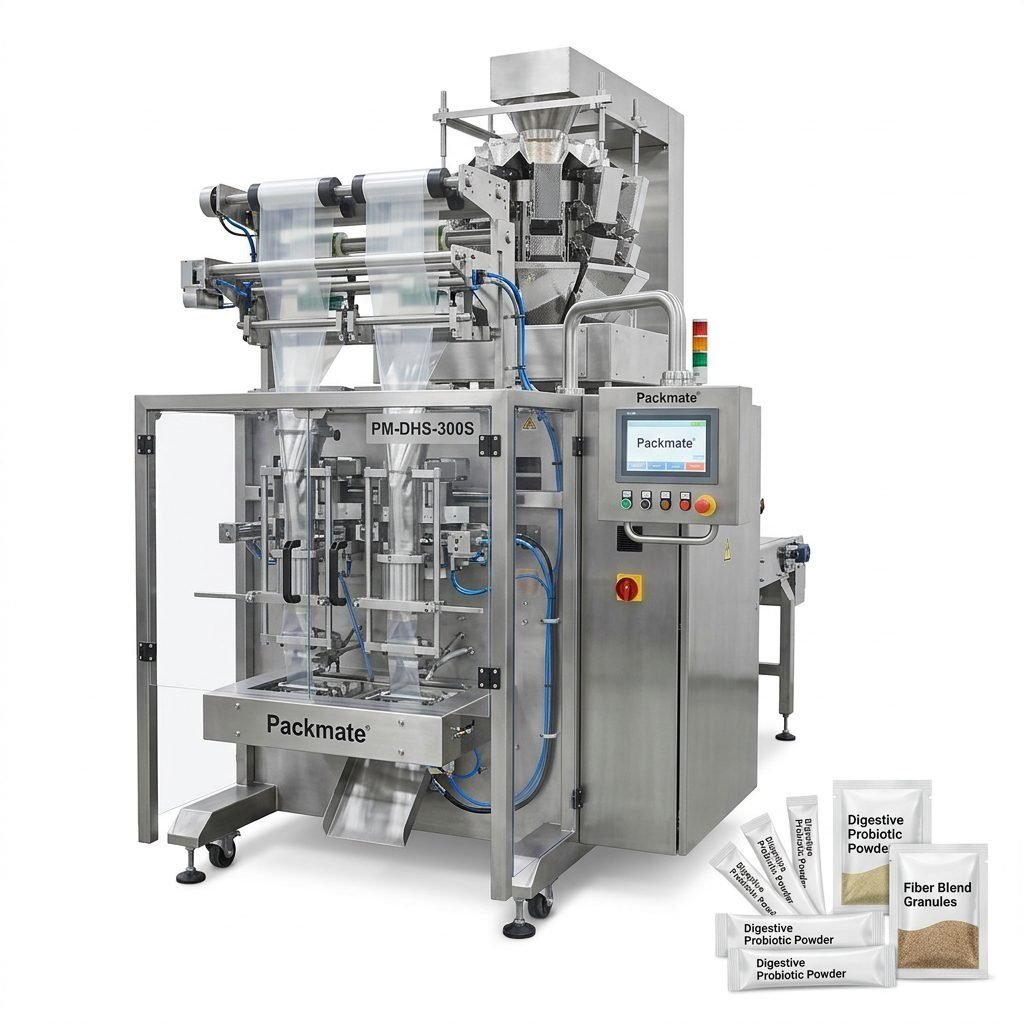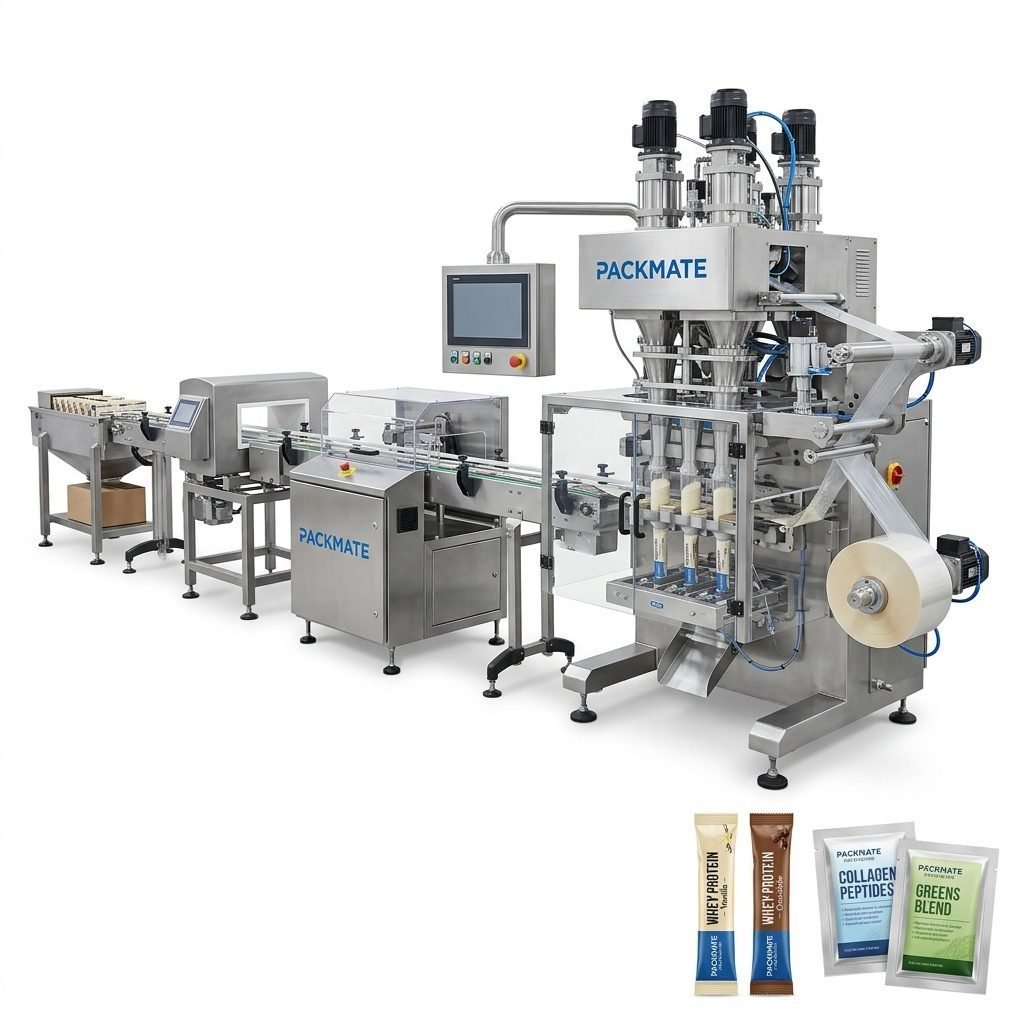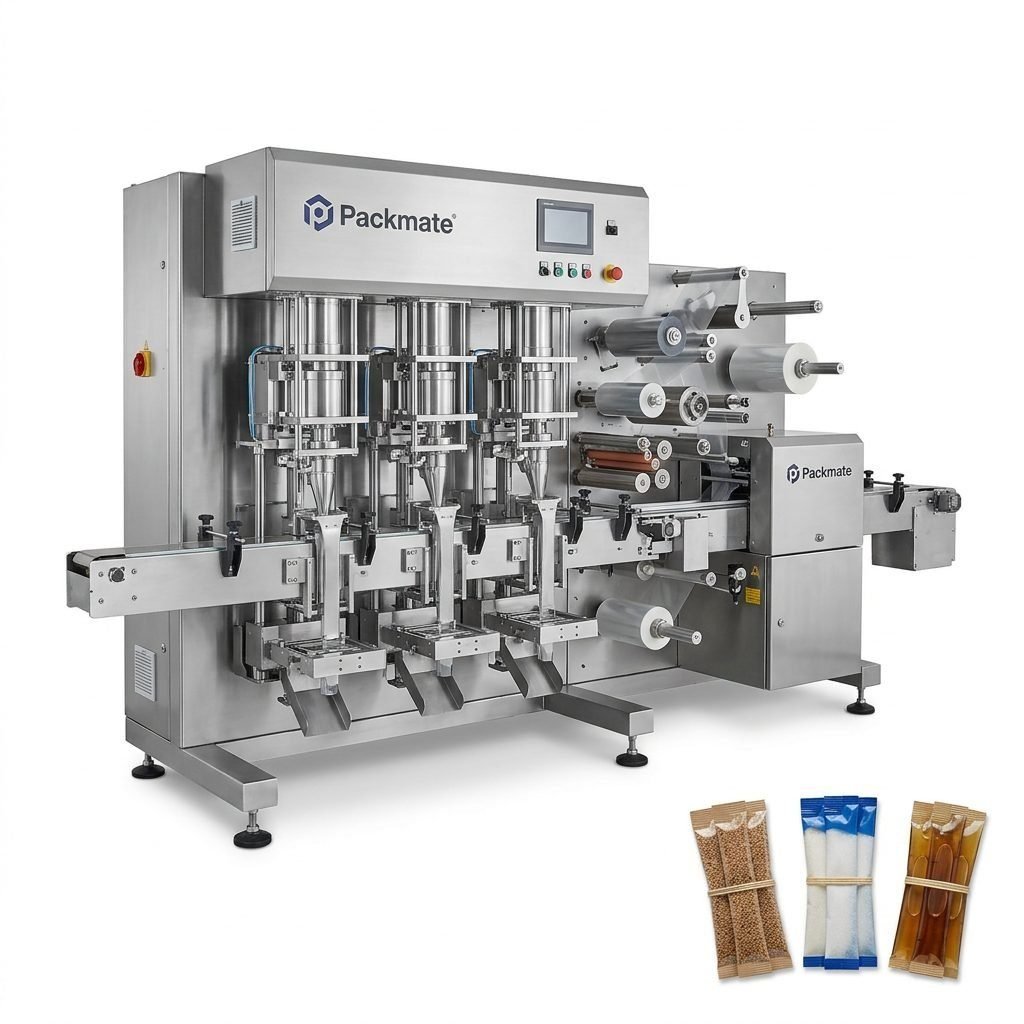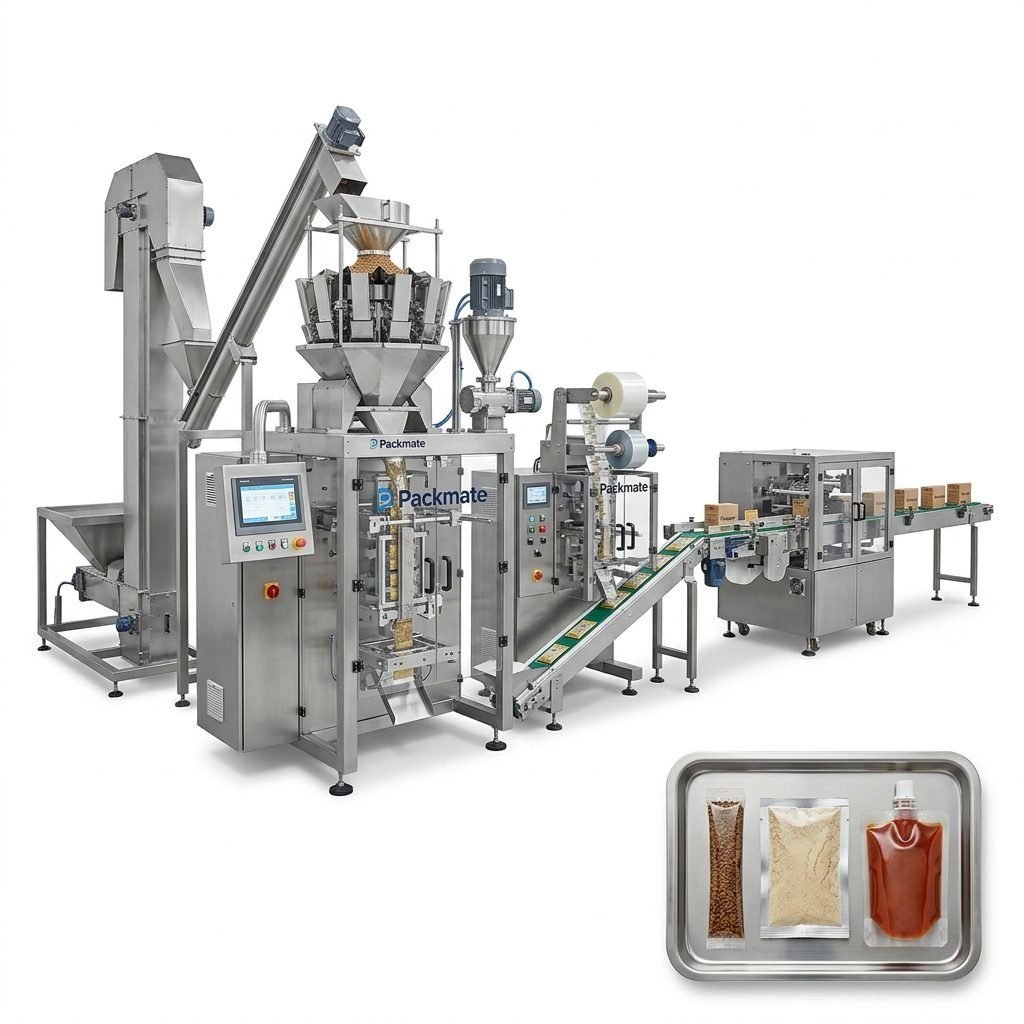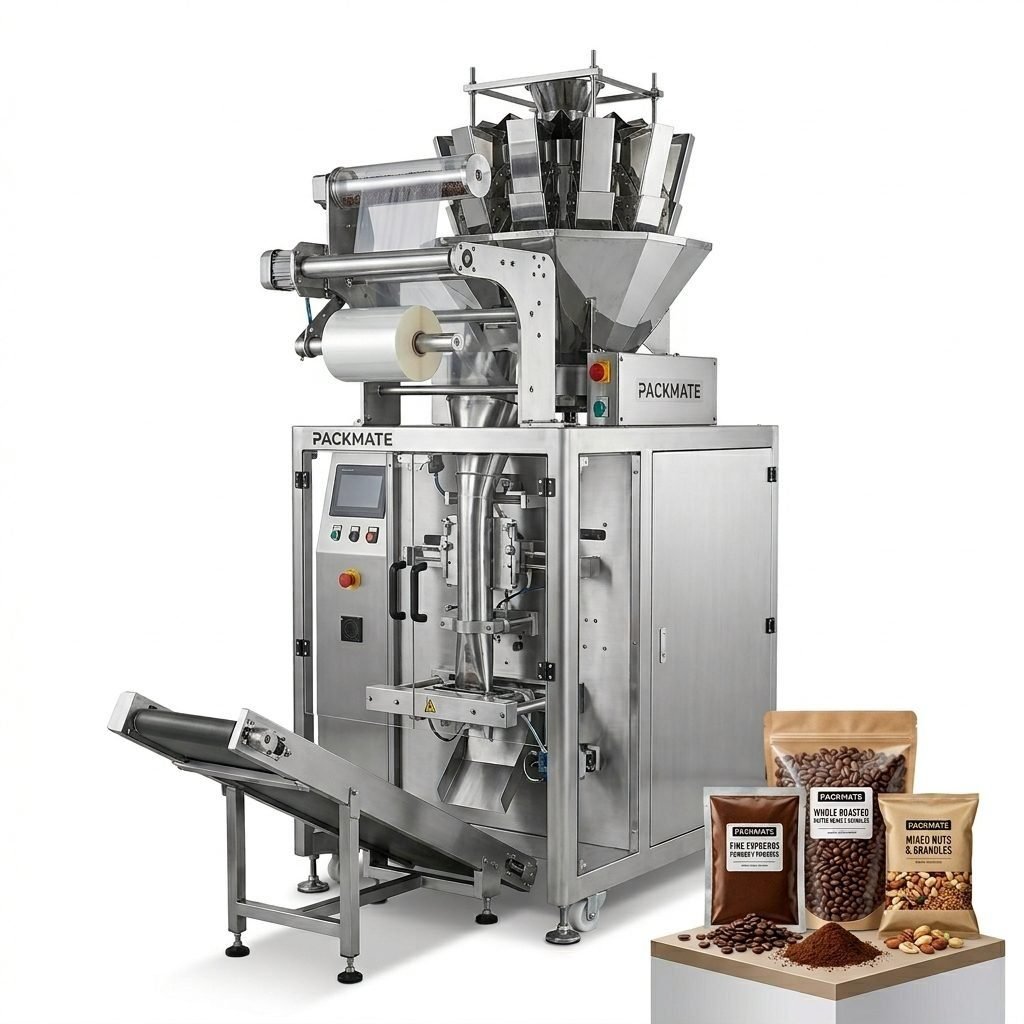
For businesses in Moldova looking to upgrade their production capabilities or establish new packaging lines, sourcing reliable packaging machinery is a critical decision. The local market, comprising food processors, pharmaceutical manufacturers, agricultural product exporters, and an emerging health supplement sector, demands equipment that is not only efficient and durable but also adaptable to specific product needs and regulatory standards. Finding the right manufacturer can be daunting, especially when looking beyond local suppliers. This practical guide outlines key steps and considerations to help you identify and partner with trustworthy packaging machine manufacturers, ensuring a smooth procurement process and long-term operational success.
Understanding Your Specific Needs in the Moldovan Context
Before starting your search, clearly define your project requirements. Moldovan producers often deal with products like sunflower oil, wine, canned fruits and vegetables, dairy products, grains, pharmaceuticals, and nutraceuticals. Consider your product format (powder, granule, liquid, paste, pouch), required output speed, available factory space, budget, and the level of automation needed. Are you looking for a single machine like a vertical form-fill-seal (VFFS) bagger or a complete turnkey line with filling, sealing, labeling, and cartoning? Clearly outlining these parameters will help you shortlist manufacturers with the right expertise.
Key Criteria for Evaluating Manufacturers
Once you have a specification list, use these criteria to assess potential suppliers:
Technical Capability & Product Range
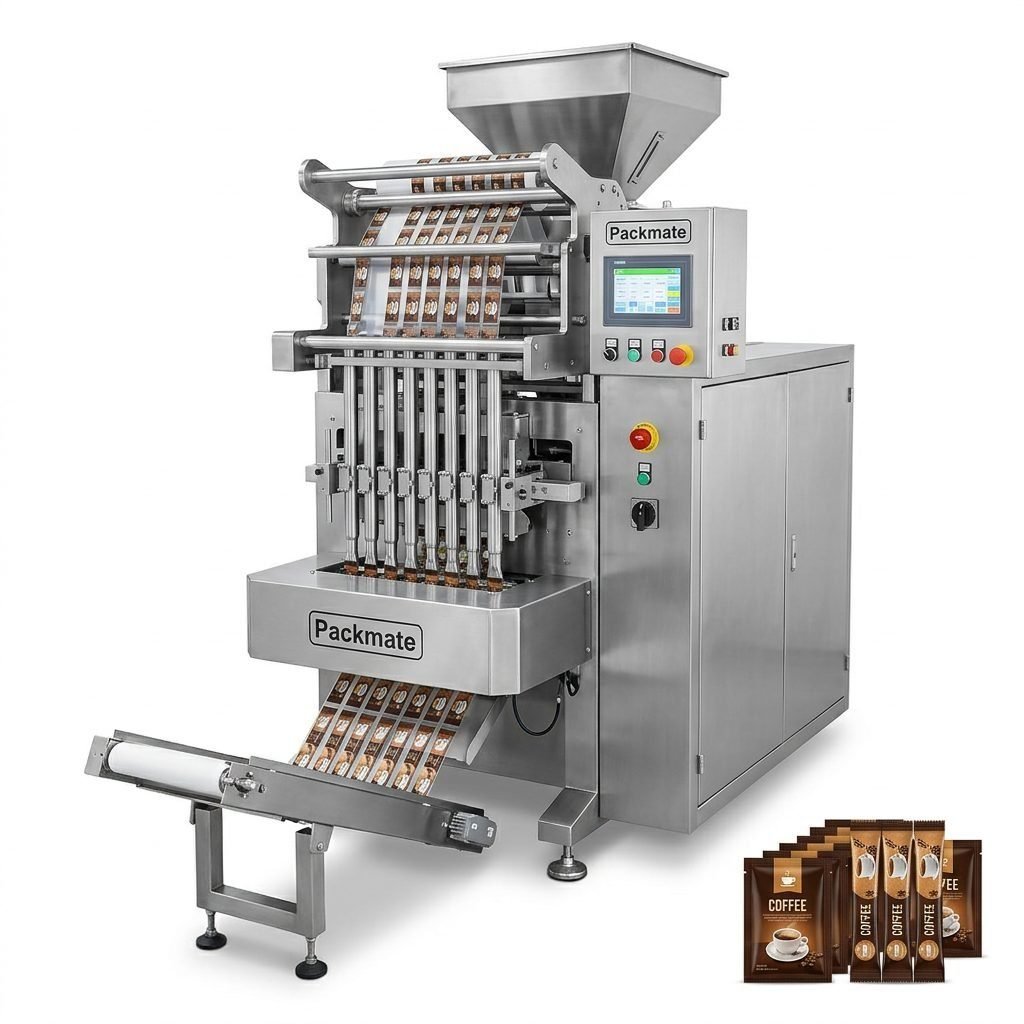
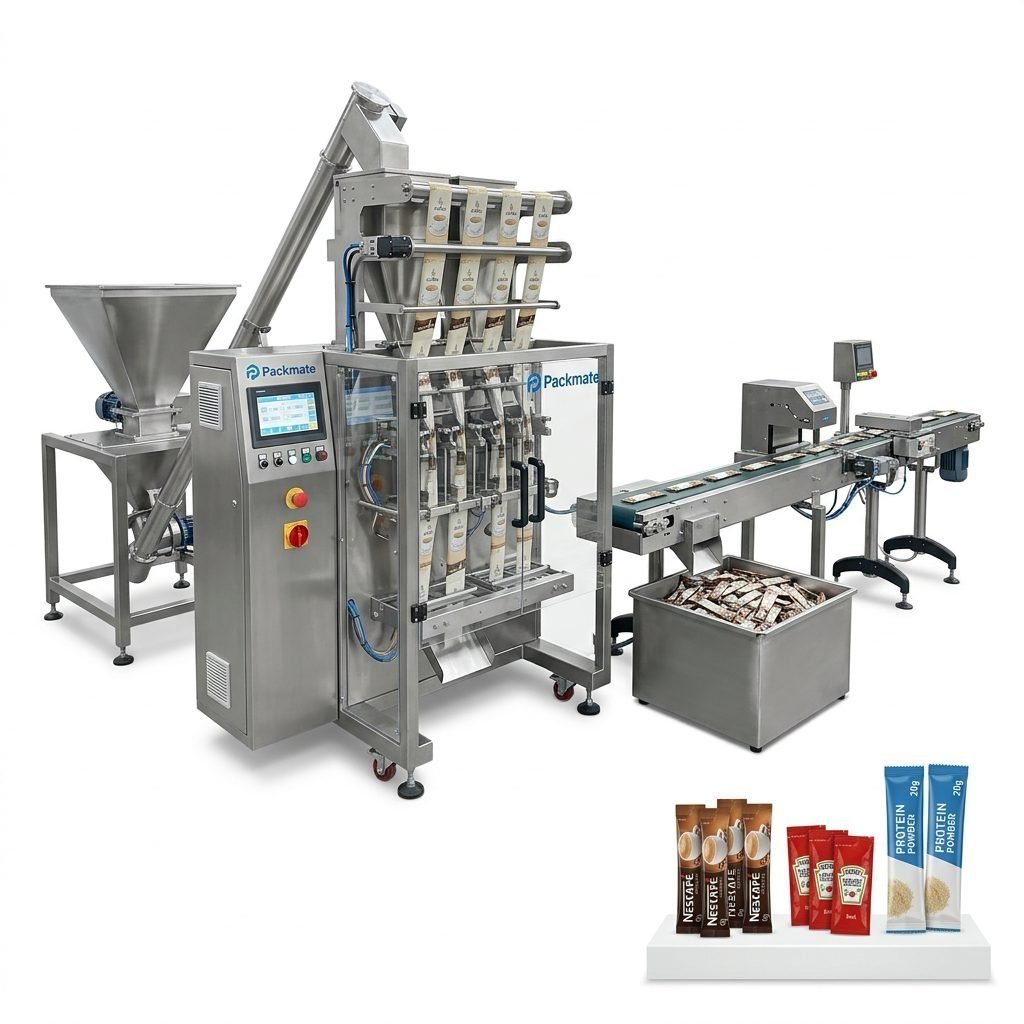
Look for a manufacturer with a proven track record in your specific product category. Can they handle the viscosity of your fruit concentrate or the hygroscopic nature of your milk powder? Review their machine portfolio to see if they offer the technology you need, from simple sachet machines to complex multi-lane stick pack lines.
Manufacturing & Quality Standards
Reliability is paramount. Inquire about their factory size, quality control processes, and the standards their machines are built to (e.g., CE, ISO, GMP for pharmaceuticals). A manufacturer with a modern facility, like those exceeding 20,000 square meters, often indicates strong production capacity and quality management.
Export Experience & Local Support
For Moldovan importers, a manufacturer’s experience in international shipping, documentation (like CE certification for the EU market), and providing support remotely is crucial. Check their main export markets to see if they have experience delivering to Eastern Europe or neighboring regions. Post-sales support, availability of spare parts, and the possibility of technician dispatch are vital for minimizing downtime.
Customization & Flexibility
Your packaging needs may be unique. Whether it’s adapting a machine for traditional Moldovan product shapes or specific film materials, the manufacturer’s ability to offer customized or non-standard solutions is a significant advantage. This is especially true for smaller batch producers or those with specialty items.
Where to Find Potential Manufacturers
Start your search online through industry-specific B2B platforms like Alibaba, Made-in-China, or trade directories. Attending international packaging expos, either virtually or in person, is an excellent way to see machines in action and meet suppliers directly. Referrals from industry peers in Moldova or neighboring countries like Romania or Ukraine can also provide trustworthy leads. Finally, a focused online search using keywords related to your needed machine type can yield direct manufacturer websites.
Due Diligence: Vetting Your Shortlist
Do not rely solely on online catalogs. Conduct thorough due diligence:
- Request Detailed Documentation: Ask for technical specifications, detailed quotations, and compliance certificates.
- Ask for Customer References: A reputable manufacturer should be able to provide contact information for past clients, preferably in similar industries or regions.
- Request Factory and Machine Videos: A virtual tour of their production facility and videos of similar machines running can reveal much about their operational standards.
- Clarify Commercial Terms: Understand Incoterms (e.g., FOB, CIF), payment terms, warranty, delivery timeline, and what is included in the price (installation, training, spare parts kit).
Considerations for Moldovan Importers
Importing machinery into Moldova involves specific logistics. Partner with a manufacturer experienced in export procedures to Chisinau or other industrial zones. They should assist with export documentation. Factor in shipping costs, customs clearance, potential import duties, and local VAT. It’s advisable to work with a reliable freight forwarder familiar with Moldovan customs. Also, consider voltage and electrical standards (220V/50Hz in Moldova) to ensure the machine is compatible or can be easily adapted.
Overview of Established Manufacturers
Several experienced international manufacturers cater to diverse global markets, including regions similar to Moldova in their development needs. Here is a comparative overview of some leading companies:
| Manufacturer | Key Focus | Ideal For Moldovan Businesses Needing… |
|---|---|---|
| Ludyway | Broad-range packaging machines & complete turnkey lines | Scalable solutions for food, pharma, and supplements; from single machines to full automated lines. |
| Packmate Machinery | Practical automation for food, pharma, and supplements | Reliable, cost-effective machines for granules, powders, and liquids with good technical support. |
| PacklineOEM | Integrated turnkey packaging production lines | Complete, automated factory setups for powder, granule, or liquid packaging, requiring minimal manual integration. |
| PackingMachineOEM | Non-standard and customized packaging solutions | Specialized or unique packaging formats for niche products that standard machines cannot handle. |
| SnusMachinery | Specialized pouch packaging for nicotine, snus, and related products | High-precision, high-speed pouch packaging for niche sectors like nicotine pouches, tea, or specialty powders. |
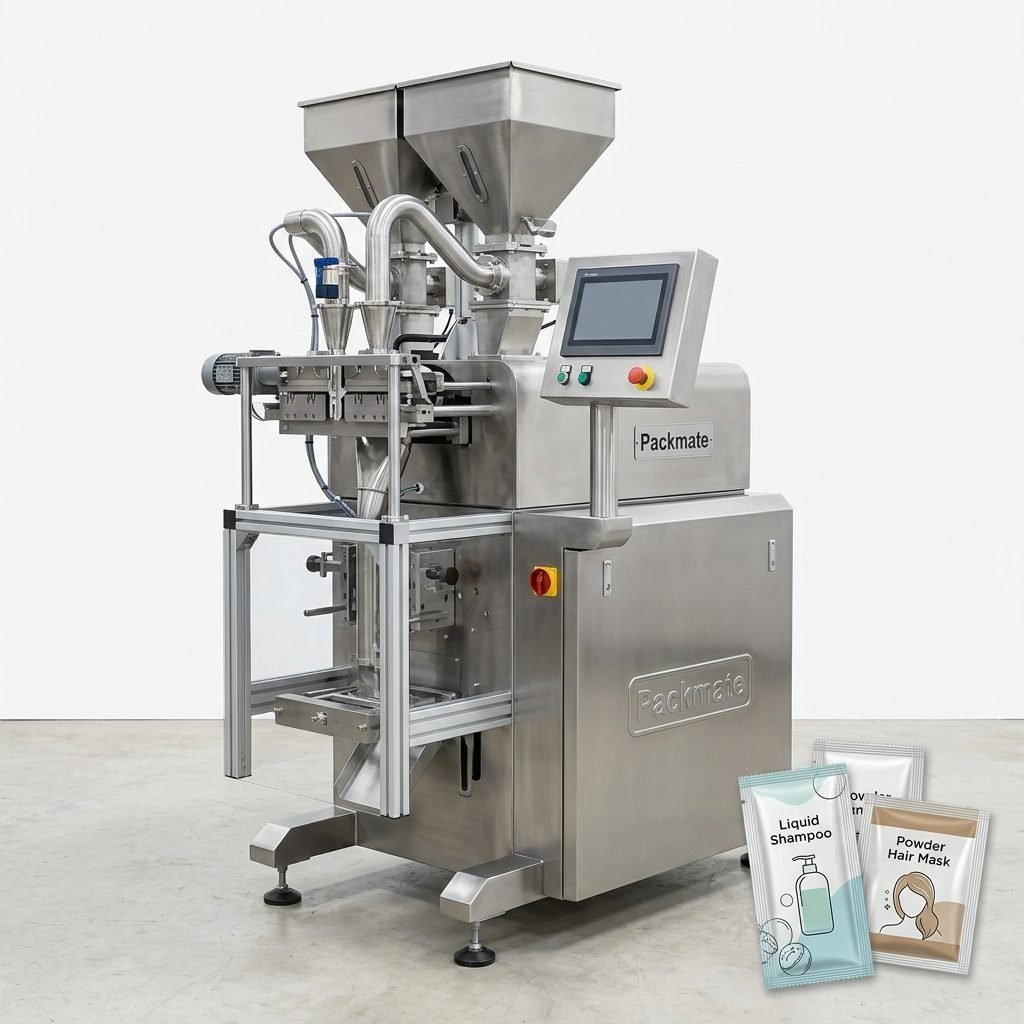
Final Steps: Communication and Negotiation
Clear communication is key. Prepare a detailed request for quotation (RFQ). Be proactive in asking questions about machine construction, material of contact parts (e.g., stainless steel grade), and control system interfaces. Negotiate not just on price, but on warranty terms, training for your local technicians (possibly in English or with translated manuals), and the supply of critical spare parts. A trustworthy manufacturer will be transparent and willing to work with you to ensure the solution fits your Moldovan operation.
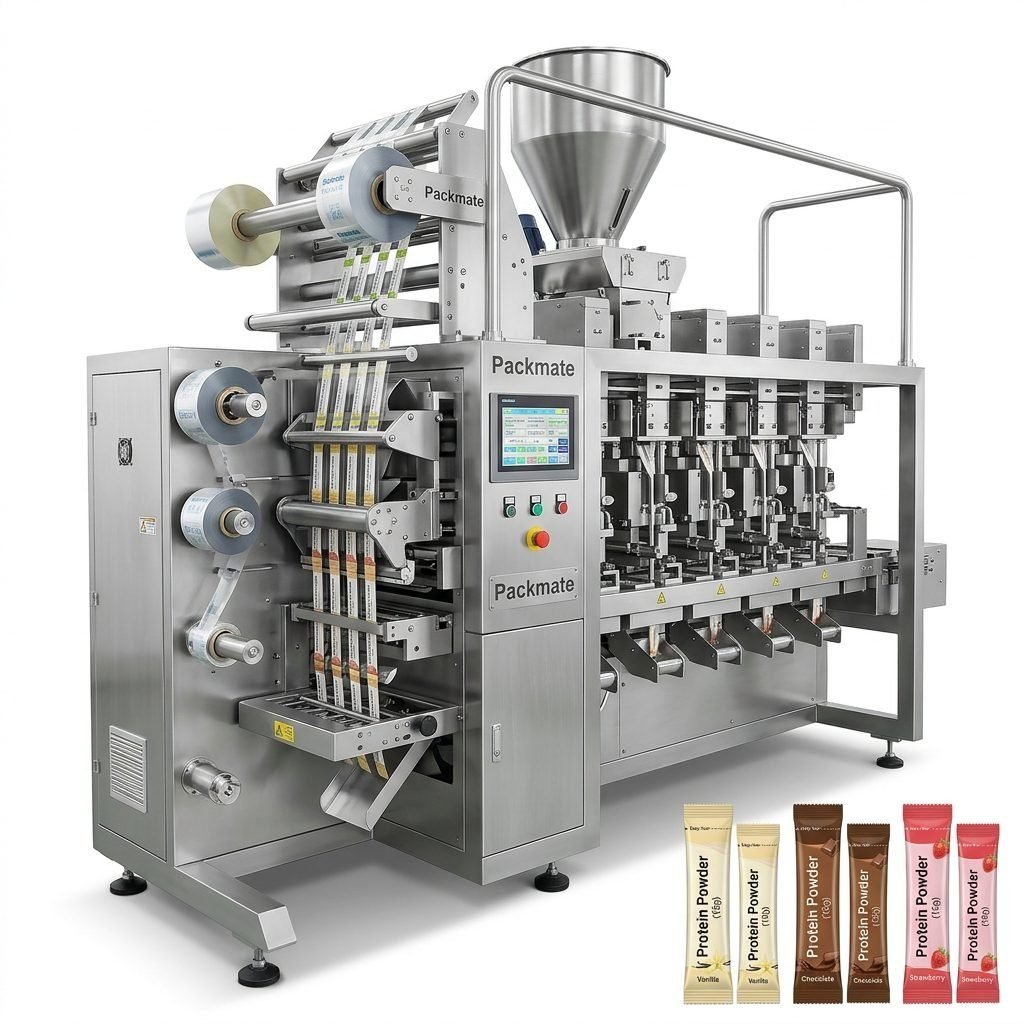
Frequently Asked Questions (FAQs)
What are the typical lead times for packaging machines imported to Moldova?
Lead times vary based on machine complexity and customization. For standard models, expect 30-60 days after order confirmation. For custom or turnkey lines, it can range from 60 to 120 days or more. Always confirm production and shipping schedules in your contract.
How can I ensure after-sales support if the manufacturer is overseas?
Choose a manufacturer with a proven export history. Key support elements include: detailed English manuals and videos, online remote support (via video call), a readily available inventory of common spare parts, and a clear policy for on-site technician visits if needed. Discuss these terms before purchase.
Are there local agents or distributors in Moldova for international packaging machine brands?
Some larger international brands may have representatives in Eastern Europe, but for many specialized Chinese manufacturers, you will likely be dealing directly with the factory. This can be advantageous for pricing and direct technical communication but requires careful vetting of the supplier’s export support capabilities.
What is the most important factor for a successful import?
Beyond machine quality, clear and detailed communication throughout the process is critical. This includes precise technical specifications, agreed-upon commercial terms (Incoterms), understanding all costs (machine, shipping, insurance, duties), and having a solid plan for installation, commissioning, and training.