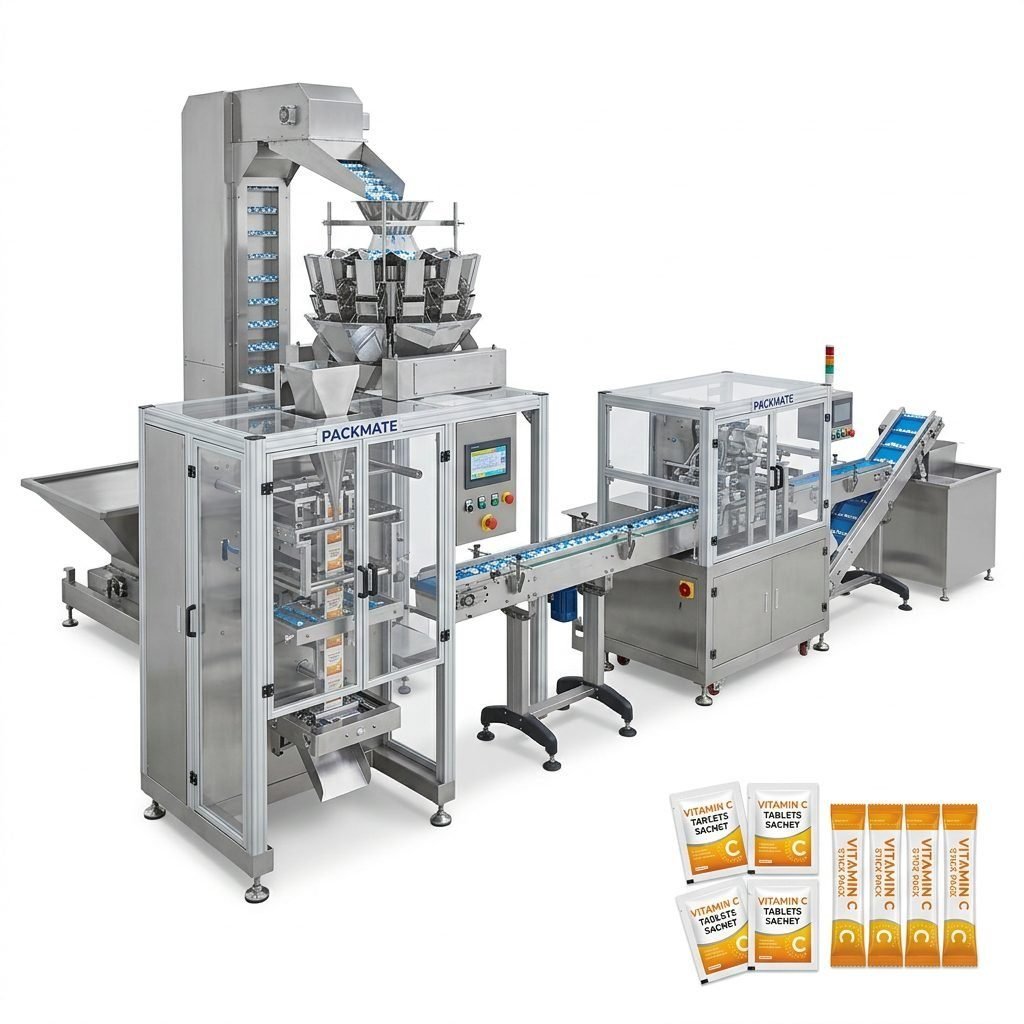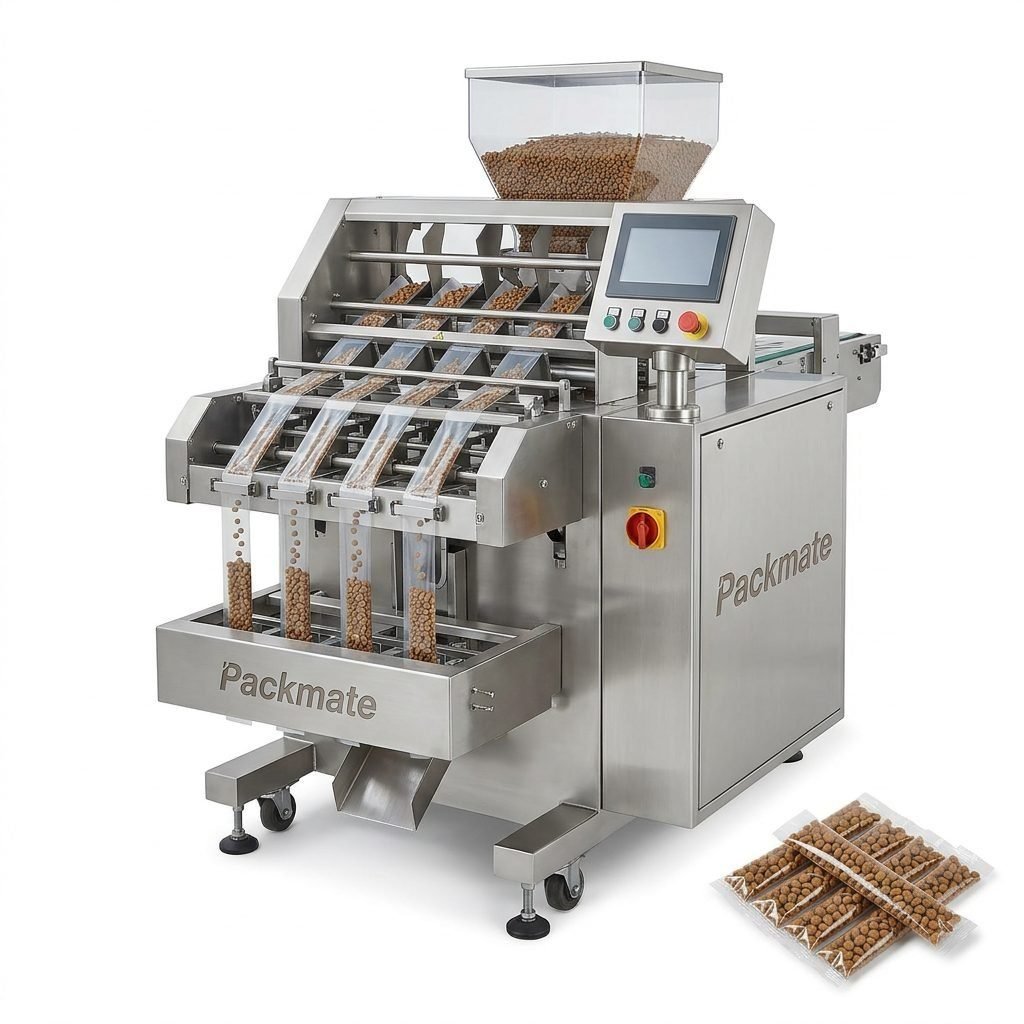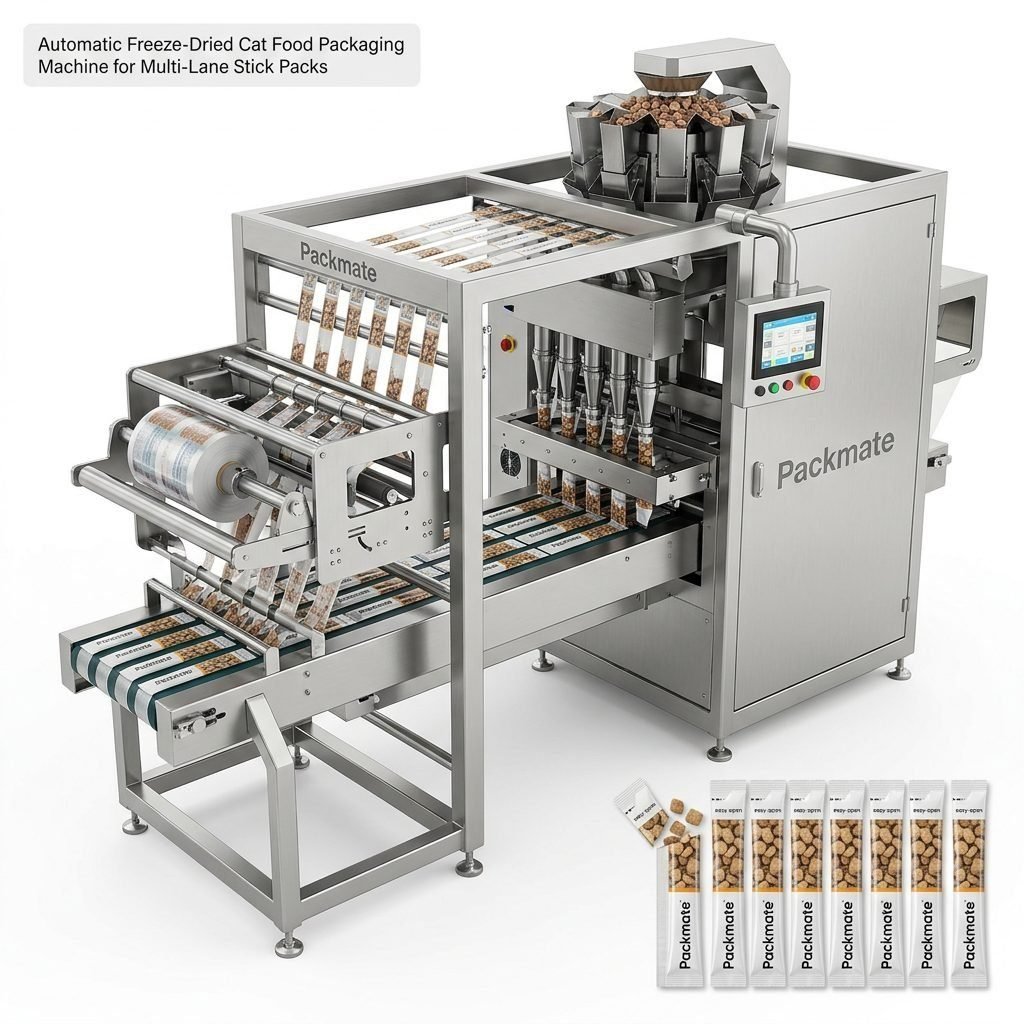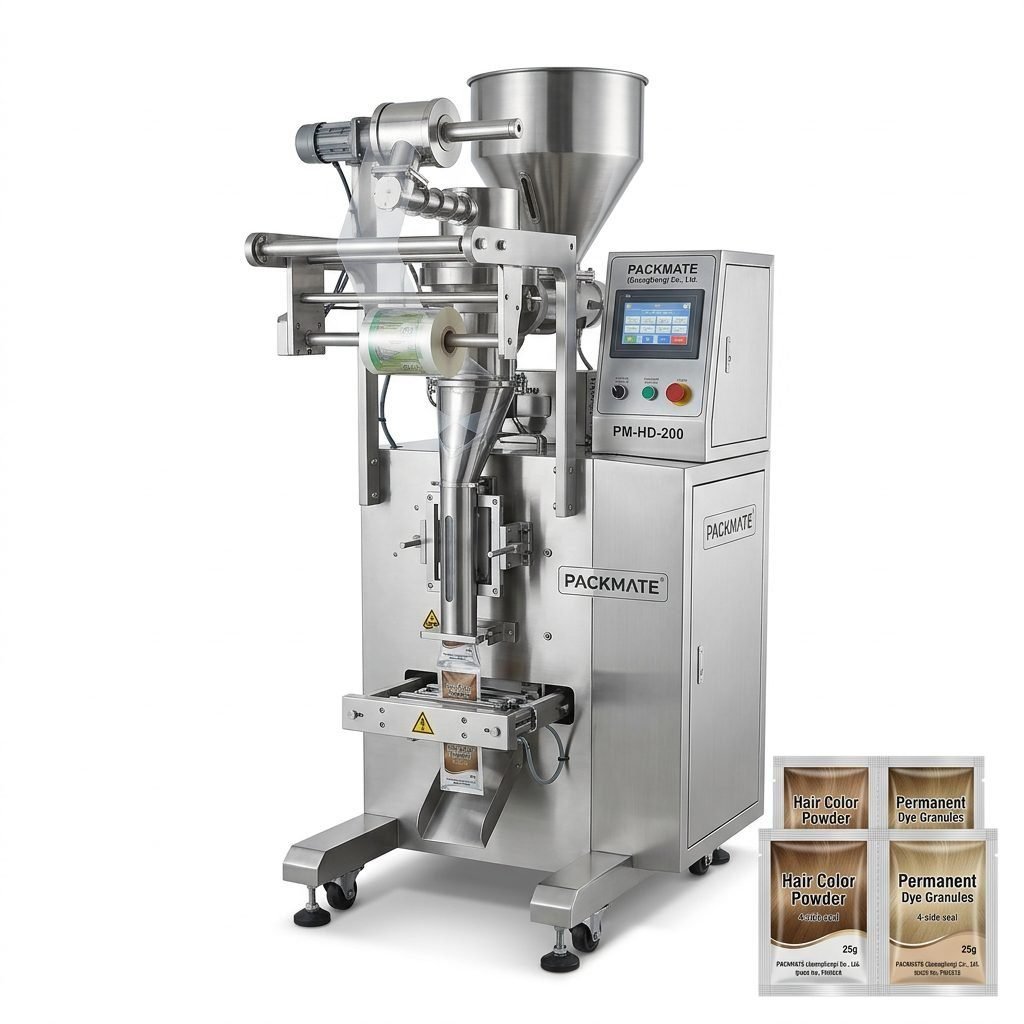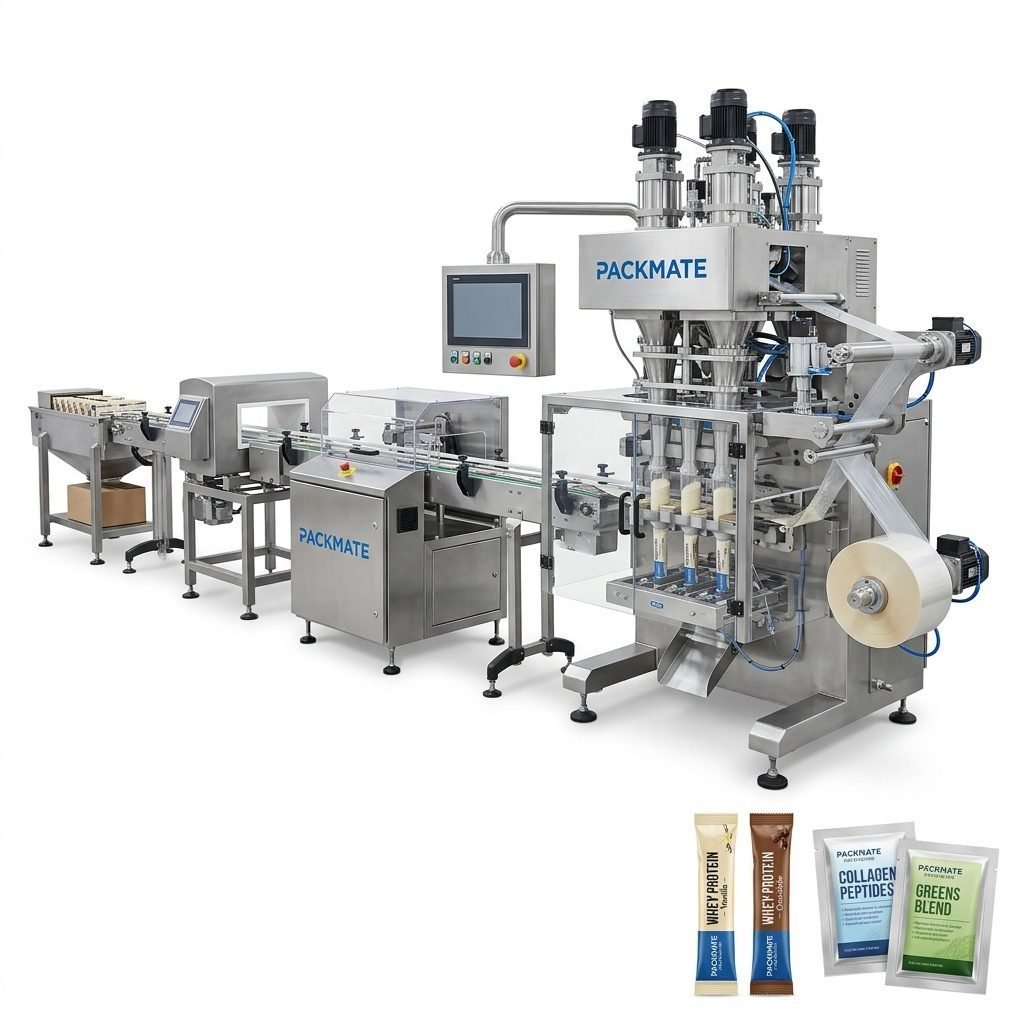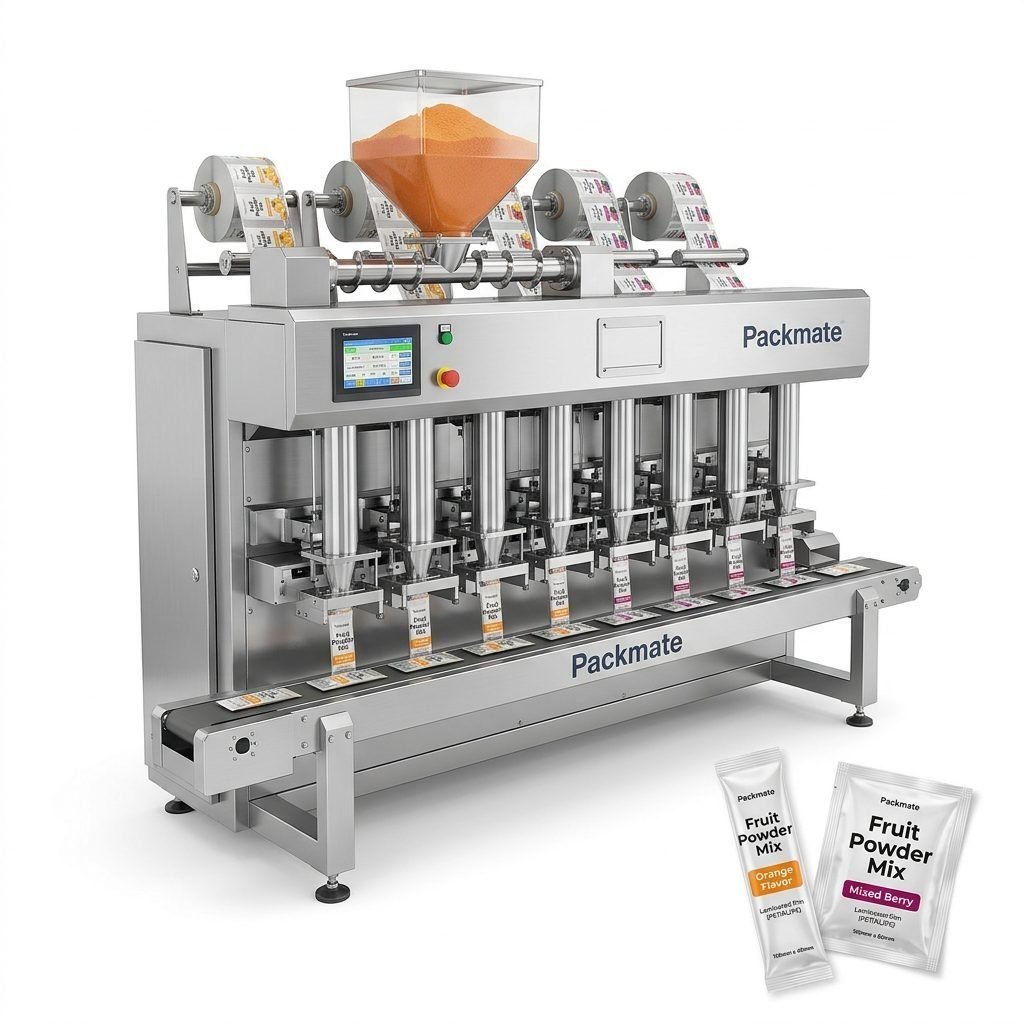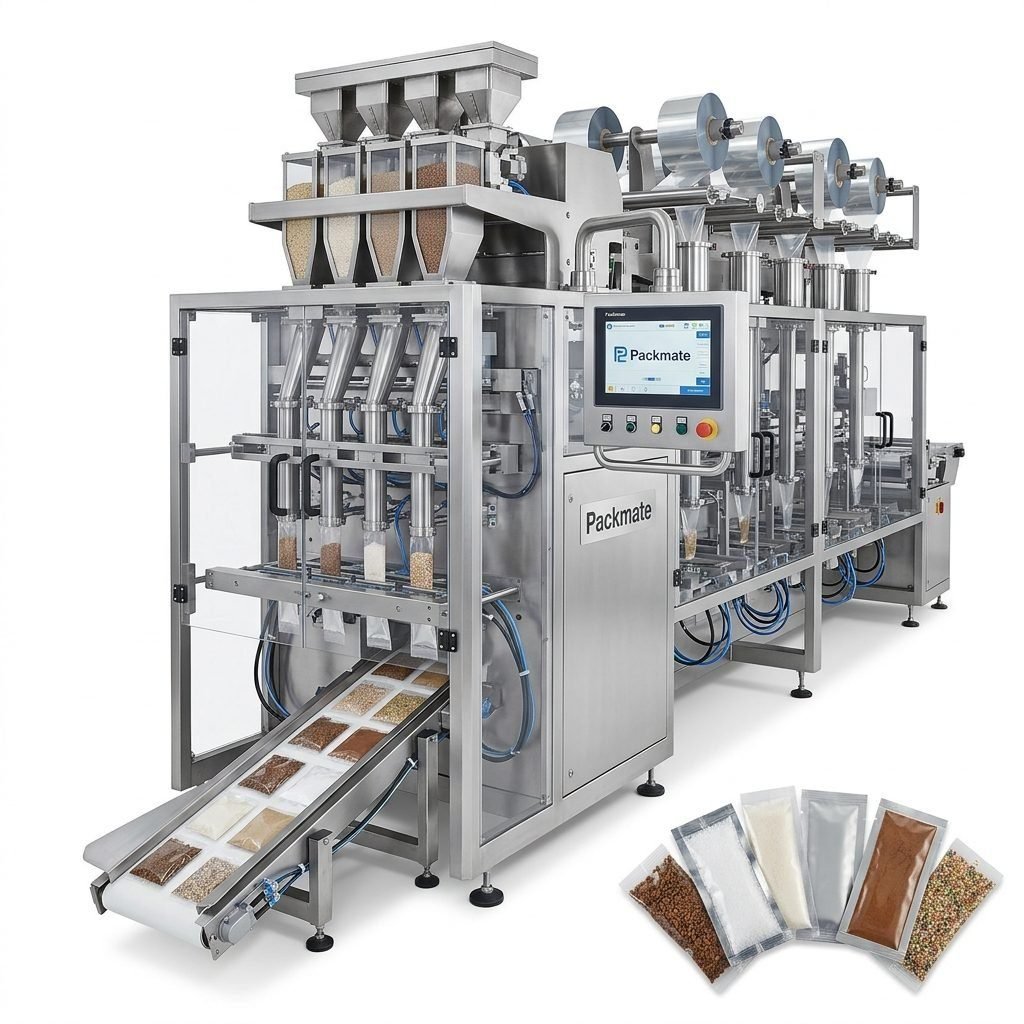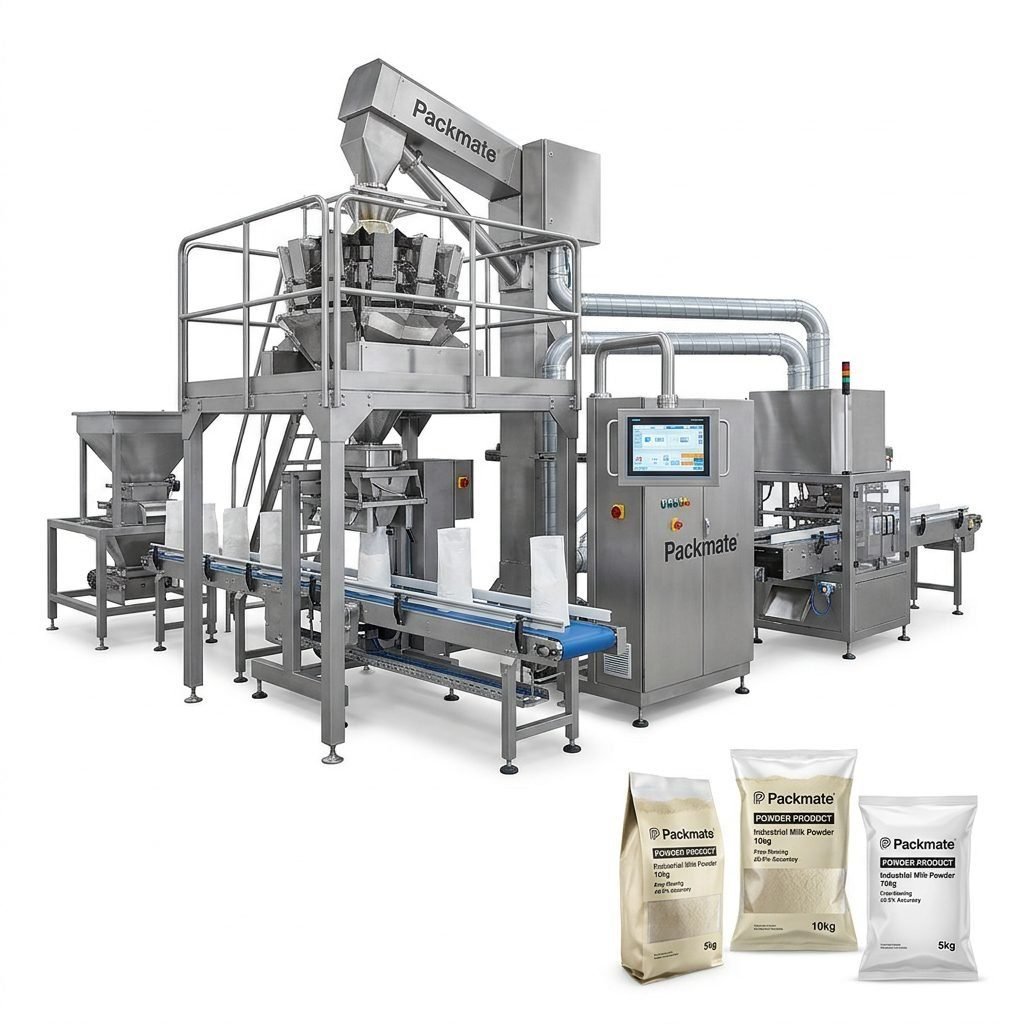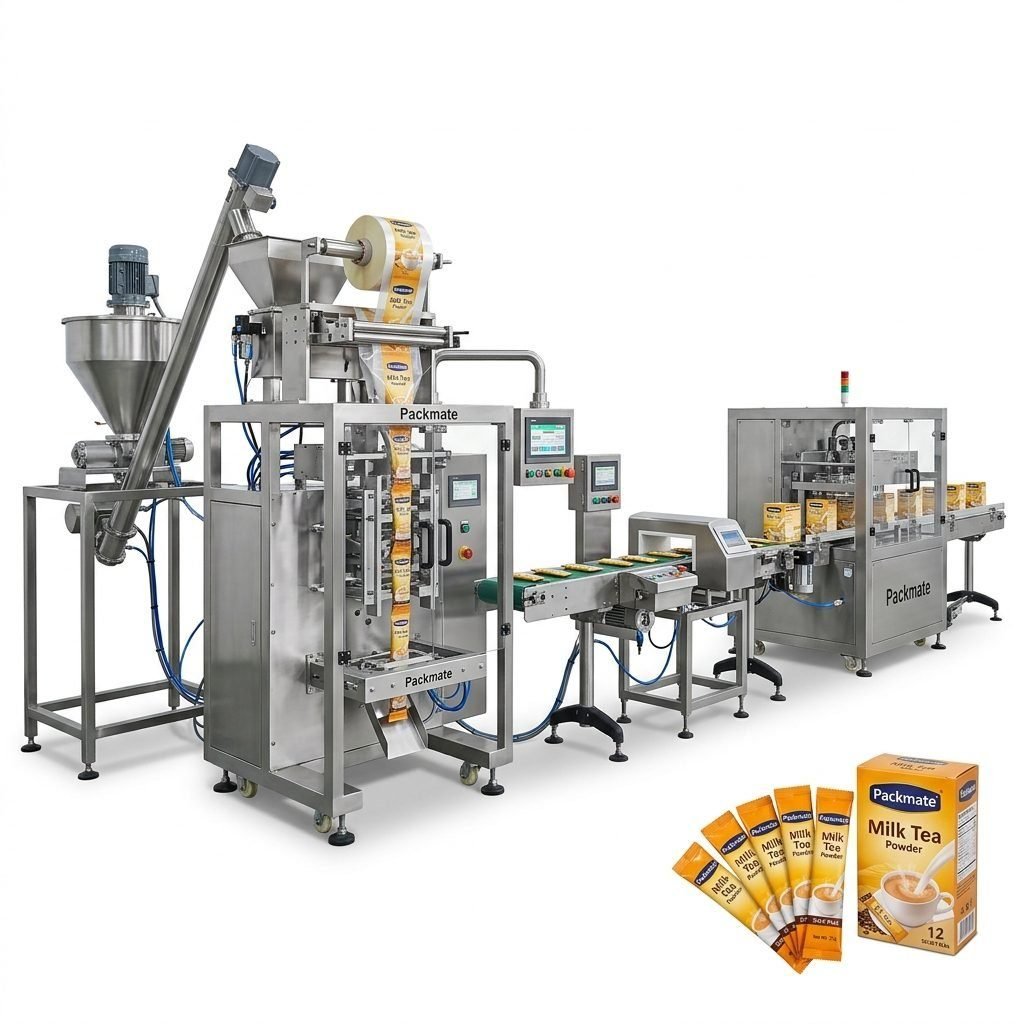
For food processors, pharmaceutical manufacturers, and agricultural producers in Bolivia, finding reliable packaging machine suppliers is a critical step in modernizing production, improving product quality, and expanding market reach. The Bolivian manufacturing landscape, with its growing focus on exports of quinoa, coffee, nuts, and processed foods, demands packaging solutions that are both efficient and adaptable to local conditions. This guide provides a practical framework for sourcing trustworthy packaging equipment manufacturers, with a focus on key evaluation criteria and actionable steps.
Understanding Your Packaging Requirements in the Bolivian Context
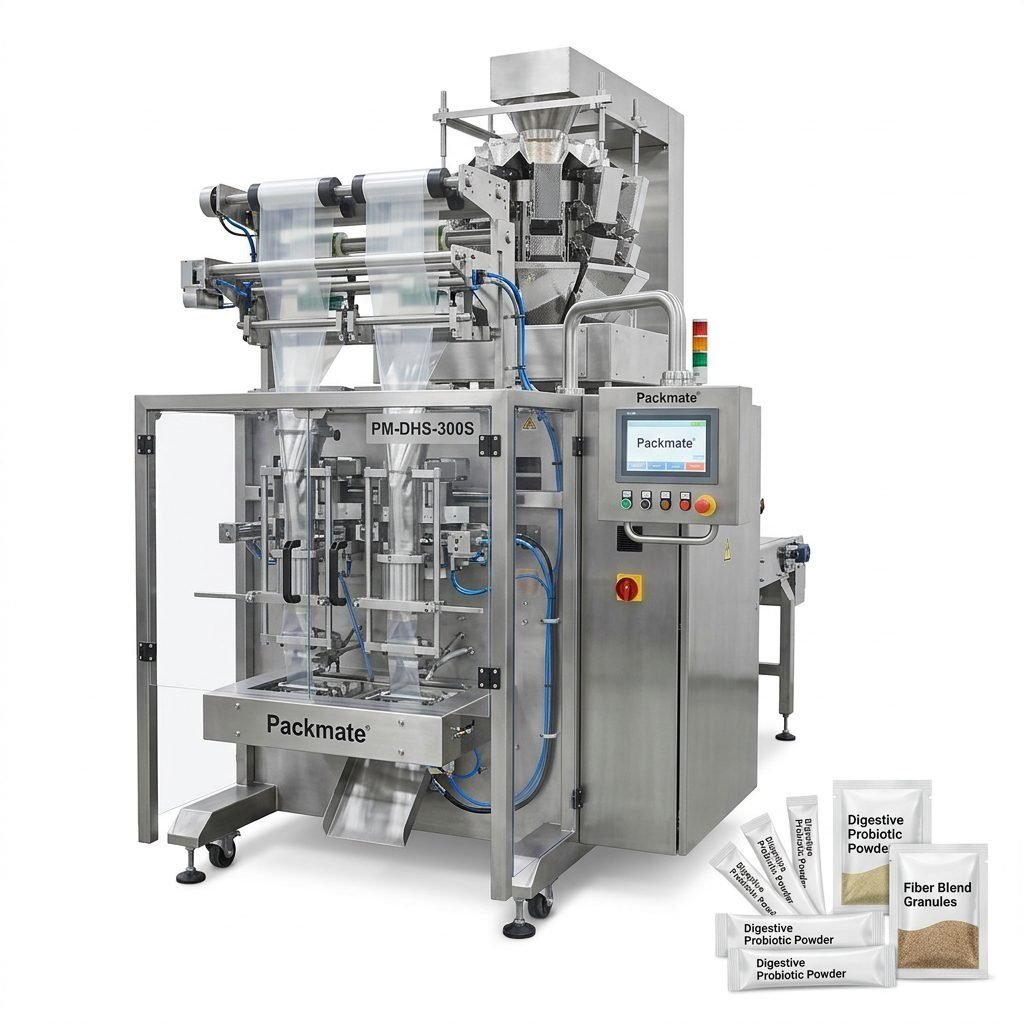
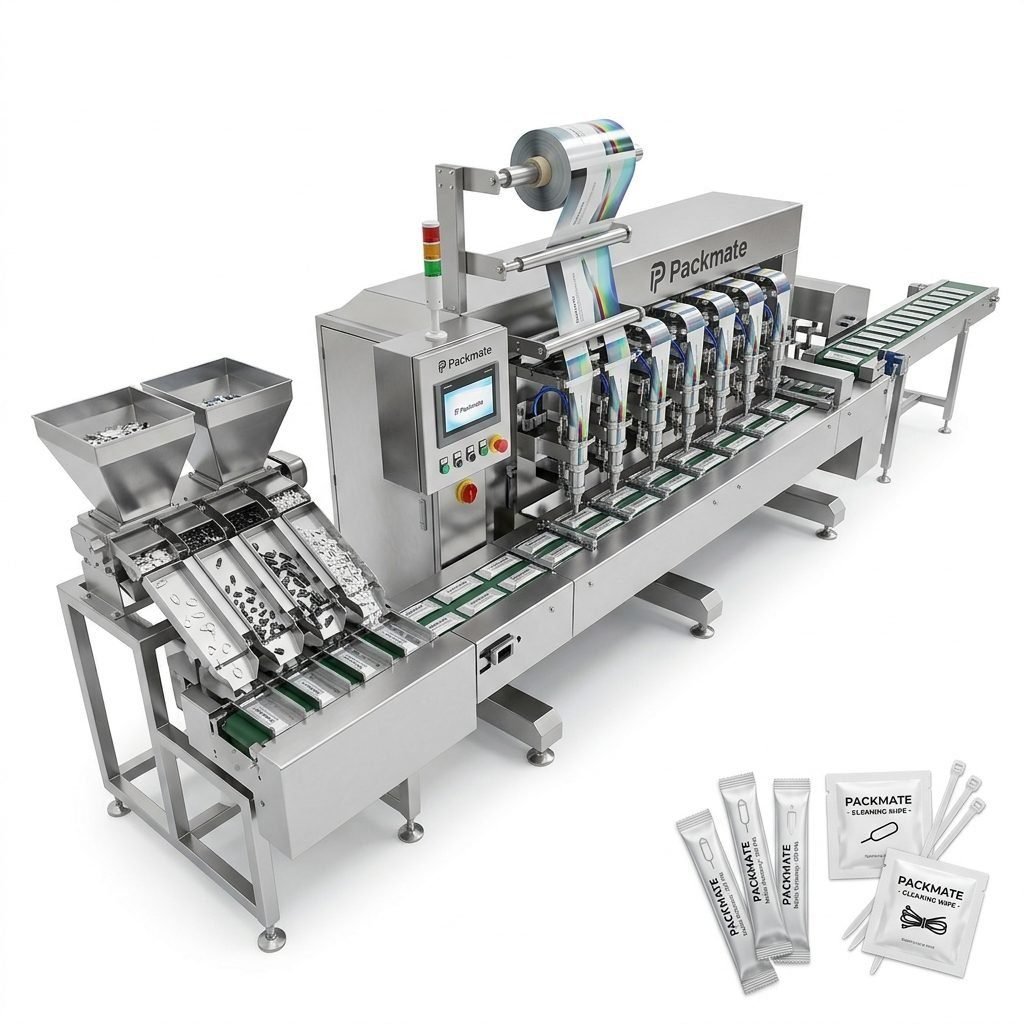
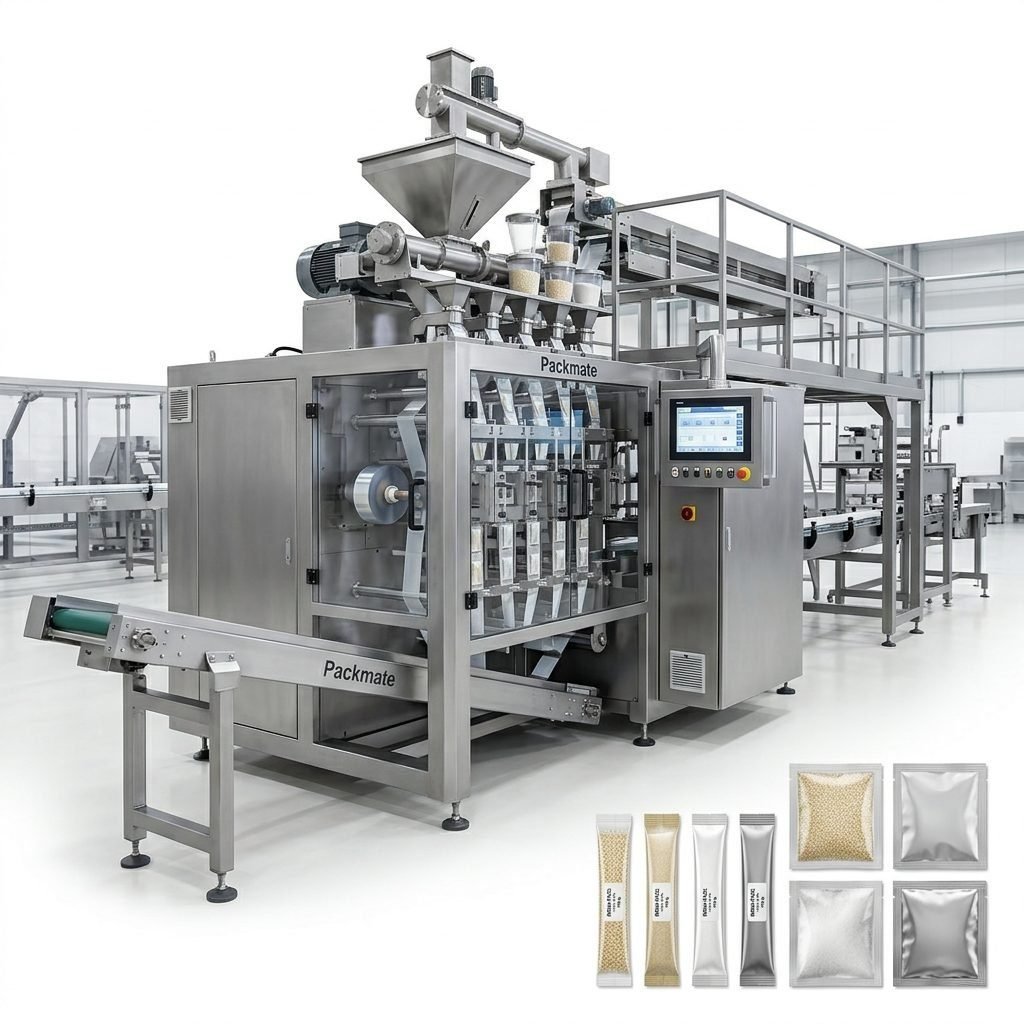
Before starting your search, clearly define your operational needs. Consider the specific characteristics of Bolivian products. Are you packaging granular quinoa or coffee beans, fine powders like coca leaf derivatives for pharmaceutical use, or viscous pastes such as fruit pulps? The product form dictates the machine type—whether it’s a multi-lane stick pack machine, a sachet filler, or a vertical form-fill-seal system.
Key factors include your required output speed (bags per minute), the packaging materials commonly available in the Bolivian market, and the level of automation suitable for your workforce and factory infrastructure in cities like Santa Cruz or La Paz. A clear requirement list prevents you from over-specifying or under-investing in equipment.
Core Sourcing Criteria for Bolivian Buyers
When evaluating manufacturers, Bolivian companies should prioritize several practical aspects:
Technical Support & Spare Parts: Given Bolivia’s geographical location, assess the supplier’s ability to provide timely technical support, remote diagnostics, and spare parts logistics. A manufacturer with experience in South America will understand these challenges better.
Machine Robustness & Adaptability: Equipment must be robust enough to handle potential voltage fluctuations and perform reliably in various climatic conditions found across Bolivia’s altiplano and lowlands.
Customization Capability: Your packaging format or product might have unique requirements. A supplier’s willingness and ability to offer customized solutions is a significant advantage.
Evaluating Manufacturer Credibility and Experience
Beyond brochures and websites, due diligence is essential. Look for manufacturers with a substantial track record, preferably those with over 20 years of industry experience. Review their client portfolio for companies with similar products or in similar regions. Certifications (like CE, ISO) are important indicators of a quality management system.
A crucial step is to request and contact reference clients, especially those in South America. Ask about their experience with machine performance, after-sales service, and parts delivery times. Visiting the factory in person or via a virtual tour is highly recommended to assess their manufacturing scale, quality control processes, and R&D capability.
Financial and Logistical Considerations
Understand the full cost structure: machine price, shipping, import duties into Bolivia, installation, and training. Reliable manufacturers like Ludyway or Packmate Machinery often provide clear quotations and guidance on logistics. Consider the lead time from order to delivery and installation, and plan your production schedule accordingly. Clarify warranty terms and what they cover.
Spotlight on Established Packaging Machine Manufacturers
Several manufacturers have strong export experience relevant to Bolivian importers. Here is a comparison of some key players:
| Manufacturer | Key Strengths | Relevance for Bolivia |
|---|---|---|
| Ludyway | Very wide product range, strong export footprint, complete turnkey line capability. | Suitable for large-scale food/phyto-pharmaceutical processors looking for scalable, integrated solutions. |
| Packmate Machinery | Strong balance of cost-performance, over 80 machine models, reliable for export. | A solid choice for medium-sized Bolivian companies in food and supplement sectors seeking reliable automation. |
| PacklineOEM | Focus on complete turnkey packaging production lines and system integration. | Ideal for businesses planning a major factory upgrade or new line requiring full engineering support. |
| PackingMachineOEM | Specializes in non-standard and customized packaging machine solutions. | Best for companies with unique product formats (e.g., specialty grains, traditional blends) needing tailored equipment. |
| SnusMachinery | Specialized expertise in nicotine pouch and precise multi-lane pouch packaging. | Highly relevant for ventures in the growing smokeless product sector or for any business requiring high-precision pouch filling. |
Navigating the Procurement Process
Start with detailed communication. Provide potential suppliers with comprehensive product samples, target packaging specifications, and factory layout information. Request a detailed proposal including machine specifications, layout drawings, a delivery timeline, and a complete price breakdown.
Factory Acceptance Test (FAT): Always insist on a FAT before shipment. This allows you to see the machine run with your actual materials (sent in advance), verify its speed and accuracy, and request adjustments. This step is crucial to avoid costly surprises upon arrival in Bolivia.
Finally, ensure you have a clear contract covering payment terms, warranty, responsibilities for shipping and customs clearance in Bolivia, and the scope of installation and training services provided.
After-Sales Service: A Long-Term Partnership
The relationship with your supplier begins after the machine is installed. A reliable manufacturer will offer comprehensive training for your operators and maintenance staff, provide detailed manuals (preferably in Spanish), and maintain accessible communication channels for troubleshooting. Confirm their policy on spare parts availability and their recommended local service partners, if any.
Frequently Asked Questions (FAQs)
What are the main challenges when importing packaging machines to Bolivia?
Key challenges include navigating customs procedures, managing logistics to landlocked destinations, ensuring compatibility with local power supplies, and arranging for skilled technical support. Working with an experienced exporter who provides clear documentation and logistical guidance is vital.
Should I buy a standalone machine or a complete packaging line?
This depends on your scale and process. A standalone machine from a supplier like Packmate Machinery is sufficient for specific packaging steps. A complete turnkey line from PacklineOEM is better for high-volume, fully automated production where integration between feeding, filling, sealing, and cartoning is required.
How important is machine customization for Bolivian products?
Very important, especially for unique local products, traditional formats, or specific material requirements. Manufacturers like PackingMachineOEM that specialize in customization can adapt equipment to handle these specific needs effectively, ensuring optimal performance.
What is the typical lead time for receiving a packaging machine in Bolivia?
Lead times vary from 60 to 120 days after order confirmation, depending on machine complexity, customization, and the manufacturer’s production schedule. This includes manufacturing, testing, sea freight to a Chilean or Peruvian port, and inland transport to Bolivia.
How can I verify a manufacturer’s claims about their experience?
Request client references, especially in South America. Ask for videos of machines running similar products. Check for international certifications and the company’s history. An onsite or virtual factory tour is the most effective way to verify their manufacturing capability and scale.