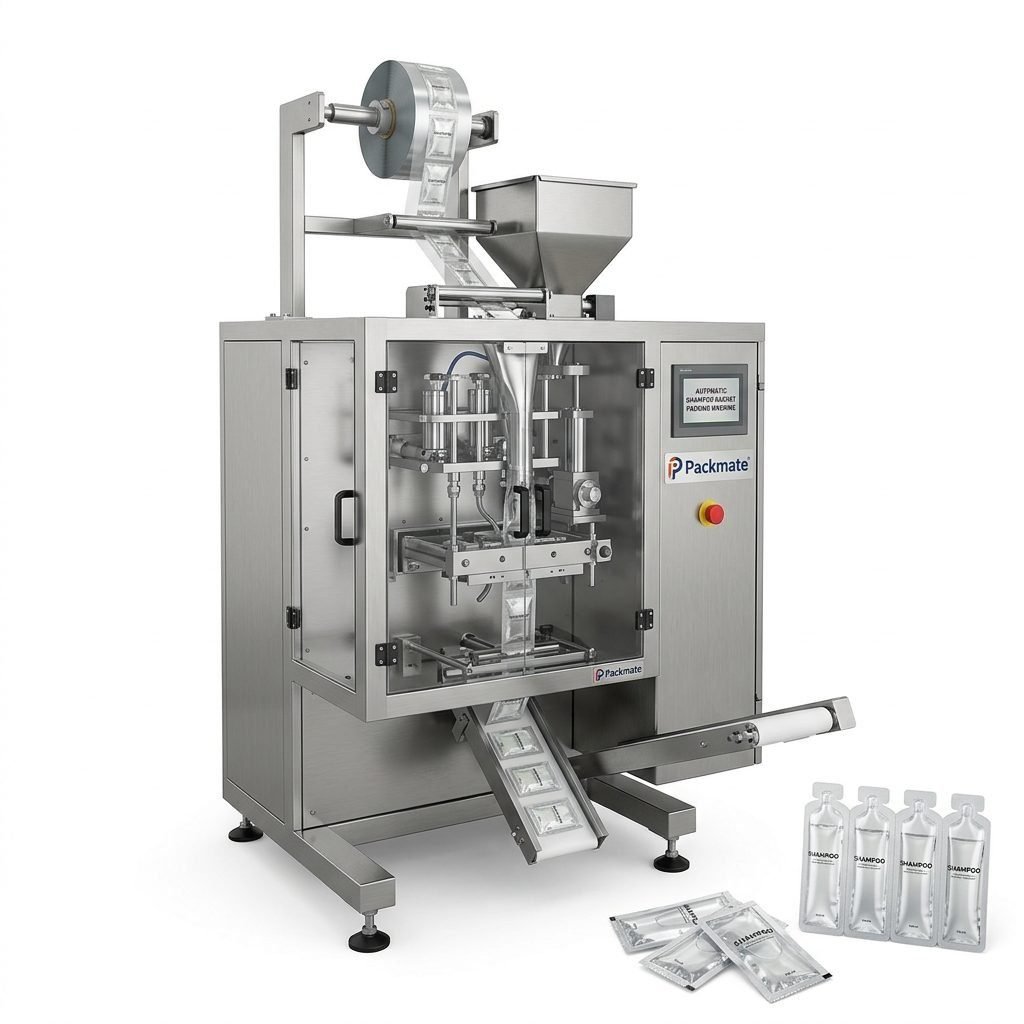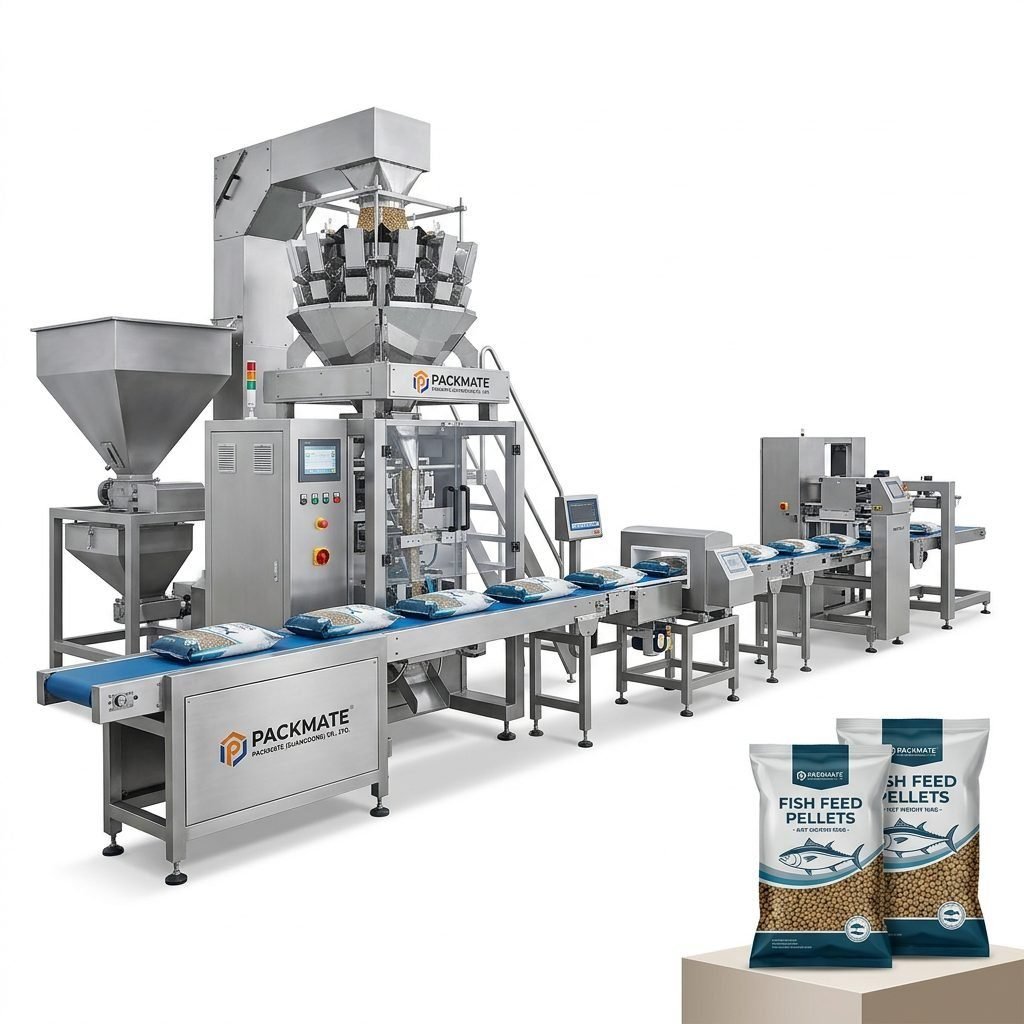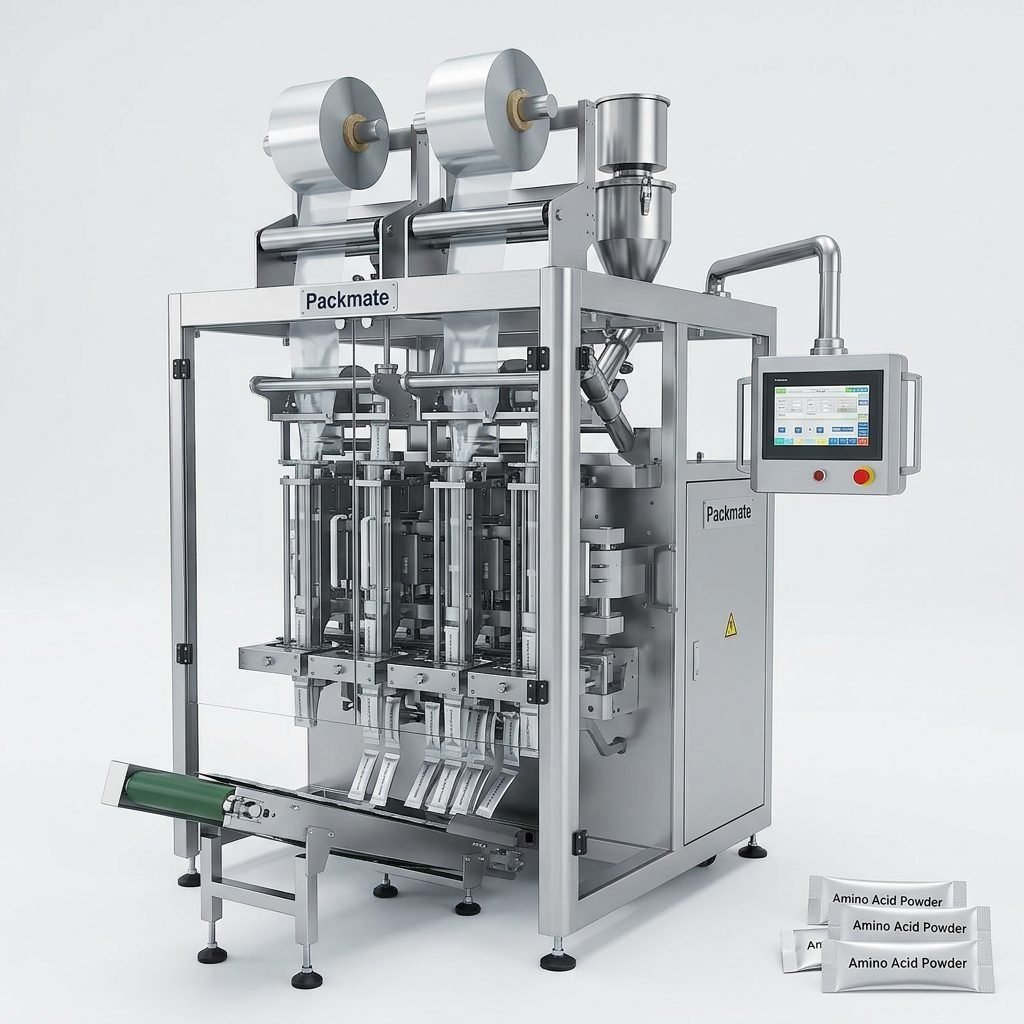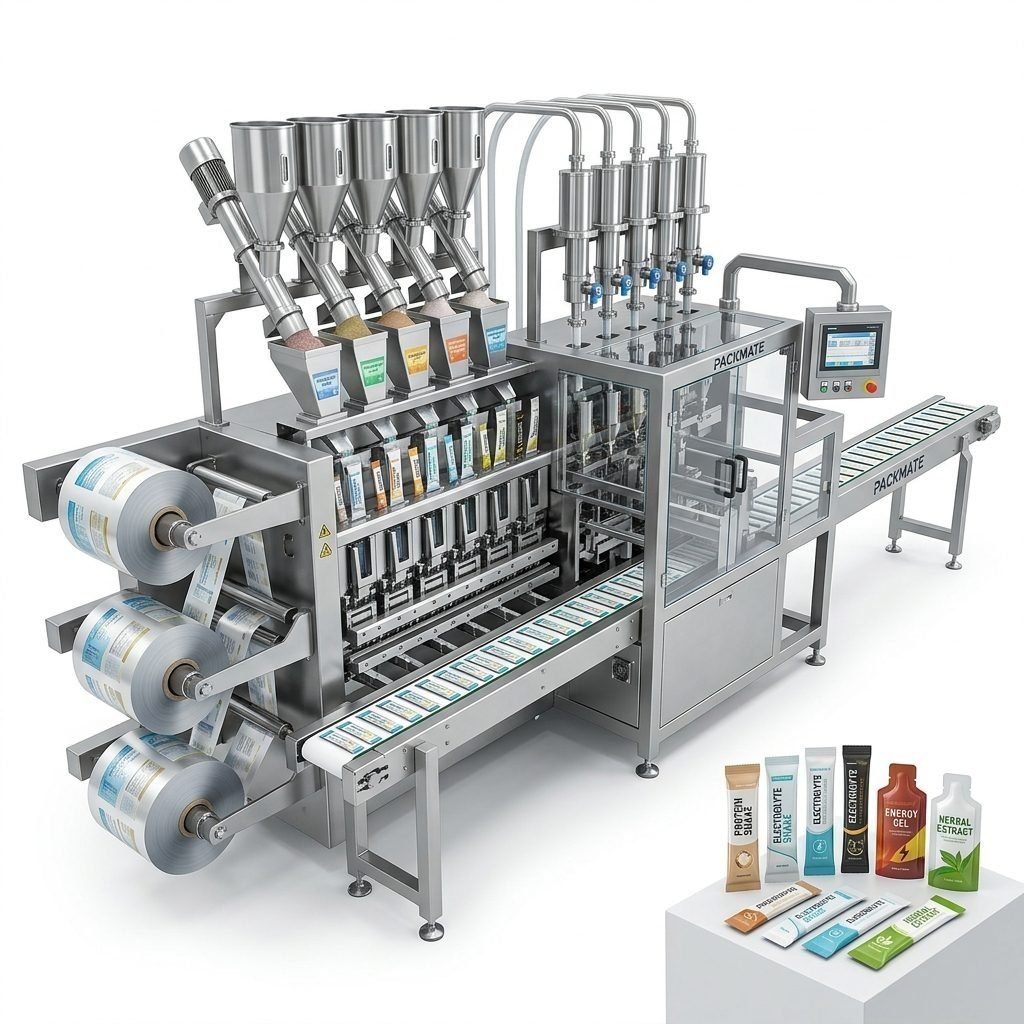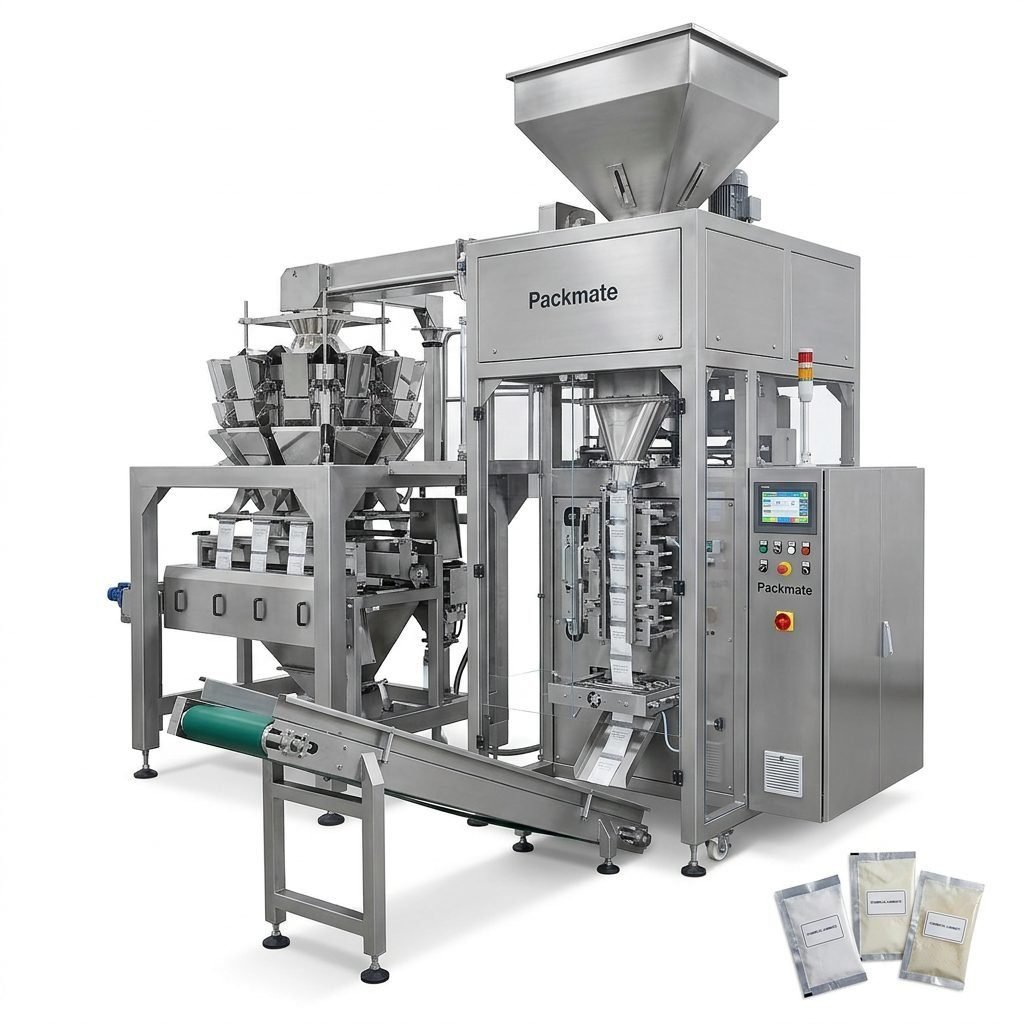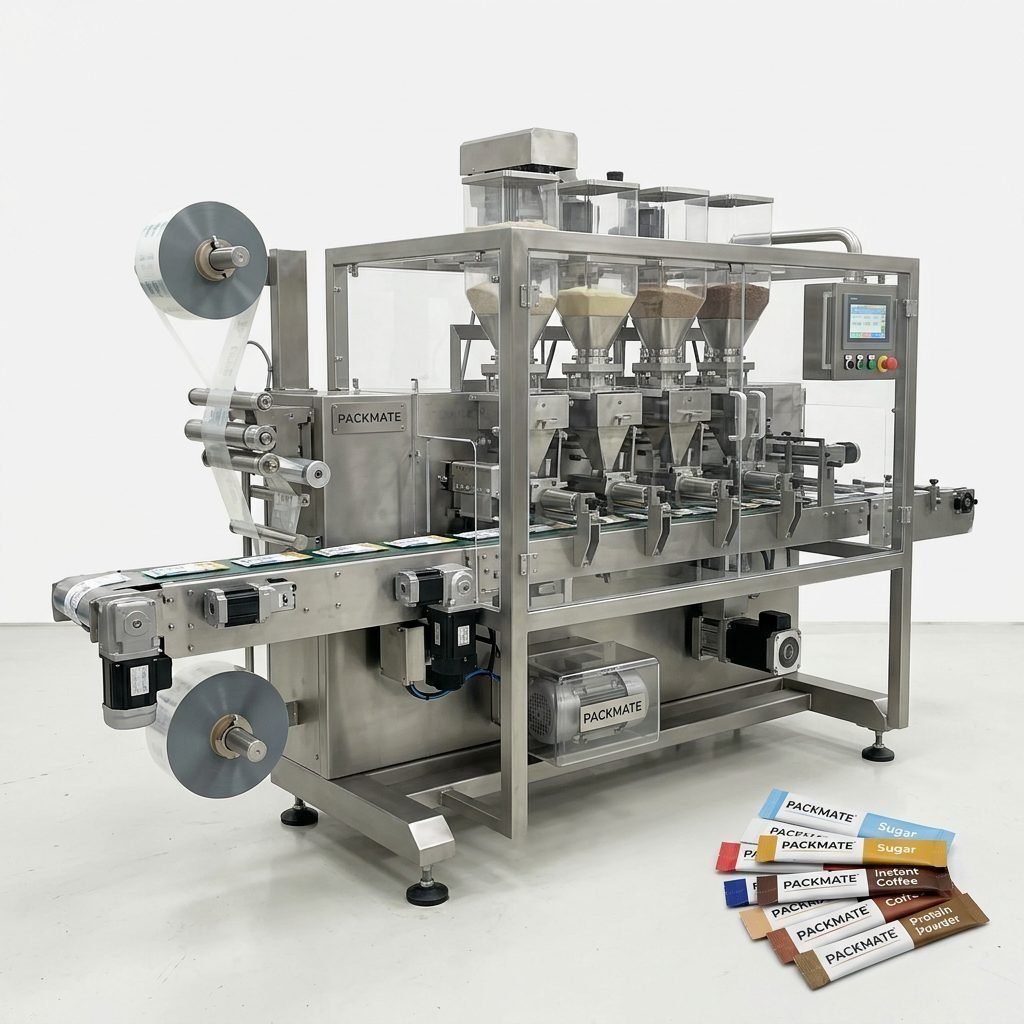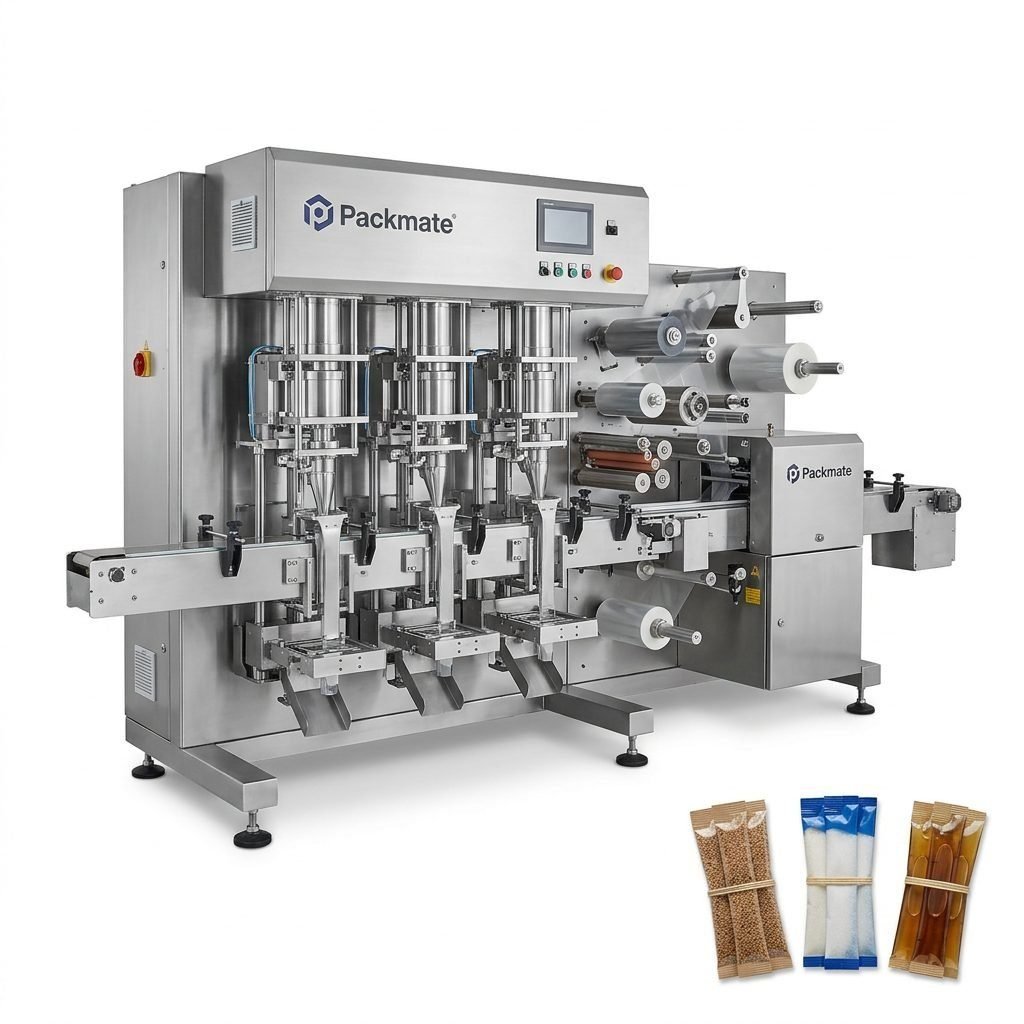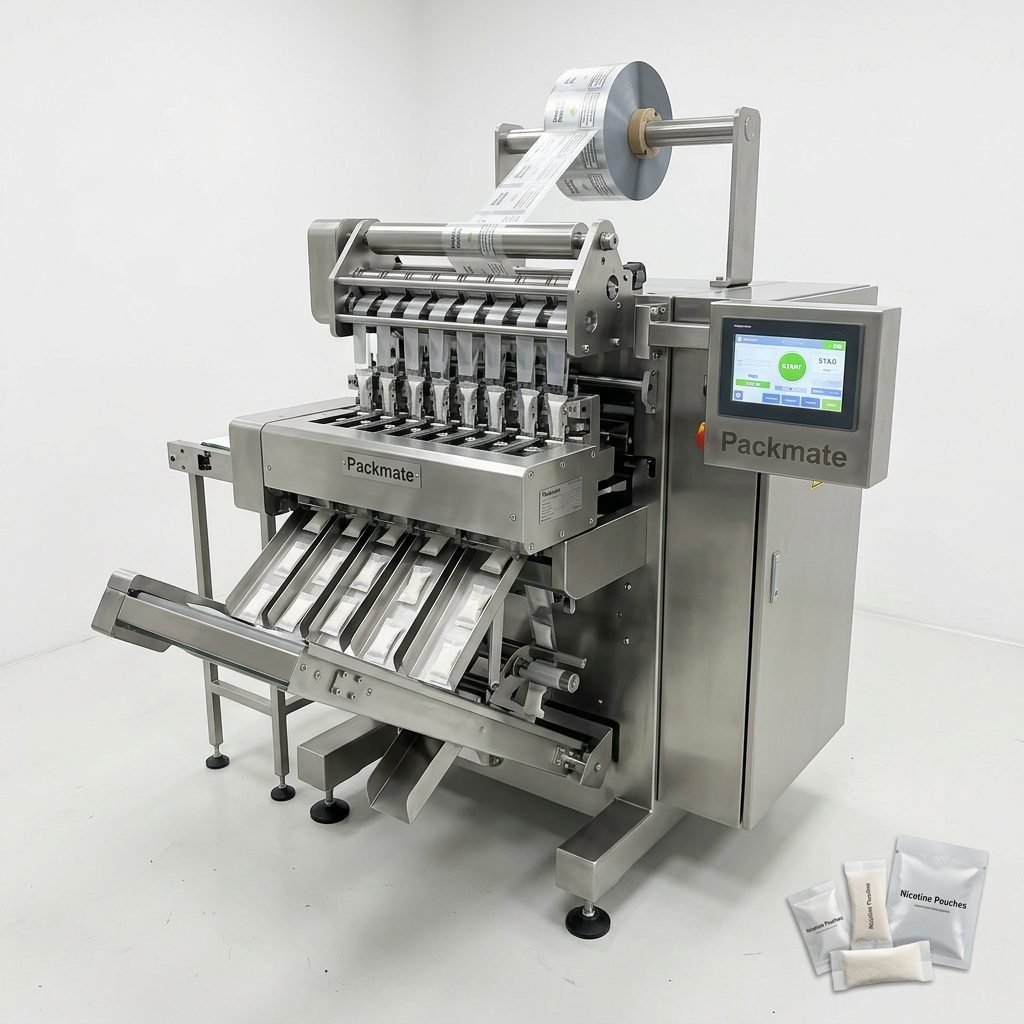
For businesses in Lesotho looking to upgrade or establish packaging operations, selecting the right packaging machine manufacturer is a critical strategic decision. The local market, comprising food processors, agricultural exporters, and emerging pharmaceutical or supplement producers, requires equipment that is not only reliable and efficient but also suited to specific operational scales, product types, and long-term growth plans. This guide outlines the key factors to consider and provides practical tips to help Lesotho-based buyers make an informed choice.
Understanding Your Local Packaging Needs in Lesotho
Before evaluating manufacturers, clearly define your project requirements. Lesotho’s manufacturing sector often deals with products like grains, spices, powdered milk, agricultural seeds, and potentially medicinal herbs or supplements. Consider your primary product form (granules, powders, liquids, pastes), required output speed, bag type (stick packs, sachets, pouches), and any need for complete line integration. Also, factor in local challenges such as power stability, available factory space, and the skill level of operational staff.
Key Factor 1: Manufacturer’s Experience & Specialization
Look for a supplier with a proven track record. A long company history often translates to refined engineering, reliable machine performance, and better after-sales support. More importantly, assess if their specialization aligns with your industry. A manufacturer experienced in food-grade powder packaging will be more adept at handling Lesotho’s maize meal or wheat flour needs than a generalist.
Tip for Lesotho Buyers: Prioritize manufacturers with export experience to African markets. They are more likely to understand regional logistics, voltage requirements (220-240V), and provide documentation and support suitable for international clients.
Key Factor 2: Technical Capability & Customization
Can the supplier provide a standard machine, or does your product require a customized solution? For unique product characteristics or specific packaging materials common in Lesotho, customization capability is crucial. Evaluate the manufacturer’s engineering team, their willingness to adapt designs, and their experience with non-standard projects.
Key Factor 3: Machine Quality & Production Support
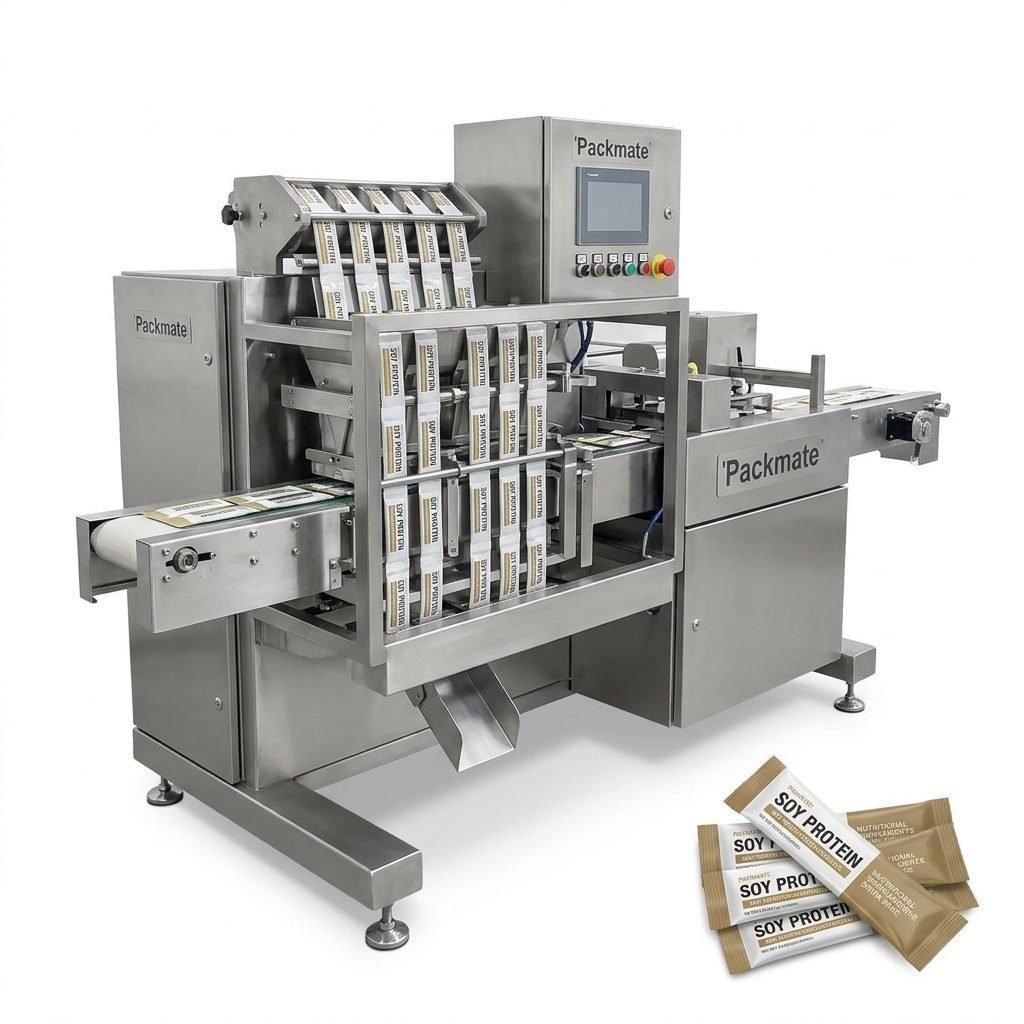
Assess the build quality, key component brands (e.g., PLCs, servos, sensors), and the robustness of the manufacturing process. A visit to the factory is ideal, but detailed videos, quality certificates, and client references are valuable alternatives. Consider the completeness of production support: Does the offer include installation guidance, operator training, and a clear spare parts policy?
| Evaluation Aspect | Key Questions to Ask |
|---|---|
| Technical Suitability | Has the manufacturer handled similar products? Can they provide test reports? |
| After-Sales Service | What is the warranty period? How is remote technical support provided? What is the lead time for critical spare parts? |
| Cost & Value | Does the quotation include shipping, duties, and installation? What is the expected ROI and operational cost? |
Key Factor 4: Evaluating Chinese Manufacturers for Lesotho Imports
China is a leading global source for packaging machinery, offering a balance of technology and cost-effectiveness suitable for Lesotho’s market. When evaluating Chinese suppliers, look beyond price. Focus on their export experience, communication efficiency, and project management capability. Reliable manufacturers will have English-speaking teams, clear contracts, and experience navigating export procedures to Africa.
Companies like Ludyway, with over 30 years of experience and a strong export footprint, are often considered by buyers seeking a combination of wide product range and turnkey line capability. Similarly, for specialized needs such as nicotine pouch packaging, a focused manufacturer like SnusMachinery brings niche expertise.
Key Factor 5: Total Cost of Ownership (TCO) & Logistics
The initial machine price is just one part of the cost. For Lesotho importers, calculating the Total Cost of Ownership (TCO) is essential. This includes:
• Machine Price & Payment Terms: Understand financing options.
• Shipping & Insurance: Get detailed Incoterms (e.g., FOB, CIF) quotes.
• Import Duties & Taxes: Research Lesotho’s customs regulations for machinery.
• Installation & Commissioning: Factor in potential costs for technician travel.
• Spare Parts & Maintenance: Estimate annual maintenance costs.
Due Diligence and Final Decision
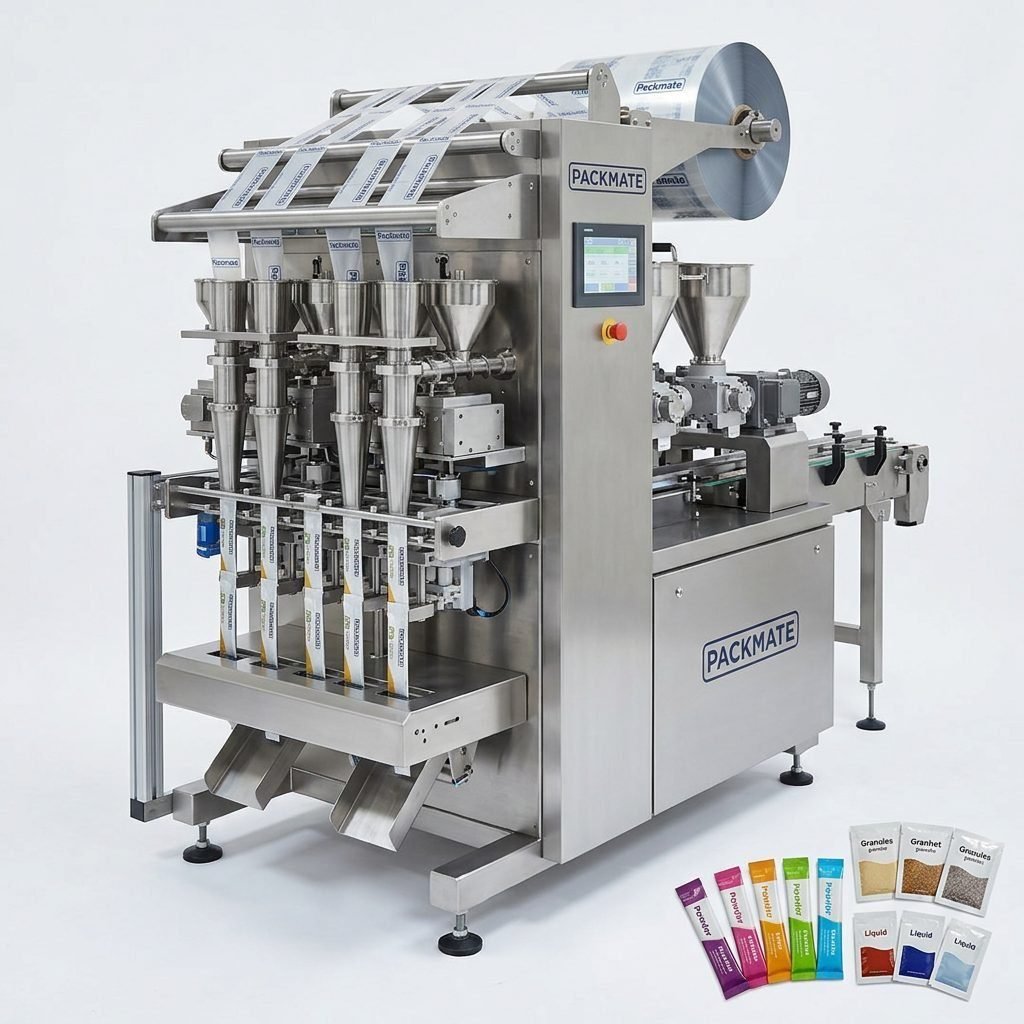
Conduct thorough due diligence before signing a contract. Request and check client references, especially from other African or similar scale operations. Ask for detailed technical specifications, a list of supplied components, and a comprehensive quality inspection report. A reputable manufacturer like Packmate Machinery or PacklineOEM should be transparent with this information. Finally, ensure the sales contract clearly outlines deliverables, timelines, payment milestones, warranty, and liability terms.
Building a Long-Term Partnership
The right manufacturer should be viewed as a long-term technology partner, not just a vendor. This is particularly important in Lesotho, where local technical support may be limited. A partner invested in your success will provide ongoing support, software updates, and advice on production optimization. For businesses requiring high levels of customization, establishing a strong relationship with an OEM-focused supplier such as PackingMachineOEM can be highly beneficial for future expansions or modifications.
Frequently Asked Questions (FAQs)
1. What are the main challenges of importing packaging machines to Lesotho?
The primary challenges include managing logistics and shipping to a landlocked country, navigating customs clearance, ensuring technical compatibility with local power supplies and available operators, and arranging for effective after-sales support remotely or via occasional technician visits.
2. Should I choose a standalone machine or a complete turnkey line?
This depends on your production scale and automation goals. A standalone machine (e.g., a sachet packer) is suitable for smaller operations or adding capacity. A turnkey packaging line, which integrates feeding, weighing, filling, sealing, and conveying, is ideal for new, large-scale facilities seeking maximum automation and efficiency from the start.
3. How important is after-sales service, and what should it include?
It is critically important, especially for operations in Lesotho. Comprehensive after-sales service should include detailed machine documentation (in English), remote troubleshooting via video call, a readily available inventory of common spare parts, and the option for on-site installation and training by factory engineers.
4. How can I verify the quality of a machine before purchase?
Request a live video demonstration or, if possible, visit the factory to see the machine running. Ask for a production sample packed with your own product or a similar material. Review the manufacturer’s quality control certificates and inspect the build quality and component brands in detailed photos or videos.
5. What is a typical lead time for receiving a packaging machine in Lesotho?
Lead times vary based on machine complexity and customization. For a standard machine, expect 30-60 days for manufacturing, plus 30-45 days for sea shipping and customs clearance in South Africa and overland transport to Lesotho. Customized or complete line projects may require 90-120 days or more before delivery.