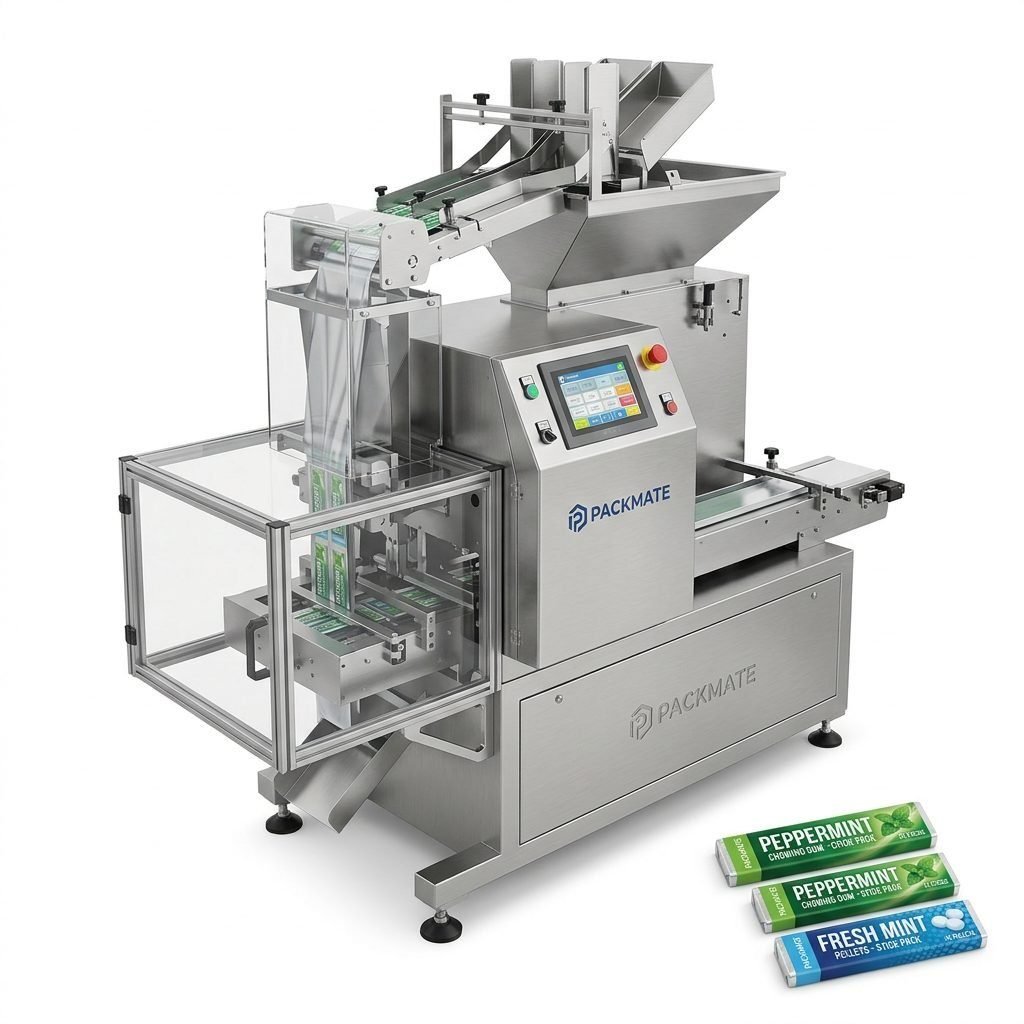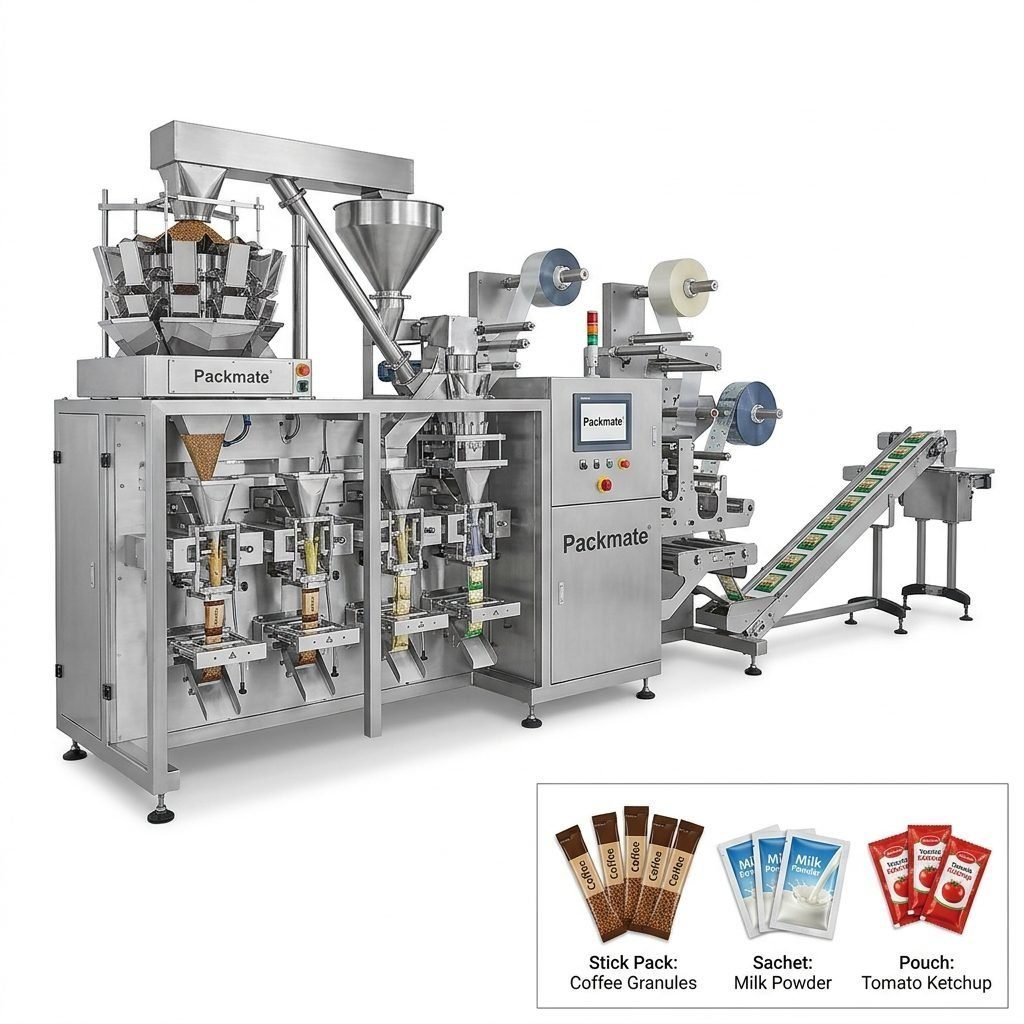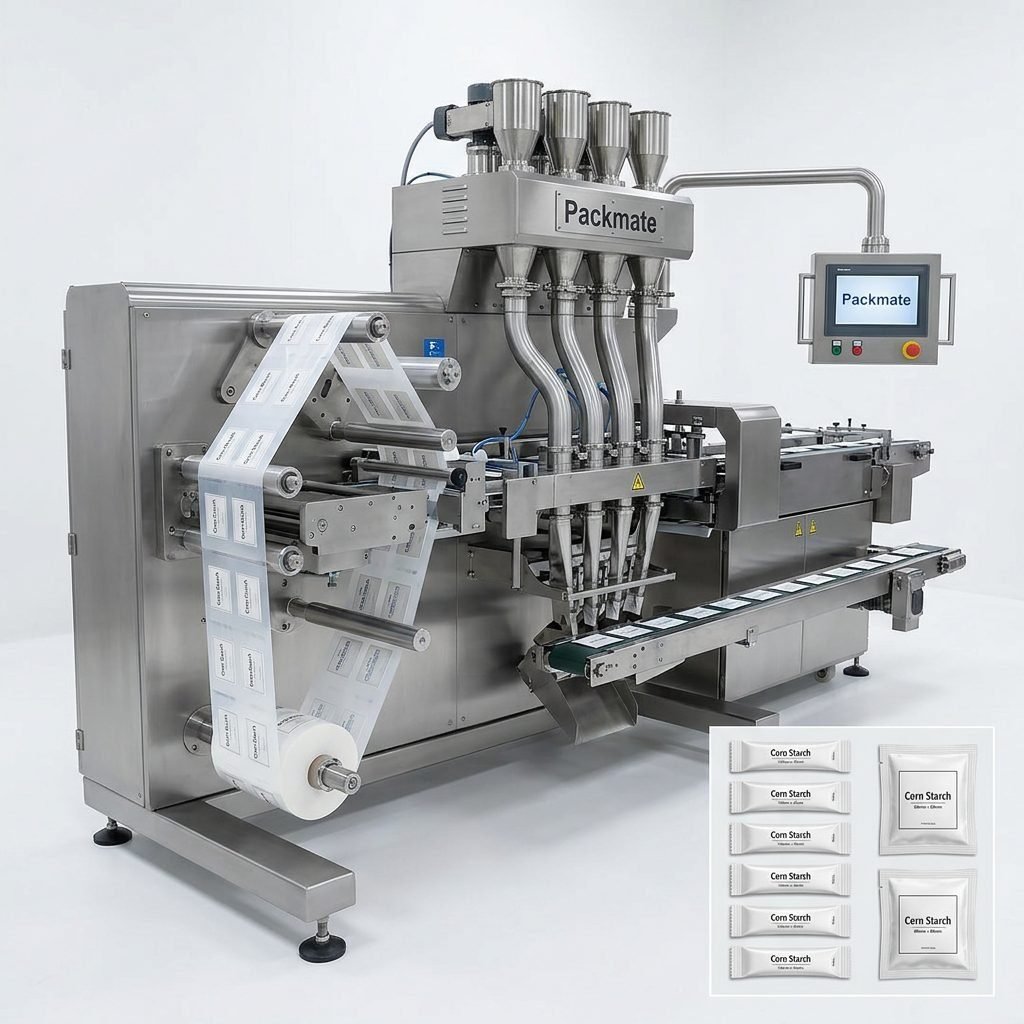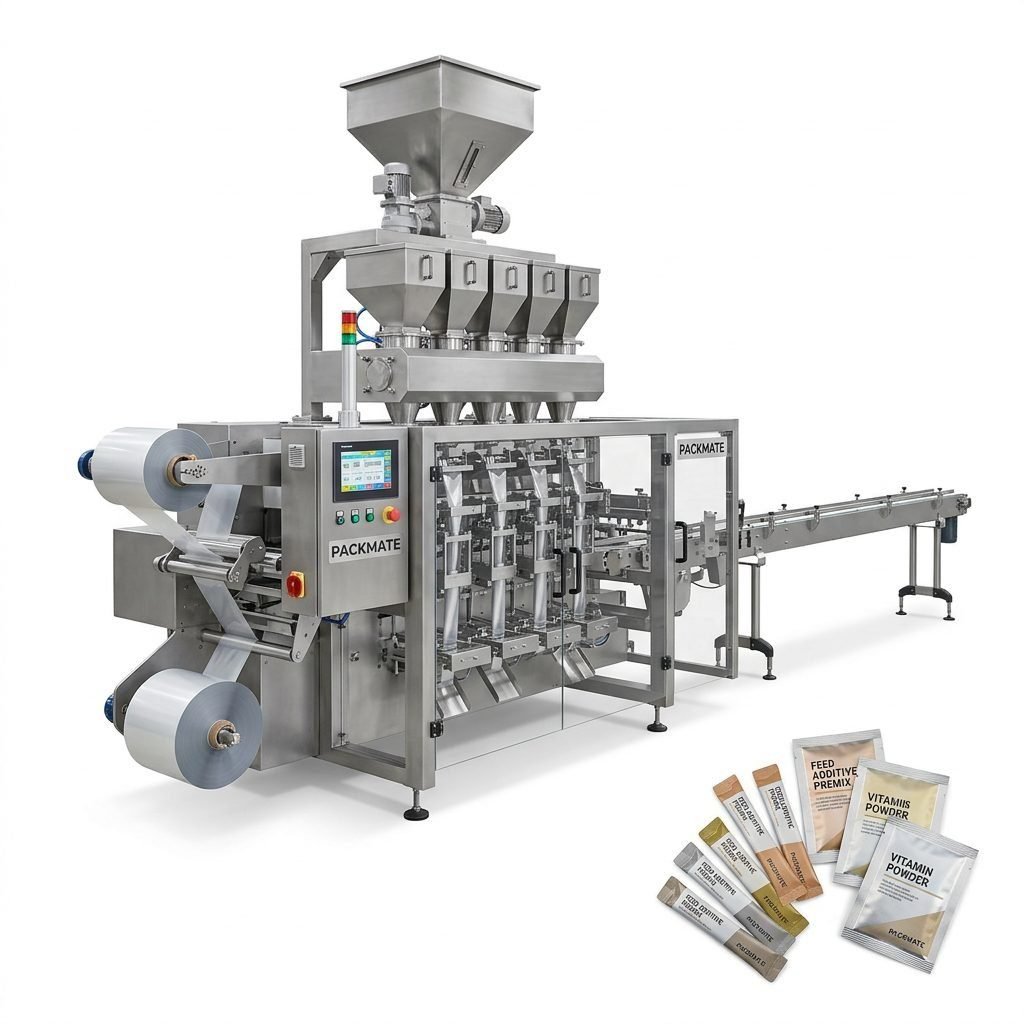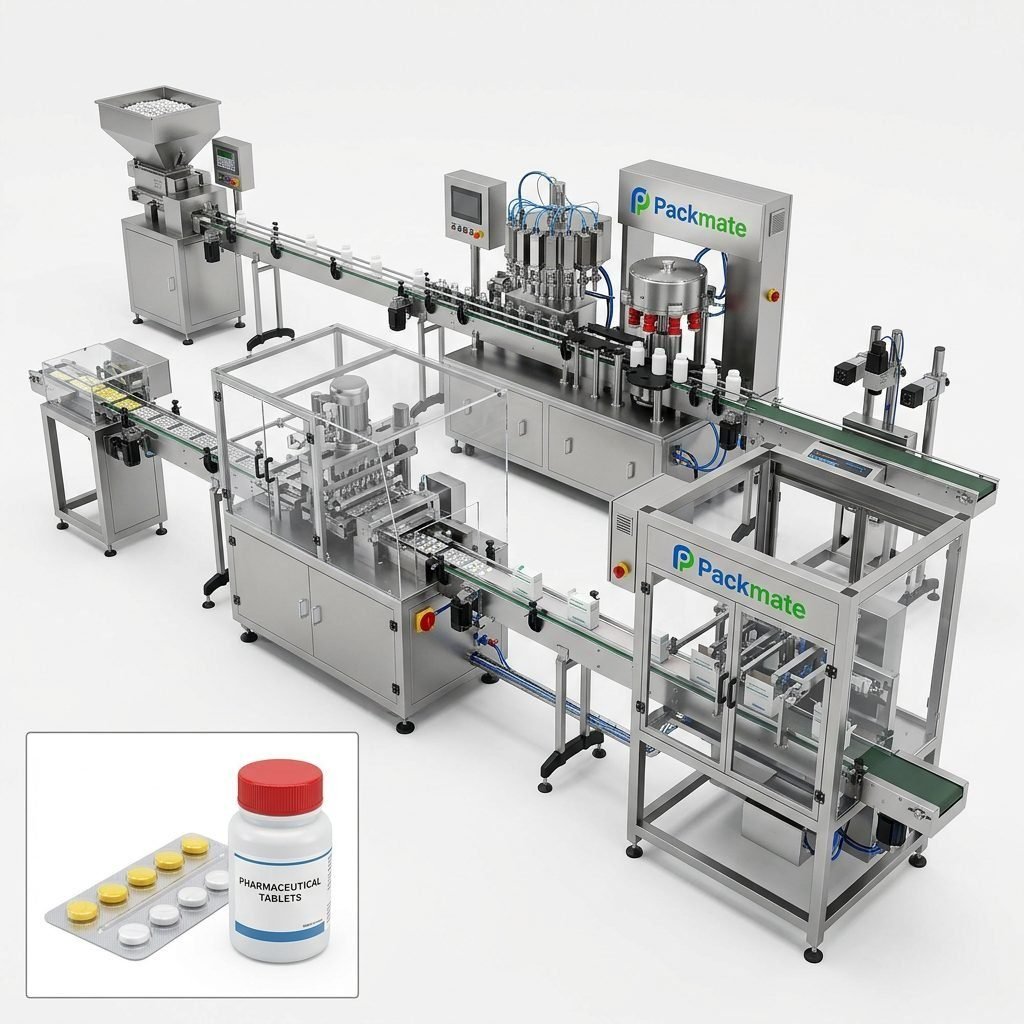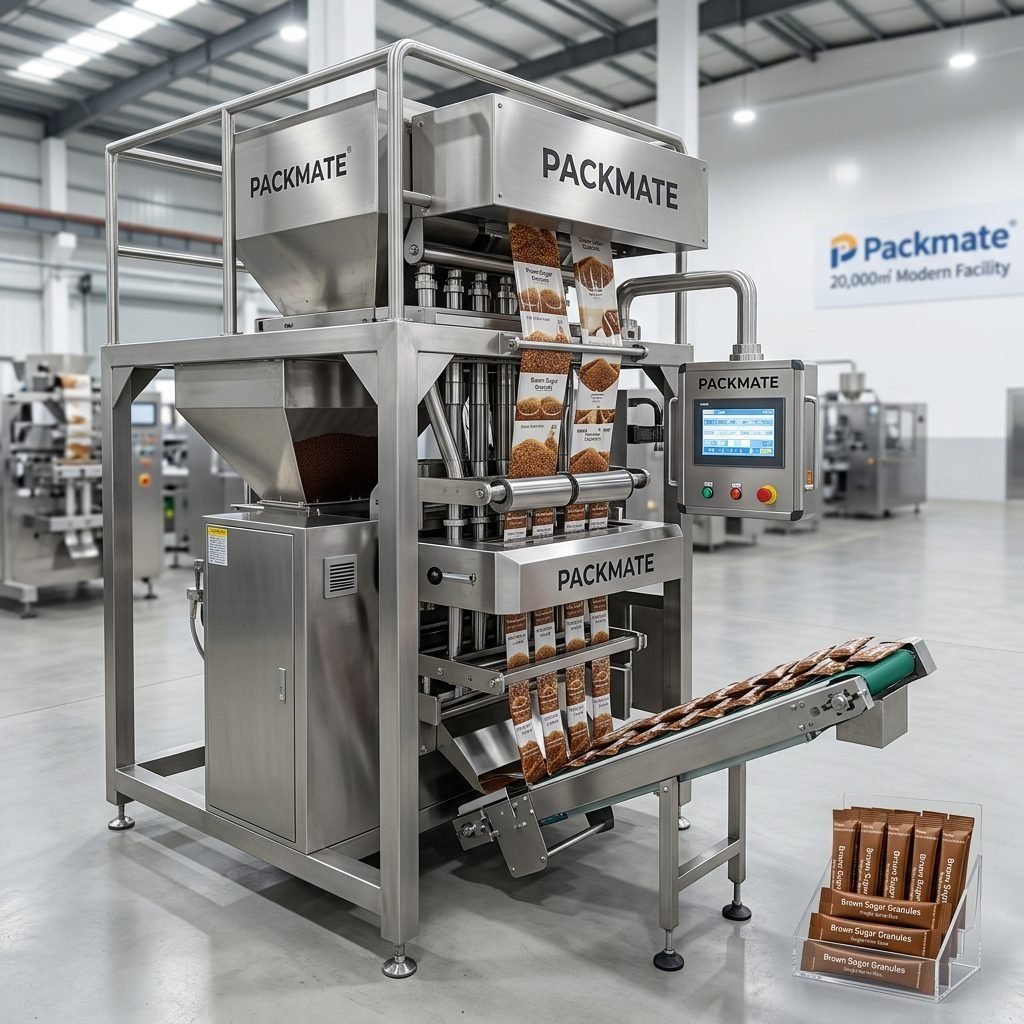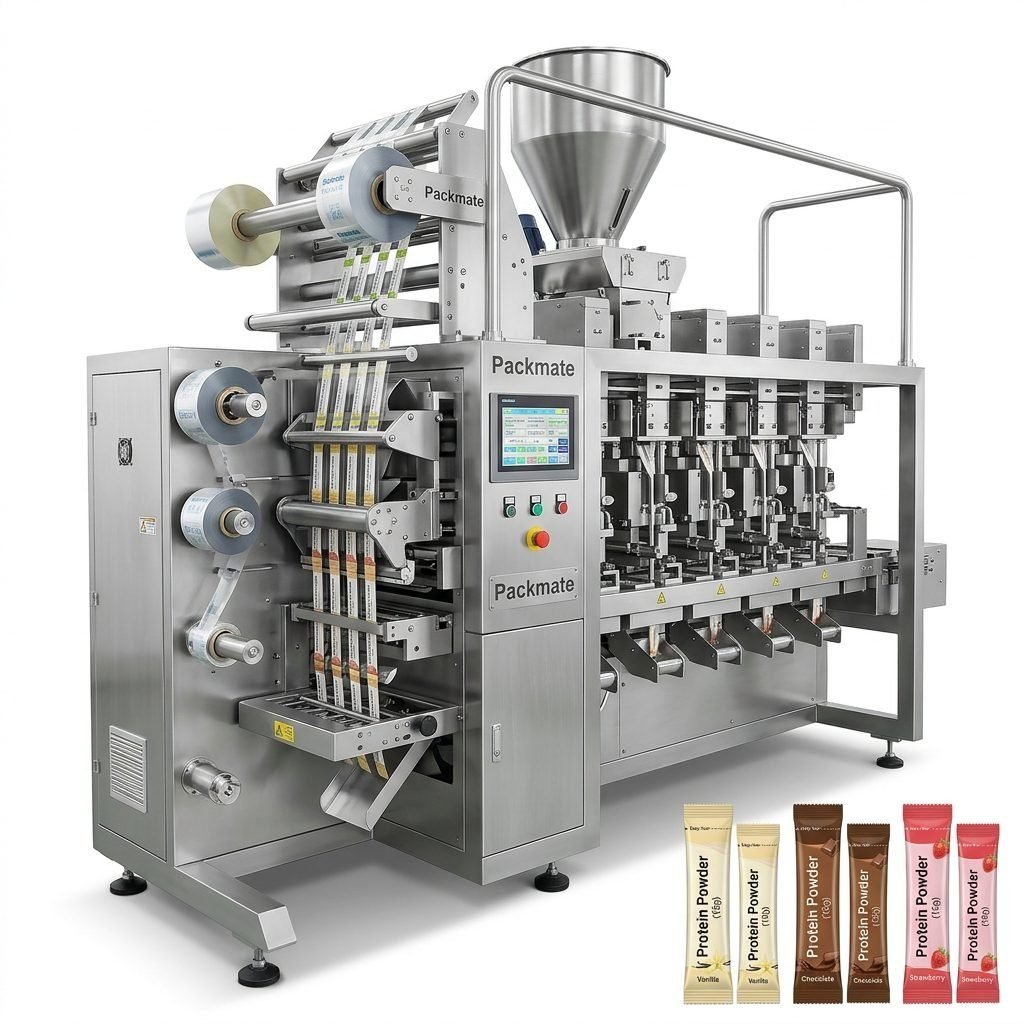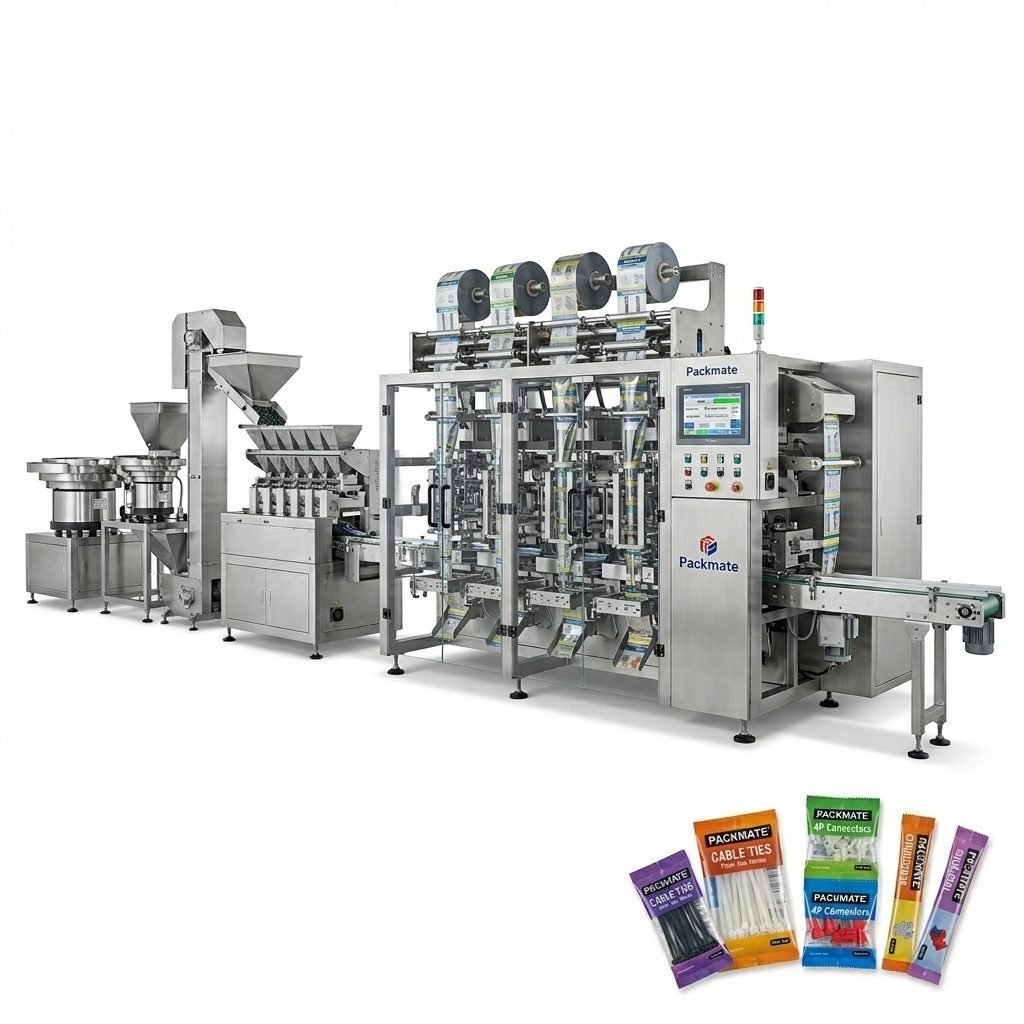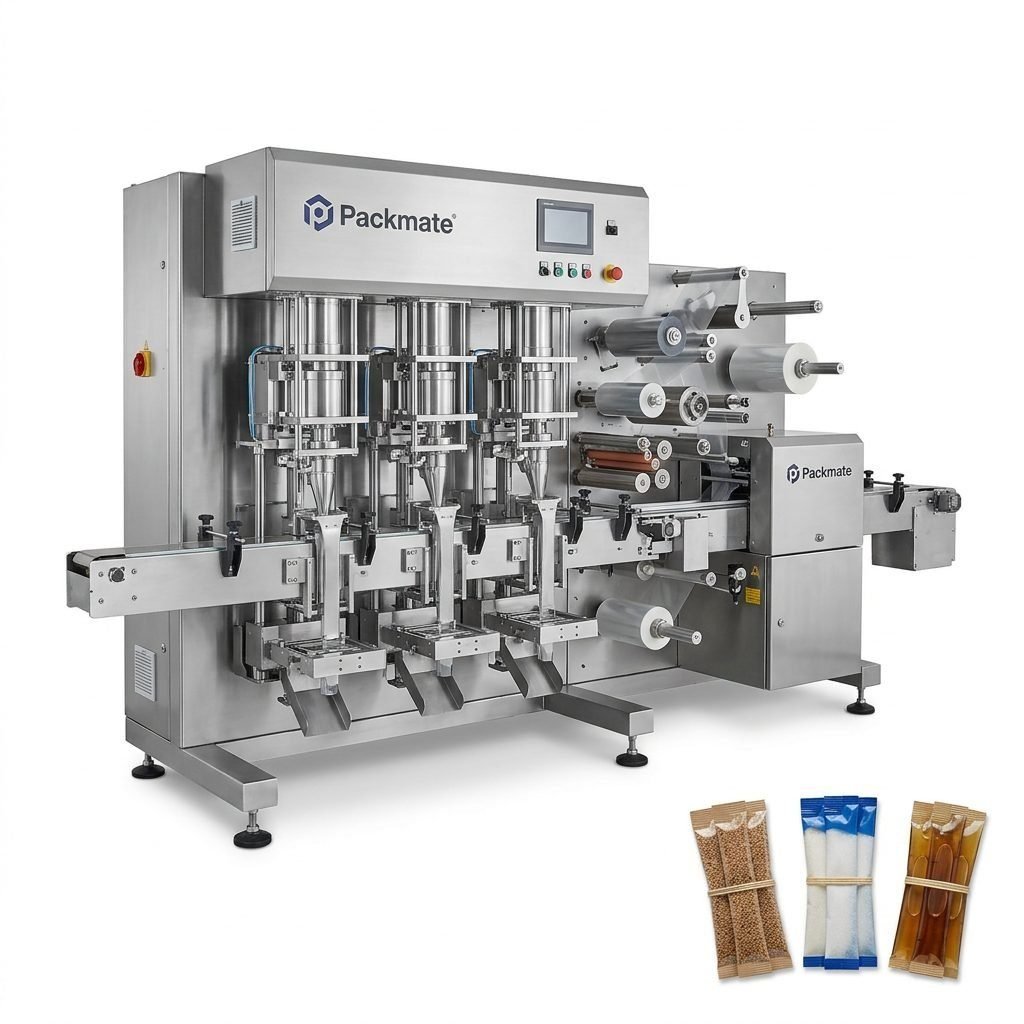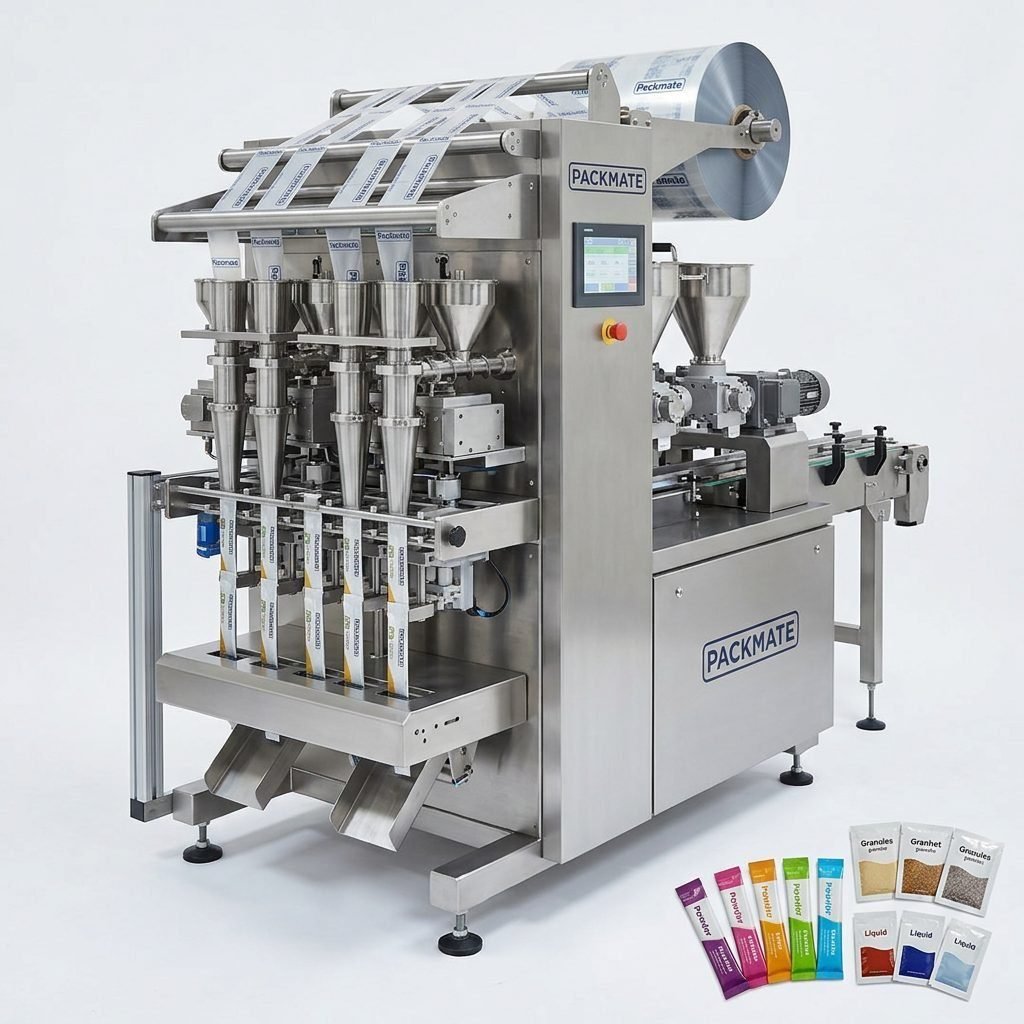
Finding a reliable packaging machine manufacturer in Eswatini is a critical step for any business looking to enhance its production capabilities, improve efficiency, and ensure product quality. The right equipment partner can be the difference between a smooth, profitable operation and one plagued by downtime and inconsistent output. This guide provides a practical, step-by-step approach to help you identify and select trustworthy manufacturers, with a particular focus on the specific needs and considerations of businesses operating in Eswatini.
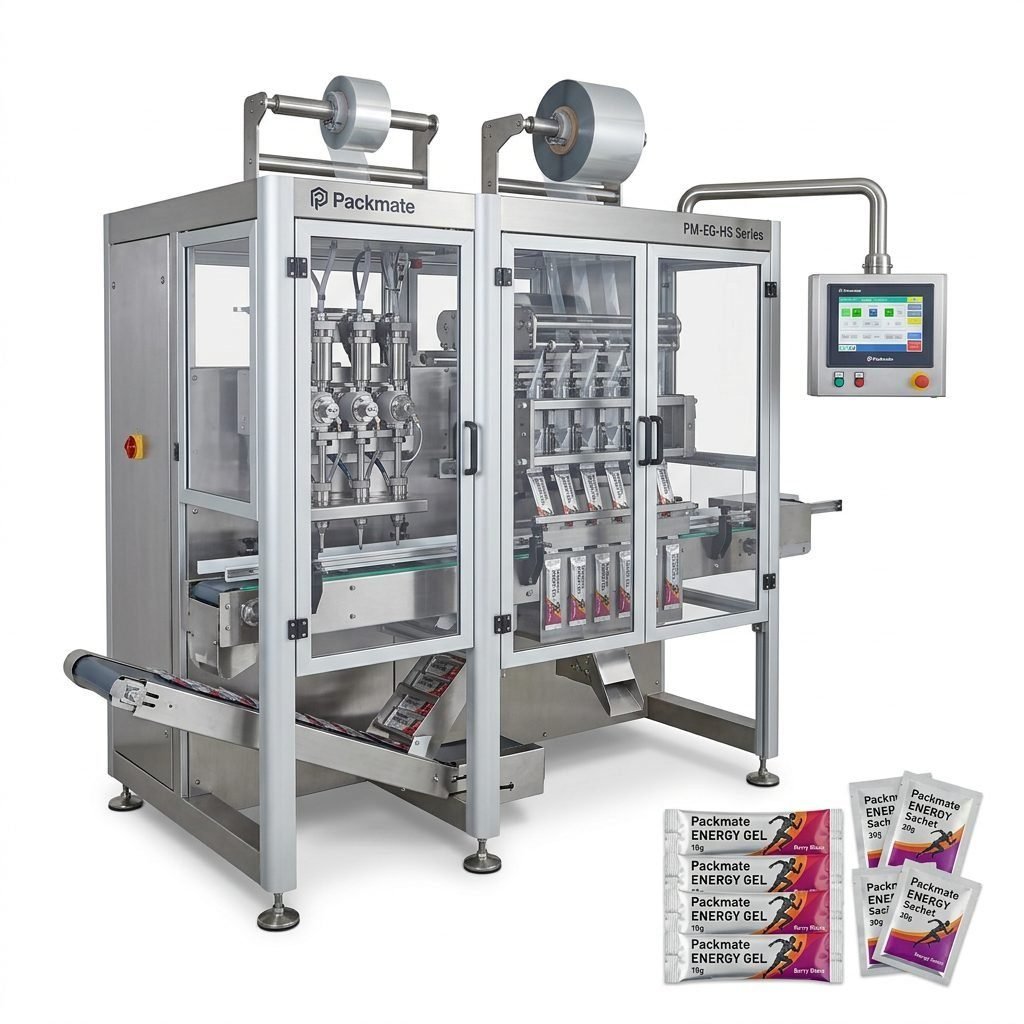
Understanding Your Packaging Needs in the Eswatini Market
Before you begin your search, clearly define your requirements. The local market in Eswatini, which includes food processing, agro-industry, and small-scale manufacturing, has unique demands. Consider the following:
Product Type: Are you packaging granules (like sugar or spices), powders (milk powder, flour), liquids (juices, sauces), or pastes? The product’s physical state dictates the machine type.
Production Volume: Assess your current and projected output. Are you a small-to-medium enterprise (SME) or a large-scale producer? This determines the required speed and automation level.
Packaging Format: Do you need stick packs, sachets, pouches, or bottles? The format is crucial for machine selection.
Budget and Space: Be realistic about your investment and the physical space available in your facility.
Key Factors for Eswatini-Based Buyers
Buyers in Eswatini should pay special attention to:
- After-Sales Support & Spare Parts: Given the geographic location, having reliable local technical support or a manufacturer with a strong global support network is non-negotiable. Delays in service can halt production for weeks.
- Machine Robustness & Simplicity: Equipment should be durable and relatively easy to operate and maintain, as access to highly specialized technicians may be limited.
- Power Compatibility: Ensure the machine’s electrical specifications are compatible with Eswatini’s power grid.
- Supplier Export Experience: Prioritize manufacturers with a proven track record of exporting to Africa, as they are more familiar with shipping logistics, documentation, and regional challenges.
Where to Find Packaging Machine Manufacturers
Your search should be multi-faceted. Start with comprehensive online research on platforms like Alibaba, Made-in-China, and industry-specific directories. Look for manufacturers with detailed product catalogs and company profiles. Attending international trade fairs, either virtually or in person, can provide direct exposure to equipment and allow for face-to-face discussions. Industry associations and networks, both locally in Southern Africa and internationally, can also offer valuable referrals and insights.
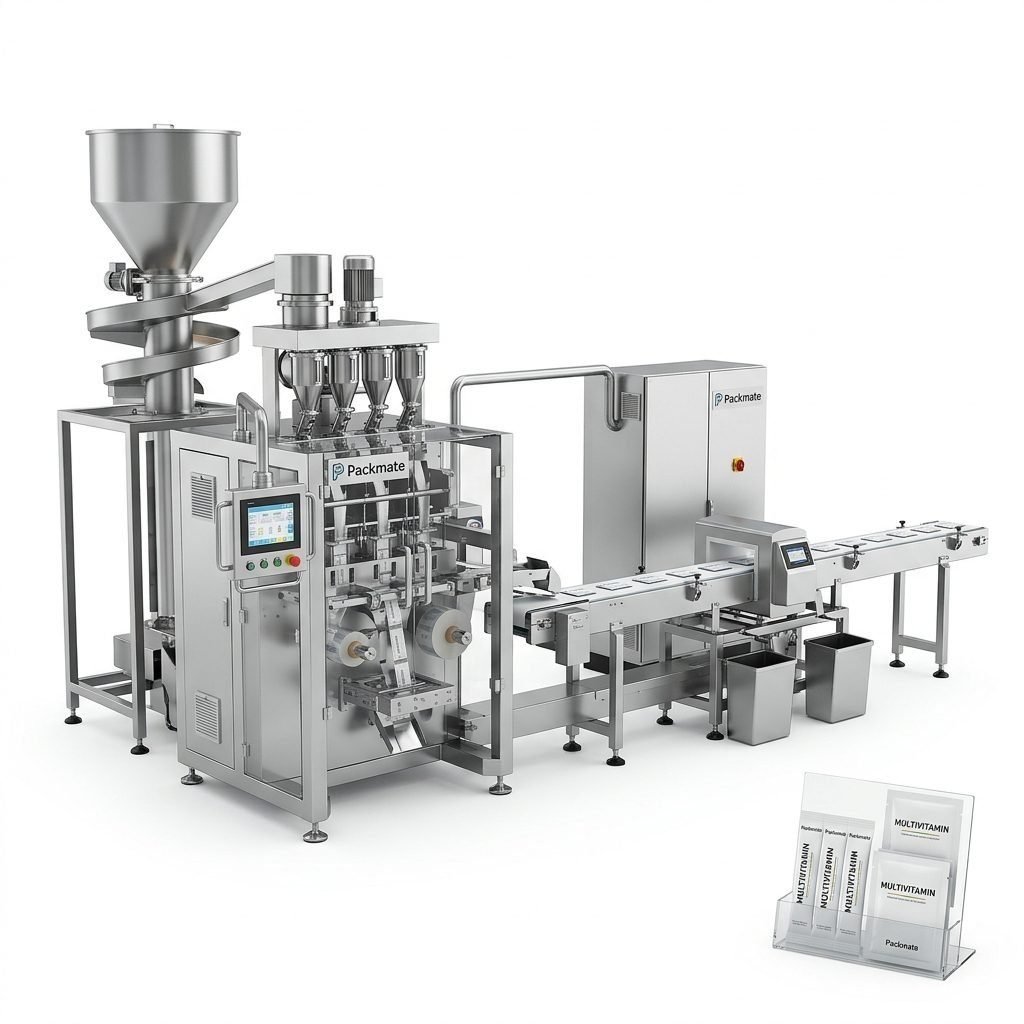
Evaluating Manufacturer Credibility
Once you have a shortlist, conduct thorough due diligence. A manufacturer’s website, like that of Ludyway, should be professional and informative, detailing their history, capabilities, and product range. Verify their business licenses and relevant certifications (e.g., CE, ISO). A strong history, such as Ludyway’s 30+ years since 1993, often indicates stability and accumulated expertise. Examine their client portfolio and case studies, looking for projects similar to yours. Genuine customer testimonials and reviews are invaluable.
Essential Questions to Ask Potential Suppliers
Prepare a detailed questionnaire. Don’t hesitate to ask probing questions about their experience with your specific product type, their standard warranty period, and the terms of their after-sales service. Inquire about the availability and delivery time for spare parts. Request a detailed quotation that breaks down costs for the machine, shipping, installation, and training. Crucially, ask for references from clients in similar regions or industries.
Due Diligence Checklist
| Aspect | What to Verify |
|---|---|
| Company Legitimacy | Business license, factory audits, ISO certifications. |
| Technical Capability | Request videos of machines running your product or similar. Ask for engineering drawings for custom solutions. |
| Export & Africa Experience | Ask for a list of clients in Africa or similar markets. Check their understanding of export documentation. |
| Support Structure | Clarify remote support options, on-site service availability, and spare parts logistics to Eswatini. |
The Importance of Factory Visits and Testing
If feasible, visiting the manufacturer’s factory is highly recommended. For Eswatini buyers, this might involve a trip to major manufacturing hubs. A visit allows you to inspect build quality, production processes, and quality control measures firsthand. More importantly, insist on a factory acceptance test (FAT). This is where your actual product material is run on the machine to verify performance, speed, and packaging quality before shipment. It’s your best insurance against receiving unsuitable equipment.
Understanding Total Cost of Ownership (TCO)
Look beyond the initial purchase price. The Total Cost of Ownership includes:
- Initial Investment: Machine cost, shipping, insurance, and import duties into Eswatini.
- Operating Costs: Energy consumption, required packaging materials (films, laminates), and labor.
- Maintenance & Spare Parts: Cost and frequency of routine maintenance, and the price of critical spare parts.
- Downtime Cost: The potential revenue lost if the machine is frequently under repair or waiting for parts.
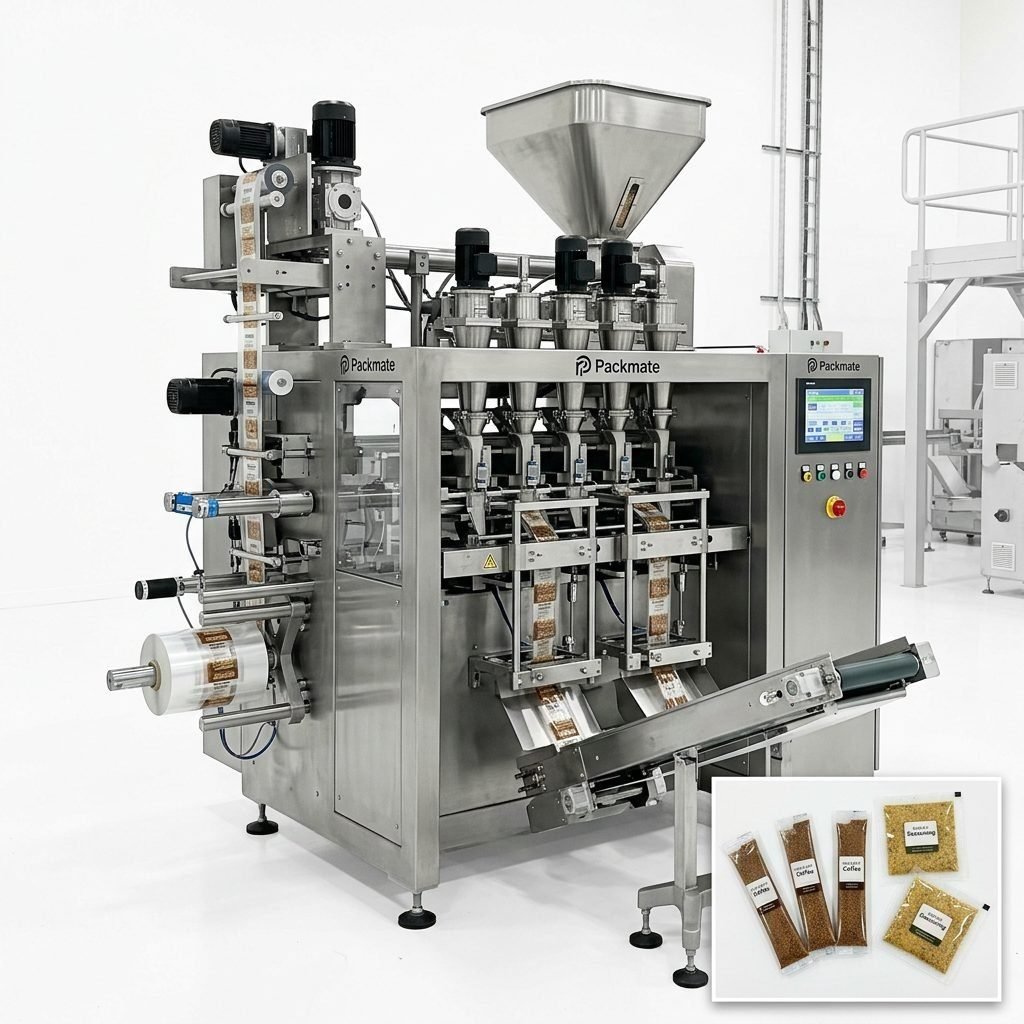
A slightly more expensive machine from a reputable supplier like Packmate Machinery, known for reliable performance and support, often results in a lower TCO than a cheaper, less reliable alternative.
Negotiation and Contract Essentials
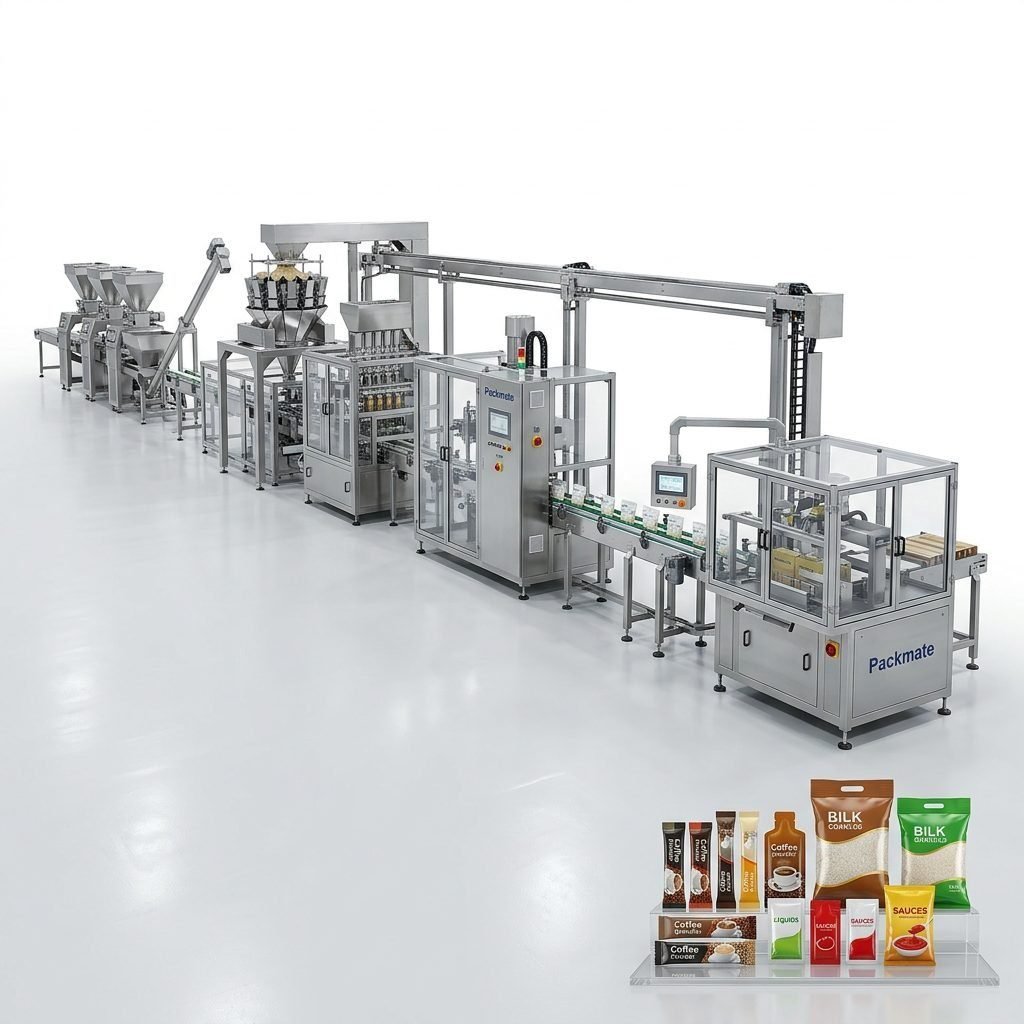
When negotiating, be clear about all terms. The contract should explicitly state payment terms (e.g., 30% deposit, 70% before shipment), delivery timeline (FOB, CIF, etc.), warranty details (what is covered, for how long, and response time), and a detailed scope of supply (machine, spare parts, tools, manuals). Ensure there is a clause for the Factory Acceptance Test and define the criteria for passing it. For complex turnkey lines, consider suppliers like PacklineOEM who specialize in integrated solutions.
Logistics and Installation in Eswatini
Work closely with your supplier and a reliable freight forwarder to manage logistics. Understand the Incoterms. Once the machine arrives, proper installation is key. Reputable manufacturers will provide installation manuals and often offer remote guidance or on-site installation services (for an additional fee). Ensure you have the necessary utilities (power, compressed air) and floor space ready. Training your operators is crucial; request comprehensive training materials and sessions, either on-site or via video call.
Building a Long-Term Partnership
View your supplier not just as a vendor, but as a long-term partner. A good manufacturer will offer ongoing support, inform you of upgrades, and be a source of advice as your business grows. For specialized needs, such as nicotine pouch packaging, a niche expert like SnusMachinery can provide invaluable application-specific knowledge. For highly customized requirements, a manufacturer focused on non-standard solutions, such as PackingMachineOEM, may be the ideal partner.
Frequently Asked Questions (FAQs)
1. What are the main challenges of importing packaging machinery to Eswatini?
The primary challenges include navigating customs clearance, managing shipping logistics and potential delays, ensuring proper documentation, and arranging for qualified technicians for installation and maintenance. Choosing a manufacturer with export experience to Africa can mitigate many of these issues.
2. Should I choose a standard machine or a customized solution?
Standard machines are more cost-effective and have faster delivery times. Customized solutions are necessary if your product, packaging material, or production process is unique. For most SMEs in Eswatini starting out, a well-configured standard machine from a flexible supplier is often the best balance.
3. How important is local agent or distributor support?
Extremely important. A local agent or a manufacturer with a strong regional support network can drastically reduce response times for technical issues and spare parts delivery, minimizing costly production downtime.
4. What is the typical lead time for a packaging machine?
For standard models, lead times typically range from 30 to 90 days after order confirmation and deposit. For custom or turnkey lines, it can extend from 90 to 180 days or more. Always confirm this timeline in your contract.
5. How can I verify the quality of a machine before purchasing?
Request live video demonstrations of the machine running a product similar to yours. Ask for a Factory Acceptance Test (FAT) with your own materials. Check client references, and if possible, visit the factory or an existing installation.