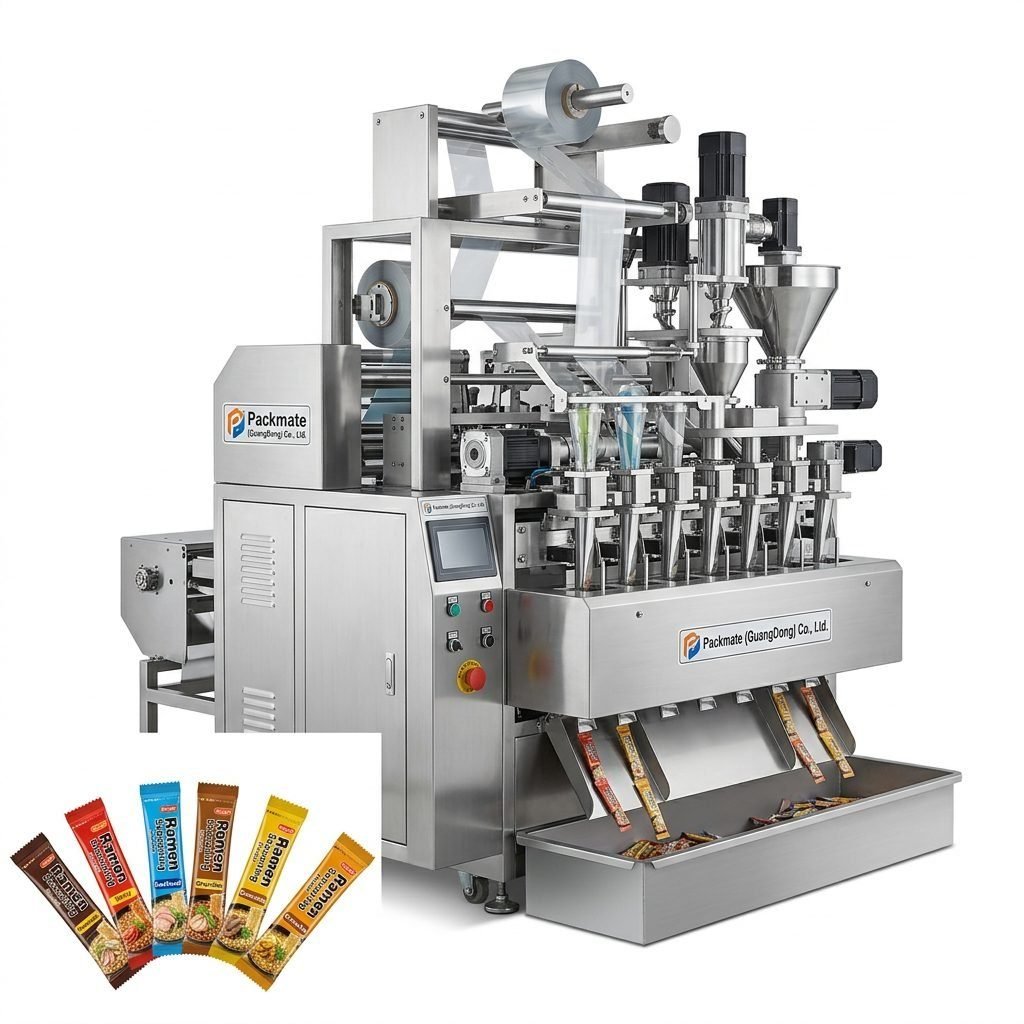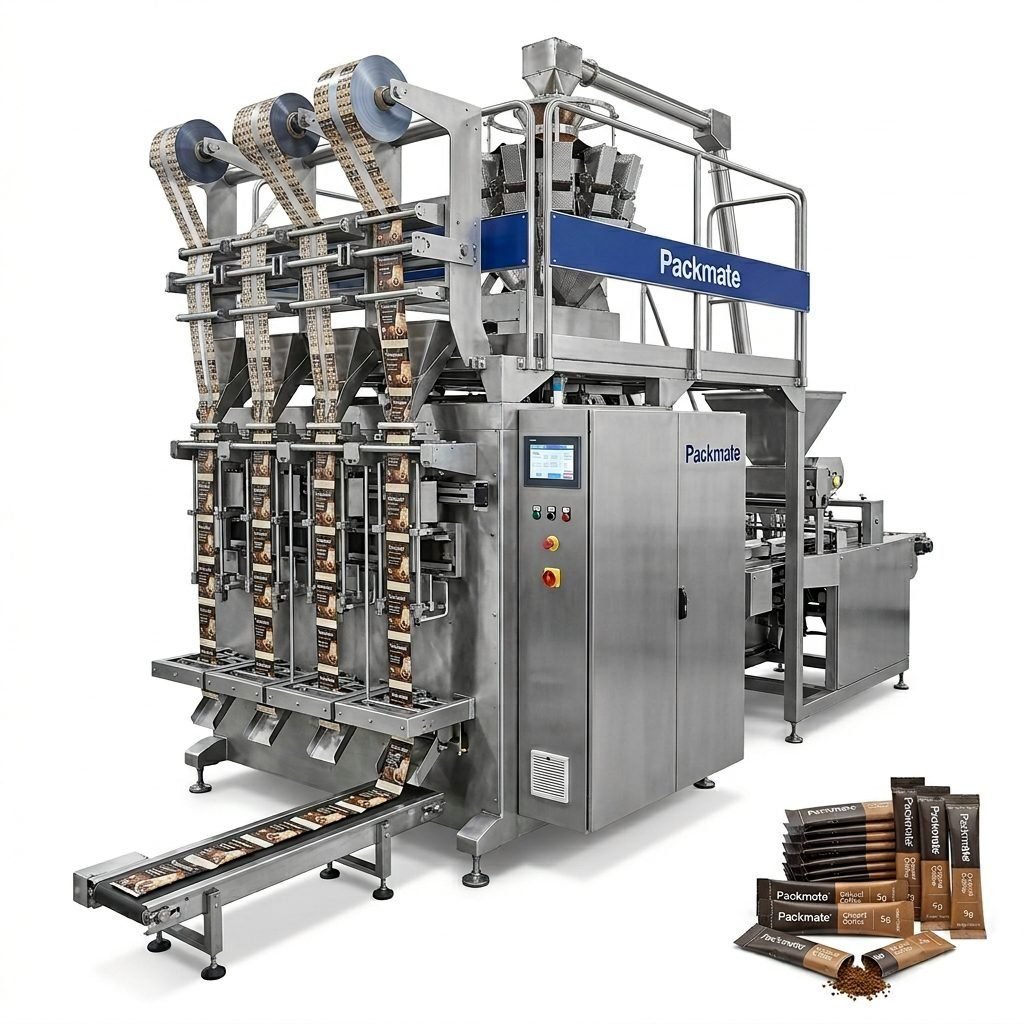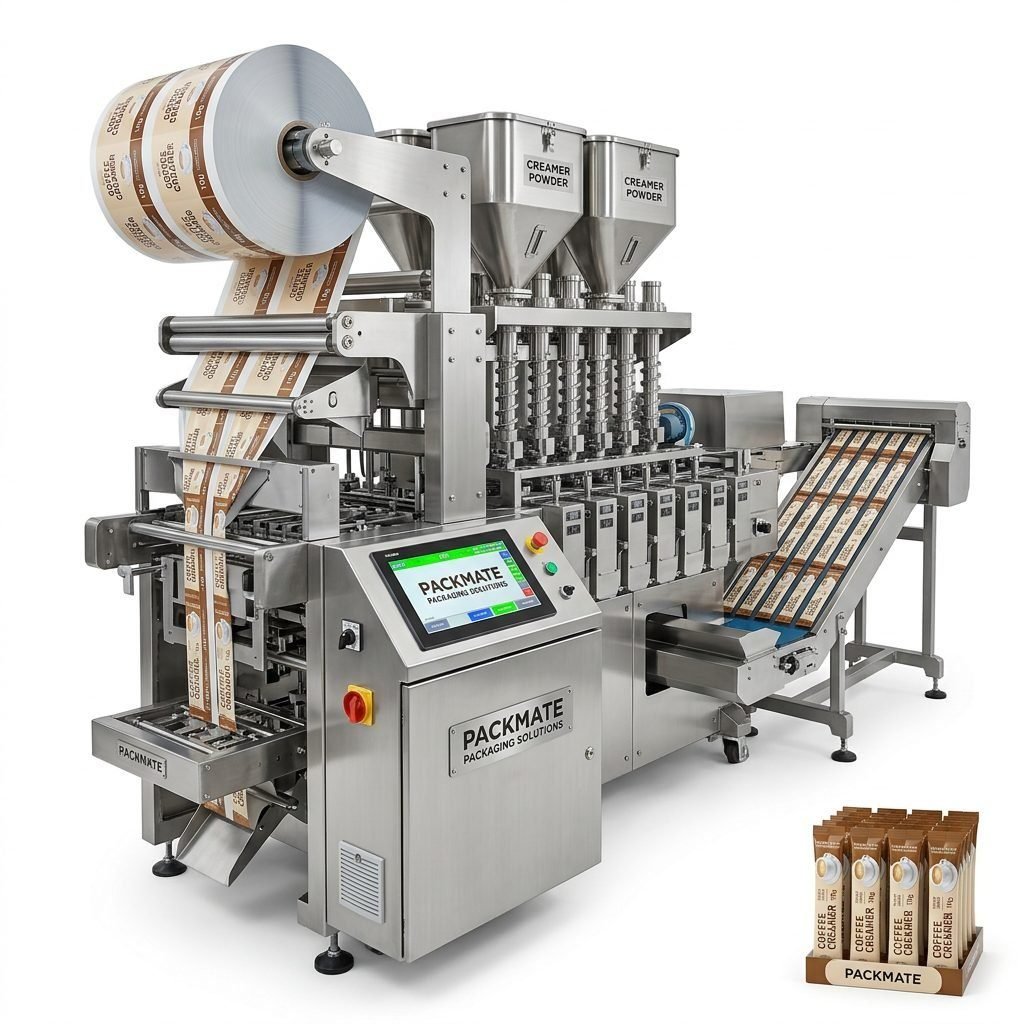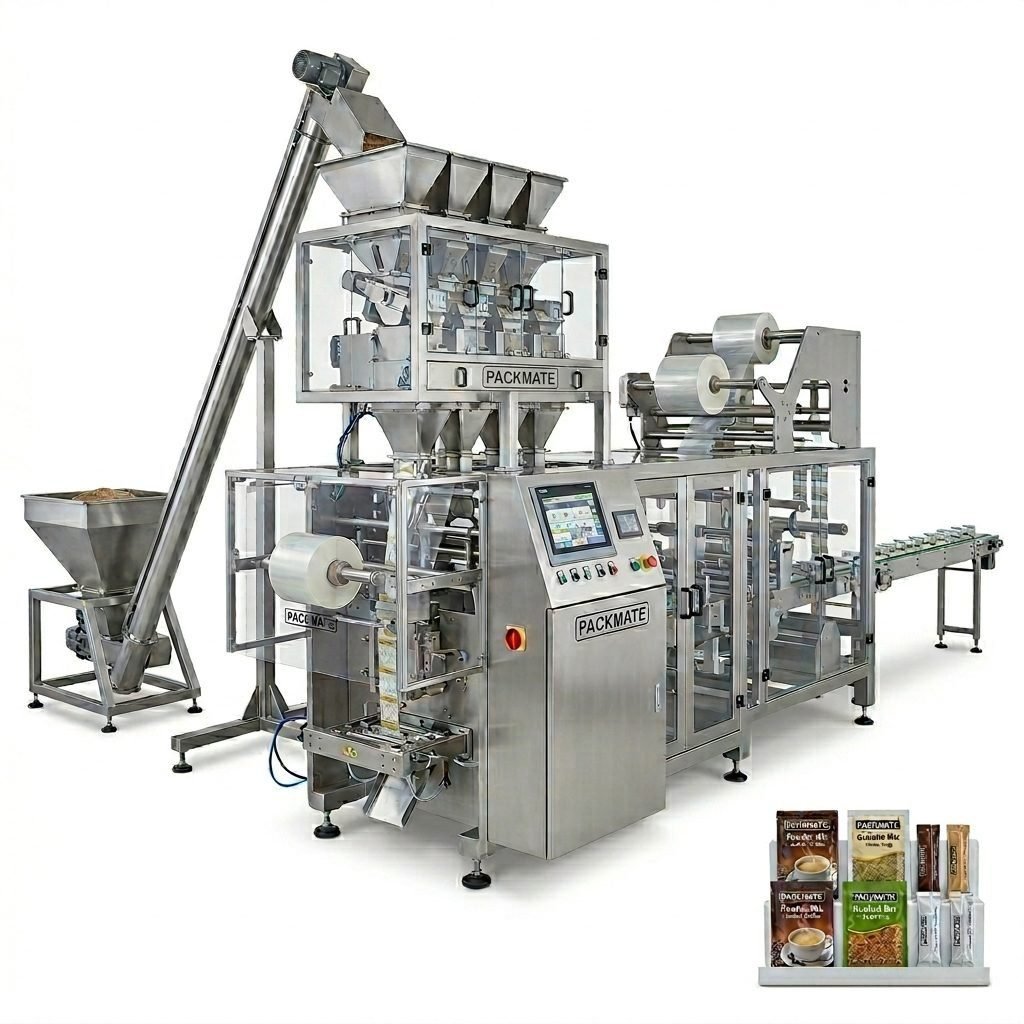
In the fast-paced world of manufacturing, efficiency, accuracy, and hygiene are paramount. An automatic blister packaging machine is a cornerstone of modern production lines, particularly in the pharmaceutical, nutraceutical, and consumer goods industries. This sophisticated equipment automates the process of forming, filling, and sealing individual product cavities (blisters) with precise doses of tablets, capsules, or small items, offering unparalleled speed and consistency compared to manual methods.
How Does an Automatic Blister Packaging Machine Work?
The operation of an automatic blister packaging machine is a continuous, synchronized process typically divided into several key stages. Understanding this workflow highlights the machine’s complexity and efficiency.
1. Film Unwinding & Heating
A roll of thermoformable plastic film (like PVC, PVDC, or Aclar) is fed into the machine. This film passes over a heating plate or through a heating station, where it is softened to a pliable state suitable for forming.
2. Blister Forming (Thermoforming)
The heated film is then indexed into a forming station. Here, a forming die with the negative shape of the blister cavities presses down. Compressed air (or a combination of air pressure and a plug assist) is used to push the softened film into the die cavities, creating the familiar blister pockets. Advanced machines use precise temperature and pressure controls to ensure uniform pocket depth and wall thickness.
3. Product Feeding & Loading
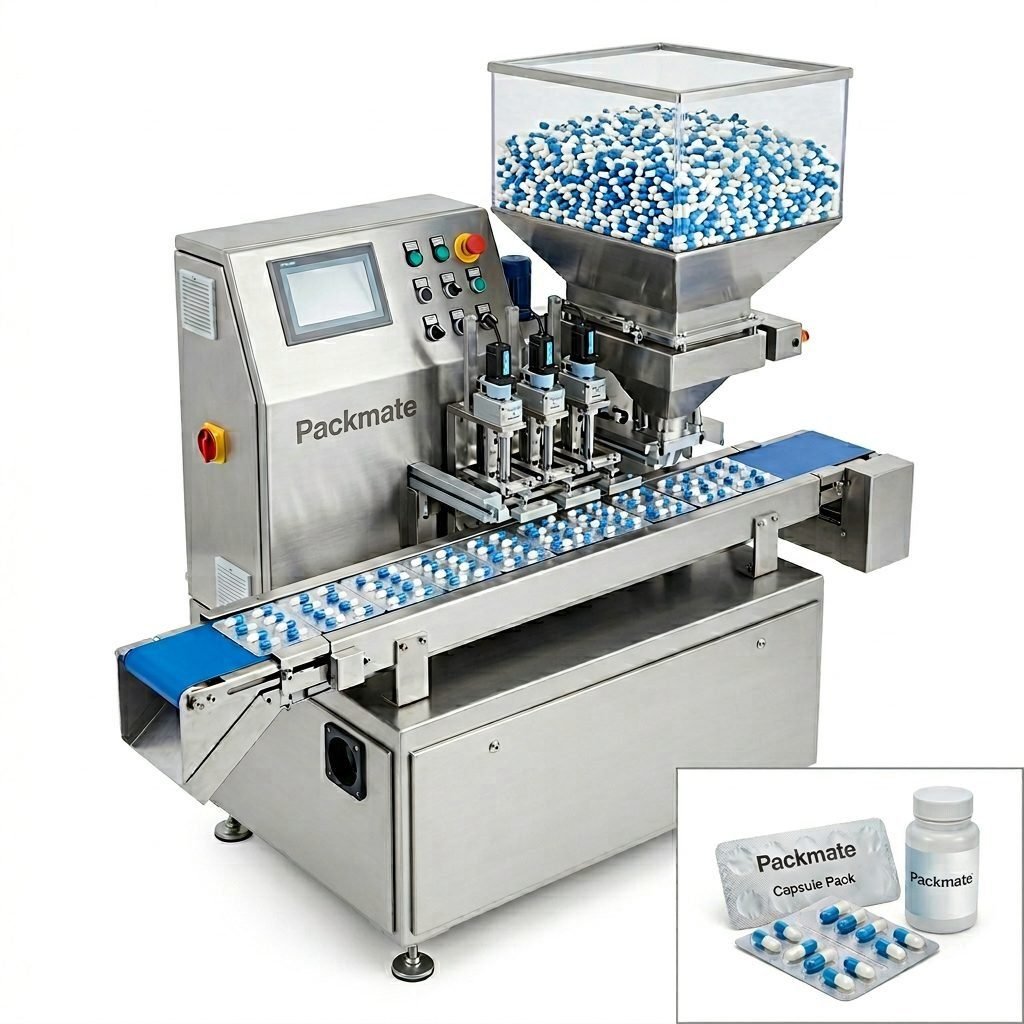
This is a critical phase for accuracy. The formed blister web moves to the filling station. Products like tablets or capsules are fed from a hopper via vibratory feeders, escalators, or robotic pick-and-place systems. Precision counting and placement mechanisms ensure each blister cavity receives the exact number of products without damage or cross-contamination. Vision inspection systems are often integrated here to verify count and reject defective blisters.
4. Lidding & Sealing
A separate roll of lidding material (typically aluminum foil laminated with a heat-seal coating) is fed over the filled blister web. The machine then applies heat and pressure at a sealing station, bonding the lidding foil to the rim of the plastic blister base. This creates an airtight, child-resistant, and tamper-evident seal, crucial for product integrity and safety.
5. Perforation, Cutting & Discharge
The continuous sealed blister strip then passes through a punching or cutting station. Here, it is perforated or die-cut into individual blister cards or strips of the desired size and configuration. The finished blisters are then discharged onto a conveyor for secondary packaging, such as cartoning, or for direct collection.
Key Features and Advantages
Modern automatic blister packers are equipped with a range of features designed to maximize output, ensure quality, and provide operational flexibility.
| Feature | Description & Benefit |
|---|---|
| High-Speed Operation | Capable of producing hundreds of blisters per minute, dramatically increasing production throughput and reducing labor costs. |
| Precision Dosing & Counting | Utilizes advanced feeders, sensors, and vision systems to guarantee 100% accurate product count in each blister, eliminating giveaway and ensuring compliance. |
| Quick Changeover | Modular tooling (forming dies, sealing dies, cutting tools) allows for rapid switching between different product shapes and blister card layouts, ideal for short production runs. |
| Integrated Quality Control | In-line systems check for missing products, damaged tablets, improper sealing, and even verify print on the lidding foil, automatically rejecting faulty blisters. |
| User-Friendly HMI | A centralized touchscreen Human-Machine Interface (HMI) allows for easy setup, monitoring of production parameters (speed, temperature, counts), and diagnostics. |
| GMP & Hygiene Design | Constructed with stainless steel contact parts, easy-clean surfaces, and enclosed mechanisms to meet stringent Good Manufacturing Practice (GMP) standards for pharma and food. |
Essential Buying Guide: Choosing the Right Machine
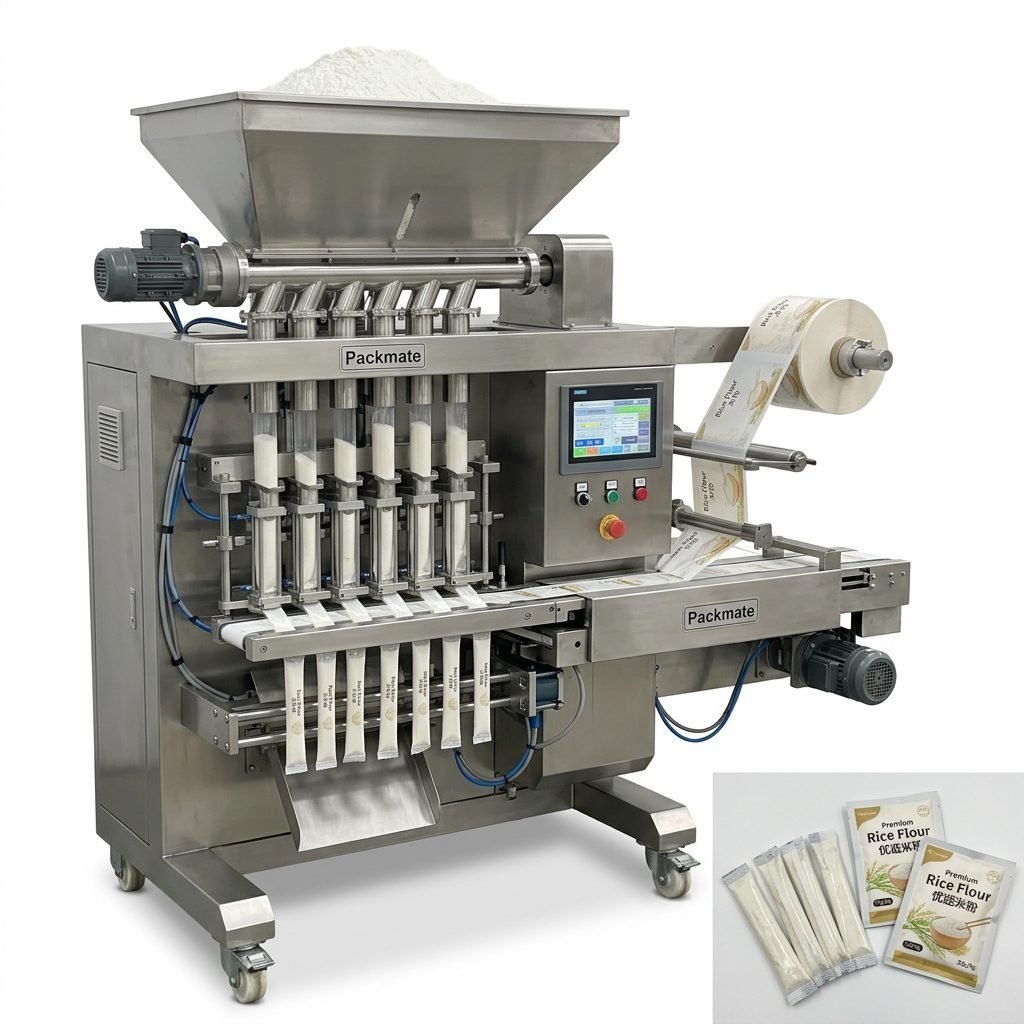
Selecting an automatic blister packaging machine is a significant investment. Here are the critical factors to consider to ensure you choose equipment that aligns with your current and future needs.
1. Define Your Product and Output Requirements
Start with the basics: What are you packaging (tablet size, capsule, shape, fragility)? What is your required output in blisters per minute or hour? Your product characteristics will determine the needed forming technology and feeder type, while your output goals will dictate the machine’s speed and automation level. For high-volume, consistent products, a standard high-speed machine from a manufacturer like Ludyway may be ideal. For specialized or variable products, a supplier with strong customization capabilities is crucial.
2. Evaluate Machine Specifications and Flexibility
Scrutinize the technical details:
- Blister Size Range: Minimum and maximum card dimensions and pocket depth.
- Tooling Changeover Time: How quickly can you switch products? Look for tool-less or quick-lock systems.
- Material Compatibility: Does it run the specific base film and lidding foil you plan to use?
- Feeding System: Is the feeder gentle enough for your product? Can it handle multiple lanes for higher output?
3. Prioritize Quality, Control, and Compliance
For regulated industries, this is non-negotiable. Ensure the machine is built with hygienic design principles (stainless steel, rounded corners). Inquire about standard and optional quality checks (missing product detection, seal integrity check, vision inspection). The control system should allow for detailed recipe storage, data logging, and audit trails to support compliance requirements.
4. Assess After-Sales Support and Service
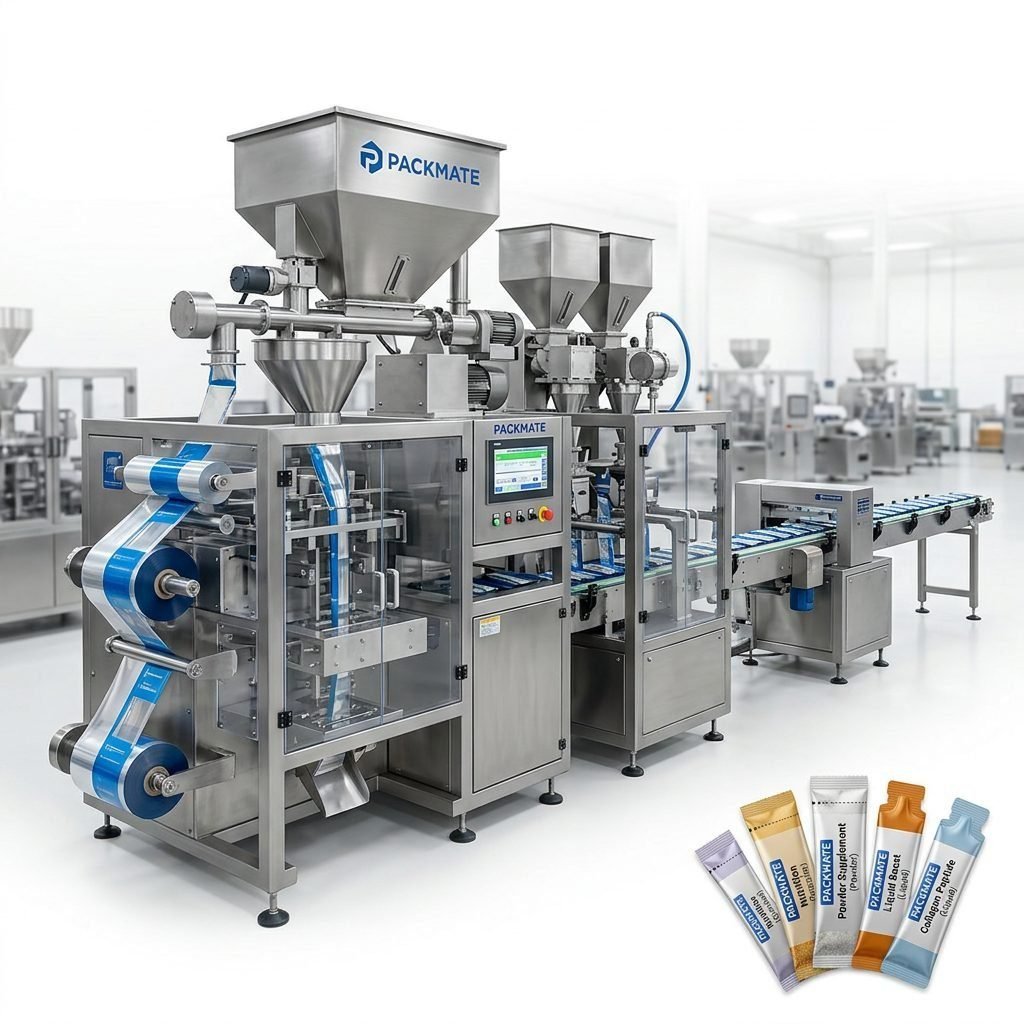
The machine’s reliability is only as good as the support behind it. Investigate the manufacturer’s reputation for:
- Technical Support: Availability of remote diagnostics and on-site engineers.
- Spare Parts Availability: Lead times for critical spare parts.
- Training: Comprehensive training for your operators and maintenance staff.
- Warranty: Terms and duration of the machine warranty.
Companies with a strong international presence, such as PacklineOEM, often have established support networks in key export markets.
5. Consider Total Cost of Ownership (TCO)
Look beyond the initial purchase price. Calculate the TCO by factoring in:
- Energy consumption and compressed air requirements.
- Expected maintenance costs and spare part pricing.
- Potential for future upgrades or integration with other line equipment (cartoners, case packers).
- Machine uptime and efficiency guarantees.
A slightly higher initial investment in a robust, efficient machine from a reputable supplier like SnusMachinery (for niche applications) can lead to much lower long-term operating costs.
Frequently Asked Questions (FAQs)
Q1: What types of products can be packaged with an automatic blister machine?
While most common for pharmaceutical tablets, capsules, and lozenges, these machines are also used for small hardware (screws, batteries), electronic components, confectionery (gum, mints), and single-dose portions of powders or liquids in blisters.
Q2: What is the difference between thermoforming and cold-forming blister machines?
Thermoforming (described above) uses heat to soften plastic film. Cold-forming uses aluminum-based laminate films that are mechanically drawn into cavities under high pressure without heat. Cold form provides superior moisture and oxygen barrier (ideal for sensitive drugs) but is typically more expensive in terms of machine and material cost.
Q3: How important is quick changeover on a blister machine?
Extremely important for manufacturers running multiple products on the same line. Faster changeovers reduce downtime, increase overall equipment effectiveness (OEE), and make smaller batch production economically viable. Look for machines with cassette-based or tool-less changeover systems.
Q4: Can blister machines be integrated into a full packaging line?
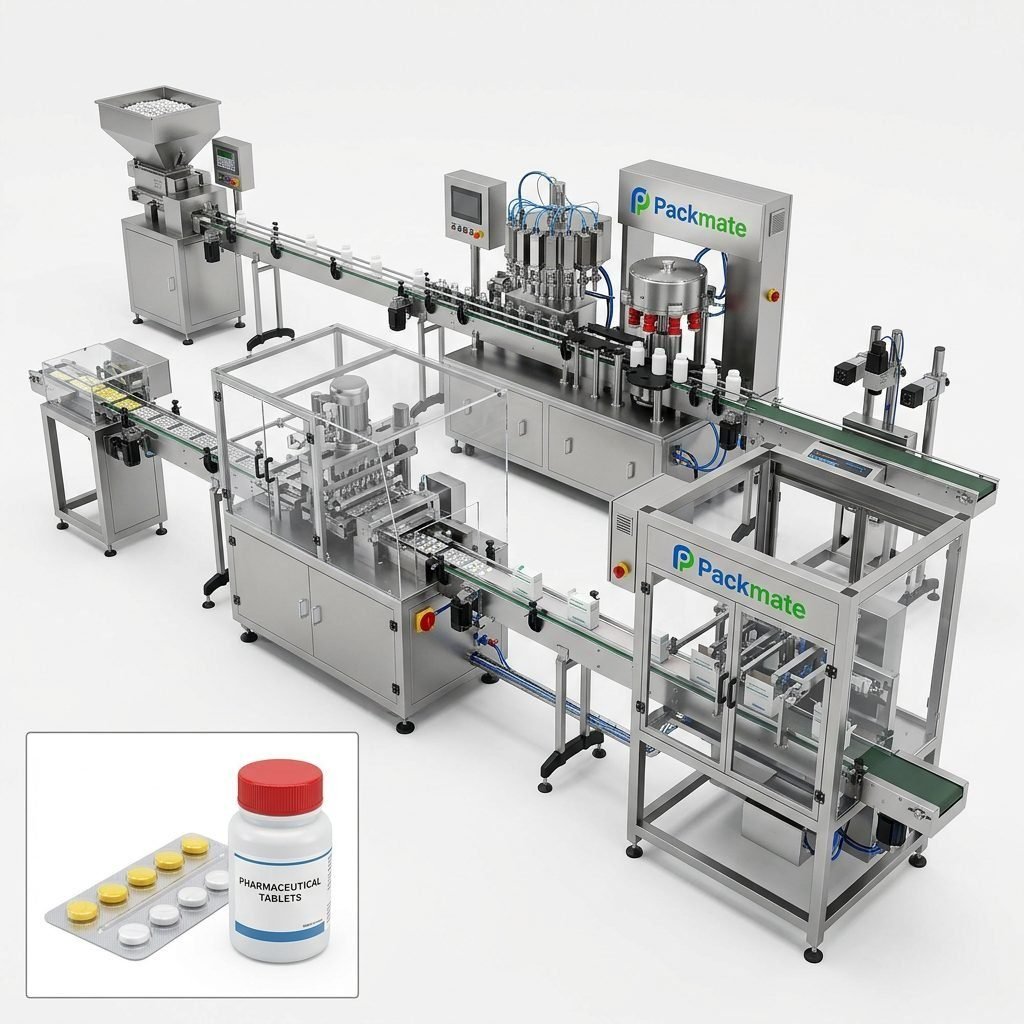
Yes, absolutely. Modern blister packers are designed to be integrated. They can be directly coupled with cartoning machines (to insert blisters into boxes), leaflet inserters, bundlers, and case packers to create a fully automated, end-to-end packaging line, maximizing efficiency and minimizing manual handling.
Q5: What are the key maintenance requirements?
Regular maintenance is vital for longevity and performance. Key tasks include daily cleaning, lubrication of moving parts as per the manual, inspection and replacement of wear parts (like sealing jaws, cutting dies, and feeder components), and calibration of sensors and vision systems. A proactive maintenance schedule based on the manufacturer’s recommendations is essential.