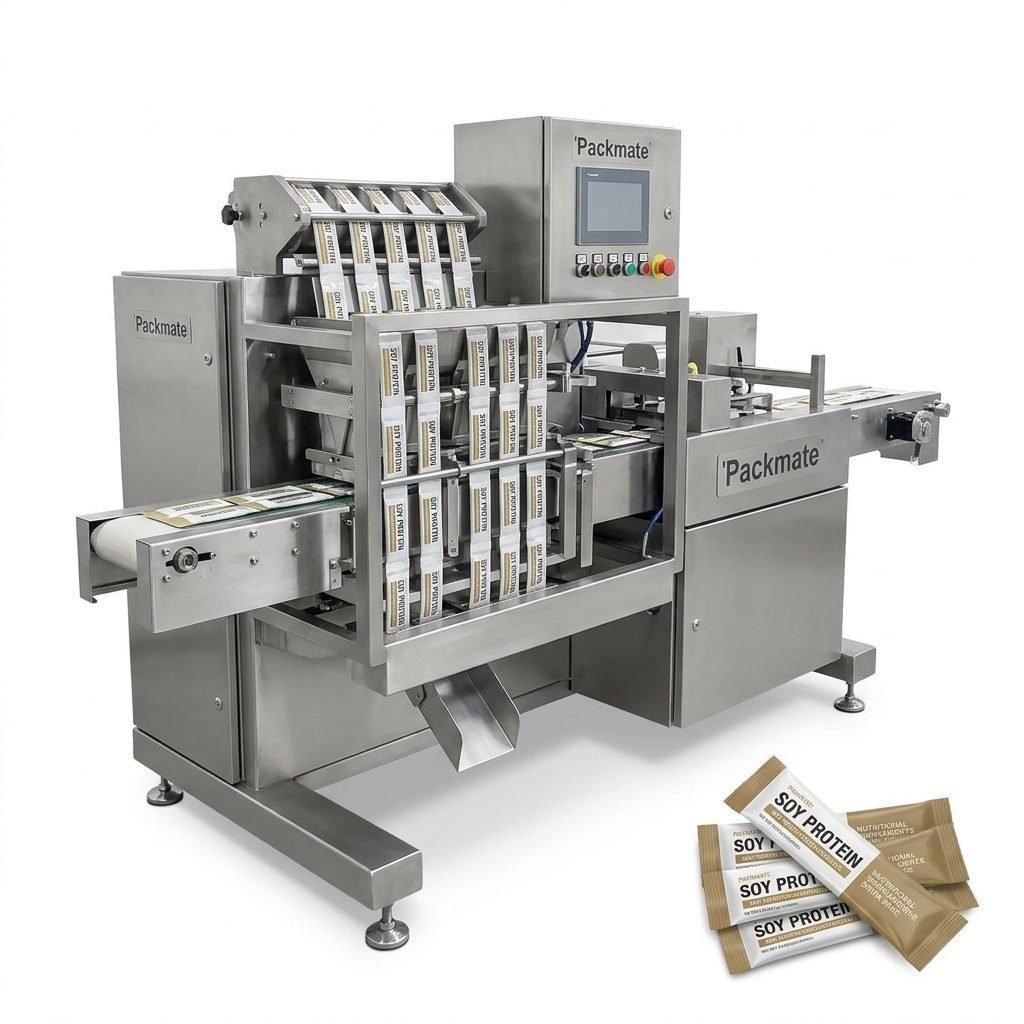
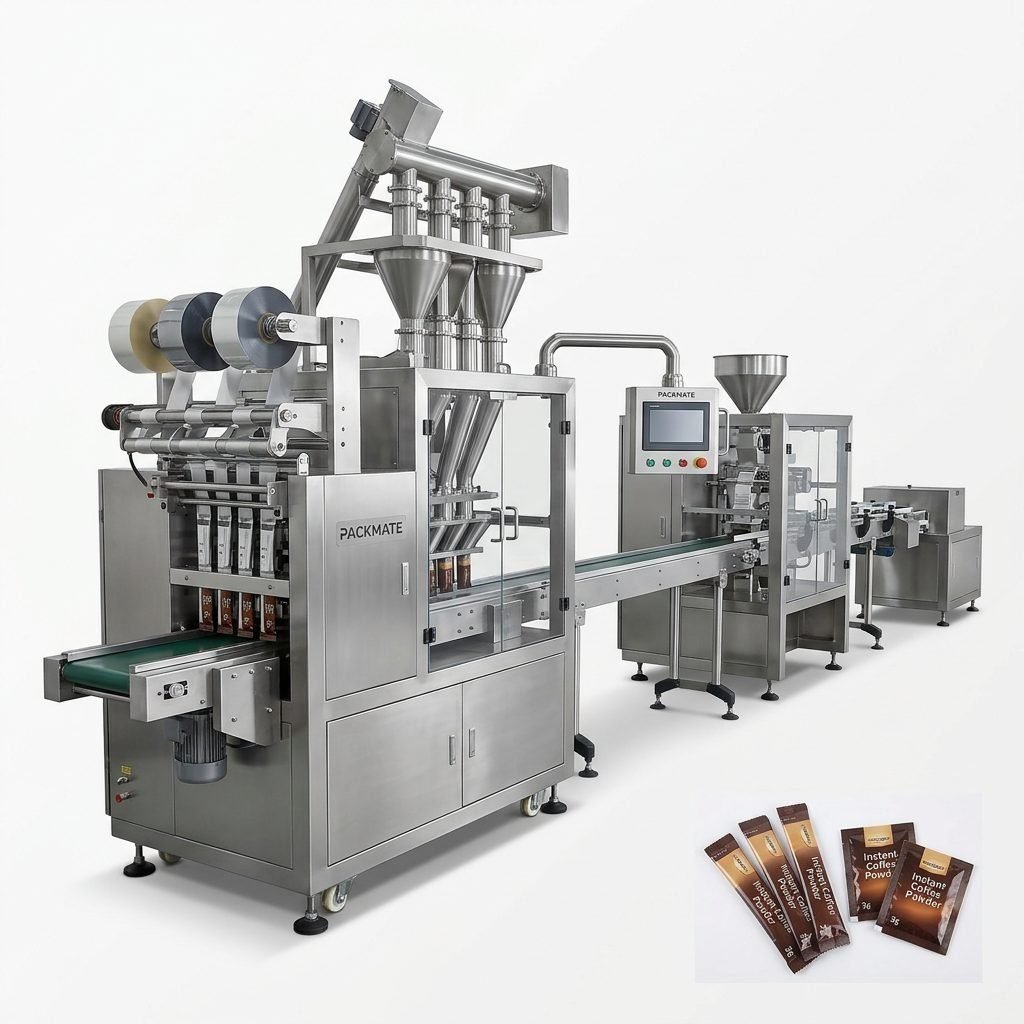
Automatic bagging machines are a cornerstone of modern industrial production, enabling high-speed, consistent, and hygienic packaging of a vast array of products. From food powders and pharmaceutical granules to liquid condiments and health supplements, these systems are essential for manufacturers looking to scale operations, reduce labor costs, and ensure product integrity. This guide explores the different types of automatic bagging machines, their applications, key benefits, and provides a framework for selecting the right equipment for your needs.
Core Types of Automatic Bagging Machines
The market offers a diverse range of automatic bagging solutions, each designed for specific product formats and production volumes. Understanding these core types is the first step in the selection process.
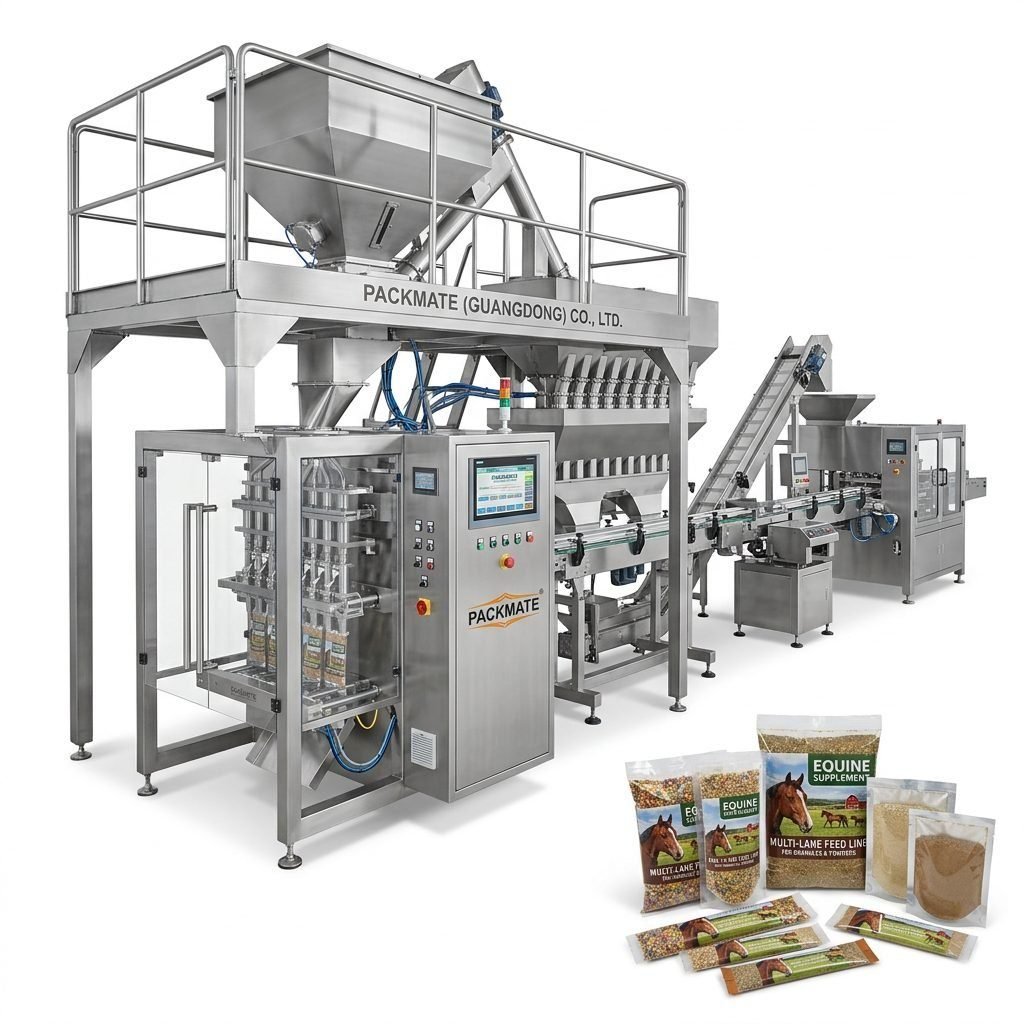
1. Vertical Form-Fill-Seal (VFFS) Machines
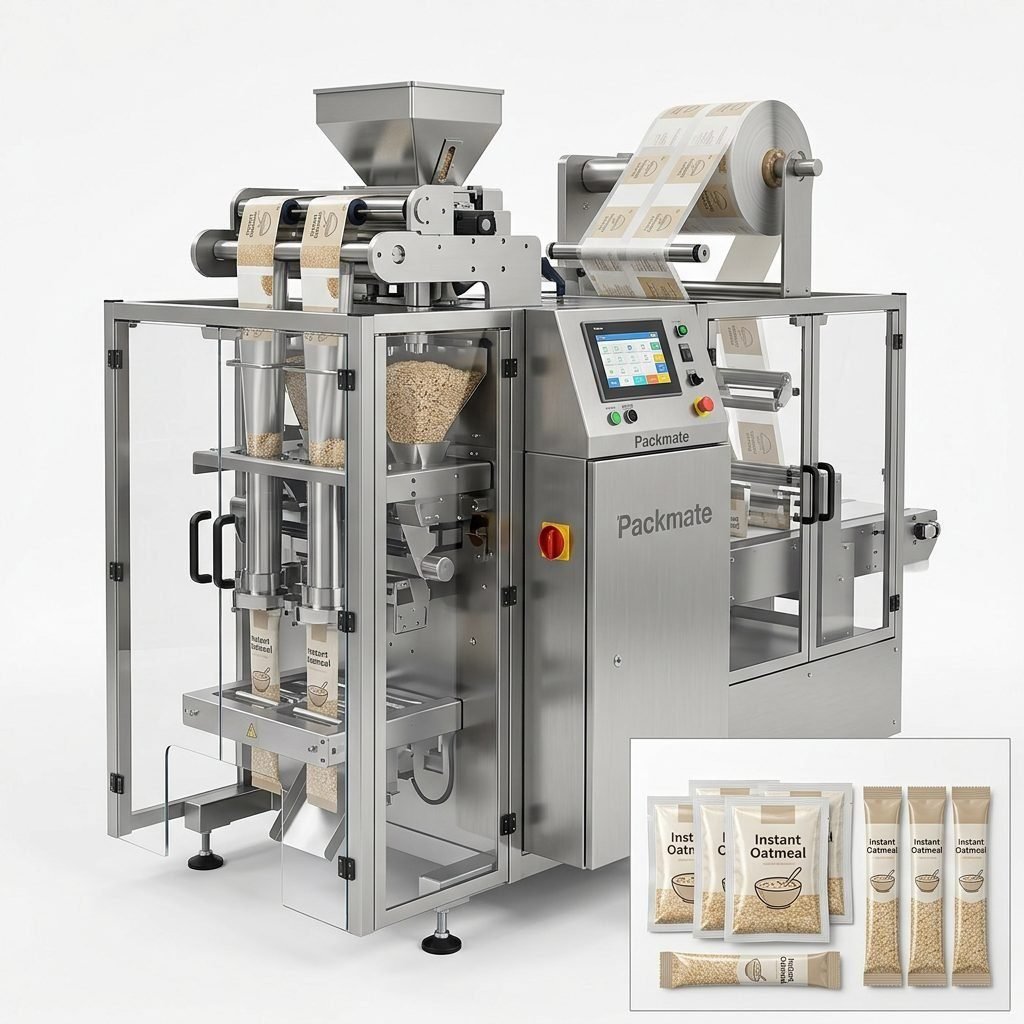
These are among the most common and versatile bagging systems. A VFFS machine forms a bag from a roll of flat packaging film, fills it with the precise amount of product, and then seals it—all in a continuous vertical motion. They are ideal for packaging powders, granules, flakes, and some liquids into pillow bags, gusseted bags, or stand-up pouches.
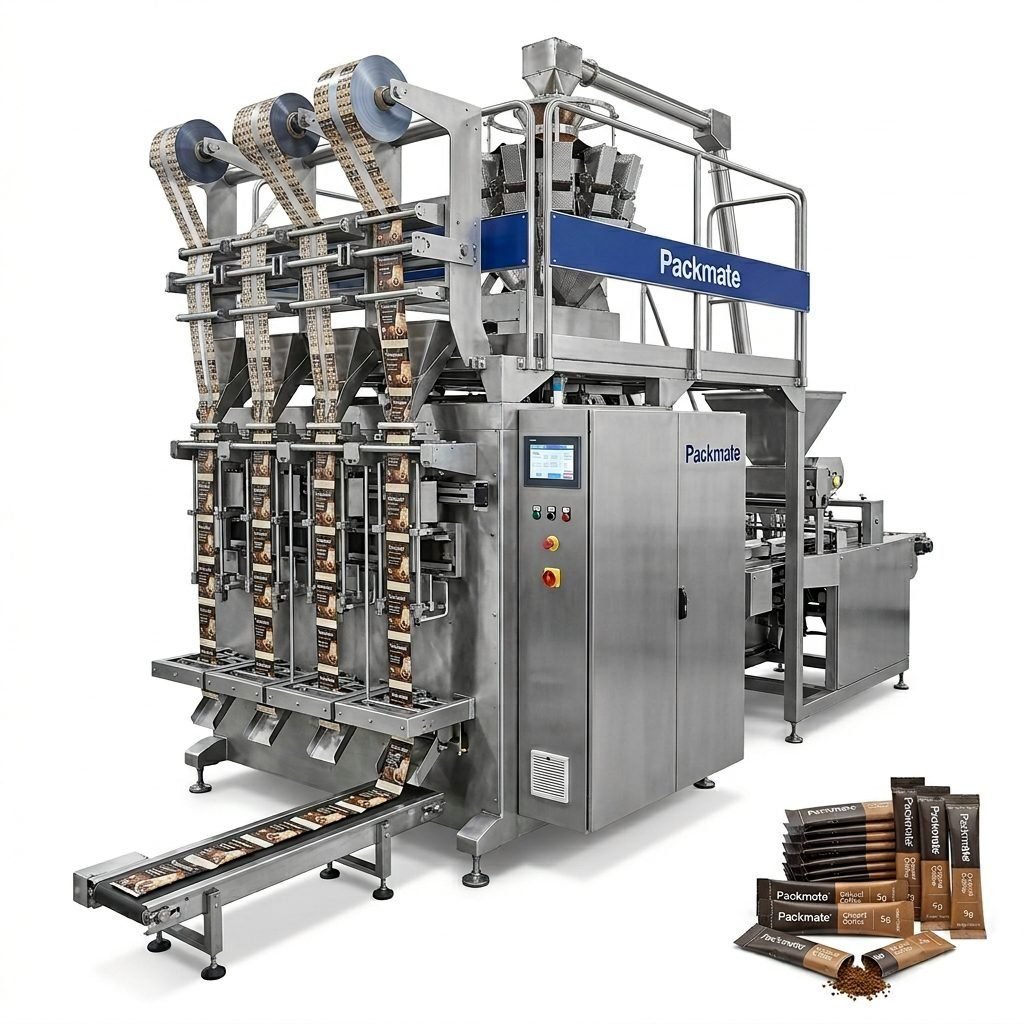
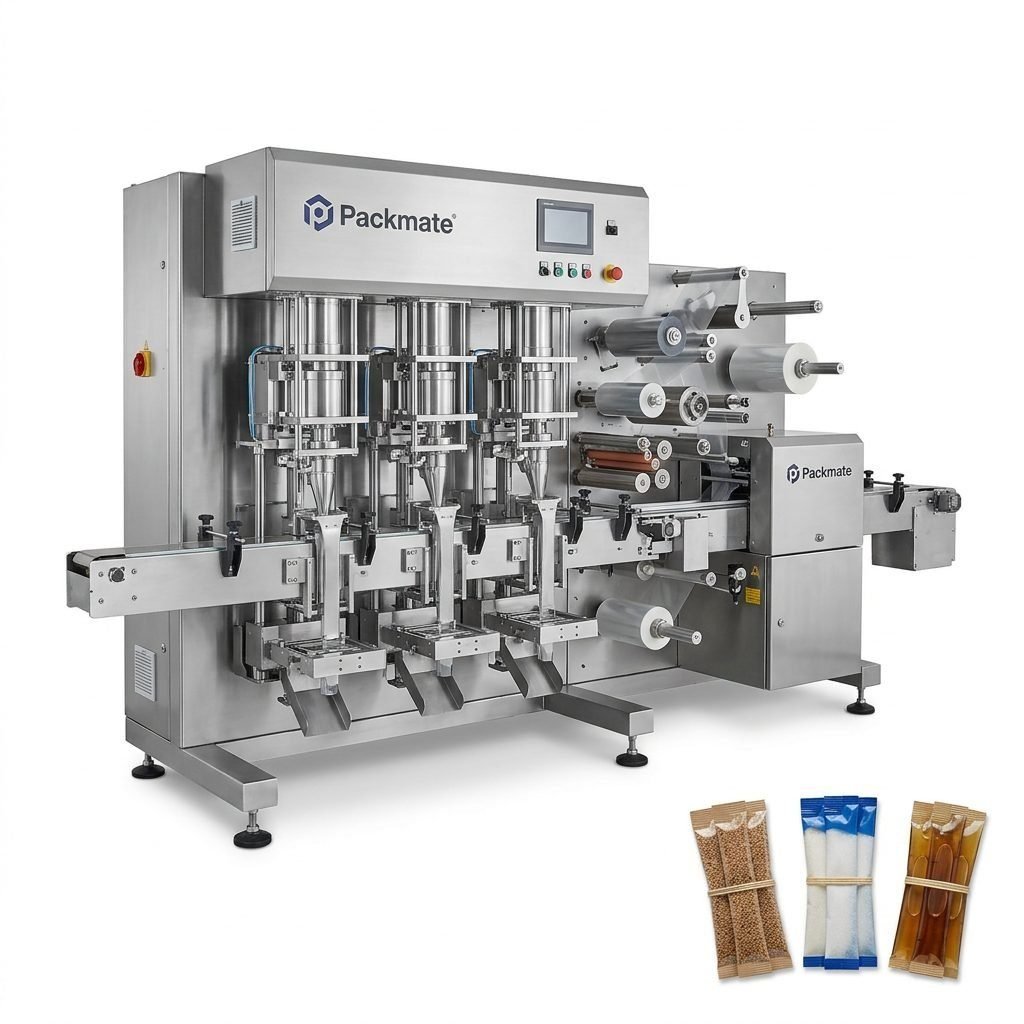
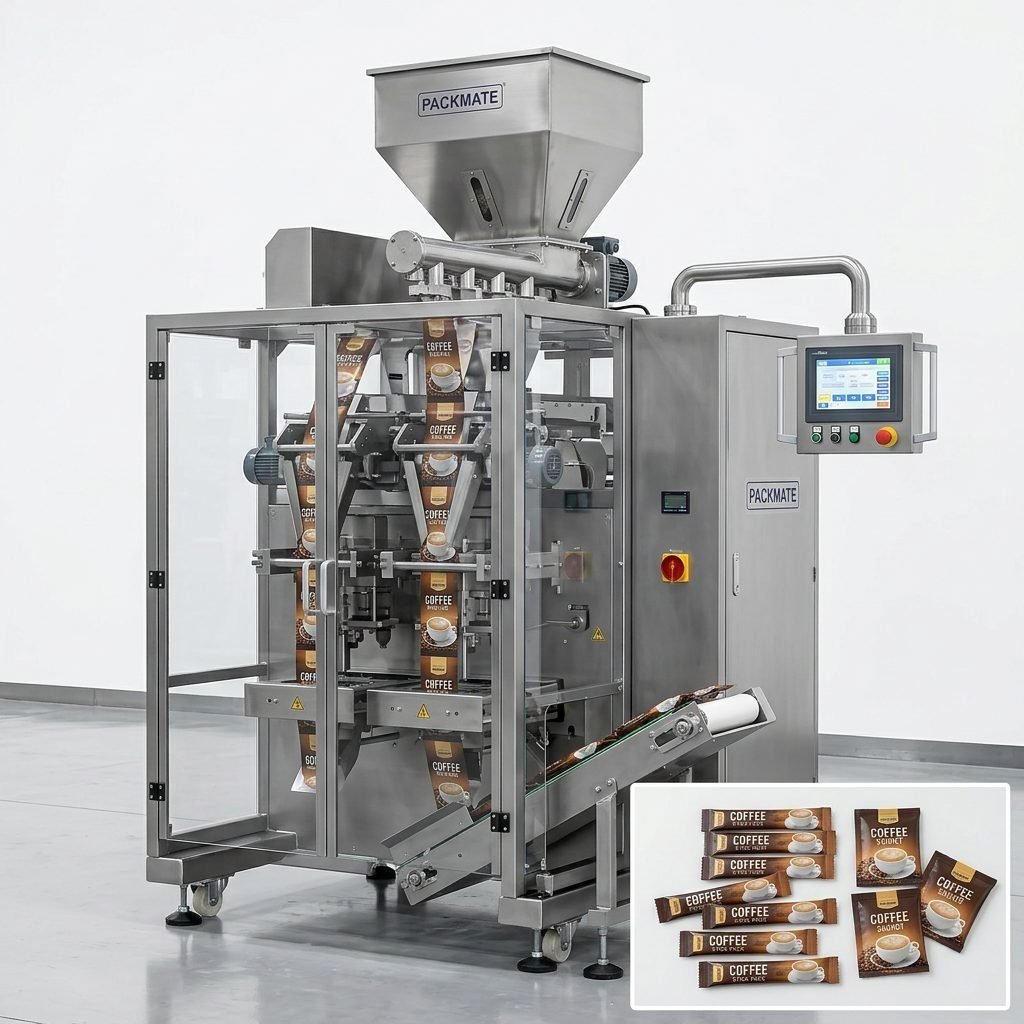
2. Multi-Lane Stick Pack & Sachet Machines
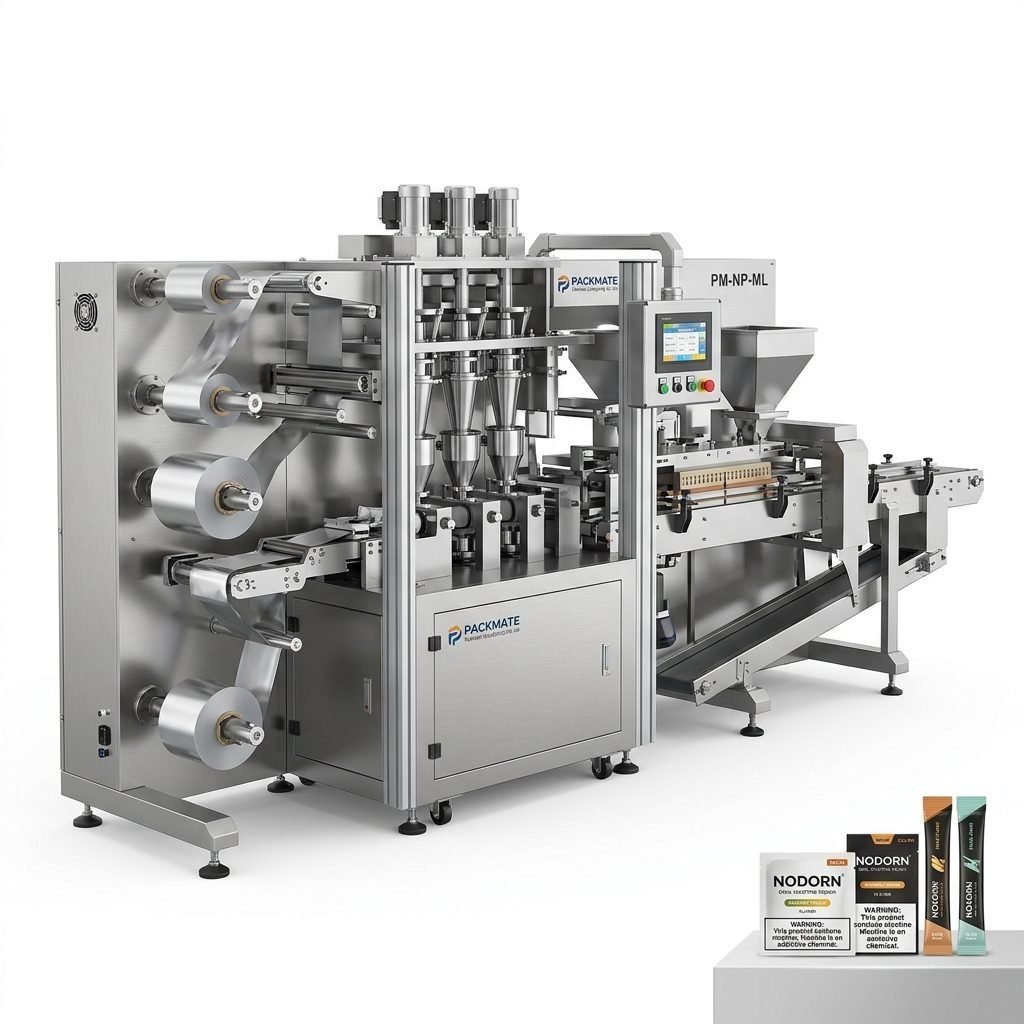
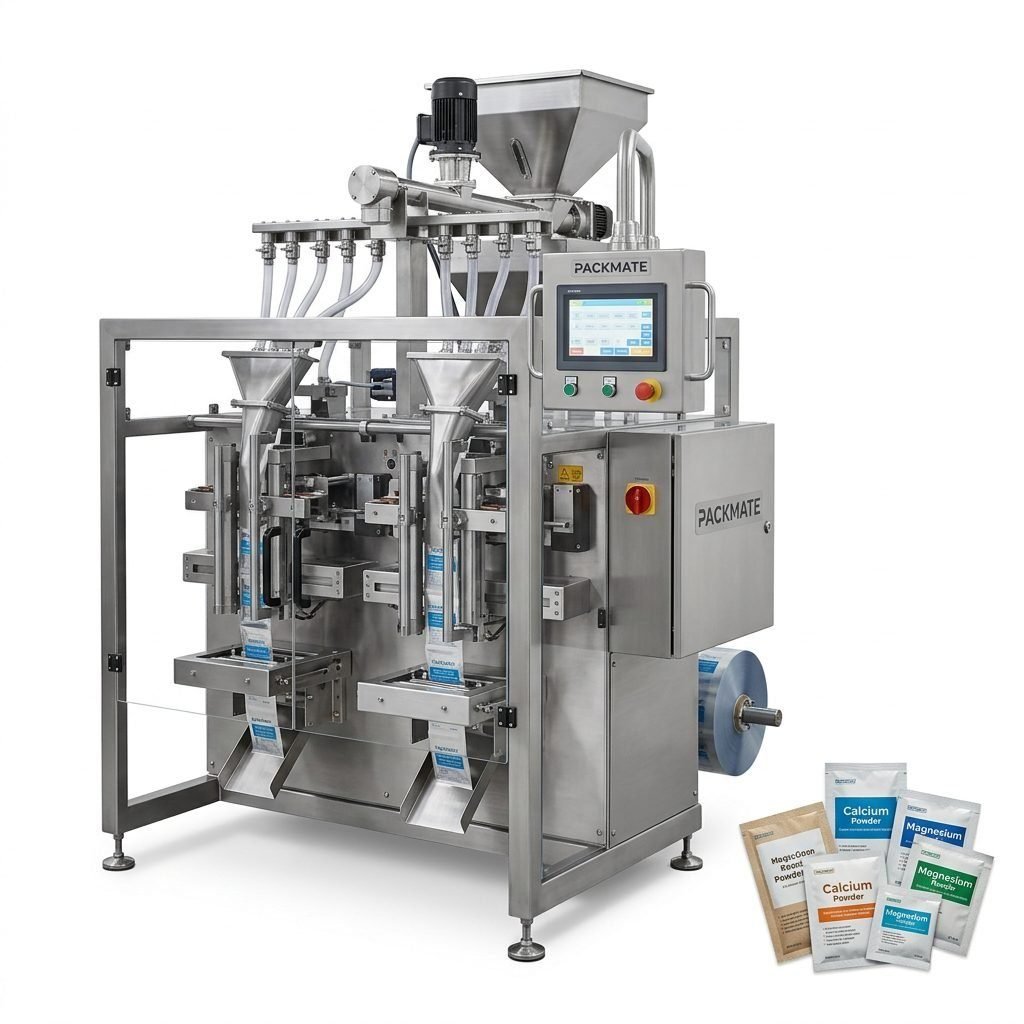
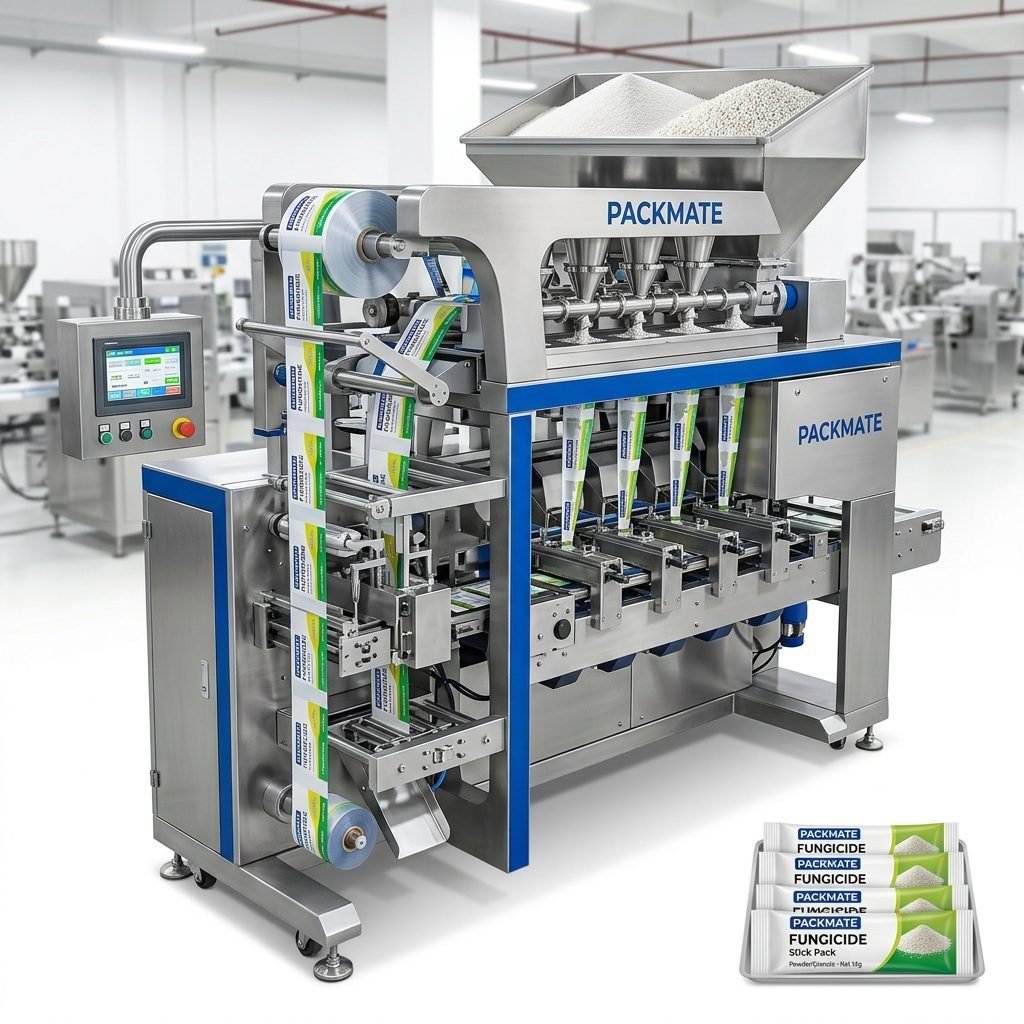
Designed for high-volume production of small, single-serve portions, these machines operate multiple lanes in parallel. They are perfect for creating stick packs (long, narrow sachets) or standard sachets for products like instant coffee, sugar, sauce mixes, pharmaceutical powders, and dietary supplements. Their multi-lane design dramatically increases output rates.
3. Pre-Made Pouch Fillers
Unlike VFFS machines, these systems use pre-manufactured pouches or bags. The machine opens the pouch, fills it with product (which can be solid, liquid, or viscous), and then seals it. This method is often preferred for products requiring high-quality printed packaging or unique bag shapes that are difficult to form from a roll.
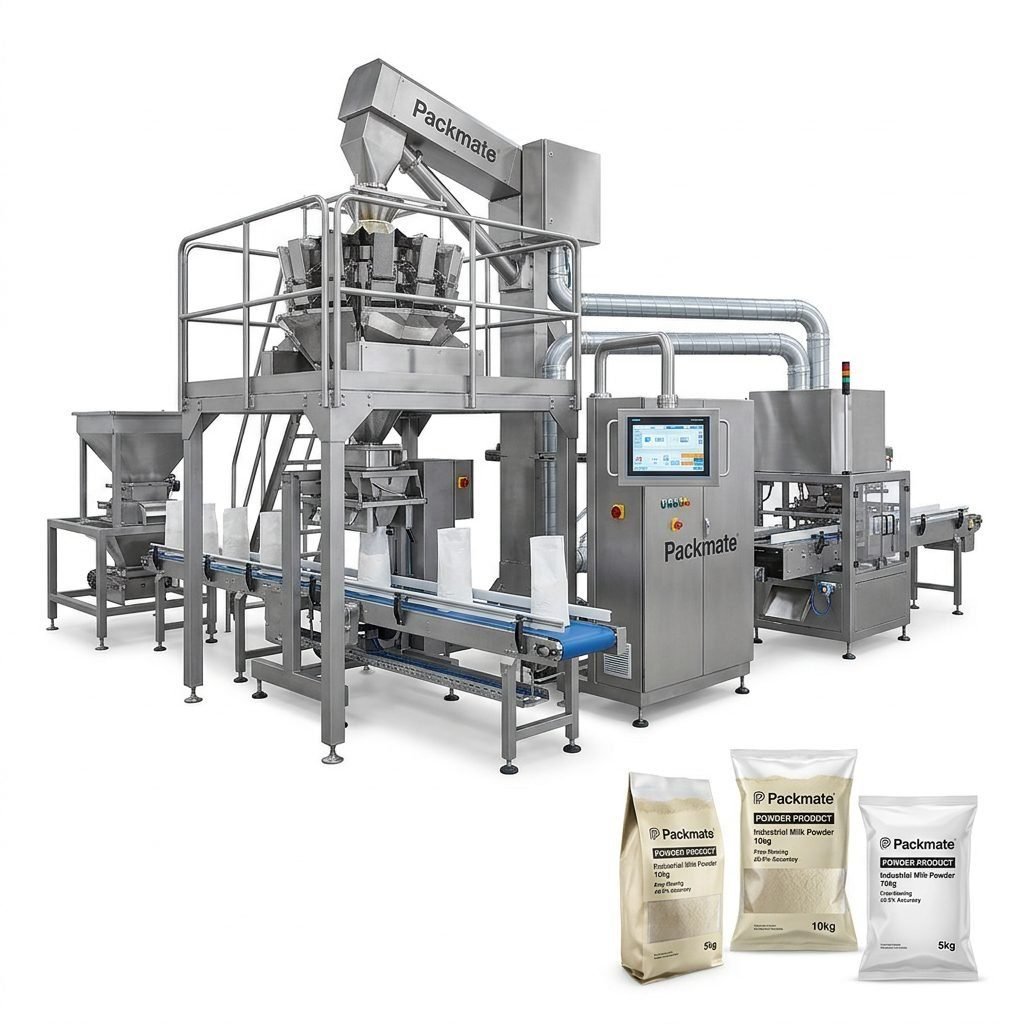
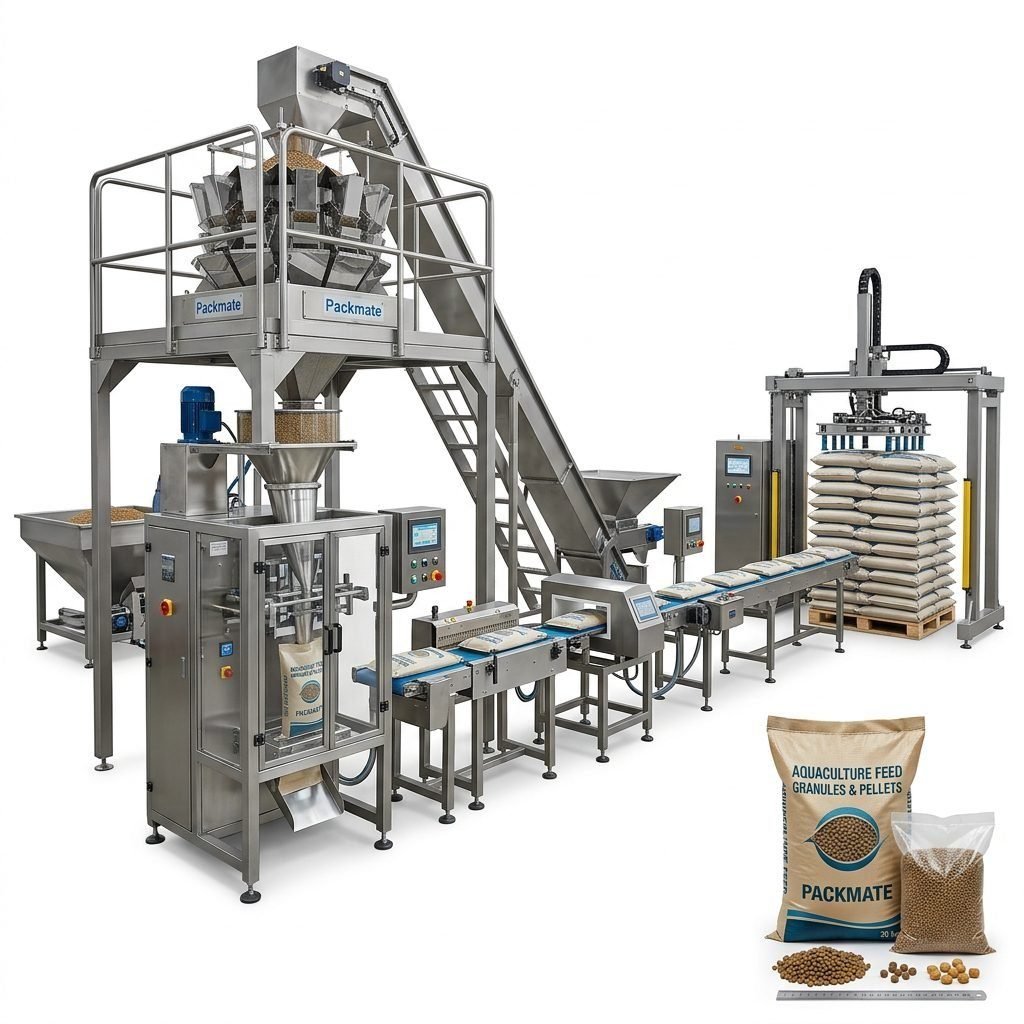
4. Bulk Bagging Systems
For industrial-scale packaging of large quantities, bulk baggers (also known as FIBC fillers) are used. They handle bags ranging from 25kg to over 1000kg, commonly for products like animal feed, fertilizers, chemicals, and construction materials. These systems incorporate heavy-duty weighing, filling, and often dust collection features.
Key Applications Across Industries
The versatility of automatic bagging machines makes them indispensable across numerous sectors. Here’s a breakdown of primary applications:
| Industry | Typical Products | Preferred Machine Types |
|---|---|---|
| Food & Beverage | Snacks, coffee, sugar, flour, spices, sauce mixes, powdered drinks | VFFS, Multi-Lane Sachet, Pre-Made Pouch |
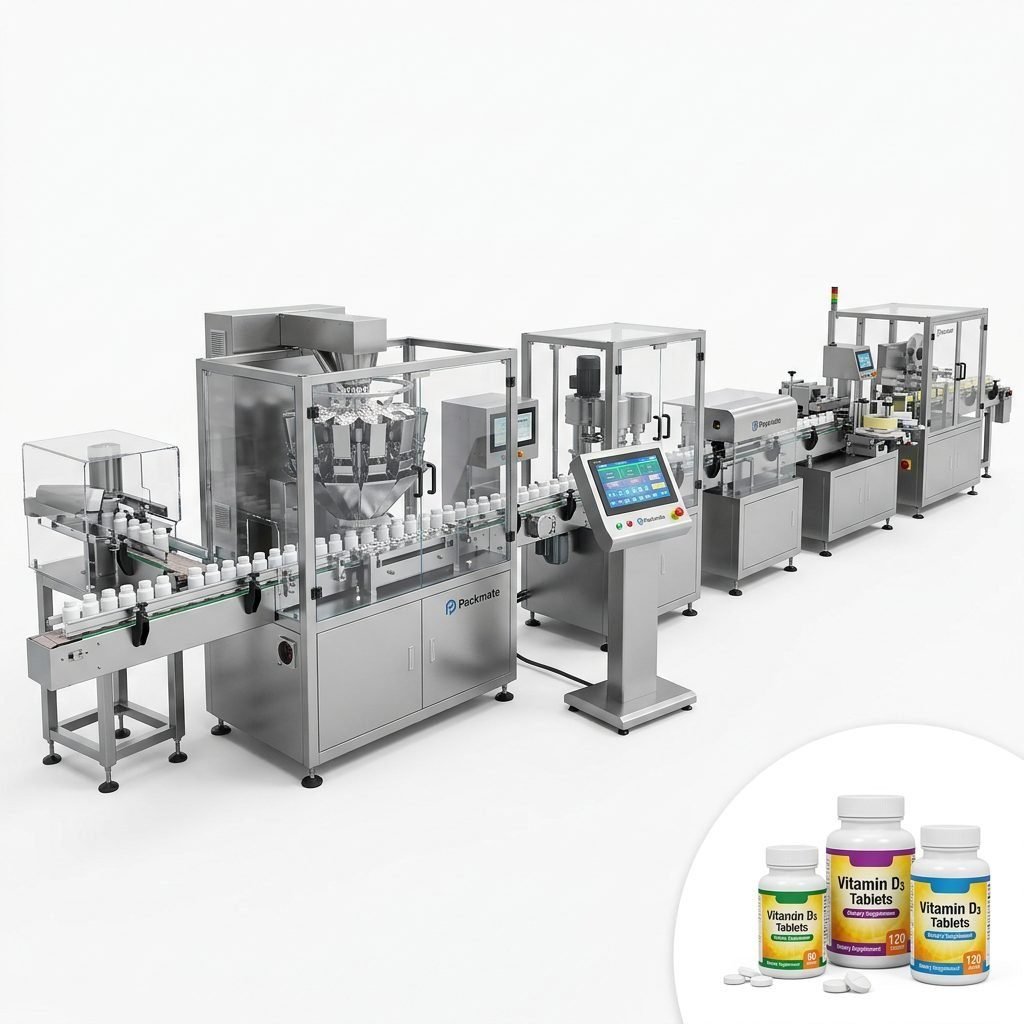
| Pharmaceutical & Nutraceutical | Powdered medicines, electrolyte mixes, protein powders, vitamin sachets | Multi-Lane Stick Pack, VFFS (with clean-room options) |
| Chemical & Industrial | Detergents, additives, lubricants, sealants, construction chemicals | Liquid Fillers, Bulk Baggers, Heavy-Duty VFFS |
| Agriculture & Pet Food | Animal feed, fertilizers, seeds, pet treats | Bulk Baggers, VFFS for small bags |
Specialized Applications: The Rise of Nicotine Pouch Packaging
A notable and growing niche is the packaging of modern oral nicotine pouches. This sector demands specialized machinery capable of handling fine, moist powders with extreme precision, high-speed multi-lane output, and often complex portioning. Companies like SnusMachinery have developed focused expertise in this area, offering customized turnkey lines that ensure consistent pouch weight, secure sealing, and compliance with stringent production standards.
Major Benefits of Automation
Investing in an automatic bagging machine delivers significant competitive advantages:
- Dramatically Increased Productivity: Machines can operate continuously at high speeds, far surpassing manual packing rates.
- Superior Consistency and Accuracy: Automated weighing and filling systems ensure every bag contains the exact target weight, reducing product giveaway and ensuring compliance.
- Substantial Labor Cost Reduction: Automation minimizes reliance on manual packing labor, allowing staff to be redeployed to more value-added tasks.
- Enhanced Product Hygiene and Safety: Closed systems minimize product exposure to contaminants and human contact, which is critical for food and pharmaceutical applications.
- Reduced Material Waste: Precise sealing and cutting mechanisms lead to less packaging film waste compared to manual methods.
- Improved Operational Data: Modern machines provide counts, weight statistics, and efficiency reports for better production management.
How to Choose the Right Automatic Bagging Machine
Selecting the optimal machine requires a thorough analysis of your specific needs. Consider the following factors:
1. Product Characteristics
Is your product a powder, granule, liquid, or solid? What is its flowability, density, and abrasiveness? Does it require special handling (e.g., nitrogen flushing for freshness)? The product dictates the type of feeder (auger, volumetric cup, pump) and sealing system needed.
2. Production Requirements
Determine your required output in bags per minute or hour. Also, define your bag size range and the types of packaging materials you plan to use (e.g., laminated films, aluminum foil).
3. Level of Automation
Do you need a standalone machine or a fully integrated turnkey packaging line? A complete line might include automated feeding, weighing, bagging, checkweighing, metal detection, and cartoning. For complex line integration, manufacturers like PacklineOEM specialize in designing and building these comprehensive systems.
4. Customization Needs
If your product or packaging format is non-standard, you may require a customized solution. Manufacturers such as PackingMachineOEM and Ludyway offer strong engineering support to adapt machines to specific bag shapes, dosing mechanisms, or factory layouts.
5. Supplier Capability and Support
Evaluate the manufacturer’s experience, reputation, and after-sales service. Can they provide installation, training, and readily available spare parts? Established exporters like Packmate Machinery with decades of experience are often a reliable choice for ensuring long-term machine uptime and support.
Frequently Asked Questions (FAQs)
Q: What is the typical payback period for an automatic bagging machine?
A: The payback period varies based on machine cost, labor savings, and production volume. For operations replacing several manual lines, it can often be between 12 to 24 months due to dramatic increases in output and reductions in labor and waste.
Q: Can one machine handle different bag sizes and products?
A: Many machines are designed with changeover capabilities. However, the ease and time required for changeover differ. Discuss your need for flexibility with the supplier; quick-change parts and recipe storage in the PLC can facilitate switching between products.
Q: How important is after-sales service and technical support?
A> It is critical. Ensure your supplier offers comprehensive commissioning, operator training, detailed manuals, and access to spare parts. Reliable remote and on-site technical support is essential for minimizing downtime.
Q: What are the key maintenance requirements?
A> Regular daily cleaning, lubrication of moving parts as per the manual, and inspection of critical components like sealing jaws, cutting blades, and filters are essential. Preventive maintenance schedules provided by the manufacturer should be strictly followed.