The demand for automated packaging solutions in the incense industry is growing globally. Manufacturers are increasingly turning to automatic incense packaging machines to enhance production efficiency, ensure product consistency, and meet the rising market needs for speed and hygiene. These machines are designed to handle the delicate nature of incense sticks, cones, and powders with precision, minimizing waste and labor costs. From small-scale artisanal producers to large industrial manufacturers, the right packaging automation can be a game-changer for business scalability and product quality.
Key Types of Automatic Incense Packaging Machines
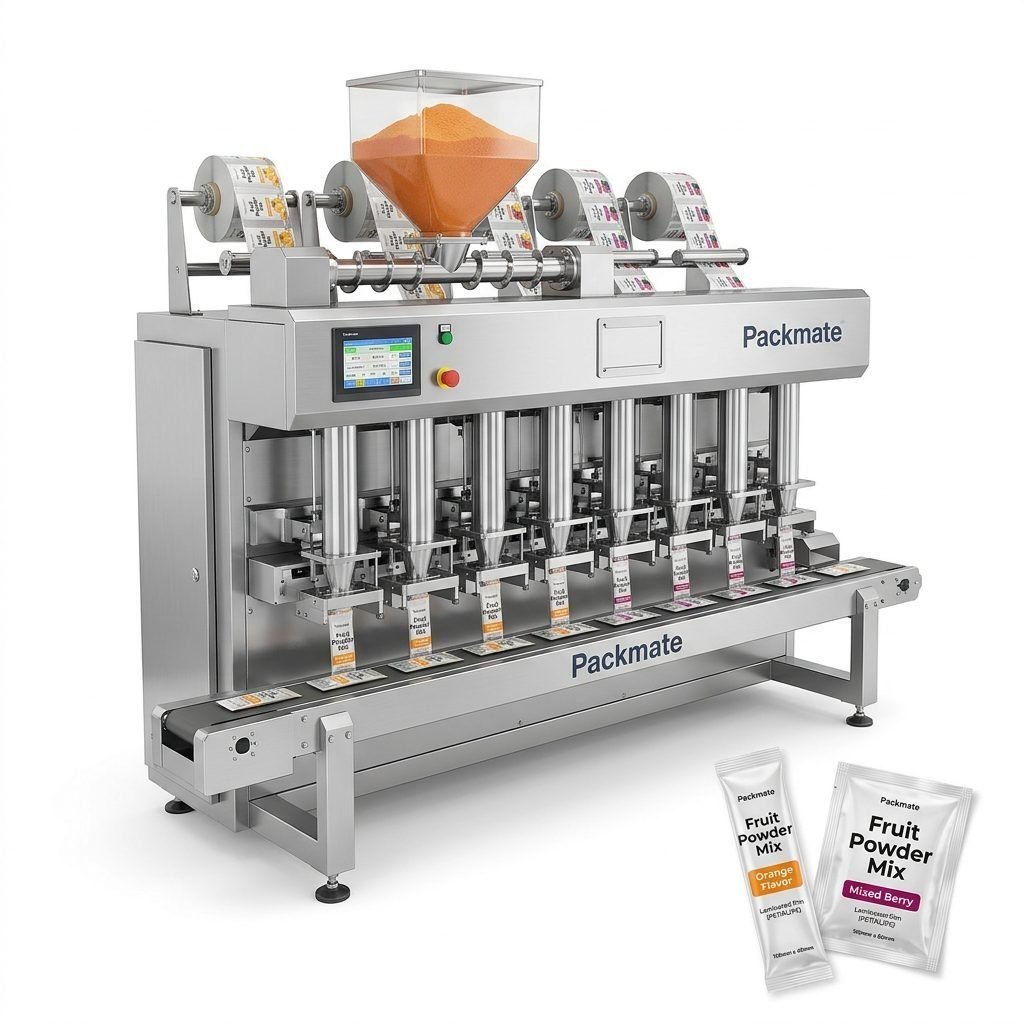
Understanding the different types of machines is crucial for selecting the right equipment for your specific incense products. The primary formats include stick packs, sachets, and boxes.
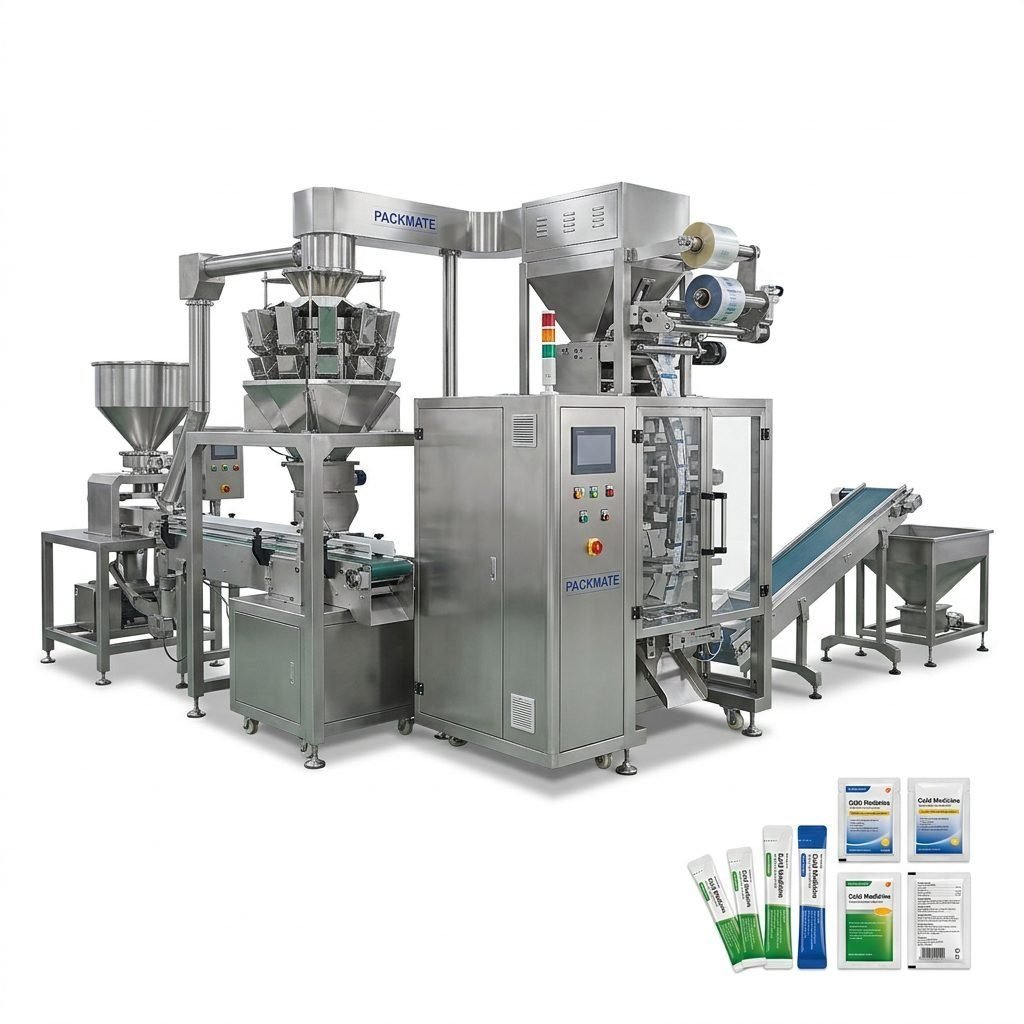
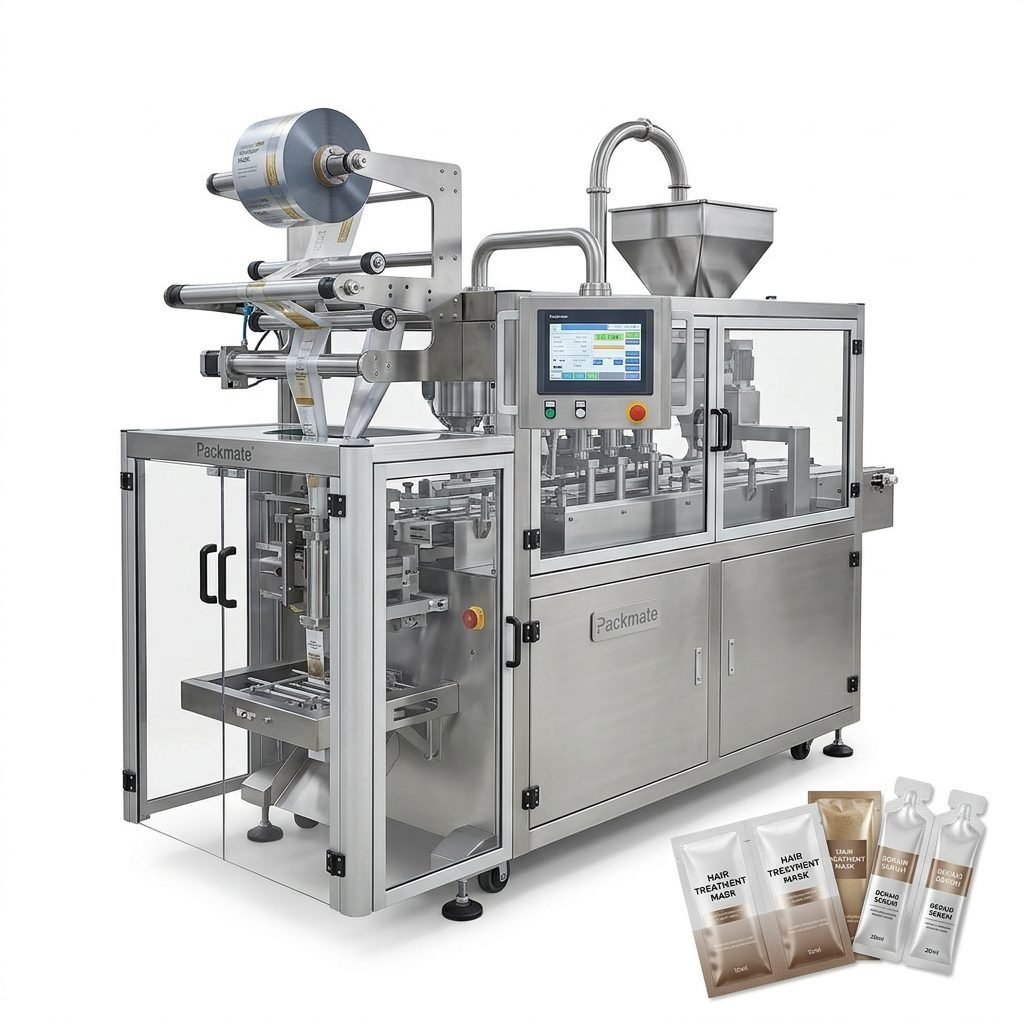
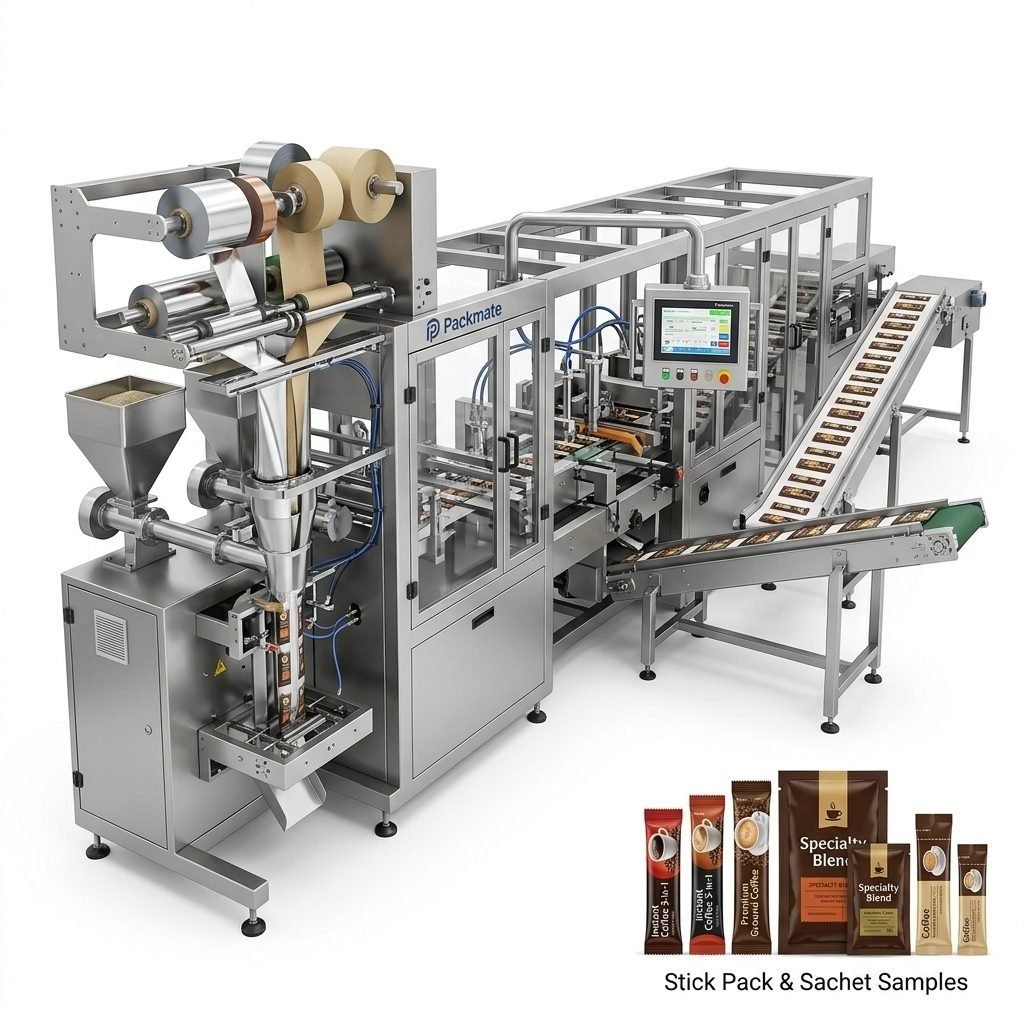
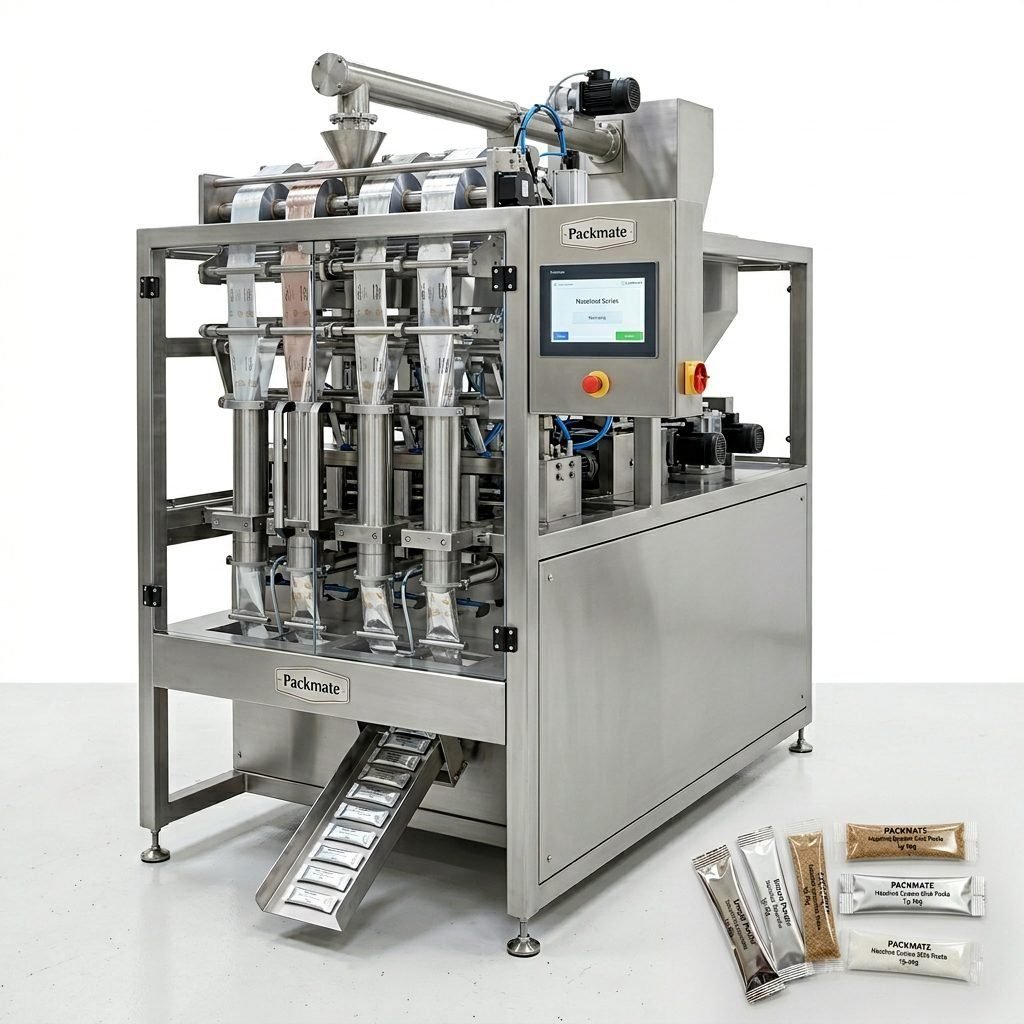
Vertical Form-Fill-Seal (VFFS) Machines: These are highly versatile and commonly used for packaging incense powders or small, granular incense materials into pillow-style pouches or sachets. They form the bag from a roll of film, fill it with a pre-measured dose, and then seal it—all in one continuous operation. They are ideal for creating single-use incense powder packets.
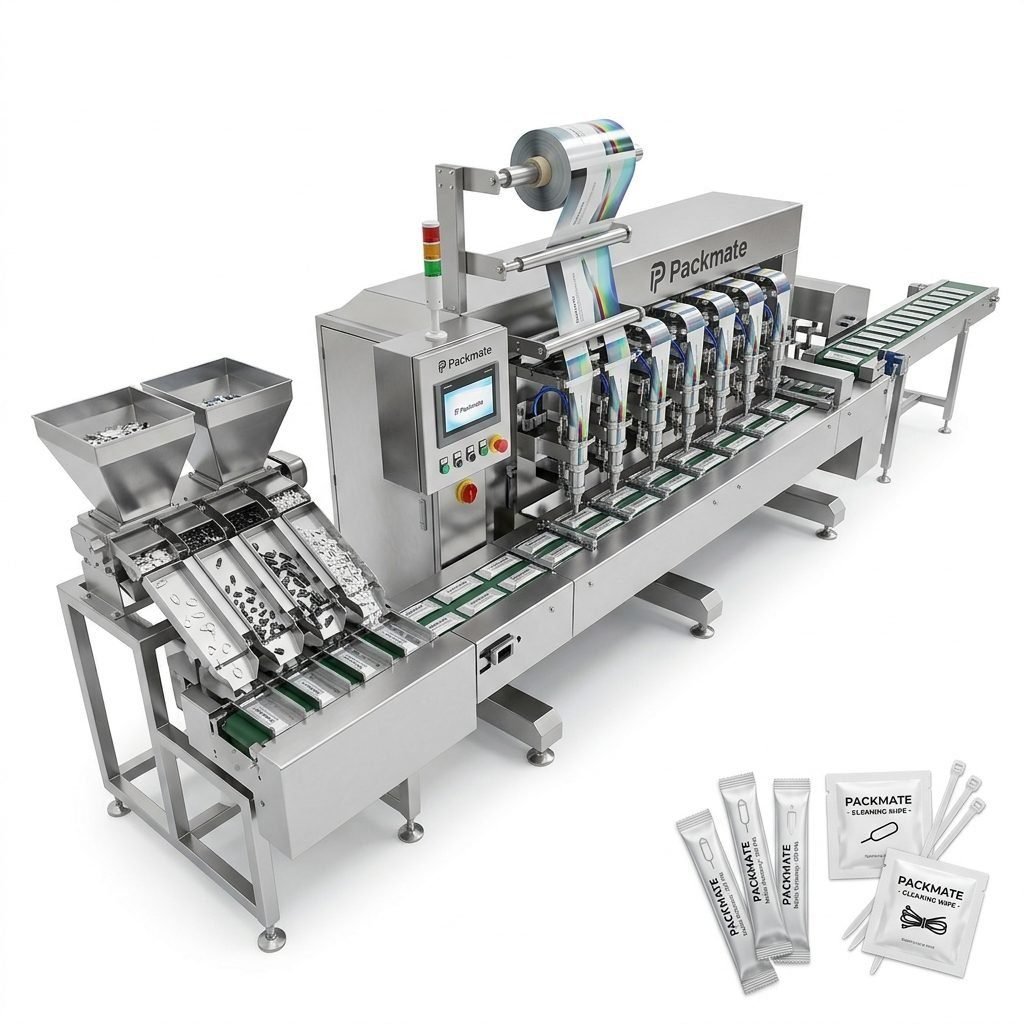
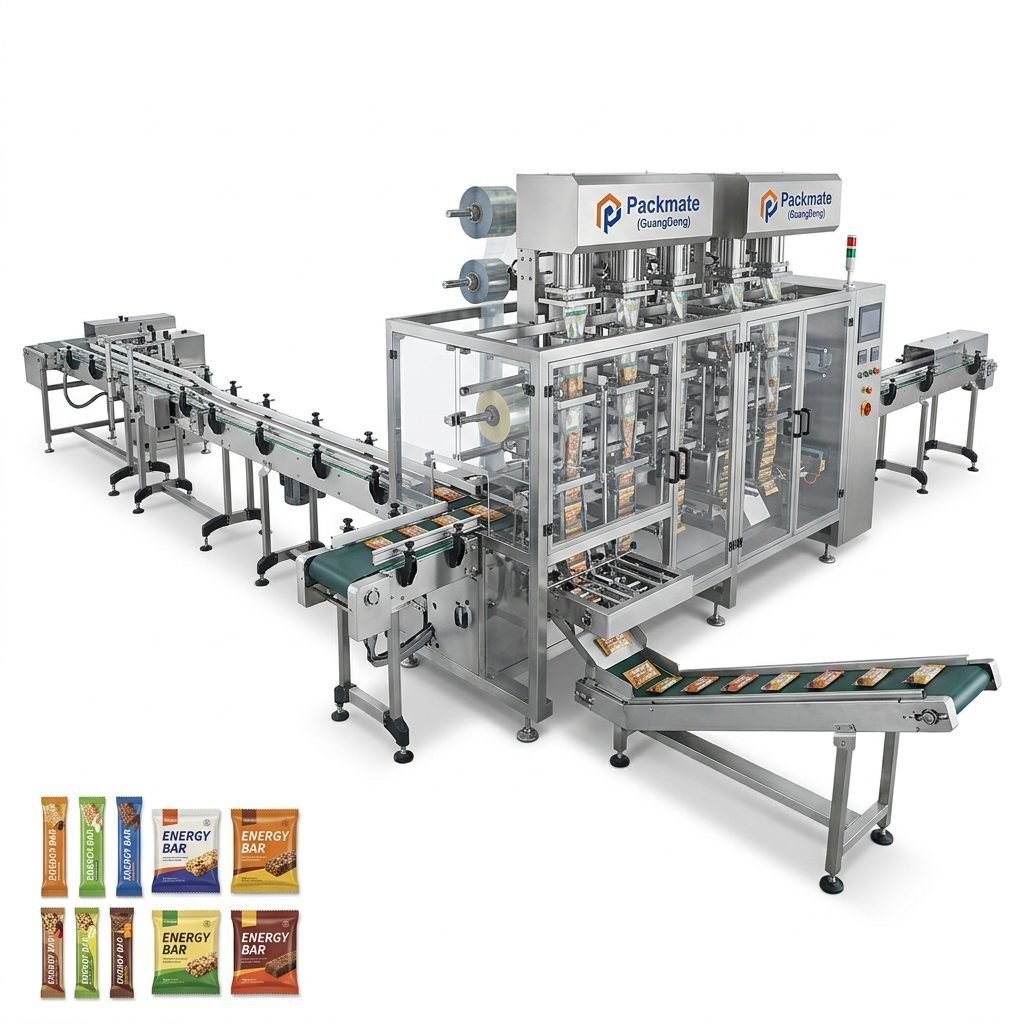
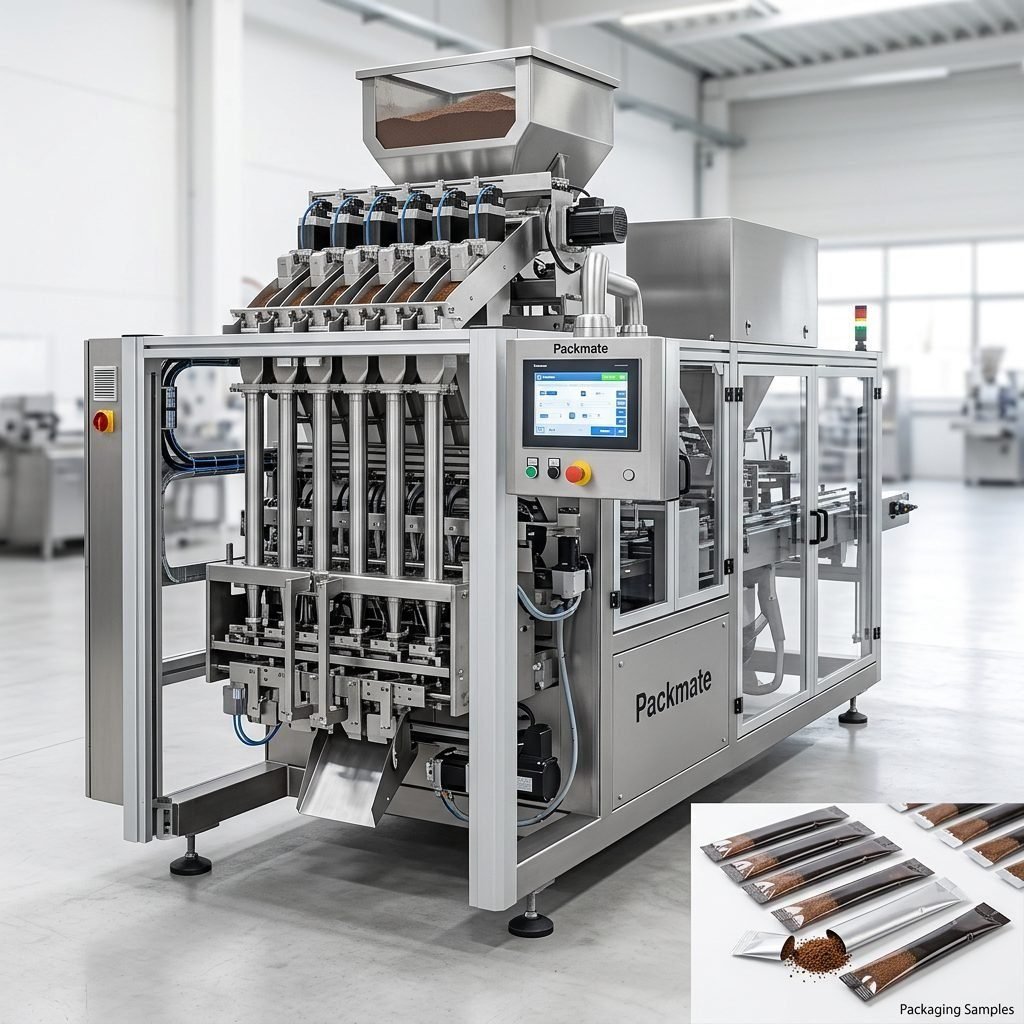
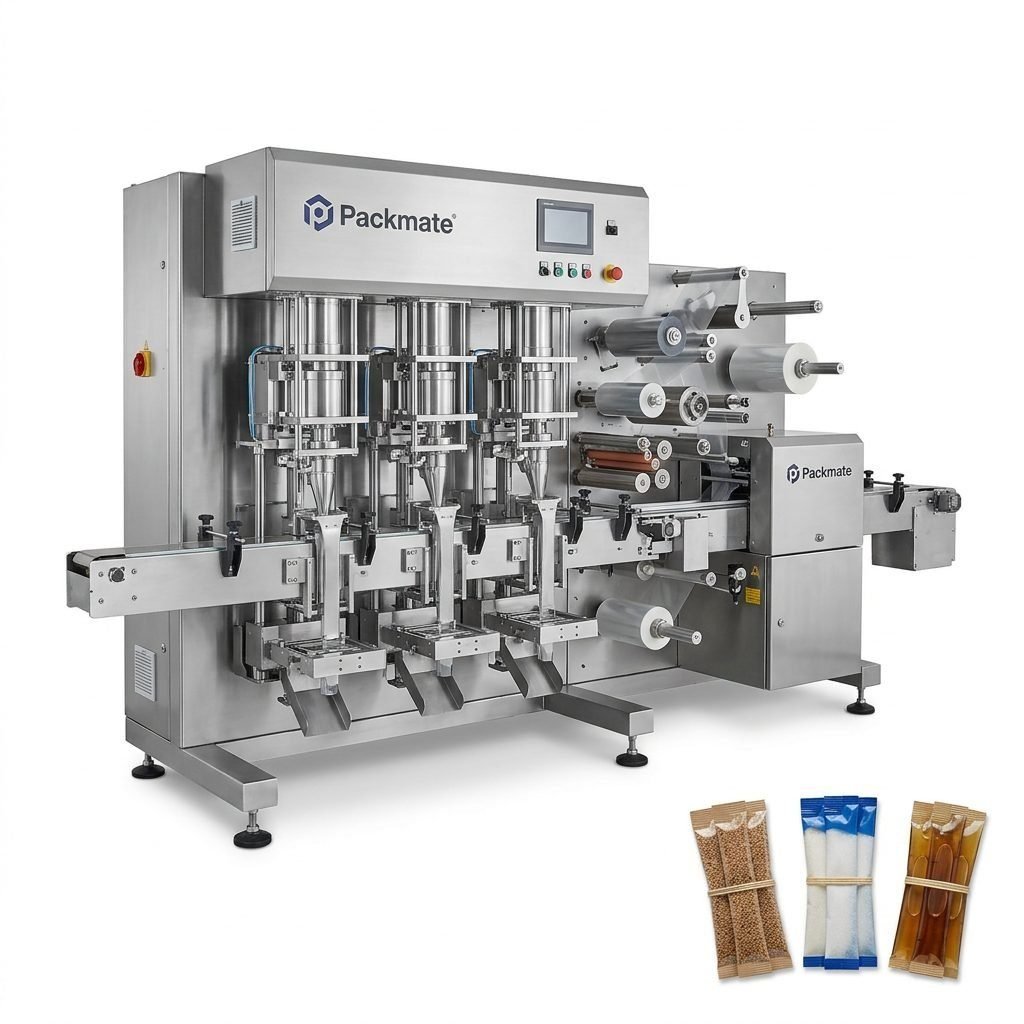
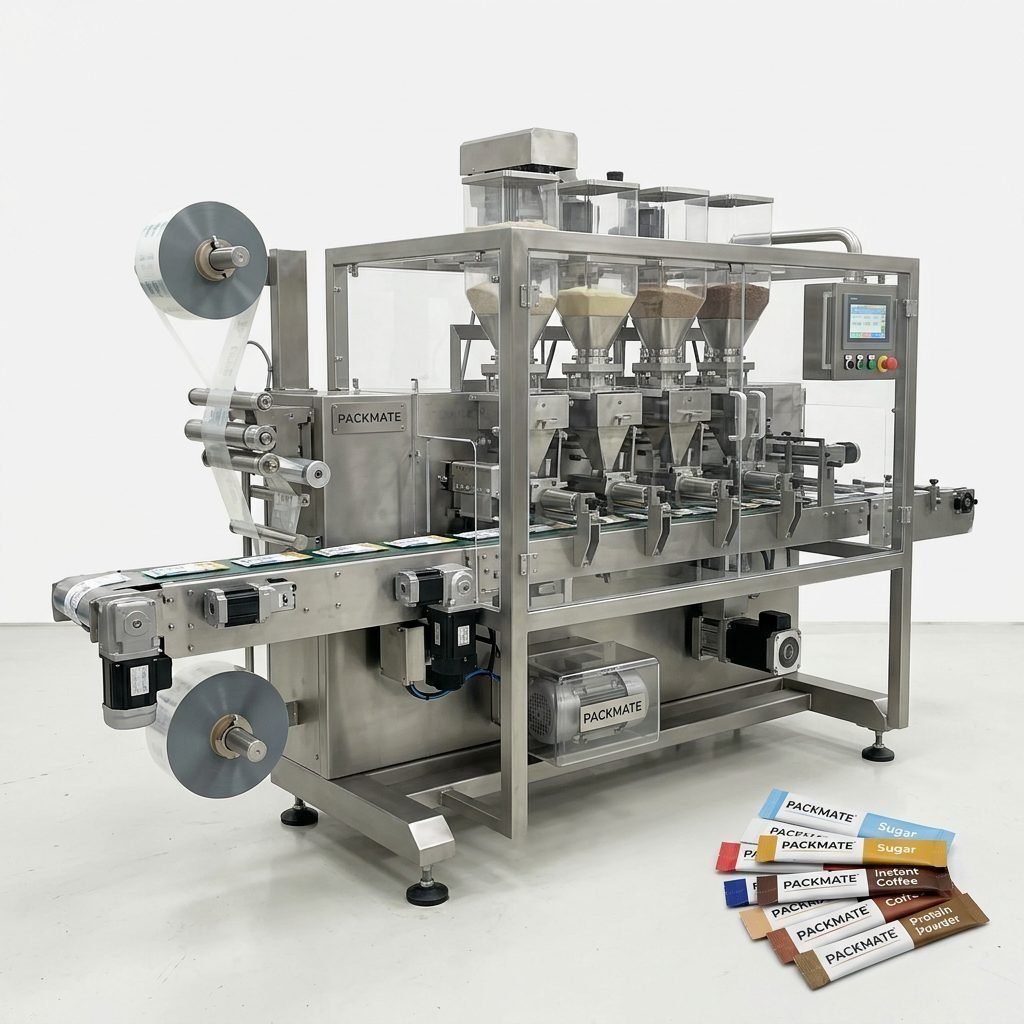
Stick Pack Machines: Specifically designed for long, slender products, these machines are perfect for packaging individual incense sticks. They can handle multiple lanes simultaneously, offering high output. The packaging material is formed around the stick, filled (if applicable, for dipped incense), and sealed at both ends.
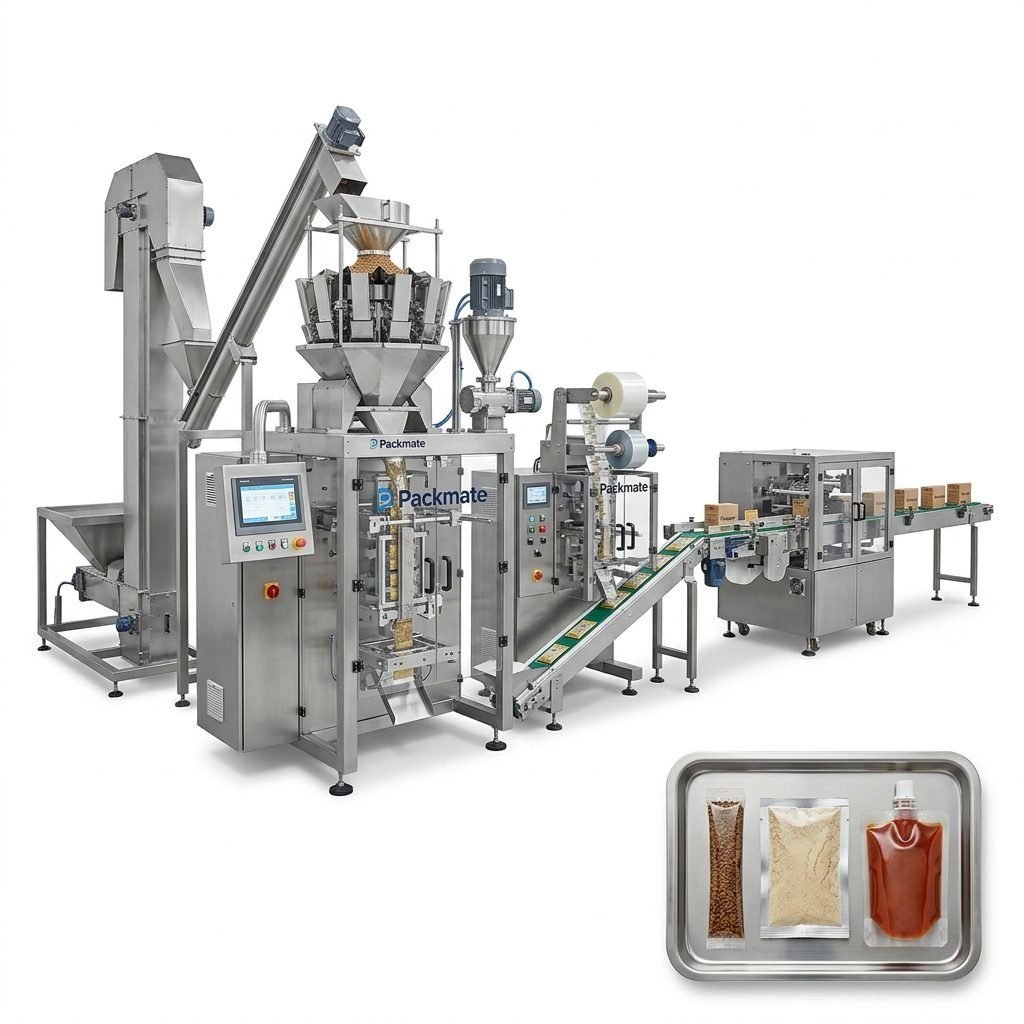
For bundling multiple incense sticks into retail-ready boxes or cartons, automatic cartoning machines are used downstream. These machines erect cartons, insert the pre-packaged sticks or bundles, and close them seamlessly. Some advanced lines integrate multi-lane stick pack machines with automatic cartoners for a complete turnkey solution.
Specialized Machines for Different Incense Forms
- Incense Cone Packers: Use cup-shaped pockets or vibratory feeders to gently handle and count cones before placing them into boxes or pouches.
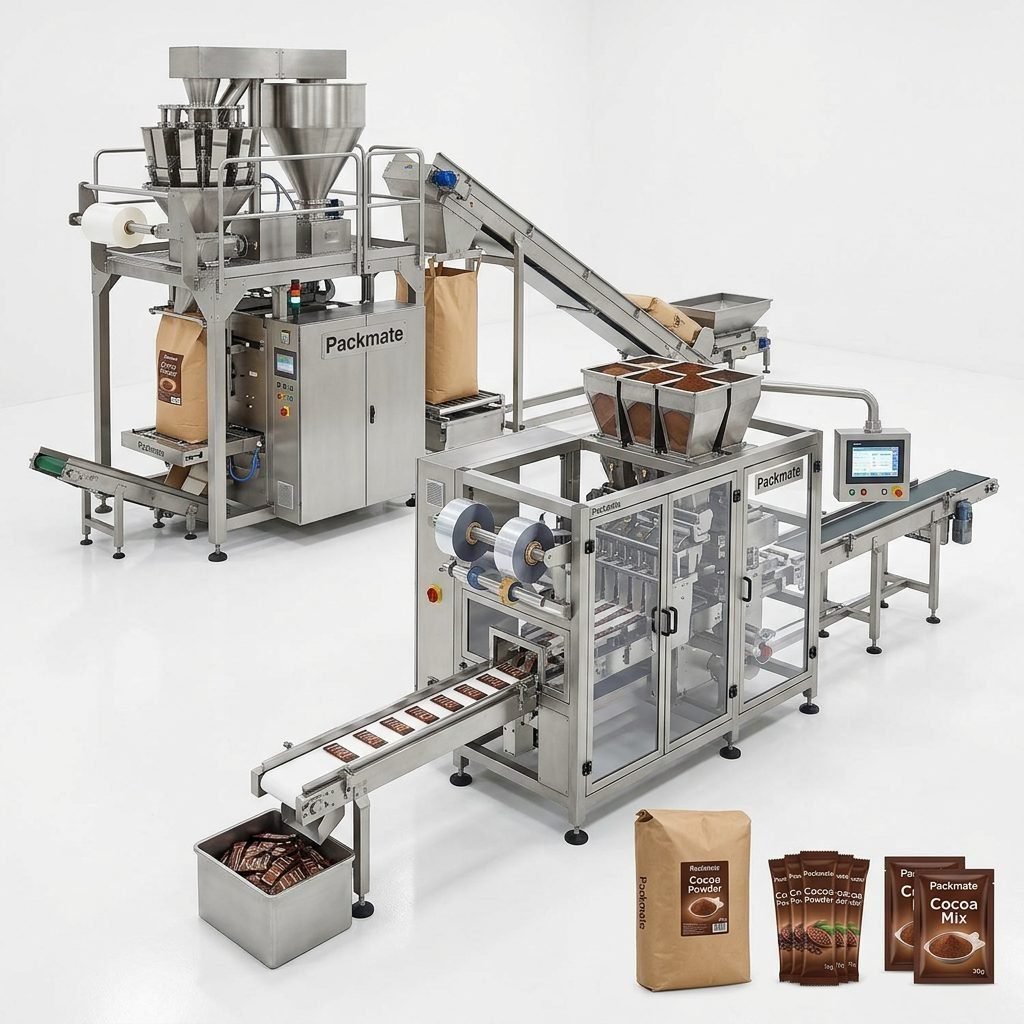
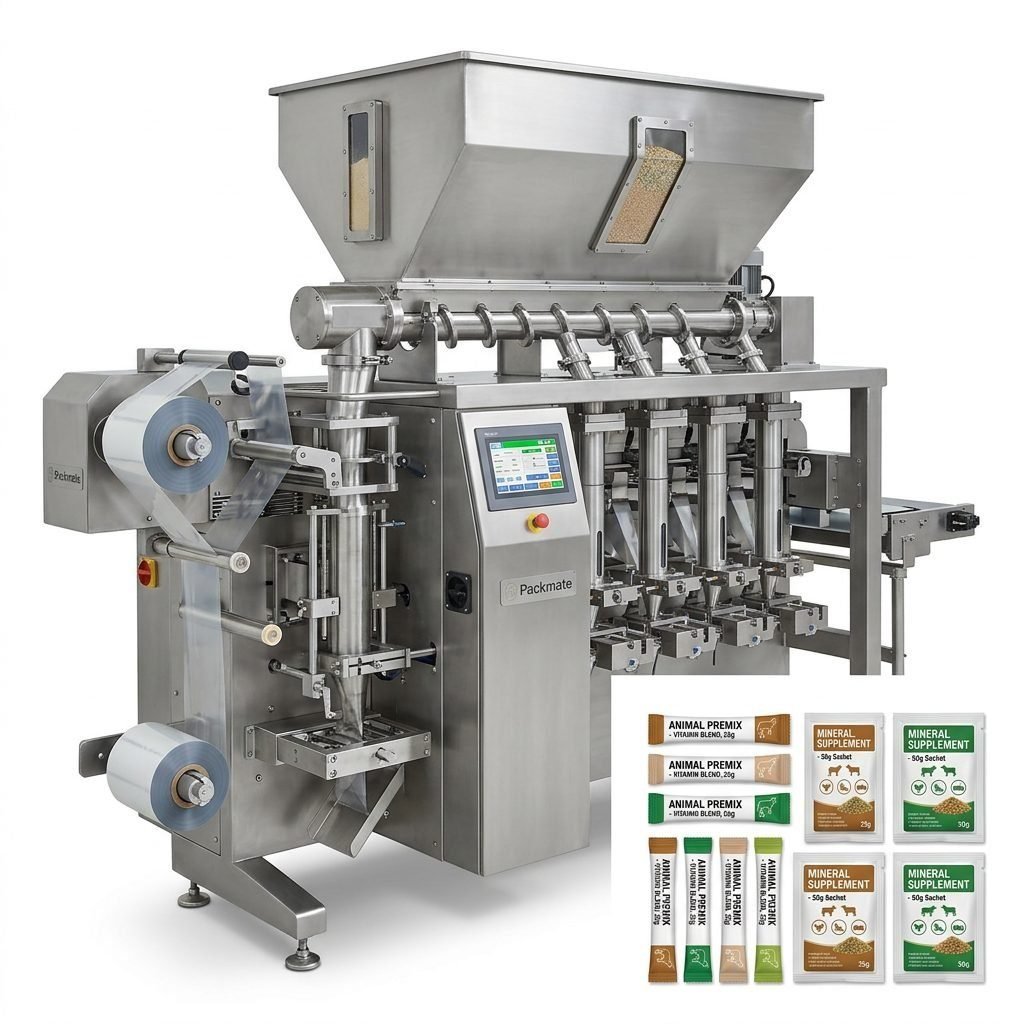
- Bulk Powder Fillers: For packaging loose incense powder into jars, tins, or large bags. These often use auger filler systems for precise weight control.
- Combination Weighers: Used in conjunction with VFFS machines to achieve high-speed, accurate weight dosing for powdered incense blends.
Essential Features to Look For
When investing in an automatic incense packaging machine, several key features determine its efficiency, reliability, and suitability for your production line.
| Feature | Importance for Incense Packaging |
|---|---|
| Multi-Lane Capability | Dramatically increases output by packaging multiple sticks or sachets simultaneously. Essential for high-volume production. |
| Gentle Product Handling | Incense sticks are fragile. Machines must have soft transfer systems and vibration control to prevent breakage. |
| Precision Dosing & Weighing | Critical for powdered incense to ensure consistent weight in each packet, complying with labeling laws and controlling costs. |
| Material Compatibility | Must work with various packaging films (e.g., metallized, paper laminates) and be easy to change over for different product lines. |
| Integrated Coding & Inspection | Automatic date/batch coding and vision systems for label verification or seal integrity checks ensure quality and traceability. |
Furthermore, ease of cleaning and maintenance is vital, especially when switching between different incense scents or colors to prevent cross-contamination. Stainless steel contact parts and accessible designs are a significant advantage.
Price Range and Investment Considerations
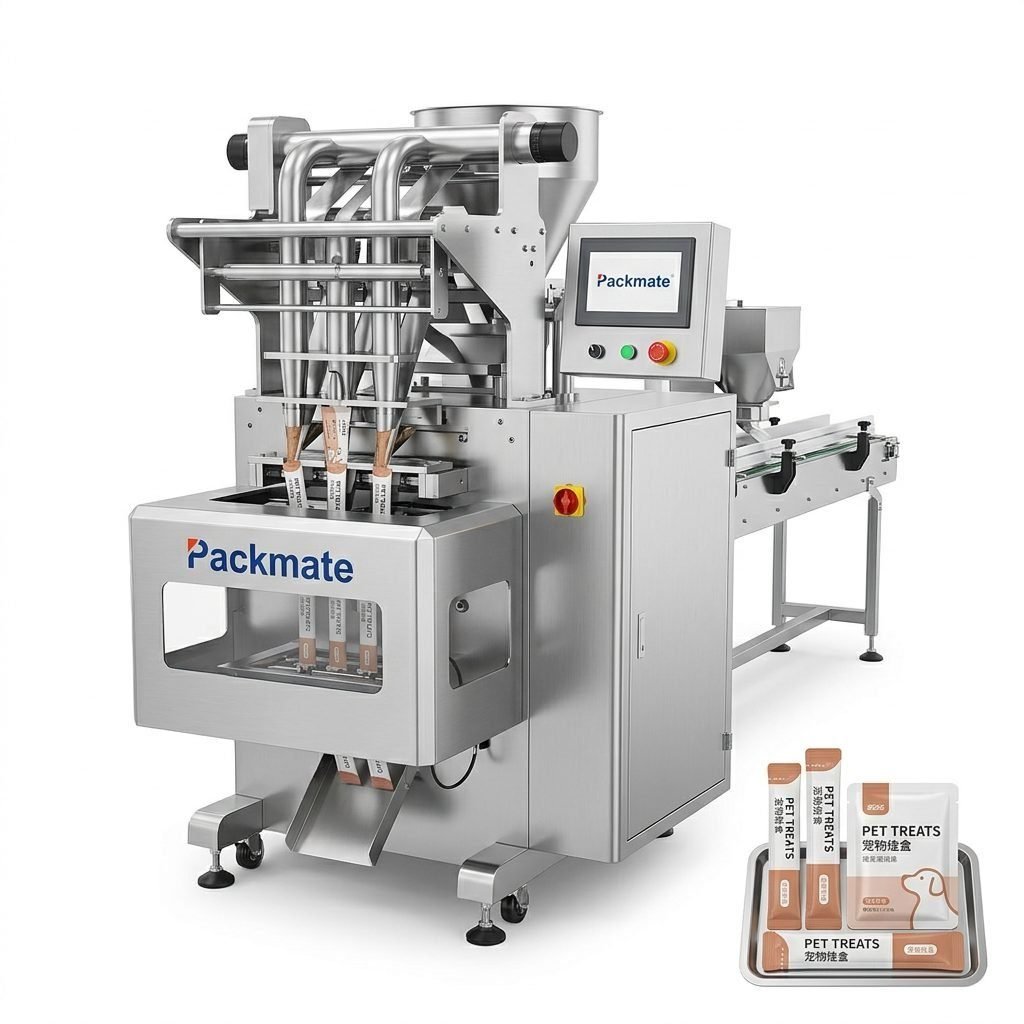
The price of an automatic incense packaging machine varies widely based on its type, features, speed, and level of automation. A basic single-lane stick pack machine may start around $20,000 – $50,000. High-speed, multi-lane systems with integrated weighing, cartoning, and robotics can range from $100,000 to over $500,000.
Key factors influencing cost include:
- Production Speed (Output): Machines with higher bags/per-minute (BPM) output command a premium.
- Level of Automation: Fully integrated lines with automatic feeding, inspection, and palletizing are more expensive than standalone machines.
- Customization: Machines tailored for unique incense shapes or packaging materials will have higher engineering costs.
- Brand and Origin: Established manufacturers like Packmate Machinery or PacklineOEM offer reliable machines at competitive price points, balancing cost and performance.
It’s crucial to view this as a long-term investment. The right machine reduces labor costs, minimizes material waste, improves product presentation, and increases overall capacity, leading to a faster return on investment (ROI).
Comprehensive Buying Guide for Manufacturers
Selecting the right supplier and machine requires careful planning. Follow this step-by-step guide to make an informed decision.
1. Define Your Requirements
Start by detailing your current and future needs:
- Product type (sticks, cones, powder, coils).
- Desired packaging format (stick pack, sachet, box).
- Required output (packs per minute/hour).
- Available factory space and utilities (power, air supply).
2. Research and Shortlist Suppliers
Look for manufacturers with proven experience in similar industries. Evaluate their:
- Industry Experience: Companies with 20-30 years of experience, like PackingMachineOEM, often have more robust designs and better support.
- Product Portfolio: Can they provide the specific machine you need, or even a complete line?
- After-Sales Service: Availability of spare parts, technical support, and training is critical for minimizing downtime.
For specialized products like nicotine pouch packaging (similar in form to some incense sachets), a niche expert like SnusMachinery might offer valuable application-specific insights.
3. Request for Quotation (RFQ) and Evaluation
Provide detailed specs to shortlisted suppliers. Compare not just the price, but the total value:
- Machine specifications and guaranteed performance.
- Warranty period and terms.
- Delivery and installation timeline.
- References from existing customers, especially in your region or industry.
4. Consider Integration and Support
If you are building a new line, consider suppliers who can deliver a turnkey solution. Companies like Ludyway specialize in integrating individual machines (filling, sealing, cartoning) into a seamless, automated line. Ensure the supplier offers comprehensive installation, commissioning, and operator training.
5. Plan for the Future
Choose a machine and supplier that can scale with your business. Consider modular designs that allow for future upgrades (adding lanes, new functions). A reliable partner will support you through expansion.
Frequently Asked Questions (FAQs)
Q: What is the typical output speed of an automatic incense stick packaging machine?
A: Speed varies greatly. A standard multi-lane stick pack machine can typically package 200-600 sticks per minute, depending on the number of lanes and machine configuration. High-end systems can exceed 1000 sticks per minute.
Q: Can one machine handle different sizes of incense sticks?
A: Many modern machines are designed with quick-changeover features. By changing forming tubes, sealing jaws, and adjusting settings, they can accommodate different stick lengths and diameters, though significant size differences may require some mechanical adjustments.
Q: How do I ensure the machine handles fragile incense sticks without breakage?
A: Look for machines with gentle handling systems like servo-driven feeders, soft-belt conveyors, and controlled vibration. Discuss your product’s fragility with the manufacturer; they can often customize feed mechanisms or recommend specific lane designs to minimize damage.
Q: What kind of maintenance do these machines require?
A: Regular maintenance includes daily cleaning (especially important for scented products), lubrication of moving parts, inspection of sealing jaws and cutters, and calibration of weighing systems. A good supplier will provide a detailed maintenance schedule and training.
Q: Is operator training provided by the machine supplier?
A: Reputable suppliers almost always include on-site training as part of the installation and commissioning process. This covers machine operation, basic troubleshooting, routine maintenance, and safety procedures. Ensure this is clearly stated in your purchase agreement.